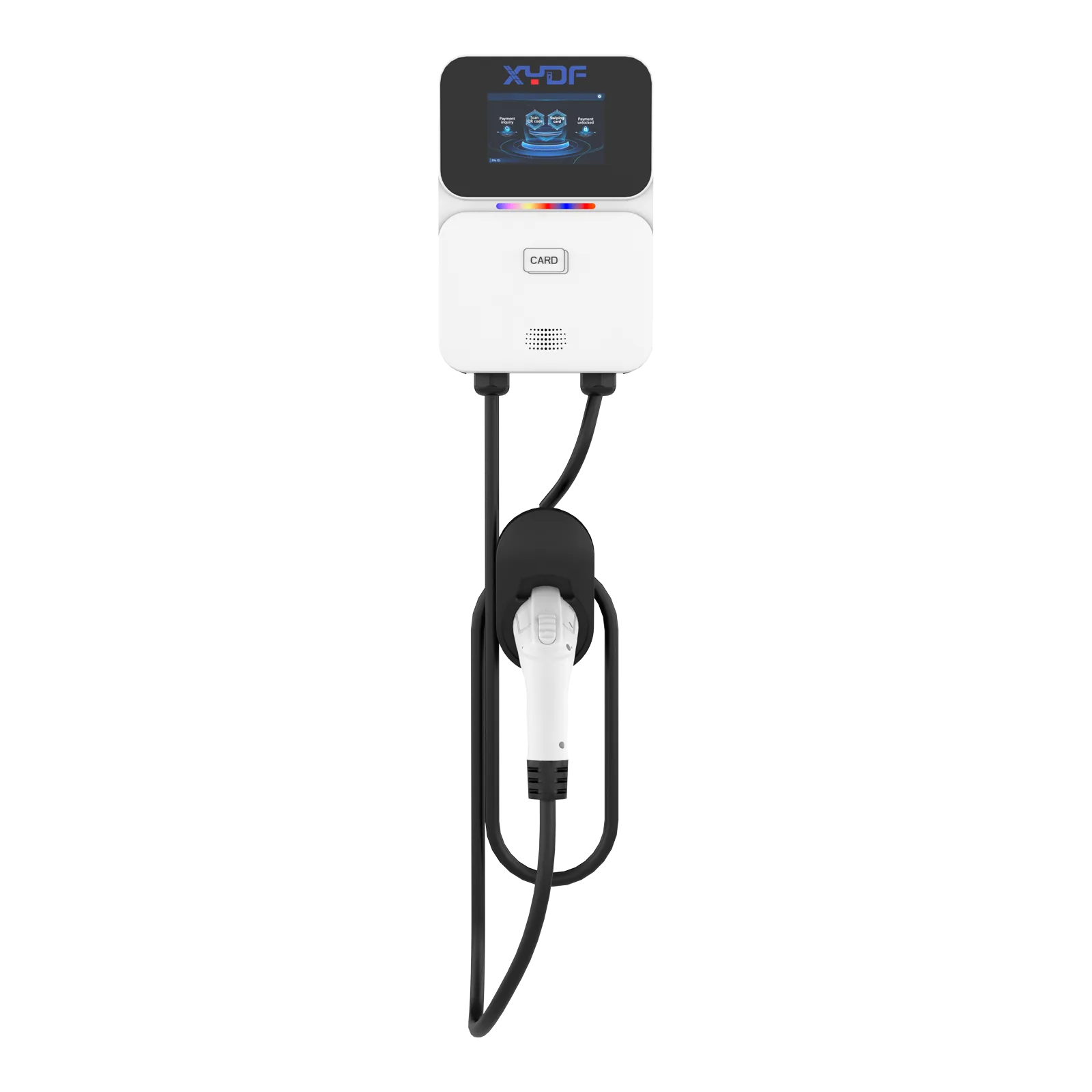
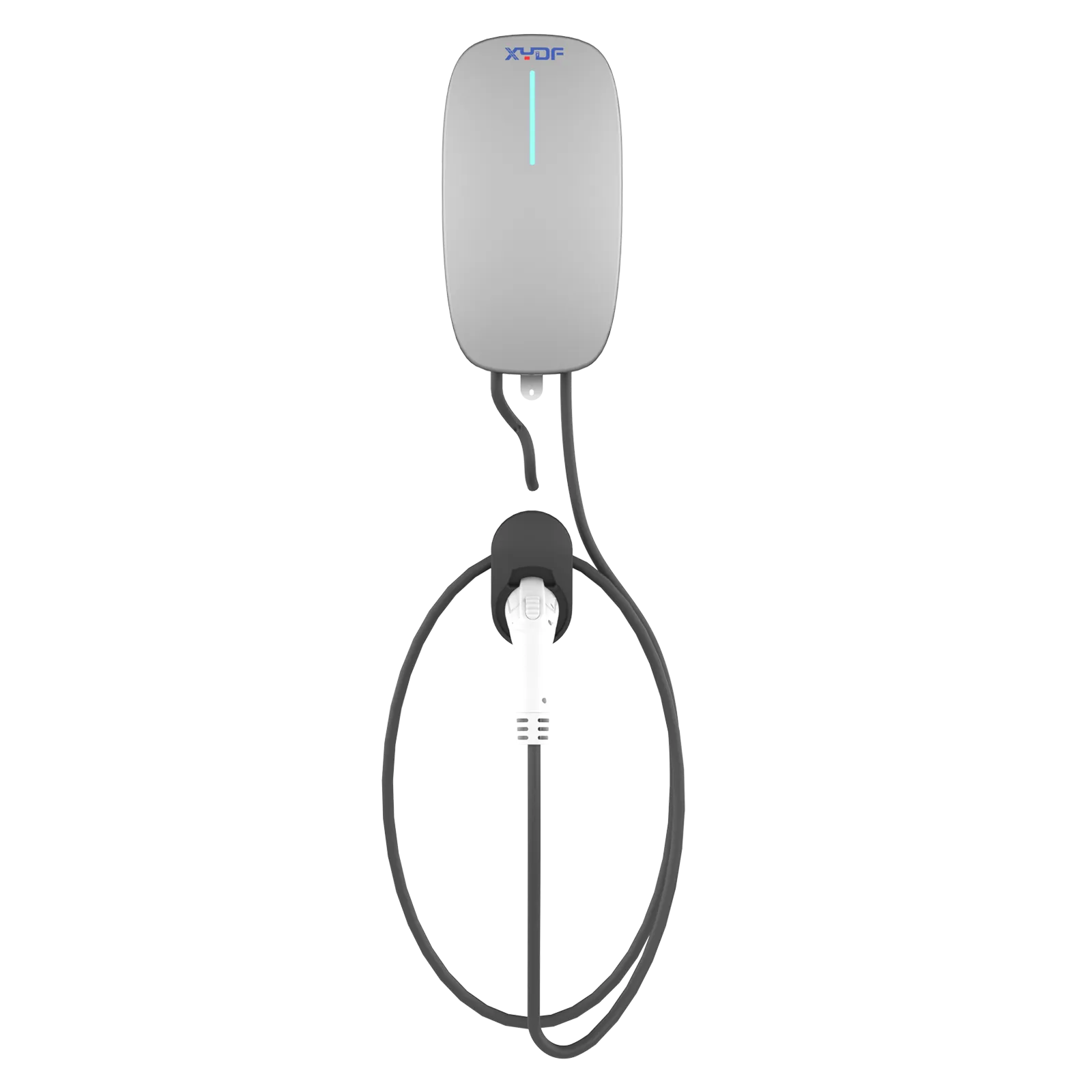
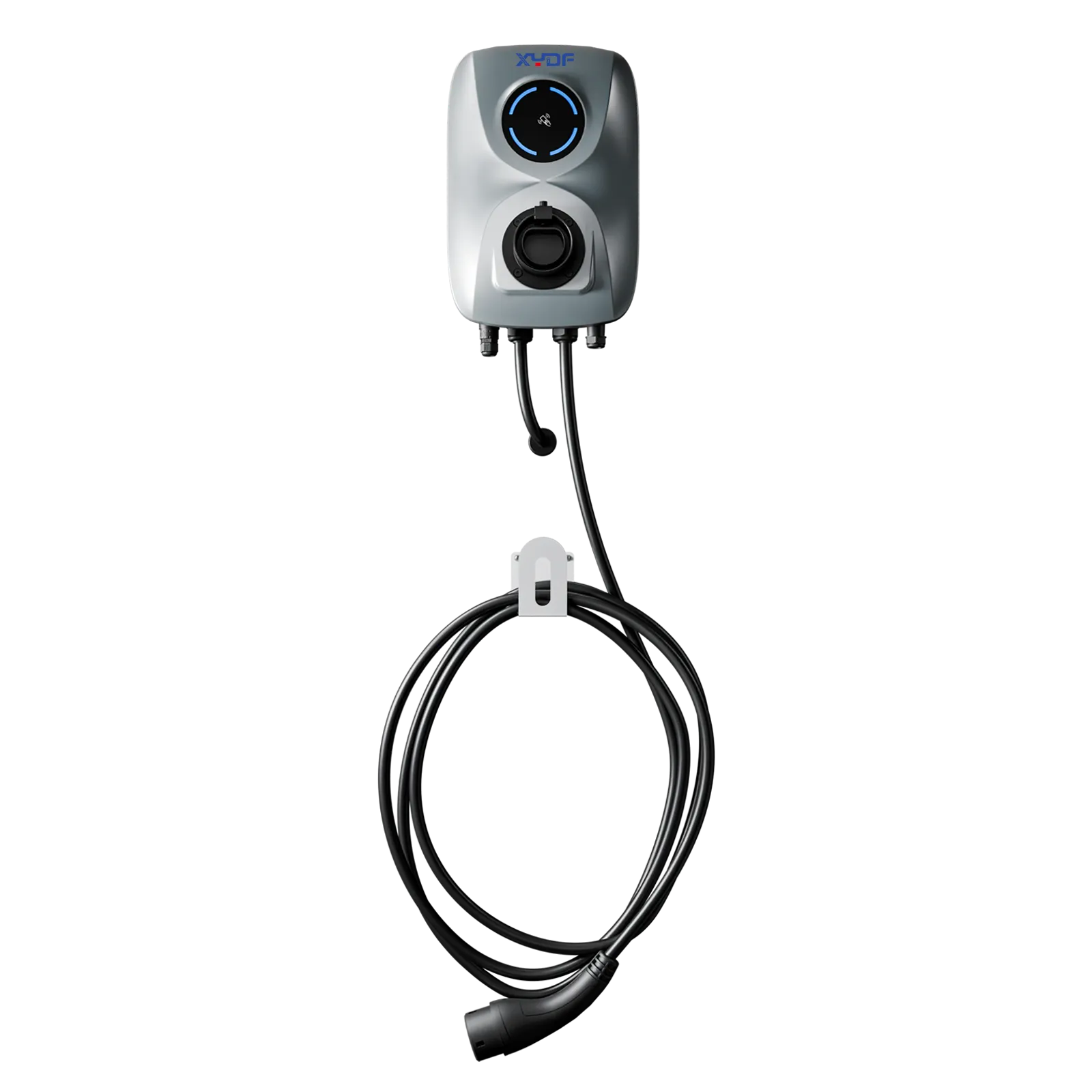
The world of electric vehicles (EVs) is steadily growing in popularity around the globe; as such, it is important to understand the various EV Charger (Adapter) types that are available to EV owners today. Regardless of whether you’re an EV driver just starting out or planning on purchasing a new Electric vehicle – knowing the various connector types that exist so that you can charge your EV is vital for you to do so appropriately and without worrying about compatibility issues. Therefore, in this guide you will find information about all of the different EV Charger (Adapter) types available, how they are used, and how to determine which is suitable for your requirements.
EV Charging Standards
EV Charging Connectors /Adapters are designed based on multiple different charging and outlet standards across the world; they have been specifically designed to connect at a particular outlet and provide electrical power from the EV to a charging station (charger).
Manufacturers of EVs have standardized a number of different Electric Vehicle charging standards to help ensure that EVs and chargers are compatible regardless of the standardized Charging Connector type found in each of these countries. There are three major charging standards used today:
- Type 1 (SAE J1772): Commonly used in North America and Japan, Type 1 connectors are for Level 1 and Level 2 AC charging.
- Type 2 (Mennekes): The most common type of plug in Europe, Type 2 connectors support AC charging and also three-phase AC.
- CCS (Combined Charging System): A combination of two different types of charging. CCS1 connectors are used in North America, while CCS2 connectors are used in Europe. CCS connectors are used for both AC and DC fast charging.
- CHAdeMO: CHAdeMO is mainly for DC fast charging and is commonly used in Nissan and Mitsubishi electric vehicles produced by Japanese manufacturers.
- GB/T: The GB/T standard covers both AC and DC fast charging and is used only in China.
- Tesla Connectors: Tesla’s proprietary connectors include the Wall Connector and Supercharger. These connectors may be able to be used with other standards by obtaining an adapter.
EV Charging Adapters
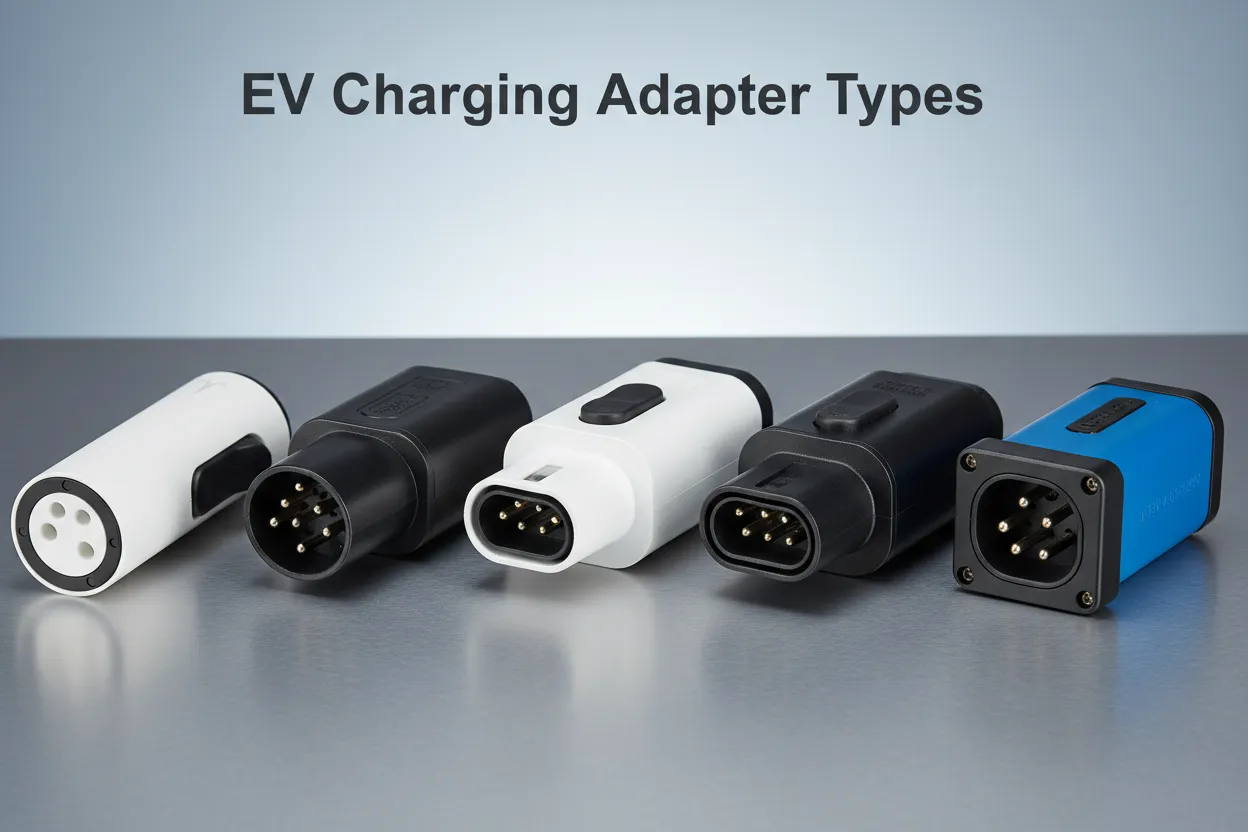
In some cases, electric vehicle (EV) owners may have access to a charging station with a connector that is incompatible with their EV. In such situations, EV charging adapters will come in handy. The primary types of EV charging adapters include:
- Type 1 to Type 2 Adapter: Compatible with EVs that utilize Type 1 connectors (North American) to charge from European Type 2 stations.
- Type 2 to Type 1 Adapter: Used with European EVs that require charging from North American Type 1 stations.
- Tesla to J1772 Adapter: Used by non-Tesla EVs that need to charge from a Tesla station in some locations.
- CHAdeMO Adapter: Allows charging of Tesla vehicles on CHAdeMO DC fast chargers.
- CCS to CHAdeMO Adapter: Allows EVs using CCS to charge from CHAdeMO stations and vice versa.
- GB/T to Type 2 Adapter: Allows charging of Type 2 compatible EVs from GB/T charging stations (China).
What Factors are Important When Choosing the Right EV Charging Adapter?
The adapter you choose will depend upon your individual needs and the type of EV you own, so here are some points to consider:
Is Your EV Compatible with the EV Charging Adapter? You will want to check what type of charging ports your EV has – common types include Type 1, Type 2, CHAdeMO, CCS and Tesla.
What are the regional standards for EV Charging? Different regions generally use different types of charging standards. Ensure your adapter’s charging standards are appropriate for the area in which you live.
Frequency of Use: If you travel frequently to regions with incompatible chargers, then getting a multipurpose/versatile adapter will be helpful and save you many problems.
Charging Speed: There are some adapters that limit how fast an EV can charge. Choose an adapter so that you get the most power possible (i.e., the most power transfer) for your specific make/model of electric vehicle.
Why Do You Need EV Charging Adapters?
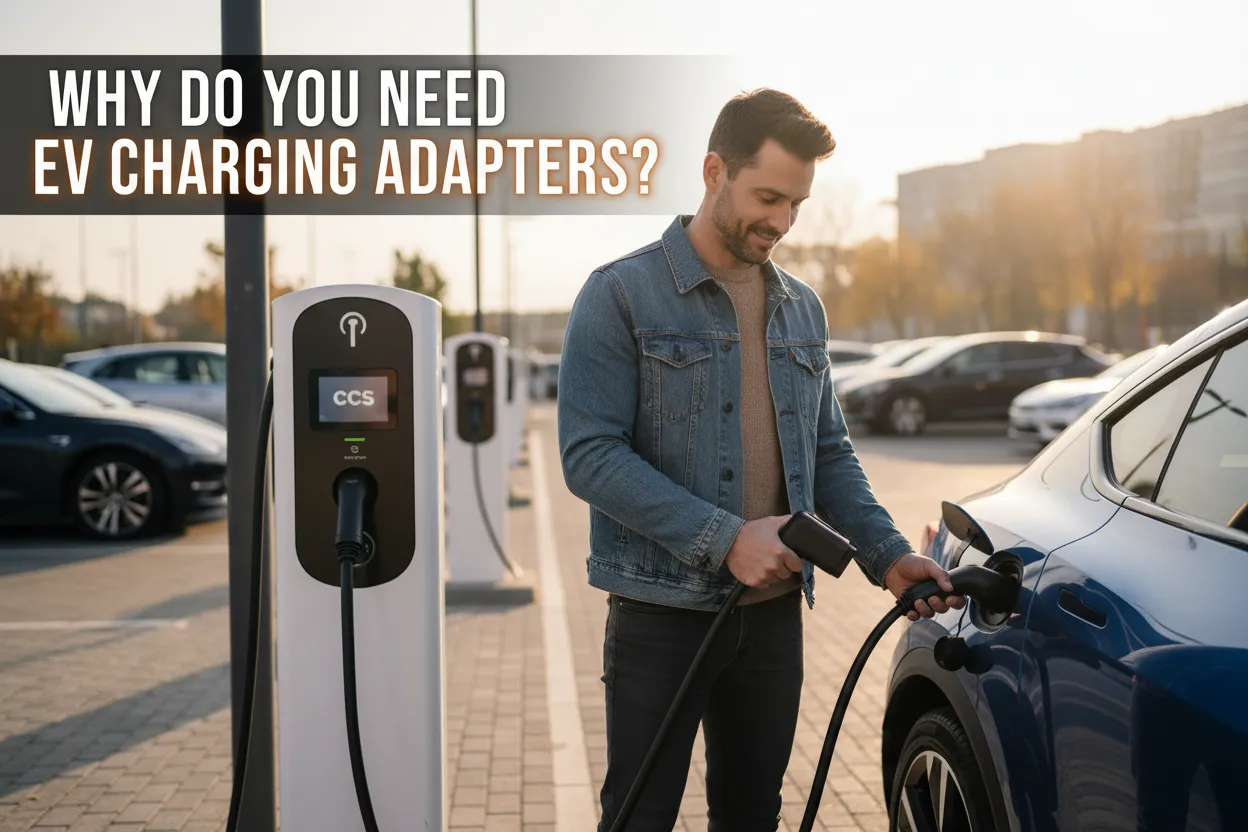
EV charging adapters allow you to charge your electric vehicle at different charging networks and charging stations, even if there is an issue of compatibility. If you own a Tesla and need to charge at a CHAdeMO charging station, for example, an adapter could be extremely useful. Also, when you travel to another country (which may have different charging standards), adapters will prevent you from experiencing the inconvenience of not being able to charge your vehicle.
FAQs
What Are the Most Common EV Charging Adapter Types?
The most common types of adapters include Type 1 to Type 2, Type 2 to Type 1, Tesla to J1772, CHAdeMO for Tesla and CCS to CHAdeMO. Which type of adapter you will need will depend on your electric vehicle and the area you will be charging your vehicle in.
Are All EVs Compatible with All Charging Adapters?
No. Not all EVs will be compatible with all charging adapters since this will depend on your electric vehicle’s charging port, the charging standards of the area you live in, and what type of charging stations are available at your location. Check your electric vehicle’s (EV) specifications to see if they work with an EV charging adapter before using one. You should also verify compatibility with the adapter’s manufacturer.
Can You Use Tesla Superchargers with Non-Tesla Electric Vehicles?
Most Tesla Supercharger stations are designed for Tesla electric vehicles. However, several Supercharger stations allow for some non-Tesla electric vehicles to charge at their stations, provided the vehicle uses an EV charging adapter such as a Tesla to J1772 EV charging adapter.
What is the difference between an EV charging connector and an EV charging adapter?
An EV charging connector (also referred to as a plug) connects the vehicle to the EV charging station. An EV charging adapter provides a means to connect vehicles/electric vehicles that are incompatible with each other at an EV charging station.
How Can You Extend the Life of Your EV Charging Adapter?
To prolong the life of an EV charging adapter, store the charging adapter in a clean, dry location when it is not in use. Avoid putting excessive strain on the charging cords or connecting plugs. Always check the EV charging adapter for wear and tear before using it.
Future Trends in EV Charging Equipment
The EV industry is rapidly advancing, as is the charging technology for EVs; collaboration among different automobile manufacturers to standardize public charging infrastructure will reduce the number of mismatched connections for EVs. The development of new technologies (such as wireless charging and ultra-rapid charging) to power EVs represents exciting opportunities for the future of EV charging. However, having the right type of EV charging adapter is still an essential part of the EV ownership experience.
With the increasing investment in EV charging infrastructure work from the federal government and businesses, we expect that the future of EV charging will have standard interfaces to make it easier for all drivers to charge their EVs, regardless of location. Until then, finding a way to connect with the proper charging adapter can help you overcome any charging barrier while you drive.
Understanding EV charging adapter types allows you to make rational decisions about the correct use of EV charging adapters and to charge your EV wherever you go.
 Xinya Dongfang Electricity Technology Co., Ltd.