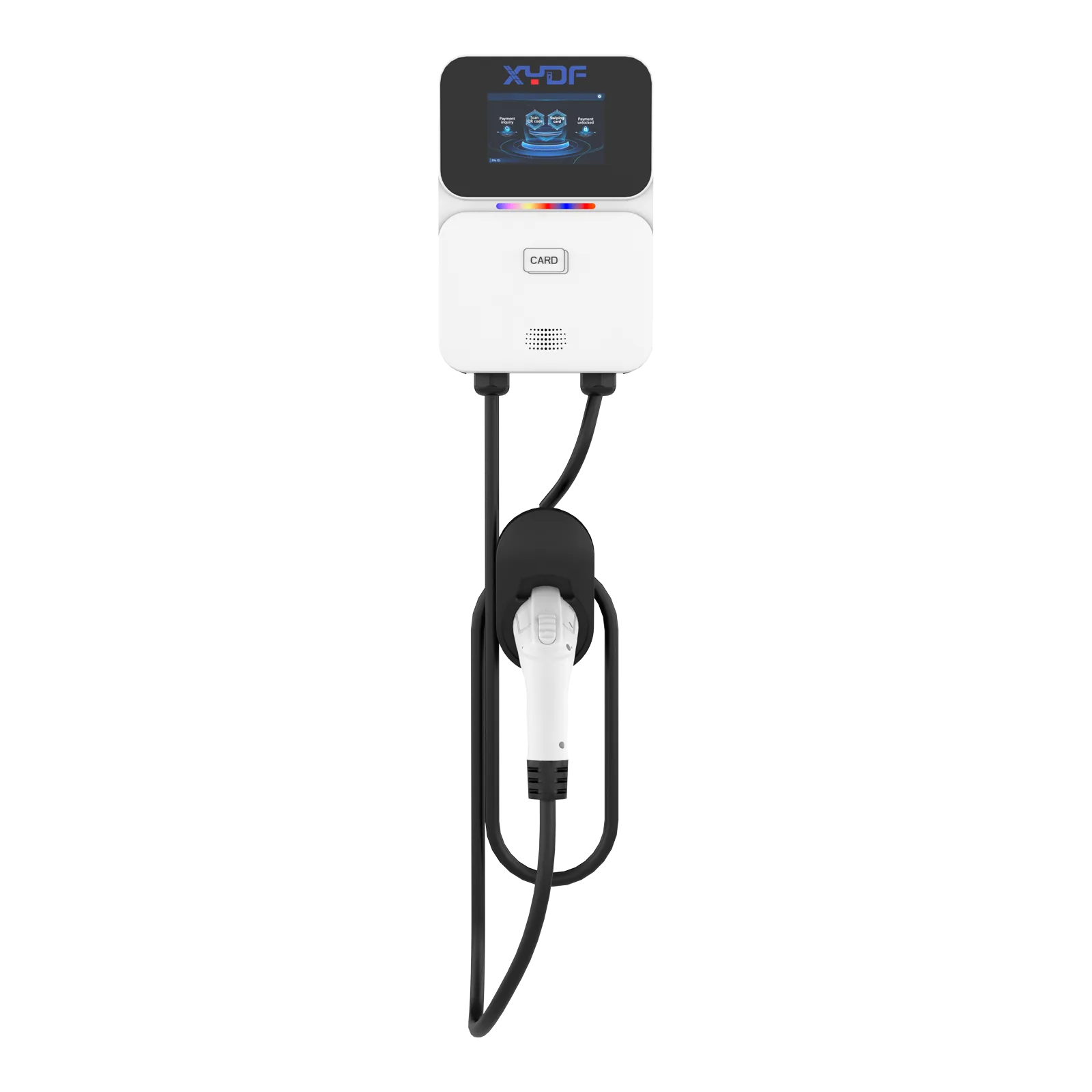
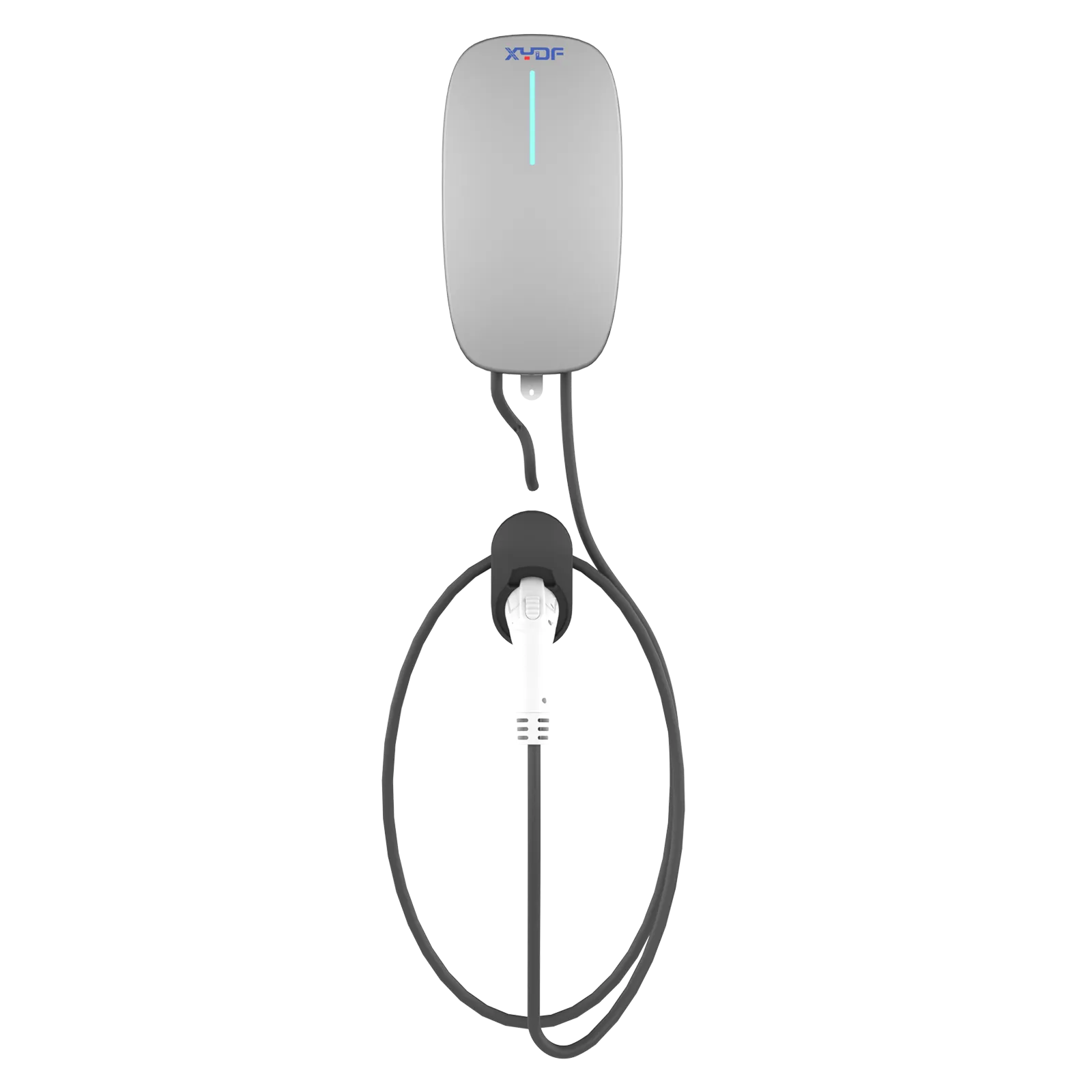
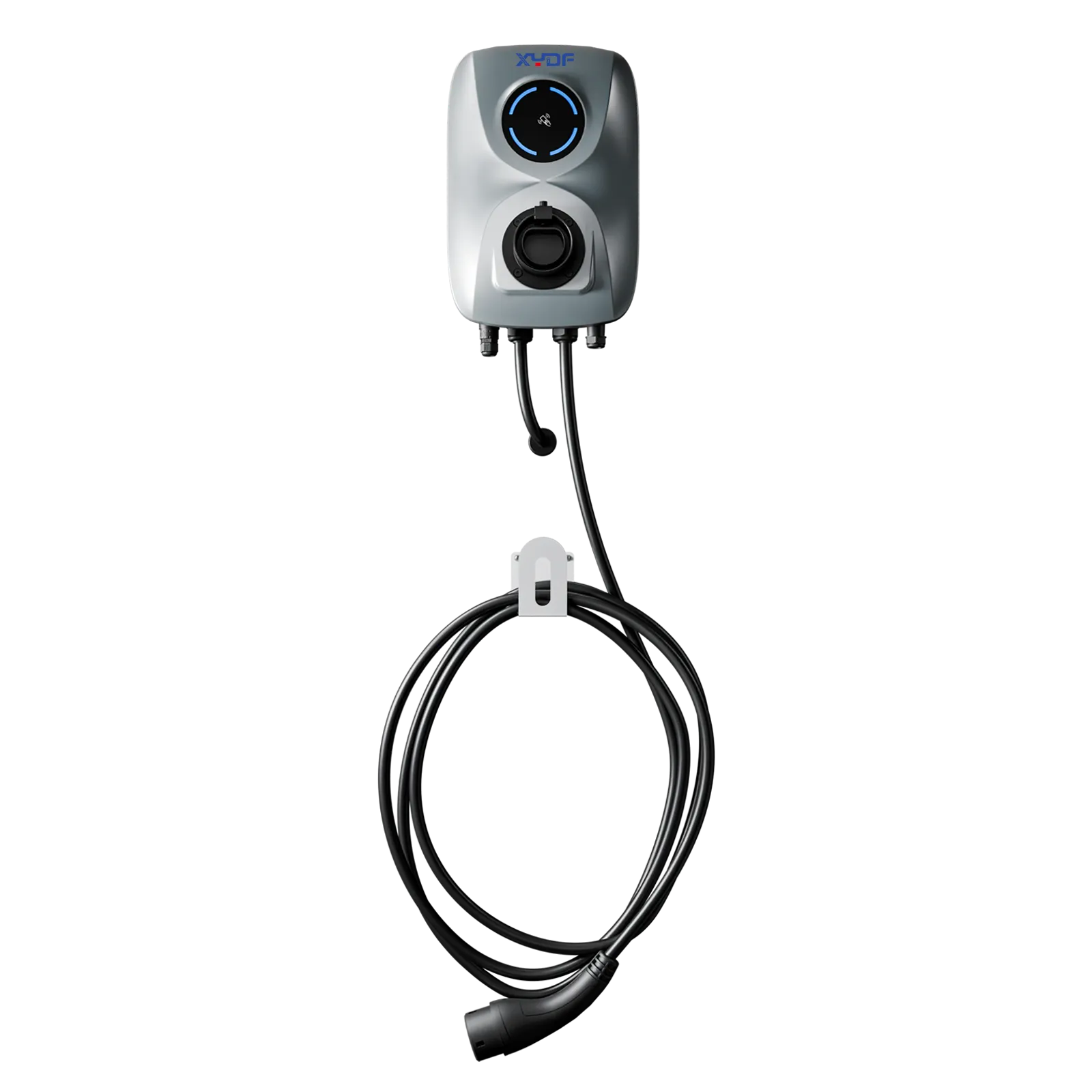
The demand for EVs is increasing, which means that it is important for you to understand power supply needs when planning your personal outlay or public infrastructure. If you own an electric vehicle you may want to install a charging station in your house; or, as a business, you may want to invest in a public EV infrastructure. You also might simply be curious about how electric vehicles (EVs) work. Regardless of why you want to know about EV charging power requirements, understanding the power needs of charging devices ensures safety, efficiency, productivity, and ease of use. In this guide, we will look at the factors influencing EV charging, understand the differences between charging devices and suggest how to get started with your own EV charge setup.
What Determines EV Charging Power?
When thinking about developing a charging setup for your home or business so you can charge your electric vehicle, it is essential to take into consideration all of the following factors that influence the charging power and time needed to charge a vehicle.
Battery Capacity: Charge time increases as battery capacity increases. For example, a compact electric vehicle will be charged in one-half the time it will take to charge the battery of a long-range electric vehicle.
Charger Type: There are three different types of chargers: Level 1, Level 2, or DC fast charging devices (PSEs). Therefore, it is important to understand the differences in charging device types as it will affect the speed and power requirements to charge your vehicle.
Electrical System: Make sure the wiring in your home or business can accommodate the proper voltage and amperage for the charger being used. Failure to accommodate the requirements of the charger will lead to potential energy loss or may cause safety challenges in the event of electrical shock or short-circuit fires.
Preparing a Secure Home Charging Setup
Proper planning and preparation are needed to use a home charging system that is secure and user-friendly. Here are some key factors to consider:
Dedicated Circuit: Level 2 Home Chargers (240 volts) require a dedicated circuit to deliver sufficient electrical power without exceeding the ratings of the home’s existing electrical system and overheating the charger.
Amperage Requirements: Most Level 2 Home Chargers (240 volts) use a 40-amp circuit; however, some models may require as much as 60 amps depending on the charger type and/or charging application.
Professional Installation: The installation of a home charging station should be done by an electrician who is licensed to design and install electrical systems according to local codes and regulations.
What Are the Electrical Requirements for DC Fast Charging?
If you are considering DC fast charging, either as a business owner or in connection to the public utility grid, you must recognize that DC fast charging has metered electrical system requirements that exceed the requirements established for Level 2 chargers. Consider the following:
High-Voltage Supply: Three-phase electric (480 volts) is necessary to operate a typical DC fast charger. Most residential homes do not have this voltage available; thus, there is no way a typical household could provide enough electricity to support a DC fast charger.
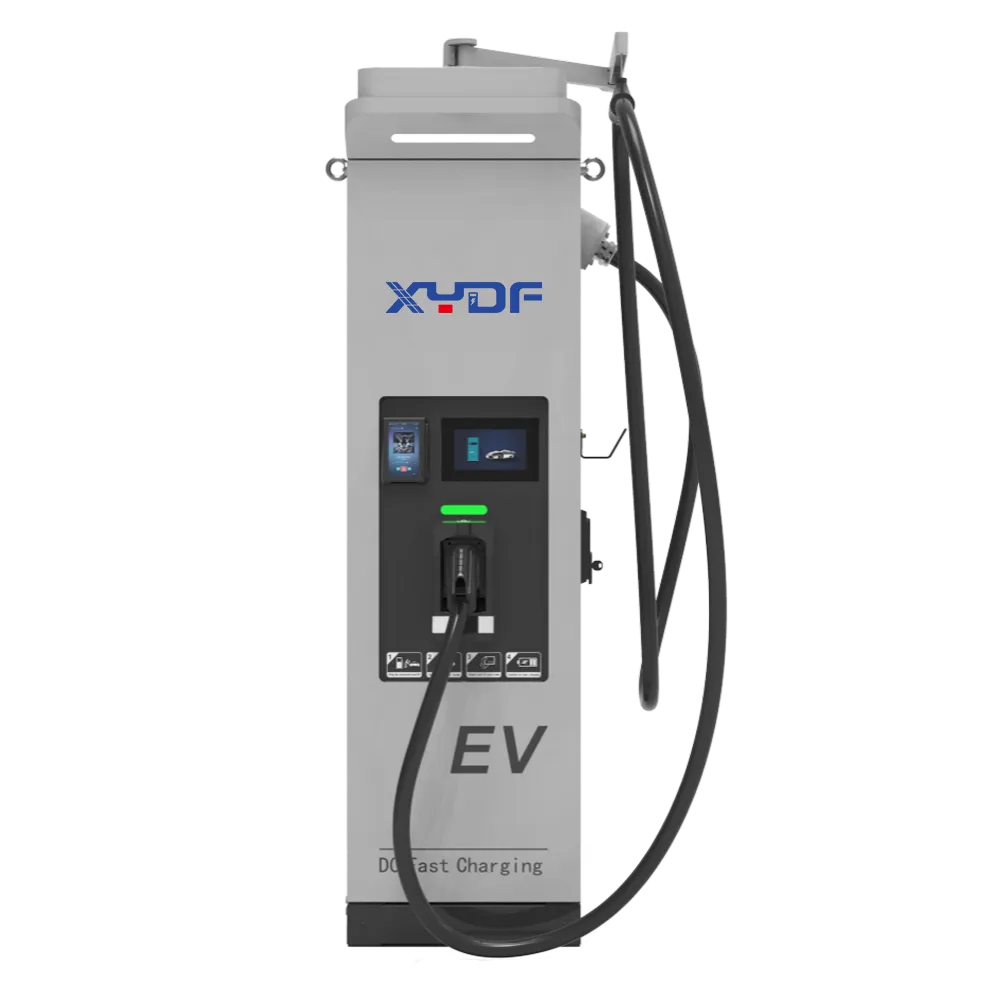
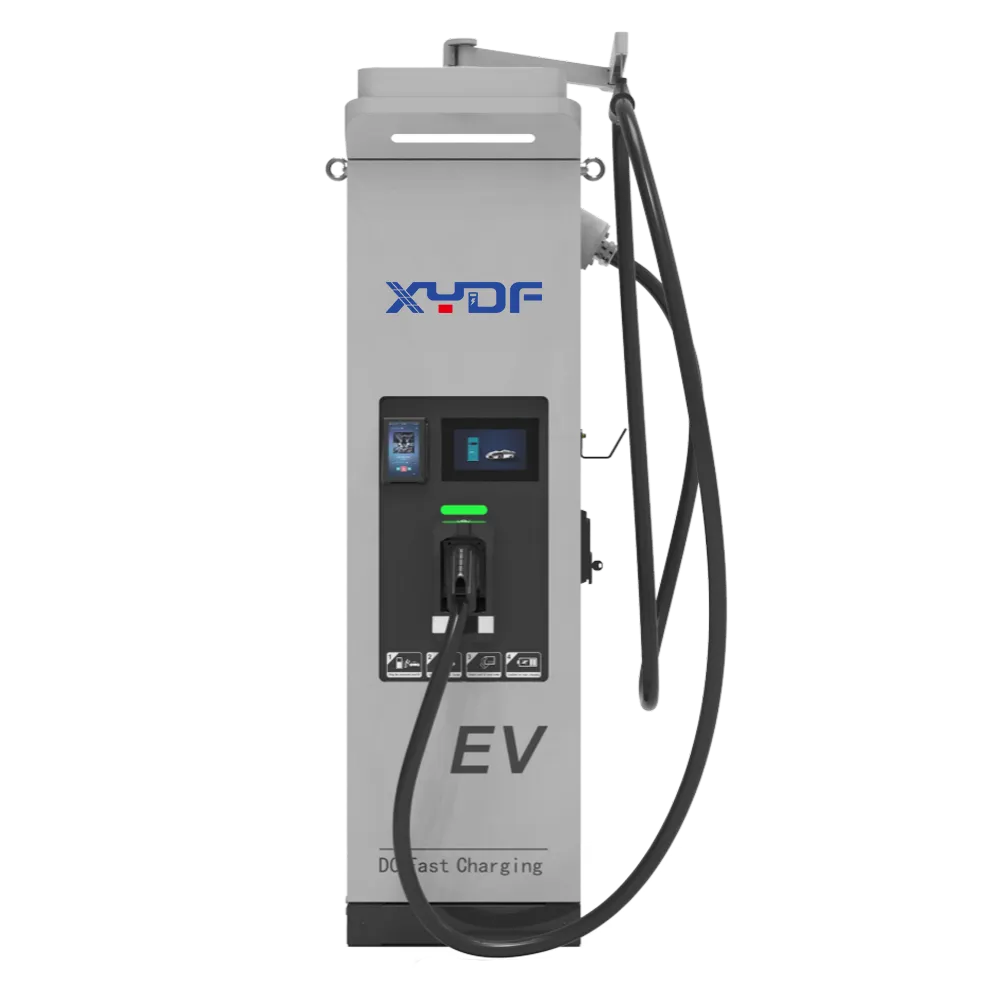
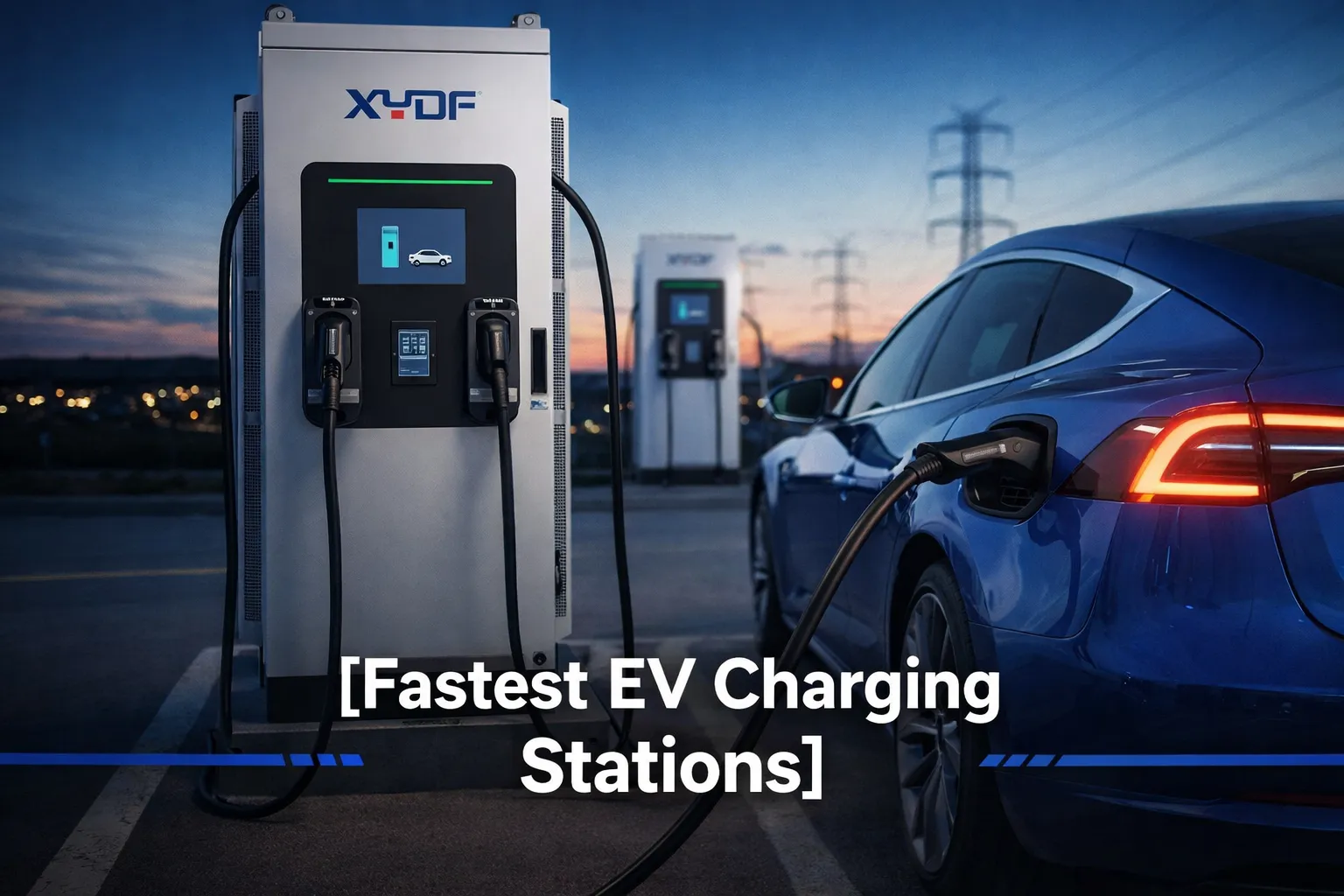
Power Output: The power output of most DC fast chargers ranges from 50 kW to 350 kW. At these higher power levels, an EV can typically be charged to 80% capacity in approximately 20 to 30 minutes.
Grid Coordination: A high-voltage electrical supply is needed to operate a DC fast charger. Therefore, it is essential that the charger is installed in collaboration with local utility providers to ensure that the electrical grid can handle the additional load without affecting the reliability and stability of the electrical grid.
Choosing the Appropriate Charging Solution
Choosing the best charging solution for your EV will depend on your specific charging requirements and the particular application. The following will help you determine the best charging solution for your circumstances.
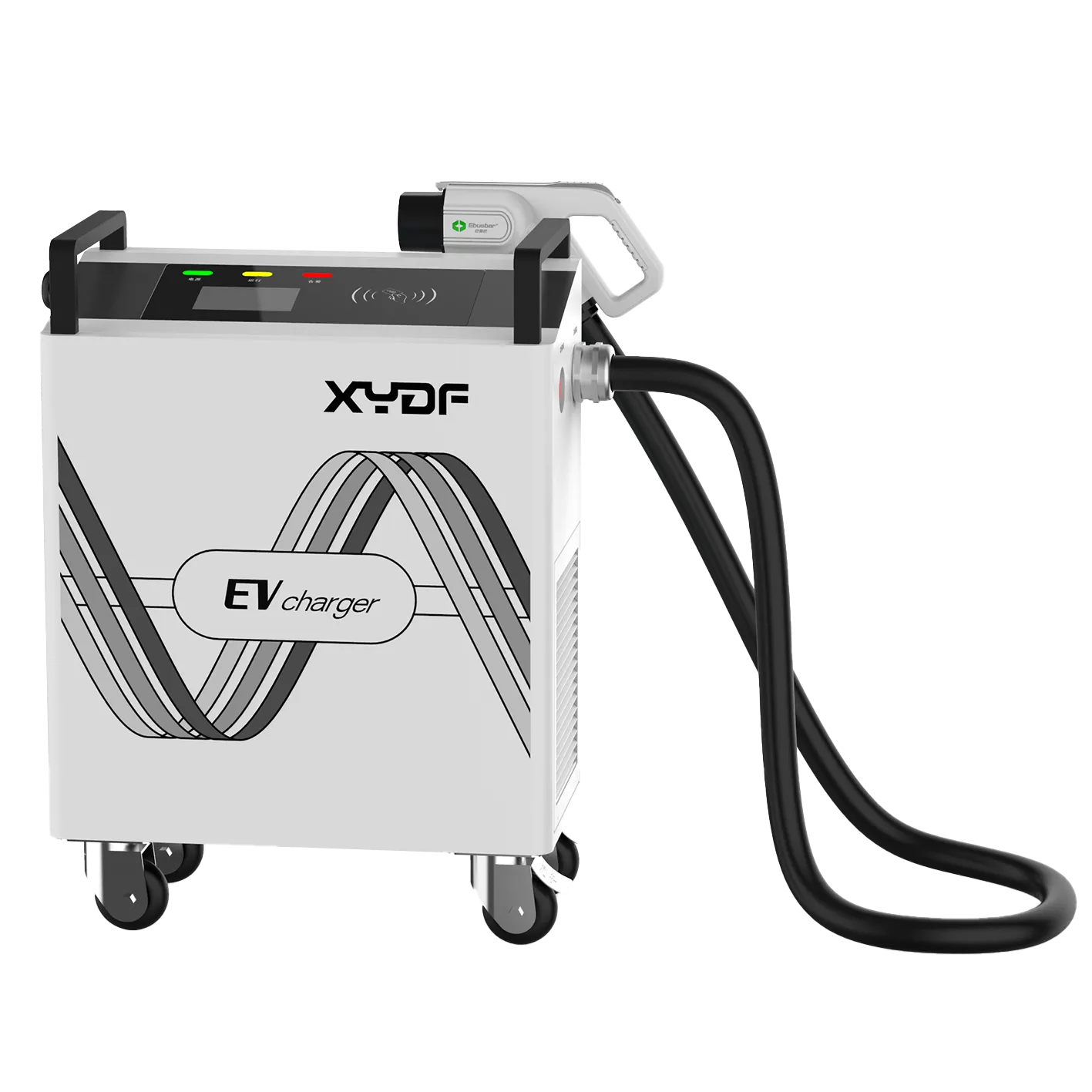
Home Use: Level 2 chargers offer a very efficient means of charging overnight and are typically the most reasonably priced solution for most EV users.
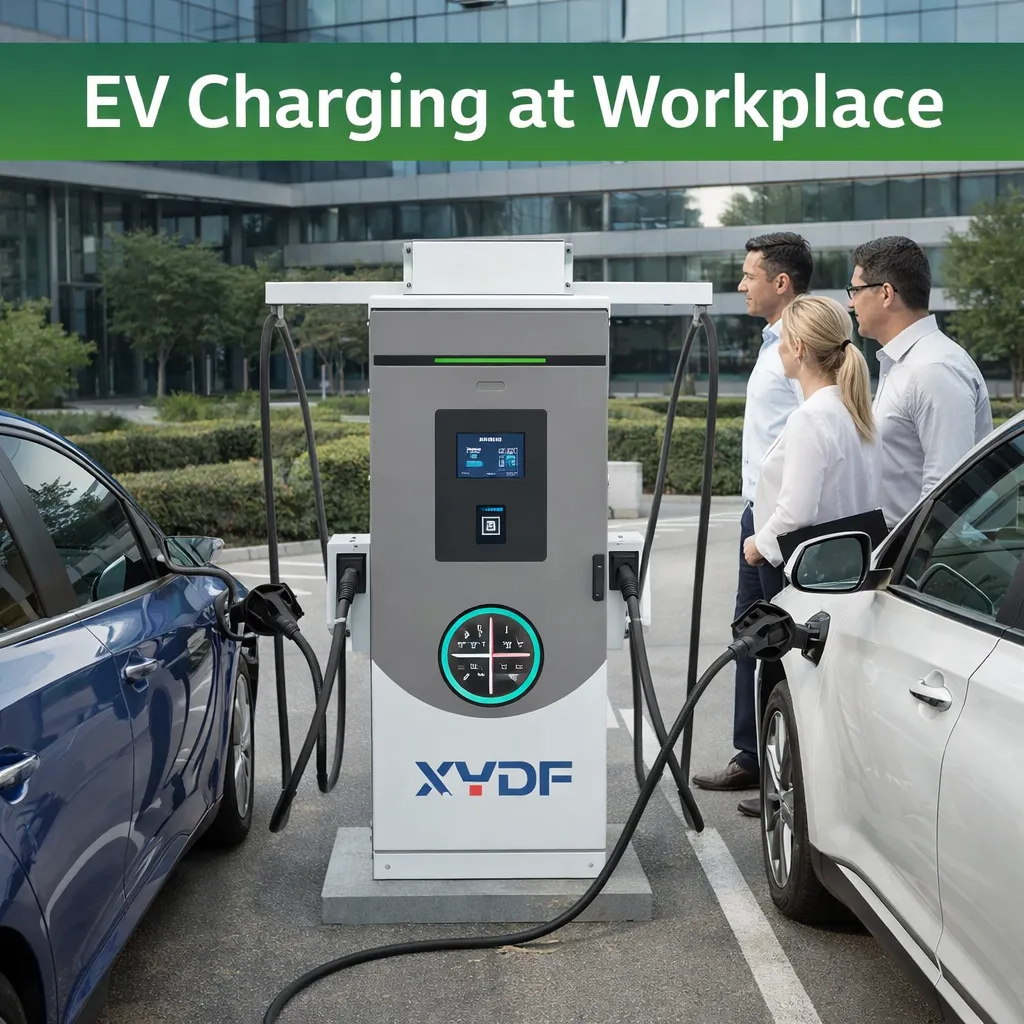
Commercial Use: DC fast chargers are the charging solution for businesses in high-volume areas such as malls, hotels, or highways where customers need to have their vehicles charged quickly and easily while they are out and about.
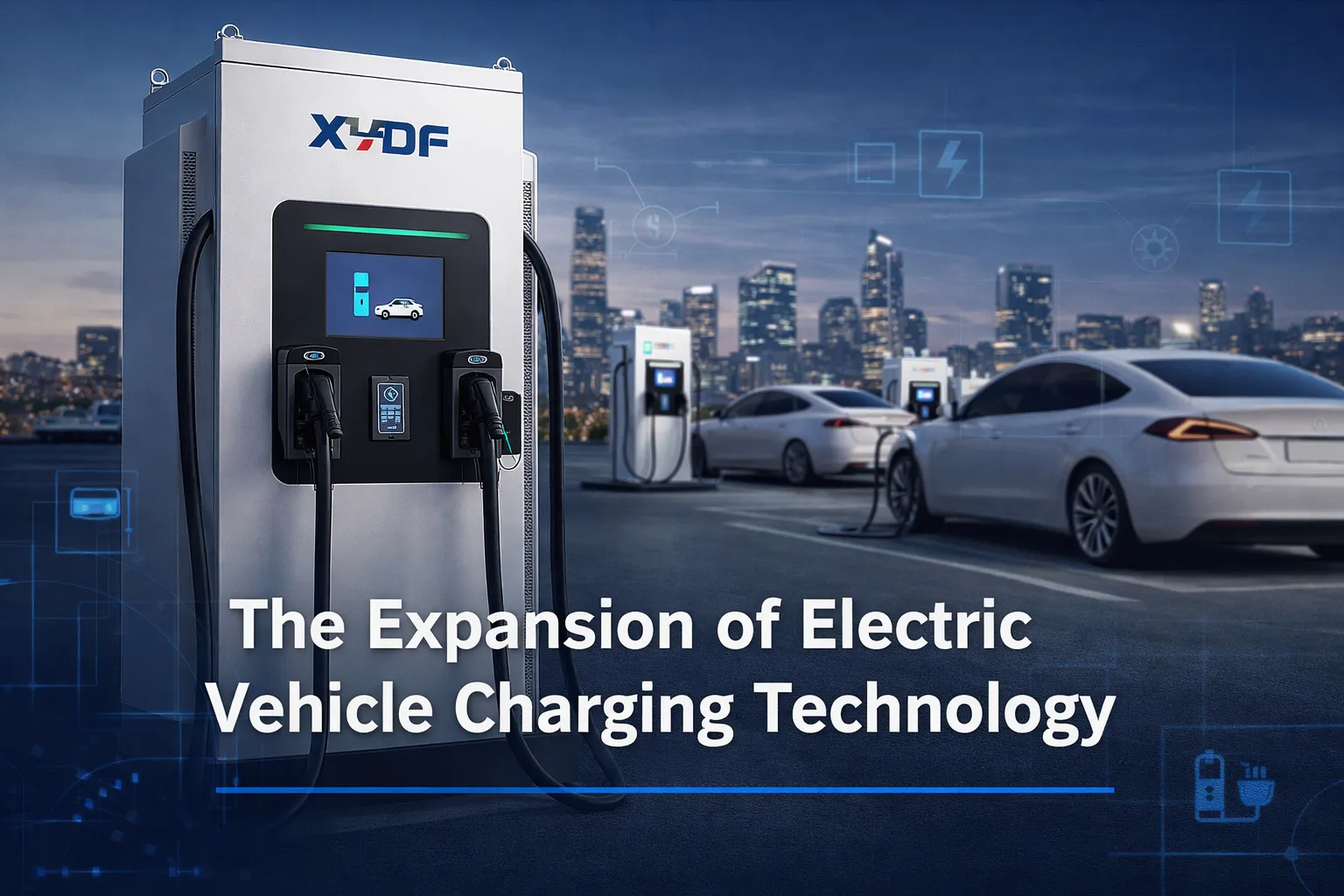
Another factor you will want to consider when selecting a charging station for your EV is whether the system will be expandable in the future, allowing for expanding demand for faster and more powerful charging stations to continue into the future.
Getting the Most Out of Your EV Charging
There are a lot of things you will need besides the equipment to maximize your EV charging capabilities. Check out these tips to increase charging efficiency and decrease costs in the long term:
Smart Chargers: Schedule charging during off-peak times when energy rates are lower to lower energy costs.
Regular Maintenance: Keep your chargers working at their best by routinely checking and maintaining them.
Energy Management Tools: Use energy management systems to measure and manage energy usage, especially if you operate multiple chargers at a business/commercial site.
FAQ
What are the electrical requirements for DC fast charging?
DC fast chargers require 3-phase, 480V electrical power supply, and usually dedicated transformers and utility coordination to meet the increased power demand for fast EV charging.
Can I install Level 2 EV chargers at home?
Yes, Level 2 chargers are the most suitable option for residential installations. They can fully charge an EV overnight if installed with proper 240V, enough ampacity (generally 40 amps) and by a professional who follows the appropriate safety guidelines and building codes.
What’s the difference between Level 2 charging and DC fast charging?
Level 2 chargers are designed primarily for residential use and have approximately a 10-20 miles/hour charging range. DC fast chargers are designed for commercial installation and can charge up to a maximum of approximately 80% in approximately 20-30 minutes.
What can I do to future-proof my EV charging stations?
Future-proofing can be accomplished by installing chargers that can provide increased power capacities, developing your site plan with the intent to install more charger units, and including smart charging features that allow for increasing vehicle and infrastructure standards and future charging requirements.
Why Invest in Reliable EV Charging Infrastructure?
A dependable EV charging infrastructure provides value to all EV owners and businesses. Some of the benefits include:
Convenience: Homeowners have the ability to charge their vehicle at home overnight, while businesses can draw customers with EV charging stations at their locations.
Cost Savings: Electricity is typically less expensive than conventional fuels, adding up to a lower overall cost of ownership for the EV and charging infrastructure.
Reduced Environmental Impact: Supporting the adoption of EVs through the development of charging infrastructure will accelerate the move toward cleaner energy and reduce your individual carbon footprint.


 Xinya Dongfang Electricity Technology Co., Ltd.