 Xinya Dongfang Electricity Technology Co., Ltd.






What Are Public EV Charging Stations?
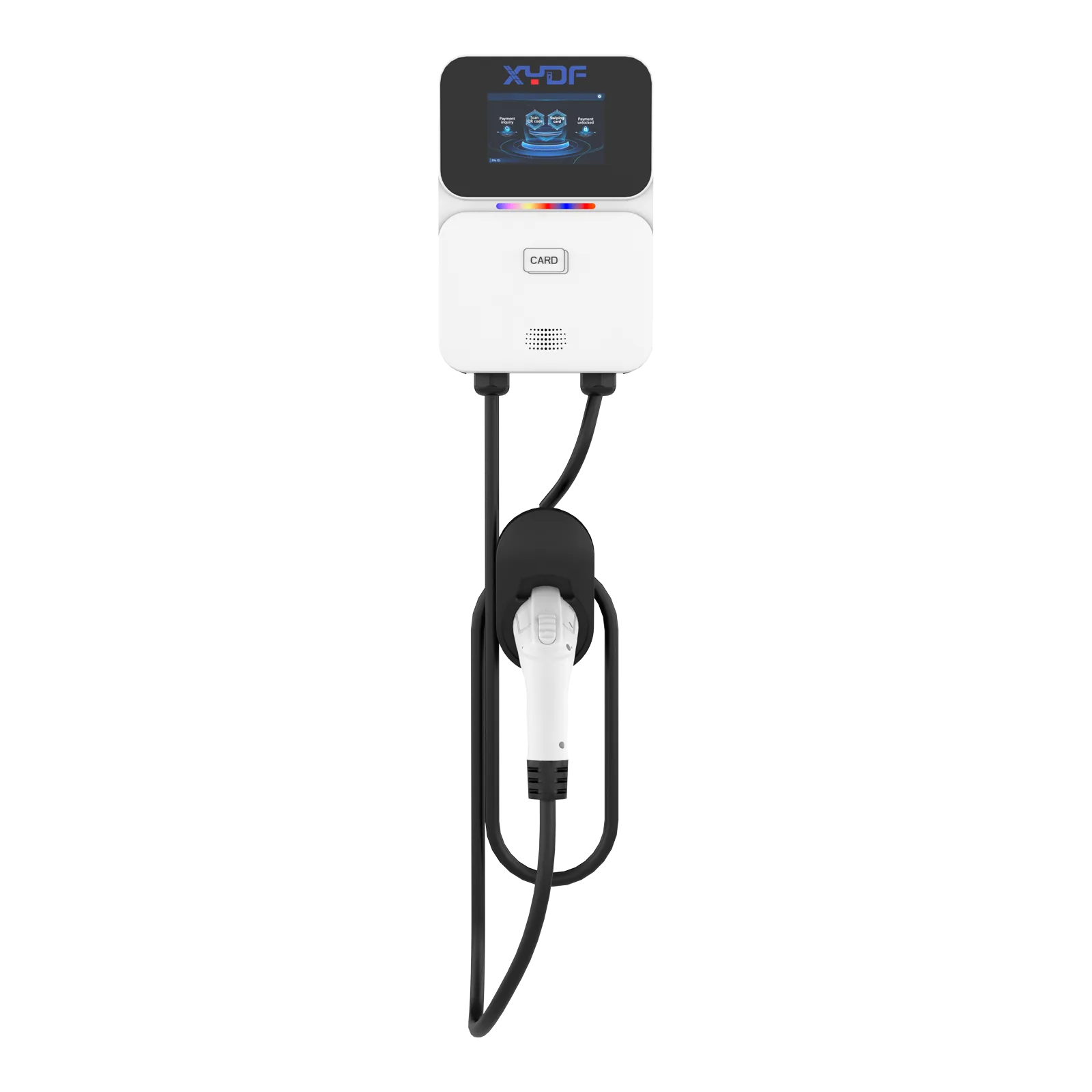
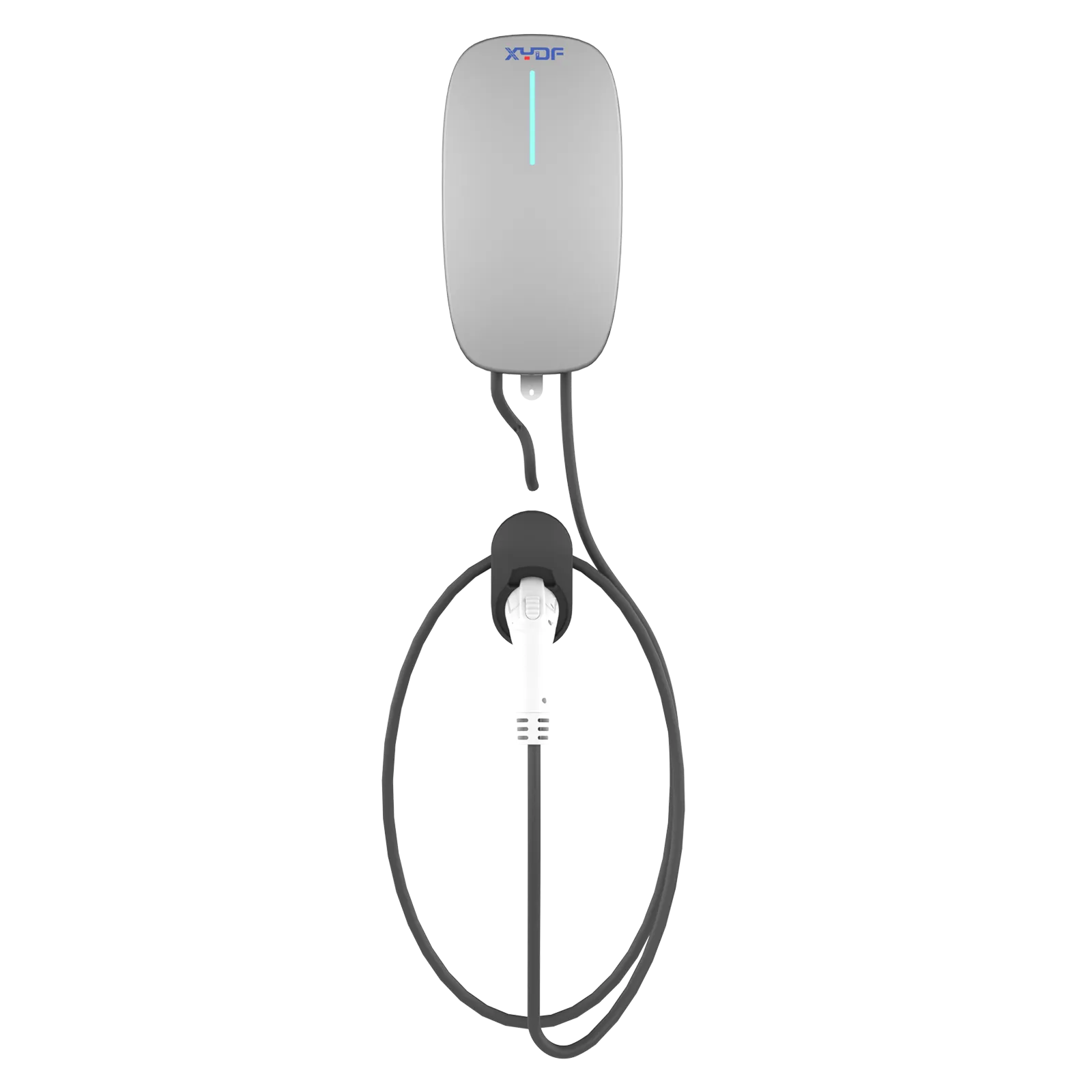
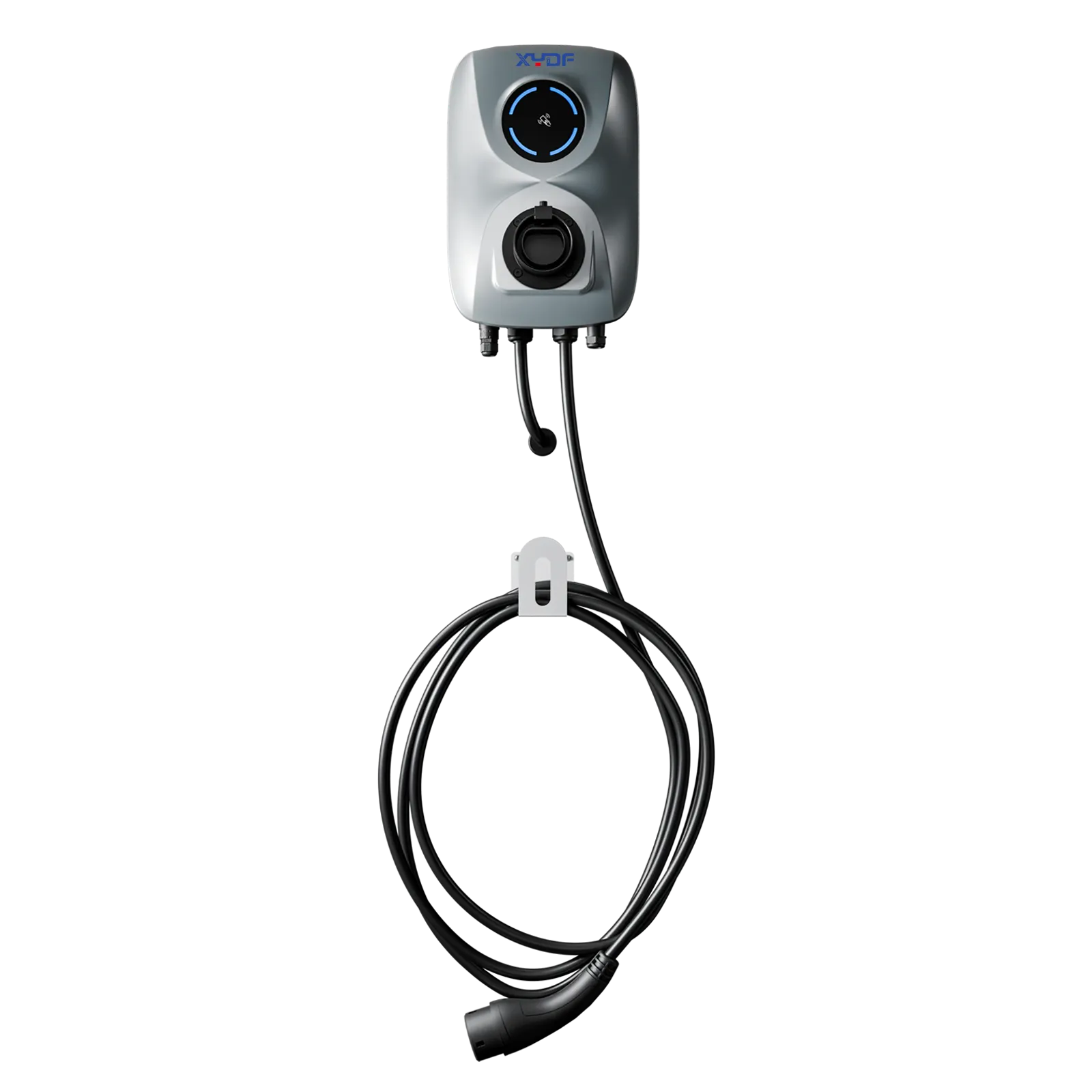
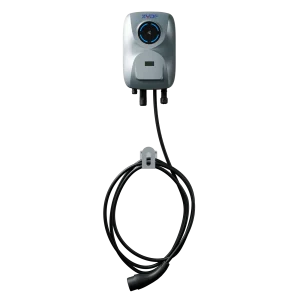
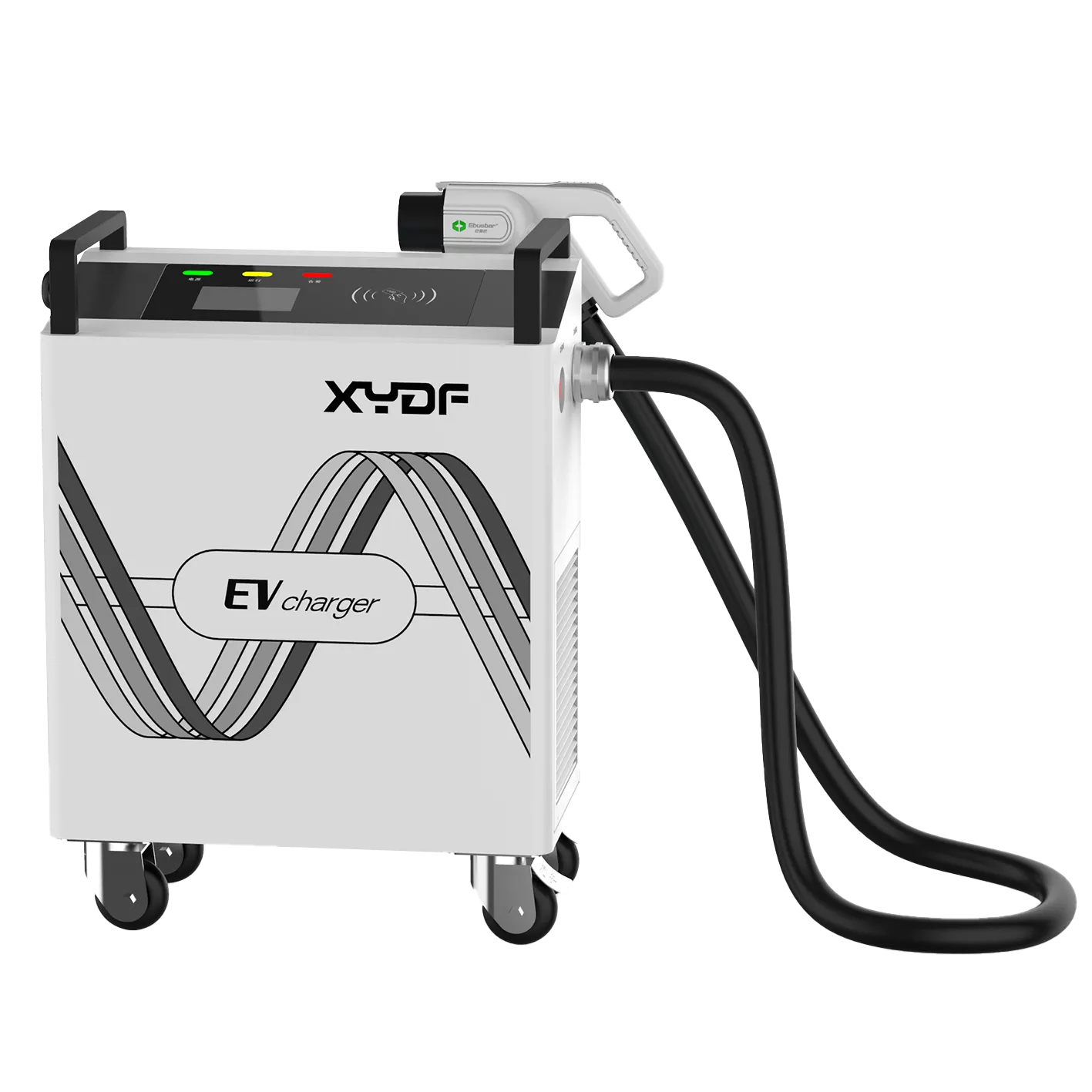
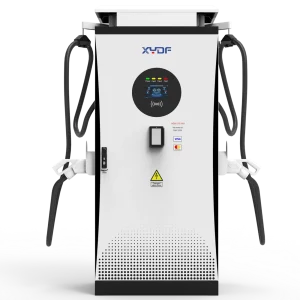
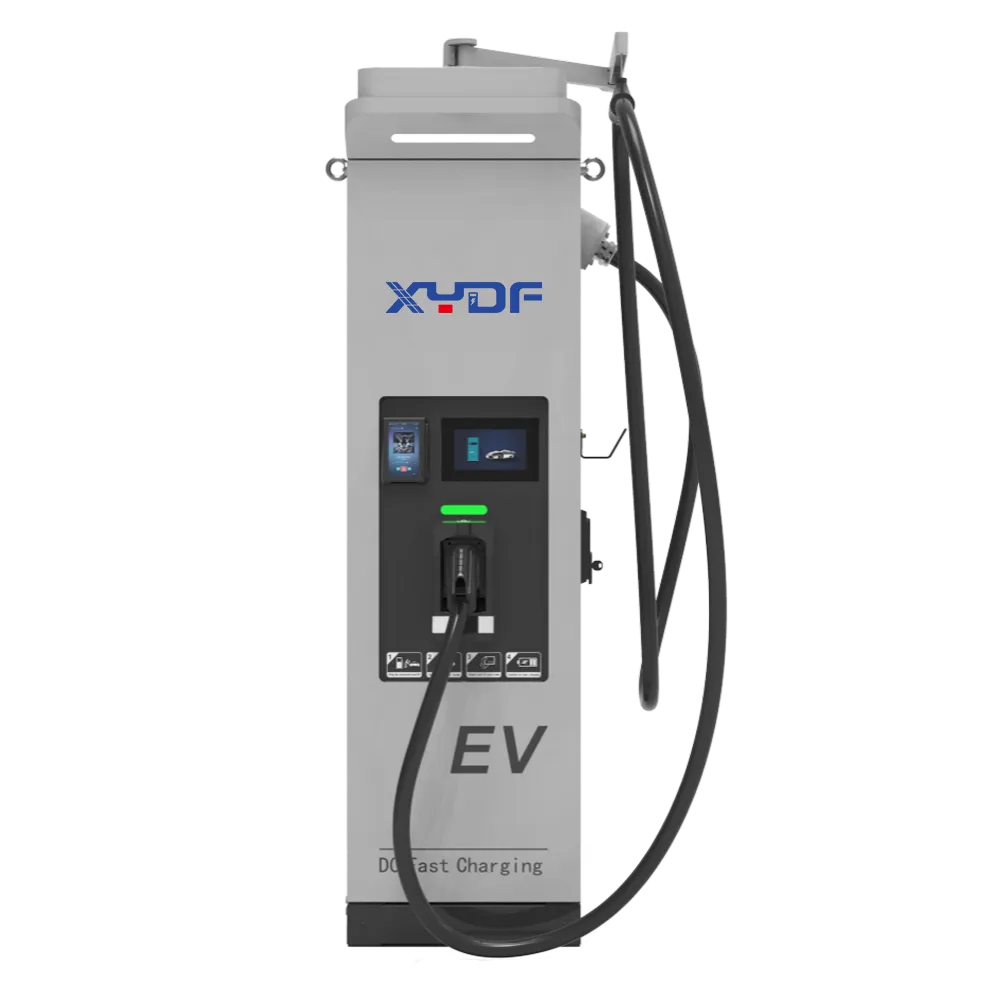
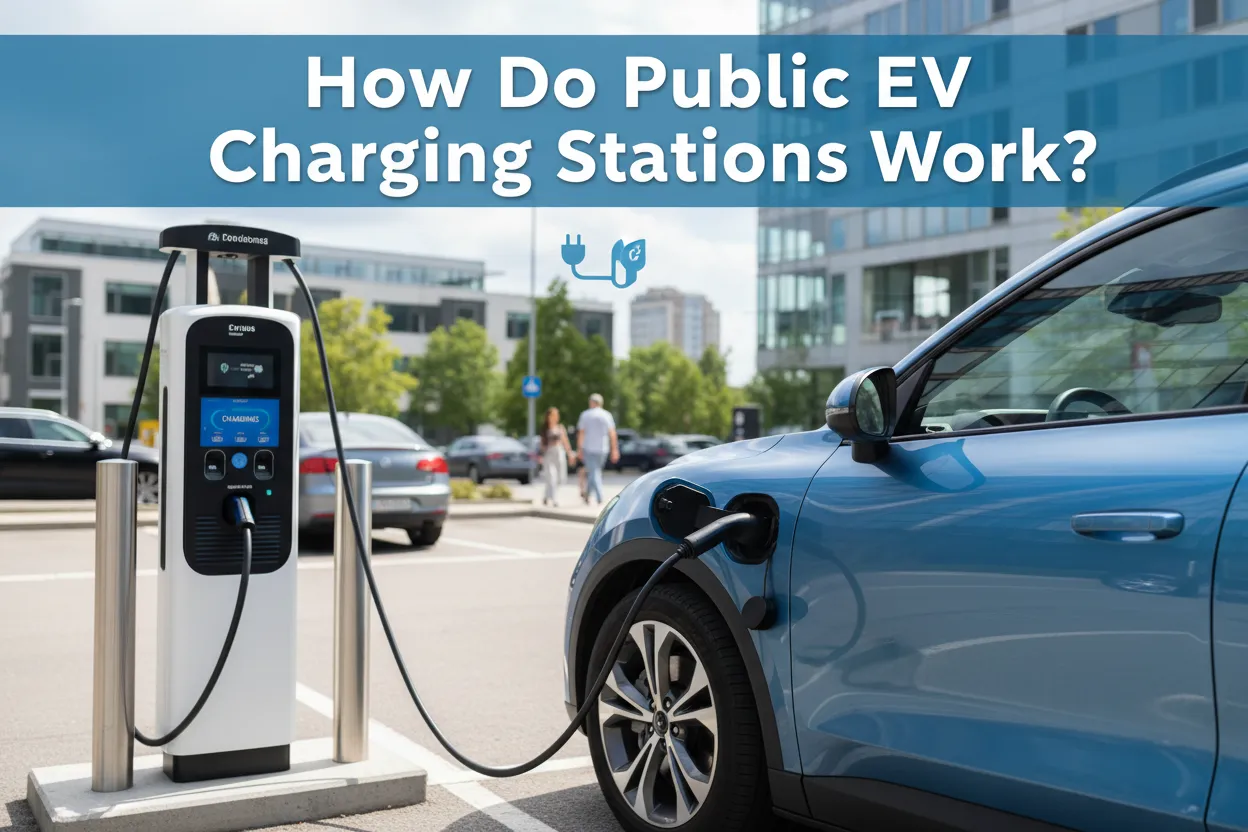
Public EV charging stations are installed in public places such as shopping malls, along highways, in parking lots, and urban areas, to provide EV owners with places to charge their vehicles. They function very similarly to gas stations, except that they provide EV owners with electric charging capabilities instead of a gas-powered vehicle. They deliver electric energy to your vehicle’s battery via a socket or via a tethered charging station linked by cable.
How Do EV Charging Stations Operate?
Charging an e-vehicle at a public charging facility is a fairly straightforward process, with the following main steps:
Locate a Charging Station: Use the navigation in your e-vehicle, mobile apps such as PlugShare, or charging network apps to find a nearby station.
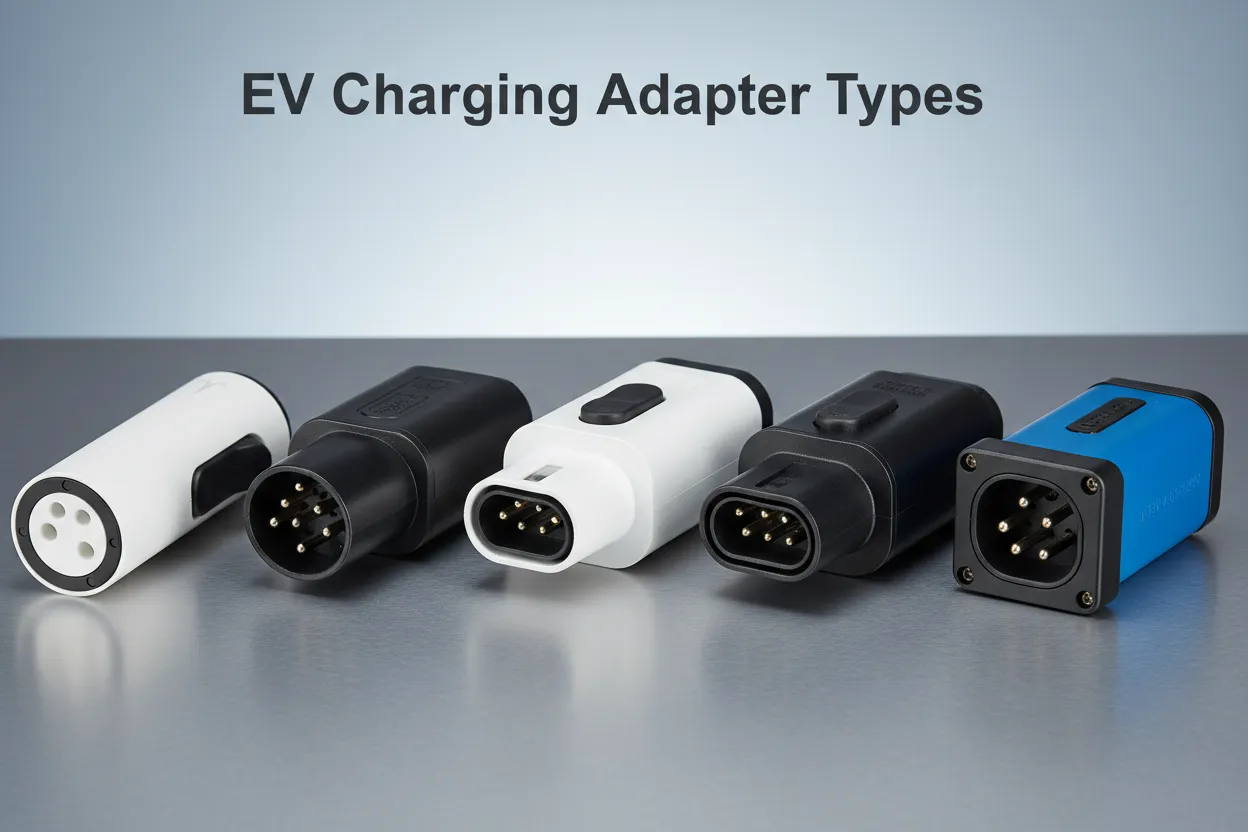
Connect to Charging Station: Select a compatible charging plug (e.g., CCS, CHAdeMO, Tesla Supercharger) and connect it to your e-vehicle.
Authenticate and Start Charging: Most public charging stations will require you to authenticate your charging session through an RFID card, mobile app, or other payment method.
Charging Process: Once the charger has been physically connected, the public charging station will communicate with the e-vehicle battery management system to determine what electrical energy to deliver to the e-vehicle’s battery in a safe and efficient manner.
Disconnect and Receipt: When you finish charging, you will manually disconnect from the charge station, and your account will be charged for the electricity delivered to your e-vehicle.
Types of EV Chargers
The charging stations operated by public charging provide three categories of charging, according to wattage:
- Level 1 Charging (120V): Standard wall outlets provide slow charging, offering about 3-5 miles per hour of charge. Appropriate for emergencies.
- Level 2 Charging (240V): These chargers provide faster charging, offering 10-60 miles of range per hour. They are the most popular for public and home use.
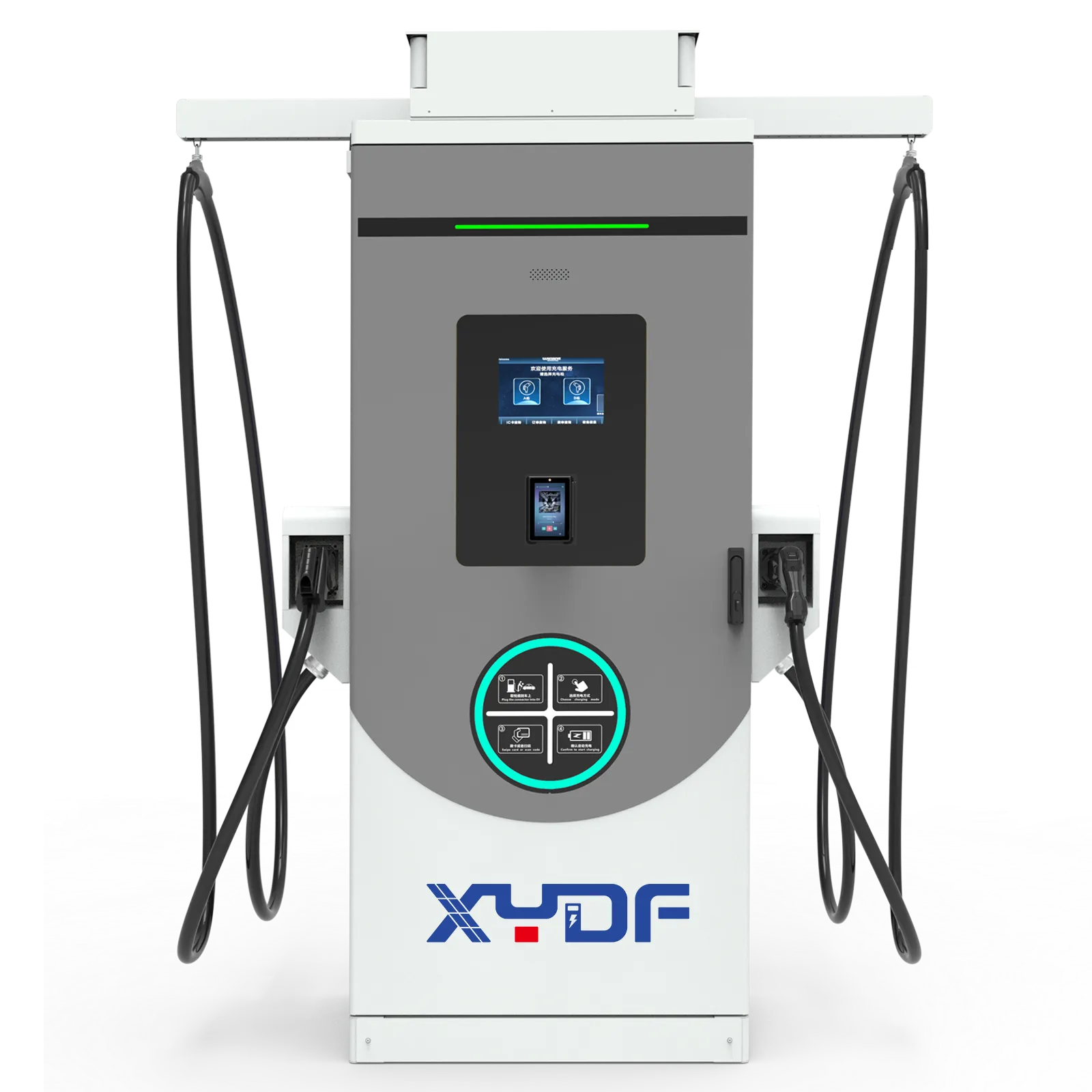
- DC Fast Chargers: High-powered units deliver rapid charging, providing up to 80% battery capacity in about 30 minutes. Ideal for long-distance travel along highways.
Are Public EV Charge Stations Free?
The amount you will be charged to use a public EV charge station will vary by provider, location, and charging speed. Some companies provide free charging at their business locations to attract customers, but most charge for usage via a flat rate, per minute, or per kWh pricing. Membership with specific charging networks usually offers discounted rates.
Additional Considerations for EV Charging
When using public EV charging stations, here are some things to keep in mind:
Charging Sessions
The length of your charging session depends on your vehicle’s battery capacity, current charge level, and the charger’s output power. DC fast chargers are the quickest option, ideal for road trips or time-sensitive charging needs.
Connector Type Compatibility
Before you use a public EV charging station, confirm that your EV supports the connector type provided at the station. Some stations offer multiple connectors (e.g., CCS, CHAdeMO), but it’s always good to check beforehand.
Charging Networks
Popular networks like Tesla Supercharging Stations, Electrify America, and EVgo require membership or app registration. Make sure to verify that your network supports your travel route to avoid issues during your journey.
Idle Fees
Some charging networks apply idle fees if your car remains parked after completing its charge. This encourages drivers to move their vehicles promptly, allowing other users access to the station.
Environmental and Economic Benefits of Public Charging Stations
By using public EV charging stations, you help reduce dependence on fossil fuels, improve air quality, and contribute to lowering greenhouse gas emissions. Additionally, many utilities offer reduced rates for charging during off-peak hours, which can make EV ownership more cost-effective over time.
FAQs About Public EV Charging Stations
Are All Charging Stations the Same?
No, charging stations differ in terms of speed (Level 1, Level 2, DC Fast Charging) and connector types. Verify station compatibility with your EV model before arrival.
How Long Does It Take to Charge an EV at a Public Station?
Charging time varies based on charger type and car battery capacity. Level 1 may take hours, while DC Fast Chargers can charge up to 80% in just 30 minutes.
Is It Safe to Use Public EV Chargers?
Yes, public chargers comply with strict safety standards to prevent battery damage or overheating. Most chargers are equipped with multiple safety features to ensure secure operation.
Knowing about the different types of public EV charging stations and their cost will make it much easier for someone who is considering purchasing an electric vehicle. Understanding how EVs work and which chargers to use ensures stress-free charging. With the rapid expansion of the public EV charging infrastructure, there has never been a better time to go electric than now as it is very convenient and environmentally sound. If you are just beginning to get into EVs or are still doing research, being informed on your charging options will get you on the fast track to a greener future.