How Much Does an EV Charger Cost? 2026 Complete Guide
May 12,2026
Blogs
Unlike the one-time purchase of ordinary electronic device, the cost of an EV charger includes not only the device itself but also installation fees, potential electrical panel upgrade costs, maintenance expenses, and even business-specific costs (such as commercial management software fees). Specifically, individual users usually focus on cost-effectiveness and charging speed that matches their daily commute, while business needs to balance charging capacity, user management, and return on investment. This 2026 complete guide details real, actionable cost information—including device prices, installation fees, hidden expenses, and reliable brand recommendations—to help both individuals and businesses make cost-effective choices, whether you are charging a single private EV or equipping a commercial parking lot with multiple fast chargers.
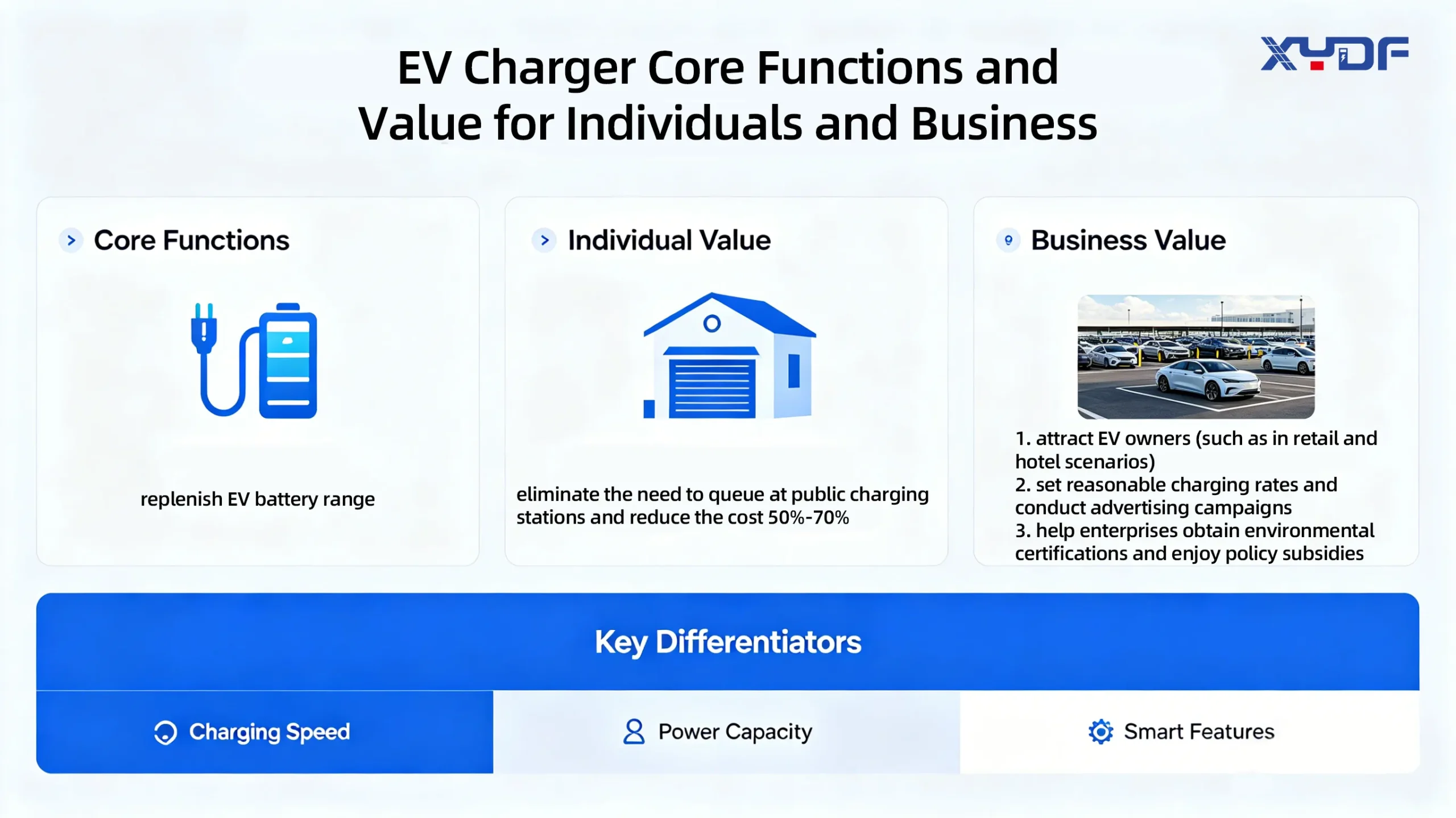
EV Charger Core Functions and Value for Individuals and Business
The value of a high-quality EV charger goes far beyond its basic function of replenishing EV battery range. It is also a long-term investment that can bring tangible returns to both individuals and businesses. Differences in charging speed, power capacity, and smart features directly affect the user experience and cost-effectiveness.
For individual users: its value lies in convenience and cost savings: home charging eliminates the need to queue at public charging stations and reduces the cost per kilometer of charging by 50%-70% compared to public charging.
For businesses, deploying EV charging stations is by no means a mere supporting facility, but a strategic investment that can bring multiple practical benefits. First, it can accurately attract the growing group of EV owners, extend customer stay time (such as in retail and hotel scenarios), and directly drive consumption conversion. Second, commercial charging stations can open up new profit growth points for businesses by setting reasonable charging rates and advertising, realizing a positive cycle of investment return. Third, it aligns with the global trend of green and low-carbon development, helping enterprises obtain environmental certifications, enjoy policy subsidies, and at the same time shape a responsible brand image, and enhance market recognition.
EV Charger Core Functions and Value for Individuals and Business
EV Charger Options: Pricing Based on Your Needs
For individual users, the main cost determinants are charging speed (linked to daily commute needs) and whether the existing home electrical system can support the charger (avoiding costly upgrades).
For business users, the core variables shift to the number of chargers needed, the power capacity required to serve customers or fleet vehicles, and business-specific expenses, such as wiring for multiple parking spaces or payment processing system fees.
Below, we will break down the most common charger options, providing specific, real cost details, usage scenarios, and value assessments. The classification is designed to help individuals and businesses match their needs with their budgets, whether you are charging a single private EV overnight or equipping a commercial parking lot with multiple fast chargers to increase customer traffic.
Affordable Plug-and-Play Chargers (No Installation Required)
If you are an individual on a limited budget or drive short distances every day, a basic plug-and-play charger will be your best choice. This type of charger is compatible with standard 120V household outlets (the same type of outlet you use to charge your phone, laptop, or coffee maker)—no professional installation is required. You just need to plug it into the outlet and connect it to the EV to start charging. For small businesses (such as small offices with 1-2 employees who drive EVs), this type of charger can also be used as a low-cost backup option, although they are not suitable for high-capacity charging needs.
This type of charger has a slow charging speed, adding about 20-30 kilometers of range per hour. This means that if you drive 200 kilometers a day (for individuals), you will need to charge overnight to fully charge the battery. For businesses, this speed is too slow to support multiple EVs or frequent charging needs. They are usually given away for free with new cars, but if you need to buy them separately, the price is also affordable, and the maintenance cost is low.
Price Range: Basic models cost $100-$300. Installation cost is $0 (DIY-friendly, no special skills needed).
Best For: Individuals who drive less than 200 kilometers per day, have access to off-street parking, and don’t mind longer charging times. Also suitable for small businesses as a backup charging option for a small number of EVs (1-2 vehicles).
Daily Home and Light Commercial Chargers (Fast, Convenient, and Cost-Effective)
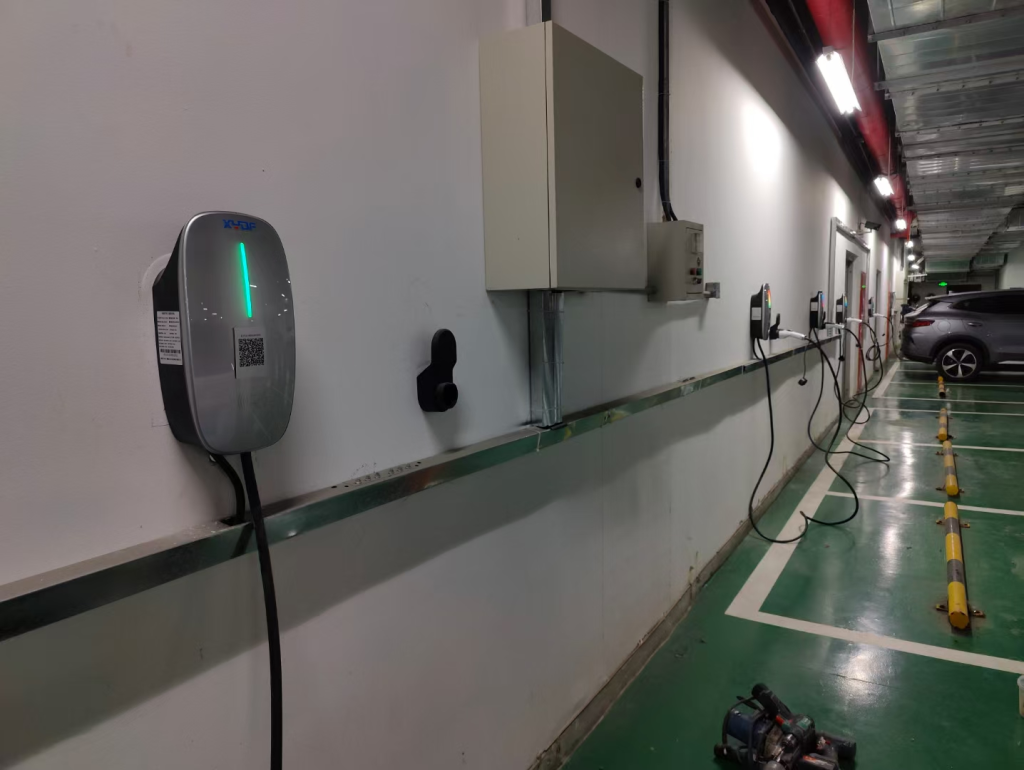
For most individuals and many small and medium-sized businesses, this is the most ideal choice: a charger that is fast enough to fully charge EVs overnight for individuals or meet moderate daily charging needs for businesses, and is moderately priced. This type of charger uses a 240V circuit (similar to the circuit that powers your dryer or oven at home, or compatible with standard commercial circuits for businesses) and is designed for daily use. They can add 40-80 kilometers of range per hour—enough to fully charge most EVs in 8-10 hours for individuals or charge 2-3 EVs per day for light commercial scenarios, such as small offices, retail stores, or apartment complexes with a few parking spaces.
Price Range: $200-$1000 per unit. Installation cost is $500-$2000. If the distribution box is in the garage and there is already 200A power nearby, the installation cost is lower, between $500-$1000. Otherwise, the installation cost will increase.
Best For: Most individuals (including those with longer commutes or larger EV batteries) and small to medium-sized businesses (small offices, retail stores, apartment complexes, small fleets) that need moderate charging capacity.
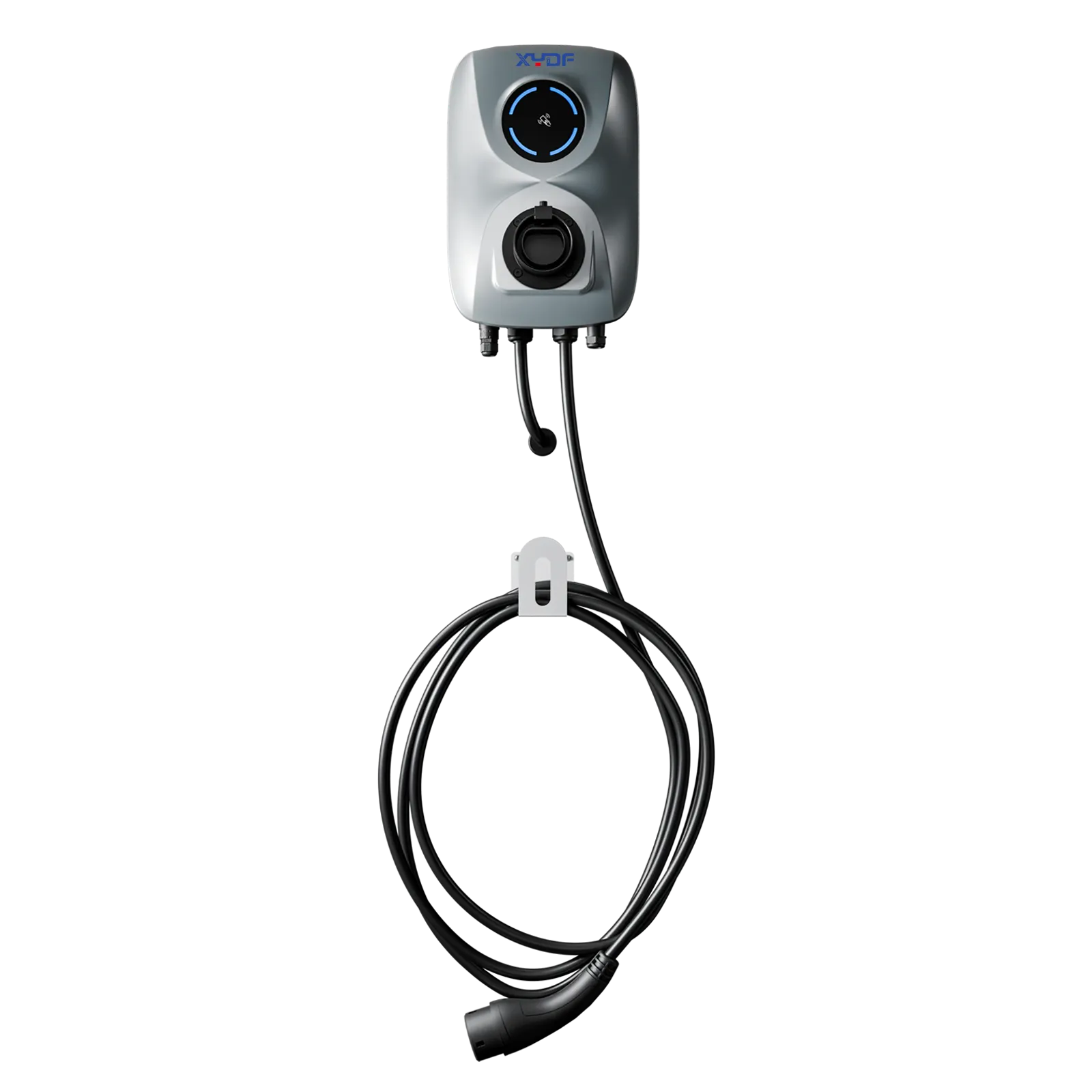
7KW AC Charging Station
Commercial-Grade Fast Charging Options (High Efficient and Durable)
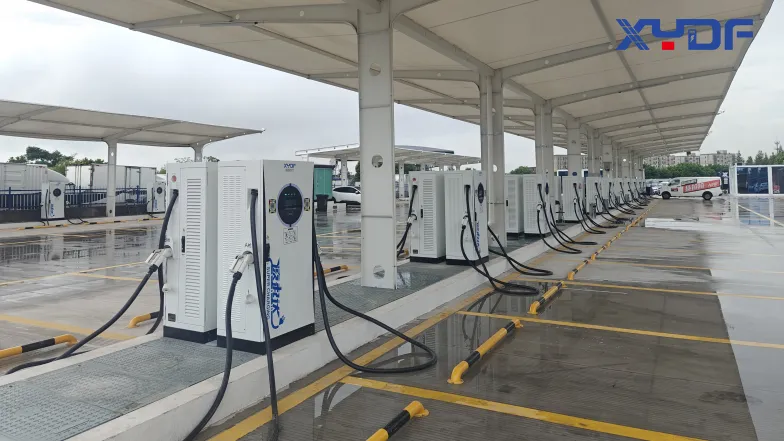
For businesses with high-capacity charging needs—such as large fleet operators, busy retail centers, hotels, or public parking lots—fast chargers are essential. This type of charger can charge an EV to 80% in 30 minutes, making it very suitable for businesses that need to charge multiple customers or fleet vehicles quickly. Unlike home use, fast chargers are common in commercial settings because they require a high-voltage power supply of 400V and are designed to withstand high daily usage loads.
You will usually see this type of fast charger in commercial places such as gas stations, shopping malls, highway rest stops, large office parks, and fleet depots. They are designed to withstand continuous use, can support multiple EVs charging at the same time, and are usually equipped with advanced management functions for businesses—such as payment processing, usage data analysis, and remote monitoring.
Price Range: Each charger costs $5,000-$12,000 depending on power capacity and number of ports. Installation cost adds an additional $2,000-$10,000 per charger because they require commercial-grade electrical upgrades and professional installation. For businesses installing multiple units, bulk discounts may apply.
Best For: Large enterprises, fleet operators, retail centers, hotels, public parking lots, and any commercial property with high-capacity EV charging needs.
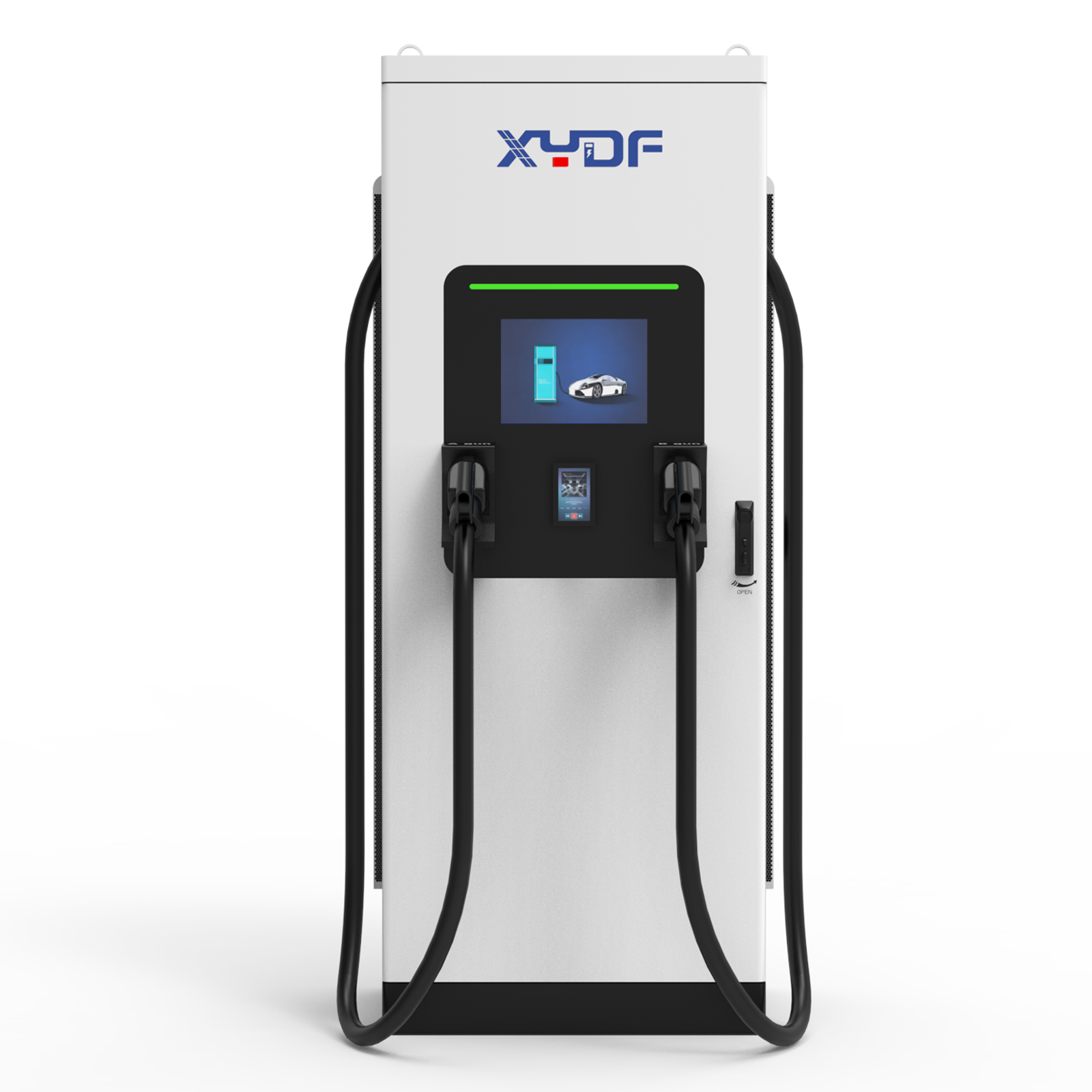
120KW DC Charging Station
Trusted EV Charger Manufacturer
Choosing a reputable manufacturer is crucial to ensuring the safety, durability, and reliability of EV chargers— guidelines, whether for personal or commercial use. One brand that stands out in terms of quality, cost-effectiveness, and comprehensive solutions is XYDF (Xinya Dongfang Electricity Technology Co., Ltd.), a professional EV charger manufacturer with years of industry experience, serving individual and commercial customers around the world.
XYDF is a professional full-scenario EV charger manufacturer with mature global delivery and service capabilities. All its products comply with IEC 61851 standards and mainstream international safety certifications, and implement strict quality control standards for both home and commercial scenarios. The brand covers complete charging scenarios, and its product matrix is accurately adapted to personal daily use, small and micro enterprise supporting needs, and large-scale commercial fleet operations, focusing on stable performance, controllable costs, and long-term reliable operation.
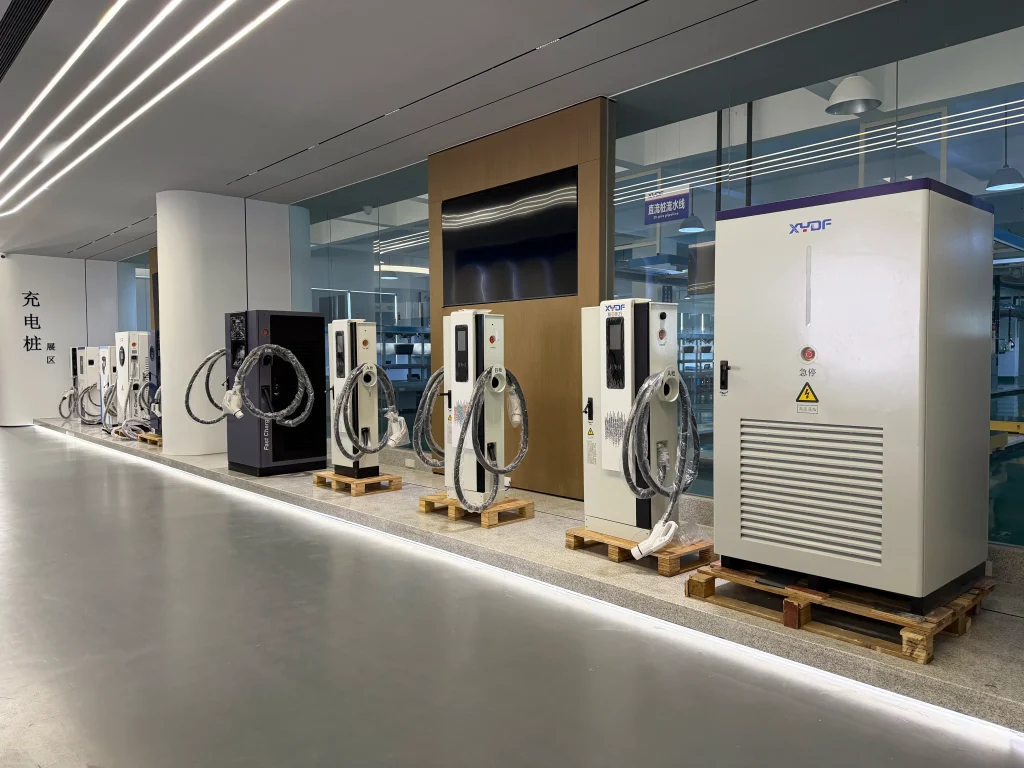
XYDF Show Room
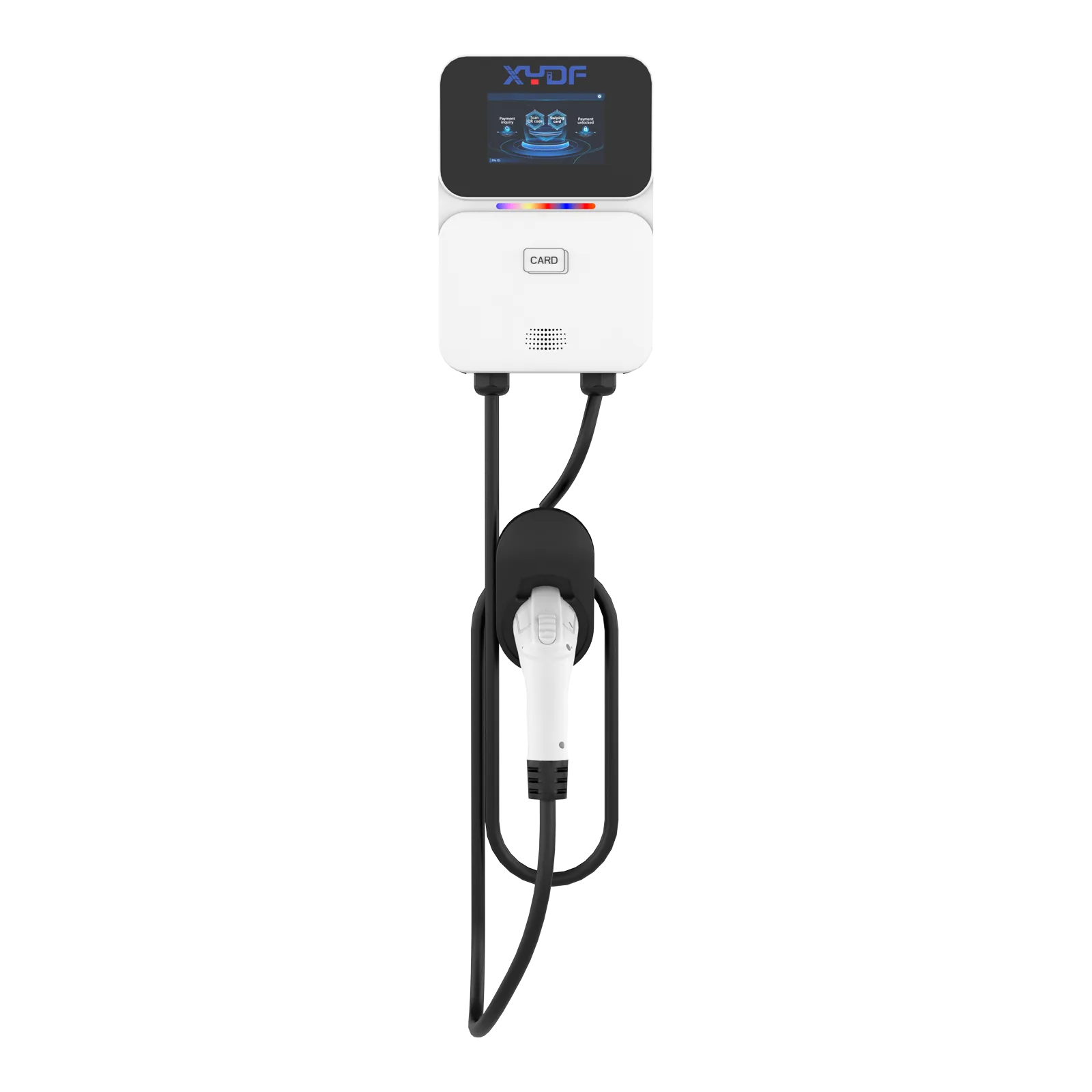
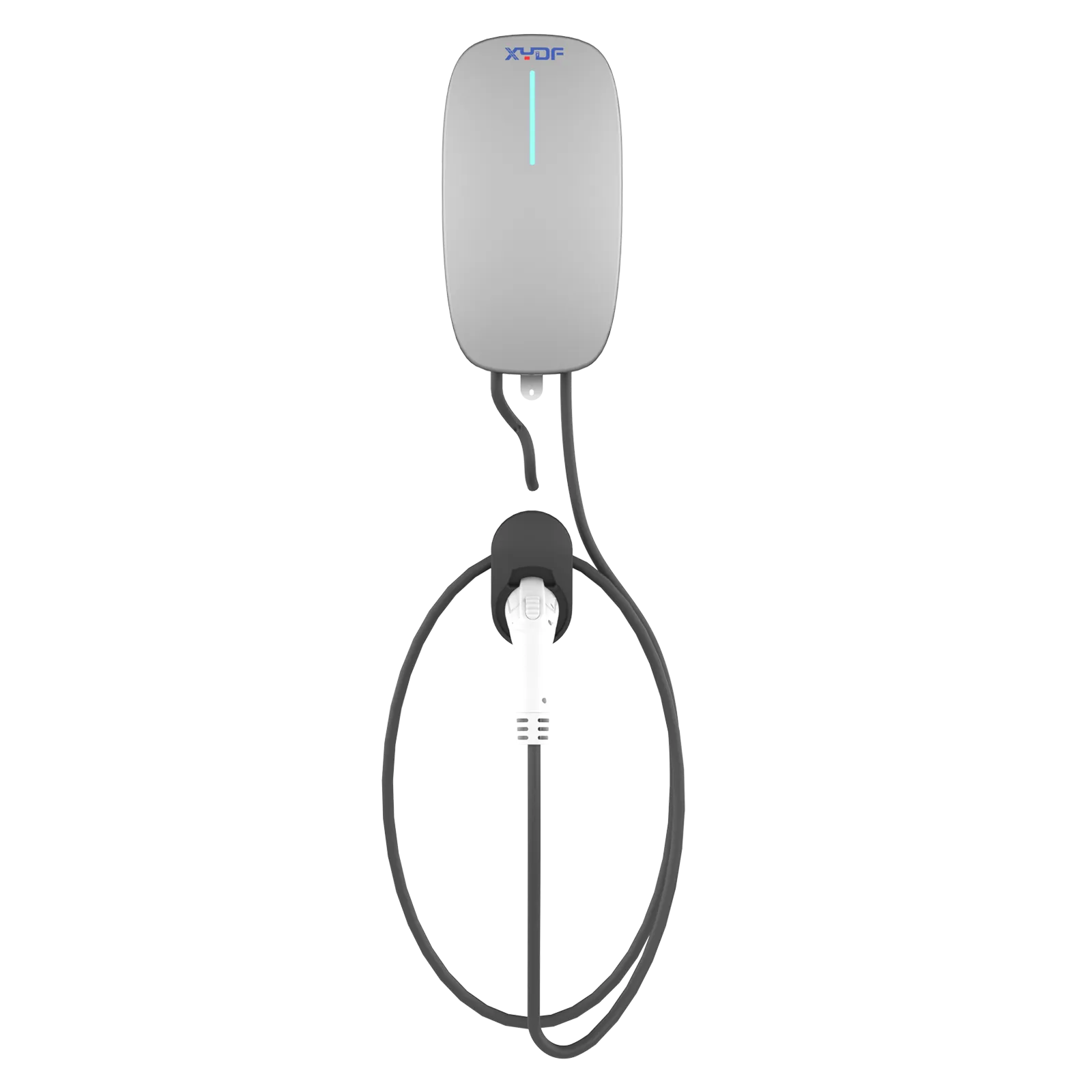
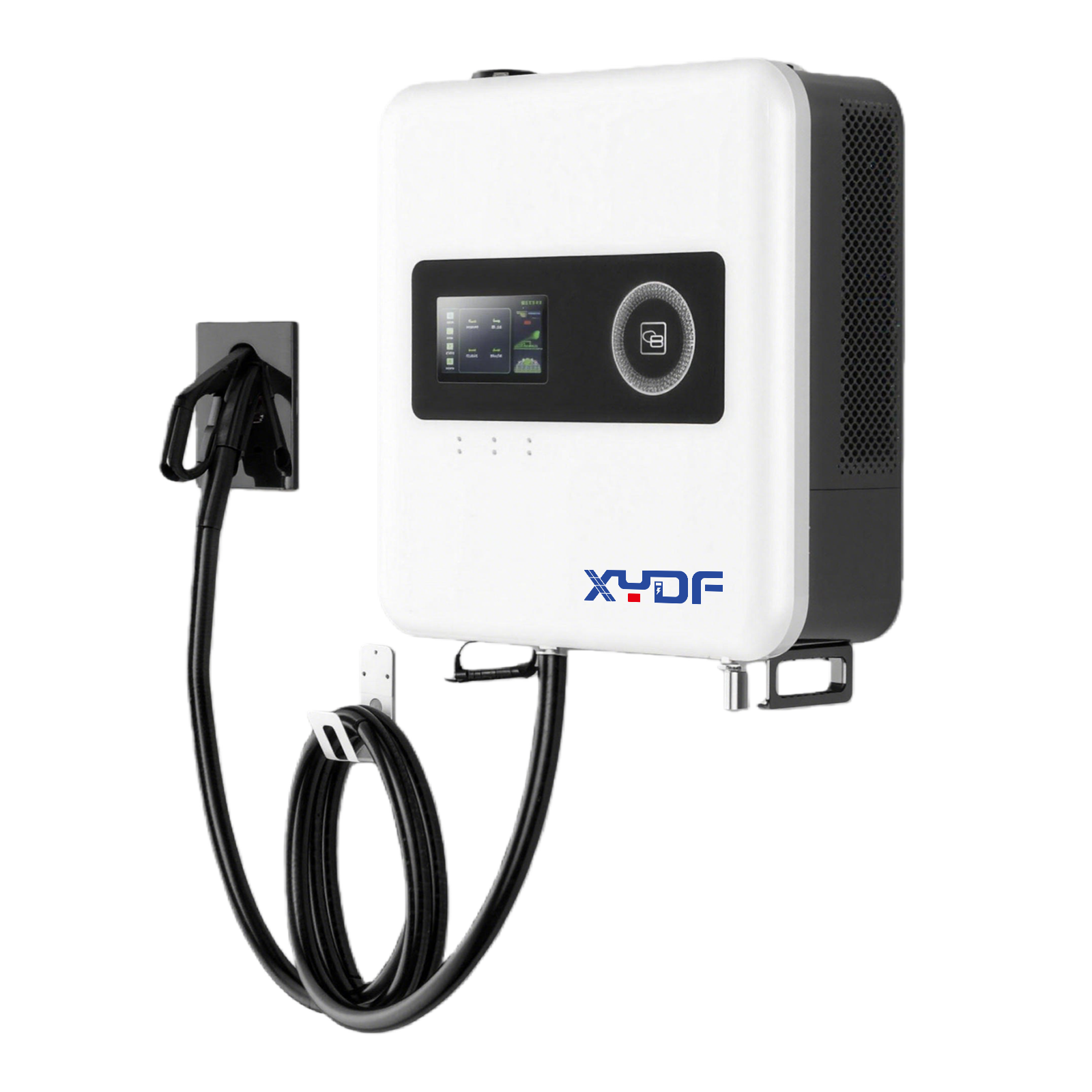
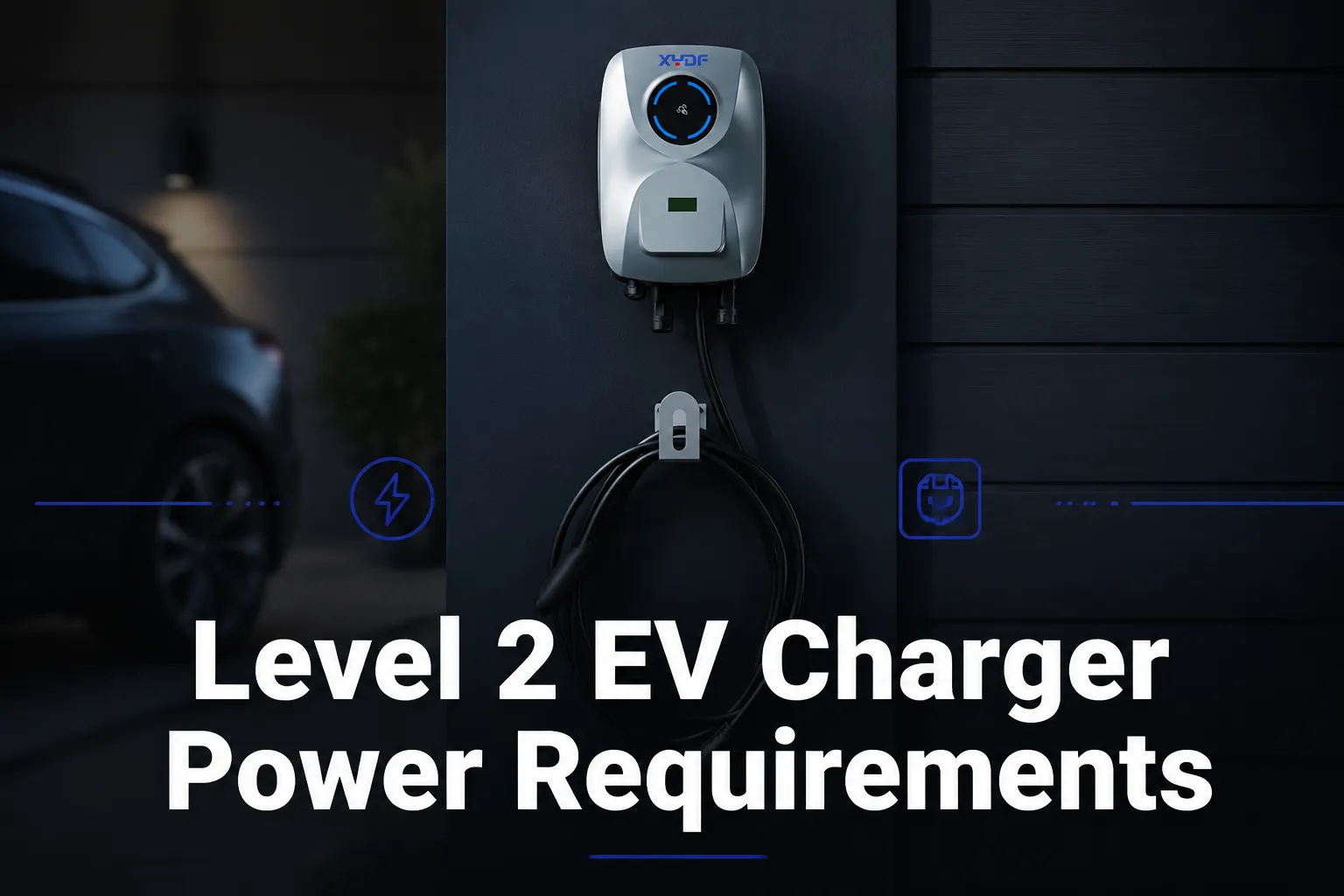
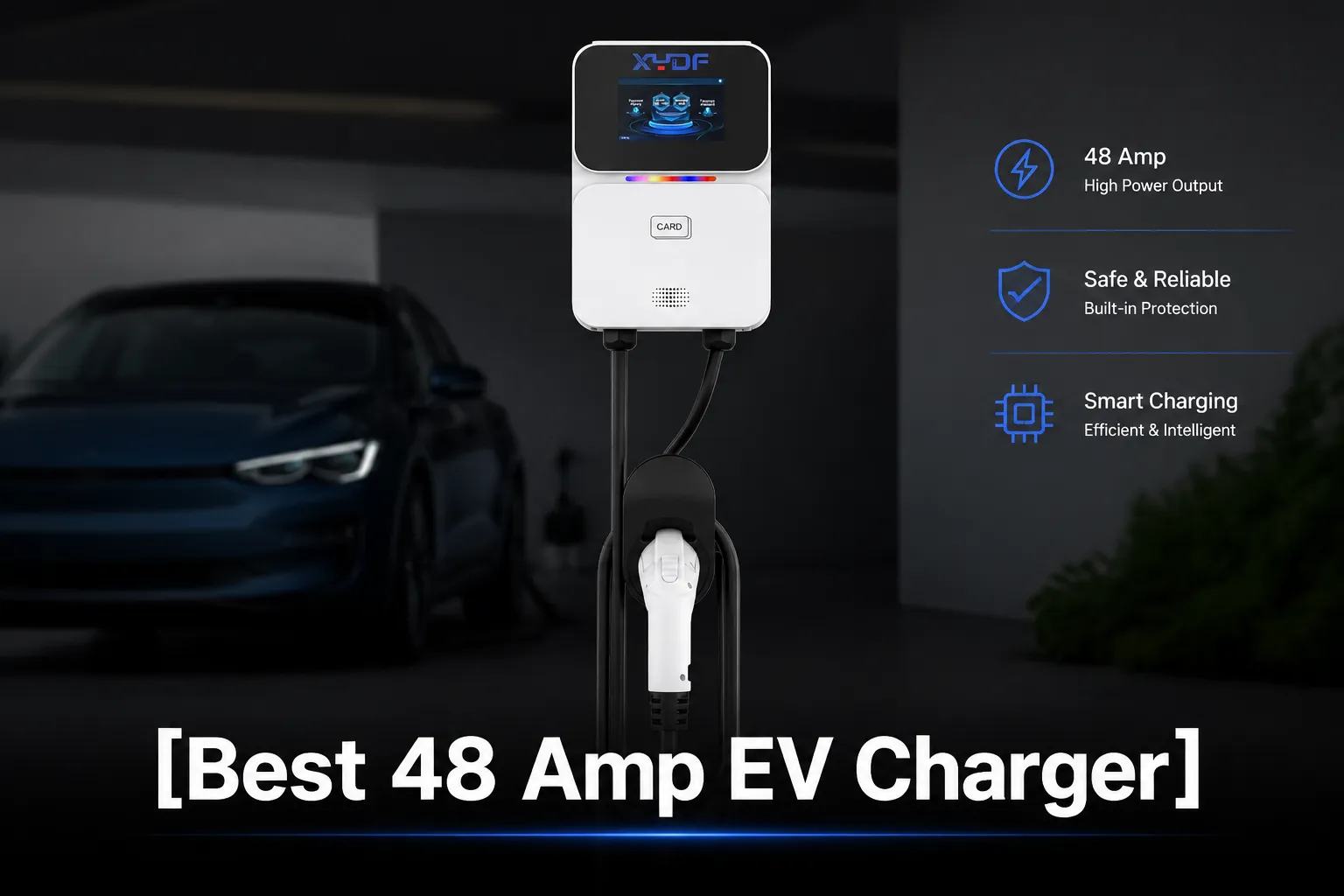
For Individual Users: The XY AC-E7KW charger is the brand’s best-selling entry-level model, priced at $200-$400. With a stable output of 7KW, it can add 25-30 miles of range per hour, meeting the needs of fully charging daily commuting vehicles overnight. The product is equipped with a clear touch operation panel, supports multiple customizable charging modes, is equipped with full-stack safety protection, and has an IP54 waterproof and dustproof design that can be adapted to indoor and outdoor installation, compatible with all mainstream EV models on the market.
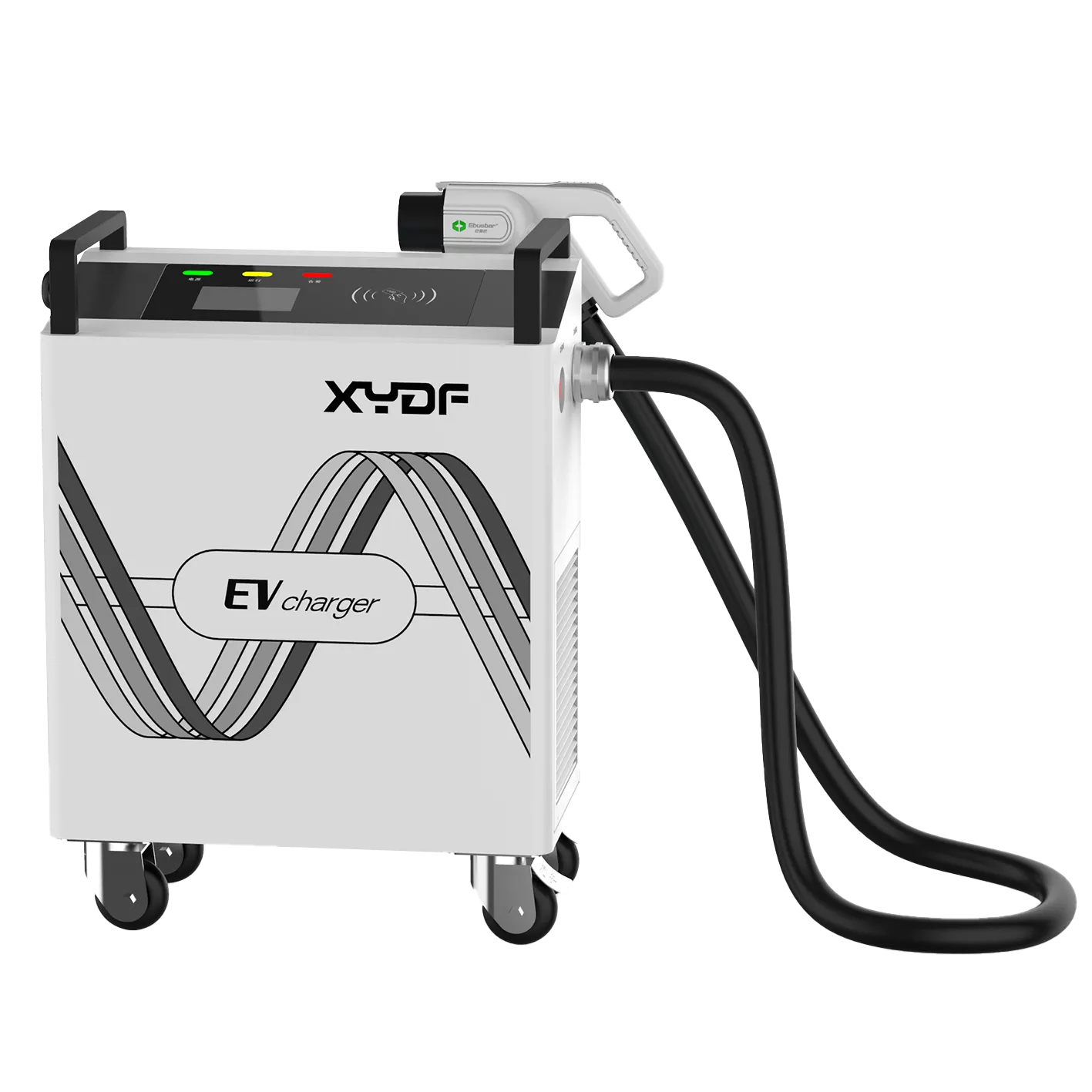
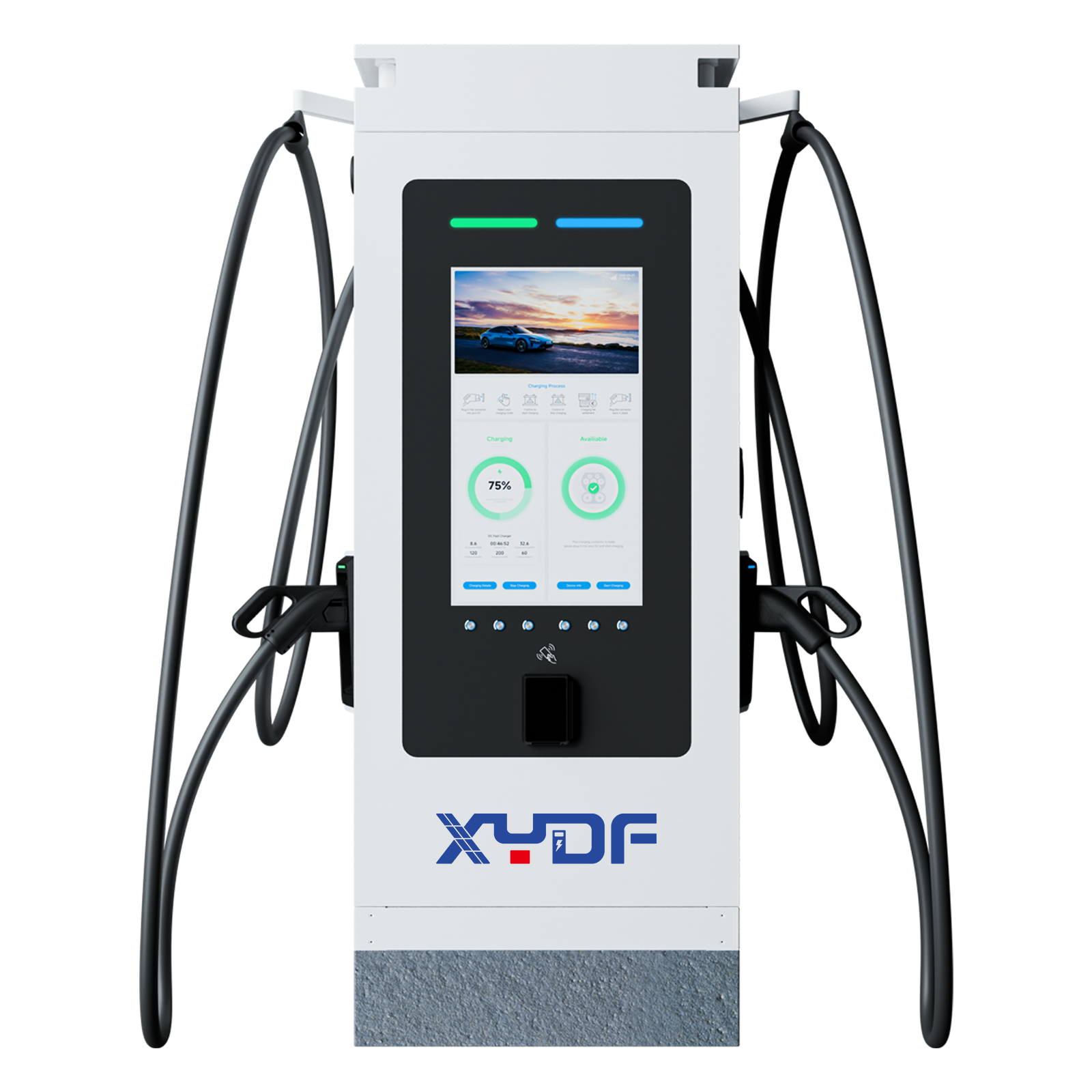
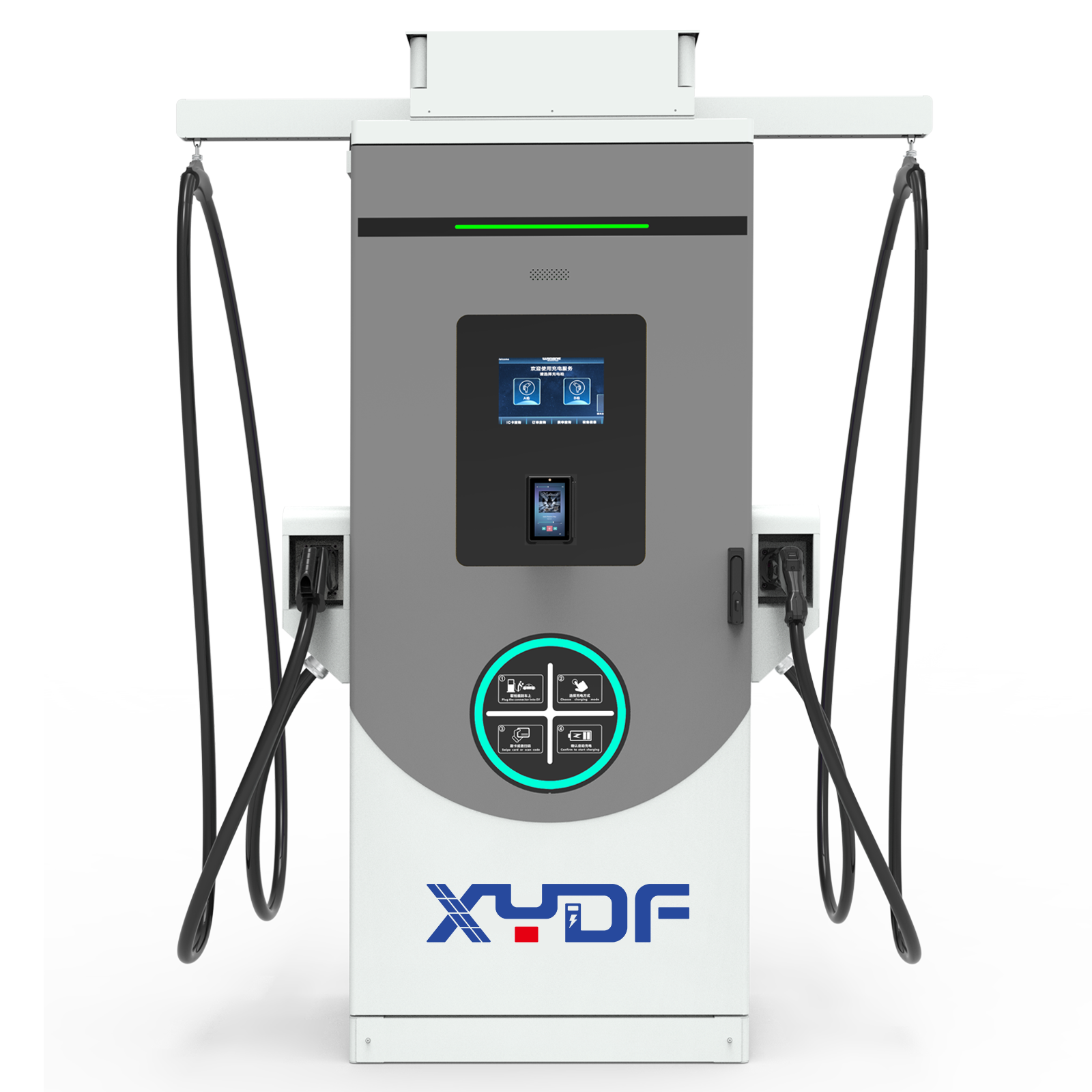
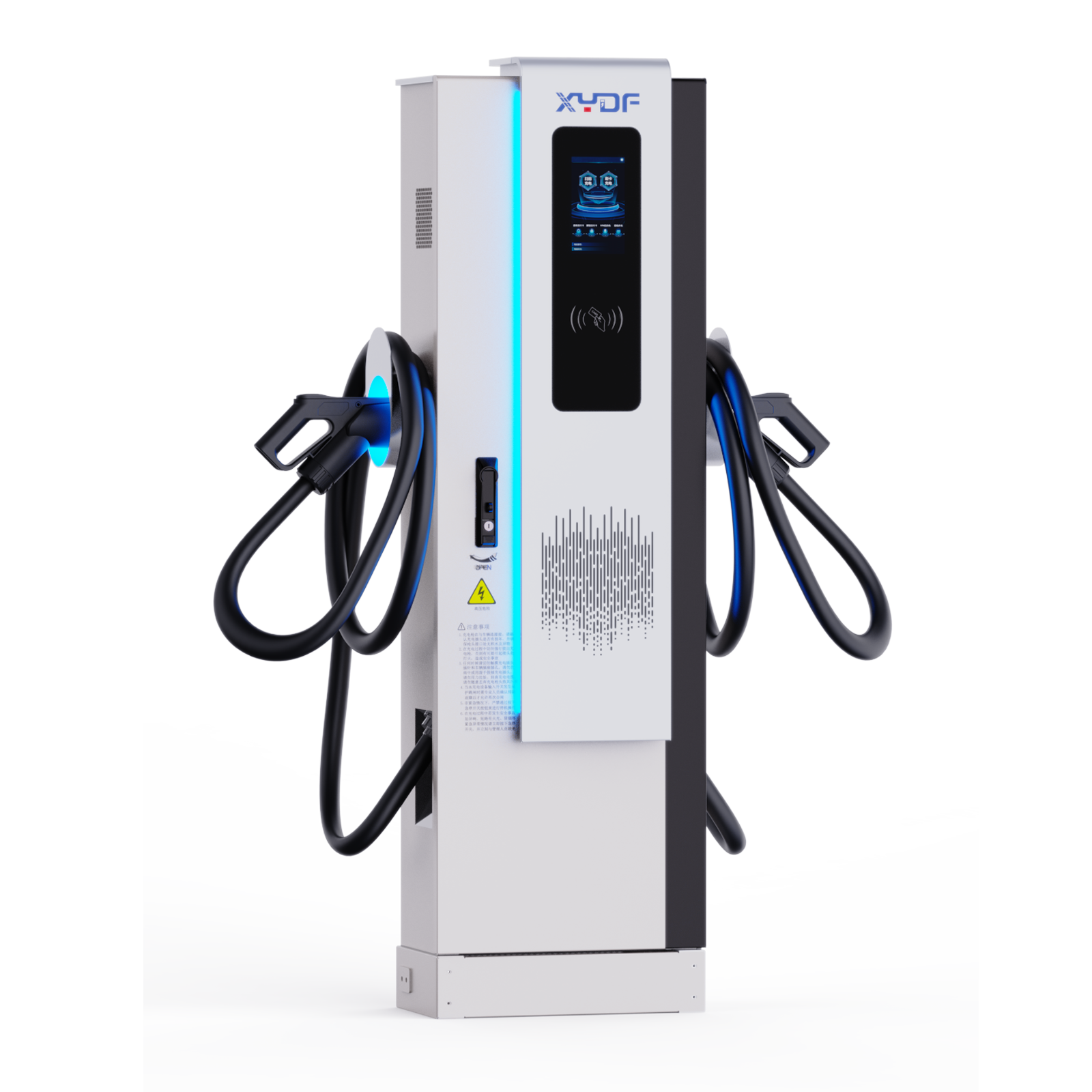
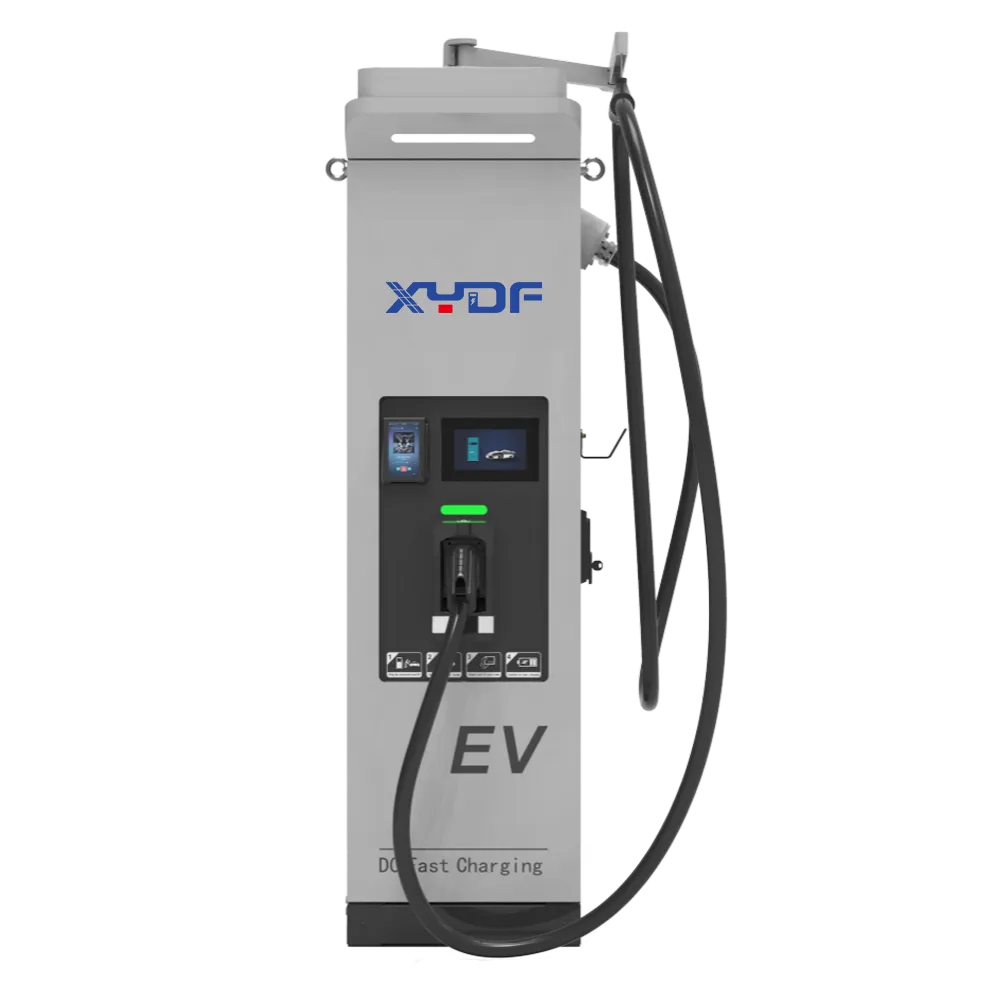
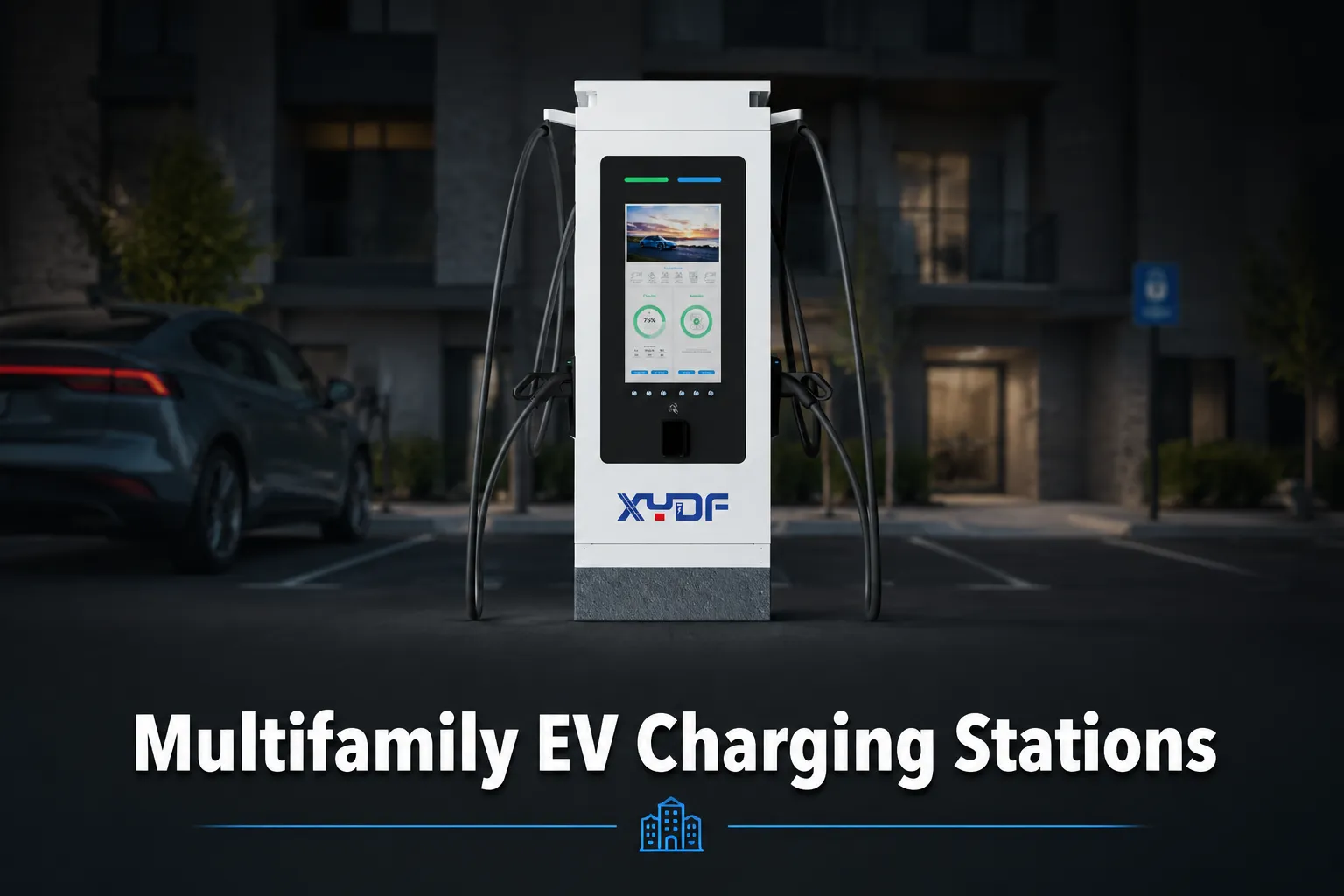
For Commercial Customers: XYDF provides targeted high-power charging solutions for business scenarios, including two core products: 120KW DC fast charging station ($6,000-$8,000) and 22KW commercial AC charging station ($200-$500 per unit). The 120KW dual-port fast charging station can charge a vehicle to 80% in 30 minutes, supports simultaneous high-efficiency charging of two vehicles, and has built-in commercial operation management functions such as payment settlement, remote monitoring, and data statistics, suitable for high-traffic commercial places and fleet hubs. The 22KW model has outstanding cost-effectiveness, is suitable for small and micro enterprise deployment, and exclusive bulk discounts are available for multi-unit purchases.
FAQ: Common Questions About EV Charger Costs
To help you fully understand the relevant information, we have answered the most common questions about EV charger costs asked by potential buyers (individuals and businesses):
Q: What is the total cost of EV chargers for personal vs. commercial use?
A: For individuals: The total cost of a basic plug-and-play charger is $100-$300 (no installation fee). The cost of a daily home charger is $200-$1000 per unit, and the installation cost is $500-$2000.
For businesses: The cost of a light commercial charger is $200-$500 per unit, and the installation cost is $5000-$2000. The price of each commercial fast charger is $5,000-$12,000. The installation cost is $2,000-$10,000 per unit. Businesses purchasing multiple units can enjoy bulk discounts.
Q: Is a faster charger worth the extra cost for individuals and business?
A: For individuals: Yes, if you drive more than 200 kilometers per day or have a larger EV battery—a faster charger can save time (fully charged overnight, while basic models take 12-24 hours).
For businesses: Yes, if you have high-capacity charging needs (such as charging for customers or fleet vehicles)—fast chargers reduce waiting time, improve customer satisfaction, and thus may increase revenue.
Q: Can individuals or businesses install EV chargers themselves to save money?
A: For individuals: Basic plug-and-play chargers can be installed by yourself (just plug into a household outlet). Faster home chargers require professional installation (DIY installation is unsafe).
For businesses: All commercial chargers need to be professionally installed by licensed electricians—DIY installation has potential safety hazards, violates commercial electrical codes, voids warranties, and may lead to liability issues. It is not worth taking such risks to save money.
Q: How much does it cost to maintain EV chargers for personal vs. commercial use?
A: For individuals: Minimal cost $0-$50 per year for DIY inspections, $100-$200 per year for professional maintenance (optional).
For businesses: The annual professional maintenance cost is $200-$500 per charger (recommended for high-volume use).
Final Thoughts
The cost of an EV charger depends on your needs (personal or commercial), installation requirements, and brand, but most individuals and businesses will find that mid-range chargers (such as XYDF’s products) achieve the best balance between cost, speed, and convenience.
For individuals, in the long run, home charging is much cheaper than public charging, eliminating range anxiety and saving time.
For businesses, EV chargers are a valuable investment that can attract customers, improve employee satisfaction, and support sustainable operations. By considering your daily driving habits (individuals) or charging capacity (business), electrical capacity, and budget, you can choose an EV charger that suits you without overspending.
Choosing a reputable brand like XYDF can ensure the safety, durability, and long-term value of the product, makes your EV charging experience smoother and more economical, whether personal or commercial.
 Xinya Dongfang Electricity Technology Co., Ltd.