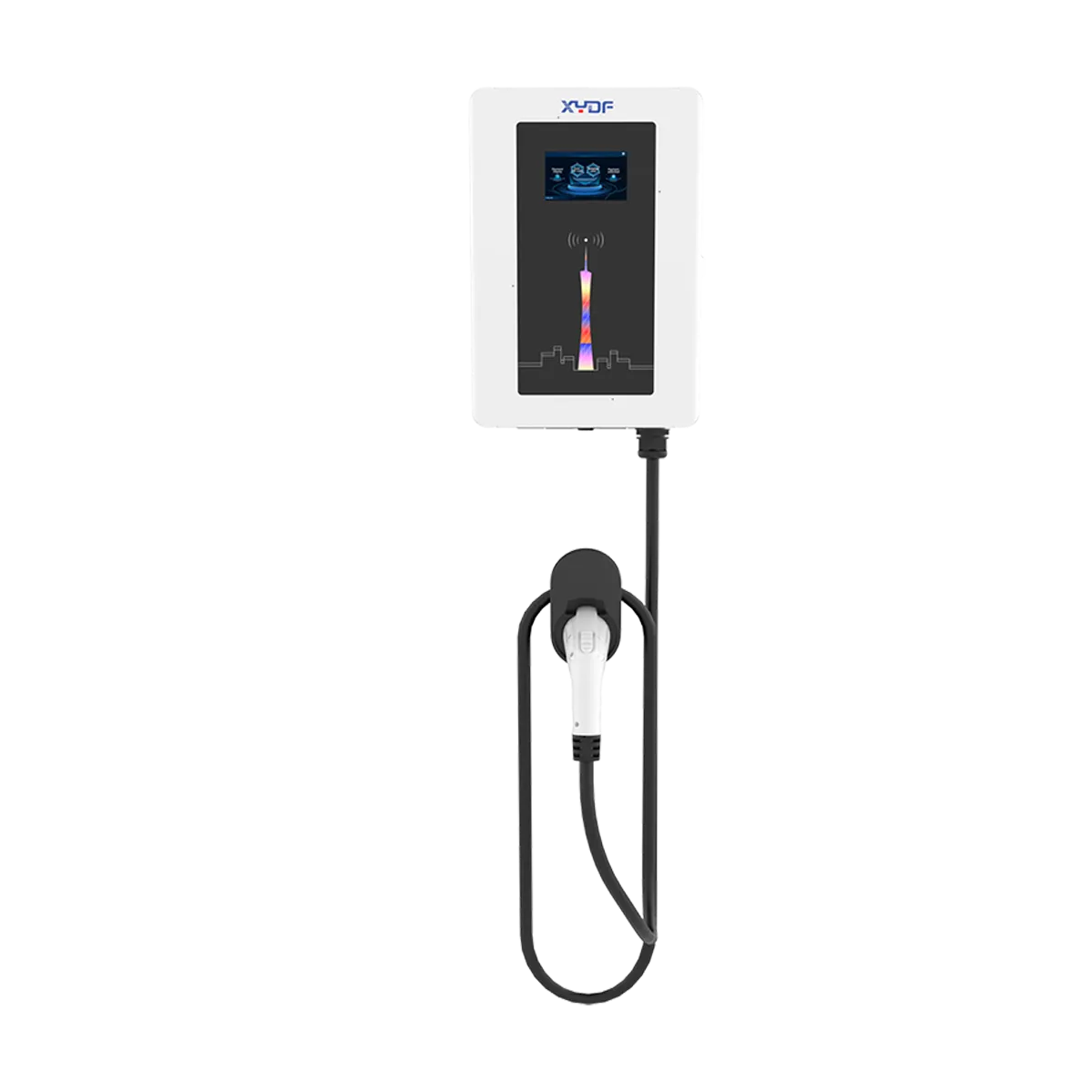
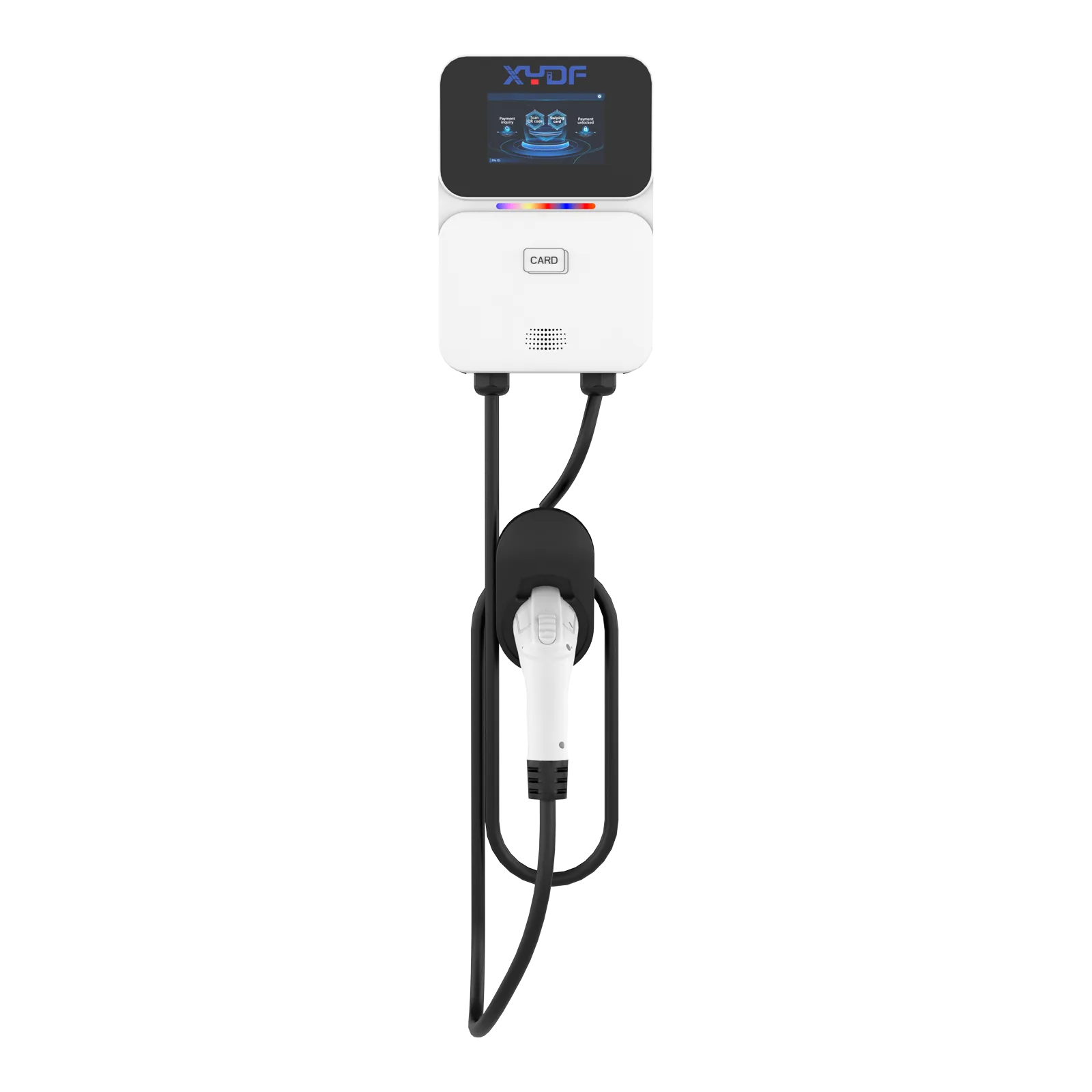
Commercial EV Charging Station Business Guide › Multifamily EV Charging Stations
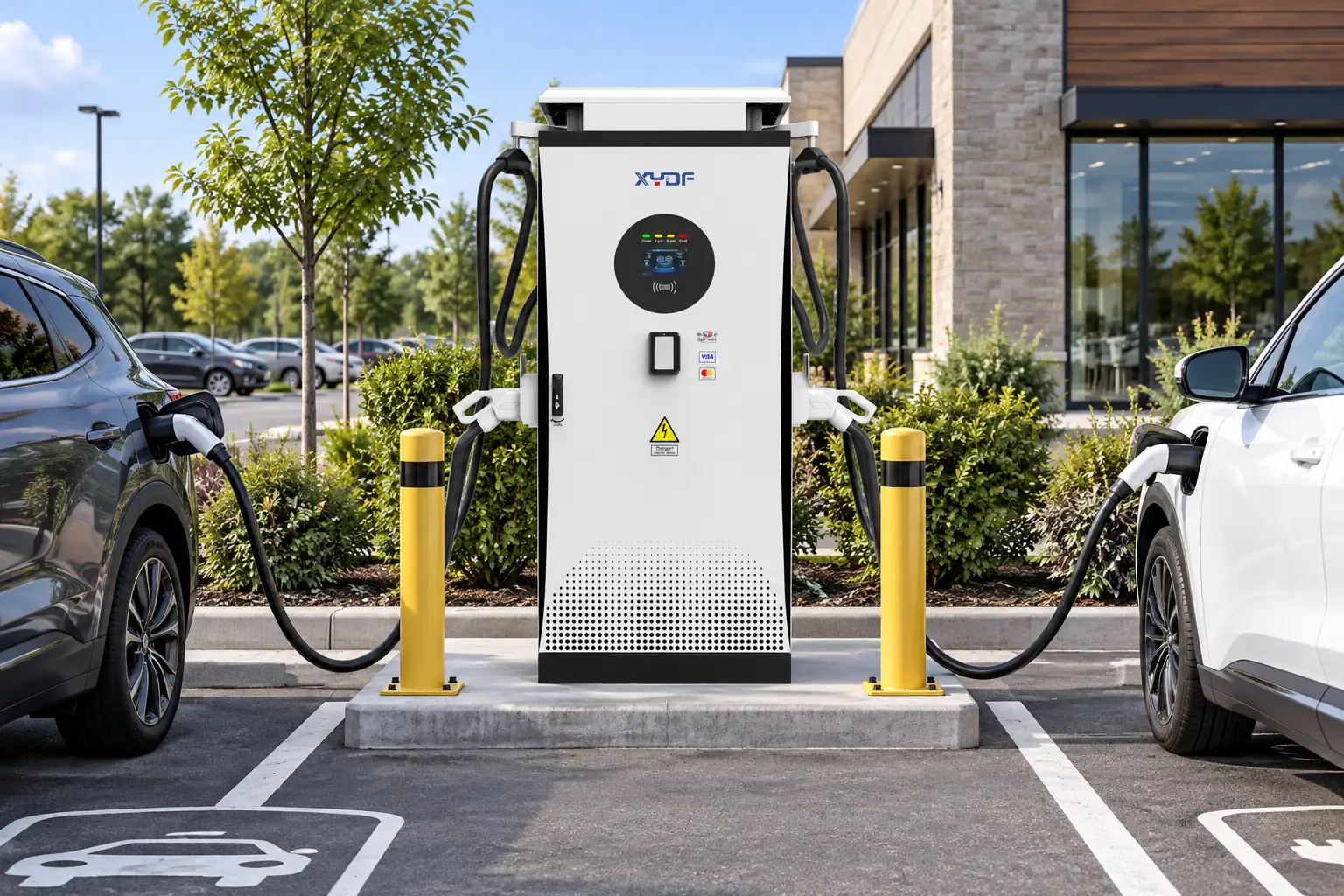
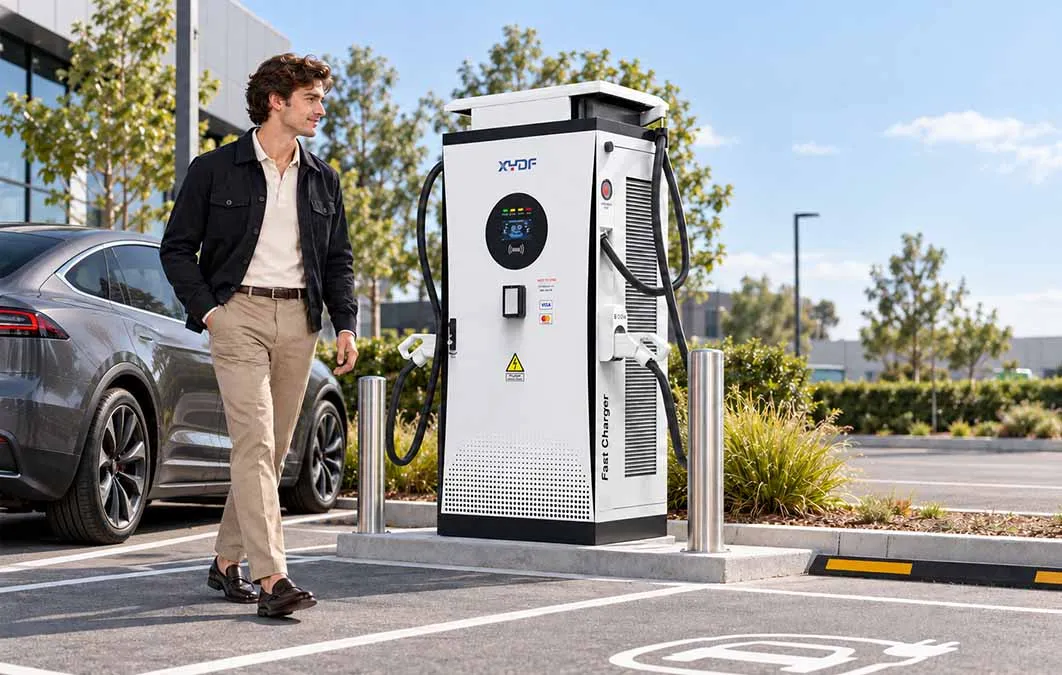
Demand for EV charging infrastructure is rapidly growing, as EVs gain in popularity; therefore, when considering installing multifamily EV charging stations on your property/properties, owner/managers will want to ensure they can provide tenants with efficient, convenient and inexpensive access to the infrastructure charging EVs. Whether you are looking into installing charging solutions in an apartment complex, a condominium or any other type of multifamily property, our comprehensive guide will give you everything you need to know.
Reasons to Add EV Charging Stations to Multifamily Properties
It is becoming essential for multifamily property owners to provide tenants with EV charging infrastructure; therefore, below are the reasons why.
1. Attracting Tenants: As more tenants choose EVs, more tenants are seeking out multifamily properties with EV charging stations. Providing charging stations to tenants shows that your property is eco-friendly, sustainability-minded, and has convenience for people who want to live in an environmentally friendly manner.
2. Increase Property Equity: Multifamily properties with charging facilities provide their owners a higher perceived value in the eyes of tenants. Thus, the property will attract more tenants and be able to charge higher rent to those tenants.
3. Environmental Sustainability: Tenants who live in multifamily properties that support efforts within the environment to reduce carbon footprint will likely find those properties to be more desirable because they can live in accordance with their values of being a good steward of the earth.
Shared Charging vs Private Charging EV Stations
If you are considering installing EV chargers, one of the major decisions you will need to make is whether to go with a shared or private charging solution. Below is a comparison of the two options.
Shared EV Chargers
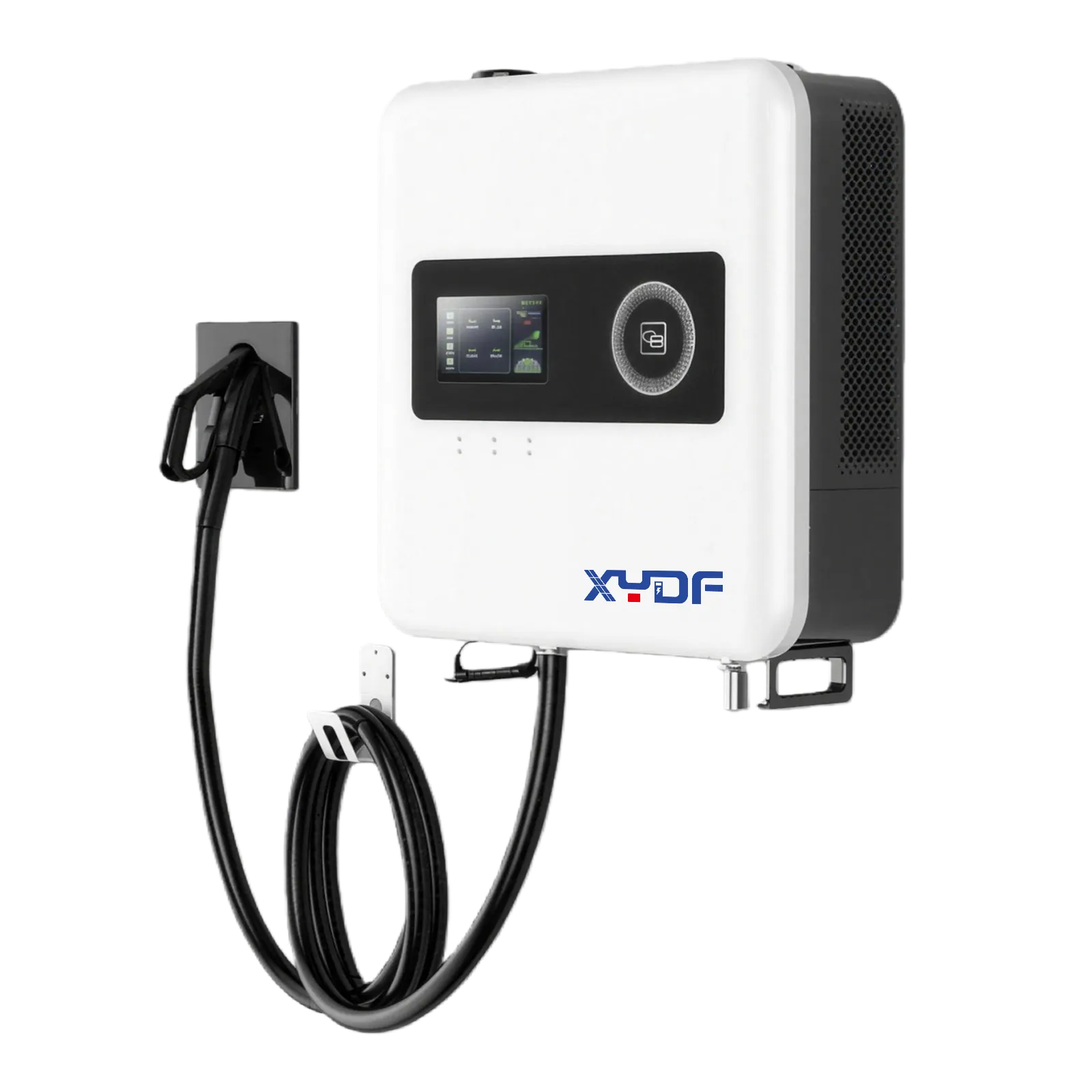
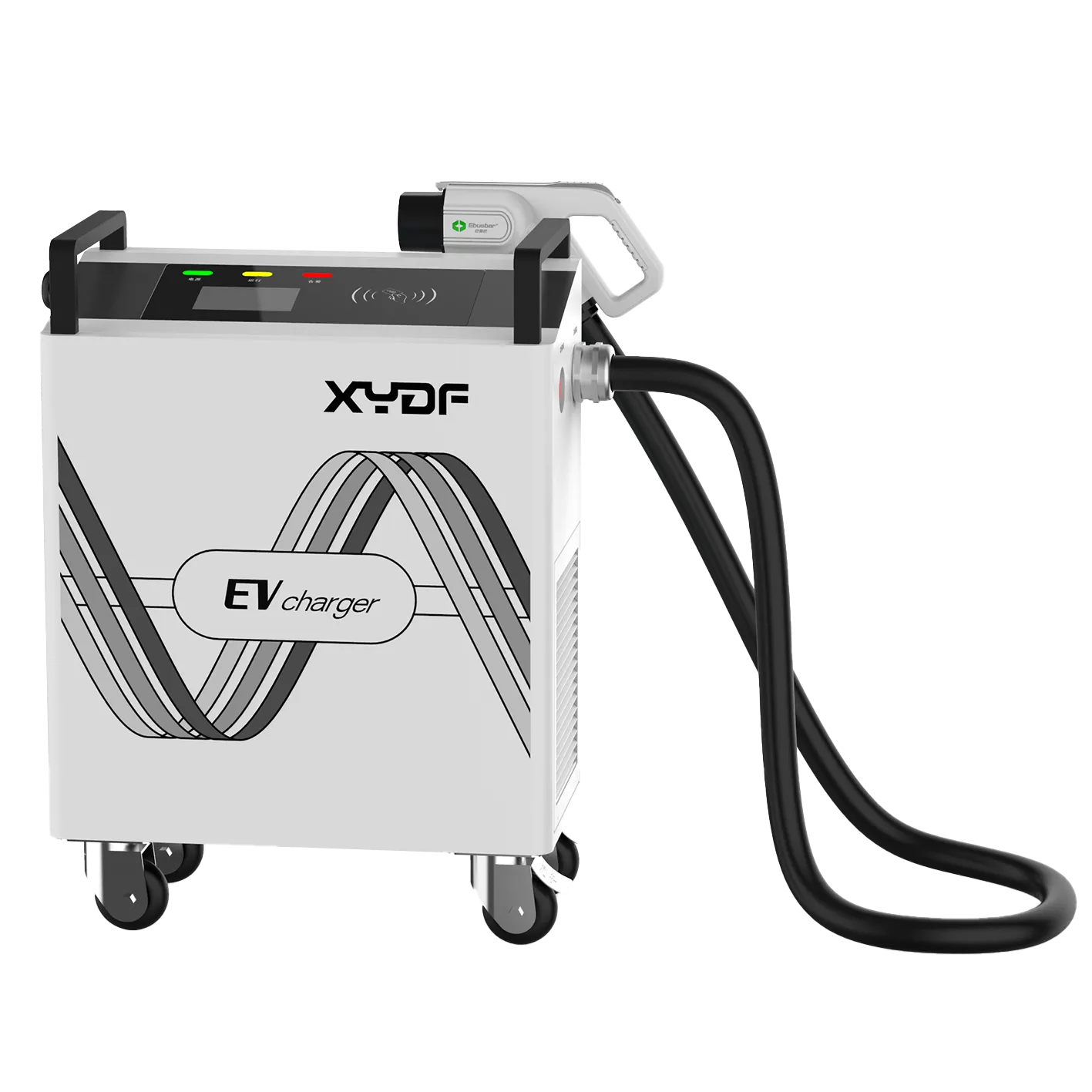
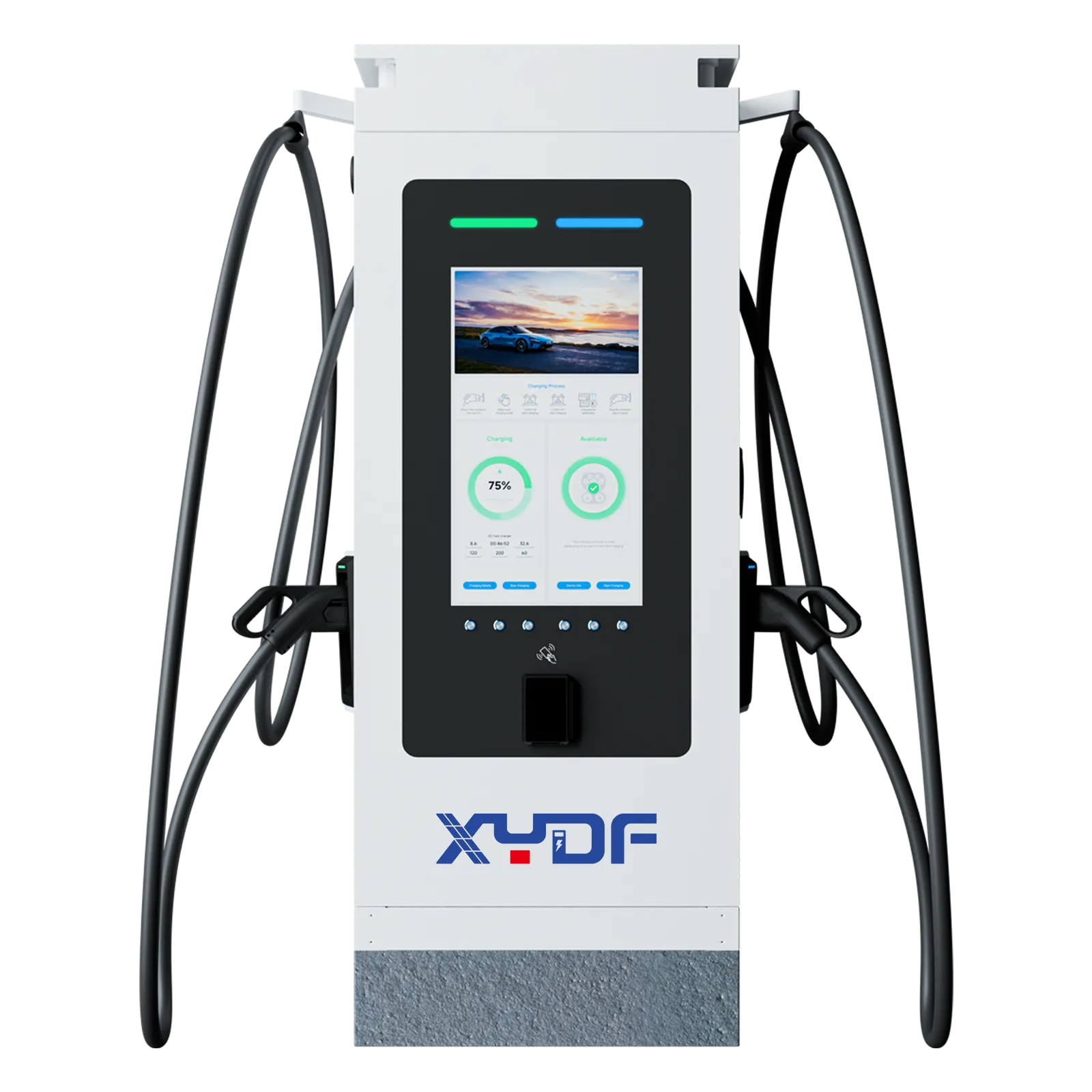
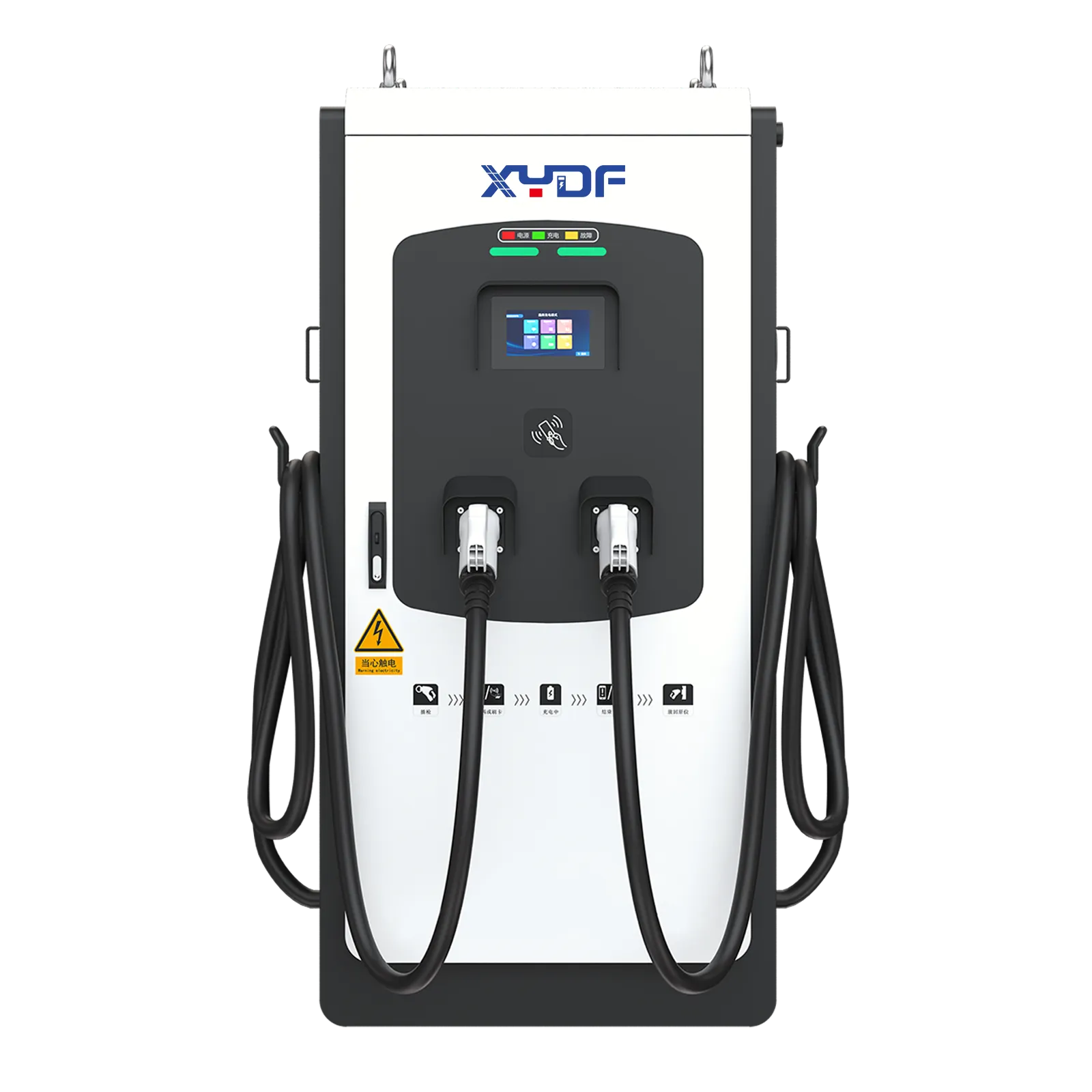
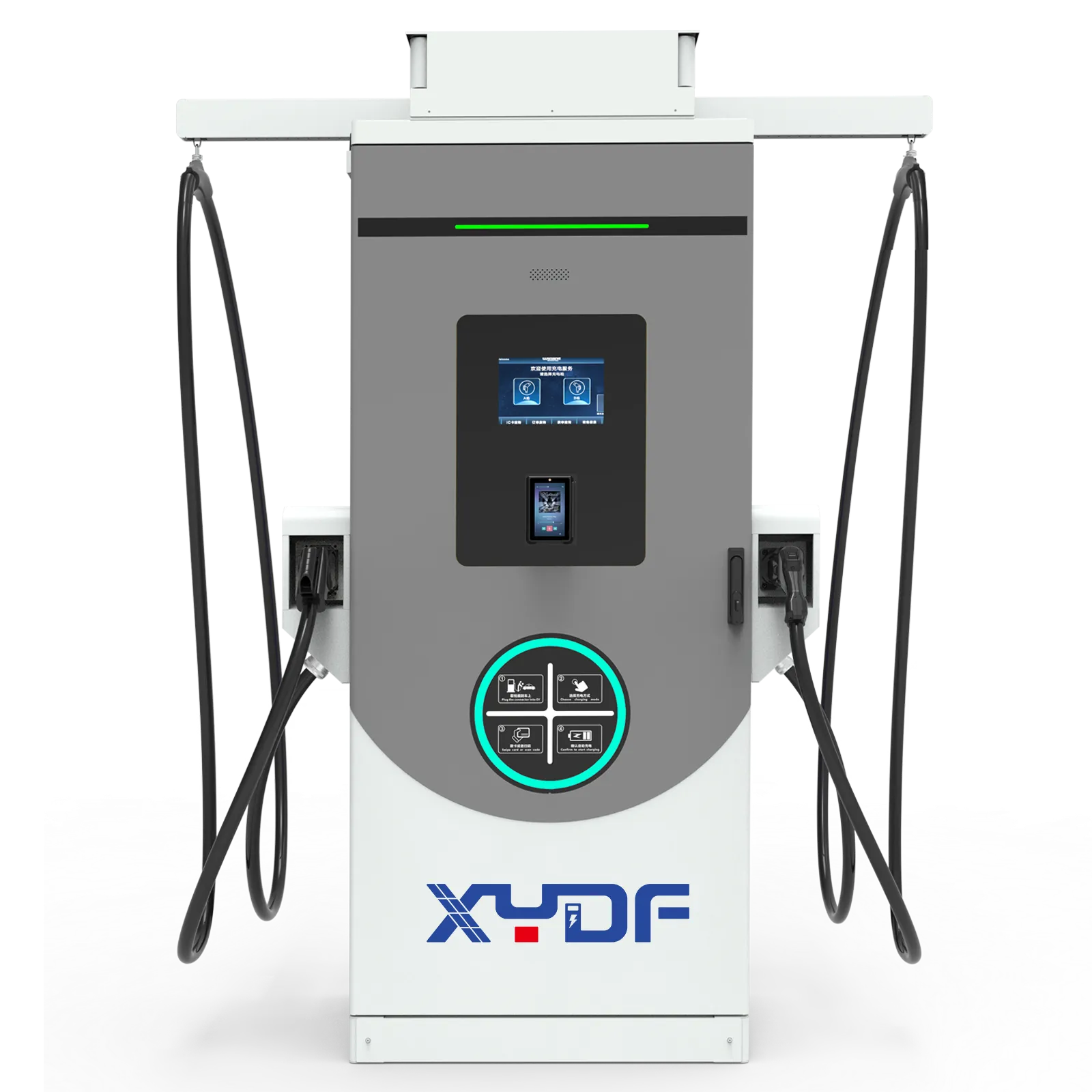
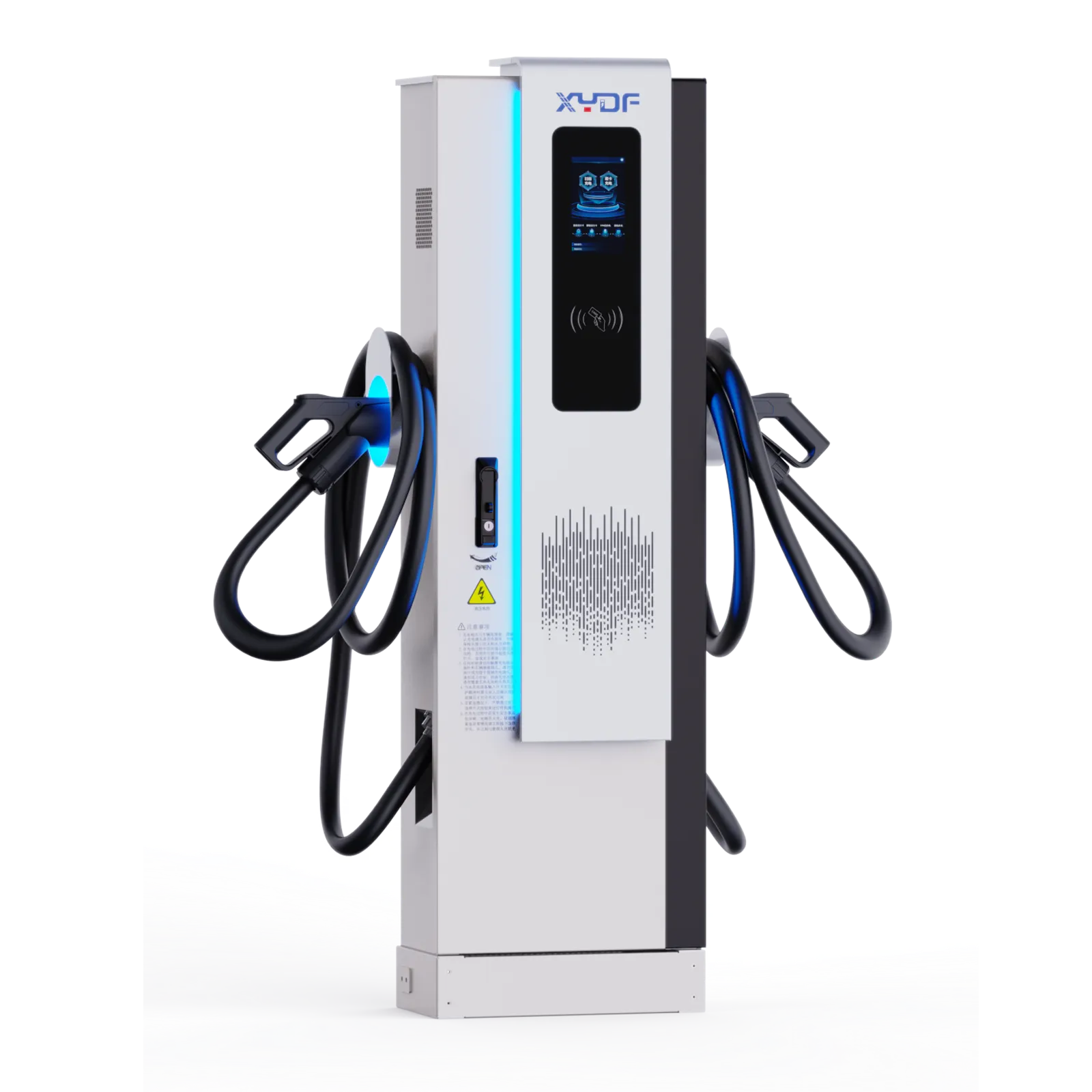
Shared chargers are located in common facilities; for example, they could be located in common area parking garages or parking lots and they can be shared among several residents in the building. Often, the shared station option is more affordable than having separate station installations for each tenant since fewer stations can provide service to multiple tenants at one time; shared stations can also be outfitted with software that allows for managing scheduling, access control, and usage tracking.
Advantages of Shared Station Charging
- Lower capital and ongoing expenses than installing and maintaining separate stations for tenants
- Better utilization as multiple tenants use one station
Disadvantages of Shared Station Charging
- May present wait times or scheduling conflicts during peak usage periods
- Will require a greater level of management to oversee the overall operation of shared stations
Private EV Charging Stations
Private charging stations are installed for the exclusive use of a single tenant. Private chargers are installed in parking spaces that are assigned to a single tenant and can be billed to the tenant or property owner, based on how the billing system is set up.
Advantages of Private Charging
- Provide convenience to the tenant without the added concern of potential wait times or scheduling issues
- Tenants may monitor and manage their own energy usage
Disadvantages of Private Charging
- Higher capital expense than shared stations due to the number of locations required
- Limited floor space in some complexes may create challenges for widespread installation
Eco-Strategy EV Charging Billing And Payment Models
One of the most critical considerations when it comes to providing EV charging services to residents of multi-family communities will be the method by which EV users will be billed for their usage of the charging equipment. The most common methods of billing multi-family property residents for their usage of EV charging equipment include:
1. Usage-Based Billing Model: Tenants will be billed per kilowatt-hour (kWh) used while charging their EVs. This is a fair and transparent way for residents to manage their costs.
2. Subscription Model: Tenants will pay a flat rate on a monthly basis for unlimited or a specific number of charging sessions; therefore providing residents with a predictable means of budgeting.
3. Free Charging: Some properties offer complimentary charging to attract and retain tenants. While the owner bears the costs, benefits include increased occupancy rates and reduced tenant turnover.
4. Hybrid Model: A combination of free and fee-based options, such as free charging during off-peak hours and pay-per-use during peak times, can also be implemented.
Key Considerations for Installation and Maintenance
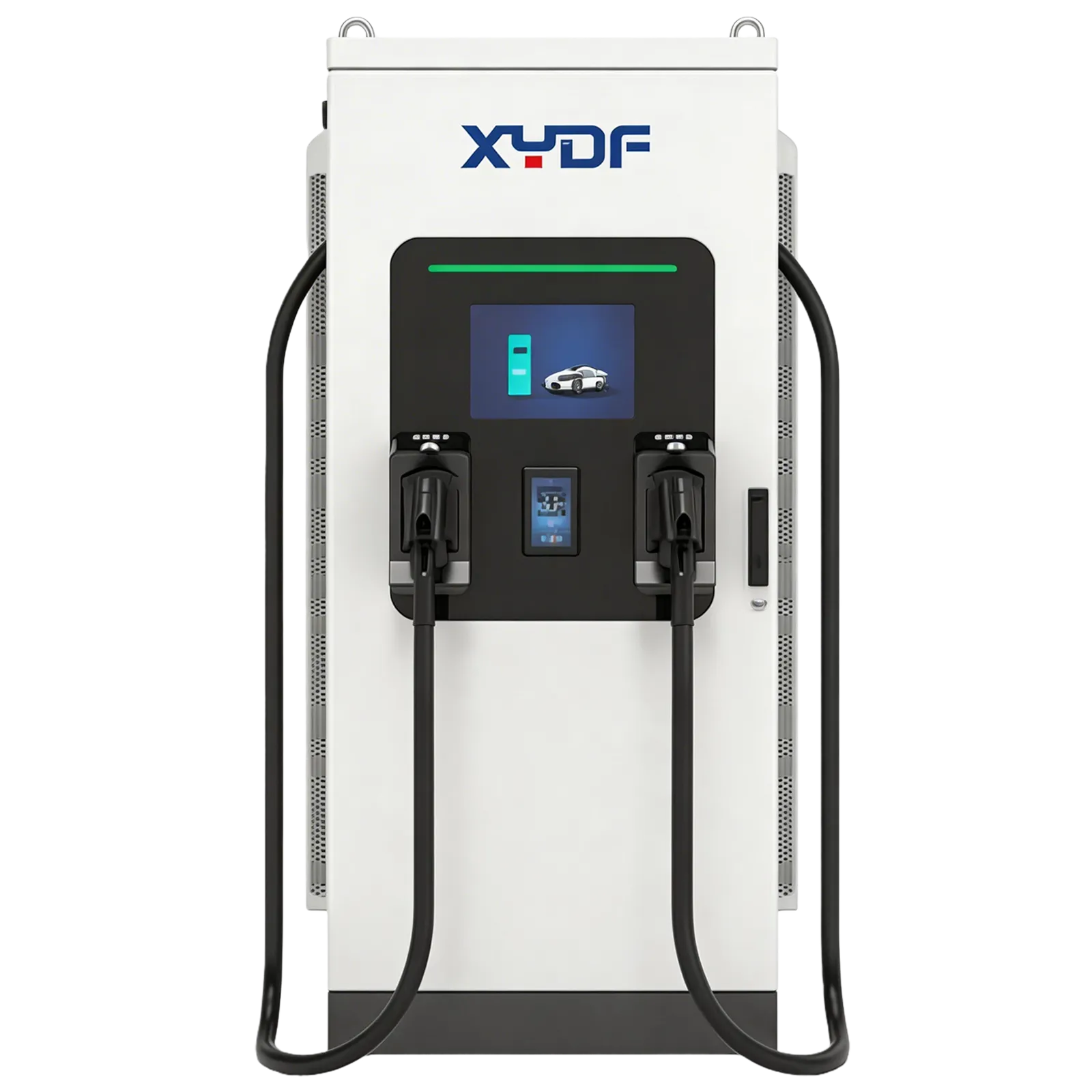
The following items can assist in determining how to manage the installation and ongoing maintenance of EV charging stations for condominium and multi-family rental communities:
1. Infrastructure Assessments: Conduct an electrical capacity assessment to determine if there is adequate capacity to support the load of new EV chargers before installation.
2. Professional Installation: Use licensed electricians or certified EV charging station providers to ensure compliance with federal and state safety standards.
3. Ongoing Maintenance: Regular maintenance, including software updates and equipment maintenance, is crucial. Many providers offer maintenance packages that include remote monitoring and technical support for quick issue resolution.
4. Incentives and Grants: Research local, state, and federal incentives to reduce installation and operational costs through tax credits, rebates, or grants.
Emerging Trends in Multifamily EV Charging
As electrical infrastructure improves, EV charging technology continues to develop and innovate. Management will want to stay up to date with the following emerging trends in EV charging for condominium and multi-family rental communities:
1. Smart Charge Integration: More buildings are beginning to use smart technologies for charging management, usage tracking, and energy optimization.
2. Solar-Powered EV Charging: Supplemental charge stations with solar panels on some multifamily buildings improve both environmental sustainability goals and operational costs.
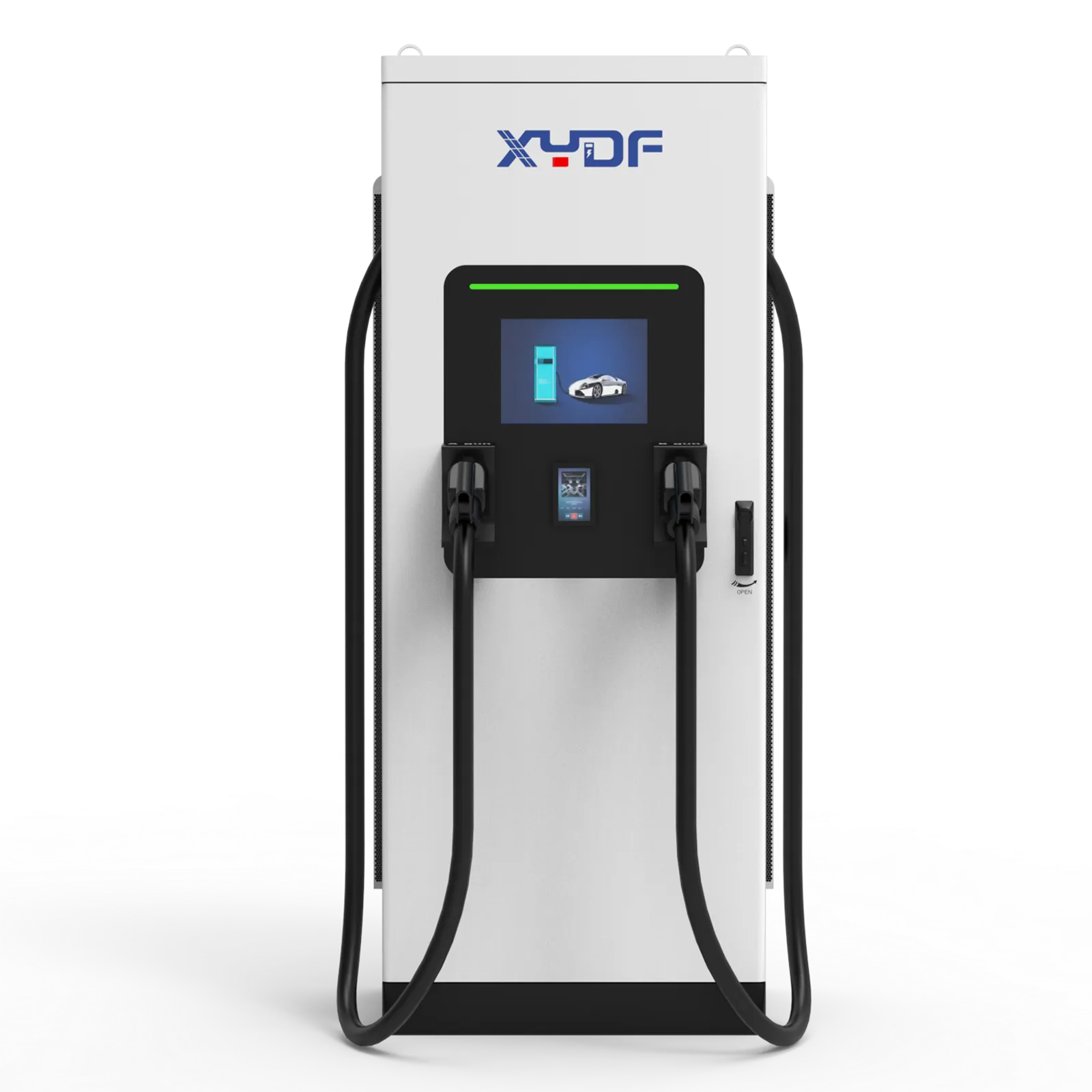
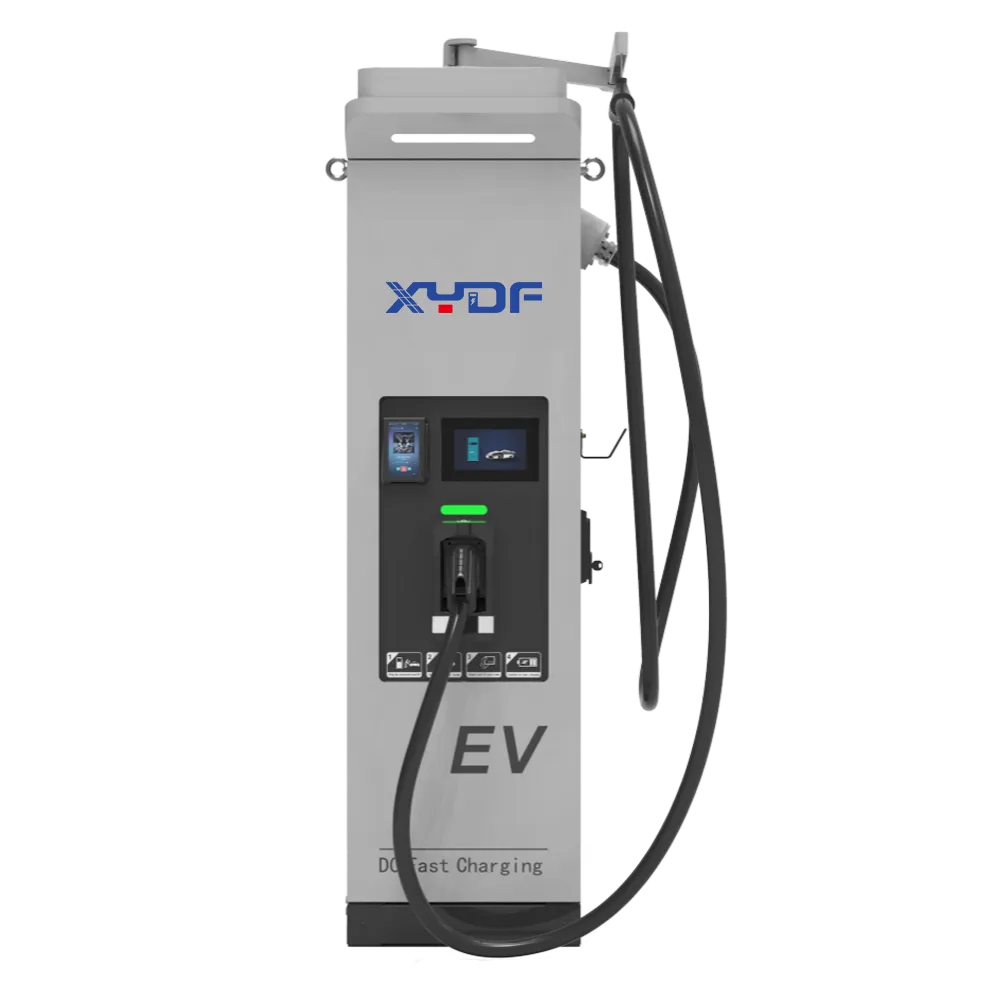
3. DC Fast Charge Stations: While they typically have higher initial costs, fast charge stations are an attractive feature for high-end tenants who need fast charging and will pay extra for that feature.
4. Vehicle-to-Grid (V2G) Technology: V2G technology allows electric vehicles to send power to the grid, thereby helping to reduce energy costs for an entire property.
FAQs
How many EV charge stations do I need to provide my tenants at a multifamily property?
The number of EV charge stations you will need to provide your tenants depends upon several factors, including the size of your property, the demographics of your tenants, and the amount of parking that is available. Generally speaking, it is recommended that a few shared charge stations (for multiple tenants) be installed as an initial step to gauge demand for further charge stations.
How do I choose between shared EV charge stations and private EV charge stations?
Shared charge stations may be the most logical alternative when limited space and budget are a factor. Private charge stations are best used when each tenant has dedicated parking and is willing to pay for exclusive use of the charge station.
What is the cost of an installation of EV charging stations for multifamily properties?
The costs of installation and operation can vary greatly based upon the type and number of chargers, the electrical infrastructure, and the installation fees. Property owners and managers are encouraged to maximize their use of state and federal incentives to minimize their out-of-pocket expenses.
How do I bill my tenants for their use of EV chargers?
There are a number of billing models that can be used, including pay-per-use, subscription models, and complimentary use. Property managers may also want to consider the use of EV charging software systems to improve their billing process and tracking of tenant use.
What types of maintenance will be needed for the EV charging stations?
Regular maintenance typically includes software updates and inspections of chargers and charging cables to ensure that nothing is damaged or vandalized. In addition, many charger service providers will offer maintenance agreements that may include remote monitoring and technical support.
Do I have any government incentive options for the installation of EV charging stations?
Yes; there may be local, state, and federal tax incentives, rebates, and grants available to offset some or all of the installation and operation of EV charging stations. You will want to conduct some research to identify all potential sources of incentive funding in your area.
Investing in Multifamily EV Charging Stations is a smart investment that will protect your property for the future, attract an ever-increasing number of Electric Vehicle (EV) owners, and help create a sustainable future. With careful selection of your property’s EV charge station needs and a proper installation, billing, and maintenance plan, you can maximize your return on investment, while providing a valuable amenity to your tenants. As the numbers of EVs increase, the availability of well-designed (in both form and function) and convenient EV charging stations will differentiate your property as a modern and environmentally-conscious option, which will in turn help to ensure long-term tenant satisfaction and an ongoing source of profitability.
 Xinya Dongfang Electricity Technology Co., Ltd.