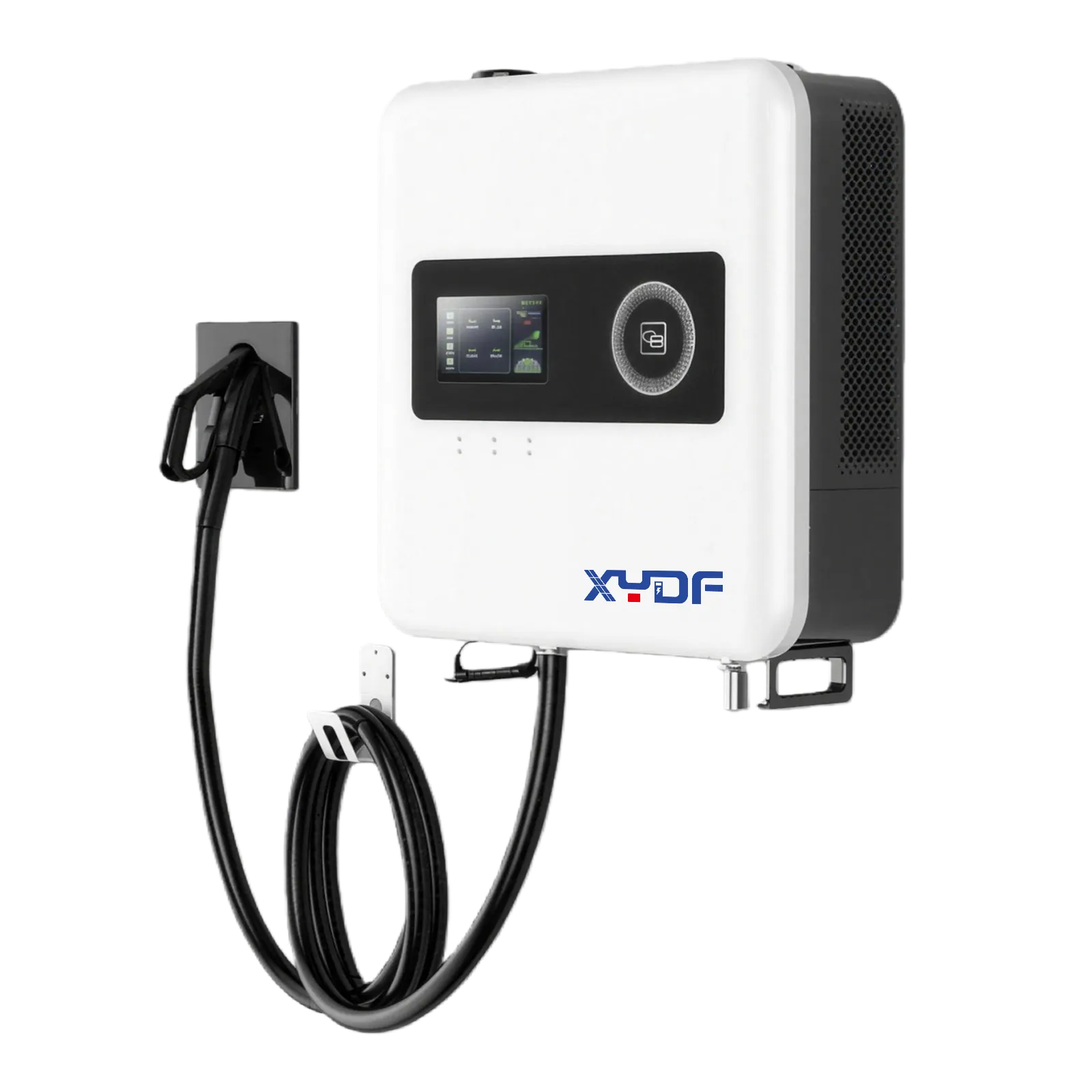
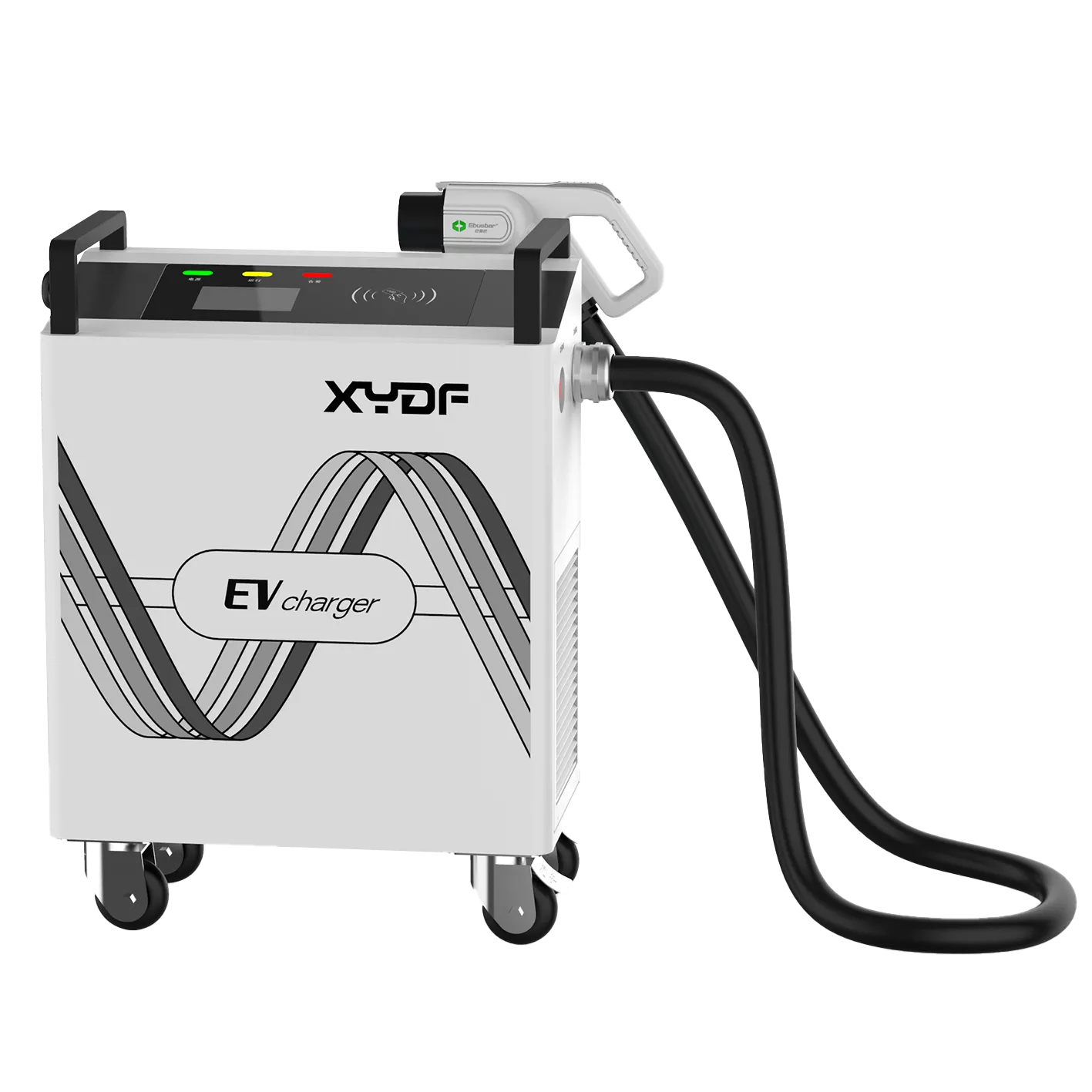
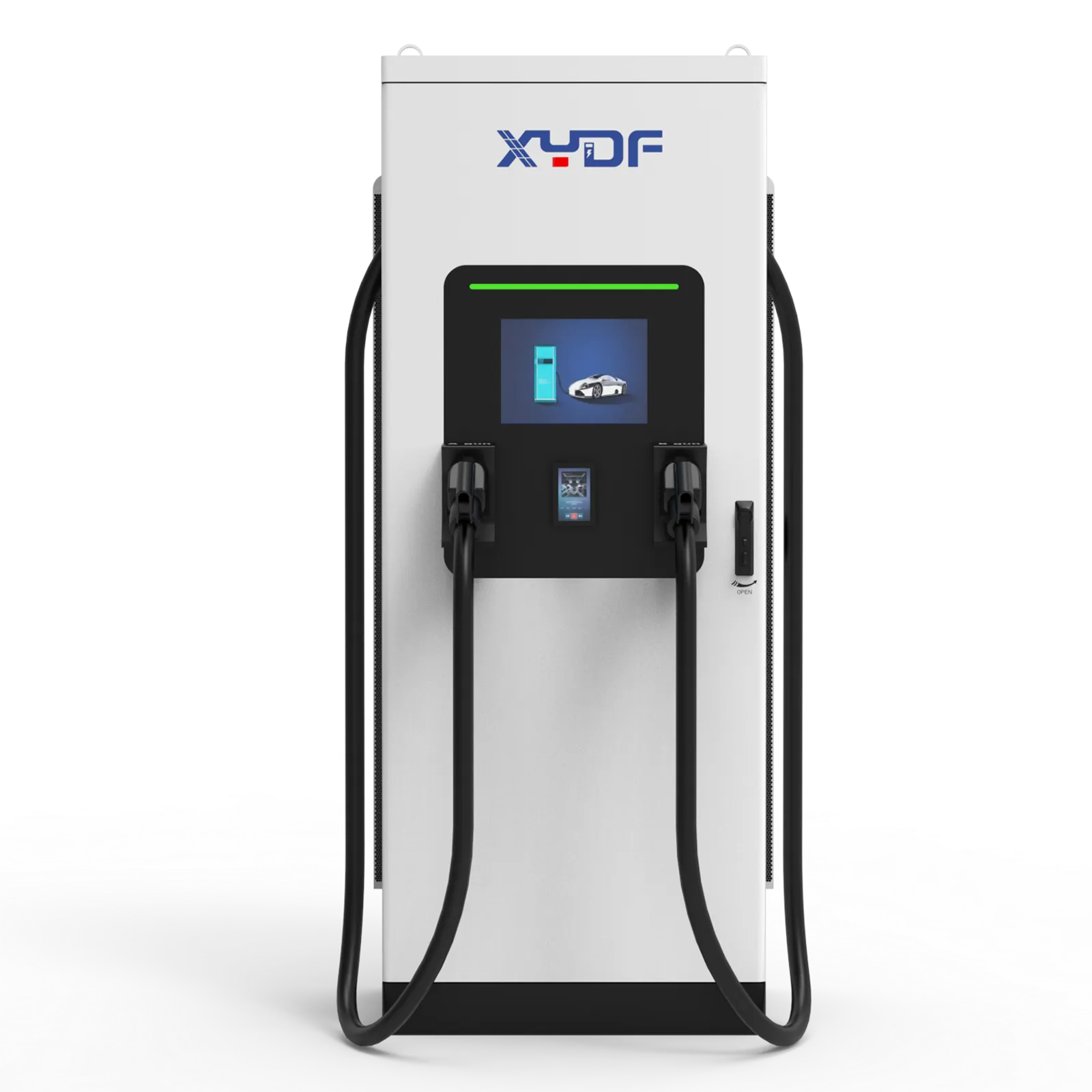
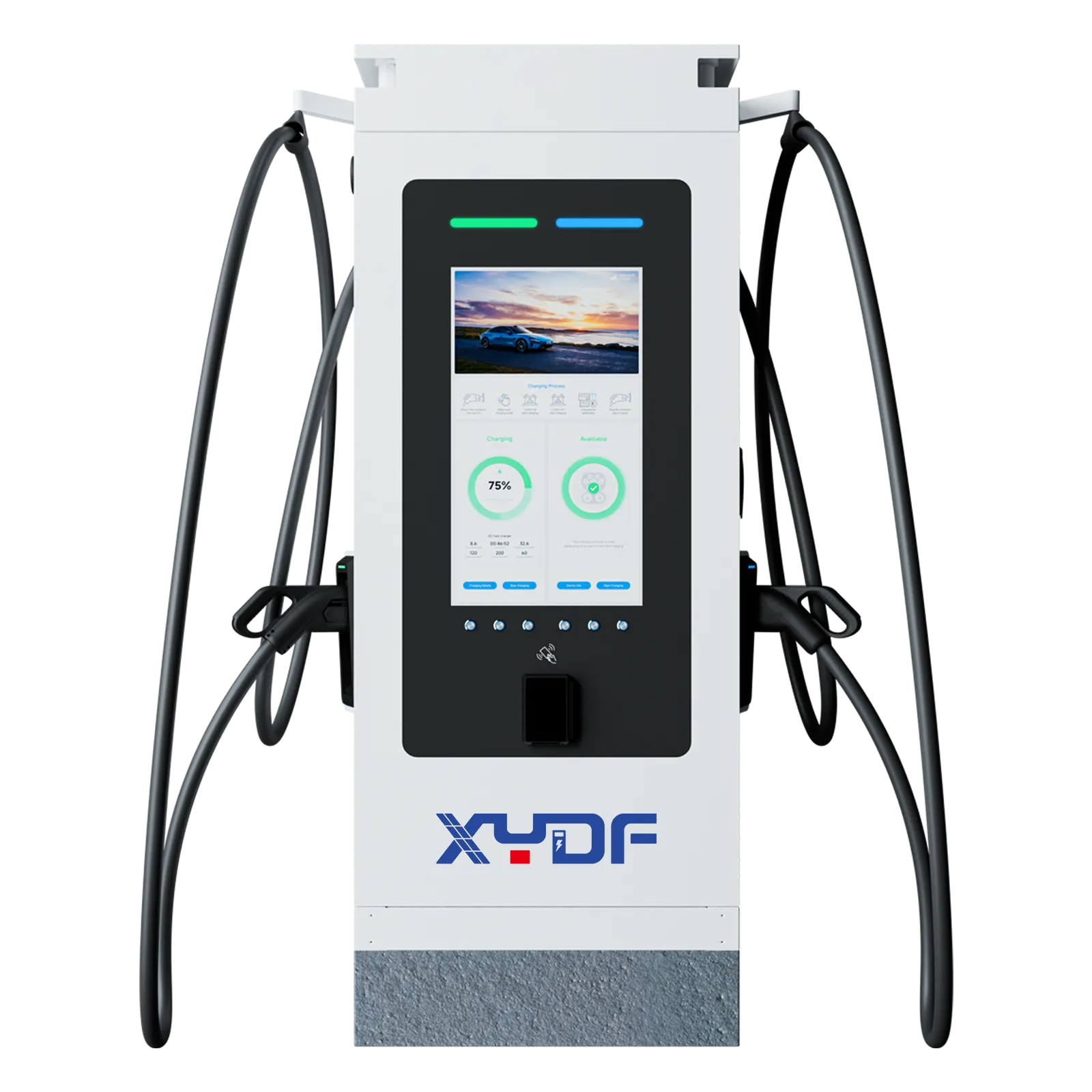
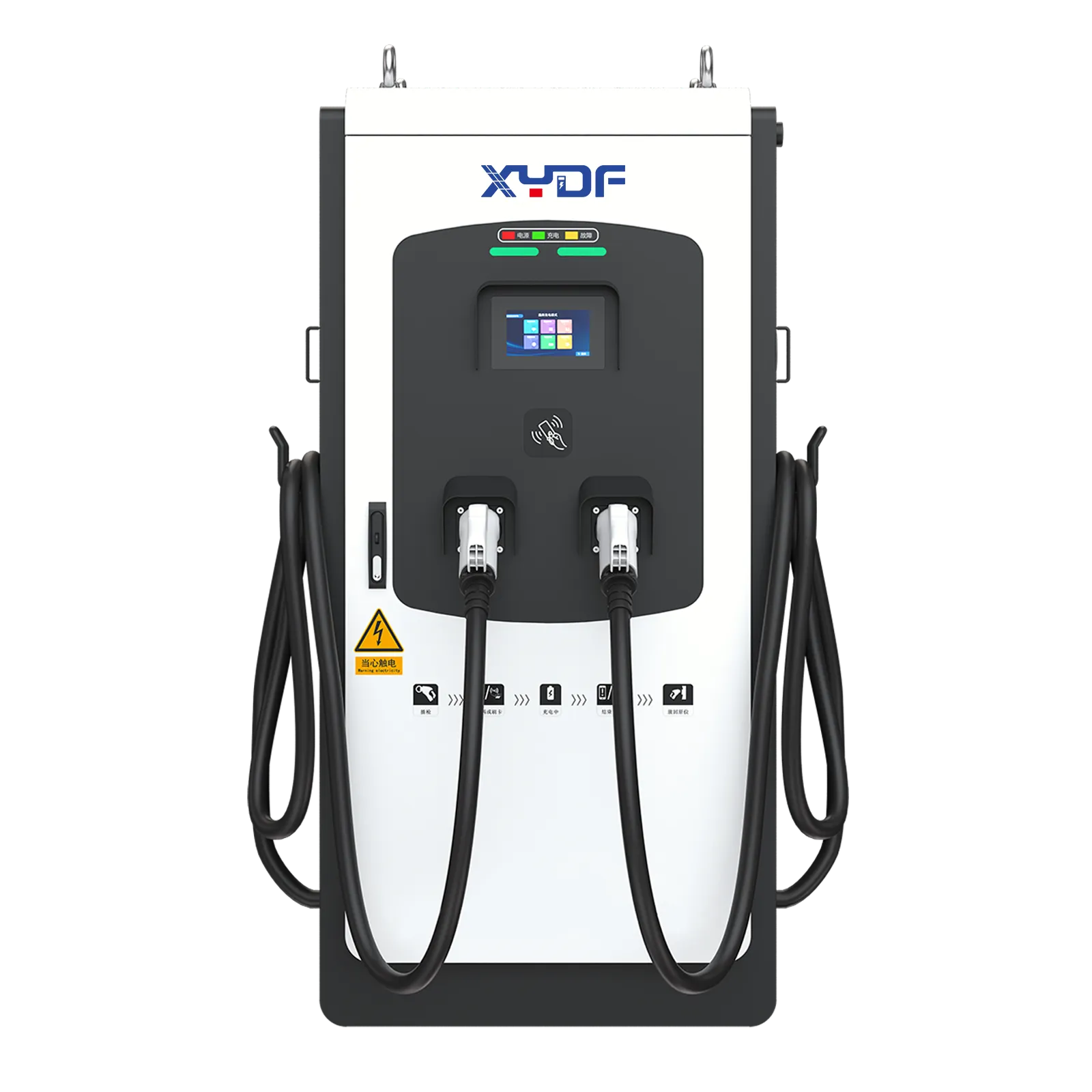
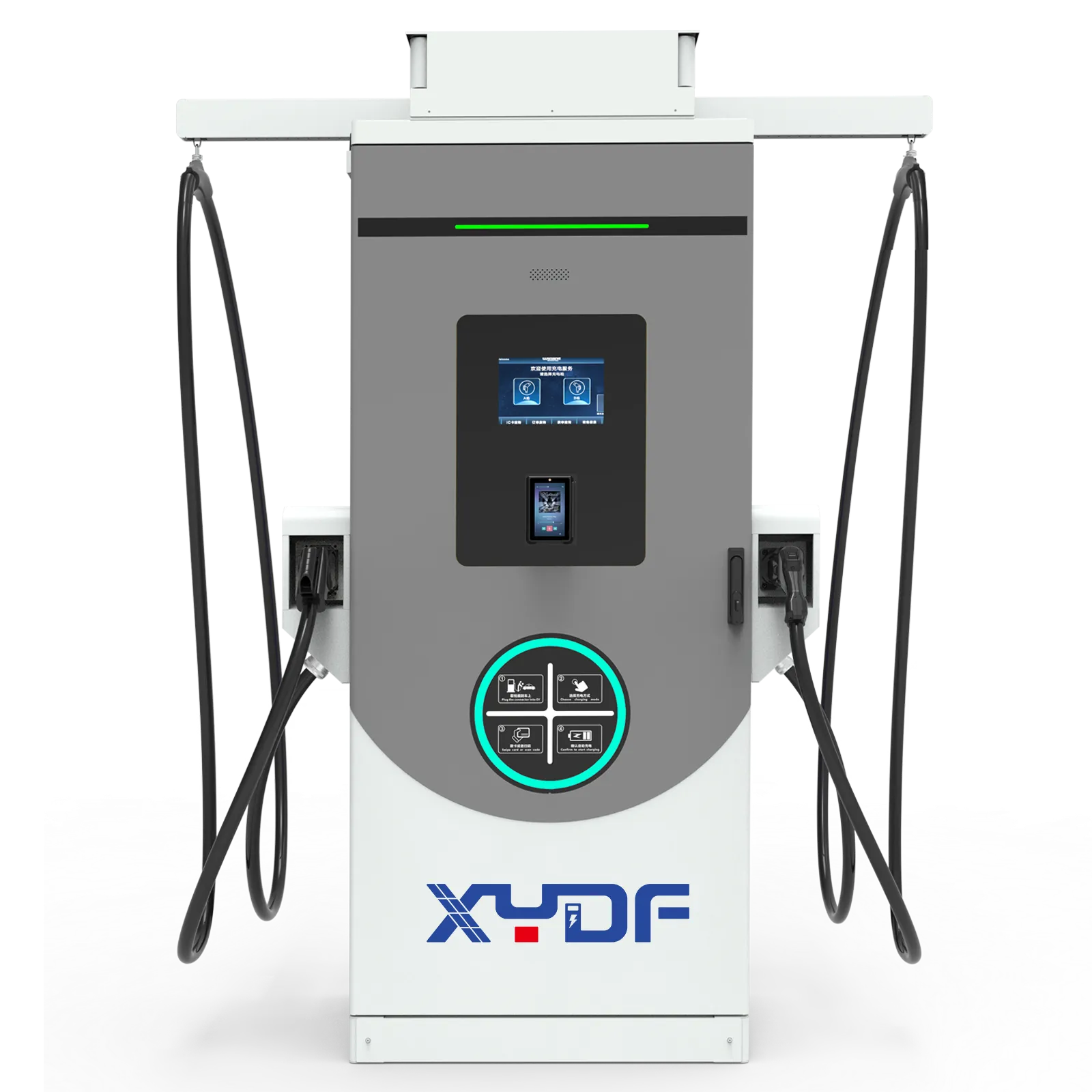
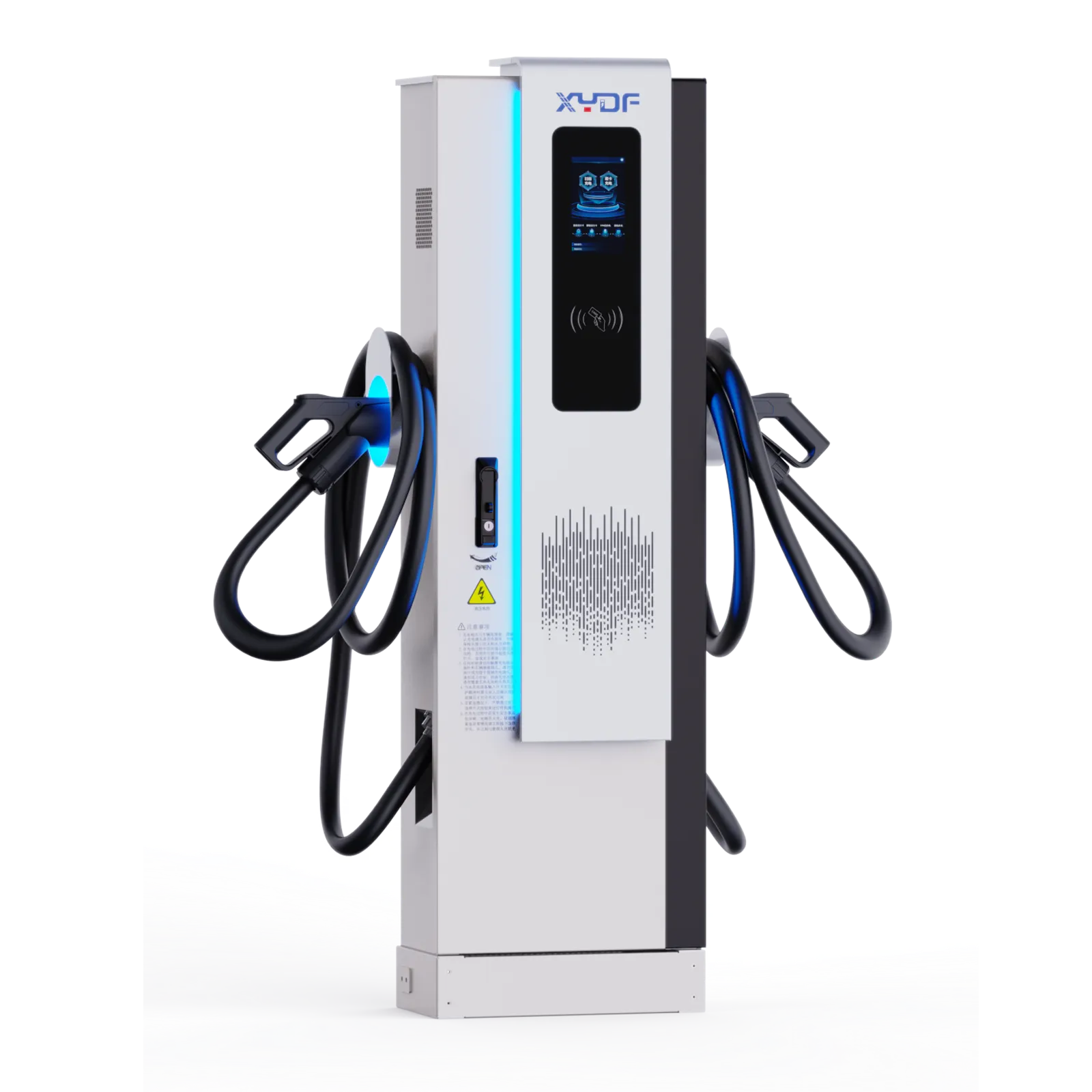
With increasing demand for electric vehicles, there is more noise surrounding the sustainability of transportation worldwide. One major aspect of this transition is the speed and efficiency of charging electric vehicles. This is where hyper charging stations come in; they provide a way to fulfil electric vehicle users and infrastructures’ power requirements. In this article we will look at some of the benefits of hyper charging stations, what differentiates them from other forms of charging, and how these technologies will contribute significantly to the emergence of electric mobility in the future.
What is Hyper Charging?
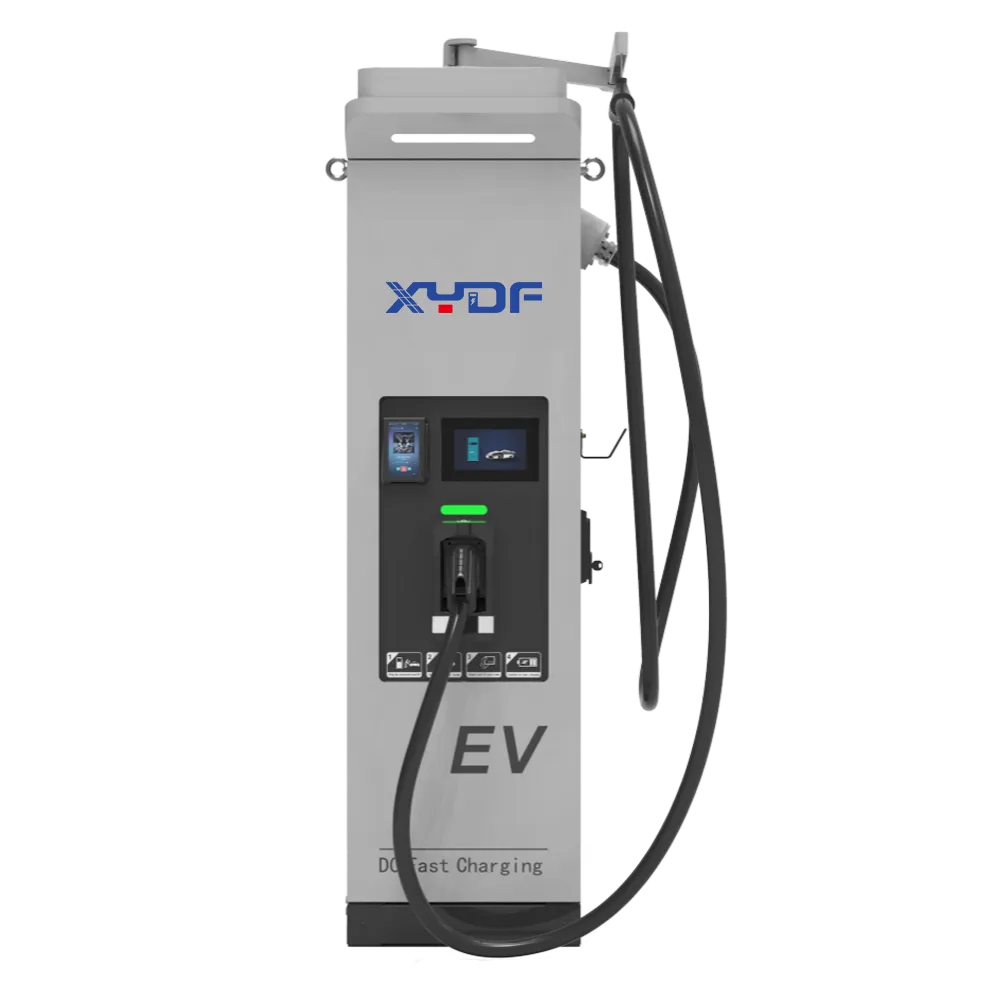
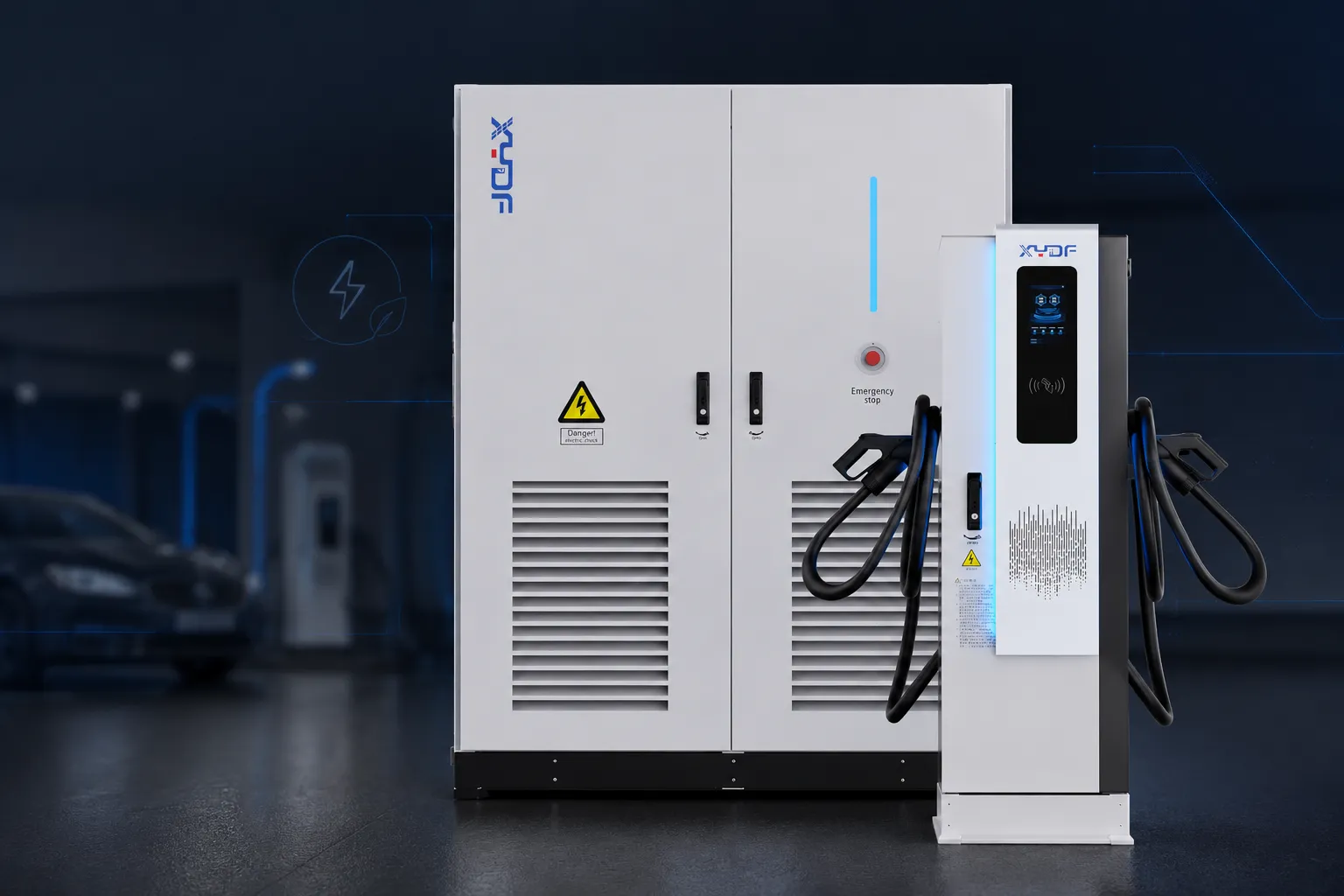
Before determining why hyper-charging is important, we need to define what it is. Hyper-charging is the evolution of electric vehicle (EV) charging technology. These ultra-fast charge station systems have an extremely high power output, usually from 150 kilowatts (kW) to 350+ kW, allowing for EV batteries to receive a large amount of charge in a very short time compared to older charging system generations. Hyper-charging stations can typically provide an EV with a range of over 100 miles in less than 30 minutes; whereas older chargers typically require multiple hours to recharge to the same level (Level 1/ Level 2 chargers).
The advanced cooling system and higher voltage output of hyper charging technology make the process of charging more effective and dependable. Also, it creates a much-needed link in the public’s ability to charge because of the increased demand for fast and accessible charging during both daily commuting and long-distance travelling.
The Major Benefits of Hyper Charging Stations
Drivers, businesses and the wider electric vehicle market have all had multiple benefits from the development of hyper charging stations. Here are some of the benefits of adopting this cutting edge EV charging technology.
1. Dramatically Reduced Charging Time
The biggest benefit of hyper charging is the reduction in how long it takes to fully charge your vehicle. Depending on the battery size and total kilowatt output of the charging station, most EV drivers can have up to 80% of their batteries charged in as little as 15-20 minutes. Using standard charging stations typically take 6-12 hours of charging to completely recharge a vehicle’s battery.
2. Convenience and Accessibility
Modern electric vehicle drivers place a high premium on convenience because time is money. Hyper charging stations located along major highways, in shopping centers, and other heavily trafficked urban areas allow EV drivers to charge their vehicles while they are traveling, thereby eliminating wasted time due to needing to stop and re-charge during their trip. As the number of electric vehicles increases, there will be a desire to build a large and comprehensive network of strategically placed charging stations that will drastically reduce any range anxiety that drivers may feel about running out of battery power, and provide a frictionless travel experience for all drivers.
3. Improved Long-Distance Travel for EVs
Long-distance travel was an ache point in owning an electric vehicle (EV) prior to the arrival of Hyper Charge Solutions, and was mainly due to having to plan ahead with calculating exact mileage on each stage of your trip as well as waiting at charging stations for extended periods of time when using slower chargers. The use of hyper charge stations has changed that by giving you the ability to have hundreds more miles of range provided into your vehicle in a short timeframe for long-distance travel.
4. Encouraging EV Adoption
The infrastructure for electric vehicles remains a primary barrier to their adoption and use by potential owners. Many individuals considering purchasing an electric vehicle cite concerns related to the number and convenience of electric vehicle charging stations.
Governments and businesses can work together to eliminate these barriers to electric vehicle adoption by installing additional high-speed charging stations (i.e., hyper-charging). By doing this, they are promoting an easier transition toward sustainable forms of transportation for all drivers wishing to make the switch.
5. Enhanced Fleet Electrification
Hypercharging is a benefit not only to individual EV owners; companies that operate electric vehicles in their fleet can utilize hypercharging stations in order to increase the efficiency at which they operate. This means that taxi companies, delivery truck companies, ride-sharing companies, and urban transport fleets will have more time available for their operations since they won’t spend as much time charging their vehicles. Ultimately, this can help reduce operating costs and achieve a company’s sustainability objectives.
6. Energy Grid Integration
The modern hyper charging station is engineered to operate smoothly with renewable energy sources like solar and wind energy. By integrating these renewable energy sources, modern EV hyper charging stations decrease dependence on conventional energy grids and allow for more sustainable operations. Hyper charging stations also have the capability of incorporating battery storage in order to mitigate the effects of variability in renewable energy generation.
7. Future-Proofing the EV Ecosystem
Because automakers are always trying to develop new ways to maximise range and battery capacities, it will be necessary to invest in a charging infrastructure that can support future developments. Hyper charger stations are built to support larger capacity batteries in new and upcoming EV’s – Therefore, hyper-charger stations are needed to keep the future of the EV Market viable.
Hyper Charging Station Installation: What to Consider
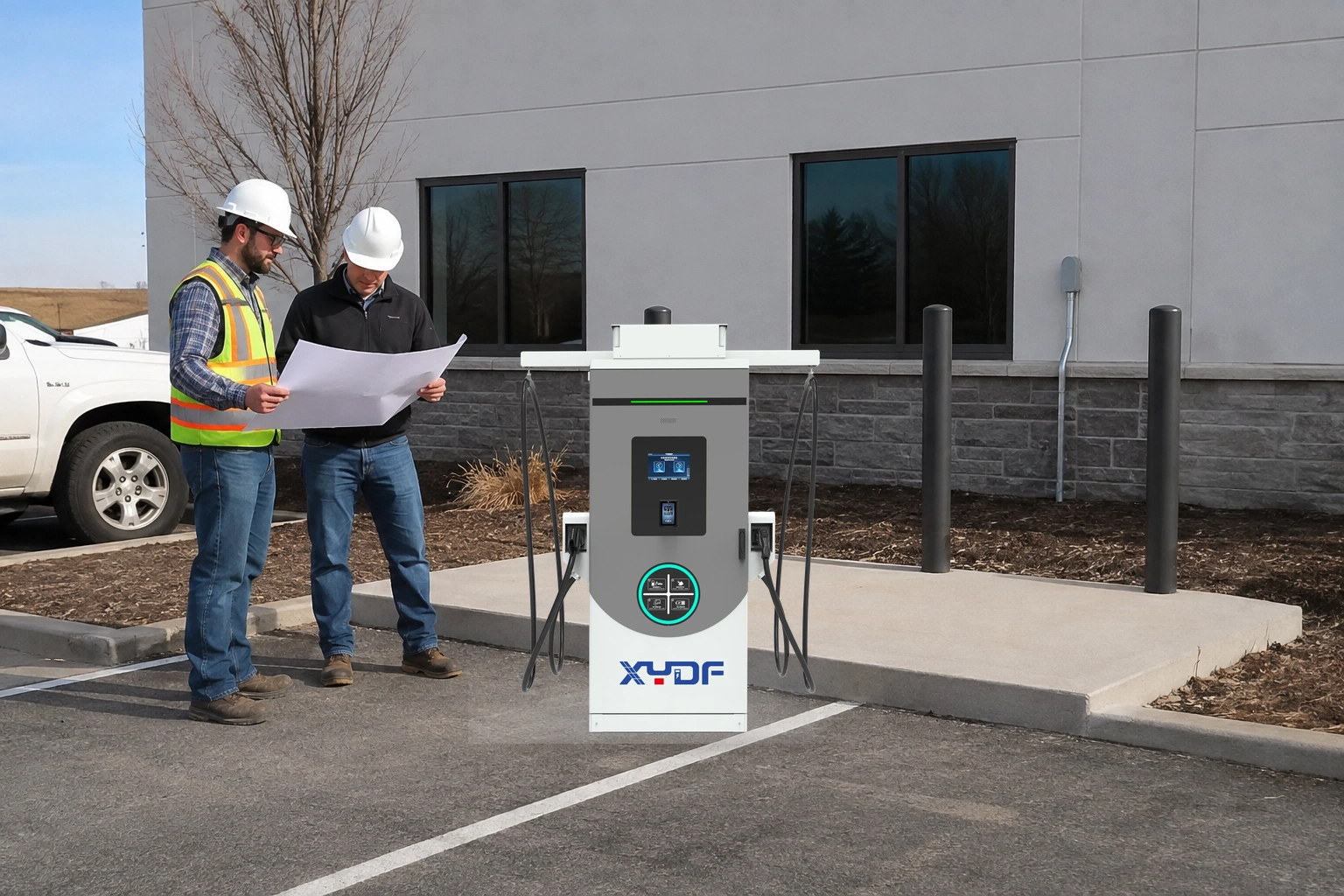
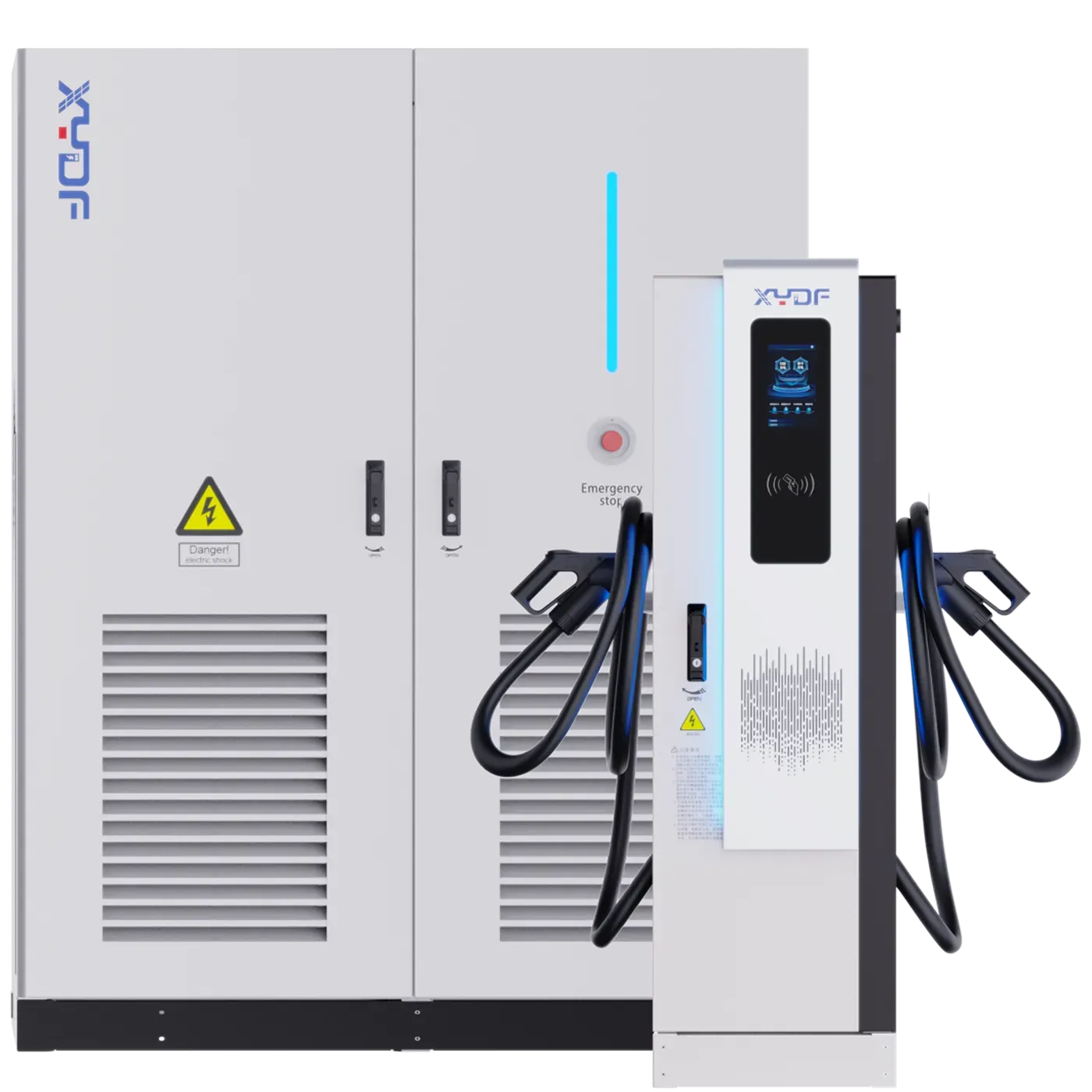
Planning is crucial for any business or municipality wanting to set up a hyper charging station so they can have a successful installation long after it’s completed. Here are a few things to keep in mind:
Location Matters
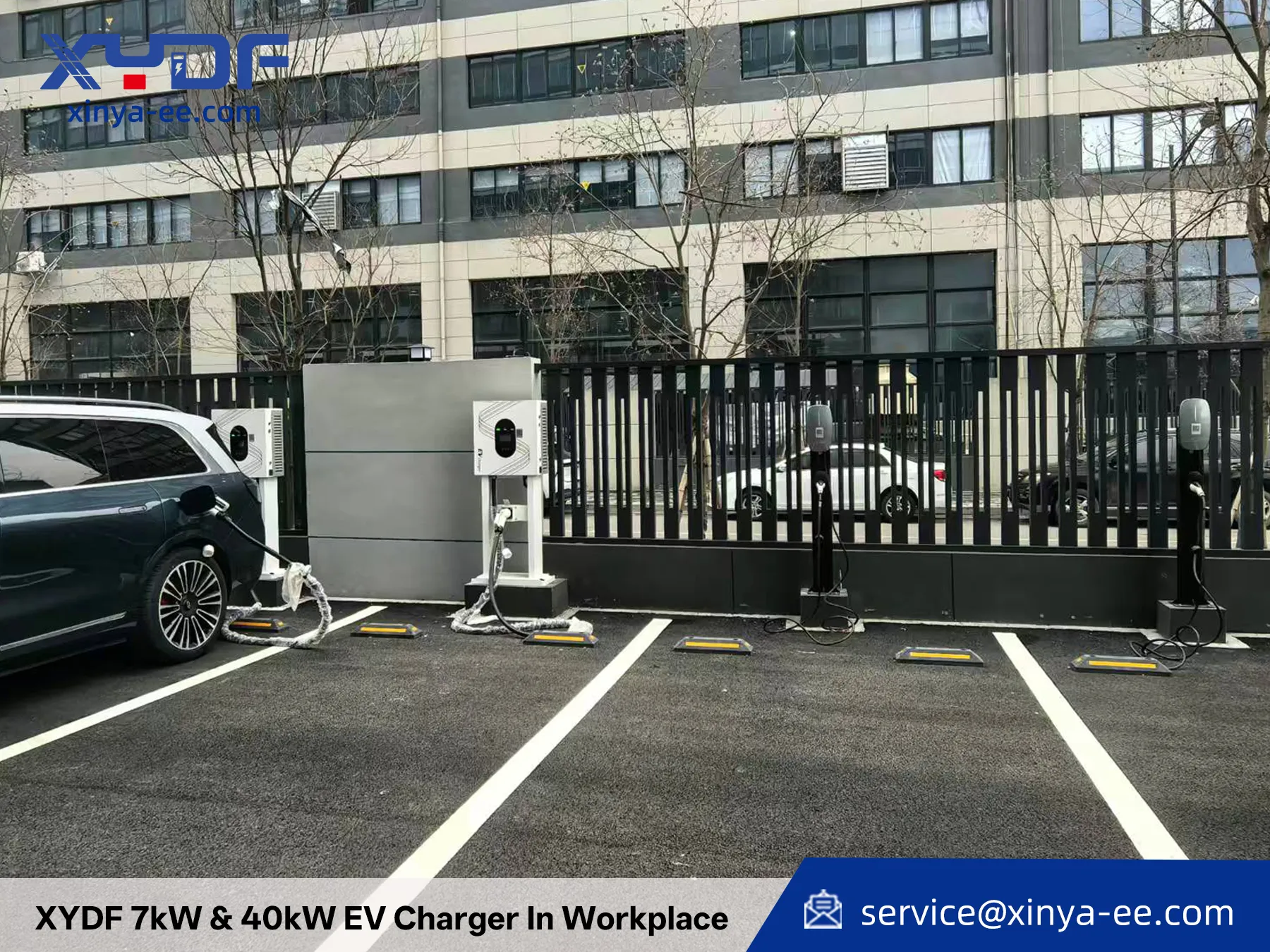
The location of hyper charging locations has a major impact on their overall success. Highways that have long distances between towns, metropolitan areas with numerous activity centers, and shopping malls are some of the more commonly used locations to install hyper charging stations. Where charging stations are installed gives electric vehicle drivers the ability to consistently locate a dependable charging station whenever you want or need one.
Infrastructure Upgrades
With hypercharging, there needs to be an extensive grid’s electrical system that is able to supply enough power to accommodate the high capacity demands. This will require upgrades to the existing grid, transformer installations, and ensuring that power can be delivered safely and efficiently within the electrical network. Working with utility companies and experienced service providers can help facilitate the smooth integration of infrastructure to the hypercharger.
Consumer Education
Even though hyper-charging is revolutionary to the Electric Vehicle (EV) ecosystem, the amount of public knowledge regarding this type of technology is not yet substantial enough. When a business installs a hyper-charging station, it should consider investing in educating customers on the proper way to use the system along with its benefits and the vehicles with which it will work. If the public is well-informed regarding hyper-charging, they will be much more likely to embrace this new cutting-edge solution.
Government Incentives
Around the world, local and national governments are providing financial support through the use of subsidies and tax breaks to encourage the installation of charging stations for electric vehicles (EVs). Entrepreneurs and large corporations that want to consider installing hypercharging facilities will benefit from these programs by making the overall cost of implementing new technology much less expensive.
Projections for the Future
Hyper charging stations are still in their infancy; however, the market is increasing rapidly. The global market for EV fast-charging is expected to experience exponential growth in the next 10 years due to improvements in battery technology and a myriad of government environmental policies. Automakers’ commitments to producing electric vehicles and discontinuing the production of internal combustion engine vehicles will cause demand for hyper charging to skyrocket.
The effectiveness of such charging stations may also be improved by incorporating smart charging technology (e.g., V2G). With V2G, EVs can put excess power back onto the grid, thus developing a more efficient and sustainable electric system overall.
Frequently Asked Questions
What is hyper charging?
Hypercharging can be defined as a very rapid way to recharge an electric vehicle’s battery, thereby dramatically reducing charging time. Hypercharging stations supply large amounts of electrical energy — typically 150KW through 350KW/ or more — and allow drivers of electric vehicles to recharge their batteries within 15 to 30 minutes.
How does a hyper charging station differ from Level 1 and Level 2 chargers?
Level one chargers can be plugged into a regular 120V outlet and provide a full charge slowly over the course of up to 20 hours or as short as one hour depending on the size of your car’s battery. A level two charger produces its power at 240V, allowing for a significantly faster charge of between 4-8 hours. On the other hand, hyper chargers utilize DC power and allow for a much faster charging time of under 30 minutes.
Are hyper charging stations compatible with all EVs?
Many hyper charging stations are able to support various different types of EV’s; however, Compatibility is dependent upon the batteries of the EV and the charging ports as most modern electrical vehicles (especially newer updated model vehicles) are able to work with hyper charging stations with more recent additions of DC Fast Charging Supported Stations.
Where can hyper charging stations be installed?
Highway charging stations are perfect for urban centers as well as: Fleet Charging Bases, Malls, Homes, and more. These types of locations will also create convenience and/or accessibility to the electric vehicle driver.
Are hyper charging stations environmentally friendly?
Most hyper-charging stations are capable of incorporating renewable resources into their systems, including solar & wind power. This is what they comprise of; therefore, it should be a fundamental feature in a fully sustainable and eco-friendly energy ecosystem for electric vehicles.
What are the costs of installing a hyper charging station?
Installation fees can depend on multiple aspects, such as the type of equipment, location, permit requirements, and a need for electric service. Partnerships with governments, as well as incentives from the federal or provincial governments, may reduce the overall installation costs of building energy efficient infrastructure, thereby providing a feasible means of financing for businesses and public projects.
As electric vehicles continue to transform the automotive landscape, the role of hyper charging stations in supporting this shift cannot be overstated. With the ability to recharge vehicles in a fraction of the time, they offer unmatched convenience, enable long-distance travel, and alleviate range anxiety—all while supporting widespread EV adoption and sustainability initiatives. Governments, businesses, and utilities must work together to build a comprehensive hyper charging network that will serve as the backbone of modern EV infrastructure. By investing in innovative technologies like these, we pave the way for a cleaner, greener transportation future while addressing the practical needs of drivers, businesses, and communities alike.
 Xinya Dongfang Electricity Technology Co., Ltd.