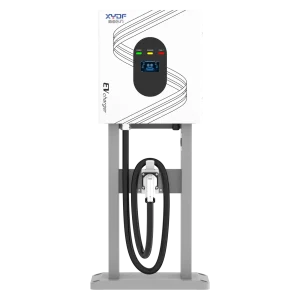
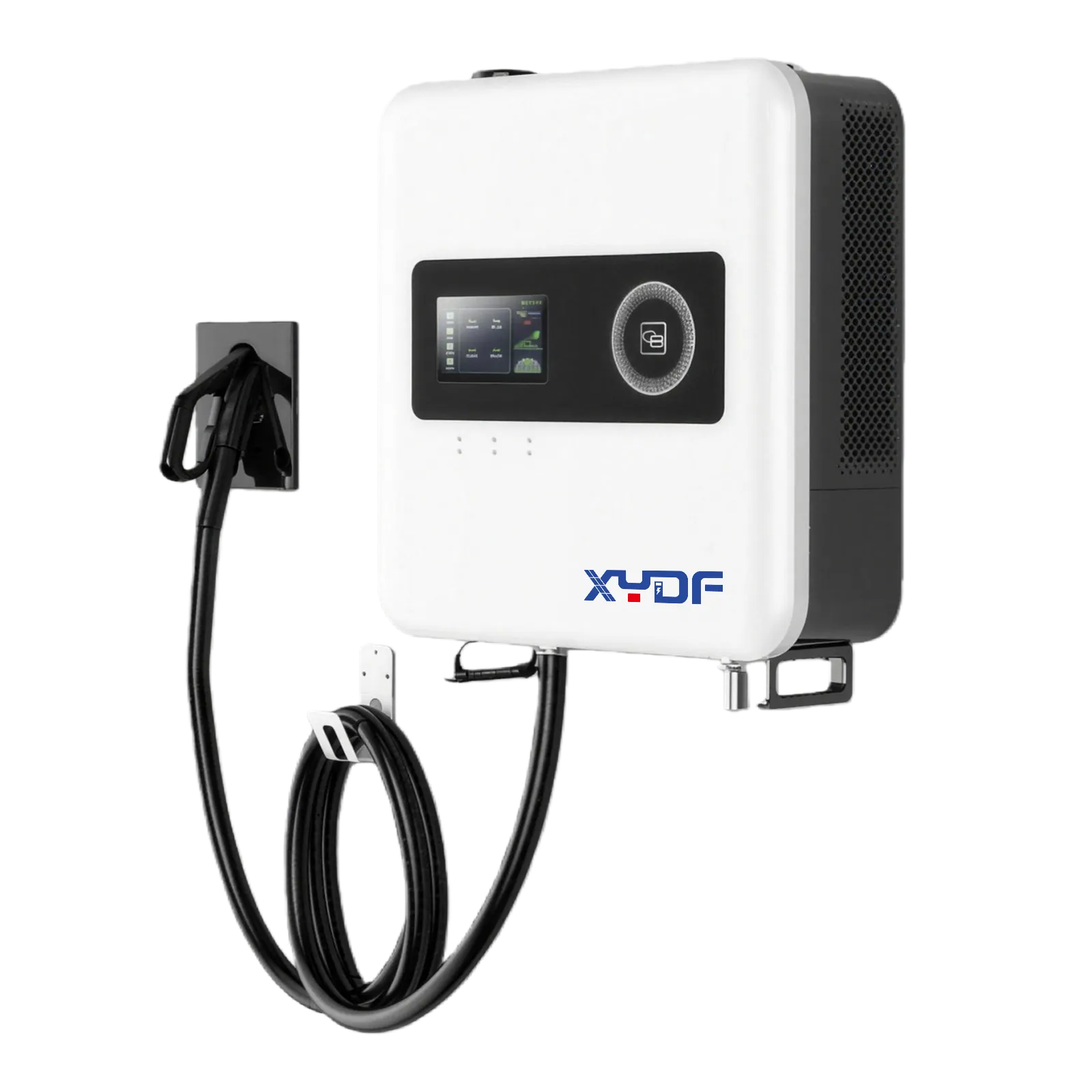
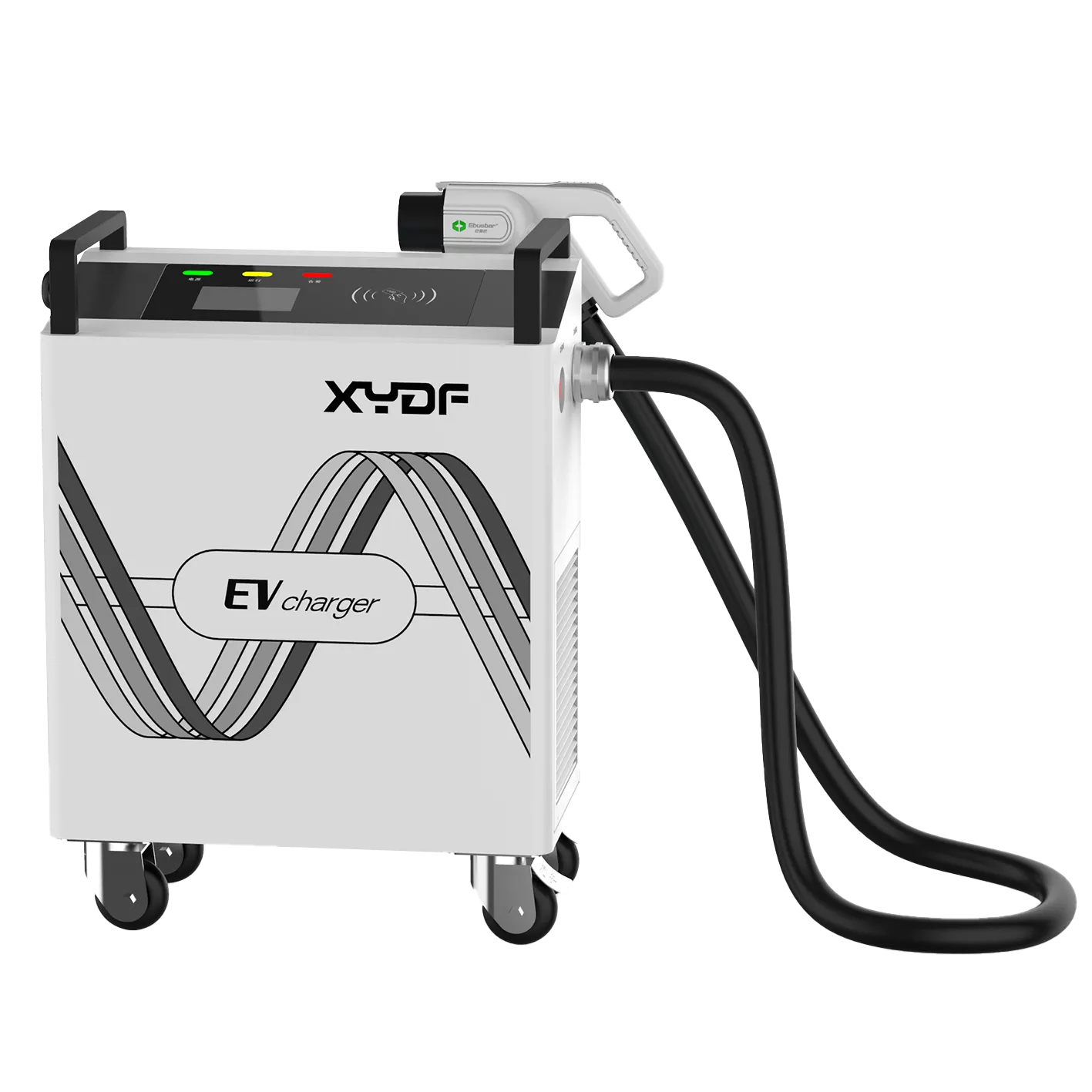
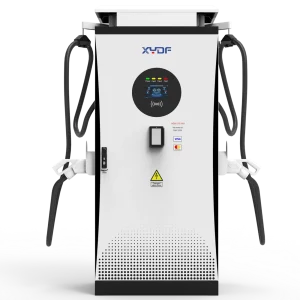
Both businesses and electric vehicle drivers are weighing their options for choosing between a portable EV charger or a stationary charging station. These two alternatives offer distinct pros/cons with the same overall objective of being an economical and practical charging solution. The objective of this document is to help you compare the methods of charging EV vehicles, including: the two distinct methods and their cost, so that you may make an informed decision as to which type will serve your needs best (businesses and individuals).
Understanding Mobile EV Charging Units
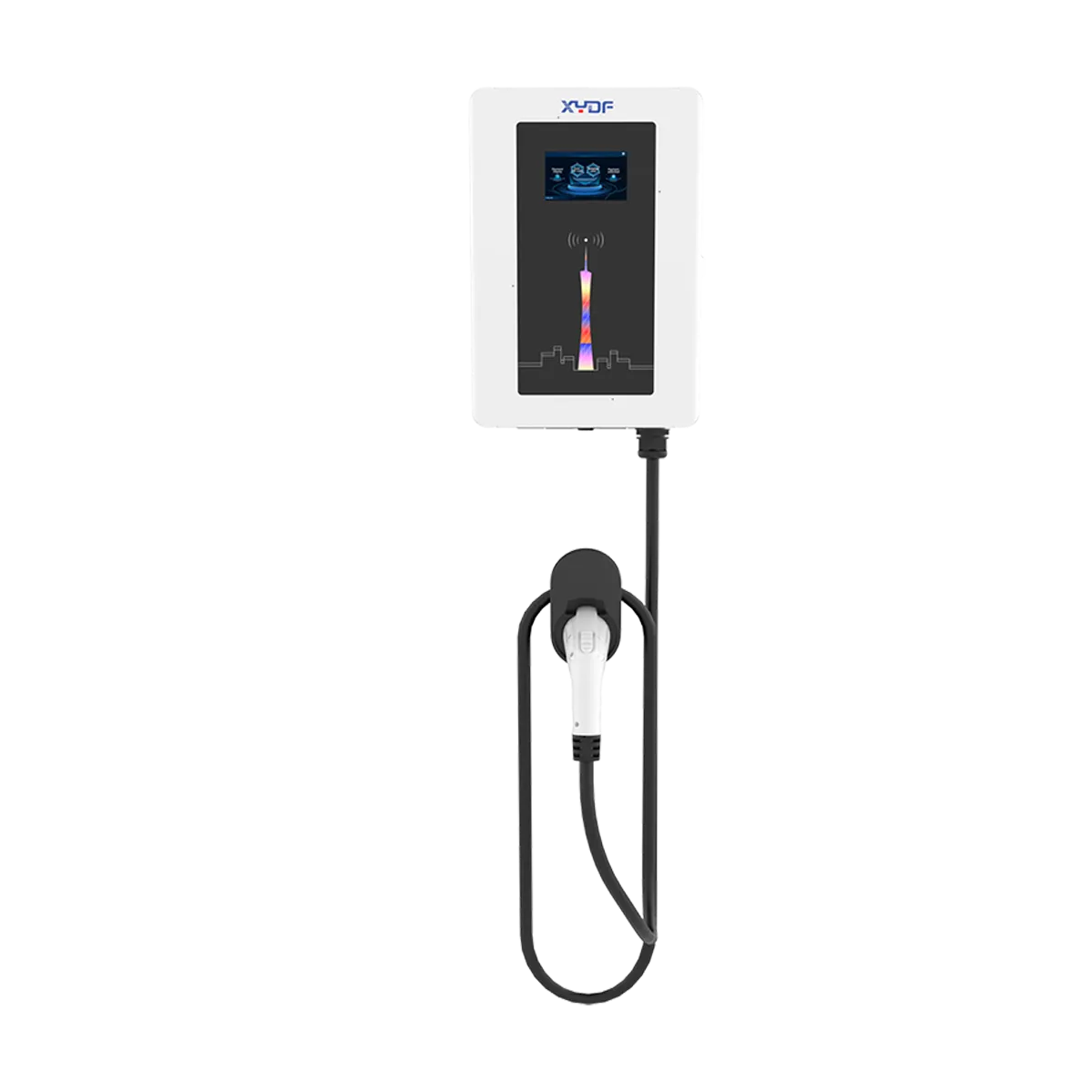
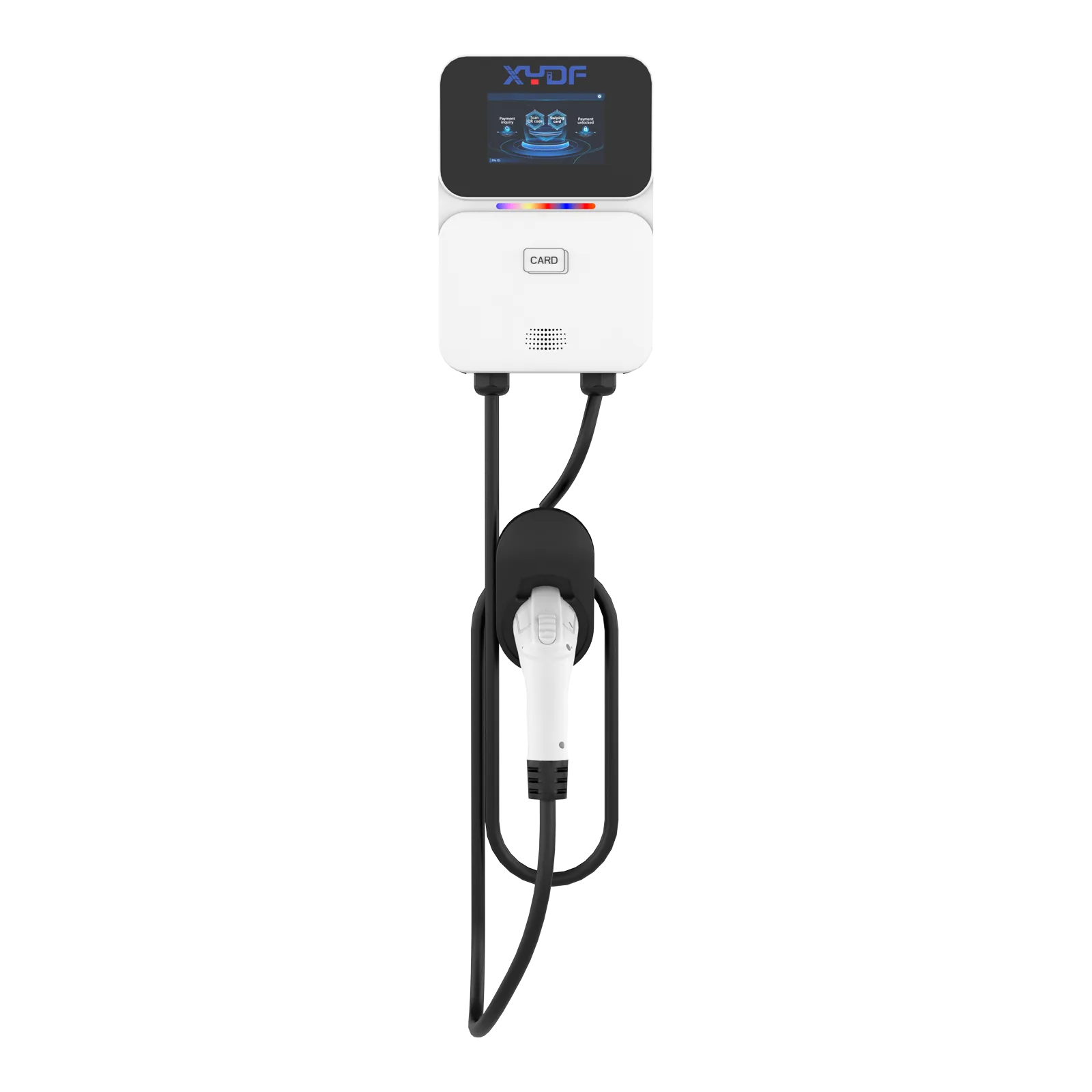
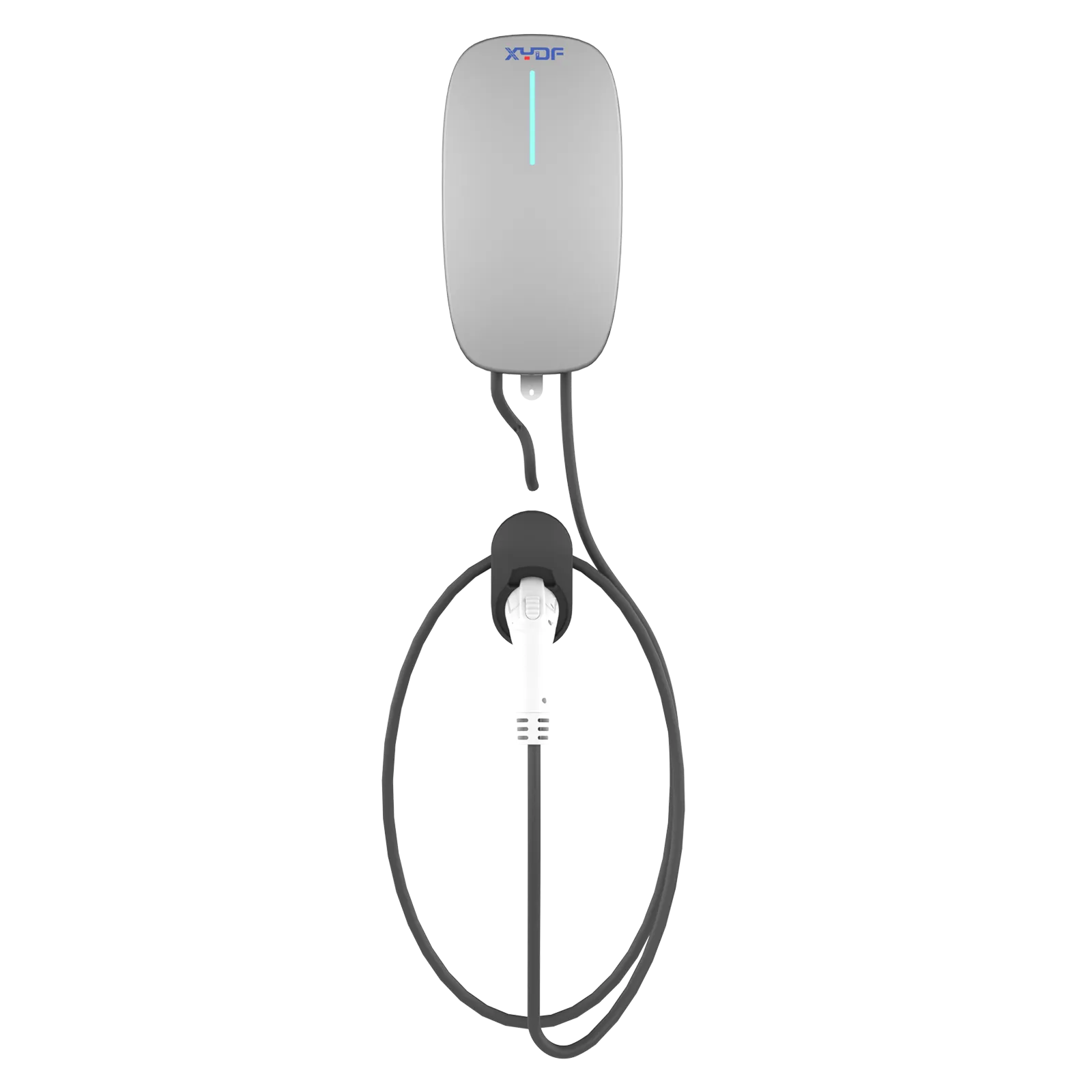
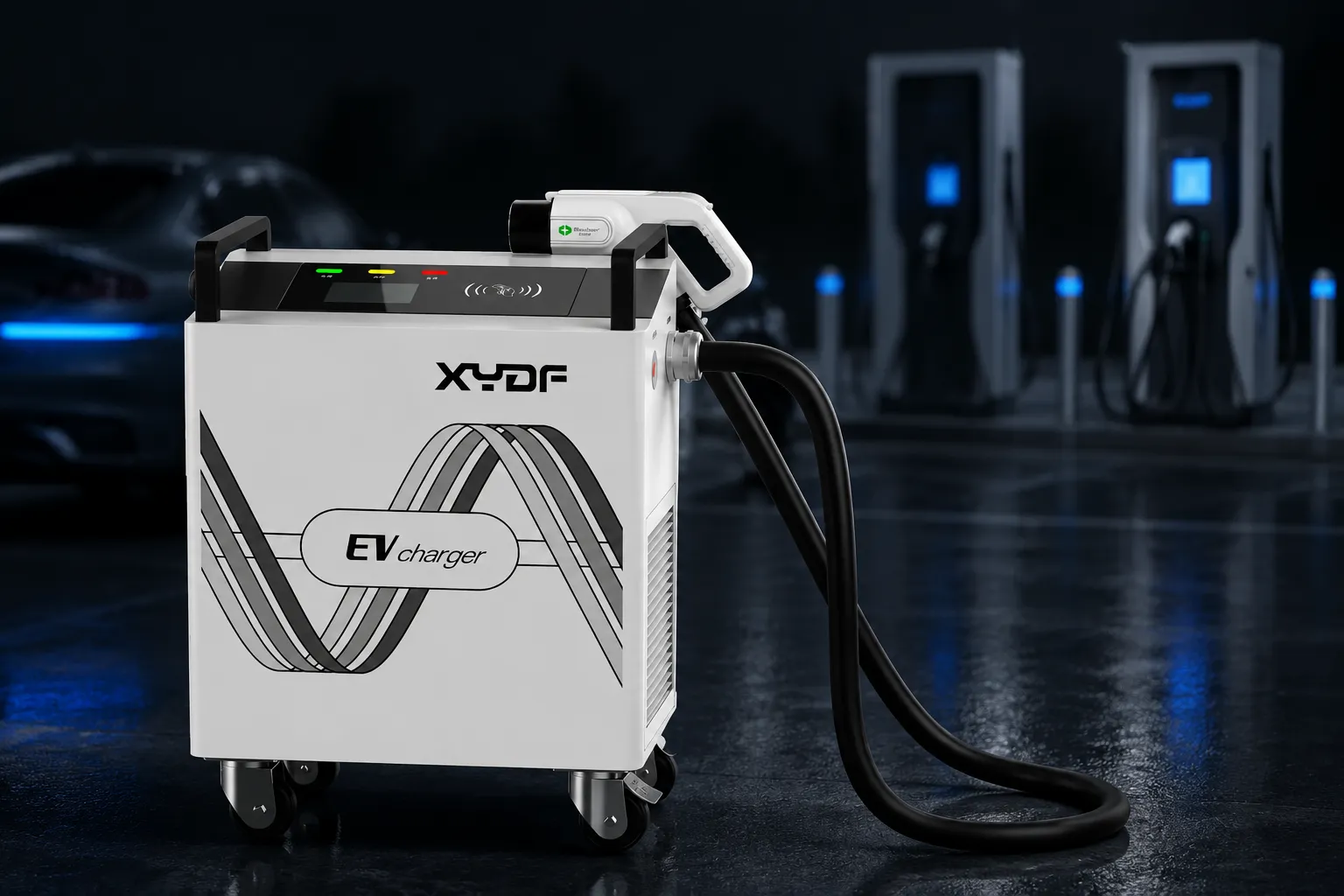
The mobile electric vehicle (EV) charging station is a portable, electrical outlet used to power electric vehicles (EVs) while they are on the road. They can be moved from one location to another by either using a trailer hitch or by rolling them down the road; they require no installation at your destination. Mobile EV stations are capable of charging EVs with either battery storage systems, through a connection to the electrical grid, or by harnessing renewable energy sources. In the event of a natural disaster or another emergency, or at a location where there is no existing infrastructure for fixed EV charging stations or where fixed EV charging stations cannot be installed, mobile EV charging stations can provide power to any EV.
AMR Research’s August 2010 report suggests that there will be an estimated annual increase of 24.3% in revenue generated by electric vehicle (EV) portable chargers over the next ten years (until 20xx). This tremendous growth clearly shows that there is a substantial demand for more flexible EV charging solutions throughout the marketplace.
What Makes Mobile EV Charging Units Stand Out?
Here are some of the key features and benefits of mobile EV charging units:
| Feature |
Benefit |
| Portability |
Charge anywhere, anytime |
| Flexible Power Source |
Grid, solar, or battery-powered |
| Compact Design |
Easy to store and transport |
| Versatility |
Useful for emergencies and remote areas |
Understanding Fixed Charging Stations
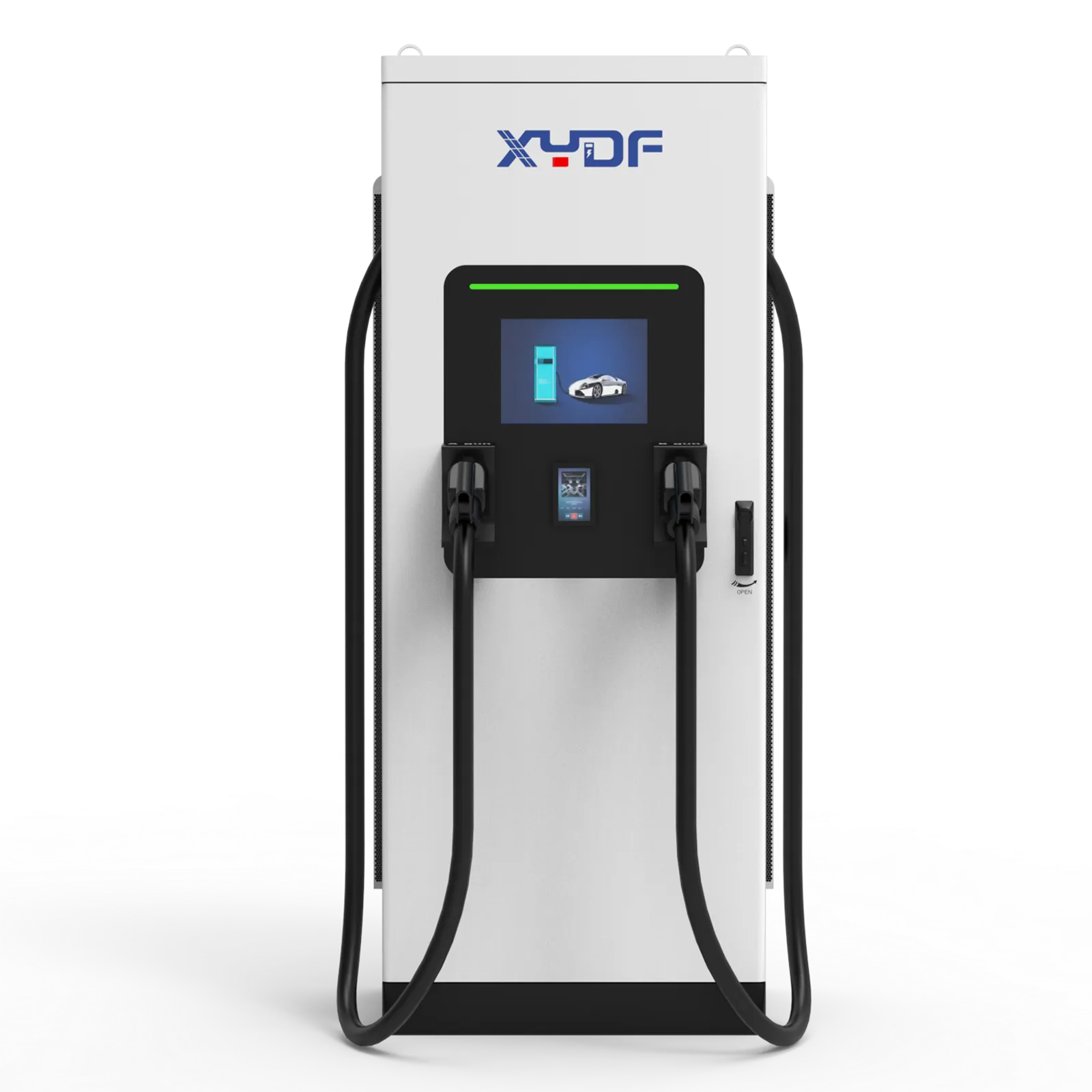
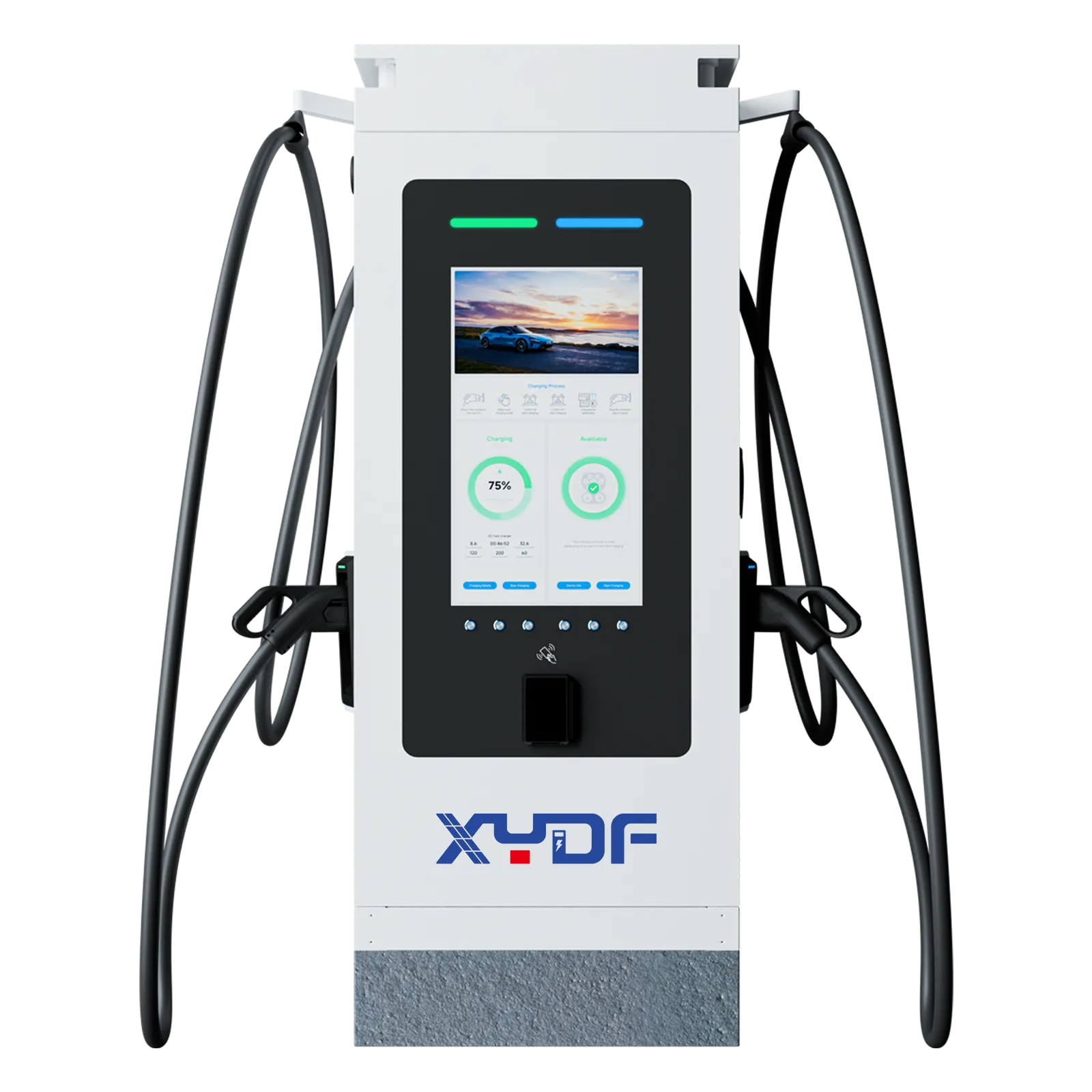
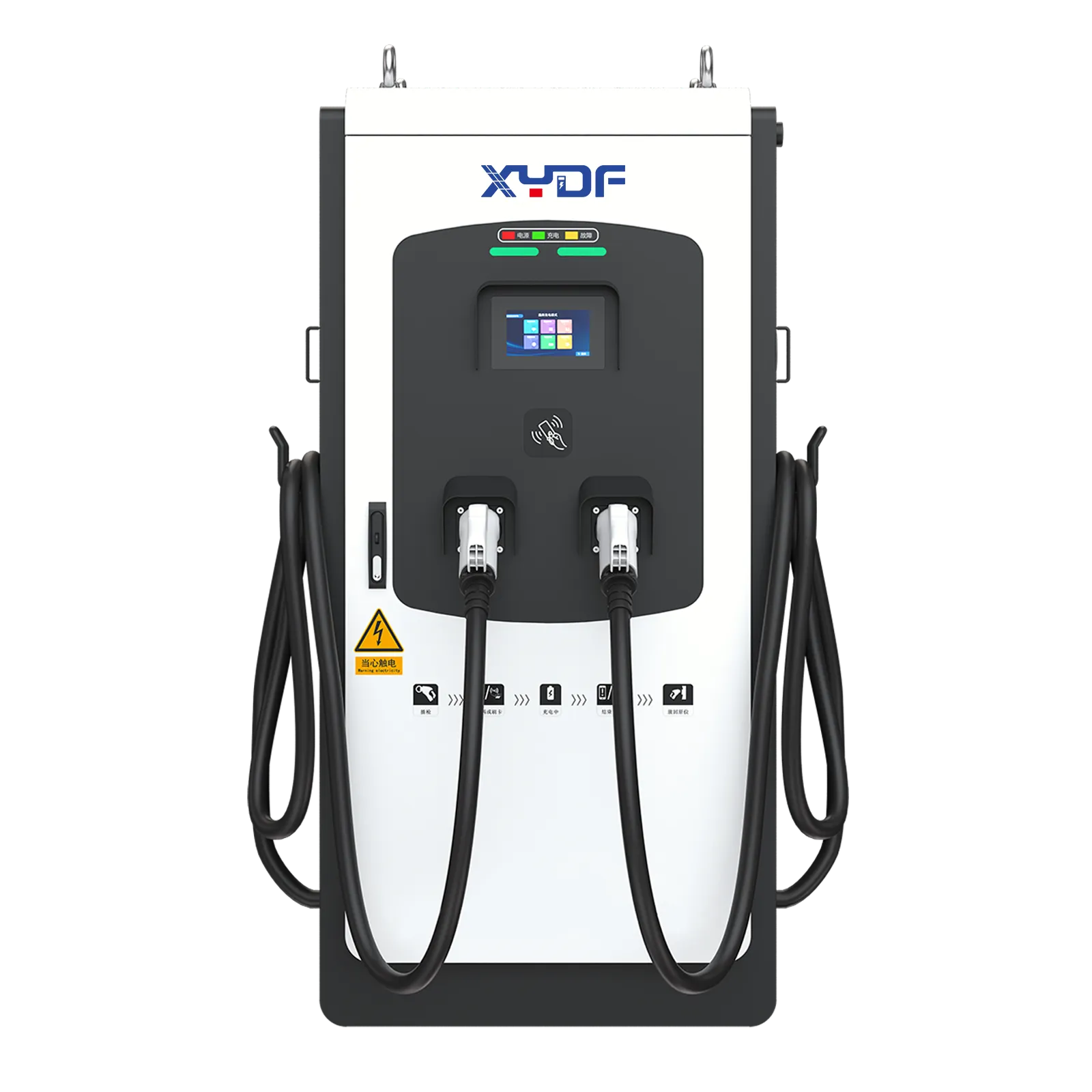
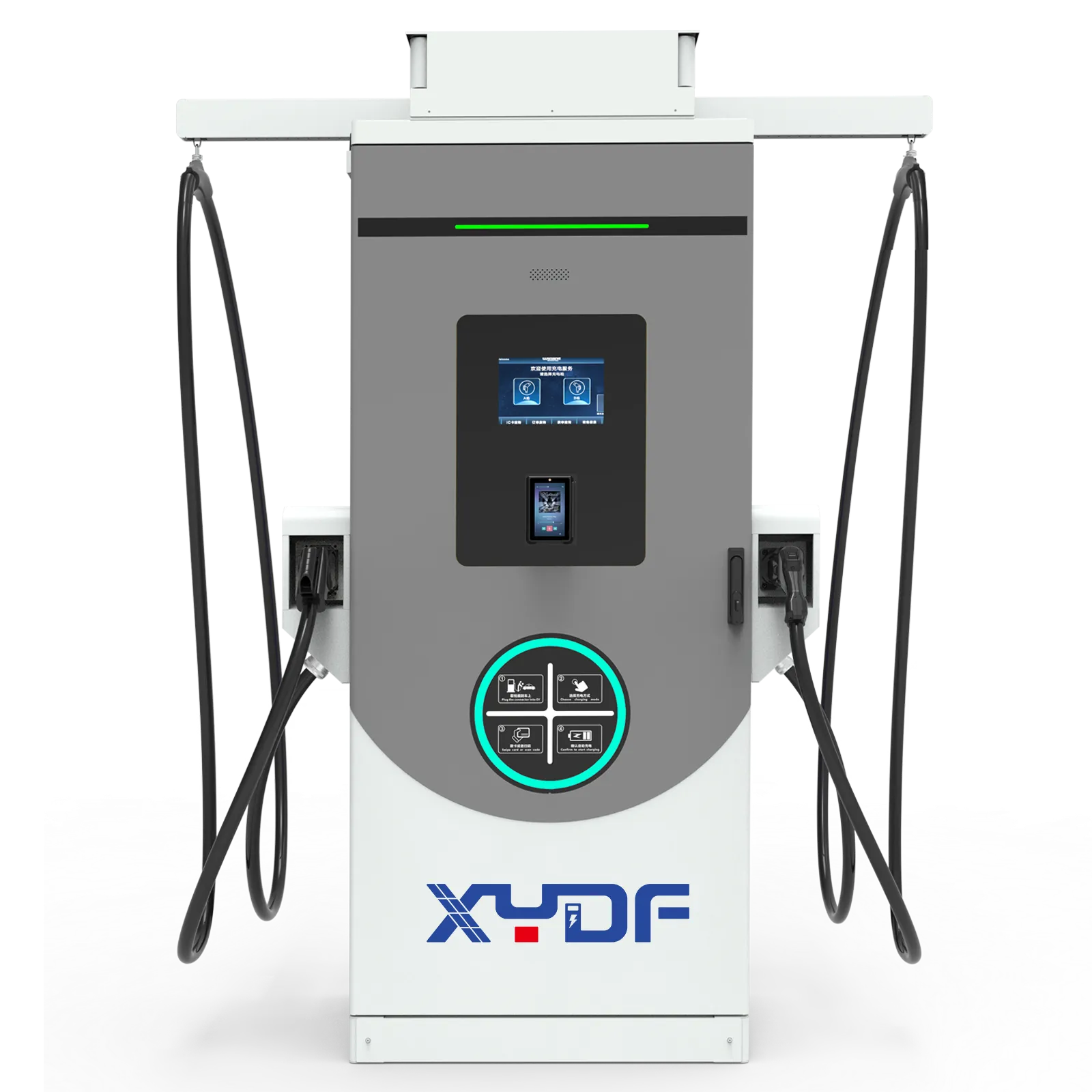
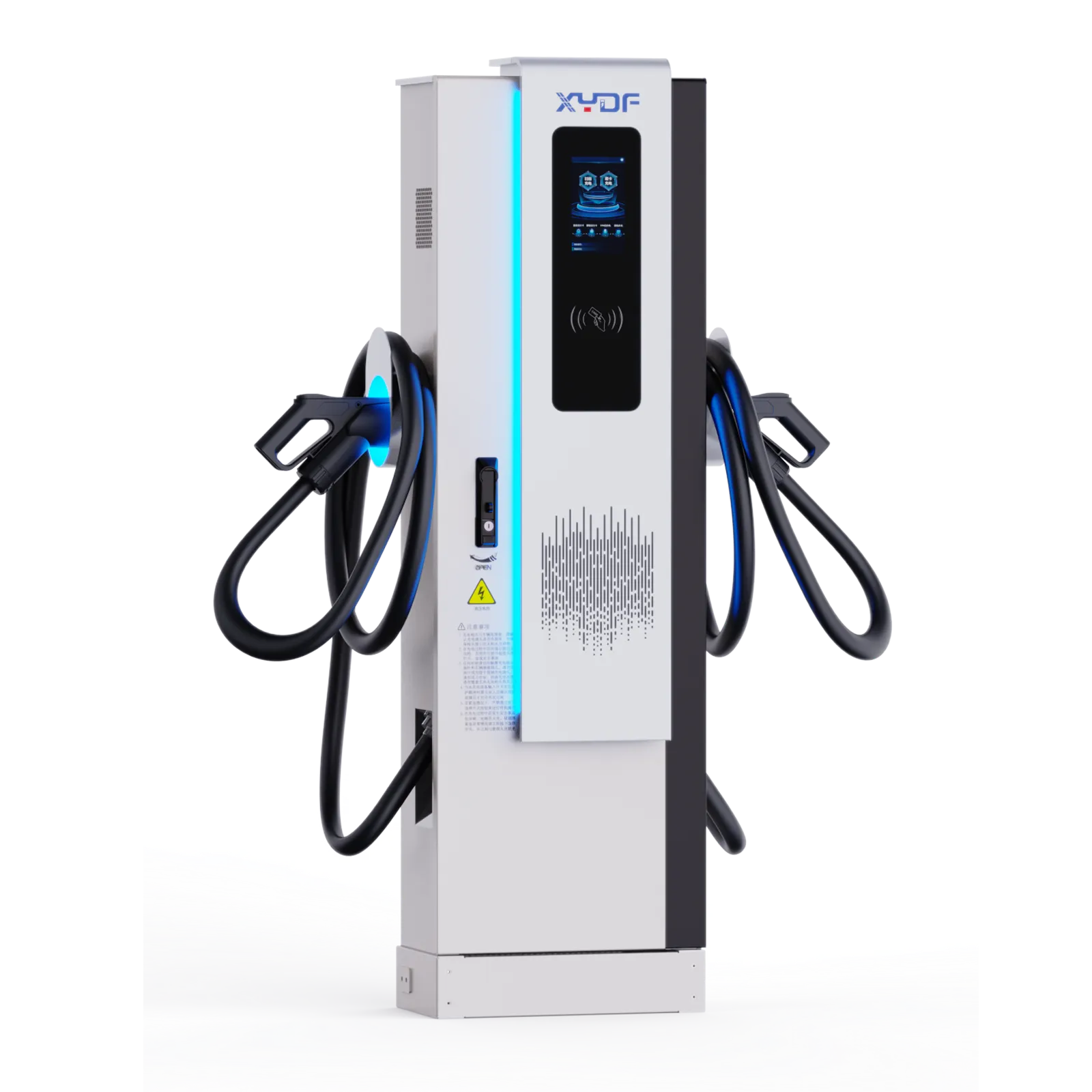
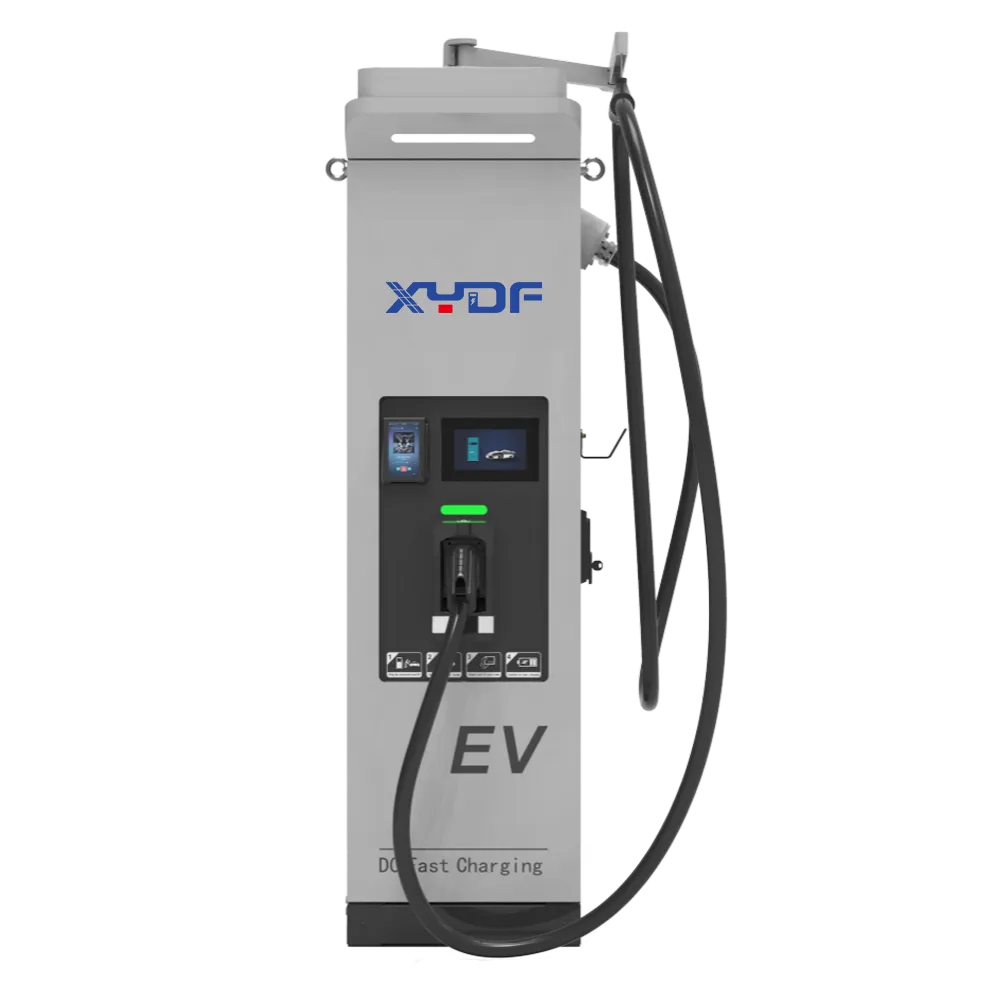
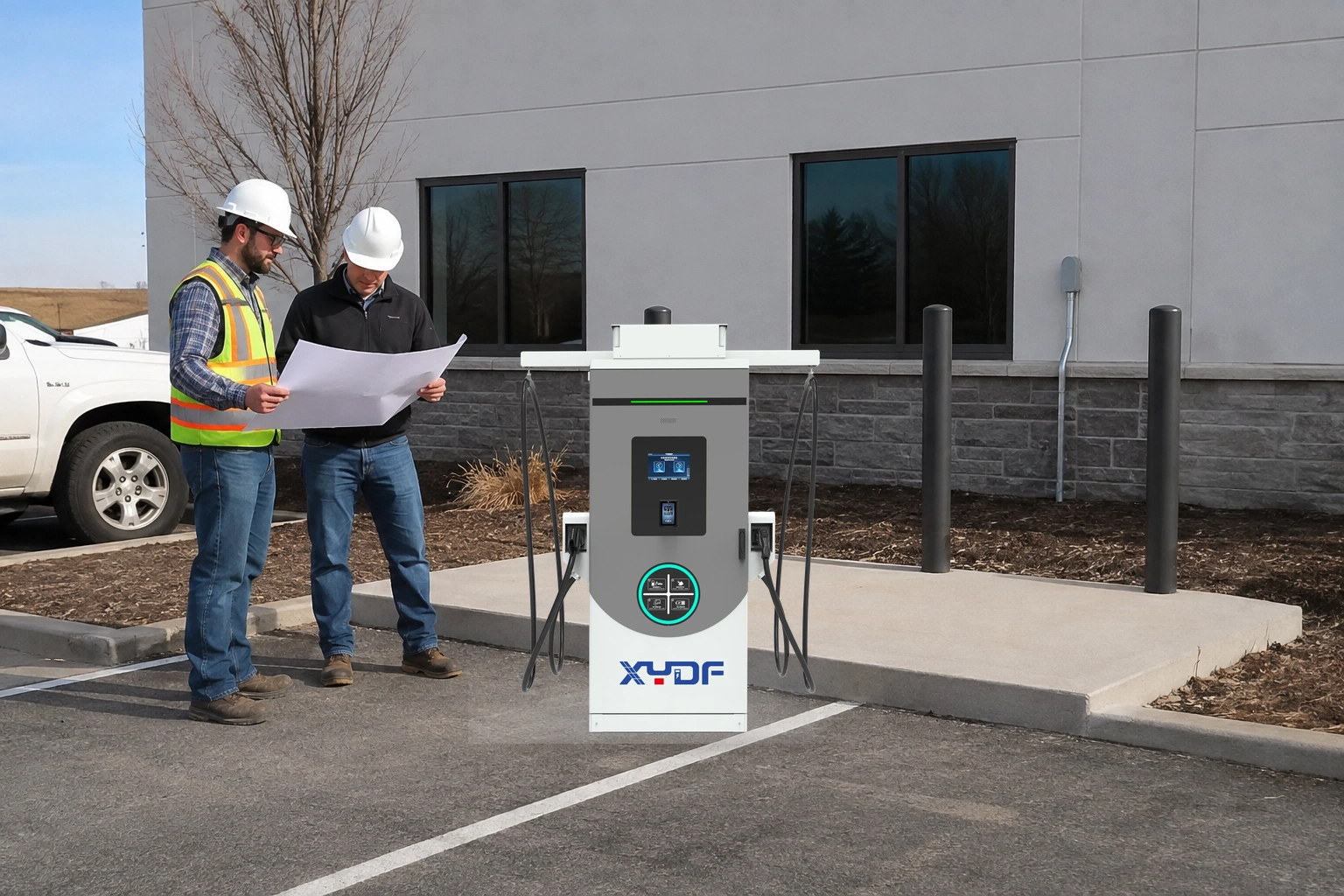
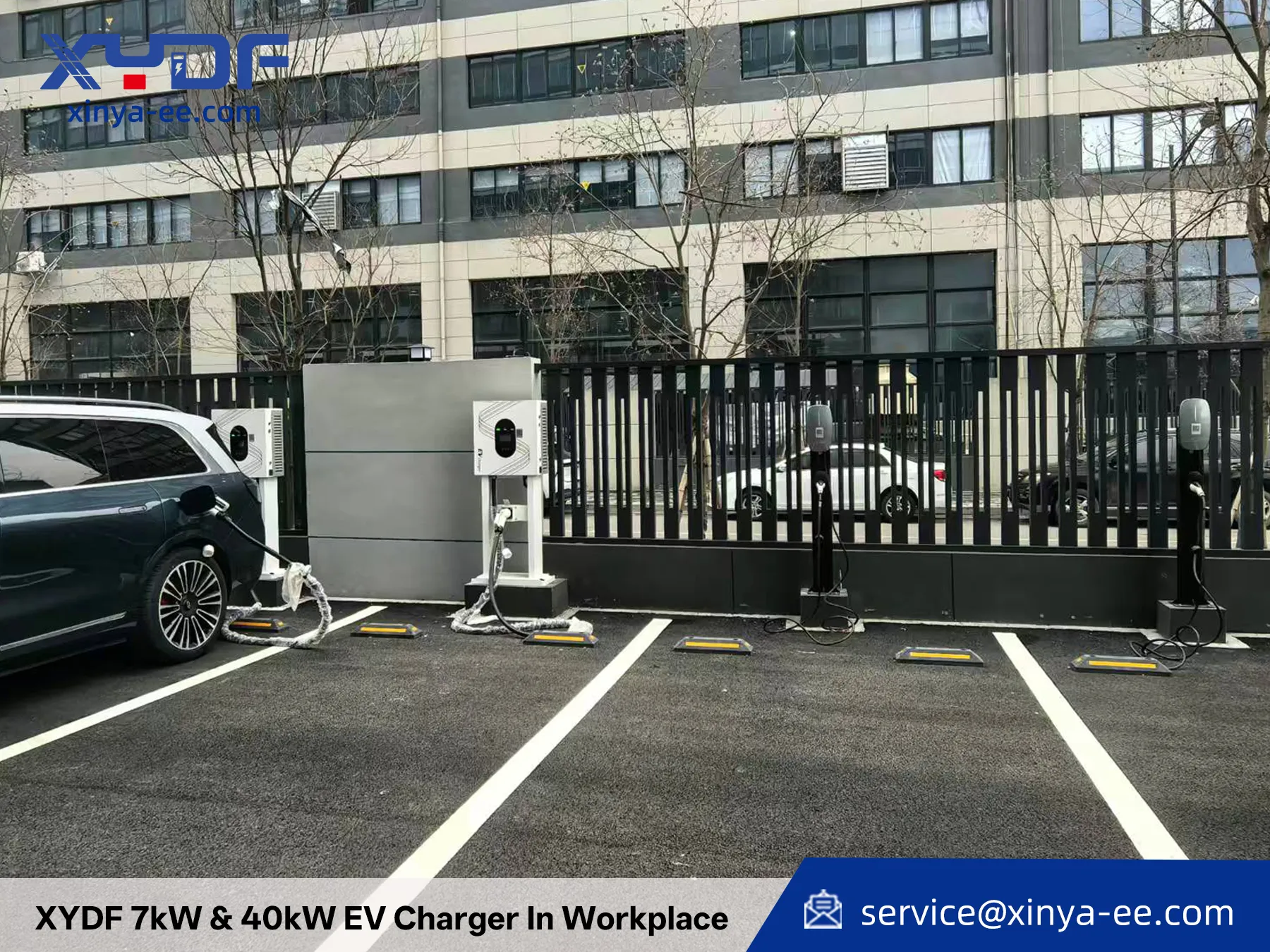
For the purposes of this discussion, fixed electric vehicle chargers (such as those placed at homes, workplaces or public charging stations) are generally used to charge an Electric Vehicle through the electrical distribution system at that location and can be relied upon to deliver a consistent, reliable source of electricity. Fixed chargers tend to be highly regarded and typically provide the fastest charge times. As a result, it is almost universally the case that users will choose to charge their vehicle at the fixed location where the charger is located.
The International Energy Agency has stated that globally there is a demand for 40 million public charging stations for electric vehicles. The number of public chargers also helps place additional context around the role of fixed infrastructure to support future demand for this method of refuelling.
Advantages of Fixed Charging Stations
Fixed charging stations come with their own set of benefits:
| Feature |
Benefit |
| High Power Output |
Faster charging times |
| Durable Design |
Reliable, long-term solution |
| Incentives |
Eligible for government grants and rebates |
| Commercial Appeal |
Attracts customers to businesses |
Mobile EV Charging Units vs Fixed Stations: Key Differences
To better understand which solution is right for you, let’s compare the two options side by side:
| Aspect |
Mobile EV Charging Units |
Fixed Charging Stations |
| Portability |
Highly portable |
Permanent installation |
| Charging Speed |
Moderate |
High |
| Initial Cost |
Lower |
Higher |
| Use Case |
Emergencies, events, off-grid charging |
Daily home or business use |
| Maintenance |
Minimal |
Varies by location and usage |
Factors to Consider Before Choosing
Consider the following factors when choosing between a mobile electric vehicle charger and a stationary electric vehicle charger:
1. Lifestyle and Driving Habits
Do you travel regularly or mostly only use your electric vehicle for short trips? Consider using mobile charging stations as an option if you’re doing multiple long road trips where you may need to stop to charge your electric vehicle at different locations. If you have an idea of the charging stations you will be parking at since you regularly use your EV, you may want to go with using a fixed charging station.
2. Investment Budget
Generally speaking, you will spend less initially on mobile charger units than if you were to set up a fixed site charger; but there may still be costs associated with making any necessary electrical changes, obtaining permits, and installing them.
3. Energy Source
Mobile chargers can be attached to renewable energy sources for off grid charging instead of being permanently connected to fixed charging stations connected to the electricity system and supplying a steady amount of electricity.
4. Charging Speed Requirements
If you have an EV that has a solid state battery or lithium ion (Li-ion) battery with high energy density, then fast-charging stations will be the easiest and greatest way to charge your EV battery if you have access to permanent charging stations.
Who Benefits Most from Mobile EV Charging Units?
Mobile EV charging units are ideal for users who need flexibility. Examples include:
Ride-sharing and delivery drivers who operate across different cities and require on-the-go charging options.
(Renter) Renters who have a lease that does not give them permission to have an electric vehicle charging station in their apartment.
(Temporary) Organizations, businesses, and event planners that provide temporary charging solutions for electric vehicles at their events or sites.
Emergency response figures evaluating if car is working correctly during emergency conditions or loss of electrical power.
Who Benefits Most from Fixed Charging Stations?
Here are some groups that might find fixed stations more beneficial:
Homeowners with dedicated parking spaces and EVs, who value convenient overnight charging.
Businesses that provide charging stations for electric vehicles will most likely use this approach to retain as many clients as feasible.
Fleets operating from a central hub where vehicles can charge simultaneously.
Future Trends in EV Charging
The future of EV charging is evolving, with exciting innovations on the horizon:
1. Vehicle-to-Grid (V2G) Technology: If V2G-enabled Electric Vehicles (EVs) send power back to an electric utility, this helps stabilize and reduce the effect of sudden spikes in demand on the electric grid.
2. Wireless Charging: Inductive charging pads are emerging as a hassle-free way to charge EVs without cables.
3. Ultra-Fast Charging: The ability of some businesses such as Tesla to provide electric cars (EVs) with a greater range is facilitated by shorter charging times, usually less than 15 minutes. Developments in technology enabling faster charges would reduce the time required at all public (fixed) charging stations across the country.
4. Renewable Energy Integration: Mobile solar-powered chargers for EVs are gaining popularity and assist in sustainable development while reducing reliance on the grid.
FAQs
Are mobile EV chargers efficient?
Most of these have shown to be very effective (for use in an ad hoc or temporary capacity), but most will have less charge capacity compared to a permanent or stationary type solution.
What is the average cost of installing a fixed EV charger at home
What type of charger you wish to install and whether your home will be receiving an electric remodel will affect the cost of a charger which can range from approximately $700.00 up to approximately $2000.00.
Can mobile EV charging units handle all types of vehicles?
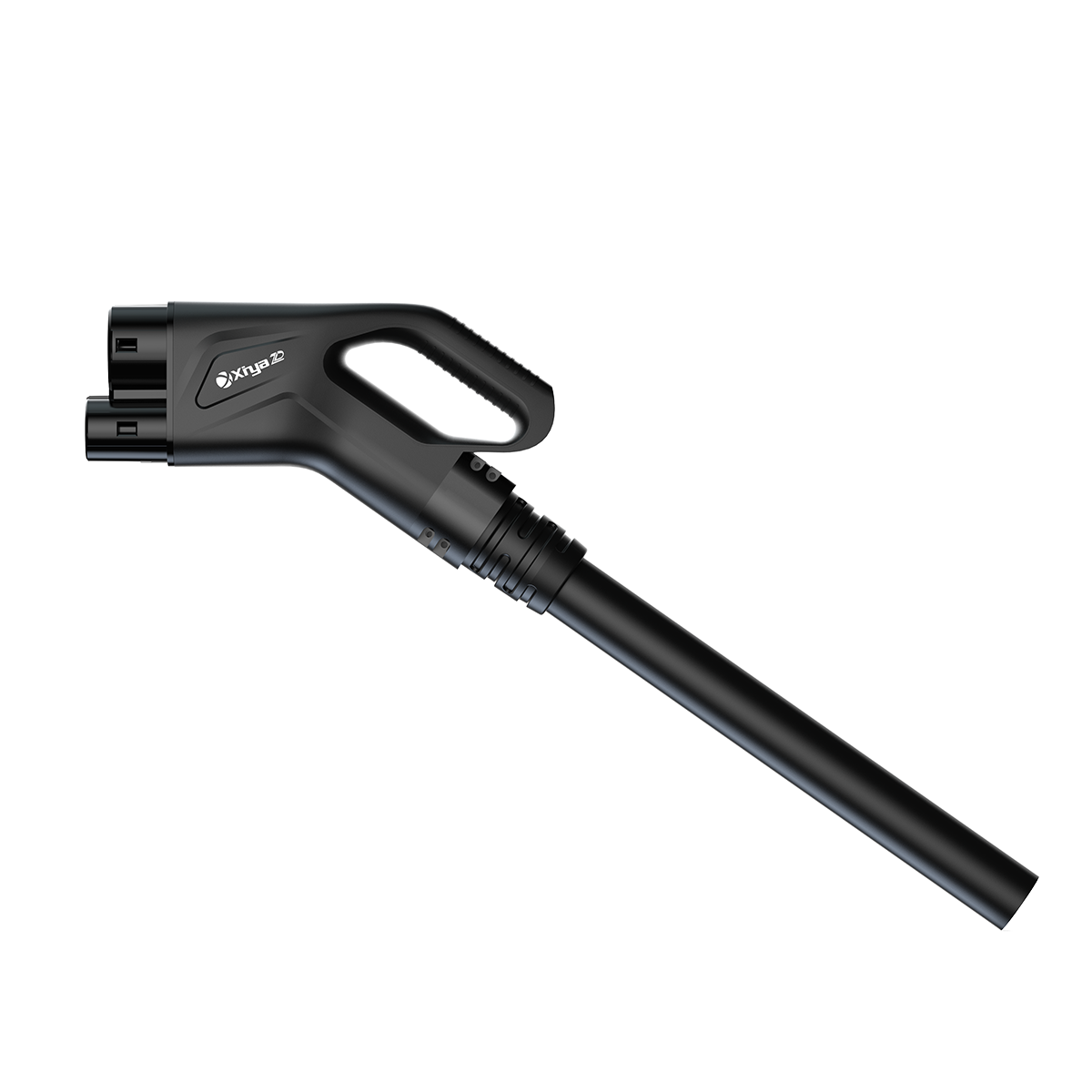
Most mobile electric vehicle (EV) charging stations connect with mainly one of two common connection types, either a Type I or Type II connector. Be certain to verify that the mobile charging unit you plan to purchase will fit before finalizing your buying decision.
Are there incentives for installing a fixed EV charging station?
Do numerous countries give rebates, tax breaks or grants to encourage people to accept electric vehicles and assist with the establishment of EV charging stations?
Is one solution better for the environment?
Renewable energy sources present us with an alternative source of clean energy that is beneficial, environmentally safe, and dependent on the combined use of different technologies, to create mobile units that are sustainable charging systems for areas where there are no permanent electrical grid connections.
To sum up, whether you use a mobile EV charging unit or a fixed-charging-type installation will depend on several things like budget, where you’ll be using the mobility aspect and your preferred energy source. There is little dispute that mobile charging devices provide the most flexible solution in emergency situations and for persons using an EV and who are continually moving from place to place, while fixed-type installations provide maximum speed and reliability/performance for permanent EV Charging Stations. Since it is estimated that demand for electric vehicles will continue to grow significantly over the coming years, either type of investment in EV charging infrastructure now will provide a smoother transition to more environmentally friendly modes of personal transportation in an all electric or alternative fuel future for the mobility industry.
References
 Xinya Dongfang Electricity Technology Co., Ltd.