 Xinya Dongfang Electricity Technology Co., Ltd.


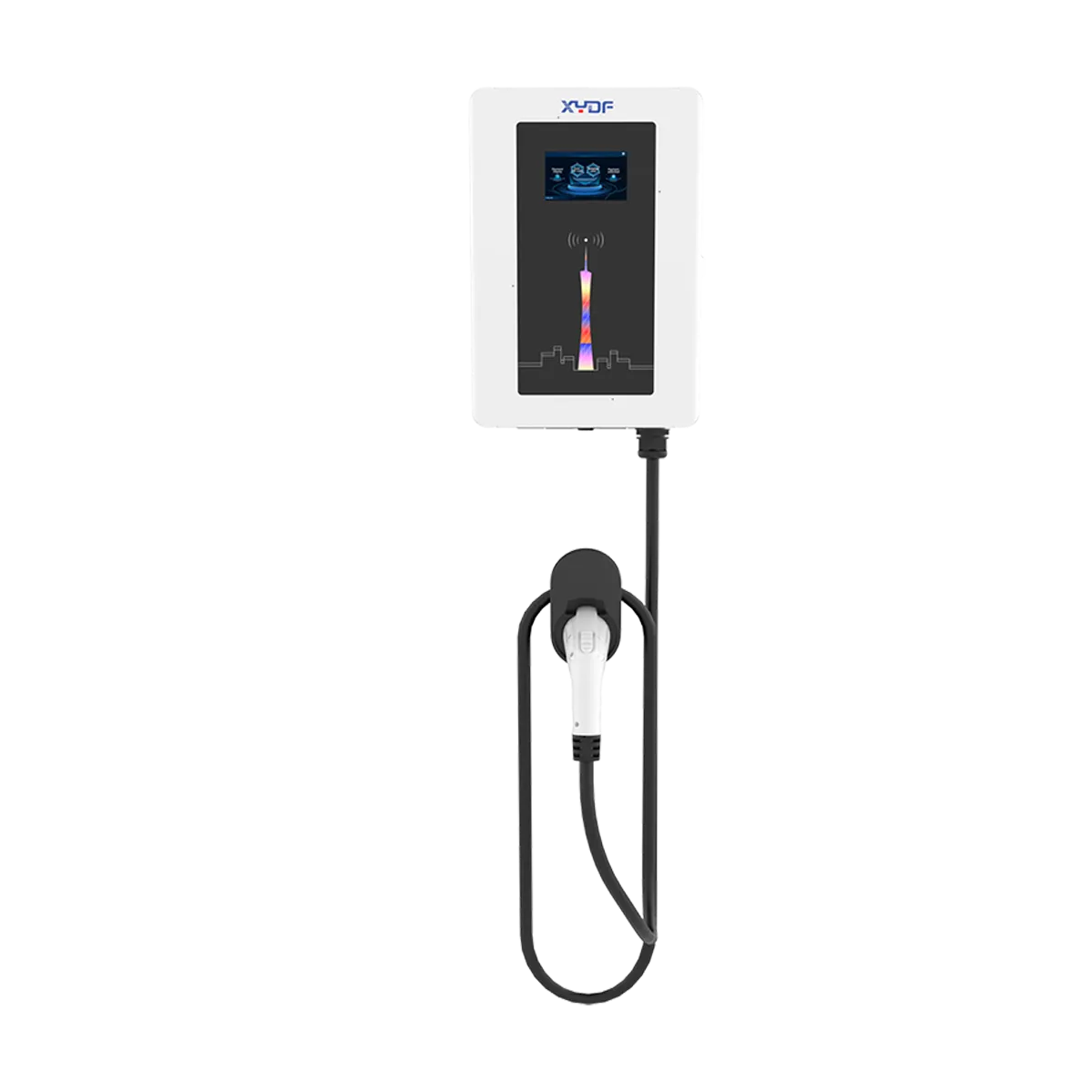
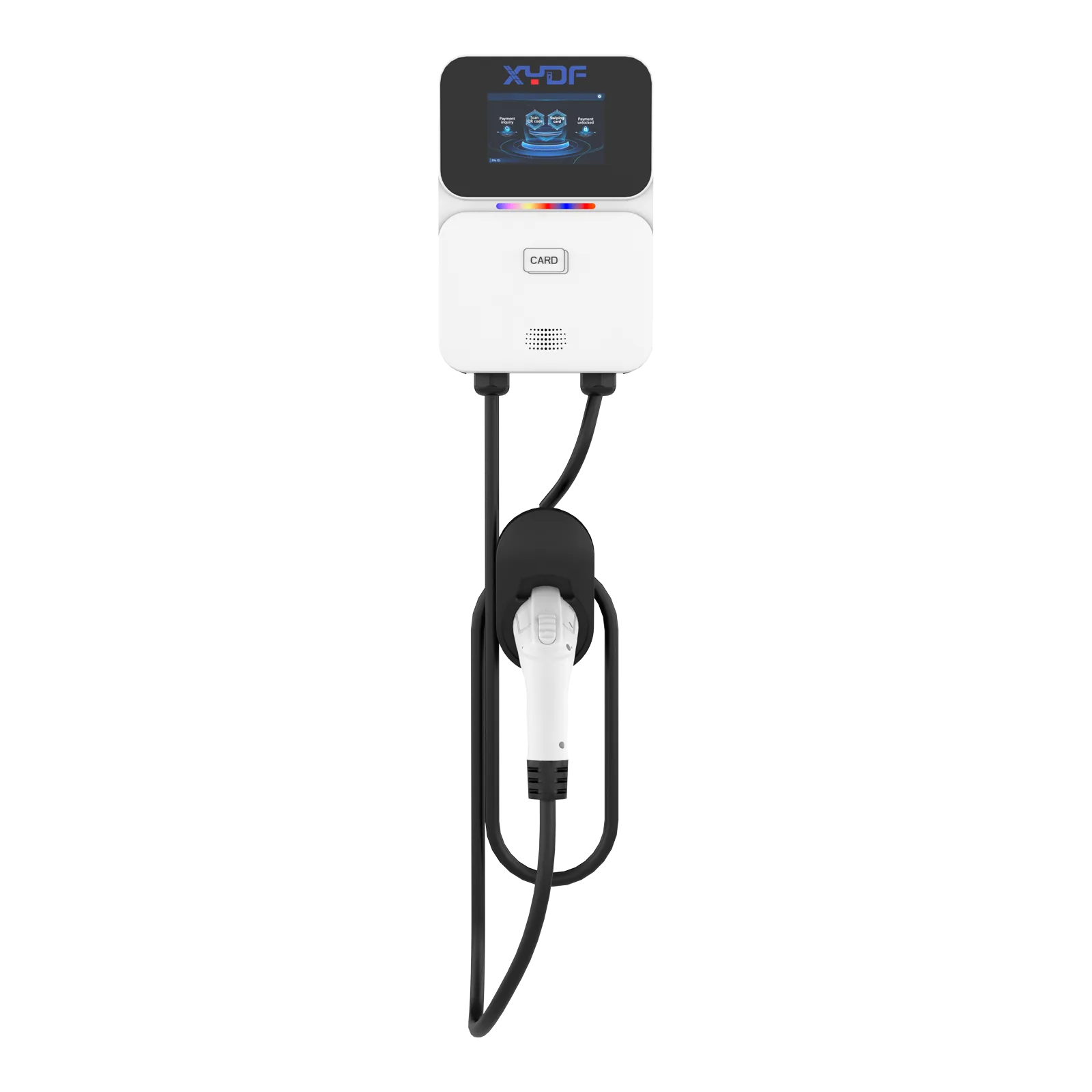
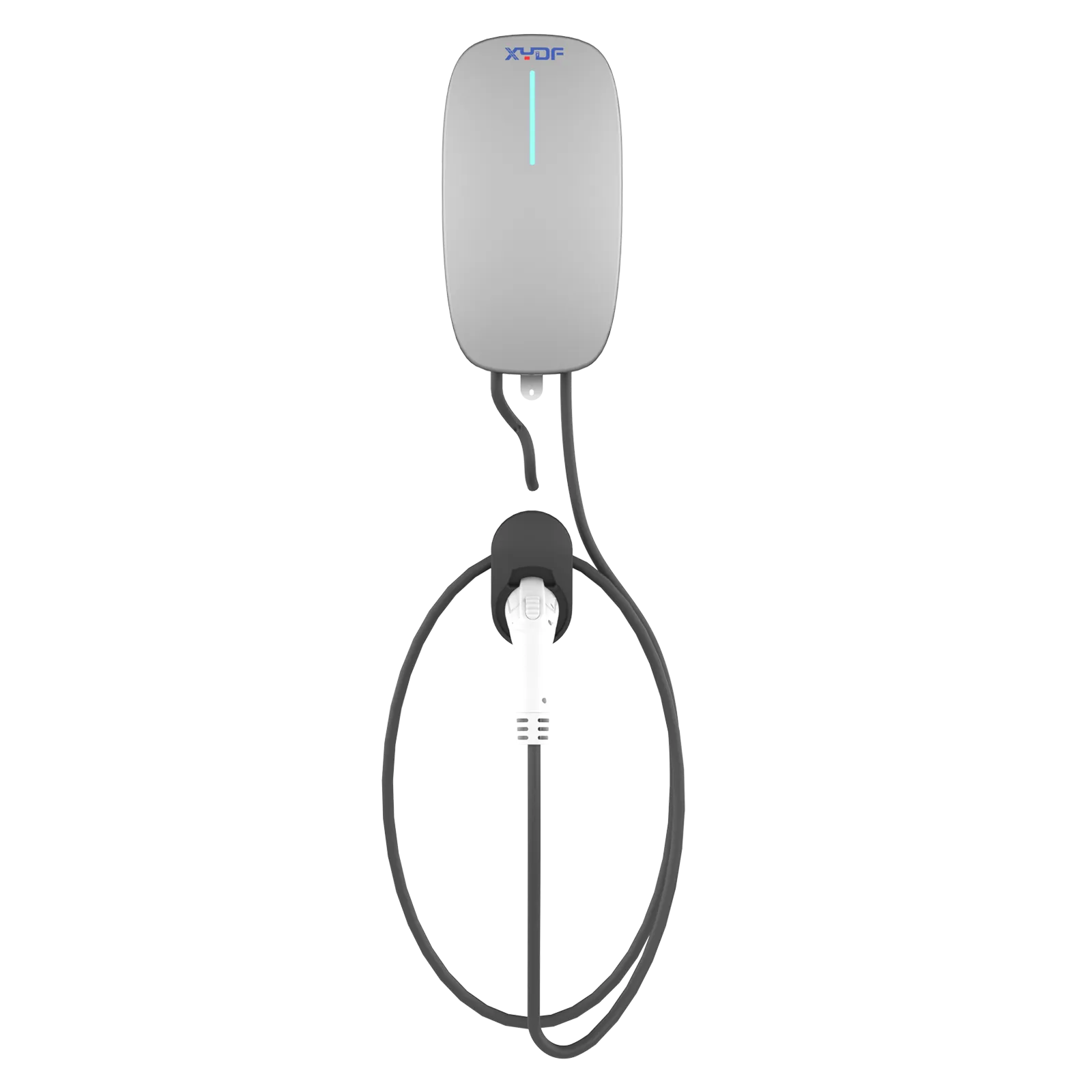
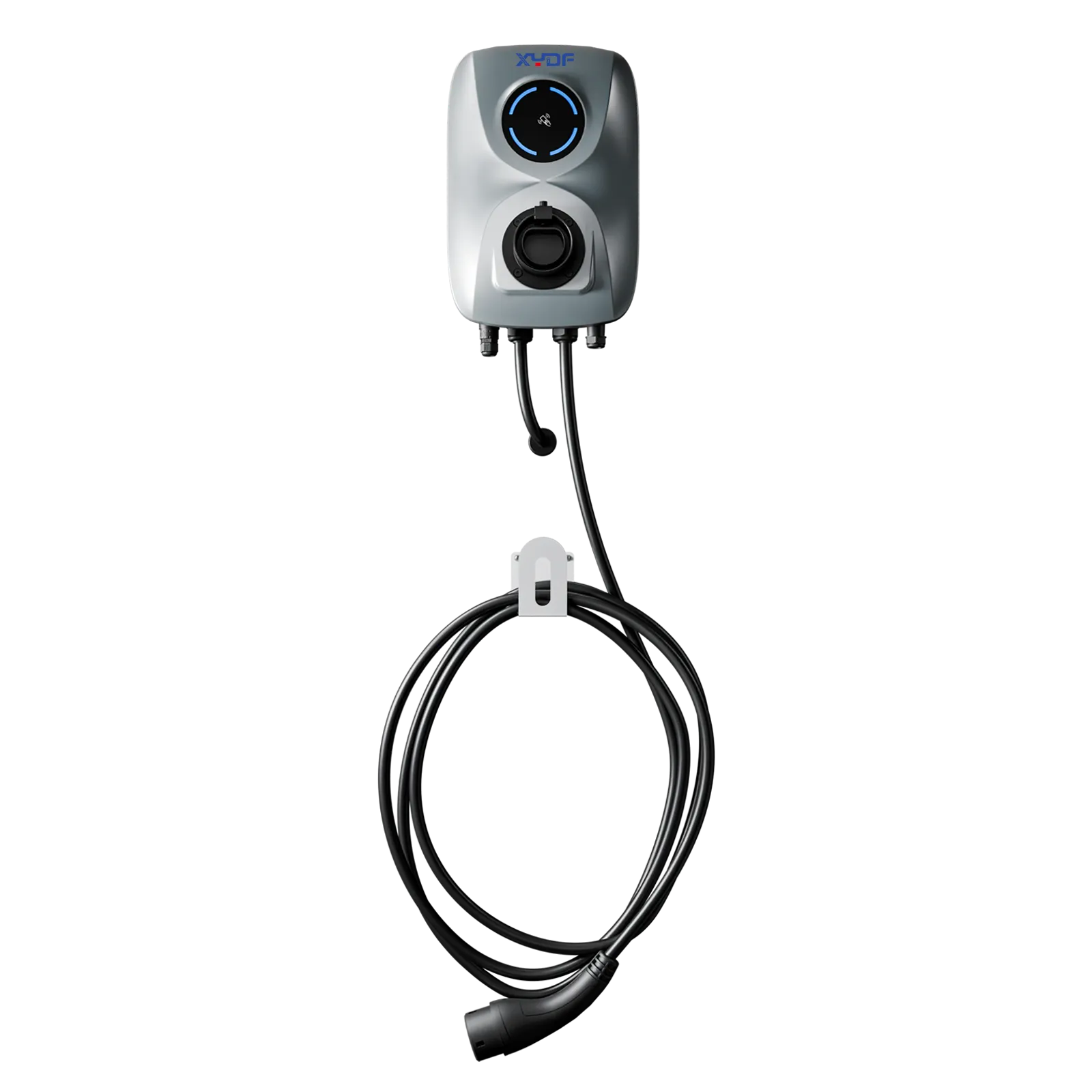
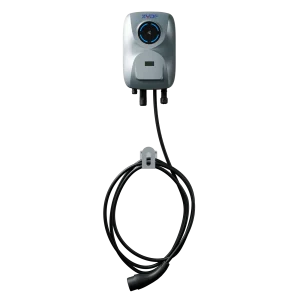
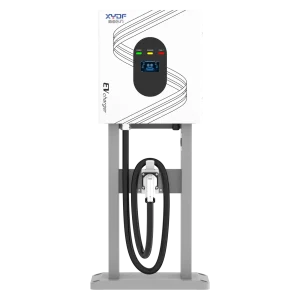

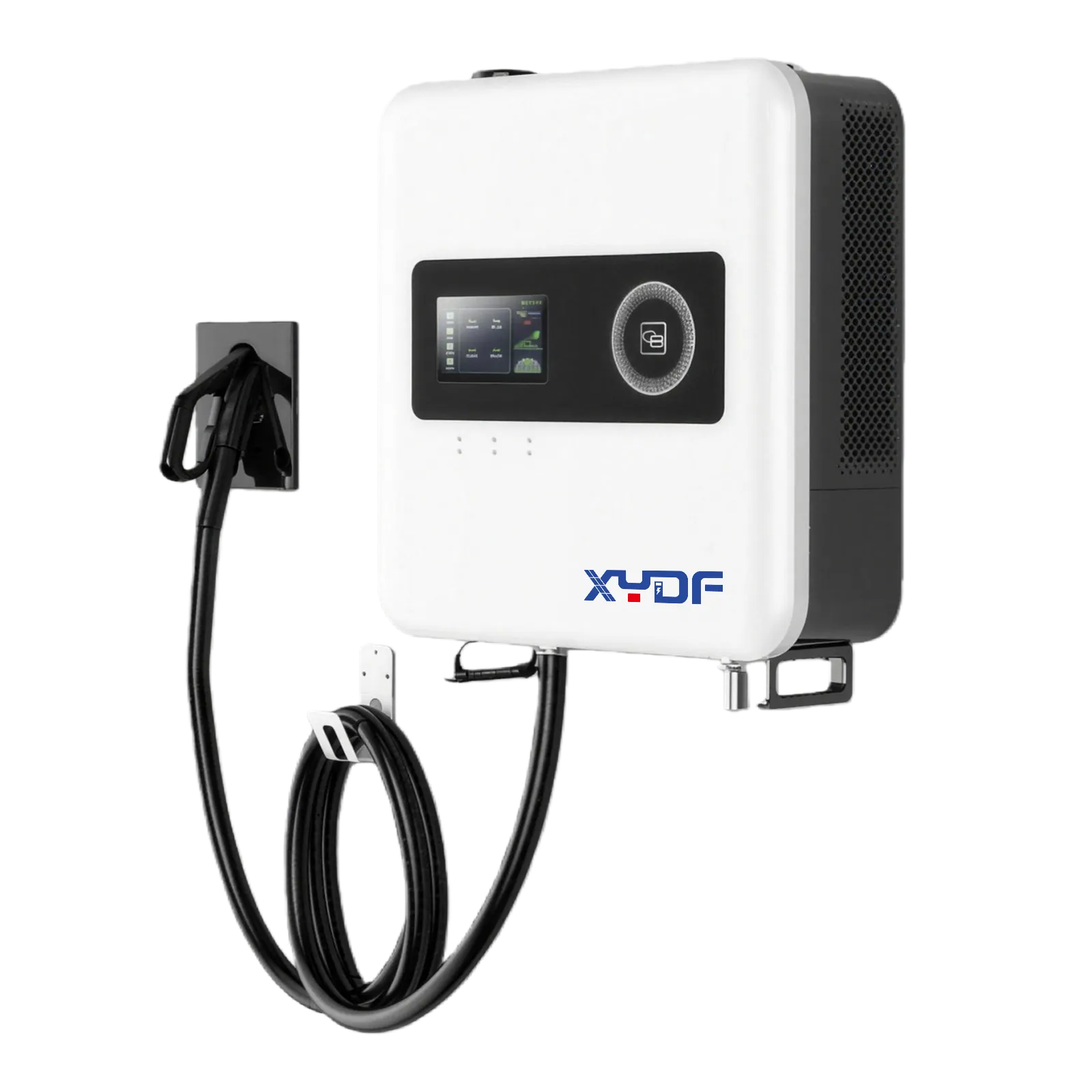
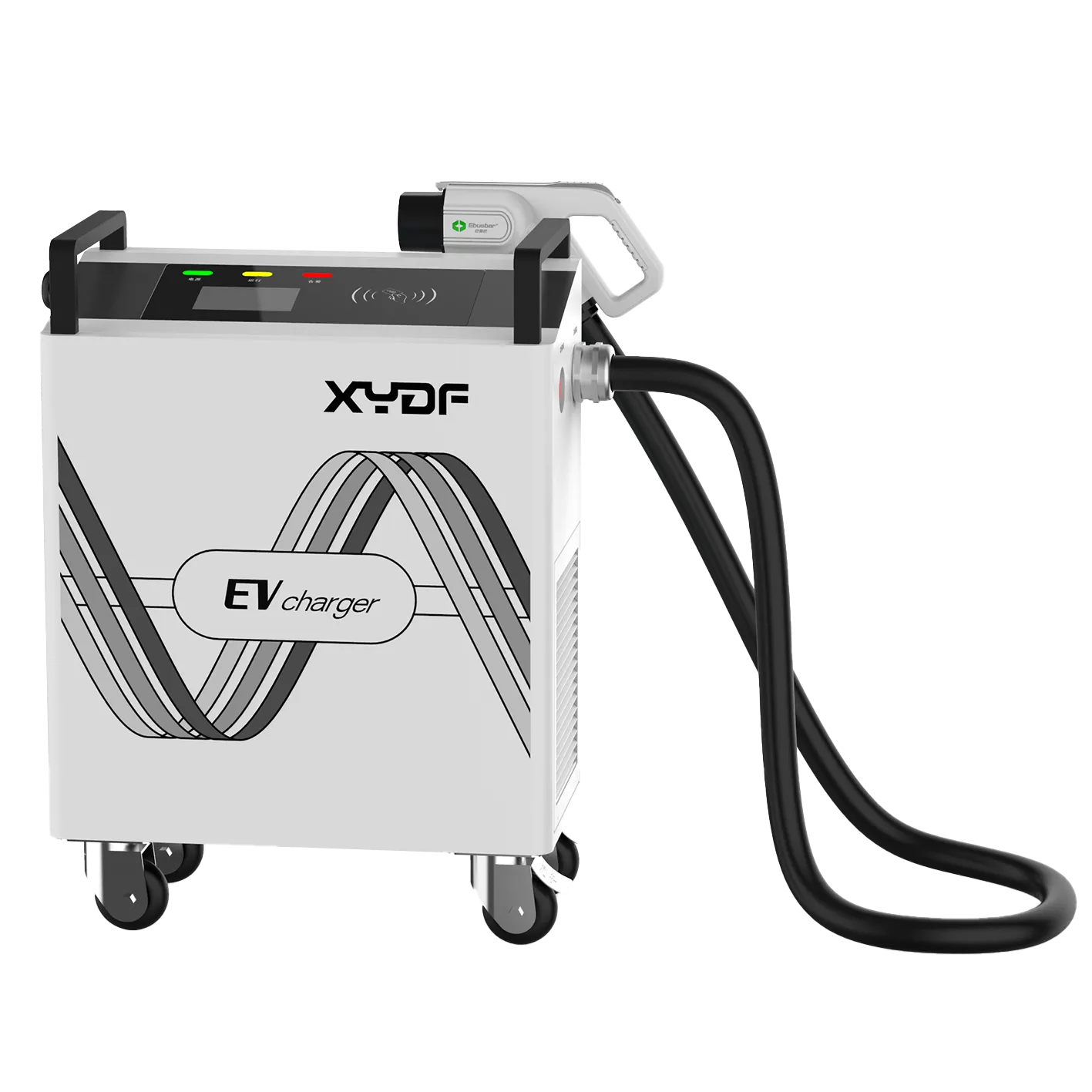
Why Outdoor Charging Requires Environmental Engineering
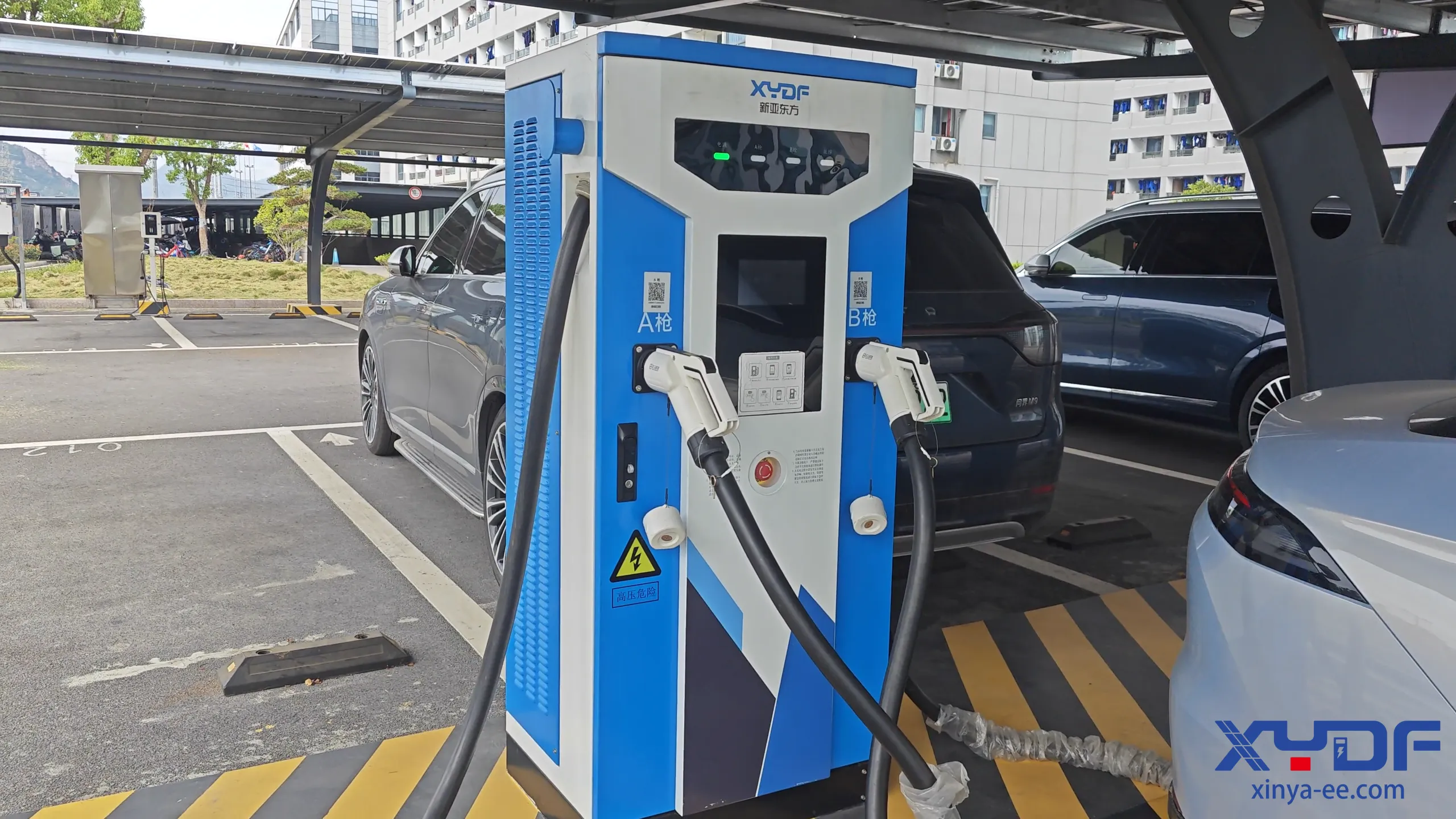
Outdoor charging equipment is exposed to far more than rain. Wind-driven dust, sand, salt mist, ultraviolet radiation, condensation, insects, temperature cycling, accidental impact, standing water, and pressure-washing can all affect the charger’s electrical and mechanical performance.
The International Energy Agency’s Global EV Outlook 2026 reports that electric-car sales grew by 20% in 2025, exceeded 20 million and represented about one-quarter of all cars sold worldwide. As charging networks expand into residential driveways, fleet yards, retail car parks, motorways and coastal areas, environmental durability becomes an operating-cost issue rather than a product-label detail.
IEC 61851-1 establishes general requirements for conductive EV charging systems with rated supply voltages up to 1,000 V AC or 1,500 V DC. However, the standard does not mean that every charger is suitable for every climate. The installation, enclosure, connector, cable entry, protective devices, cooling system, and maintenance plan must be evaluated as one system.
A reliable outdoor EV charger installation begins with a documented site assessment:
- Expected rain intensity and wind direction
- Dust, sand, construction debris, and airborne pollution
- Salt exposure near coastlines or de-icing areas
- Highest and lowest ambient temperatures
- Condensation and humidity cycles
- Standing water, drainage, and flood risk
- Vehicle impact, vandalism, and cable abuse
- Cleaning methods, including hose or pressure-washer use
Key Weatherproof Ratings: IP, IK, and Beyond
The IP rating is defined by IEC 60529. Its first digit addresses protection against solid particles, while the second digit addresses protection against water. It is an enclosure-ingress classification under specified tests, not a complete statement of outdoor suitability.
| Rating | Solid-particle protection | Water protection | Practical interpretation |
|---|---|---|---|
| IP54 | Dust-protected; limited dust entry is permitted | Protected against splashing water | May suit sheltered or controlled outdoor locations |
| IP65 | Dust-tight | Protected against water jets | Generally provides greater margin at exposed, dusty sites |
| IP67 | Dust-tight | Protected against temporary immersion under test conditions | Still subject to installation and manufacturer limitations |
IP65 should never be described as “fully waterproof.” It does not prove that equipment can be submerged, remain operational in floodwater, or resist salt corrosion. The rating may also apply only when doors, sockets, cable glands, and connector covers are correctly closed.
Mechanical impact is addressed separately by IEC 62262. For example, IK10 represents an impact energy of 20 joules. An exposed roadside charger may need a high IK rating even when its IP rating is adequate.
Corrosion protection is another separate issue. IEC 60068-2-52 can be relevant to cyclic salt-mist testing, but a supplier’s IP claim alone does not establish coastal durability. Coatings, fasteners, cable materials, drainage, and galvanic compatibility should be specified separately.
Projects that need a closer enclosure comparison can use the related IP54 versus IP65 guide while keeping the wider climate and installation checks in scope.
Features for Extreme Climates
A charger installed in a hot, dusty, humid, or coastal area requires more than a sealed cabinet. Important features include:
- Wide operating-temperature range: Confirm the exact output available at the site’s maximum ambient temperature and obtain the thermal derating curve or operating envelope for the exact model.
- Condensation control: Anti-condensation heaters, pressure equalization, drainage paths, and suitable enclosure design can reduce internal moisture.
- Protected ventilation: Fans, filters, heat exchangers, and liquid-cooling systems must be accessible for inspection and cleaning.
- UV-resistant materials: Cable jackets, gaskets, plastics, labels, and screens should be suitable for long-term solar exposure.
- Corrosion-resistant construction: Coatings, stainless components, sealed fasteners, and compatible metals matter in salt-laden air.
- Surge protection: Thunderstorms and unstable grids can damage power electronics without appropriate upstream and internal protection.
- Raised installation: Plinths, drainage channels, and elevated cable entries reduce standing-water risk.
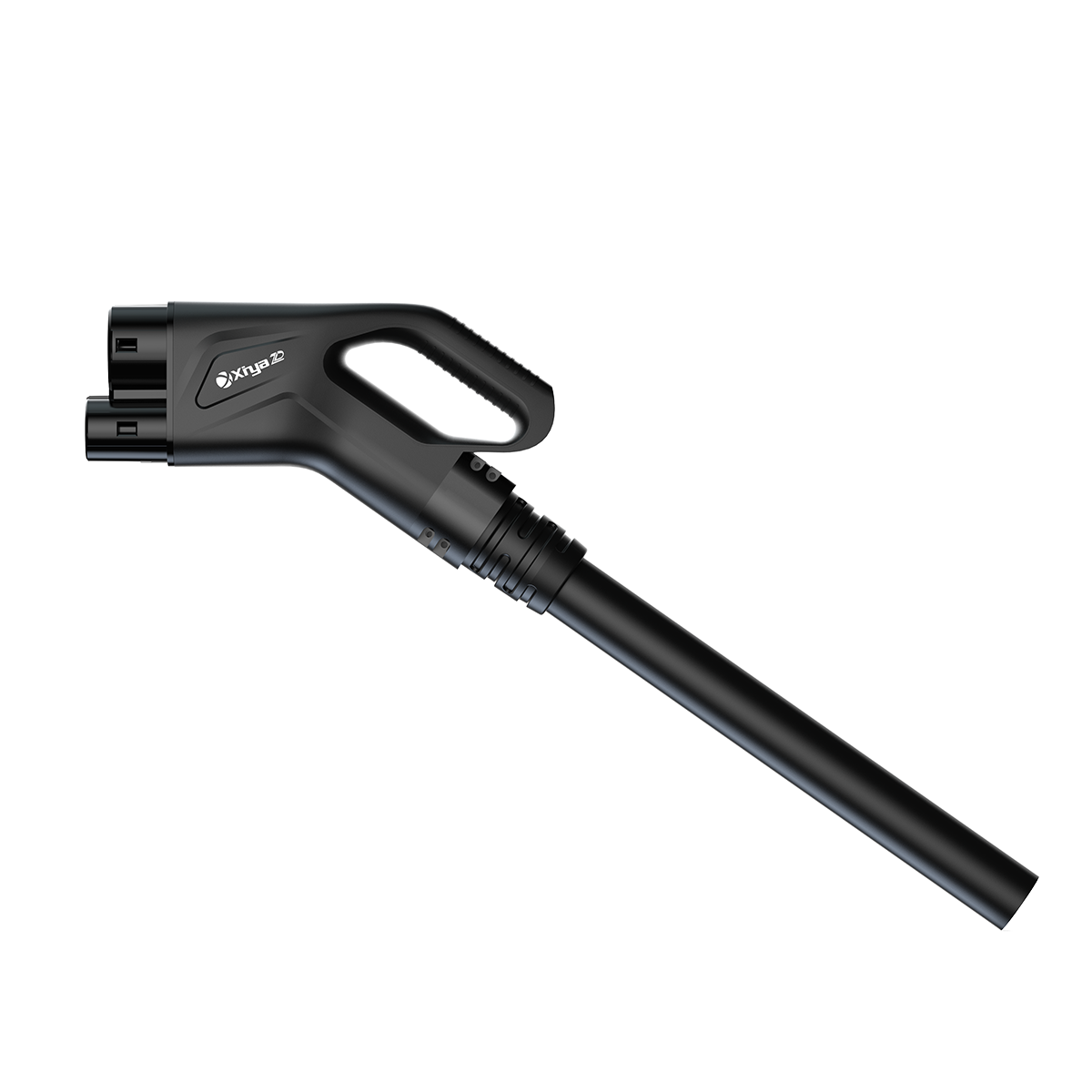
- Connector storage: Cable holsters should prevent connectors from touching wet ground, mud, or standing water.
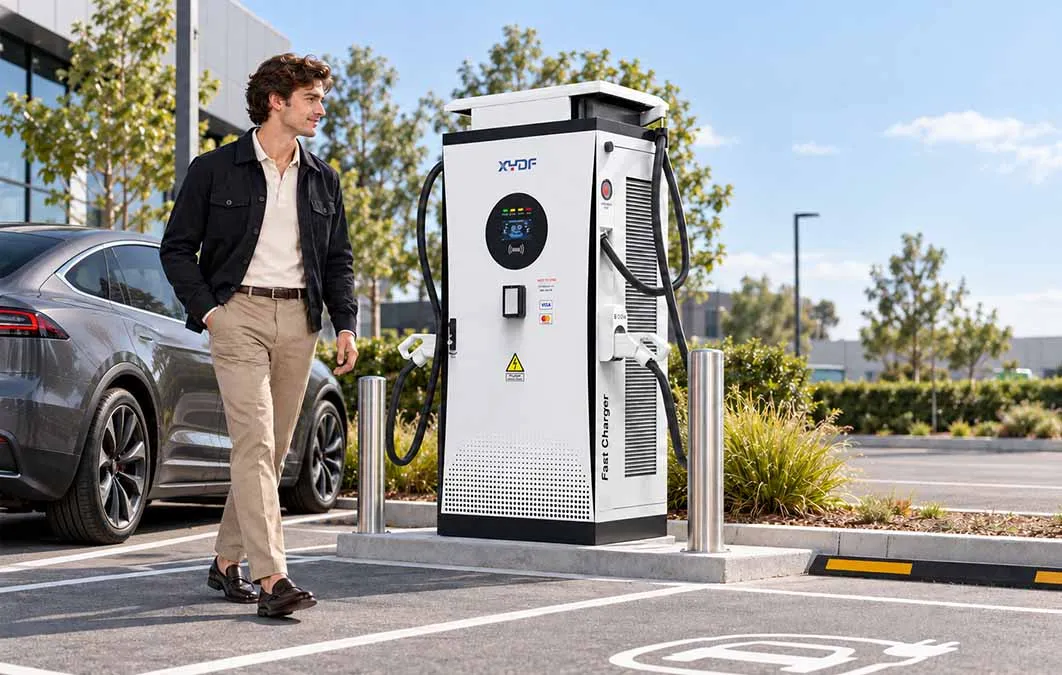
For a high-power DC unit, thermal management is particularly important. A 60 kW charger and a 240 kW charger may face the same rainfall, but the higher-power system rejects considerably more heat and may require more complex cooling, filters, or derating controls.
How Water, Dust, and Heat Create Failure
Most outdoor failures develop through interaction among several environmental conditions rather than one isolated event.
Water ingress and drainage
Rain can enter through damaged gaskets, open connector covers, poorly oriented cable glands, or doors that are not fully latched. Even when the enclosure remains sealed, water may collect around the foundation and create a risk during future maintenance. The installation should provide visible drainage and avoid low points where water can remain for hours.
Dust and sand contamination
Fine particles can obstruct filters, reduce cooling performance, contaminate connectors, and accelerate mechanical wear. Dusty sites need cleaning intervals based on actual conditions rather than a generic annual schedule.
Heat and thermal derating
Power electronics, fans, cables, and connectors generate heat during charging. When ambient temperature rises, the charger may reduce output to protect internal components. Operators should publish the expected power range rather than promising the nameplate output under every weather condition.
Humidity and condensation
Temperature changes can cause moisture to form inside an enclosure even when direct rain has not entered. This is especially relevant where cold nighttime conditions are followed by strong daytime heating. Internal inspection, humidity control, and appropriate commissioning tests should be part of the maintenance plan.
Outdoor Charger Selection by Application
| Application | Typical exposure | Practical starting point | Additional requirements |
|---|---|---|---|
| Covered home driveway | Limited direct rain and dust | IP54 may be sufficient | Drainage, connector protection, RCD or GFCI protection |
| Open residential parking | Rain, sunlight, occasional dust | IP54 or IP65 after assessment | UV resistance, mounting height, cable storage |
| Roadside charging station | Wind-driven rain, road dirt, impact | IP65 commonly preferred | IK protection, bollards, corrosion control, remote monitoring |
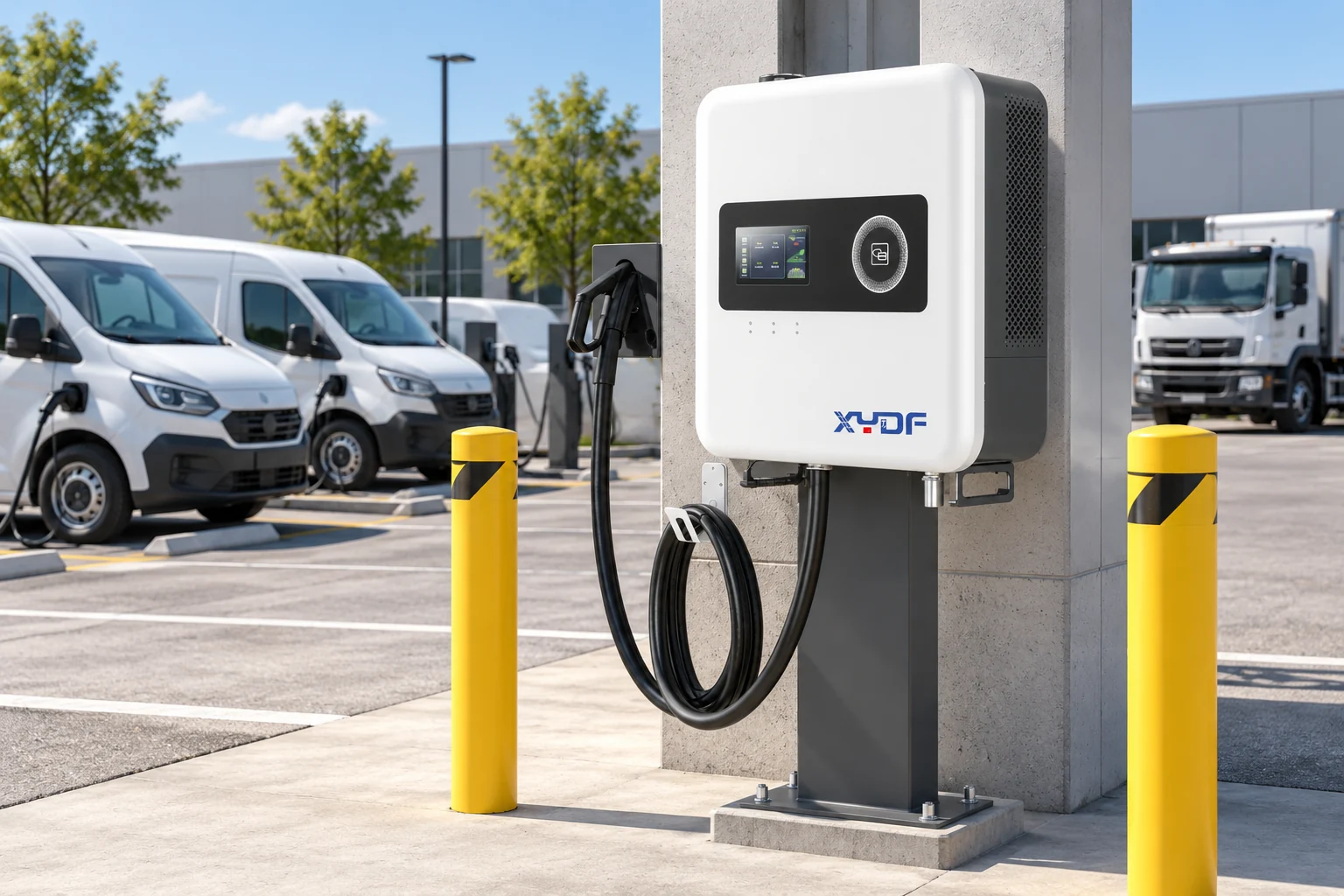
| Fleet depot | Dust, vehicle movement, frequent cleaning | IP65 may reduce environmental risk | Wash-down procedures, cable management, service access |
| Coastal site | Salt mist, humidity, wind-driven rain | IP65 plus corrosion strategy | Coatings, compatible metals, drainage, condensation control |
| Desert or semi-arid site | Sand, high heat, sudden rain | Dust-tight enclosure with thermal qualification | Filters, cooling, raised foundations, inspection frequency |
| Flood-prone area | Standing water or potential immersion | Neither IP54 nor IP65 alone | Elevation, flood planning, drainage, emergency isolation |
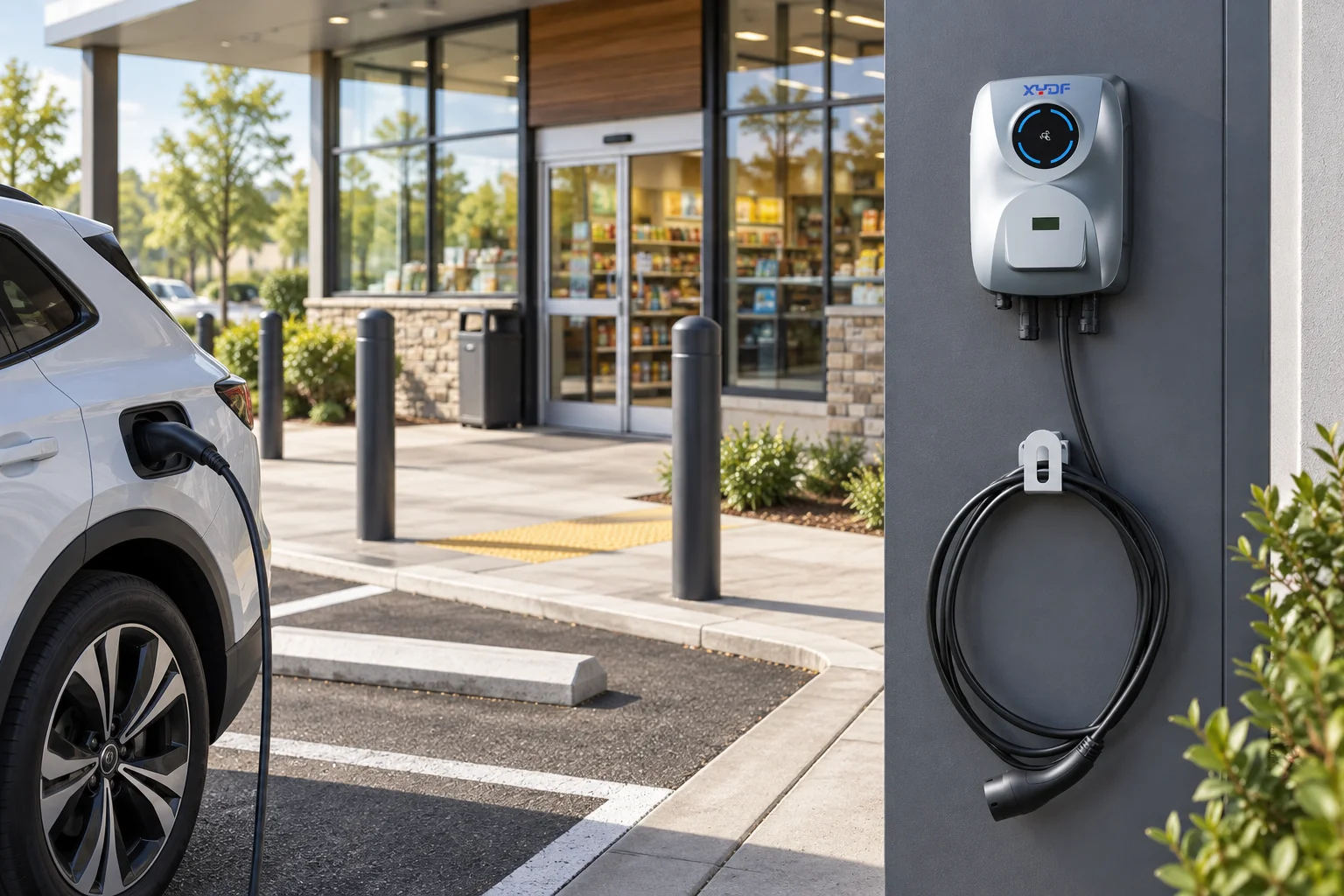
The phrase outdoor EV charger for home should not automatically lead buyers toward the highest available IP number. A sheltered garage entrance may have a different risk profile from a coastal public station. The correct selection depends on exposure, maintenance access, consequences of downtime, and the complete installation design.
Standards and Compliance Requirements
Relevant standards for outdoor charging projects may include:
- IEC 60529: Degrees of protection provided by enclosures.
- IEC 61851-1: General requirements for conductive EV charging systems.
- IEC 61851-23 and IEC 61851-24: Requirements relevant to DC charging and communication.
- IEC 60364-7-722: Electrical installations supplying electric vehicles.
- IEC 62262: Protection against external mechanical impacts.
- UL 2594: AC EV supply equipment for applicable North American projects.
- UL 2202: DC charging equipment for applicable North American projects.
- UL 50E and NEMA 250: Enclosure requirements and type classifications in North America.
- SAE J1772, GB/T 20234, and IEC 62196: Vehicle-side and connector requirements for applicable markets.
NEMA enclosure types and IEC IP ratings are not exact one-to-one equivalents. A project requiring NEMA Type 4 or Type 4X should not accept IP65 as an automatic substitute without reviewing the certification scope and applicable local requirements.
CE and CCC markings should also be understood as market-conformity requirements, not automatic evidence of independent third-party certification. Procurement teams should request documentation for the exact model, rating, connector configuration, and target market.
Non-compliance can cause failed inspections, delayed commissioning, warranty disputes, equipment replacement, insurance difficulties, safety incidents, and loss of revenue from unavailable charging points.
How to Choose and Install an Outdoor EV Charger
Outdoor suitability is a system requirement, not a single enclosure label. Separate ingress protection from impact, corrosion, vibration, foundation, cable routing, drainage, emergency isolation, access, and inspection evidence. The procurement package should state the actual exposure and the acceptance checks, because an IP code or material description does not prove that the whole installation will remain serviceable at the site. For the public planning context, see IEC 60529 enclosure ingress protection standard; the site-specific acceptance record still controls the final decision.
We recommend the following process for operators, EPC contractors, distributors, and property owners:
- Classify the environment. Record rain, dust, sand, salt, UV, temperature, humidity, flooding, cleaning, and impact risks.
- Select the complete protection package. Evaluate IP, IK, corrosion resistance, UV stability, drainage, cable glands, connector storage, and surge protection.
- Check the installed condition. Confirm that the rating applies with doors closed, connectors stored correctly, cables routed as designed, and maintenance access available.
- Calculate lifecycle cost. Include cleaning, filters, cooling components, service travel, spare parts, downtime, and revenue loss—not just purchase price.
- Request evidence before approval. Obtain test reports, installation manuals, environmental limits, warranty terms, and service-response commitments.
Turn that final step into a model-specific evidence pack rather than a yes/no “outdoor rated” declaration. The pack should identify the exact model and enclosure rating, the condition in which the rating applies, the ambient-temperature output or derating curve, corrosion and UV evidence, approved cleaning restrictions, condensation and drainage provisions, and the cable and connector temperature range. If one item is unavailable, keep it as an RFQ clarification instead of filling the gap with a product-family assumption.
Review that evidence against the site exposure register and mark each item as confirmed, conditional or unresolved. This gives procurement, civil works and maintenance teams one shared list of assumptions to close before approval, and it prevents an enclosure certificate from being treated as proof of thermal performance, cleaning tolerance or coastal durability.
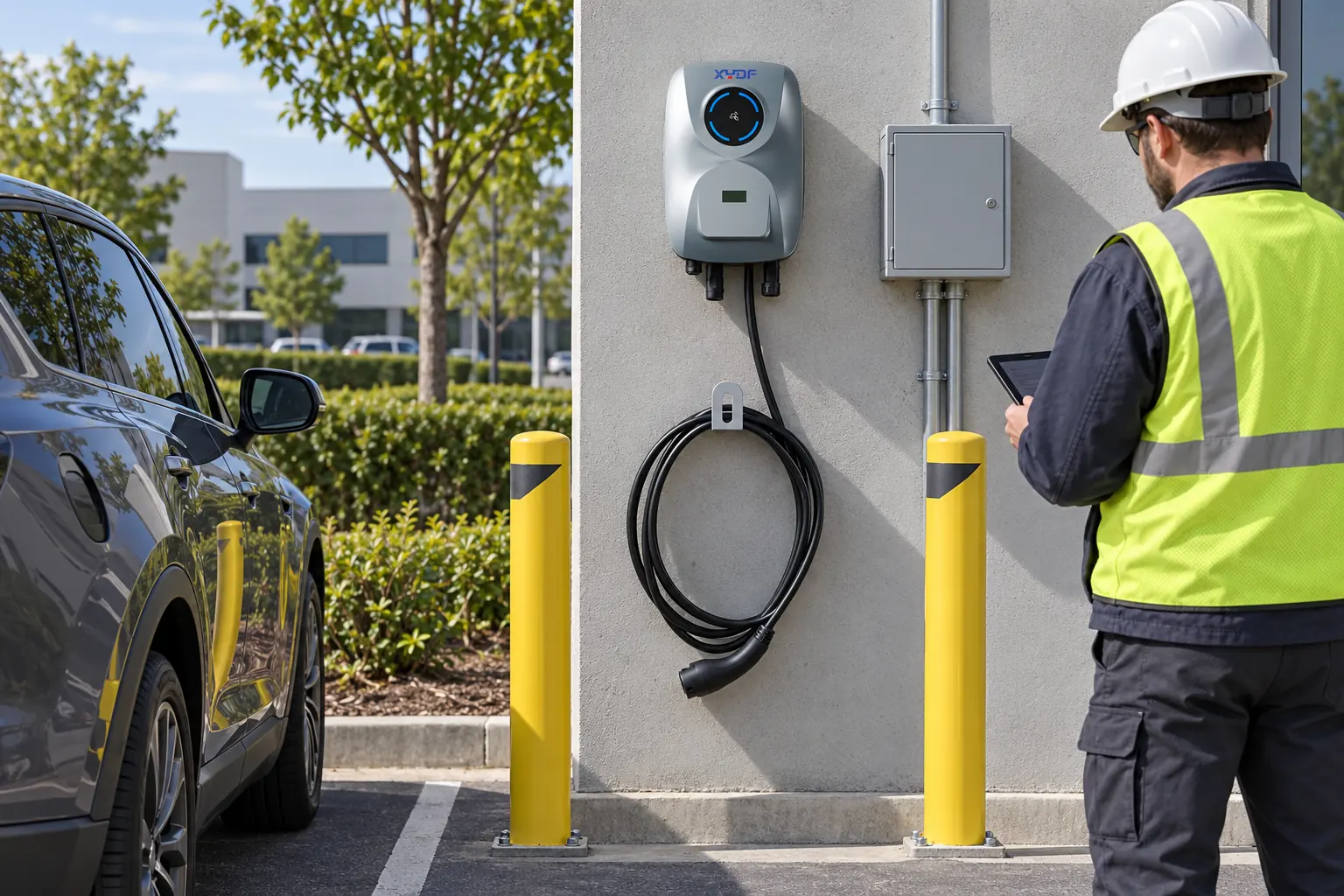
Anyone planning an outdoor EV charger installation should also verify the electrical supply, protective devices, earthing, cable route, mounting foundation, lighting, communications, and emergency isolation. A weather-rated enclosure cannot compensate for poor drainage or inadequate upstream protection.
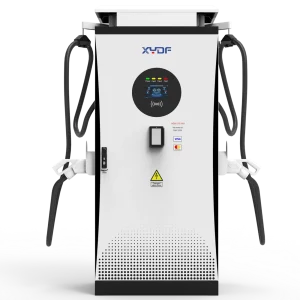
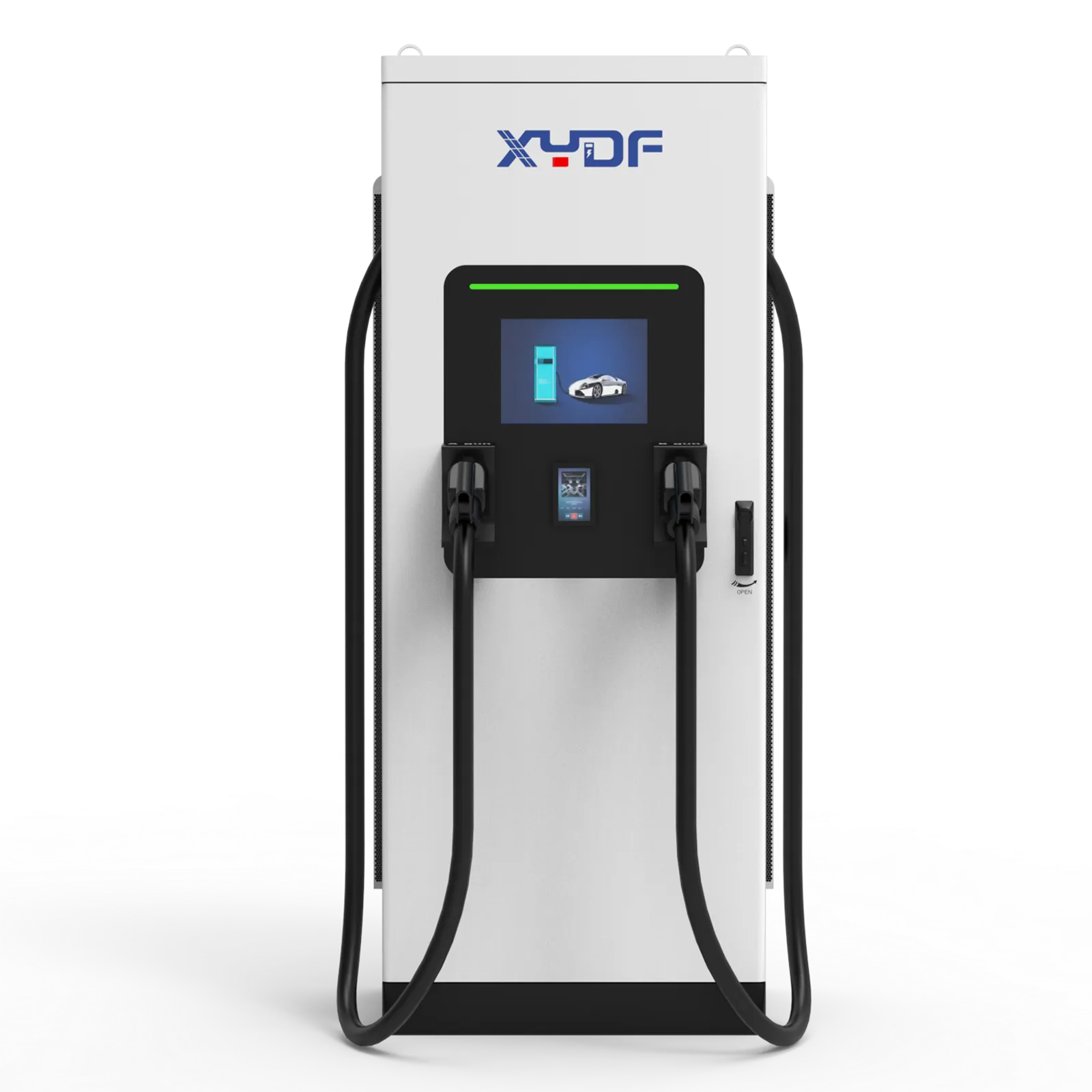
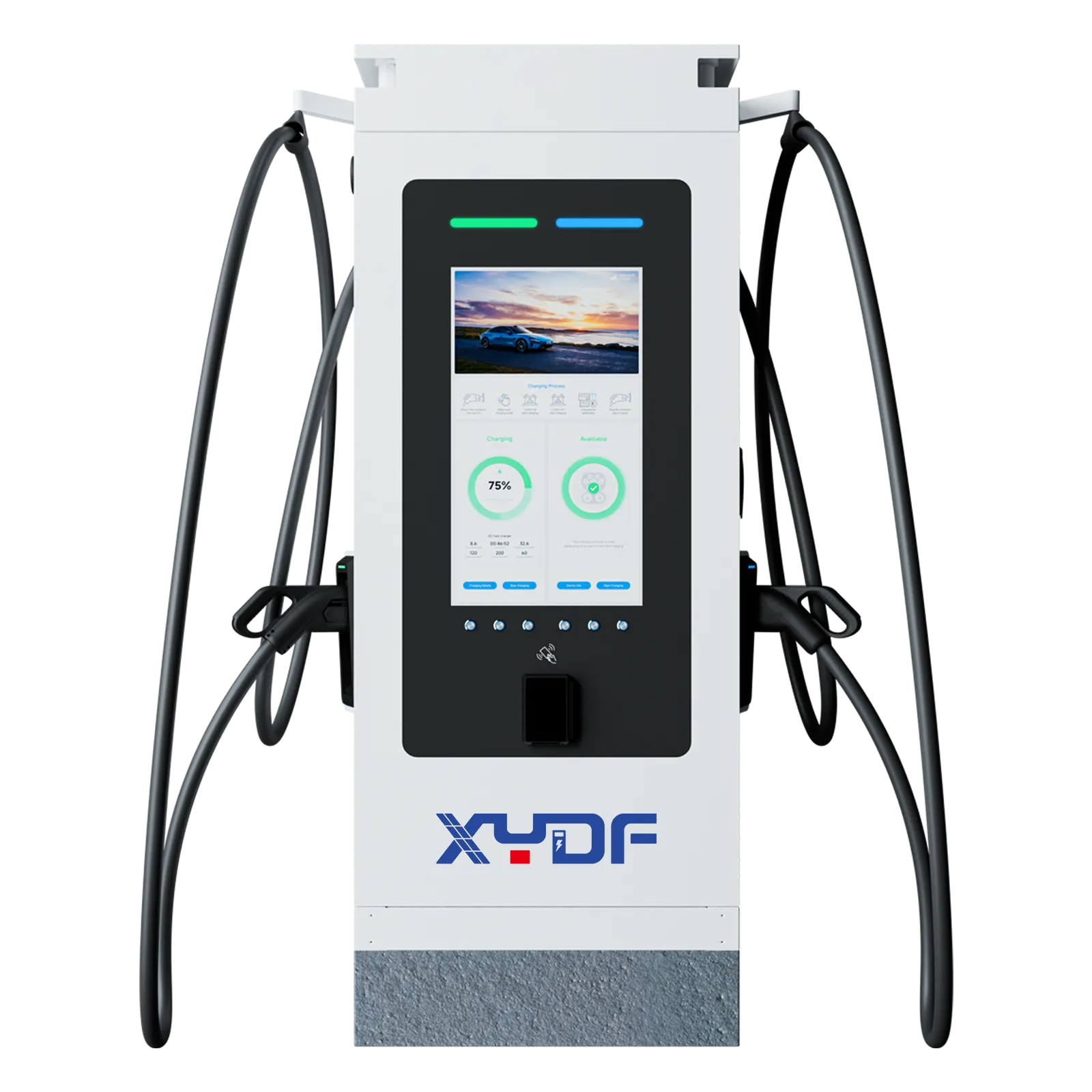
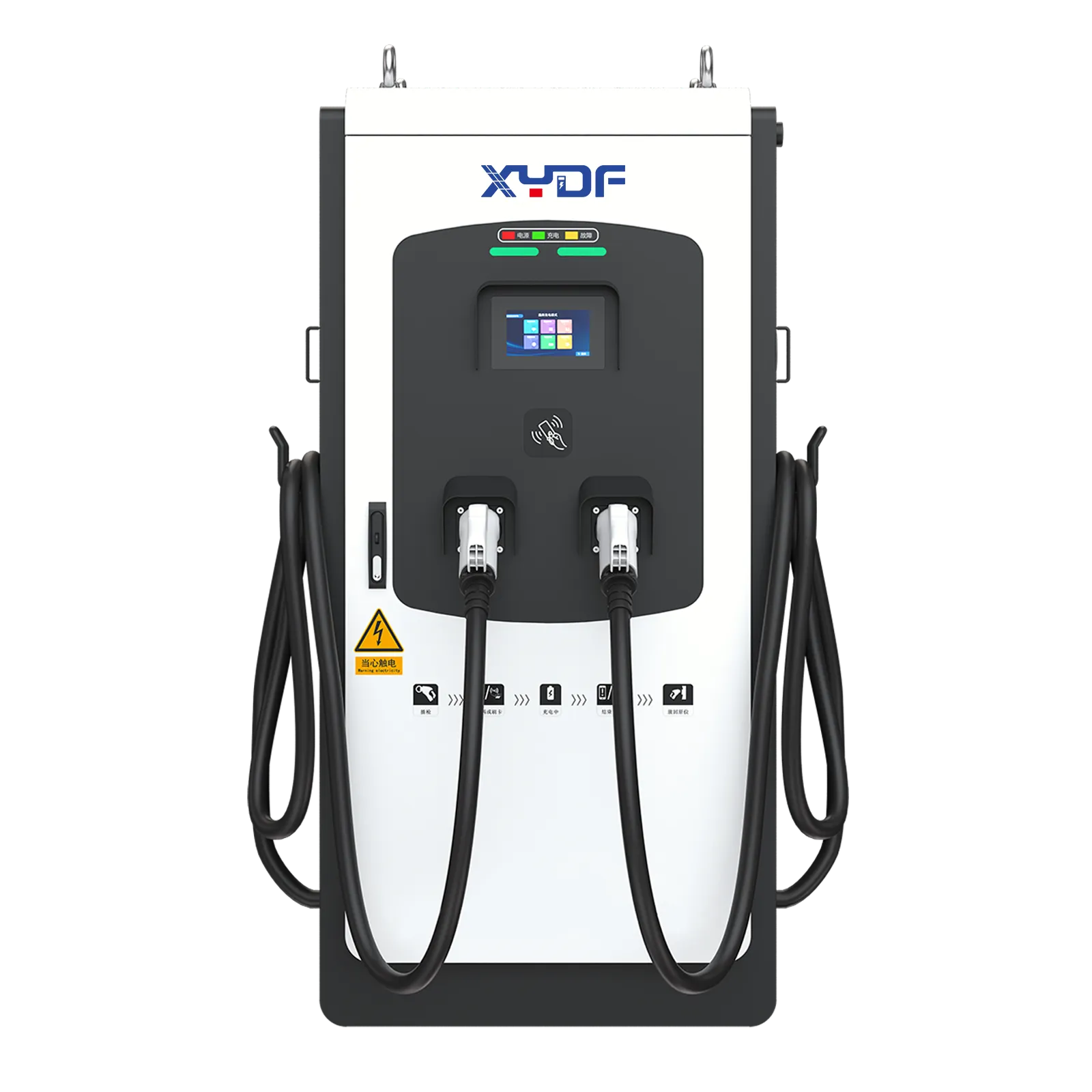
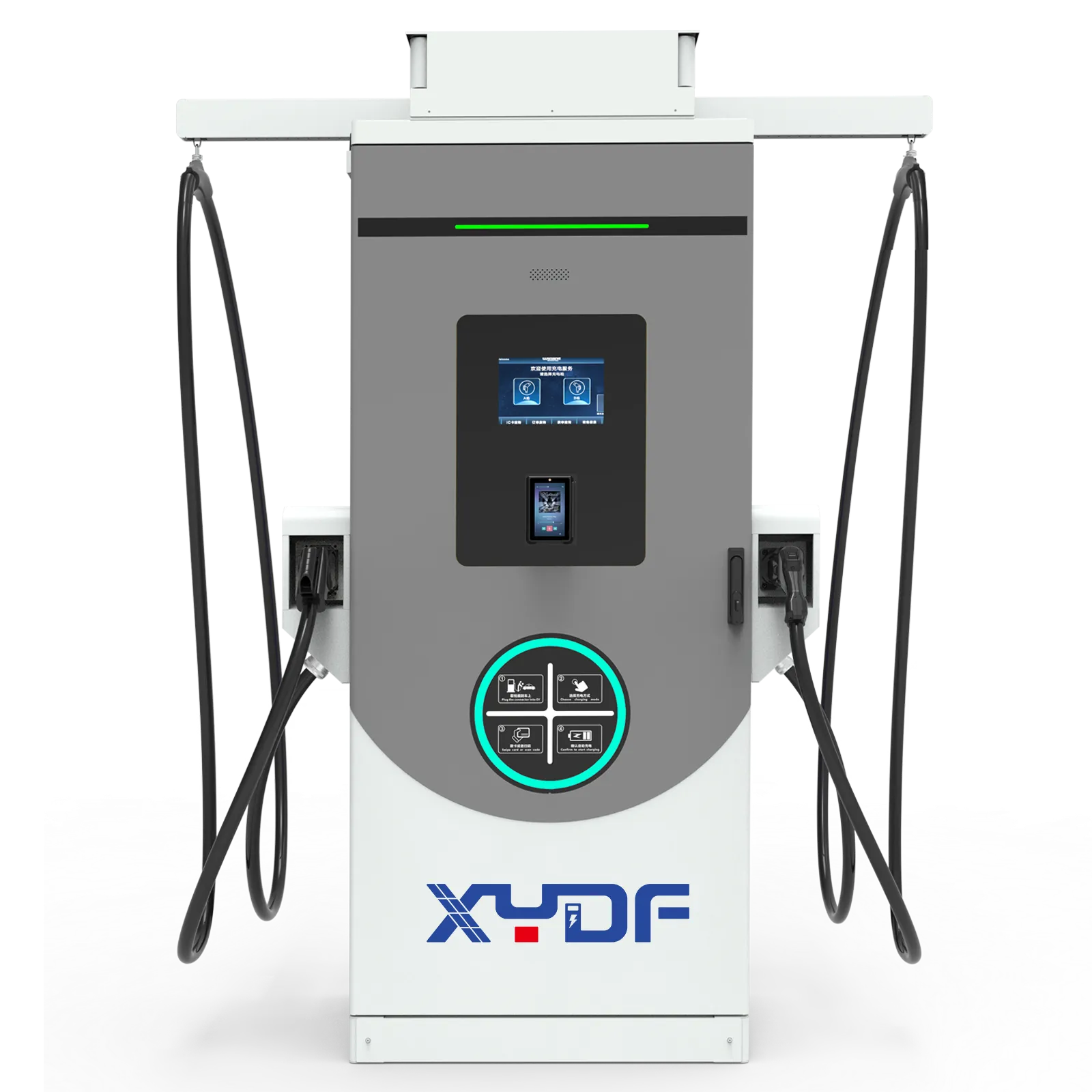
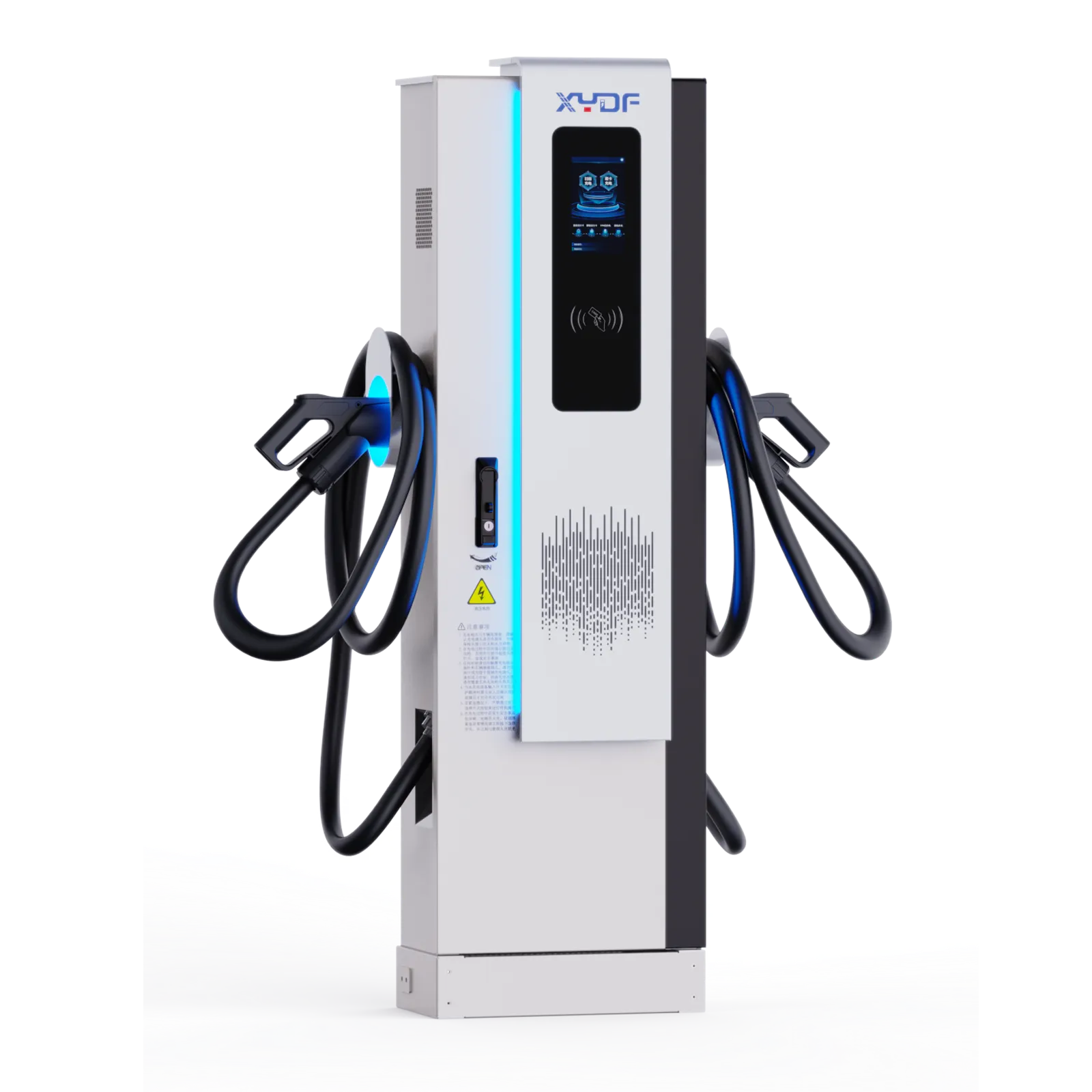
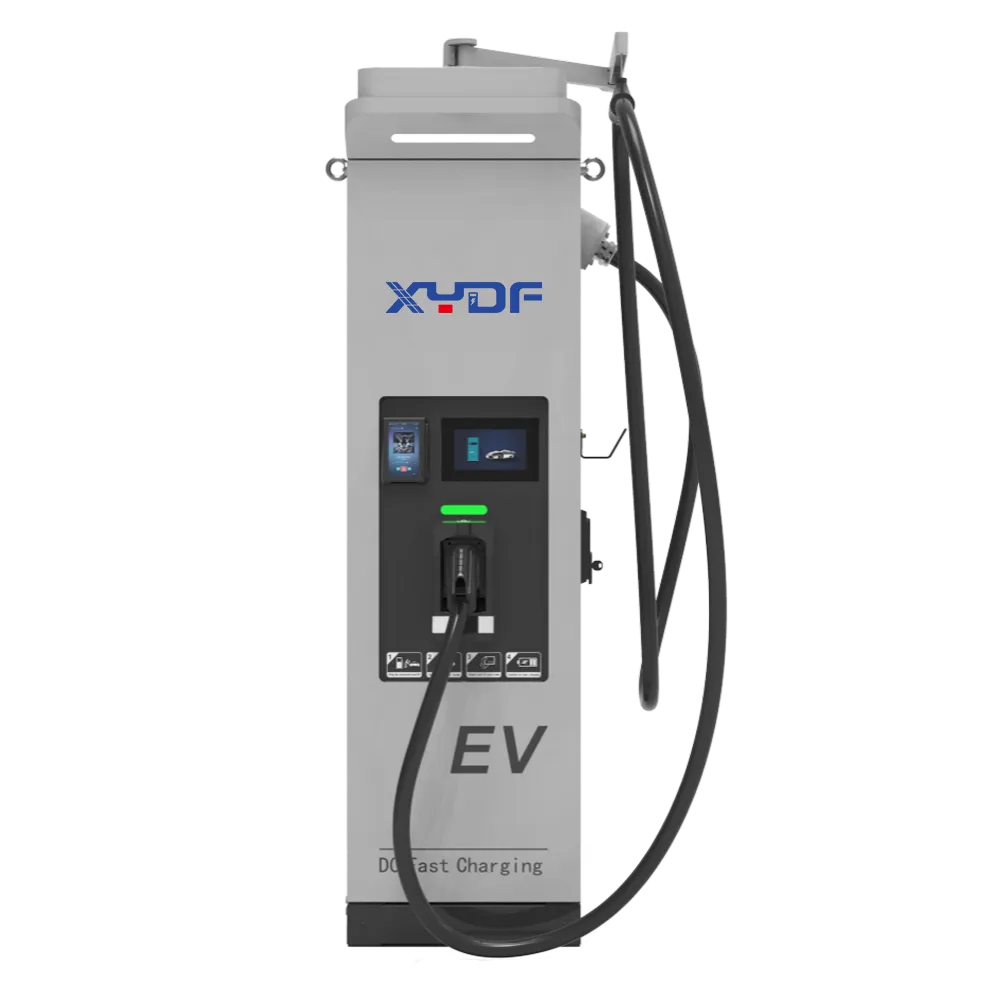
XYDF manufactures AC charging equipment and DC fast-charging systems for residential, commercial, fleet, and public applications. Buyers should confirm the exact model’s IP and IK ratings, operating temperature, connector protection, cooling design, and market-specific documentation rather than relying on a general product-family statement.
Frequently Asked Questions
Can I leave my EV plugged in outside in the rain?
An EV may remain connected during rain when the charger, connector, vehicle inlet, and installation are approved for outdoor operation. The connector should be fully inserted and supported by its holster or cable-management system. It should never be left lying in standing water, mud, or a drainage channel.
Can I charge my BYD in the rain?
Most BYD vehicles can be charged in normal rain when used with approved charging equipment and an installation that follows the vehicle and charger instructions. Rain is different from flooding or water entering an open connector. Users should stop charging and seek professional inspection if the connector, cable, or enclosure has been damaged.
Can I install a 7kW charger at home?
In many homes, a 7 kW single-phase charger is practical, but the installation requires a dedicated circuit, correctly sized cable, appropriate protective devices, suitable earthing, and a qualified electrical assessment. The installer must also consider existing household loads, parking position, weather exposure, and local approval requirements.
Does charging EV to 100% damage the battery?
Charging to 100% does not automatically damage an EV battery, but keeping many battery chemistries at a high state of charge for long periods may accelerate aging. The vehicle manufacturer’s guidance should be followed. Some vehicles and battery types may recommend regular 100% charging for calibration or balancing.
Why is an IP rating not enough to approve an outdoor EV charger?
An IP code addresses ingress protection under defined test conditions; it does not by itself prove impact resistance, corrosion control, vibration endurance, foundation stability, cable protection, drainage, or maintenance access. Approve the installation only after those separate requirements are matched to the site’s exposure and verified in the design or acceptance records.
References
- IEC 60529 — Degrees of Protection Provided by Enclosures
- IEC 61851-1 — Electric Vehicle Conductive Charging System
- IEC 60364-7-722:2018 — Supplies for Electric Vehicles
- NFPA 70 — National Electrical Code
- International Energy Agency — Global EV Outlook 2026 Executive Summary
The highest enclosure rating is not automatically the most reliable choice; reliability comes from matching enclosure protection, electrical design, thermal management, drainage, maintenance and site conditions as one operating system.
XYDF builds charging equipment for that long-term operating reality—when an outdoor charging point must continue serving drivers through heat, dust, rain, and daily cable handling. Project teams can review the company’s EV charging product range and manufacturing capabilities before discussing site exposure, power requirements, environmental ratings, and market-specific compliance.