 Xinya Dongfang Electricity Technology Co., Ltd.


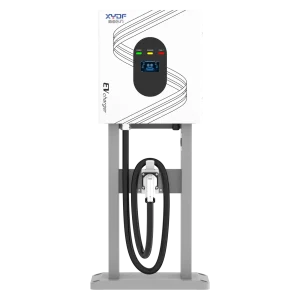

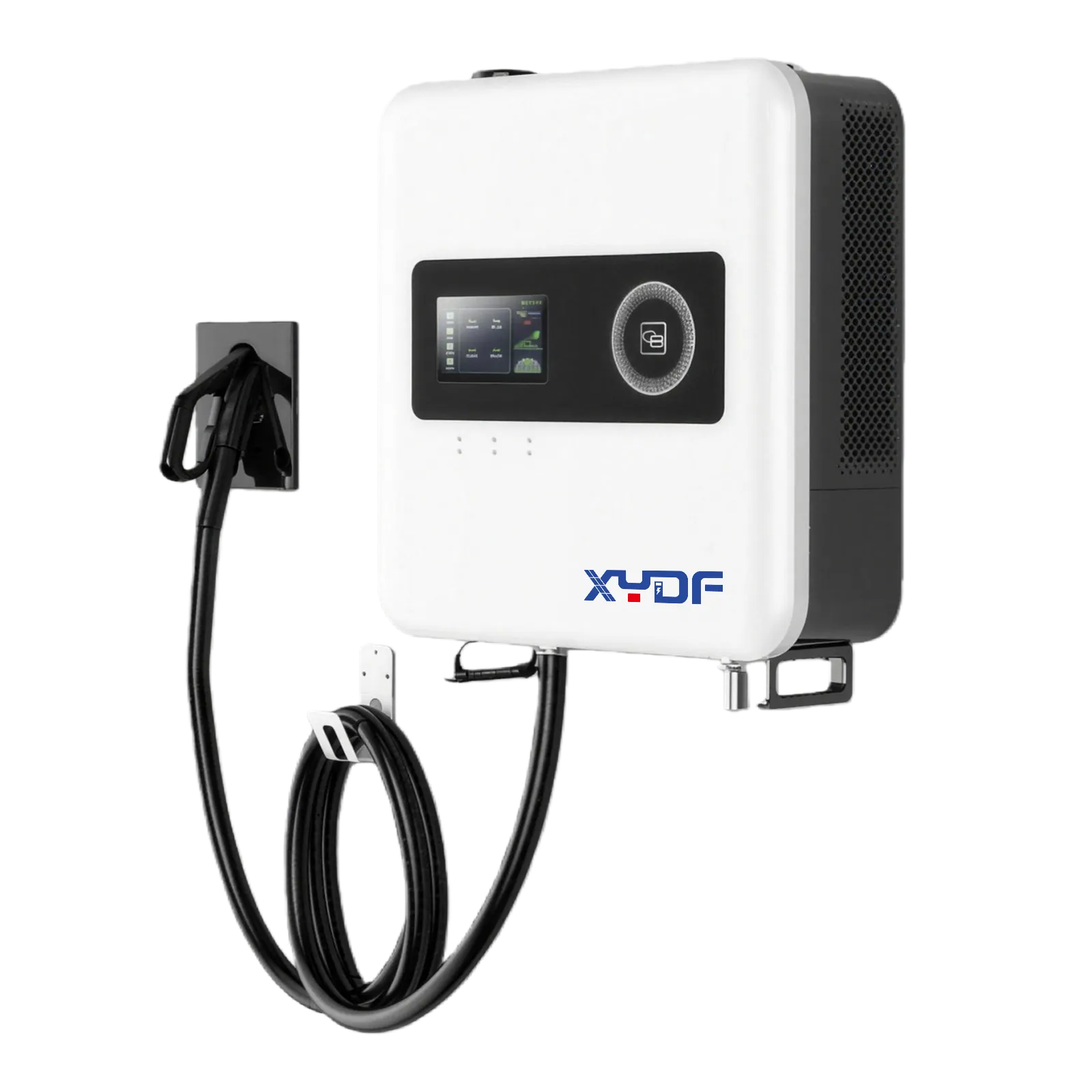
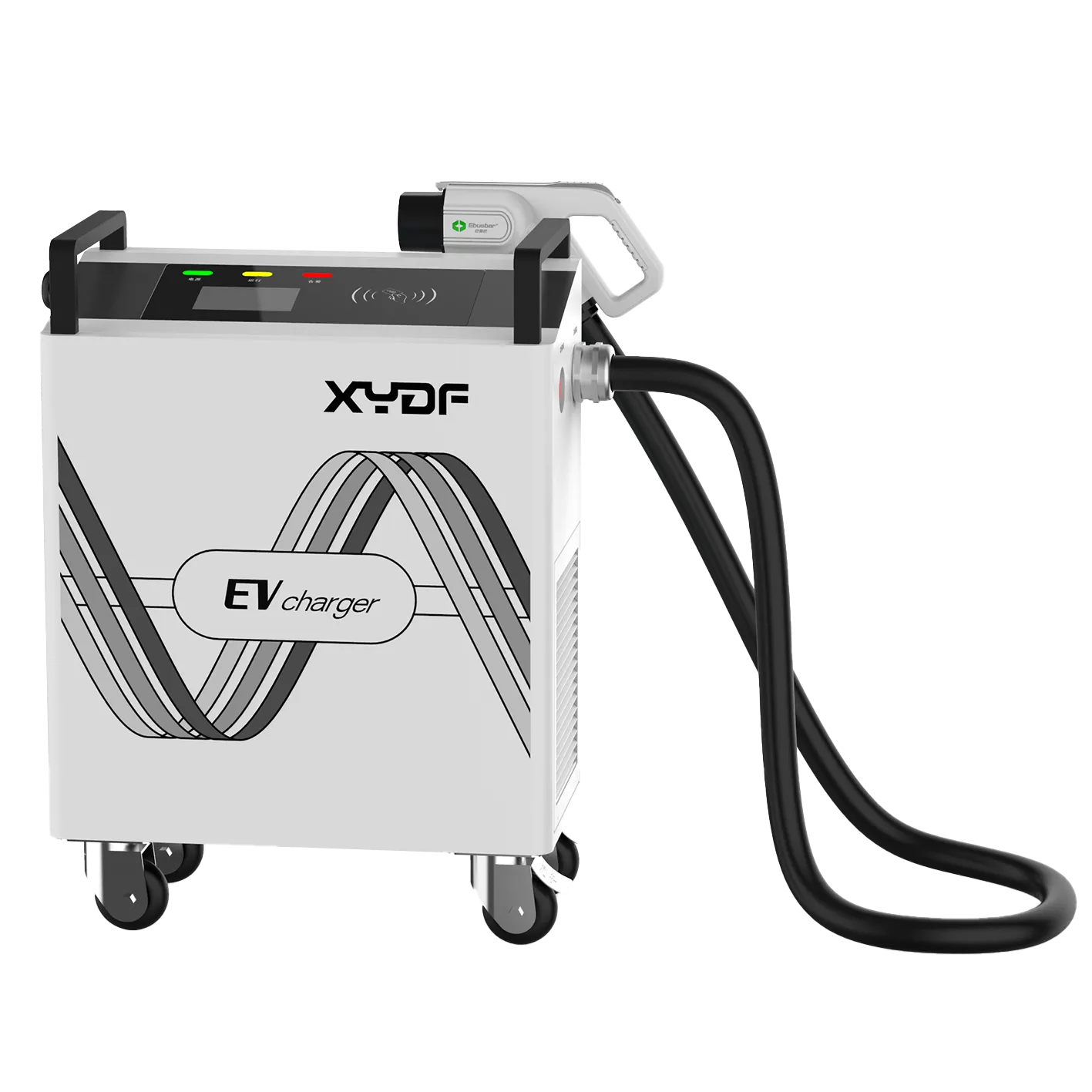
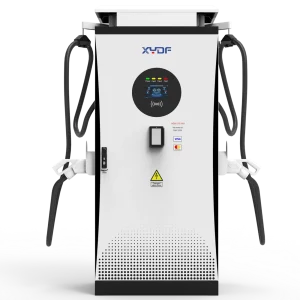
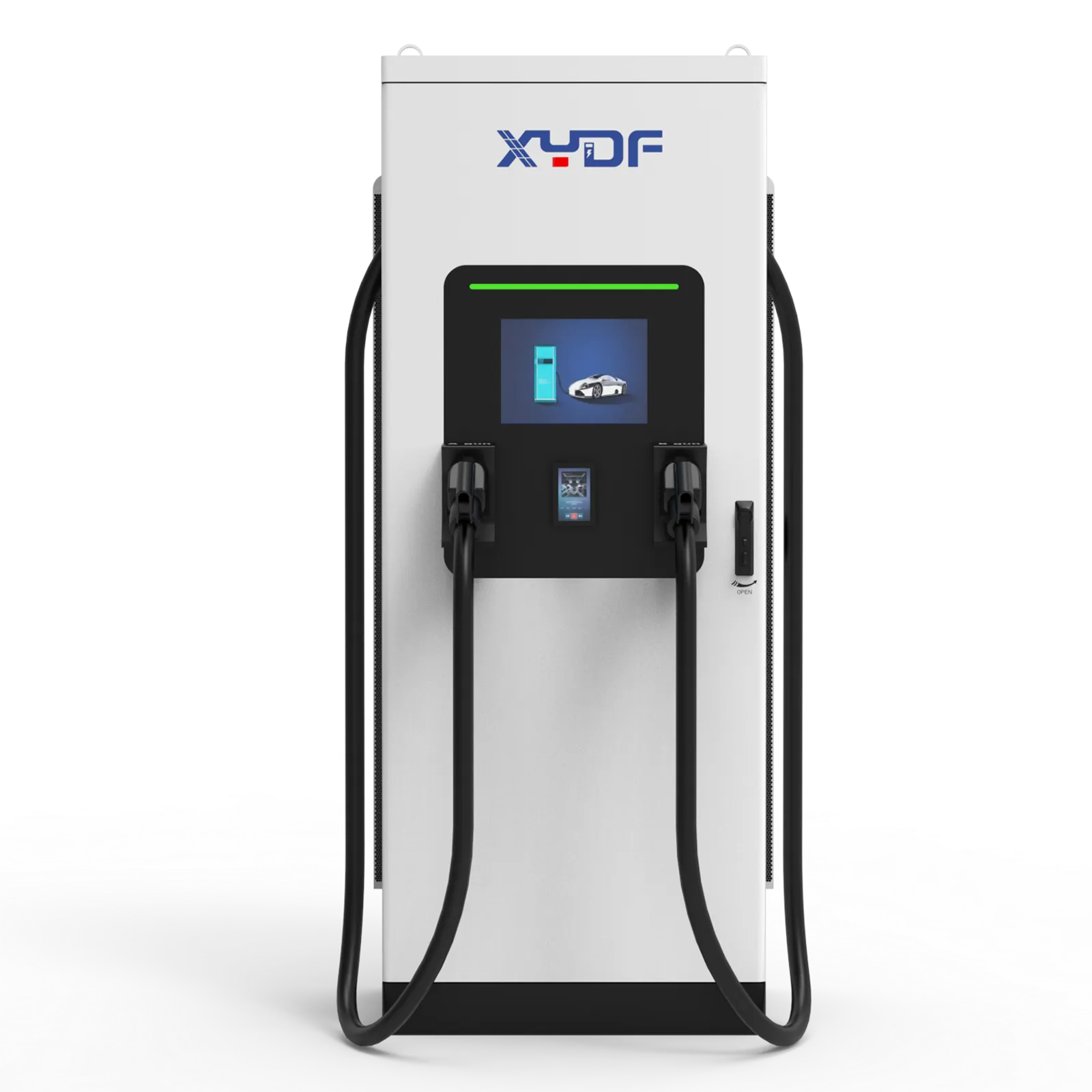
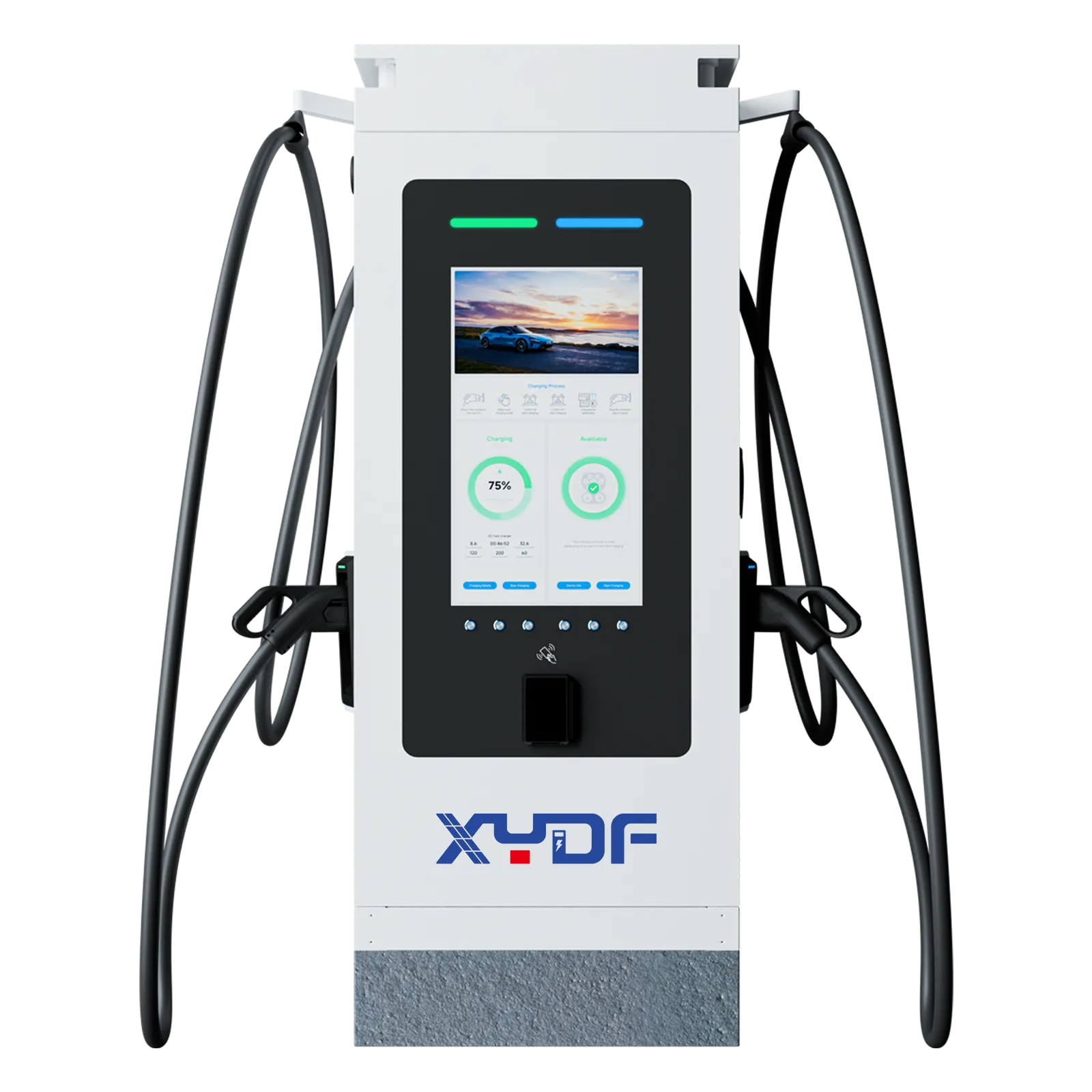
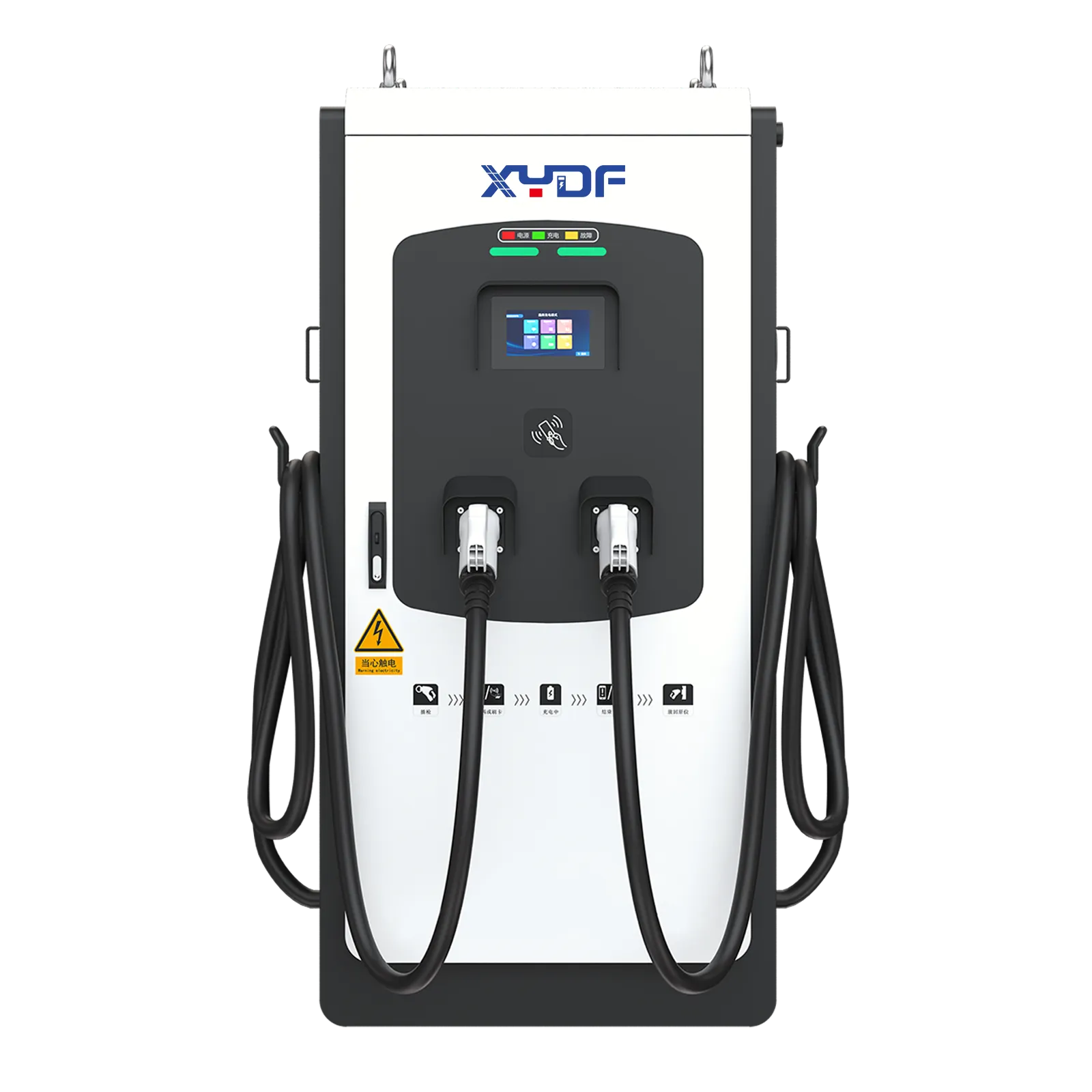
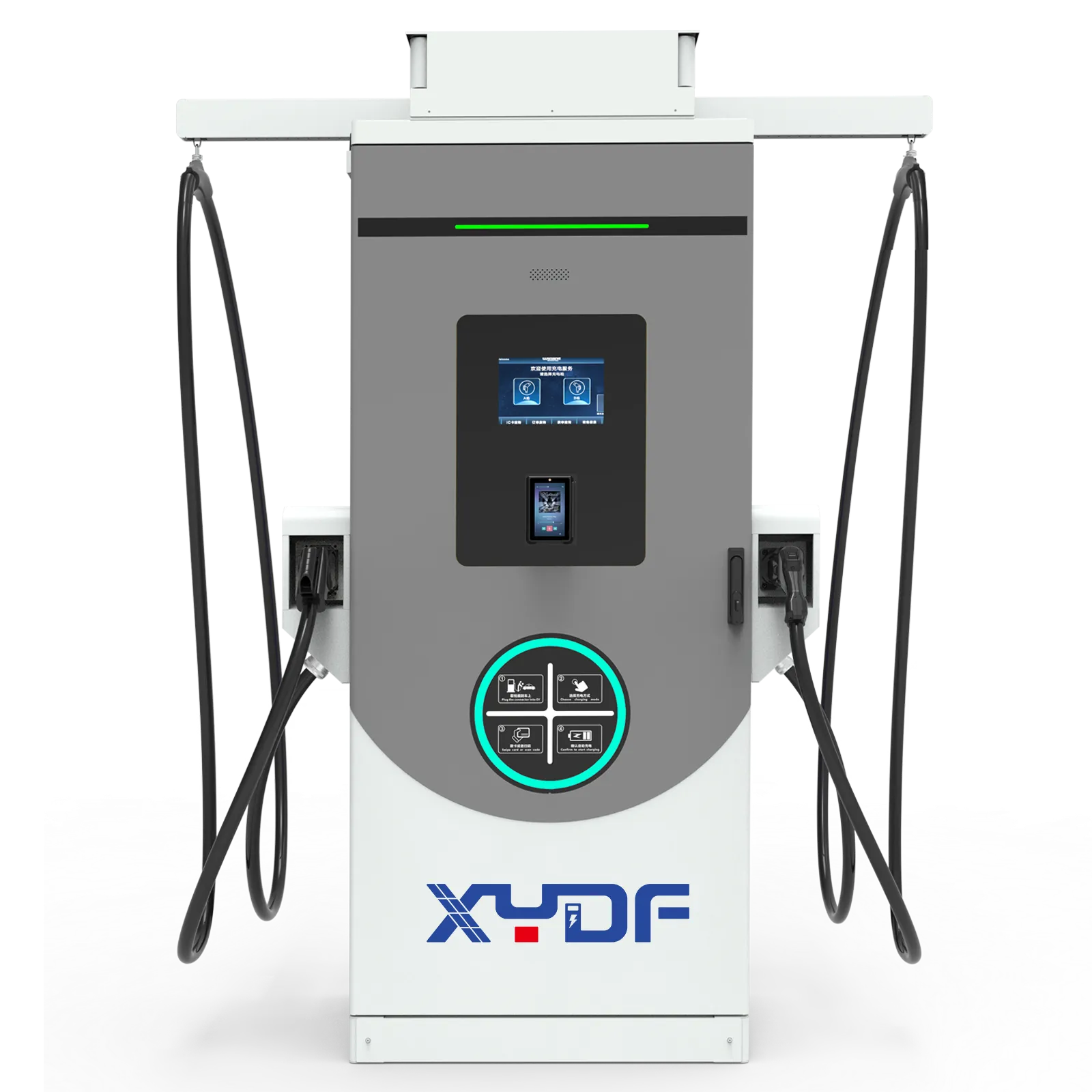
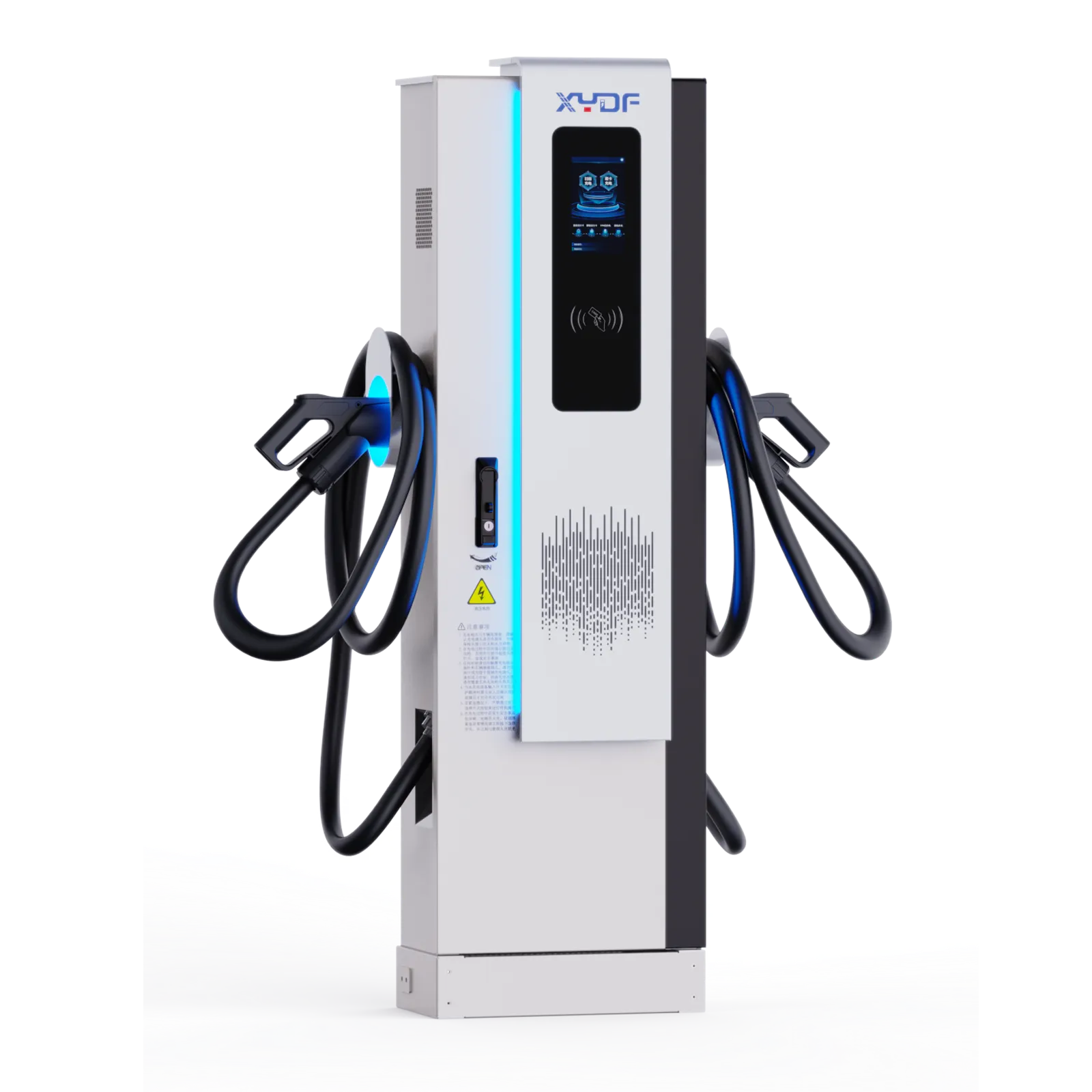
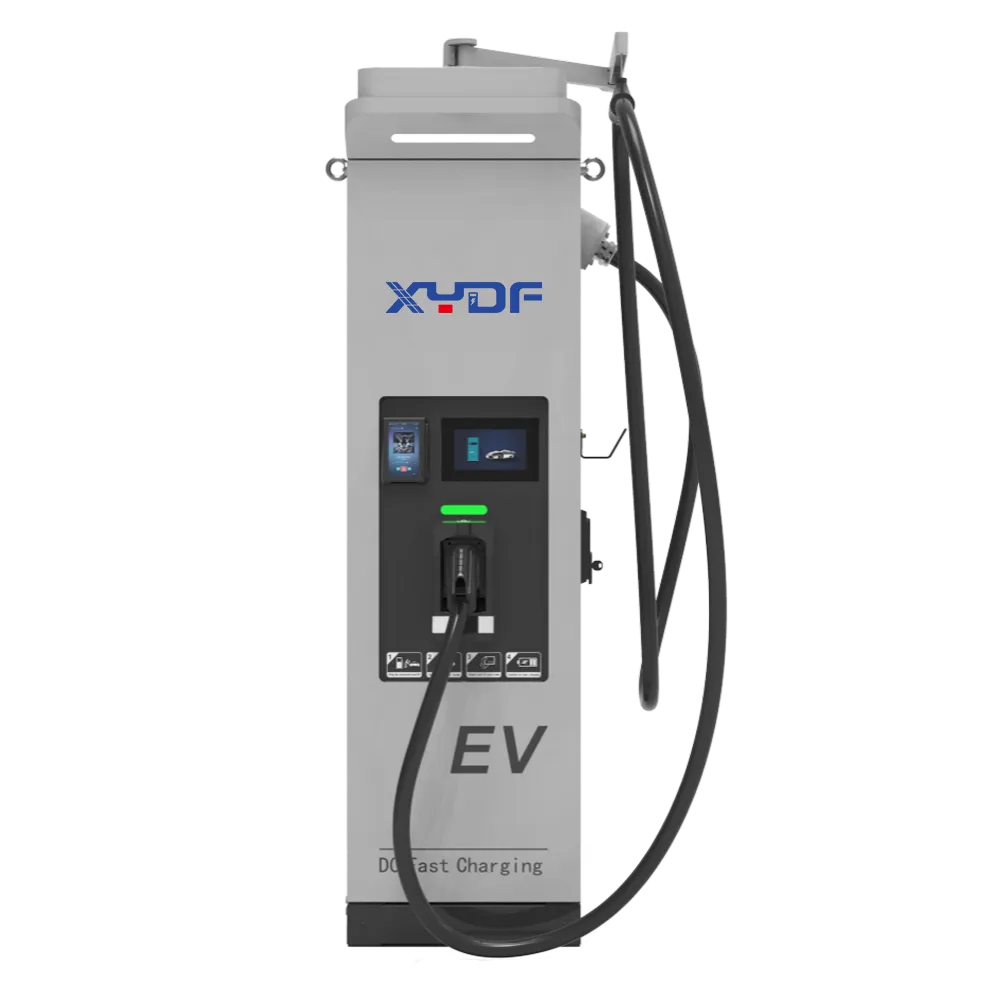
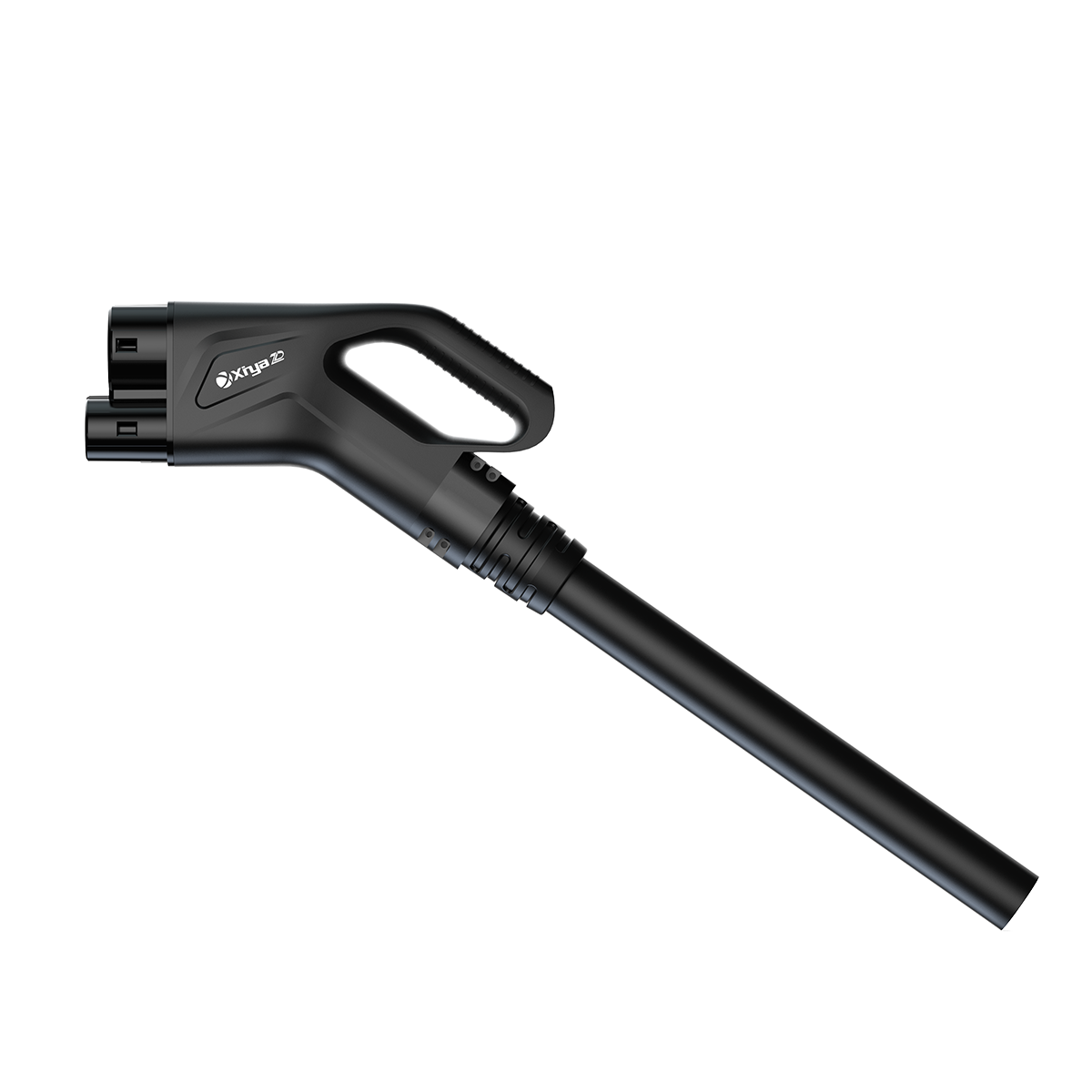
Choosing between a megawatt charging system and a conventional DC fast-charging arrangement is not a contest between two nameplates. The wrong comparison can leave a depot with insufficient charging opportunity, unnecessary infrastructure work, difficult connector handling, or a power plan that does not fit simultaneous vehicle demand. The boundary is set by the vehicles and duty cycles to be served, the required charging window, site capacity, connection schedule, and how equipment will be positioned and operated. This article compares the two approaches through that sequence rather than assuming that higher rated power is automatically better. It explains which questions belong in the vehicle and route assessment, which belong in electrical and site planning, and where compatibility or deployment constraints should stop a procurement decision until they are verified.
For most operators, MCS is a route-and-depot decision, not simply a higher DC rating. A 1 MW nameplate can be constrained by the vehicle, connector, thermal system, site demand, or utility service. Start with duty cycles and parking geometry, then confirm interoperability and a grid plan.
Why does MCS require a different depot layout?
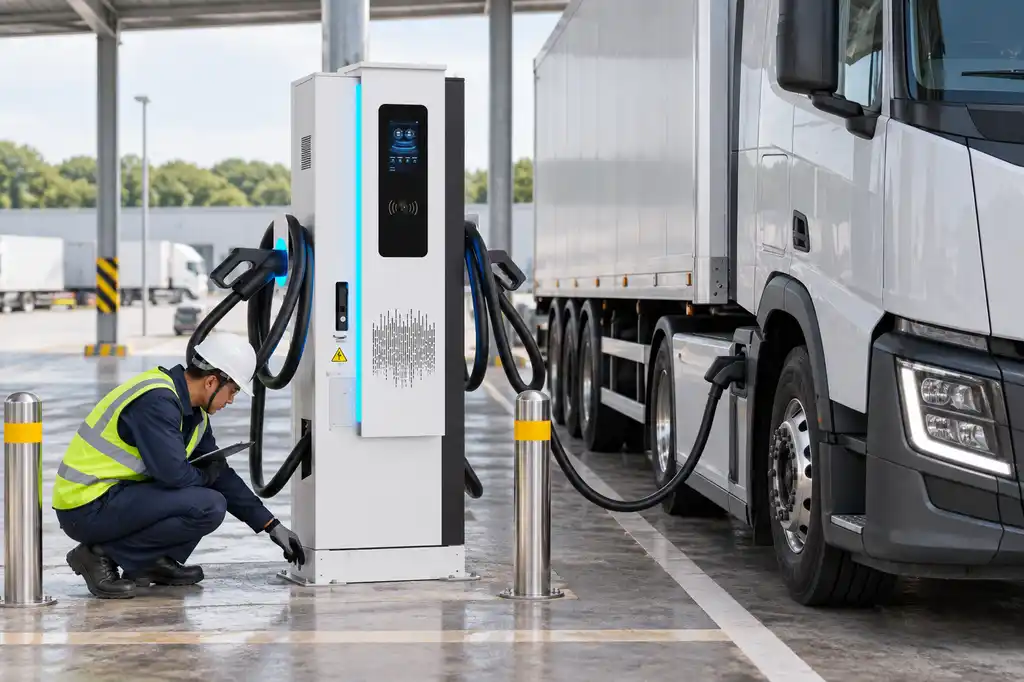
Megawatt Charging System (MCS) is being developed for commercial vehicles that recover energy during loading, driver breaks, or mandatory rest. Its connector is larger than passenger-car CCS, with a heavier cable and stricter handling envelope; reach, bend radius, and overhead support affect truck movements.
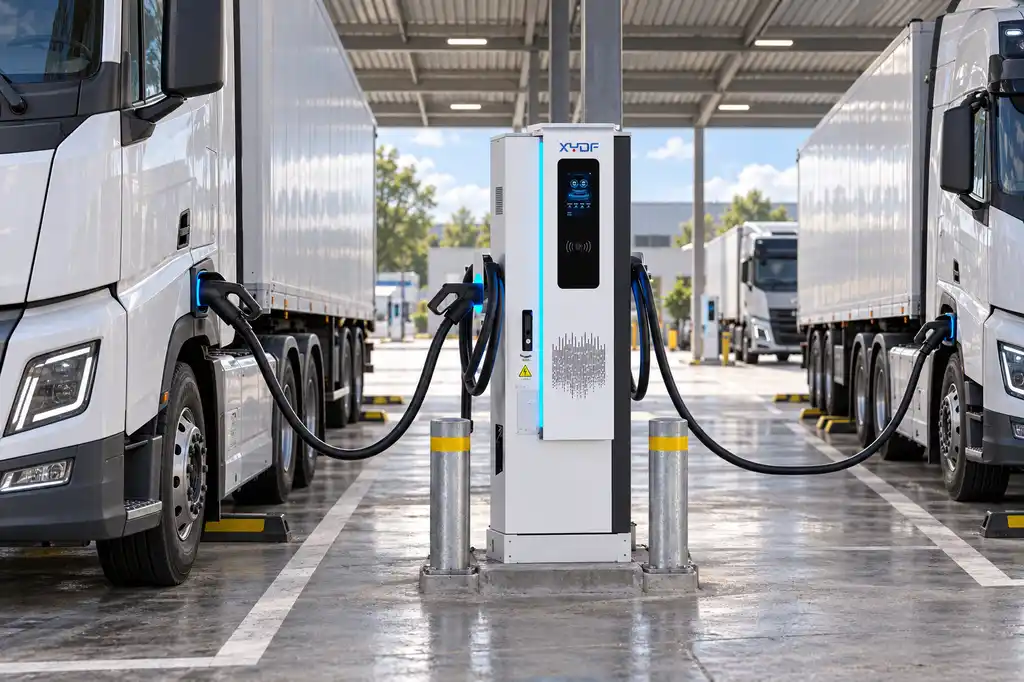
Liquid cooling controls heat in high-current cable assemblies. Temperature monitoring, contactor sequencing, insulation checks, emergency stops, and mechanical or software interlocks protect people and equipment when a connector is wet, dirty, or mis-seated.
A 1 MW DC output can create roughly 1 MW or more of site demand after losses and auxiliaries. The utility may require medium-voltage service, a transformer, and protection studies. Actual output is governed by the tightest vehicle, connector, charger, battery-temperature, or grid limit.
Which parts of MCS are shared with passenger-car DC fast charging?
Both systems use controlled DC conversion and communication, but a passenger-car dispenser, cable arm, or backend protocol is not automatically suitable for a truck. Validate the inlet, connector, communications profile, thermal design, and regional requirements for each pairing.
| Planning dimension | MCS for heavy trucks | Passenger-car DC fast charging |
|---|---|---|
| Primary use | Loading, rest, or route turnaround | Short public or destination stops |
| Connector and cable | Larger connector, higher-current conductors, liquid-cooled cable options, and managed support | Smaller handheld connector and shorter reach assumptions |
| Site layout | Truck paths, bay length, trailer clearance, overhead cable management | Car stalls, pedestrian protection, tighter aisles |
| Power planning | Megawatt-scale demand, diversity controls, medium-voltage evaluation | Lower per-port demand, still subject to feeder limits |
| Interoperability | Fast-moving; validate the exact vehicle, inlet, charger, software | More established, but regional and vehicle differences remain |
When does a truck fleet need megawatt charging?
A megawatt charging station is compelling when trucks have predictable, high-energy turns and cannot spare a full overnight window. A regional tractor may charge during freight handling; a long-haul route may align charging with a mandatory driver break. The schedule—not the brochure rating—sets the useful window.
Constrained depots can pair controlled charging with battery buffer storage to reduce instantaneous grid draw. Economics depend on tariffs, cycling, fire-safety design, space, and utility rules; storage does not replace a service upgrade when daily energy exceeds what the site can replenish.
Mark the longest truck’s swept path, trailer articulation, pedestrian routes, bollards, and maintenance access. Overhead cable systems also need structural support, collision protection, drainage, and a recovery plan for mis-parked vehicles.
How should a fleet compare MCS with overnight depot charging?
| Operating condition | Likely fit | Evidence to collect before approval |
|---|---|---|
| 8–12 hour parking, modest mileage | Overnight charging with load sharing | Energy, dwell time, feeder, expansion |
| High-mileage fleet, repeat midday turn | MCS or high-power DC sized to the window | Route energy, rest timing, vehicle curve, bay throughput |
| Constrained grid, predictable arrivals | High-power charger plus permitted buffer | Utility study, footprint, fire plan, tariff, cycling |
| Mixed fleet, uncertain procurement | Phased DC with upgrade-ready civil works | Inlet/protocol fit, conduits, switchgear, vendor support |
Request measured efficiency, thermal derating, connector reach, fault logs, maintenance intervals, software policy, and warranty boundaries. A 1 megawatt ev charger is a complete electrical and operational system, not an isolated cabinet.
Which MCS standards and approvals should buyers track?
CharIN describes MCS as an industry effort; IEC publishes EV charging and electrical-safety standards. ISO 15118 covers communication requirements but does not certify a complete MCS installation. Maturity is uneven, so ask suppliers for the supported edition, profile, connector implementation, and conformance evidence.
U.S. DOE AFDC and FHWA NEVI provide public guidance, but obligations depend on location, funding, utility territory, and adopted codes. Unsupported claims about compatibility, speed, safety, or certification create procurement and regulatory risk.
What should the depot team check before approving the design?
- Map routes, payload, dwell, driver-rest windows, and seasonal temperatures.
- Confirm inlet, battery limits, connector handling, liquid cooling, and interlocks.
- Model coincident demand, medium-voltage service, transformer space, protection, and future bays.
- Draw truck geometry to scale, including cable travel, trailer clearance, bollards, and maintenance access.
- Test the exact vehicle–charger pair and record production-ready versus roadmap functions.
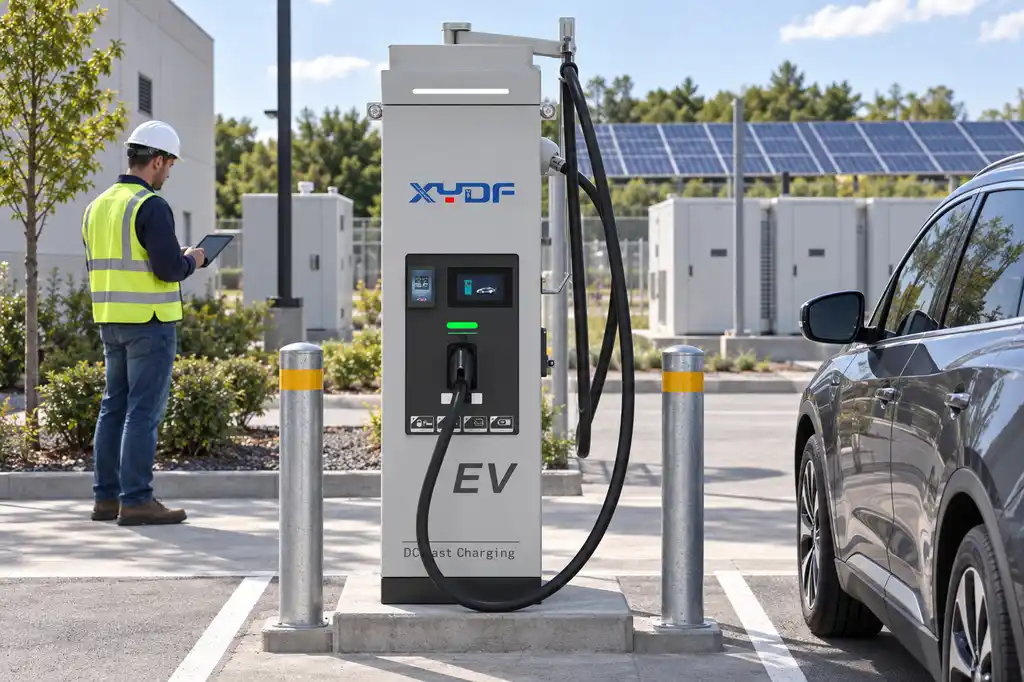
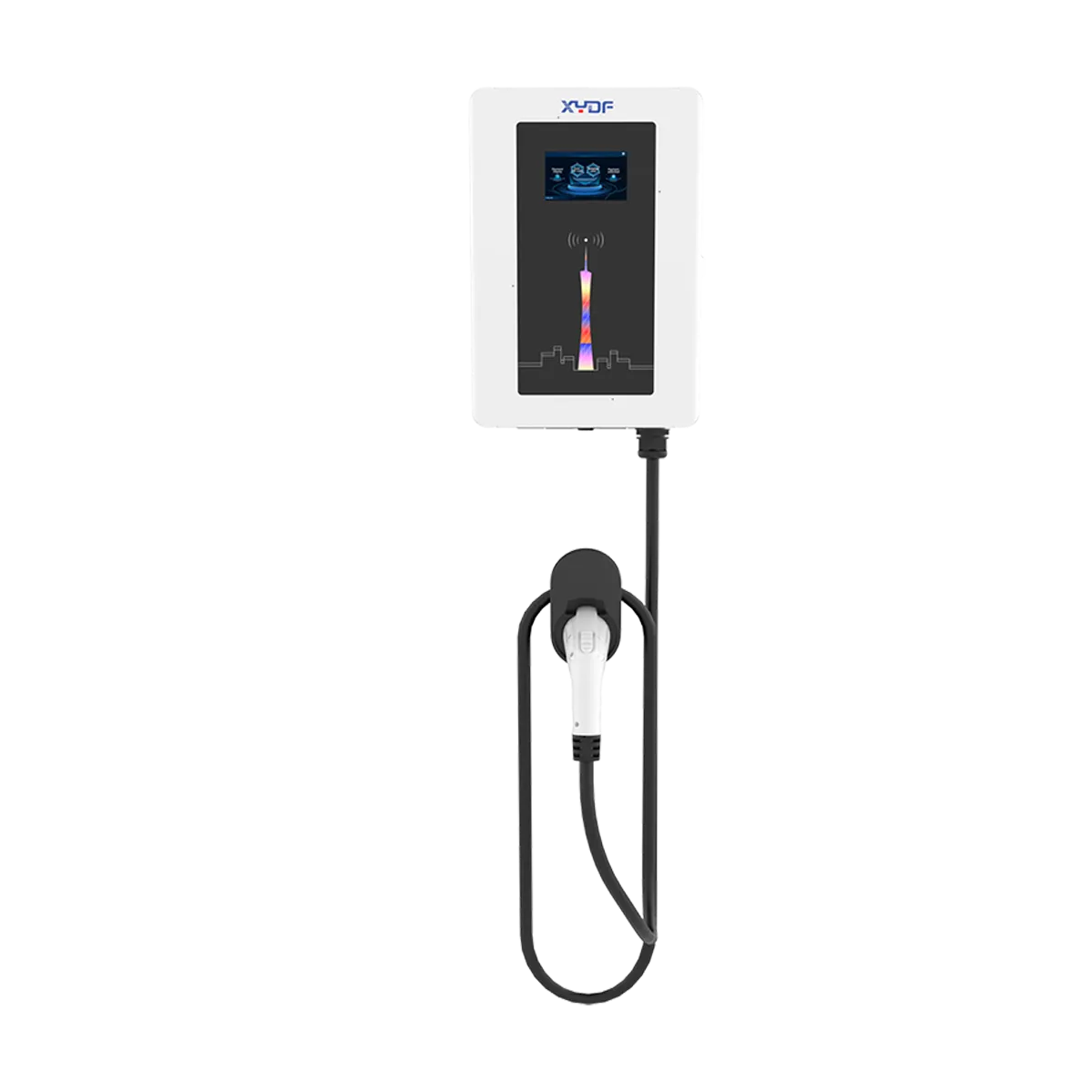
Teams comparing mcs ev charging with established equipment can review XYDF’s Gamma de cargadores rápidos DC y product portfolio as part of a documented, phased specification. The 350 kW power-delivery explainer is useful background when aligning safety and thermal questions.
Questions fleet operators ask about MCS
What is a Megawatt Charging System (MCS)?
MCS is a high-power charging approach for heavy commercial vehicles, using a larger connector and high-current path than passenger-car charging. It includes the inlet, thermal management, communications, protection, and site equipment. Actual power remains limited by the vehicle, charger, and grid.
How is MCS different from DC fast charging for passenger cars?
MCS is designed around truck-scale energy, cable handling, and bay geometry; passenger-car DC fast charging assumes smaller vehicles and lighter cables. Electrical principles overlap, but connector, thermal, mechanical, and interoperability evidence must be checked for the vehicle.
How much power can a 1 megawatt EV charger deliver?
Its nameplate indicates maximum DC conversion capability, not a guaranteed battery rate. Vehicle acceptance, state of charge, temperature, losses, and site limits can reduce output; power may taper as the battery fills. Request a performance curve and site-demand calculation.
Which truck routes and depot layouts benefit from MCS?
Routes with high daily energy use and a predictable loading, turnaround, or driver-rest window are strongest candidates. Provide long bays, turning clearance, protected pedestrian paths, and cable management that reaches the inlet without crossing traffic lanes. Overnight-only operations may gain little.
What grid connection and cooling systems does MCS require?
Large installations may need medium-voltage service, a transformer, protection studies, and coordinated energy management; the utility determines the connection. High-current cables commonly use liquid cooling with temperature sensing and interlocks. Specify cooling, alarms, access, and shutdown behavior with the supplier.
When is MCS a better choice than overnight depot charging?
MCS is a better fit when trucks cannot dwell overnight or a scheduled break must add range before dispatch. Compare route energy, grid upgrade, buffer storage, civil works, and staffing against managed charging. A phased design preserves flexibility as interoperability matures.
Sources and next steps for fleet planners
- CharIN: Megawatt Charging System
- IEC EV charging standards search
- ISO 15118 overview
- U.S. Department of Energy Alternative Fuels Data Center
- Federal Highway Administration NEVI guidance
MCS and conventional DC fast charging should be compared against the work the depot must perform, not against headline power alone. Begin with vehicle duty cycles, charging windows, connector handling, simultaneous demand, parking geometry, cooling and protection requirements, then confirm the utility connection and interoperability evidence. MCS may suit heavy-duty routes that cannot wait overnight, while managed DC charging or staged infrastructure may fit a different schedule. The decision is not complete until the site plan, energy model, safety controls, and operating procedure have been reviewed together; a nameplate cannot prove that the depot will meet its dispatch plan. For a project-specific equipment review, share the route schedule and utility assumptions with the XYDF high-power EV charging range so the charger choice can be checked against the actual depot boundary.