 Xinya Dongfang Electricity Technology Co., Ltd.


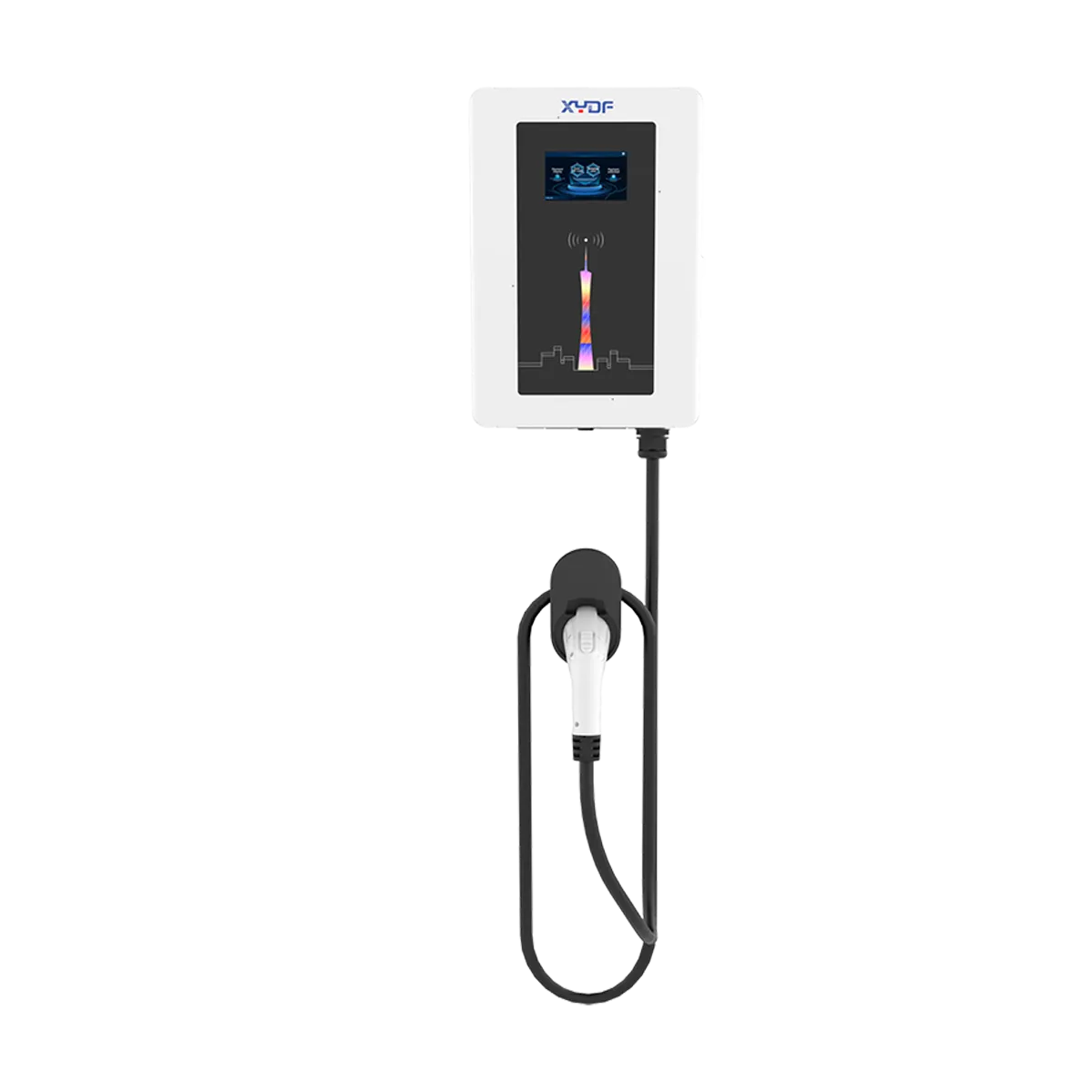
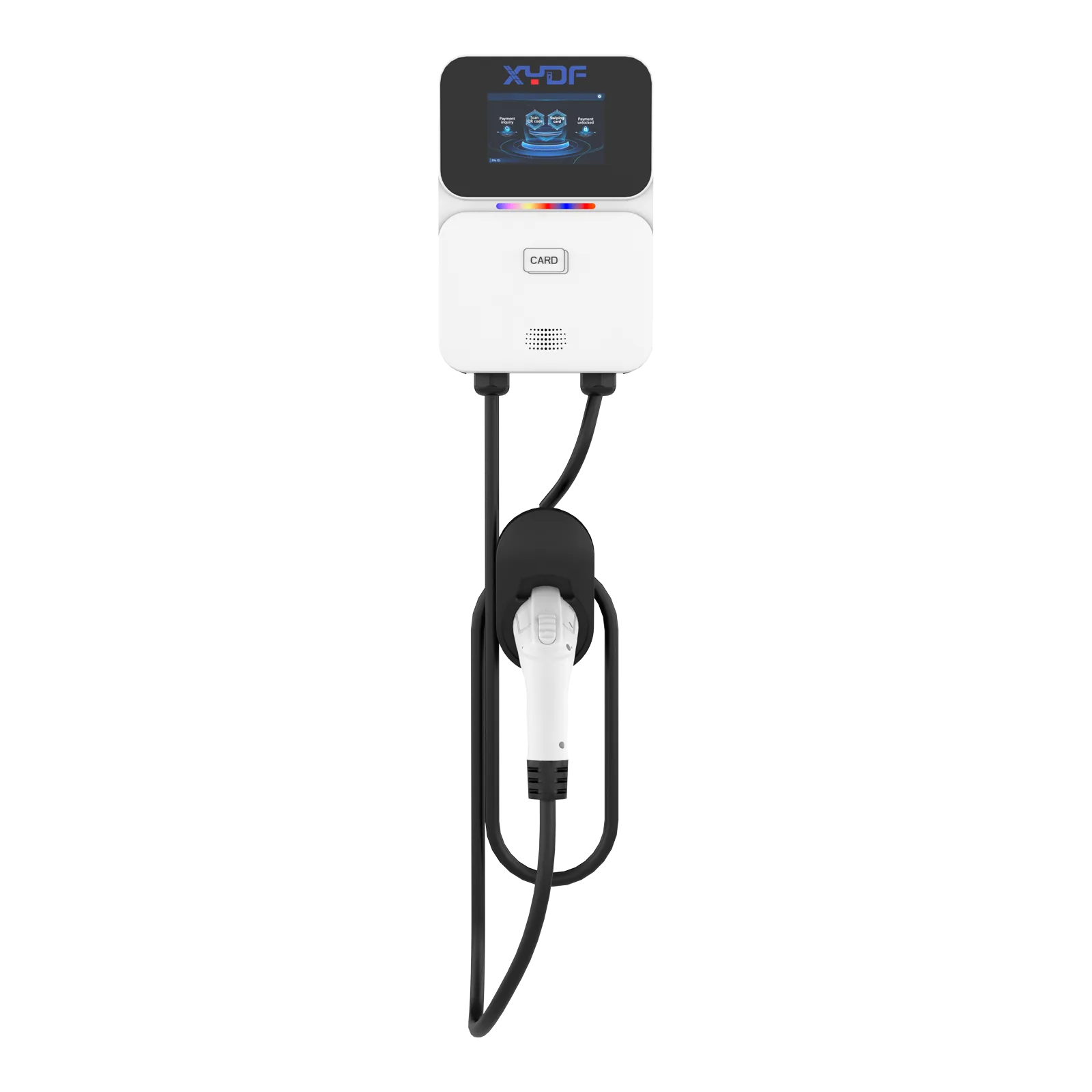


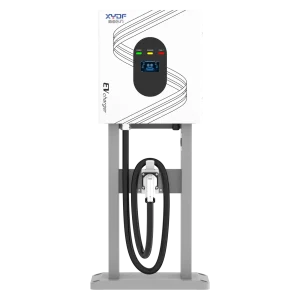

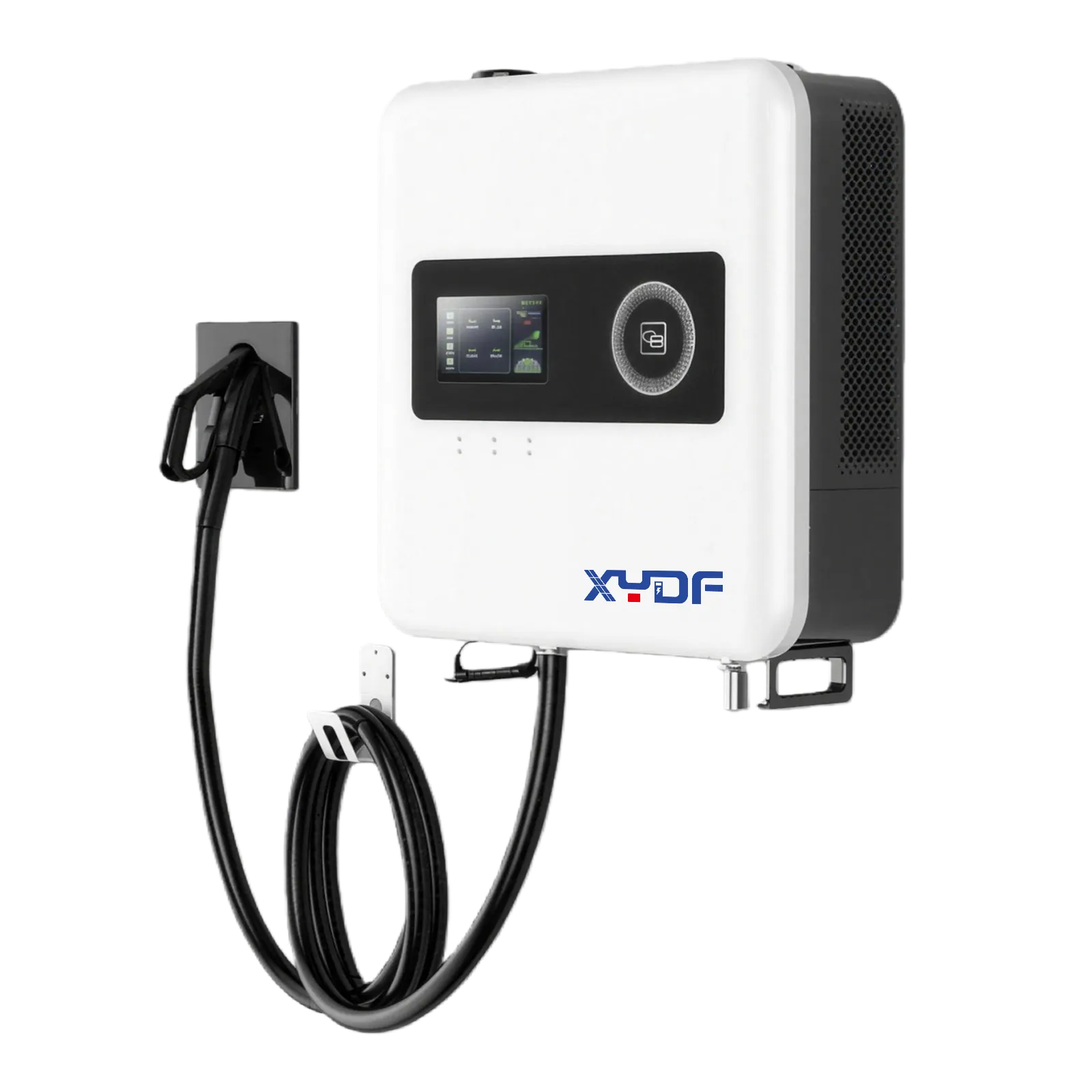
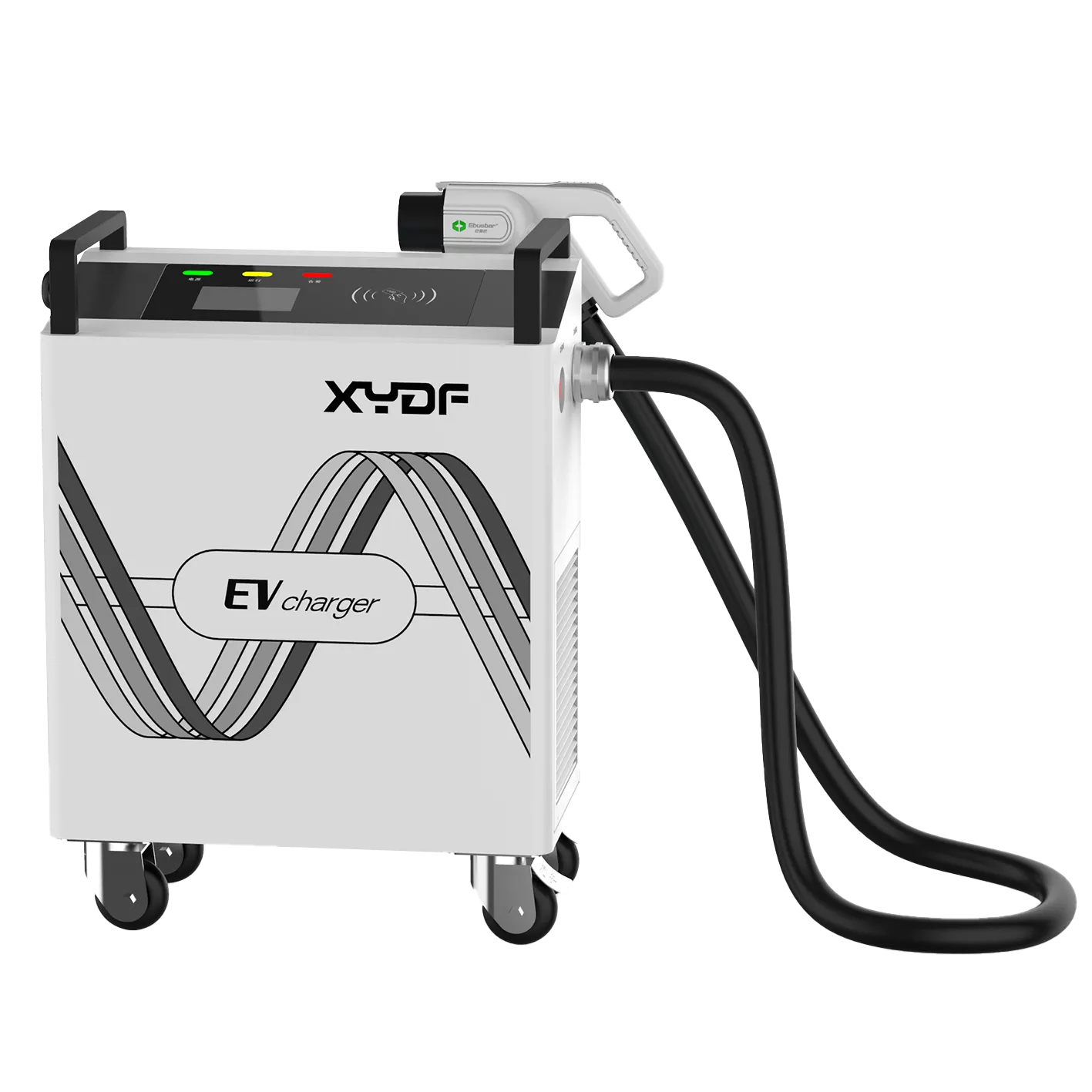
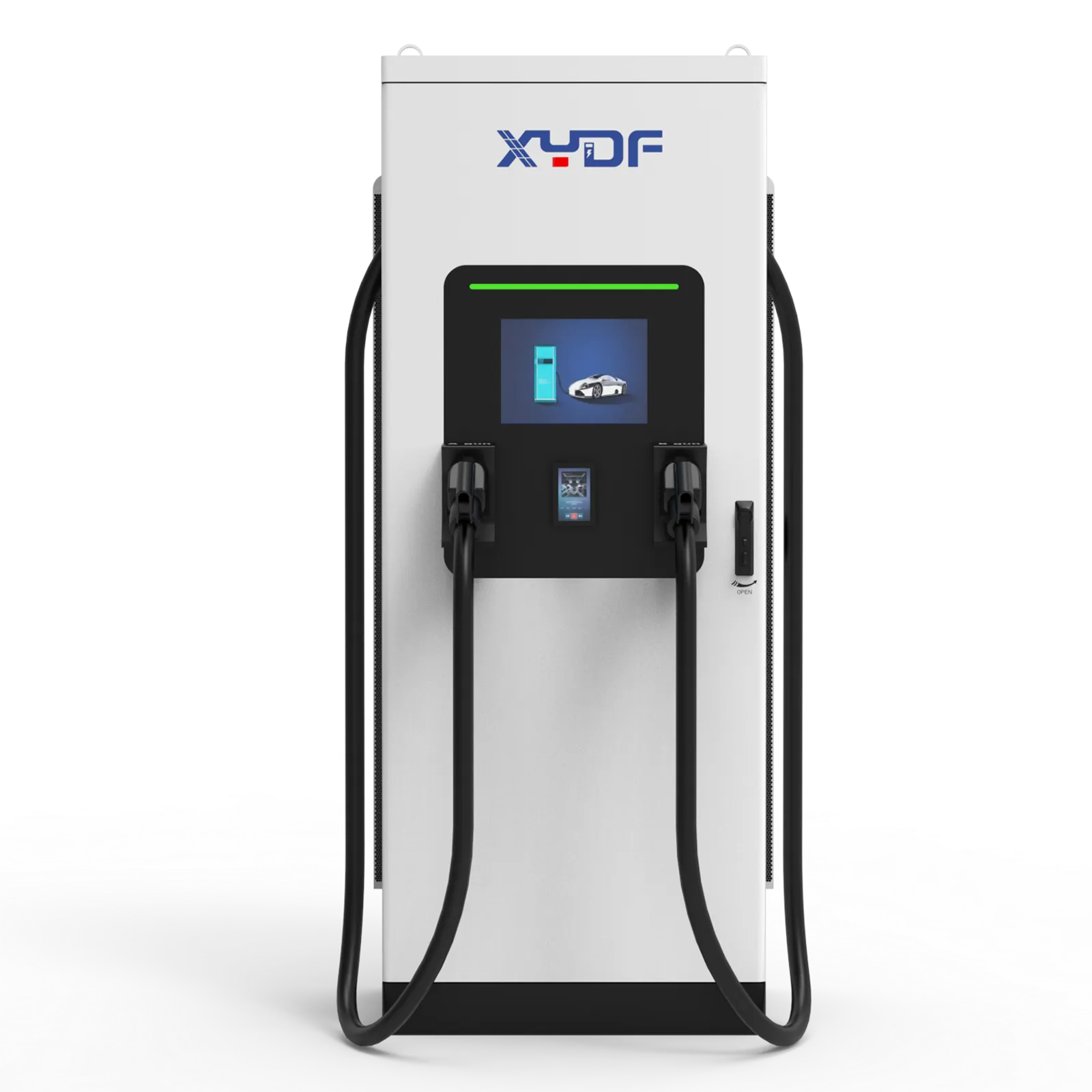
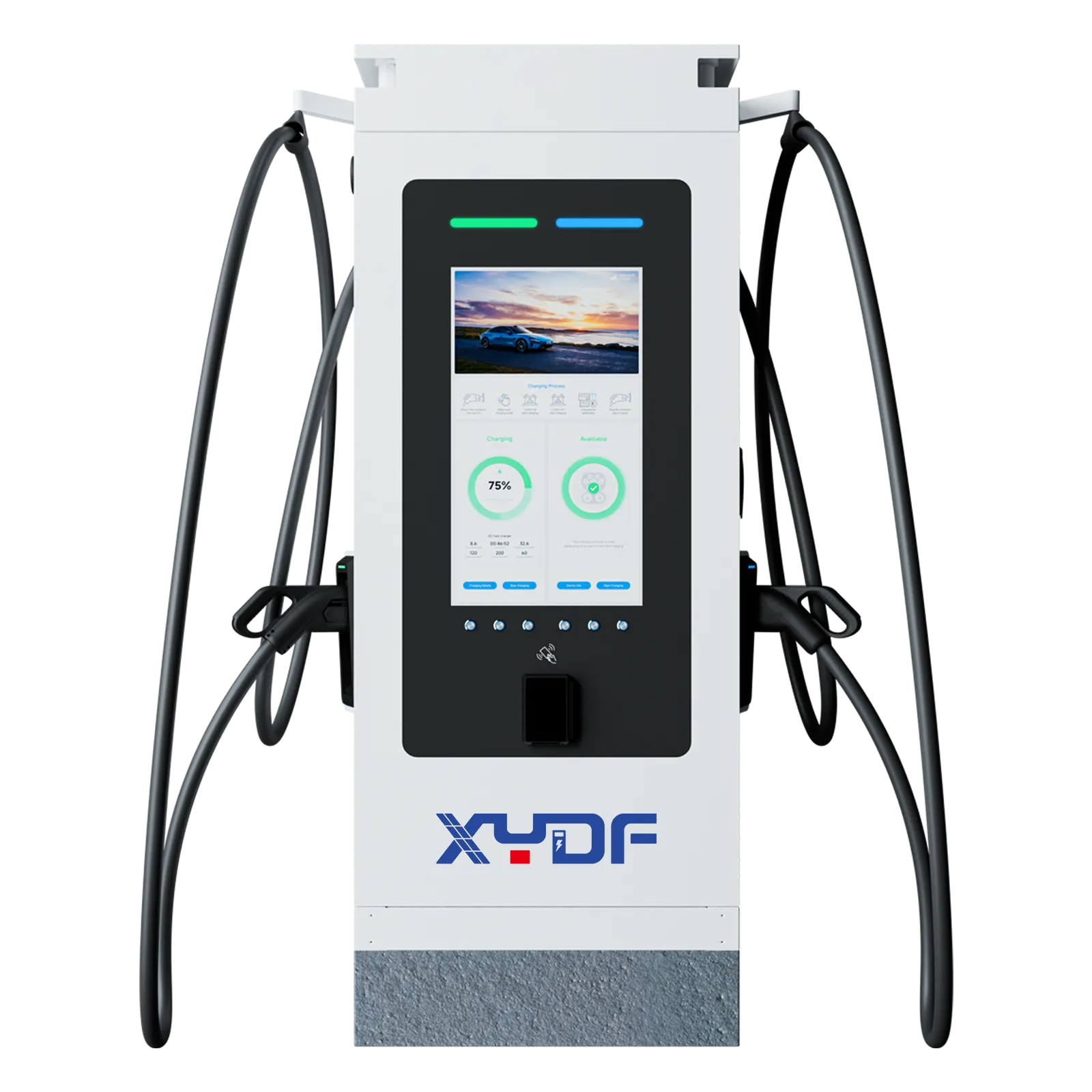
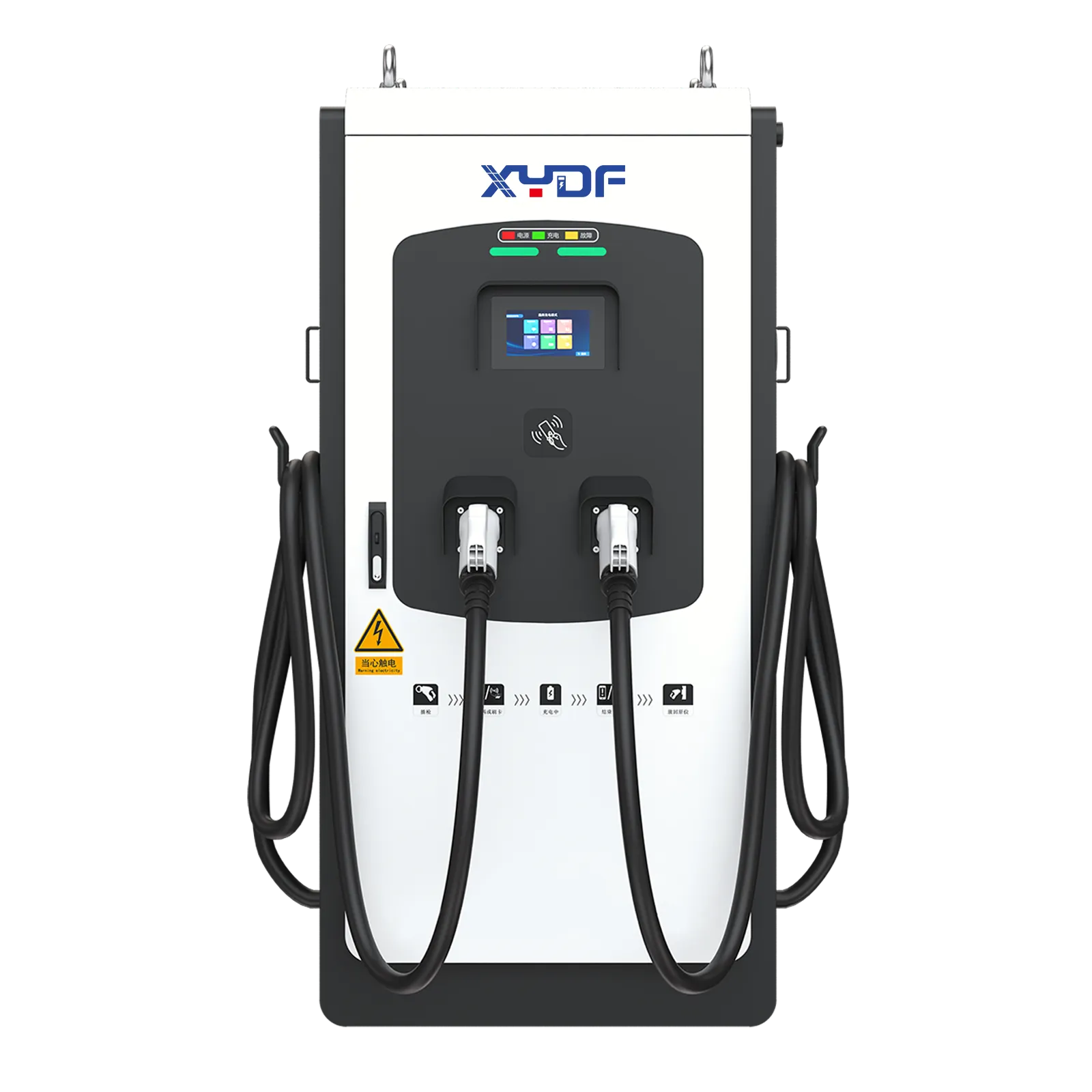
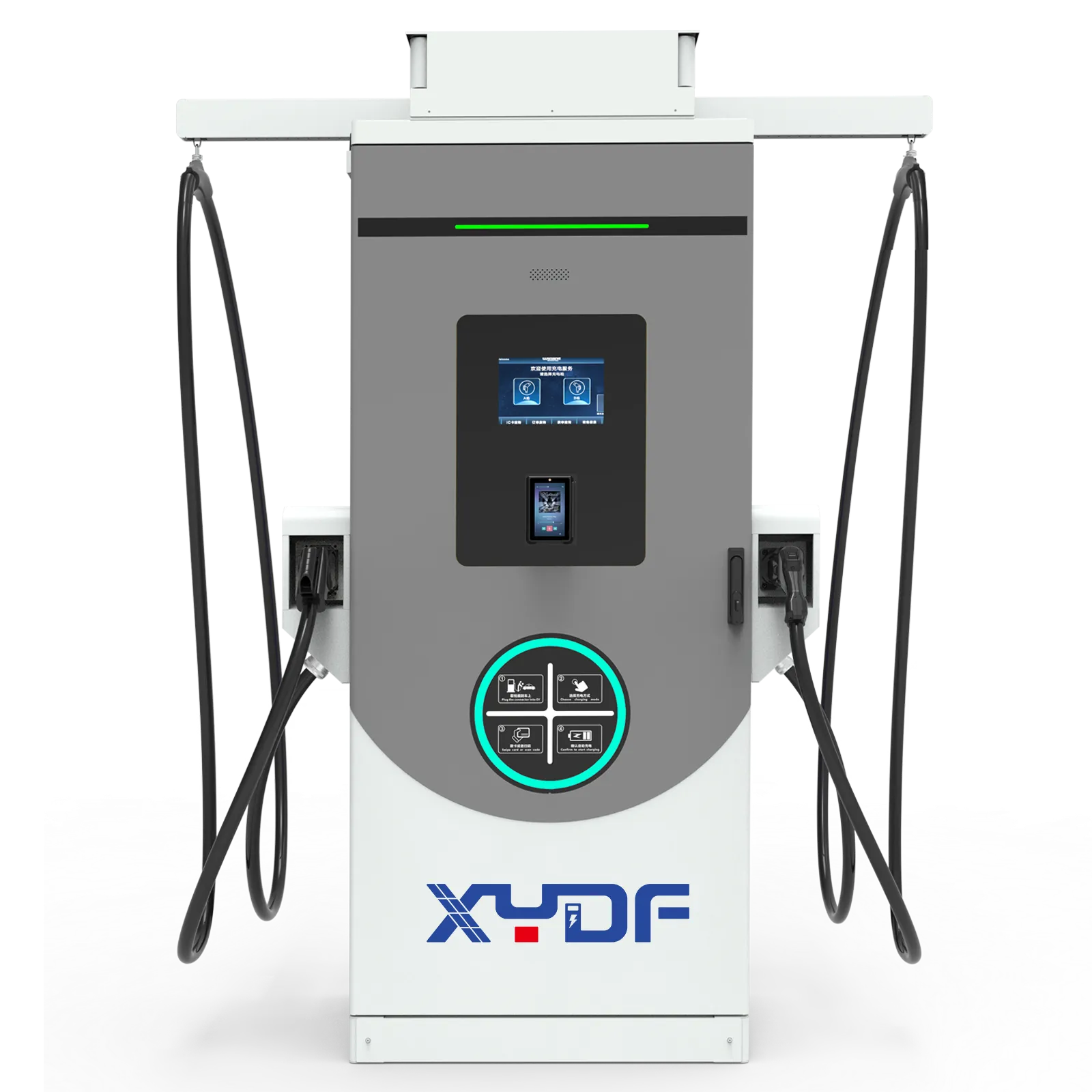
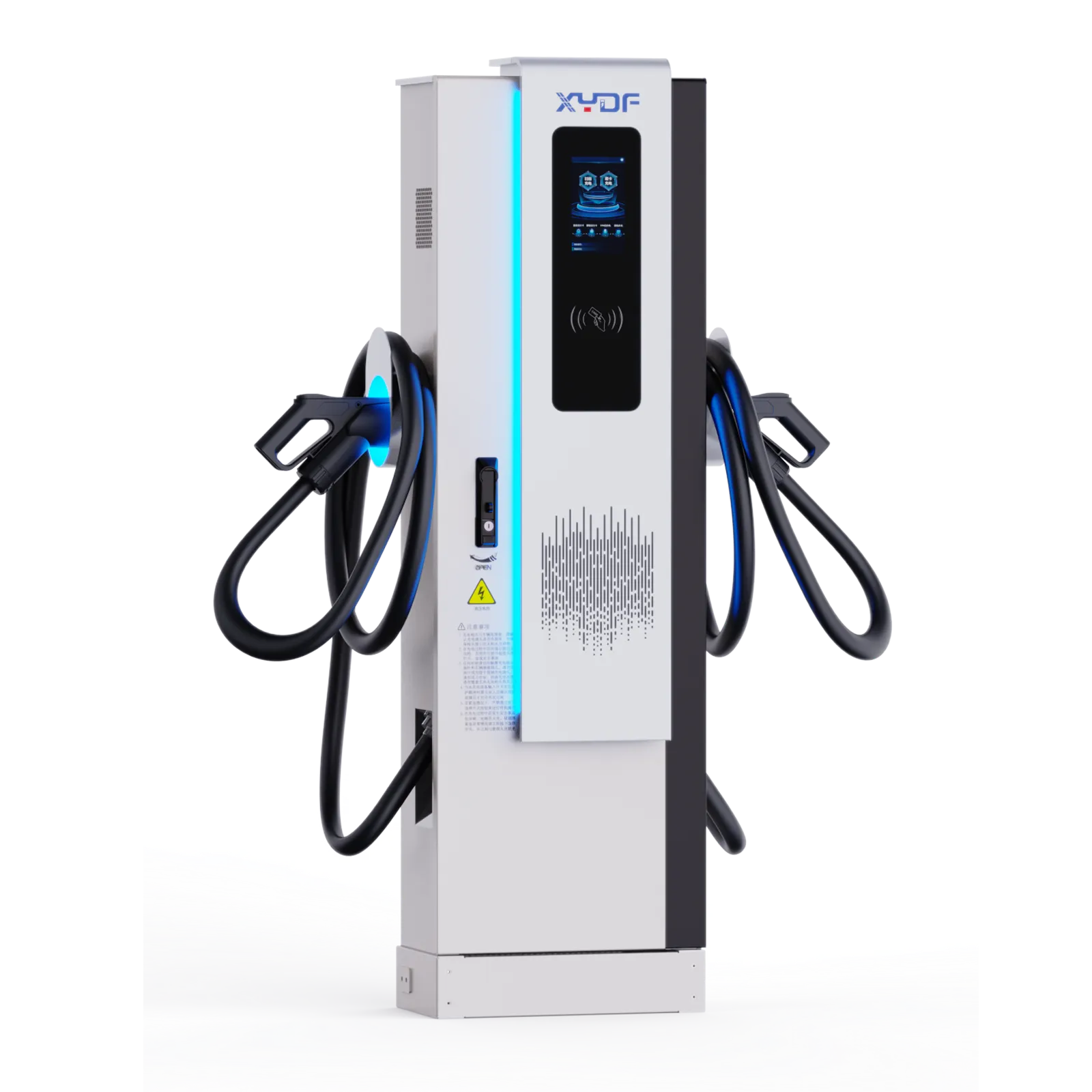
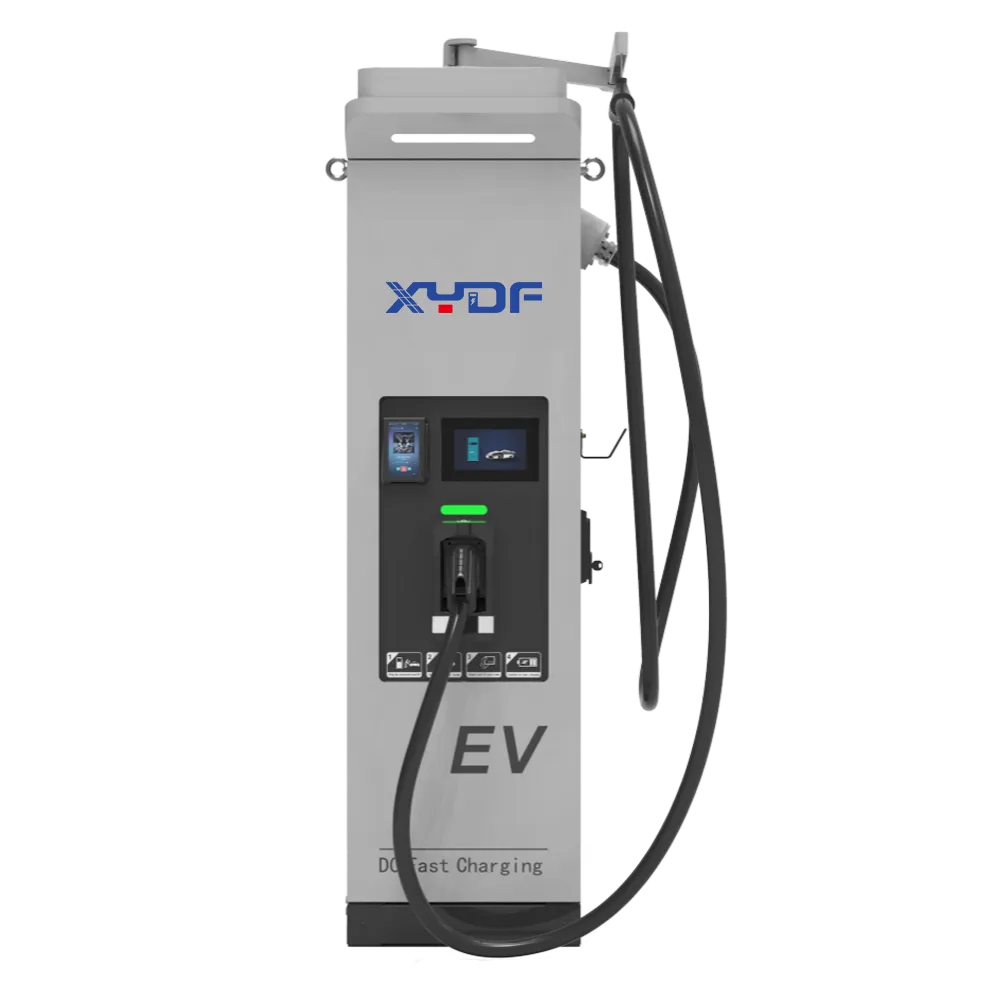
For a garage project, charger selection should start with a documented match between the vehicle’s AC capability, daily energy requirement, electrical service, and cable route. Rated power matters, but it does not by itself tell a buyer whether the car can use that power or whether the garage can supply it safely. This guide turns those checks into a practical selection and installation sequence.
Why Garage Charging Requires More Than a Power Comparison
A residential wallbox is fixed EV supply equipment that communicates the available current to the vehicle. It does not normally charge the battery directly; the vehicle’s onboard charger converts AC electricity into the DC power stored by the battery.
IEC 61851-1 covers general requirements for conductive EV charging systems with rated supply voltages up to 1,000 V AC or 1,500 V DC. For a garage project, that equipment standard must work alongside national wiring rules, the manufacturer’s installation instructions, and the property’s electrical design.
The market context is significant. The International Energy Agency reported that global electric-car sales exceeded 17 million in 2024, accounting for more than 20% of total car sales. As home charging becomes mainstream infrastructure, developers and distributors must consider thousands of overnight charging hours—not merely the first day of installation.
A correctly specified wall mounted EV charger can make overnight charging convenient and predictable; an incorrectly specified unit can create nuisance tripping, excessive cable costs, thermal derating, or a charger whose nominal output the vehicle can never use.
Match Charger Power to the Vehicle and Electrical Supply
Common AC wallbox power levels include:
- 3.6 kW: Approximately 16 A at 230 V single-phase
- 7.4 kW: Approximately 32 A at 230 V single-phase
- 11 kW: Approximately 16 A per phase on a 400 V three-phase supply
- 22 kW: Approximately 32 A per phase on a 400 V three-phase supply
The approximate charging-time formula is:
Charging time = energy required ÷ effective charging power
Adding 50 kWh would theoretically require about 6.8 hours at 7.4 kW or 13.9 hours at 3.6 kW, before accounting for conversion losses, battery conditioning, and power variation. A 22 kW charger would appear faster, but only if the building has a suitable three-phase supply and the vehicle can accept 22 kW AC.
A vehicle limited to 7.4 kW AC will still charge at no more than approximately 7.4 kW when connected to a 22 kW wall-mounted EV charging station. Buyers should therefore verify both the vehicle’s onboard charger and the household supply before paying for unused capacity.
Key Features to Consider
A garage charger should be evaluated as an electrical and operational system. Important features include:
- dynamic load management: Measures household demand and reduces charging current before the service limit is exceeded.
- Residual-current protection: The required RCD, GFCI, or DC leakage arrangement depends on the charger design and jurisdiction.
- Tethered or socketed connection: A tethered cable is convenient, while a socketed charger can simplify cable replacement and connector choice.
- Cable reach: The cable should reach the vehicle inlet without crossing a walkway, contacting a hot surface, or being stretched.
- Access control: RFID, an app, or scheduled authorization may help in shared garages.
- Offline operation: Basic charging should not necessarily depend on continuous cloud or internet availability.
- Temperature rating: Equipment installed in a hot garage must remain within its documented operating limits.
- Enclosure protection: Dust, humidity, wash-down practices, and partial outdoor exposure affect the required IP rating.
IEC 62955 addresses residual direct-current detecting devices for Mode 3 charging, while IEC 62196-2 covers dimensional compatibility for common AC vehicle connectors. These standards address different functions; a connector standard does not replace electrical protection or installation requirements.
The best wall mounted EV charger is therefore not the model with the longest feature list—it is the model whose protection, power, connectivity, temperature range, and cable arrangement match the garage.
Installation Essentials
The installation position influences safety and everyday usability. Before mounting a charger, the project team should check:
- Vehicle orientation: Determine whether vehicles will normally park nose-in or reverse into the garage.
- Charging-port location: Vehicle inlets may be located at the front, rear, or either side.
- Cable path: Avoid doors, stairs, storage areas, sharp edges, drainage channels, and pedestrian routes.
- Mounting structure: Confirm that the wall and fixings can support the equipment and repeated cable handling.
- Electrical route: Long cable runs increase material cost and voltage drop.
- Impact exposure: Install the unit outside the vehicle’s normal collision zone or provide suitable protection.
- Heat and ventilation: Avoid locations beside boilers, direct solar gain, or other heat-producing equipment.
IEC 60364-7-722 applies to circuits intended to supply energy to electric vehicles. IEC 60364-5-52 separately requires conductor selection to consider installation method, ambient temperature, grouping, current-carrying capacity, and voltage drop.
A wall-mounted EV charging station should consequently be positioned only after the electrical route and parking behavior have been reviewed—not wherever the shortest mounting video suggests.

Wall-Mounted EV Charger Comparison
| Decision Factor | 3.6 kW | 7–7.4 kW | 11 kW | 22 kW |
|---|---|---|---|---|
| Typical supply | 230 V single-phase | 230 V single-phase | 400 V three-phase | 400 V three-phase |
| Typical current | 16 A | 32 A | 16 A per phase | 32 A per phase |
| Time to add 50 kWh | About 13.9 hours | About 6.8–7.1 hours | About 4.5 hours | About 2.3 hours |
| Vehicle requirement | Broad compatibility | Vehicle capable of approximately 7 kW AC | Compatible three-phase onboard charger | Vehicle capable of 22 kW AC |
| Choc électrique | Relatively low | Moderate; load management may help | Requires three-phase assessment | High residential capacity requirement |
| Coût d'installation | Usually lower | Modéré | Plus haut | Potentially highest |
| Typical garage | Low daily mileage or long dwell time | Most single-phase homes | Three-phase homes and premium vehicles | Specialized high-capacity properties |
| Primary TCO risk | Charging may be too slow | Service capacity may be constrained | Unused vehicle-side capacity | Expensive infrastructure with limited utilization |
Charging-time figures are theoretical and exclude losses or vehicle power limits. At the same delivered power, connection efficiency will generally be similar; most cost differences come from the circuit, conductor length, protective equipment, supply upgrades, networking, and installation labor.
Garage Application and Cost-Driver Matrix
| Garage Scenario | Practical Starting Point | Main Cost Drivers | Additional Checks |
|---|---|---|---|
| Single-car attached garage | 7–7.4 kW | Cable route and consumer-unit capacity | Port position and household peak load |
| Detached garage | 3.6–7.4 kW | Trenching, subpanel, and long conductors | Voltage drop and communications coverage |
| Two-EV household | Two managed charging points | Load-management hardware and additional circuits | Simultaneous demand and fair power allocation |
| Shared residential garage | Networked charging system | Metering, access control, and backend service | Billing, cybersecurity, and user management |
| Hot Middle Eastern garage | Thermally qualified charger | Cable derating and possible ventilation measures | Maximum ambient rating and direct solar exposure |
| Partly open European carport | Weather-rated wallbox | Outdoor enclosure, protection, and civil work | Rain, frost, drainage, and connector storage |
| Humid Southeast Asian garage | Environmentally suitable wallbox | Enclosure protection and corrosion control | Condensation, flooding, insects, and ventilation |
The total cost should include the charger, protective devices, conductors, installation labor, civil work, commissioning, network subscriptions, inspections, maintenance, and any service-capacity upgrade. A low-priced charger installed far from the electrical panel can cost more as a completed project than a higher-priced model positioned beside a suitable supply.
Standards and Compliance Requirements
Applicable rules vary by market, but the following standards frequently influence garage-charging projects:
- IEC 61851-1: General requirements for conductive EV charging systems.
- IEC 60364-7-722: Electrical-installation requirements for circuits supplying EVs.
- IEC 62196-2: AC vehicle plugs, socket outlets, connectors, and inlets.
- IEC 62955: Residual direct-current detecting devices for Mode 3 charging.
- NFPA 70 Article 625: EV power-transfer systems in applicable US installations.
- UL 2594: AC EV supply equipment for applicable North American markets.
- BS 7671 Section 722: EV charging installations in applicable UK projects.
- ISO 15118: Vehicle-to-grid communication; it is not a circuit-installation standard.
A compliant wall-mounted EV charging station is not established by the enclosure label alone. The project must also address conductor sizing, overcurrent protection, residual-current protection, earthing, isolation, mounting, commissioning, and any required utility or authority notification.
IEC publishes standards but does not certify products. CE marking is also not automatically evidence of independent third-party certification. Buyers should distinguish among equipment designed to a standard, laboratory-tested equipment, third-party certification, and approval for the intended market.
Non-compliance can result in failed inspection, nuisance tripping, overheated conductors, electric-shock risk, delayed handover, warranty disputes, insurance complications, or expensive retrofits across multiple properties.
How to Select the Right Charger and Avoid Installation Mistakes
We recommend five practical steps:
- Measure daily energy demand. A vehicle using 15 kWh per day may not require the highest available charging power when it remains parked overnight.
- Verify vehicle acceptance. Check the onboard AC charger, phase support, connector, and charging-port position.
- Commission an electrical survey. Assess the service rating, existing loads, cable route, conductor requirements, protective devices, earthing, and voltage drop.
- Plan the physical installation. Confirm mounting height, cable reach, impact exposure, ventilation, drainage, lighting, and Wi-Fi or cellular coverage.
- Request product-level evidence. Obtain installation instructions, operating-temperature limits, test reports, applicable certificates, warranty terms, and load-management documentation for the exact configuration.
XYDF manufactures AC charging equipment for residential and commercial applications. Buyers evaluating a wall mounted EV charger should confirm the exact model’s power rating, connector configuration, environmental limits, protection functions, and market documentation instead of relying on a product-family claim.
Foire aux questions
Can I plug my EV charger into a wall outlet?
Some portable chargers can use an approved domestic outlet, but ordinary sockets generally provide slower charging and may not be appropriate for repeated high-current operation. A fixed wall-mounted EV charging station normally uses a dedicated circuit. The outlet, conductors, protective devices, earthing, and local regulations should be assessed by a qualified electrician.
How much to install a wallbox charger?
Installation cost depends on charger power, distance from the electrical panel, cable-routing difficulty, wall construction, protective devices, load management, trenching, and whether a service upgrade is required. A simple attached-garage installation costs less than a detached garage requiring underground conductors and a new subpanel.
Is it worth having a wallbox charger?
For most regular EV drivers, a wallbox offers faster and more controlled charging than an ordinary outlet, together with features such as scheduling, access control, energy reporting, and load balancing. Its value is highest when the power level and installation match the vehicle’s daily energy demand.
Which is better, a 3kW or 7kW home charger?
A 7 kW charger can add energy almost twice as quickly and is usually preferable for larger batteries or higher daily mileage. A 3.6 kW unit may still be sufficient when the vehicle remains parked for many hours, daily consumption is modest, or the property has limited spare capacity.
Which wall charger is best?
The best charger matches the vehicle, electrical supply, garage layout, climate, tariff, and local regulations. For many single-phase homes, a smart 7–7.4 kW charger with suitable protection and dynamic load management is a practical starting point. Project teams can compare XYDF’s EV charging product configurations before requesting model-specific evidence.
What size breaker do I need for an EV charger?
The breaker depends on the charger’s maximum continuous current, local code, conductor capacity, installation method, ambient temperature, and manufacturer instructions. Under common NEC continuous-load sizing, a 32 A charger requires at least a 40 A circuit, a 40 A charger requires a 50 A circuit, and a 48 A charger normally requires a 60 A circuit. IEC-market sizing must follow applicable national rules rather than copying those values automatically.
Références
- International Energy Agency — Global EV Outlook 2025
- IEC 61851-1:2017 — Electric Vehicle Conductive Charging System
- IEC 60364-7-722:2018 — Supplies for Electric Vehicles
- NFPA 70 — Code national électrique
The right garage charger is not the model with the largest number on its label; it is the system whose power, circuit, protection, cable route, climate rating, and daily use remain aligned for years after commissioning.XYDF develops charging equipment for that operating reality—when convenient home charging must also be electrically sound, maintainable, and ready for future vehicles. Project teams can learn more about its EV charging manufacturing capabilities before discussing garage layouts, electrical requirements, and market-specific compliance documentation.