 Xinya Dongfang Electricity Technology Co., Ltd.


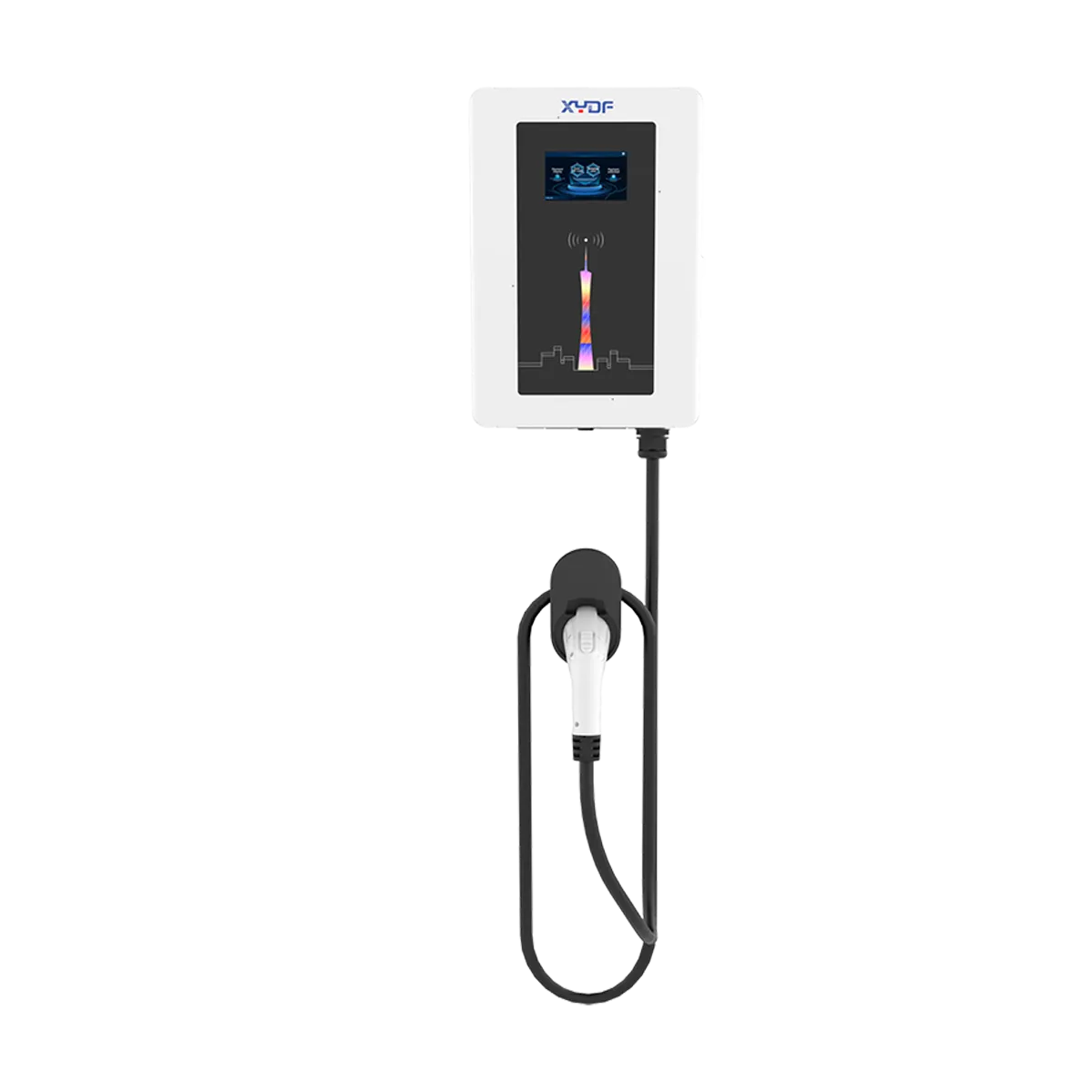
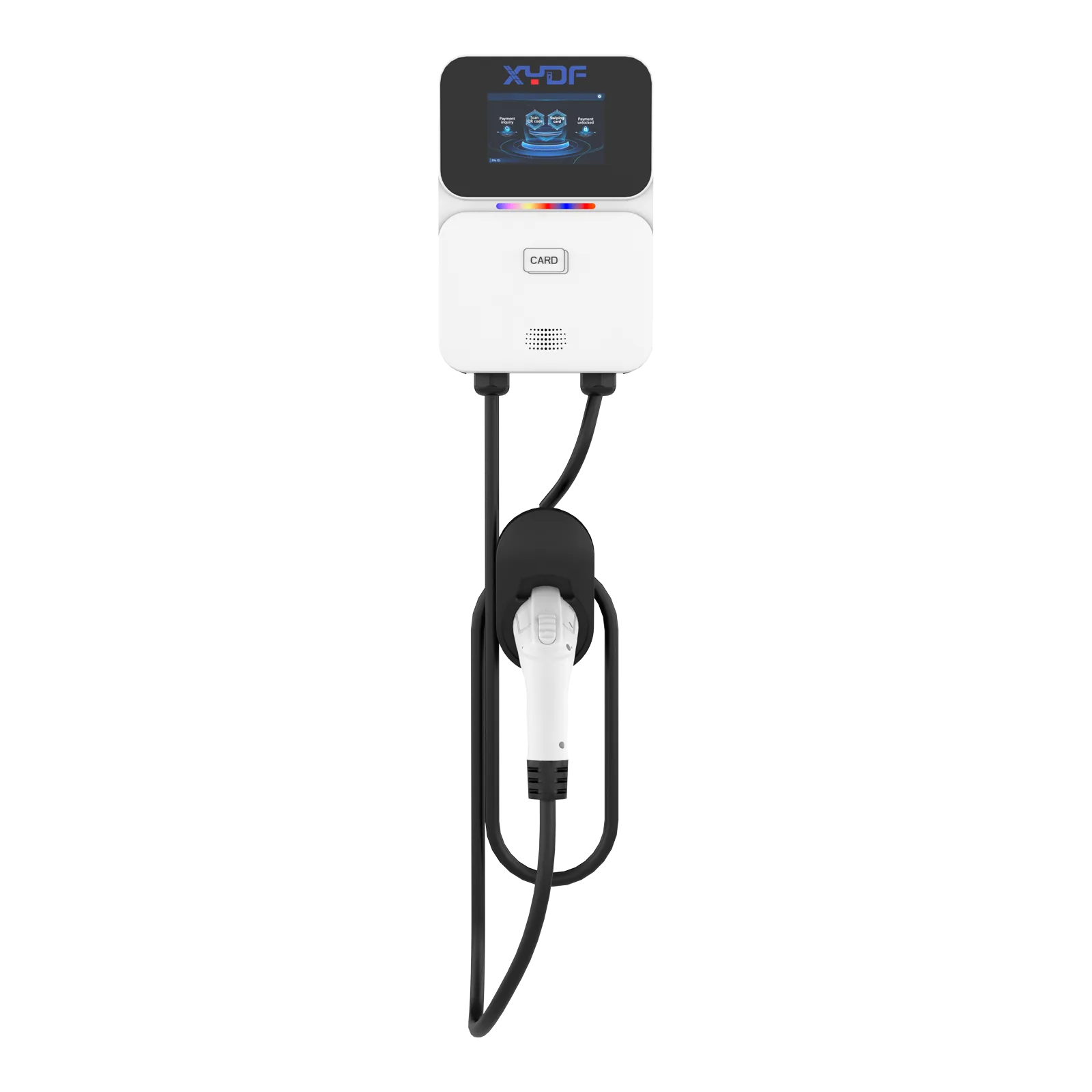
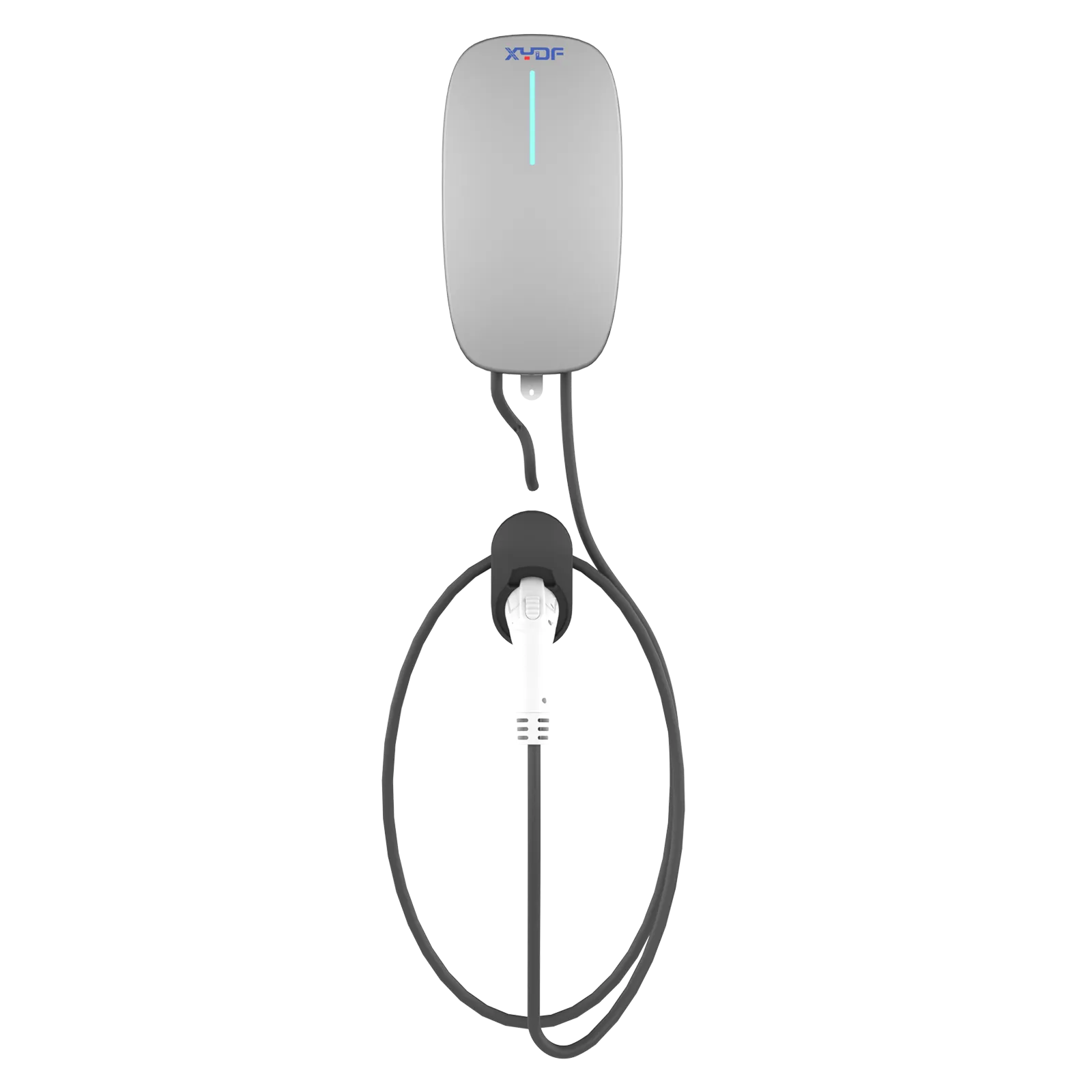
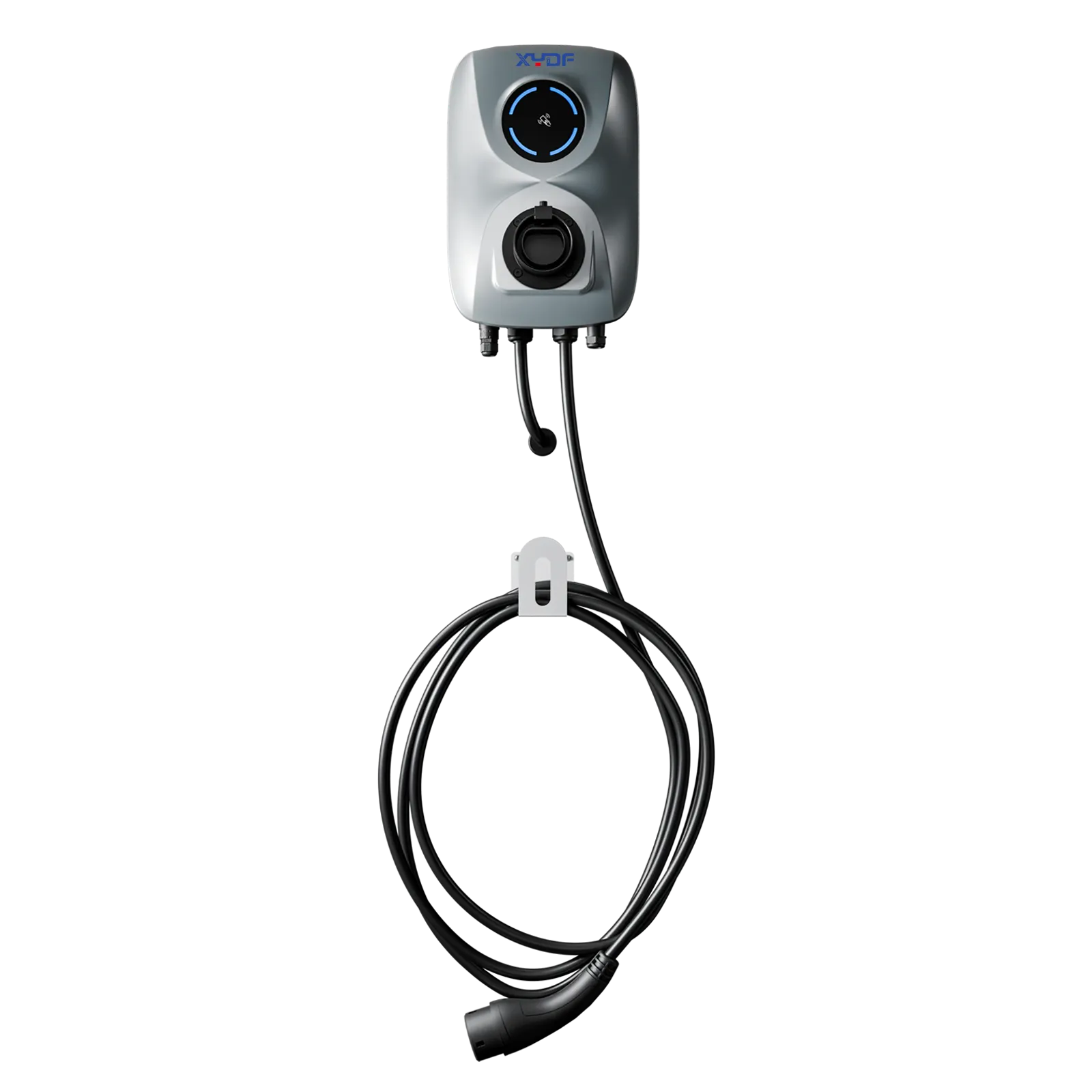
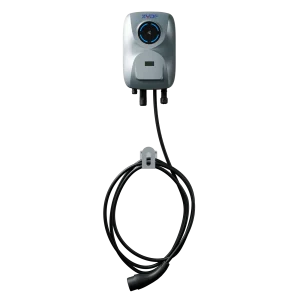
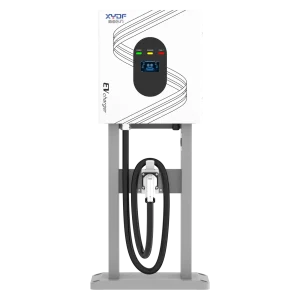

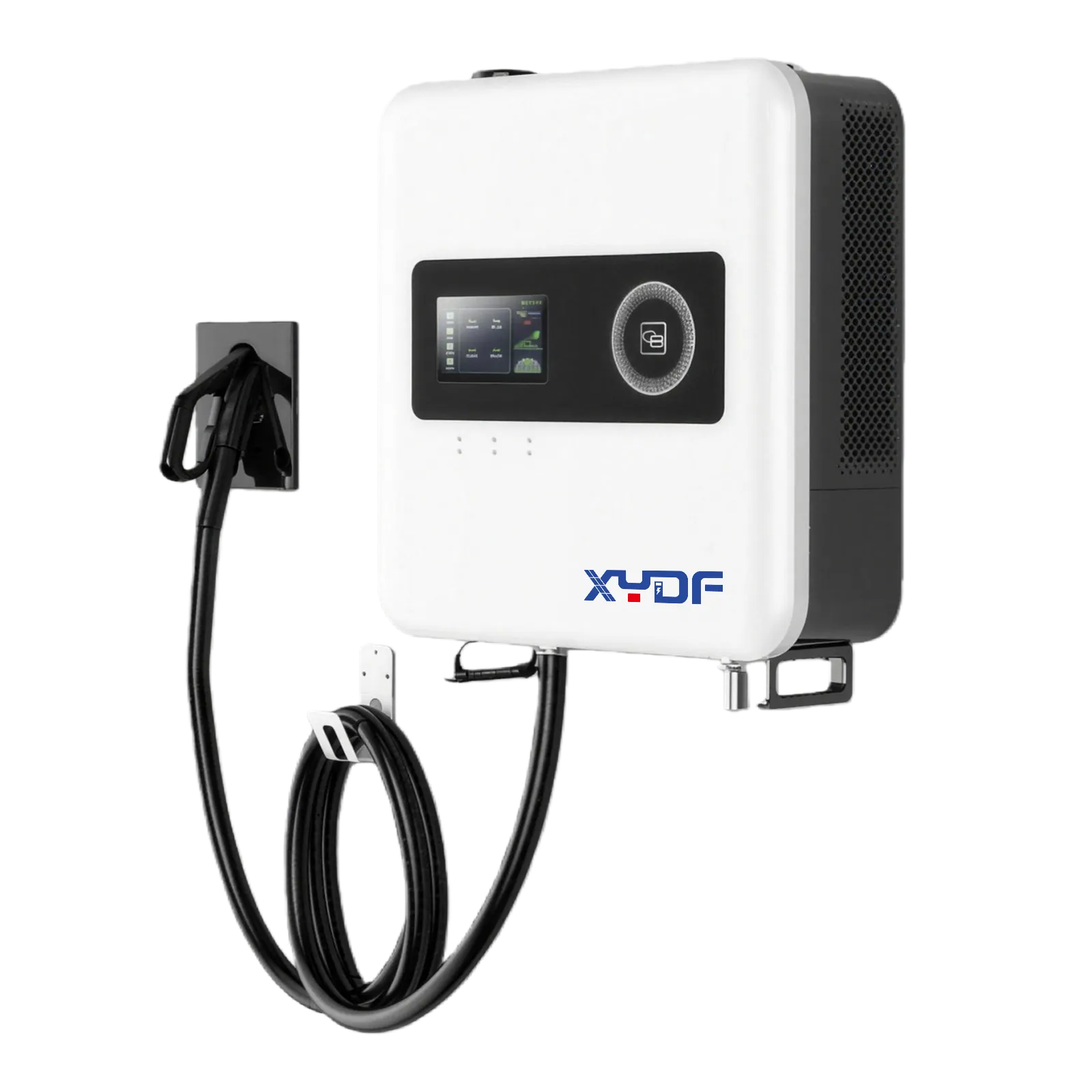
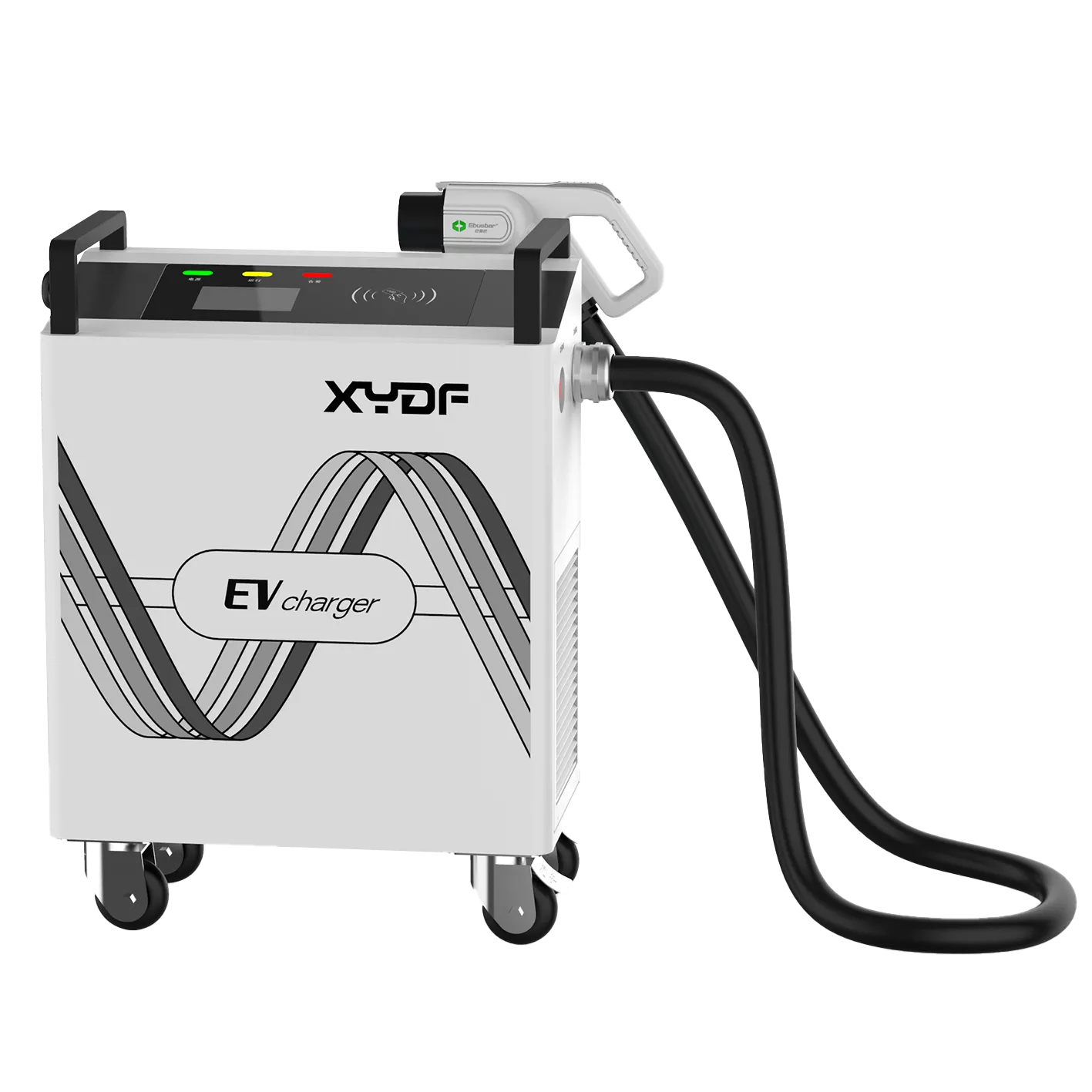
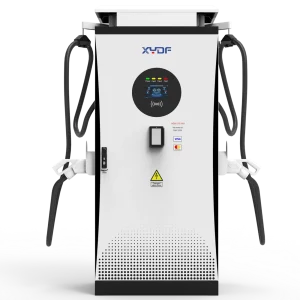
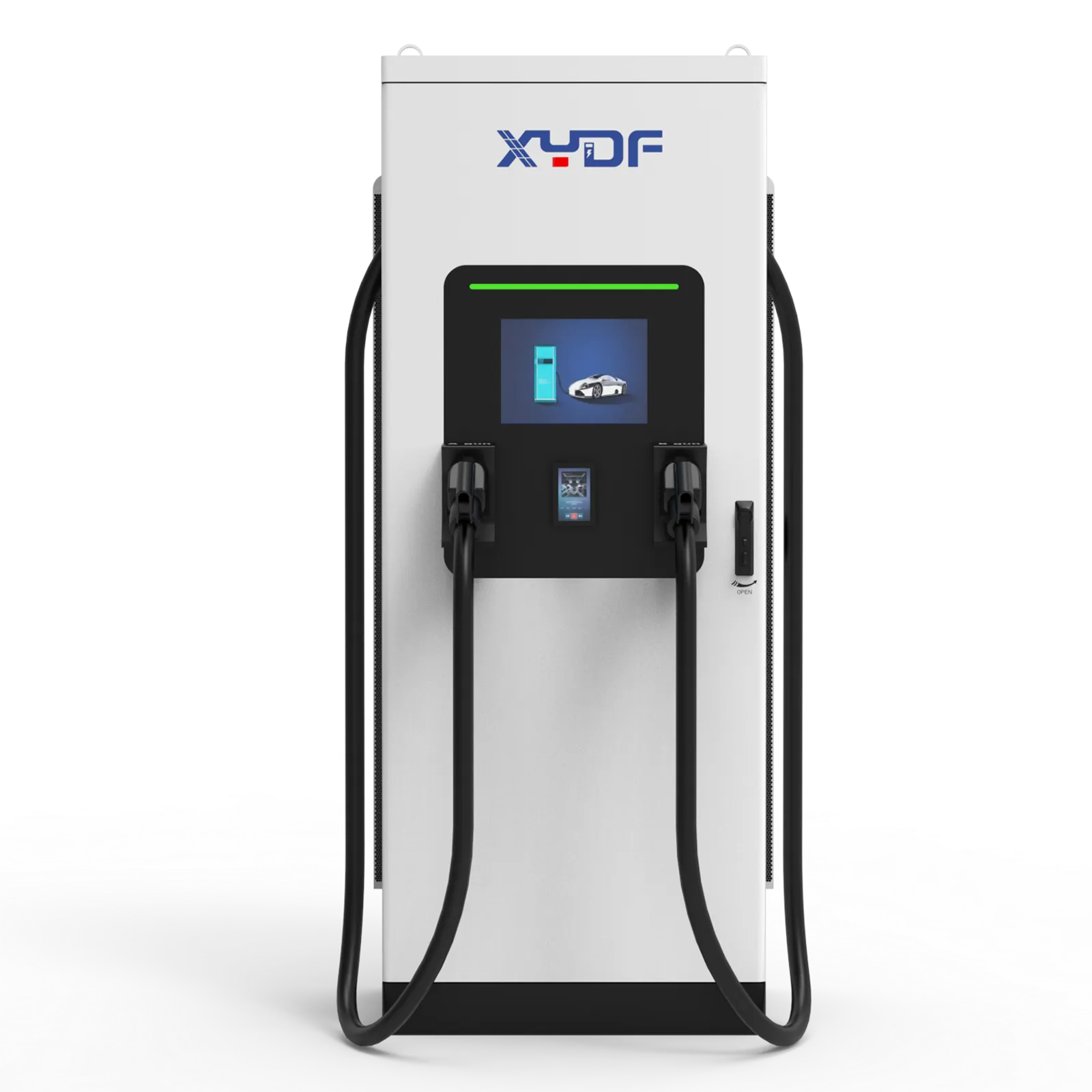
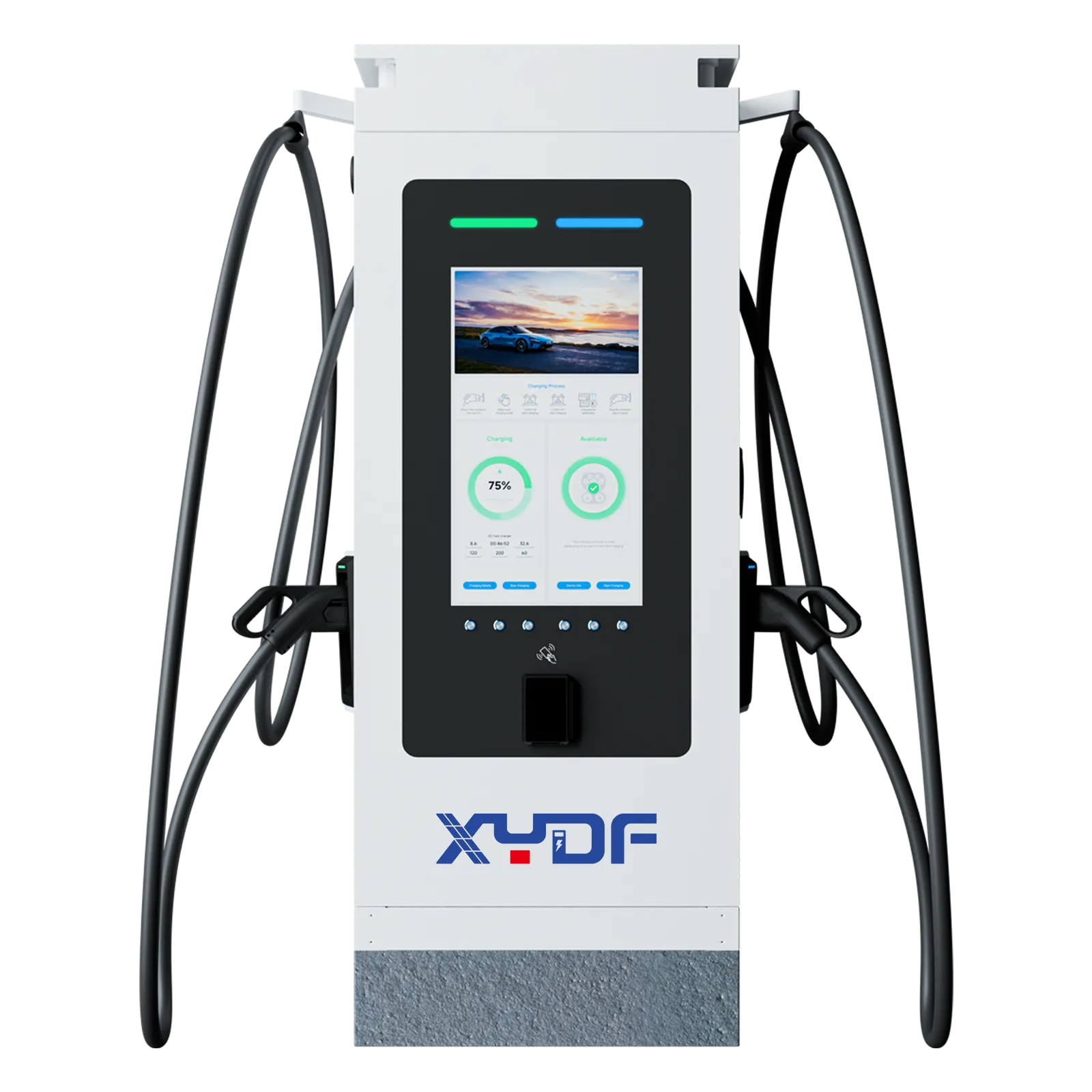
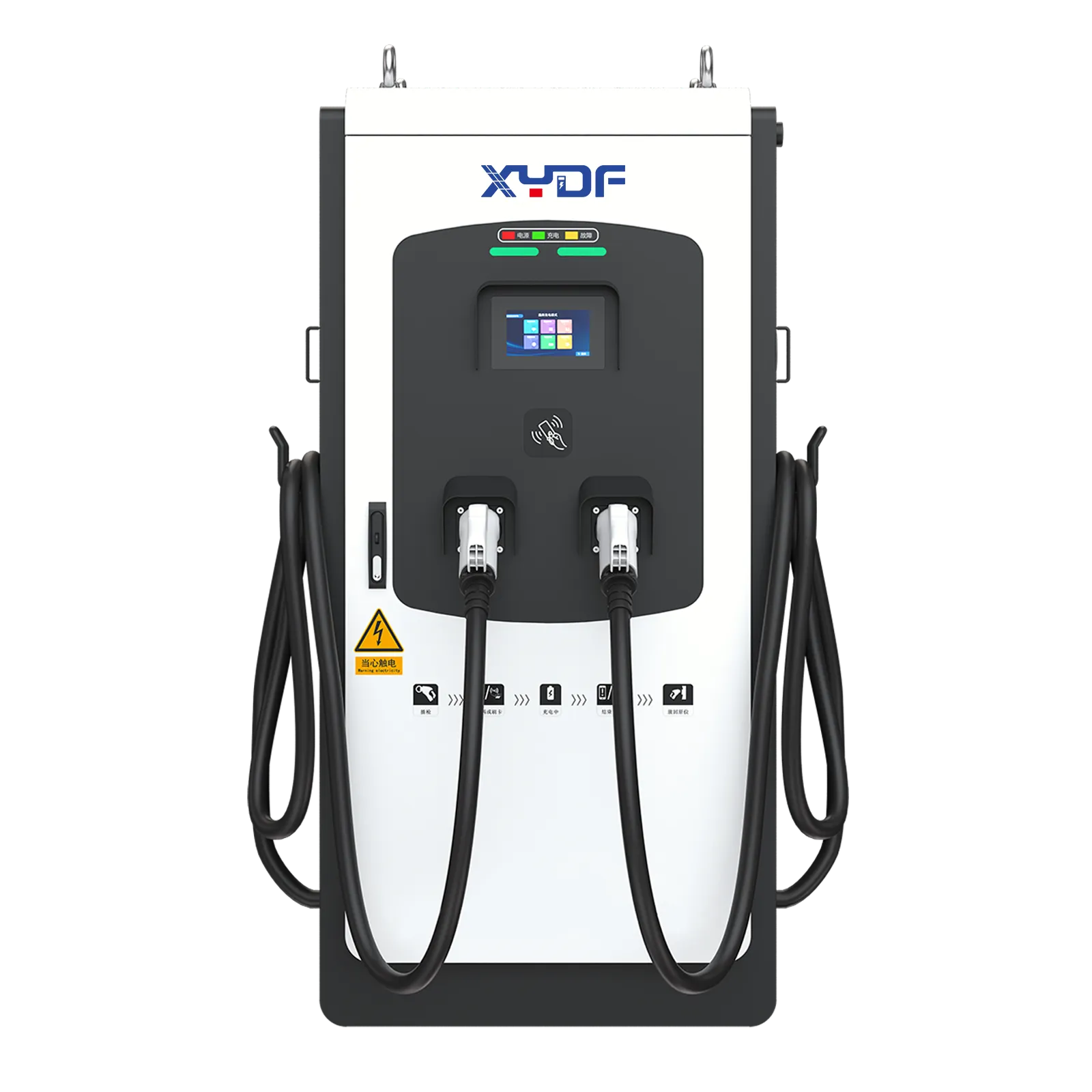
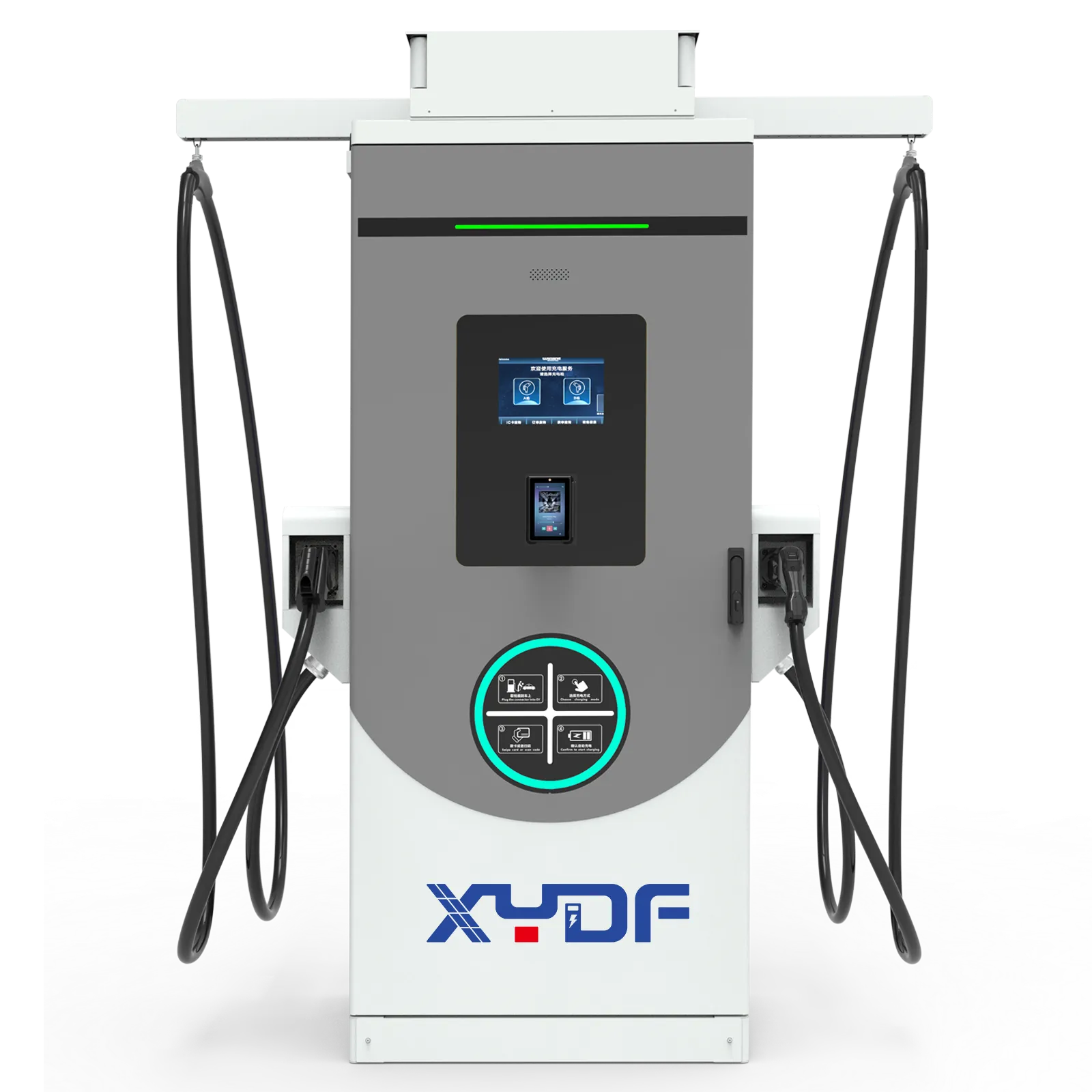
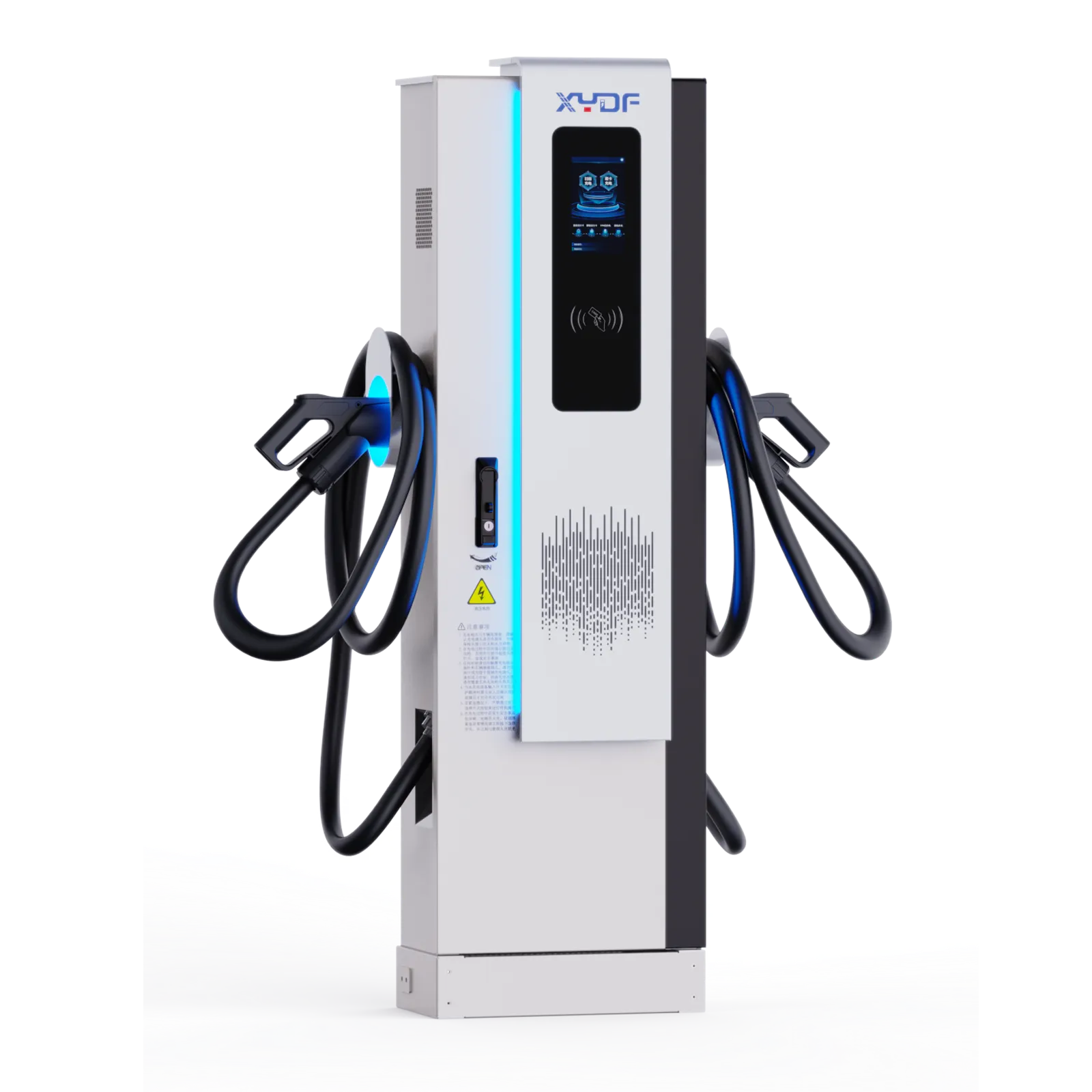
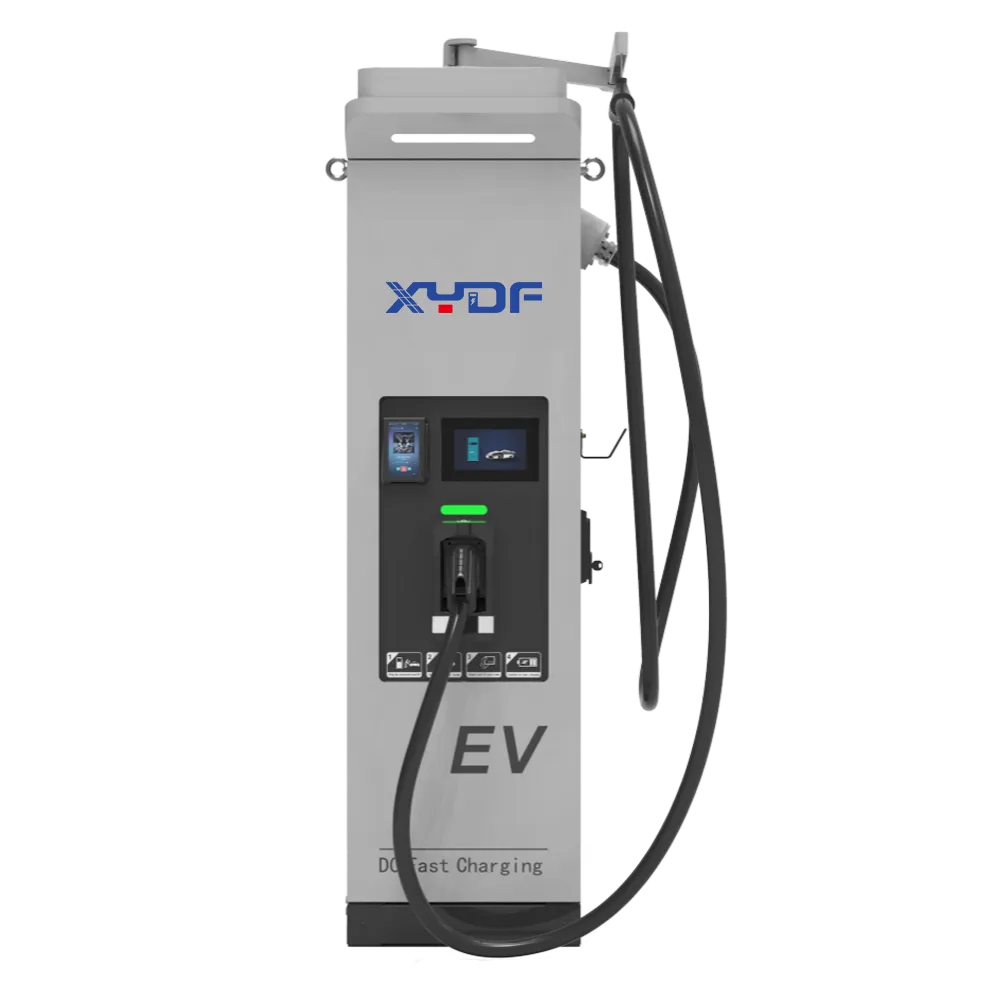
For a public charging project, reliability is judged at the connector and session level, not by the cabinet nameplate alone. A station can be powered on yet fail at payment, authorization, communication, cooling, or cable handling. The practical task is to connect equipment selection with measurable availability, service response, and a repeatable recovery process.
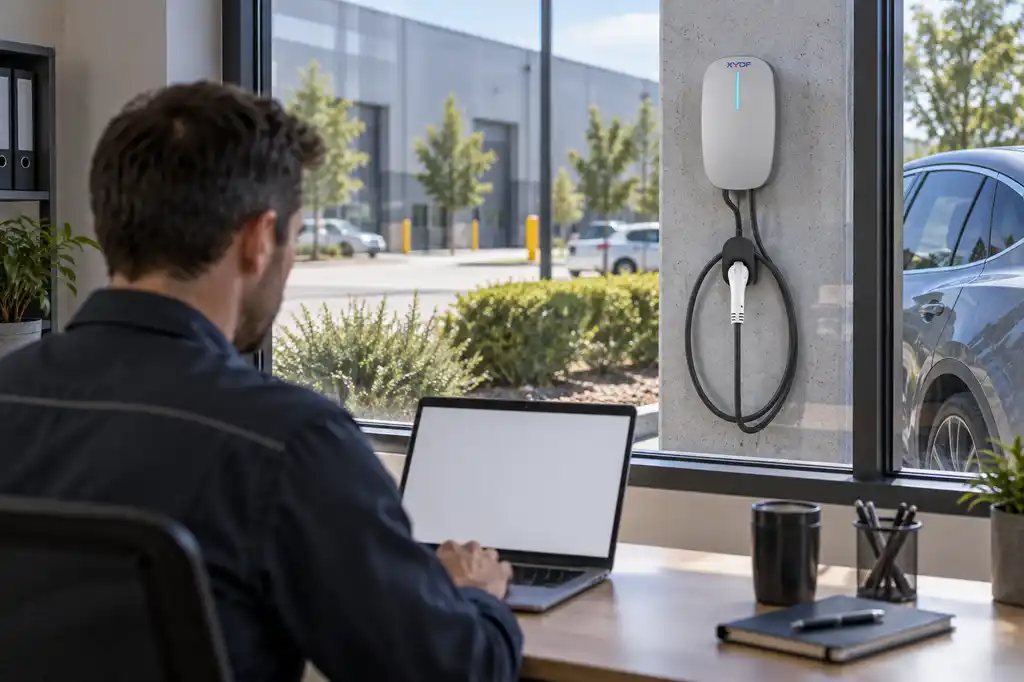
Fiable bornes de recharge pour véhicules électriques publiques combine stable grid supply, correctly selected charging hardware, effective thermal management, secure software, preventive maintenance, spare-parts planning, and measurable uptime targets. A 7–22 kW AC unit may serve long-dwell destinations, while 60–240 kW DC equipment supports faster turnover; neither is reliable if the site, network, service process, or user interface is poorly engineered.
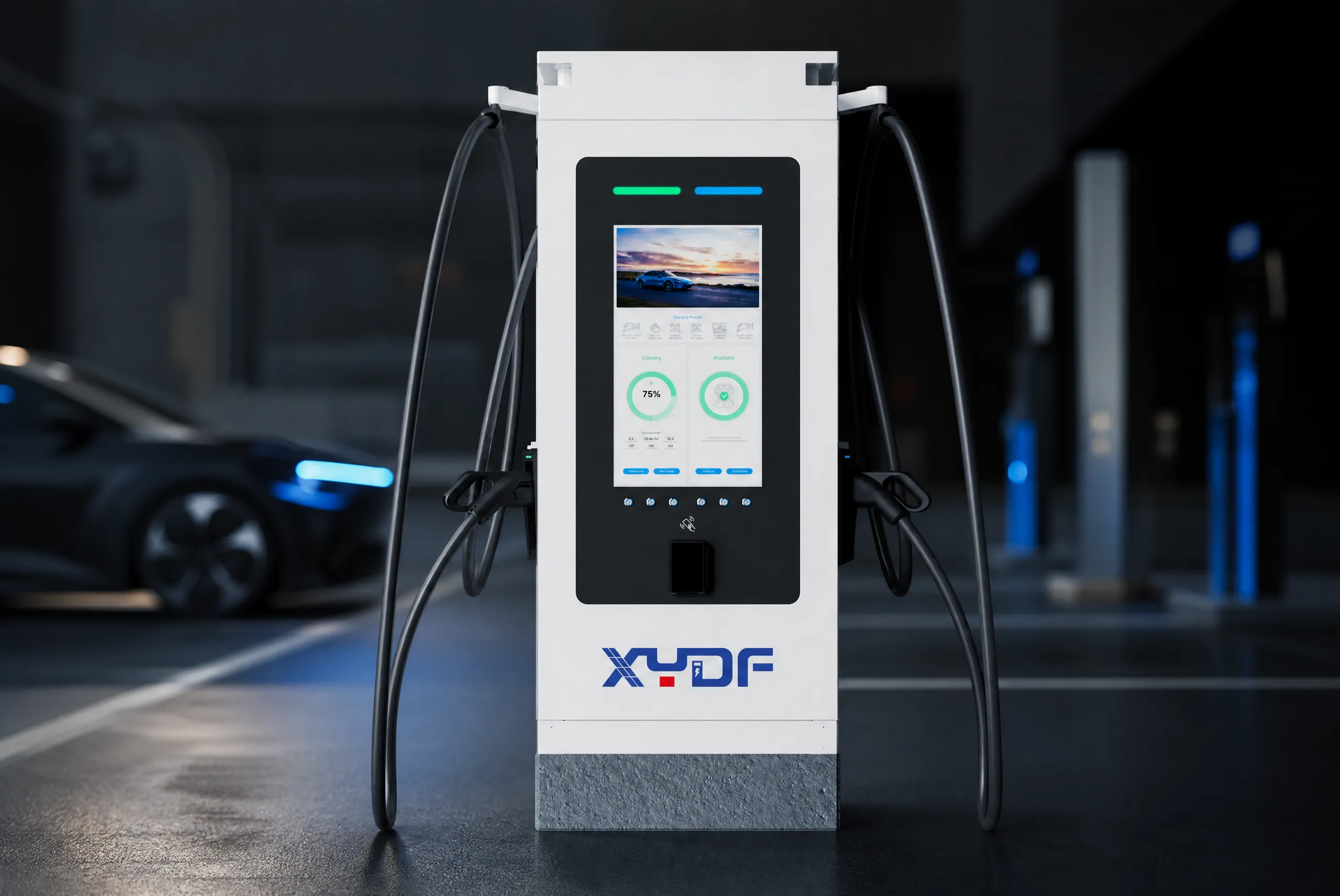 EV Charger Reliability Matters for Public EV Charging Stations?” width=”800″ height=”535″ loading=”eager”>
Reliability Is a System Property, Not a Charger Specification
EV charger reliability describes the probability that a charging point will start, sustain, and complete a session when requested. It involves more than the cabinet itself; the grid connection, protection system, connector, cable, cooling circuit, payment process, backend platform, and field-service response all contribute to the customer experience.
IEC 61851-1 establishes general requirements for conductive EV charging systems, but it does not guarantee a particular commercial uptime percentage. Operators should define their own service-level targets using a clear formula:
Availability = uptime ÷ (uptime + downtime)
For example, a 99.5% annual availability target still permits approximately 43.8 hours of downtime per charging point. At a busy site with eight connectors, the commercial impact may be much greater than the percentage initially suggests. Reliability reporting should therefore distinguish between:
- Complete station outage
- Single-connector outage
- Reduced-power operation
- Payment or authorization failure
- Network communication interruption
- Planned maintenance and unplanned downtime
Operators comparing the best public EV charging stations should ask how availability is measured; a site that counts a partially functioning charger as fully available may present a misleading performance picture.
Charging Speeds Available and Their Reliability Trade-Offs
Power rating affects customer dwell time, equipment complexity, grid demand, and the consequences of a failure. The most common public configurations include:
| Type de chargement | Typical output | Cas d'utilisation typique | Reliability considerations |
|---|---|---|---|
| Chargeur AC de destination | 7–22 kW | Workplaces, hotels, retail, apartments | Long dwell time; lower thermal stress but higher dependence on vehicle-side AC conversion |
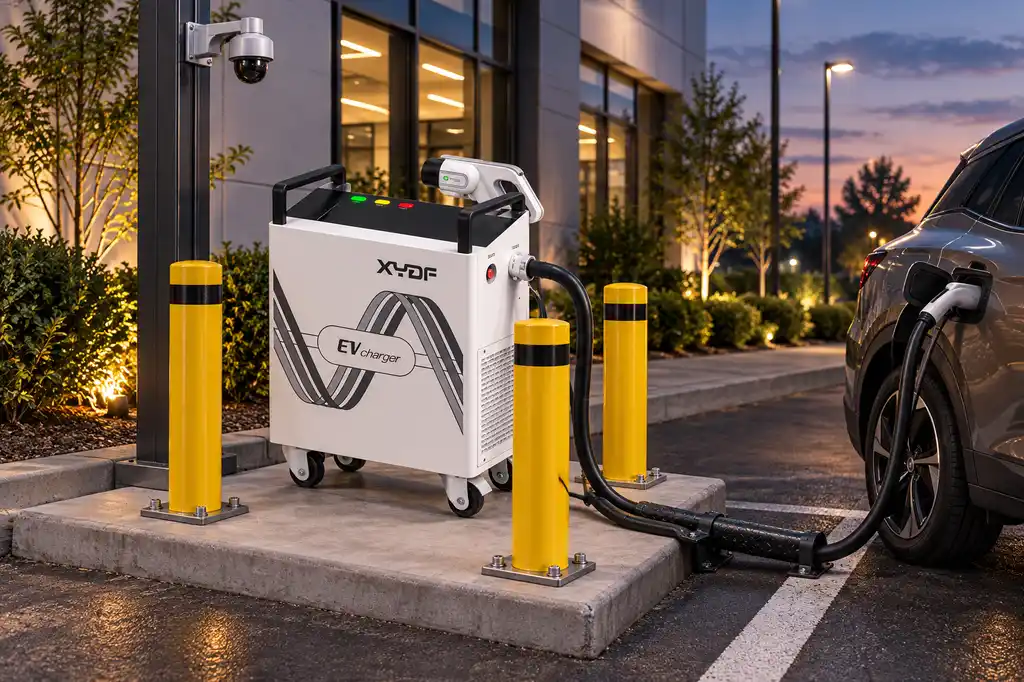
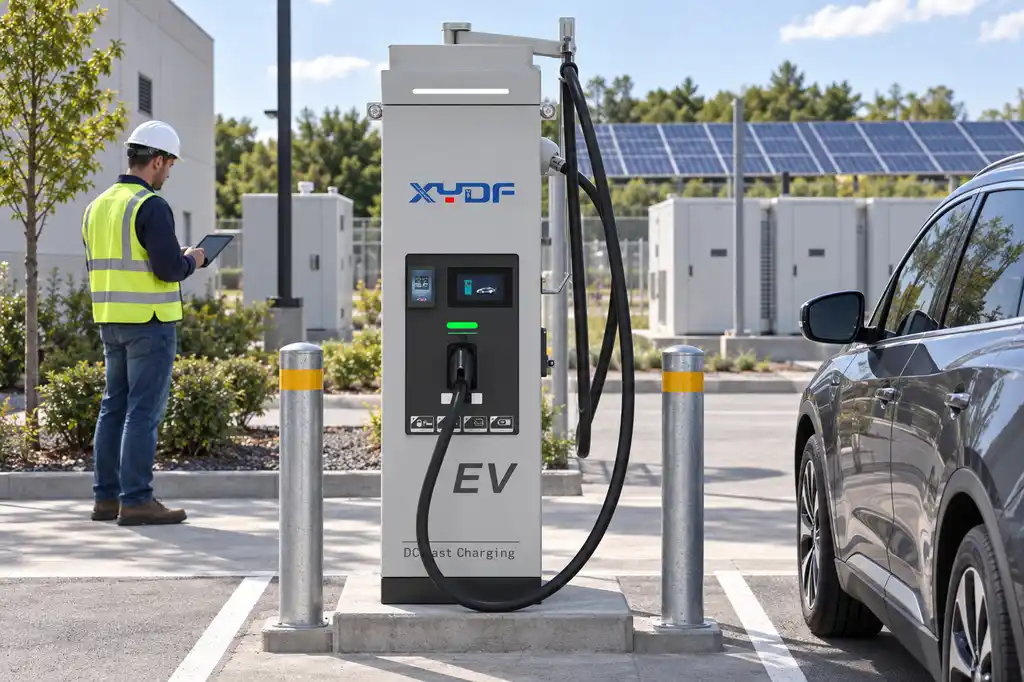
| Charge rapide CC | 60–150 kW | Urban corridors, fleets, roadside hubs | Higher heat load, cooling requirements, and grid-demand sensitivity |
| High-power charging | 150–240 kW and above | Motorways, logistics, high-turnover sites | Requires strong thermal, switchgear, cable, and service design |
IEC 61851-23 and IEC 61851-24 address relevant DC charging equipment and communication requirements. In practice, a 60 kW charger that consistently completes sessions may create more commercial value than a 240 kW unit that frequently derates or fails during hot weather.
Charging speed should also be matched to the site’s dwell-time model. A hotel may not benefit from expensive high-power equipment if most vehicles remain parked for eight hours. Conversely, a taxi or delivery fleet may lose revenue if a low-power AC charger cannot restore sufficient energy between shifts.
Common Reliability Failure Modes
Most public charging failures fall into several connected categories. A structured fault taxonomy helps operators decide whether a problem can be handled remotely or requires a site visit.
Power and protection faults
Voltage fluctuation, phase imbalance, undersized transformers, nuisance RCD or GFCI trips, surge damage, and poor earthing can prevent a charger from starting. IEC 60364-7-722 requires EV supply installations to address the specific electrical risks of EV charging; a charger swap cannot correct an inadequate upstream design.
Thermal and environmental faults
Dust-clogged filters, blocked airflow, high ambient temperature, condensation, salt mist, and water ingress can cause derating or shutdown. IEC 60529 IP classification addresses enclosure ingress protection, but it does not independently rate corrosion, impact, UV resistance, or cooling performance.
Connector and cable faults
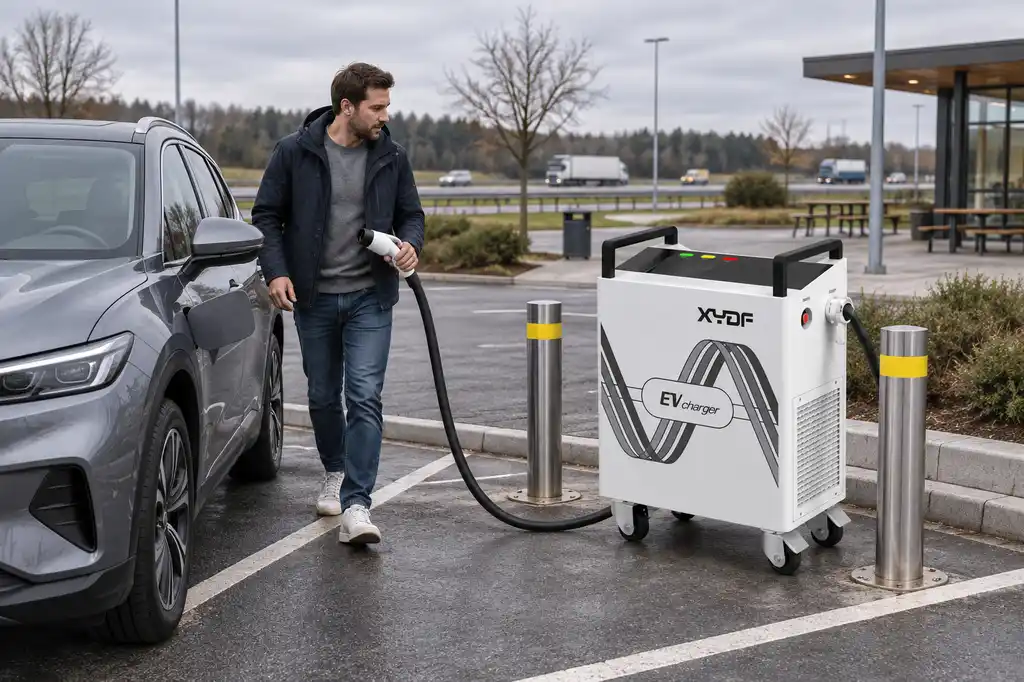
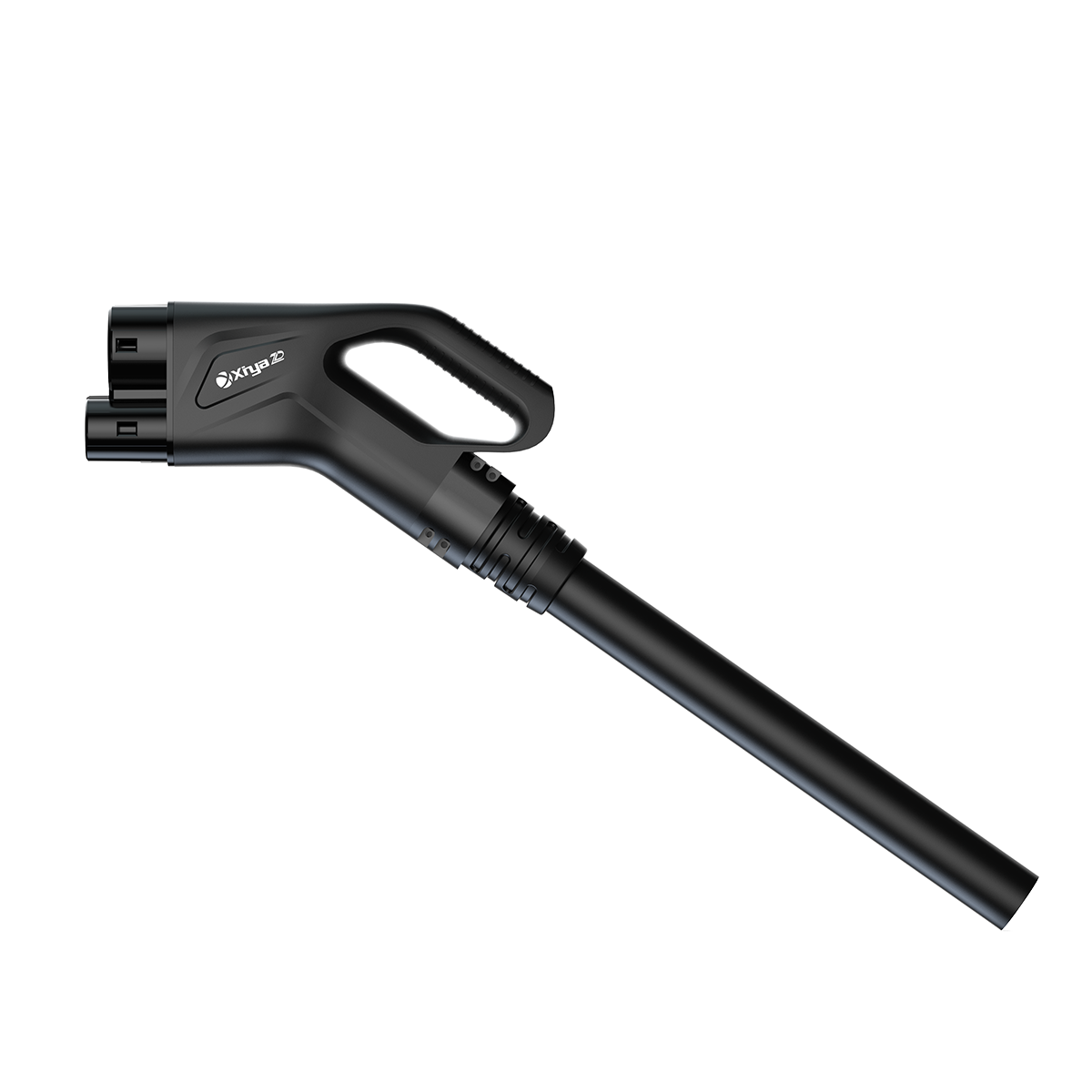
Public connectors experience repeated handling, bending, pulling, and exposure to rain or road contamination. Damaged pins, poor locking, cable strain, or an incorrectly stored connector can create intermittent sessions even when the main cabinet remains healthy.
Software and payment faults
OCPP 2.0.1 can support device management, diagnostics, transaction handling, and improved interoperability, but the protocol does not guarantee a reliable network. Operators must still monitor SIM connectivity, certificates, firmware compatibility, payment authorization, and backend response times.
Why Maintenance and Service Response Matter
Operators should also report completed sessions and failed starts alongside availability. A connector counted as online can still frustrate drivers if payment, authorization, cable locking or vehicle communication repeatedly prevents a session from starting.
Reliability is shaped by how quickly a problem is detected, diagnosed, repaired, and verified. A charger that fails once every six months may still be commercially acceptable if the operator restores it within two hours; the same fault becomes expensive when spare parts take three weeks to arrive.
A practical service framework should include:
- Remote health checks at regular intervals
- Automatic alerts for insulation, temperature, leakage, and communication errors
- Connector and cable inspection schedules
- Documented cleaning and filter-replacement intervals
- Local or regional spare-parts inventory
- Defined response and restoration targets
- Post-repair functional testing
The total cost to install a Borne de recharge publique pour VE includes civil works, grid connection, switchgear, communications, payment systems, commissioning, maintenance access, and future service—not simply the charger cabinet. A lower purchase price can become a higher TCO if the selected design is difficult to access or requires overseas replacement parts for common failures.
Major Public Networks and Hub Design Lessons
Major networks such as ChargePoint, Tesla Supercharger, IONITY, Shell Recharge, and BP Pulse illustrate different operating models across destination, urban, fleet, and motorway locations. Their names should not be treated as a universal ranking; the more useful comparison is how each network manages:
- Site selection and grid capacity
- Charging speed and connector mix
- Payment and roaming interoperability
- Remote monitoring and customer support
- Preventive maintenance and spare parts
- Network redundancy and peak-load management
For a hub with ten connectors, operators should model partial failure rather than only total failure. If one 240 kW dispenser is offline but the remaining units can continue serving drivers, the site has operational resilience. If a shared power cabinet disables every connector when one module fails, the apparent charger count may overstate real capacity.
Public EV Charging Station Reliability by Region
| Market or application | Primary reliability risks | Recommended operator focus |
|---|---|---|
| Hong Kong | Limited land, high utilization, shared parking, and access restrictions | Compact design, remote diagnostics, clear user instructions, and fast maintenance access |
| Mainland China | Large-scale deployment, varied site quality, connector utilization, and regional operating practices | Standardized commissioning, data visibility, spare-parts planning, and compatible communication systems |
| Florida and coastal US markets | Heat, humidity, salt air, thunderstorms, flooding, and hurricane exposure | Environmental qualification, drainage, surge protection, corrosion control, and elevated equipment placement |
| India’s major cities | Rapid demand growth, variable grid conditions, heat, dust, and inconsistent maintenance access | Site-specific power studies, thermal design, service coverage, and transparent uptime reporting |
| European motorway hubs | High turnover, cold-weather operation, payment interoperability, and heavy cable handling | Redundant power architecture, connector durability, heating strategy, and 24/7 support |
Standards and Compliance Requirements
Relevant standards and regulatory references include:
- IEC 61851-1: General requirements for conductive charging systems.
- IEC 61851-23 and IEC 61851-24: Requirements relevant to DC charging systems and communication.
- IEC 60364-7-722: Electrical installation requirements for EV supplies.
- IEC 60529: Enclosure ingress-protection classification.
- UL 2594: AC EV supply equipment in applicable North American projects.
- UL 2202: DC charging equipment in applicable North American projects.
- SAE J1772: Relevant vehicle-coupler and conductive charging requirements in North America.
- ISO 15118: Vehicle-to-grid communication and related smart-charging functions.
- GB/T 20234: Charging connectors and interfaces for applicable Chinese-market equipment.
- OCPP 2.0.1: Charging-station communication and management interoperability.
CE marking and CCC marking should be understood as market-conformity requirements, not automatic proof that every product has independent third-party certification. Operators should request model-specific test reports, certificates, installation instructions, environmental limits, and software-support commitments.
Non-compliance may result in failed inspections, delayed commissioning, warranty disputes, insurance problems, unsafe operation, rejected tenders, or expensive network-wide retrofits.
Electric Car Charging Stations In Florida
Florida is rapidly expanding its electric car charging infrastructure to support the growing adoption of EVs across the state. From major cities like Miami, Orlando, Tampa, and Jacksonville to popular travel routes and coastal destinations, public EV charging stations are becoming increasingly accessible for daily commuters, tourists, and long-distance drivers. Many charging locations are installed at shopping centers, hotels, parking garages, workplaces, airports, and highway service areas, offering convenient options for both Level 2 charging and DC fast charging. With Florida’s strong focus on clean transportation and sustainable mobility, the state continues to improve charging coverage, making electric vehicle travel more practical and reliable.
City With Highest Number Of Public Ev Charging Stations India
In India, major metropolitan cities are leading the development of public EV charging infrastructure, with Delhi often recognized as one of the cities with the highest number of public EV charging stations. Supported by government policies, private charging operators, and growing demand for electric mobility, Delhi has built an expanding network of charging points across residential areas, commercial districts, metro stations, parking facilities, malls, and public transport hubs. This dense charging network helps support electric cars, two-wheelers, three-wheelers, and fleet vehicles, making the city an important model for EV infrastructure development in India. As EV adoption continues to rise, cities like Delhi, Bengaluru, Mumbai, and Hyderabad are expected to further accelerate public charging deployment.
How to Select a Reliable Public Charger
We recommend that CPOs and project teams use the following checklist:
- Define the uptime target. State whether the target applies to each connector, each site, or the entire network.
- Match power to dwell time. Choose AC destination charging, DC fast charging, or high-power charging according to actual customer behavior.
- Assess the site environment. Review heat, dust, rain, salt, flooding, snow, vandalism, and cleaning methods.
- Evaluate serviceability. Confirm access to filters, fans, contactors, power modules, connectors, and control boards.
- Request evidence before purchase. Review certification scope, test conditions, MTTR assumptions, warranty terms, firmware support, and spare-parts availability.
XYDF manufactures DC fast-charging equipment for commercial and public applications. Buyers should verify the exact model’s output range, environmental limits, connector configuration, communication compatibility, protection design, and target-market documentation rather than relying on a general product-family statement.
Foire aux questions
Are there free EV charging stations?
Some workplaces, hotels, retailers, municipalities, and promotional networks offer free charging, but “free” usually refers to the energy price rather than the complete service. Access may require a parking fee, membership, purchase, or time limit. Free charging can still be unreliable if the site is poorly maintained or heavily congested.
Where can I charge my EV in Hong Kong?
Drivers can typically use chargers in public car parks, shopping centers, hotels, workplaces, residential developments, and dedicated charging hubs. Availability changes by operator and time of day, so drivers should check current network apps or official maps before traveling; a listed location should not automatically be assumed to have an available connector.
Does China have good EV charging infrastructure?
China has one of the world’s largest EV charging deployments, but infrastructure quality varies by region, operator, site age, connector availability, and maintenance practice. The useful question is not only how many chargers exist, but how many are available, compatible, conveniently located, and capable of completing a session.
Which country has the best EV charging infrastructure?
There is no single answer because rankings change according to the metric used—total chargers, chargers per EV, charging power, geographic coverage, uptime, price, or roaming access. A country with many installed connectors may still provide a weaker user experience if reliability, payment compatibility, or maintenance response is poor.
Références
- International Energy Agency — Global EV Outlook 2025
- IEC 61851-1 — Electric Vehicle Conductive Charging System
- IEC 60364-7-722:2018 — Supplies for Electric Vehicles
- NFPA 70 — Code national électrique
- Open Charge Alliance — OCPP 2.0.1
In public charging, reliability is the product customers actually experience; a high-power charger that is unavailable is not faster than a lower-power charger that works.
XYDF builds charging equipment for that operating reality—when uptime, serviceability, power quality, and customer trust must work together. Project teams can review XYDF’s charging product range and learn more about its manufacturing capabilities before discussing site conditions, charging speeds, network architecture, and market-specific compliance.