How to Set Reservation and Overstay Rules for Commercial EV Charging
Août 09,2026
Blog
Reservation and overstay rules determine whether a commercial charging site can share limited bays fairly during busy periods. A booking, an arriving vehicle, an authorized session, a connected vehicle, and an occupied parking space are separate events, so one generic timeout creates avoidable disputes. This guide sets out a policy model that operators can test against dwell time, accessibility needs, payment records, bay status, grace periods, and escalation before configuring software or publishing a fee.
The short answer is to define the event that starts and ends each clock. A reservation should have an arrival window, a release rule, a grace period, and a clear status when the vehicle is plugged in but not charging. Overstay action should use verified bay and session data, publish the fee or escalation in advance, and include an exception path for accessibility, safety, and charger faults.
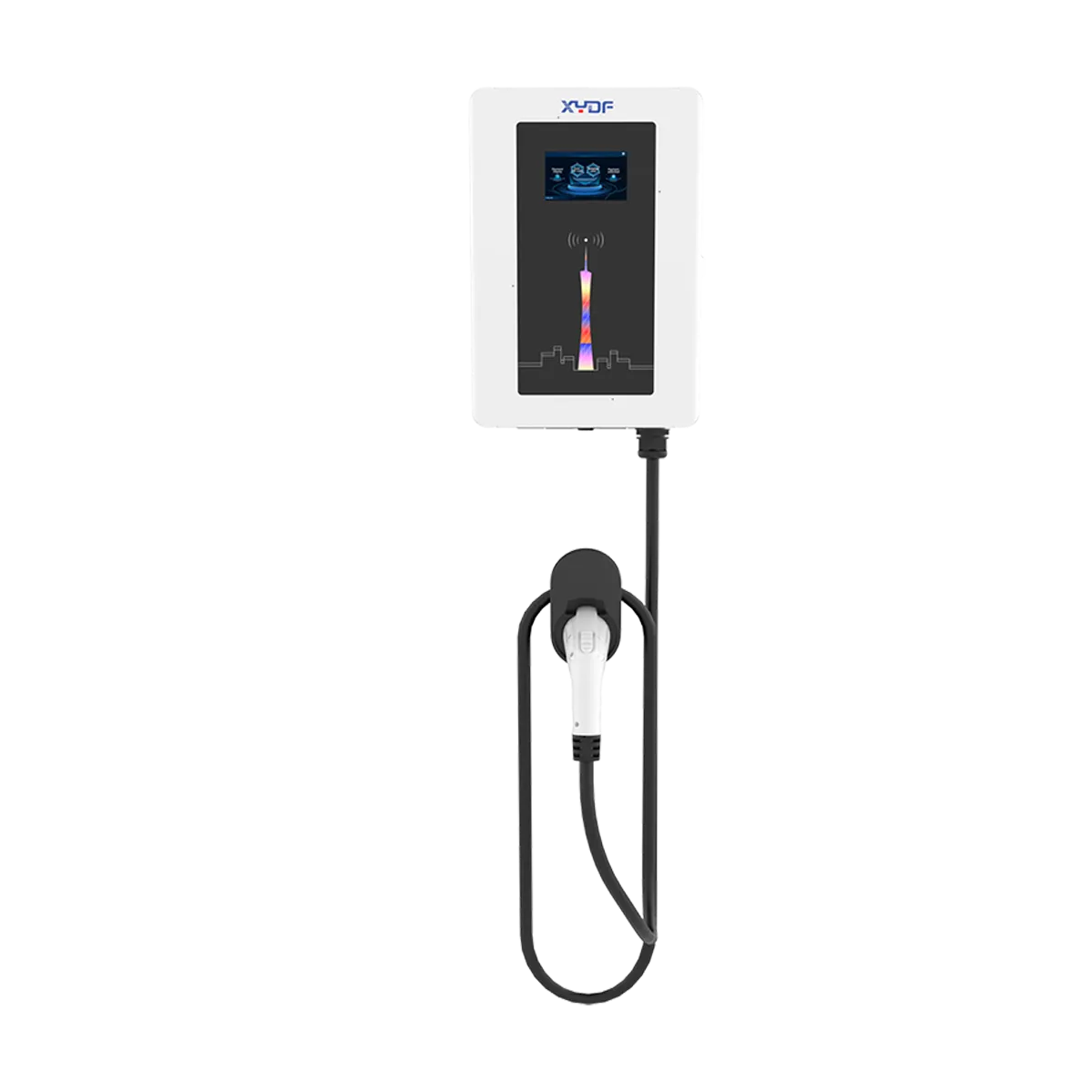
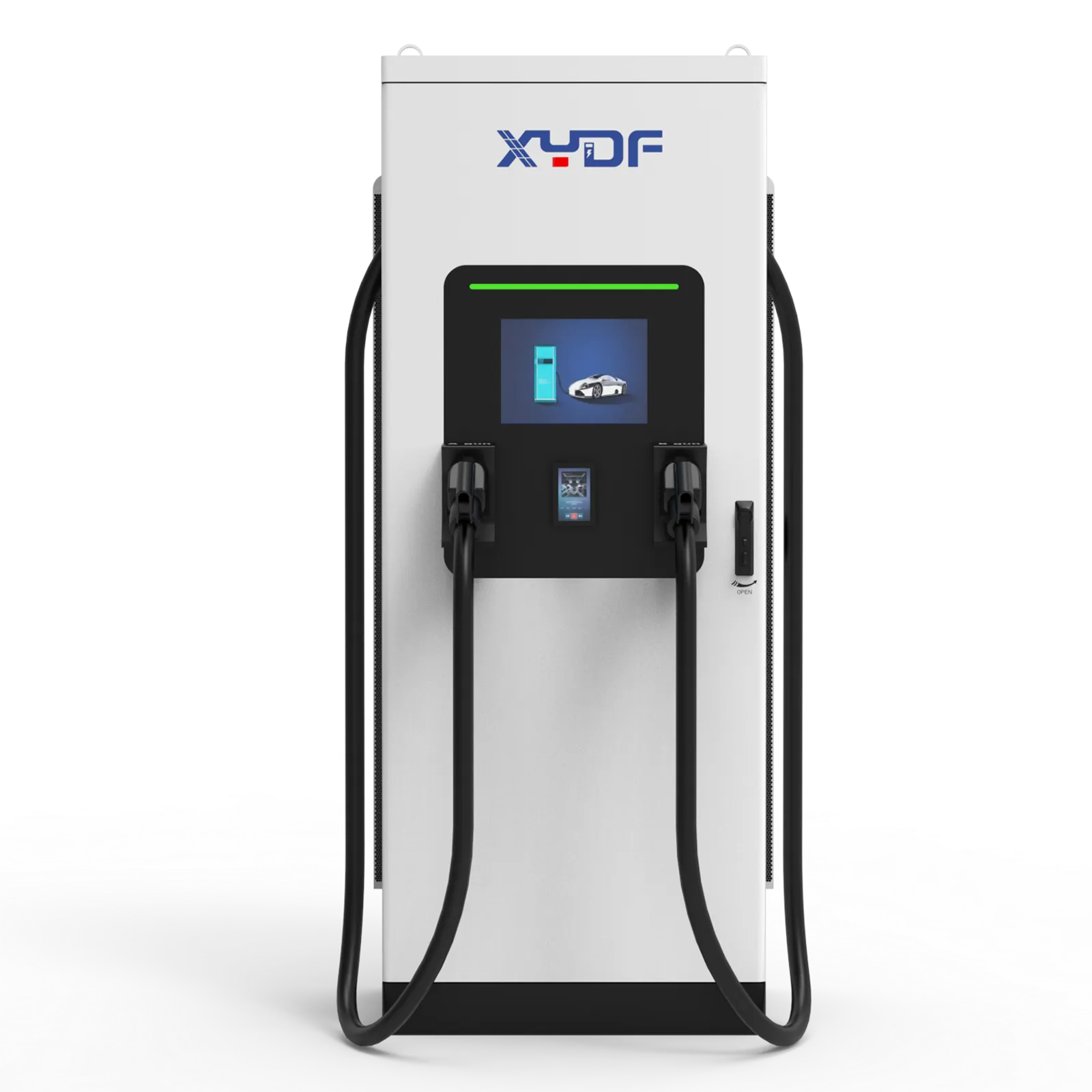
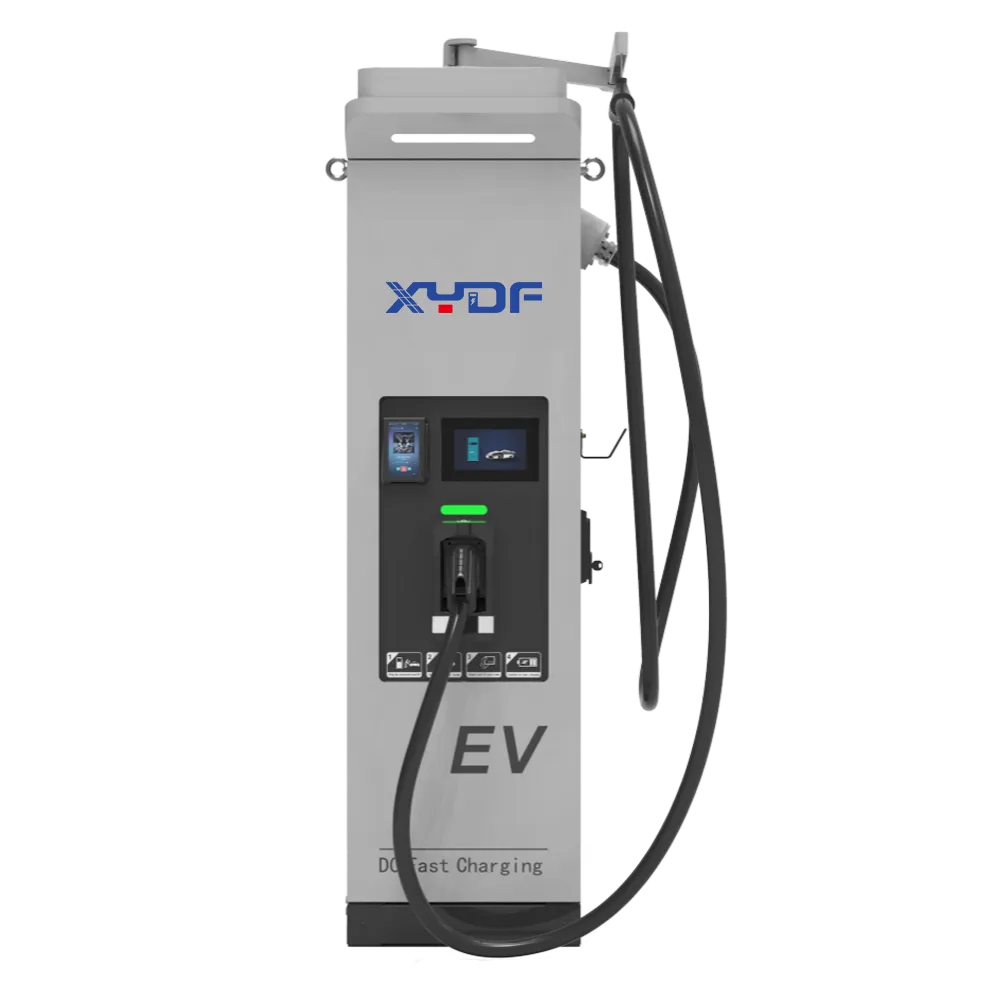
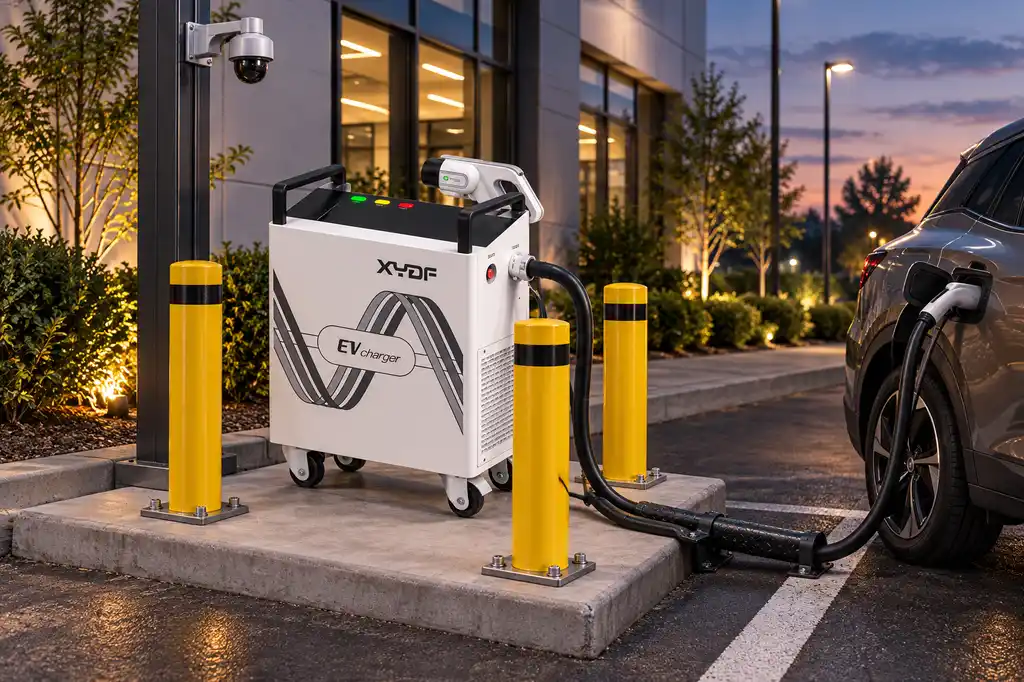
Equipment context only; the image does not demonstrate a reservation, queue, or overstay feature.
When does a commercial site need reservations or a queue policy?
The need appears when more than one user can reasonably need the same limited bay within a defined period. That can occur at a workplace return time, a hotel arrival peak, a managed visitor site, or a fleet departure window. The question is not whether a site can create a booking, but whether it has a documented rule for allocating a constrained service.
Start with the operational objective. A fleet may protect vehicle readiness; a workplace may balance employee access; a hotel may coordinate guest expectations; and a visitor site may need a fair first-come process. The Alternative Fuels Data Center guidance supports beginning with actual vehicle and site use requirements.
Which rules should a reservation policy define?
Write the commercial charging overstay rules as a sequence of observable events. Define the eligible user, booking window, arrival point, grace period, session-start condition, release event, and exception owner. A vague statement that a driver “loses the reservation” is not operationally useful until each event has a source and an owner.
Policy event
Decision to define
Evidence or owner to confirm
Eligibility
Who may reserve a bay or queue position?
Site policy and access owner
Arrival
What indicates that the driver reached the site or bay?
Approved site workflow
Grace period
How long is held capacity protected?
Operating objective and local review
Session start
What shows the planned charge actually began?
Configuration-specific session record
Release
When can the next user receive the bay?
Policy owner and communication route
Exception
Who resolves vehicle, user, or equipment conflicts?
Overstay must be a policy term, not a visual assumption; preserve session-state records that show the transition from booking to connection, energy transfer, completion, and release. A vehicle may still be receiving useful energy, may be connected after the intended session is complete, or may simply be occupying a bay without a session. These conditions should not automatically lead to the same response.
Use separate timestamps for reservation start, arrival, authorization, plug-in, energy delivery, stop, unplug, and bay release. A policy can then distinguish a no-show, a connected-but-not-charging vehicle, a completed session left in the bay, and a charger fault. This is more defensible than starting a fee from the booking time, and it gives customer service a record for exceptions instead of relying on a driver’s memory.
Use project-approved records to distinguish them. The site should identify which source, if any, establishes session status; which source establishes bay occupancy; what happens during lost connectivity; and who can override an automated interpretation. The MID metering settlement guide explains why a meter reading alone is not a complete commercial record.
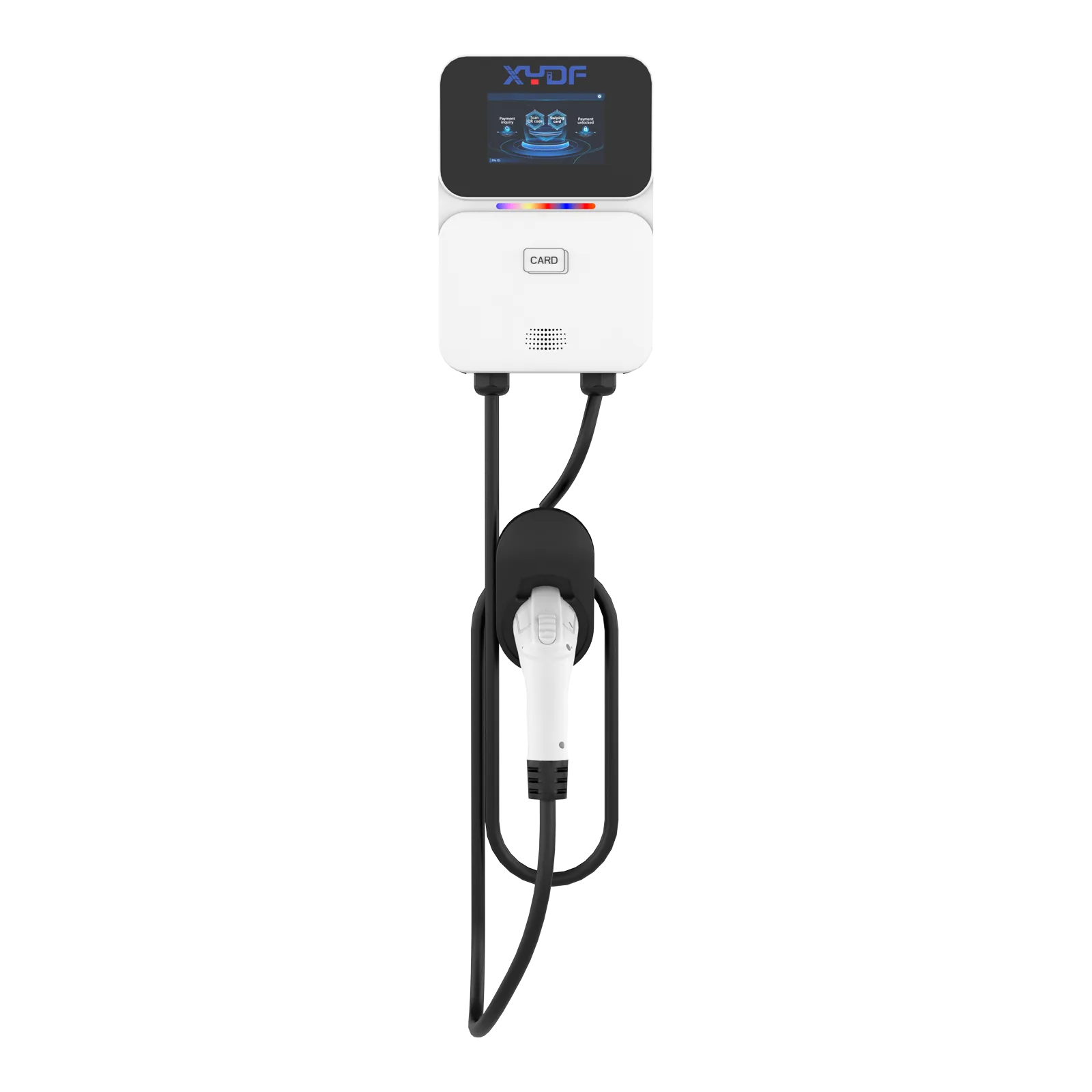
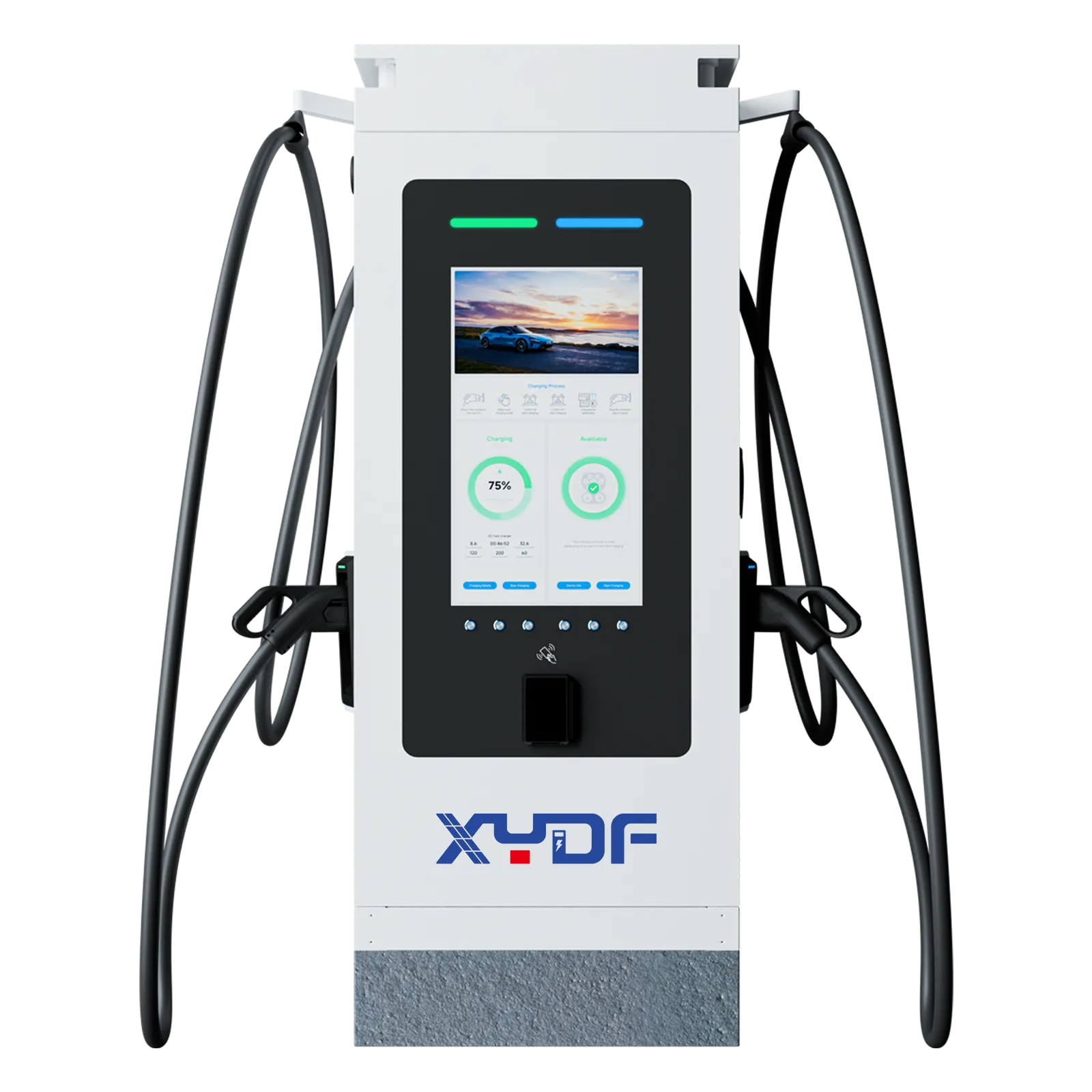
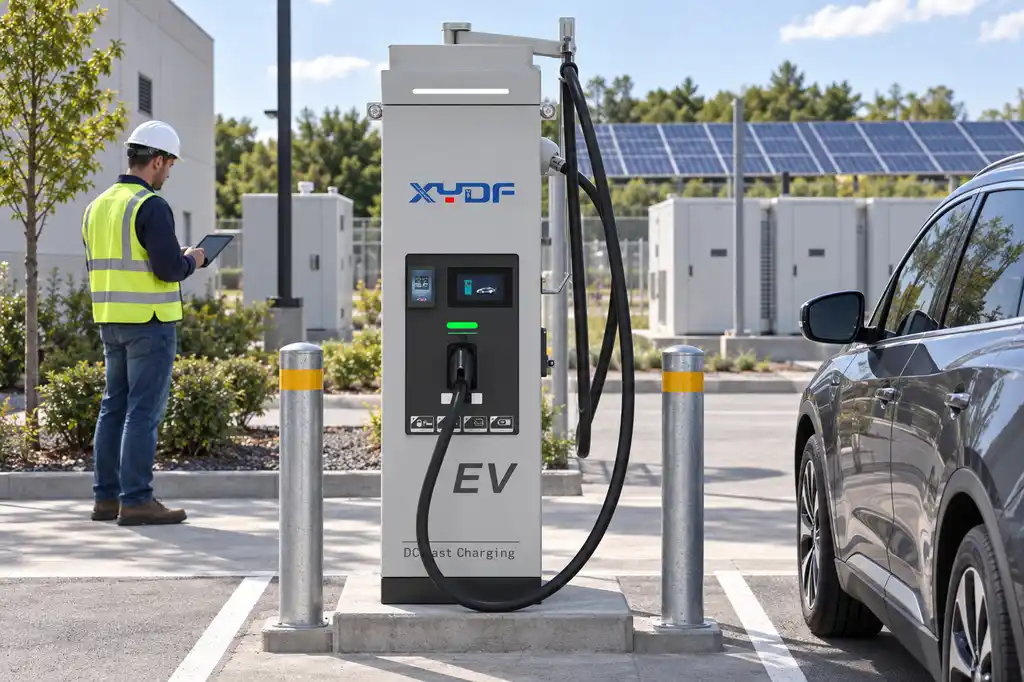
Equipment context only; confirm the actual site’s session and occupancy evidence before applying a policy.
Important: Do not announce a fee, restriction, or automatic release rule before the destination-market review and the evidence path are confirmed. The UK Government public-chargepoint guidance illustrates that consumer-facing obligations are market-specific; apply the relevant requirements to the actual service model.
How should the policy vary by user group?
Use the same vocabulary but not necessarily the same priority. A depot may protect a vehicle with a scheduled departure, while a hotel may need guest communication and a workplace may need equitable repeated access. A public visitor flow can require a clearly visible exception channel because the driver may have no prior site knowledge.
Groupe d'utilisateurs
Primary policy objective
Boundary to confirm
Flotte
Readiness for the next duty window
Dispatch authority and vehicle priority
Workplace
Fair recurring access
Eligibility and employee-policy review
Hotel or tenant
Clear expectation and support path
Guest/tenant workflow and local commercial rule
Visitor charging
Transparent arrival and exception communication
Market, pricing, and consumer requirements
Avoid copying a fleet priority rule to a visitor site; define fleet charging access rules separately from public fairness and accessibility requirements. The commercial model sets the rule; a charger category does not.
What should happen when a planned session changes?
Plan exceptions before they become disputes. A driver may arrive late, an authorized user may connect to the wrong bay, an equipment issue may stop a session, or a higher-priority vehicle may need a documented override. Each scenario needs a message owner, an alternate action, and a record of who changed the normal rule.
Review the exception log regularly. If OCPP or another backend interface is used, map reservation, remote-start, stop, connector-status, and offline events to the policy states, and retain the event sequence needed to investigate a dispute. Repeated no-shows can indicate an unrealistic grace period; repeated disputes can show that the arrival evidence is unclear; and repeated queue abandonment can reveal a capacity or communication issue rather than a driver-behavior problem.
Before automating a fee or release action, replay the policy against at least one normal booking, no-show, late arrival, offline session, wrong-bay connection, and equipment interruption. Compare the expected state transition with the records the proposed platform actually produces. This test exposes missing timestamps and ownership gaps before a real customer has to contest a decision.
What should buyers include in a reservation-policy RFQ?
Define the service rule before discussing equipment. Long-dwell sites may begin with the Gamma de chargeurs AC, while shorter-turnover projects may review the Catégorie des chargeurs rapides DC. Neither link declares that the proposed products include reservations, queues, notifications, payment, or overstay enforcement.
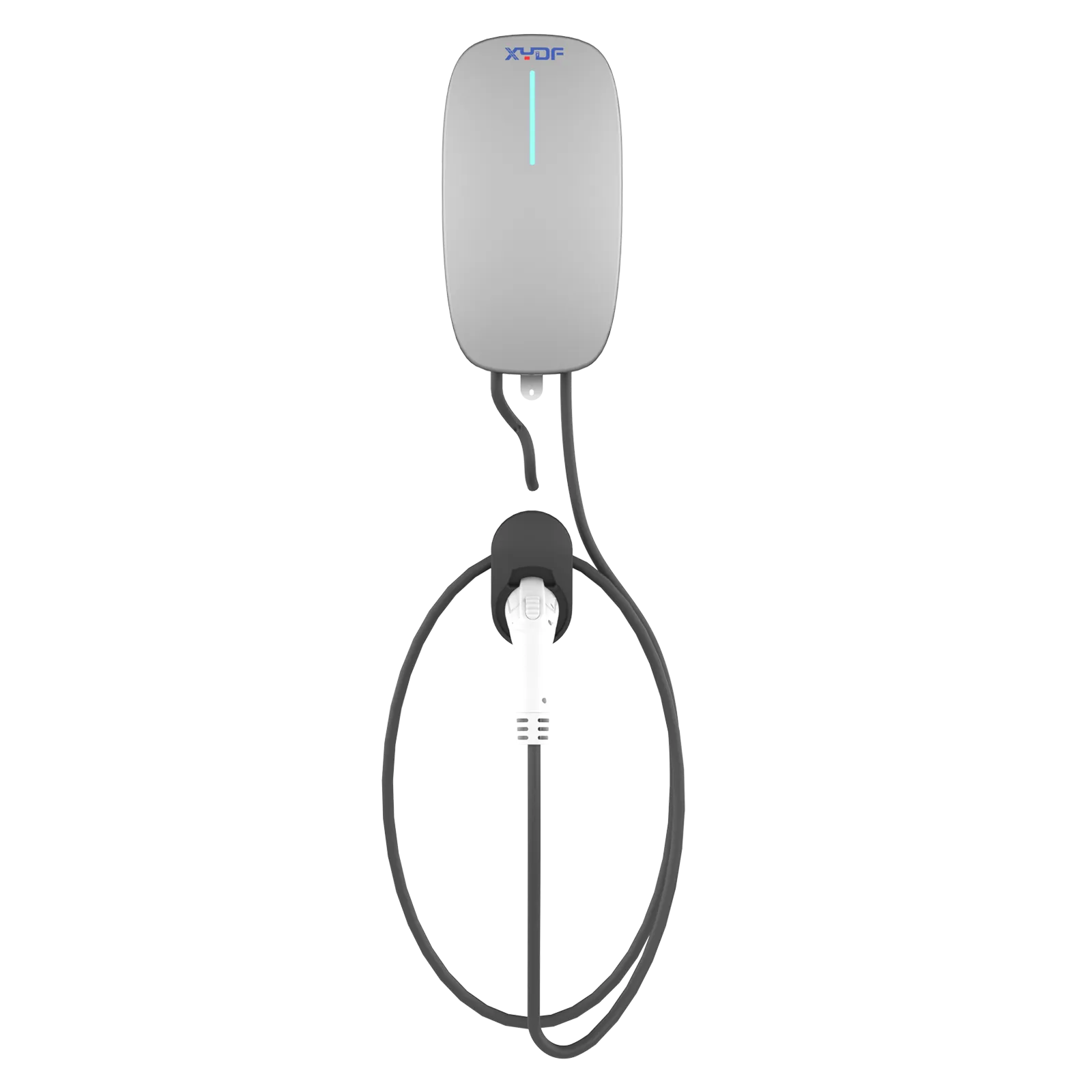
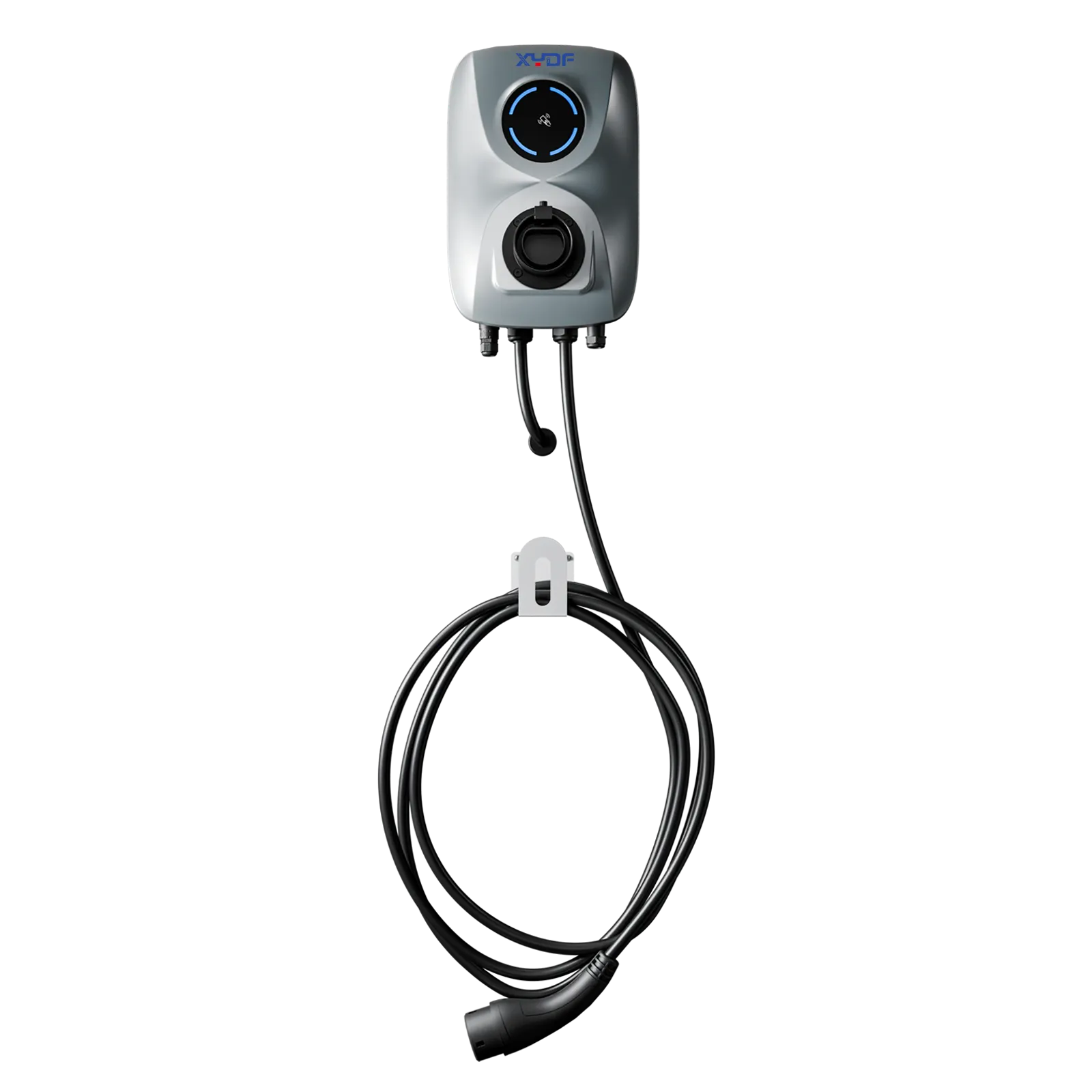
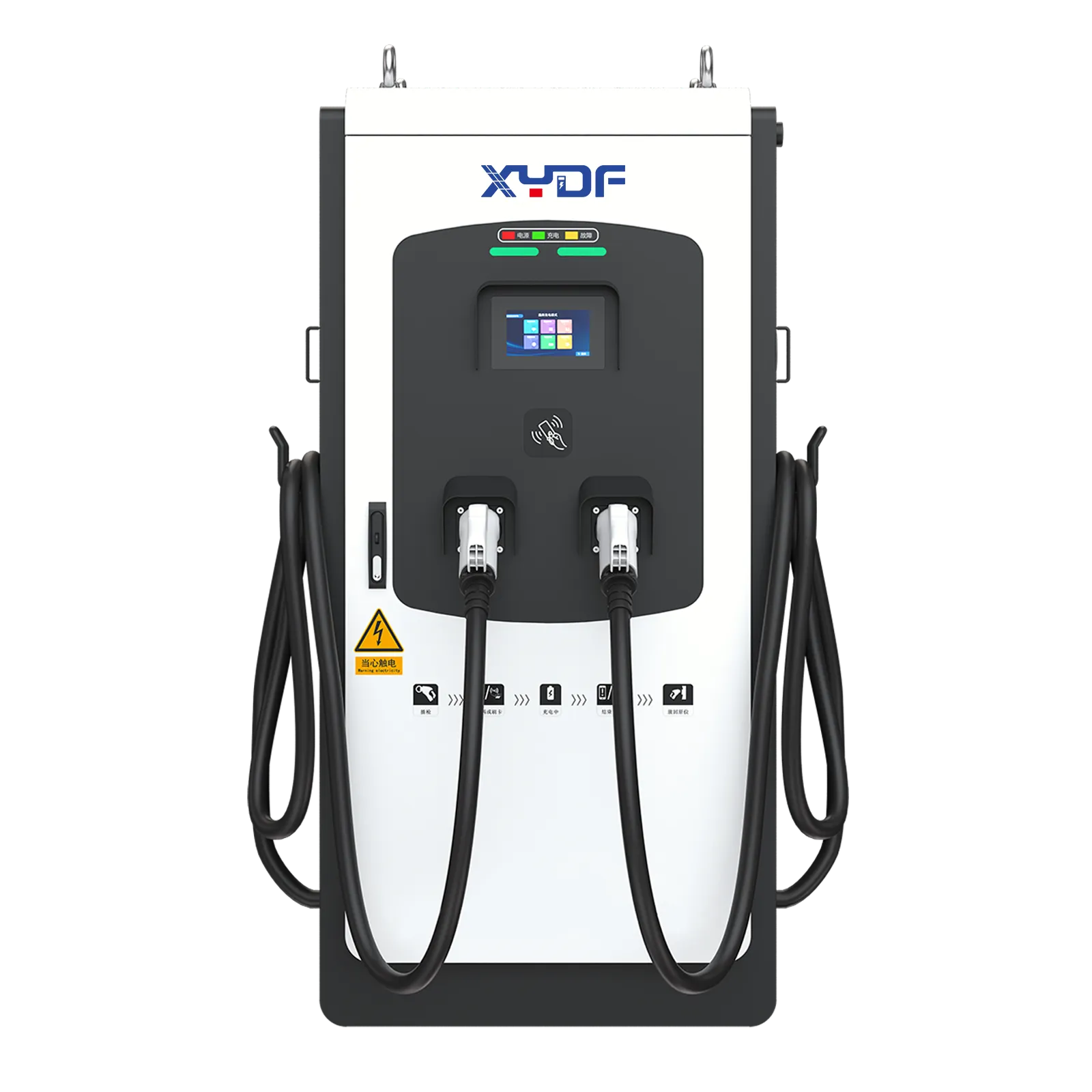
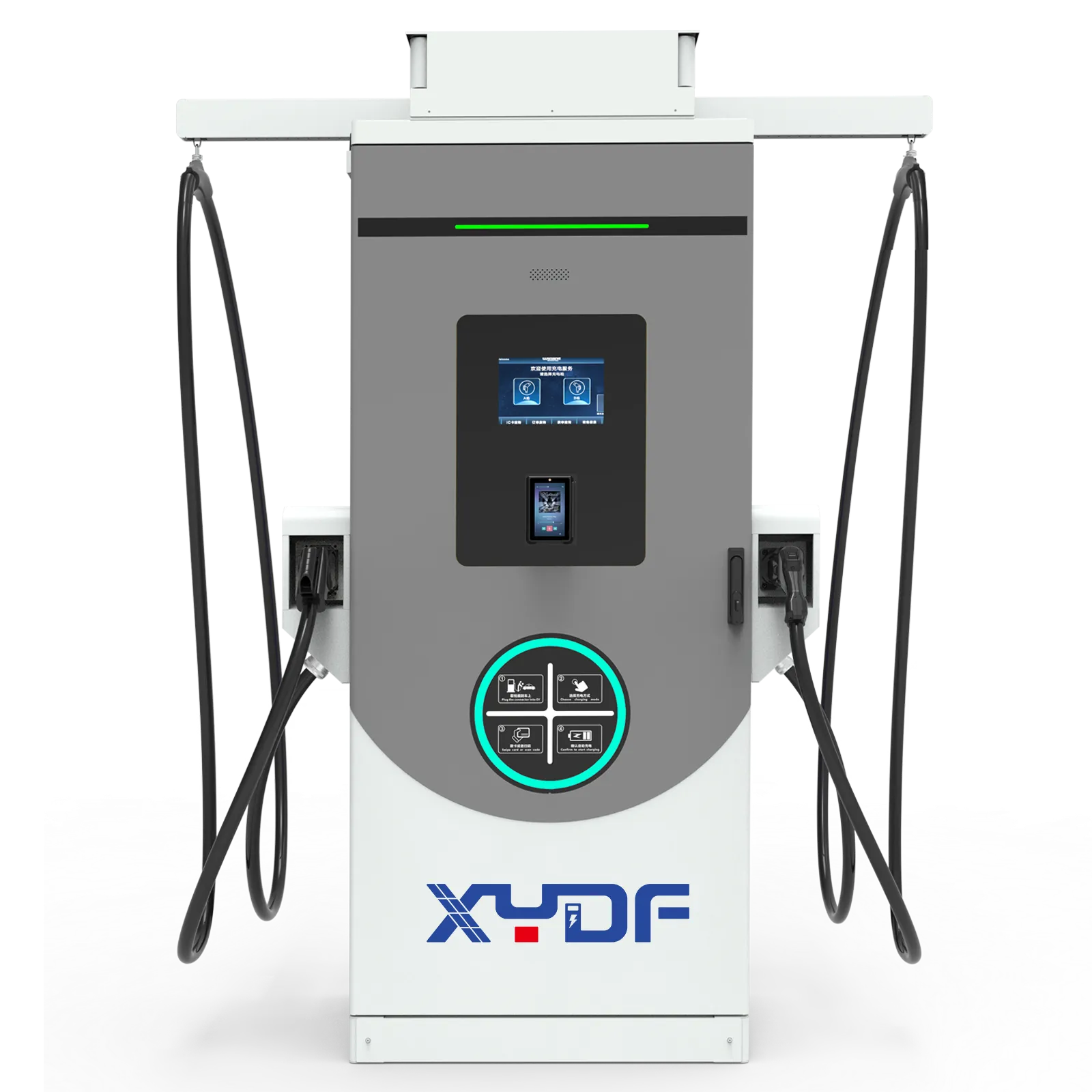
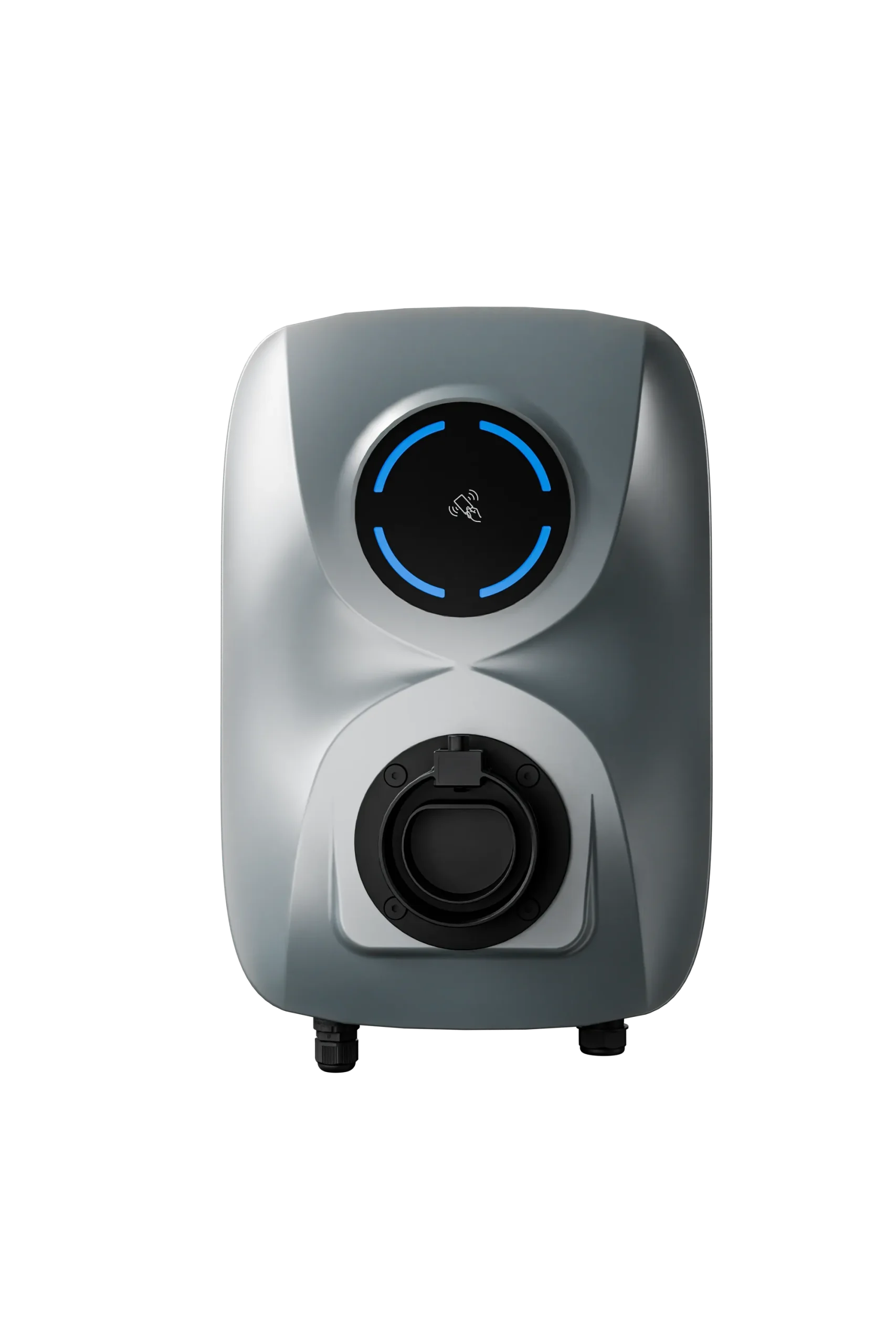
Product-route illustration only; verify the proposed configuration against the project’s workflow requirements.
L'acheteur doit fournir
Pourquoi c'est important
Erreur courante
User groups and priority order
Defines an allocation rule
Treating every user as identical
Arrival, grace, release, and exception rules
Makes the policy testable
Announcing a booking without a release condition
Required session and occupancy evidence
Defines what can support a decision
Assuming a connector state proves bay occupancy
Market and commercial review needs
Frames any customer-facing terms
Copying a fee or restriction from another market
Dwell time, vehicle needs, and charger route
Frames product discussion
Inferring platform capability from charger power
For a commercial project discussion, send XYDF the site type, user groups, duty windows, charger route, connector requirements, and required operating workflow. Confirm all policy, market, and system details against the final project configuration.
Questions operators ask about reservations and overstays
When should a commercial charging site use reservations?
Use them when a limited set of bays must be allocated against a known operating need; first define the objective and evidence path.
What happens when a driver does not arrive for a booking?
The policy should state the grace period, release event, communication path, and exception owner before the service begins.
How should a site define overstay?
Separate useful charging, a connected but completed session, and simple parking occupancy. Confirm the data source and local rule for each.
Are queue rules different for fleets and visitors?
Usually. Fleet readiness may follow duty windows, while visitor access may require a transparent arrival and exception process.
How can a site avoid blocking a needed vehicle?
Document priority, release, and override rules, then test the exceptions against realistic operating scenarios.
What evidence is needed before applying a charge or restriction?
Confirm the applicable market requirement and the project record that establishes session status, occupancy, identity, and any exception.
What should buyers include in a reservation-policy RFQ?
Include users, priorities, event definitions, records, commercial-review inputs, equipment route, and support expectations.
Usine du siège social du Zhejiang :
N° 2, route de Changjiang, parc industriel du pont de Wenzhou, ville de beibaixiang, ville de Yueqing, ville de Wenzhou, province du Zhejiang
Bureau de Shenzhen :
1er étage, Bâtiment A, Parc Industriel Shenkai, Communauté Tangtou, Sous-district de Shiyan, District de Bao'an, Shenzhen
Nous utilisons des cookies pour assurer le bon fonctionnement de ce site Web et, avec votre autorisation, pour mesurer la manière dont les visiteurs utilisent notre site de recharge pour VE. Voir notre Politique de confidentialité pour plus de détails.
 Xinya Dongfang Electricity Technology Co., Ltd.