 Xinya Dongfang Electricity Technology Co., Ltd.



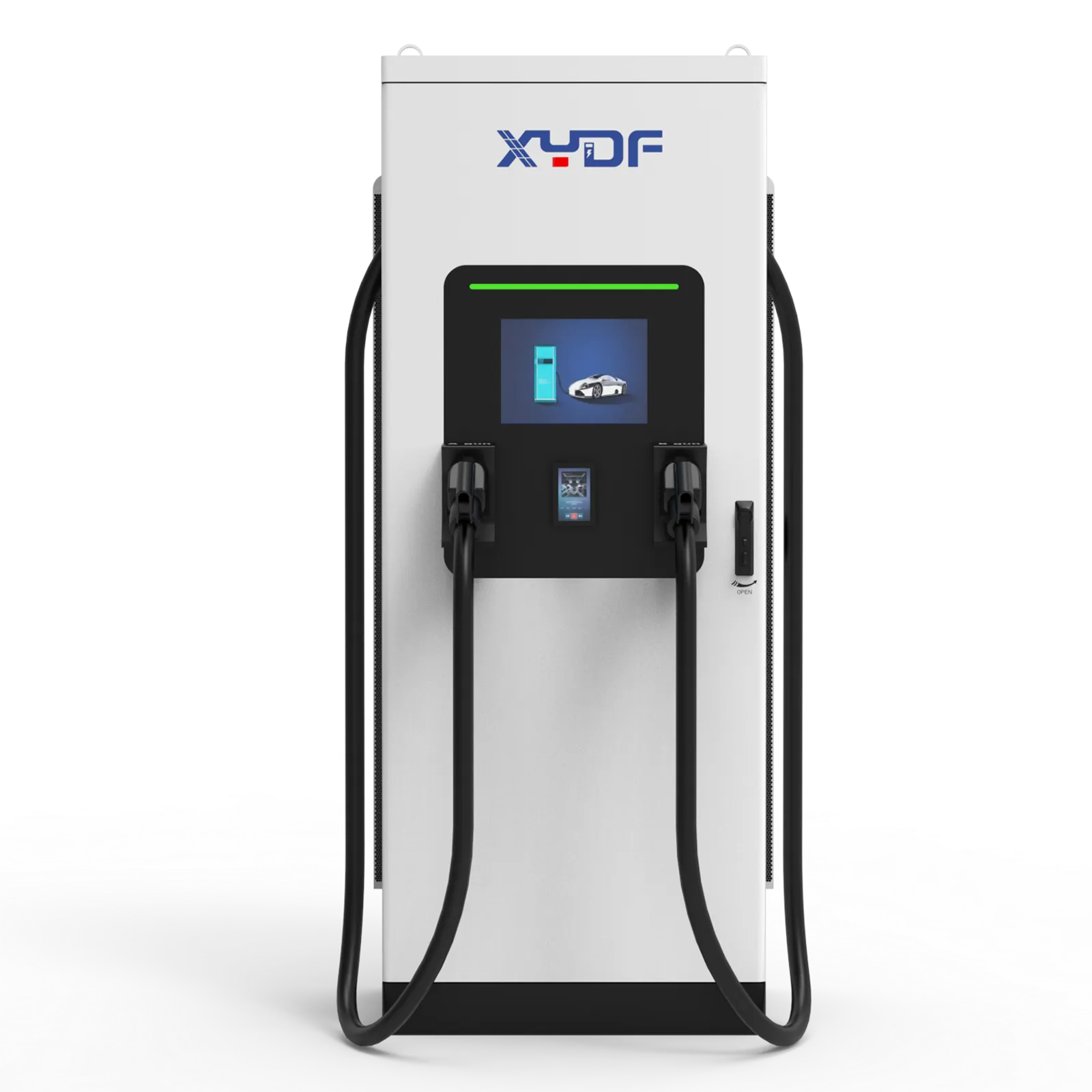
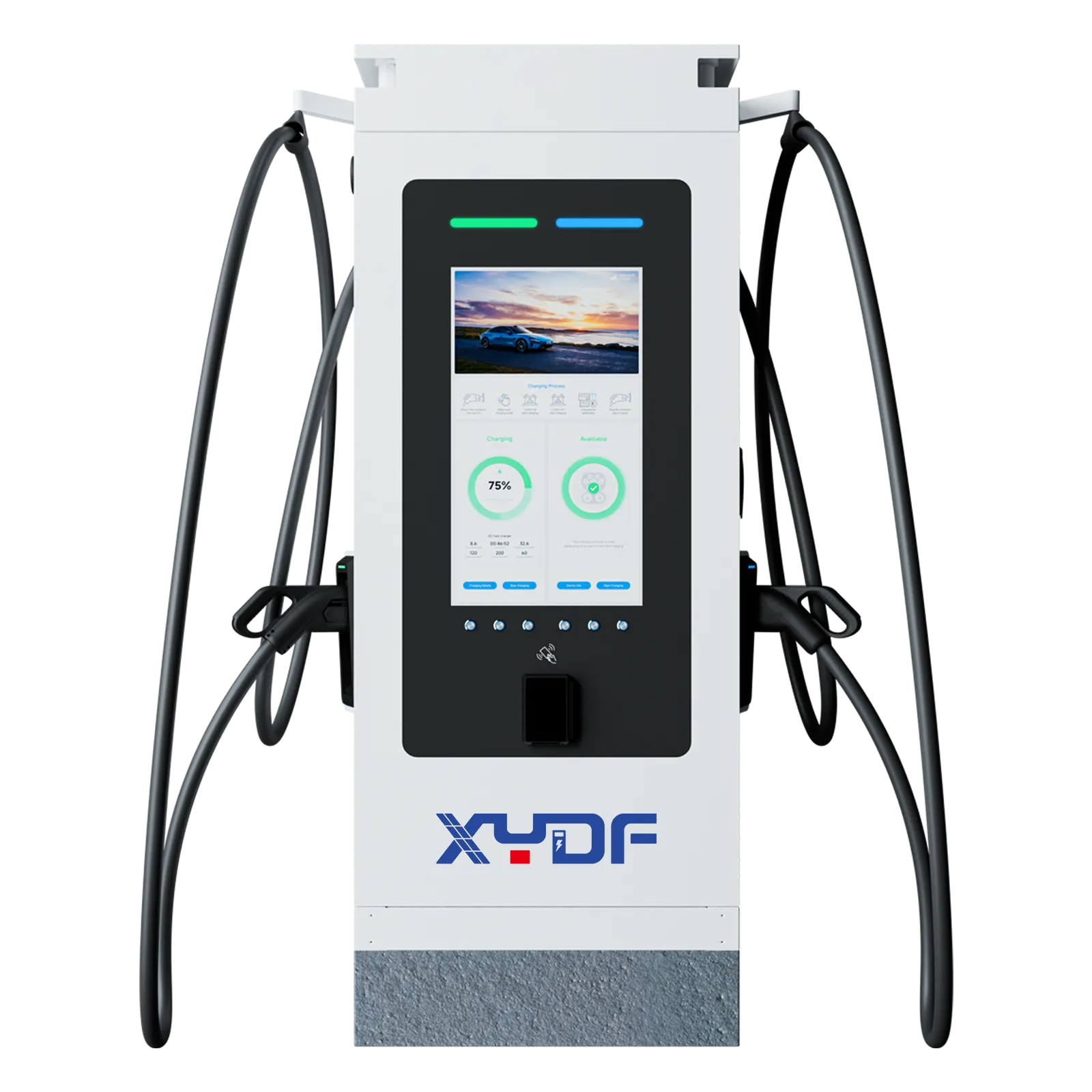
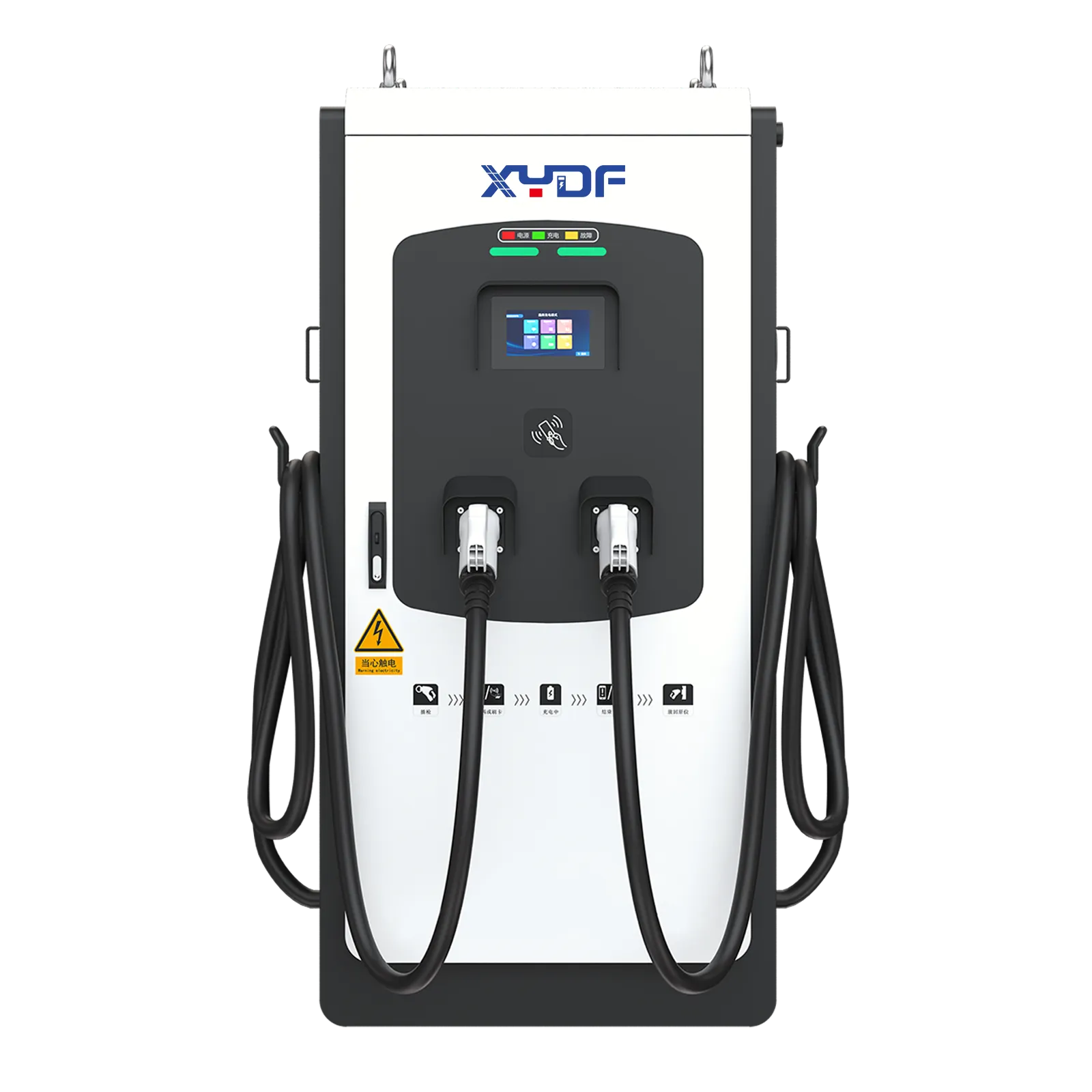
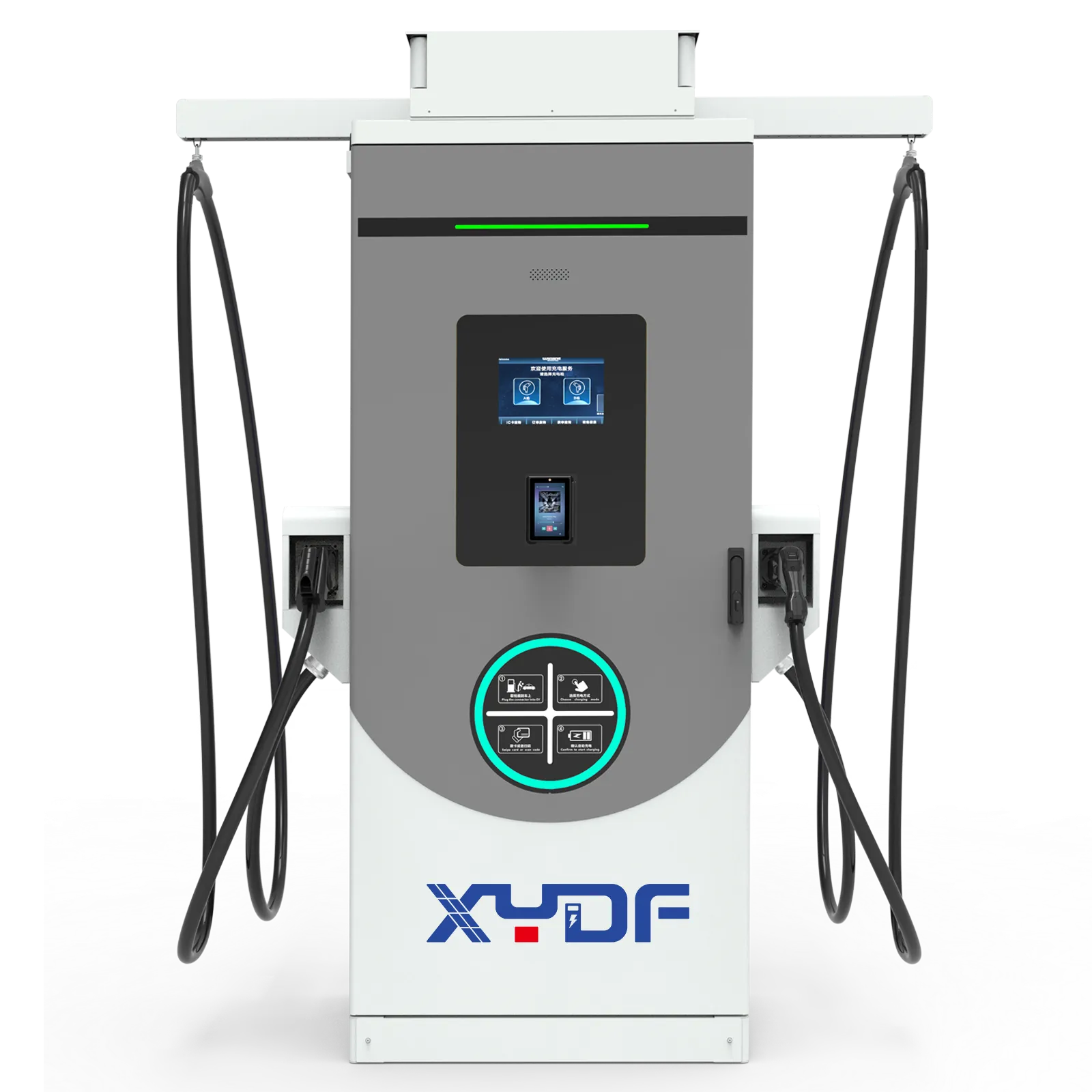
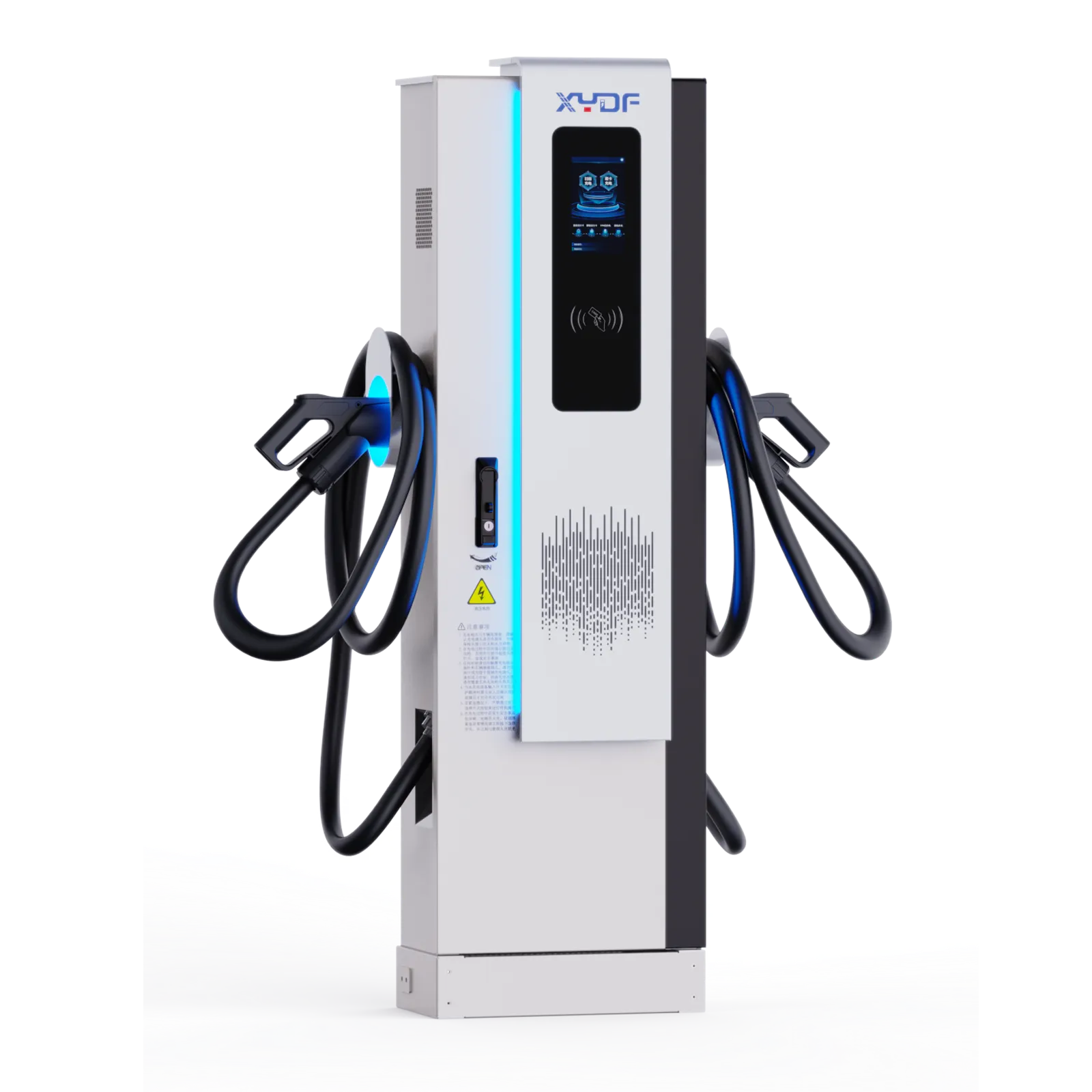
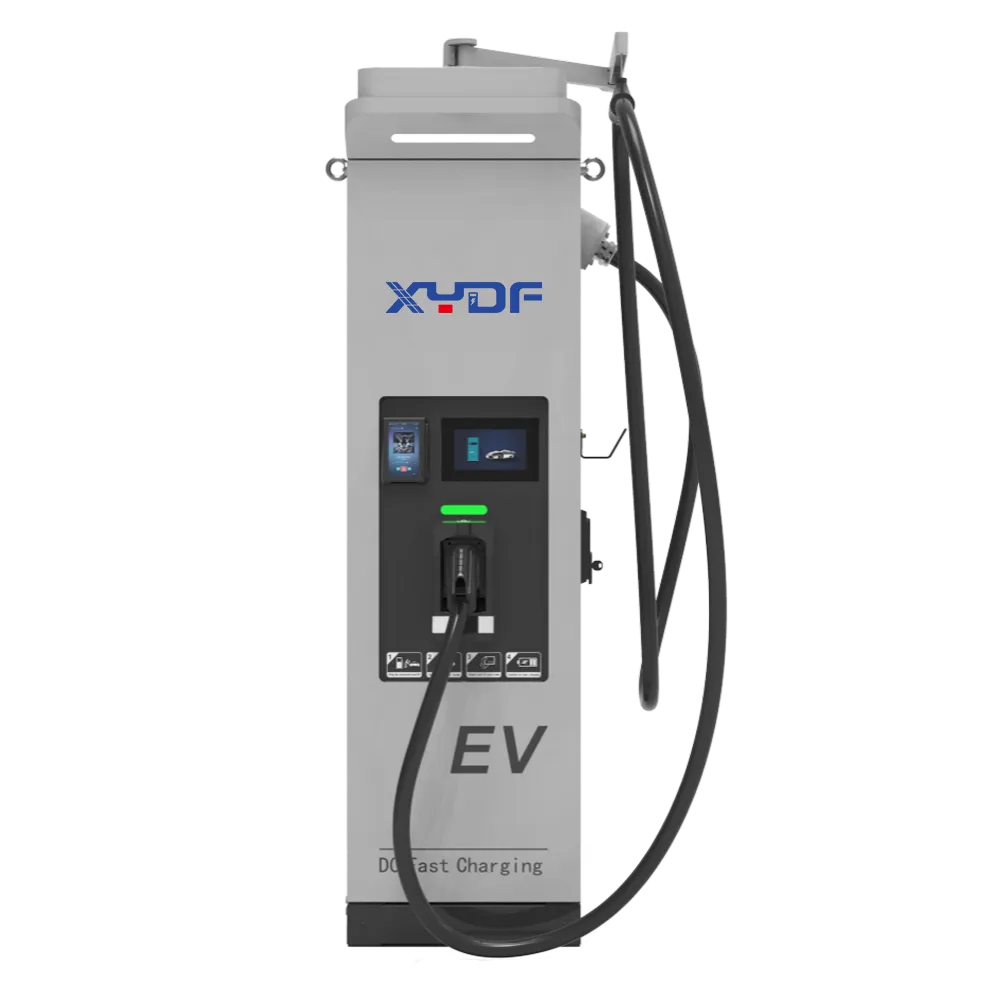
A charger appearing on a map does not mean that a usable connector is available now. Status feeds can be delayed, incomplete, aggregated at site level, or missing the timestamp needed to judge freshness. If an integration treats a location record as live availability, drivers may be directed toward a faulted connector, an occupied bay, or information that no longer matches the tariff or access rules. The procurement risk is choosing an API by coverage or documentation while overlooking who owns each field and how exceptions are represented. This article sets out a decision path for live-status integrations: define the required status granularity, verify update timing and ownership, handle unknown states explicitly, and test fallback behavior before release. The focus is dependable interpretation, not simply adding another map feed.
The practical conclusion is straightforward: choose an ev charging api by tracing each field to its owner, timestamp and permitted use. OCPP carries operational messages between a charge point and its charging-station management system (CSMS), while OCPI exchanges roaming and location information between parties such as a CPO and eMSP. Your application still needs a freshness policy, tariff model, authentication controls and a fallback when a source is silent.
What can an EV charging API tell your app or operations team?
An API is an agreed way to request structured records: site, EVSE, connector, status, power, access, tariff or fault data. A station-level “available” flag can hide a critical detail—one EVSE may have two connectors with different states.
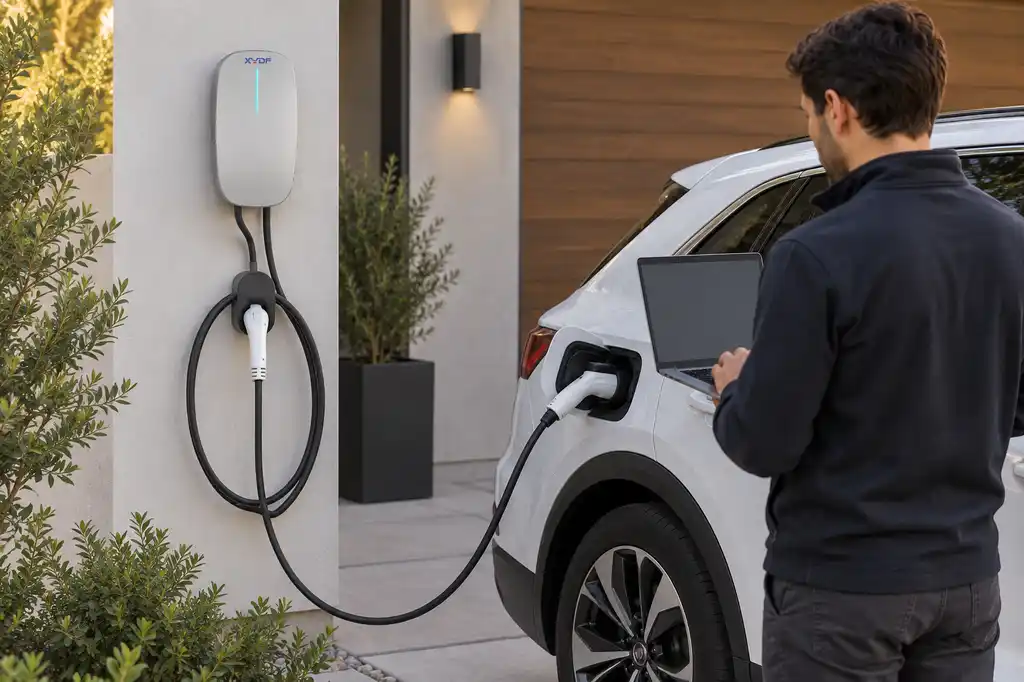
Separate where is it?, what can it do? et what is happening now? Store source, observed time, effective time (if supplied) and confidence for each volatile field.
Public mapping data is useful for discovery, but it is not automatically an operational truth source. Open Charge Map’s API documentation describes access to charging-location information; validate coverage, update behavior and terms before presenting it as live inventory. A Google Maps integration may help with map rendering or place discovery, but the phrase google maps ev charging stations api should not be treated as proof of a dedicated, unrestricted charger-status feed. Review the applicable Google Maps Platform terms, attribution rules and product-specific documentation.
How do OCPP and OCPI divide the work?
OCPP, maintained by the Open Charge Alliance, carries operations, meter values, status notifications and remote actions between a charge point and its CSMS. It is close to device truth, subject to connectivity and CSMS processing.
OCPI exchanges locations, EVSE/connectors, tariffs, sessions, CDRs and tokens between roaming participants. It does not replace OCPP: a CPO may receive a fault through OCPP, normalize it, then publish a later OCPI status.
This hand-off creates latency. Record last-seen time and treat stale data as “unknown” or “verify,” not available. Use webhooks for faults where offered; polling remains useful for reconciliation.
| Data path | Useful fields | Force | Risk to manage |
|---|---|---|---|
| Charger → CSMS (OCPP) | Status, meter values, alarms, remote-operation results | Closest to device telemetry | Connectivity gaps, firmware behavior and CSMS processing can delay events |
| CPO/eMSP exchange (OCPI) | Locations, EVSE/connectors, tariffs, sessions, CDRs | Interoperable roaming and commercial data | Partner mapping, update cadence and contract-specific fields |
| Public mapping API | Coordinates, place details, search and map context | Broad discovery and user-friendly maps | Licensing, attribution, coverage and non-live records |
| Operator-owned API | Private inventory, work orders, pricing rules, alerts | Authoritative for that operator’s estate | Access approval, schema changes and tenant isolation |
How should teams clean up status, connector and pricing data?
Use a canonical model that preserves source values. Map connector types to a controlled vocabulary, retain connector IDs, and separate maximum power from power currently delivered; “DC fast” alone is not enough for routing or procurement.
Tariffs can depend on energy, time, session, parking, reservation, membership or tax. Keep currency, unit, tax treatment, validity window and components. Connector-level pricing matters when EVSEs at one site differ; label display-only prices as indicative.
Compare event updates with snapshots, flag impossible transitions and alert when a price lacks an effective time.
Which API setup fits a CPO, fleet or mapping product?
The best choice depends on whether you own chargers, aggregate roaming data or only need discovery. best ev charging apis for real-time station monitoring is a requirements question, not a ranking.
| Primary need | Recommended pattern | Decision test |
|---|---|---|
| Operate an owned site | CSMS API plus OCPP event pipeline | Can the system expose connector-level state, timestamps and fault history? |
| Offer roaming in an eMSP app | OCPI locations, tariffs and sessions, with partner-specific validation | Are freshness, tariff components and commercial permissions explicit? |
| Help users find chargers | Licensed mapping/search API combined with verified operator feeds | Can you meet attribution, caching and display requirements? |
| Plan fleet routes privately | Operator-owned inventory joined to a routing service | Can the model distinguish private access, reservations and maintenance closures? |
Ask manufacturers or integrators for a versioned schema, sandbox credentials, error examples and change notices. XYDF can support equipment and documentation; the buyer should assign ownership for every API field and alert.
What should a secure, supportable integration include?
Apply NIST API security guidance: use scoped tokens, TLS, secret storage, rotation, audit logs and least privilege. Never place a privileged key in a mobile client. Read each provider’s rate limits, add exponential backoff, cache only where allowed and show a degraded state. Promise no uptime percentage without a written commitment.
Use this pre-launch checklist:
- Document source, owner, timestamp and freshness rule for every displayed field.
- Test connector status, tariff components, daylight-saving changes and partial outages.
- Confirm mapping licenses, attribution, permitted caching and data-retention limits.
- Verify webhook signatures or polling authentication, key rotation and incident contacts.
- Reconcile events against snapshots and keep an operator-visible audit trail.
Teams comparing an ev charging stations api should also review the equipment and cybersecurity context in this commercial EV charger cybersecurity RFQ guide and the practical roaming overview in EV charging roaming explained.
Common questions about EV charging APIs
What is an EV charging API?
It is a documented interface for charging data such as locations, EVSEs, connectors, tariffs, sessions or status. Check the source, scope and freshness.
Which API can provide live charger status and availability?
An operator or CSMS API backed by OCPP is usually closest to device state. OCPI can distribute roaming status, but latency depends on the CPO, eMSP and update process. Require timestamps and stale-data handling.
How do APIs return connector type, power and pricing data?
They expose EVSE/connector objects, capability fields and tariff components. Normalize them while retaining original values, currency, tax treatment and validity period.
Can Google Maps or Open Charge Map APIs show nearby EV chargers?
They can support discovery within documented products and terms. Neither should be assumed to be a real-time operational feed; combine mapping with verified operator data and show update time.
What are the rate limits and uptime requirements for a charging API?
There is no industry-wide quota or uptime promise. Read the provider’s plan and SLA, then design backoff, caching, monitoring and degraded mode around written limits.
How should operators secure API keys and prevent incorrect station data?
Store secrets server-side, scope and rotate them, use TLS, validate webhook signatures and log access. Use schema validation, timestamps and reconciliation tests; mark stale availability unknown.
Authoritative references
- Open Charge Alliance : Open Charge Point Protocol
- EVRoam/OCPI repository
- Open Charge Map API documentation
- Google Maps Platform Terms
- NIST API security guidance
An EV charging API is useful only when each value has a clear owner, timestamp, meaning, and fallback behavior. A live-status integration should therefore be selected in this order: define the required connector-level fields, confirm whether OCPP or OCPI supplies them, check freshness and tariff rules, secure credentials, and test unknown or stale states before drivers rely on the result. Coverage alone does not prove availability, and a location record cannot substitute for a current connector state. The integration should also document licensing, rate limits, webhooks, reconciliation, and the response when an operator feed is silent. For teams matching software data to physical equipment, the XYDF EV charging products can be reviewed against the connector, monitoring, and deployment requirements before an API contract is finalized.