 Xinya Dongfang Electricity Technology Co., Ltd.


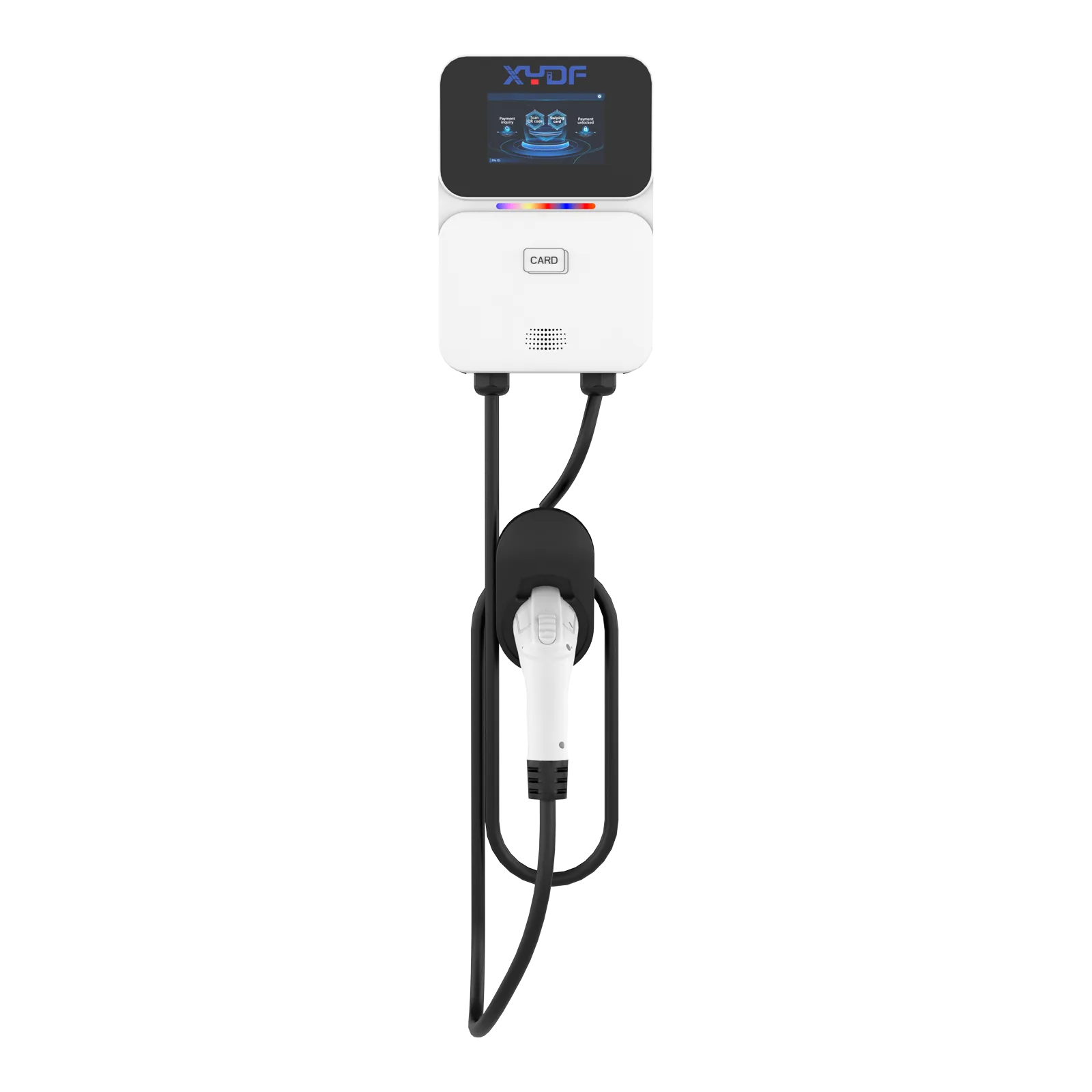
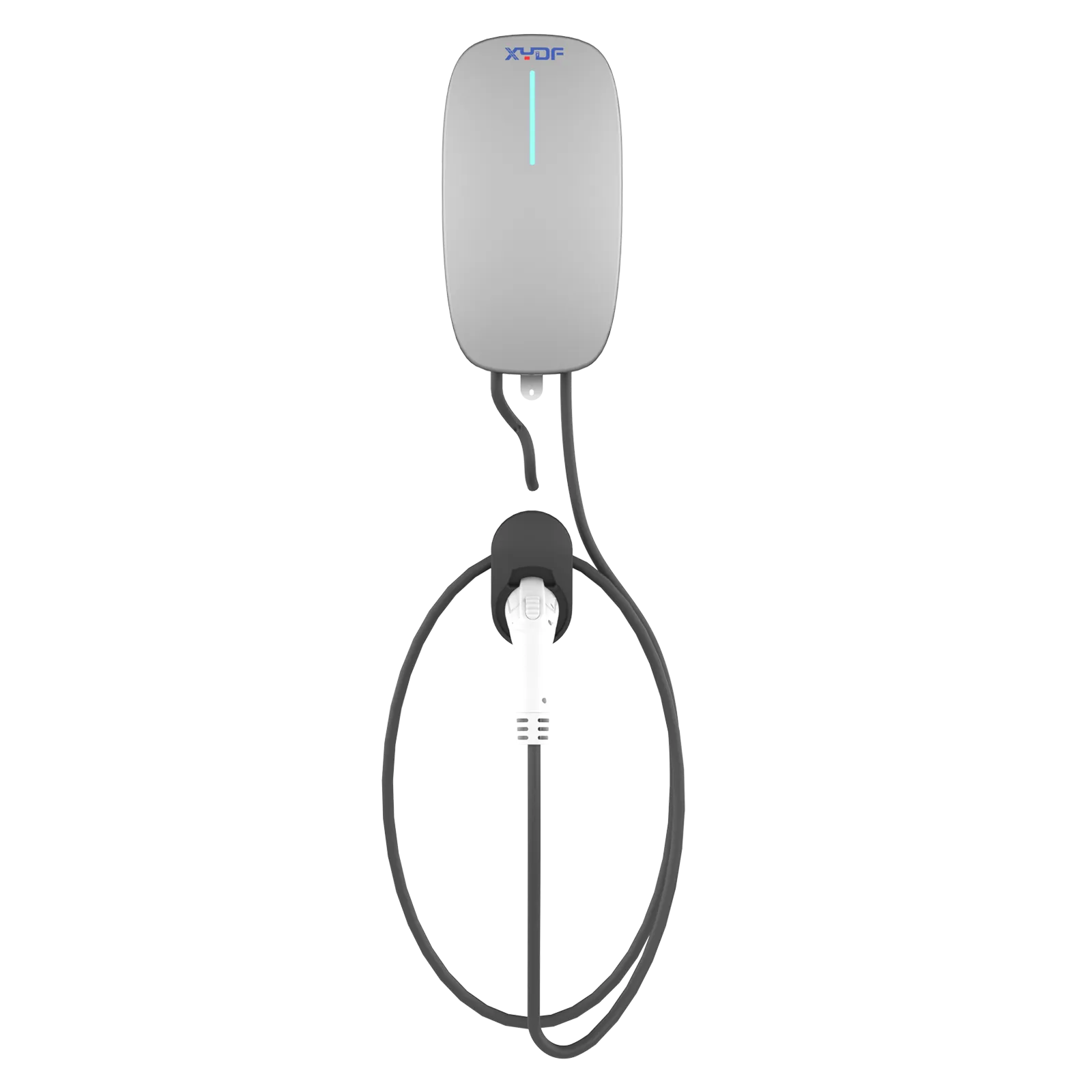
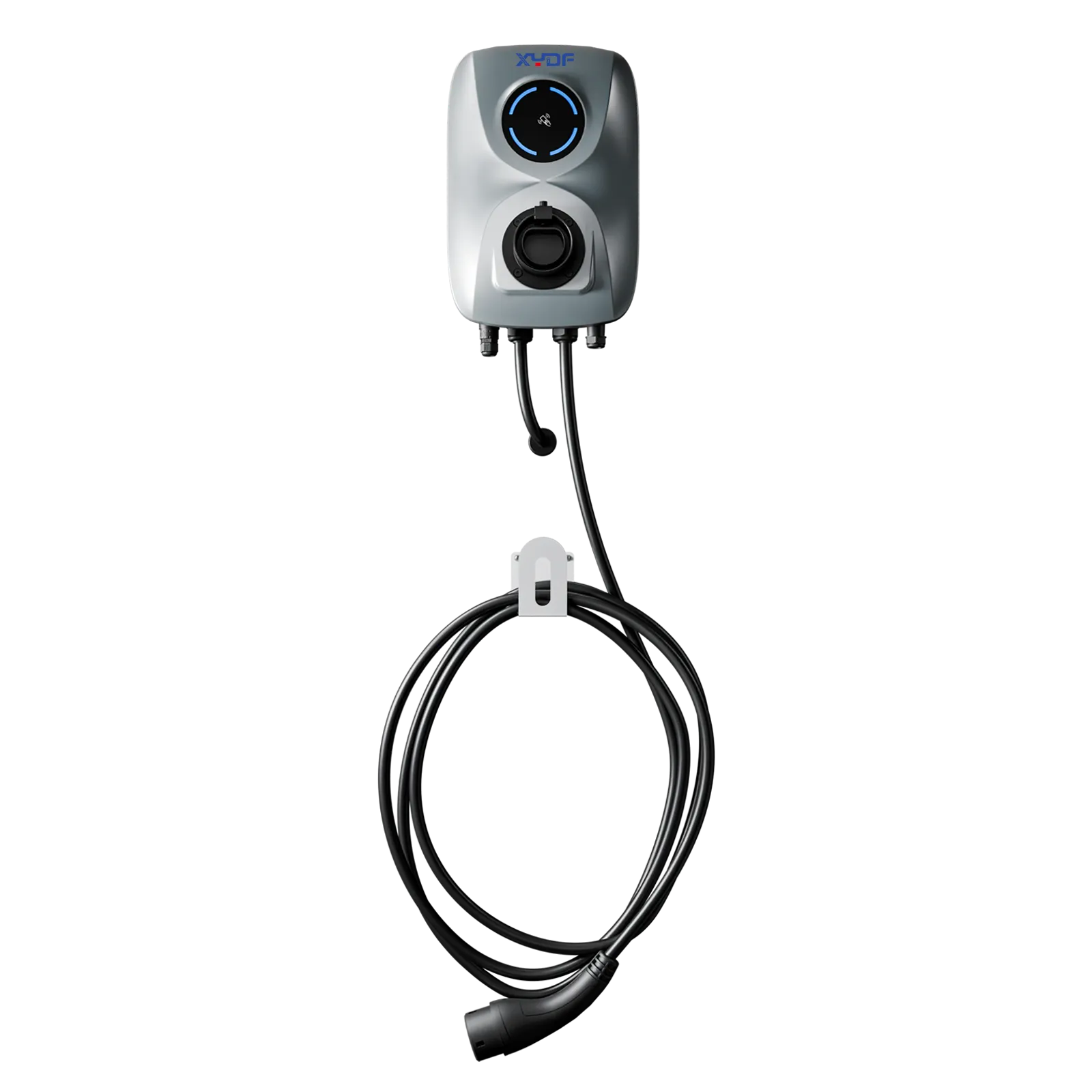
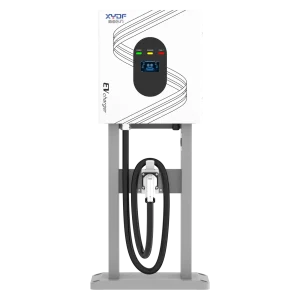

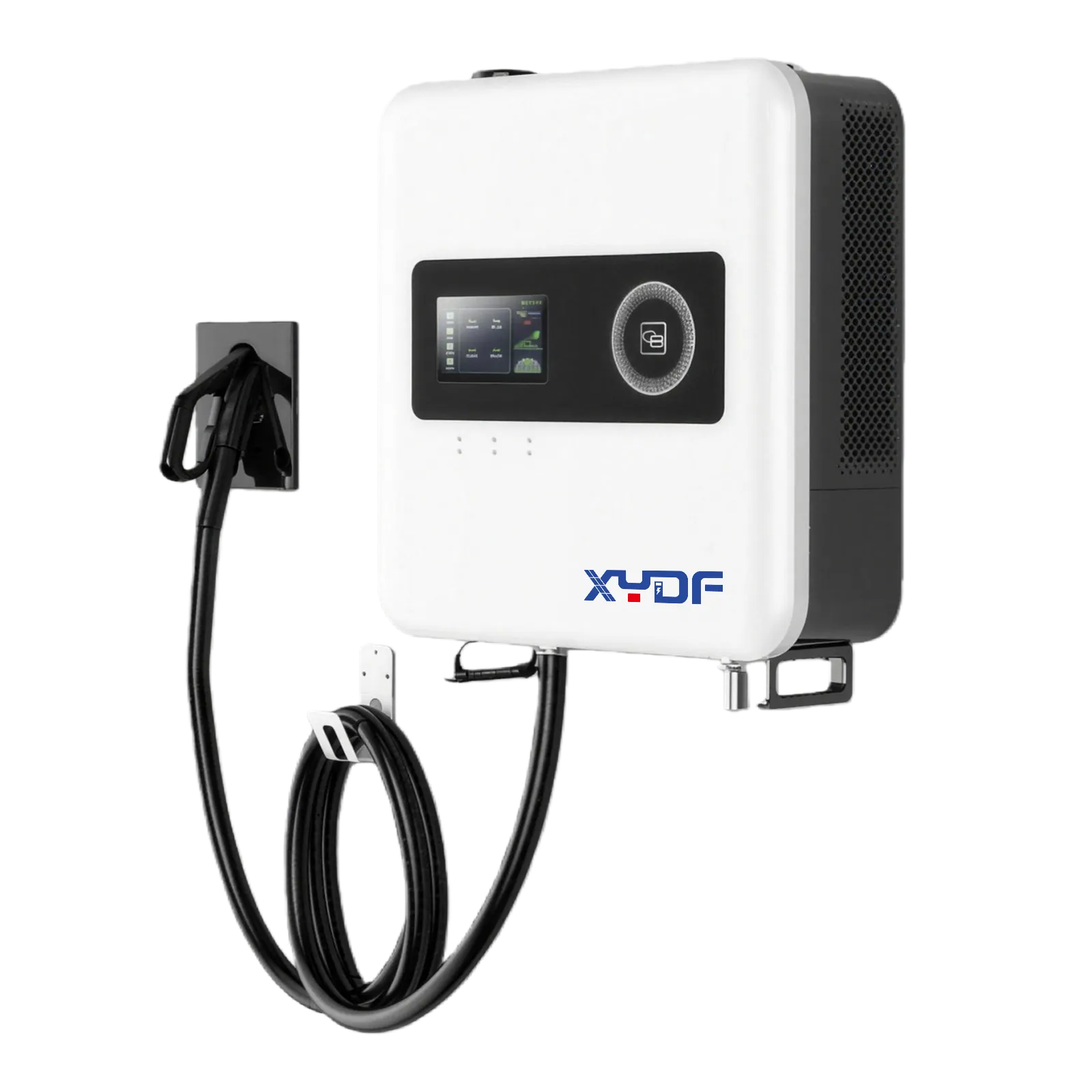
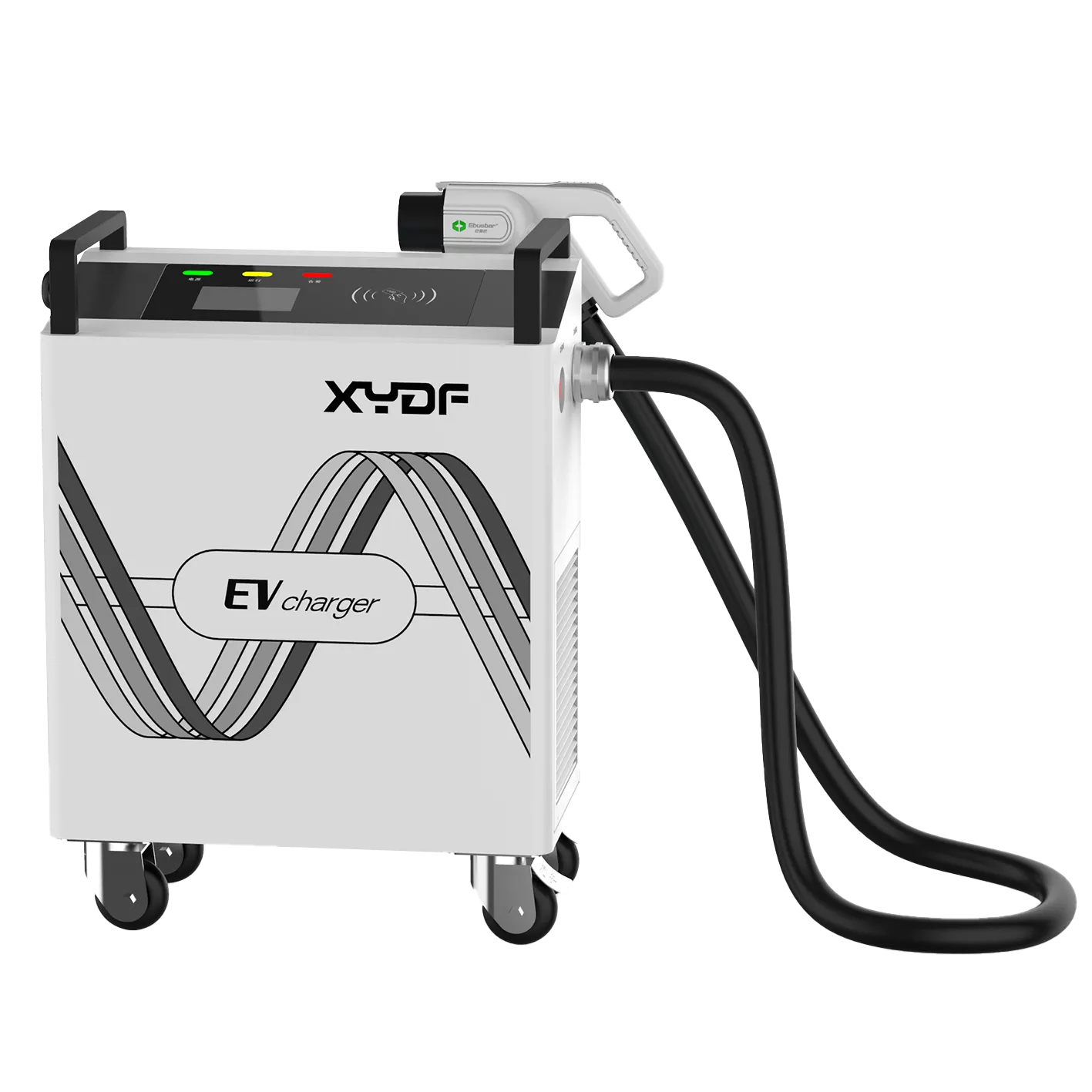
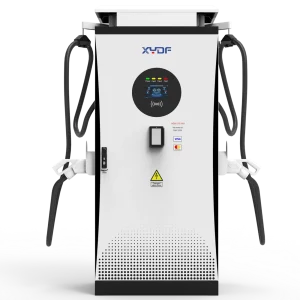
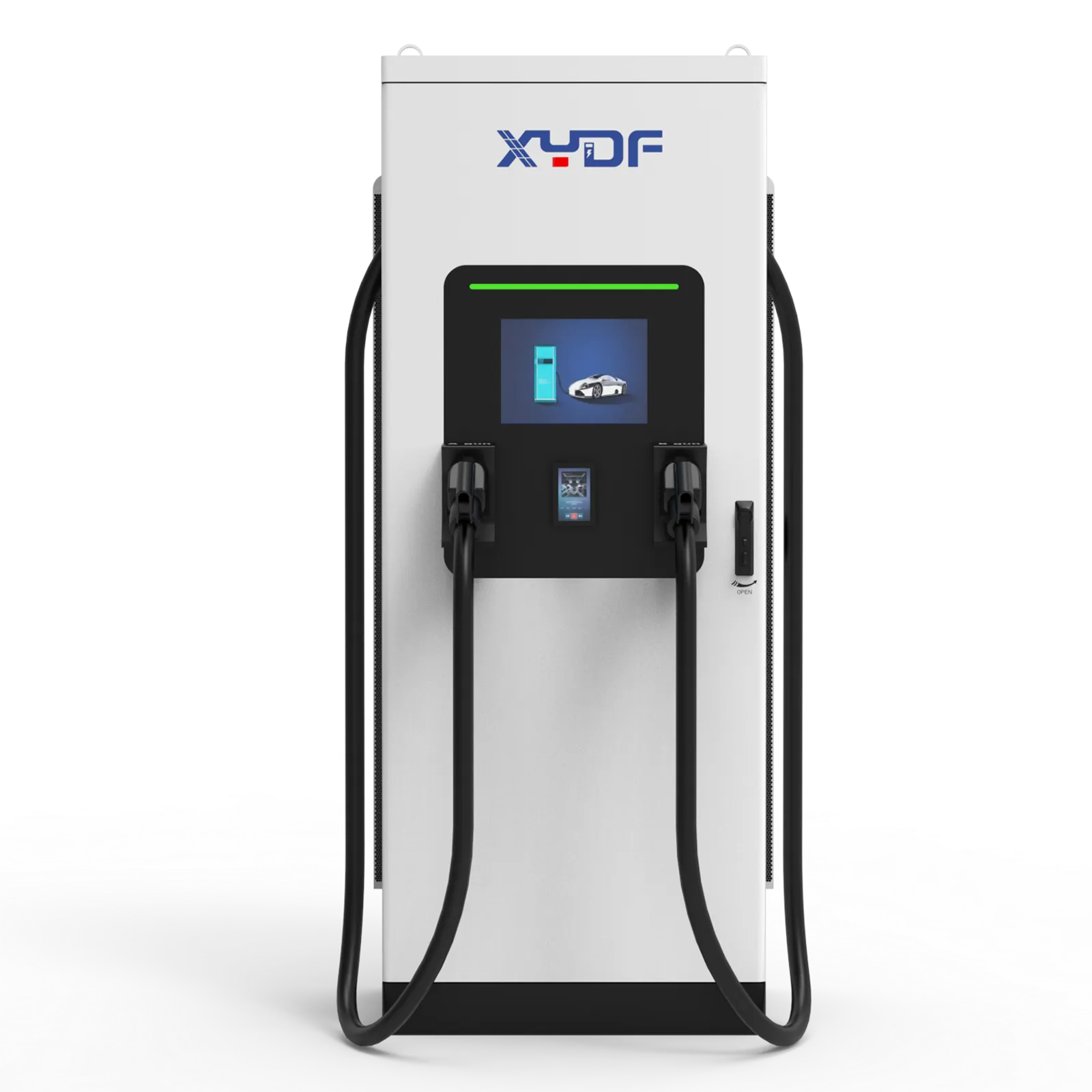
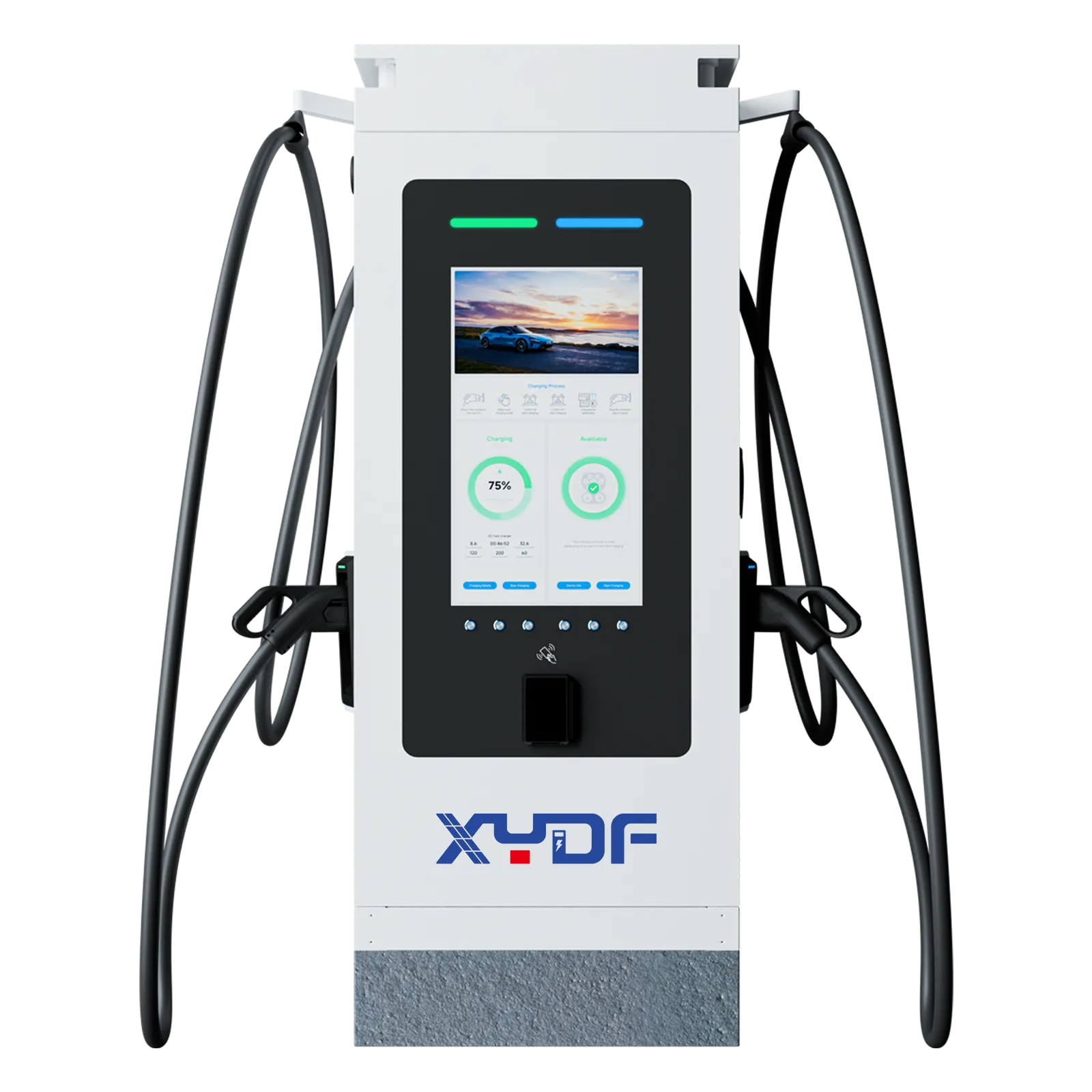
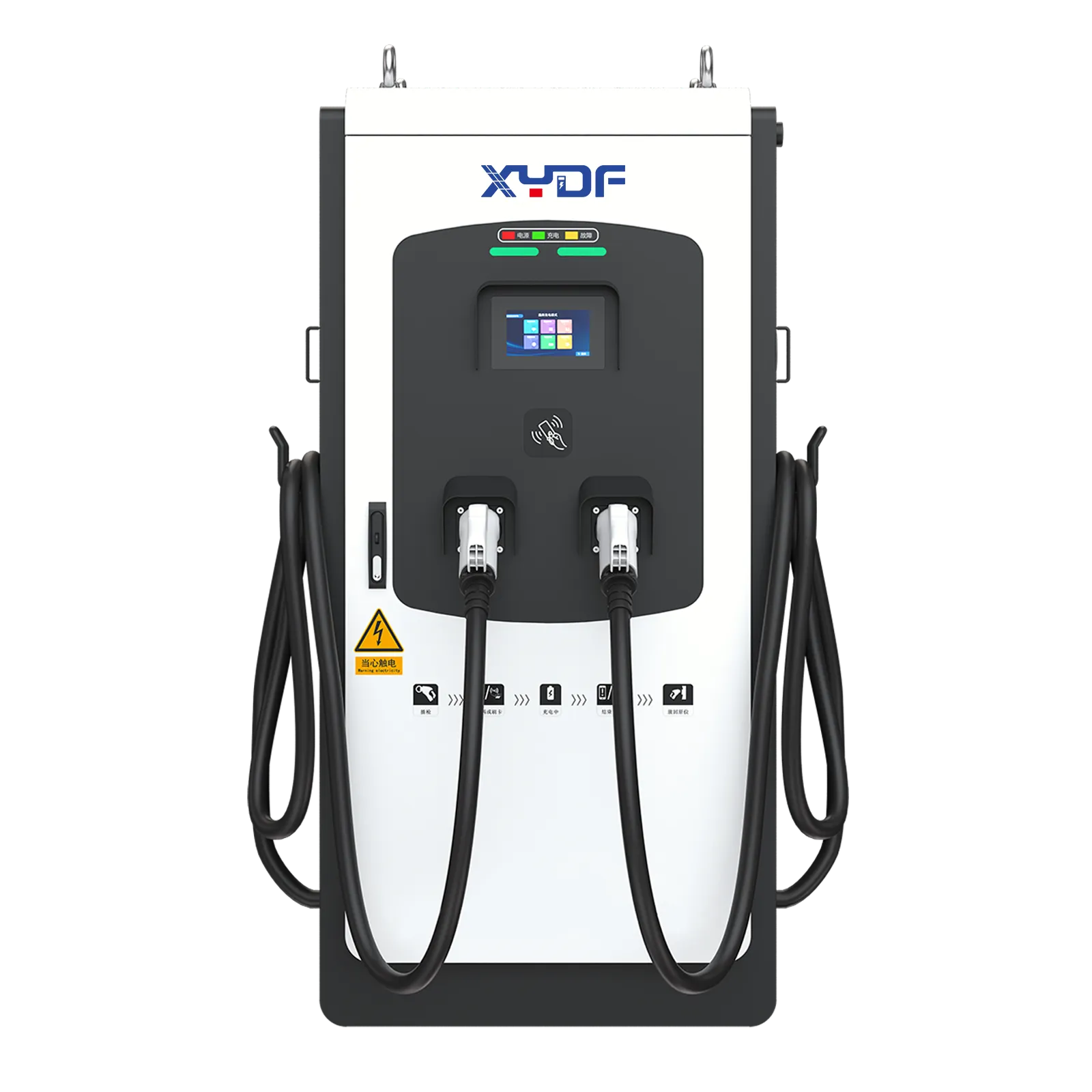
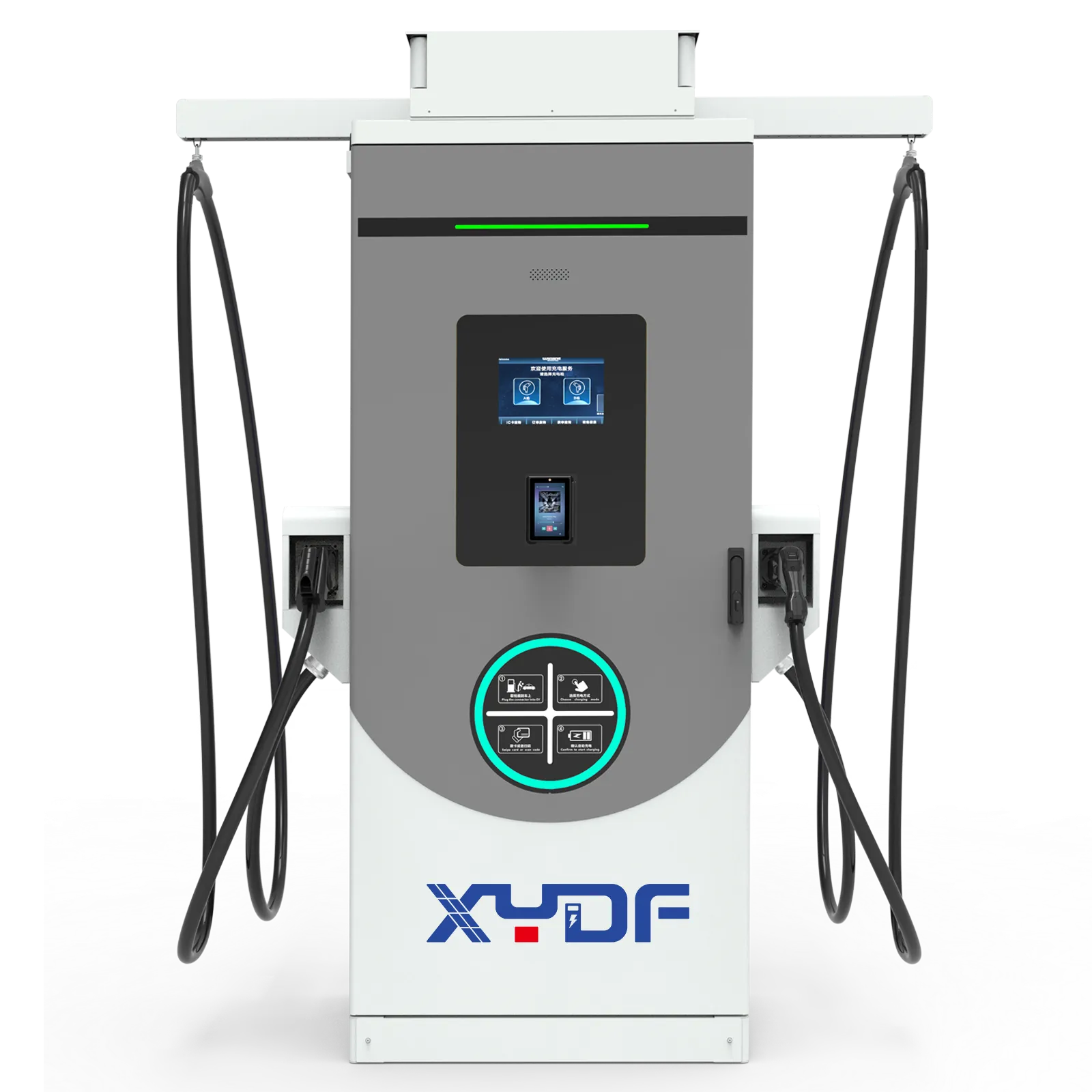
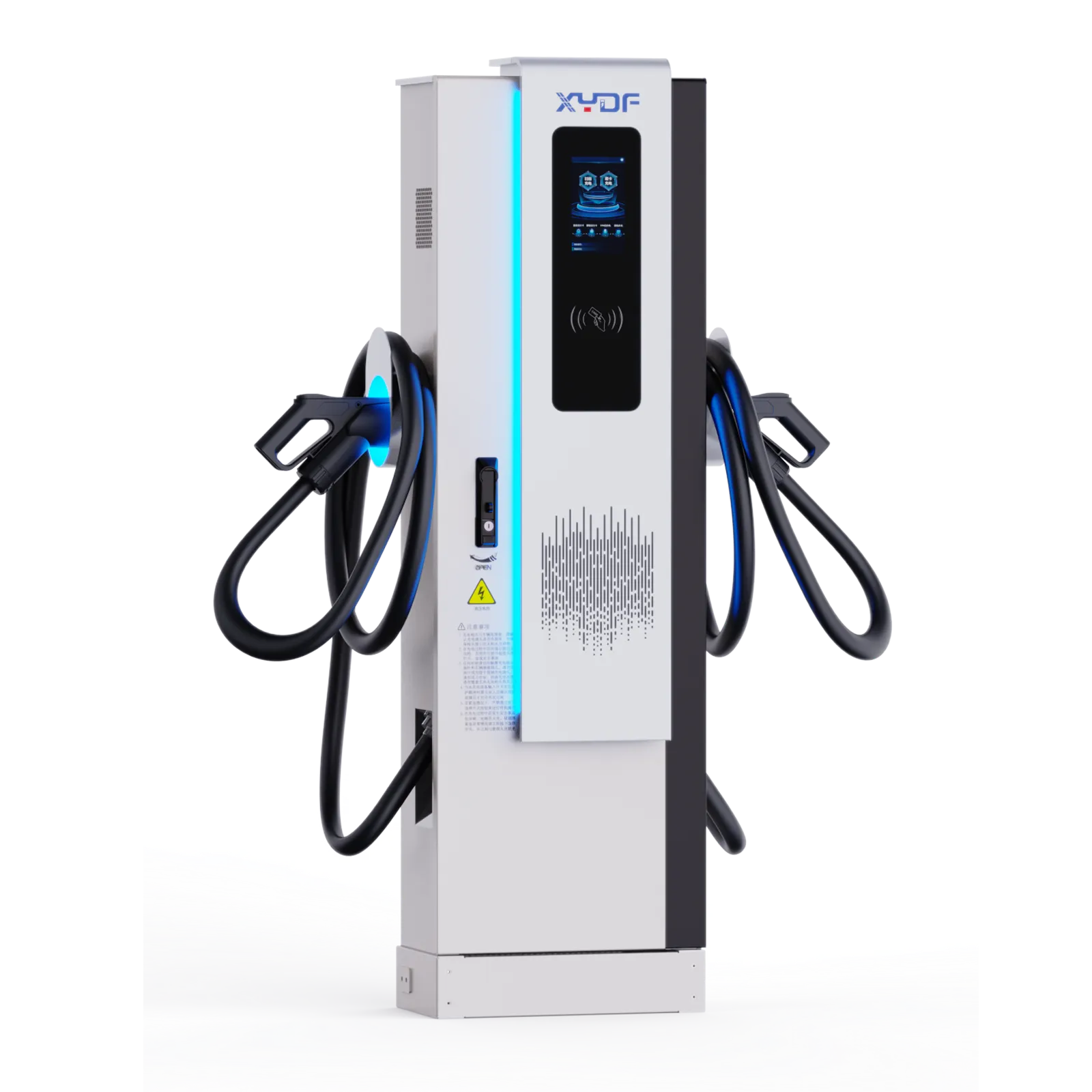
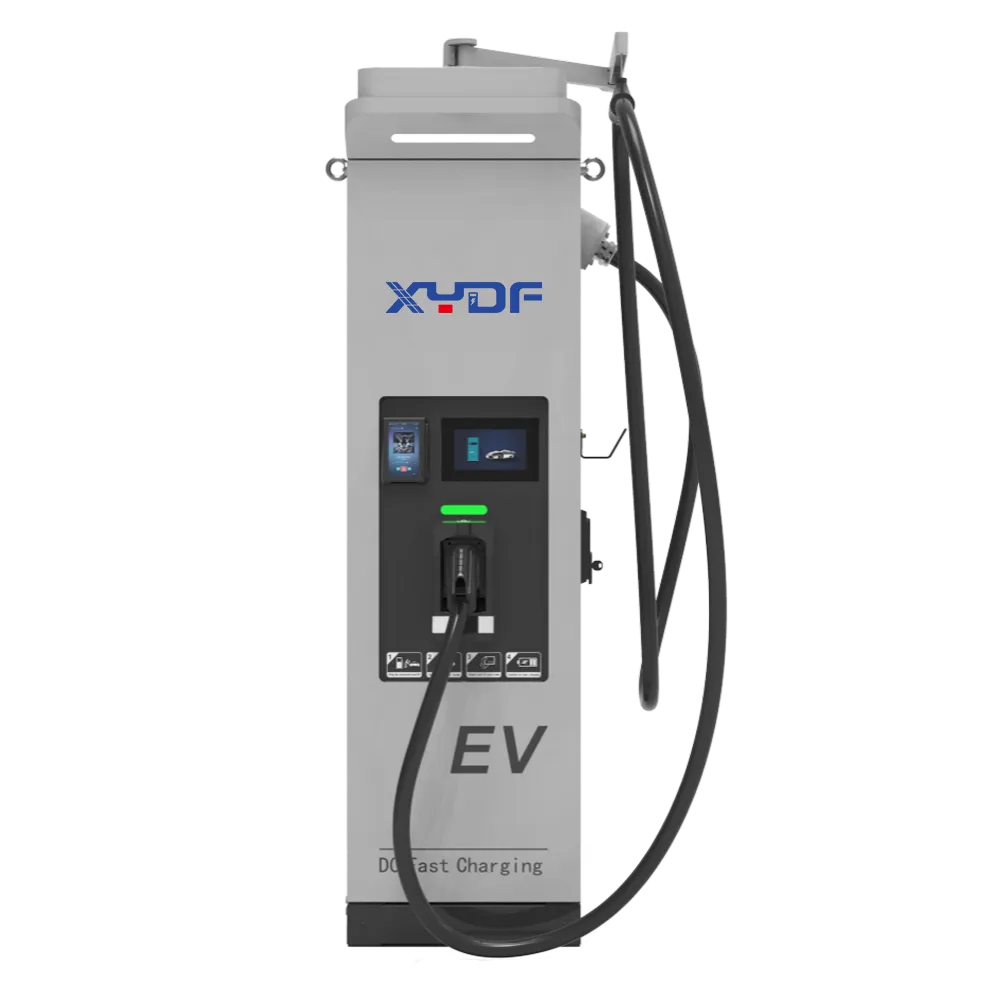
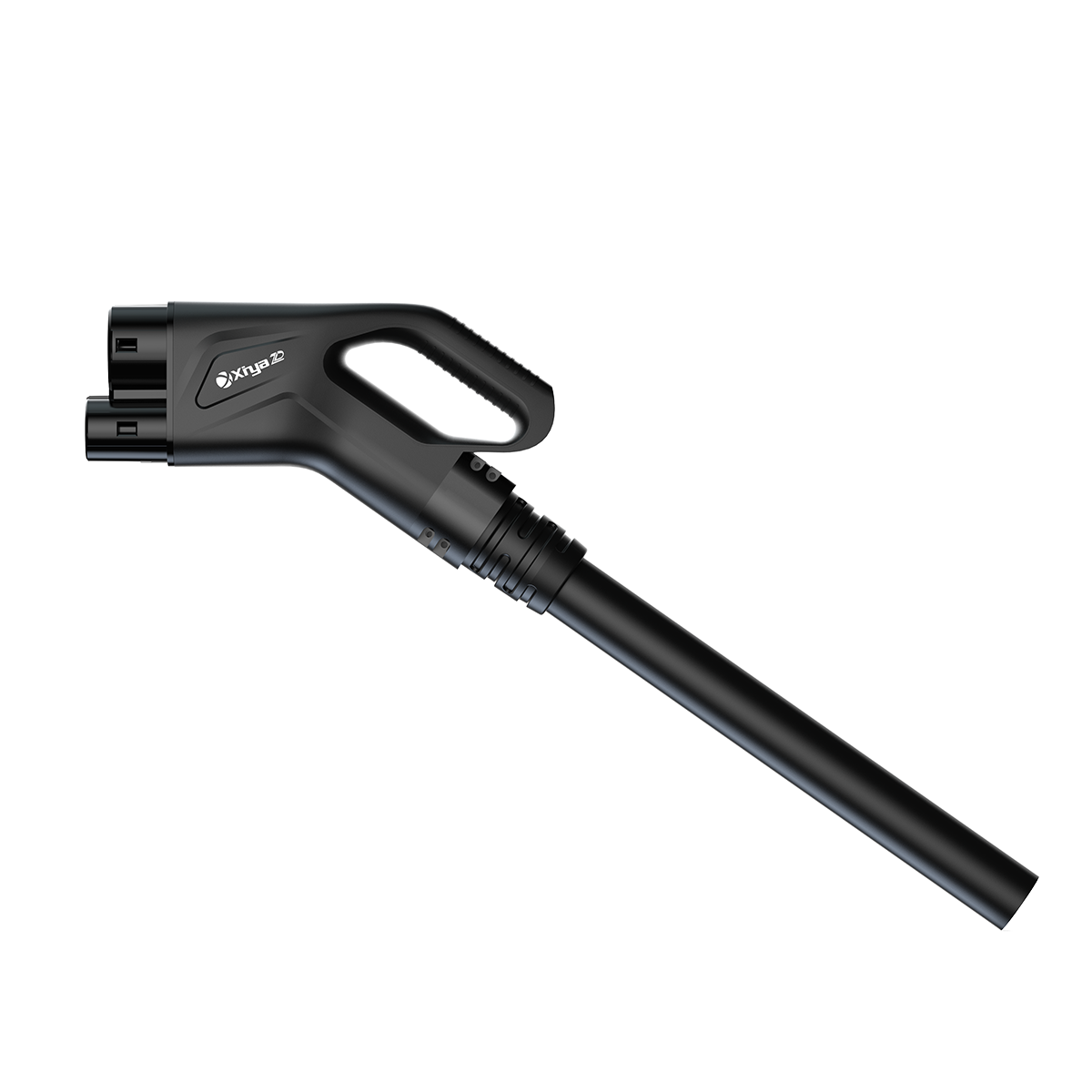
Commercial buyers often compare IP54 and IP65 on the assumption that an outdoor label is enough. The useful decision is to match tested enclosure protection with the site’s water, dust, cleaning, corrosion, UV, impact, and maintenance conditions.
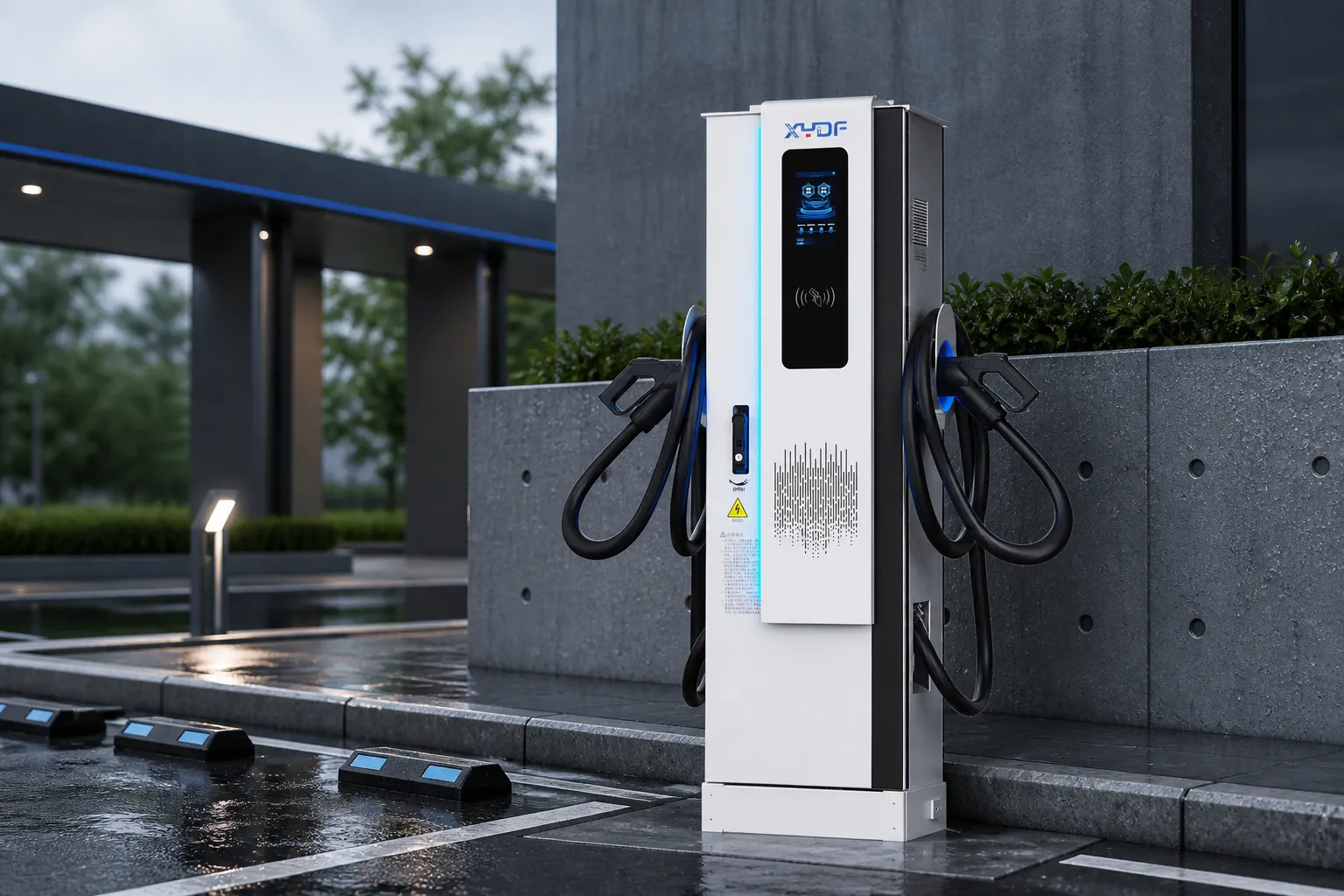
Understanding Ingress Protection for EV Charging Equipment
An IP rating describes how an enclosure protects hazardous internal parts against access, solid particles, and water. The classification comes from IEC 60529, which uses two numerals after the letters “IP.”
The first numeral addresses solid-object and dust protection; the second addresses water ingress. Therefore, the difference between IP54 and IP65 is not simply “slightly more waterproof”—both digits change:
- IP54: Dust-protected and protected against splashing water from any direction.
- IP65: Dust-tight and protected against water jets.
- Neither rating: Certified for immersion or prolonged flooding.
This distinction is becoming commercially important. The International Energy Agency reported that the global stock of public charging points exceeded five million in 2024. As charging networks expand, operators are installing equipment in increasingly diverse environments—from sheltered workplace parking to coastal forecourts and dusty fleet depots. An enclosure mistake can therefore create recurring downtime across hundreds of assets, not merely one repair invoice.
What Do IP54 and IP65 Actually Protect Against?
Under IEC 60529, the first protection digit runs from 0 to 6, while the second digit uses a separate scale for water protection.
For an IP54 EV charger, the number 5 means that some dust may enter, but not in a quantity sufficient to interfere with satisfactory operation or safety. The number 4 indicates protection against water splashing against the enclosure from any direction.
For an Chargeur de VE IP65, the first digit 6 means the tested enclosure is dust-tight. The second digit 5 indicates protection against water jets under the prescribed test conditions.
Three limitations matter during procurement:
- IP65 does not mean “fully waterproof.”
- IP65 does not authorize pressure washing unless the manufacturer’s instructions permit the specific cleaning method.
- An enclosure rating may apply only when doors, covers, glands, and connectors are correctly closed.
The rating must also be verified for the complete product configuration. A charger cabinet may carry one rating while its socket, screen, ventilation arrangement, or connector has different protection conditions.
Why the Installed Environment Matters More Than the Label
IEC 61851-1 sets general requirements for conductive EV charging systems with rated supply voltages up to 1,000 V AC or 1,500 V DC. Within that broad range, a sheltered 7 kW AC wallbox and a 150 kW DC charger may experience the same storm—but their enclosure openings, cable routing, heat loads, and maintenance requirements can be very different.
Before an outdoor EV charger installation, the site should be classified by actual exposure:
- Is the charger under a canopy or mounted on an exposed pedestal?
- Can wind drive rain toward doors, screens, vents, or cable glands?
- Will road dust, sand, pollen, or construction debris be present?
- Will cleaners use hoses or pressure-washing equipment?
- Can water collect around the foundation?
- Will connectors remain docked when not in use?
- Are cable entries oriented so that water cannot follow the cable into the enclosure?
A well-installed IP54 unit beneath a canopy may outperform a poorly installed IP65 unit with damaged seals, incorrect glands, or blocked drainage. The IP code describes tested enclosure protection; it does not correct installation errors.
Failure Modes That the IP Rating Does Not Cover
Ingress protection is only one part of outdoor durability. A credible EV charger outdoor assessment must also consider the following risks:
- Condensation: Daily temperature cycles can draw humid air into an enclosure or create moisture internally, even without direct rain penetration.
- Corrosion: IEC 60529 does not classify salt-mist resistance. Coastal sites need appropriate coatings, compatible metals, protected fasteners, and a documented corrosion strategy.
- UV exposure: Sunlight can degrade plastics, seals, labels, and cable jackets unless materials are selected for prolonged outdoor exposure.
- Impact and vandalism: IEC 62262 addresses mechanical impact separately. For reference, the commonly specified IK10 classification represents an impact energy of 20 joules.
- Thermal management: Tighter sealing can complicate heat rejection. Filters, fans, heat exchangers, or liquid-cooling components may require inspection and replacement.
- Connector handling: A cabinet’s rating cannot protect a connector left on the ground, an open socket, or a damaged protective cap.
An IP65 label should therefore be treated as one verified characteristic, not as a substitute for an environmental qualification plan.
Hidden Costs and the ROI Decision
The lowest enclosure price does not necessarily produce the lowest operating cost. A practical calculation is:
TCO = equipment and installation cost + preventive maintenance + cleaning + service visits + downtime + replacement components − residual value
An IP65 enclosure may cost more because of additional sealing, specialized glands, protected ventilation, or thermal-management requirements. In an exposed outdoor EV charging station, those costs may be justified by fewer contamination events and a greater operating margin.
Conversely, paying for IP65 may deliver limited value when an IP54 charger is installed in a dry, controlled area with effective shelter and routine inspection. The honest answer depends on failure consequences: a short interruption at a private residential charger is not equivalent to downtime at a revenue-generating public charging hub.
Turn that judgment into a site acceptance record: photograph the mounting position, cable entries, door and gland condition, connector storage, drainage path, and cleaning method before handover. Recheck the same points after the first major cleaning cycle or severe-weather event. The IEC 60529 IP code describes the tested enclosure condition; this repeatable inspection closes the gap between the laboratory rating and the installed configuration.
IP54 vs. IP65 EV Charger Comparison
| Decision Factor | IP54 EV Charger | IP65 EV Charger | Procurement Implication |
|---|---|---|---|
| Dust protection | Dust-protected | Dust-tight | IP65 is preferable around construction, sand, or heavy road dust. |
| Water protection | Splashing water | Water jets | IP65 provides more margin at exposed sites. |
| Typical location | Sheltered or controlled outdoor area | Fully exposed outdoor area | “Outdoor” alone is not a sufficient specification. |
| Immersion protection | Non | Non | Neither rating proves flood resistance. |
| Cleaning | Controlled cleaning | Better protection against tested jet exposure | Manufacturer instructions still control. |
| Thermal design | May allow simpler heat management | Tighter sealing can complicate cooling | Check output derating and filter maintenance. |
| Initial cost | Usually lower | Often higher | Compare downtime and service costs. |
| Installation sensitivity | Highly dependent on shelter and sealing | Greater ingress margin, but still installation-dependent | Inspect glands, doors, gaskets, and drainage. |
| Typical selection logic | Lower-exposure sites | Dusty, exposed, or wash-down sites | Use a documented environmental assessment. |
Outdoor EV Charger Selection Matrix by Application
| Application | Typical Exposure | Practical Starting Point | Additional Checks |
|---|---|---|---|
| Home wallbox beneath a canopy | Limited rain and dust | IP54 may be adequate | Drainage, RCD protection, and mounting position |
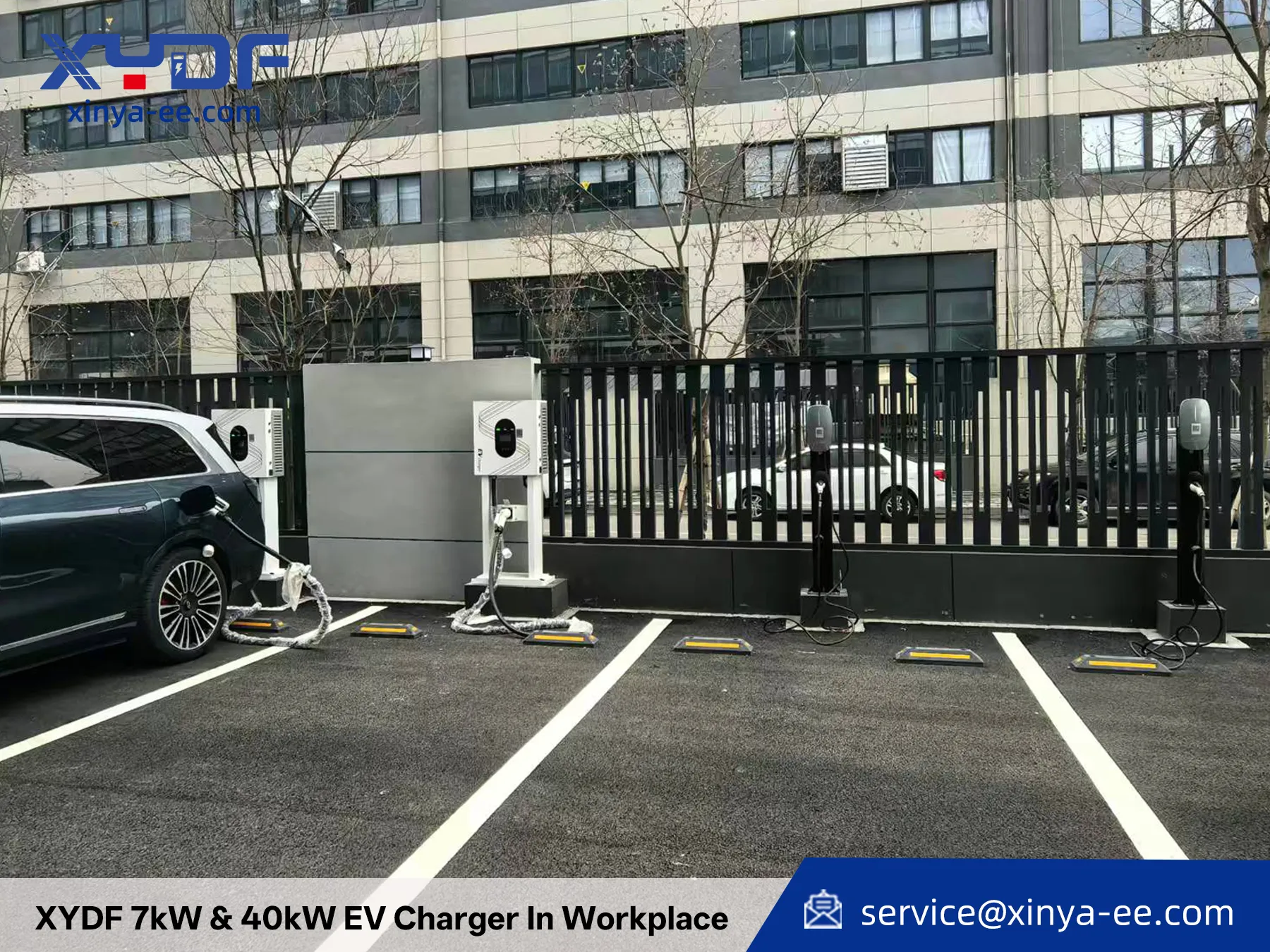
| Workplace car park | Moderate rain and airborne dirt | IP54 or IP65 | Pedestal sealing, cable management, and impact risk |
| Public roadside station | Wind-driven rain, dust, and vandalism | IP65 commonly preferred | IK rating, corrosion, and service access |
| Dépôt de flotte | Vehicle movement, dirt, and routine cleaning | IP65 may reduce risk | Bollards, cleaning procedure, and load management |
| Coastal location | Rain, salt, and high humidity | IP65 alone is insufficient | Coatings, fasteners, and condensation control |
| DC fast-charging hub | Weather plus high internal heat load | Configuration-specific assessment | Cooling, filters, derating, and maintainability |
| Flood-prone site | Standing or rising water | Neither IP54 nor IP65 alone | Elevation, site drainage, and emergency isolation |
Power does not determine the IP rating by itself. However, higher-power equipment usually introduces more complex cooling and service interfaces, so environmental sealing and thermal performance must be assessed together.
Standards and Compliance Requirements
Several standards may affect an outdoor charging project:
- IEC 60529: Classification of enclosure ingress protection.
- IEC 61851-1: General requirements for conductive EV charging systems.
- IEC 61851-23 and IEC 61851-24: Requirements relevant to DC charging equipment and digital communication.
- IEC 62262: Classification of protection against external mechanical impact.
- UL 2594: Relevant to AC EV supply equipment for applicable North American projects.
- UL 2202: Relevant to DC charging equipment for applicable North American projects.
- UL 50E and NEMA 250: North American enclosure requirements and type classifications.
- ISO 15118 and OCPP 2.0.1: Communication and interoperability frameworks—not enclosure-protection standards.
NEMA enclosure types and IEC IP codes are not exact one-to-one equivalents because their test scopes differ. A project requiring a NEMA Type 4 or 4X enclosure should not accept IP65 as an automatic substitute without engineering and certification review.
Procurement teams should also distinguish between four different claims:
- Designed according to a standard
- Tested against specified clauses
- Certified by an accredited third party
- Approved or marked for a particular market
IEC publishes standards but does not certify products. CE marking is also not automatically evidence of independent third-party certification. Incorrect assumptions can lead to failed inspections, delayed commissioning, warranty disputes, tender disqualification, retrofit costs, or insurance complications.
How to Select the Right Outdoor EV Charger
We recommend that project teams follow five steps:
- Classify exposure accurately. Record shelter, rainfall direction, dust, humidity, salt, cleaning methods, flooding, and ambient-temperature extremes.
- Check the installed condition. Confirm the rating with cables, glands, ventilation, doors, sockets, and connectors in their normal operating positions.
- Assess risks outside the IP code. Review IK protection, UV stability, corrosion, condensation, drainage, and thermal derating.
- Calculate lifecycle cost. Include seal inspections, filters, service travel, lost charging revenue, and replacement lead time.
- Request configuration-specific evidence. Obtain test reports, relevant certificates, installation manuals, and permitted environmental limits.
XYDF manufactures AC charging equipment et DC fast-charging systems for commercial and infrastructure applications. For a site-specific review, teams can contact XYDF with exposure, cleaning, and maintenance requirements. Buyers should confirm the required IP level, target-market certification, and environmental limits for the exact model and configuration rather than relying on a product-family statement.
Foire aux questions
Is an IP54 rating recommended for an EV charger?
An IP54 rating can be appropriate when the charger is sheltered from direct jets, severe dust, and standing water. Whether it is recommended depends on the site assessment, local rules, manufacturer instructions, and certified product configuration. Exposed roadside, industrial, or coastal sites may justify higher protection.
What is the difference between IP54 and IP65 waterproof ratings?
IP54 is dust-protected and resists splashing water. IP65 is dust-tight and resists water jets under defined test conditions. IP65 therefore provides greater ingress protection, but neither classification proves resistance to immersion, flooding, salt corrosion, or internal condensation.
How waterproof are EV chargers?
There is no universal answer because protection varies by product and component. The cabinet, connector, and socket may have different conditions of protection. Buyers should check the complete rating, including whether it applies while the charger is operating, connected, disconnected, or closed.
Can I leave my EV charger in the rain?
A charger specifically approved for its installed outdoor environment can normally remain in rain. Its doors and covers must be closed, and the connector should be returned to its holster. A plug should never be left in pooled water, even when the enclosure is IP65.
Is a charger ruined if it gets wet?
Not necessarily. External rain on a properly rated enclosure is different from water entering internal electrical parts. If ingress is suspected, the charger should not be opened, touched, or repeatedly reset. The supply should be isolated when it is safe to do so, followed by inspection from qualified personnel.
What is IP rating in chargers?
An IP rating is an IEC 60529 classification describing enclosure protection against access, solid particles, and water. The first digit indicates solid-object protection; the second indicates water protection. It does not independently rate corrosion, sunlight, impact, temperature, or electrical safety.
Can EV chargers be installed outdoors?
Yes. Many chargers are engineered for outdoor operation, but a compliant outdoor EV charger installation still requires suitable mounting, drainage, electrical protection, cable routing, and environmental qualification. Project teams can compare configurations in XYDF’s EV charging product range.
How do I protect my EV charger outside?
Use a correctly rated product, follow its installation manual, provide effective drainage and shelter where practical, protect it against vehicle impact, and keep connectors docked. Seals, glands, covers, and drainage paths should be included in preventive maintenance.
Are all EV chargers weatherproof?
No. Some chargers are intended only for indoor or sheltered use, and “weather-resistant” is not a precise technical classification. The product label, installation manual, applicable certificates, and connector protection should all be checked before specifying an outdoor EV charging station.
Références
- IEC 60529 — Degrees of Protection Provided by Enclosures
- IEC 61851-1 — Electric Vehicle Conductive Charging System: General Requirements
- IEC 62262 — Degrees of Protection Against External Mechanical Impacts
- International Energy Agency — Global EV Outlook 2025
The most expensive enclosure is not necessarily the one with the higher IP number; it is the one selected without understanding how water, dust, heat, maintenance, and installation quality interact over the charger’s operating life.XYDF builds charging equipment for the moment when an enclosure rating becomes an operating-cost decision rather than a specification-sheet detail. Project teams can review its charging solutions and manufacturing background before discussing site exposure, power requirements, and market-specific compliance.