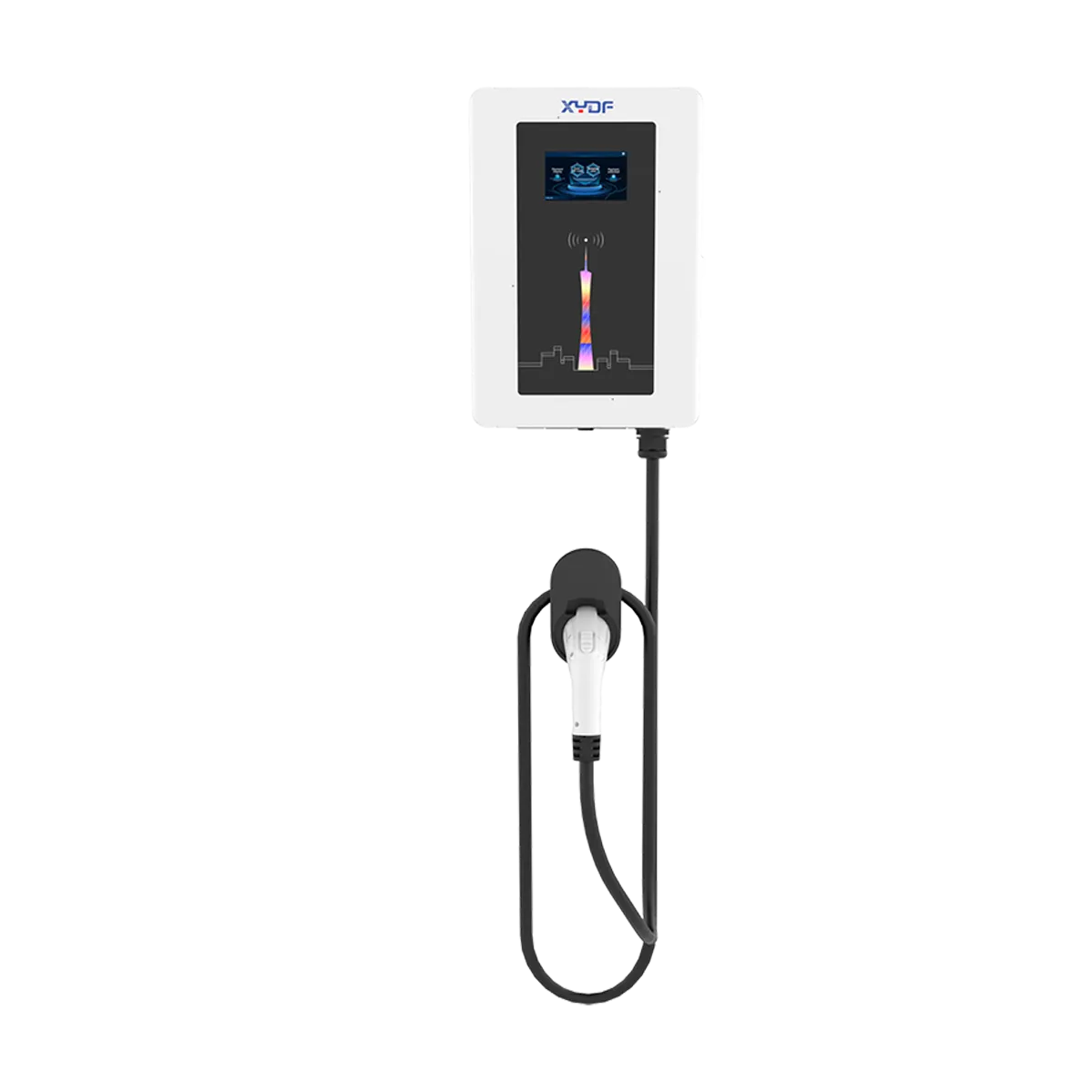
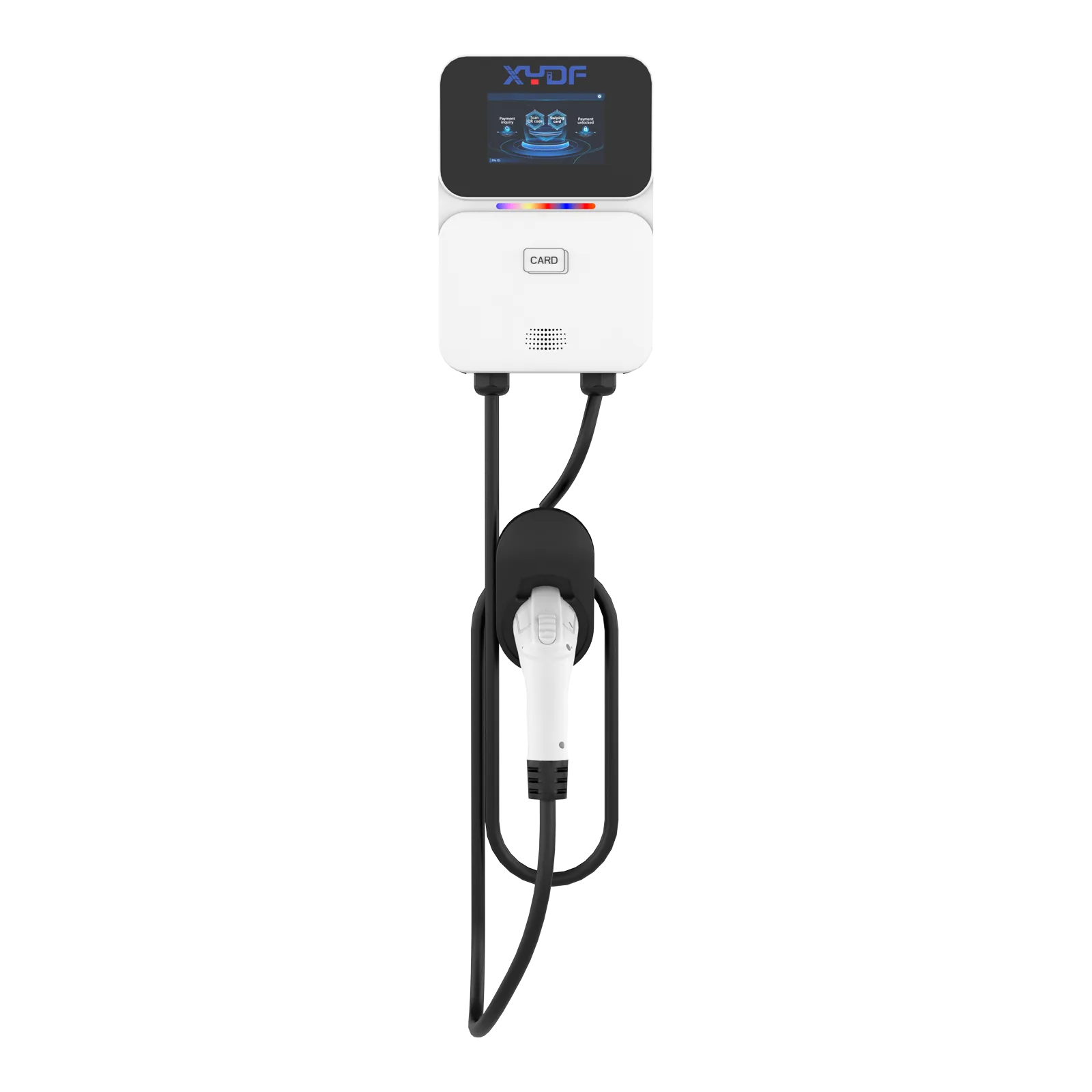
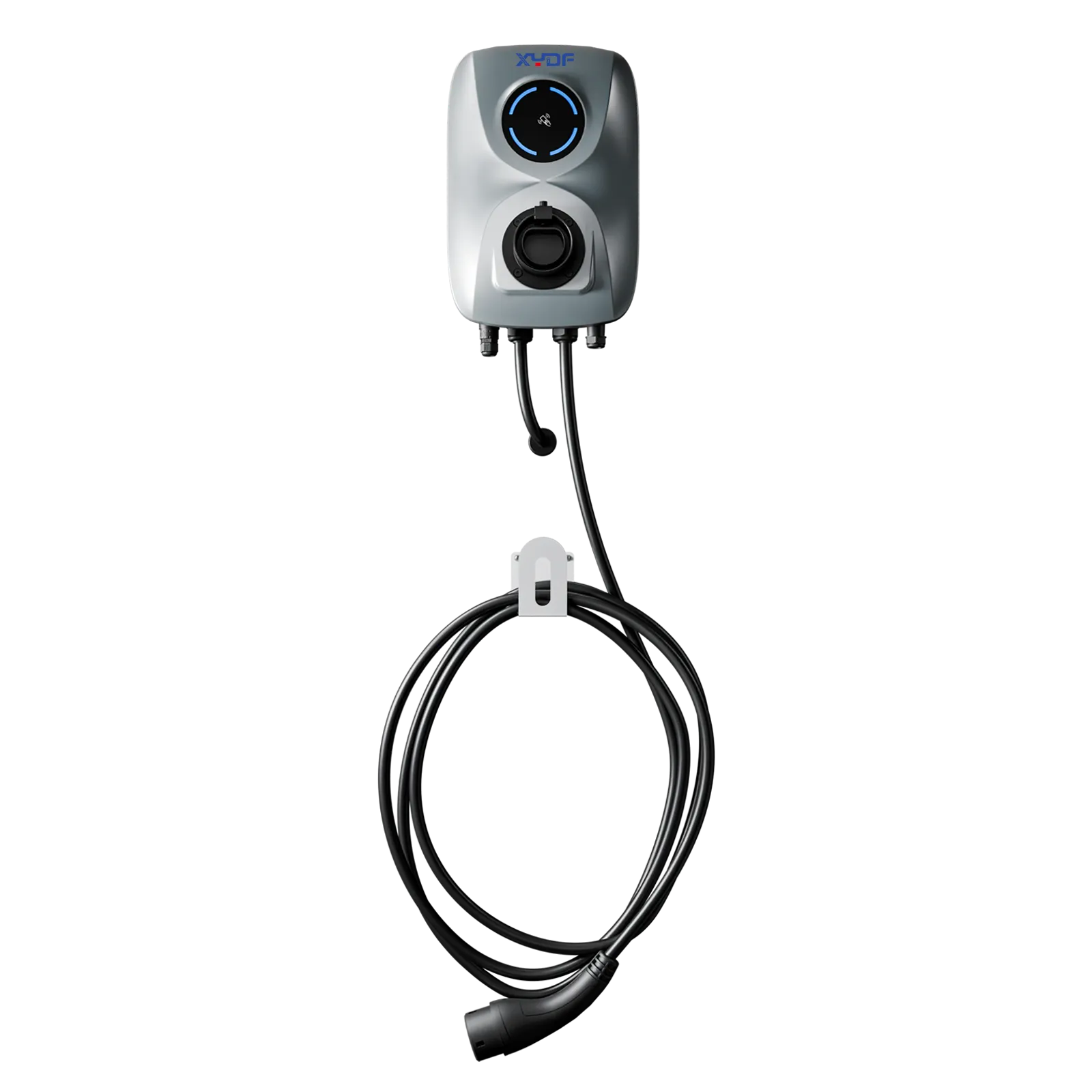
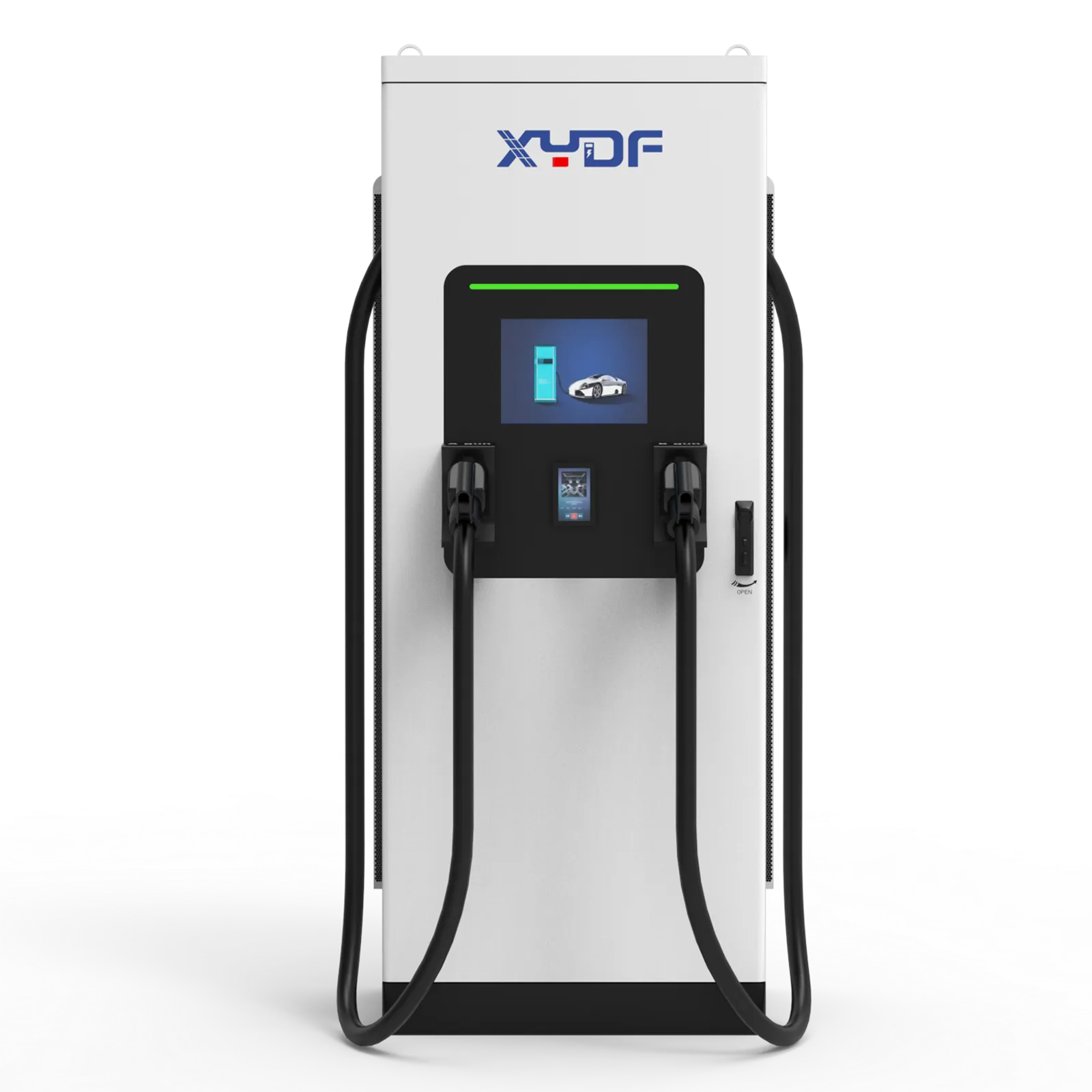
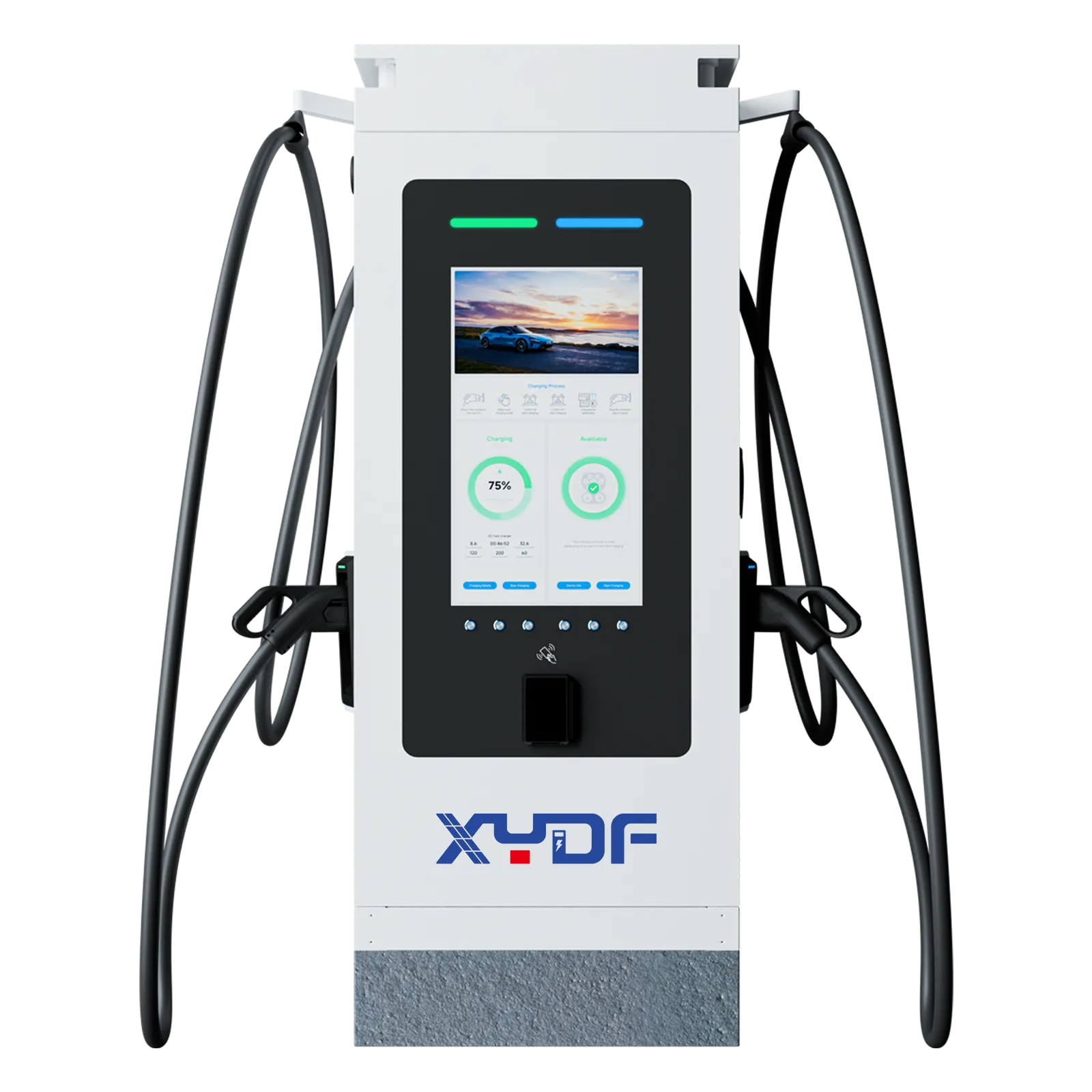
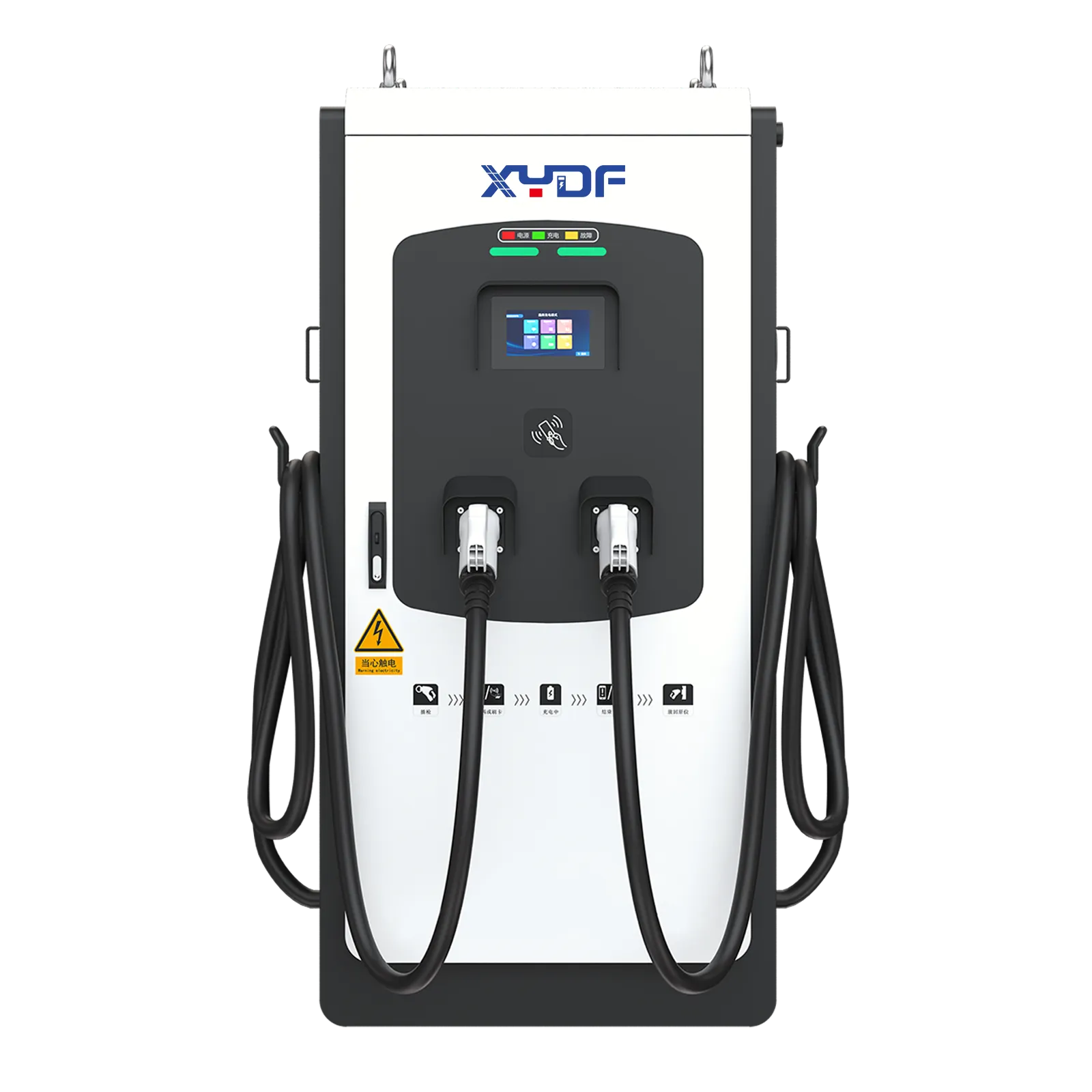
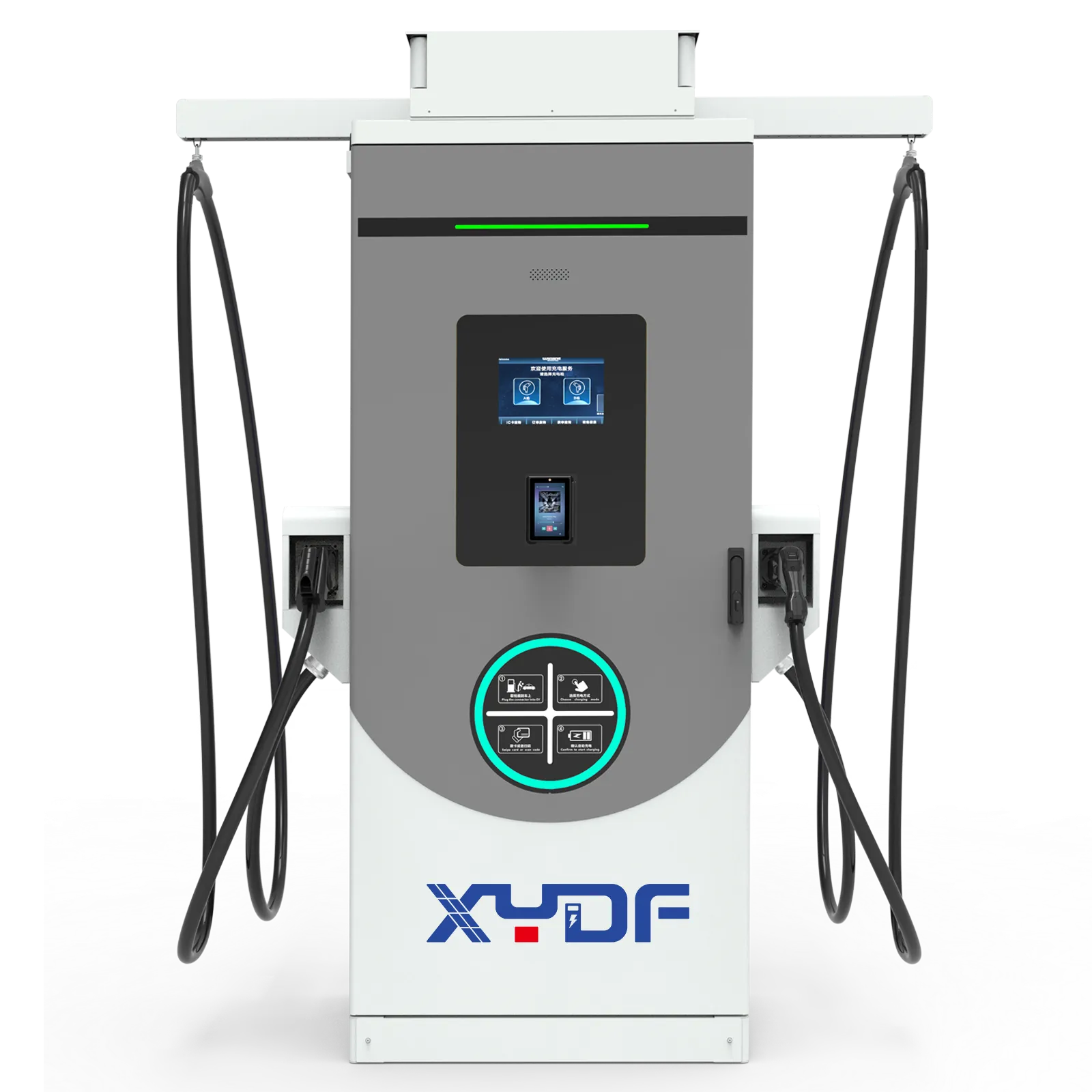
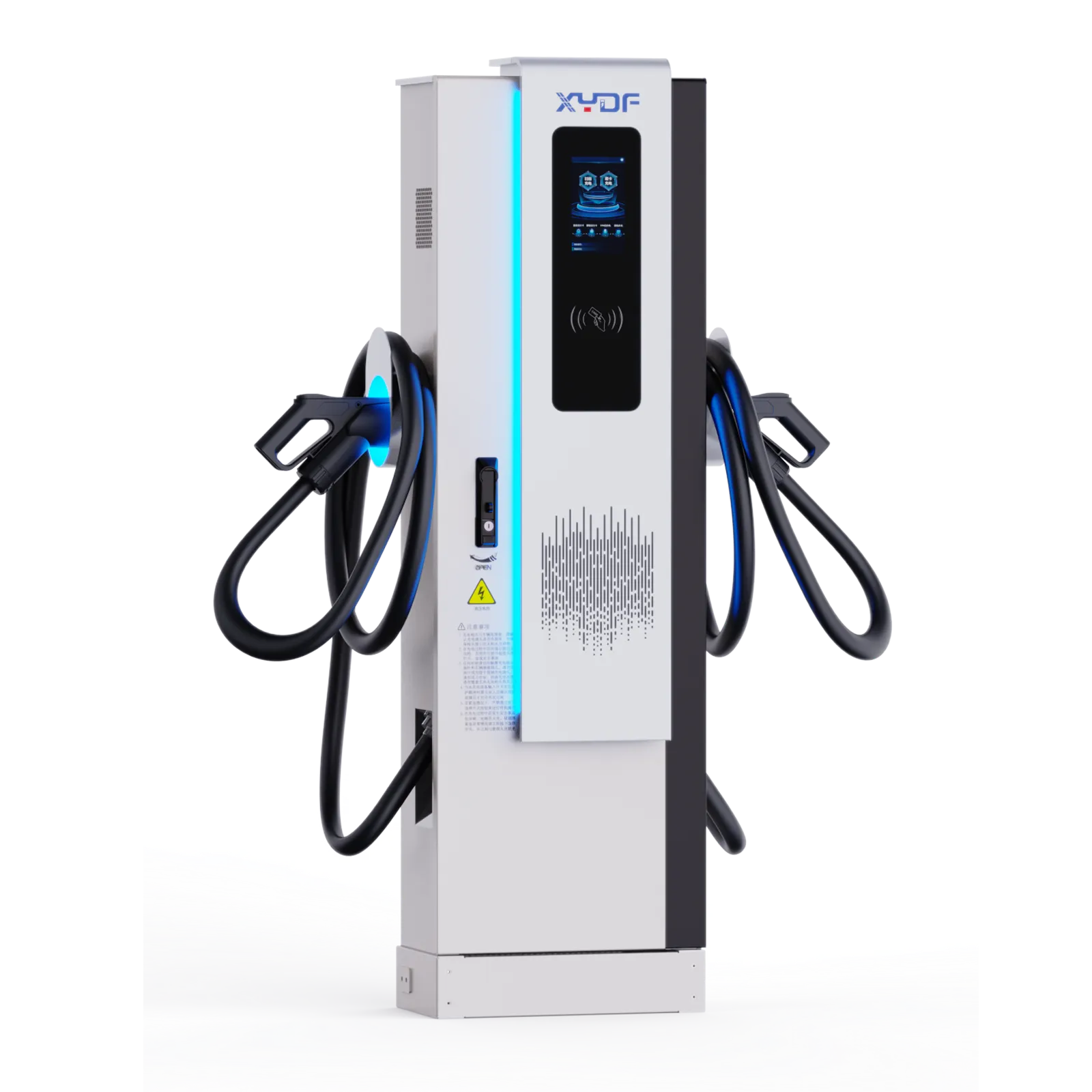
A “solar EV charger” may sound like a special all-in-one charger fitted with solar panels. In practice, the term usually refers to a complete solar charging solution that may include a PV array, EV chargers, the utility grid, battery storage, and energy management equipment.
This article explains how a solar EV charging system works, its practical benefits, and the two configurations most commonly used in real projects.
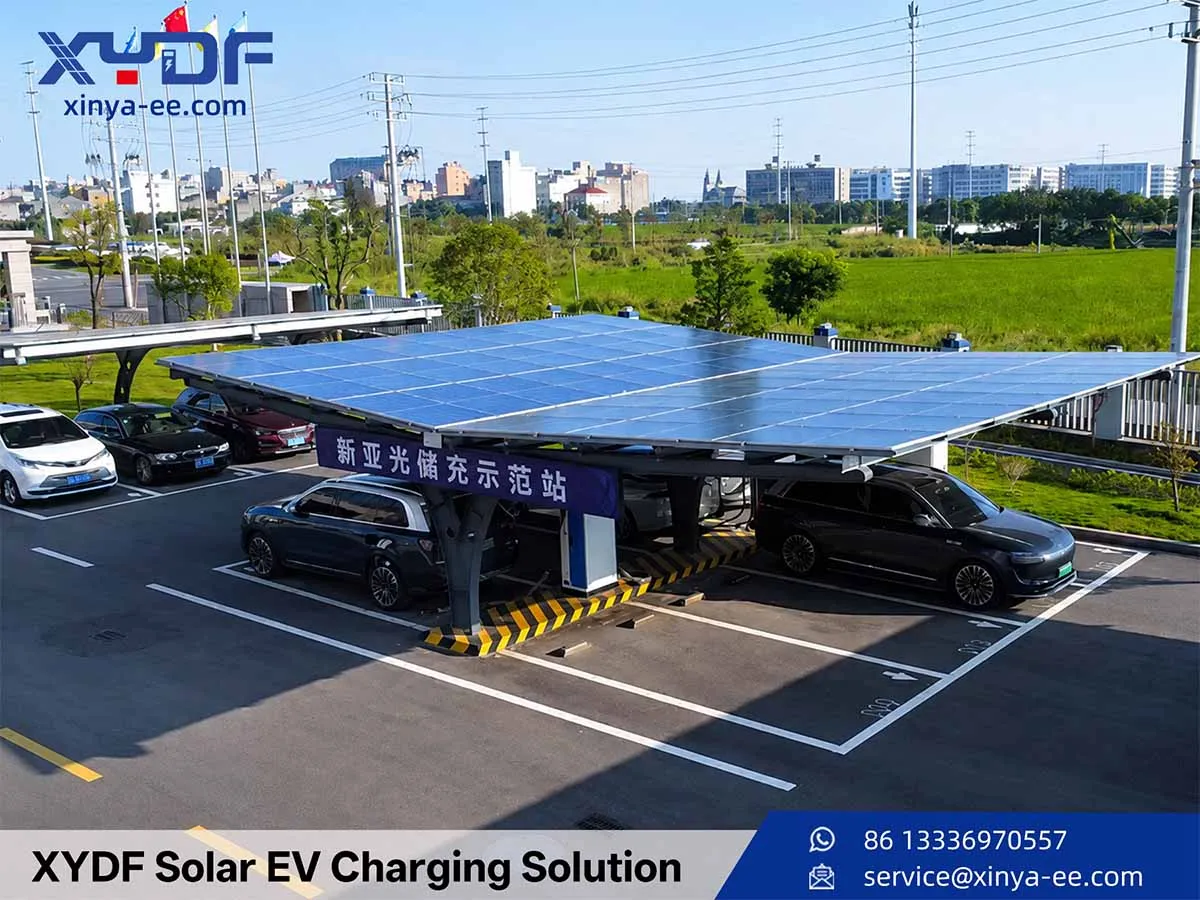
The surface area of an EV charger is too limited to accommodate enough solar panels for practical vehicle charging. Most projects therefore use rooftop solar, solar carports, or ground-mounted PV arrays.
[Image: A commercial charging site with rooftop solar, a solar carport, and EV chargers]
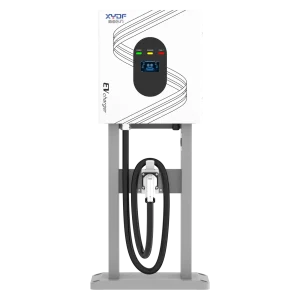
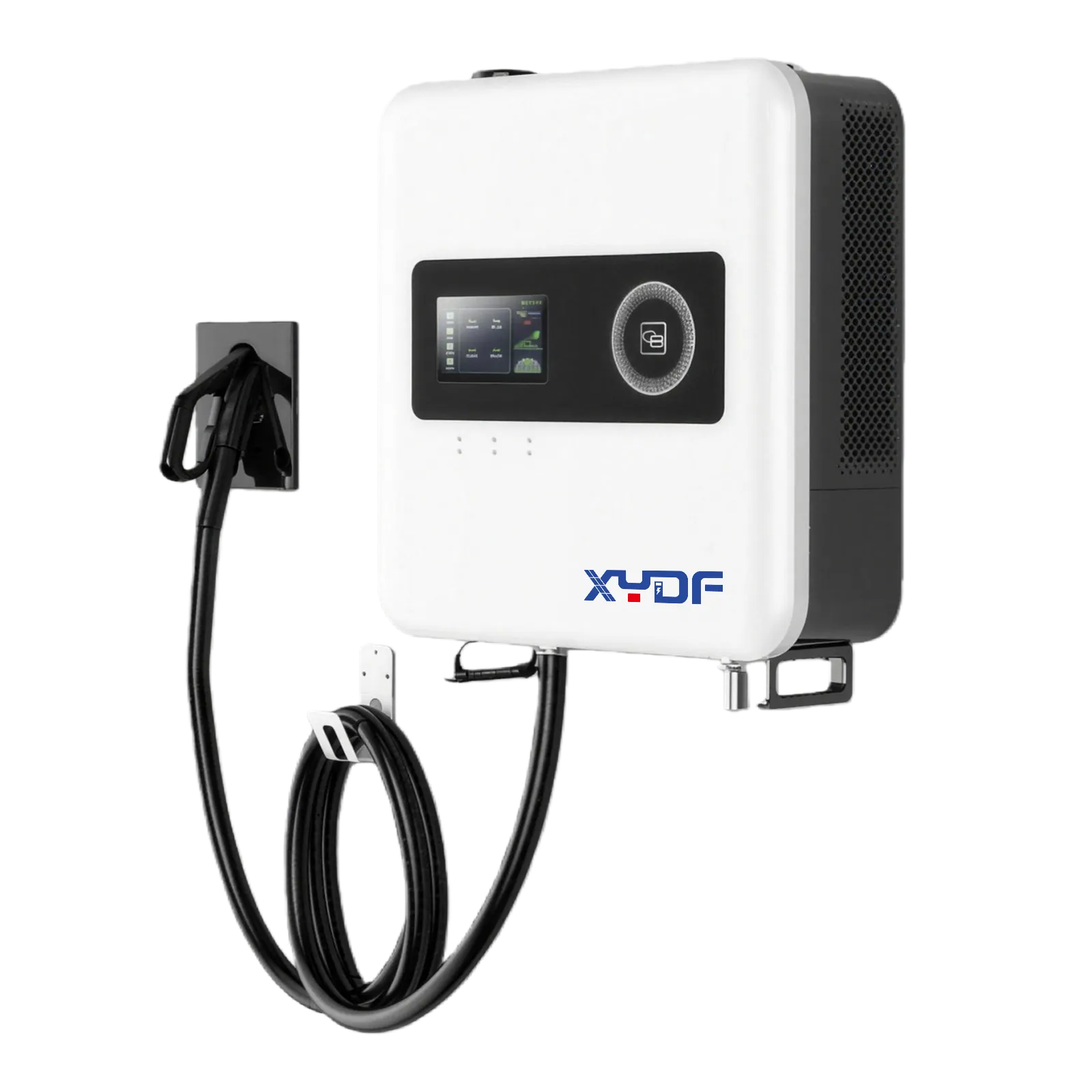
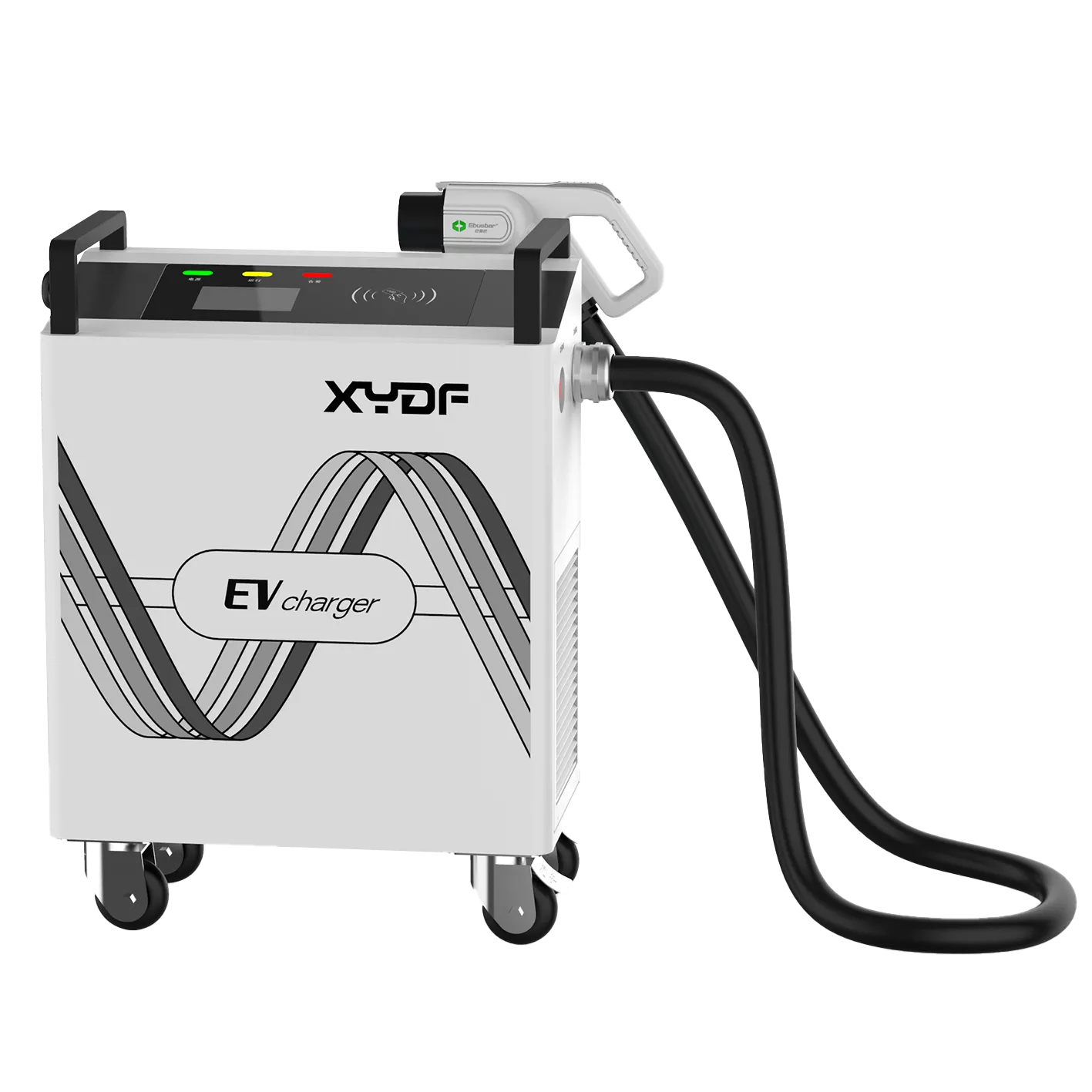
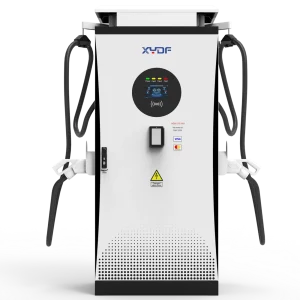
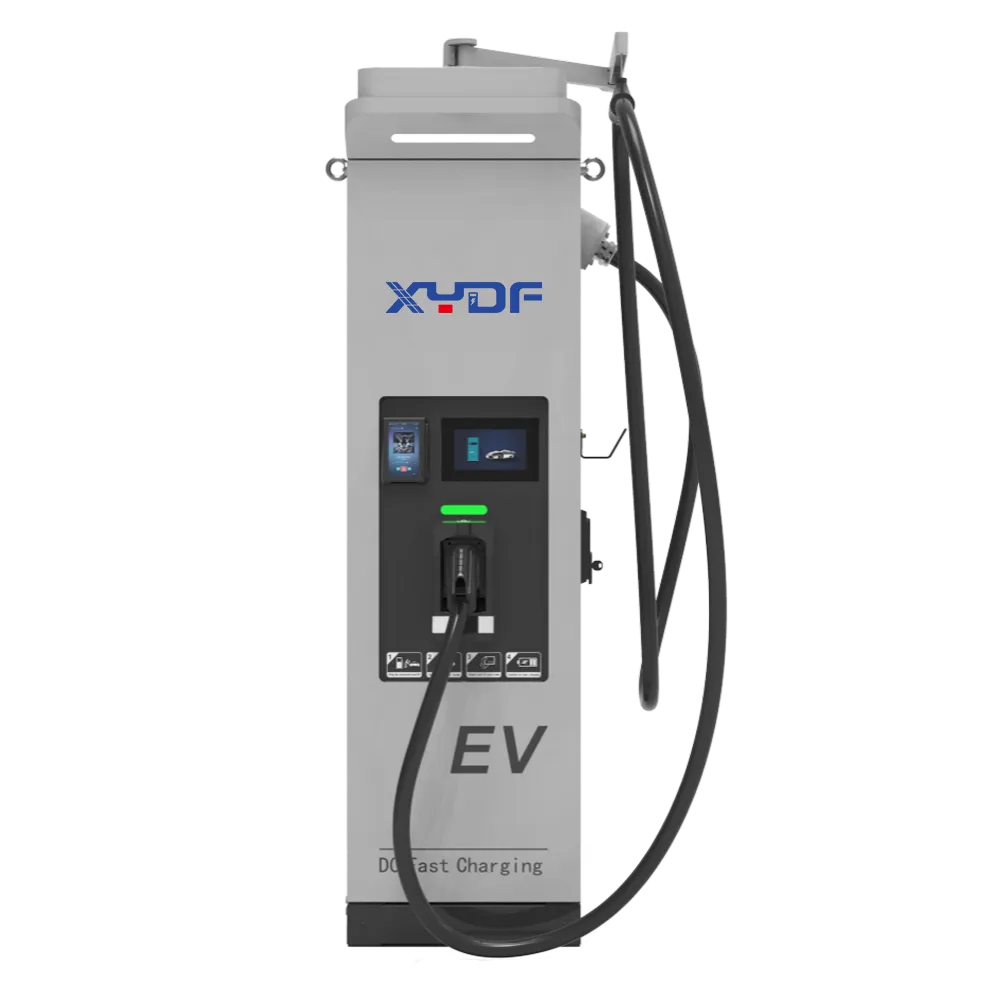
The charging equipment itself can be a standard AC charger or a DC fast charger. The main difference from a conventional charging project is not necessarily the charger, but how electricity is supplied, distributed, and managed.
A typical solar EV charging system may include:
Residential systems are usually relatively simple. Rooftop solar connects to the home distribution system through an inverter and operates together with the utility grid and a home EV charger. Control functions may already be integrated into the inverter, smart meter, charger, or mobile app, so a separate EMS is not always required.
Commercial projects involve more equipment and more complex load conditions. A site may include multiple charging points, building loads, solar carports, a BESS, and an independent EMS. The control system must coordinate these components without exceeding the site’s available electrical capacity.
Practical note: Battery storage is often one of the most expensive parts of a solar EV charging project. Its utilization, operating savings, and expected payback period should be evaluated before it is included.
In a typical AC-coupled system, the PV array generates DC electricity. A solar inverter converts it into AC electricity and feeds it into the site distribution system. The EV charger then delivers power according to the vehicle’s charging requirements.
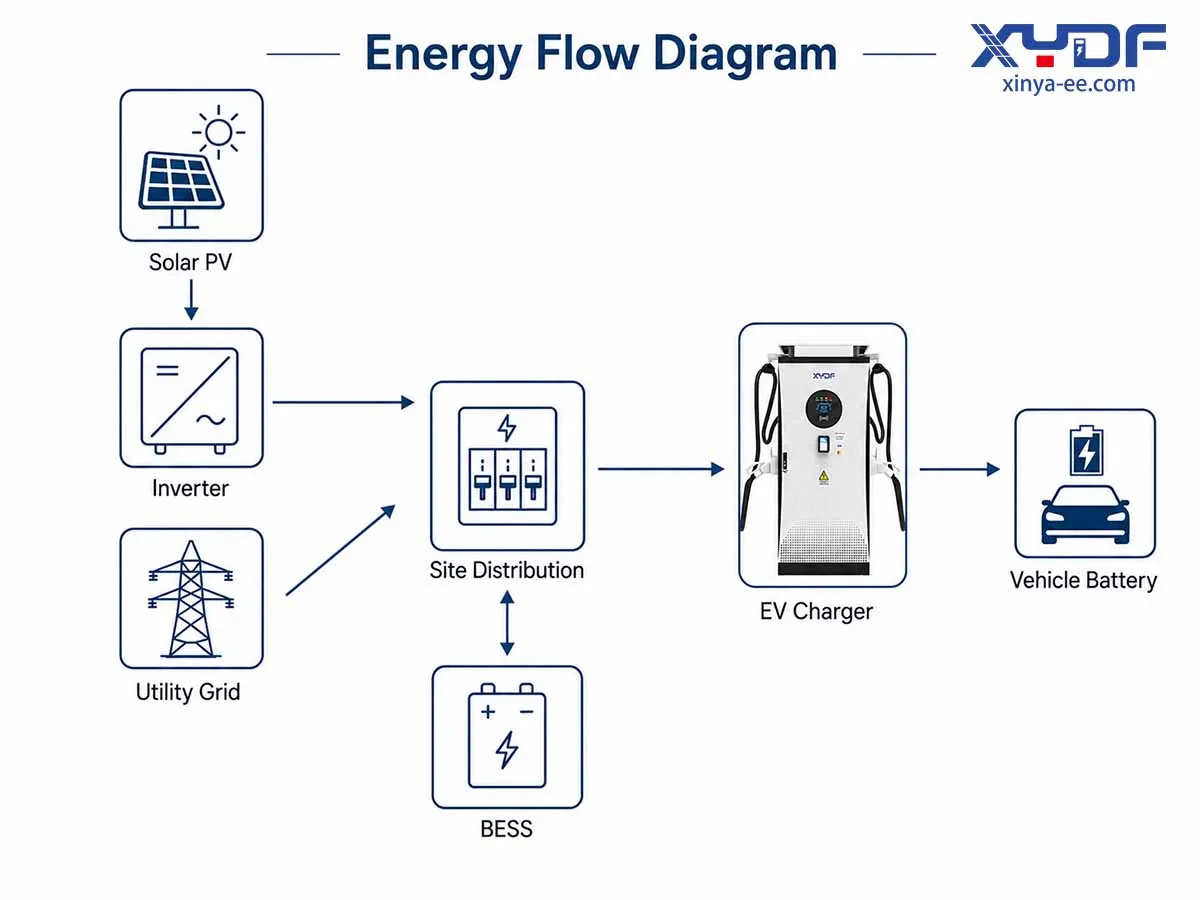
When a vehicle is charging, available solar power can directly supply part of the charging load. If solar generation is insufficient, the utility grid supplies the difference. When a BESS is installed, stored energy can also support the charging load when needed.
When no vehicles are charging, solar electricity can supply other equipment at the site, charge the BESS, or be exported to the utility grid where permitted.
This is a key point in understanding solar EV charger: solar electricity must have somewhere to go. EVs, building loads, battery storage, and the utility grid can all serve as destinations.
Important : Solar EV charger varies with weather and time of day. PV capacity should not normally be treated as firm capacity when sizing a transformer or grid connection. Benefits such as energy shifting and backup power also require a properly designed BESS and control system.
| System configuration | When solar is insufficient | When solar is surplus | Common application conditions |
|---|---|---|---|
| Solar PV + Grid + EV Charging | The grid supplies the difference | Used on-site, exported, or curtailed | Frequent daytime charging and stable daytime loads |
| Solar PV + Grid + Battery Storage + EV Charging | The grid or BESS supplies the difference | Preferably stored, but may also be exported or curtailed | Evening charging, limited grid capacity, or significant tariff differences |
This is the simpler and more common configuration because it does not require stationary battery storage.
Vehicles can use on-site solar energy while charging during the day. When solar output falls or charging demand increases, the utility grid supplies the remaining power. Charging is therefore not entirely dependent on weather conditions.
This configuration is more suitable when:
When no vehicles are charging, the solar system can still supply other site loads. Export or curtailment only becomes necessary when solar generation exceeds the site’s total real-time demand.
This configuration adds a BESS to the grid-connected system. The battery can transfer unused daytime solar energy to evening or nighttime charging. It can also supply additional power when charging demand suddenly increases.
For DC fast charging projects, battery storage may help reduce peak grid demand. A Joint Office help sheet citing NREL analysis indicates that, in specific battery-buffered charging scenarios involving 150 kW DC fast chargers, storage could reduce the required grid service capacity by approximately 50%–80%.
This is not a guaranteed result for every project. Actual performance depends on vehicle arrival patterns, charging power, battery capacity, and available grid capacity. See the Joint Office and NREL reference.
A BESS is more likely to be valuable when:
A BESS is not an essential part of every solar EV charger. It increases equipment costs, control complexity, and maintenance requirements. If vehicles or other site loads can directly consume most of the daytime solar generation, adding storage may not improve the project’s economics.
XYDF Perspective: PV capacity, battery capacity, and charger power should not be selected using a simple 1:1 ratio. System design should consider daily charging energy, simultaneous charging demand, vehicle dwell time, the solar production curve, and available grid capacity. Comparing nameplate ratings alone can lead to an underused battery or insufficient power during charging peaks.
Yes, but the solar power must first pass through an inverter or DC/DC converter, together with the necessary charging controls and safety protection. Because solar-only charging varies with sunlight, most systems also use the grid or a BESS.
No. A grid-connected system can use grid power when solar output is insufficient. A BESS is more valuable when solar generation and charging demand occur at different times, or when the site faces grid capacity, electricity tariff, or export constraints.
A site may be suitable if it has sufficient roof, carport, or ground space for solar panels and vehicles are regularly parked or charged during the day. Grid capacity, charging demand, local solar conditions, electricity tariffs, and solar export rules should also be assessed.

 Xinya Dongfang Electricity Technology Co., Ltd.