 Xinya Dongfang Electricity Technology Co., Ltd.


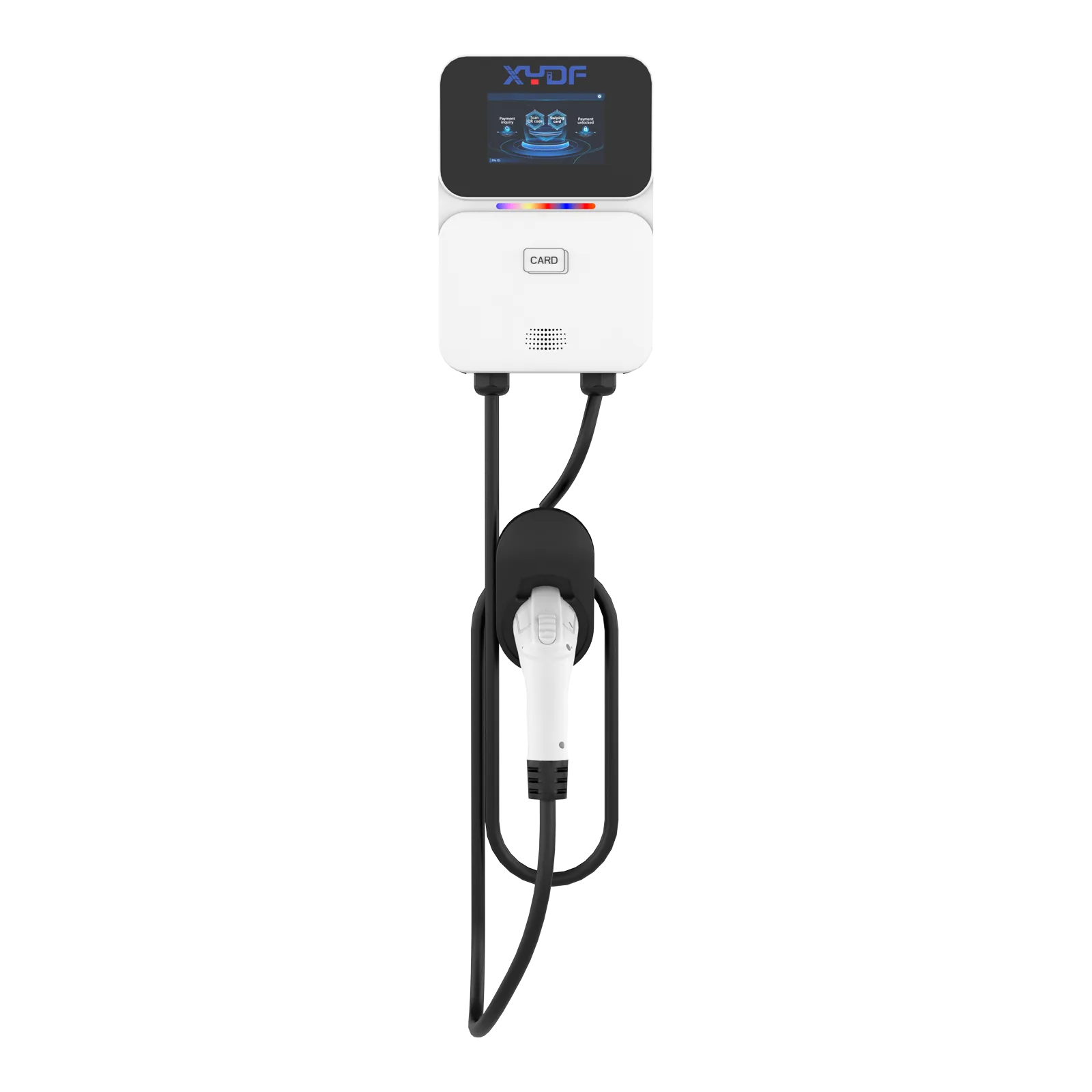
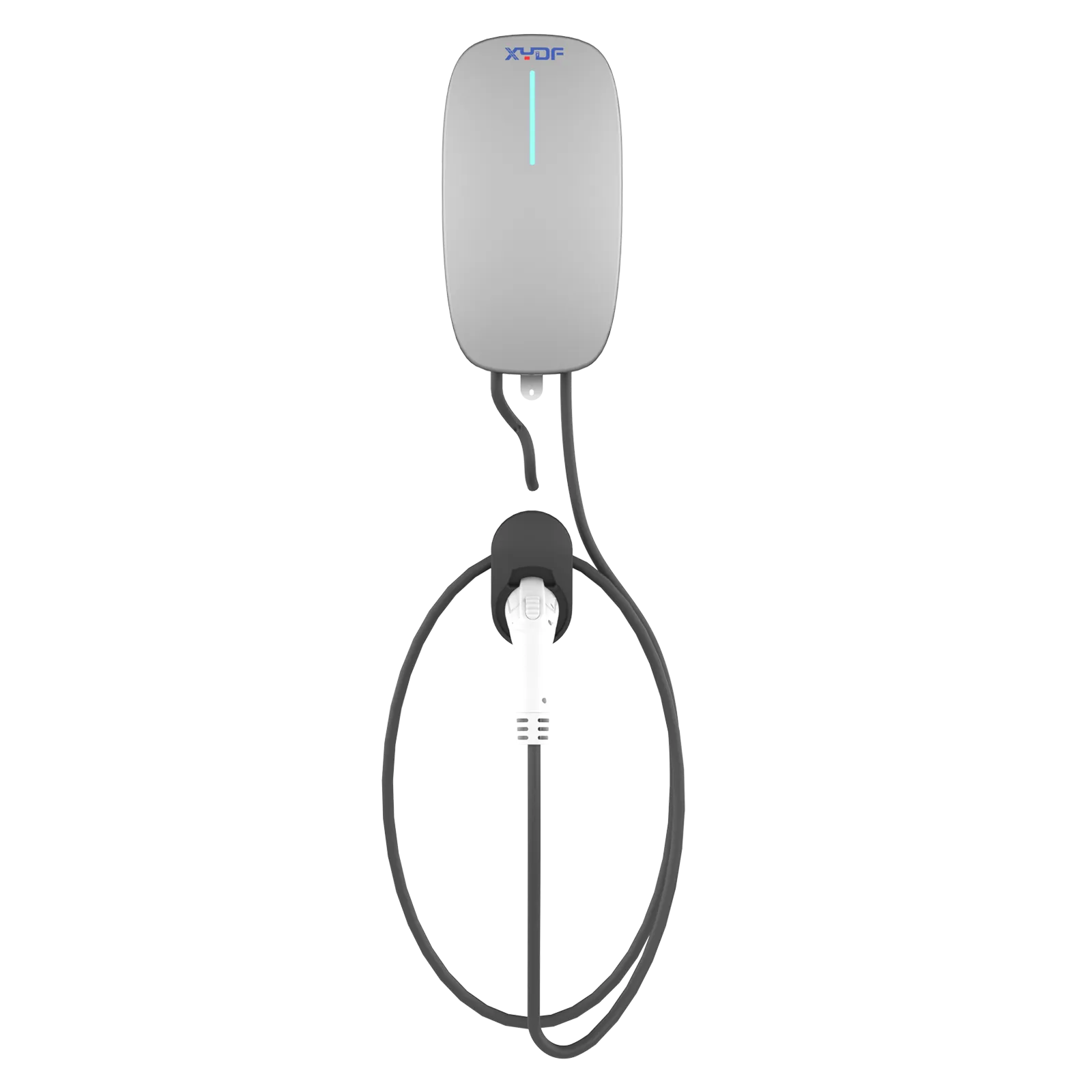
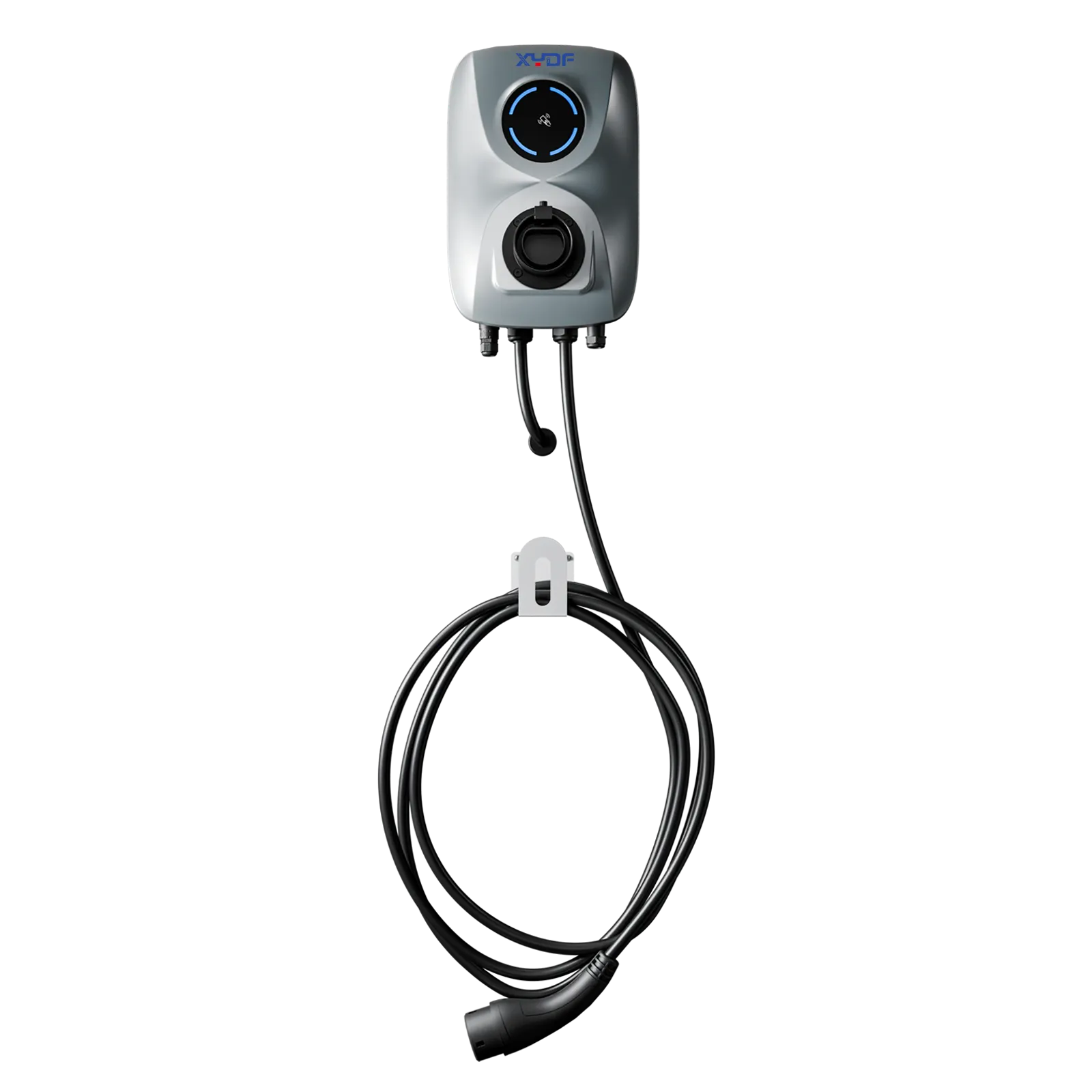
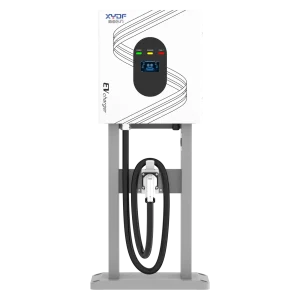

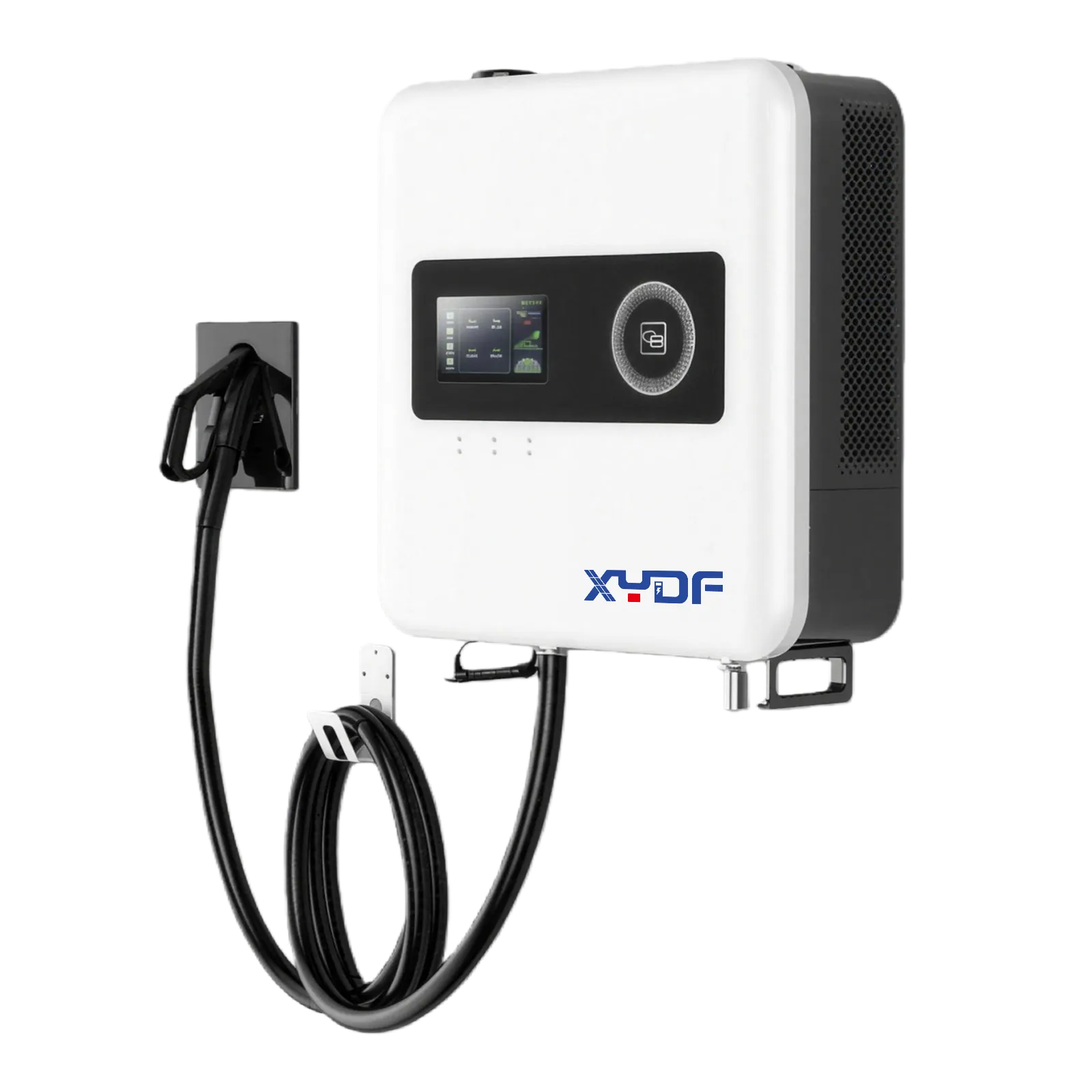
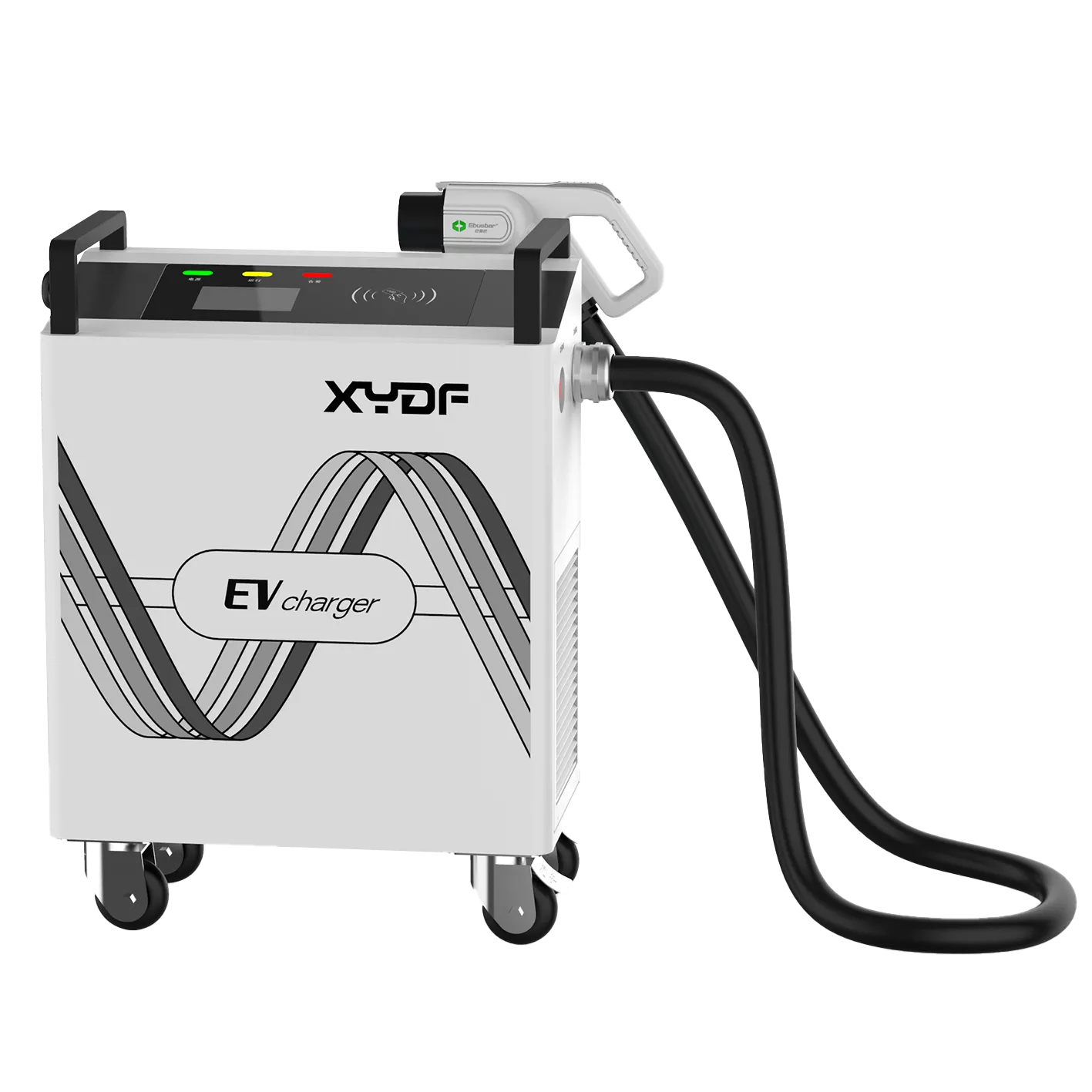
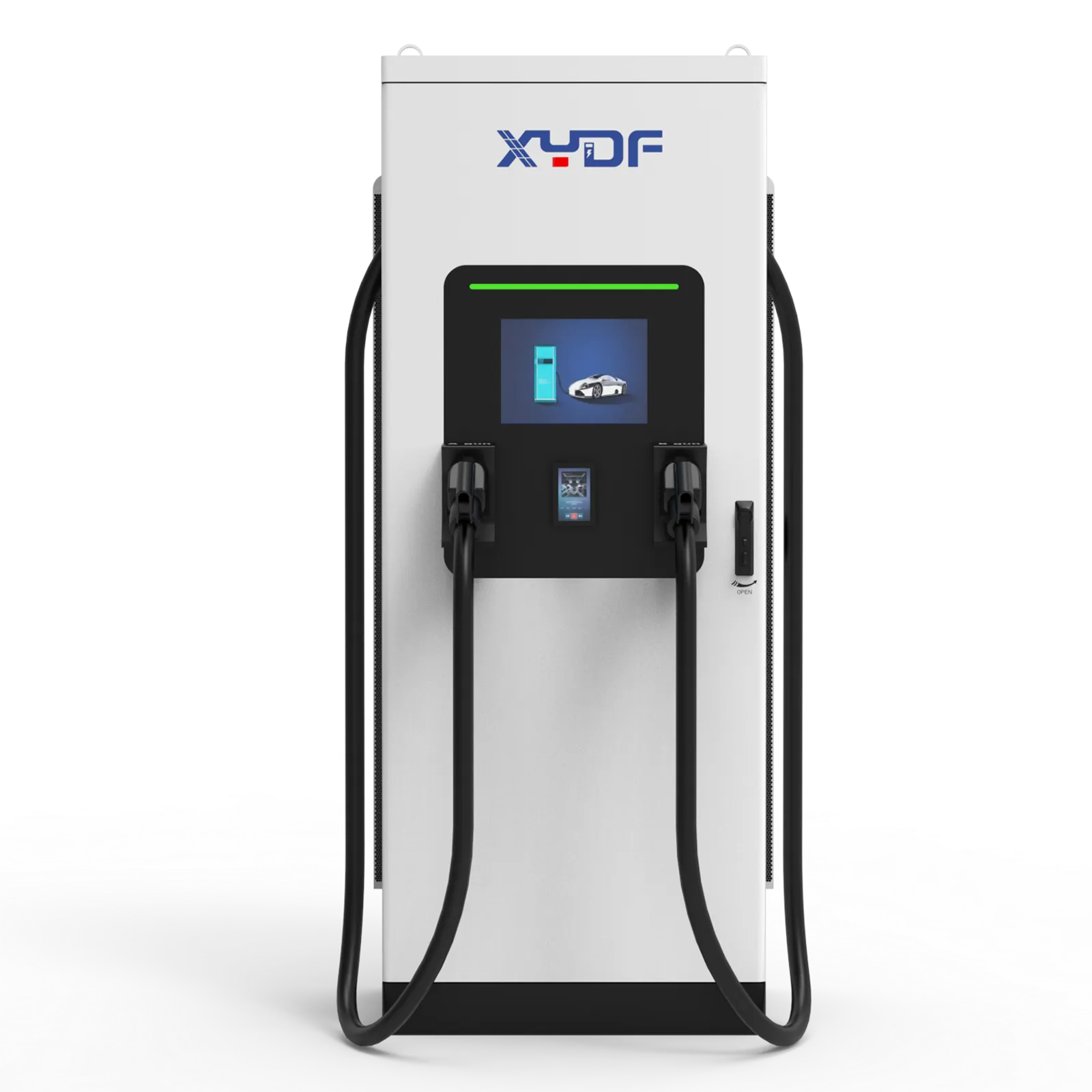
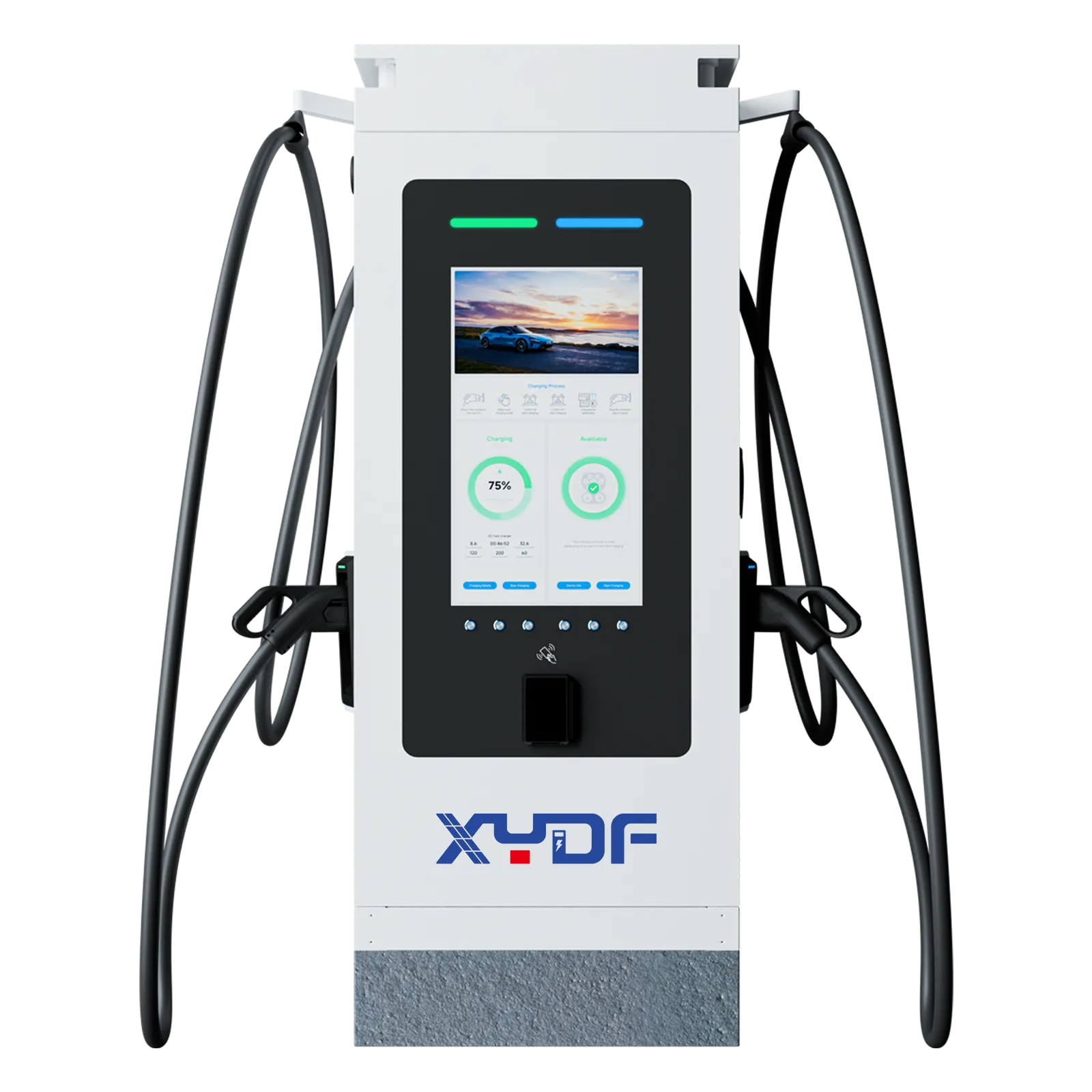
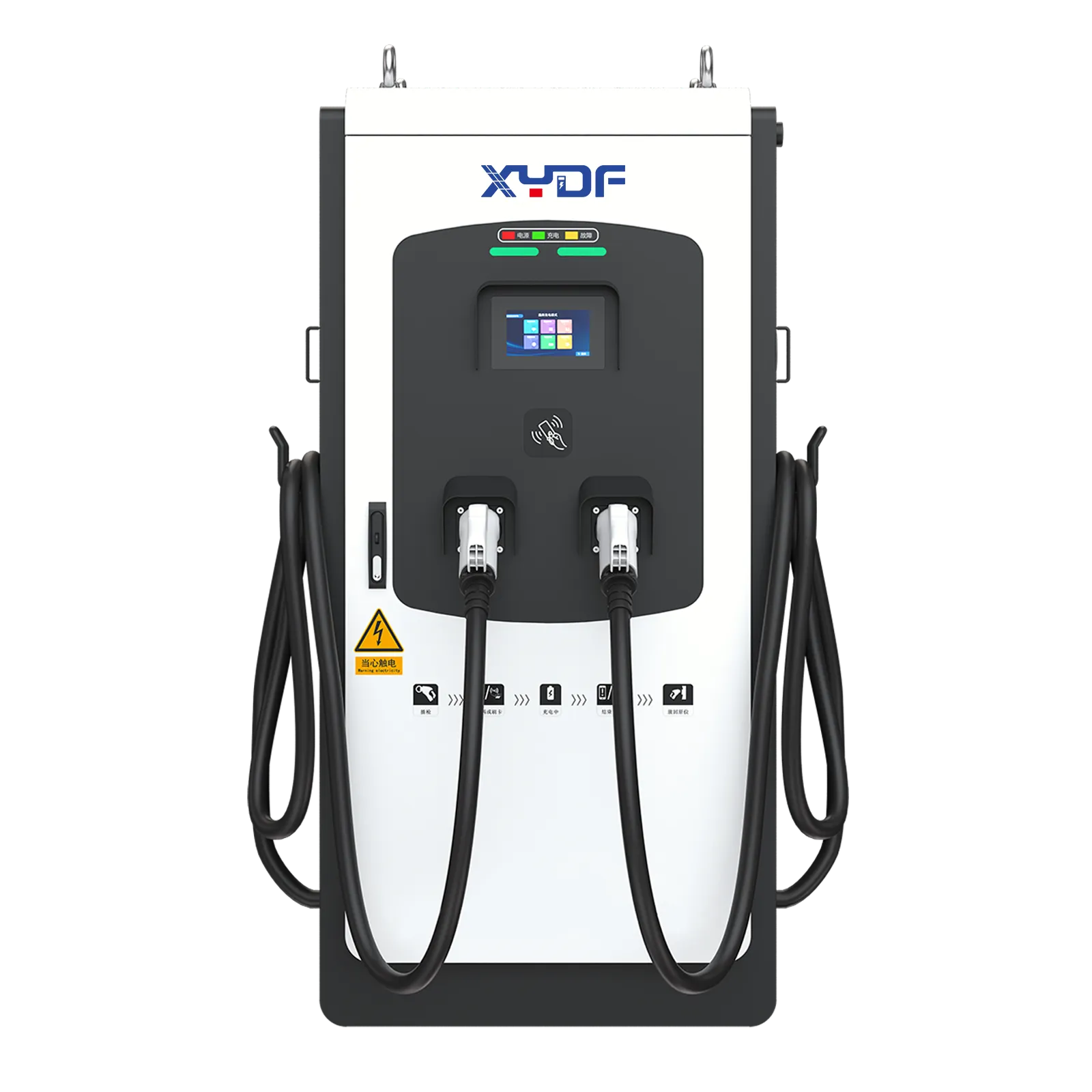
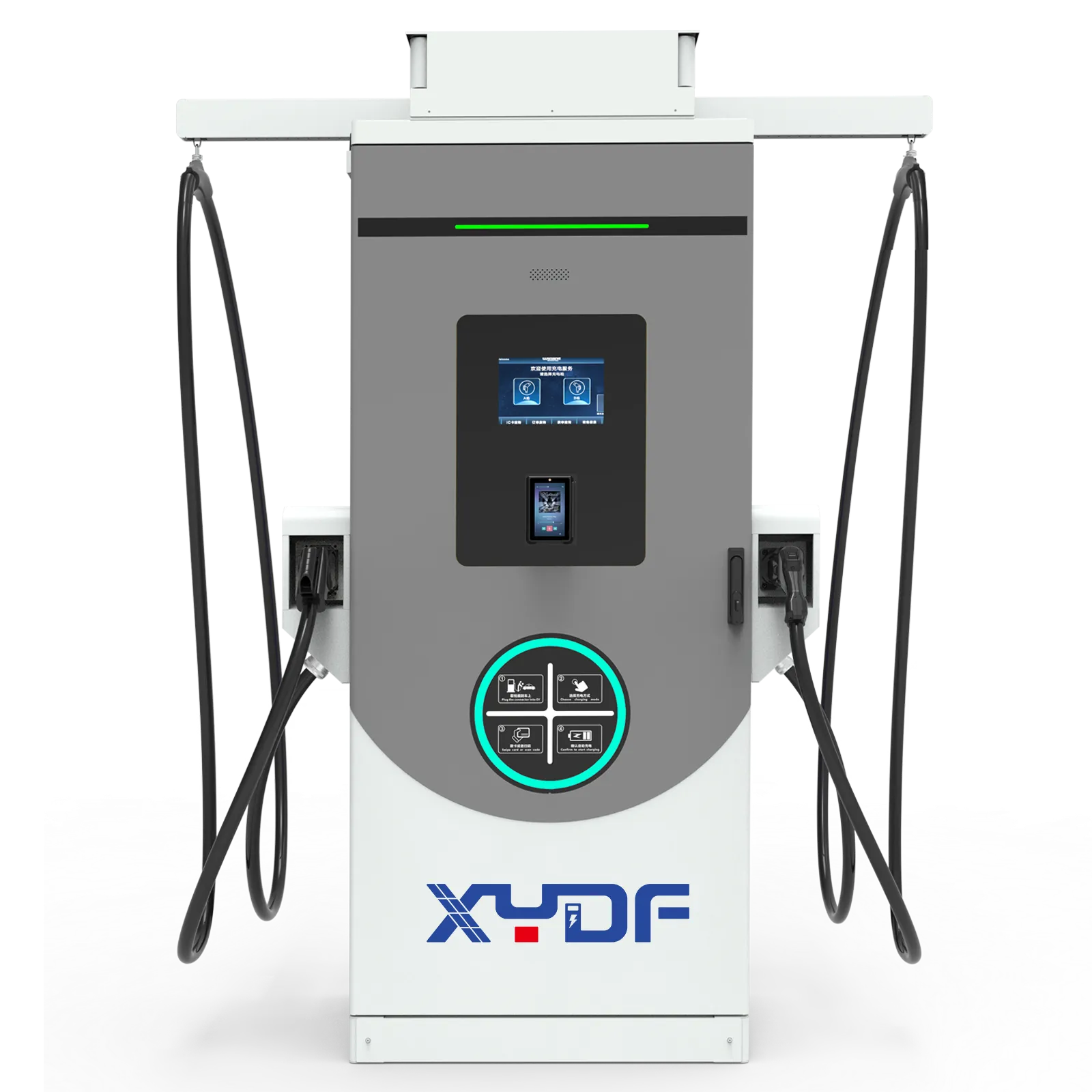
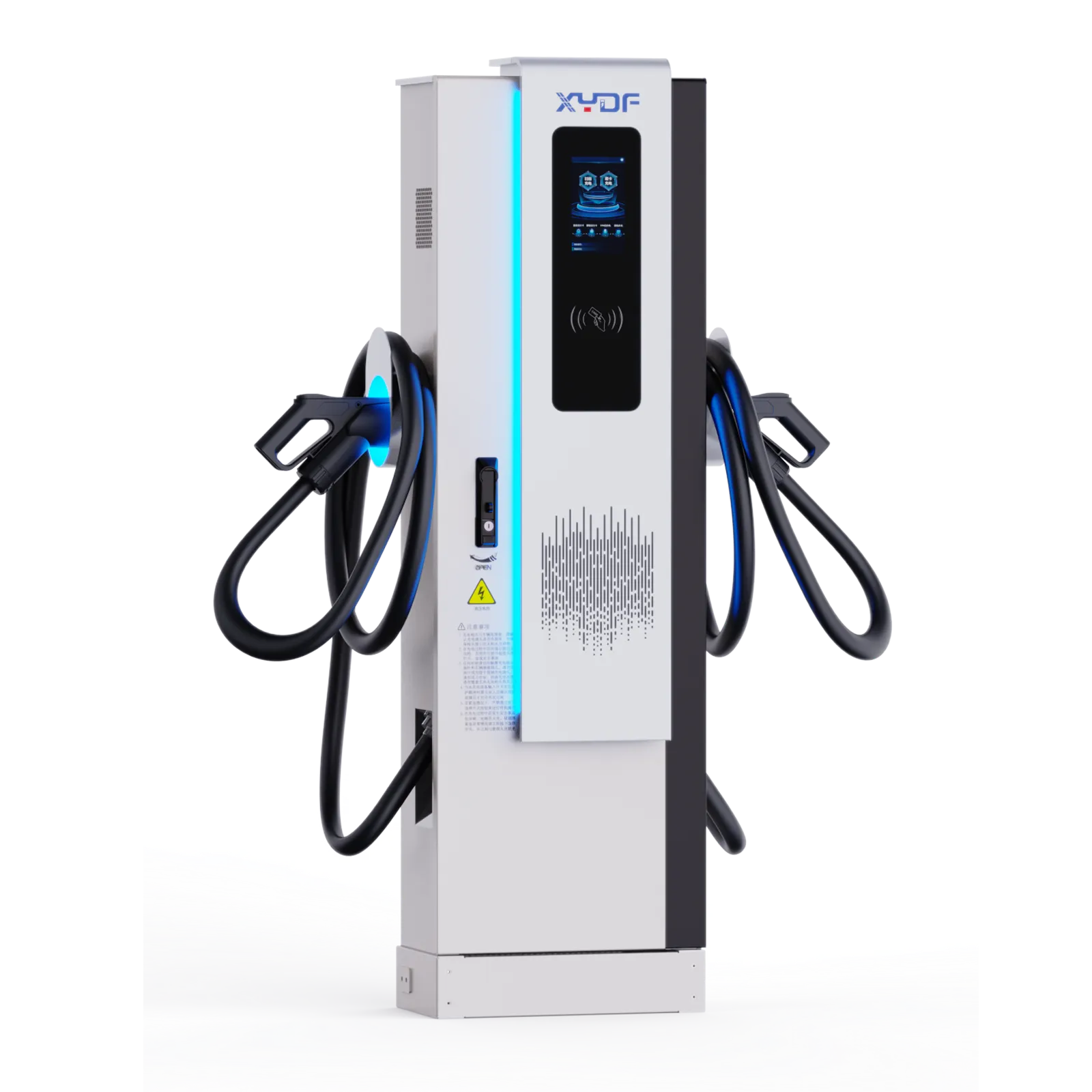
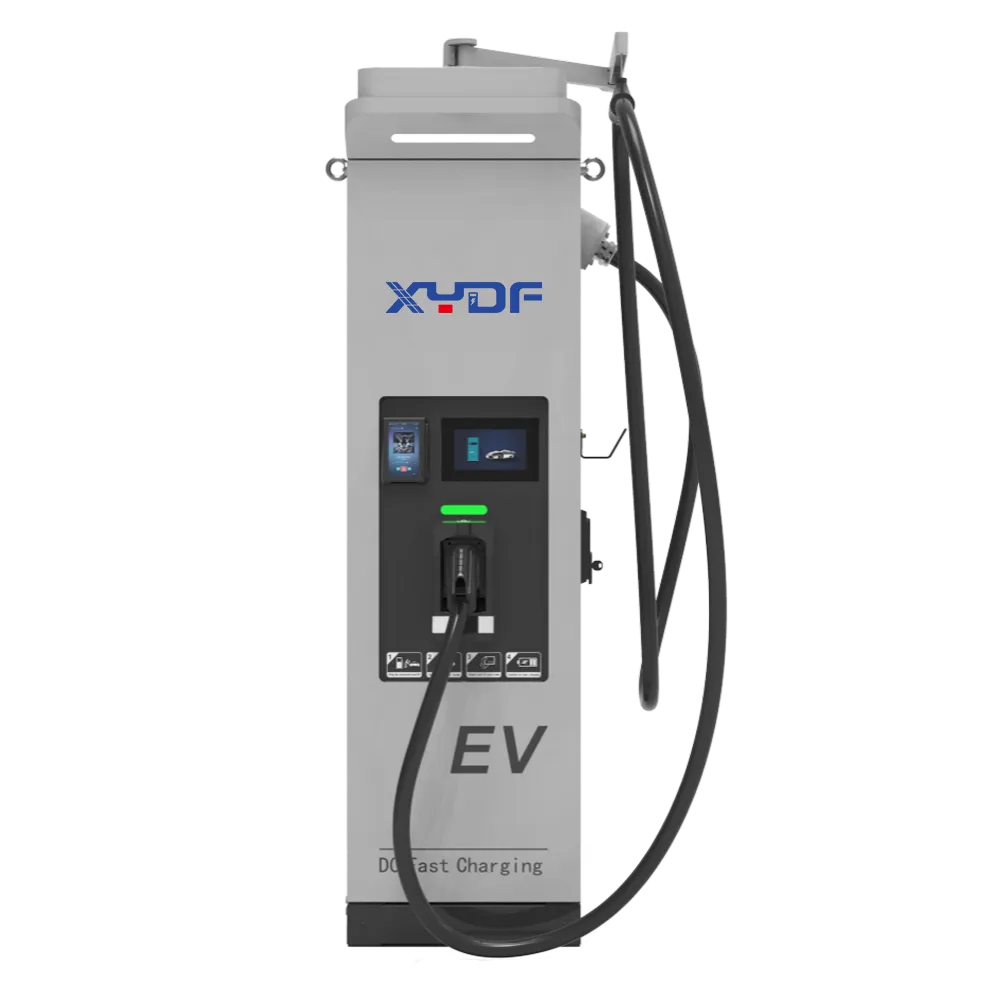
Choosing a wallbox for a home is an electrical-design decision, not only a comparison of charging speed and app features. The visible failure is often a nuisance trip, a hot termination, or a charger that reduces output whenever the cooker and heat pump run together. The underlying cause is usually an unbalanced specification: the vehicle, supply phase, circuit, protective devices, cable route, mounting position, and operating schedule were considered separately. The direct answer is to select the charging current only after a load assessment, then commission the complete installation against the rules for the destination market. This guide explains how to make that choice, when a portable unit is more appropriate, and which questions a buyer should put to the installer or manufacturer.
A 7 kW single-phase unit is a sensible starting point for many homes, but it is not a universal recommendation. At 230 V it draws about 30–32 A, and a 50 kWh refill would theoretically take about 7.1 hours at 7 kW before conversion losses, battery-temperature limits, and tapering. A lower-power circuit may be safer and entirely adequate for a car parked overnight; a three-phase 11 kW or 22 kW unit may be useful only where the vehicle and premises can accept it. The first decision is therefore a documented match between demand, capacity, protection and local requirements. The right borne de recharge pour véhicules électriques à domicile is the one that meets that design brief without overstating the available supply.
What problem does a fixed wallbox solve?
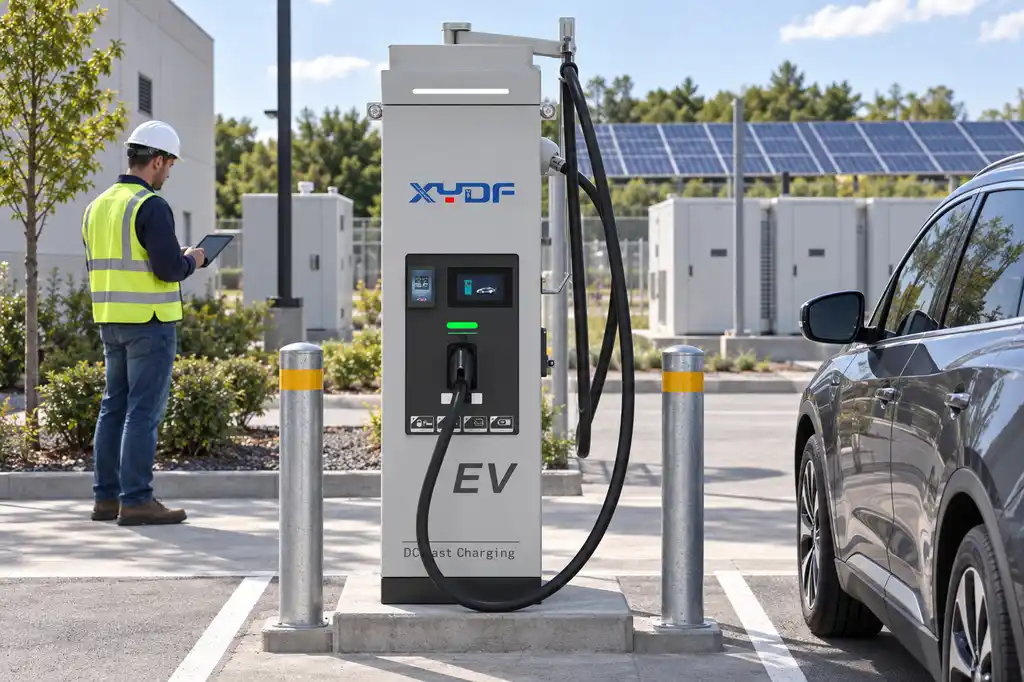
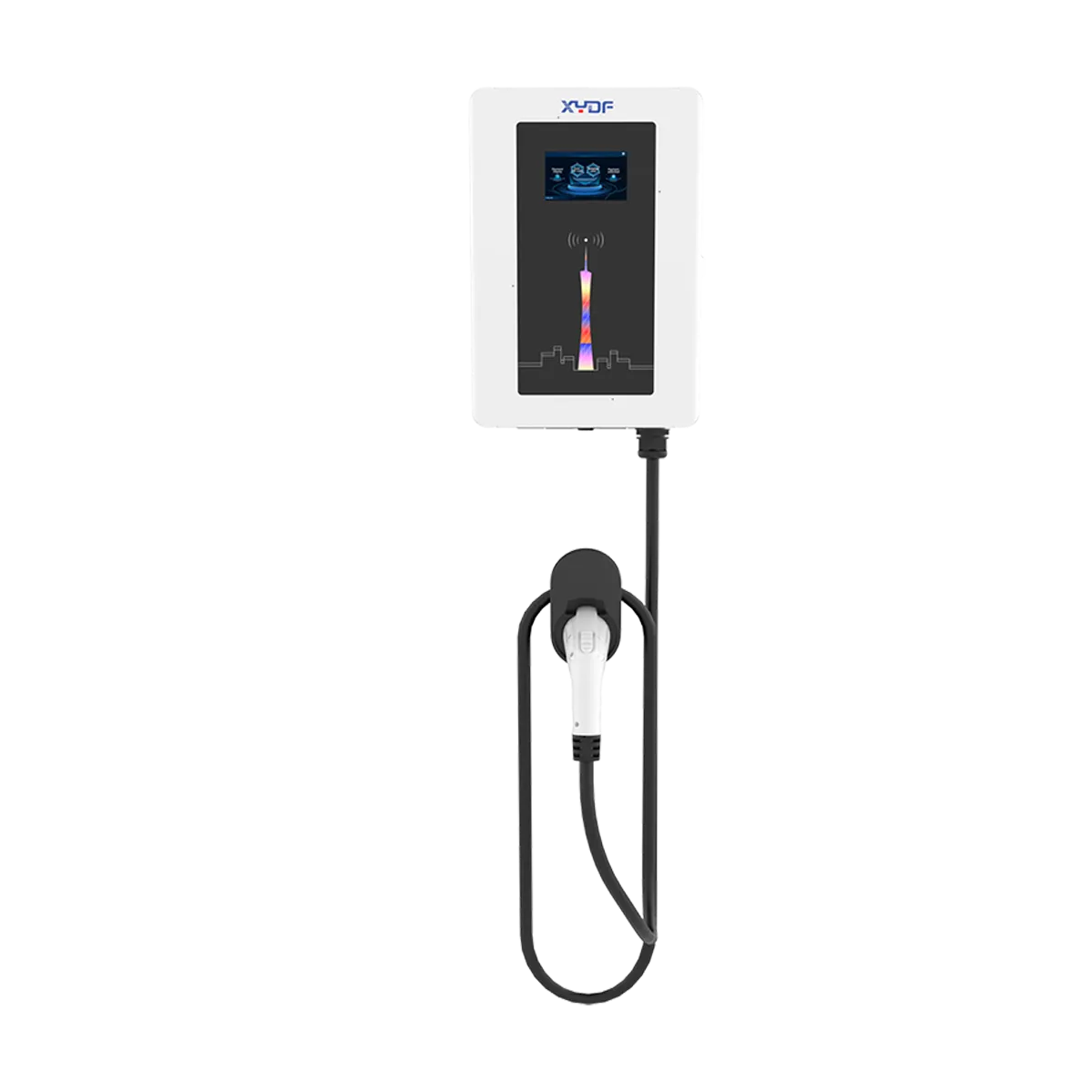
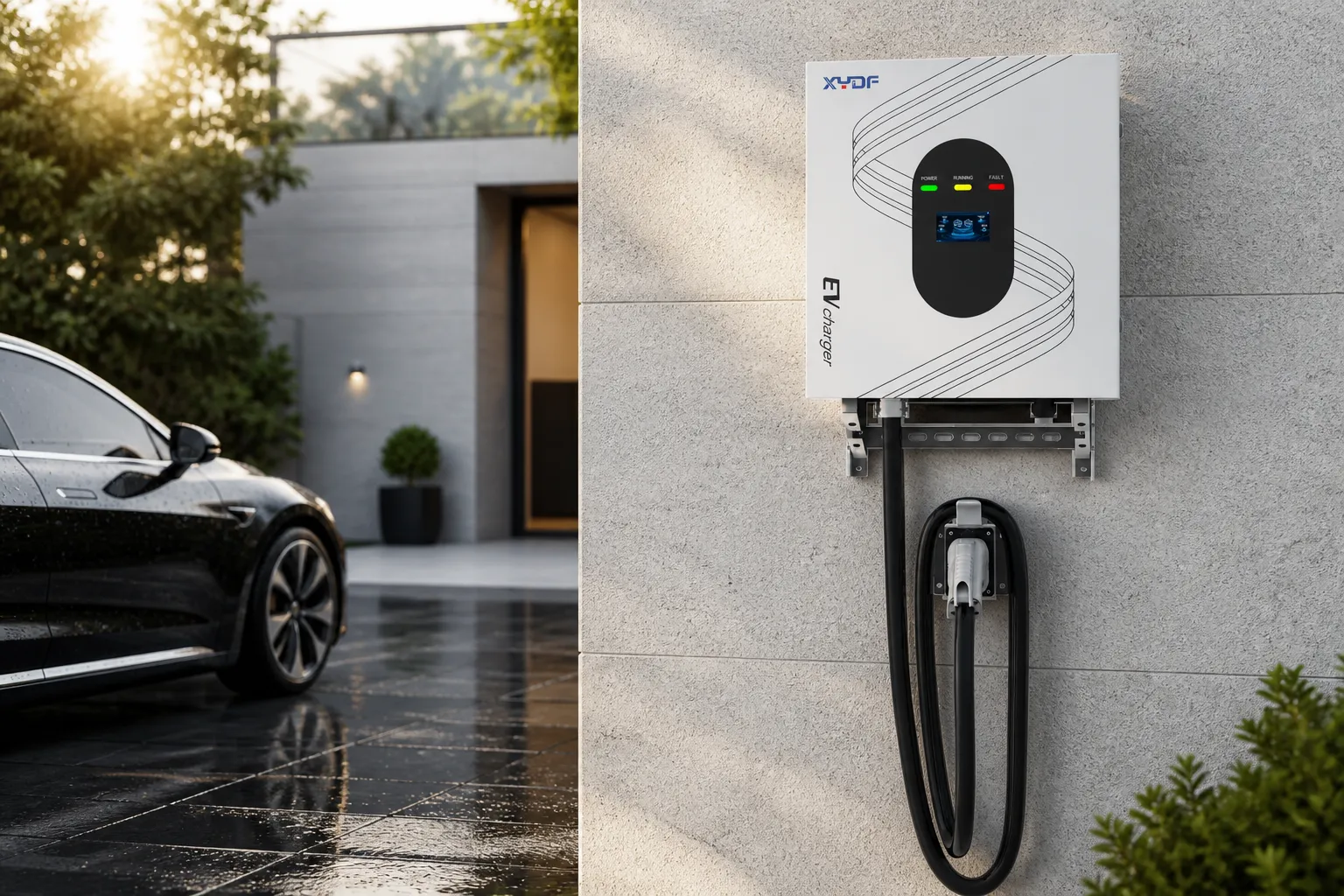
A wallbox EV charger is fixed equipment supplied from a circuit designed for repeated, relatively long charging sessions. It uses control-pilot communication to tell the car the available current and can coordinate that current with a local limit or a load-management controller. The car normally performs the AC-to-DC conversion through its onboard charger; the wallbox provides the interface, switching, monitoring and protection functions. IEC 61851-1 sets general requirements for conductive EV charging systems, but it does not by itself approve a particular installation or replace national wiring rules.
Compared with an ordinary domestic socket, a wallbox gives the installer a known connection point, a defined maximum current, a protected cable route and a repeatable commissioning procedure. It can also support scheduled charging, user authorization, energy measurement or a solar-surplus mode when those functions are documented for the model. Those features help an owner manage energy, but they do not compensate for an undersized circuit, poor earthing or an unsuitable mounting position.
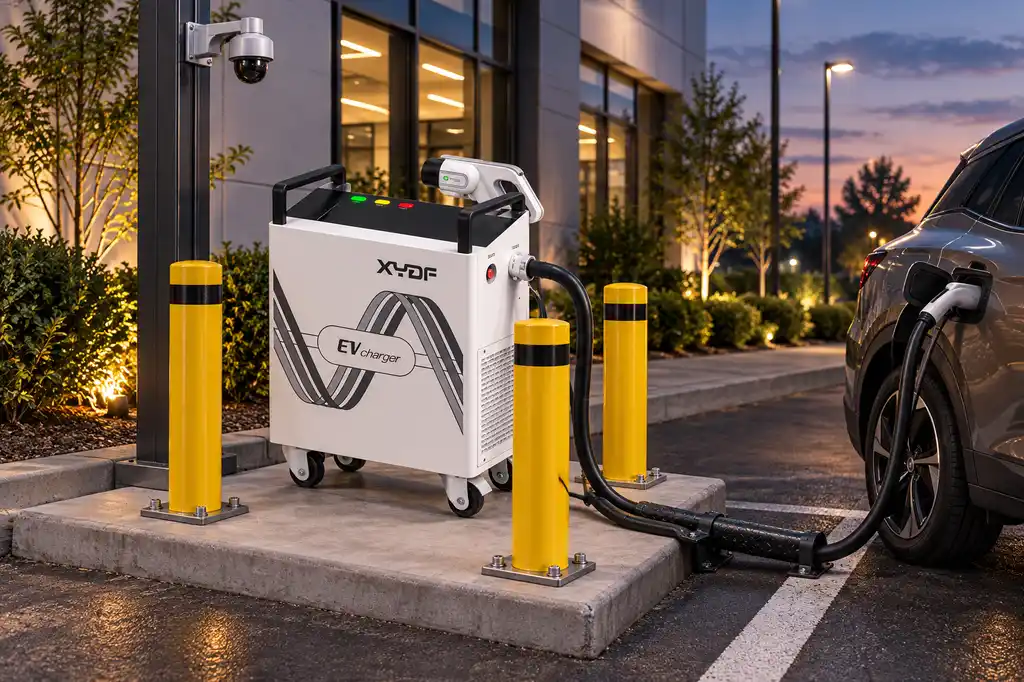
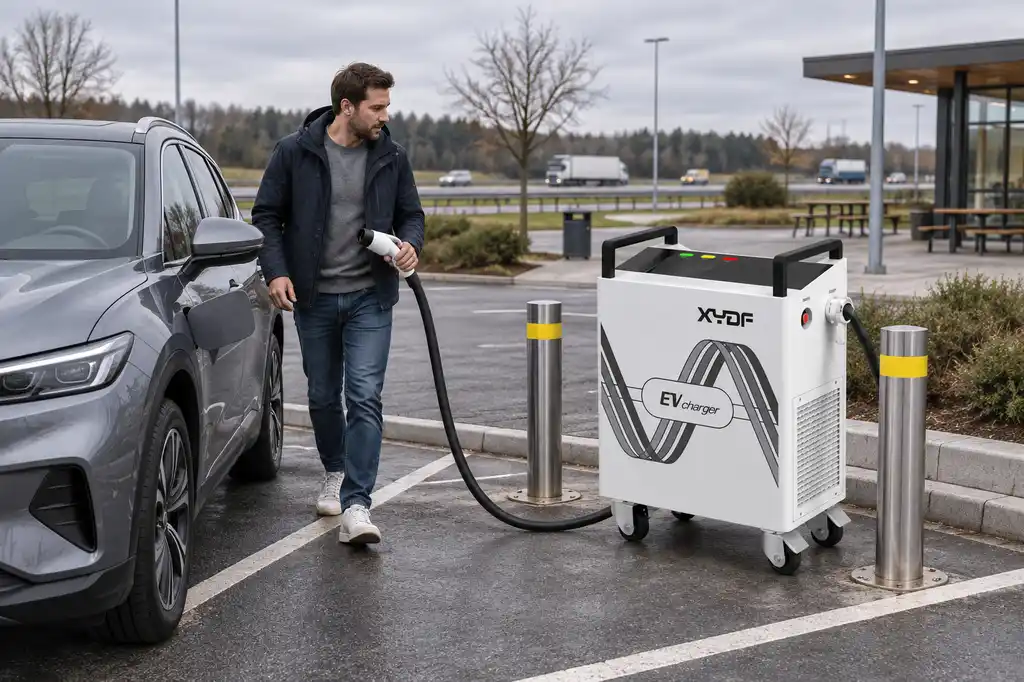
A portable or plug-in EVSE has a different role. It can be useful for occasional travel, a rental property, emergency charging or a site where a fixed installation is not yet justified. Its output is constrained by the socket, lead, protective device and local rules; a domestic outlet is not automatically suitable for a continuous EV load. Repeated high-current use may require inspection of the socket, terminations, thermal conditions and residual-current protection. If the vehicle is charged at home most nights, a fixed circuit normally provides a more controllable and auditable arrangement.
How should the vehicle and supply be matched?
The charging chain is limited by its weakest component. A vehicle with a 7.4 kW onboard AC charger will not charge at 11 kW, and a 22 kW wallbox needs a compatible three-phase supply and vehicle. Confirm the connector, maximum AC input, phase arrangement, tariff and parking duration before comparing nominal power. Ask for the manufacturer data sheet rather than inferring a rating from the enclosure or cable size.
| Nominal output | Indicative supply | Illustrative use | Checks before selection |
|---|---|---|---|
| 3.6 kW | 230 V single-phase, about 16 A | Long overnight dwell, modest daily mileage | Socket or circuit condition, available capacity, vehicle input |
| 7–7.4 kW | 230 V single-phase, about 30–32 A | Common home and workplace overnight charging | Dedicated circuit, voltage drop, RCD/DC leakage arrangement |
| 11 kW | 400 V three-phase, about 16 A per phase | Properties with three-phase service and compatible vehicles | Phase capacity, phase balance, cable route and utility rules |
| 22 kW | 400 V three-phase, about 32 A per phase | Higher daily energy demand where three-phase capacity is available | Service head, vehicle limit, protection and possible network approval |
These figures are electrical approximations, not promises of range. Range added per hour depends on vehicle efficiency, ambient temperature, battery state and charging losses. For an illustrative calculation, 50 kWh divided by 7 kW is 7.1 hours; the actual session may be longer. Treat the calculation as a planning aid, not a performance guarantee.
IEC 60364-7-722 addresses low-voltage installations supplying electric vehicles, while IEC 60364-5-52 covers conductor selection factors such as installation method, grouping, ambient temperature and voltage drop. The practical consequence is simple: do not select a power rating before the installer knows the cable length, route, enclosure conditions and existing demand.
Can the household circuit carry a continuous EV load?
EV charging can run for six to ten hours, so the assessment should treat it as a sustained load rather than rely on optimistic diversity assumptions. The installer should record the service rating, phase arrangement, consumer-unit or panel capacity, existing protective devices, conductor sizes, route length, ambient conditions and major loads such as heating, hot water, cooking, solar inverters and batteries. A circuit that appears adequate at midday may have little headroom when several loads start in the evening.
Protection is a system decision. Depending on the product design and jurisdiction, the installation may need a dedicated final circuit, overcurrent protection, residual-current protection of the required type, DC residual-current detection, earthing and bonding measures, isolation, surge-protection assessment, and protective measures for an open-PEN or equivalent supply fault. IEC 62955 describes residual direct-current detecting devices for Mode 3 charging; it is not a blanket substitute for the RCD arrangement required by the local installation rules. The charger manual and the installer’s design certificate should state which device is required.
Gestion dynamique de la charge can measure household current with a meter or current transformer and reduce the vehicle current before a service limit is exceeded. It may avoid an immediate supply upgrade, but it does not make an inadequate conductor safe and it cannot override a protective device. Confirm the sensor location, fail-safe behavior, minimum charging current, communications method and what happens when the network or controller is unavailable.
Users should also ask how a fault is indicated and reset, whether the charger stops safely after loss of protective earth, and whether the configuration records the maximum permitted current. A lower current setting can be a legitimate design choice; silently relying on software to mask a missing protective measure is not.
Where should a wallbox be mounted?
Mounting affects safety and daily usability as much as the electrical rating. Select a solid wall or approved post with enough space for the enclosure, cable bend radius, connector storage and maintenance access. Keep the unit clear of vehicle impact paths, standing water, downpipes and sources of excessive heat. For outdoor locations, verify the model’s environmental rating and installation instructions rather than assuming that every wallbox is weatherproof. Sunlight, rain, spray, dust and condensation can change the enclosure temperature and the long-term condition of terminals.
Measure the distance from the parking inlet to the charger with the cable held at a realistic height and route. A cable that reaches only when stretched across a walkway creates a trip and impact risk. Tethered and socketed designs have different storage and tamper considerations; include the connector weight, a holster and a strain-relief path in the layout. For shared driveways, check access, lighting, drainage, bollards and the ability to isolate the unit during maintenance.
Connectivity is also a site requirement. Confirm Wi-Fi or cellular signal at the final mounting point, local access to the app or RFID function, and whether basic charging continues if cloud services fail. For a detached garage, a wired sensor or local load-management link may be more dependable than a marginal wireless connection.
How do smart features affect energy cost and reliability?
Scheduling can move charging to a lower tariff period; solar-following can use surplus generation when the vehicle is present; and managed charging can keep a home below a service limit. None of these functions guarantees a particular bill saving because tariffs, solar output, vehicle availability and battery behavior vary. Specify the control objective and the fallback behavior instead of buying a feature name.
For UK private charge points, the Electric Vehicles (Smart Charge Points) Regulations 2021 set device-level requirements for smart functionality, default charging behavior and security, with the main provisions applying from 30 June 2022 and specified security requirements from 30 December 2022. That scope is market-specific; it should not be presented as a universal requirement. Buyers selling or installing in another market should check the applicable regulator, grid code and product documentation.
Ask the supplier how credentials are protected, how firmware is signed and delivered, how long updates are supported, and how a user can export charging data. A connected product should have a documented recovery path after a router change, cloud outage or lost account. These are procurement and service questions, not evidence that a model is certified for every country.
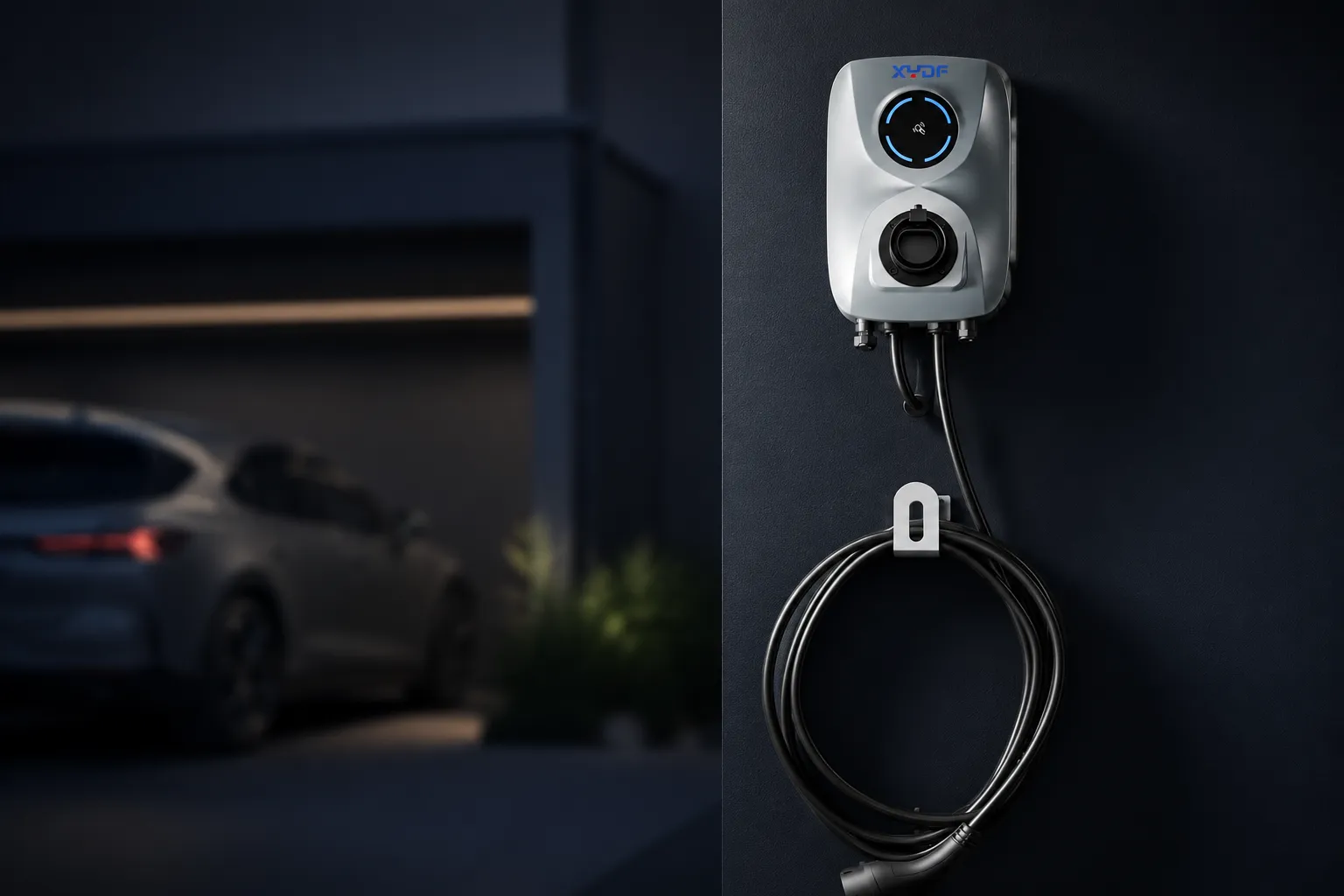
Wallbox or portable charger: which fits the job?
| Decision factor | Fixed wallbox | Portable or plug-in EVSE |
|---|---|---|
| Meilleur ajustement | Frequent home charging at a known parking point | Occasional use, travel, rentals or temporary arrangements |
| Electrical control | Dedicated circuit and defined maximum current can be commissioned | Depends on socket, adapter, lead and available circuit |
| Installation effort | Survey, cable route, protective devices, mounting and testing | Lower initial work, but the supply still needs to be suitable |
| Gestion de la charge | Can integrate with a meter, tariff or solar controller where supported | Usually limited; do not assume a portable unit can protect the whole property |
| Daily usability | Consistent connector position and stored cable | More handling, storage and socket inspection |
| Faisceau de coûts | Equipment plus electrical and civil work | Equipment and any required socket or circuit upgrade |
The honest comparison is not “permanent is always better.” A portable unit can be rational when the driver charges rarely and the owner can verify a suitable circuit at each location. For a home used every day, the fixed option generally makes the load, protection and maintenance responsibilities clearer. See the outdoor residential EV charger guidance when the parking space is exposed to weather.
What should commissioning prove?
Commissioning should leave an auditable record, not only a powered-up screen. The qualified installer should verify conductor continuity and polarity as applicable, protective-earth integrity, insulation and loop or equivalent results required by local rules, RCD operation, DC leakage protection where specified, isolation, torque and enclosure condition. The permitted current should be configured to the design value, and the vehicle should complete a controlled test session without unexplained heating, nuisance tripping or loss of communication.
The handover pack should identify the model and serial number, circuit and protective devices, maximum current, test results, firmware or configuration state, user reset procedure and maintenance contact. The owner should know which symptoms require isolation: repeated protective trips, a hot plug or socket, damaged insulation, water ingress, burning odor, exposed conductors or an unexplained loss of earth. Do not continue charging while investigating a suspected electrical fault.
Anyone researching qualified electrician requirements should treat local law as the deciding authority. In many markets, design, connection, inspection or notification must be performed or signed off by a licensed person; in others the exact boundary depends on the building, supply and work scope. The manufacturer can provide installation instructions and test conditions, but cannot replace the person responsible for the electrical installation.
How should a buyer specify a model?
- Document the vehicle’s AC input limit, connector, daily energy need and parking duration; calculate a realistic session rather than choosing the highest label.
- Obtain a site survey covering supply phase, service capacity, cable route, voltage drop, earthing, protection, mounting surface and weather exposure.
- Request the complete protection arrangement, including RCD type, DC residual-current detection, overcurrent device, isolation and any open-PEN or surge measures required for the market.
- Define control behavior: fixed current, tariff schedule, solar surplus, dynamic load management, local fallback, user access and data retention.
- Require model-specific drawings, manuals, test evidence, environmental limits, connector details, warranty boundaries and commissioning records. Check certifications or declarations against the exact model and destination market.
XYDF (XYDF) supplies AC charging equipment for residential, workplace, fleet and destination applications. Buyers can review the AC EV charger range and the broader EV charging product catalogue, then request model-specific power, connector, protection, enclosure and communications documentation. The useful question for an OEM or project buyer is not whether a catalogue says “smart” or “safe,” but which tested configuration is suitable for the intended market and installation.
Frequently asked questions about home wallboxes
How much does a wallbox charger cost?
The charger is only one budget line. Total cost varies with output, cable length, panel capacity, protective devices, trenching or drilling, mounting hardware, communications and local labor. A short route beside a suitable panel may be simple; a detached garage, service upgrade or difficult ground route can dominate the cost.
Is a portable EV charger safe to use at home?
It can be safe when the socket, circuit, earthing and protective devices are suitable for the charger’s continuous current and the product is used exactly as instructed. A familiar socket does not prove that its terminals, extension lead or circuit are suitable for overnight EV charging. Have a competent person inspect an uncertain supply.
Which wallbox power rating is best?
The best rating matches the car’s onboard charger, the property’s available capacity and the time the vehicle is parked. Many single-phase homes can make good use of 7–7.4 kW, while 3.6 kW may meet a low-mileage overnight routine and 11/22 kW requires compatible three-phase conditions. A higher nameplate does not shorten a session when another part of the chain is the limit.
Do I need a dedicated circuit for a home EV charger?
Often, yes, because a dedicated circuit makes continuous-load design and protective coordination clearer; the exact requirement depends on the local installation rules and product design. The installer should document conductor capacity, overcurrent protection, residual-current protection, isolation and the maximum configured current. Never create a circuit by adding a high-current charger to an unverified extension or multi-socket arrangement.
Can dynamic load management avoid a supply upgrade?
It may reduce charging current when other loads rise and can be a useful alternative to immediate capacity work, but only when the sensor, controls and fail-safe behavior are part of an approved design. It cannot fix a damaged cable, missing protective device or inadequate earthing. Ask the installer what happens if the sensor or communications link fails.
How is a wallbox commissioned?
The installer mounts and terminates the unit, verifies the circuit and protective functions, configures the permitted current, performs a controlled charge test and records the results. The handover should include the model, serial number, protection arrangement, settings and user fault procedure. Local inspection, notification or utility approval may also apply.
Références
- IEC 61851-1:2017, Electric vehicle conductive charging system — General requirements
- International Electrotechnical Commission, standards catalogue (including IEC 60364-7-722 and IEC 62955)
- UK Government, Regulations: electric vehicle smart charge points
- NFPA, NFPA 70 (National Electrical Code) code-development page
- International Energy Agency, Global EV Outlook 2025
Safe home charging is a system outcome: the right power, circuit, protection, mounting, controls and commissioning record have to agree. The most dependable buying decision starts with the vehicle’s AC limit and the home’s measured capacity, then checks the cable route, protective devices, weather exposure and expected charging schedule. Portable equipment remains useful for occasional or temporary charging, but a fixed unit normally gives frequent home use a clearer circuit and handover record. Choose the configuration that fits the property and vehicle, and treat smart functions as controls that need documented fallback behavior rather than as a substitute for sound electrical design. XYDF can provide model-specific documentation and a quotation through its EV charging manufacturing team. A short technical review before installation is usually worth more than a larger charger selected on its headline number.