 Синьцзя Дунфан Электрик Технолоджи Ко., Лтд.



A commercial charging site should define the difference between stopping a session and isolating an electrical installation. The operator plan needs clear responsibility, visible information, incident records, and a controlled route back to service; a product name alone does not provide that process.
Part 1. Why should operators distinguish stop from isolation?
Stopping a session may end the vehicle transaction; isolation addresses the electrical installation through an authorized process. The two actions can be related during an incident, but they should not be described as interchangeable.
Тот UK HSE electricity-safety guidance и IAEI charging-infrastructure planning article place electrical work and control within defined safety arrangements. They do not turn a blog post into a site-specific emergency instruction.
Part 2. Who should own the emergency decision?
Where hazardous energy is involved, the site’s authorized electrical process should define isolation, lockout or tagging, verification, and release responsibilities. The exact method depends on the jurisdiction and installation; a charger control or dashboard status is not evidence of electrical isolation.
Name the roles before an incident occurs. The operator can identify an unsafe condition, the site lead can activate the escalation path, and qualified electrical personnel handle isolation or verification duties assigned by the project process.
| Role area | Planning question |
|---|---|
| User or driver | How is an immediate concern reported? |
| Site operator | Who pauses use and protects the area? |
| Electrical responsible person | Who controls isolation and technical assessment? |
| Asset owner | Who authorizes contractors, records, and reopening? |
| Supplier support | What information can be requested without assuming remote control? |
Do not assign legal authority from a generic table. The contract, local process, and responsible people must define the actual roles.
Part 3. What information should the site make visible?
Make the operating boundary easy to find: equipment identity, site contact, emergency escalation route, access restrictions, and the instruction to keep people away from an unsafe area. The details should remain current when equipment or site ownership changes.

Do not treat a stop button, app command, or dashboard status as proof that an installation is electrically isolated. The responsible process must determine what action is required, who may perform it, and what evidence is retained. See HSE electricity-safety guidance for the broader safety context.
Part 4. What should be recorded after an event?
Record the time, equipment identity, observed condition, user or vehicle context, action taken, people notified, and current service state. Keep the description factual; do not use an incident log to infer a component fault that has not been assessed.
Тот temporary charging safety guide discusses changing site conditions. The same record discipline helps a commercial operator identify whether an event was isolated or points to a wider site-control question.
Part 5. How should a charger return to service?
Return to service should follow the responsible project’s inspection, assessment, and authorization path. A visual reset or a successful new session may be useful evidence, but neither automatically proves that the original cause has been resolved.
Review any change to equipment, supply, layout, protection, software setting, or operating restriction before reopening. The qualified people assigned to the site determine the final checks and records.
Part 6. What should buyers ask about remote actions?
Separate “remote visibility,” “remote stop,” “remote isolation,” and “remote reset” in the procurement discussion. They describe different control boundaries and should never be merged into a vague “remote management” promise.
Ask which actions are documented, what local action remains necessary, how permissions are controlled, what event record is produced, and what happens when communications are unavailable. If the evidence is not in the proposed product documentation, mark it as a question rather than a feature.
Part 7. What belongs in an emergency-isolation RFQ?
An RFQ should ask the supplier to respond to a defined project boundary, not to certify a generic emergency function.
| Buyer should provide or request | Почему это важно |
|---|---|
| Site layout and equipment identity | Locates the equipment and affected area |
| Stop versus isolation boundary | Prevents different parties using different meanings |
| Responsible roles and escalation contacts | Makes authorization visible |
| Incident-record fields | Creates a consistent event trail |
| Return-to-service authority and checks | Avoids informal reopening |
| Remote-action scope and permission model | Separates visibility from isolation |
| Applicable local and project requirements | Establishes the approval boundary |
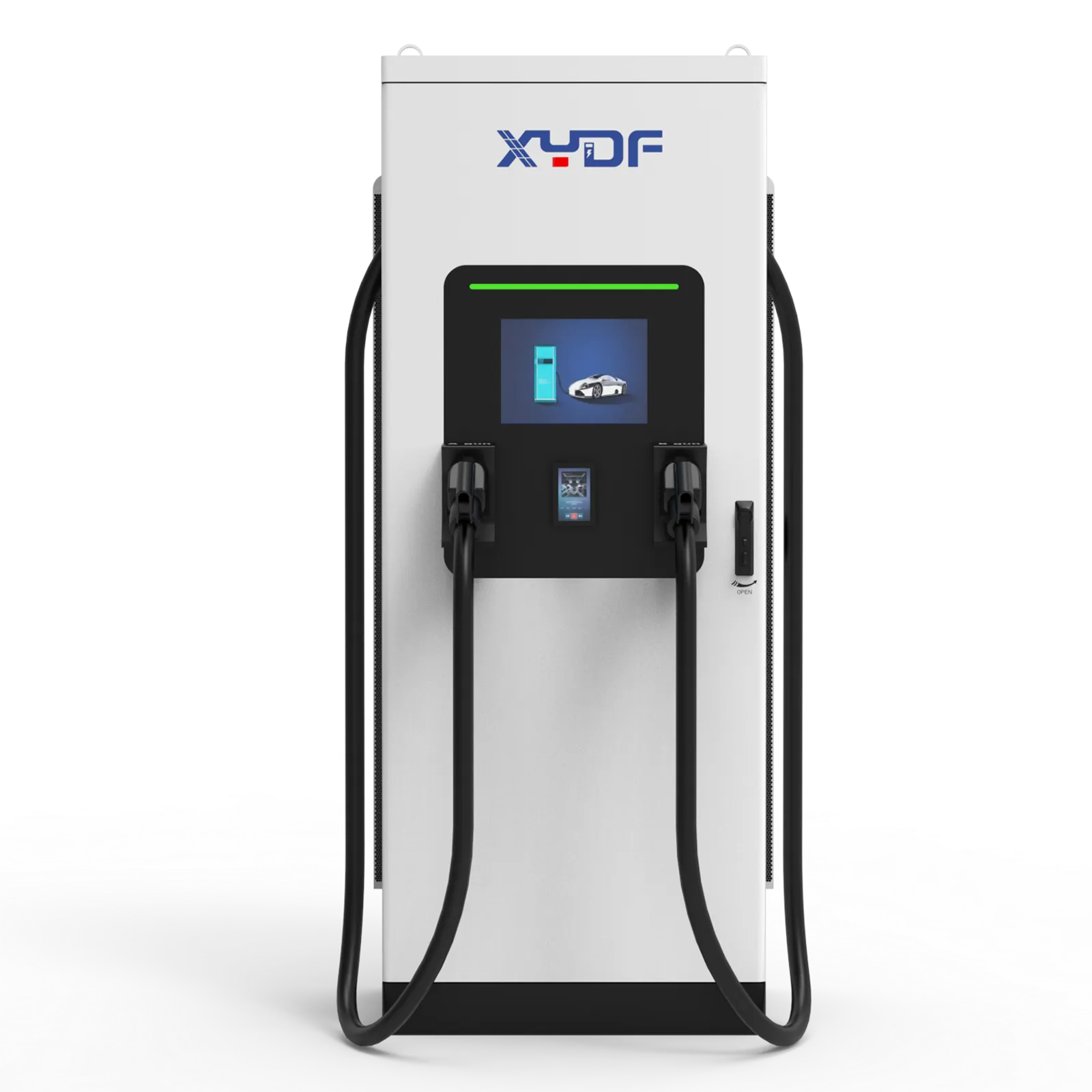
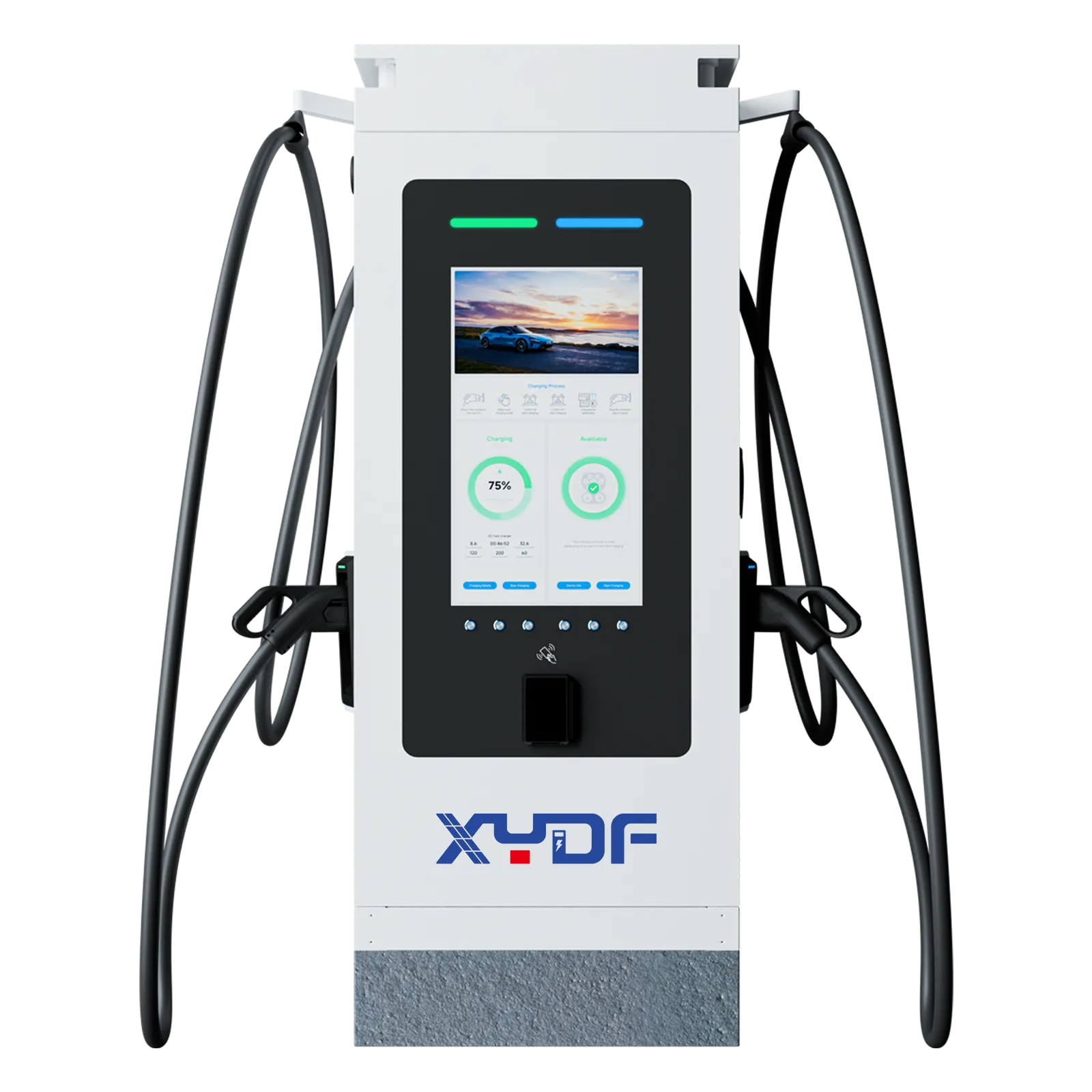
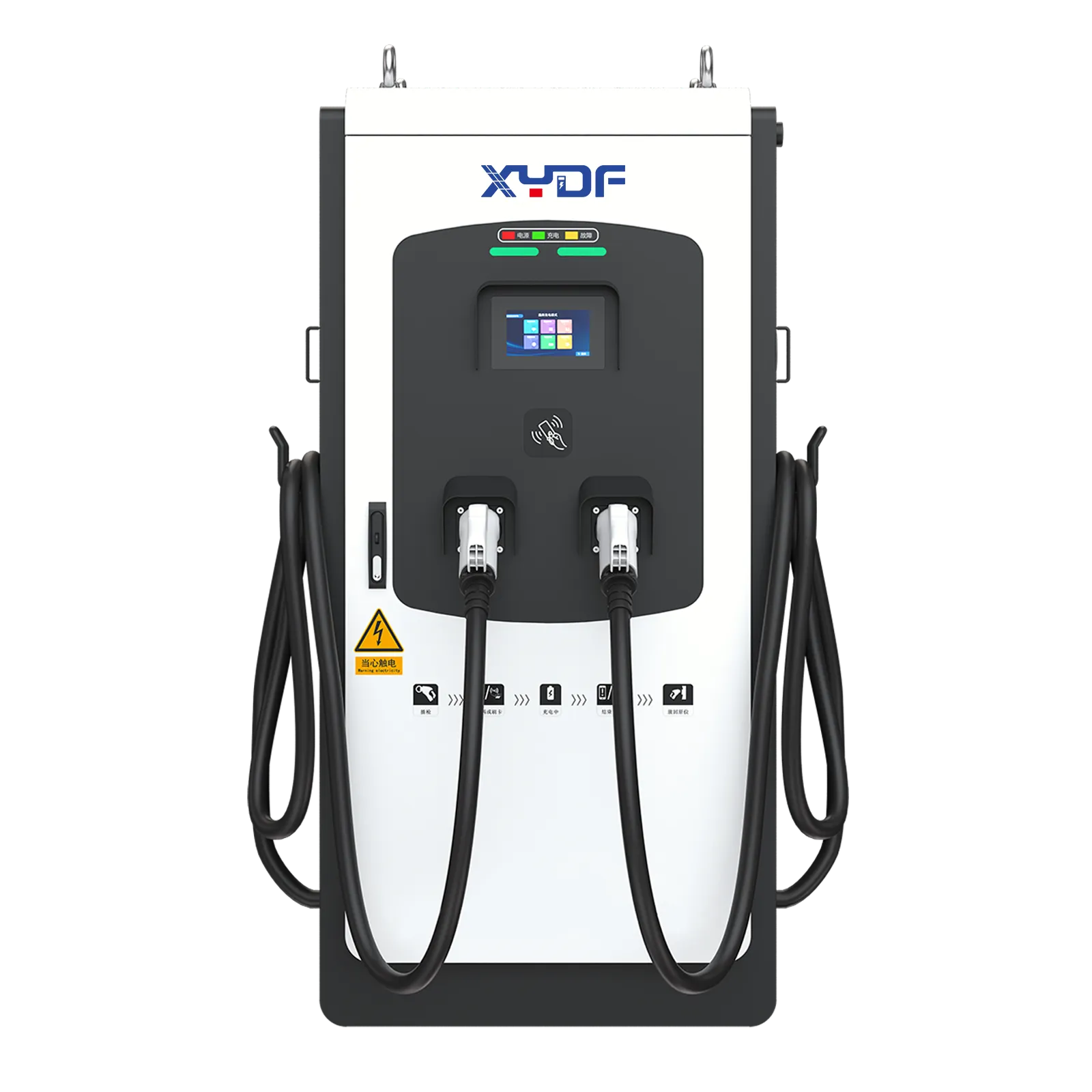
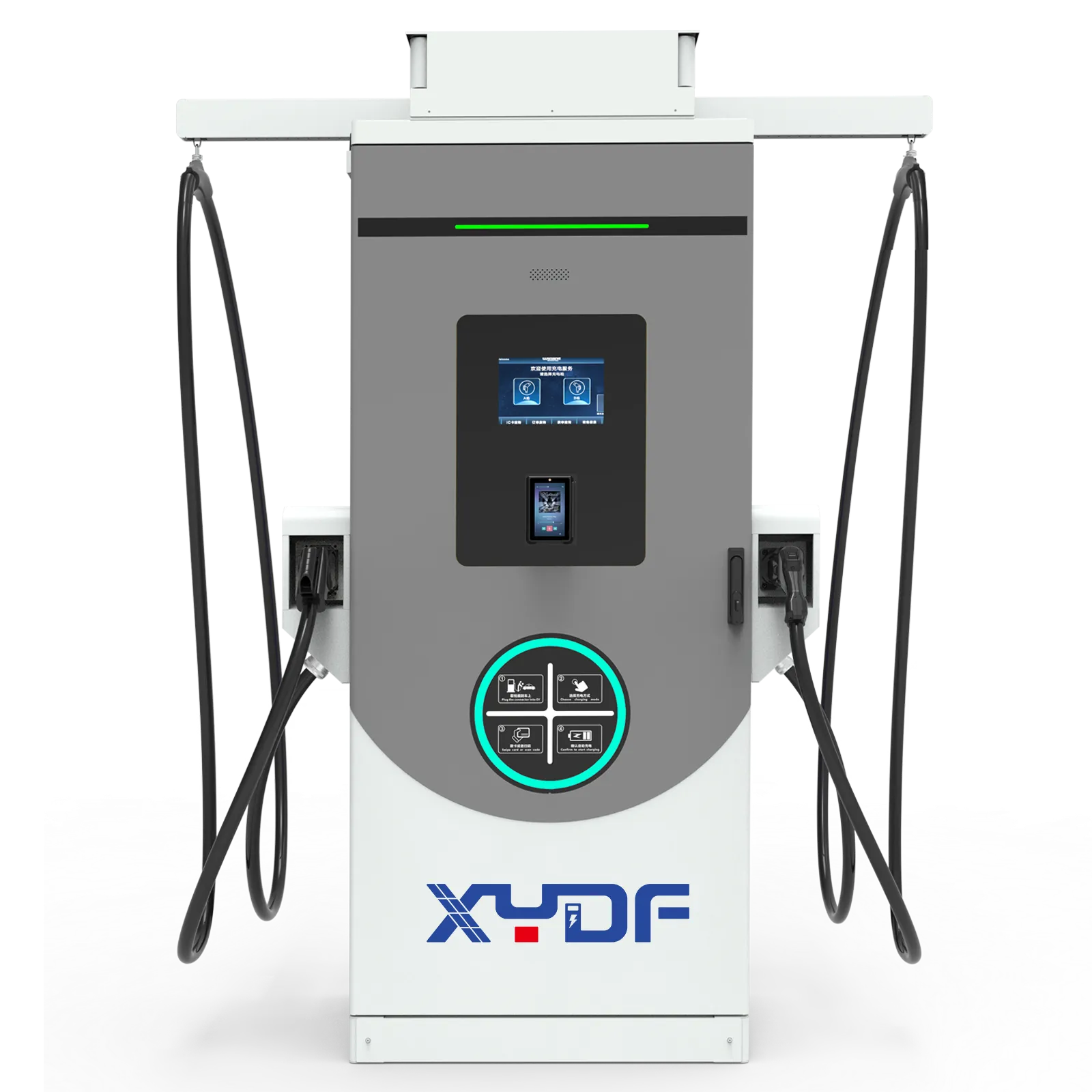
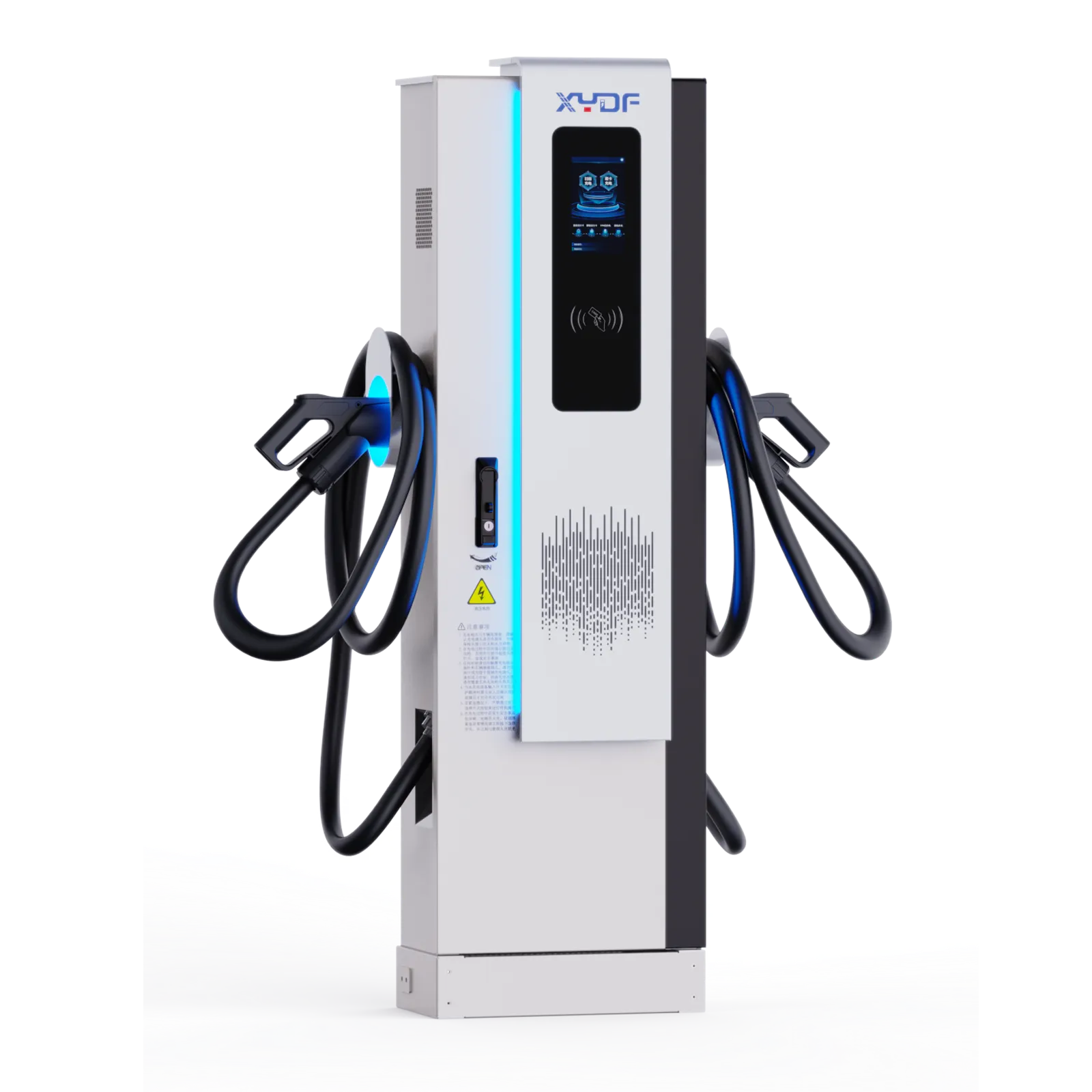
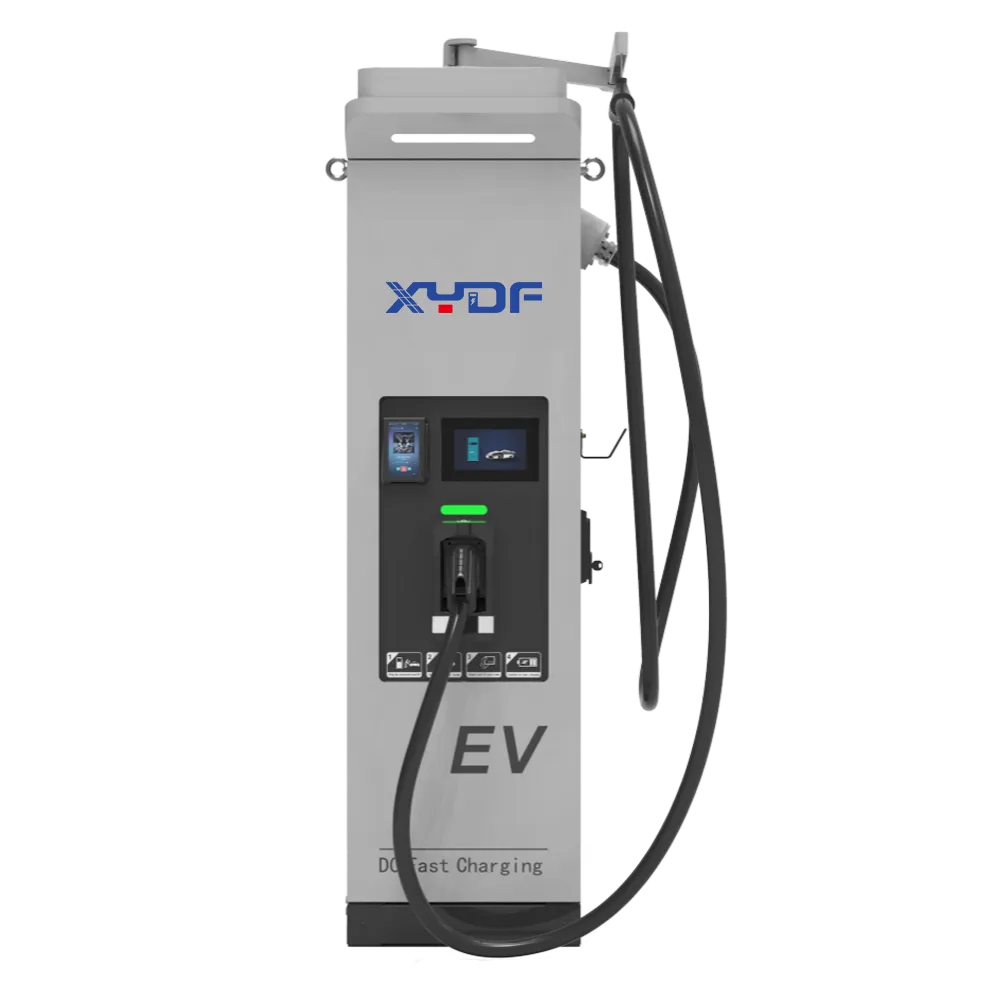
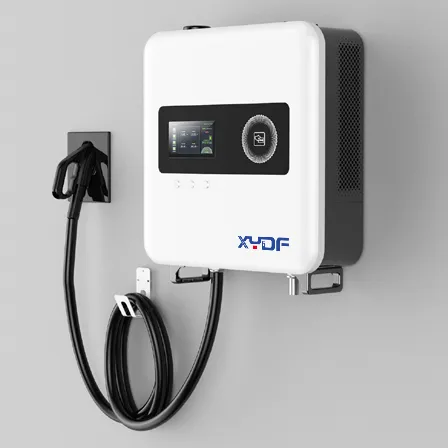
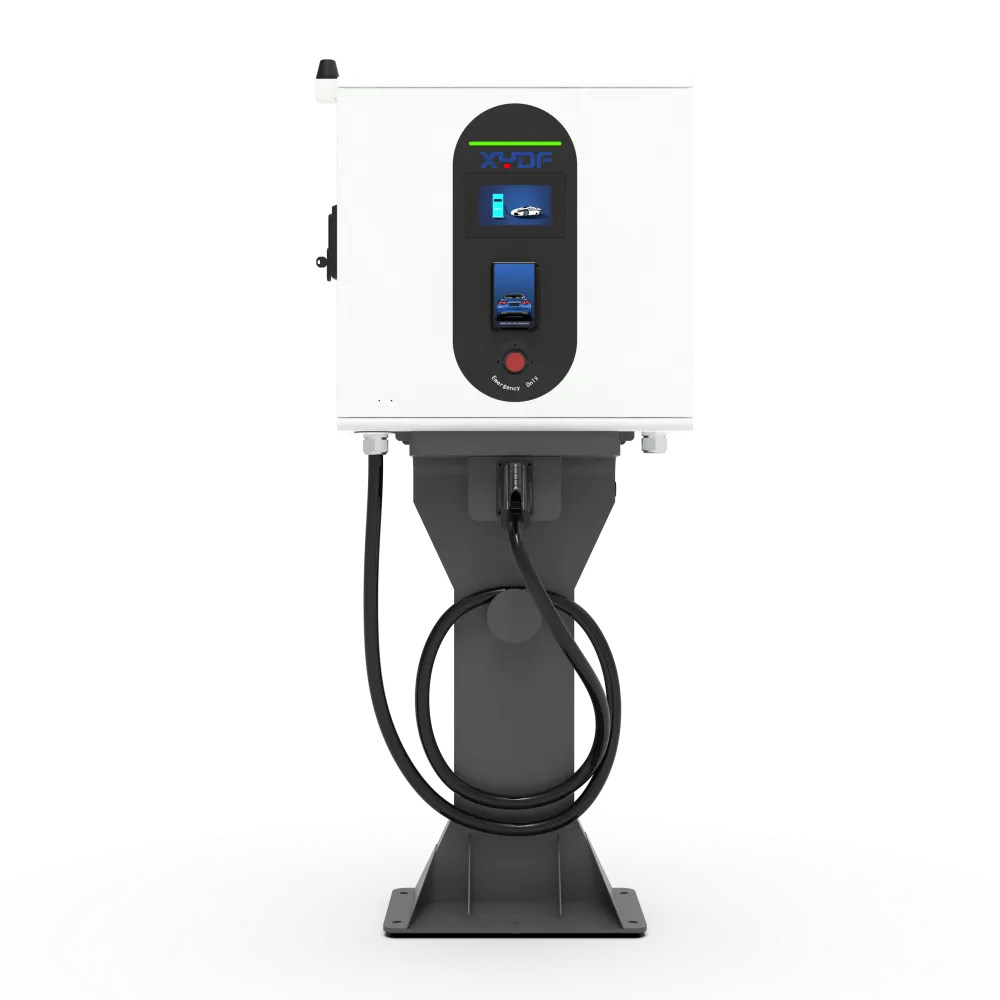
After the scope is defined, buyers can review the Спектр зарядных устройств DC and send the site questions through the contact page. This article does not claim that a named XYDF model provides an emergency stop, isolation, remote reset, or protection function.
Часто задаваемые вопросы
When should an EV charger be stopped?
Stop use when the site’s defined operating process identifies an unsafe condition, abnormal behavior, damage, or another reason to remove equipment from service. The responsible site process determines the exact trigger and escalation.
Who can isolate equipment?
The authorized person is determined by the project, local requirements, and assigned electrical responsibilities. A user or operator should not be assumed to have authority to perform technical isolation.
Is emergency stop the same as isolation?
No. Stopping a charging session and isolating the electrical installation are different controls. The project must define how they relate and who verifies each action.
What should an operator record after an incident?
Record time, equipment identity, observed condition, actions, people notified, and current service state. Keep technical conclusions separate until qualified assessment is complete.
Can a charger be reset remotely?
Only if a documented project and product arrangement supports that action. Remote status, remote stop, remote isolation, and remote reset should be evaluated separately, with local controls and communication loss considered.
What must be checked before return to service?
The responsible project process should identify inspection, assessment, authorization, and any required test or record. A new charging session alone is not a universal release criterion.
What belongs in an emergency-isolation RFQ?
Provide site layout, equipment identity, control definitions, roles, escalation, incident records, return-to-service authority, remote-action questions, and applicable local requirements.