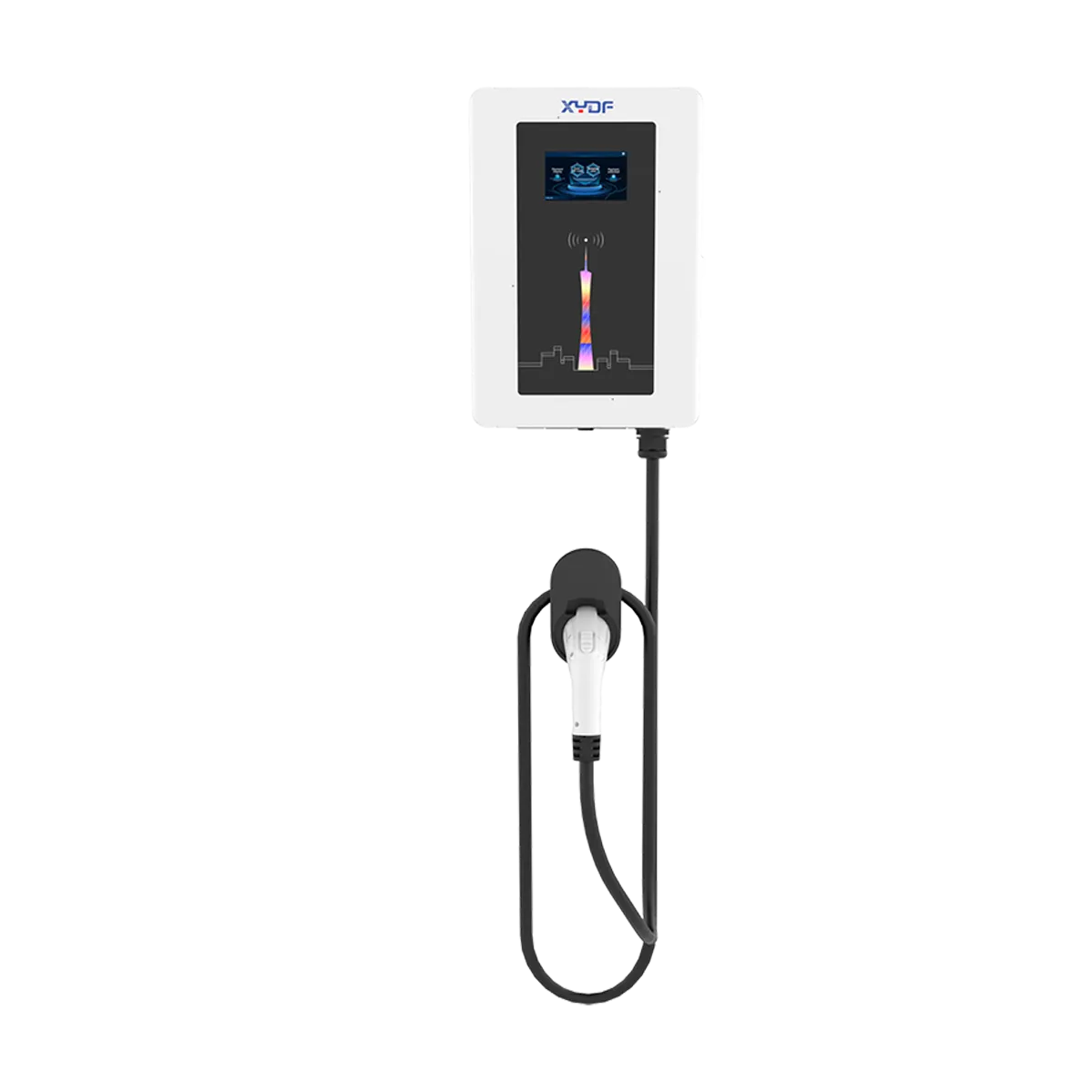
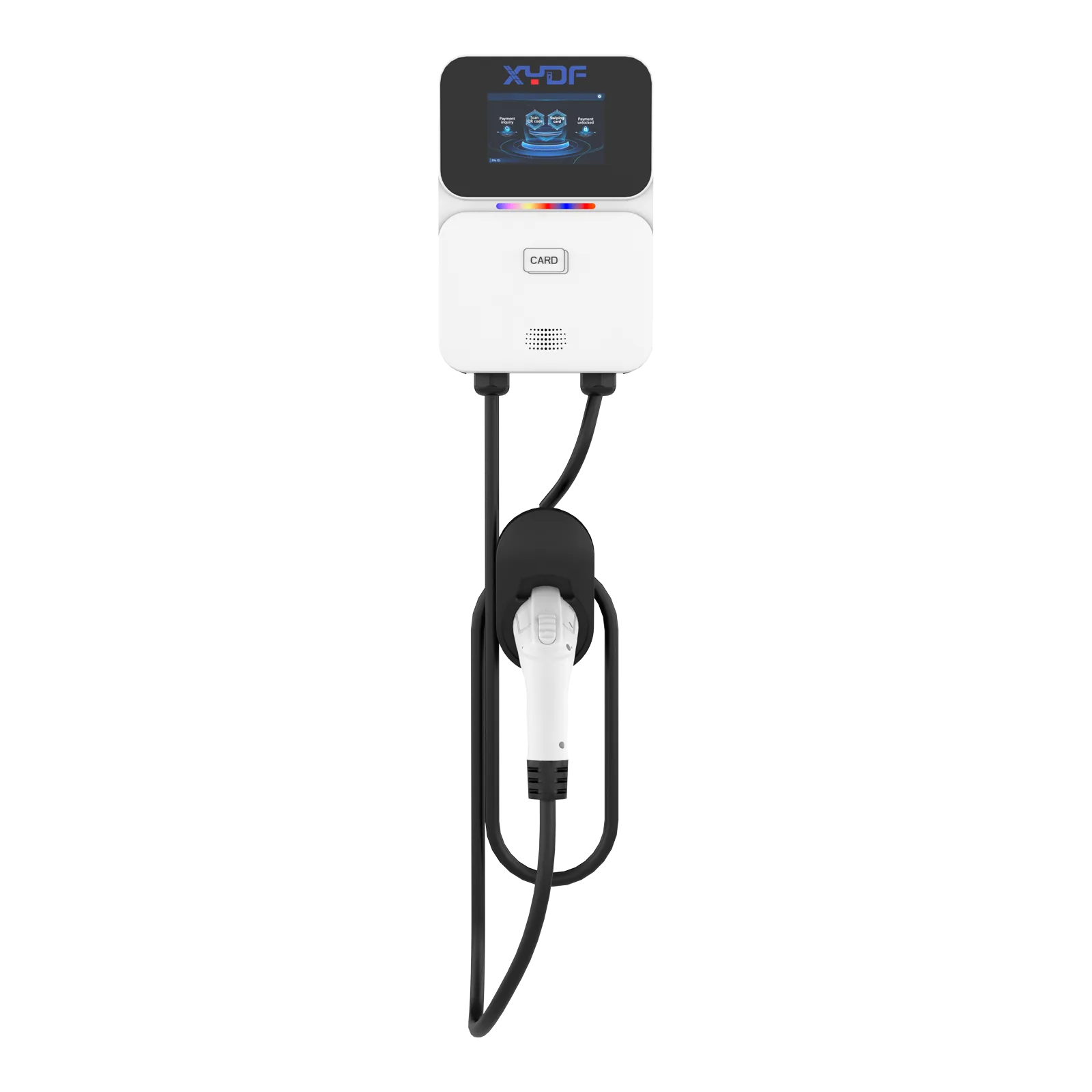
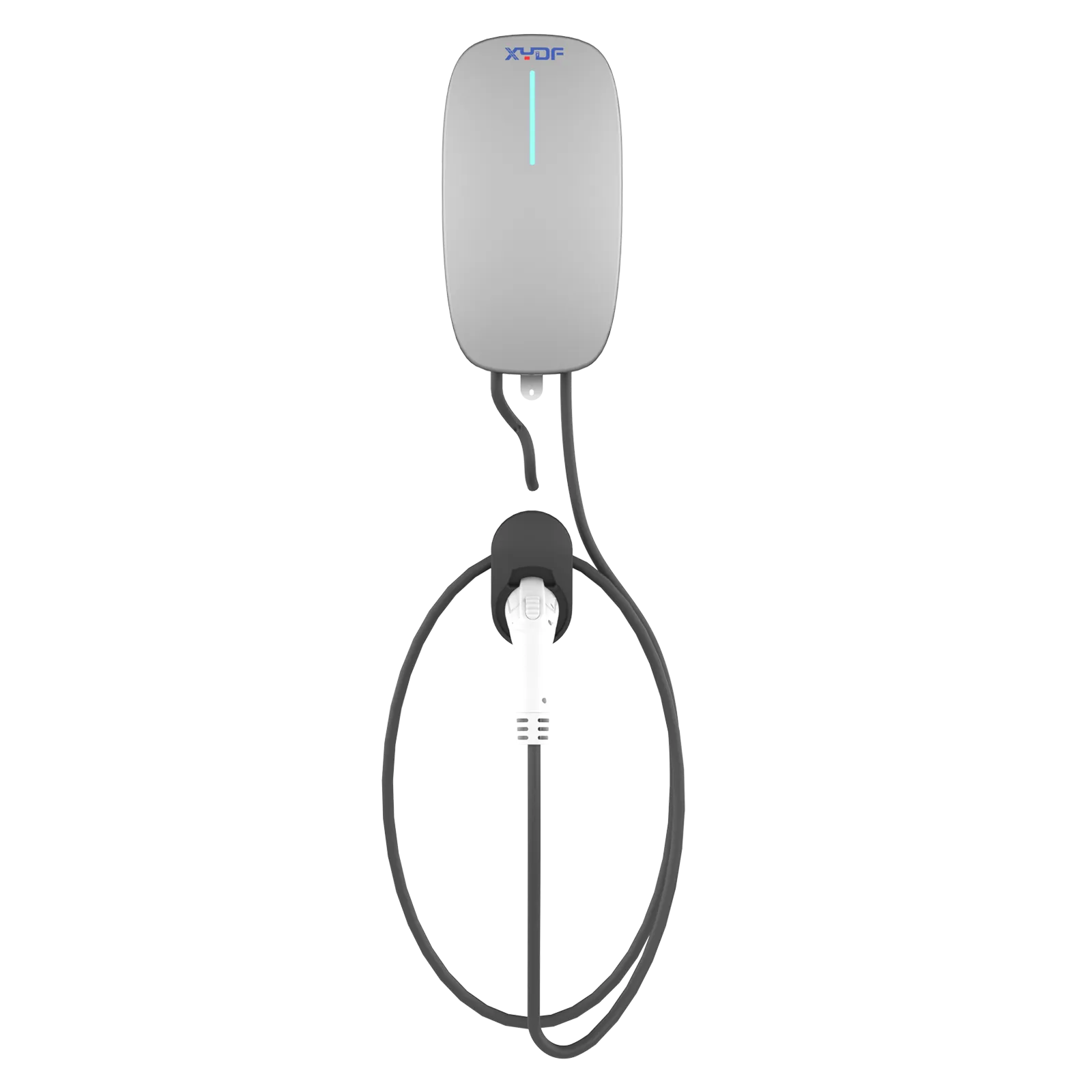
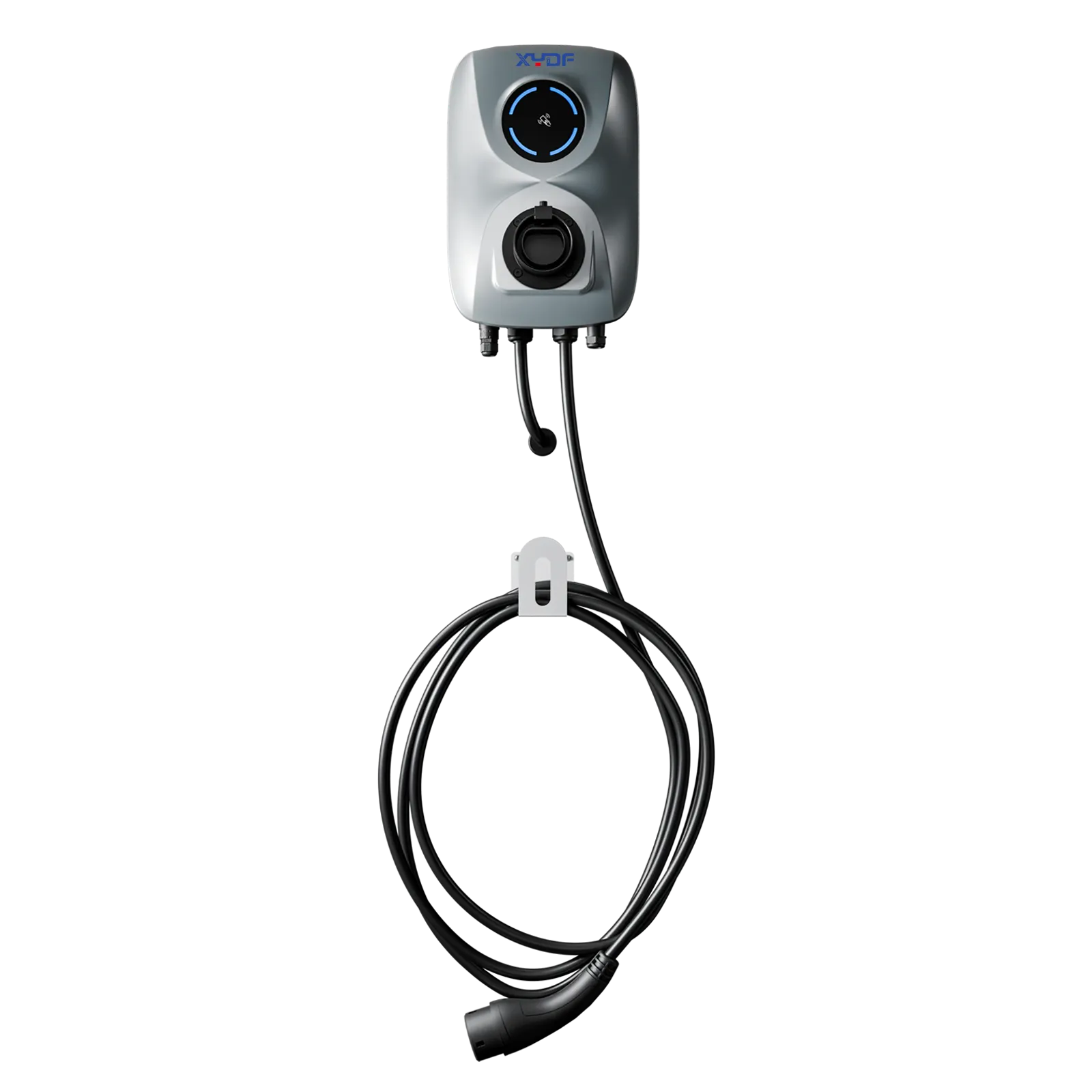
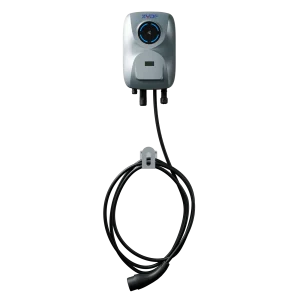
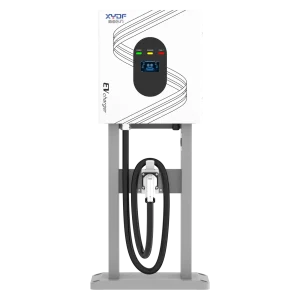
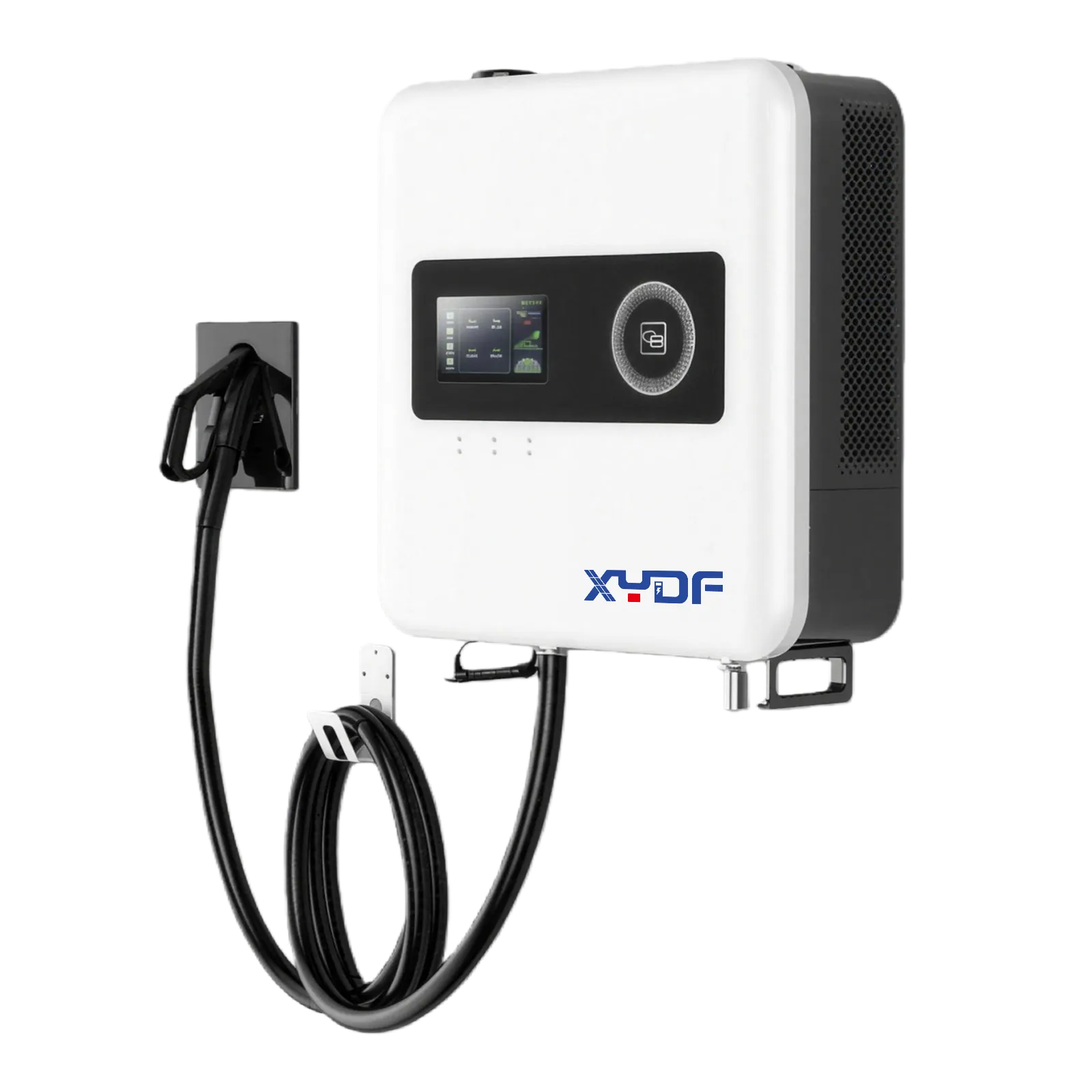
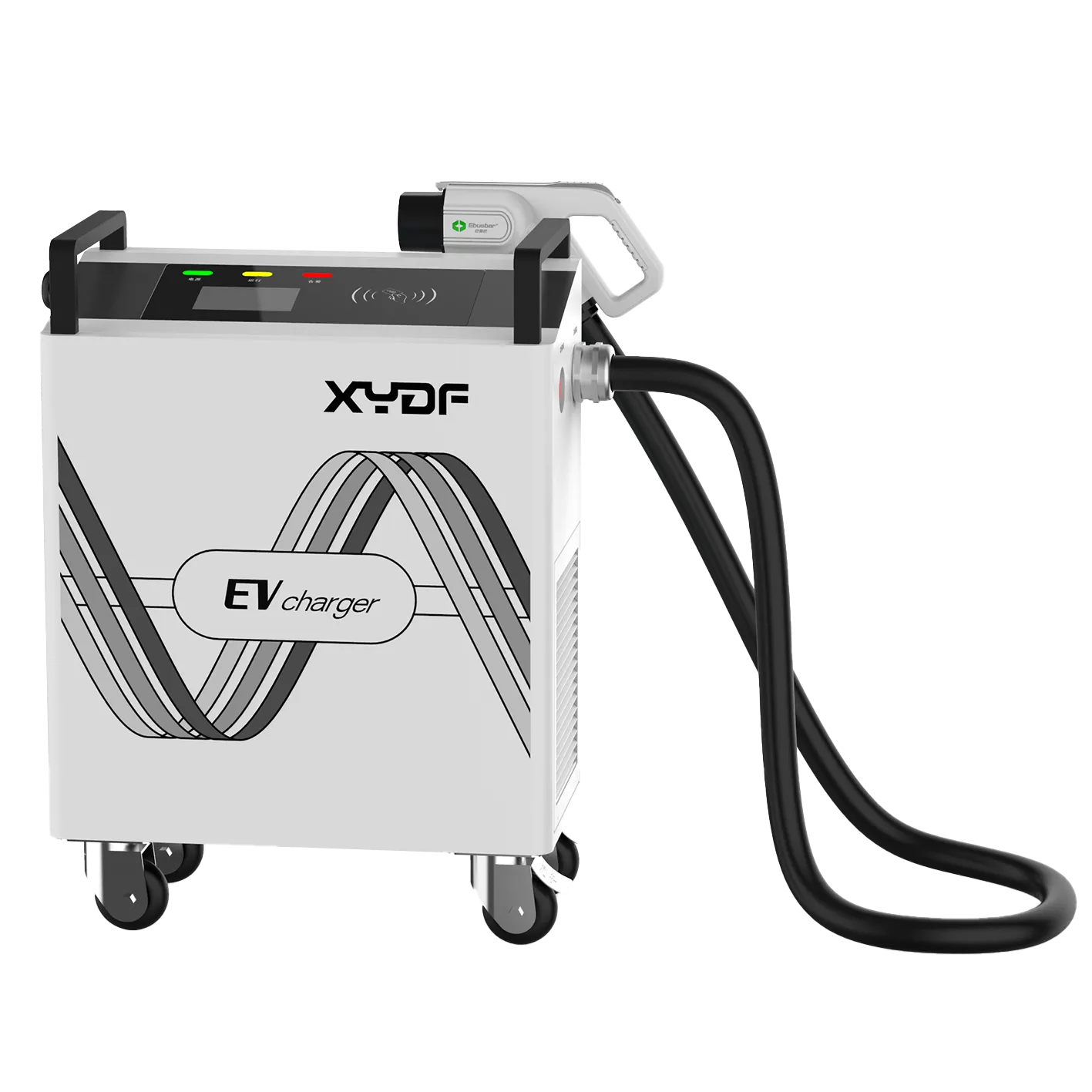
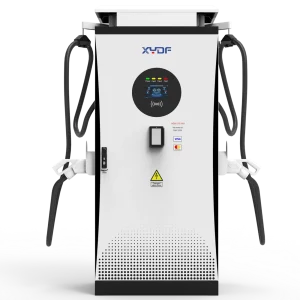
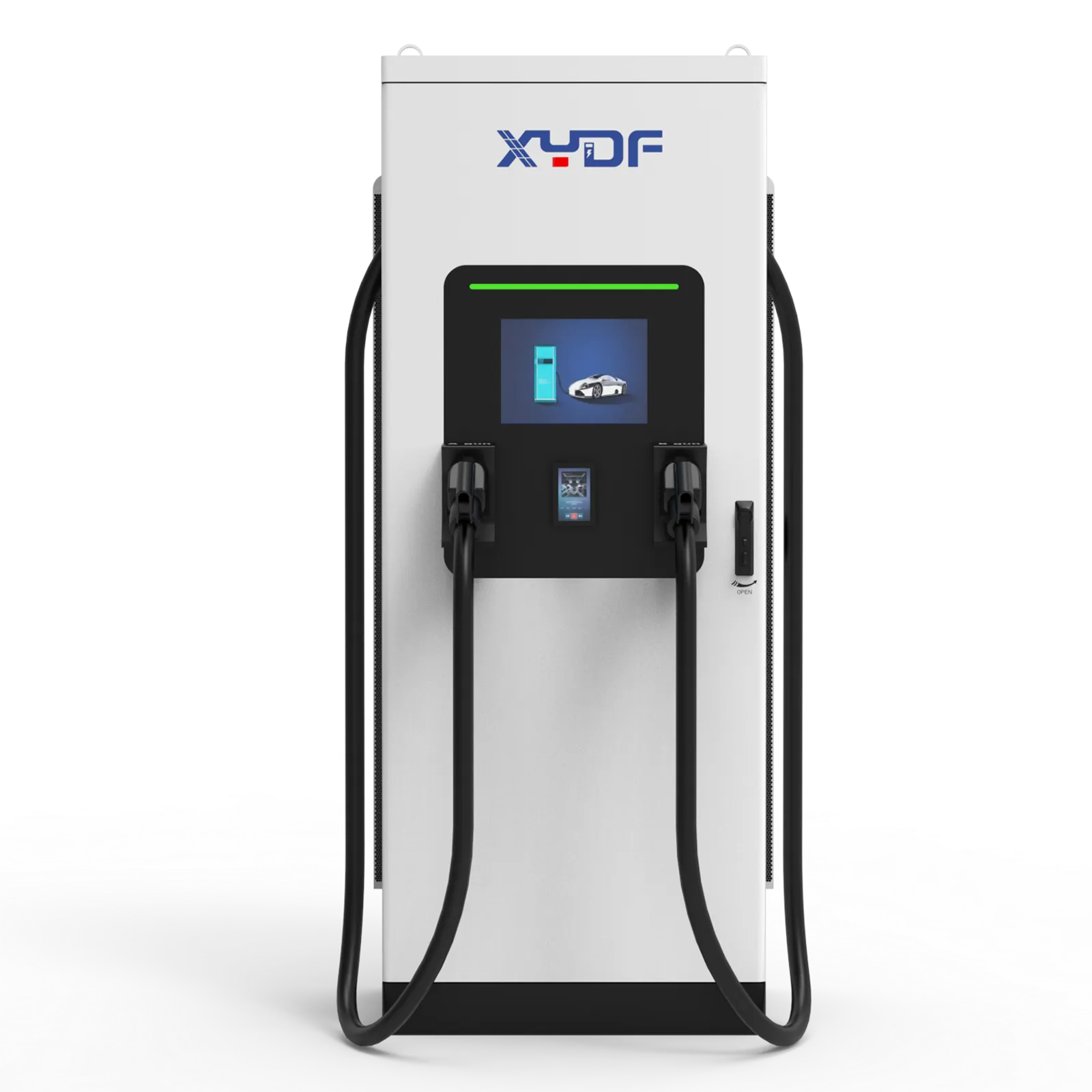
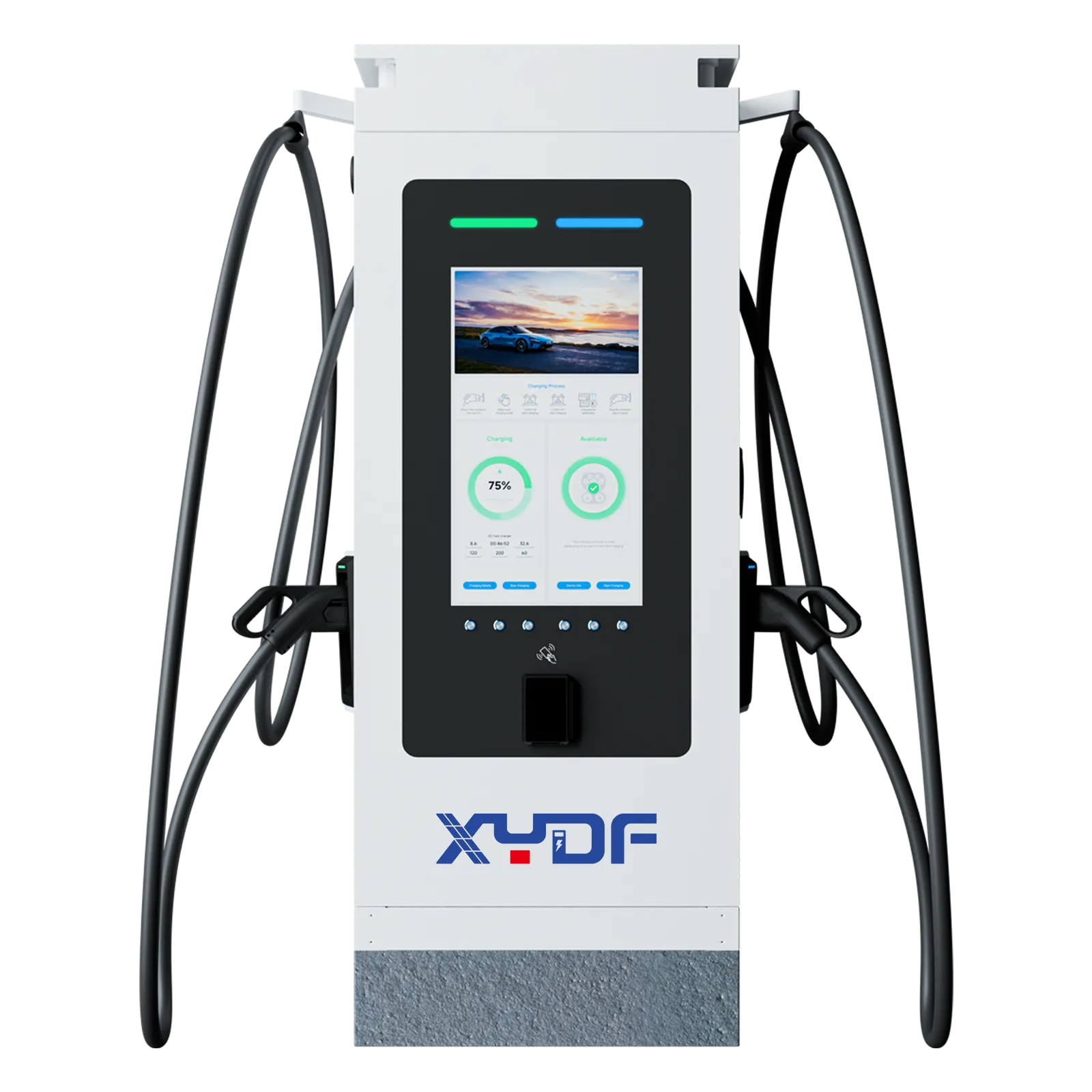
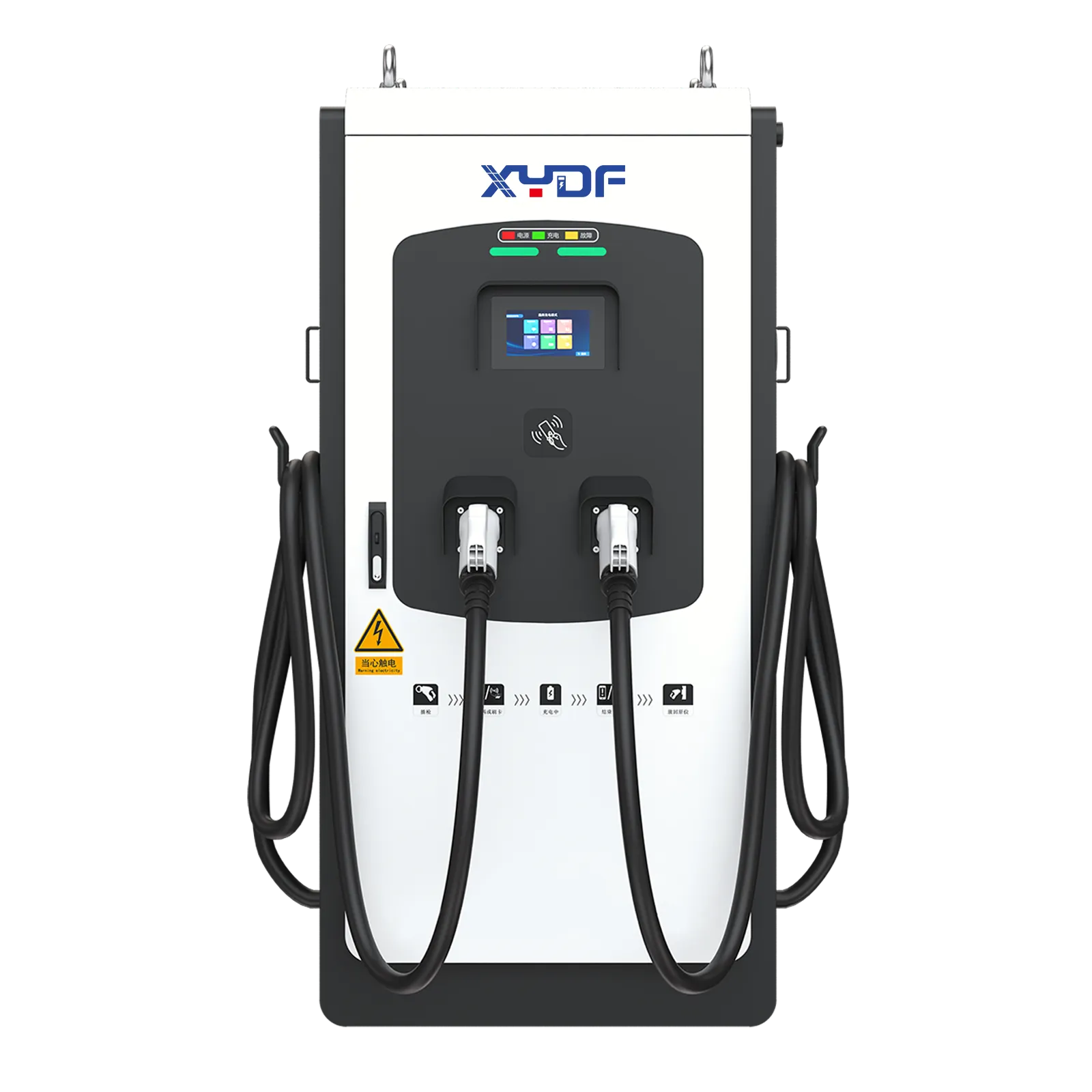
Поскольку электромобили становятся все более популярными во всем мире, спрос на надежную инфраструктуру зарядки для них продолжает расти. Для производителей зарядных устройств, дистрибьюторов и покупателей электромобилей сертификация продукции является важным фактором при вхождении на различные рынки.
Но какие сертификаты действительно необходимы для зарядных устройств для электромобилей? Ответ зависит от нескольких факторов, включая целевой рынок, тип зарядного устройства, мощность, функции связи и применимые местные нормы. Понимание Сертификация зарядных устройств для электромобилей Изисквания — важный шаг перед разработкой, покупкой или внедрением зарядных устройств.
Общие требования к сертификации и соответствию включают: СЕ, CB, UL, UKCA, TÜV, FCC, CQC и RCM. Однако все эти обозначения не означают одного и того же типа сертификации. Понимание их различий поможет покупателям выбрать подходящий зарядный агрегат для электромобилей и избежать проблем с соответствием требованиям при импорте или установке оборудования для зарядки.
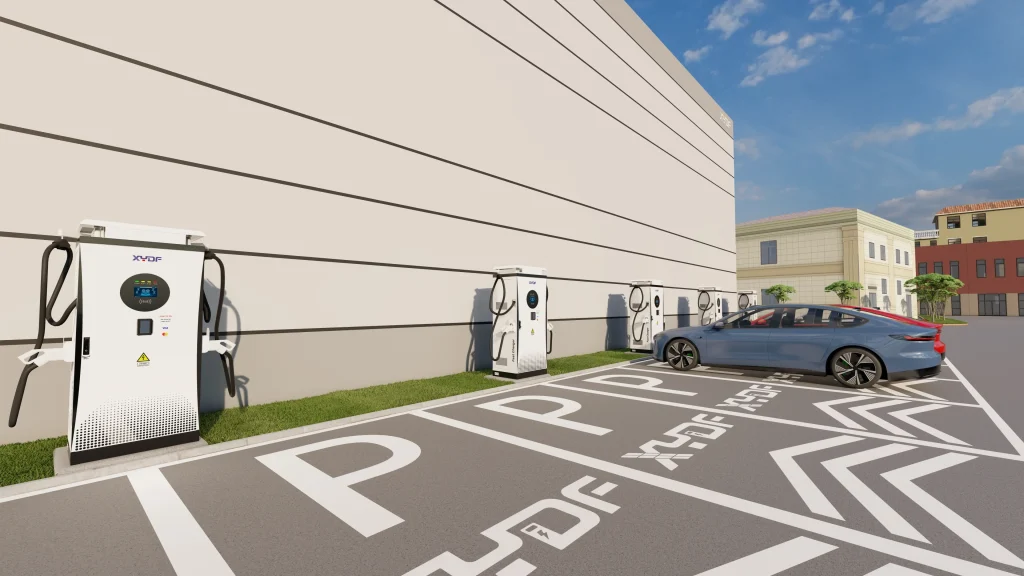
Зарядные устройства для электромобилей работают с высокой электрической мощностью и подключаются непосредственно к электромобилям, что делает безопасность и надежность критически важными. Сертификация и тестирование соответствия помогают подтвердить, что оборудование для зарядки соответствует применимым требованиям в области электробезопасности, электромагнитной совместимости и другим техническим характеристикам.
Для производителей зарядных устройств для электромобилей получение соответствующих сертификатов может помочь:
Не существует единой сертификации, которая бы позволяла продавать зарядные устройства для электромобилей во всех странах. Вместо этого производителям необходимо определить применимые требования для каждого целевого рынка.
| Сертификация / Требования | Главный рынок | Основная цель |
| СЕ | ЕС/ЕЭЗ | Доказывает соответствие применимым требованиям ЕС |
| ЦБ | Международный | Международная система сертификации безопасности по стандарту IEC |
| УЛ | США/Канада | Тестирование и сертификация безопасности продукции |
| БКО | Великобритания | Маркировка соответствия рынку Великобритании |
| TÜV | Европа/Мир | Тестирование и сертификация сторонних организаций |
| FCC | США | ЭМС и соответствие требованиям радиочастотной совместимости |
| CQC | Китай | Сертификация продукции и оценка соответствия |
| RCM | Австралия/Новая Зеландия | Соответствие требованиям электробезопасности и электромагнитной совместимости |
| BIS | Индия | Требования к соответствию индийских товаров |
Эти сертификаты и требования к соблюдению соответствуют различным целям и не являются взаимозаменяемыми.
Например, CE — это прежде всего европейская маркировка соответствия., В то время как UL широко используется для сертификации безопасности продукции в Северной Америке, CB — это международная схема сертификации, основанная на стандартах IEC, в то время как TÜV относится к независимым организациям по тестированию и сертификации, таким как TÜV Rheinland и TÜV SÜD.
Для китайского рынка оборудование для зарядки электромобилей может соответствовать требованиям сертификации CQC, стандартов GB/T и соответствующих испытаний типа в зависимости от требований к продукту и проекту.
Помимо сертификатов, специфичных для конкретного рынка, зарядные устройства для электромобилей могут также требовать соблюдения технических стандартов, таких как IEC 61851, IEC 62196 и ISO 15118. Эти стандарты могут стать важной частью Сертификация зарядных устройств для электромобилей процесс, зависящий от целевого рынка и конфигурации продукта.
Сертификация должна быть одним из самых важных факторов при выборе производителя зарядных устройств для электромобилей, но покупатели должны смотреть не только на логотипы сертификации, которые размещены на сайте или в продуктовой брошюре.
Перед покупкой следует учитывать следующие моменты:
Модель, показанная в сертификате или отчете о проверке, должна соответствовать фактическому зарядному устройству, которое будет приобретено.
Сертификат на один продукт не гарантирует, что он распространяется на все продукты того же производителя.
Вопрос производителю: какие стандарты использовались при тестировании и сертификации?.
В зависимости от рынка и продукта эти стандарты могут включать IEC, EN, UL, CSA, GB/T или другие применимые стандарты.
Это особенно важно для проектов OEM и ODM.
Изменения в номинальной мощности, электрических компонентах, корпусе, разъёме, модуле связи или других основных компонентах могут повлиять на сферу сертификации.
Поэтому покупатели должны проверить, сохраняется ли действие действующей сертификации на индивидуальный зарядный агрегат для электромобилей.
Надежный производитель должен иметь возможность предоставить соответствующую техническую документацию, сертификаты и отчеты о проверках для целевого рынка.
Не полагайтесь исключительно на логотип CE, UL или TÜV.
Требования к сертификации варьируются в зависимости от страны. Например:
Правильная стратегия сертификации должна быть определена еще до разработки продукта и его массового производства.
Для международных проектов по зарядке электромобилей опытный производитель должен не только понимать, как производить зарядное устройство, но и как соответствовать нормативным и техническим требованиям целевого рынка.
XYDF предлагает индивидуальные решения Решения для зарядки электромобилей с постоянным и переменным током для различных международных рынков мы оказываем поддержку в разработке продукции, индивидуальном подборе комплектующих для OEM/ODM и выполнении соответствующих требований к сертификации и соответствию. Мы сотрудничаем с клиентами в разработке зарядных решений, основанных на конкретных требованиях проекта и рынка, включая зарядные устройства типа AC и DC fast charger, а также высокомощные зарядные системы.

Сертификация зарядных устройств для электромобилей — это не единый подход для всех. Требования зависят от целевого рынка, типа зарядного устройства, уровня мощности, функциональных возможностей продукта и применимых нормативных актов.
CE, CB, UL, UKCA и TÜV выполняют разные функции в сфере зарядки электромобилей. Понимание этих различий поможет производителям готовить продукцию для международных рынков и покупателям выбирать совместимое и надежное зарядное оборудование.
Для компаний, планирующих приобретение или настройку зарядных устройств для электромобилей, лучше всего сначала определить целевой рынок и соответствующие стандарты, а затем подтвердить, что конкретная модель продукта производителя, а также охват сертификации и отчеты о тестировании соответствуют требованиям проекта.
 Синьцзя Дунфан Электрик Технолоджи Ко., Лтд.