Commercial EV Charging Access Control: RFID, App, or Plug & Charge?
Июль 20, 2026
Блог
Commercial EV charging access control is a policy decision before it is a hardware feature: RFID can carry an issued credential, an app can manage accounts and sessions, and Plug & Charge can automate authorization only when vehicle, charger, certificate and backend compatibility are confirmed. A commercial site should define who may charge, how a session is attributed, what happens when a preferred method fails, and which party owns support.
Part 1. What Is Commercial EV Charging Access Control?
Поддержка протоколов должна быть отделена от полной функциональной совместимости. Покупатель должен указать в описании масштабы работы следующие интерфейсы: зарядное устройство, транспортное средство, сеть, идентификация, оплата, мониторинг и обновление; назвать сообщение или функцию, которая должна работать; и определить, как будут обрабатываться ошибки, работа в автономном режиме, изменения версии и обязанности по обеспечению безопасности. Наименование протокола в брошюре не является доказательством того, что вся система работает с системой управления закупками покупателя. По вопросам планирования в общественном контексте см. Ресурсы протокола Open Charge Alliance OCPP; окончательное решение по-прежнему принимается на основании индивидуального протокола о принятии.
Access control decides who can start a session, what account or credential is associated with it, and which rule applies to that session. The ISO 15118-1 preview lists RFID and smartphone/web-application examples among External Identification Means (EIM); the ISO 15118-2 preview distinguishes EIM charging scenarios from Plug & Charge identification.
That distinction prevents an unhelpful “best method” answer. A workplace may value an issued credential and employee policy. A public location may need a simpler guest path. A fleet may require a record that links charging to a driver, vehicle, cost centre or dispatch rule.
Метод
Identity path
Useful commercial question
Основная зависимость
RFID
Issued card or token
Who receives, replaces and deactivates credentials?
Reader, credential policy and backend rule
App
Account/session interaction
Who manages accounts, tariffs, receipts and support?
Connectivity and account experience
Plug & Charge
Vehicle certificate and authorization chain
Which vehicle, EVSE, contract and backend paths are confirmed?
End-to-end compatibility
Part 2. When Does RFID Fit a Commercial Charging Site?
RFID works well where a site issues a physical credential to known users and needs a quick, deliberate access action. ELATEC’s comparison paper notes that existing employee IDs and membership cards can be relevant to controlled charging locations; the exact credential technologies and integrations must be confirmed for a proposed system.
For a fleet or workplace, ask whether the card identifies the driver, the vehicle, a department, or simply an allowed user group. That decision shapes billing and audit records. RFID alone can be a poor fit if a site also needs an easy path for unissued, occasional visitors.
Part 3. What Does an App Add Beyond a Start Button?
An app is an account and operating interface, not merely a digital start button. It can expose session status, account policy, tariffs, receipts or support workflows when those functions are provided by the selected platform. Buyers should define who creates accounts, approves access, supports password/device changes, and responds when connectivity is unavailable.
One forum user described an app that continued to show “Retry” while a session began. That does not prove a general app problem; it shows why the site needs a documented fallback and a support owner. A fallback may be another approved credential or an operator-led process, subject to the selected system’s rules.
Part 4. When Is Plug & Charge Ready for a Commercial Deployment?
Plug & Charge is not the same as simply plugging in and hoping that a session starts. It is a certificate-based authorization flow over compatible vehicle, charging equipment and backend paths. AMPECO’s ISO 15118 guide explains the certificate and backend authorization chain; it should be treated as an implementation checklist, not proof of support by an unspecified product.
The advantage is fewer driver steps when the full path is compatible. The boundary is equally vehicle model, enabled certificate/contract, charge point, backend and roaming/payment relationships can all determine whether a session can use that path. Speak EV users also report uncertainty when a certificate/provider path is unavailable, so a commercial plan should retain a tested fallback.
Where OCPP and ISO 15118 stop—and where the operator starts
ОКПП is the communication contract between charge point and management system; it does not by itself define an operator’s employee policy, tariff, privacy notice or help-desk process. ISO 15118 specifies vehicle-to-EVSE communication and Plug & Charge credential flows; compatibility still depends on vehicle certificates, contract certificates, backend PKI, time synchronization and the selected ISO 15118 edition. Treat “supports OCPP” or “Plug & Charge ready” as an integration claim that requires a witnessed test, not as proof of a complete access-control service.
Part 5. Which Access-Control Mix Fits Your Users and Operating Policy?
Start from user groups rather than a protocol label. A private depot can prioritise driver accountability; a workplace can combine issued credentials with an account portal; a mixed-use site may need both repeat-user controls and a guest process. Plug & Charge can be added where compatibility is verified, but it should not be the only route before the vehicle fleet and certificate workflow are tested.
Образец сайта
Primary decision
Sensible confirmation
Closed fleet depot
Driver or vehicle accountability
Credential policy, vehicle assignment and fallback
Место работы
Employee eligibility and reporting
Card issue/revocation and account ownership
Hotel or managed parking
Guest versus authorised-user rules
Guest workflow, support and settlement owner
Public commercial site
Access, payment and support clarity
User journey and fallback tested end to end
Используйте OCPP AC charging-station guidance as related reading, but do not assume it confirms any access method in a future project.
There is no universal winner between RFID, an app, Plug & Charge and open access. Choose the identity path by user population, session attribution, connectivity, privacy and support ownership; document a tested fallback before launch. The matrix below makes those trade-offs explicit for a commercial EV charging access control RFQ.
Метод
Identity and billing
Offline / failure posture
Контроль оператора
RFID
Issued token can map to driver, vehicle or cost centre
Reader and local authorization behavior must be tested
Strong revocation and replacement process
App
Account, tariff and receipt are backend-led
Requires network or a defined cached/fallback flow
Flexible guest, role and tariff policy
Plug & Charge
Certificate and contract authorize the vehicle automatically
End-to-end certificate, time and backend dependency
Low driver friction; policy must cover certificate failure
Open access
May defer identity to payment or roaming
Simple start path, but abuse and unpaid-session controls matter
Lowest gate; highest need for monitoring and dispute handling
A five-step access-policy workflow
Classify users: employees, fleet drivers, residents, visitors, roaming guests and maintenance staff need separate rules.
Choose the accountable record: define whether the session belongs to a person, vehicle, contract, department or anonymous payment token.
Define failure behavior: specify network loss, invalid RFID, expired certificate, app outage, emergency release and refund handling.
Set abuse controls: rate-limit retries, revoke lost credentials, flag energy/time anomalies and separate operator, support and finance permissions.
Run acceptance tests: test at least one known-user, guest, roaming, offline and rejected-credential scenario on every charger/CSMS combination.
Privacy and support boundaries
Collect only the identity and telemetry needed for billing, safety and support; publish retention, deletion and access roles before issuing credentials. For public or workplace deployments, assign one owner for credential replacement, one for payment disputes and one for charger faults; otherwise a technically successful authorization flow can still become an operational failure.
Part 6. Which XYDF Product Route Fits an Access-Control RFQ?
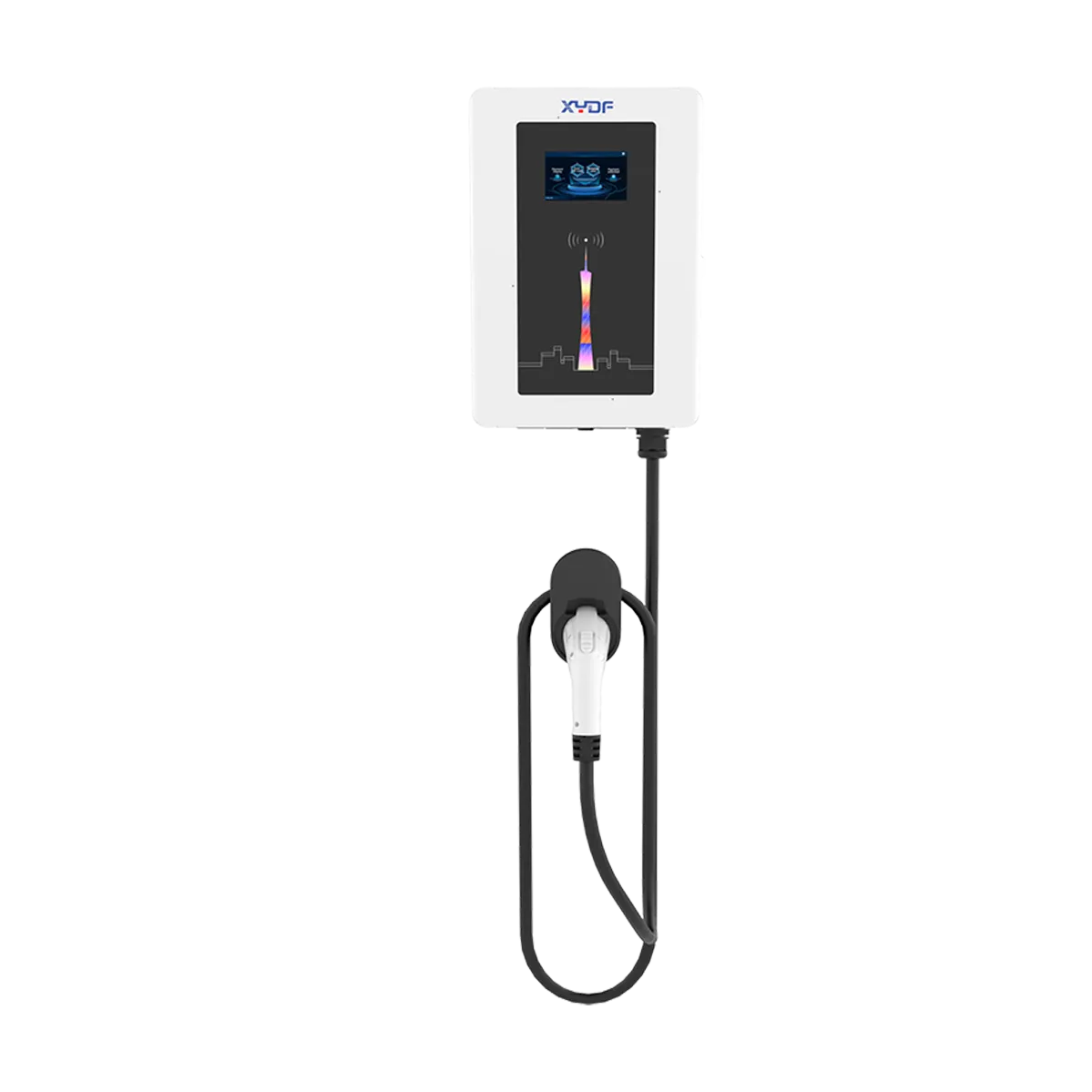
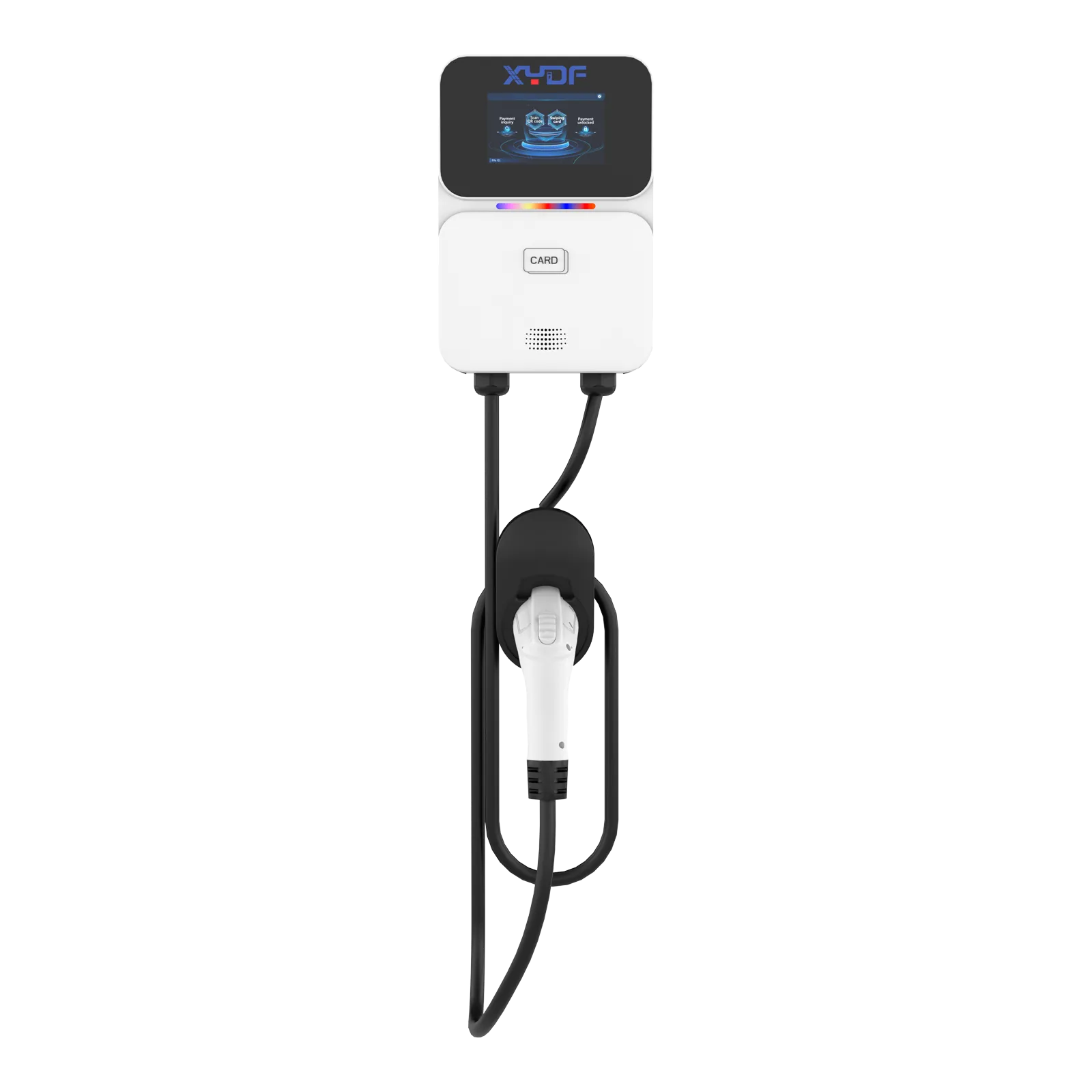
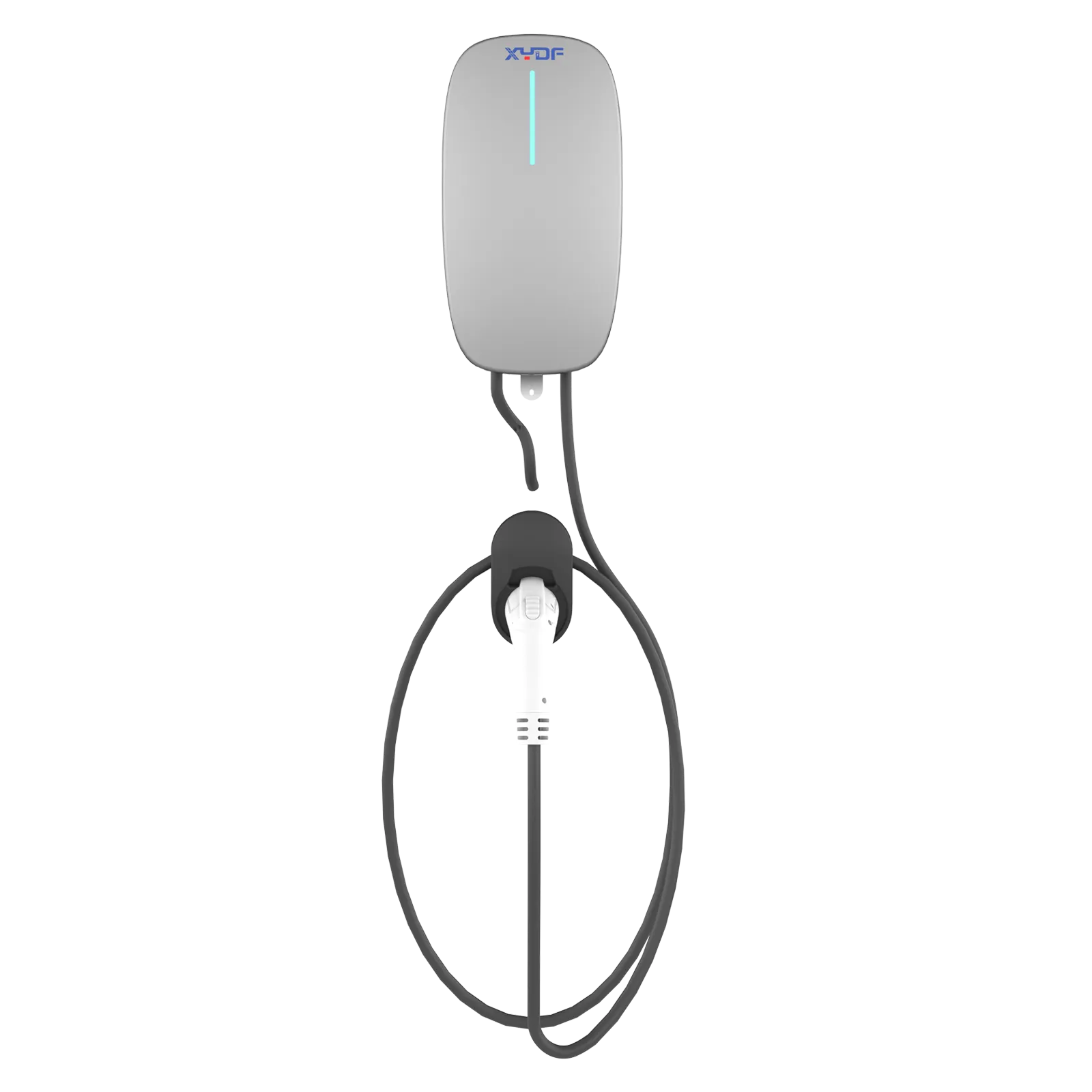
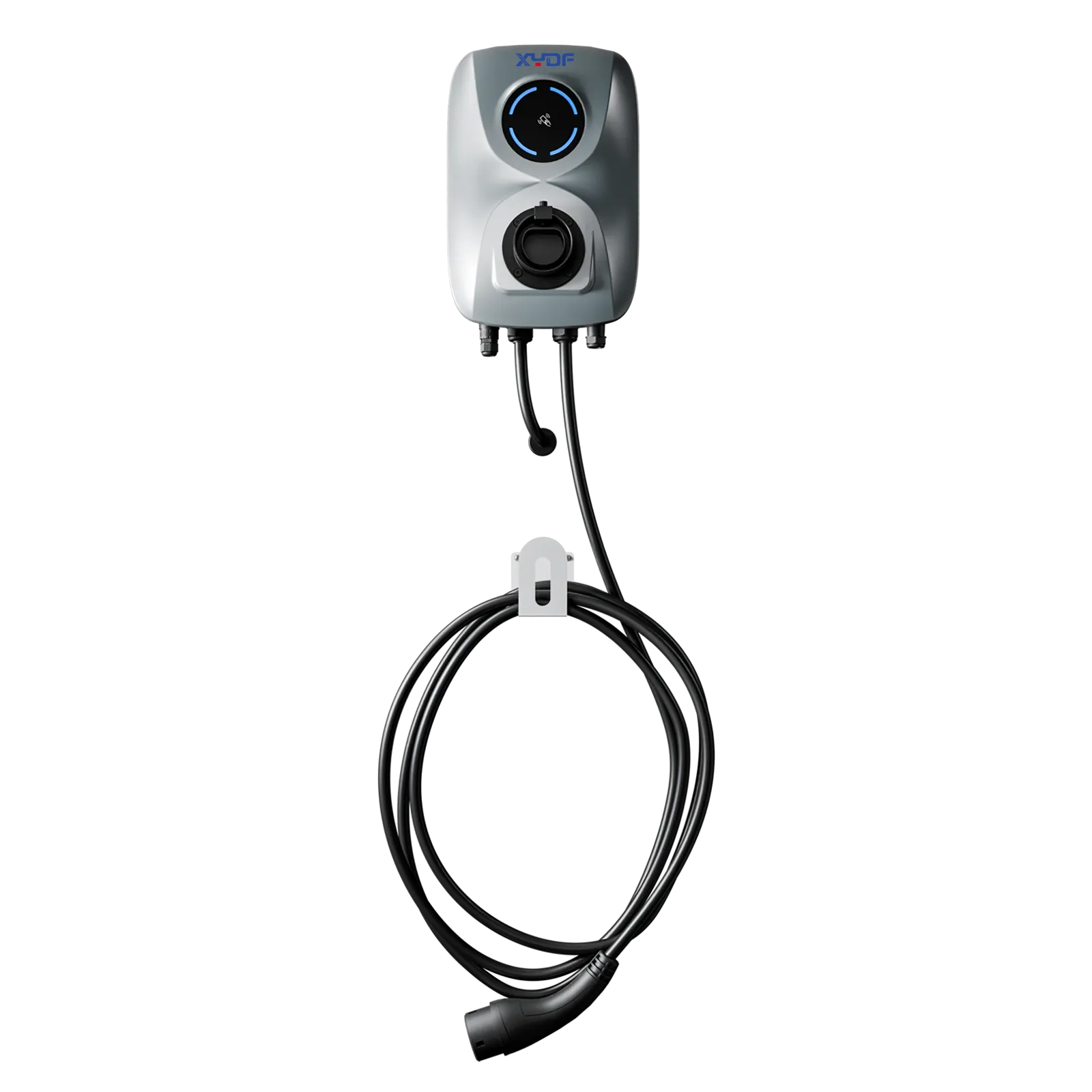
This article does not say that XYDF equipment includes RFID, app access or Plug & Charge. It fits buyers who can supply user groups, credential rules, billing/account owner, fleet vehicle mix, required fallback, connectivity expectations, charger power and target market. It is not enough for a cybersecurity, payment-services or certificate-provisioning approval.
Send those inputs to XYDF to request relevant product and project documentation.
RFQ checklist for a commercial EV charging access control deployment
User groups, expected concurrent sessions and whether guests must have a no-account path.
Billing owner, roaming partners, privacy jurisdiction, support hours and acceptance-test scripts.
After those controls are agreed, XYDF’s портфель продукции и DC charger range can be screened for the required reader, communications and backend interfaces. Send the policy and test matrix through the дорога связи с поставщиком; do not infer a certification or feature that is not documented for the proposed configuration.
Record the credential owner, fallback path, certificate or account responsibility, and acceptance-test evidence in the RFQ so an access feature is not mistaken for a complete operating policy.
Часто задаваемые вопросы
What is External Identification Means in EV charging?
EIM is ISO 15118 terminology for identification methods other than Plug & Charge; cited examples include RFID and smartphone or web applications.
Does Plug & Charge replace RFID?
Not necessarily. Plug & Charge needs compatible vehicle, charge point, certificate and backend paths. RFID can remain a planned issued-credential or fallback method.
Not automatically. Plug & Charge is a certificate-based ISO 15118 path, while RFID remains useful for vehicles or users without a compatible certificate chain; many operators keep RFID or app access as a tested fallback.
Can RFID identify a driver?
It can support a person-level credential policy when the selected system links the credential to a user. Confirm the platform’s account and reporting design.
Does an app work without a network?
That depends on the selected charger, backend and policy. Define and test the approved fallback rather than assuming offline behavior.
What should be tested before deploying Plug & Charge?
Test the intended vehicle models, certificates/contracts, charger configuration, backend authorization, billing path and fallback method end to end.
What belongs in an access-control RFQ?
Provide user groups, credential rules, billing owner, vehicle mix, compatibility expectations, network conditions, charger power, connector needs and support ownership.
What happens when the charging network is offline?
Behavior is product- and backend-specific: a system may allow cached authorization, deny new sessions, or queue transaction records. Put the chosen behavior, retry window and reconciliation rule in the acceptance test rather than assuming “offline support.”
Good access control is measured by the failed session it handles cleanly—not only by the successful plug-in.
Как покупатель должен проверять достоверность заявлений о совместимости зарядных устройств для электромобилей?
Определите точные функции зарядного устройства, транспортного средства, баз данных, идентификации, оплаты, мониторинга и фрешвеара, которые необходимо протестировать, а затем наблюдайте за нормальными, неактивными ситуациями, восстановлением и случаями несовместимости версий. Запишите версию протокола, реализованные профили, обязанности по обеспечению безопасности и результат проверки. Протокол без логотипа или один успешный демонстрационный сценарий не являются доказательством полной взаимодостижимости.
Штаб-квартира и фабрика в Чжэцзяне:
№ 2, улица Чанцзян, промышленный парк Вэньчжоу Бридж, город Бейбайсян, город Юэцин, город Вэньчжоу, провинция Чжэцзян
Шэньчжэньский филиал:
1-й этаж, здание А, промышленный парк Шэнькай, сообщество Тантоу, район Шиянь, район Баоань, Шэньчжэнь
Мы используем файлы cookie для обеспечения работы этого веб-сайта и, с вашего разрешения, для измерения того, как посетители используют наш сайт зарядки электромобилей. См. наши Политика конфиденциальности для получения подробной информации.
 Синьцзя Дунфан Электрик Технолоджи Ко., Лтд.