Inside EV Charger Production: Incoming Inspection and Factory Testing
Июл 21,2026
Блог
EV charger factory testing works as a chain of quality gates: incoming material inspection keeps defective components out of production, in-process checks catch assembly errors early, burn-in exposes early-life failures under load, and end-of-line testing verifies safety and function before packing. Each gate produces records, and those records — not the brochure — are what a B2B buyer should ask to see.
Part 1. What Does EV Charger Factory Testing Cover From Material to Shipment?
A charger factory’s quality process is usually described in three stages: incoming quality control (IQC) on purchased components, in-process quality control (IPQC) during assembly, and final testing before shipment. Industry process descriptions from Exicom и OLINK both follow this structure, with burn-in and end-of-line testing as the last gates.
This article is about the production process itself. If you are planning an on-site supplier visit, the Чек-лист аудита завода производителя зарядных станций для электромобилей covers the buyer-side verification steps; the two exercises answer different questions. An audit asks whether the factory system is credible. Test records ask whether your specific units passed.
Stage
Typical scope
Question it answers
Incoming inspection (IQC)
Purchased components checked against specification before stocking
Did defective parts enter production?
In-process checks (IPQC)
Solder, placement, torque and wiring checks during assembly
Was the unit built correctly?
Выдержка / старение
Extended operation under load, often at elevated temperature
Will the unit survive its first weeks?
End-of-line test
Per-unit safety and function test before packing
Is this serial number safe and working?
Defensible EV charger factory testing links each safety and functional result to a serial number, approved revision and product-standard limit; a passed sample cannot silently release an untested lot. IEC 61851-1 provides general conductive charging-system requirements, but the applicable product standard, local code and manufacturer test procedure govern the exact sequence and limits.
Part 2. How Does Incoming Material Inspection Keep Defects Out of Production?
Обзор поставщиков более полезен, когда каждое заявление завода соотносится с документом или подтвержденным контролем. Проследите за конфигурацией продукта от входного контроля и обновления флеш-памяти или оборудования до проверок процесса, окончательных испытаний, обработки несоблюдения требований, калибровки, контроля за изменениями и выпуска продукции. Это создает готовый к использованию отчет о закупках без необходимости полагаться на то, что только визит на завод является доказательством эффективности работы на местах. По вопросам планирования в общественном масштабе см. Требования к проводящей зарядной системе по стандарту IEC 61851-1; окончательное решение по-прежнему принимается на основании индивидуального протокола о принятии.
Unlike a final test, IQC works on purchased parts: power modules, contactors, connectors, cables, boards and enclosure hardware. Components are checked against their specification, and lot-based sampling commonly follows acceptance-quality-limit schemes of the kind defined in ISO 2859-1.
Two details separate a serious IQC gate from a paper one. First, rejected lots must actually stop: if a batch of capacitors is slightly off specification, it should not reach the line. Second, accepted lots should stay traceable, so a component batch can later be linked to the serial numbers that used it. Shelf-life control for aged components such as electrolytic capacitors belongs in the same gate.
IQC acceptance criteria are supplier-specific and lot-specific. A “components inspected” statement without sampling rules, rejection records and production traceability is not evidence — ask how lots are sampled and what happens to rejected material (ISO 2859-1).
Sampling and traceability gates
Define the lot. Freeze model, hardware revision, firmware, connector variant and production date; assign a lot ID before sampling.
Set the sampling rule. Use the contract’s AQL or a documented risk-based plan. Critical safety characteristics should receive 100% verification where practical; sampling is not a waiver for protective-earth or dielectric tests.
Preserve identity. Record serial, tester ID, calibration due date, operator and raw result. A screenshot without traceability is weak evidence.
Control nonconformances. Quarantine failed units, identify disposition (rework, retest, use-as-is by concession or scrap), and assess whether the lot or firmware revision is affected.
Illustrative FAT sampling calculation
Assume a lot of 40 identical AC chargers and a contract plan requiring 10% functional witness sampling. The witness sample is 40 × 0.10 = 4 units. If one of four fails a critical communication test, the buyer should not average the result to “75% pass”; quarantine the lot, investigate root cause and follow the agreed escalation or expanded-sample rule. The numbers are illustrative assumptions, not a recommendation for a specific AQL.
Part 3. Which In-Process Checks Happen During Board and Cabinet Assembly?
Board-level production adds its own inspection steps. Published factory process pages describe solder-paste inspection (SPI) and automated optical inspection (AOI) after placement, in-circuit testing (ICT) for electrical integrity, and hi-pot or dielectric checks on sub-assemblies that carry high voltage — see the stage table in Exicom’s manufacturing write-up.
At cabinet level, in-process checks focus on the work people do by hand. Typical checkpoints include terminal torque, wiring routing and clearance, connector seating, earthing continuity and label placement. The purpose is early containment: an assembly error found at its own station costs minutes, while the same error found at end-of-line costs a teardown.
For context on how these checks relate to the design standard the product is built against, the base requirements for conductive charging systems sit in IEC 61851-1; factory testing does not replace type testing against that standard, it confirms each production unit matches the approved design.
Part 4. What Do Burn-In and End-of-Line Tests Actually Verify?
Burn-in (also called aging) runs the assembled charger under load for an extended period, often in a temperature-controlled area. Its target is the early-life failure: a unit that works at first power-up but carries a flaw that would surface in the first weeks of field operation. Failing in the factory is cheap; failing at a customer site is not.
End-of-line testing then verifies each finished unit. Published factory test lists typically include insulation and earth-continuity checks, output voltage and current regulation, protection behavior, display and interface function, and a communication handshake — OLINK’s QC page и, и Joint Charging ODM process guide both describe per-unit final testing rather than sample-only testing at this stage.
“Everything worked well for roughly 11 months, until last night… when I flipped it, the whole box sparked up.” — a charging-circuit failure report on DIY StackExchange, where answers traced the fault to a poor connection rather than the charger. Per-serial factory test records are what let a supplier and buyer separate production defects from site-side installation problems like this one.
What each test can—and cannot—prove
Test
Доказательства
Boundary
Hi-pot / dielectric withstand
Insulation withstand at the specified test voltage and duration
Not a guarantee against installation damage or future moisture
Insulation resistance
Measured resistance under stated conditions
Limit and circuit points must follow the product procedure
Protective-earth continuity
Low-resistance path from exposed metal to PE terminal
Does not replace site bonding verification
Functional / communications
Control pilot, display, meter, backend and fault response
Interoperability still needs site commissioning
Part 5. Which Test Records Should Buyers Request With an Order?
Test evidence is a contract item, and it is easiest to obtain when it is requested before production starts. A practical request list looks like this:
Покупатель должен запросить
Почему это важно
IQC sampling rules and rejection handling
Shows whether defective lots can actually reach the line
End-of-line results tied to serial numbers
Links your shipment to per-unit safety and function evidence
Burn-in completion for the full batch
Confirms early-life screening was not skipped or sampled
First-pass yield and rework summary for the batch
Reveals process stability behind the passing units
Pre-shipment inspection option (internal or third party)
Adds independent verification before dispatch
When a supplier claims a UL Mark, an old laboratory report does not establish that today’s production still matches the certified construction. UL’s Follow-Up Services: Ongoing Onsite Certification Inspections describes ongoing inspections at authorized manufacturing locations to check continued conformity with the original certification requirements, including component identification and traceability against the Follow-Up Services Procedure.
For that certification route, ask which procedure and authorized factory cover the offered model, what the current inspection evidence shows, and how any component substitution or construction change was resolved under that procedure. These records answer a different question from a serial-number test result: whether the configuration being produced remains authorized to carry the claimed mark. This is a UL-specific example, not a certification claim for XYDF or a universal requirement for every charger order.
Buyers running an OEM or ODM program should also agree on how early-life failures will be attributed between production defects and installation issues; the OEM vs ODM buyer questions article covers where that responsibility split belongs in the program structure.
FAT witness checklist
Confirm approved drawings, BOM, firmware hash and nameplate against the purchase order.
Witness PE continuity, insulation and dielectric tests under the documented safety procedure; record limits and instrument calibration.
Exercise start/stop, emergency stop, connector lock, residual-current protection response and power measurement.
Test OCPP or other backend messages with a defined simulator and capture timestamps, not only a green screen.
Sign a punch list with owner and due date; release shipment only after critical nonconformances are closed.
Tie each incoming lot and FAT result to a serial-number range, sample plan, nonconformance owner and closure record so a passed test remains traceable into field service.
Part 6. Which XYDF Charger Range Fits Once Test Evidence Is Confirmed?
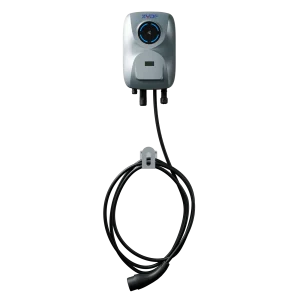
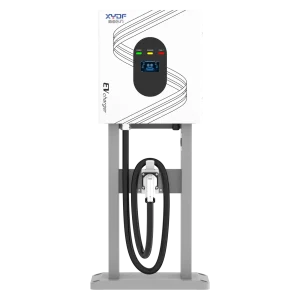
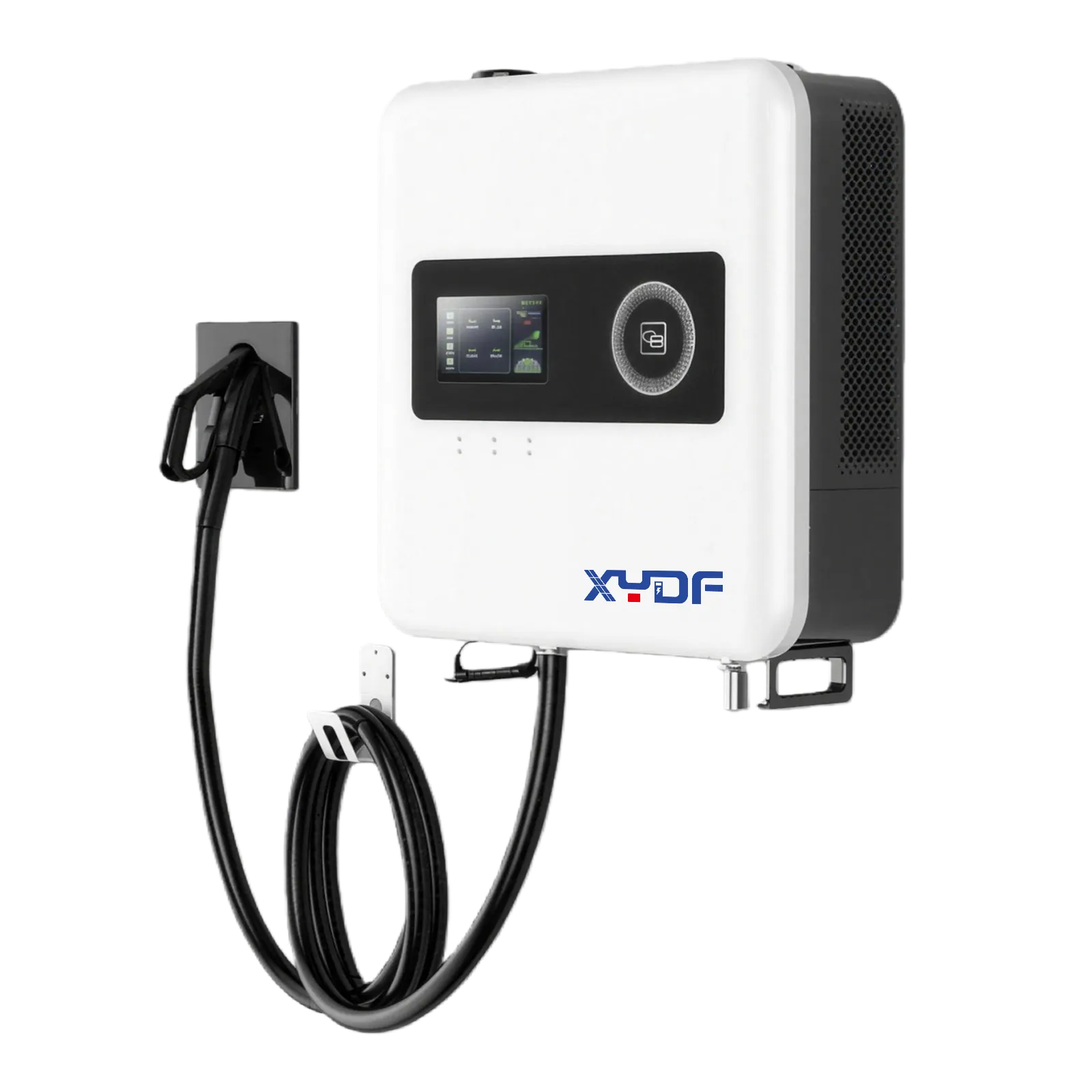
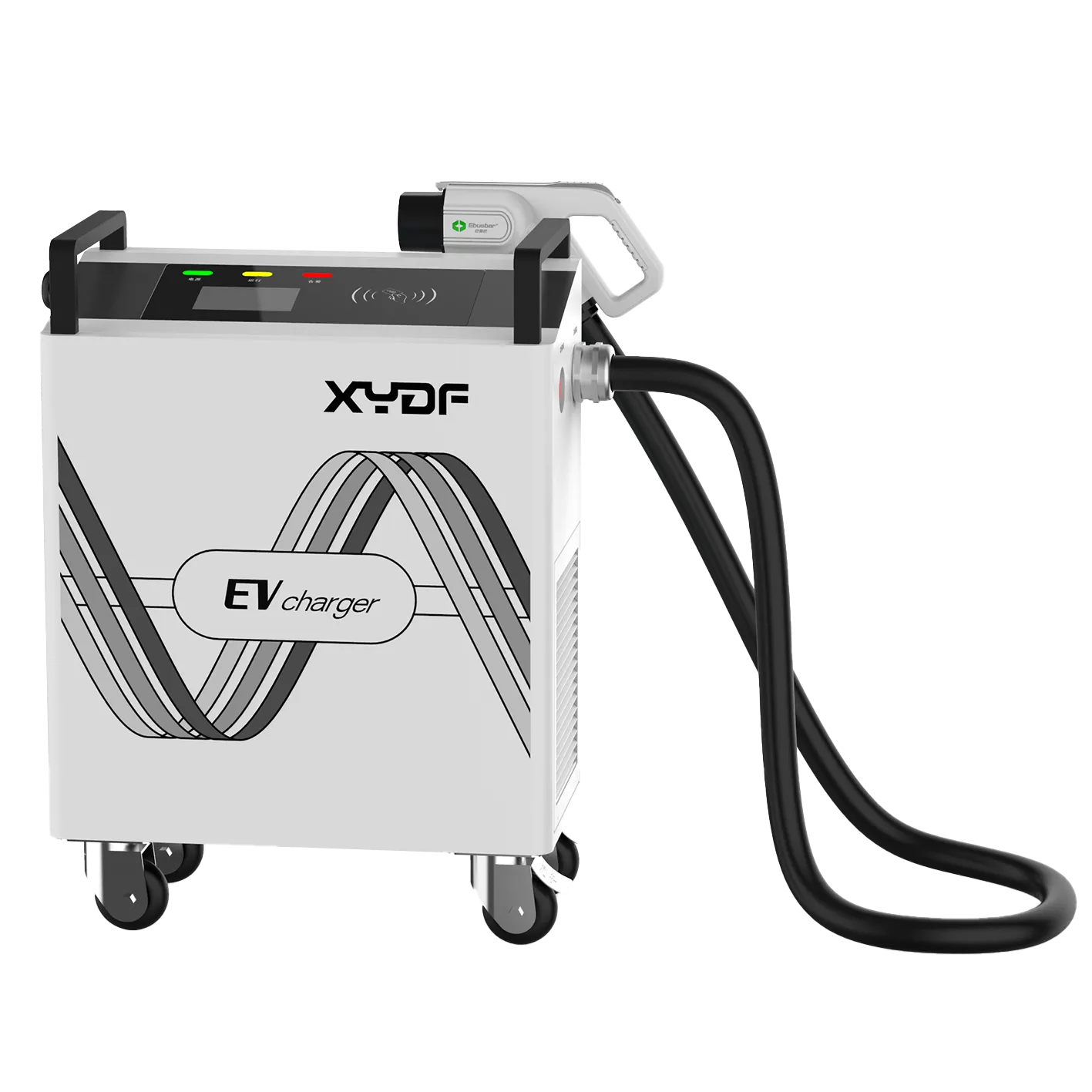
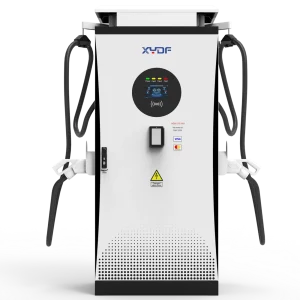
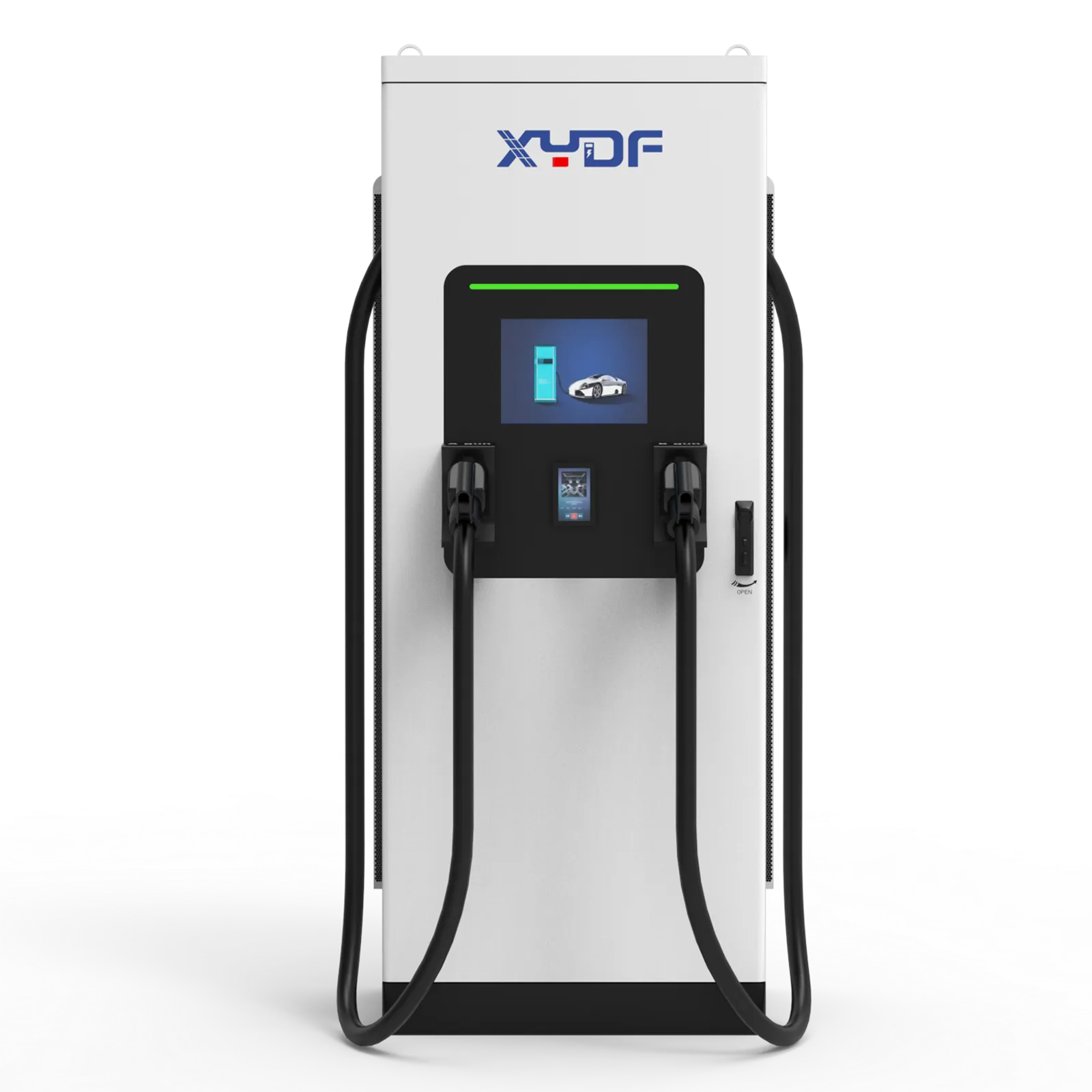
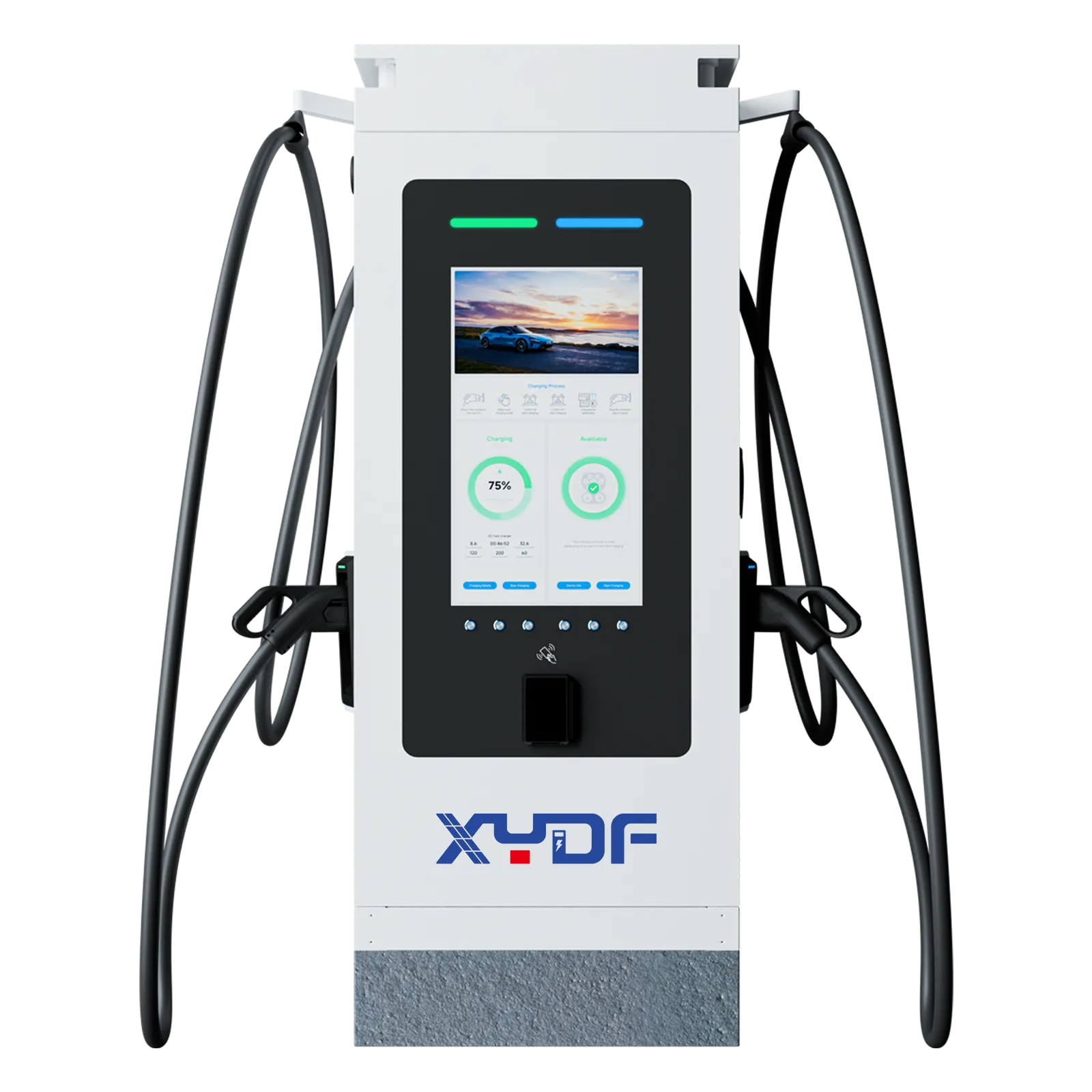
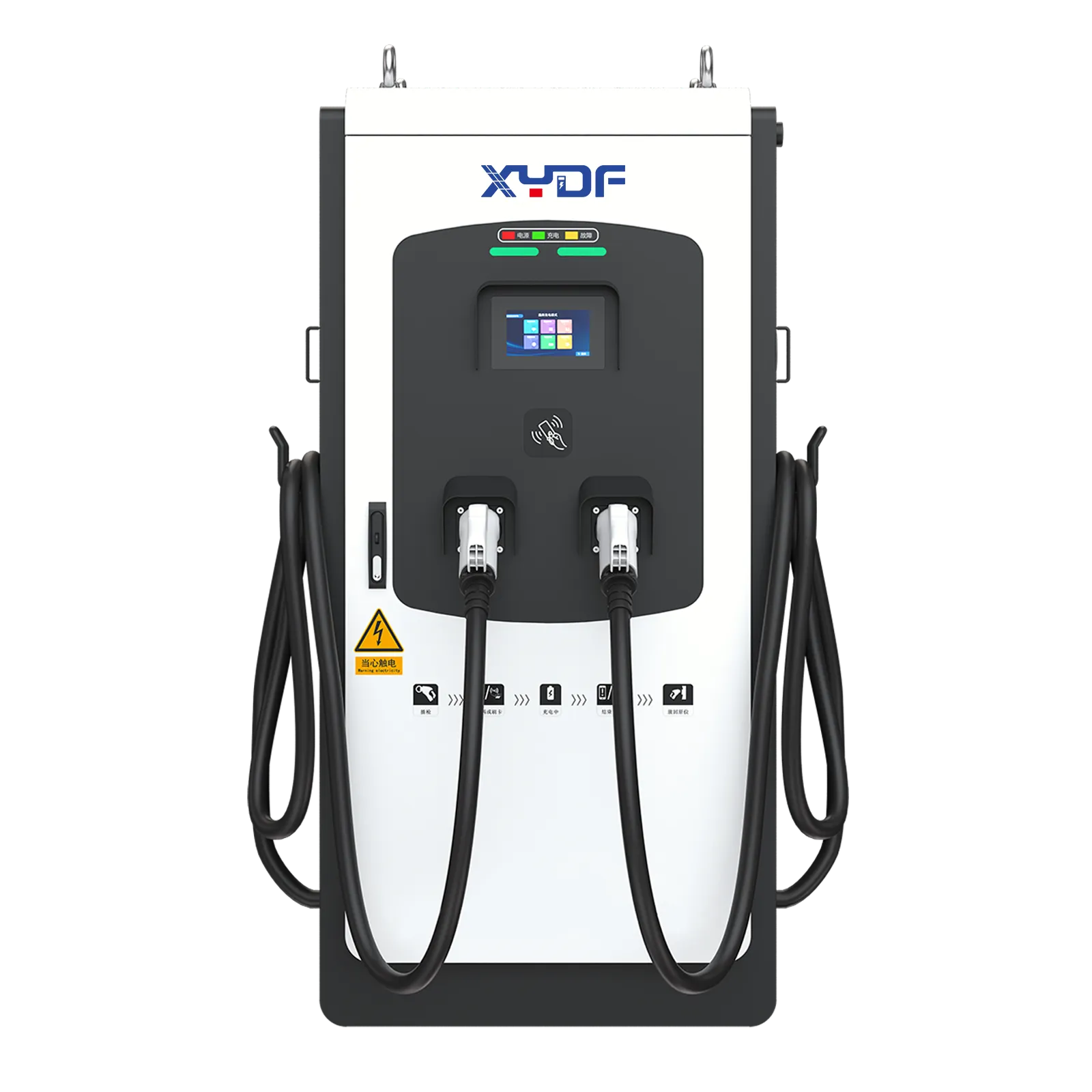
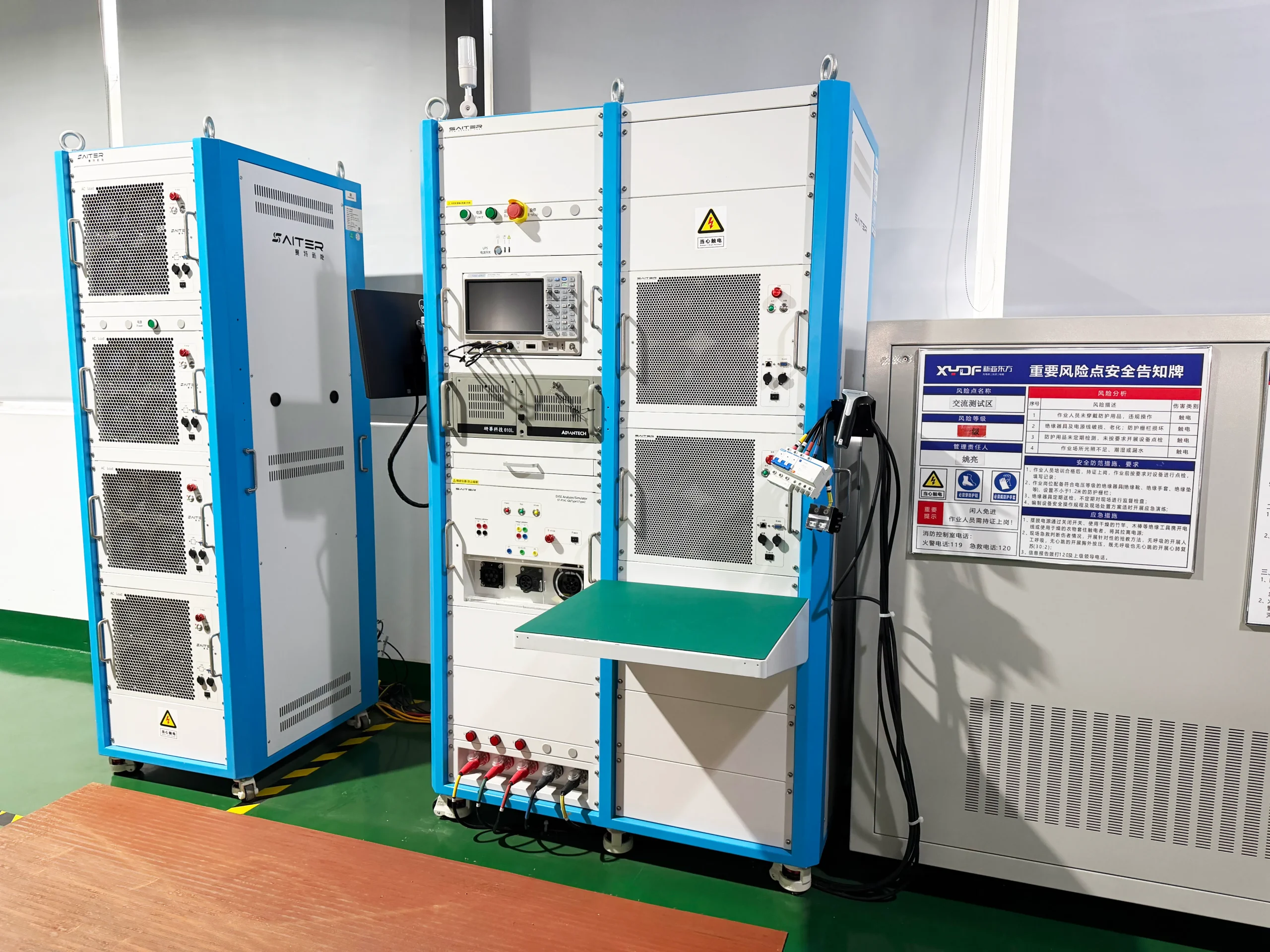
XYDF builds AC and DC charging equipment and maintains in-house test benches and test engineering as part of production. The practical next step after reviewing this process is model-specific: pick the candidate range, then ask for the test documentation that applies to that model and your order quantity.
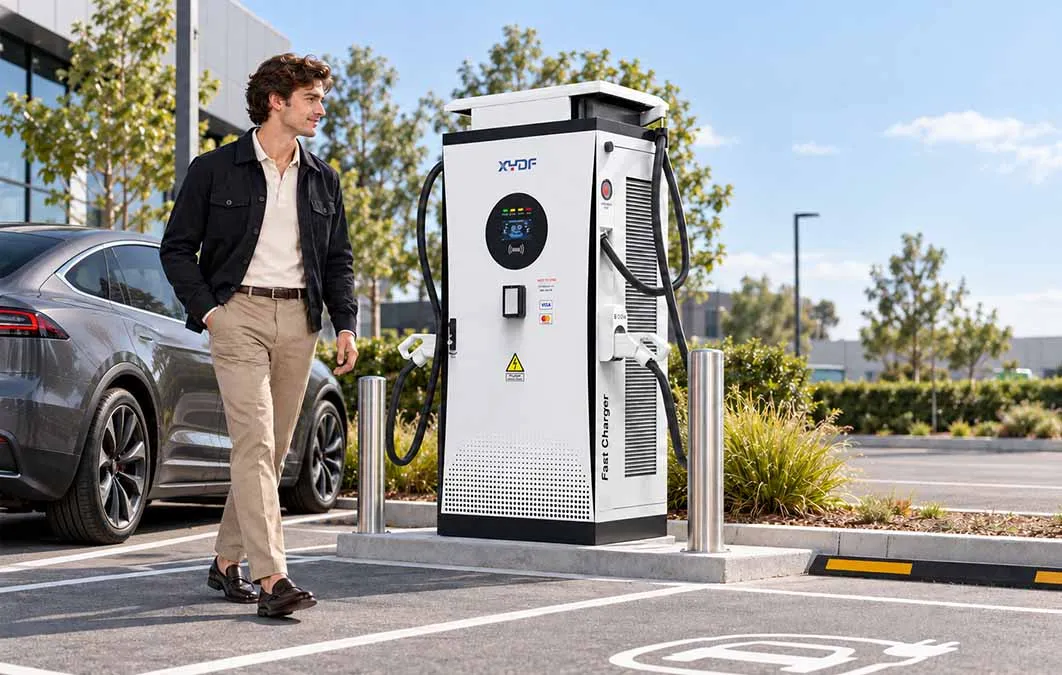
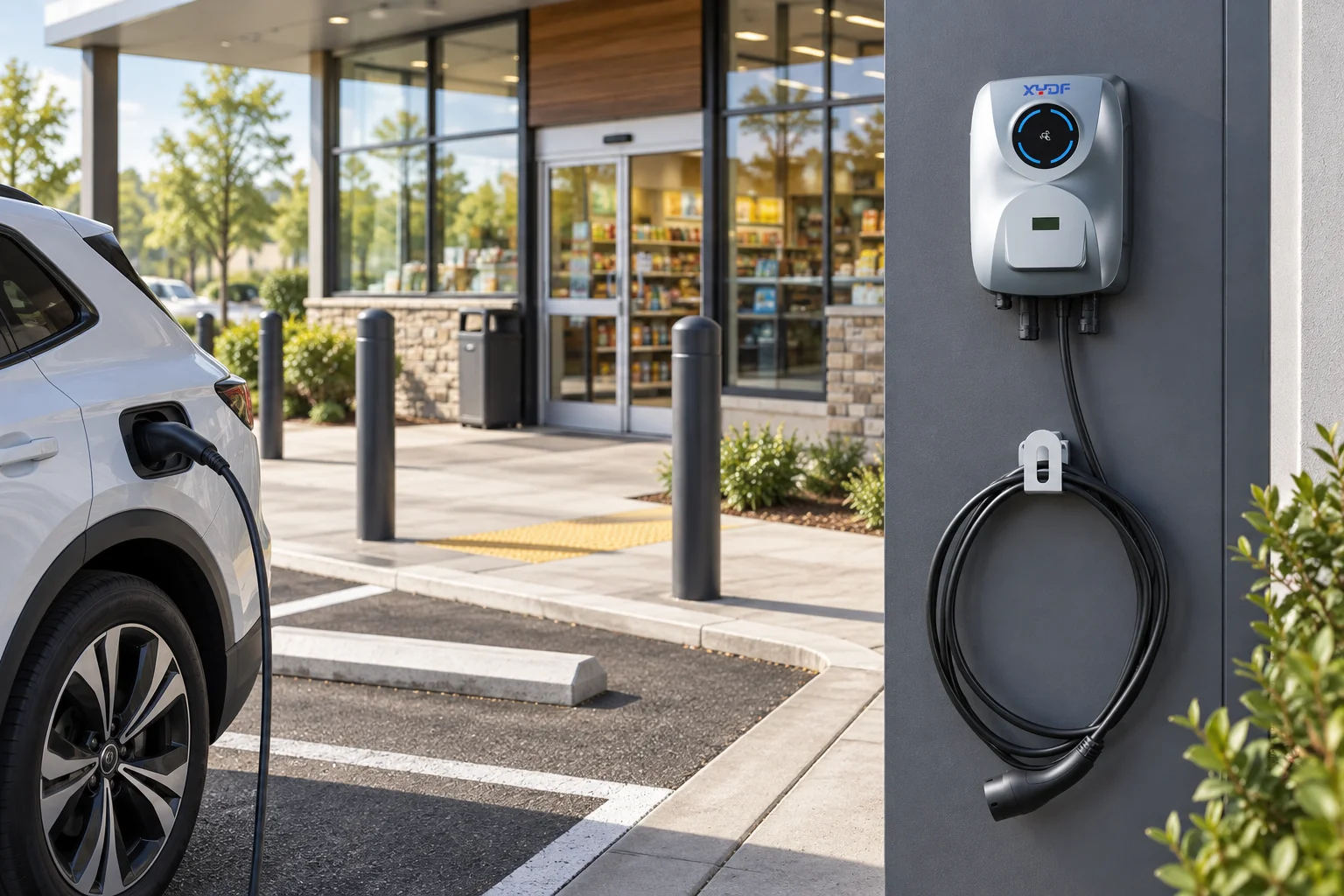
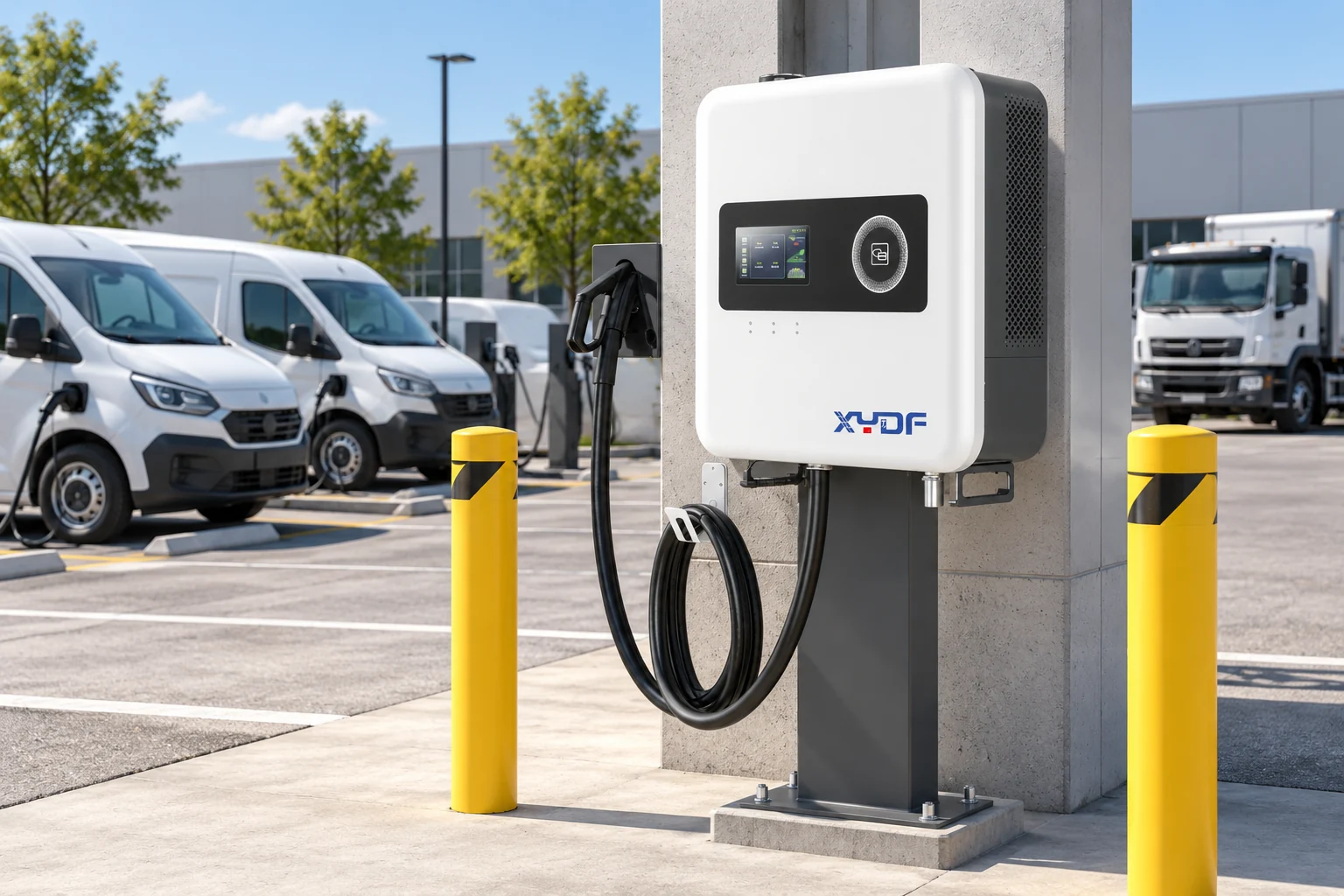
Start from the XYDF EV charger product range, then narrow to the Спектр зарядных устройств DC for commercial and fleet sites or the Диапазон зарядных устройств AC for destination and workplace projects. This guide fits buyers qualifying a production partner; it is not a substitute for a factory audit, and it does not define the exact test list for a specific model — that comes from the model documentation.
Send your model, quantity, connector standard and target market to XYDF through the contact page and request the matching factory test records with your quotation.
Часто задаваемые вопросы
What is IQC in EV charger manufacturing?
Incoming quality control is the inspection of purchased components against specification before they enter production, usually with lot-based sampling and formal rejection handling.
What is the difference between a factory audit and factory testing?
An audit is a buyer-side check of the factory’s system and capability; factory testing is the supplier’s own gate-by-gate verification of materials, assemblies and finished units. Strong programs use both.
What does burn-in testing catch?
Burn-in runs the finished charger under load for an extended period to trigger early-life component failures in the factory instead of during the first weeks at a customer site.
Which test records should be part of an EV charger order?
Request IQC sampling rules, per-serial end-of-line results, burn-in completion for the full batch, a first-pass yield summary, and an agreed pre-shipment inspection scope.
Do factories test every unit or only samples?
Published factory processes describe per-unit end-of-line testing, while incoming inspection is typically sample-based by lot. Confirm the split in writing for your order.
Can buyers witness factory tests before shipment?
Many suppliers support witnessed factory acceptance testing or third-party pre-shipment inspection for larger orders. Agree the scope, criteria and timing in the purchase contract.
Is a factory test report a product certification?
No. A report shows what was tested on identified units under stated conditions. Certification requires the applicable certification body and scope.
Should every charger receive a hi-pot test?
Follow the product standard and safe manufacturing procedure; critical protective tests are commonly controlled per unit, but the voltage, duration and circuit points must come from the approved procedure.
What happens after a failed sample?
Quarantine, document the nonconformance, identify affected serials or revisions, correct the cause and define retest or expanded-sample criteria before release.
Can communications FAT replace field commissioning?
No. Factory simulation confirms configured behavior; field commissioning must validate the installed network, meter, earthing, protection and backend environment.
After evidence requirements are agreed, review the каталог продукции, compare the Спектр зарядных устройств DC and send the FAT plan through Контакты XYDF. Strong EV charger factory testing is traceable evidence—not a certificate implied by a checklist.
For a buyer comparing suppliers, EV charger factory testing is useful only when the report identifies the tested unit, method, limit and disposition of any failure.
Как покупатель может связать заводские доказательства с результатами испытаний на местах?
Соедините каждый заводский контроль с требованием по полевому испытанию: укажите тип и версию испытанного оборудования, определите метод испытаний и критерии их успешного завершения, сохраните данные о калибровке и обнаруженных дефектах, а также повторите критические проверки при принятии оборудования на эксплуатацию с учетом предоставленной конфигурации. Экскурсия или сертификат — это полезный инструмент, но поддающимся проверке цепочка — это конфигурация, доказательства и результат, подтвержденный свидетелями.
Штаб-квартира и фабрика в Чжэцзяне:
№ 2, улица Чанцзян, промышленный парк Вэньчжоу Бридж, город Бейбайсян, город Юэцин, город Вэньчжоу, провинция Чжэцзян
Шэньчжэньский филиал:
1-й этаж, здание А, промышленный парк Шэнькай, сообщество Тантоу, район Шиянь, район Баоань, Шэньчжэнь
Мы используем файлы cookie для обеспечения работы этого веб-сайта и, с вашего разрешения, для измерения того, как посетители используют наш сайт зарядки электромобилей. См. наши Политика конфиденциальности для получения подробной информации.
 Синьцзя Дунфан Электрик Технолоджи Ко., Лтд.