Опубликовано: 12 апреля 2026 г. Обновлено: 30 апреля 2026 г.
В первой половине 2026 года правительство Великобритании обновило гранты OZEV и правила для зарядных устройств для электромобилей.
С 1 апреля 2026 года Управление Великобритании по нулевым выбросам (OZEV) повысит максимальную ставку субсидии для большинства установок с £350–£500 розетка зарядки. Канал приложения для зарядных устройств электромобилей также был добавлен в ‘Найти грант’портал. Прежний канал подачи заявок закрыт.Найти грант OZEV)
| Категория гранта | Старая максимальная ставка (до 31 марта 2026 г.) | Новая максимальная ставка (с 1 апреля 2026 года) | Пределы |
|---|---|---|---|
| Схема зарядки на рабочем месте | До 350 фунтов стерлингов за розетку | До 500 фунтов стерлингов за розетку | Макс. 40 розеток на бизнес |
| Домохозяйства с парковкой на улице | До 350 фунтов стерлингов за розетку | До 500 фунтов стерлингов за розетку | 1 розетка на дом |
| Жильцы и владельцы квартир | До 350 фунтов стерлингов за розетку | До 500 фунтов стерлингов за розетку | 1 розетка на человека |
| Частные арендодатели | До 350 фунтов стерлингов за розетку | До 500 фунтов стерлингов за розетку | Максимум 200 гнезд на человека |
| Учебные заведения (школы) | До 2500 фунтов стерлингов за розетку | Снижено до 2000 фунтов стерлингов за гнездо | Макс. 40 розеток на школьном объекте |
Целевой грант OZEV на инфраструктуру для электромобилей официально прекратил действие в конце первого квартала 2026 года. Будет сохранена только субсидия на зарядное устройство за каждый разъем (до 2027 года). К затронутым сторонам относятся сотрудники и операторы автопарков, коммерческие арендодатели и частные арендодатели.
С 10 апреля 2026 года, согласно поправке к Положения о схеме разрешений на управление дорожным движением (Англия) 2007 года (Statutory Instrument 2007/3372). Операторы зарядных станций для электромобилей (CPO) в Англии получат упрощенные полномочия по проведению дорожных работ для установки зарядных устройств для электромобилей, устранив сложную процедуру получения разрешения по разделу 50. Это значительно сократит время утверждения разрешений, а связанные с этим сборы уменьшатся с нескольких сотен фунтов до минимальных десятков фунтов.
Начиная с 2026 года, AFIR требует, чтобы вновь устанавливаемые общедоступные зарядные устройства для электромобилей в ЕС соответствовали требованиям интеллектуальной зарядки и совместимости, причем EN ISO 15118 служит ключевым гармонизированным стандартом для демонстрации соответствия. (Регламент (ЕС) 2023/1804 – Пункт 2.1.1)
Хотя это регулирование юридически не распространяется на Великобританию, ISO 15118 уже соответствует нормативным требованиям Великобритании к общественным зарядным устройствам для электромобилей и стало стандартом де-факто. Это означает Plug & Charge функциональность теперь является официальным предварительным условием для утверждения зарядных устройств.
Кроме того, ISO 15118 включает высокоуровневое шифрование данных (протоколы связи TLS 1.2/1.3) и обеспечивает начальную поддержку V2X (двунаправленная зарядка).
С точки зрения временных рамок:
Вопрос 1: Должны ли существующие установленные зарядные устройства для электромобилей соответствовать стандарту ISO 15118?
Нет, соблюдение норм требуется только для новых установок или капитального ремонта.
В2: Могу ли я все еще получить субсидию, если установлю старые зарядные устройства, не соответствующие стандарту ISO 15118, после 2026 года?
Нет. Система проверки 2026 года будет напрямую связана с серийными номерами зарядных устройств и сертификацией в облаке. Несмарт-оборудование не только не будет иметь права на субсидии OZEV, но также может быть незаконно подключено к национальной электросети Великобритании.
Как производители зарядных устройств для электромобилей могут обеспечить соответствие программного обеспечения требованиям?
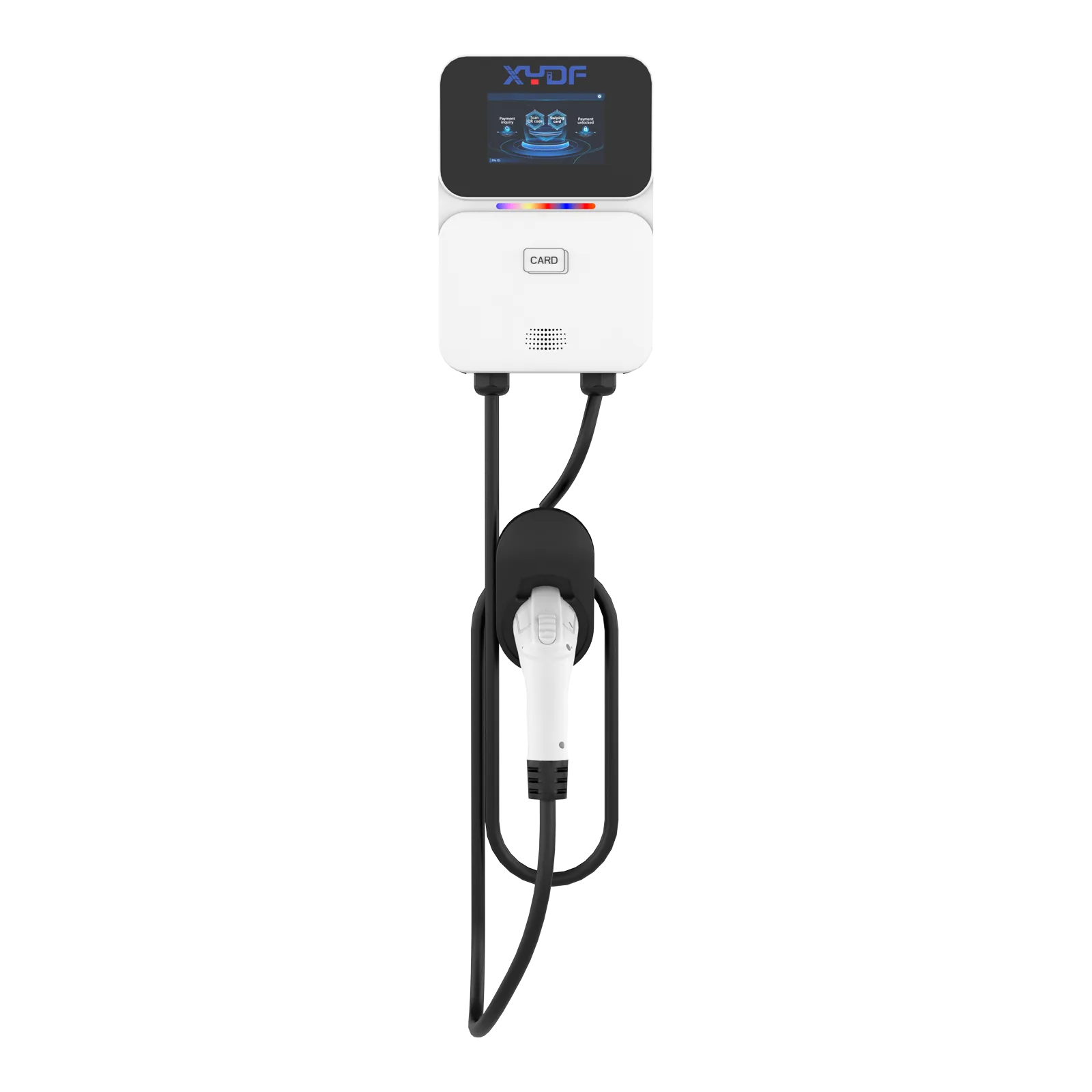
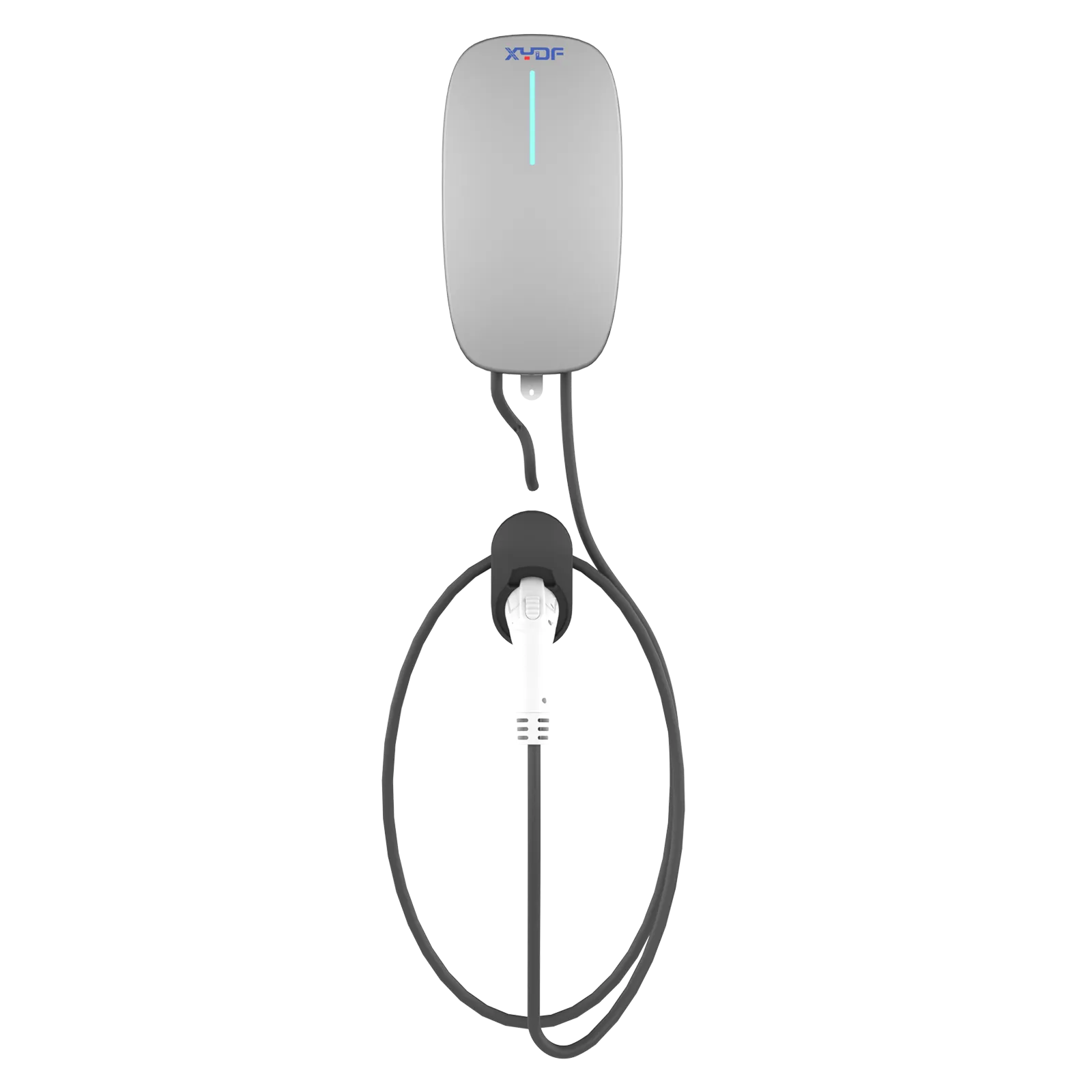
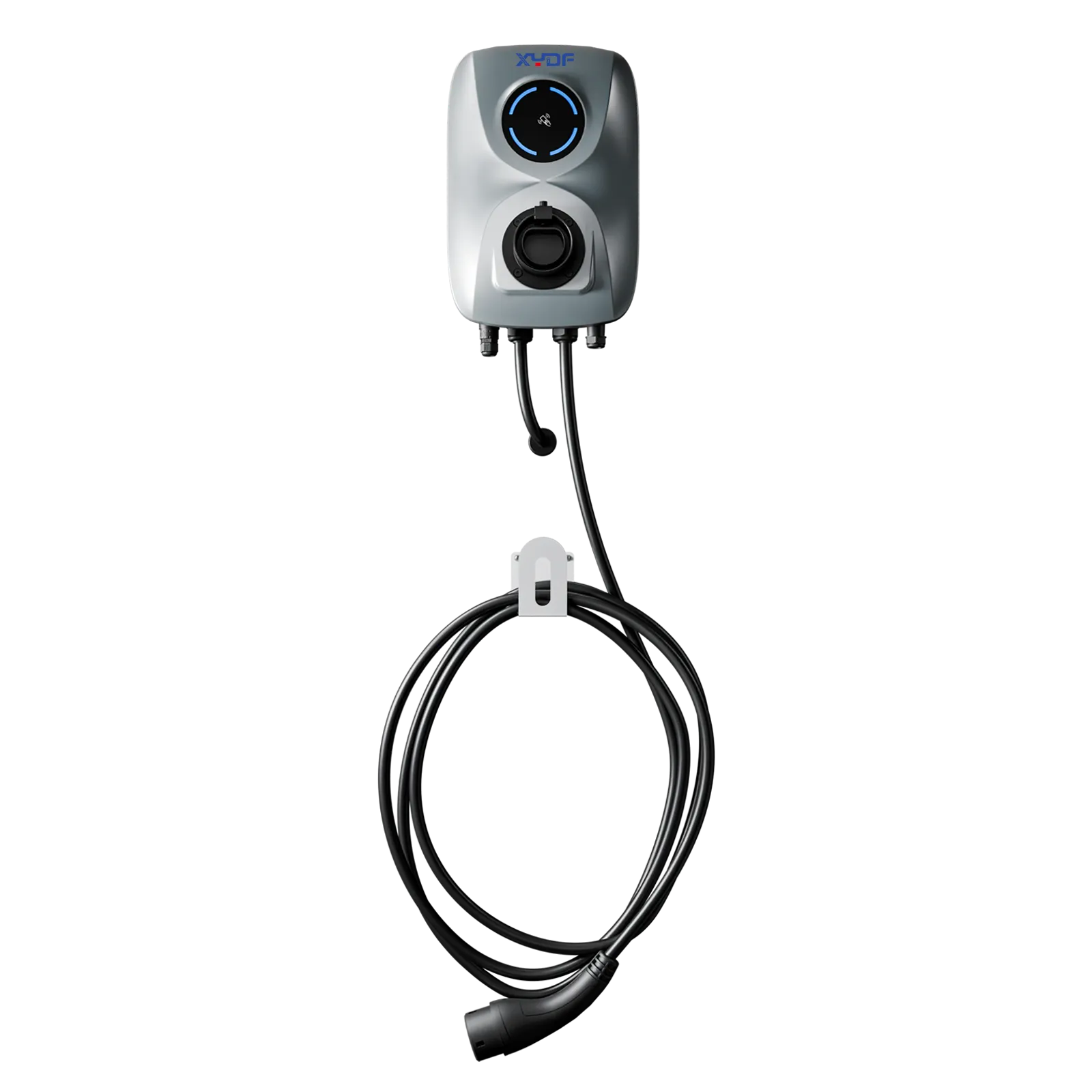
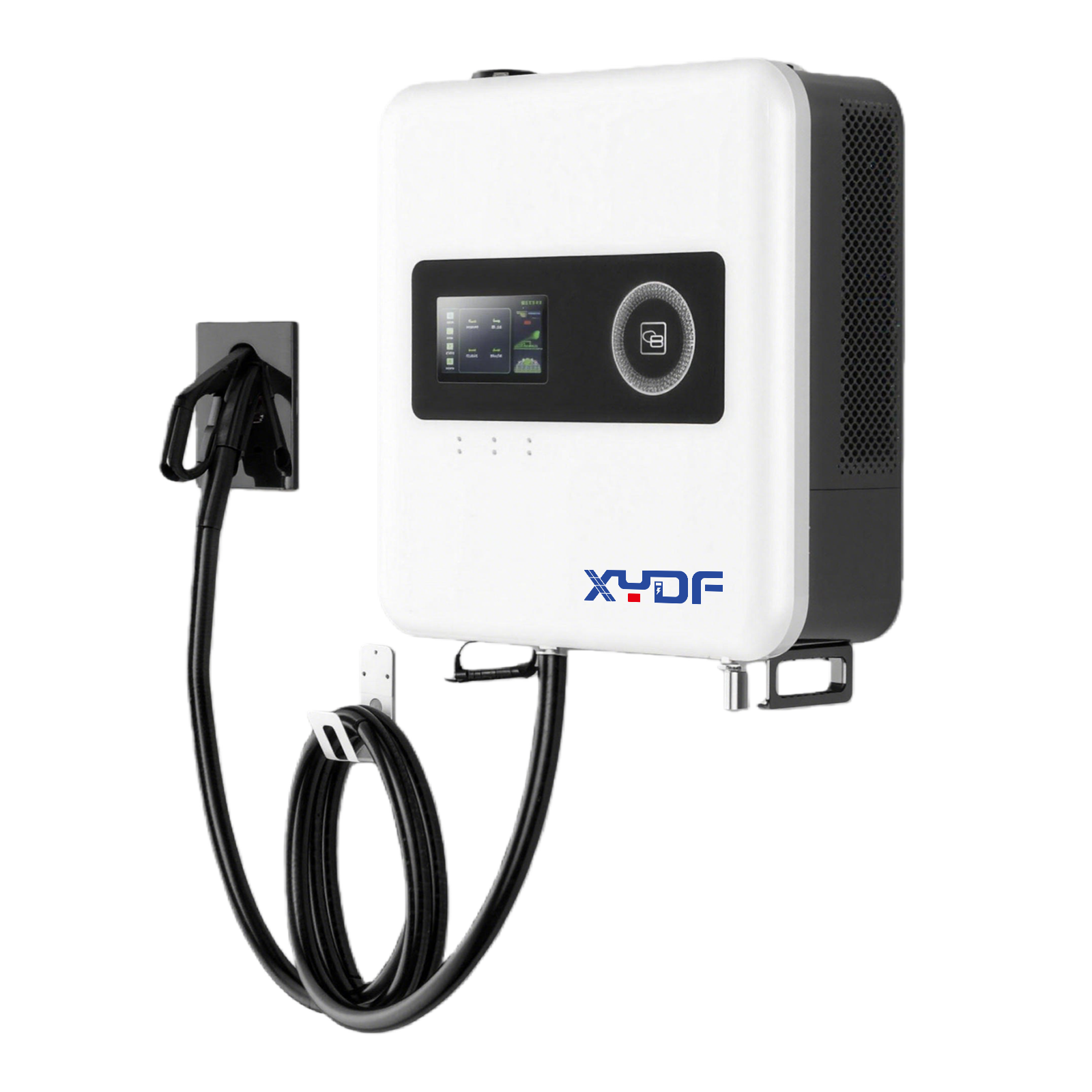
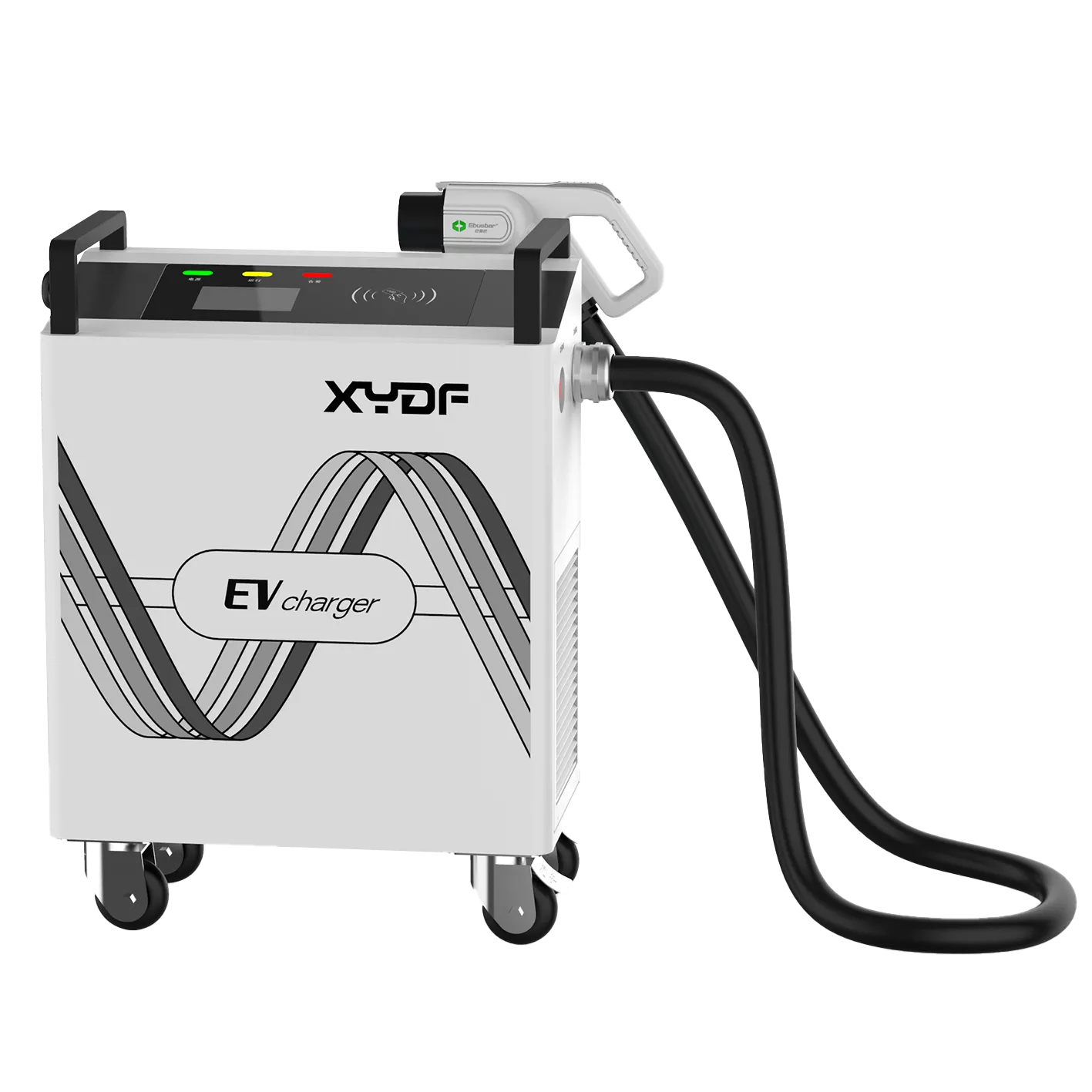
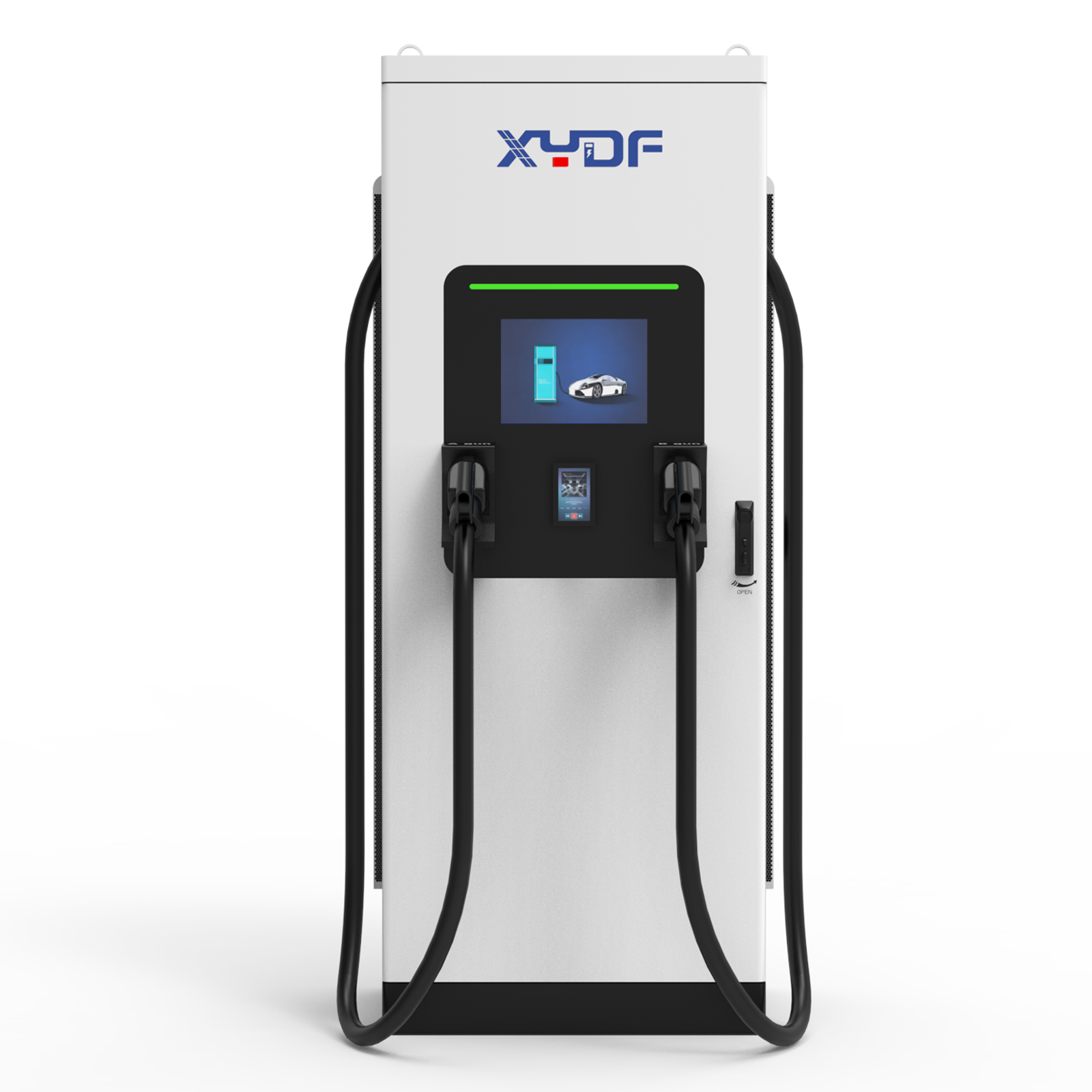
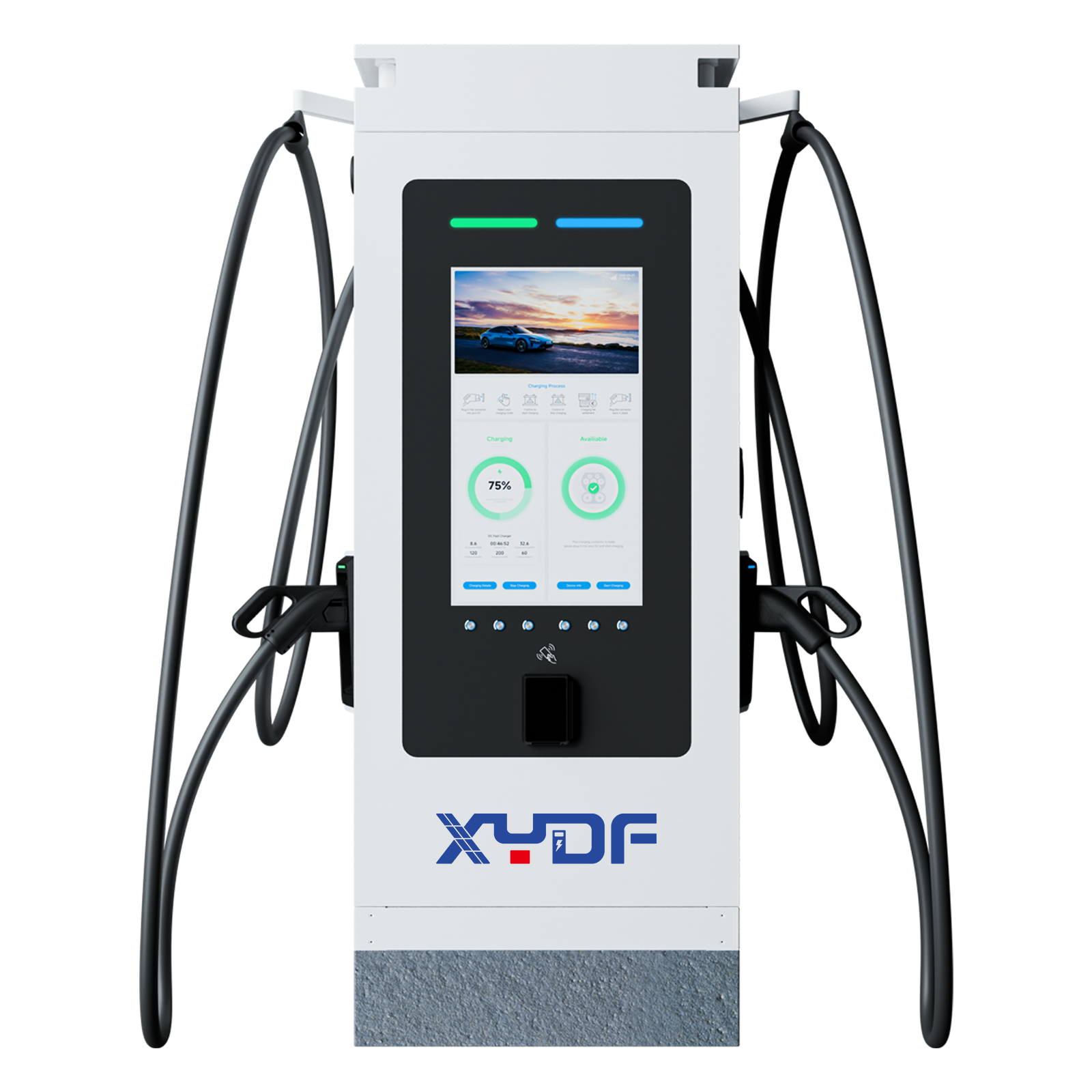
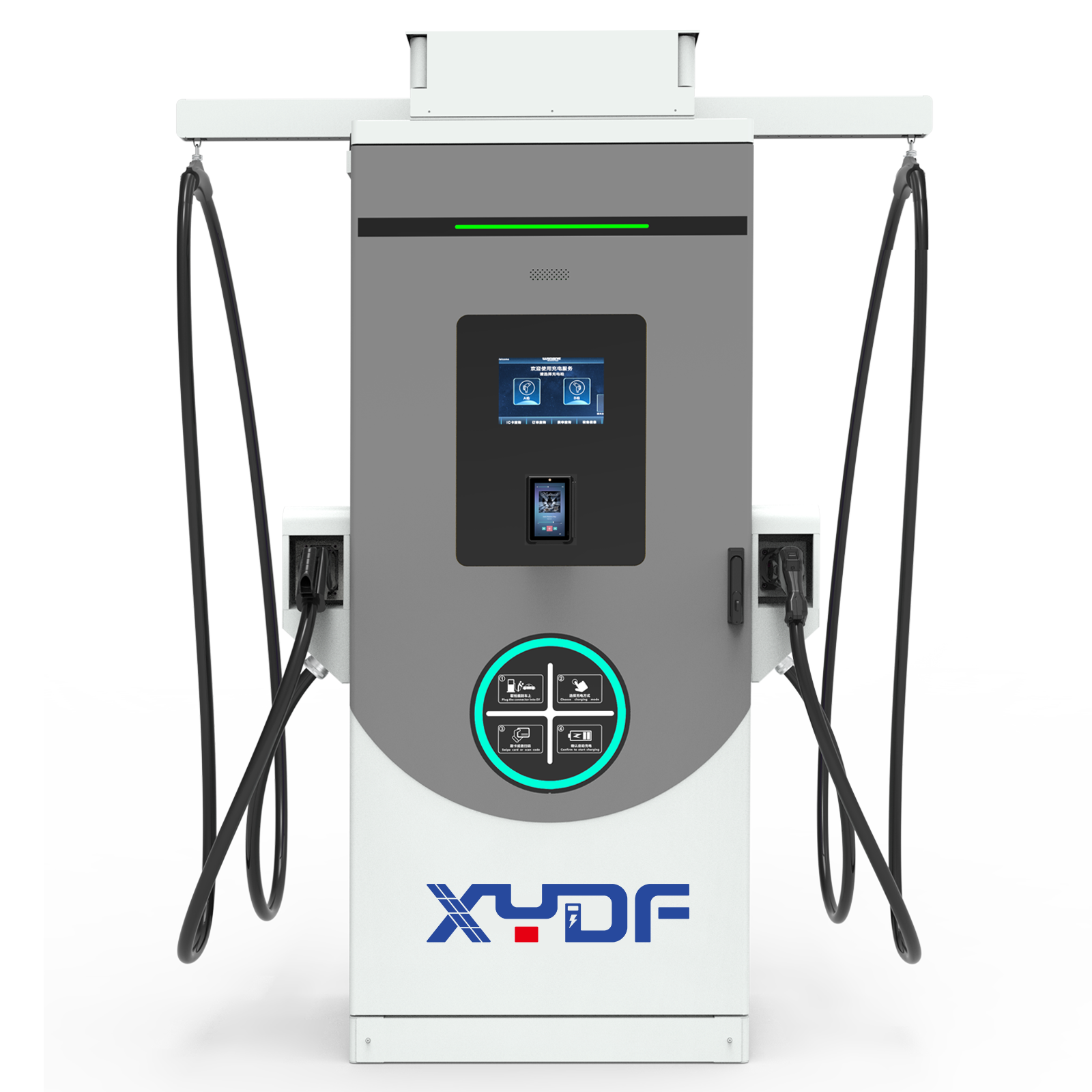
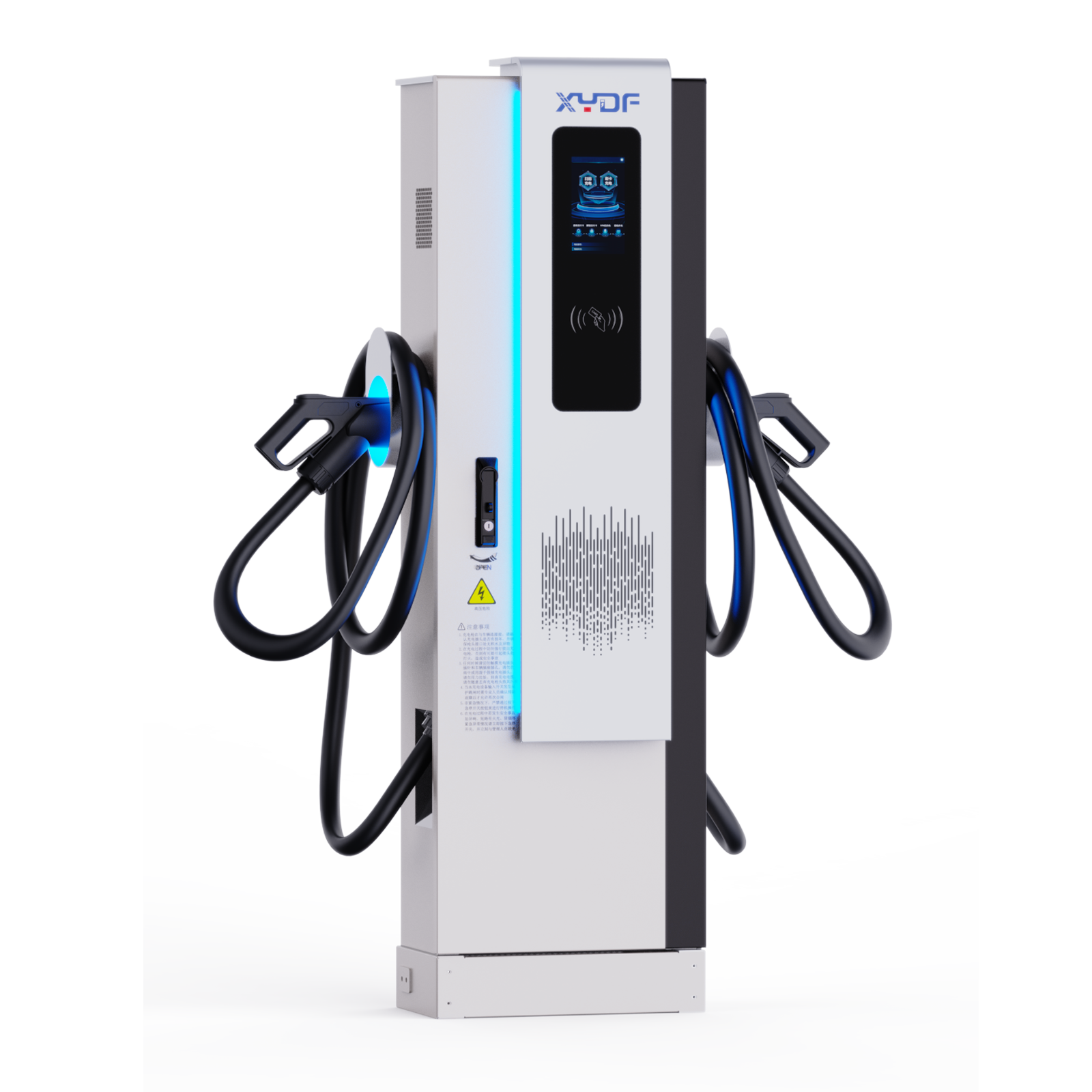
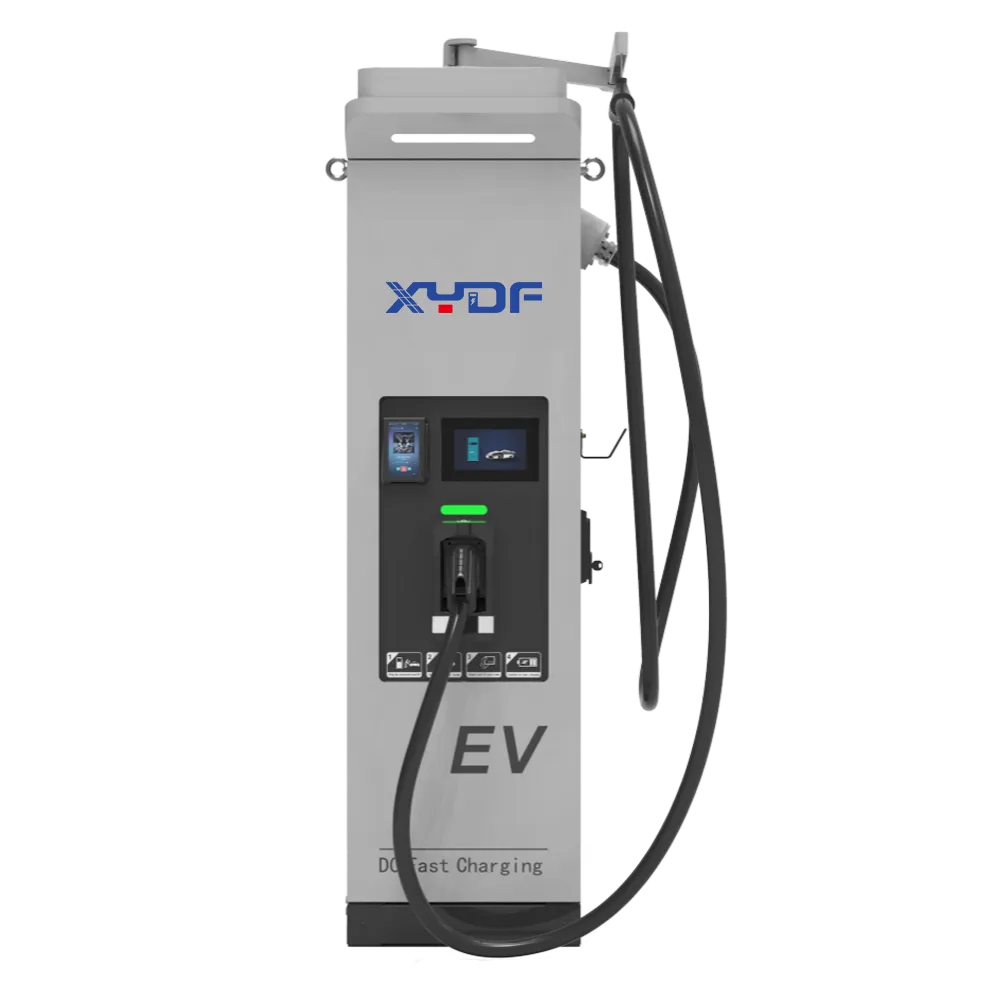
Зарядное устройство для электромобилей XYDF принял стандарт протокол ISO 15118 и модульную архитектуру. Это гарантирует, что каждое зарядное устройство, продаваемое дистрибьюторами, будет соответствовать стандартам и будет готово к будущему на ближайшие 5-10 лет.
Общее направление изменений в регулировании зарядных устройств для электромобилей в Англии в 2026 году остается неизменным. Если вы заинтересованы в покупке зарядных устройств для электромобилей, пожалуйста связаться с профессиональным инженером по продажам XYDF за дополнительной информацией.

 Синьцзя Дунфан Электрик Технолоджи Ко., Лтд.