Hotel EV Charging Equipment: How Should Guest Dwell Time Guide Selection?
Авг 11,2026
Блог
Hotel EV charging equipment should match the time guests actually park, rather than a generic preference for the fastest charger. Map overnight, day-use, restaurant, conference, airport, and transit guests first; then select an AC, DC, or mixed approach that fits their dwell time, the property’s electrical capacity, and the hotel’s parking operation.
Equipment context only; hotel operating requirements need site-specific confirmation.
Part 1. Why should guest dwell time lead hotel charger selection?
Charging is most useful when it happens while a guest is already parked for another reason. The NREL national charging-network study describes destination charging as an opportunity to charge during longer parking periods, while fast charging serves use cases that are not enabled by that dwell time.
Трейт guest dwell time as an input to a service model, not as a guarantee of energy delivered. A six-to-twelve-hour overnight window commonly creates room for Level 2 AC charging, while a visit under an hour can justify evaluating DC charging only if vehicle acceptance rates, grid capacity, utilization, and economics support it. These are planning bands: late arrival, early departure, a queue, cold-weather battery behavior, or a vehicle that limits charging power can change the result.
For a hotel, that means a resort guest who parks overnight and a driver stopping beside a highway are not the same charging case. Selecting DC equipment for every bay can misalign the installation with guest behavior; selecting only AC can be equally unsuitable where a property deliberately serves short-stay travellers.
Part 2. Which hotel guest patterns need different charging approaches?
Start with real booking and parking data, not room count alone. A city business hotel may see vehicles arrive after evening meetings and leave in the morning. A resort may have multi-day stays. An airport or roadside property may need a smaller group of rapid-turnover users; where the operation resembles a transport hub, the airport EV charging guide provides a more relevant availability-planning reference. Conference traffic can create peaks that ordinary occupancy reports miss.
Translate that demand into two ratios rather than one headline number. A charger-to-room ratio is useful for budgeting across a hotel portfolio, but a charger-to-eligible-parking-space ratio is better for layout and enforcement. Neither ratio sets the final port count. Apply observed EV arrival share, the busiest overlap window, the proportion of bays that can be controlled, and a growth allowance; then test whether valet movement or morning turnover can make each port serve more than one vehicle per day.
Guest/parking pattern
Equipment direction to evaluate
Key planning question
Overnight rooms or extended stay
AC destination charging is often relevant.
How many vehicles remain parked through the low-load period?
Resort or multi-day stay
More ports and managed charging may matter more than high per-port power.
Can guests share bays fairly across several days?
Restaurant, spa, meeting, or day-use parking
Match charging rate to the actual visit window.
Does the session add useful energy before departure?
Airport, highway, or transit hotel
A separate DC assessment may be warranted.
Is short-turnover traffic a real, measured demand?
Valet-operated property
Access and staff procedure become part of the charging service.
Who moves vehicles and verifies connector type?
Тот NREL road-trip report draws this distinction clearly: Level 2 is relevant for overnight hotel opportunity charging, while on-route travel generally needs DC fast charging.
Part 3. When should a hotel consider AC, DC, or a mixed offer?
AC equipment is commonly considered for destinations where the vehicle remains parked for several hours. The DOE charging guide identifies dwell time, site electrical assessment, and expected user travel as selection inputs. It does not justify assuming that every hotel guest has the same energy need.
DC equipment should be evaluated when a hotel has evidence of short stays, route traffic, or a commercial partner requiring faster turnaround. Its electrical and operating implications need their own review. A mixed offer can be sensible when distinct guest groups genuinely exist, but it is not automatically better than a clear, well-managed AC deployment.
The arriving state of charge is the largest uncertainty that a dwell-time label can hide. A guest who arrives nearly full may need little energy, while another vehicle using the same коммерческое зарядное устройство для электромобилей may arrive low and accept power differently as the battery fills. Plan against an energy target and a departure deadline, not a claim that nameplate power will remain constant throughout every session.
For an illustrative check only, assume a guest needs 35 kWh, remains connected for eight hours, and the complete charging path averages 85% efficiency. The site must supply about 41 kWh, or roughly 5.1 kW on average during that window. This does not specify a charger: usable output can still be constrained by the vehicle, shared-power rules, temperature, interruptions, and the hotel’s load cap.
Important: Do not promise guests a full battery by morning unless the property has modeled vehicle condition, charging rate, shared use, arrival time, and access policy. The NREL national charging-network study distinguishes longer destination dwell from route charging; equipment power is only one condition.
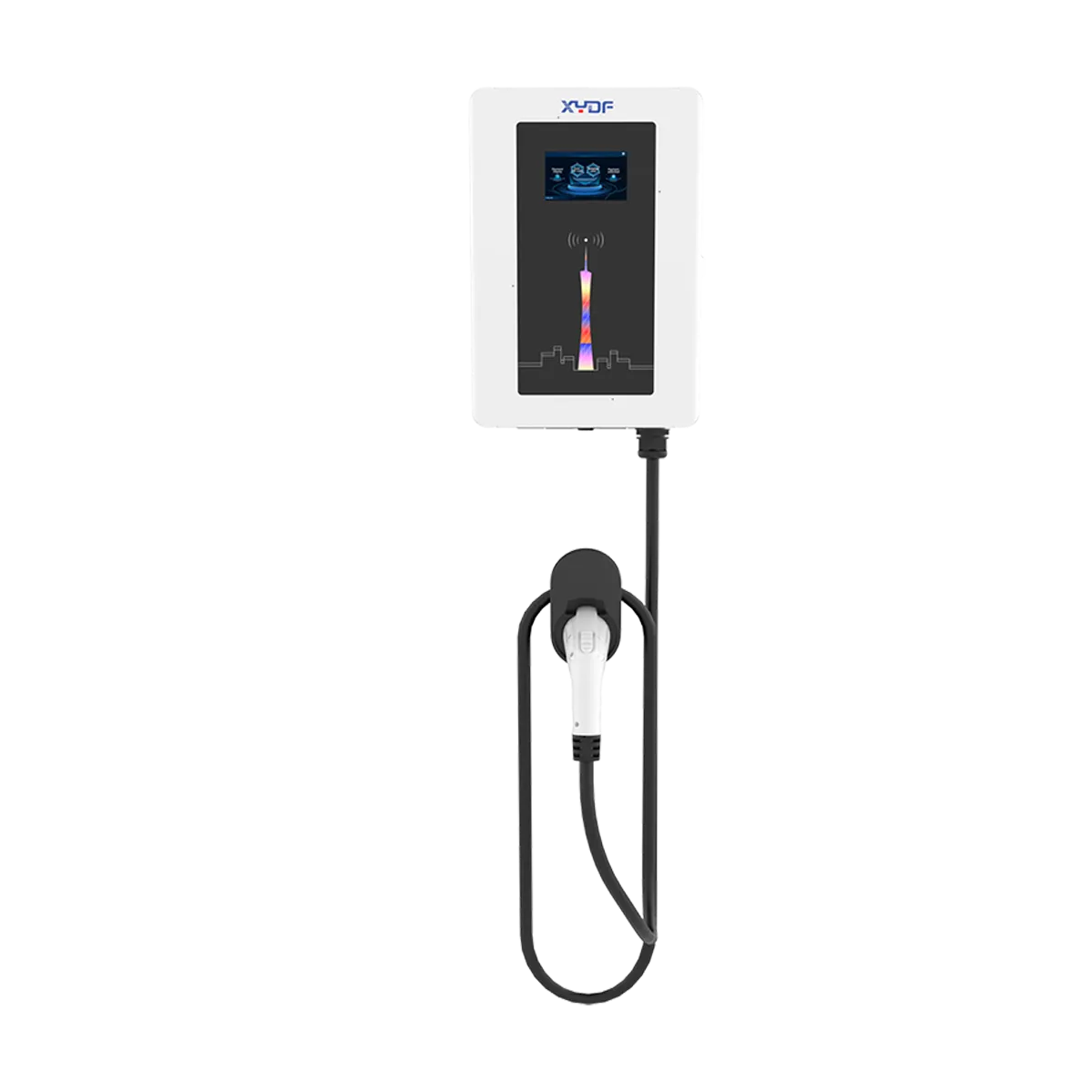
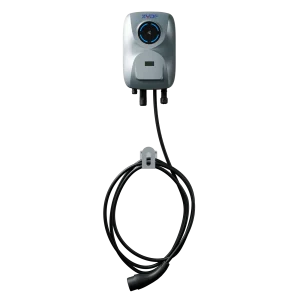
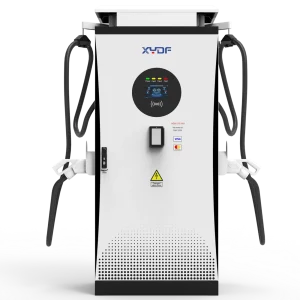
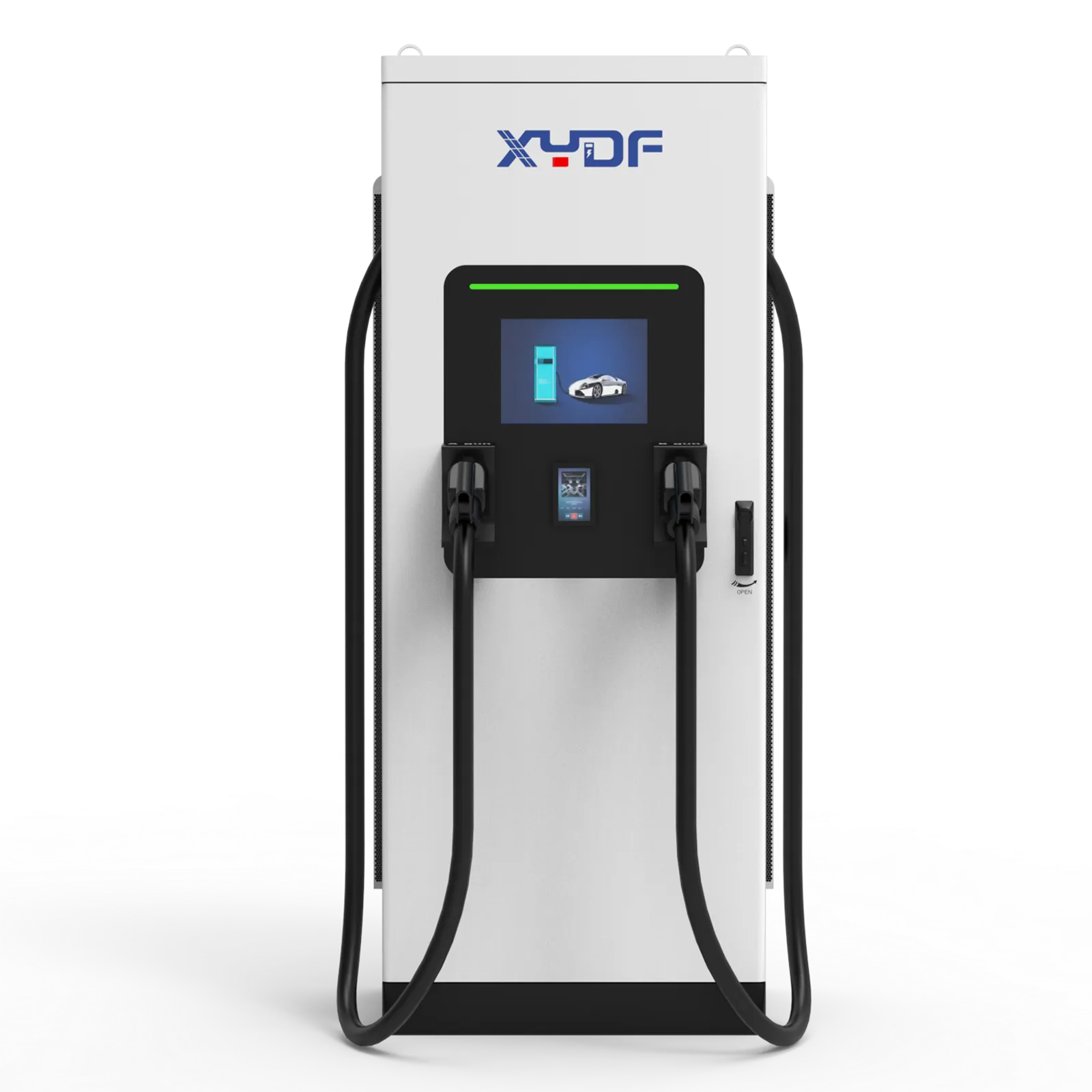
Product context only; assess the property load, guest dwell pattern, and operating policy before selection.
Part 4. How can hotels make chargers usable for guests?
Availability, clear instructions, and a fallback plan affect the guest experience as much as the connector. A hotel should decide whether a room booking changes bay access, who answers a guest question, and what the fallback is when every bay is occupied. The коммерческая зарядная система с управлением доступом is useful for the authorization part of that workflow.
Accessible use begins before a session starts. Check the route to the charger, clear floor space beside the vehicle, connector reach and cable handling, screen and control usability, and whether curbs or wheel stops block approach. The U.S. Access Board’s EV charging design recommendations distinguish legal requirements from nonbinding recommendations and explain accessible routes, operable parts, and charging-space design. Apply the rules for the project’s jurisdiction rather than treating the guidance as a product certification.
Turn those concerns into an operating checklist:
list connector types, access steps, parking restrictions, and pricing accurately;
define whether bays can be reserved and who may authorize a session;
train front-desk or valet staff on basic activation and escalation;
tell guests what to do when all bays are occupied or a connector does not fit; and
keep a record of faults and occupied-bay complaints.
An occupancy policy should protect access without penalizing a legitimate overnight stay. A practical sequence is to disclose the expected move time at check-in, send a notification when charging stops, allow a morning grace period aligned with checkout, and use an idle fee only after that stated window. Short-stay DC bays can use tighter turnover rules because their purpose is different. Track blocked-bay complaints separately from vehicles that remain connected but are still within the hotel’s published overnight policy.
Тот commercial access-control guide can help teams choose the authorization component. It does not replace a hotel policy for parking turnover or guest communication.
Part 5. What electrical and operational checks come before equipment choice?
Electrical capacity, building load shape, cable routes, parking layout, and expansion planning should be reviewed before selecting port count or power. The AFDC procurement guide recommends assessing expected vehicles, travel patterns, time available to charge, and existing/future electrical needs.
Overlay charging demand on the property’s interval load, not just its annual electricity use. Kitchens, laundry, heating or cooling, and event loads can coincide with evening arrivals. Managed charging can divide a defined site cap among active ports and shift flexible overnight energy into lower-load periods, but its control logic and minimum service level belong in the specification. Review the utility tariff for time-of-use prices, demand charges, and any new service class; a lower equipment price does not offset a design that repeatedly raises the monthly peak.
Hotels also need an operating view. A complimentary amenity, paid session, room-inclusive benefit, and third-party operator model each need different access, record, support, and accounting workflows. Connect that decision to Коммерческие решения для зарядки электромобилей and to the property’s actual peak occupancy.
Decision
Why it changes the equipment plan
Evidence to collect
Expected dwell window
Determines whether charging rate is useful.
Arrival/departure and parking data.
Simultaneous use
Determines the site power demand.
Peak occupancy and likely EV overlap.
Access policy
Defines authorization and staff process.
Guest, valet, and visitor workflow.
Electricity tariff and site cap
Changes operating risk.
Utility bills and electrical assessment.
Expansion plan
Affects conduit, switchgear, and layout provisions.
Phased construction and EV-demand assumptions.
Part 6. What should a hotel put in its EV charging RFQ?
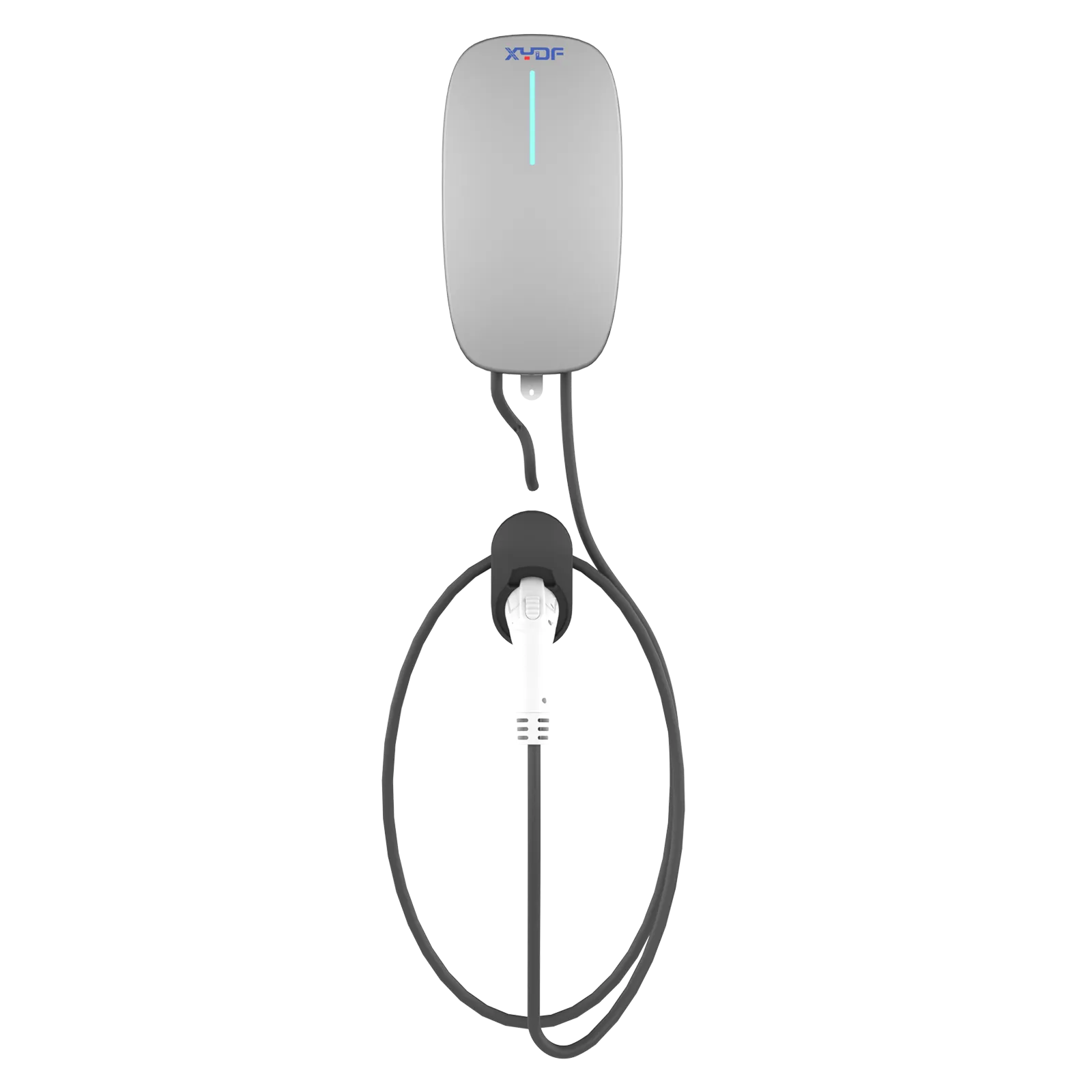
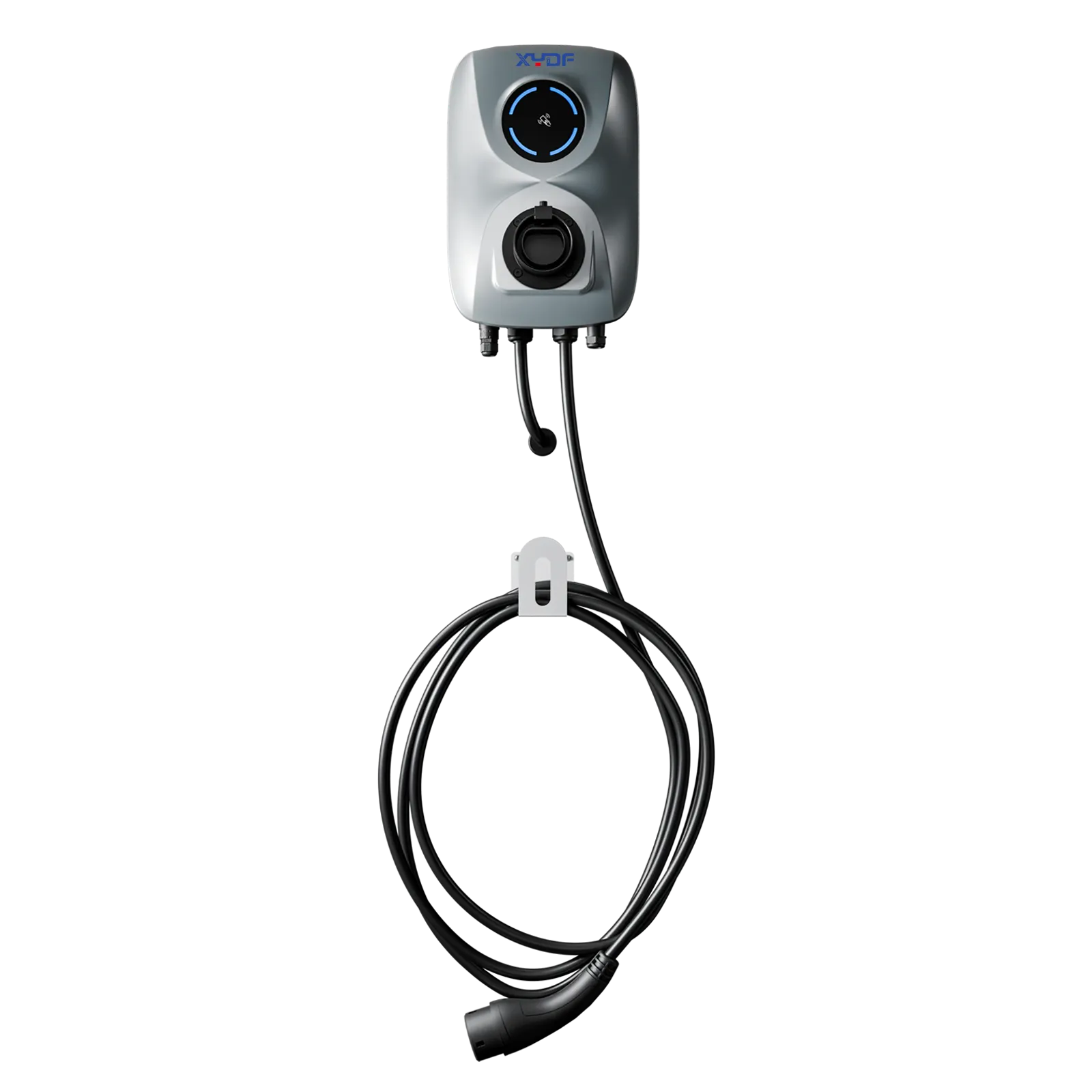
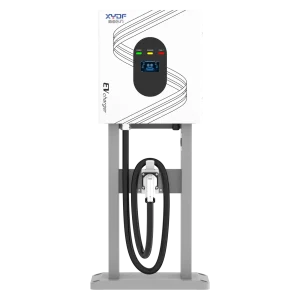
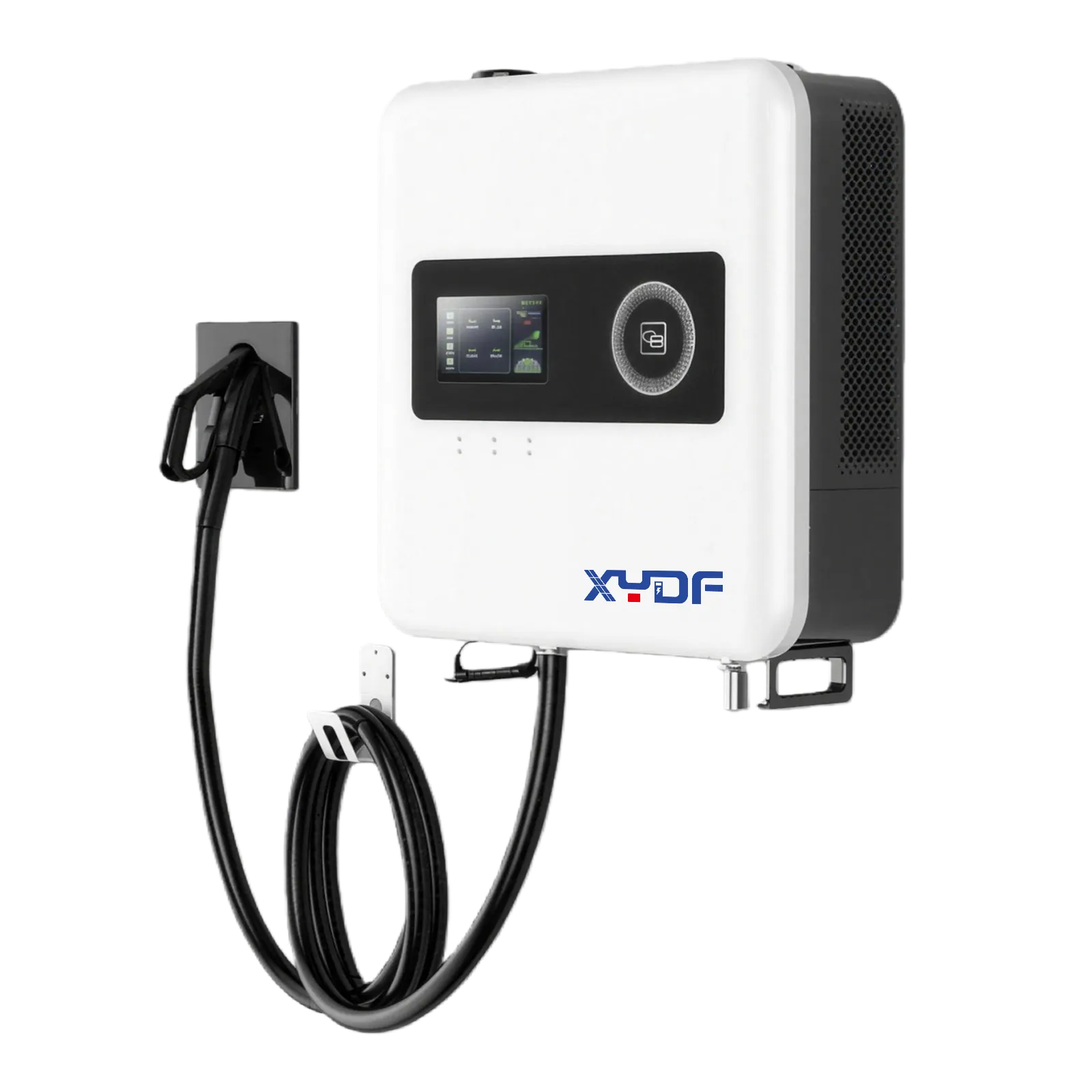
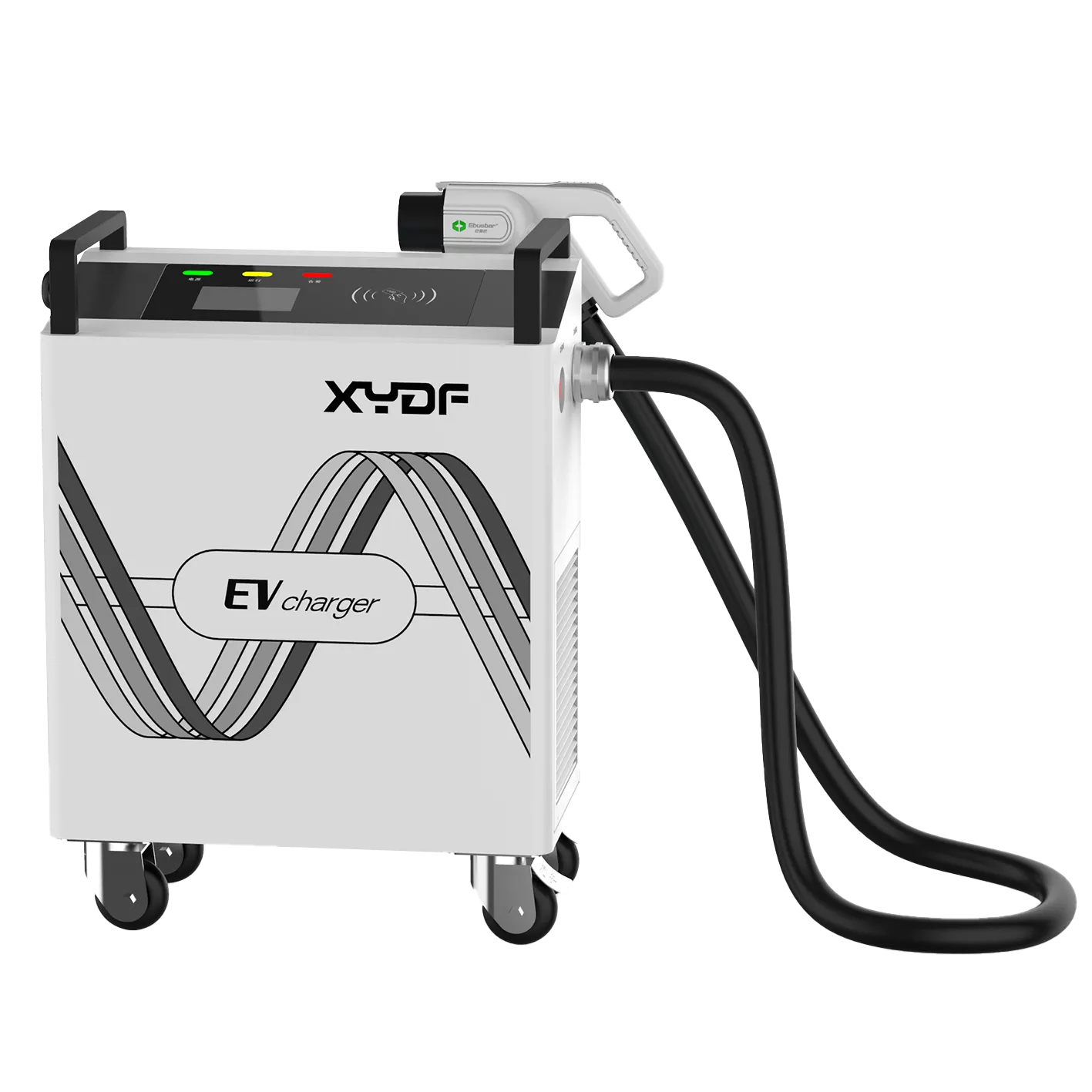
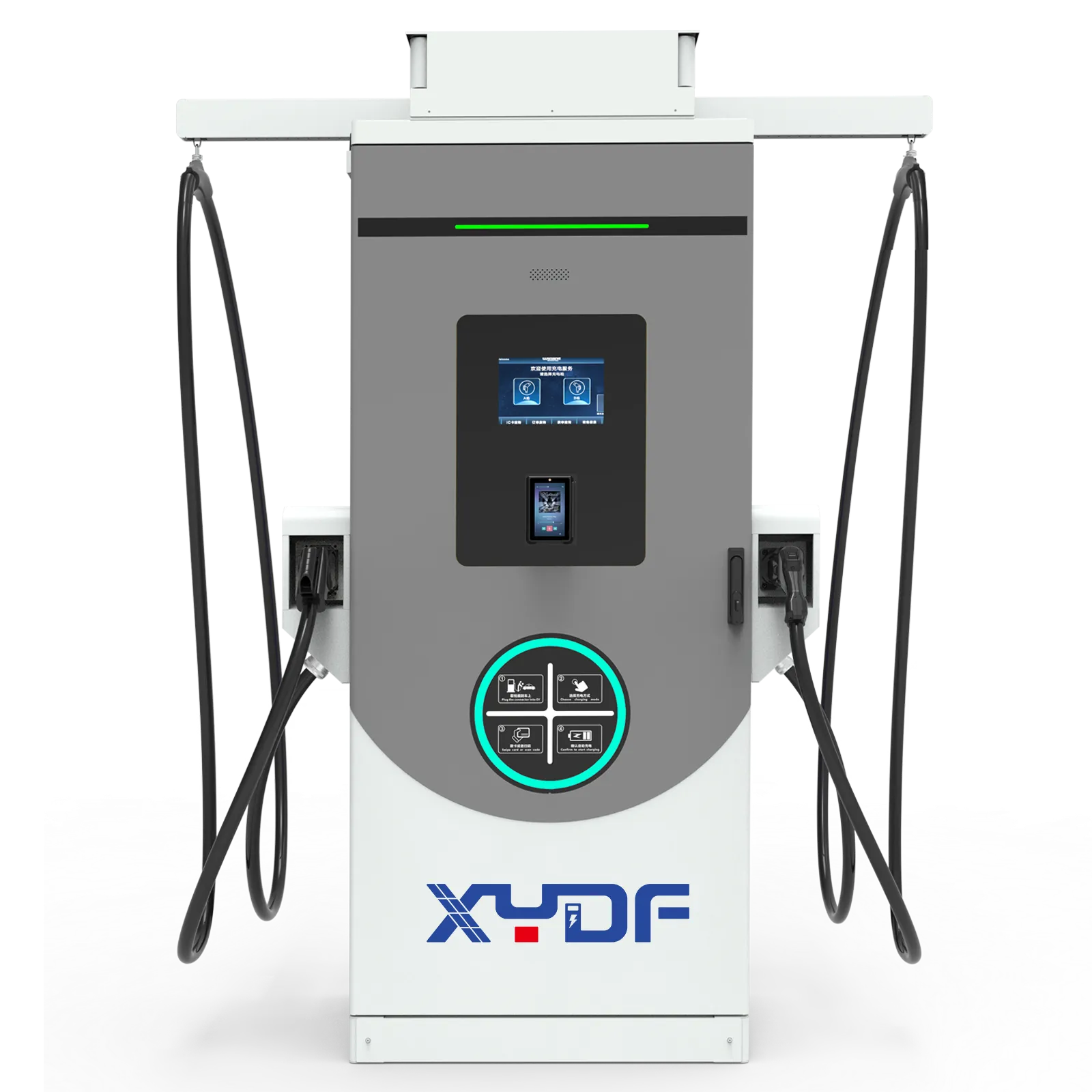
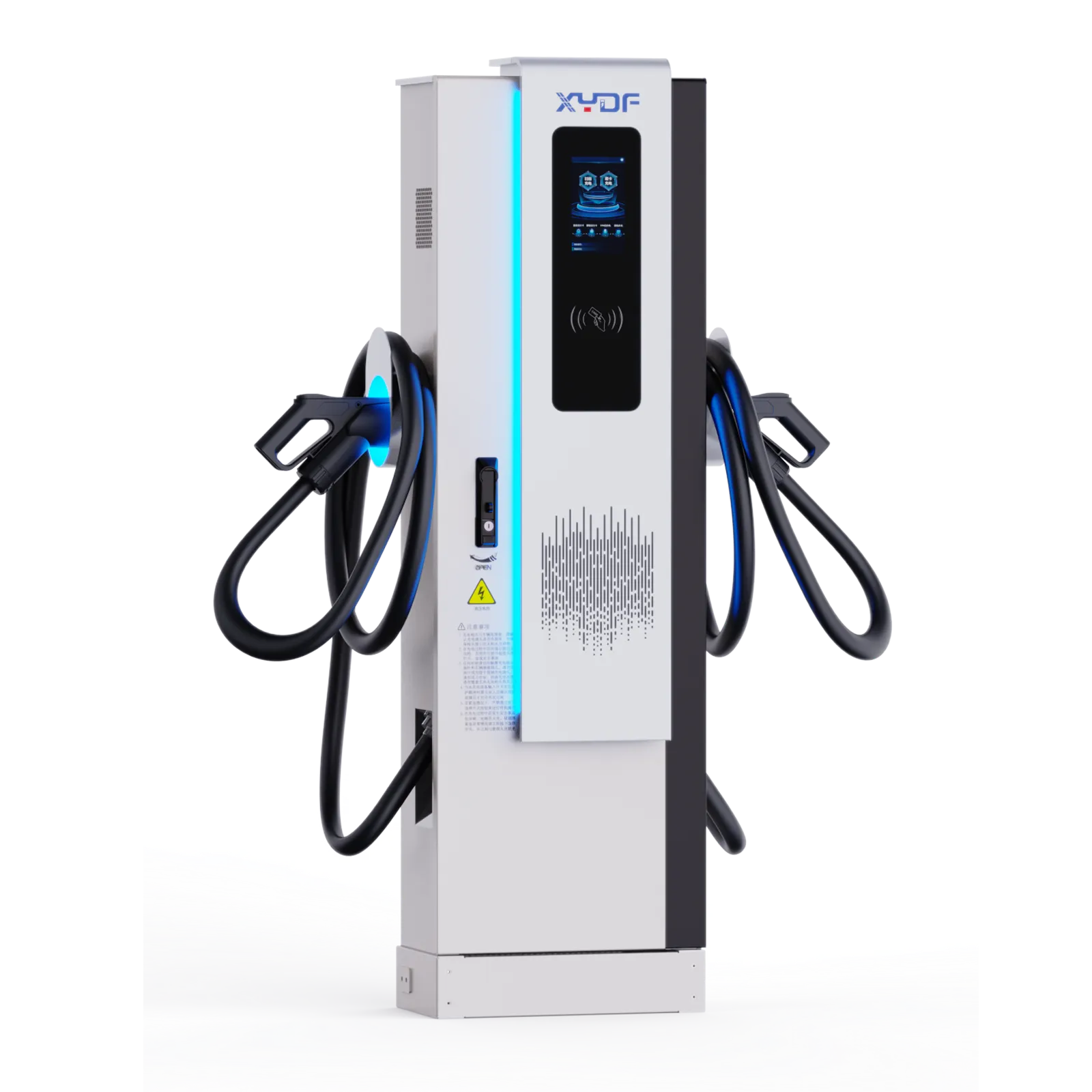
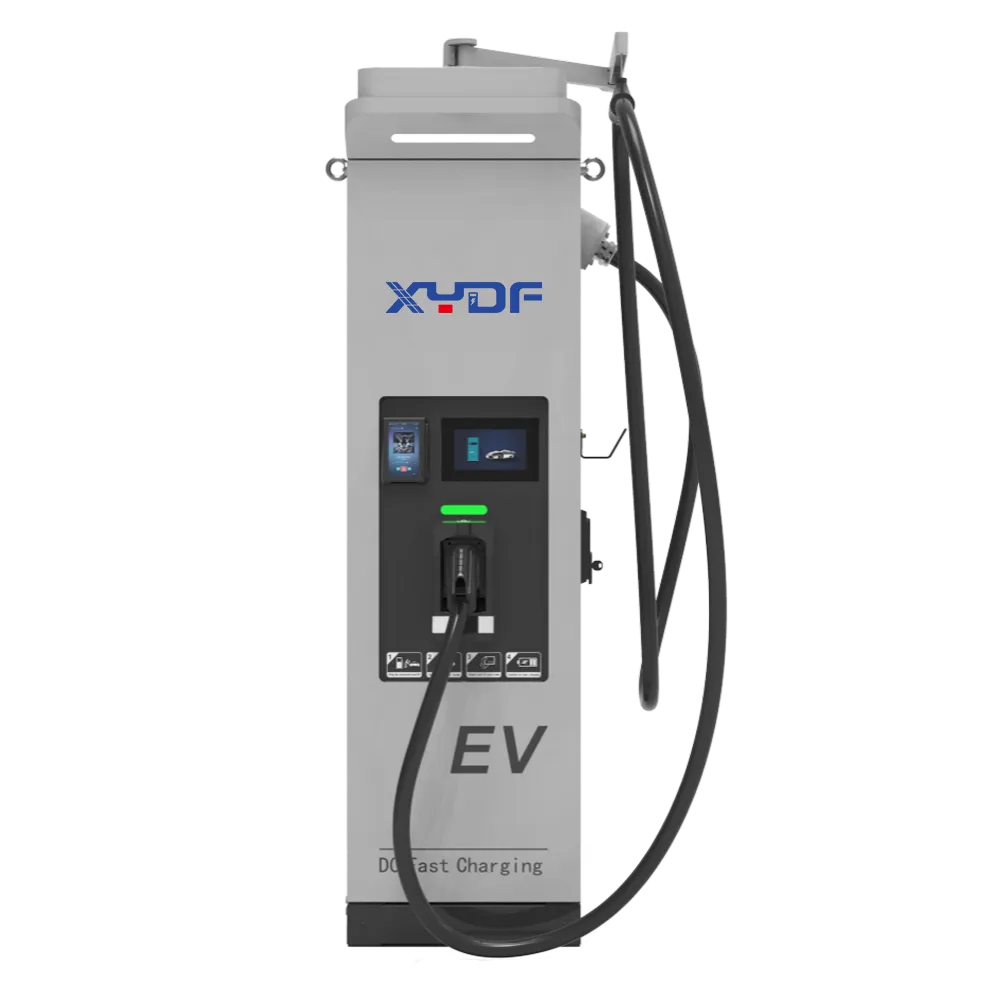
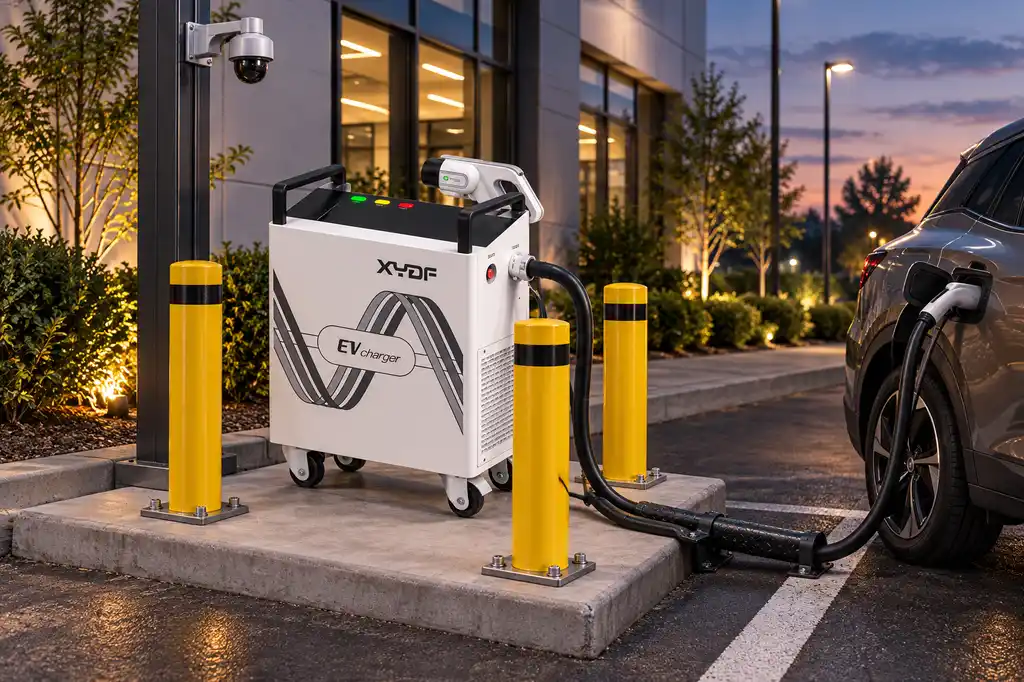
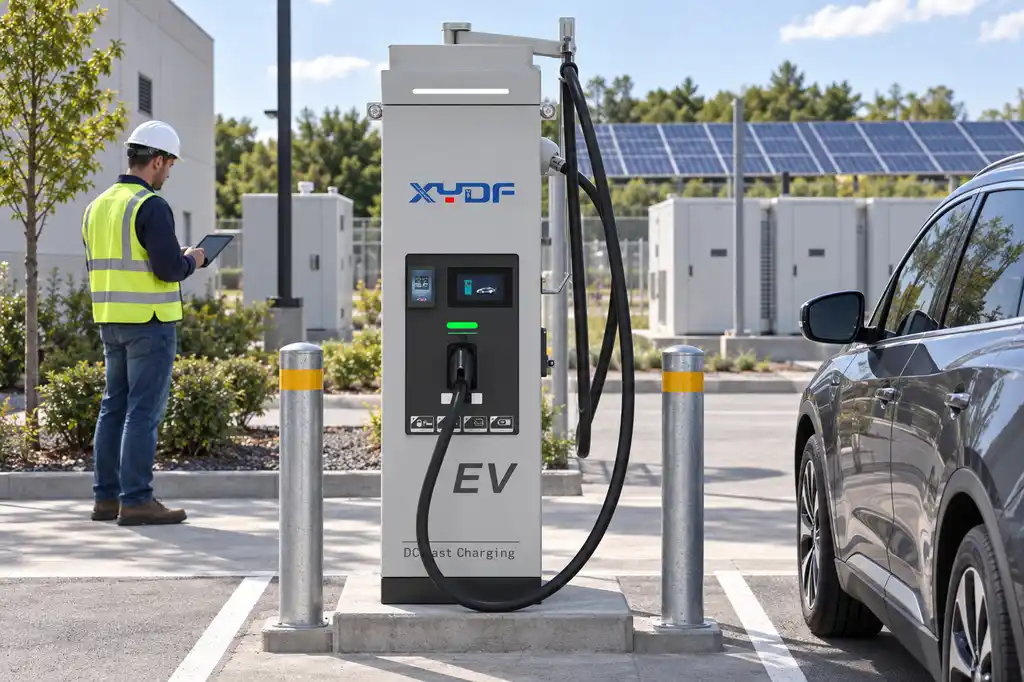
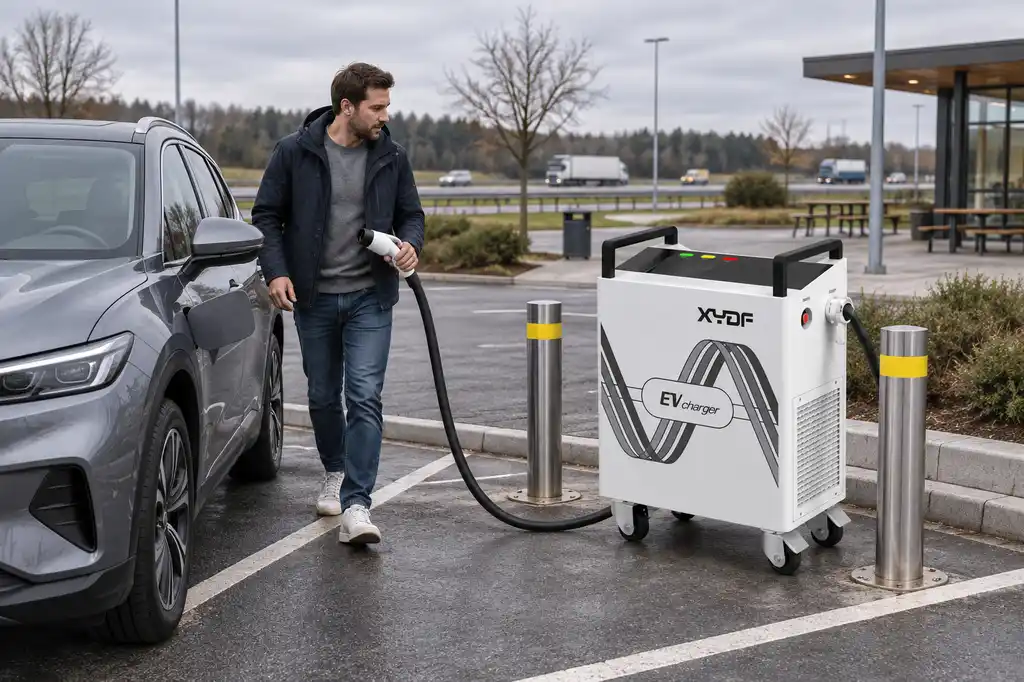
Late in the process, use the published Диапазон зарядных устройств AC for destination-charging discussions and the Спектр зарядных устройств DC for separately confirmed short-turnover needs. These pages are product routes, not evidence that a particular model offers hotel reservations, payment, load management, or a stated guest result.
Write reporting outcomes into the RFQ as well as equipment inputs. Useful monthly KPIs include the share of sessions that deliver the planned energy before the guest’s stated departure, utilization by hour and port, blocked-bay incidents, failed session starts, and median time from fault detection to restored service. Segment hotel EV charging results by overnight, day-use, and short-stay guests; a single utilization percentage can hide both an overcrowded evening period and unused capacity at midday.
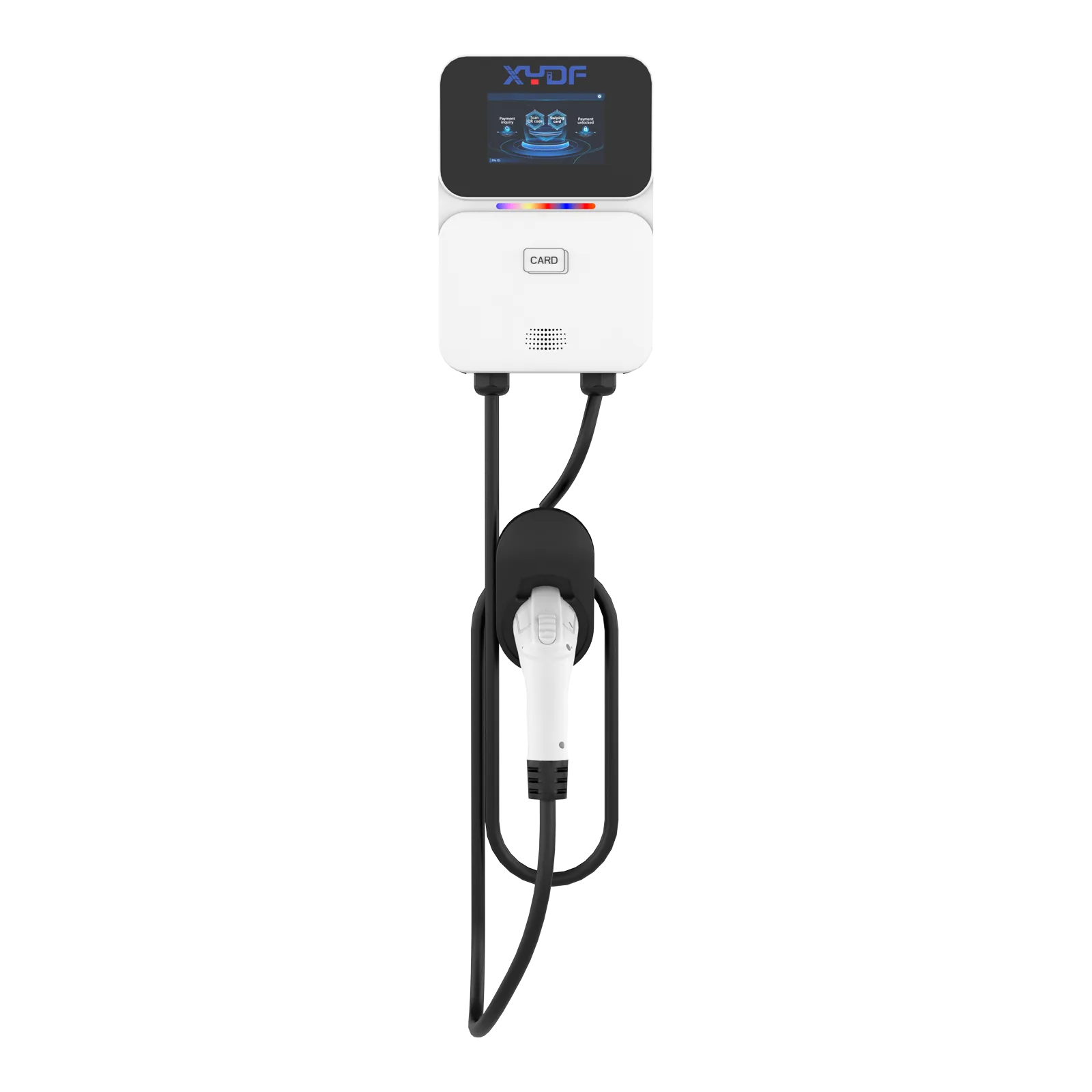
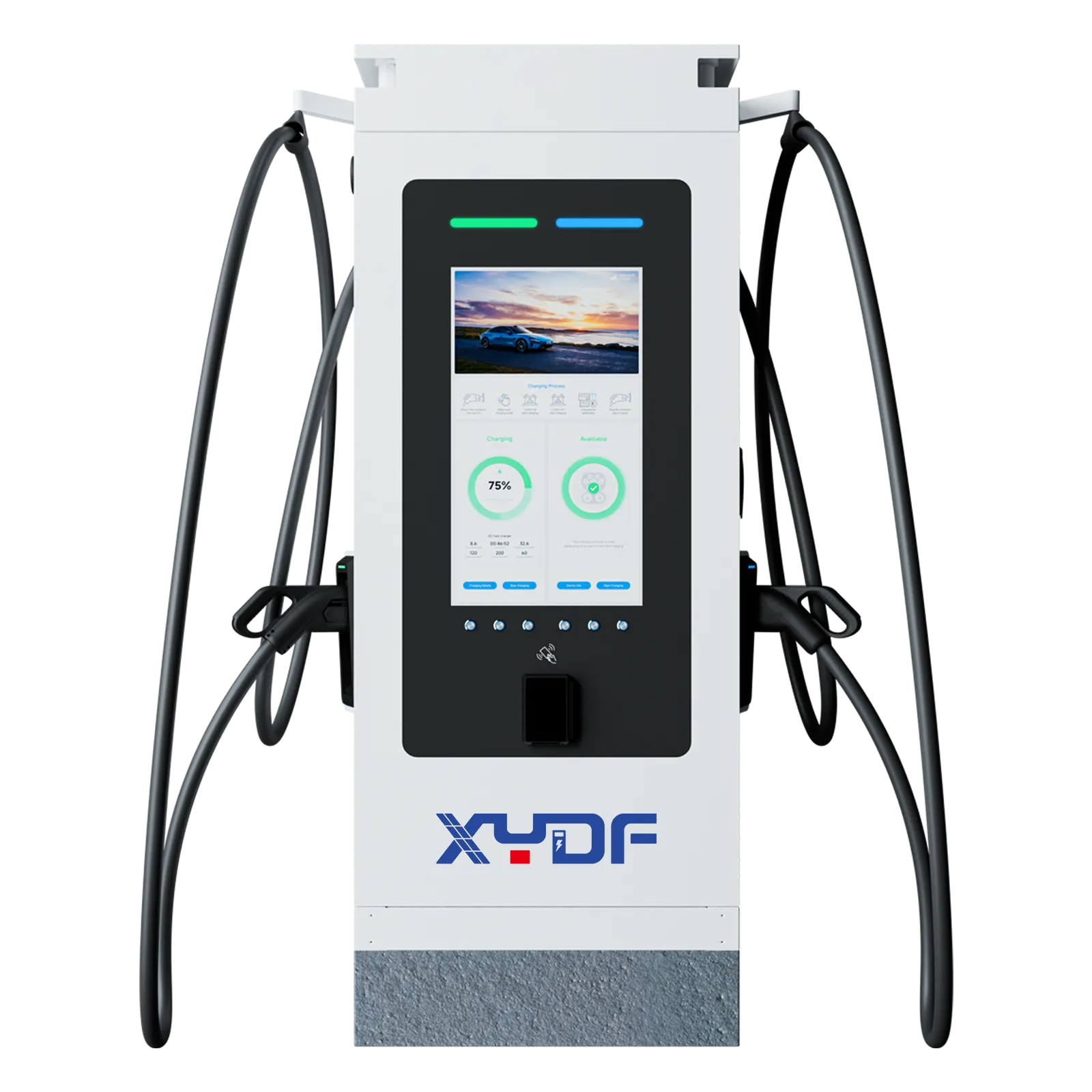
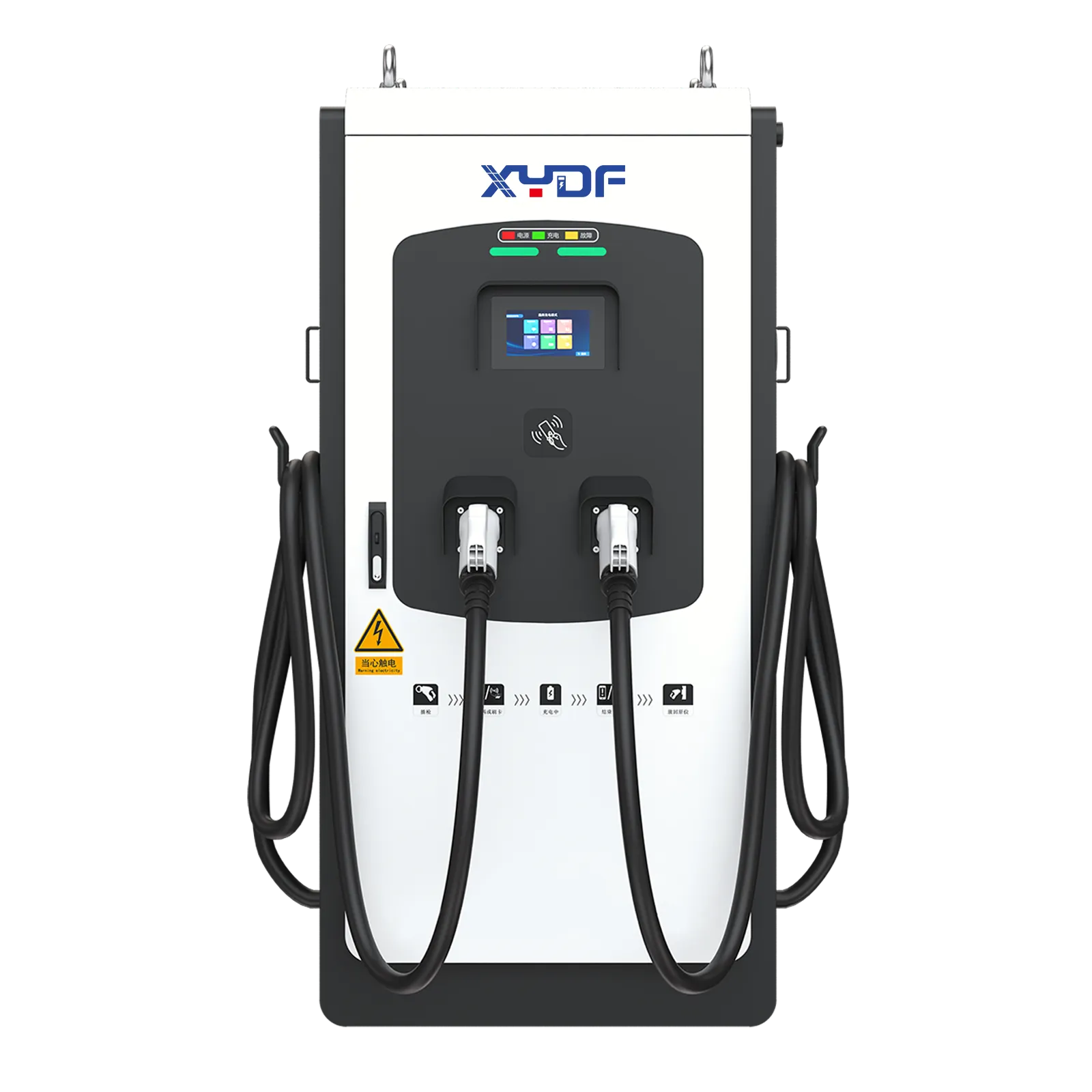
Product route illustration only; final selection requires the property’s documented capacity and operating review.
Покупатель должен предоставить
Почему это важно
Общая ошибка
Property and guest pattern
Sets the use case.
Selecting from room count alone.
Arrival, departure, and dwell distribution
Tests AC/DC fit.
Using an average stay only.
Vehicle/connectors and market
Checks compatibility.
Assuming one connector suits all guests.
Existing service and total power cap
Limits the feasible design.
Reviewing capacity after equipment choice.
Port count and overlap scenario
Tests simultaneous demand.
Counting bays without peak-use logic.
Access, valet, reservation, and pricing policy
Defines operational scope.
Leaving guest instructions to launch day.
Expansion horizon
Preserves future options.
Installing only today’s cable route.
Part 7. When should a hotel pause before buying equipment?
Pause when the hotel cannot define its main guest dwell patterns, available electrical capacity, access owner, or desired charging policy. Also pause if the proposed supplier cannot document the relevant model configuration and connector scope for the destination market.
Review those KPIs after the first operating period before expanding. Low session completion may point to an undersized power allocation, unreliable access, or unrealistic guest messaging; frequent blocked bays may be a parking-policy problem rather than an equipment problem; slow fault recovery belongs in the service process. Set the review interval and decision thresholds before launch so expansion is based on comparable evidence.
For a technical review, send XYDF the hotel type, parking duration patterns, vehicle/connectors, expected simultaneous sessions, available power data, access policy, and expansion plan. That supports a grounded equipment discussion without promising a hotel-specific performance result.
Часто задаваемые вопросы
What type of EV charger should a hotel install?
Choose from the guest parking window and site conditions. Overnight destination use often points toward AC evaluation; verified short-turnover demand may justify a separate DC review.
Do hotels need DC fast charging?
Not necessarily. DC charging is most relevant where a property has a real short-stay or route-driven requirement. Long overnight parking can make AC charging more aligned with the visit.
How many hotel charging ports are needed?
Model expected EV guests, peak overlap, dwell time, and parking policy. Room count by itself is not enough.
Can guests reserve hotel EV chargers?
That is a hotel operating-policy choice. If reservations are offered, staff, parking signage, and the system workflow must support them.
Should a hotel charge guests for EV charging?
Choose a pricing model only after reviewing local rules, tariff exposure, payment workflow, and the intended amenity position.
Why does load management matter at a hotel?
It can coordinate charging demand with the building’s available capacity. The equipment and policy must be assessed for the specific property.
What should a hotel include in an RFQ?
Provide dwell-time data, vehicle/connectors, site capacity, simultaneous-use scenario, access policy, pricing needs, and expansion plan.
When is this guide not enough?
It does not replace an electrical design, local permitting review, tariff analysis, payment/compliance review, or a model-specific quotation.
Штаб-квартира и фабрика в Чжэцзяне:
№ 2, улица Чанцзян, промышленный парк Вэньчжоу Бридж, город Бейбайсян, город Юэцин, город Вэньчжоу, провинция Чжэцзян
Шэньчжэньский филиал:
1-й этаж, здание А, промышленный парк Шэнькай, сообщество Тантоу, район Шиянь, район Баоань, Шэньчжэнь
Мы используем файлы cookie для обеспечения работы этого веб-сайта и, с вашего разрешения, для измерения того, как посетители используют наш сайт зарядки электромобилей. См. наши Политика конфиденциальности для получения подробной информации.
 Синьцзя Дунфан Электрик Технолоджи Ко., Лтд.