 Синьцзя Дунфан Электрик Технолоджи Ко., Лтд.


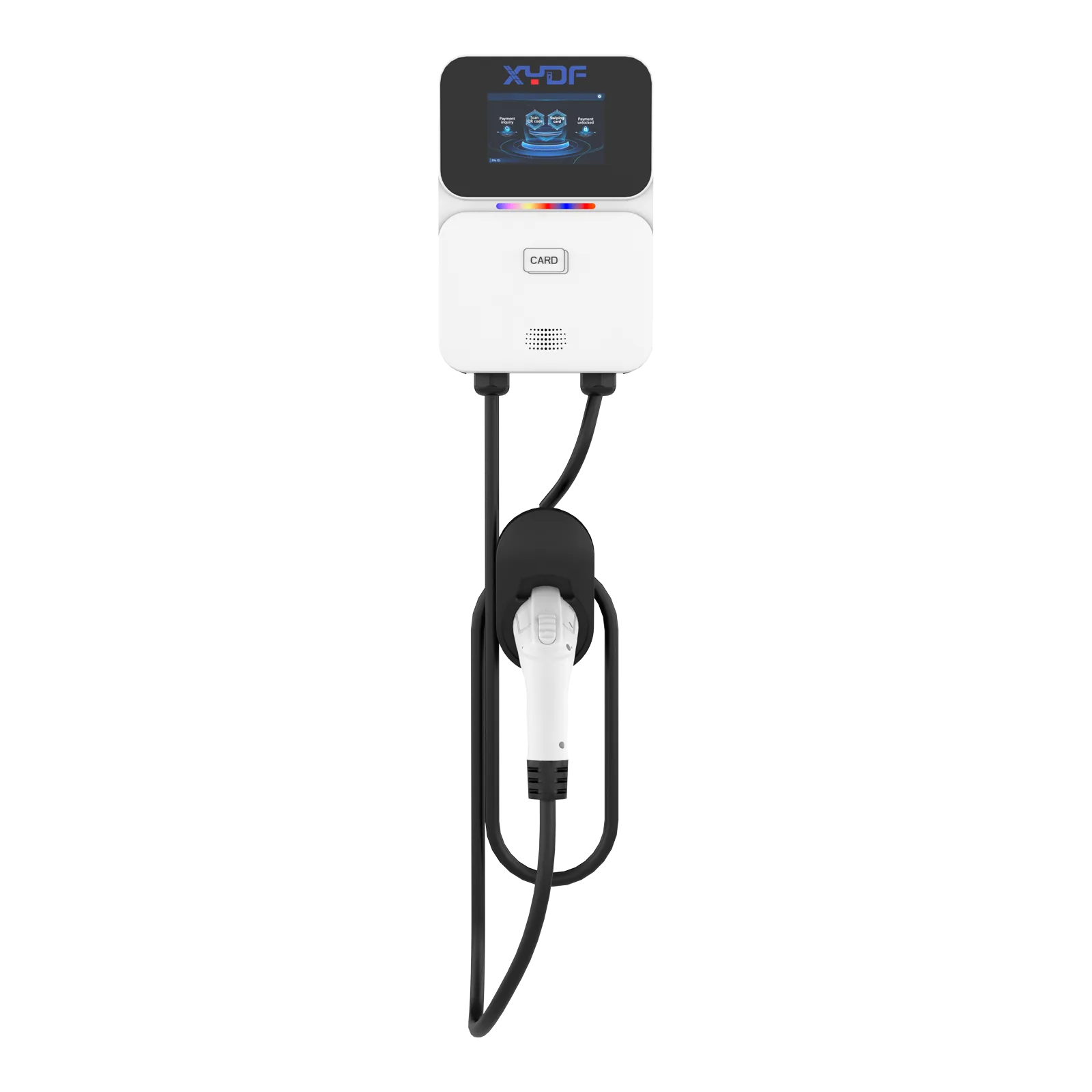
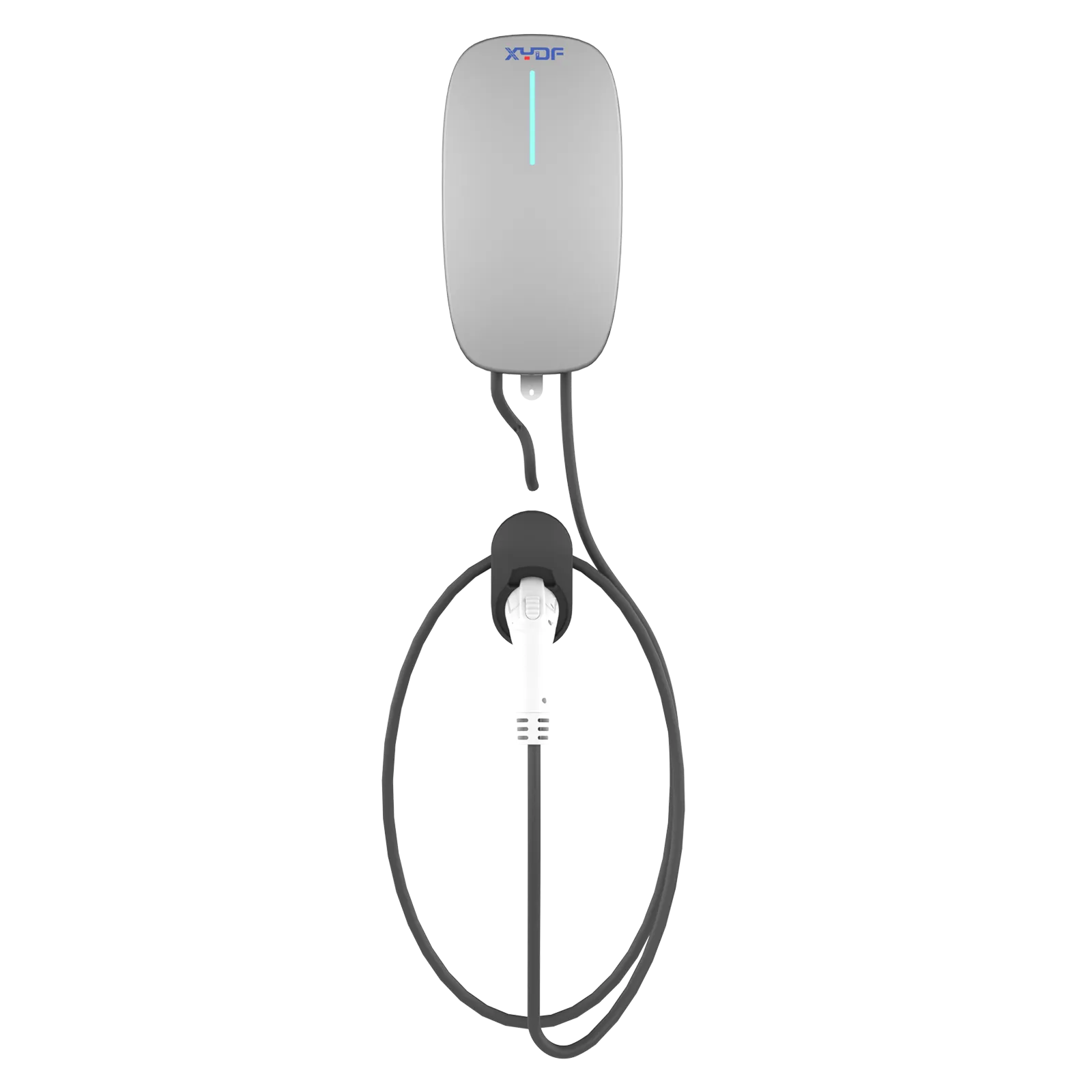
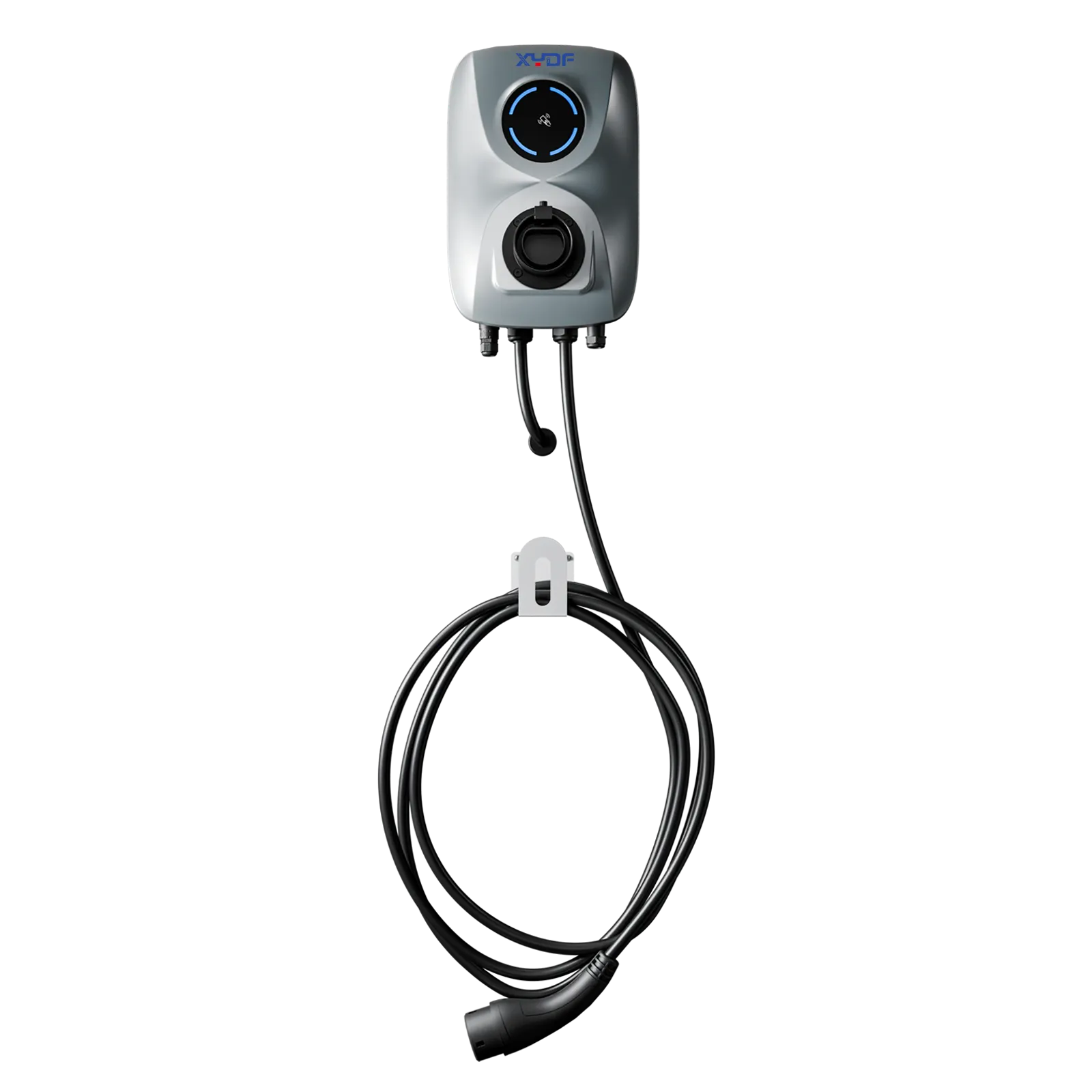
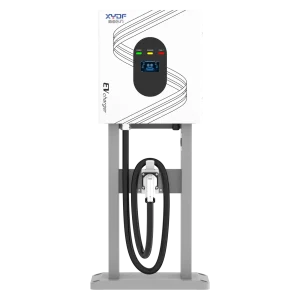

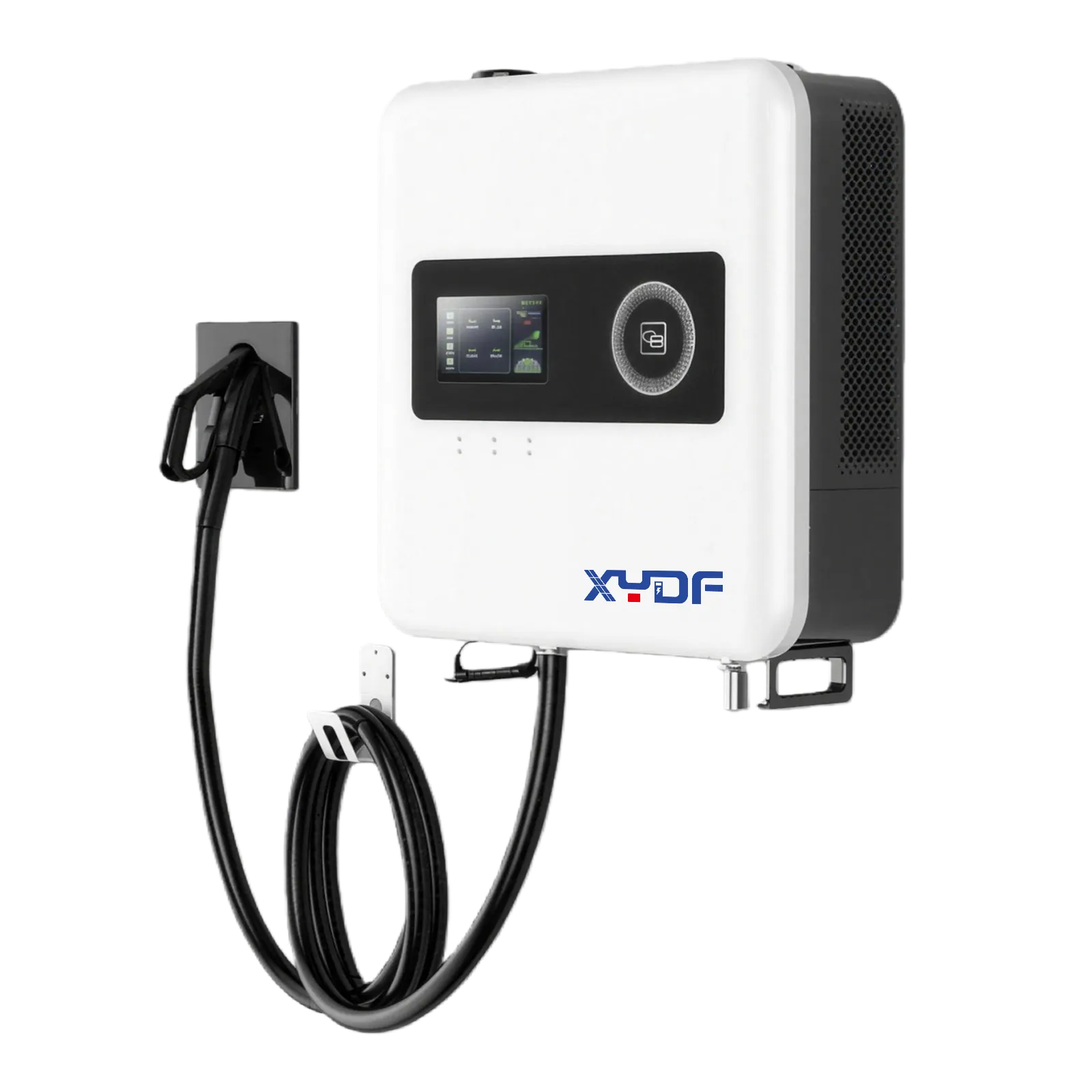
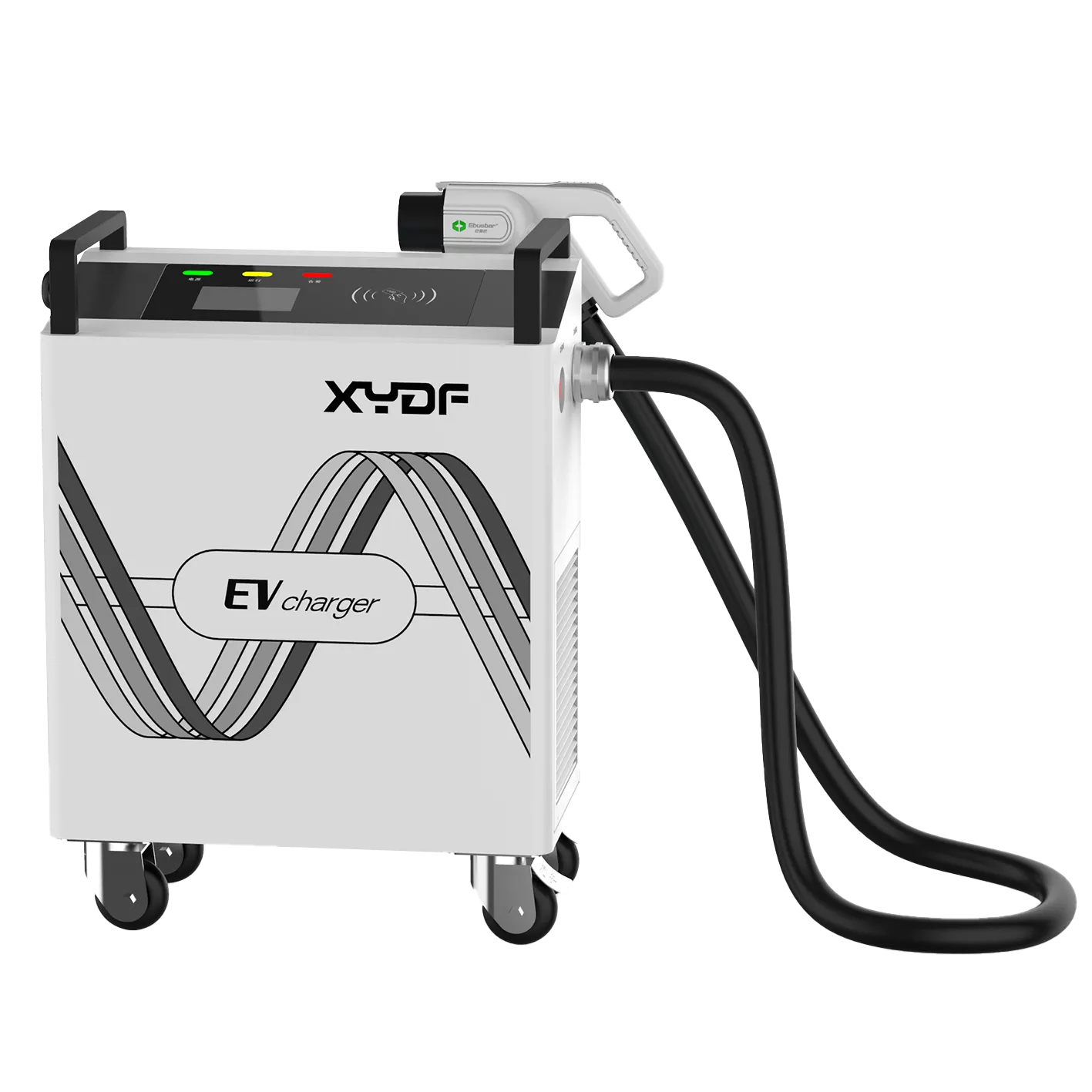
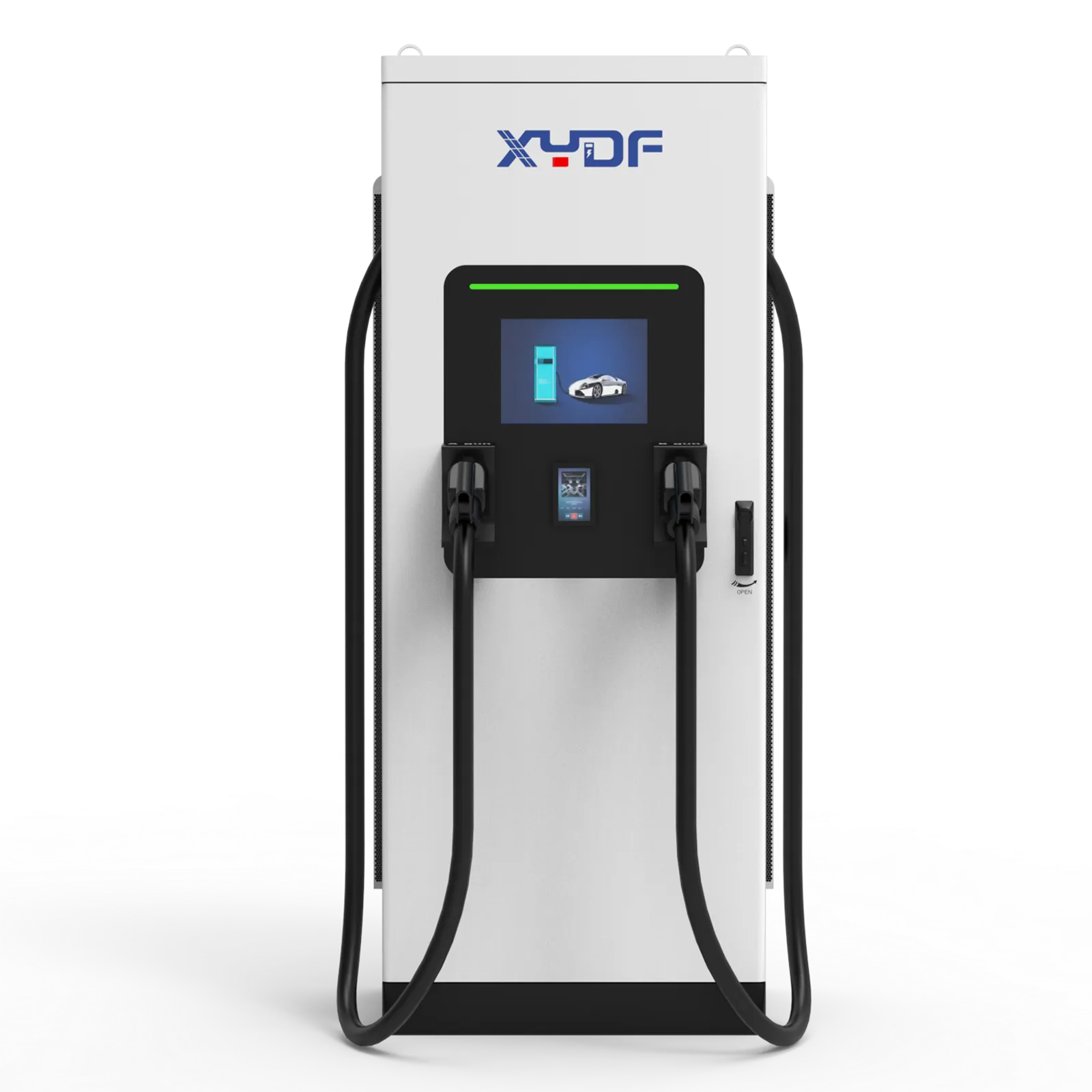
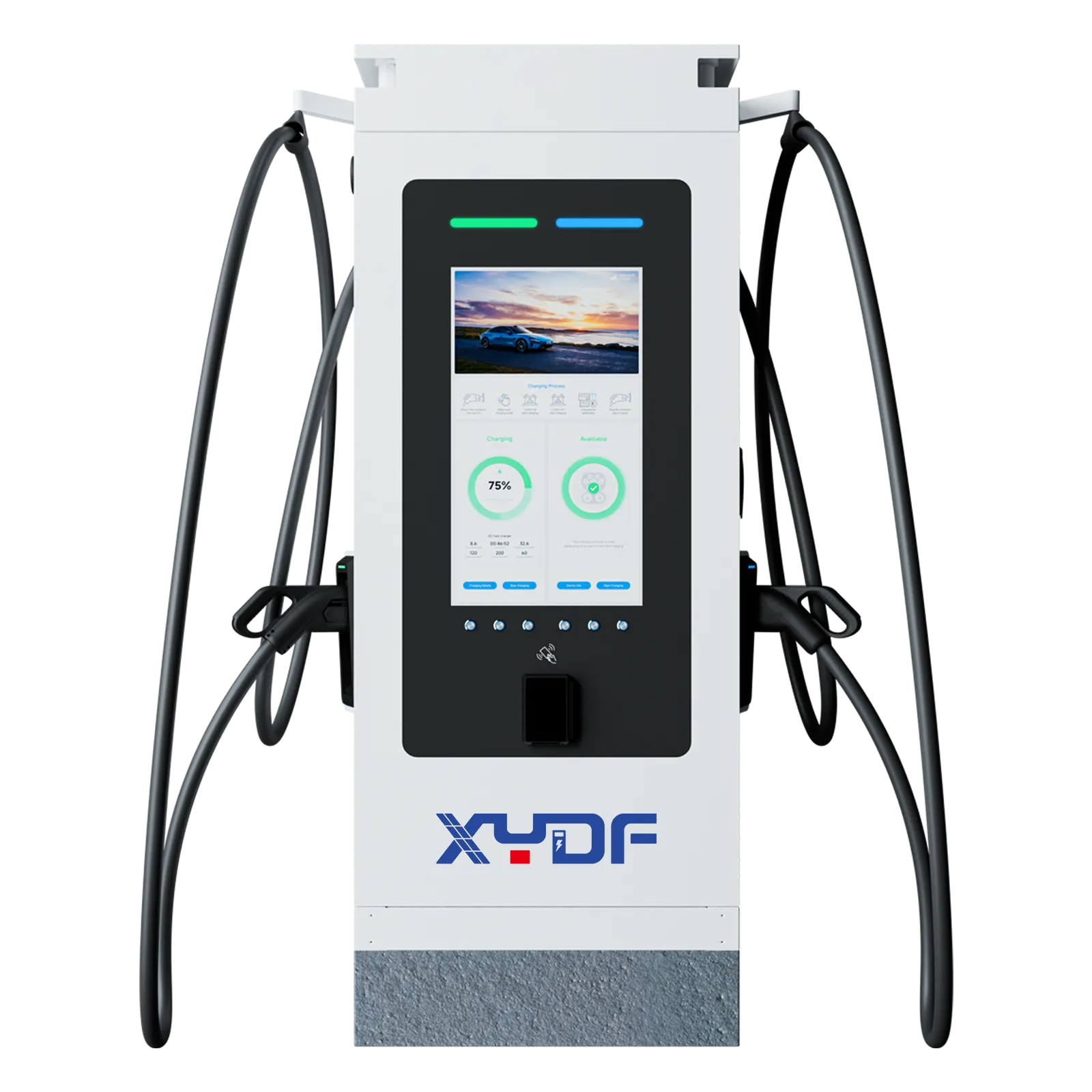
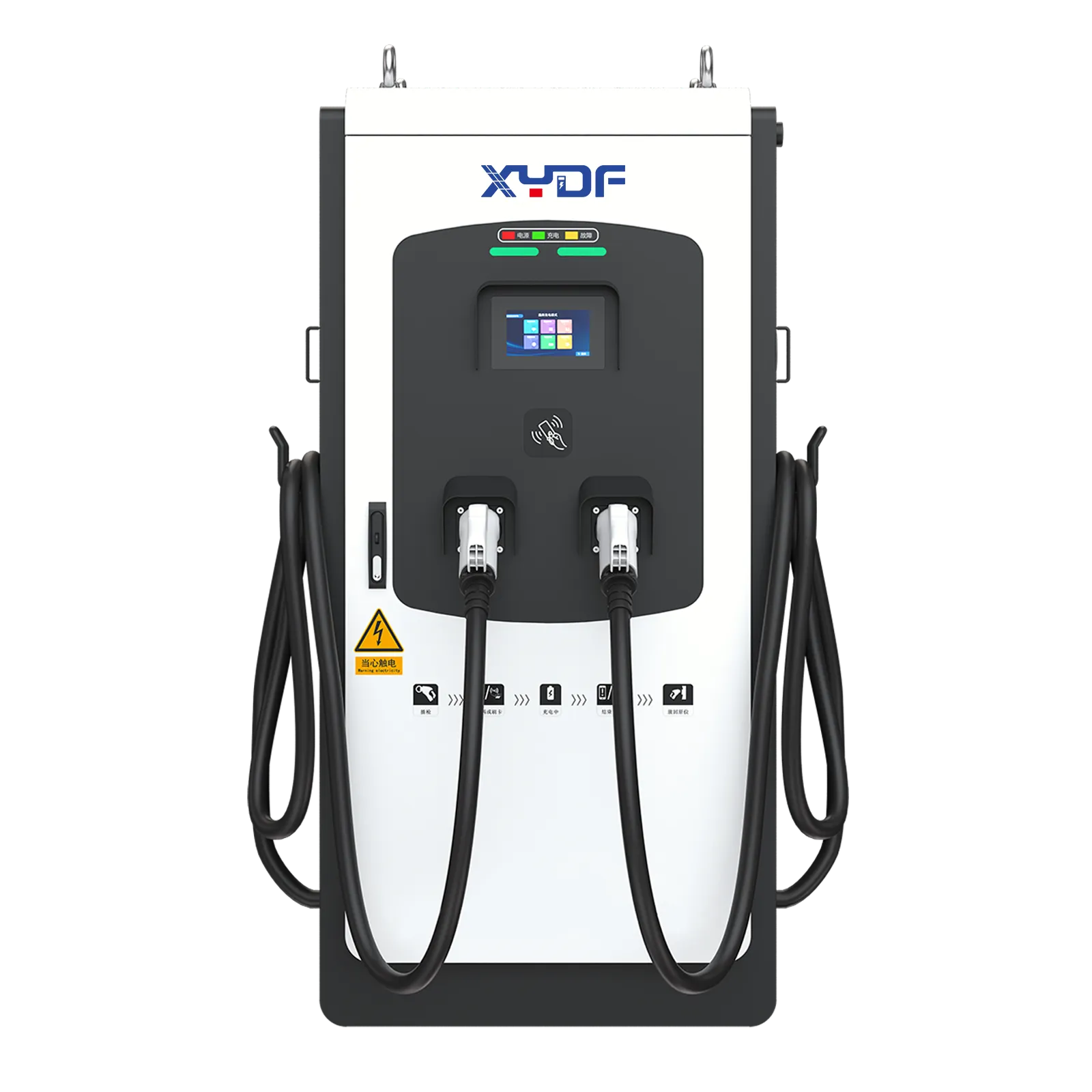
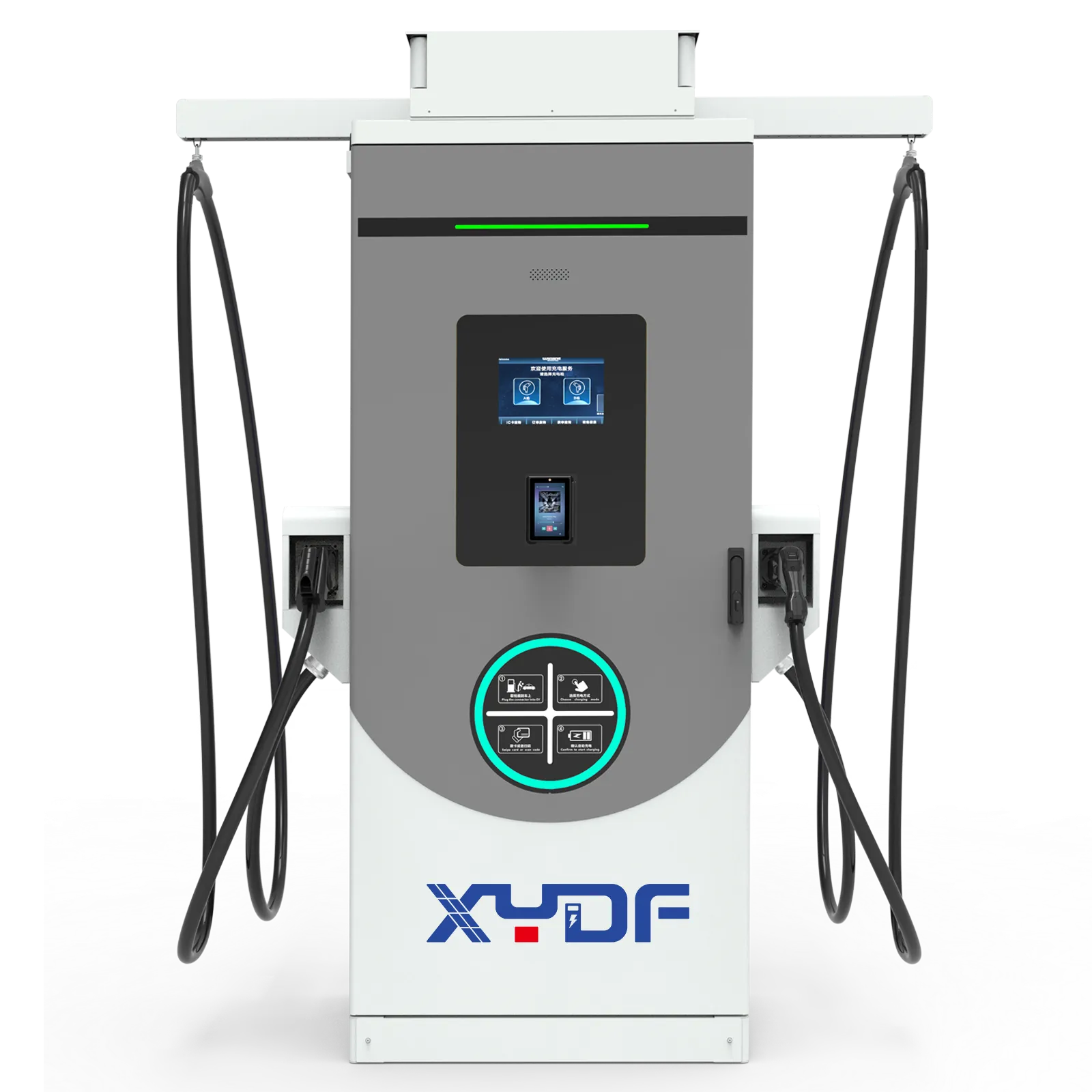
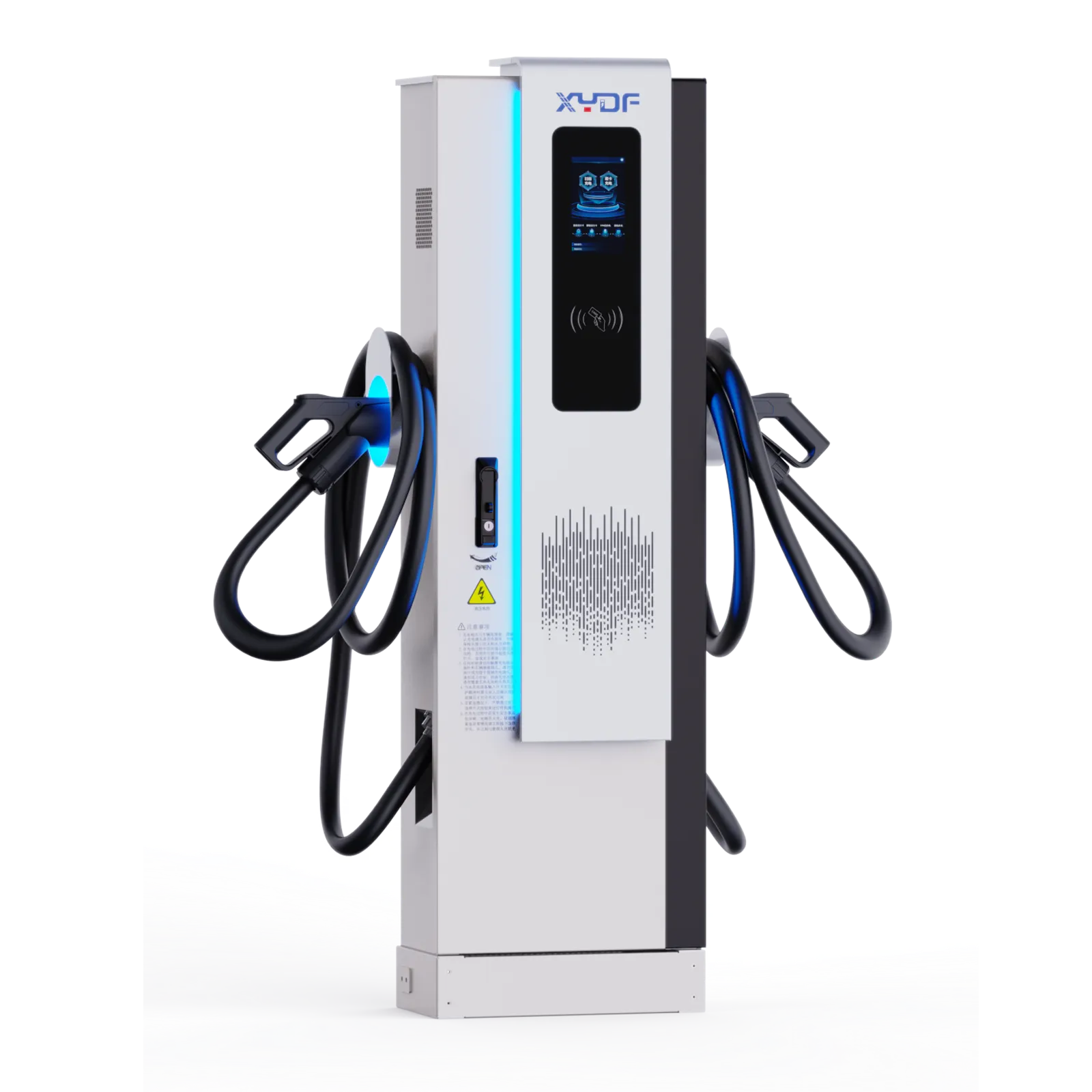
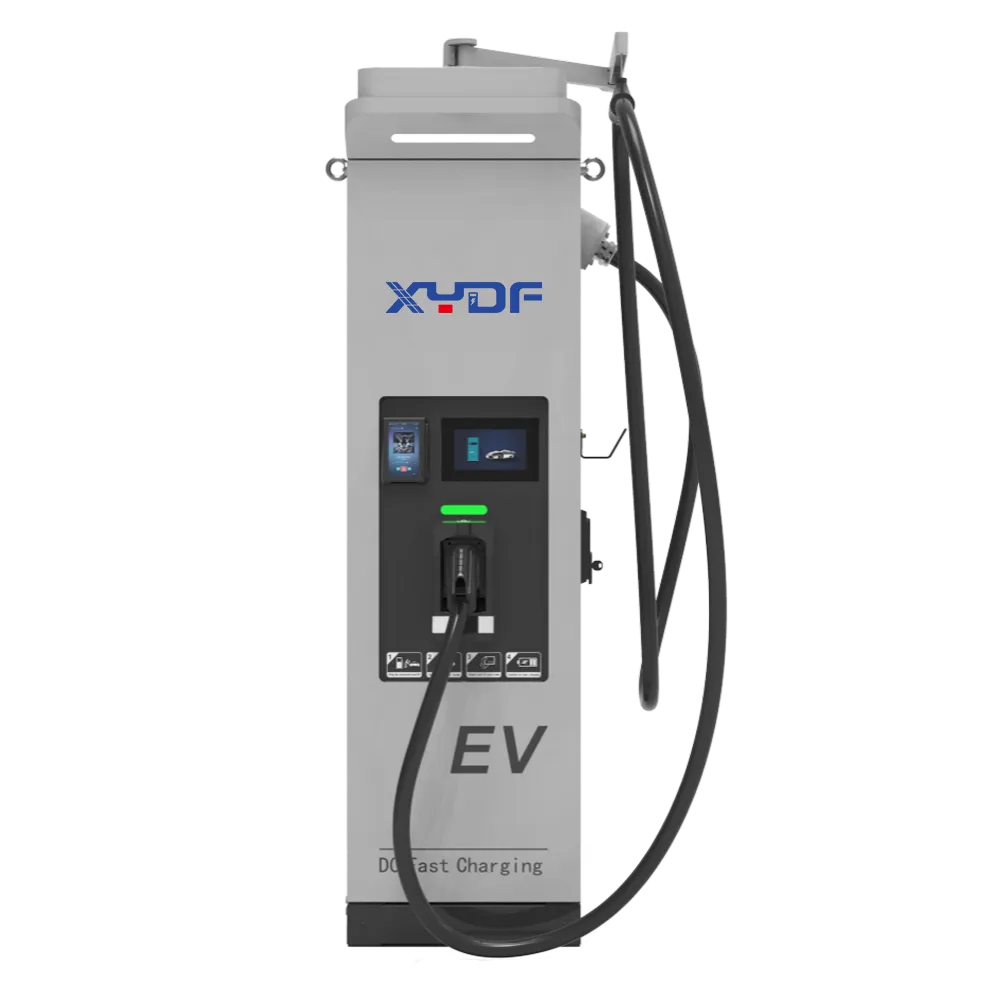
EV charger offline alerts after commissioning can coincide with failed RFID authorizations and backend errors. The problem may not be isolated charger hardware; it can span the card reader, OCPP messages, backend authorization, firmware behavior, network stability, and power quality.
An Electric Car Charger often goes offline after card reader issues because RFID/NFC authentication, OCPP 1.6J or OCPP 2.0.1 messaging, backend authorization, firmware logic, and 4G/Ethernet/Wi-Fi connectivity are tightly linked. Replacing the reader alone may not solve the fault. Operators should check IEC 61851 charging control, ISO 15118 communication context, Type 2/CCS2 compatibility, OCPP logs, heartbeat intervals, router stability, and transaction failure rates before approving repairs or bulk procurement.
Public charging uptime has become a commercial KPI for CPOs. A charging unit may appear physically intact, but if the RFID reader cannot authenticate a user or the charger cannot report a valid status to the backend, the driver experiences the same result: the charger does not work. According to the IEA Global EV Outlook, EV adoption continues to grow globally, which increases pressure on public and commercial charging infrastructure to be reliable, interoperable, and easy to operate. For EV chargers UK, procurement and maintenance teams must also consider BS 7671 installation expectations, IEC 61851 conductive charging requirements, and OCPP backend compatibility.
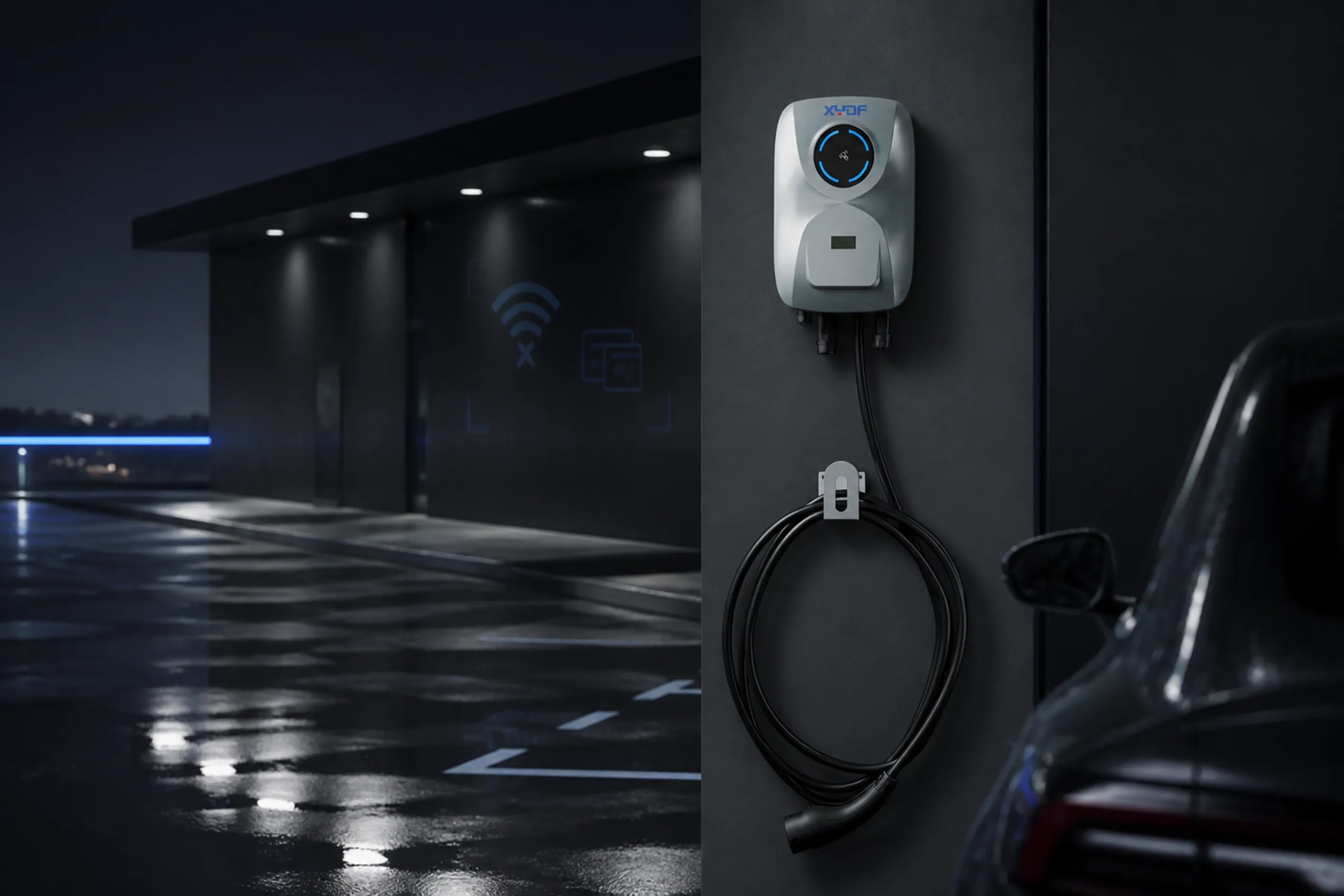
First classify what “offline” means before dispatching a technician
The word “offline” can describe four different failure domains, and each sends the service team toward a different owner. A charger can be unavailable because its controller has deliberately placed a connector or the whole unit out of service; it can be backend-offline because expected OCPP traffic has stopped while the local controller remains powered; it can have a payment-terminal fault while app or RFID authorization still works; or it can be online but unable to authorize a particular credential. That last state is an authorization failure, not evidence that the reader itself is defective.
For a disciplined EV charger offline diagnosis, compare the charger display, connector status, backend status, authorization result and payment-terminal state at the same timestamp. Open Charge Alliance specifications distinguish status reporting, authorization and transaction messages rather than treating them as one “online” flag. A CPO dashboard should preserve that distinction, and the alarm workflow in this remote diagnostics and alarm-priority guide provides a useful companion process.
Why Does a Card Reader Failure Make an EV Charger Go Offline?
A card reader is not just an accessory. In many public and commercial stations, it is part of the authentication chain that determines whether a charging session can begin, whether billing data is recorded, and whether the charger reports a normal operational state.
In a typical site, the sequence looks like this:
- Driver taps RFID card or NFC token.
- Card reader sends an ID to the charger controller.
- Charger sends an Authorize message to the backend through OCPP.
- Backend accepts or rejects the user.
- Charger starts the session and sends a StartTransaction message.
- Charger continues reporting status through OCPP heartbeat and meter values.
If any part of that chain fails, an Electric Car Charger may show offline, unavailable, suspended, or authorization failed — even when the power module itself is still healthy.
IEC 61851 defines the general conductive charging system framework, while OCPP 1.6J and OCPP 2.0.1 define how chargers communicate with a central system. A card reader issue becomes serious when firmware or backend logic treats authentication failure as a charger availability failure.
Build a timestamped evidence chain before any reboot
A reboot may restore service, but it can also roll volatile logs or remove the sequence that identifies the failing component. First record the site, charger and connector identifiers; firmware and modem versions; backend endpoint; reader or terminal identifier; first and last failure times; last known successful session; display code; and the operator action immediately before the event. Export the permitted charger, modem, router, terminal and backend events before changing configuration.
Use UTC as the incident timeline and record the observed clock offset for every component. Do not silently correct a charger or terminal clock until the original offset is documented: a wrong clock can make otherwise related events look unrelated, and a sufficiently incorrect device time can also interfere with certificate-validity checks. For OCPP 1.6, correlate Heartbeat, StatusNotification, Authorize, StartTransaction and StopTransaction records. For OCPP 2.0.1 deployments, correlate Heartbeat, StatusNotification, Authorize and TransactionEvent records. Keep token values redacted or irreversibly masked in tickets.
Symptom 1: The Charger Shows Offline After RFID Card Tap
Cause:
If the charger goes offline immediately after an RFID tap, the likely problem is an authentication-chain failure. The reader may be unable to read the card UID, the controller may fail to parse the ID, or the backend may reject the request due to database mismatch. In OCPP 1.6J, the key messages to review are Authorize and StartTransaction.
A normal RFID read distance is often within a few centimeters, depending on antenna design and card type. If the effective read distance drops from around 3–5 cm to less than 1 cm, users may repeatedly tap cards and trigger failed attempts.
Action:
Operators should check:
- RFID/NFC reader power supply
- Antenna connection and physical damage
- Card UID format compatibility
- OCPP Authorize.conf response
- Backend whitelist or user account status
- Transaction failure rate within the last 24–72 hours
Onsite boundary:
This can often be handled onsite if the issue is a loose reader cable, dirty reader surface, damaged card, or backend user-list sync error.
Manufacturer/backend boundary:
Contact the manufacturer or backend provider if the charger logs show reader driver errors, repeated OCPP message parsing failures, or firmware crashes after authentication attempts.
Symptom 2: The Charger Is Online but Cannot Start Charging
Cause:
Sometimes the charger appears online in the backend, but charging cannot start. This usually means network heartbeat is alive, but transaction authorization is failing. The charger may still send OCPP heartbeat messages every 30–300 seconds, yet the card reader or backend authorization path blocks the session.
This distinction matters. A charger that is online but cannot start charging is not a simple network failure. It may be a whitelist sync issue, expired user token, incorrect backend configuration, or a mismatch between local authorization and central authorization settings.
For type 2 electric vehicle charging stations in the UK and Europe, the physical connector may be compatible under IEC 62196 Type 2 requirements, but authentication and backend rules still decide whether the session begins.
Action:
Operators should review:
- OCPP Heartbeat logs
- OCPP Authorize messages
- OCPP StartTransaction messages
- Local authorization list status
- Backend user group permissions
- Error code shown on the charger screen or app
We recommend separating “online status” from “transaction success.” For CPOs, the real cost is not whether the charger looks connected in the dashboard; it is whether paying drivers can reliably start sessions.
Local authorization changes continuity, not the root cause
In OCPP 1.6 deployments, settings and data such as LocalAuthListEnabled, LocalAuthorizeOffline and AuthorizationCacheEnabled can allow or prevent charging during a central-system outage. The exact result depends on the charger’s configuration, list version, cache contents, token status and CPO policy. Therefore, a session accepted from a local list does not prove that the live backend path is healthy, while an offline rejection does not prove a card reader failure.
For OCPP 2.0.1, operators should make the same evidence distinction using the deployed local-authorization and transaction-event configuration. Procurement acceptance should document which credential types may work offline, how revoked or expired credentials are handled, how long lists and caches are retained, what happens when connectivity returns, and how transactions are reconciled. The choices should align with the site’s commercial EV charging access-control policy, not be left as undocumented firmware defaults.
Keep payment-terminal incidents inside the accountable service path
A payment terminal is not simply another reader. PCI SSC’s Point of Interaction program covers security requirements and approval for payment-acceptance devices, while the merchant, acquirer, payment service provider and terminal supplier define operational responsibility for the installed payment solution. The safe field response is to capture the timestamp, non-sensitive terminal identifier, displayed error, connectivity state and any visible seal or tamper indication, then use the contracted escalation route.
Do not open a payment terminal, attempt to bypass tamper controls, extract keys, copy cardholder data or substitute an unapproved device as a troubleshooting shortcut. NIST’s EV/XFC cybersecurity profile reinforces the need to protect communications, device integrity, configuration and event records across the charging ecosystem. If a module exchange is authorized, use the approved service procedure and traceable part route described in this EV charger spare-parts and after-sales guide.
Symptom 3: Multiple Chargers Go Offline at the Same Time
Cause:
When several chargers go offline at once, the broken card reader may not be the root cause. The real issue may be the router, SIM card, 4G signal, Ethernet switch, firewall, DNS resolution, or backend server connection.
Some installations can become unstable around -95 dBm, especially inside underground parking or metal-heavy retail environments, but this is an example rather than a universal pass/fail threshold; interpret RSSI or RSRP against the modem and antenna vendor’s guidance. If all chargers share one gateway, a single router failure can make the entire site appear offline.
OCPP relies on continuous communication between the charger and central system. If heartbeat messages fail repeatedly, the backend may mark the charger offline even though the local charging circuit remains energized.
Action:
Inspect:
- 4G signal strength and SIM data plan
- Ethernet cable quality and switch status
- Router uptime and reboot records
- Firewall and port settings for OCPP traffic
- DNS stability
- Backend heartbeat timeout settings
- Whether all failed units share the same network path
Onsite boundary:
A contractor can usually check SIM status, router power, Ethernet cabling, and local network access onsite.
Manufacturer/backend boundary:
Escalate if OCPP WebSocket sessions drop repeatedly, firmware cannot maintain communication, or backend heartbeat settings conflict with charger configuration.
Check the communication path without treating ping as proof
Start with the least invasive observations: modem registration, carrier and roaming state, RSSI/RSRP as reported by the installed modem, SIM subscription state, configured APN, DNS resolution for the backend hostname, TCP connection results, WebSocket or HTTPS errors, and the TLS certificate chain and expiry. Signal numbers must be interpreted against the modem and antenna vendor’s guidance; one universal RSSI cutoff is not a reliable pass/fail rule. A successful ping only proves that one network exchange succeeded—it does not prove DNS, TLS, WebSocket or OCPP application health. For Wi-Fi-connected sites, follow the staged checks in the EV charging station Wi-Fi troubleshooting guide.
APN credentials, private keys and terminal secrets should never be pasted into an incident ticket. Field staff can report whether a value is present, whether a certificate is current and which documented error occurred; changes to protected configuration should follow the CPO, network provider or manufacturer’s controlled service process.
Symptom 4: The Charger Works After Reboot but Fails Again
Cause:
If rebooting temporarily restores service, the issue may be firmware instability, memory leak, card reader driver conflict, or auxiliary power noise. A charger controller may recover after restart because memory is cleared, but the same fault returns when the reader is used again.
In commercial sites, a charger can process dozens or hundreds of authorization events per day. If the firmware has poor exception handling, repeated failed card reads may gradually overload the local controller.
IEC 61851 addresses the general charging control system, but reliable operation also depends on embedded firmware quality, event logging, and robust OCPP implementation.
Action:
Operators should check:
- Firmware version history
- Event logs before and after reboot
- Reader driver error codes
- Controller CPU or memory alarms, if available
- Auxiliary power supply stability
- Voltage fluctuation at the control board
A voltage fluctuation outside acceptable design tolerance can cause intermittent peripheral faults. The reader may appear defective, while the real issue is unstable low-voltage supply to the controller.
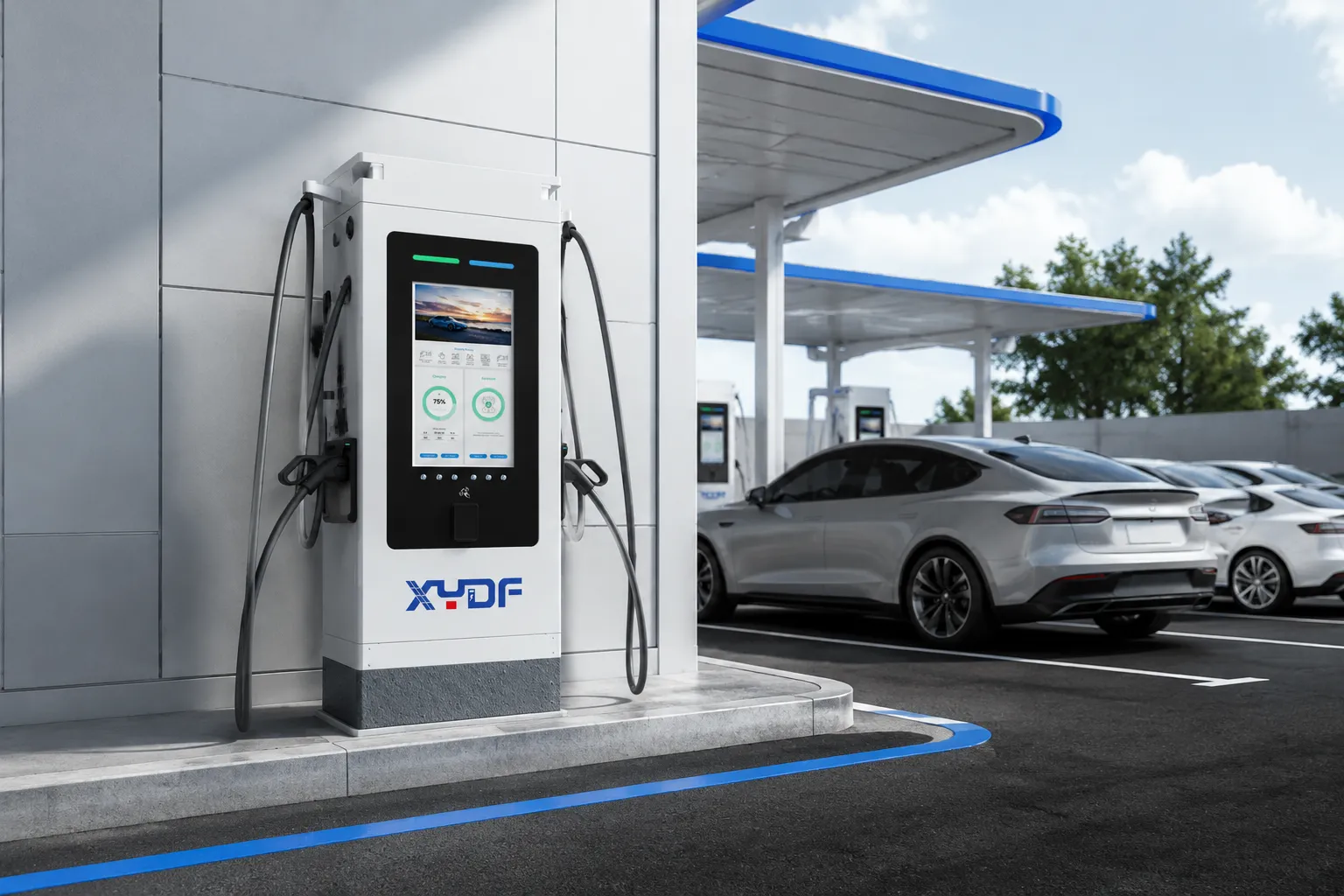
Symptom 5: Card Reader Errors Happen More Often on EV Fast Charger Sites
Cause:
Ан EV fast charger site usually has higher transaction volume, harsher outdoor exposure, stronger electrical noise, and more user interaction than a residential charger. DC fast chargers may operate at 50 kW, 120 kW, 180 kW, 240 kW, or higher, and the commercial loss from downtime is much greater.
High-power equipment also introduces more demanding electromagnetic compatibility considerations. Although the RFID reader is low-power, it sits inside an environment with power electronics, contactors, cooling systems, communication modules, payment devices, and sometimes advertising screens.
Action:
For DC and highway charging sites, buyers should specify:
- Industrial-grade RFID/NFC reader
- Outdoor-rated enclosure, such as IP54 or higher depending on location
- Operating temperature range suitable for the region
- Surge protection and grounding design
- EMI-resistant internal wiring layout
- OCPP-compatible remote diagnostics
- Replaceable reader module design
A card reader that is acceptable for a home electric car charger may not be durable enough for a high-traffic public DC station.
Offline Charger Diagnosis Table for CPOs and Contractors
| Failure Scenario | User-Visible Symptom | Likely Root Cause | Diagnostic Data to Check | Business Impact | Recommended Action |
|---|---|---|---|---|---|
| RFID tap triggers offline status | Charger becomes unavailable after card tap | Reader failure, firmware crash, OCPP authorization error | Reader logs, OCPP Authorize, StartTransaction | Failed sessions, driver complaints | Test reader, backend authorization, and firmware logs together |
| Charger online but session will not start | Backend shows online, driver cannot charge | Whitelist sync failure or backend rejection | Authorize.conf, user account status, local list | Revenue loss despite apparent uptime | Verify backend rules and token database |
| Several chargers offline together | Whole site appears down | Router, SIM, switch, firewall, or backend heartbeat failure | 4G signal, router logs, heartbeat interval | Site-wide downtime and SLA risk | Check network gateway before replacing chargers |
| Reboot fixes issue temporarily | Charger fails again later | Firmware bug, memory leak, reader driver fault | Firmware version, event logs, crash records | Repeated maintenance visits | Update firmware and escalate recurring logs |
| Fast charger reader errors | Users cannot authenticate during peak time | Outdoor exposure, EMI, high transaction volume | IP rating, EMI layout, reader failure rate | High lost revenue per hour | Use industrial-grade reader and remote diagnostics |
| Connector compatible but session fails | Plug fits but no charging starts | Authentication or communication mismatch | IEC 62196 connector, OCPP messages, backend status | User confusion and support calls | Separate physical compatibility from software authorization |
The table shows why an offline Electric Car Charger should not be diagnosed only as a power failure. In modern charging infrastructure, the failure may sit in authentication, communication, firmware, network, or backend configuration.
Use this evidence-led decision table for first response
| Observed state | Evidence that separates the fault | Likely owner | Next safe action | Recovery proof |
|---|---|---|---|---|
| No recent heartbeat or status from several chargers sharing one gateway | Common last-seen time; router, switch, carrier or DNS event at the same time | Site network or connectivity provider | Preserve logs, verify power and upstream service, then test DNS, TCP/TLS and the backend endpoint | Stable heartbeats and status updates from every affected charger, followed by a controlled test session |
| Heartbeats continue, but an RFID token is rejected | Authorize response and token status; comparison with a known-valid credential | CPO identity, roaming or backend team | Check account state, token mapping, roaming route and local-list age before replacing the reader | A fresh online authorization and complete start-to-stop transaction |
| The reader produces no token event, while app authorization works | No reader event in the charger log; app session uses the same connector successfully | Charger manufacturer or qualified service team | Record the reader code and approved visual checks; follow the vendor diagnostic procedure | Repeated reads with approved test credentials plus normal transactions through another authorized channel |
| Bank-card terminal reports an error, while RFID or app sessions work | Terminal event code and terminal network state; charger OCPP path remains healthy | Payment service provider, acquirer or approved terminal maintainer | Capture non-sensitive identifiers and error codes, then escalate through the contracted payment-support route | Approved payment test, receipt or settlement record as applicable, and a complete charging transaction |
| DNS succeeds but TLS or secure WebSocket setup fails | Certificate error, device clock offset, hostname mismatch or trust-chain error | CPO IT, backend operator or manufacturer | Compare device time, endpoint hostname and certificate status under change control | Successful secure connection, stable OCPP traffic and no repeat certificate error |
| A locally authorized session starts while the central system is unreachable | Network outage overlaps the session; local-list or authorization-cache decision is recorded | CPO policy owner and backend integrator | Confirm that offline behavior matches the approved configuration and retain the transaction for reconciliation | Transaction data reaches the backend after reconnection and billing or reporting reconciles correctly |
Verify the recovery and measure whether the failure returns
A green dashboard icon is not sufficient recovery evidence. Run a controlled session with a currently valid credential that is not relying solely on an old cached decision; confirm authorization, connector transition, energy delivery, meter reporting, normal stop, final status and backend transaction closure. Where the site supports more than one user channel, test the affected method and one independent method. Confirm that queued offline records reconcile after connectivity returns, and retain the incident timeline with the change made.
Track charging station uptime separately from authorization success and completed-session rate. Useful recurrence indicators include mean time to restore, repeat incidents per charger and connector, failures by firmware/modem/terminal cohort, share of incidents temporarily cleared by reboot, local-list age at failure, clock-skew or certificate errors, and successful authorizations by RFID, app and payment channel. These measures reveal faults hidden by an availability-only dashboard and make OCPP troubleshooting evidence useful for procurement and warranty discussions.
Charger Type and Application Matrix
| Application Scenario | Typical Power Range | Authentication Method | Offline Risk Source | Standards / Protocols to Check | Procurement Focus |
|---|---|---|---|---|---|
| Home AC charger | 3.7–22 kW | App, plug-and-charge local mode, optional RFID | Wi-Fi drop, app pairing, local wiring issue | IEC 61851, IEC 62196, local wiring rules | Stable residential use and simple setup |
| Apartment parking charger | 7–22 кВт | RFID, app, backend account | Shared network, user database sync | OCPP 1.6J/2.0.1, IEC 61851 | Multi-user billing and load balancing |
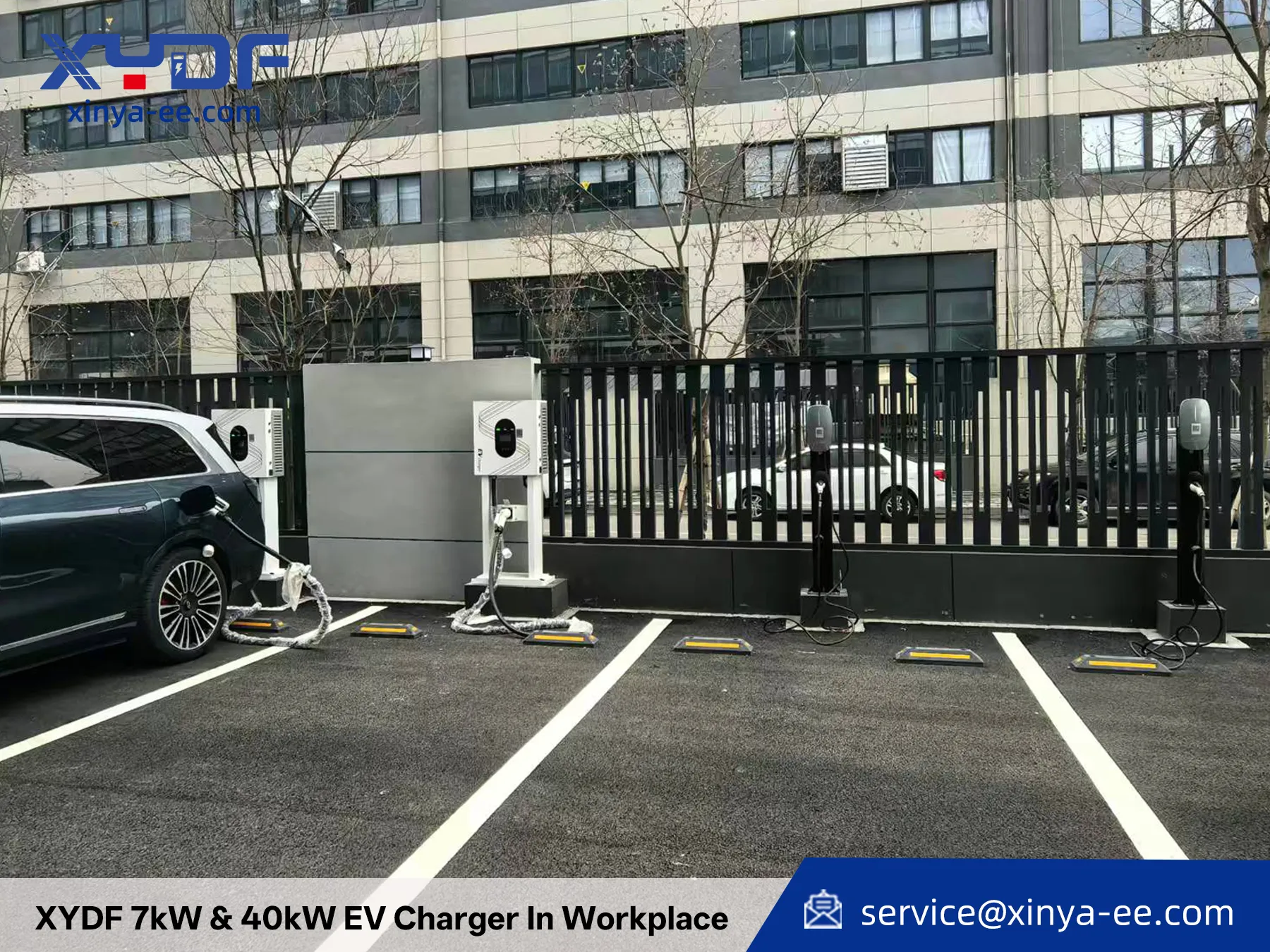
| Workplace charging station | 7–22 кВт | RFID, employee account, app | Access control mismatch | OCPP, IEC 62196 Type 2 | User management and reporting |
| Retail car park charging station | 22–120 kW | RFID, app, payment integration | Backend failure, reader damage, router instability | OCPP, IEC 61851, BS 7671 | Uptime, payment flow, maintenance access |
| Fleet depot charger | 22–180 kW | RFID, depot management platform | Scheduled charging conflict, load balancing fault | OCPP, ISO 15118, IEC 61851 | Fleet scheduling and energy management |
| Highway EV fast charger | 120–350 kW | App, RFID, payment terminal, ISO 15118 where supported | High transaction volume, EMI, network outage | CCS2, ISO 15118, OCPP 2.0.1 | Reliability, redundancy, serviceability |
| Public urban charging network | 7–150 kW | RFID, app, roaming platform | Roaming authorization failure | OCPP, OCPI, IEC 62196 | Interoperability and remote monitoring |
For a home charger for electric car, the offline risk is often Wi-Fi or app-related. For home electric charging stations in apartment buildings, the bigger issue is usually user authentication and shared load control. For public EV chargers UK, type 2 electric vehicle charging compatibility is only one part of reliability; operators must also verify backend authorization and OCPP behavior. For an EV fast charger, every offline hour can carry a higher revenue and reputation cost.
Standards and Compliance
EV charger reliability depends on both electrical safety and communication interoperability. IEC 61851 provides the general framework for conductive charging systems, while IEC 62196 covers plugs, socket-outlets, vehicle connectors, and vehicle inlets, including Type 2 interfaces widely used in Europe. ISO 15118 supports vehicle-to-grid communication and Plug & Charge context, while OCPP 1.6J and OCPP 2.0.1 are central to charger-backend communication and remote monitoring. In the UK, BS 7671 is relevant to electrical installation design and site acceptance, while UL 2594 and UL 2202 apply in many North American procurement contexts. CE and UKCA documentation may be required for Europe and the UK, and buyers should confirm the correct certification package for the target market. Non-compliance can lead to failed site acceptance, CPO downtime penalties, driver complaints, warranty disputes, failed tenders, and unsafe installation outcomes.
Uptime requirement for covered U.S. projects
For U.S. projects funded under the applicable federal charging-infrastructure rules, 23 CFR 680.116 requires each charging port to have average annual uptime greater than 97 percent and defines the calculation. That requirement is not a universal global warranty target; confirm the funding program, destination market, contract and reporting method before applying it.
Selection Guide: How to Prevent Card Reader Offline Failures
1. Diagnose the Authentication Chain Before Replacing Hardware
A failed RFID session does not always mean the reader is broken. We recommend checking the full chain:
- Card UID read
- Reader-to-controller communication
- OCPP Authorize message
- Backend user status
- StartTransaction response
- Local authorization fallback settings
Replacing the reader without reading logs may only hide the real problem.
2. Specify OCPP Version and Backend Compatibility at Tender Stage
The charger, backend, and operator platform should agree on OCPP version, message handling, heartbeat interval, local authorization rules, and firmware update process. OCPP 1.6J remains common, while OCPP 2.0.1 offers expanded functionality for modern deployments.
3. Treat Network Design as Part of Charger Reliability
A public charger is only as reliable as its communication path. Contractors should plan:
- 4G signal testing before installation
- Ethernet where possible
- Router and SIM redundancy for critical sites
- Firewall settings for OCPP traffic
- Remote access for diagnostics
4. Choose Card Reader Hardware by Environment and Transaction Volume
A residential reader and a public fast-charging reader do not face the same workload. Outdoor sites need stronger weather protection, better impact resistance, and stable performance across temperature changes.
5. Keep Firmware, Logs, and Remote Monitoring in the Maintenance Plan
Firmware updates, event logs, and remote diagnostics reduce repeated site visits. Operators should define who owns firmware maintenance — manufacturer, backend provider, CPO, or maintenance contractor — before the site goes live.
XYDF manufactures AC home chargers, DC EV fast charger systems, and commercial charging station solutions with IEC-based design, OCPP compatibility, and project-level configuration support for B2B operators. Buyers should confirm UL, CE, UKCA, or CCC documentation according to the target market and project requirements.
ЧАВО
How much does it cost to install an electric car charger?
Installation cost depends on charger power, cable distance, electrical panel capacity, protection devices, civil work, and local labor rates. A basic home electric car charger installation is usually much cheaper than a commercial DC station, while public sites may require grid upgrades, load management, network setup, and backend integration.
What are the two types of electric car chargers?
The two broad types are AC chargers and DC chargers. AC chargers are common for homes, workplaces, and destination charging, while DC chargers convert power inside the charger and deliver faster charging for commercial sites, fleet depots, and highway locations.
Могу ли я установить зарядное устройство для электромобиля самостоятельно?
For most projects, no. A certified electrician or qualified installer should install an Electric Car Charger, especially where dedicated circuits, RCD protection, load balancing, earthing, and local code compliance are required. In the UK, buyers should follow BS 7671 installation requirements and confirm local regulations.
How much does an EV charger cost in the UK?
The cost of EV chargers UK depends on whether the buyer needs a residential AC unit, a commercial AC post, or a DC fast charger. Hardware price, installation work, grid connection, payment system, OCPP backend, civil engineering, and maintenance plan all affect the final project cost.
Which EV charger is best in the UK?
The best EV charger in the UK depends on the use case. A homeowner may need a compact smart AC unit, while a workplace, retail car park, or fleet depot may need networked chargers with OCPP support, Type 2 compatibility, load balancing, and reliable after-sales maintenance access.
What is a Type 2 charger for EV?
A Type 2 charger uses the Type 2 connector, which is widely adopted for AC charging in Europe and the UK. Type 2 electric vehicle charging is common in homes, workplaces, apartment parking, and public AC charging stations. For DC fast charging, many European sites use CCS2, which builds on the Type 2 interface.
What is the best home charger for electric cars?
The best home charger for electric car use is usually a smart AC charger with suitable power output, safe protection design, app control, scheduled charging, and compatibility with the home’s electrical capacity. Buyers should also consider cable length, weather rating, installation requirements, and local certification.
Which EV chargers are fastest?
The fastest chargers are usually high-power DC chargers or ultra-fast chargers. An EV fast charger may range from around 50 kW to 350 kW or more, depending on charger design, vehicle battery voltage, connector type, cooling system, and grid capacity.
Can any EV use a fast charger?
Not every EV can use every fast charger. Compatibility depends on the vehicle’s connector, maximum DC charging power, battery voltage platform, software communication, and regional charging standard. Even when the connector fits, the vehicle may limit charging speed based on battery temperature, state of charge, or manufacturer settings.
Ссылки
- IEC — International Electrotechnical Commission
https://www.iec.ch/ - Open Charge Alliance — OCPP Information
https://www.openchargealliance.org/ - CharIN — Charging Interface Initiative
https://www.charin.global/ - IEA — Global EV Outlook
https://www.iea.org/reports/global-ev-outlook-2024 - NFPA — National Electrical Code Resources
https://www.nfpa.org/ - Open Charge Alliance — Open Charge Point Protocol
- eCFR — 23 CFR 680.116, charging-station availability and uptime
- NIST IR 8473 — Cybersecurity Framework Profile for Electric Vehicle Extreme Fast Charging Infrastructure
- PCI Security Standards Council — Point of Interaction security requirements
If recurring evidence points to charger configuration, firmware or serviceability, contact XYDF with a redacted incident bundle so the responsible teams can review the same timeline rather than restarting diagnosis from a generic “offline” label.
An offline charger is rarely just offline; it is a visible symptom of how power, authentication, firmware, communication, and backend operations work together — or fail together. A broken card reader may be the trigger, but the real operational risk comes from treating EV charging equipment as isolated hardware instead of a connected infrastructure system.
XYDF builds charging stations for that moment — when a CPO, fleet operator, or engineering contractor needs reliable AC charging, DC fast charging, OCPP-ready communication, and project-level configuration support. Explore XYDF EV charging products here: