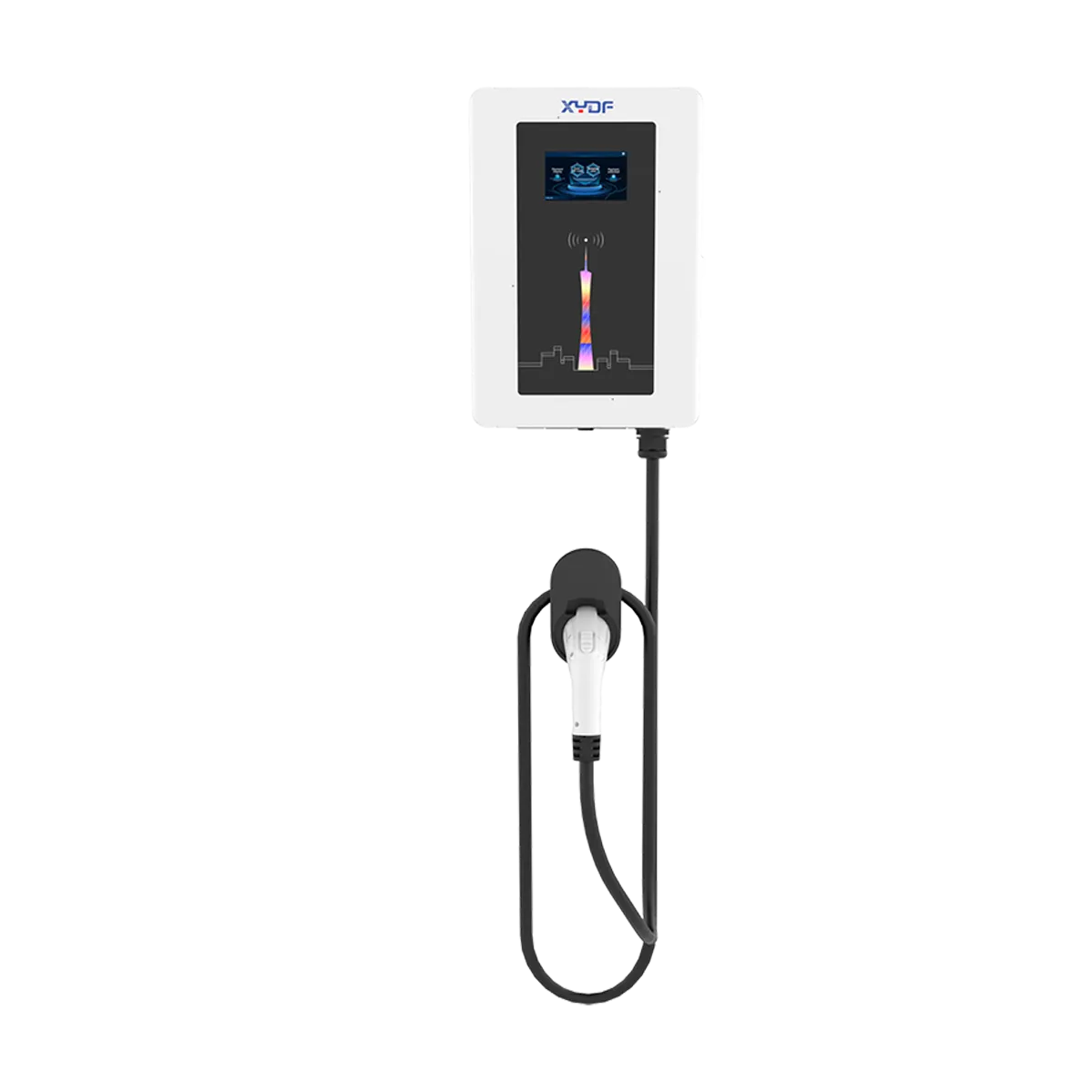
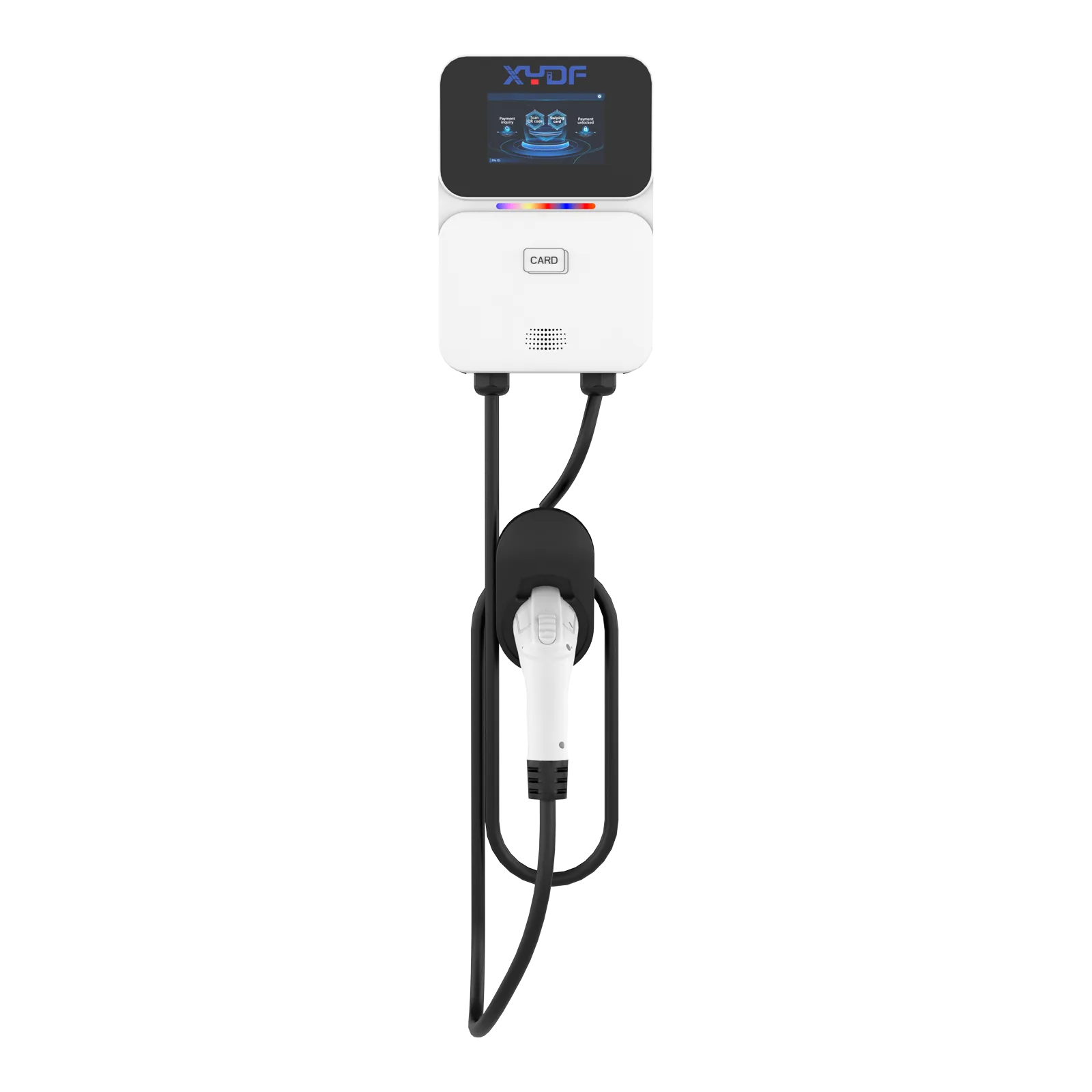
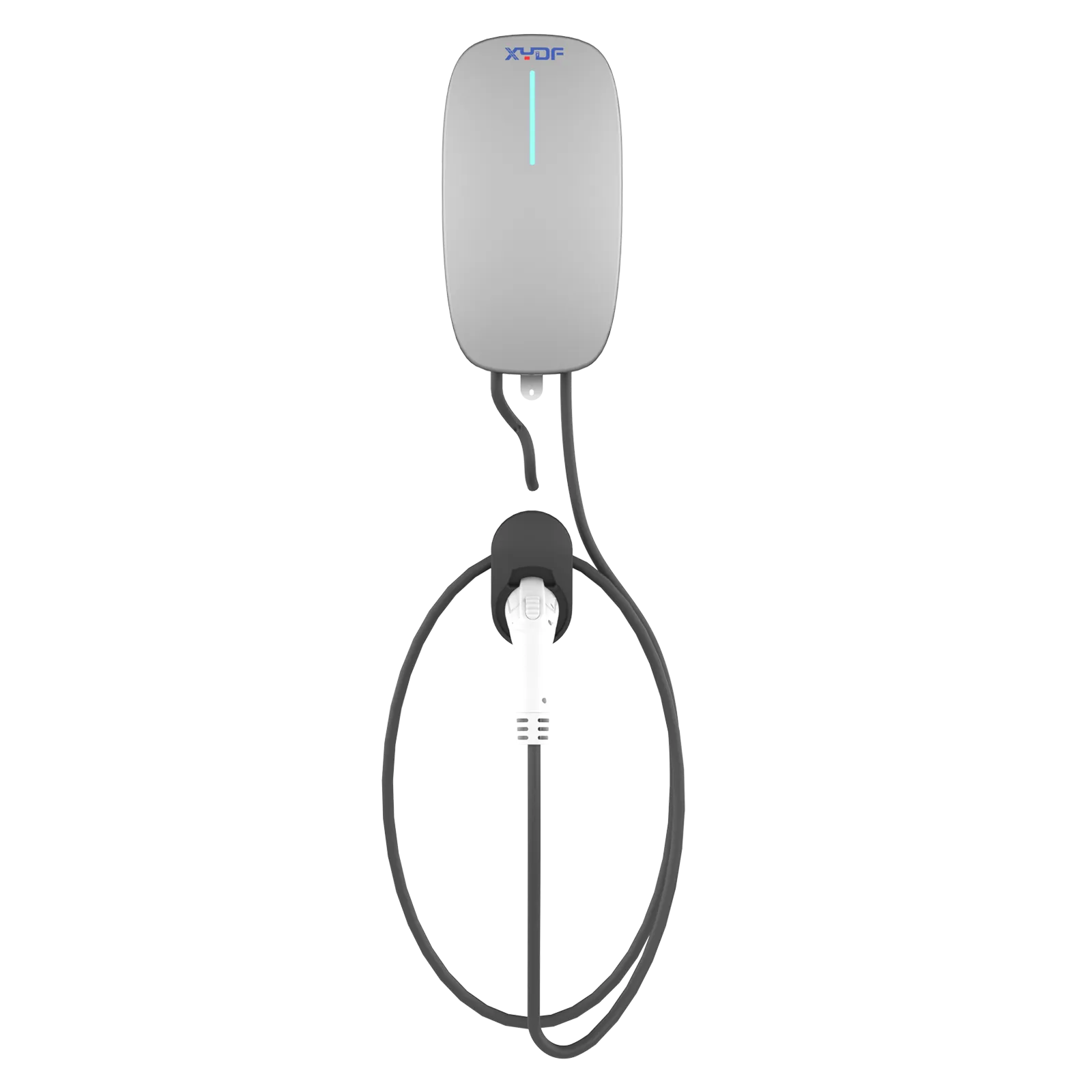
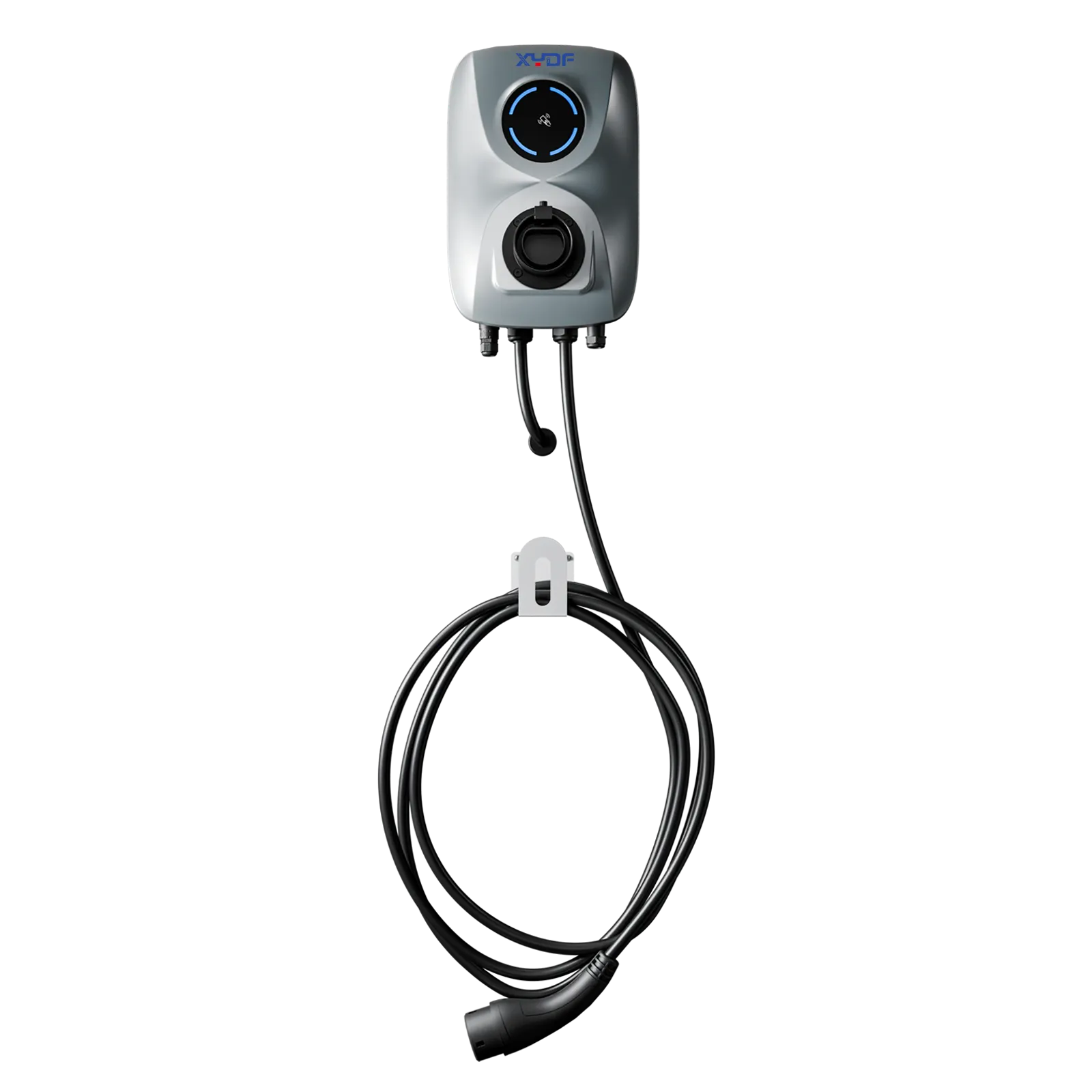
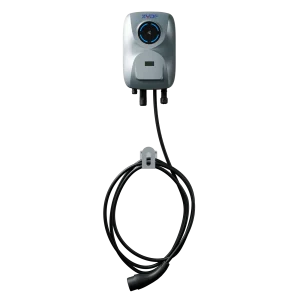
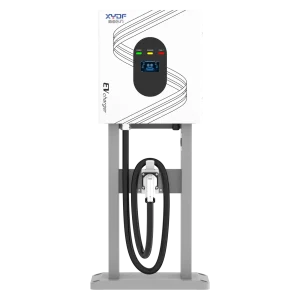
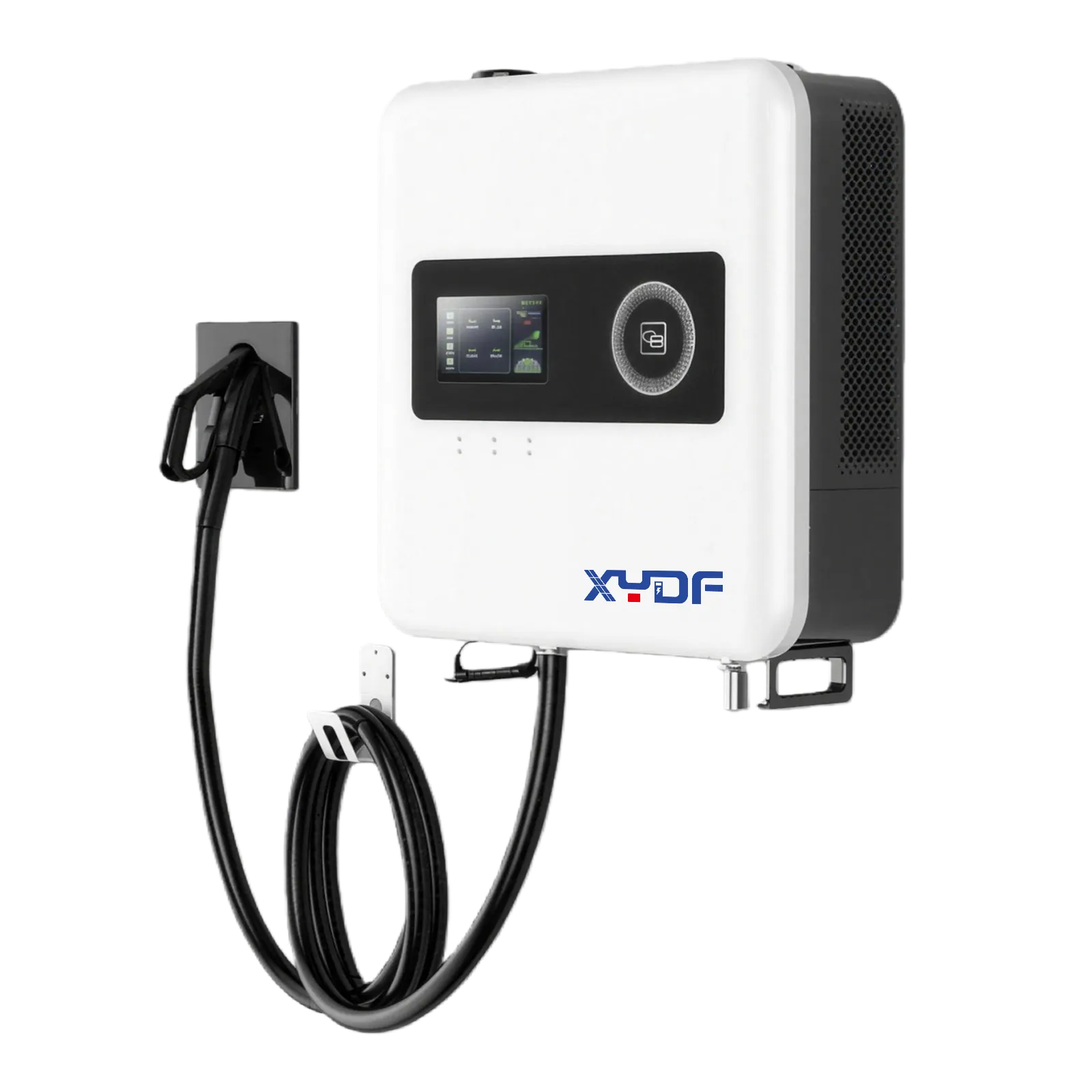
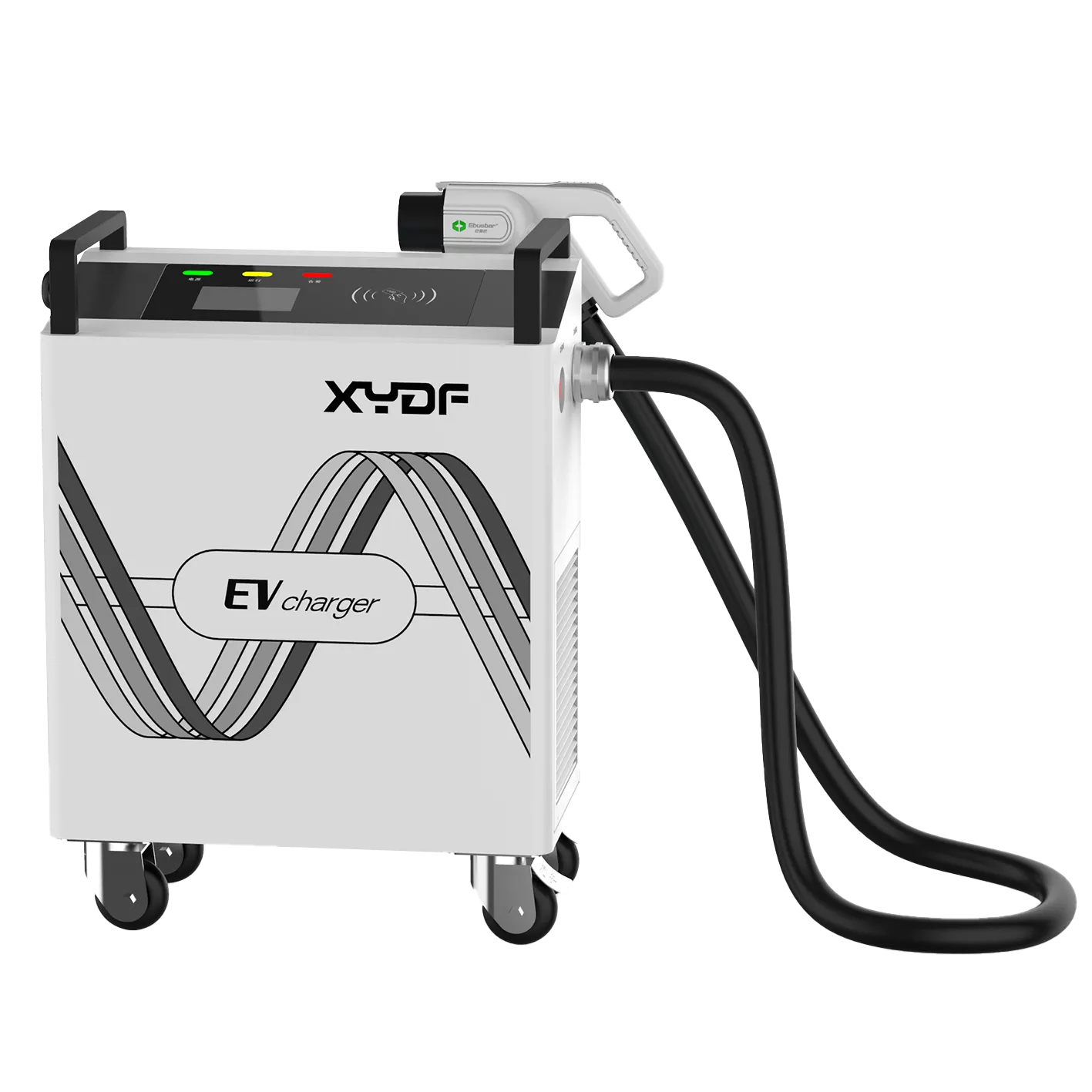
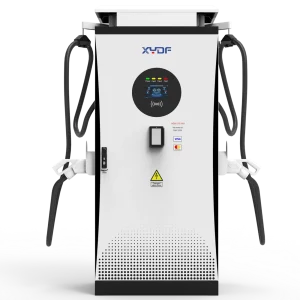
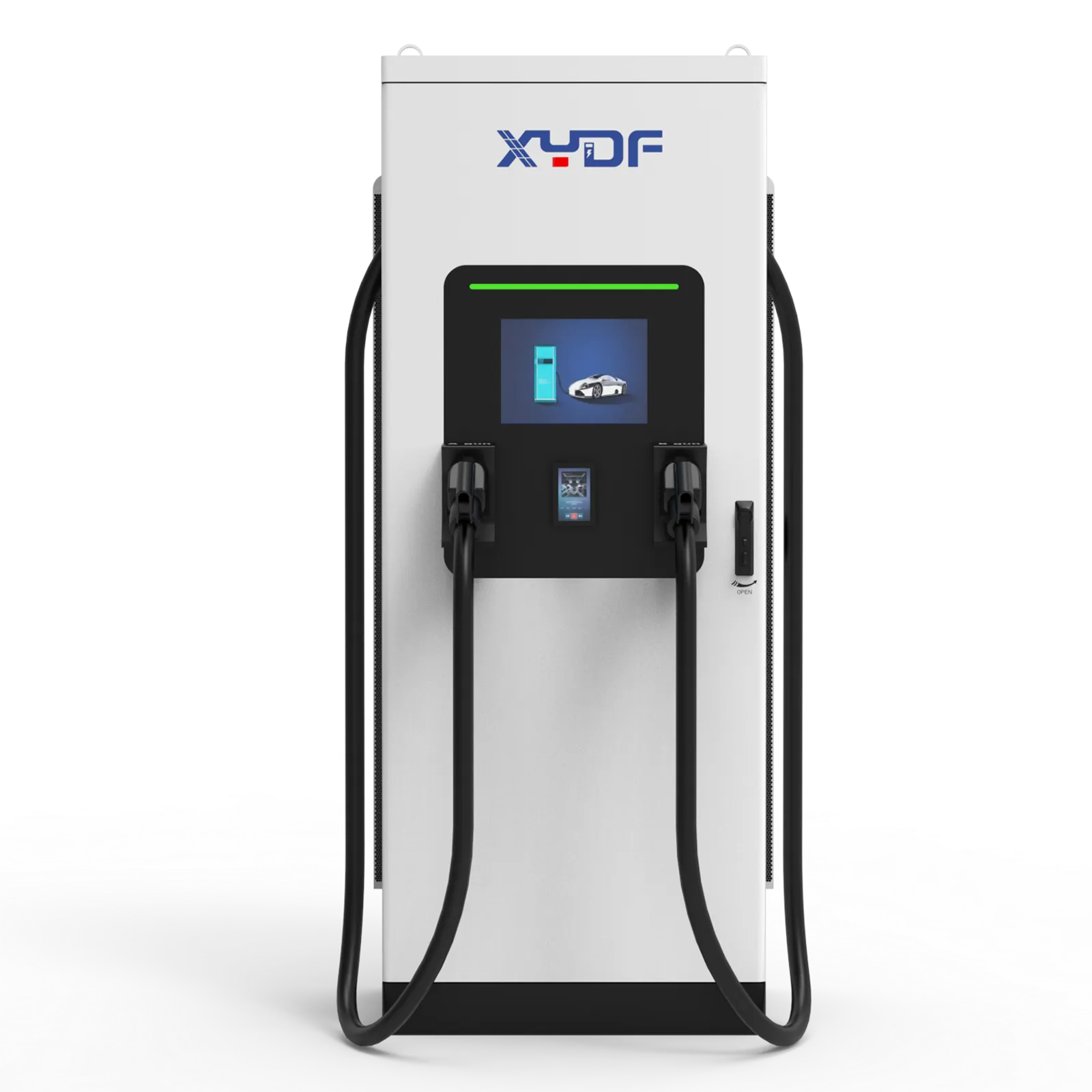
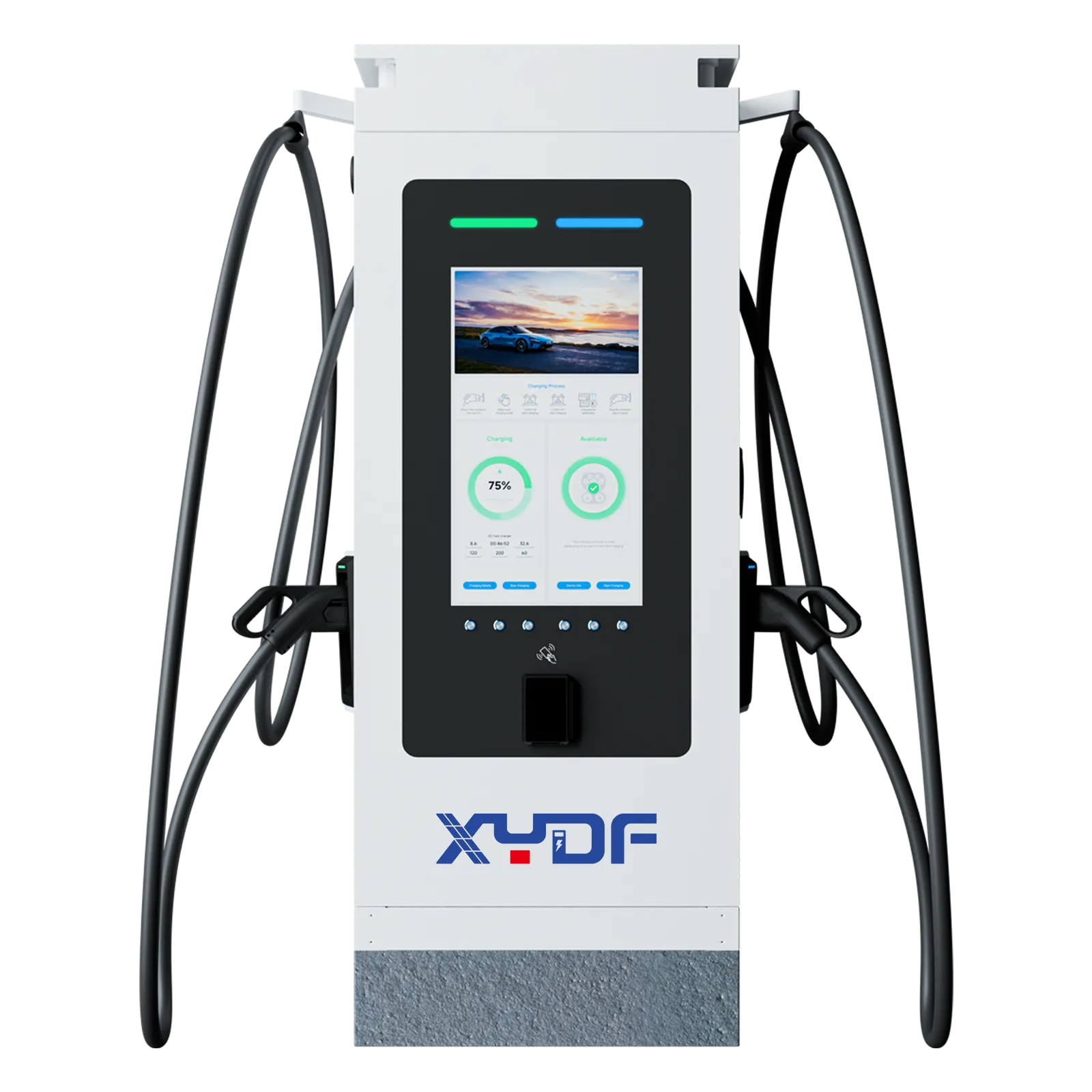
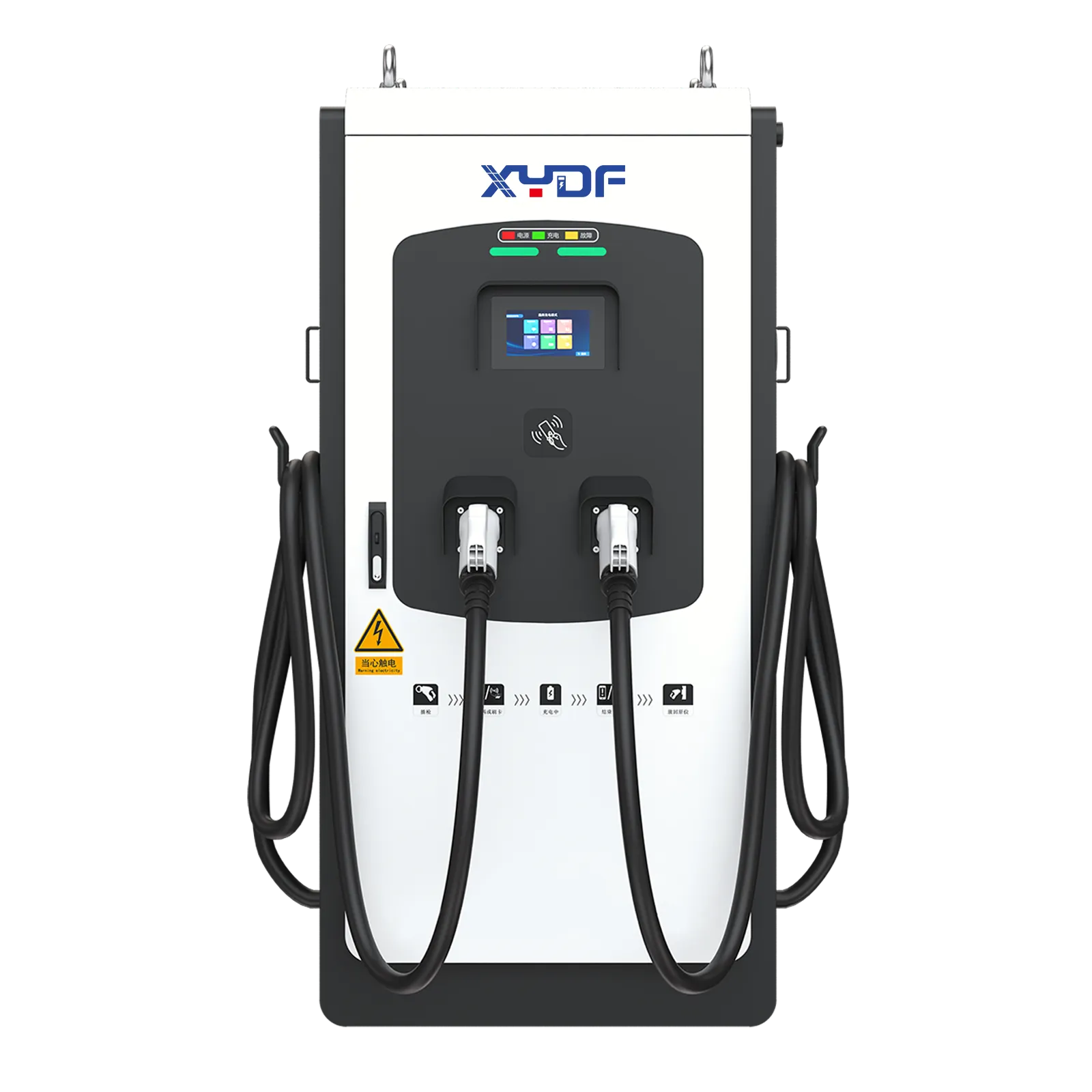
The development of Electric Vehicles (EVs) has altered our perception of transportation. As EVs become increasingly commonplace, those interested in utilizing eco-friendly technology need to know howEV charging stations operate. This article outlines how EV chargers function, the different variations available, and recommendations to help maximize your EV charging experience.
What Is An EV Charger?
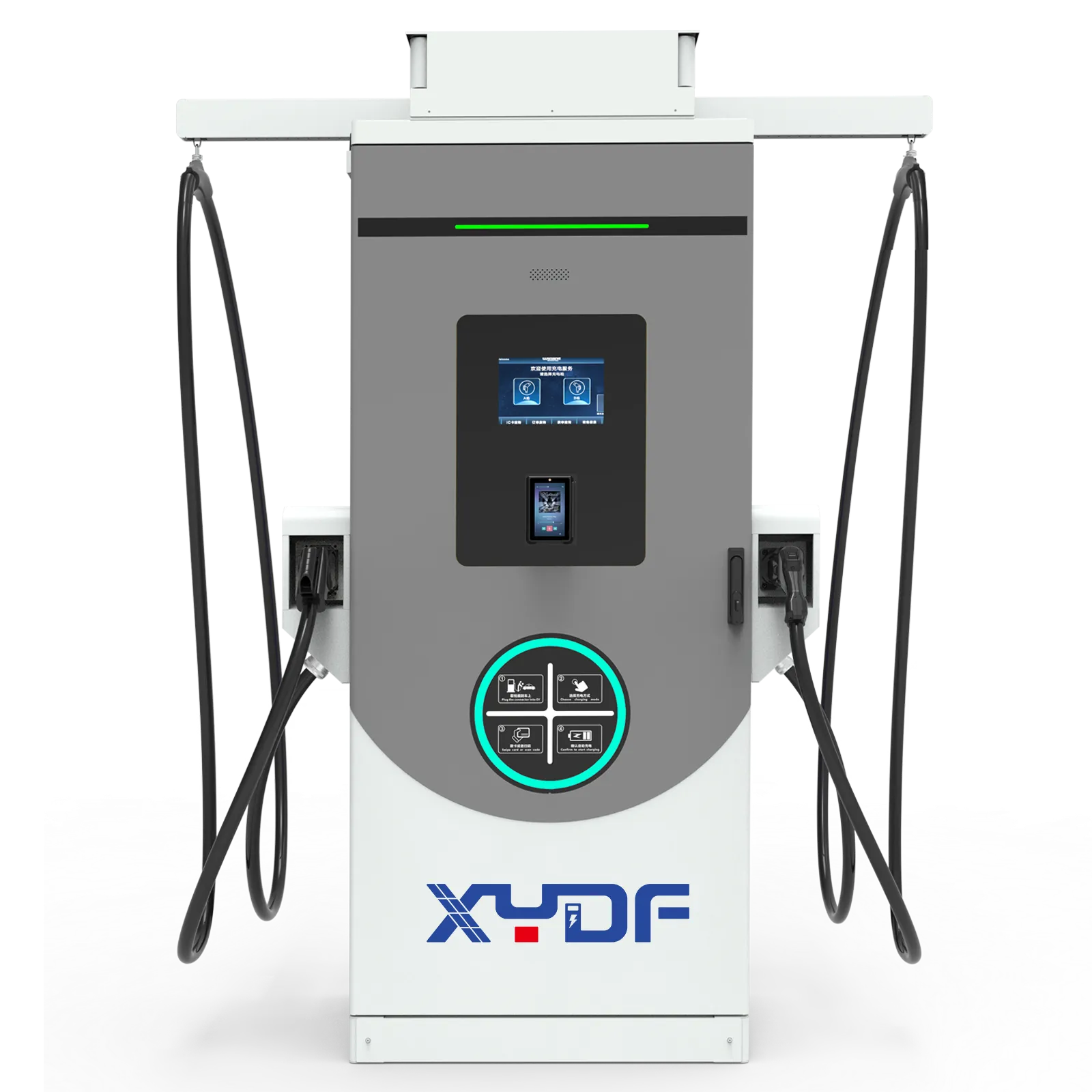
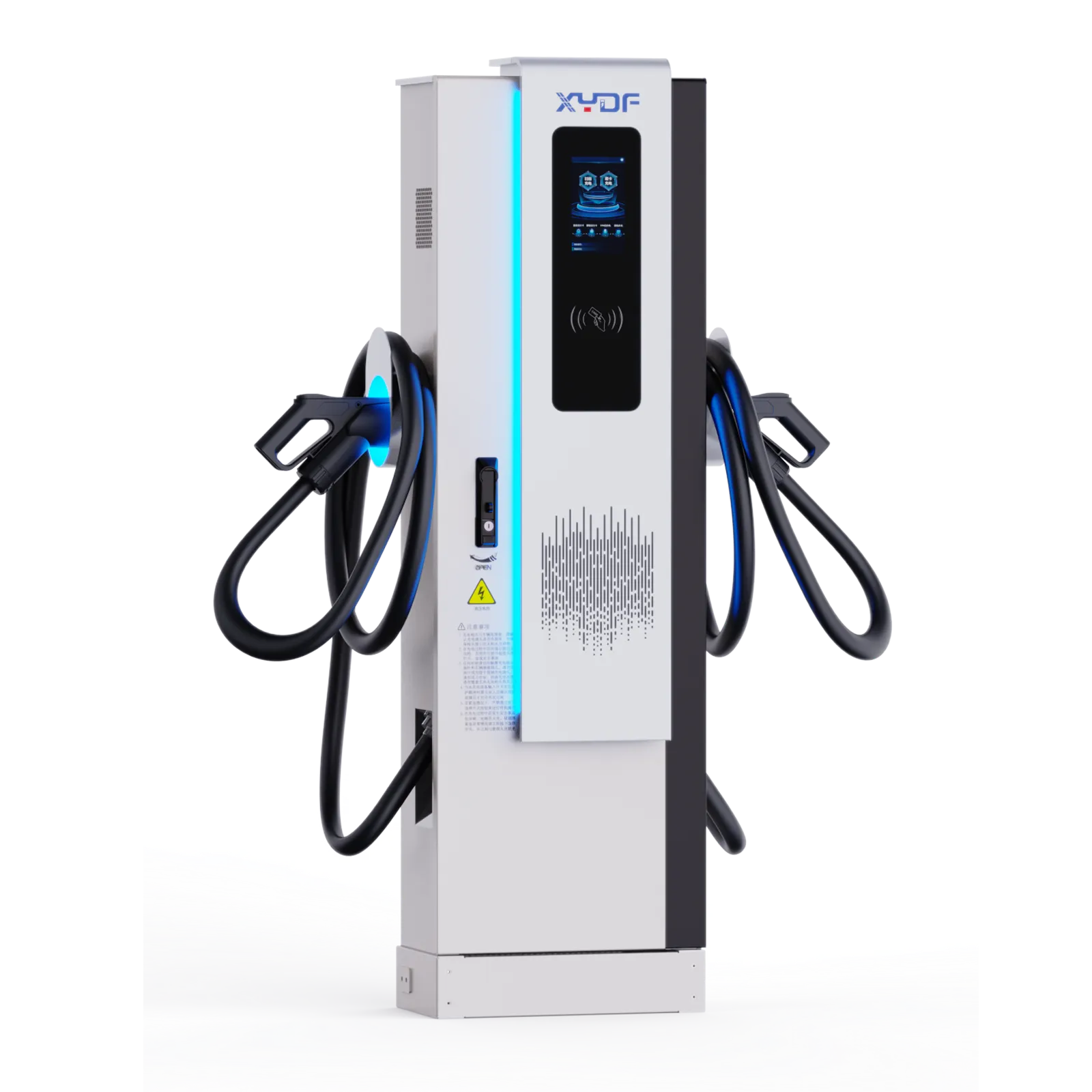
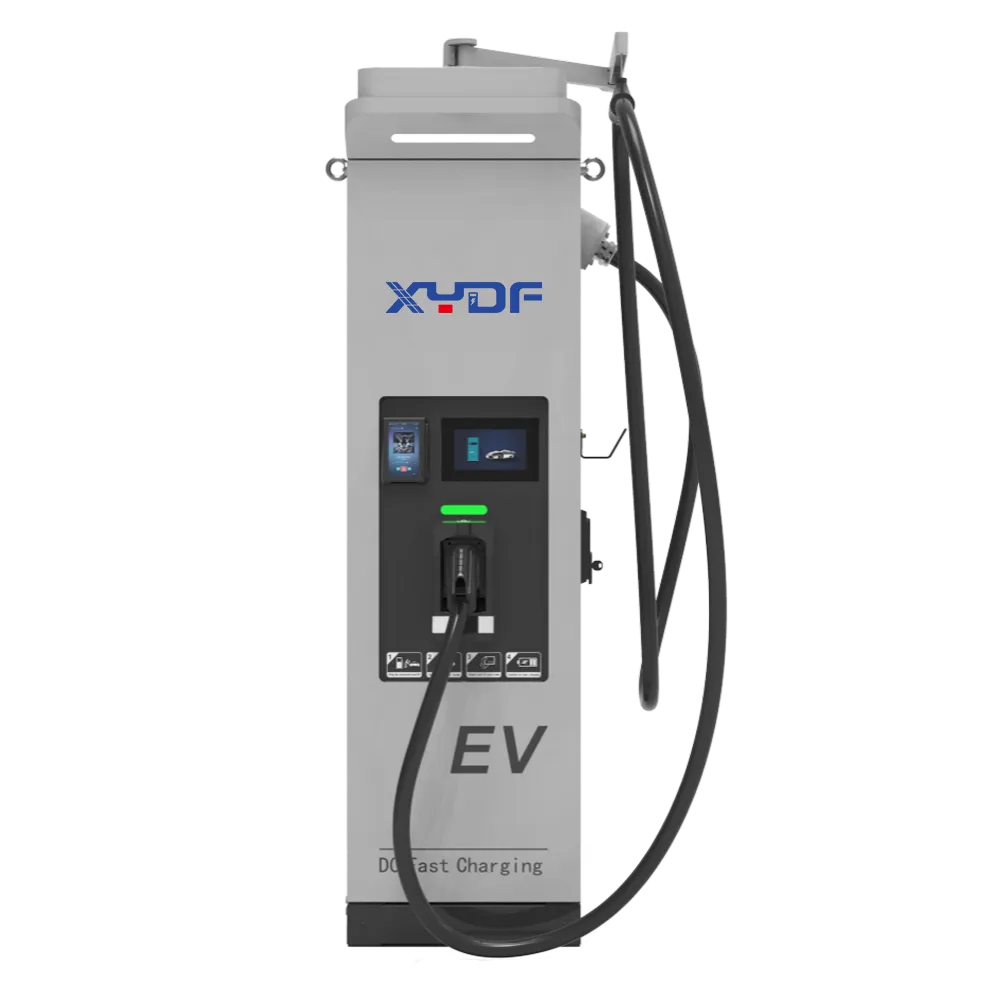
An EV charger is a device used to transfer power to charge the battery in an EV. Charging an EV works similarly to refueling a traditional gas-powered vehicle. EV owners “refuel” their vehicles by plugging them into a charging station. While the process is straightforward, the technology behind chargers is advanced, ensuring safety, efficiency, and compatibility with different EV models.
How Do EV Charging Stations Work?
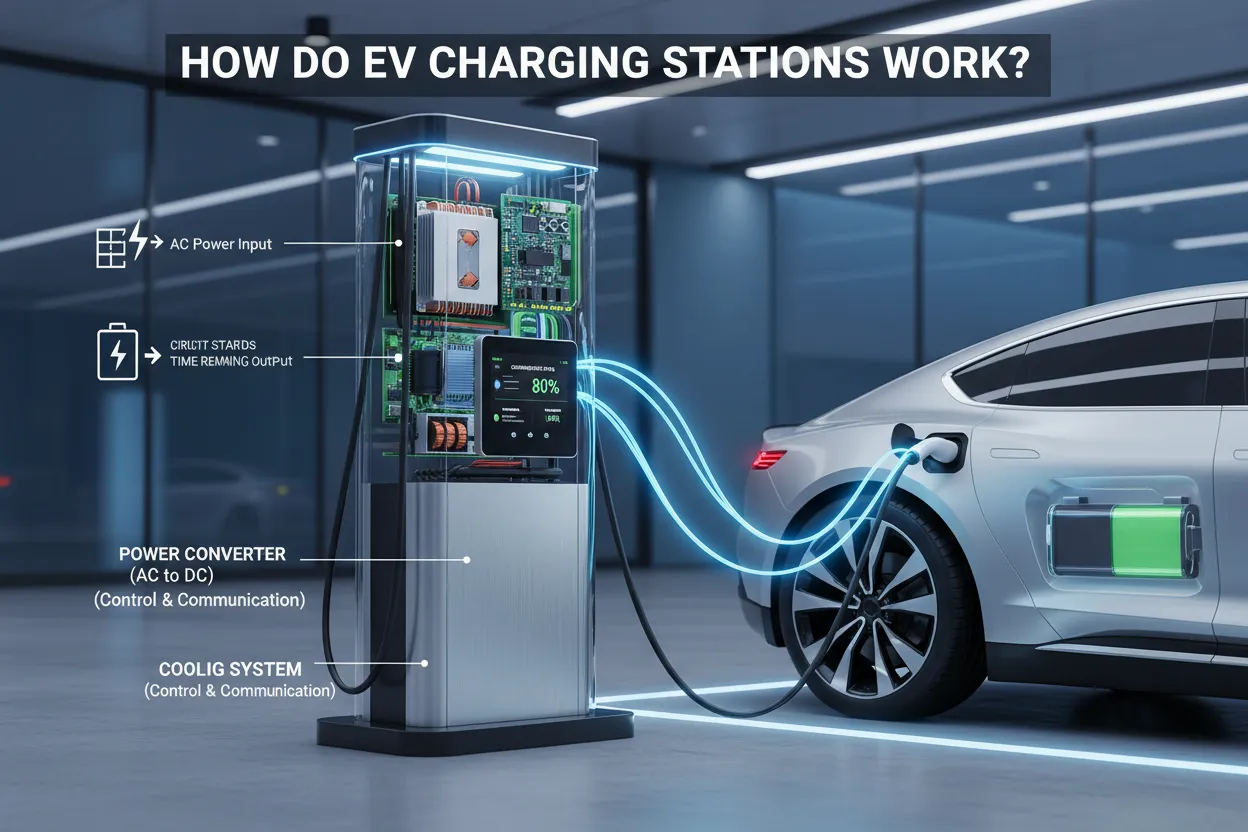
On a basic level, an EV charging station supplies electricity to the EV’s battery. Below are the key steps of the charging process:
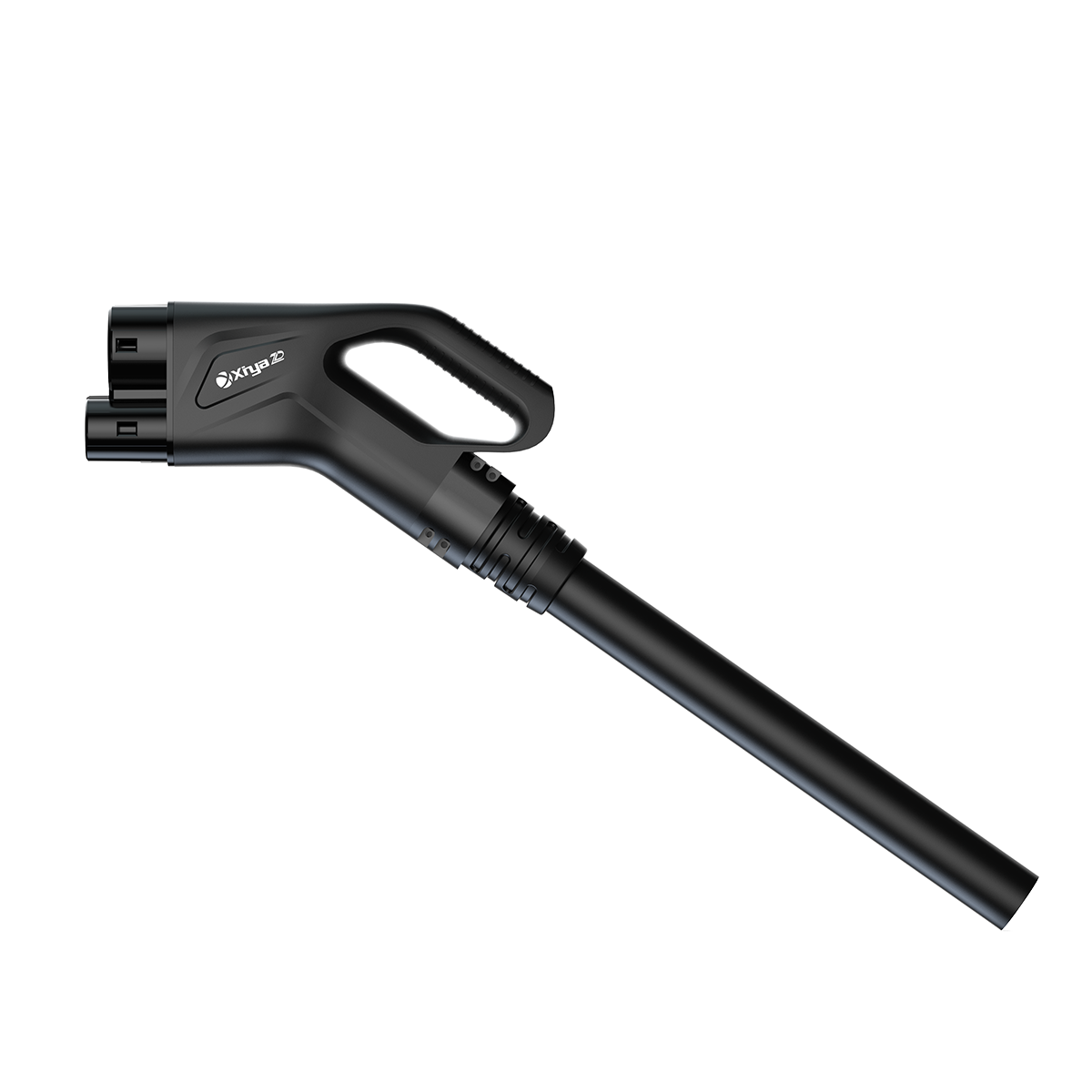
Connection: The EV is connected to the charging station using a compatible cable or a fixed connector that is part of the charger.
Communication: Particularly for public chargers, the vehicle communicates with the charger to assess the battery type and optimize the charging. This helps deliver the correct voltage and current while preventing battery damage.
Power Delivery: The charger draws electricity from the power grid (or renewable sources like solar) and transfers it to the EV battery. The charging time depends on the type of charger used.
Monitoring: Many charging stations include software to monitor the charging progress, showing details such as remaining charge time and energy delivered.
Completion: The charger automatically stops power delivery once the battery reaches the desired charge level or is fully charged.
Types of EV Chargers
EV chargers come in different types, and understanding these helps you choose the best solution for your needs:
1. Level 1 Charging
Level 1 chargers are the simplest, using a standard 120V household outlet. They take between 8 to 20 hours to fully charge an EV and are ideal for overnight use or for users with low daily travel needs.
2. Level 2 Charging
Level 2 chargers require a higher voltage (typically 240V), allowing faster charging. EVs can typically be charged within 4 to 8 hours and are frequently installed in homes, workplaces, and public areas.
3. DC Fast Charging
DC fast chargers (Level 3), designed for quick replenishment, use direct current (DC) instead of alternating current (AC). These chargers can recharge EV batteries to 80% in just 20 to 40 minutes, making them ideal for long-distance travel. They are often located along major highways.
How to Access a Charging Station for Electric Vehicles
Using an EV charging station is typically straightforward. Follow these steps:
Locate a nearby charging station using a mobile app or GPS system.
Park your vehicle close enough to the charger and turn it off.
Connect the charging cable to your EV’s charging port.
For public chargers, complete payment or authentication via a card or smartphone app.
Monitor the charging progress. Many apps notify you once the charging is completed.
Tips to Optimize Your EV Charging Experience
Create a charge schedule: Plan charging during off-peak electricity hours to save money and reduce grid strain.
Select a reliable charging network: Choose one that fits your needs, whether membership-based or pay-as-you-go, and offers stations along your usual routes.
Keep connections clean: Regularly check and clean your EV’s charging port and cable to avoid dust or debris that could impact efficiency.
Install a home charger: Consider a Level 2 home charging setup for faster overnight charging and added convenience.
Update your EV software: Keep your EV’s operating system updated to access the latest charging features and optimizations.
FAQs
What is an EV Charging Station?
An EV charging station, or electric vehicle supply equipment (EVSE), provides the electric energy needed to recharge EV batteries.
How long does it take to recharge an EV?
The time depends on the battery capacity, charger type, and existing charge level. Level 1 chargers may take 8–20 hours, while DC fast chargers can recharge an EV up to 80% in 20–40 minutes.
Will all electric vehicles use the same charger?
No, EVs may have different connectors and standards. Many public charging stations support popular options like CHAdeMO, CCS, and Tesla Supercharger for compatibility.
Are there apps to find EV charging stations?
Yes, apps like PlugShare, ChargePoint, and Electrify America help locate stations, providing details on pricing, charging speed, and connector types.
We use cookies to keep this website working and, with your permission, to measure how visitors use our EV charging site. See our Privacy Policy for details.
 Xinya Dongfang Electricity Technology Co., Ltd.