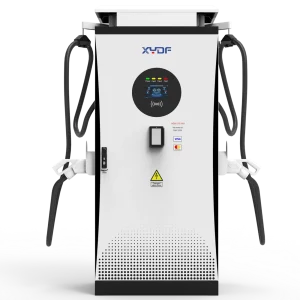
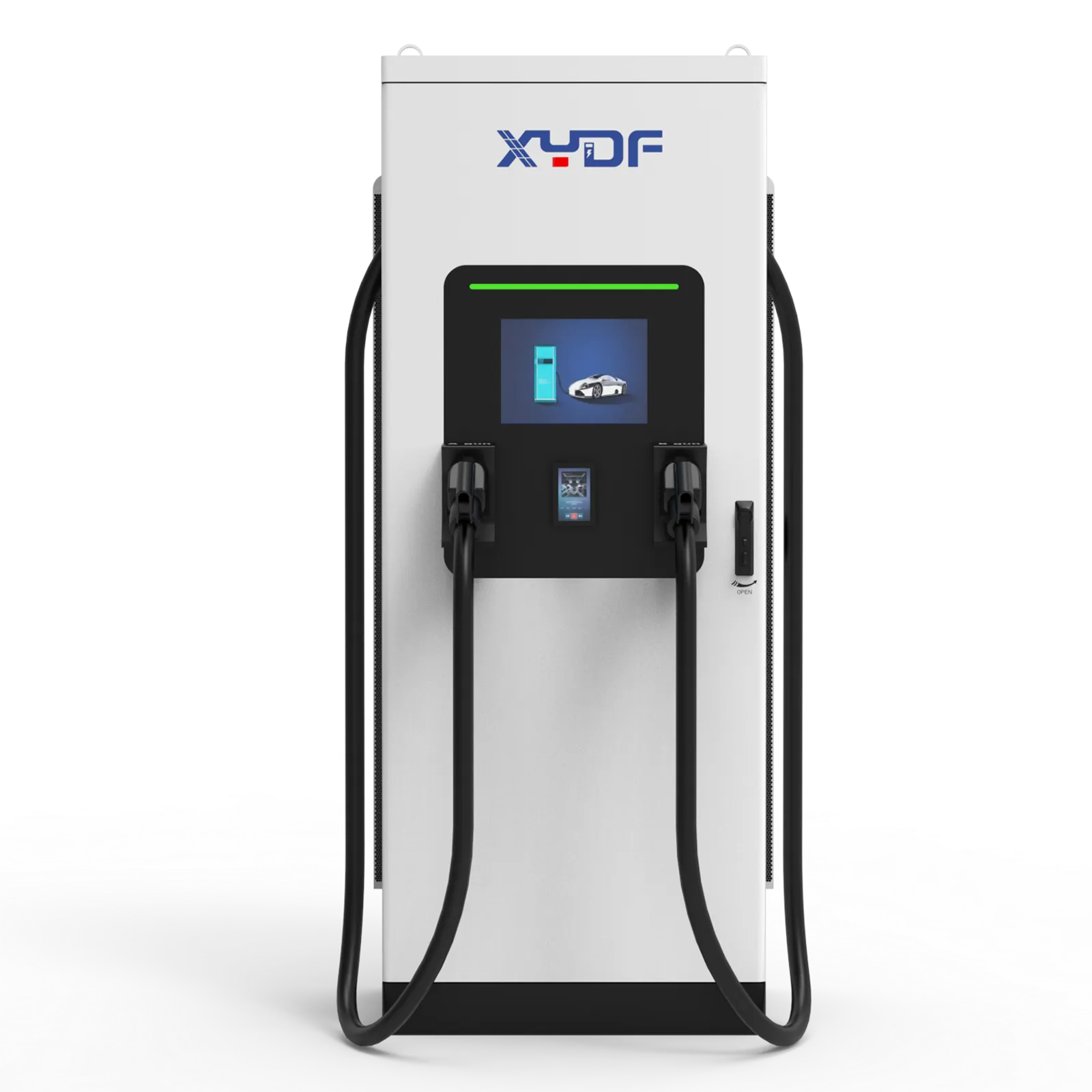
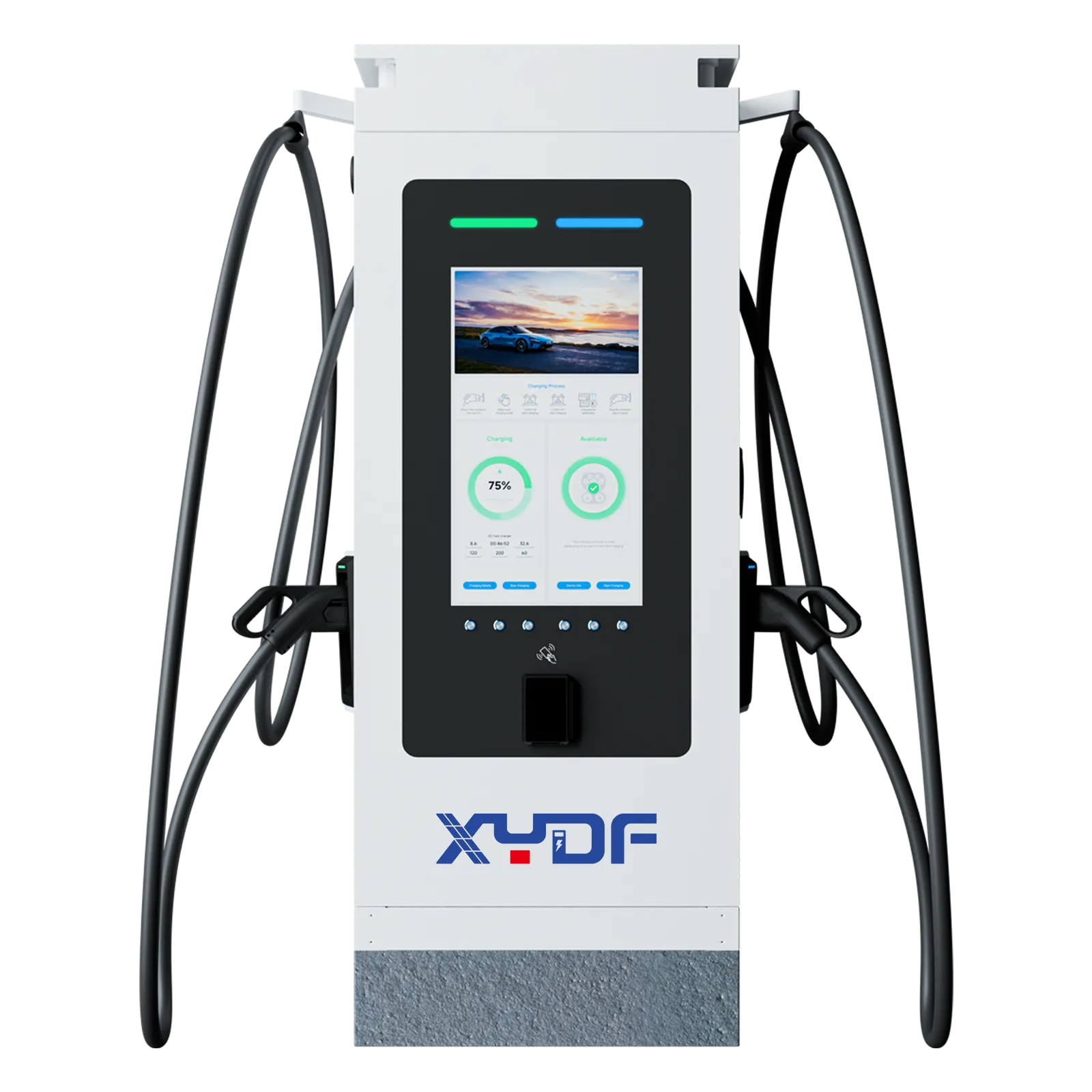
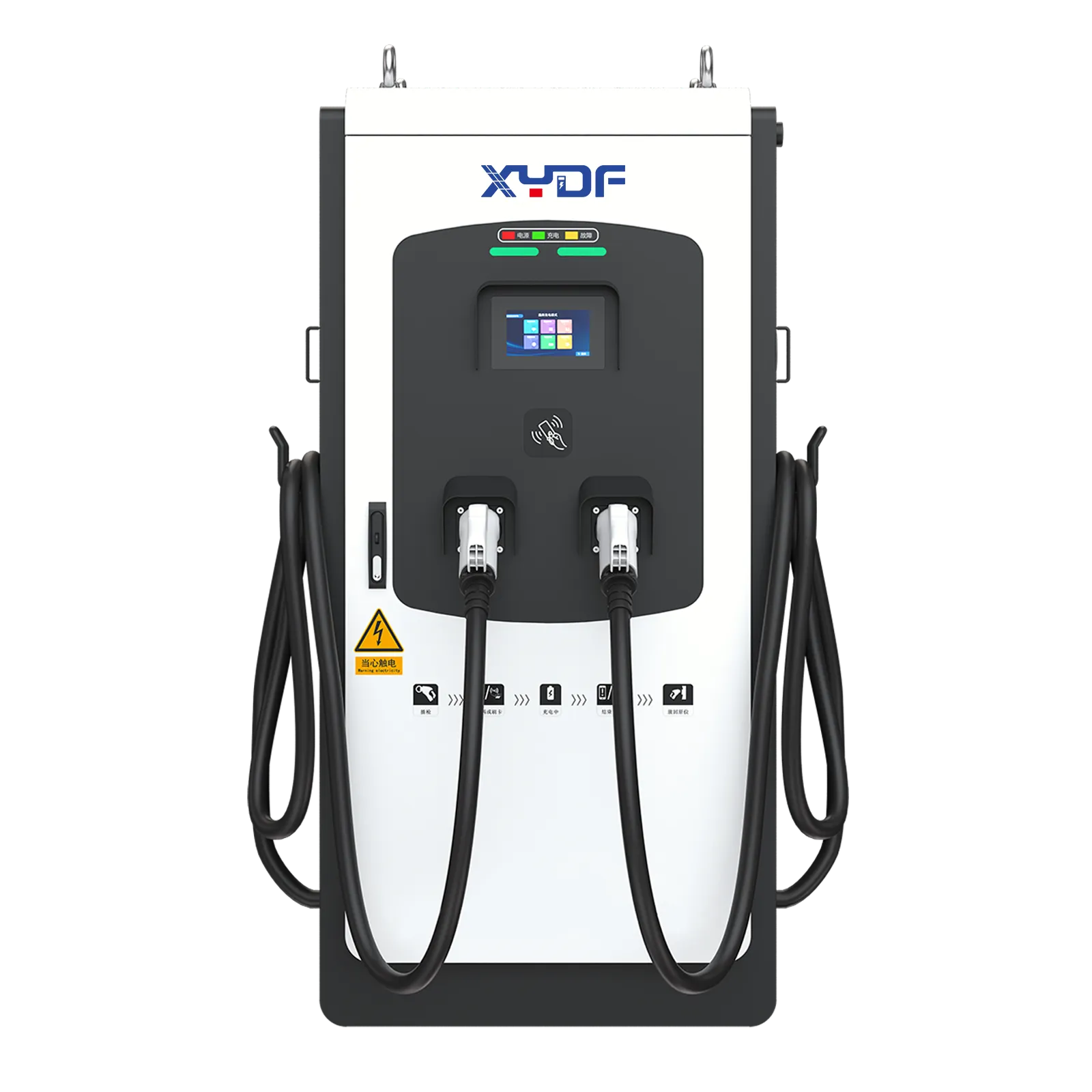
The expansion of electric vehicles (EVs) is changing the transportation sector; therefore, new innovations are required to meet the consumer need for an efficient and convenient way to charge EVs. As consumers continue to switch from combustion engines and seek greener alternatives, there will be an increased demand for efficient, convenient, and faster ways to charge their vehicles. This article explores the progress made in EV charging systems, provides insight into the challenges facing today’s EV manufacturers and consumers, and answers many questions that consumers interested in purchasing an EV have about the technology being developed to support electric vehicle (EV) charging. Now let’s take a closer look at how EV charging technology has risen to its current state and where it is going.
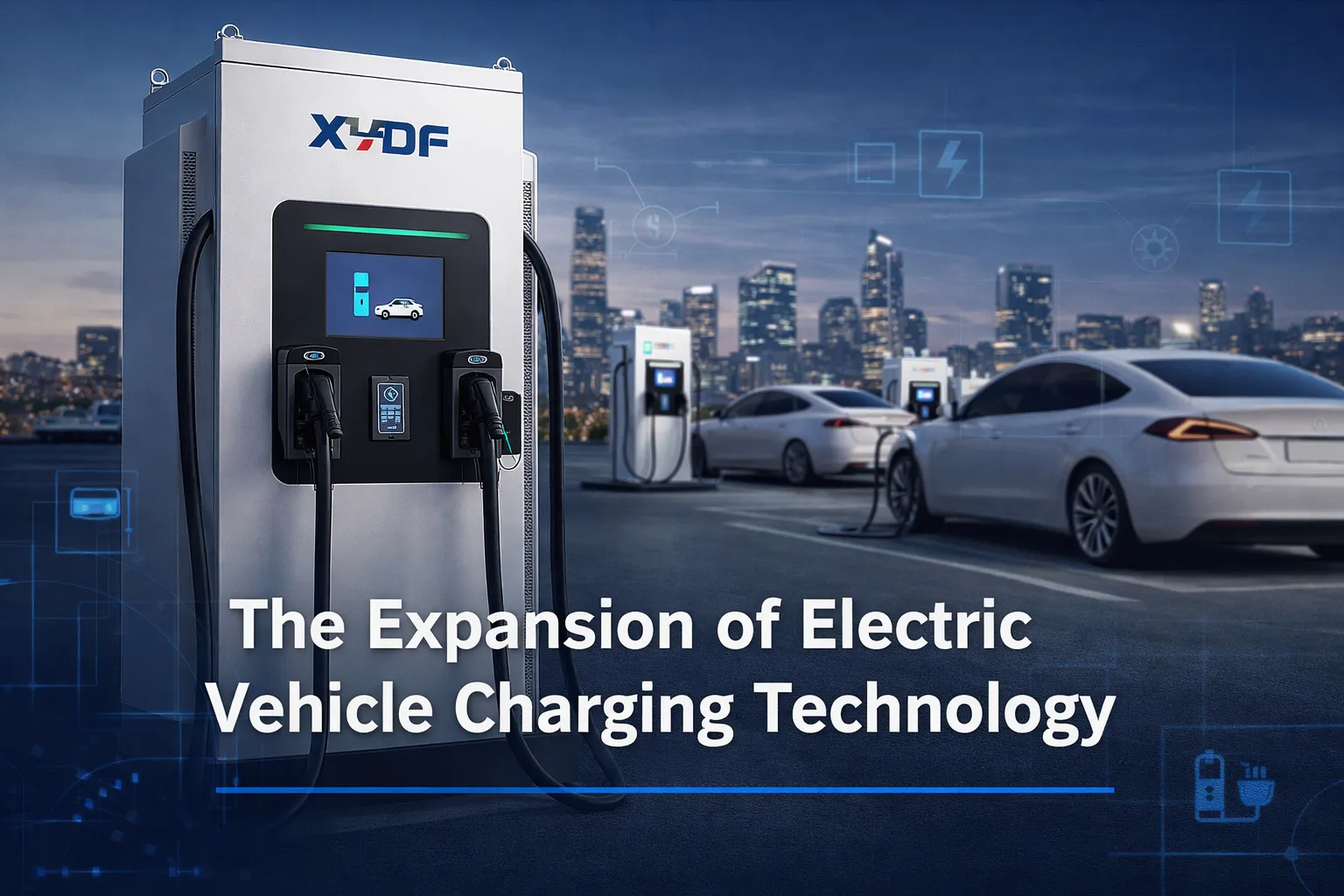
EV Charging Technology Development
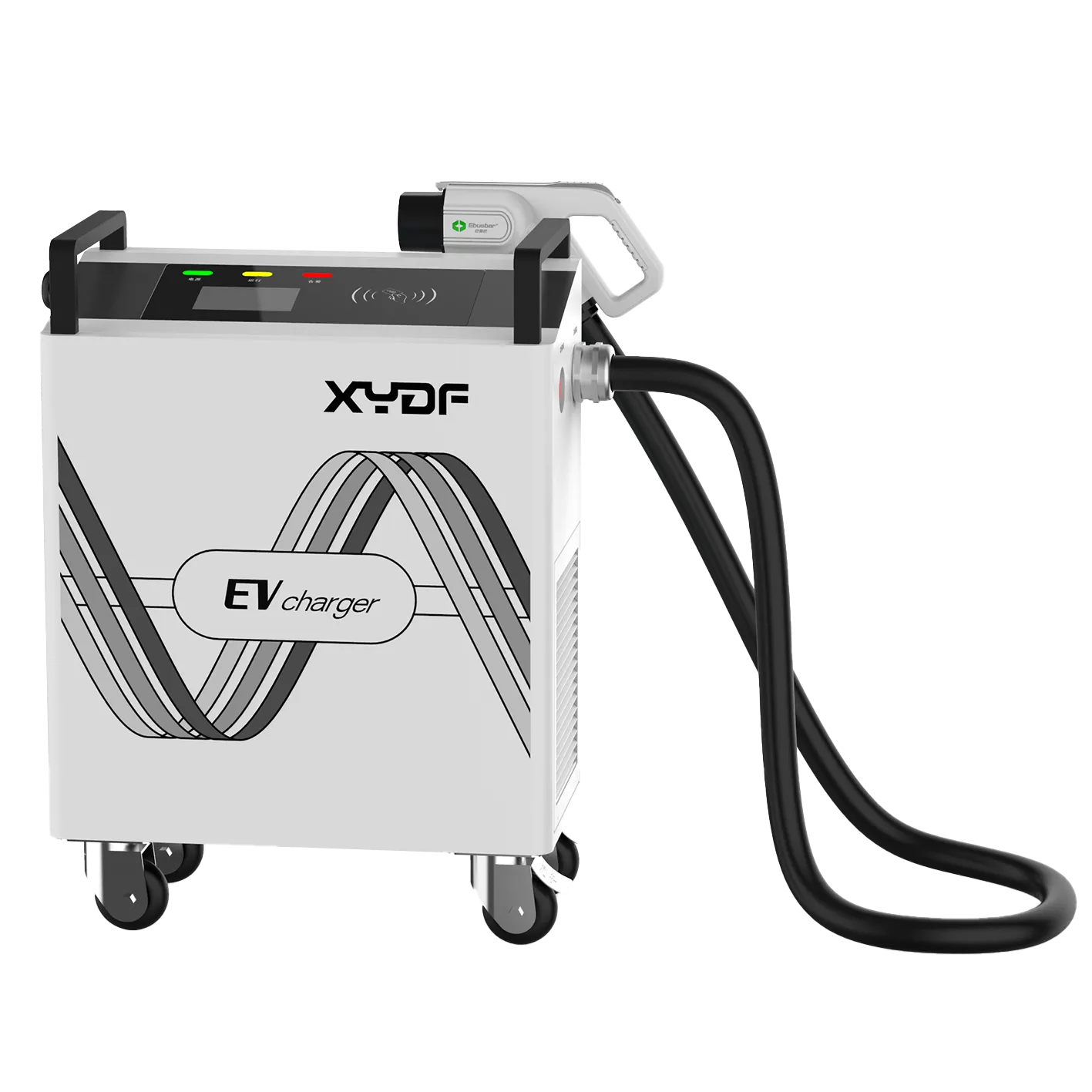
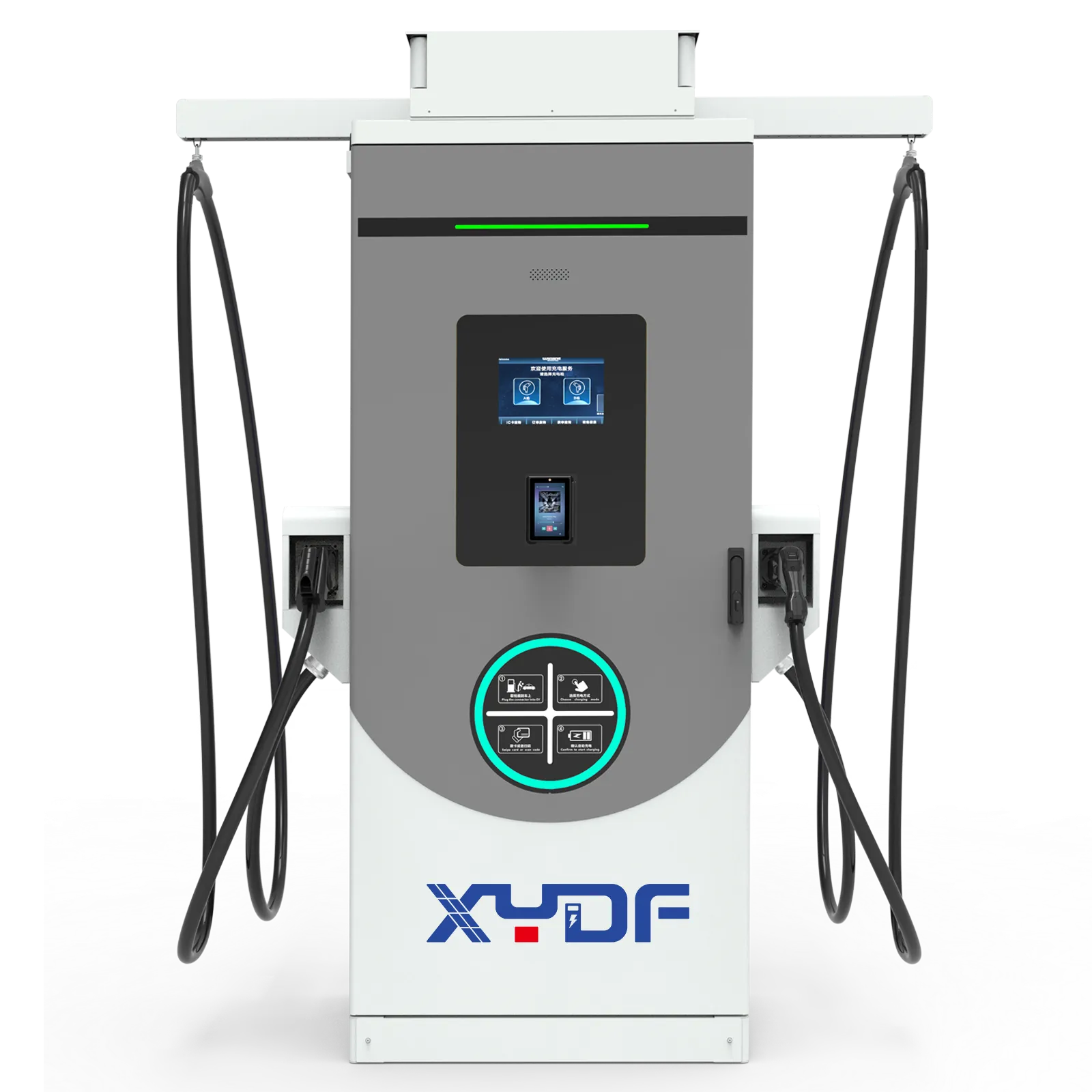
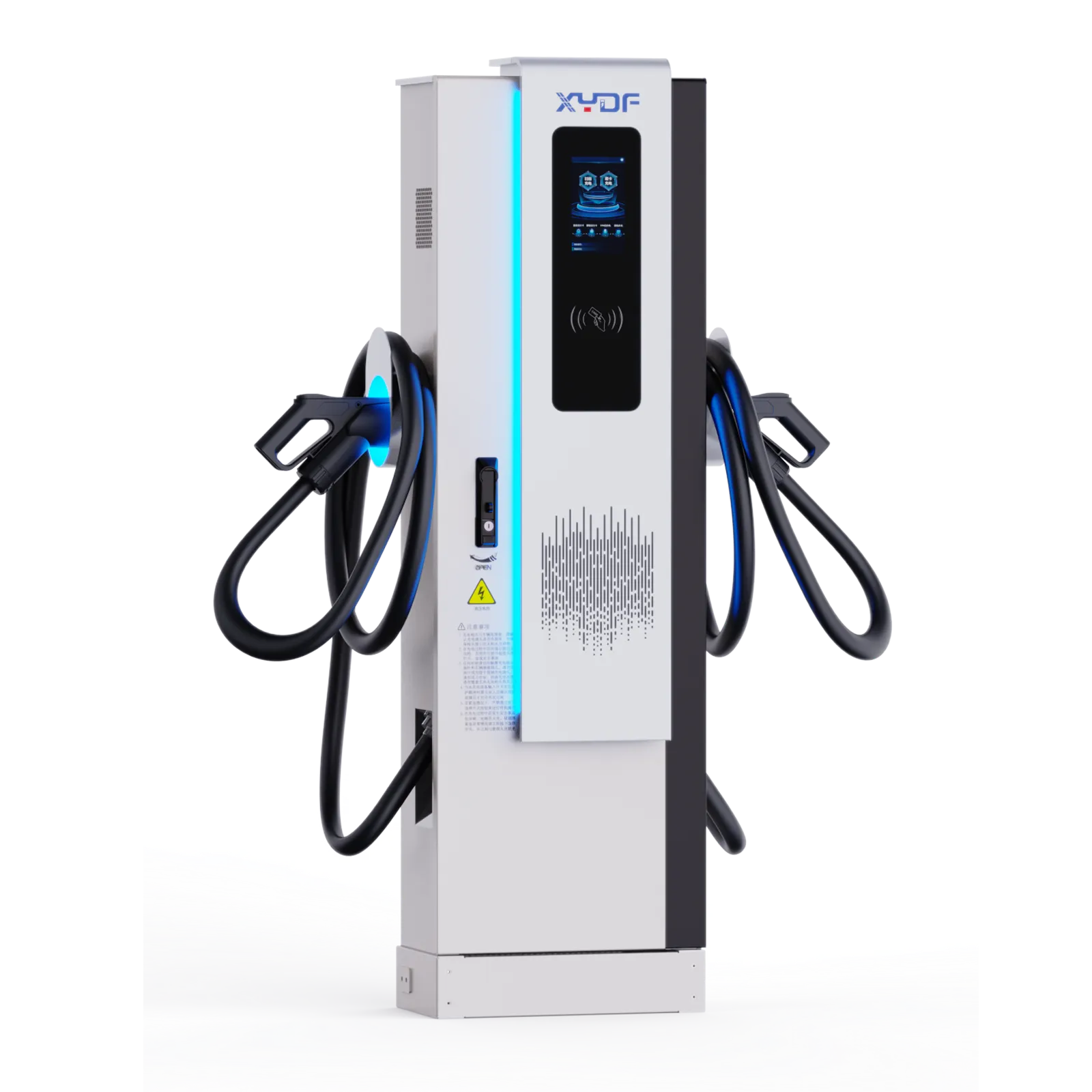
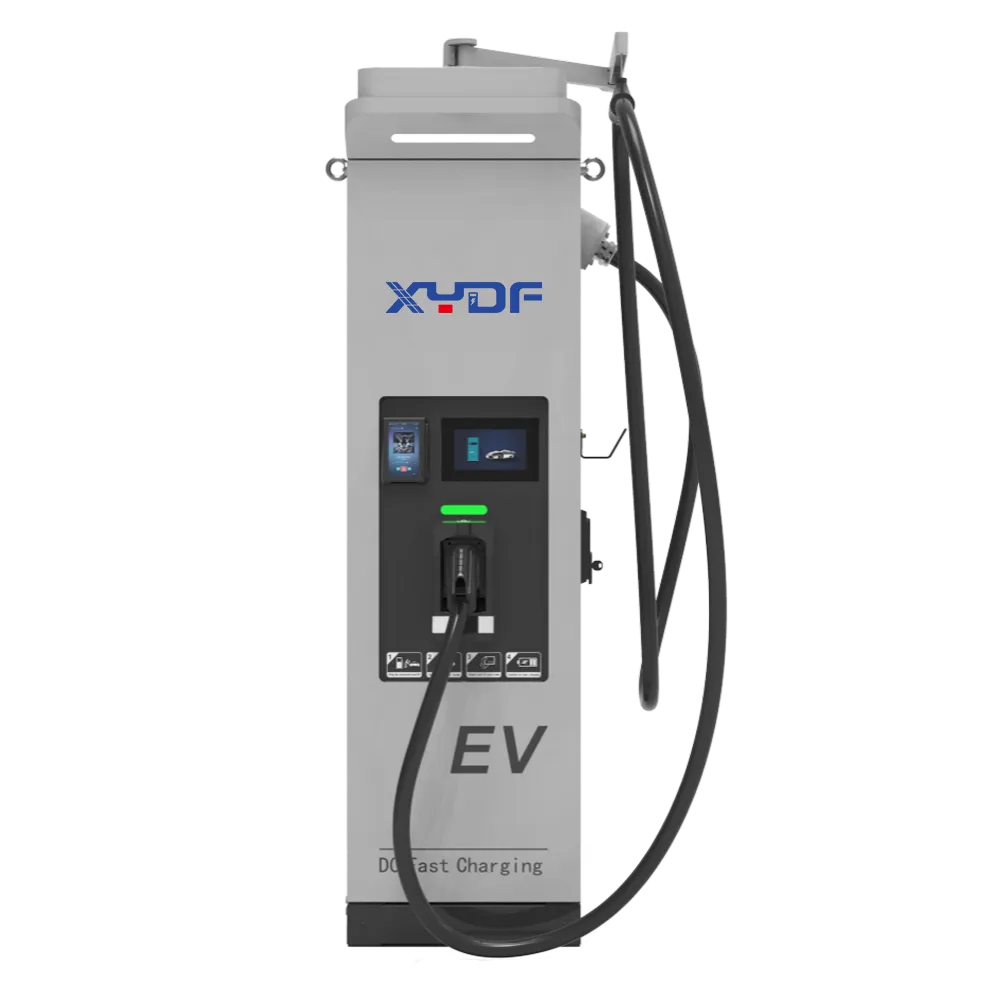
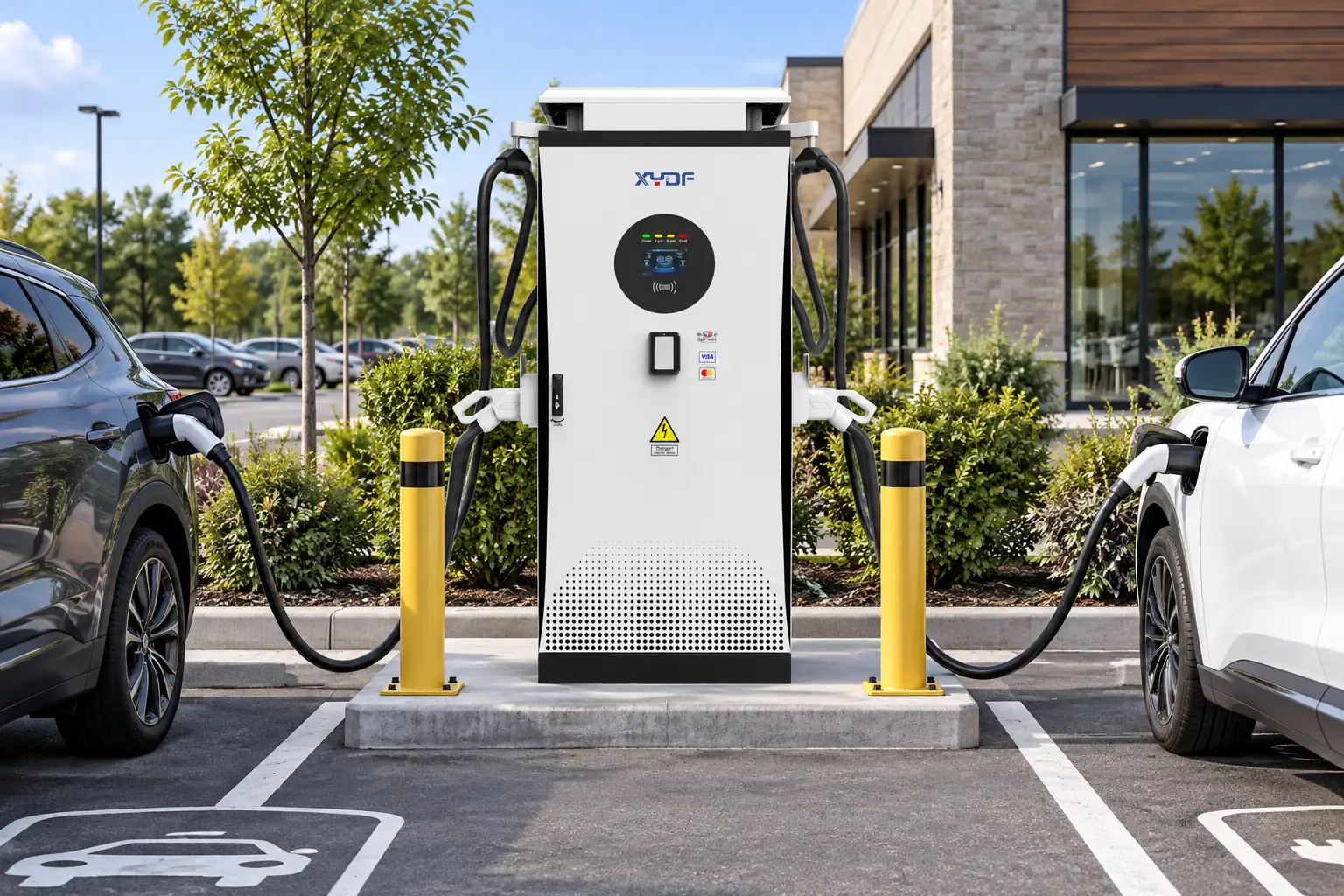
Electric vehicle charging has experienced phenomenal growth over the past several years. The first few years of EVs included charging options only from Level 1 charging stations that required more than 24 hours to recharge your electric vehicle battery fully. However, as the number of electric vehicles increased, manufacturers began to add Level 2 chargers to the marketplace, allowing EV owners to recharge their electric vehicles in approximately four to eight hours. Most recently, the introduction and growth of DC Fast Charging Systems (Level 3 charging systems) have enabled EV owners to recharge their batteries from 0-80% capacity within only 20-30 minutes.
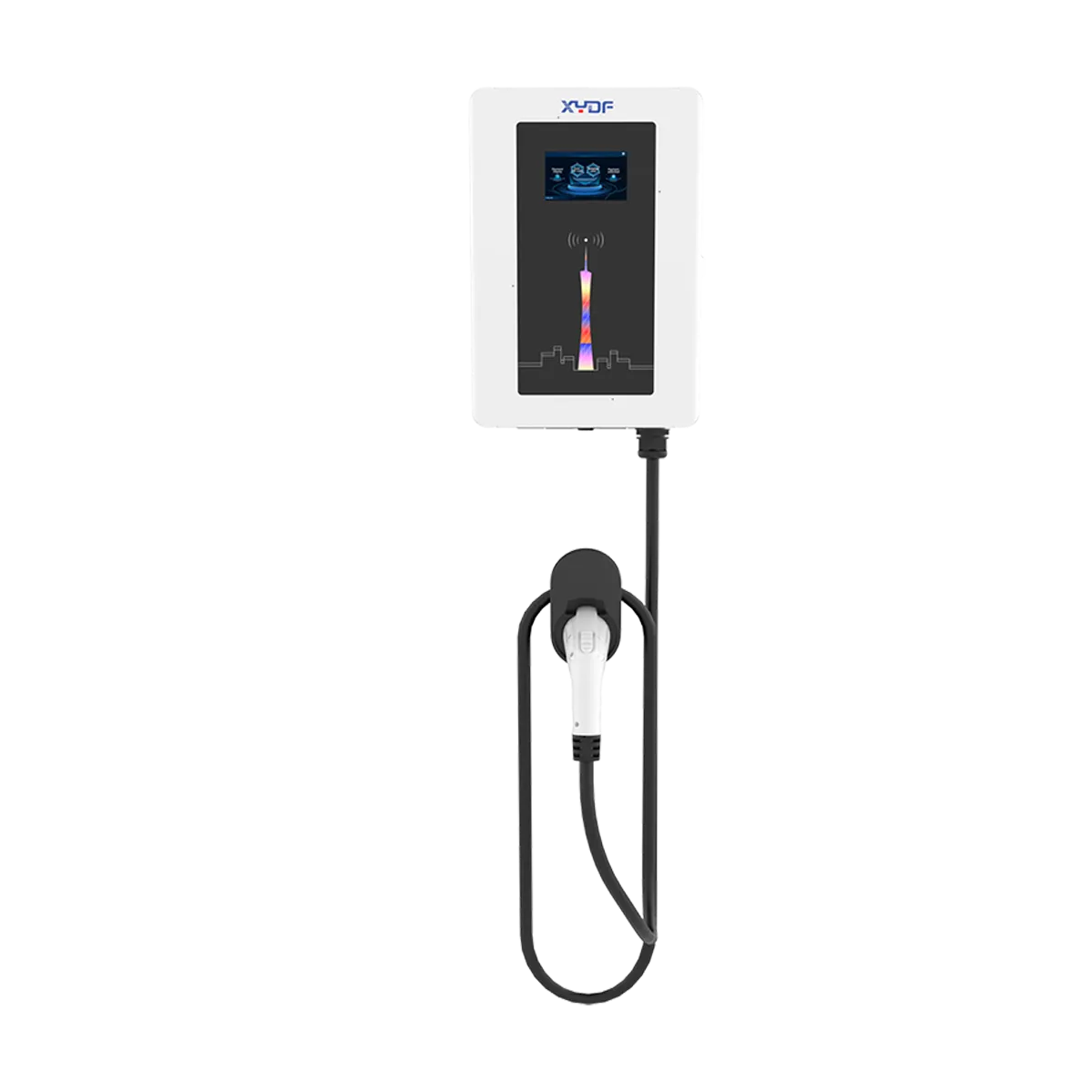
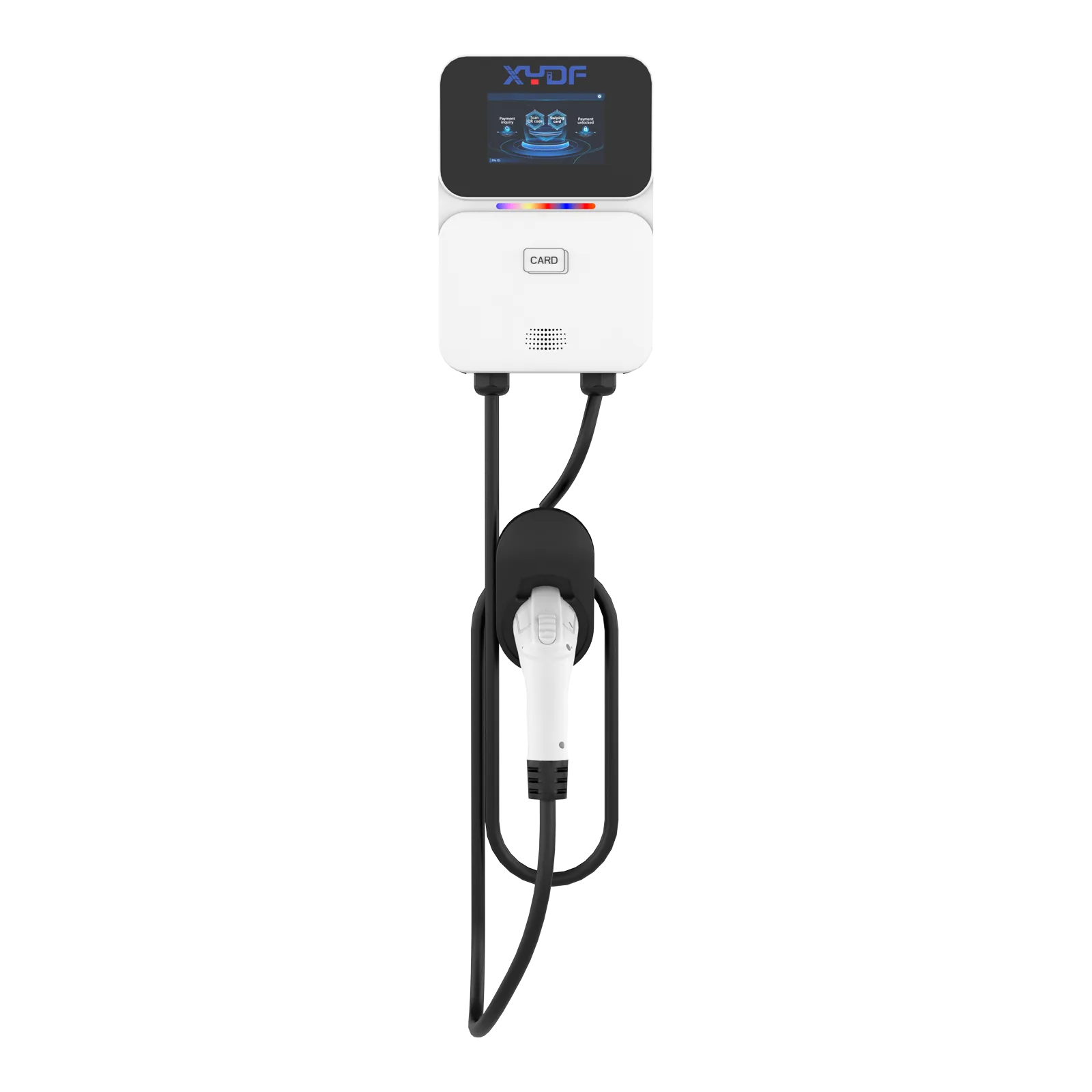
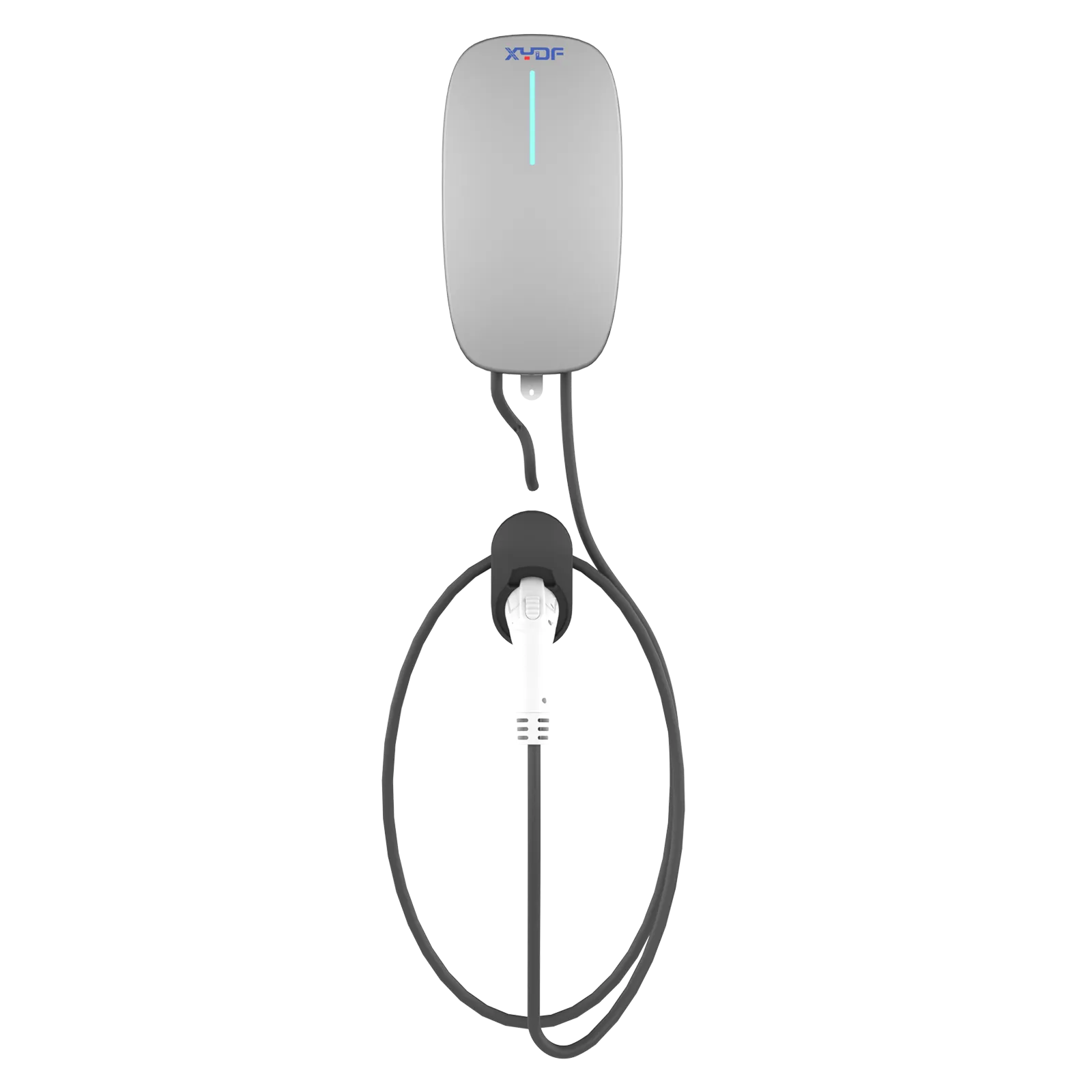
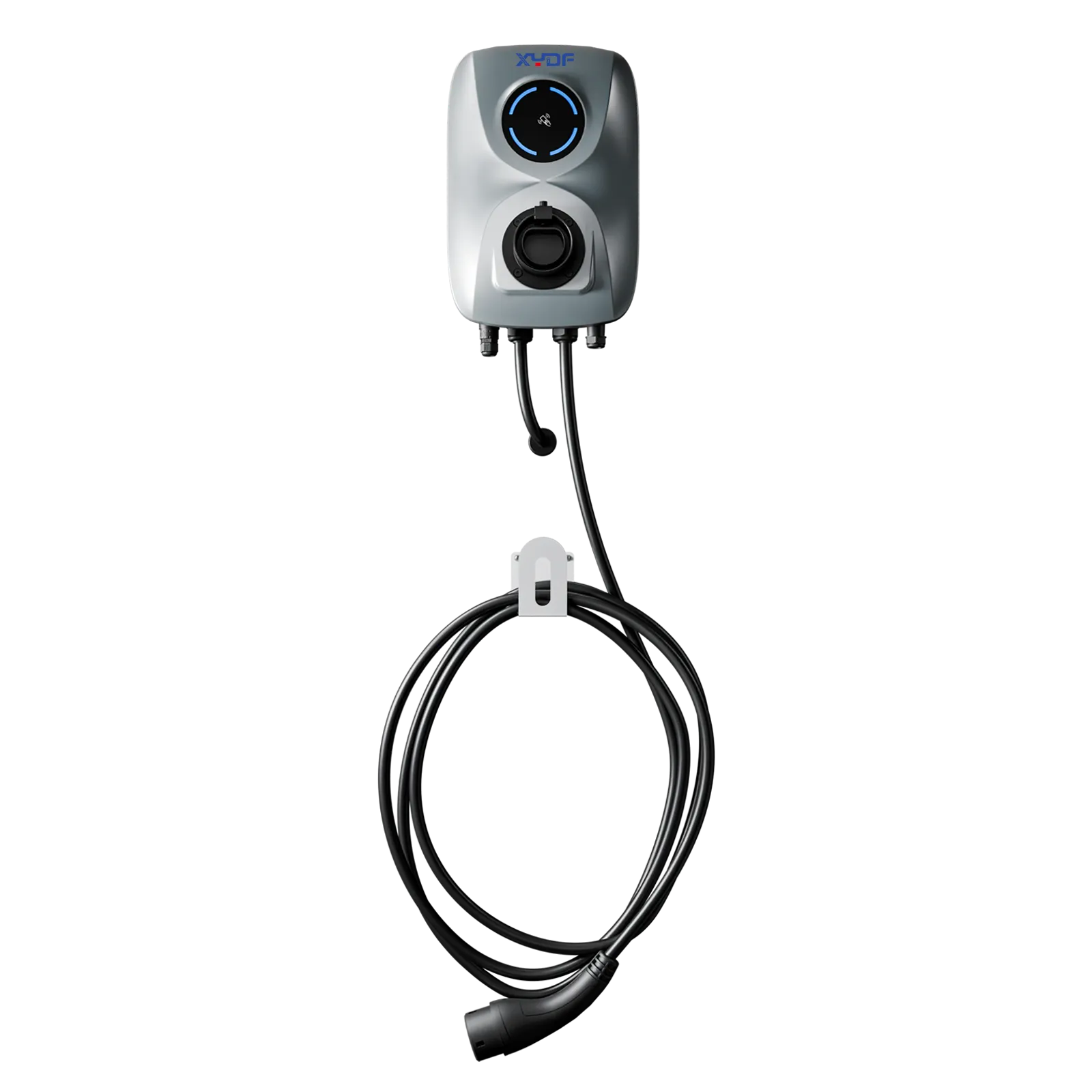
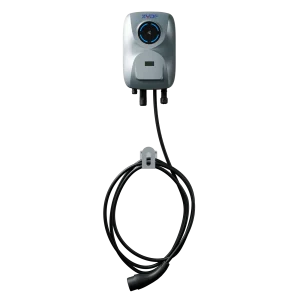
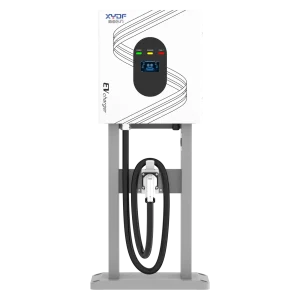
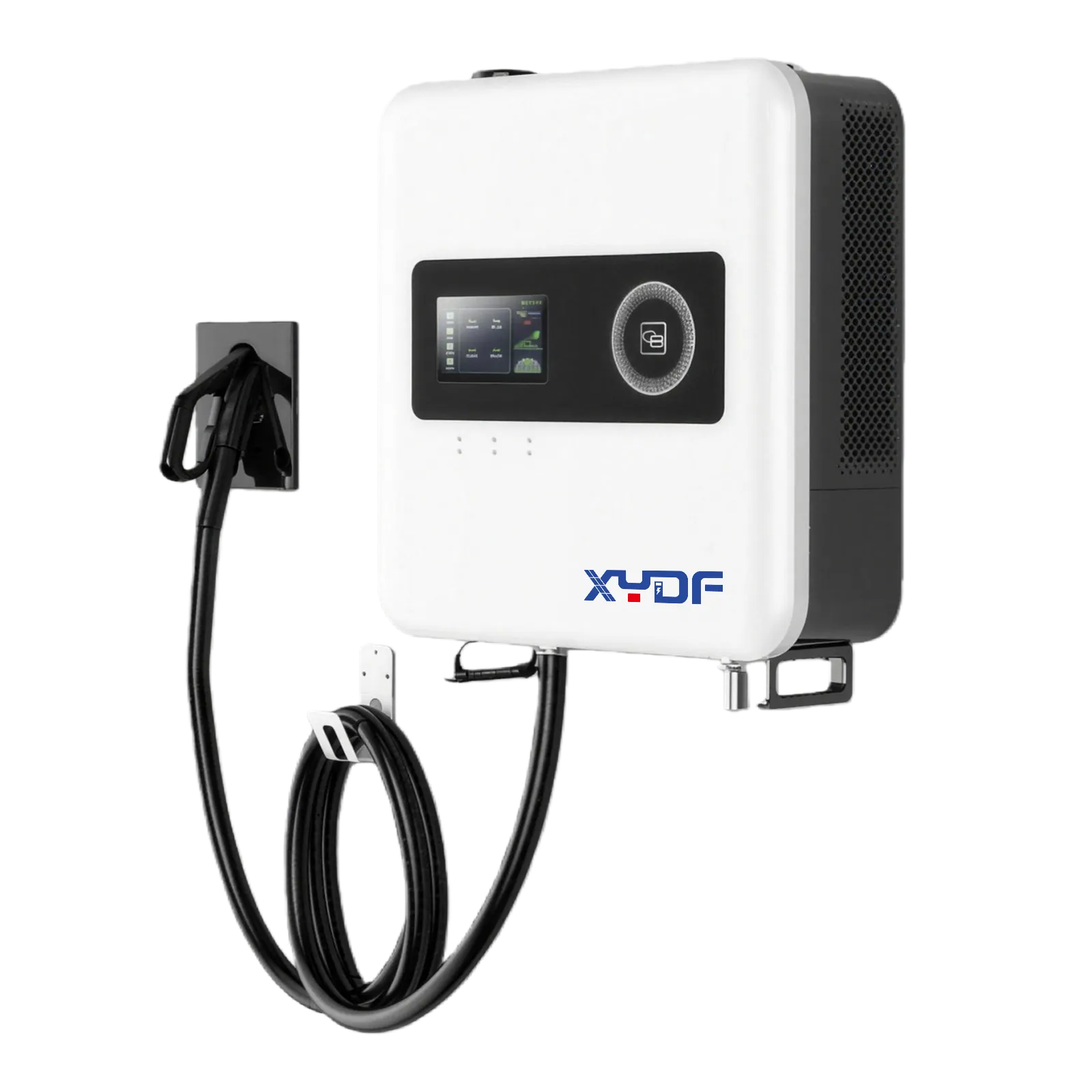
In addition to increasing the speed of charging stations, technology advancements have improved the accessibility of charging stations. The use of home wall chargers combined with the installation of additional public charging stations at shopping centres, office buildings, and highway rest stops; have made it easier for EV owners to find charging stations, thereby reducing range anxiety.
The Final Component to EV Charging Innovations
Modern EV charging technologies continue to focus on three key innovations:
- Wireless Charging (Inductive Charging): Eliminates the need to physically plug in your EV to a wall or charging station by utilizing an inductive charging system. Wireless electric vehicle (EV) chargers transfer energy using electromagnetic fields, including drive-on pads and parking mats, creating convenience.
- Ultra-Fast Chargers: Many large automakers and technology companies are investing heavily in ultra-fast charging technologies capable of fully charging an EV in less than fifteen minutes. These ultra-fast chargers utilize higher voltages to charge vehicles with larger battery capacities.
- Smart Grids: EV Charger technology is advancing due to the integration of artificial intelligence (AI) and the internet of things (IoT). These technologies enable EV chargers to charge during off-peak times, reduce the cost of charging, and utilize vehicle-to-grid (V2G) technology to transfer power back to the grid.
Challenges with EV Charger Technologies
Even though advancements have been made concerning EV chargers, there are still multiple obstacles that must be overcome for global EV charging networks to be fully developed. Some of the primary challenges include:
Infrastructure Development: As EV sales continue to grow, our charging infrastructure is struggling to keep pace. Public charging stations should be installed in every city and town.
Standardization: Several manufacturers of EVs utilize different connectors and/or charging protocols. Therefore, developing a universal charger is difficult.
Energy Demand: Government agencies, utility companies, manufacturers and consumers must increase sustainability by scaling their renewable energy supply to manage the anticipated growth of the number of electric vehicles on the road in the near future.
FAQ: Electric Vehicle Charging Technologies
1. What’s the Difference Between Level 1, Level 2 and DC Fast Charging?
Level 1 charging uses a standard wall outlet; this is the least expensive but provides only four to five miles of range per hour of charging. Level 2 chargers normally seen in locations like homes and workplaces can provide charge rates of 25-30 miles per hour. In contrast, Level 3, also called DC Fast Charging, is available for quick charging and can provide up to 150-350 kWh of electrical energy to charge the battery more quickly.
2. Is inductive charging available for the general public?
Inductive wireless electric vehicle charging is still in its infancy stage. There are currently a small number of EVs that support the use of inductive charging applications, but broader acceptance of this type of EV charging will be determined by improving infrastructure and lowering the cost of installation.
3. How will the use of electric vehicles and electric vehicle charging technologies put additional strain on electric utility grids?
Increased electric vehicle (EV) ownership will increase demand on the grid, mostly during peak demand hours. The new advances in electric vehicle charging with smart charging options and vehicle (EV) charging technology (V2G) will help to alleviate some of the demand on the electric utility grid by providing methods to balance demand between EV owners and the electric utility grid.
4. Are there tax incentives available for enhancing my home charging station?
Yes, there are many countries providing rebates and/or tax credits for electric vehicle owners to install their Level 2 home charging stations. You can contact your local government to find out what tax incentives they may offer in your area.
5. What future advancements in electric vehicle charging technologies should I expect as an electric vehicle owner?
Consumers can expect advances in the speed of charging, widespread implementation of inductive wireless electric vehicle charging, improved battery technology with higher energy densities, and further reductions in time associated with charging their electric vehicles.
The evolution of Electric Vehicle Charging Technology is vital to support the larger trend of transitioning to sustainable forms of transportation. With the introduction of faster charging methods, the use of inductive wireless solutions, and the smart integration of connectivity into the electric vehicle charging experience, the future of electric vehicle charging options is bright.
Even with the challenges that lie ahead with implementing the required infrastructure and standards for universal acceptance, the continued development of new innovations will empower a more sustainable future of electric mobility to all drivers around the world. Whether you are going to purchase your first electric vehicle or upgrade the electric vehicle charger at your home, the advancements being made in electric vehicle charging will make electric vehicle ownership easier and have a positive impact on the environment than ever in the past.
 Xinya Dongfang Electricity Technology Co., Ltd.