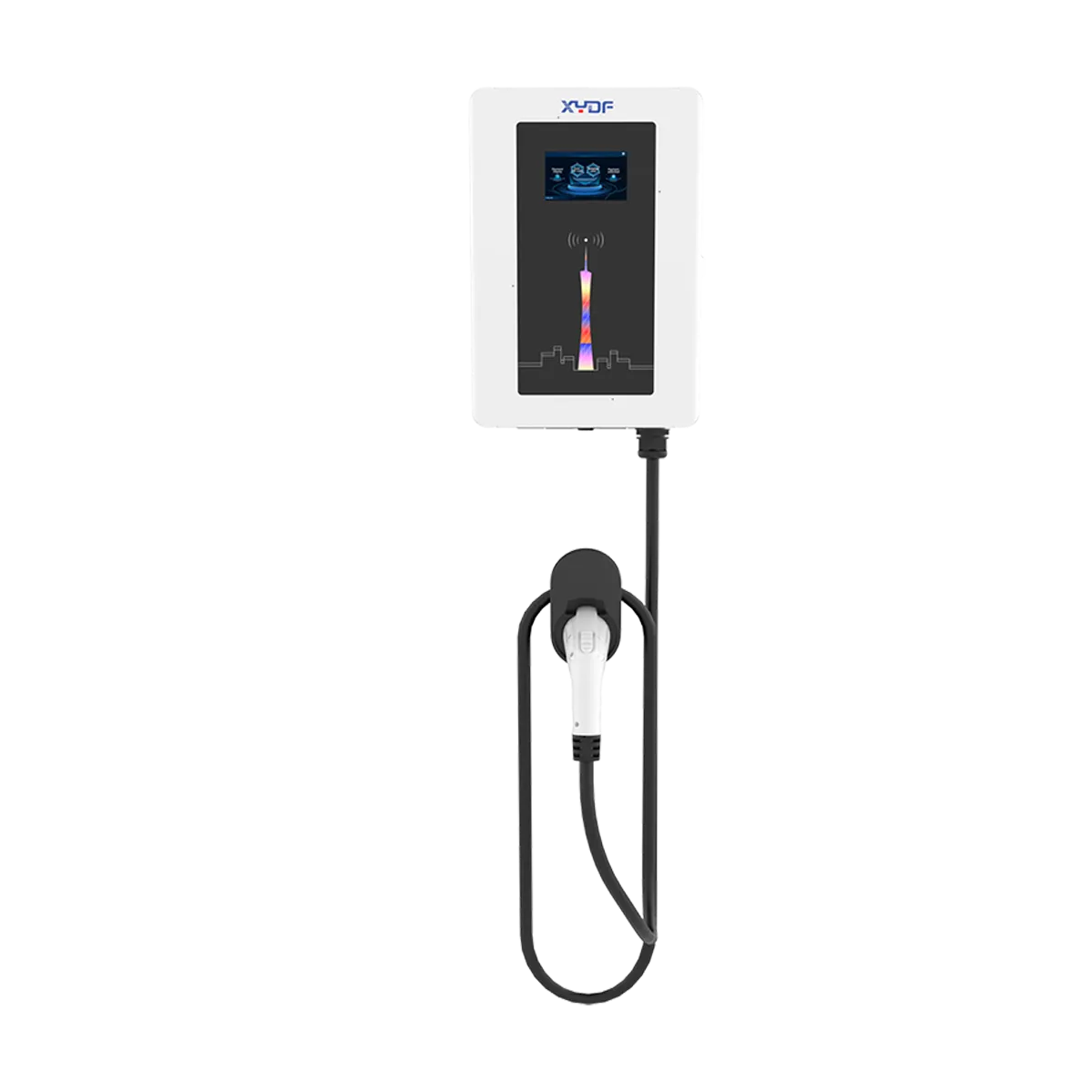
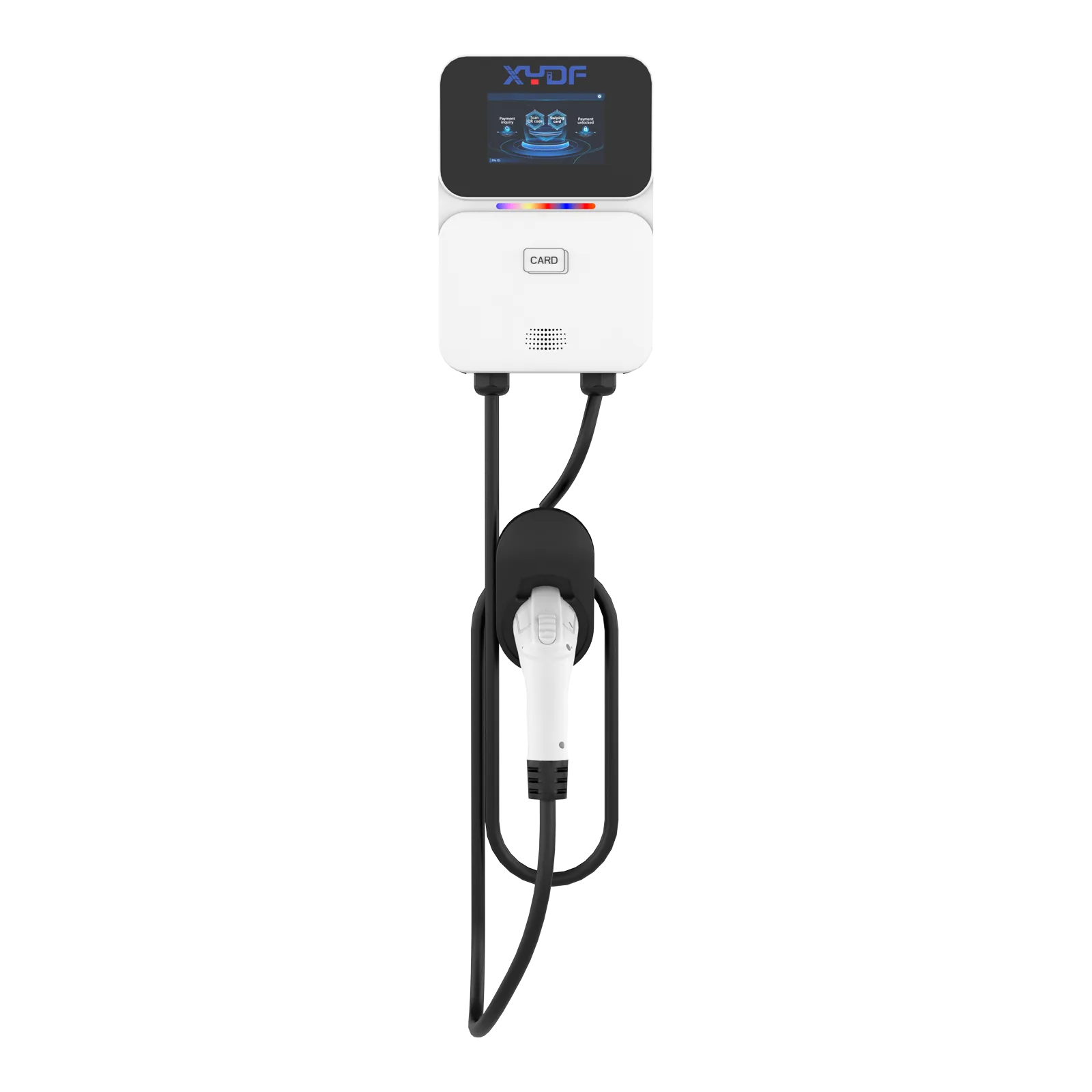
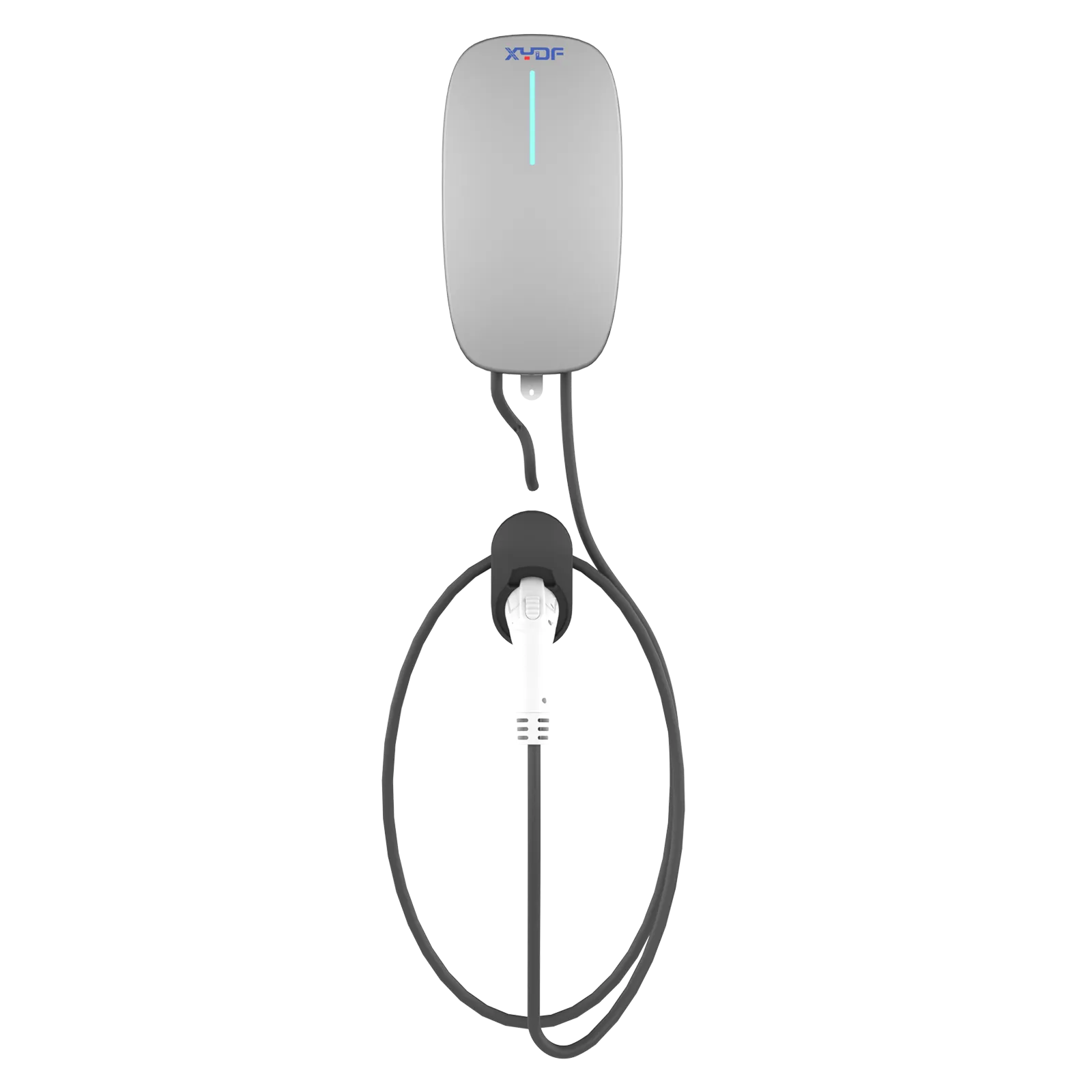
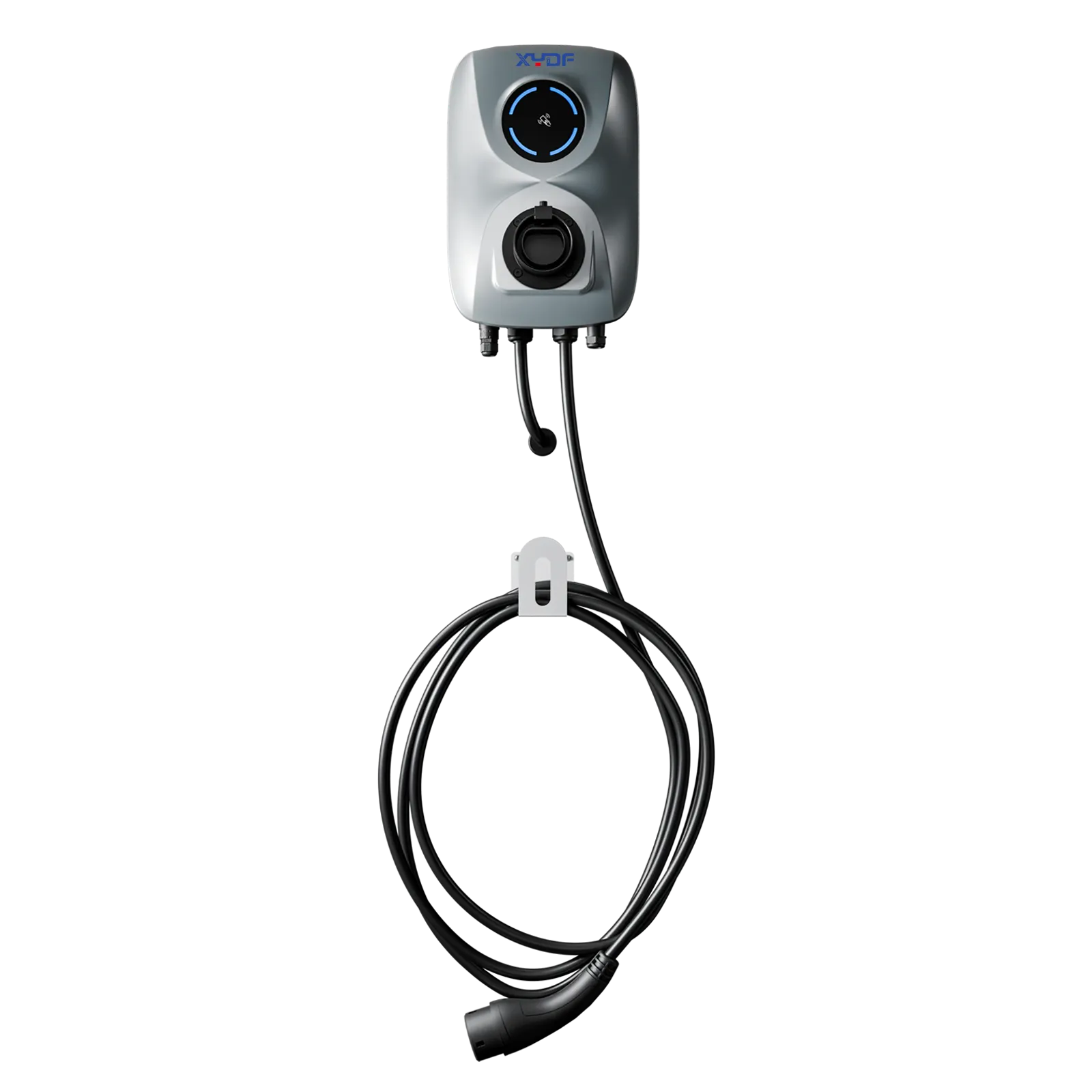
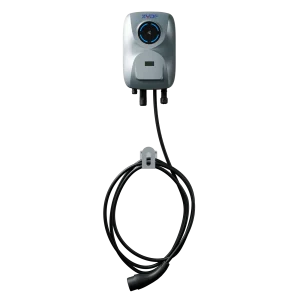
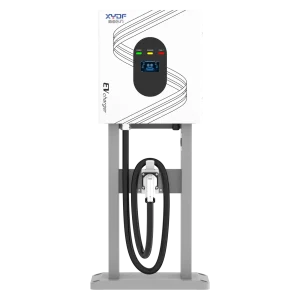
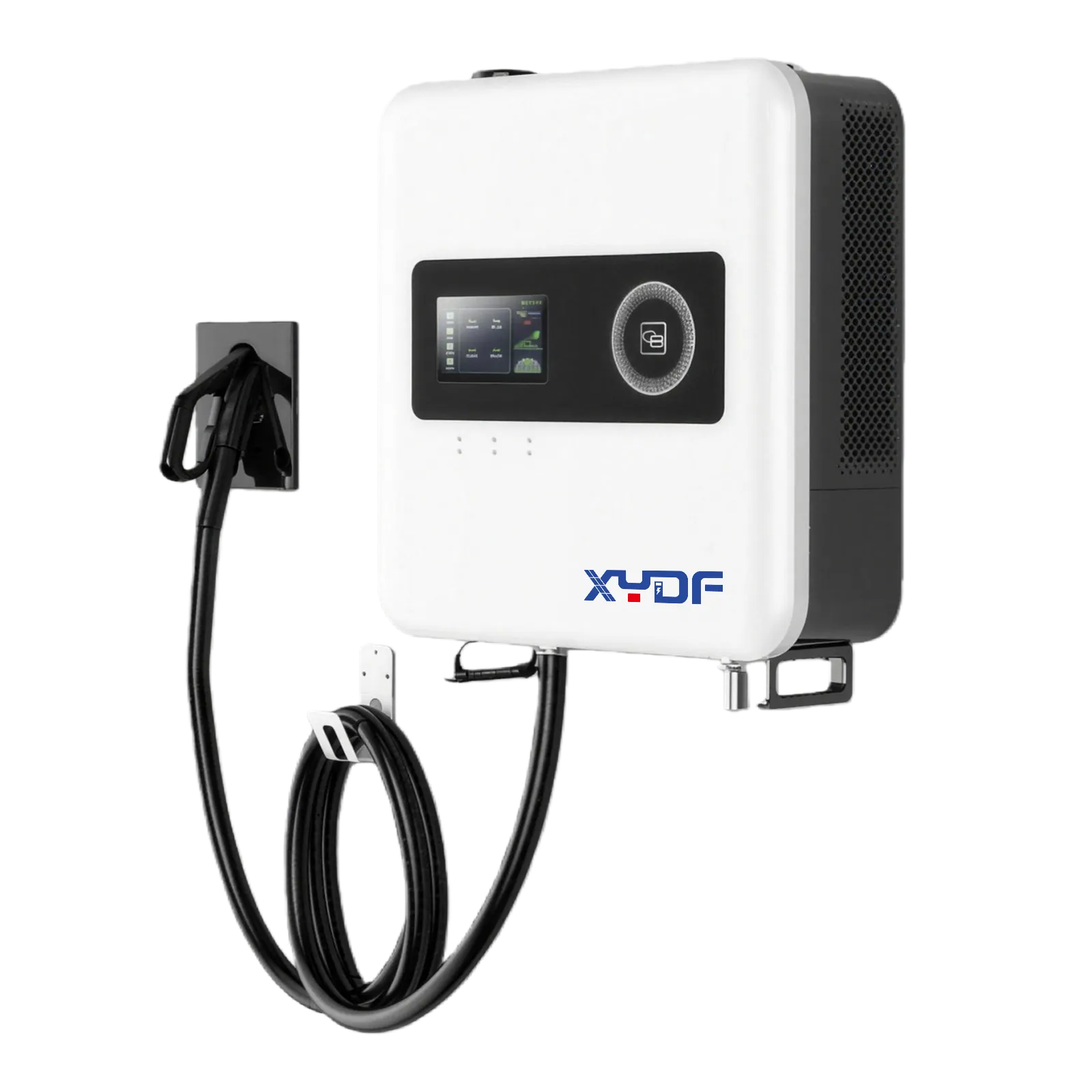
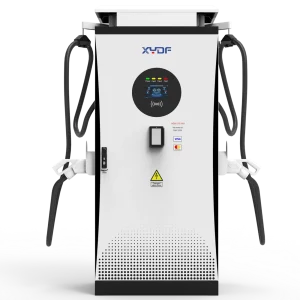
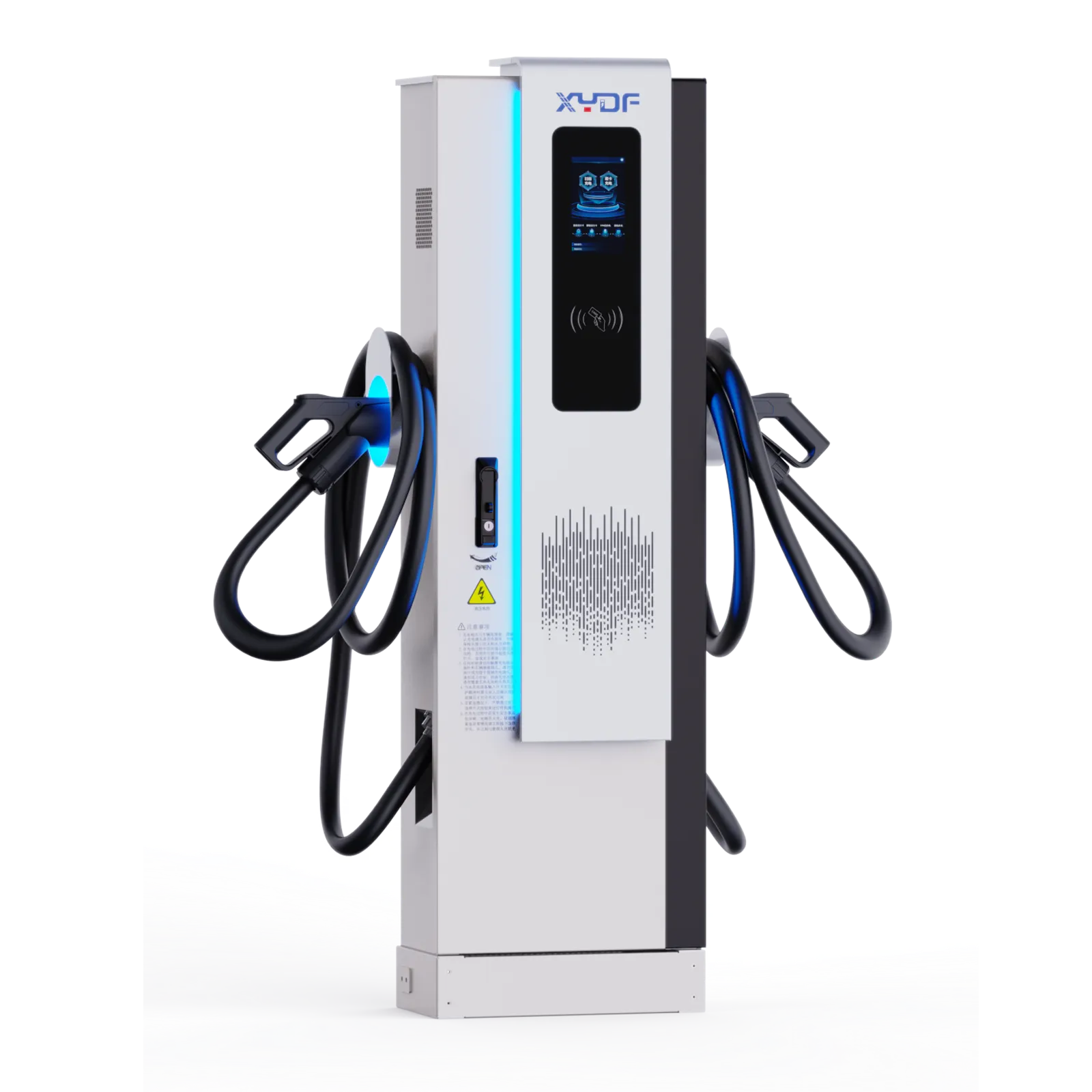
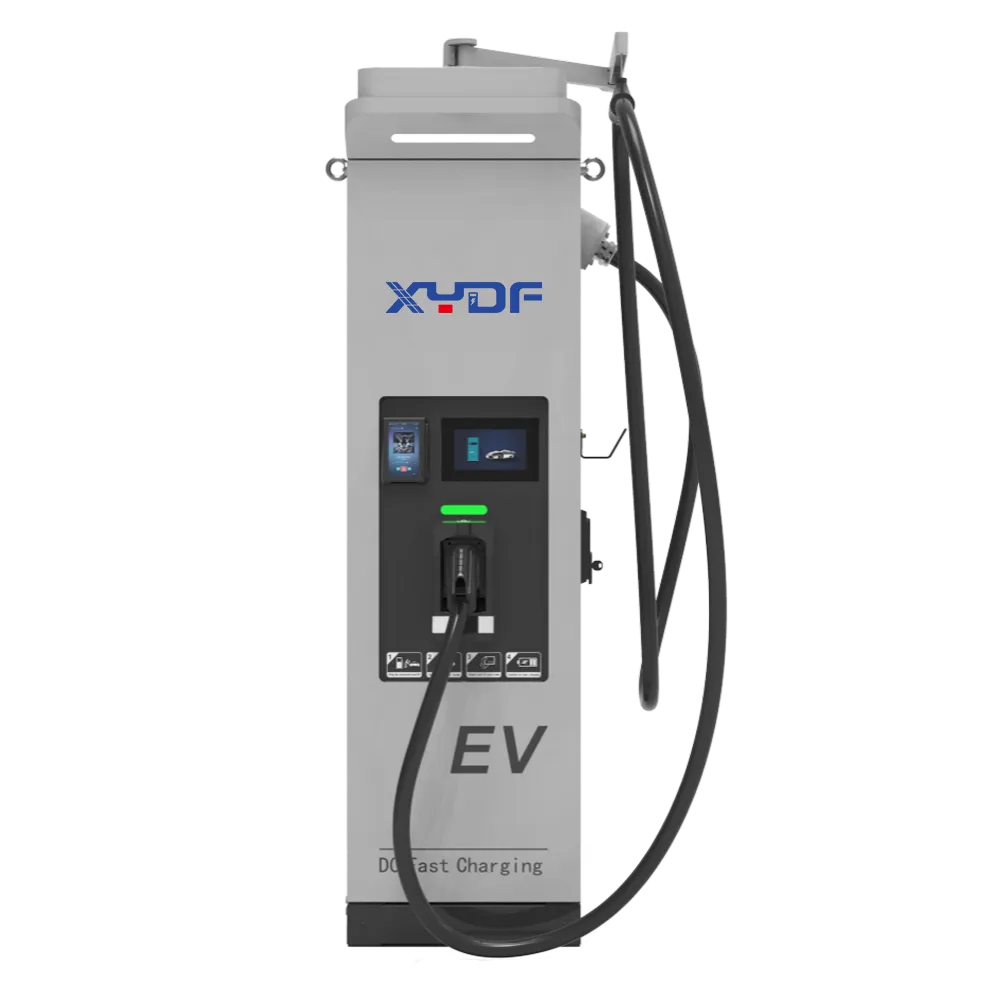
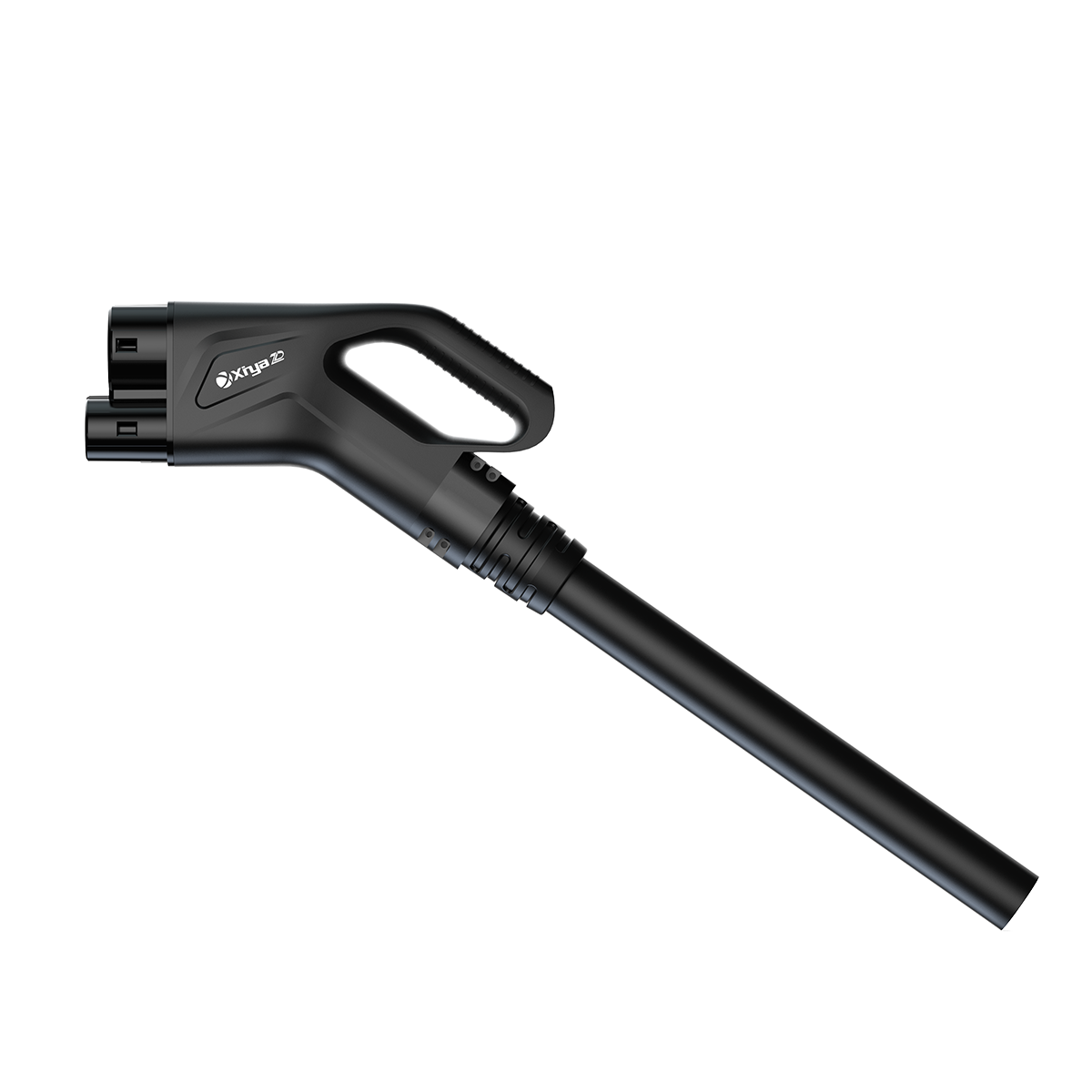
EV’s popularity as an environmentally friendly way of travelling has led to an increase in their availability as an efficient mode of travel. You should consider adding a 50-amp Level 2 charger as the best option for charging your electric vehicle at home or on longer trips. Because Level 2 chargers provide a higher charge rate than Level 1, it is ideal if you want to be able to charge your electric vehicle on a longer distance travel journey.
Your decision to purchase a 50-amp charger will involve a variety of factors including the number of amps that your 50-amp charger is capable of providing, how fast can the charge be provided to your electric vehicle, how long you can expect the charger to provide electric charges, how much space there is available to install your charger and how easy it will be to use your charger.
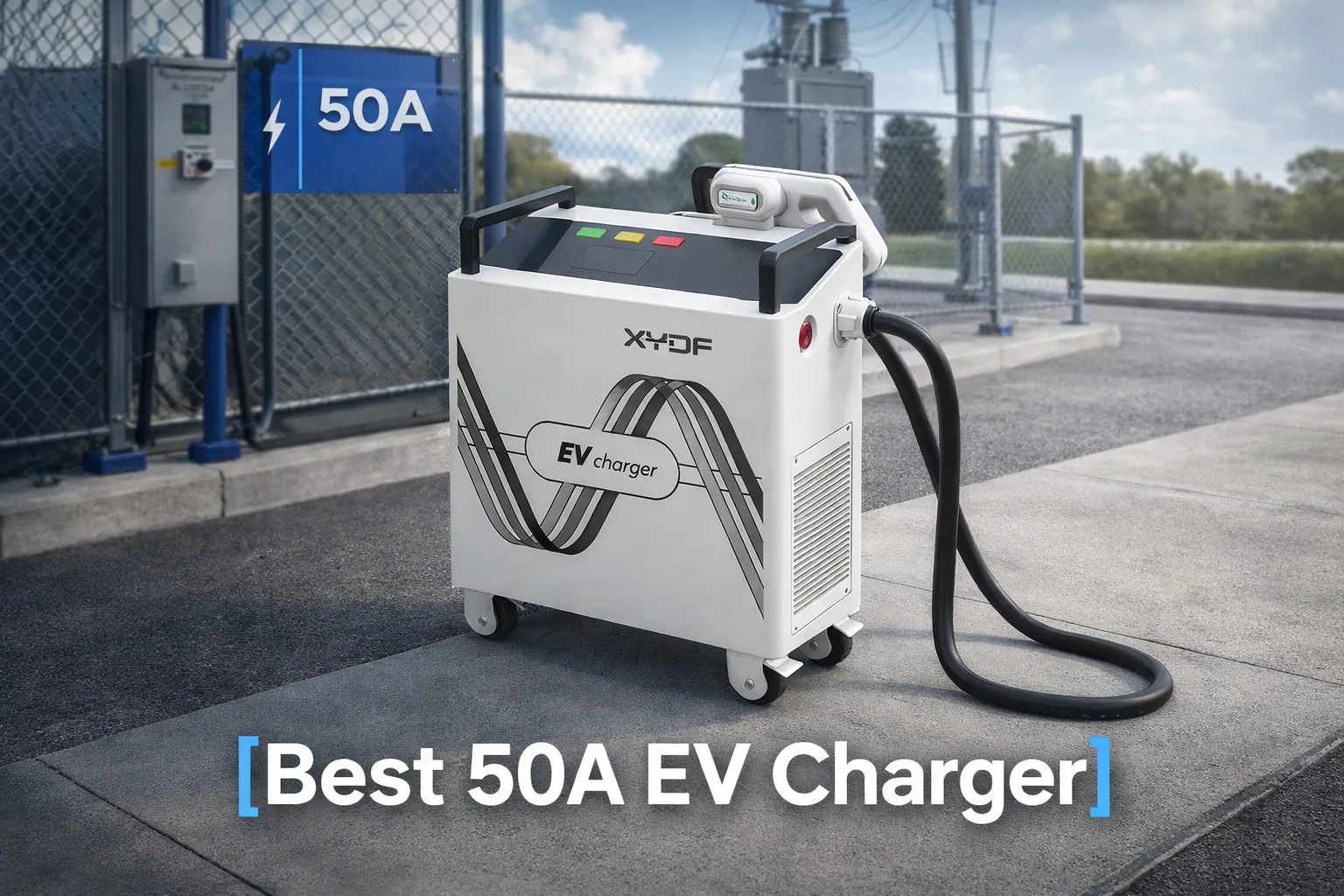
The quickest way to charge your electric vehicle is with a 50-amp Level 2 charger, which will allow you to charge from empty to full in approximately four to six hours. This means your electric vehicle will be fully charged and ready to use by the time you are ready for your next trip.
You will need sufficient charging capability for your EV into the future as EV battery sizes grow. A charger with a 50 Amp input to the home will provide you with all necessary charging for your EV now and in the future.
Charging at home means you can charge your EV completely overnight with a 50-Amp charger and not have to spend time at public charging stations. You’ll wake up each day knowing that your EV has been fully charged, giving you added peace of mind.
Some factors to consider when finding the right home EV charger are the home electrical system, the speed at which the EV charges, and whether you require other charger features. Below are three critical factors that you’ll need to evaluate before purchasing a charger:
If you have a long-distance commute or if your EV has a large-capacity battery, a 50 Amp charging connection will charge quickly. If your commute is short, you may want to evaluate lower amperage connections.
Before you purchase a 50 Amp charger for your home, you should confirm whether your home electrical system has the capacity to support the charger. Generally, you will require a separate 240-volt circuit to operate the 50 Amp charger. I recommend that you contact a licensed electrician to confirm that your home electrical panel has adequate capacity and to make any recommendations for upgrades if necessary.
Electric vehicle chargers are equipped with Wi-Fi, energy monitoring, over-the-air updates, and app control functionality. All of these features make it easier to charge an EV and help people control how and when they use their electric vehicle, therefore saving them money on their electric bill.
If you plan on installing your charger outside, it’s very important that you find a charger that can withstand the elements. Look for chargers that have a rugged weatherproof design (NEMA type 4 or IP66 rating) to prevent damage from rain, dust, or extreme temperatures.
Most electric vehicle chargers come with the J1772 standard charging connector and are compatible with almost all electric vehicles. However, if you own a Tesla and wish to charge your vehicle with a J1772 charger, you will need to purchase an adapter, which is readily available and quite easy to use.
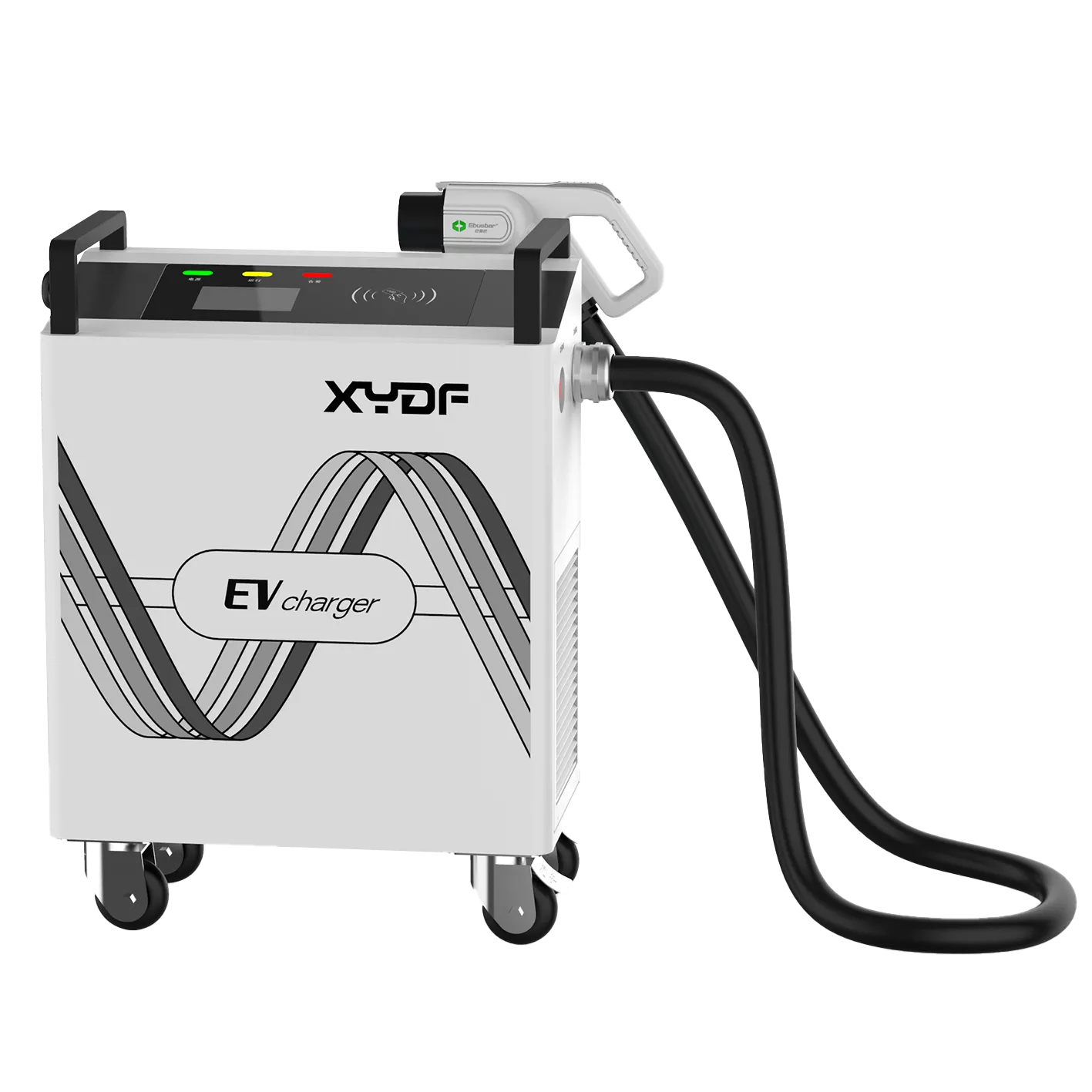
Based on the above qualities of a quality 50 amp electric vehicle charger, here are some commonly recognized and well-reviewed 50 amp EV chargers that are worthy of consideration:
The ChargePoint Home Flex is an adjustable Level 2 charger that can be set to 50 amps, providing a very flexible and simple way to charge an electric vehicle. The charger features a beautiful design with Wi-Fi connectivity and an app for easy management and monitoring functions.
JuiceBox 50 is a great alternative to traditional plugs and offers many of the same advanced smart charging features while being all-weather compatible and able to be used with almost any EV. It also has built-in metering so you can track your electric usage, plus it will provide you the ability to charge your vehicle when electricity prices are lower than peak rates.
The Siemens VersiCharge is built with high-quality materials, has a user-friendly interface, and provides enough energy for quick charging of batteries in electric vehicles. This product was designed for quick installation and adjustable power settings allow for flexibility in electrical configurations of homes where these units are installed.
The Grizzl-E Smart Charger was developed to withstand everyday use outdoors, so you’ll never have to worry about damaging it if it gets wet from the elements or if dirt/soil gets into the electrical outlet. With a maximum power output capacity of 50 amps, the smart features of this charger allow utilization with any smart home technology.
This question can be difficult to answer because the “best” EV charger for your home will ultimately come down to your own unique needs and wants. A few examples of EV chargers that provide both exceptional functionality and extended longevity include the ChargePoint Home Flex, JuiceBox 50, and Siemens VersiCharge Chargers, all of which offer exceptional capabilities.
A 50-amp charger is often recommended for anyone who will be regularly charging their EV. If you have a large-capacity battery and frequently use your EV for long-distance travel, purchasing a 50-amp charger is an option worth considering due to the faster charge times compared to chargers with lower amperage ratings, but having the ability to use a lower-amperage charger may meet your charging needs as well.
The installation cost of a 50-amp EV charger is often based primarily on whether or not your current electric system contains a 240-volt wiring system; aside from this variable, the total cost for installation will likely be in the $400-$1500 range without taking into consideration the price of the charger itself.
Yes, the vast majority of battery-operated electric vehicles sold to date utilize the J1772 connector, which means that 50-amp chargers can be used to recharge 99 percent of all electric vehicles being produced today; however, all Tesla owners will need to purchase an additional adapter in order to connect their vehicles to a 50-amp charging station.
Owning a 50-amp EV charger in your home is ideal for fast recharges, allowing yourself to choose a larger capacity EV in the future, as well as providing convenience for owning your own EV. The most important factors you should consider when purchasing an EV charger include 1) Speed of Charge; 2) Compatibility with Existing Electric System; 3) Smart Charger Functionality; and, 4) Overall Quality. By investing in a quality charger, you will have confidence knowing that your electric vehicle will be fully recharged and ready for you to drive any time you want. Additionally, a quality charger will also provide you with cheap and dependable long-term home charging for your electric vehicle.
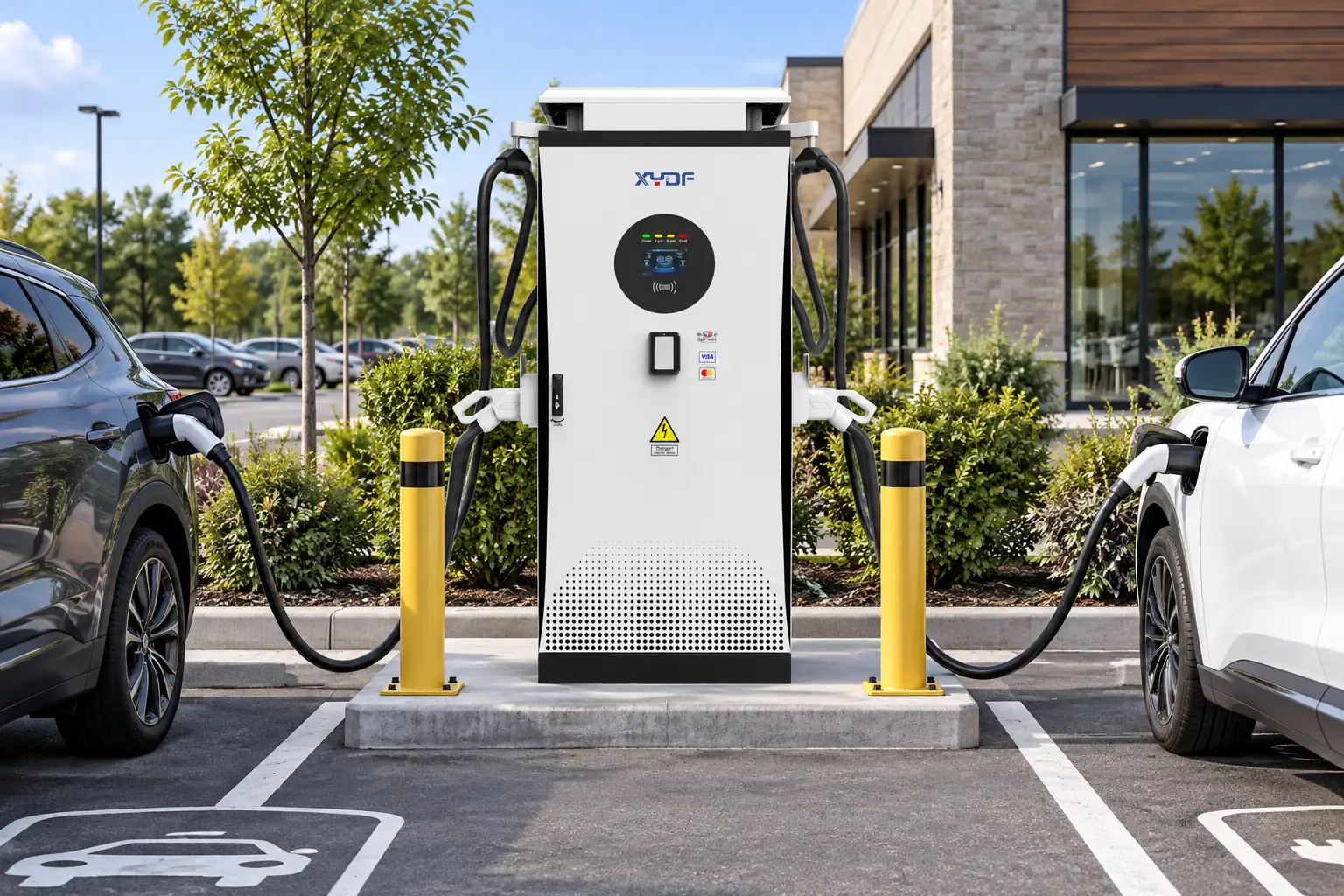
 Xinya Dongfang Electricity Technology Co., Ltd.