 Xinya Dongfang Electricity Technology Co., Ltd.


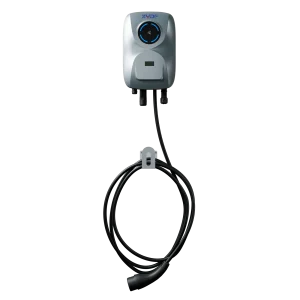
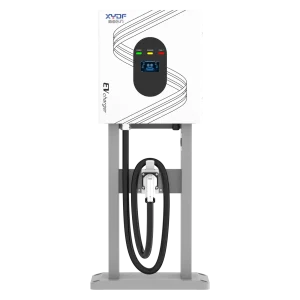

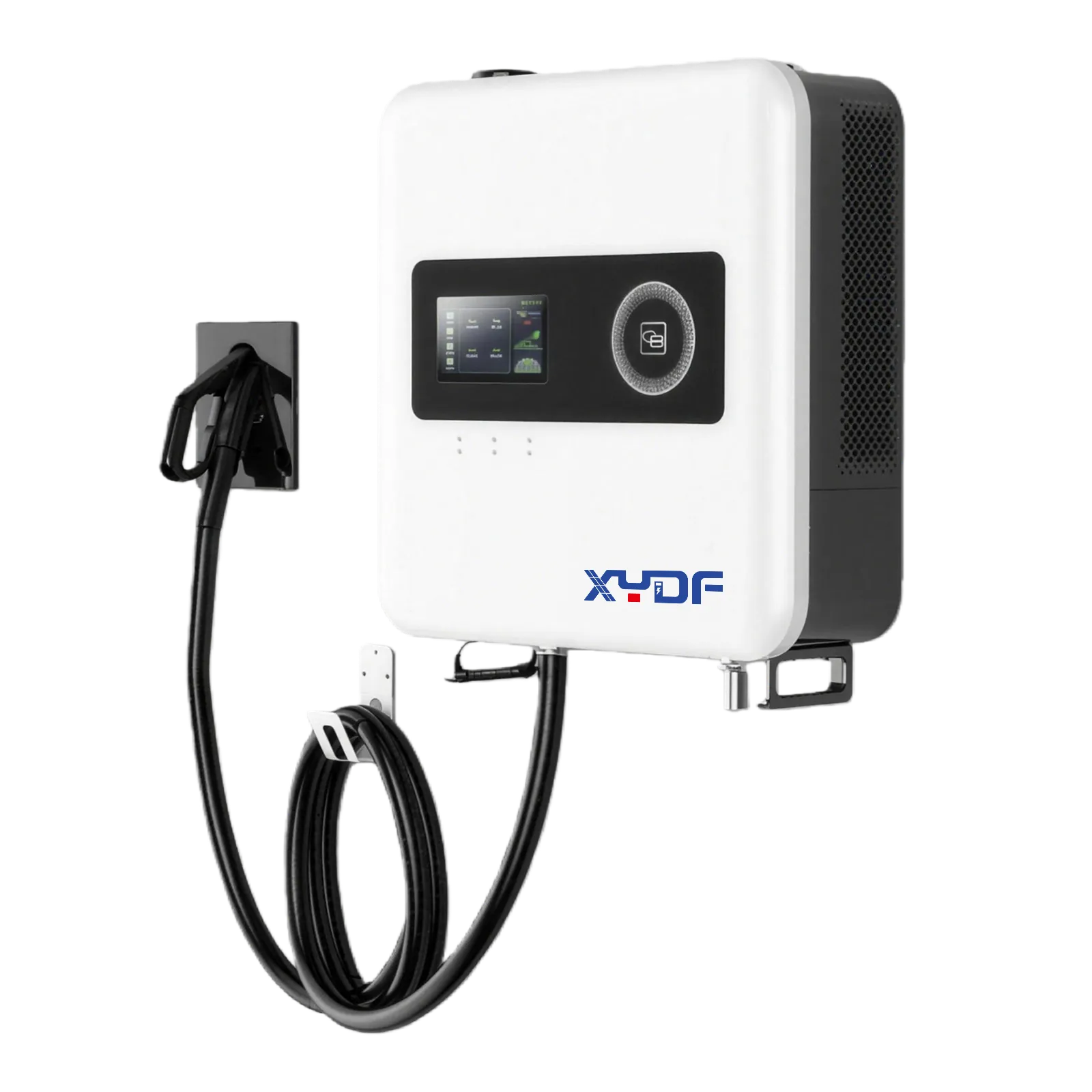
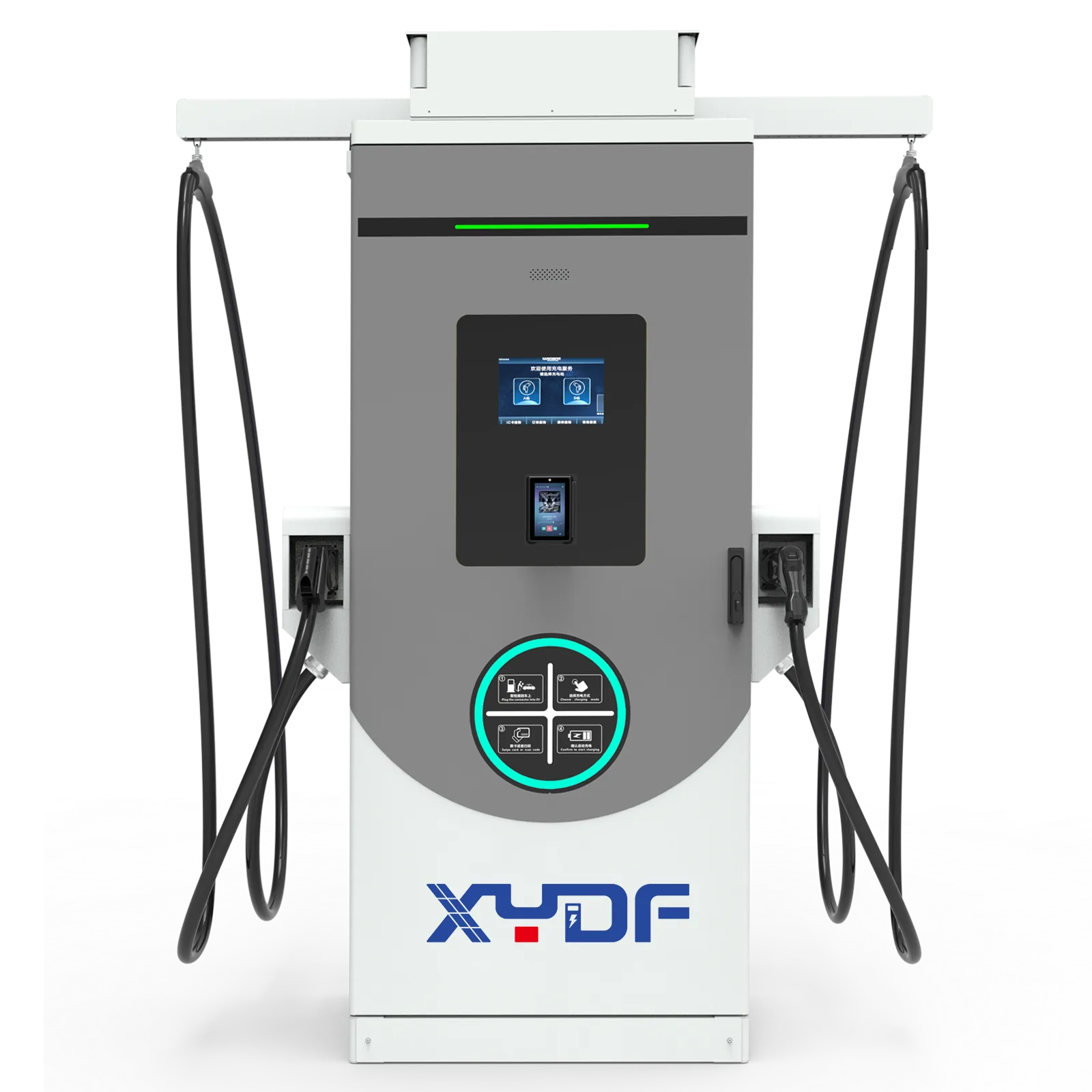
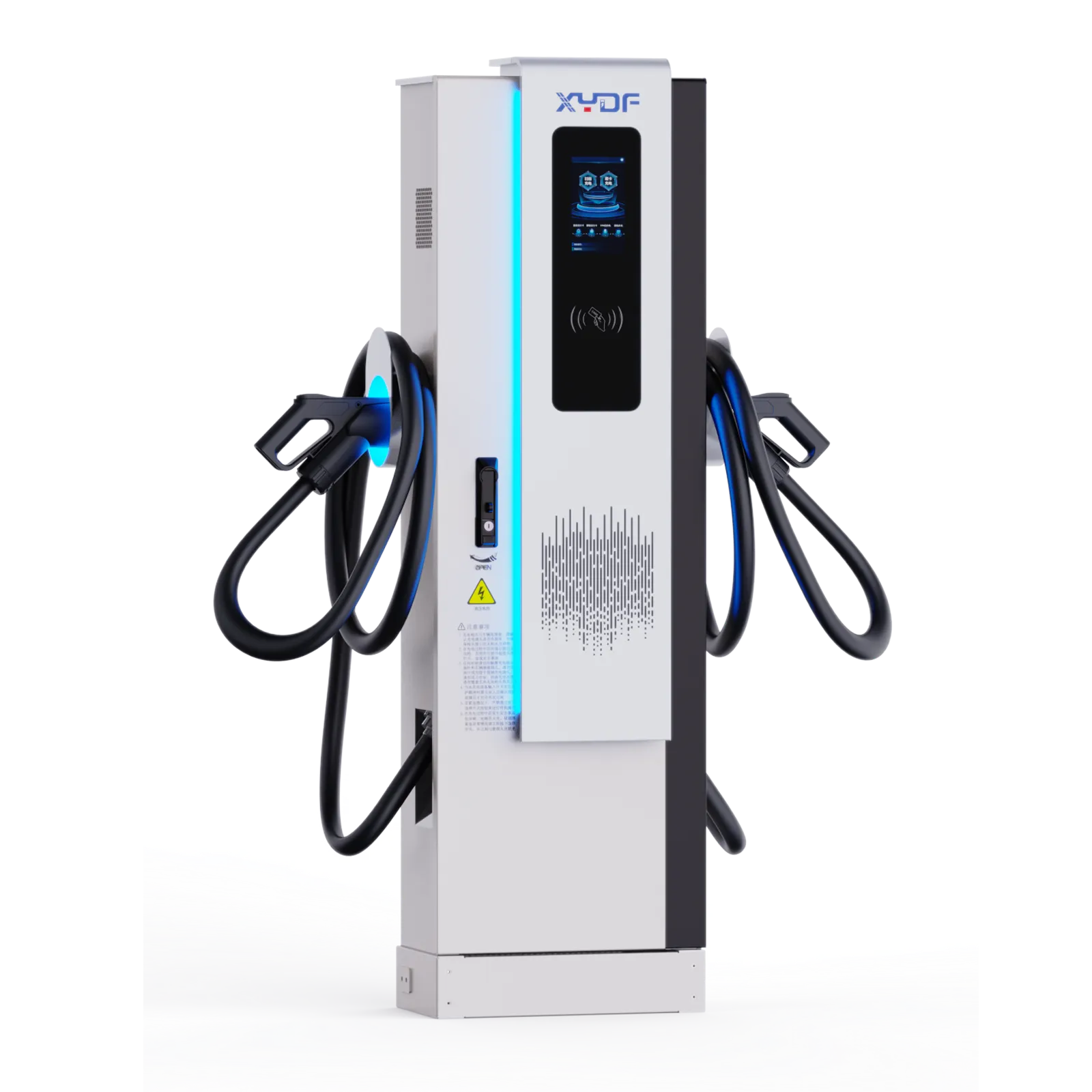
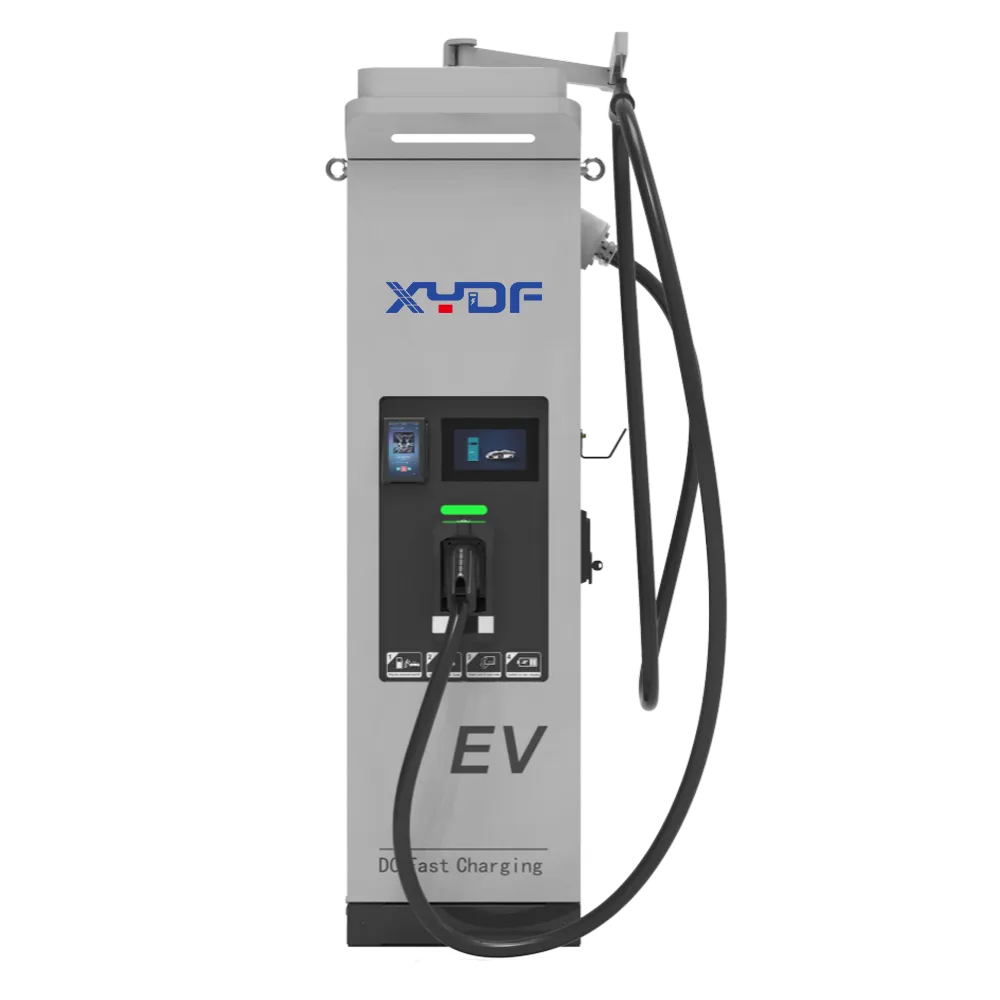
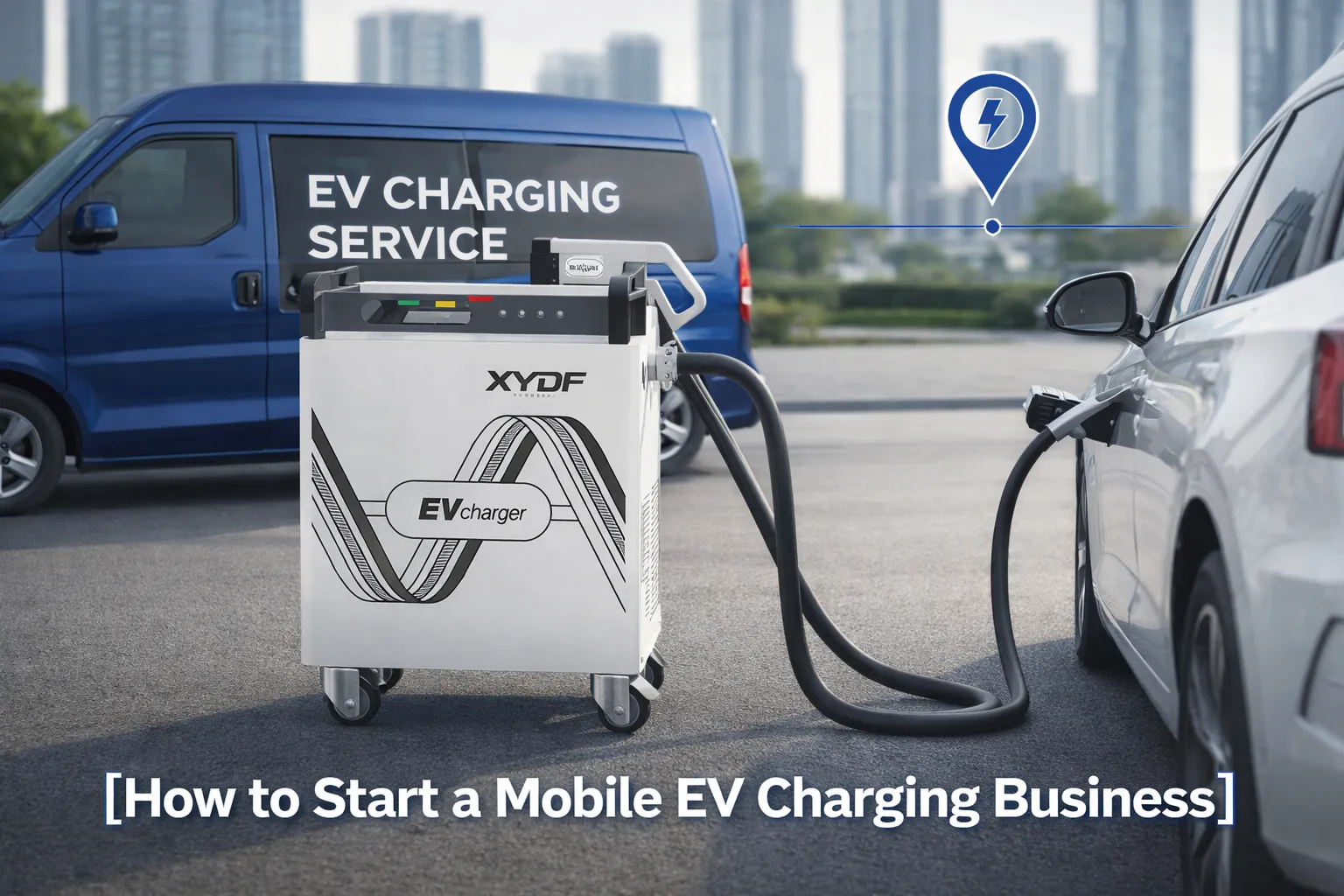
A mobile EV charging business can fail even when the charger works correctly. Travel time, a lack of paid demand, insufficient stored energy and time spent recharging the service unit can leave too few billable sessions in a day. Before buying a vehicle or building an app, determine which customer problem is worth paying to solve and whether the service can deliver that energy reliably.
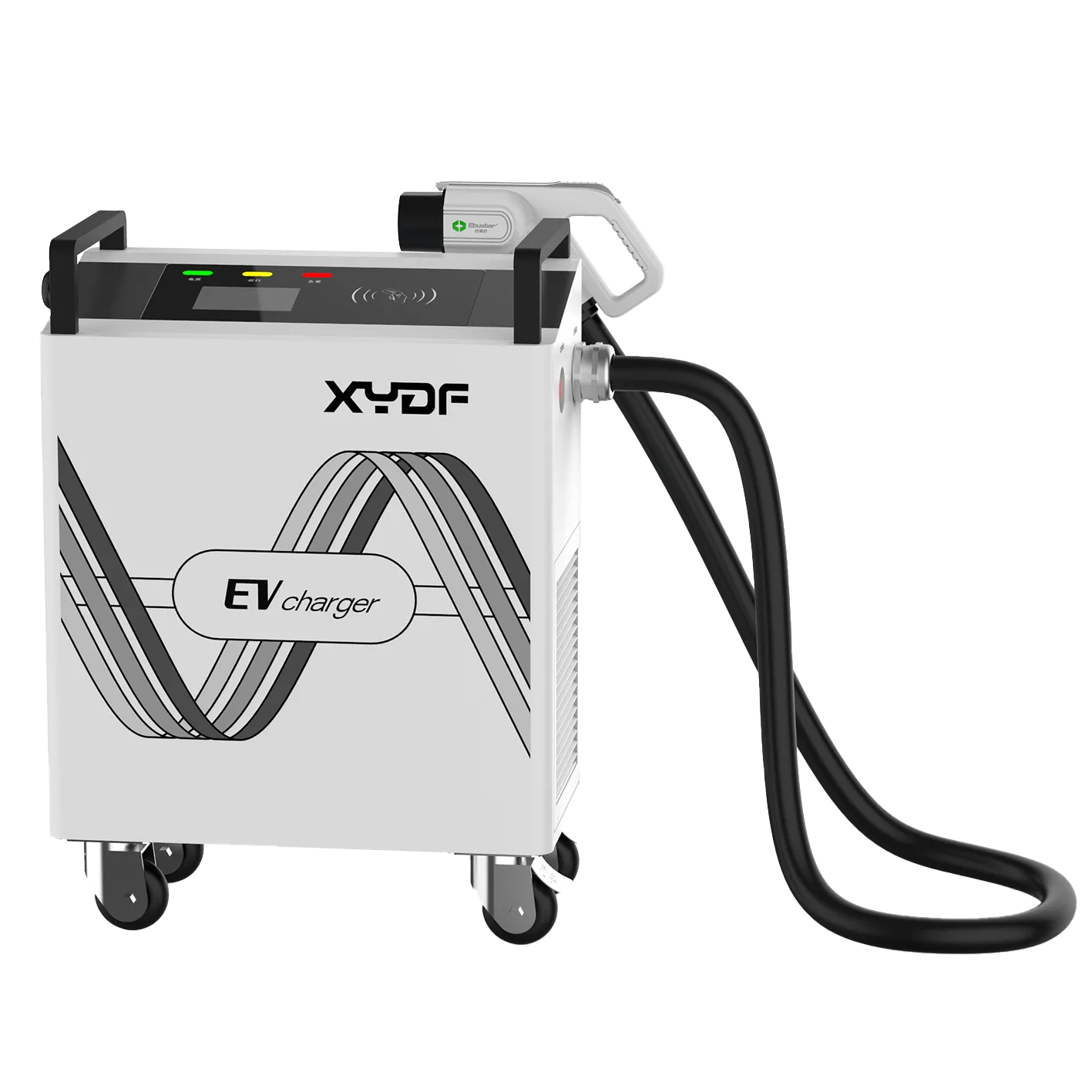
The short answer is to validate a narrow service area and customer need, specify the charging and energy-source architecture, confirm permits and insurance, then test unit economics in a limited pilot. Distinguish scheduled fleet or workshop support from roadside rescue. A wheeled grid-fed charger is not automatically an autonomous rescue system, and DC charging is not instantaneous. This guide supplies planning checks, not a profit forecast, franchise offer or universal startup-cost estimate.
Who would pay for mobile charging?
Test demand with potential fleet operators, dealers, service providers or drivers in the proposed area. Record the current alternative, required energy, acceptable response time, frequency and willingness to pay. An expanding EV population is not proof of demand for a specific mobile service. A trial contract or paid pilot is stronger evidence than general market optimism.
Choose one starting service: emergency energy to reach an alternative station, scheduled top-ups for parked vehicles, or temporary support at a supplied commercial site. Each changes dispatch, staffing, liability and energy requirements. Do not market uninterrupted coverage before the resources and response limits are known.
Where will the charging energy come from?
| Architecture | Planning requirement | Limitation to test |
|---|---|---|
| Mains-fed mobile equipment | Verified supply at each operating location | Cannot serve an unsupplied location on its own |
| Battery-powered service system | Usable stored energy, conversion, vehicle payload and recharge arrangements | Delivered energy and daily sessions depend on storage and turnaround |
| Other engineered supply | Approved source, electrical integration and environmental controls | Permits, operating restrictions and site suitability may constrain use |
Separate vehicle transport, charger power conversion and energy storage in the specification. Check secure mounting, handling, cable reach, emergency procedures and vehicle payload with the responsible professionals. The DOE infrastructure planning guidance supports defining the electrical and responsibility boundaries; it does not validate a particular mobile-vehicle conversion.
What equipment and vehicle conditions must be verified?
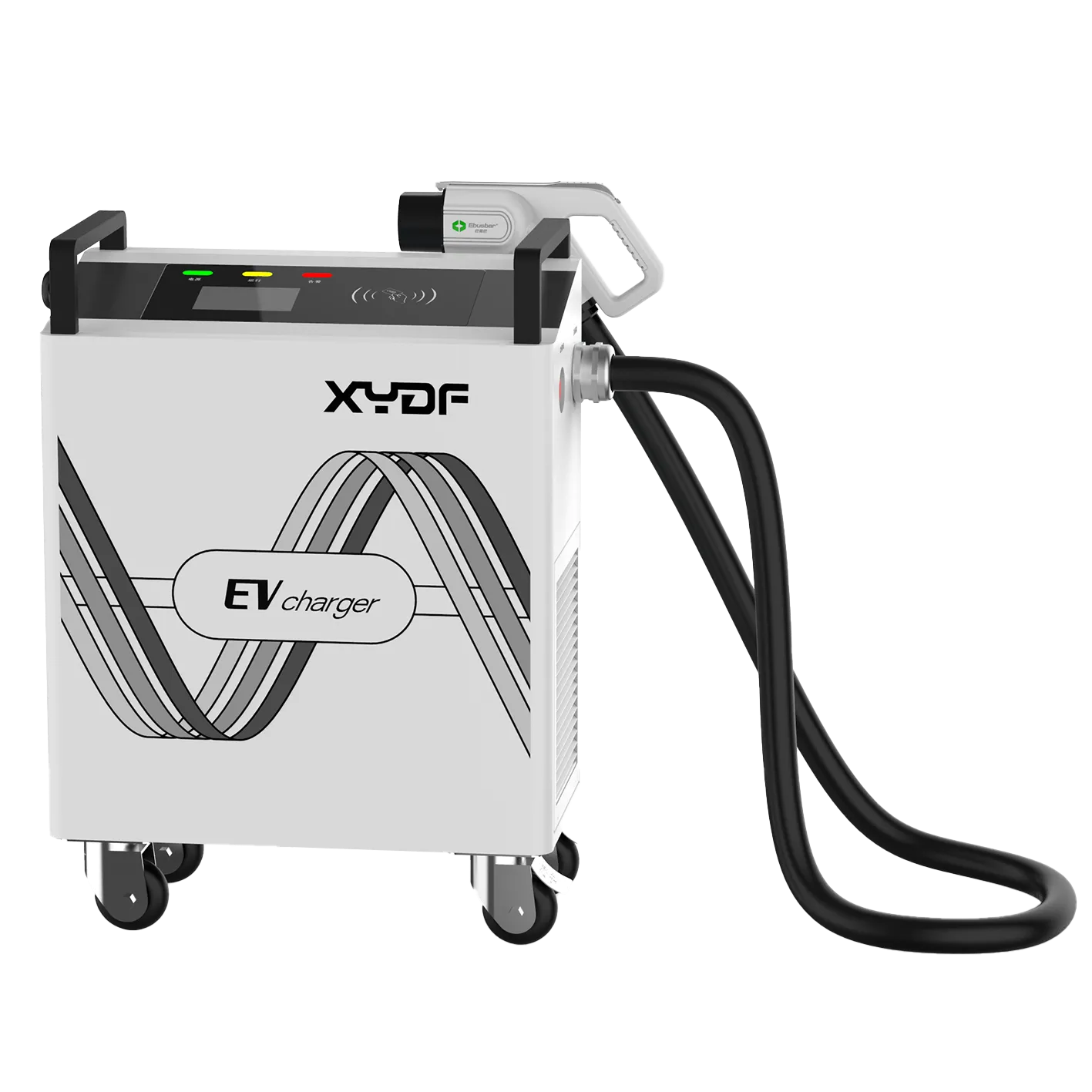
Specify the vehicle inlet and charging mode, required energy per call, output voltage and current envelope, source requirements and transport conditions. Obtain written evidence for the complete proposed configuration, including protection and operational instructions. Do not assume a high-power charger produces its nameplate output for every car.
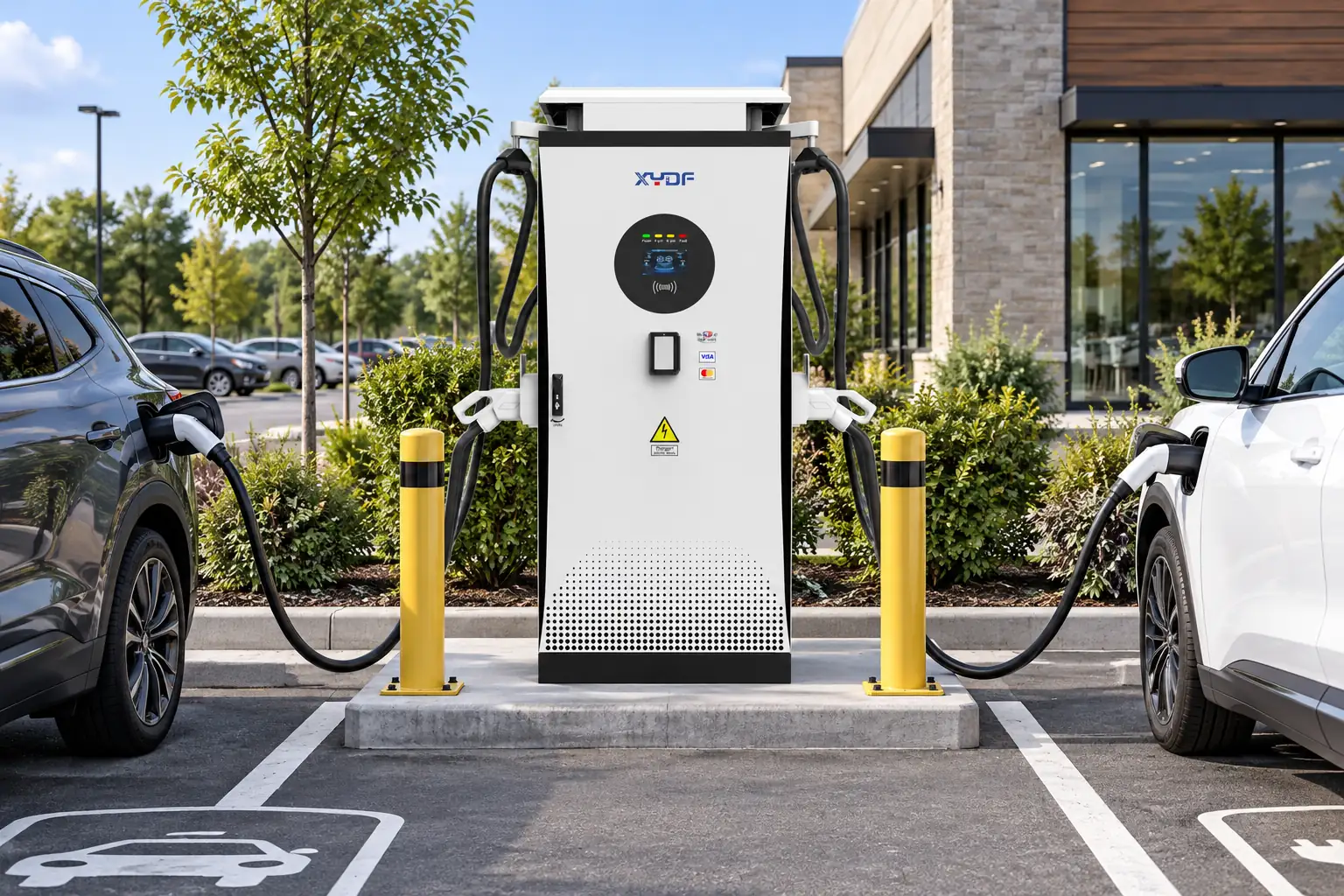
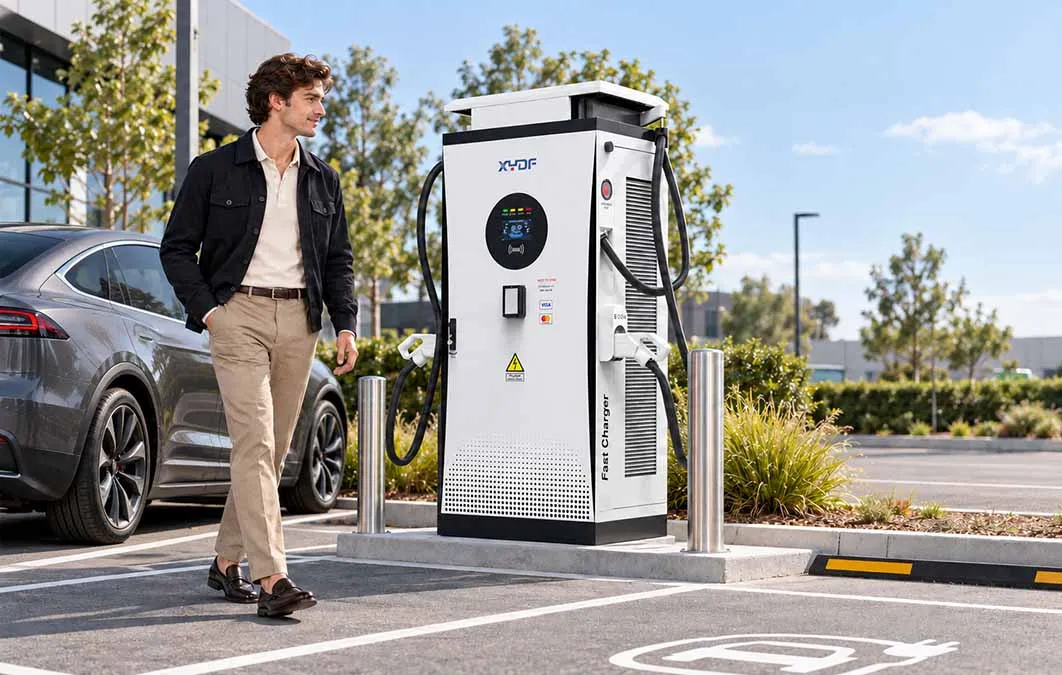
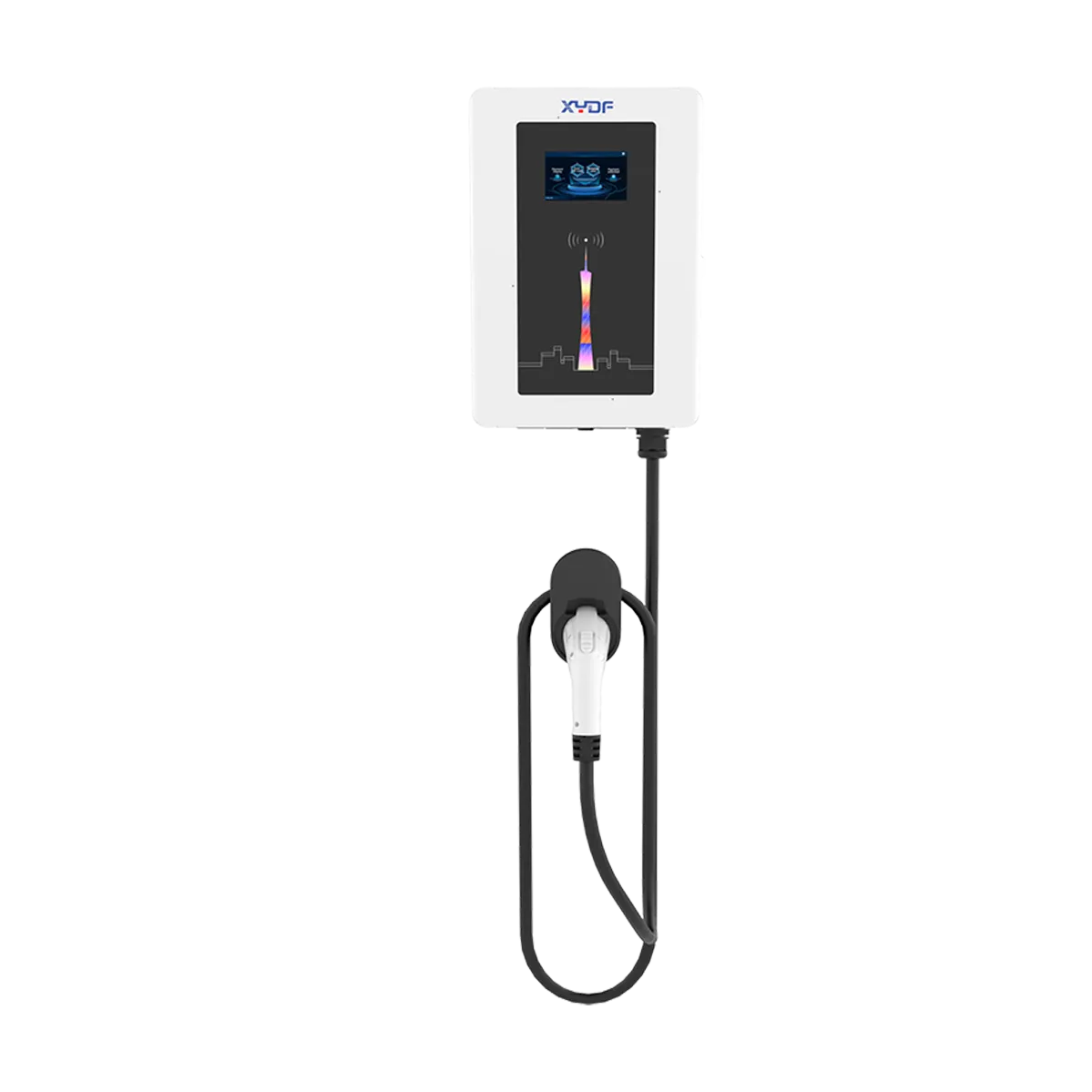
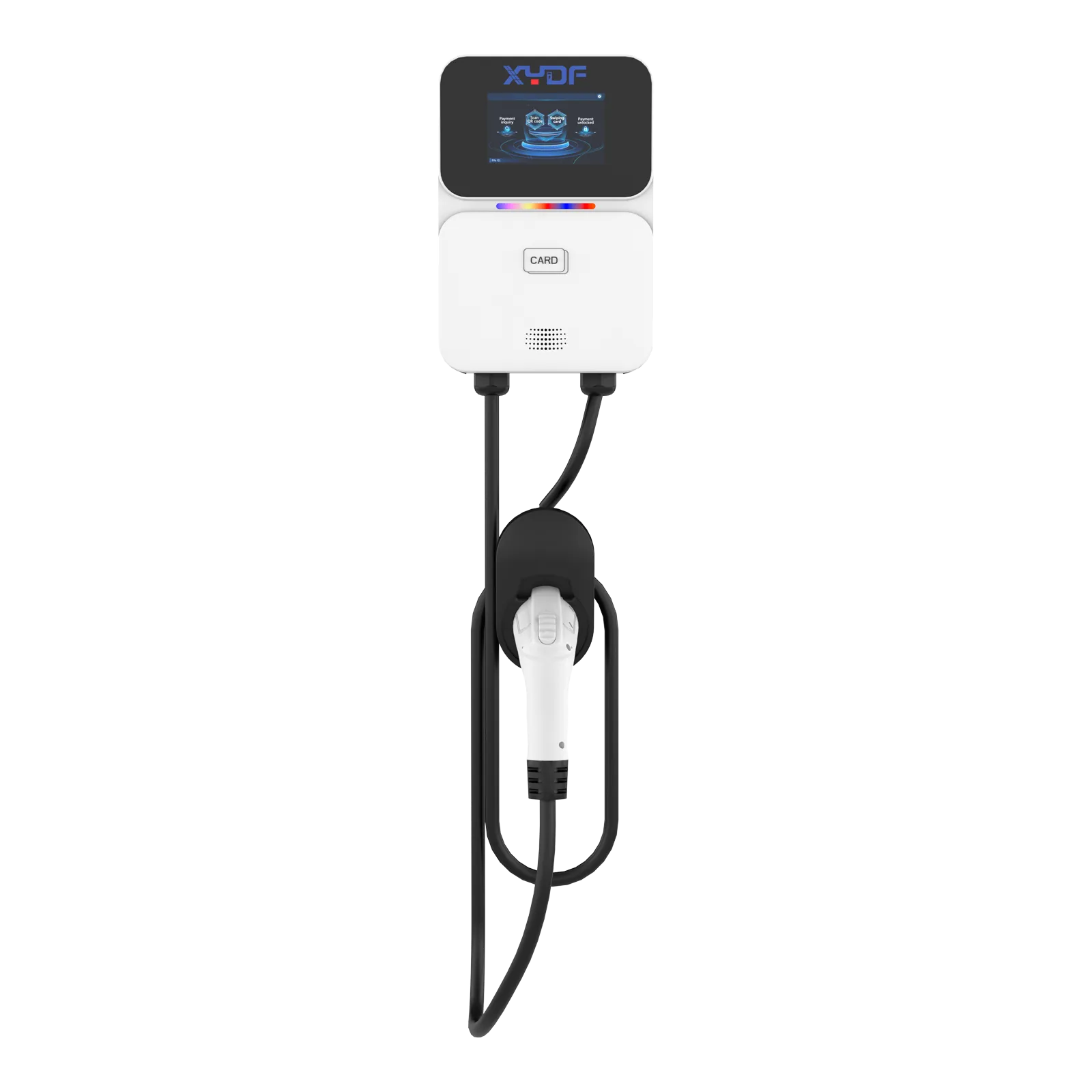
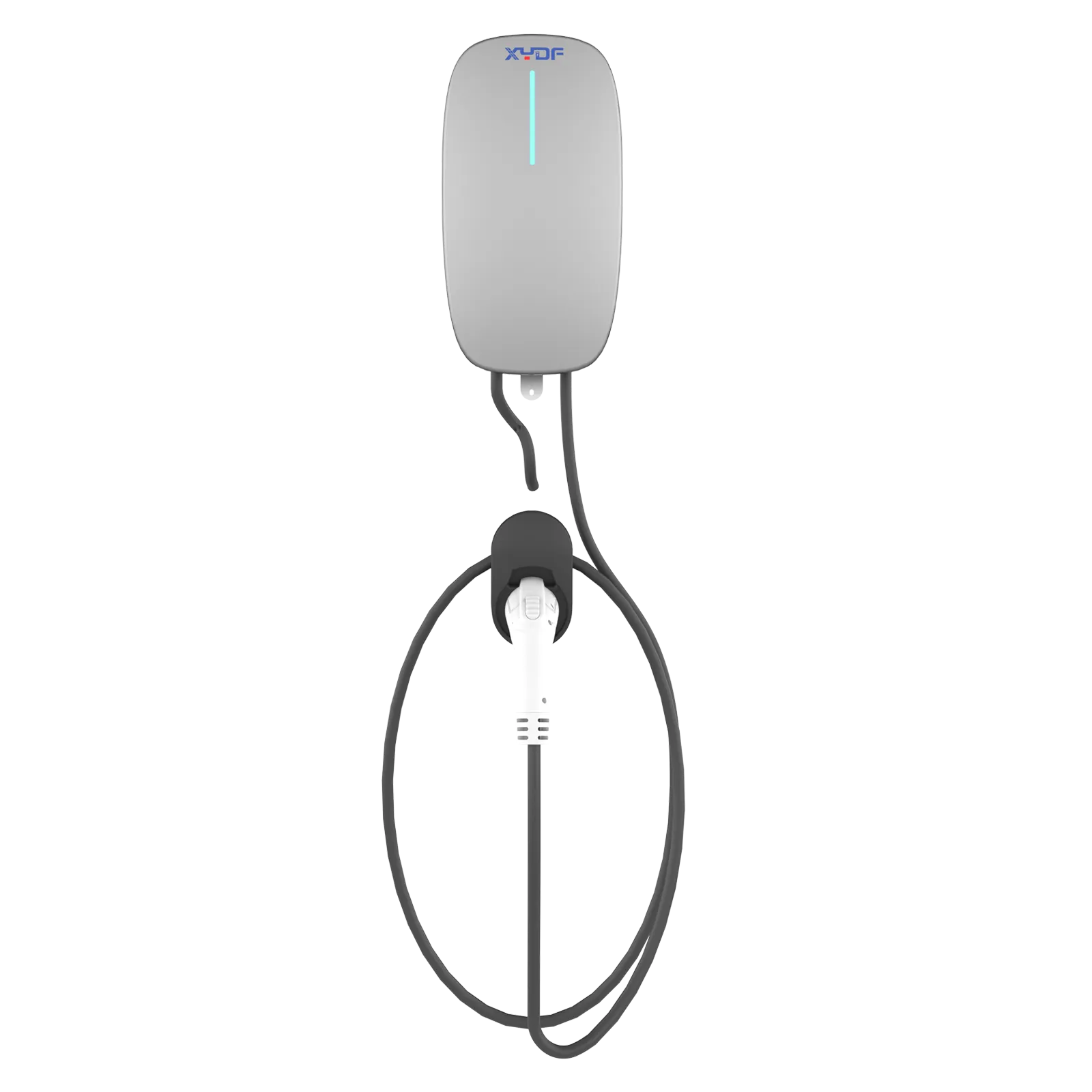
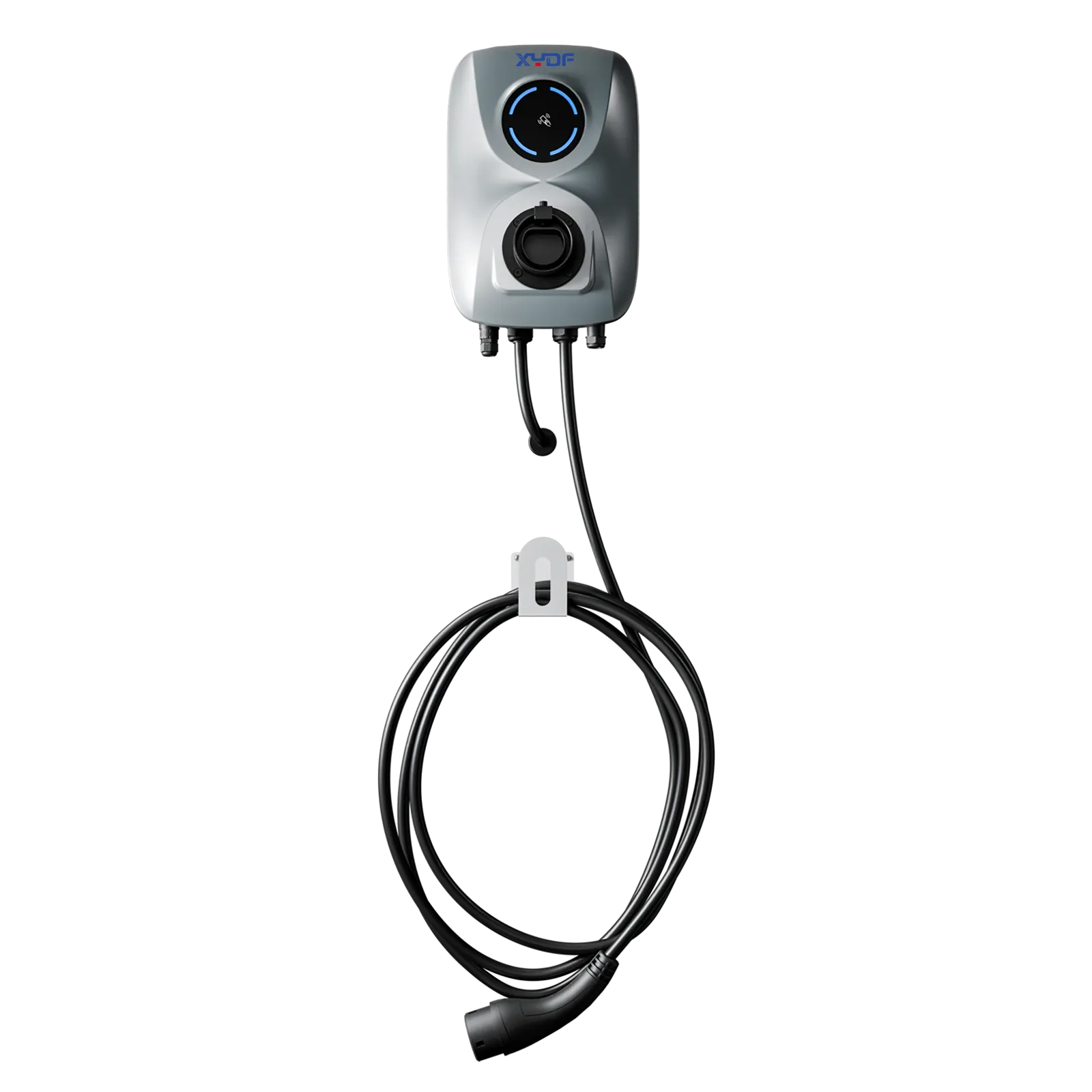
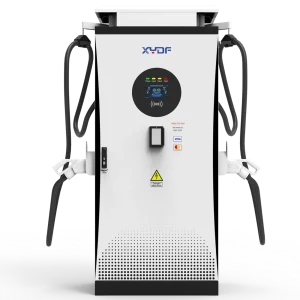
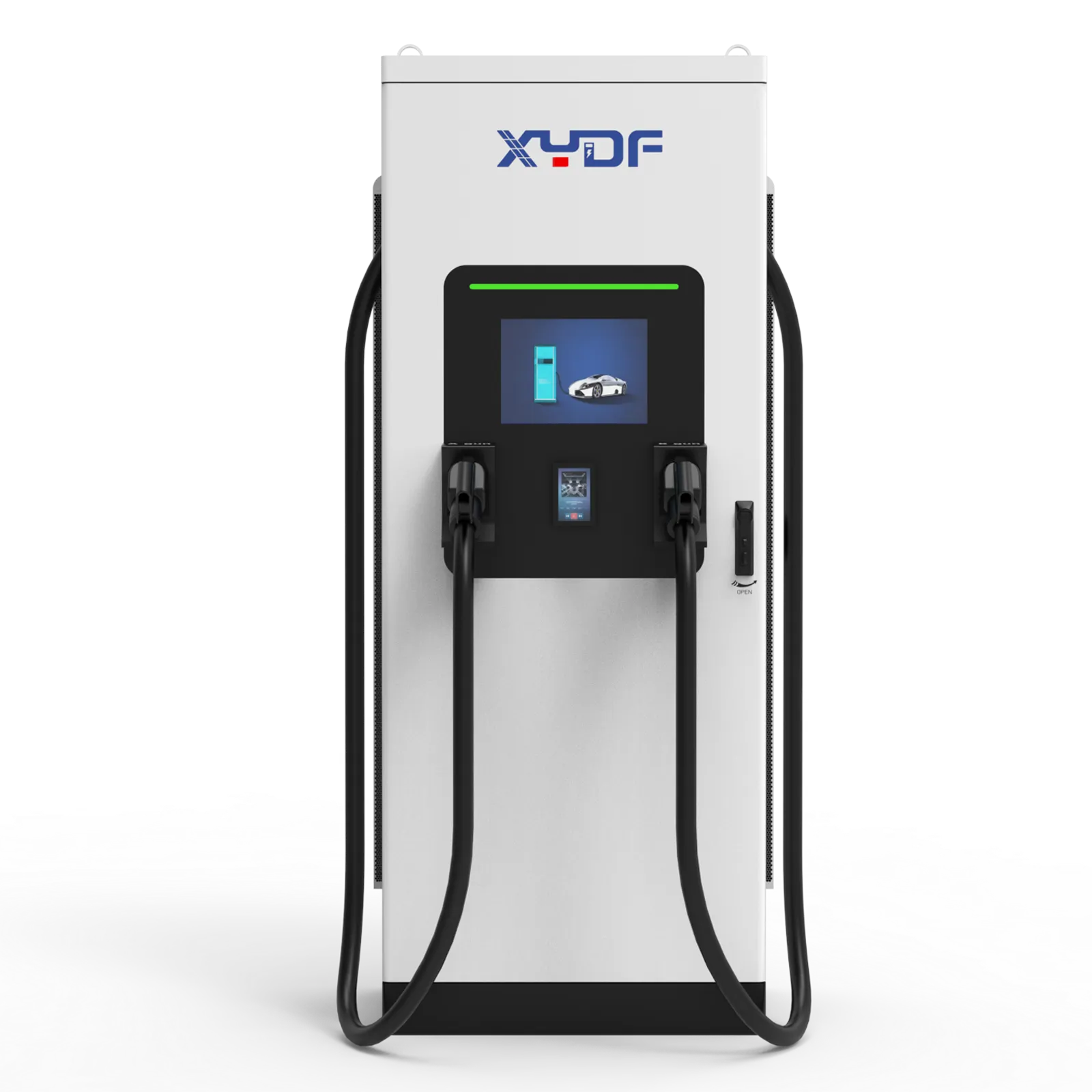
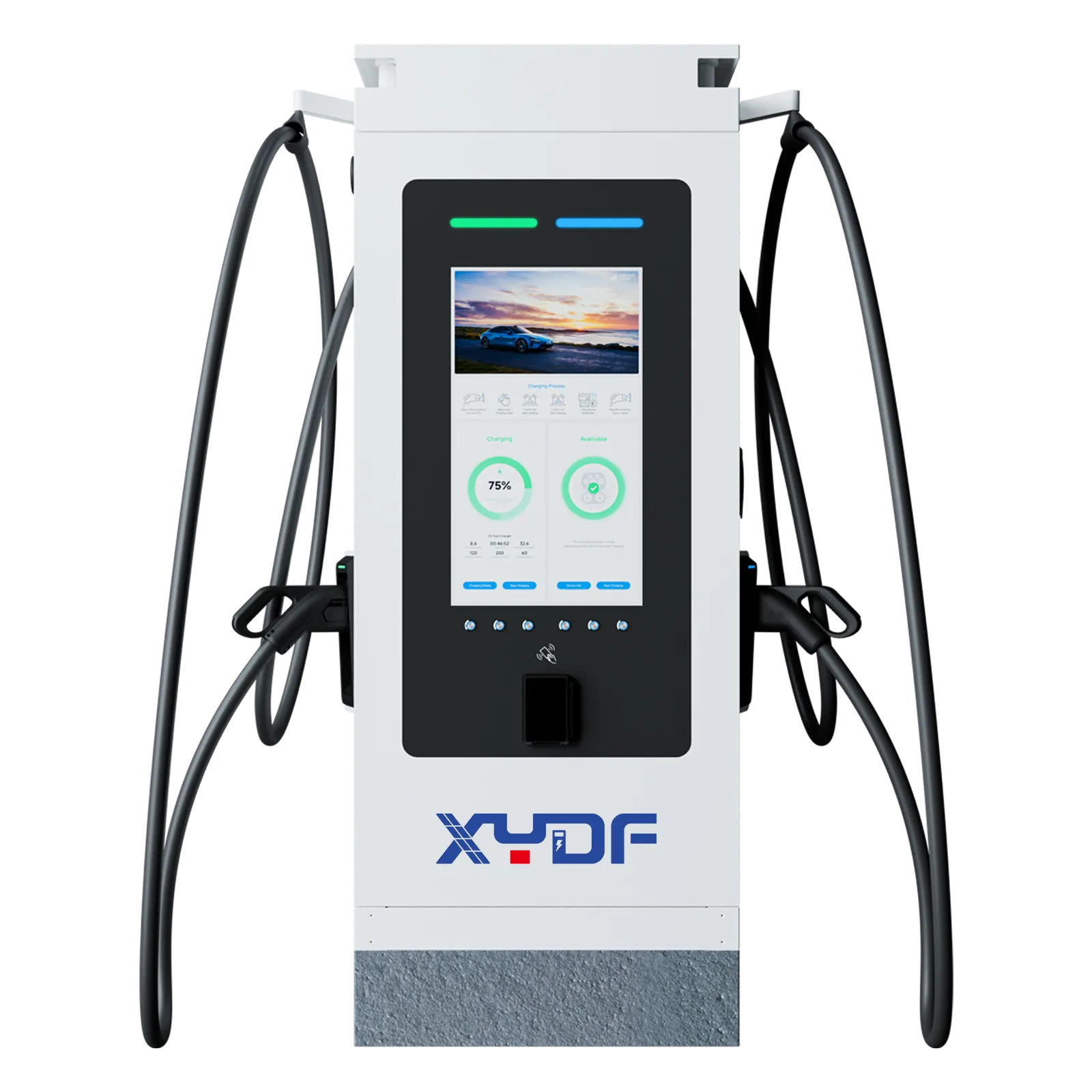
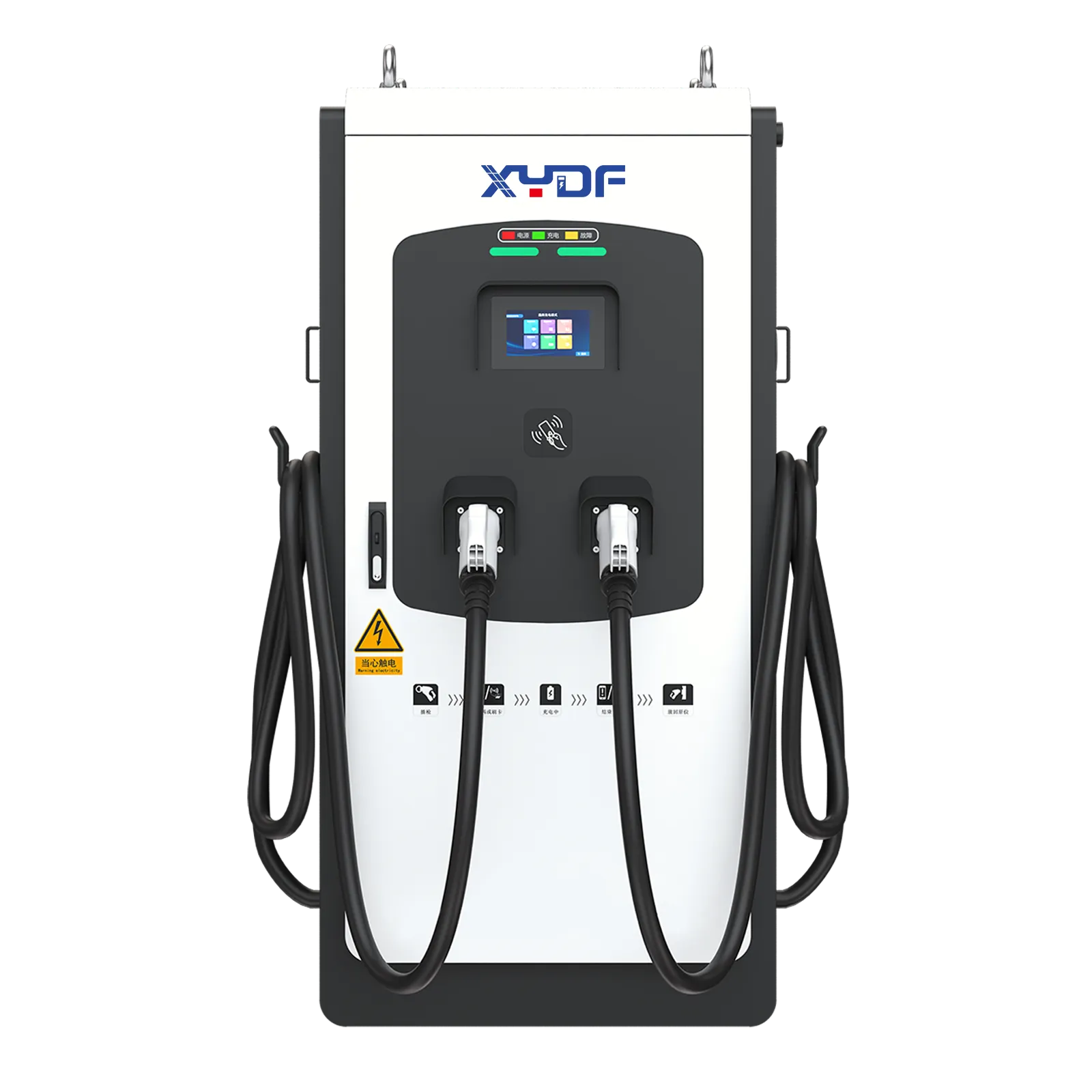
XYDF’s portable DC charger is described with an external AC supply. That distinguishes it from a self-contained onboard battery system. Obtain a consistent released specification and a separate integration design before selecting it for a mobile charging service; no onboard energy storage is inferred from wheels or a portable label.
How should a service call be handled?
| Stage | Record or decision |
|---|---|
| Booking | Vehicle interface, location, access, requested energy and safe waiting conditions |
| Dispatch | Available system energy, travel estimate and ability to complete the next duty |
| Arrival | Location safety, vehicle status and equipment suitability |
| Charging | Approved setup, session energy, operating limits and stop conditions |
| Closeout | Receipt, faults, equipment inspection and remaining energy |
| Recharge and reset | Restored service energy, maintenance needs and next dispatch readiness |
Set clear service limits: locations not served, unsafe situations, incompatible vehicles and when recovery or towing is the more appropriate response. Booking and payment can start with a practical dispatch process; a bespoke app is not a prerequisite for proving demand. Protect customer location and payment data and use a suitable payment provider.
Which costs determine whether the business is viable?
| Cost group | Inputs to collect |
|---|---|
| Initial investment | Service vehicle, charger, energy source, integration, approvals and launch setup |
| Per-call costs | Travel, labor, delivered energy, losses, payment fees and consumables |
| Fixed operations | Insurance, finance, software, administration and storage or depot space |
| Downtime and replacement | Maintenance, storage degradation where applicable, repairs and spare resources |
Use an explicitly assumed or measured contribution model: fee collected minus direct call costs equals contribution toward fixed costs. Include travel and recharge time when estimating calls per shift. An illustrative break-even call count is fixed period costs divided by positive average contribution per call; it is not a demand forecast. The commercial charging cost guide provides the distinction between capital, operating cost and revenue.
Quote startup costs from the chosen design instead of repeating an unsupported $50,000–$200,000 band. Test a low-demand case, delayed calls and equipment downtime. Revenue is not profit, and a subscription or partnership cannot guarantee recurring demand.
What permits, insurance and launch checks are needed?
Requirements vary by jurisdiction and energy architecture. Ask the relevant authorities and advisers about business operation, electrical work, vehicle conversion and road use, storage or fuel where applicable, fire response, worker training, consumer pricing and data handling. Obtain insurer approval for the actual activity rather than relying on ordinary vehicle cover.
Pilot the complete booking-to-reset process before expanding. Record paid calls, delivered energy, travel, setup, charging and recharge time, failed requests and complaints. Use procurement requirements to define supplier acceptance and support. Marketing should describe the verified service and real response limits, not promise exponential growth or instant charging.
Frequently asked questions
How much does it cost to start a mobile EV charging business?
The cost depends on the vehicle, charging power, energy source, integration, approvals, insurance and operating model. Obtain quotes for a defined system and include working capital rather than assuming a universal startup range.
Is mobile EV charging profitable?
It can be evaluated only against paid demand, direct call costs, fixed costs and the achievable calls per shift. Travel, recharge and downtime must be included; neither EV growth nor charger output guarantees profit.
Do I need a battery-powered charging vehicle?
That depends on the service. Unsupplied rescue locations require an appropriate independent source. A mains-fed unit may serve a location with suitable power but is not autonomous on its own.
Is there a franchise option?
This guide does not establish a franchise offering. Any franchise proposal requires direct verification of the provider, contract, fees, territory, support and applicable legal disclosures.
References
- U.S. DOE AFDC: procurement and installation planning
- U.S. DOE AFDC: operating responsibilities and maintenance
- Open Charge Alliance: chargepoint-to-management-system protocol scope
Conclusion
Start a mobile charging service with evidence of a paid problem, not a promise about market growth. Define the customer, response area and session energy, choose a suitable supply architecture, and verify the complete vehicle and electrical installation. Build economics from real travel, labor, charging and reset time, then test the service through a limited pilot before expanding coverage. A portable mains-fed charger is not a self-contained rescue battery, and a supplier quotation does not resolve permits or insurance. XYDF can provide configuration information for its charging equipment; request equipment requirements with the proposed energy source and service duty while retaining independent approval of the integration and business operating conditions.