 Xinya Dongfang Electricity Technology Co., Ltd.


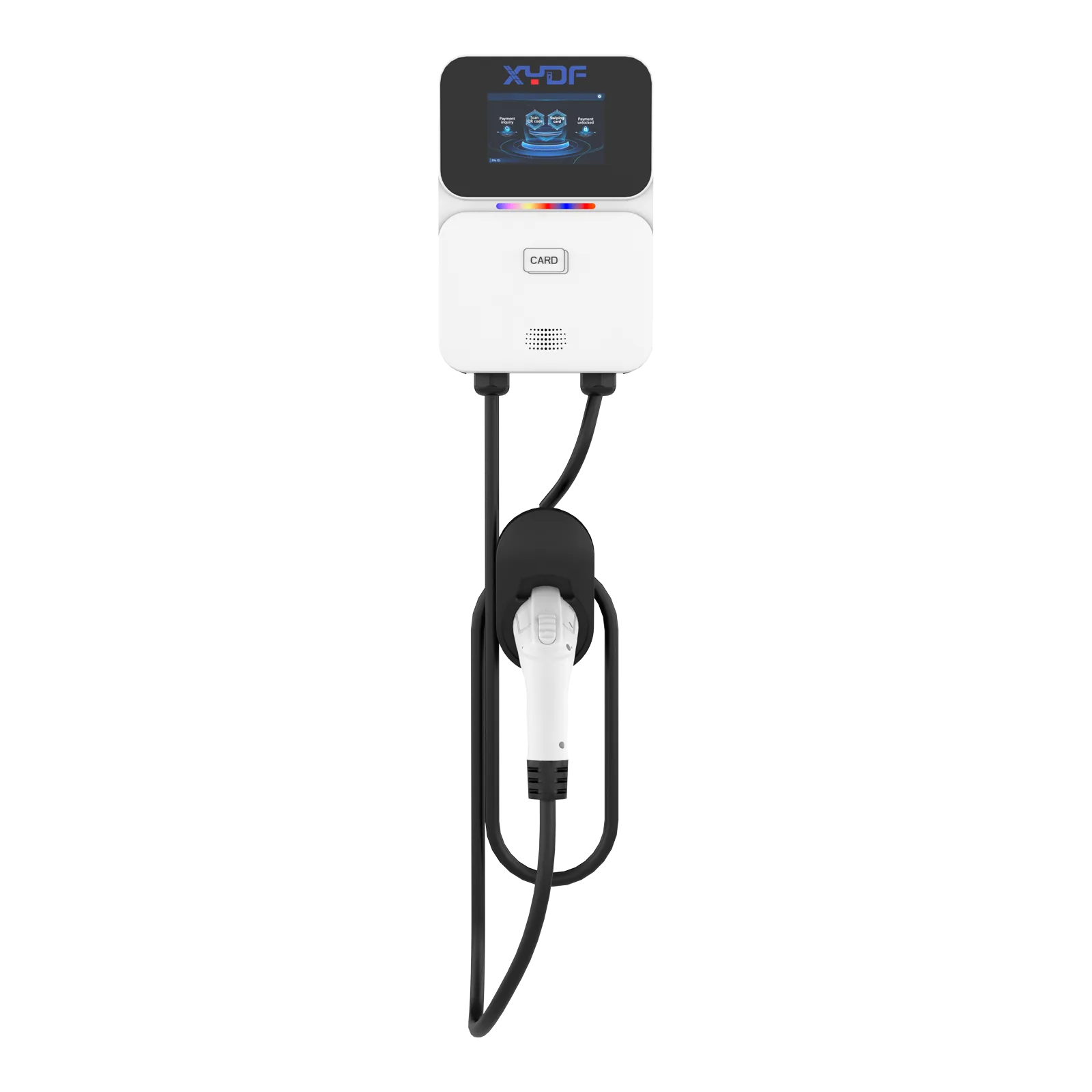
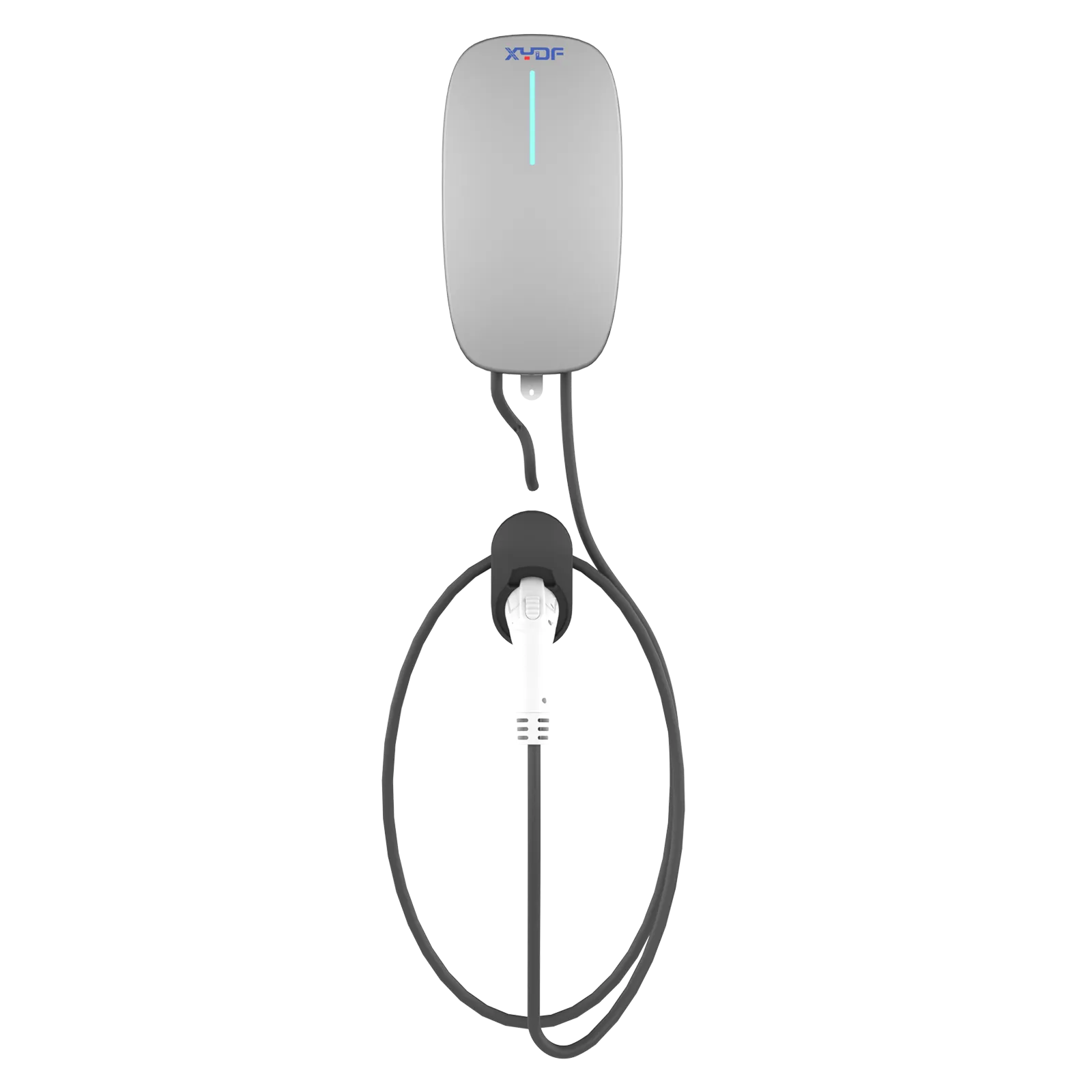
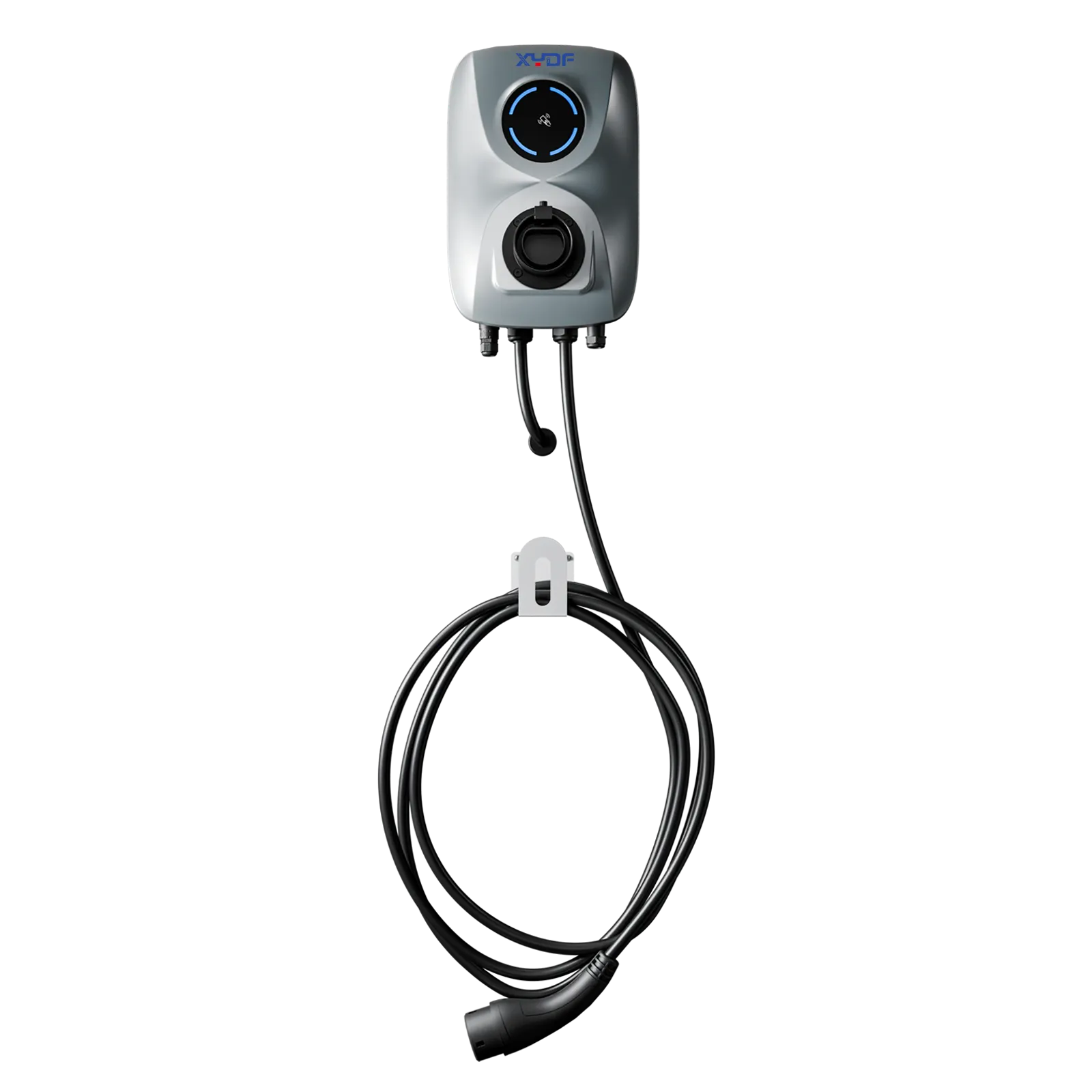
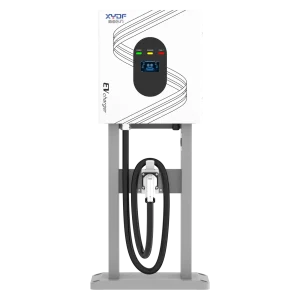

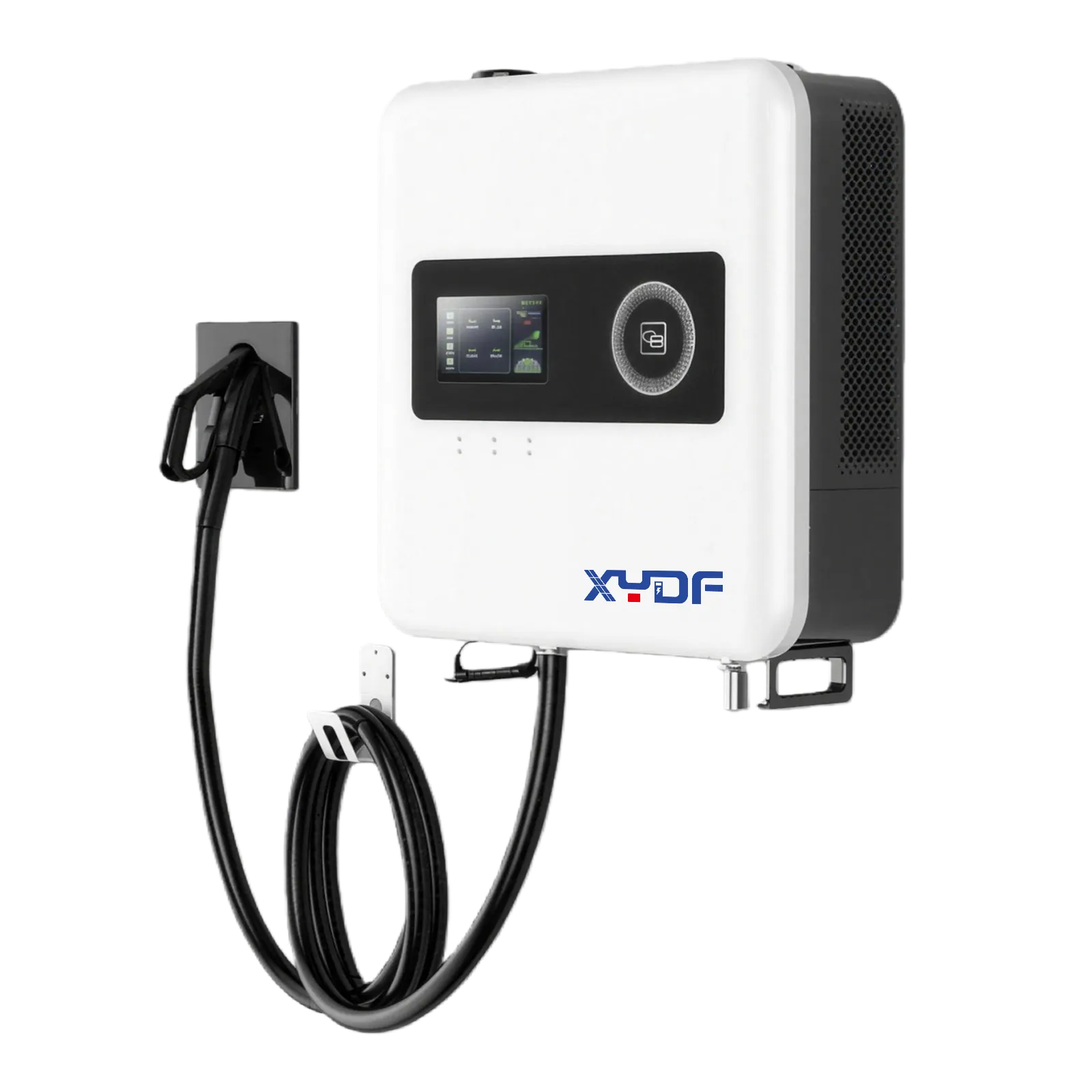
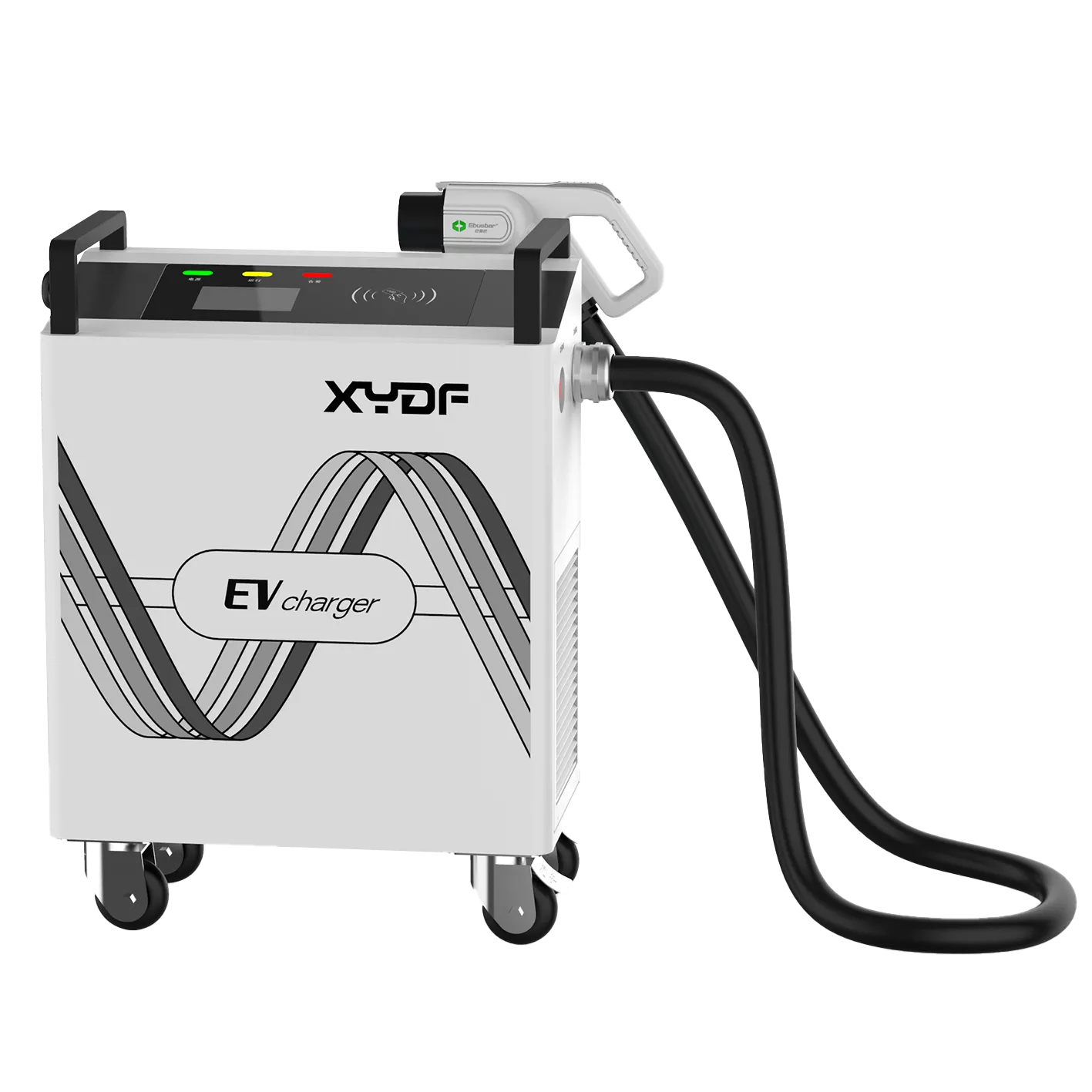
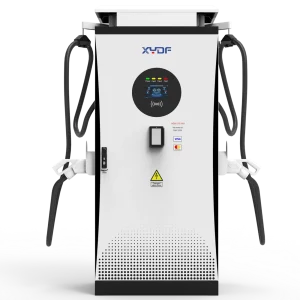
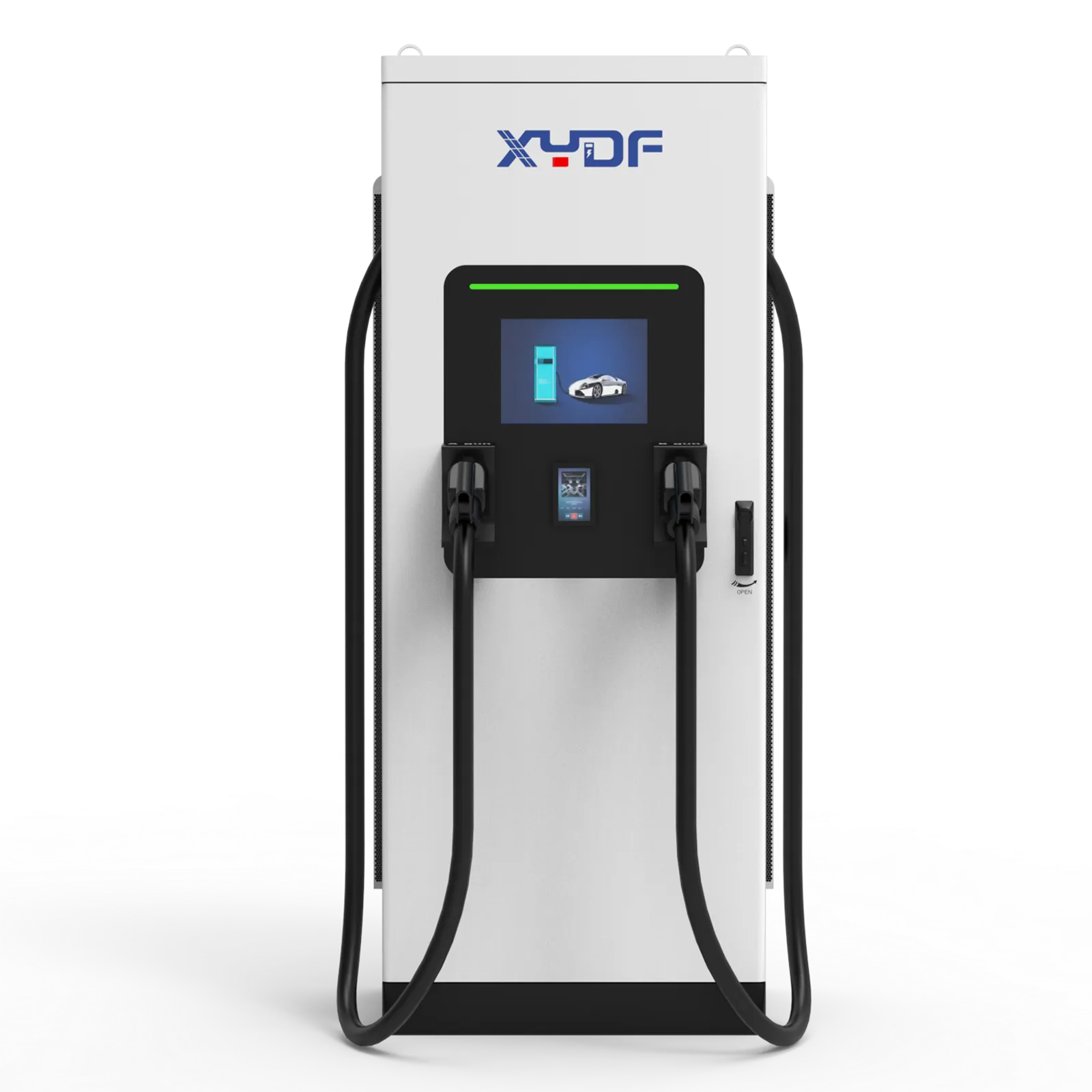
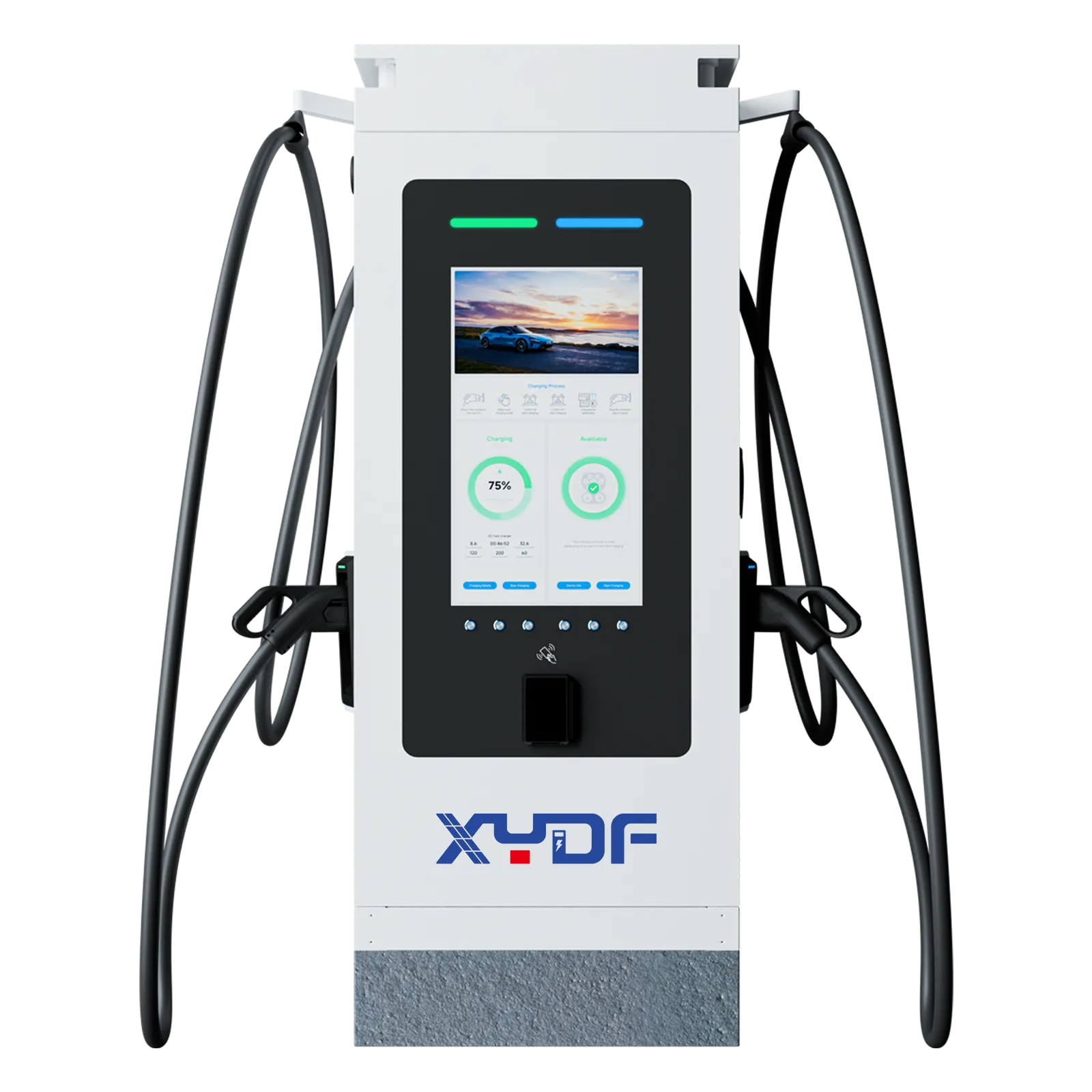
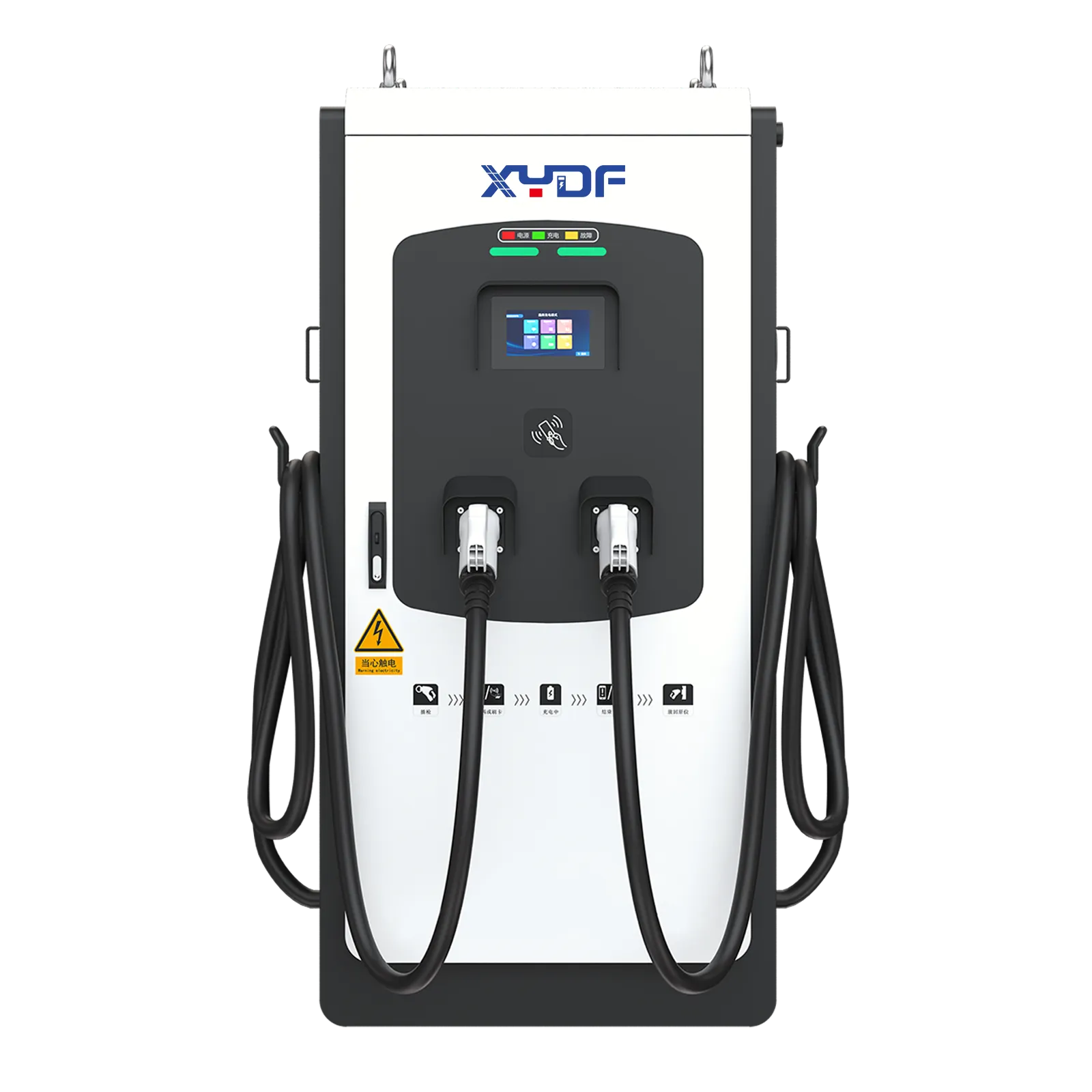
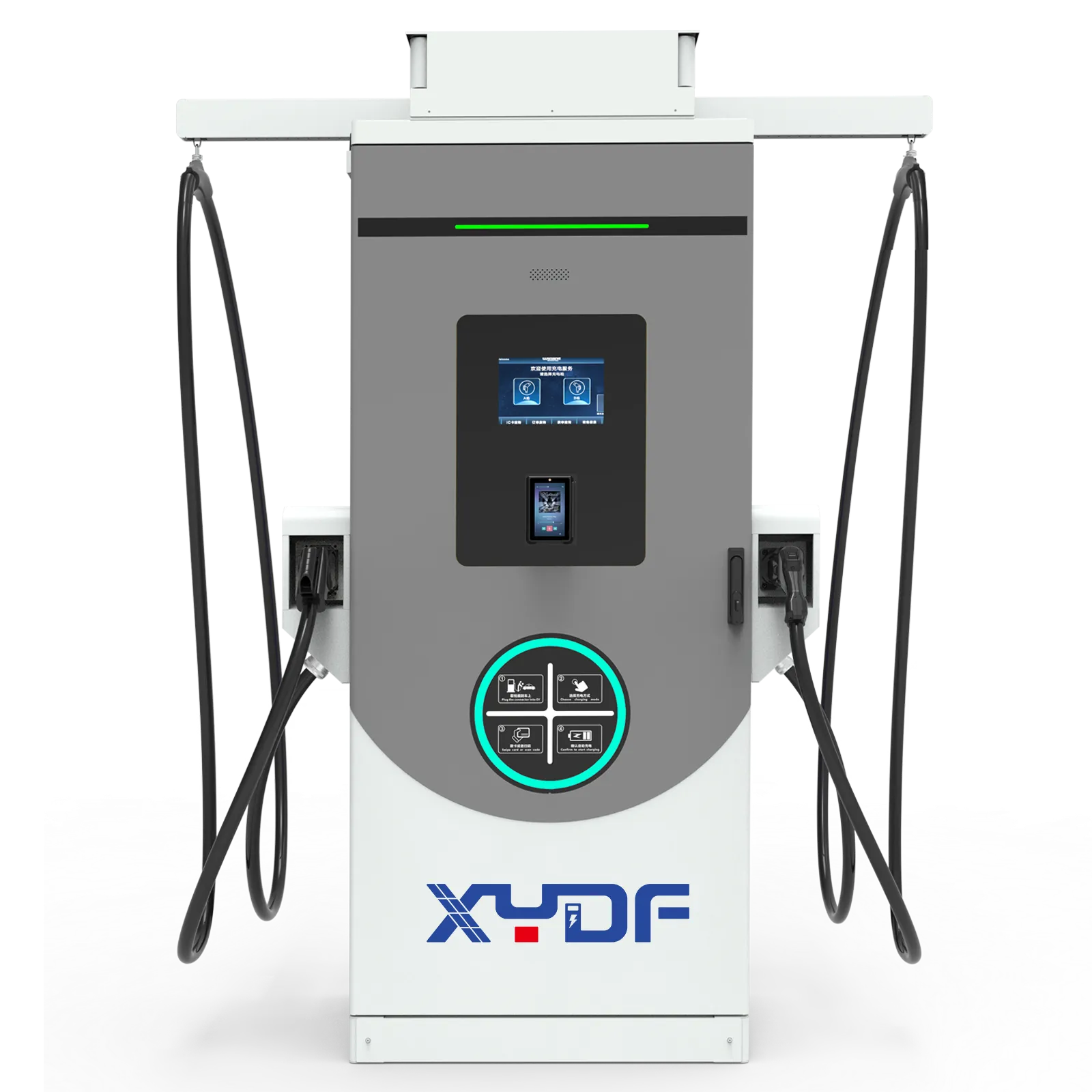

A charger can power up on the factory floor and still fail as a procurement decision. The wrong connector mix, a cable that cannot reach every parking position, a backend that does not support the required transaction flow, or missing market-access documents can delay an otherwise finished site. These are specification and acceptance failures, not problems that a lower unit price can solve.
The short answer is that a useful EV charger procurement guide converts operating needs into measurable requirements, a comparable RFQ, controlled production records and written acceptance criteria. Freeze the vehicle, power, connector, software, civil-work and service assumptions before comparing bids. Then evaluate the delivered configuration against the specified standards editions, interfaces and test records rather than accepting a generic claim of compliance.
What must the charging site deliver?
Start with the service the site must deliver. Record vehicle classes, arrival state of charge, dwell time, daily energy demand, simultaneous charging, operating windows and the consequence of a missed session. For a fleet depot, the key result may be that every priority vehicle receives enough energy before dispatch. For a public or workplace site, access, payment, queue management, accessibility and fault recovery may carry more weight.
Build an energy and power baseline
Do not size the project from charger nameplates alone. Estimate the energy required within each operating window, identify how many vehicles overlap, and compare that profile with the usable site capacity. An illustrative first check is:
required average site power = energy needed during the window / available charging hours
This is not a final electrical design. Vehicle acceptance limits, conversion losses, battery temperature, tapering, auxiliary loads and operational buffers can all change the result. The project electrical engineer should confirm the service capacity, transformer and switchgear duty, protection coordination, earthing, demand-management method and expansion allowance.
Freeze the vehicle and connector matrix
List each vehicle model or electrical platform, charging inlet, supported AC or DC mode, voltage range, maximum accepted power, parking orientation and expected cable approach. A charger rated above the vehicle’s acceptance limit will not force the vehicle to take that power. For varied fleets, use a documented vehicle and connector requirements matrix rather than assuming one interface covers every present and planned vehicle.
Define the physical and operational boundary
Include foundation, anchoring, drainage, bollards, trenching, lifting access, cable management, service clearance, lighting, signage and accessible reach. State whether the supplier provides only the charging equipment or also switchgear, energy management, network services, commissioning, operator training and maintenance. Ambiguous ownership between the charger supplier, EPC, utility, backend provider and site operator is a common source of unpriced work.
Who owns each step of the procurement process?
Assign the requirements baseline to the buyer, the electrical design and site interface to the EPC, the connection offer to the utility, and the offered configuration and evidence pack to the supplier. The operator should approve payment, access, reporting and fault-recovery workflows before the tender closes. An open question needs an owner, a due date and a release gate; otherwise it can become an unpriced installation change.
The DOE procurement checklist treats utility engagement, electrical upgrades, ownership and ongoing fees as part of infrastructure procurement, not as work to discover after ordering chargers. Use that sequence to distinguish equipment delivery from a commissioned charging service.
What should an EV charger RFQ include?
A strong EV charger RFQ contains a requirements baseline, schedule of quantities, compliance matrix, interface-control document, drawing and document list, test plan, delivery terms and commercial assumptions. Require every bidder to mark each line as compliant, conditional or exception and to identify the supporting document, revision and owner. A proposal should not receive full credit for repeating the requested wording without evidence.
Software requirements need the same precision as hardware. State the charge-point-to-management-system protocol and edition, required functions, security profile, certificate lifecycle, data ownership, retention, export format, remote update policy, offline behavior and tested backend. If payment, roaming or automatic authentication is required, specify the user journey and failure behavior rather than using a broad word such as “compatible.”
Use one commercial comparison basis
| Cost or obligation | RFQ input to standardize | Evidence to request | Risk if omitted |
|---|---|---|---|
| Equipment | Released configuration, connectors, cable length, modem, meter and options | Priced bill of quantities and deviation list | Quotes cover different products |
| Site integration | Foundation, switchgear, trenching, network and lifting boundary | Responsibility matrix and excluded-work list | Late EPC variation orders |
| Software | Protocol version, licenses, hosting, payment and data scope | Recurring-fee schedule and test plan | Unbudgeted subscriptions or integration |
| Service | Support hours, response, workaround, restoration and spare strategy | Service-level definitions and escalation path | Uptime promise cannot be enforced |
| Delivery | Named Incoterm and place, packing, customs documents and schedule | Milestone plan and shipping-document list | Freight, risk and duty assumptions differ |
| Acceptance | FAT, SAT, retest and punch-list closure | Signed templates and payment gates | Payment becomes due before proof |
Compare total cost, not only unit price
Build the evaluation model around acquisition, electrical and civil work, commissioning, connectivity, software, preventive maintenance, expected corrective work, spares, field labor and downtime exposure. Keep assumptions visible. If an outage-cost estimate or failure rate is not supported by the buyer’s operating data, label it as illustrative and test a range rather than presenting it as a prediction.
A useful bid scorecard separates pass/fail gates from weighted criteria. Market access, electrical compatibility and mandatory interfaces normally belong in the pass/fail column. After those gates are met, the buyer can weight technical fit, delivery confidence, lifecycle support, documentation quality and commercial terms. This prevents a high score in price from offsetting a non-compliant requirement.
How do you qualify a supplier and production sample?
A factory audit should verify whether the quoted process can repeatedly build the released configuration. Review incoming inspection, supplier controls, serial and lot traceability, calibration, firmware loading, end-of-line test coverage, nonconformance handling, change control and subcontracted operations. Ask for anonymized records that show the process in use. A structured EV charger factory-audit checklist can help buyers conduct the same review across shortlisted factories.
Choose the right product-development route
A standard product can reduce engineering change, while OEM or ODM work can add branding, interfaces, packaging, localization or other controlled variations. The labels alone do not define ownership. The contract should state who controls drawings, firmware, tooling, test fixtures, compliance files, artwork and field data, and what happens to support if a component reaches end of life. For commercial EV charger sourcing, this ownership map matters as much as the quoted customization scope.
Approve a configuration, not a showroom sample
The sample should represent the proposed production unit: enclosure, cable, connector, labels, meter, modem, language pack, firmware and backend handshake. Record deviations, photographs, serial numbers and document revisions. A signed golden-sample record is useful only when production change control refers back to it and both parties agree how an unavoidable substitution will be reviewed.

How should production, delivery and acceptance be controlled?
After sample approval, release mass production through a written gate. Freeze the approved bill of materials, firmware and drawings; permit substitutions only through an engineering-change process that records the reason, affected serial range, validation evidence and buyer approval. Track the measures that matter to the contract, such as critical nonconformances, retest, lot release, schedule variance and unresolved corrective actions. A metric without a definition, reporting period and remedy is not a control.
Make delivery part of the technical plan
Align production and shipping with utility, civil-work and installation milestones. Agree payment and delivery terms against the frozen configuration and signed release records, including MOQ by variant and the exact named delivery place. The packing specification should identify unit dimensions and mass, lifting and center-of-gravity information, moisture protection, shock or tilt indicators when required, serial-number manifest, accessory count and storage limits. The named Incoterm must include the agreed place and edition; it allocates cost and risk but does not replace a detailed list of customs, conformity and transport documents.
Separate factory, site and operational acceptance
| Gate | Typical checks | Required record | Release decision |
|---|---|---|---|
| Factory acceptance test (FAT) | Released configuration, protective functions, applicable electrical tests, connector locking, meter plausibility, emergency stop where fitted, communications and fault reporting | Serial-linked results, instruments and calibration status, deviations and signatures | Approve shipment, hold, or require witnessed retest |
| Incoming/site inspection | Transport damage, serial manifest, accessories, drawings, firmware and installation readiness | Receiving report and punch list | Release equipment to installation |
| Site acceptance test (SAT) | Earthing, protection settings, network policy, load management, target-vehicle sessions, payment or access flow, signage and cable reach | Site-specific results with owners and due dates | Accept, conditionally accept, or reject |
| Operational handover | Alarm routing, remote support, data export, operator training, spares, maintenance and escalation | Handover pack and support contacts | Start service and warranty at the contracted trigger |
Do not put “pass” beside a generic test name. The plan should identify the applicable method or procedure, preconditions, sample configuration, acceptance limit, witness, record and retest rule. Product-safety testing under a standard, production end-of-line checks and project FAT are different layers of evidence; one should not be substituted for another without a documented technical basis.
Warranty is a remedy framework. Compare the start trigger, covered parts, labor and travel, exclusions, software support, response and restoration targets, advance replacement, return-material authorization, freight and data required to validate a claim. The site’s B2B EV charger warranty comparison can be used to turn those points into contract questions.
Should the site use AC or DC charging?
| Dimension | AC destination charging | DC fast charging | Procurement question |
|---|---|---|---|
| Typical duty | Long dwell, workplace or overnight charging | Shorter dwell or time-sensitive fleet turnaround | How much energy must each vehicle receive during its available dwell? |
| Power conversion | Vehicle onboard charger limits accepted power | Off-board charger supplies regulated DC within vehicle limits | Which vehicle voltage and power envelopes must be supported? |
| Site capacity | Multiple lower-power ports can spread energy over time | Higher coincident demand may require stronger grid and thermal design | What usable capacity and managed-load limit are available? |
| Installation | Often a smaller equipment and cooling footprint | May require larger equipment, foundations and service clearances | Are civil, lifting, protection and maintenance spaces priced? |
| Compatibility | Connector, control pilot and onboard-charger limits | Connector, voltage window, communication and battery limits | Which vehicles and standards editions are in the acceptance matrix? |
| Resilience | More distributed ports can reduce the impact of one unavailable unit | Fewer high-power assets can concentrate operational impact | What redundancy and spare strategy protects the service target? |
| Cost tendency | Lower equipment power, but more circuits or ports may be needed | Higher equipment and site-integration demand, with potential operational value from shorter dwell | Which lifecycle costs change under the real utilization profile? |
Match procurement evidence to the application
| Application | Design emphasis | Evidence to request | Acceptance signal |
|---|---|---|---|
| Public charging site | Accessible use, payment, price display, roaming where required, vandal exposure and support | User-flow tests, enclosure evidence, network fallback and service process | Successful sessions across target vehicles, access methods and fault scenarios |
| Bus, truck or service fleet depot | Schedule completion, cable reach, utilization, managed load and redundancy | Vehicle matrix, power profile, thermal evidence and dispatch-risk response | Representative shift simulation without missed priority departures |
| Workplace or retail site | Long dwell, access policy, energy reporting and load allocation | Metering method, data export, user management and tariff logic | Sessions reconcile with controlled test records and policy rules |
| Distributor private-label program | Released SKU, artwork, language, packaging, spares and documentation control | Golden sample, artwork approvals, document index and change process | Production sample and documents match the released SKU |
Which standards and regulations apply to the project?
Standards and regulations do different jobs. IEC 61851-1 addresses general requirements for conductive charging systems; the IEC 62196 series addresses plugs, socket-outlets, vehicle connectors and inlets, with individual parts covering different accessories. ISO 15118 covers vehicle-to-grid communication interfaces. A reference to one of these documents is not, by itself, proof that a product has been certified or that every market requirement has been met. State the edition, applicable clauses, test evidence and responsible conformity route.
For backend communication, specify the exact OCPP version and required functions. The Open Charge Alliance says OCPP 2.1 was released in 2025 and notes that OCPP 1.6 and 2.0.1 are not compatible. A protocol name therefore does not establish end-to-end interoperability. Require a test matrix for the charger firmware, charging-management system, security configuration, certificate handling, offline behavior and upgrade path that will actually be deployed.
The certification evidence changed in 2025: the Open Charge Alliance’s April 2 announcement made the full OCPP 2.0.1 certification profiles available. Core remains mandatory, but optional profiles such as Smart Charging and ISO 15118 Support have their own scope. An “OCPP 2.0.1 certified” label therefore does not mean every optional function was tested; procurement teams need the certificate’s profile coverage, not just the protocol badge.
For each specified function, match the offered certificate and profile to the exact implementation proposed in the bid. The OCA certification program uses independent conformance testing, so its certified-product records provide a check on the supplier’s claim. Keep CSMS migration, payment journeys and target-vehicle sessions in project acceptance: conformance evidence does not replace those deployment tests.
| Requirement source | Scope to confirm | RFQ consequence |
|---|---|---|
| IEC 61851 and IEC 62196 | Charging-system functions and connector/accessory requirements applicable to the product and interface | Name the relevant part and edition; request traceable reports for the claimed scope |
| ISO 15118 and OCPP | Vehicle communication versus charger-to-management-system communication | List required versions and functions separately; run end-to-end interoperability tests |
| Public-access and payment rules | Requirements depend on jurisdiction, site access, power and deployment date | Have the responsible local adviser confirm current payment, accessibility and price-information duties before freezing hardware |
| Funding-program conditions | Additional obligations may attach to public funding rather than every charger purchase | Review the actual award conditions with the program administrator and flow applicable requirements into the contract |
| Destination-market rules | Electrical installation, safety, EMC, radio, metrology, accessibility, payment, privacy and labeling | Assign the importer, EPC, network operator and supplier responsibilities; verify national or local adoption and deviations |
Compliance files should be revision-controlled and tied to the delivered hardware and firmware. Unsupported certification language creates customs, insurance, tender and customer-claim risk. Before shipment, have the responsible local professional or conformity specialist confirm which laws, codes, standards, declarations, registrations and independent assessments apply to the destination, funding source and intended use.
What are the six gates of EV charger procurement?
- Requirements definition: freeze operating outcomes, fleet, power, interfaces, site conditions, software, service and regulatory assumptions.
- RFQ and shortlist: issue the same compliance matrix, drawings, acceptance templates and commercial schedule; score evidence and exceptions.
- Supplier qualification: review process control, traceability, test capability, firmware governance, capacity and corrective-action history.
- Sample and integration: test the production-intent configuration, backend, labels, packaging and service access; approve deviations in writing.
- Production and delivery: release through agreed gates, control changes, inspect the lot, reconcile serials and complete the shipping pack.
- Acceptance and handover: execute FAT and SAT, close critical punch items, train operators, transfer records and start support at the contracted trigger.
For fleet charging procurement, appoint one owner for the requirements baseline and one owner for every open exception. XYDF can participate in this process by responding to a controlled specification and documentation list, but the buyer, EPC and local compliance parties should retain approval of site design, market applicability and final acceptance.
Frequently asked questions
What should be included in an EV charger RFQ?
Include the operating requirements, electrical and connector specification, vehicle matrix, site and civil interfaces, communications, cybersecurity, documentation, FAT and SAT, warranty, service levels, spares, delivery milestones and commercial assumptions. Require a line-by-line compliance matrix with exceptions and supporting evidence so bidders answer on the same basis.
How do I compare AC and DC chargers for a fleet?
Begin with energy required per vehicle, dwell windows and overlapping departures, then model site capacity, managed load, installation, utilization, resilience and service. Validate the result with a vehicle-by-vehicle voltage, connector and acceptance-power matrix; the highest nameplate rating is not automatically the lowest-cost or most reliable architecture.
Is OCPP certification enough to prove interoperability?
No. Certification has a defined protocol version, test scope and implementation under test, while a live deployment also includes charger firmware, the management system, enabled functions, security settings and certificate operations. Require witnessed scenarios for the exact versions and configurations you intend to operate.
When should a buyer choose OEM instead of ODM?
Choose according to the amount of controlled change and ownership the program needs, not the label alone. In either route, define responsibility for drawings, firmware, tooling, compliance evidence, branding, field data, changes and long-term support before approving the commercial offer.
What proves a shipment is ready for site acceptance?
Shipment readiness normally requires an approved configuration, signed FAT record, serial-number manifest, released firmware and documents, resolved critical nonconformances, packing inspection and the agreed conformity and logistics pack. SAT is still necessary because the factory record cannot verify site earthing, protection, network policy, cable reach, accessibility or charging sessions with the target vehicles.
What data should a commercial EV charging capacity model include?
A useful capacity model combines vehicle energy by duty cycle, arrival and departure windows, simultaneous charging, charger power-sharing behaviour, site electrical limits, tariff intervals, and a reserve for late or failed sessions. The model should show the assumptions and the acceptance measurement point so buyers can compare proposals without treating a nameplate kW value as guaranteed service capacity.
References
- IEC 61851-1:2017, Electric vehicle conductive charging system – Part 1: General requirements
- IEC 62196-1:2025, Plugs, socket-outlets, vehicle connectors and vehicle inlets – Part 1: General requirements
- Open Charge Alliance, Open Charge Point Protocol versions and scope
- Open Charge Alliance: OCPP certification scope
- U.S. DOE AFDC: Procurement and Installation for Electric Vehicle Charging Infrastructure
In summary, specify the operating result, make bidders expose exceptions, control the released configuration and accept each site against recorded evidence. XYDF can review a defined requirement package with B2B buyers, EPCs, distributors and fleet or site operators; explore the EV charger product range and discuss the project with its vehicle matrix, site constraints, country, site count, target power and expected delivery gate.