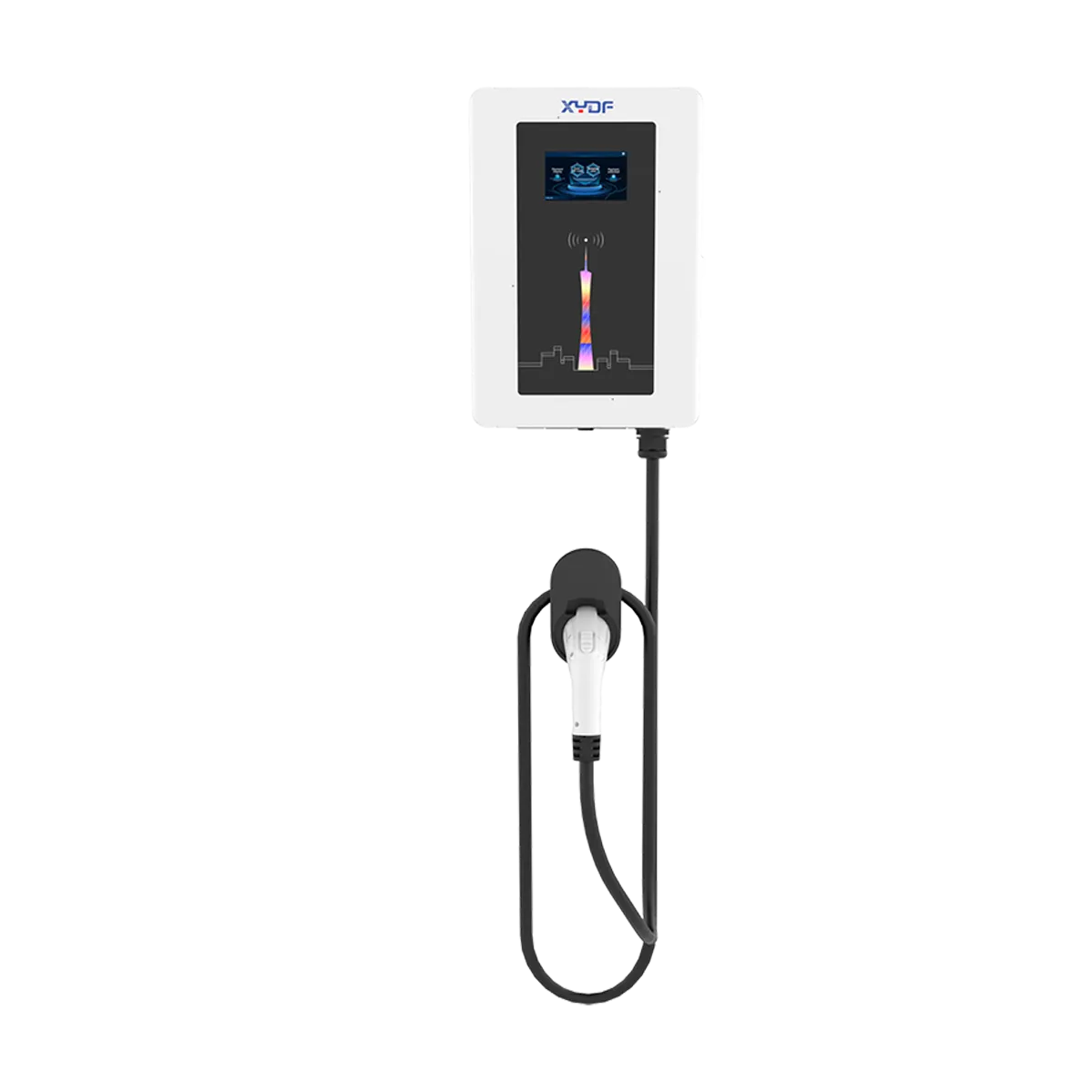
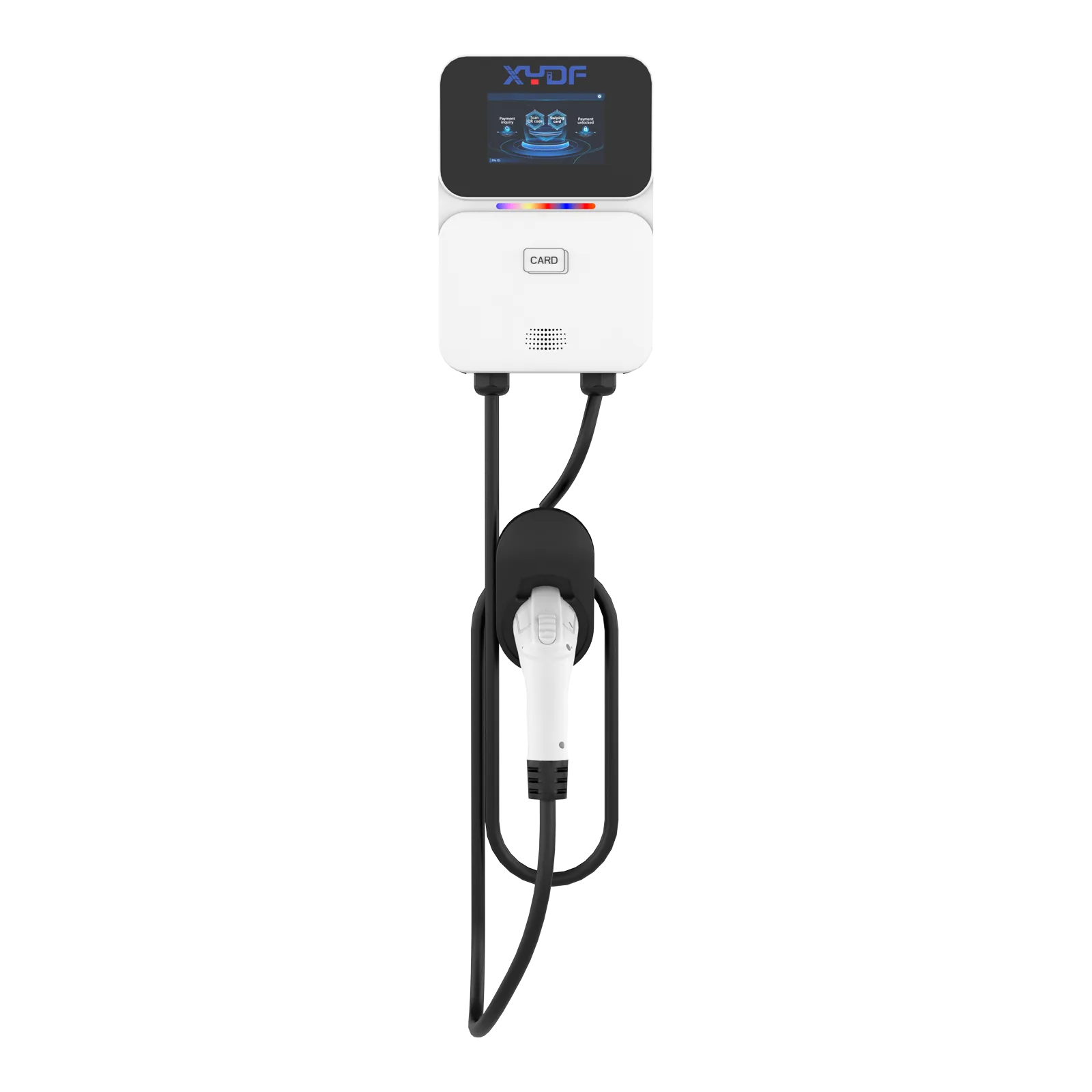
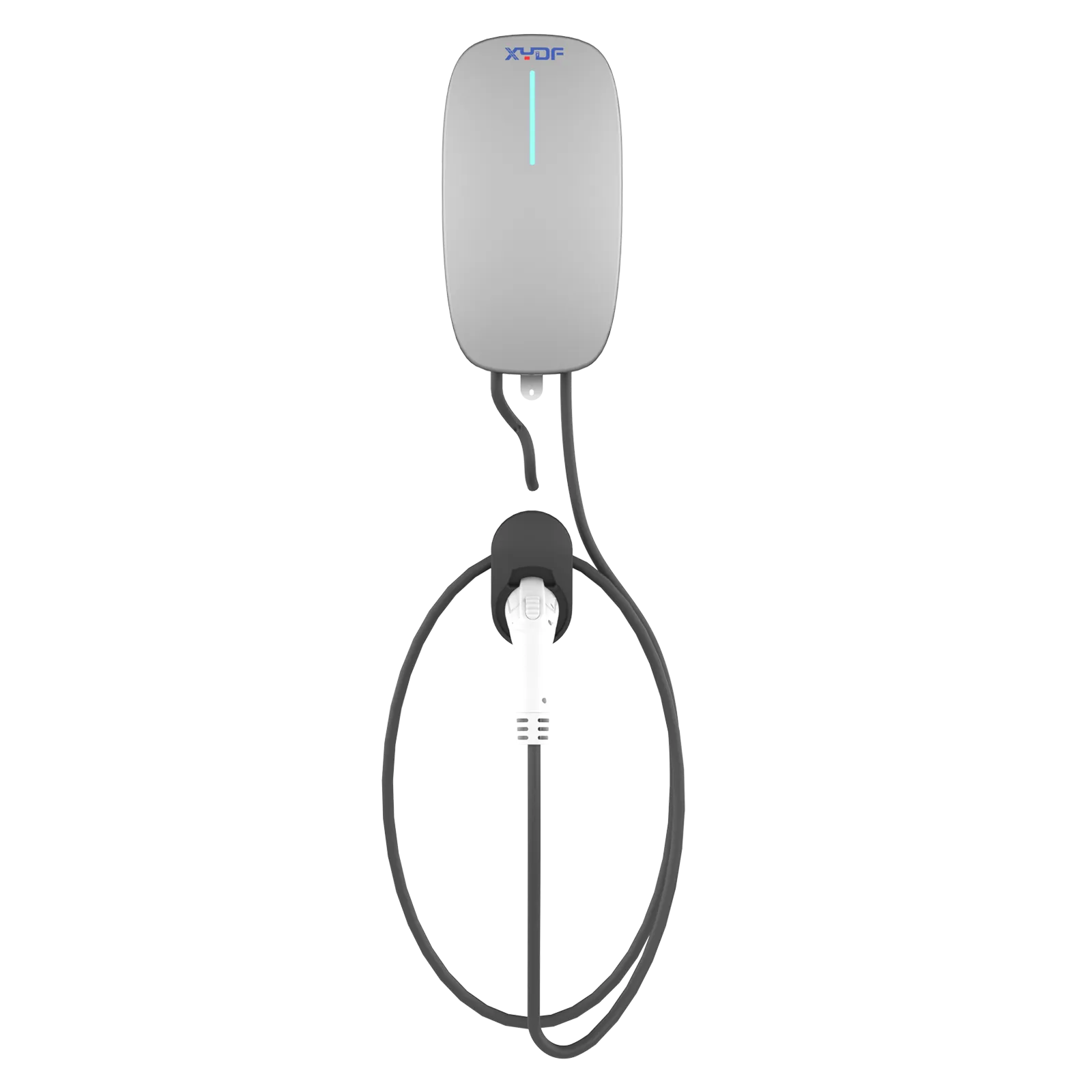
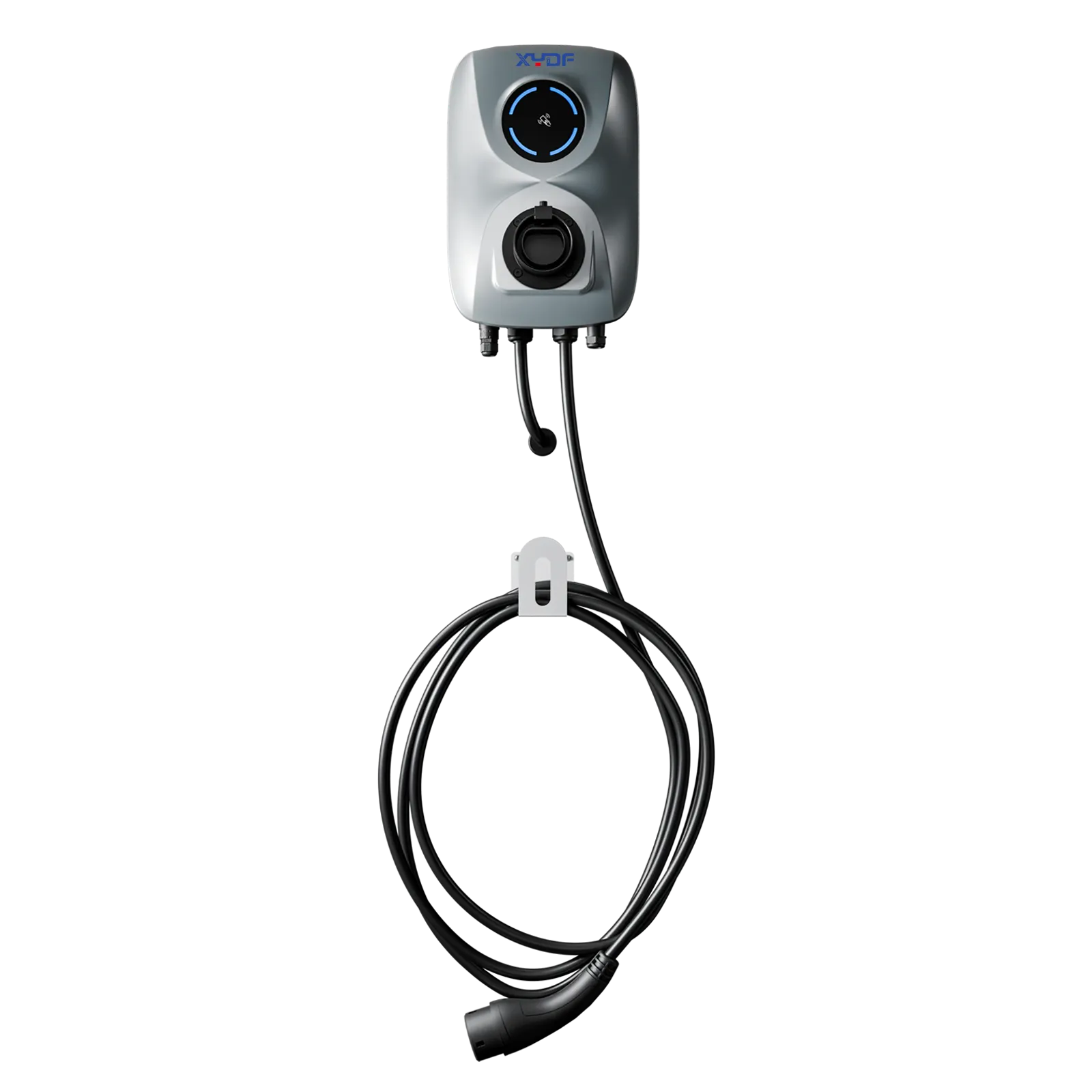
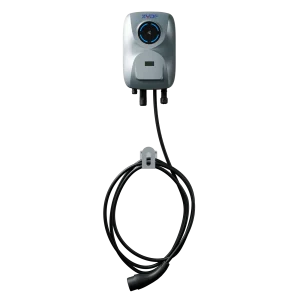
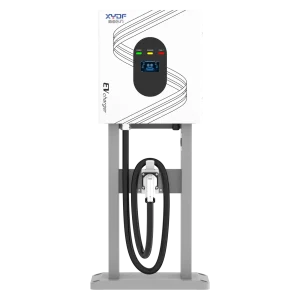
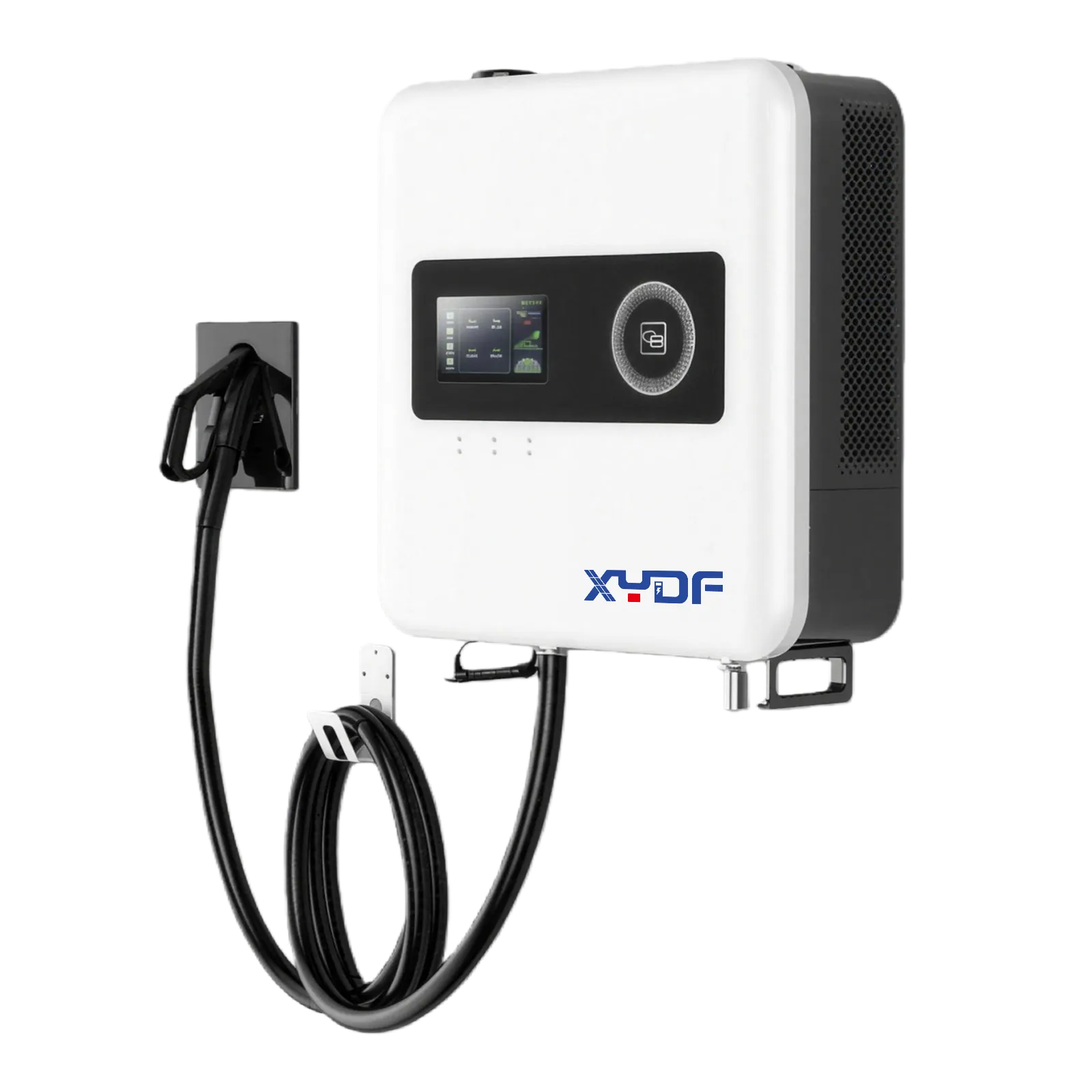
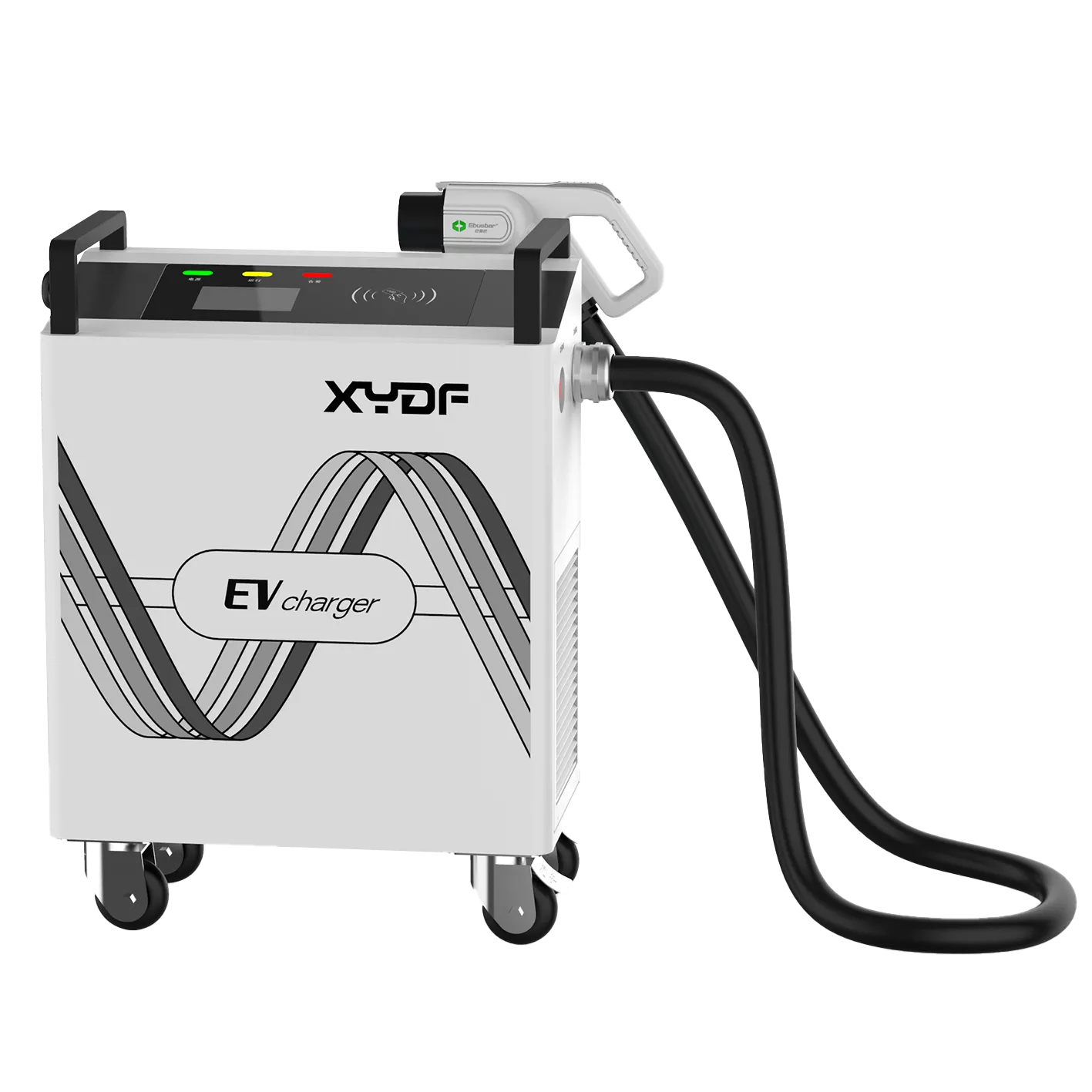
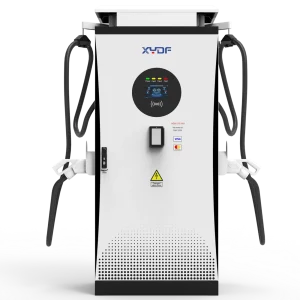
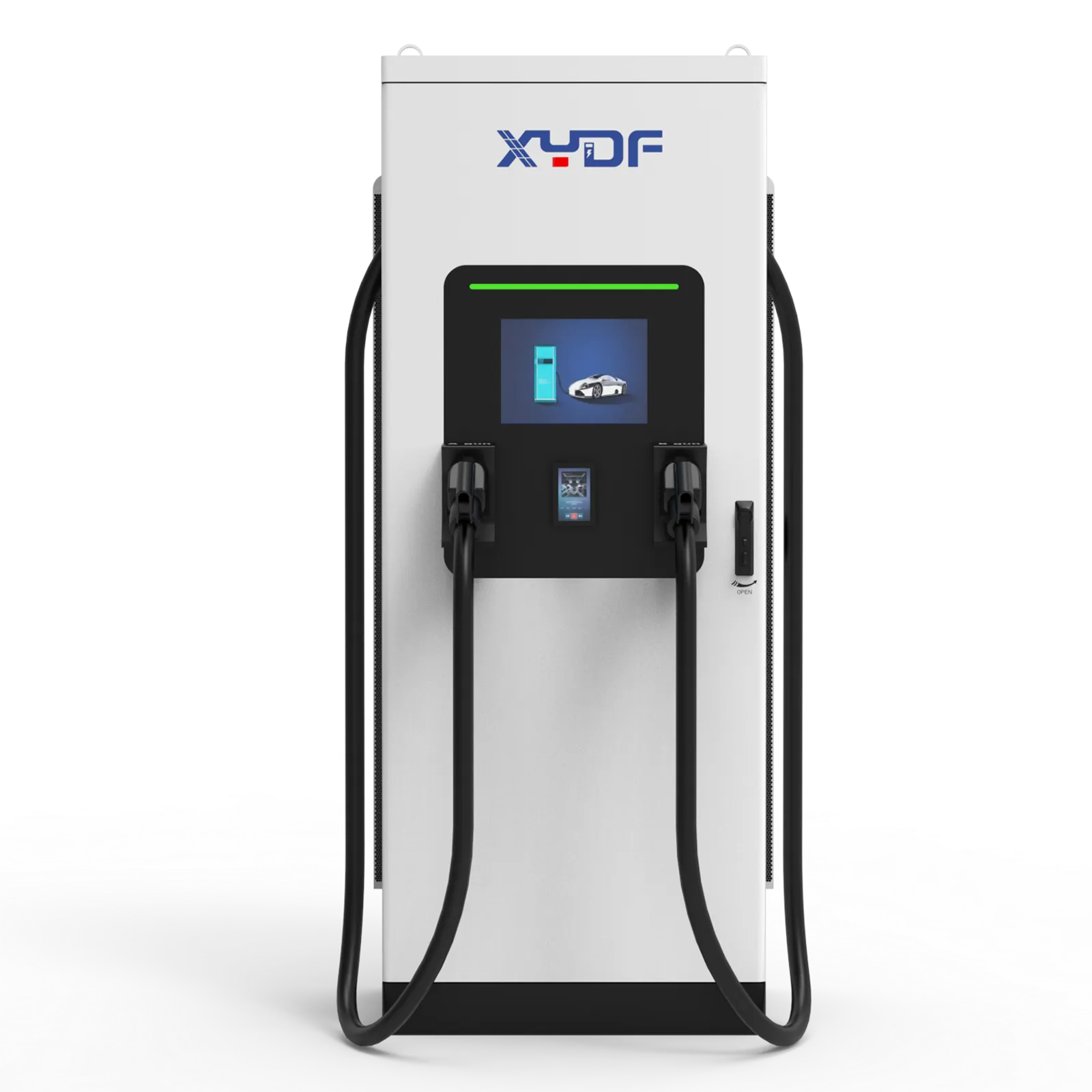
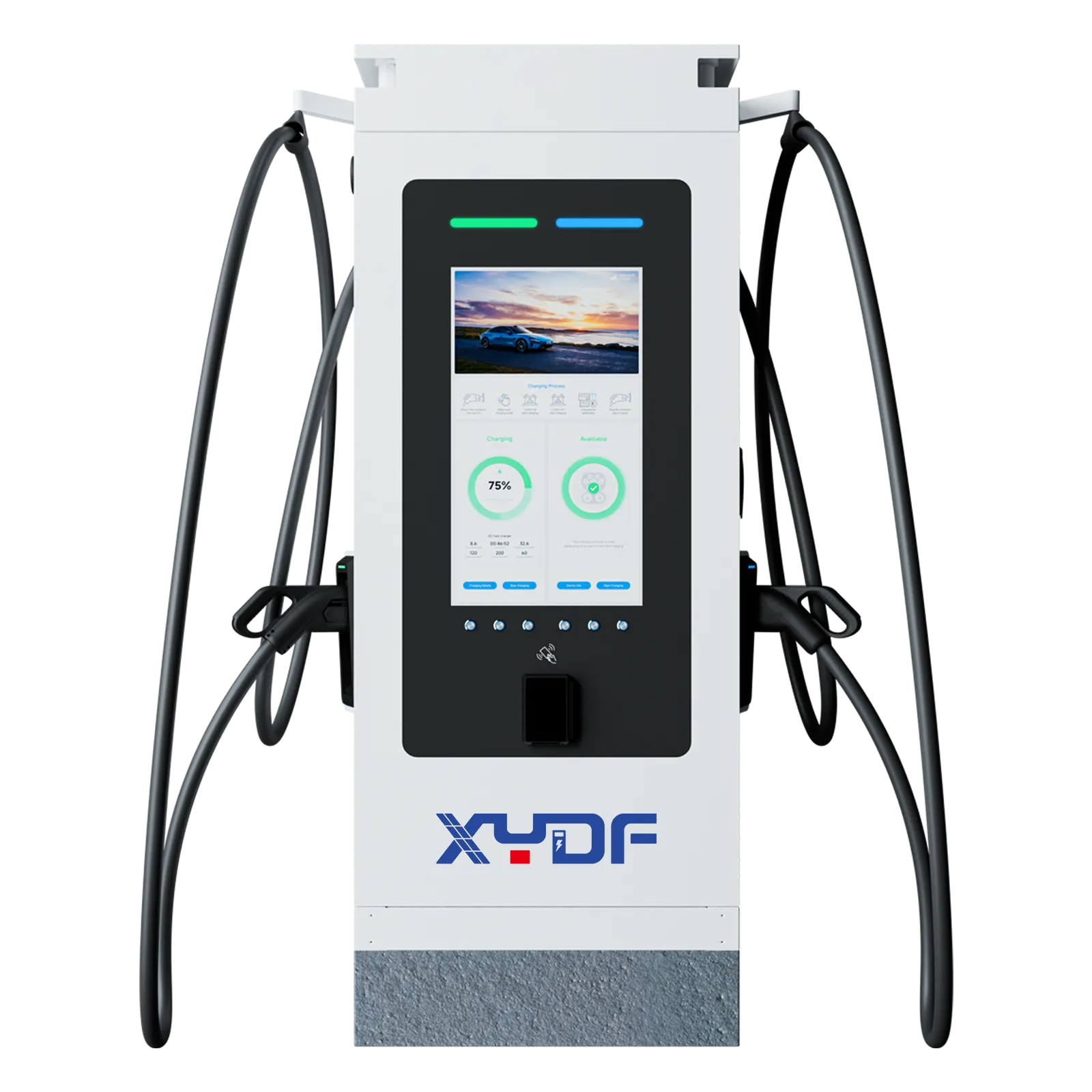
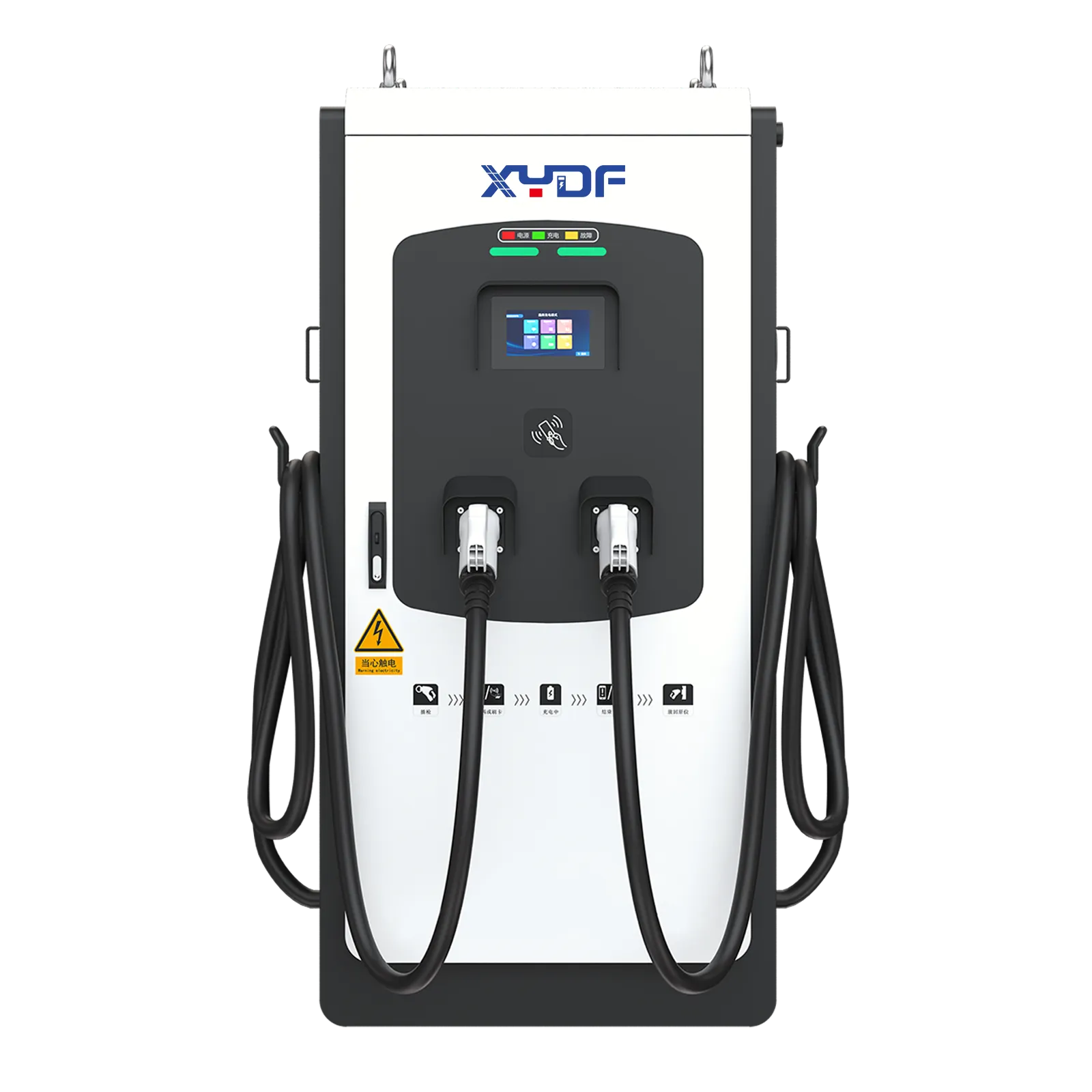
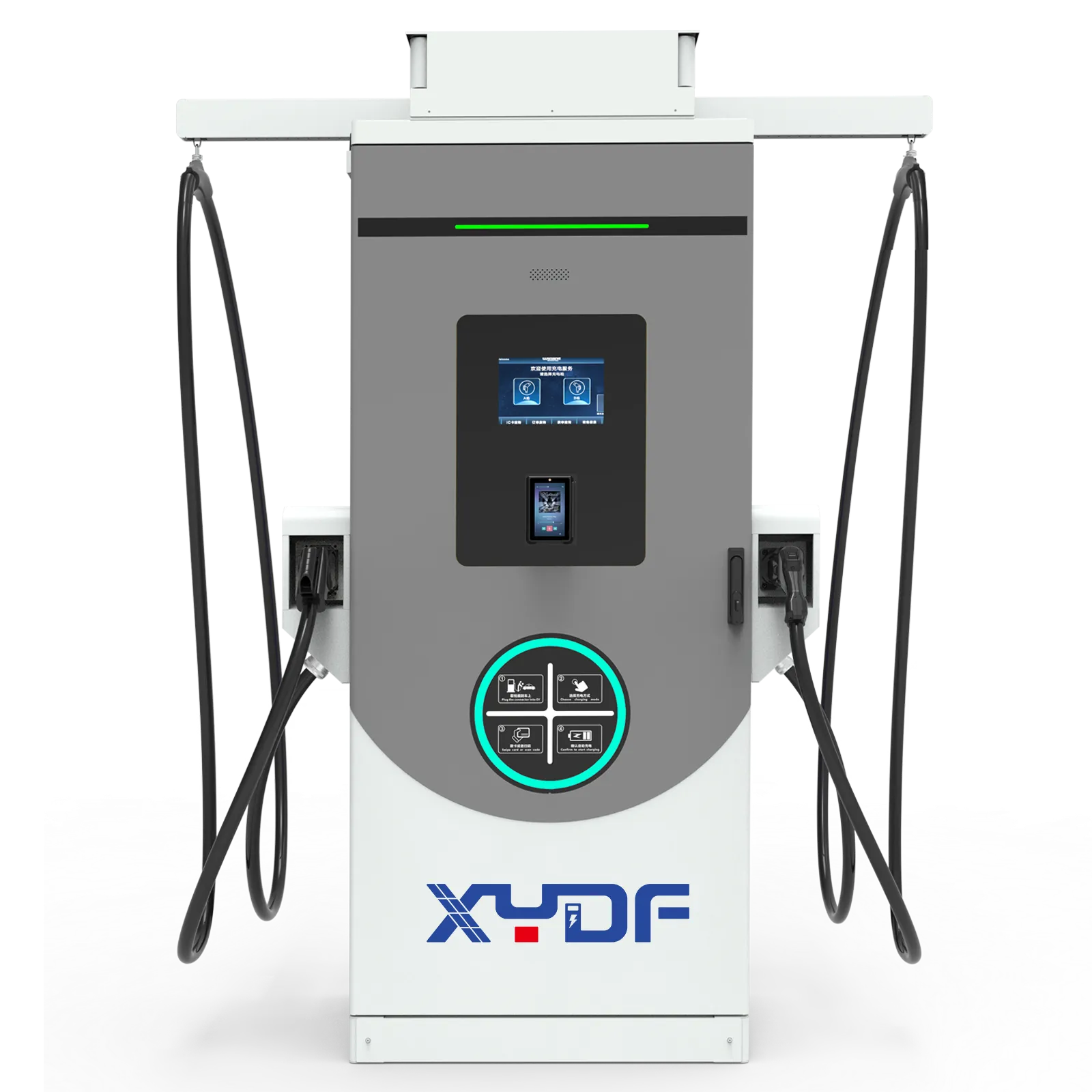
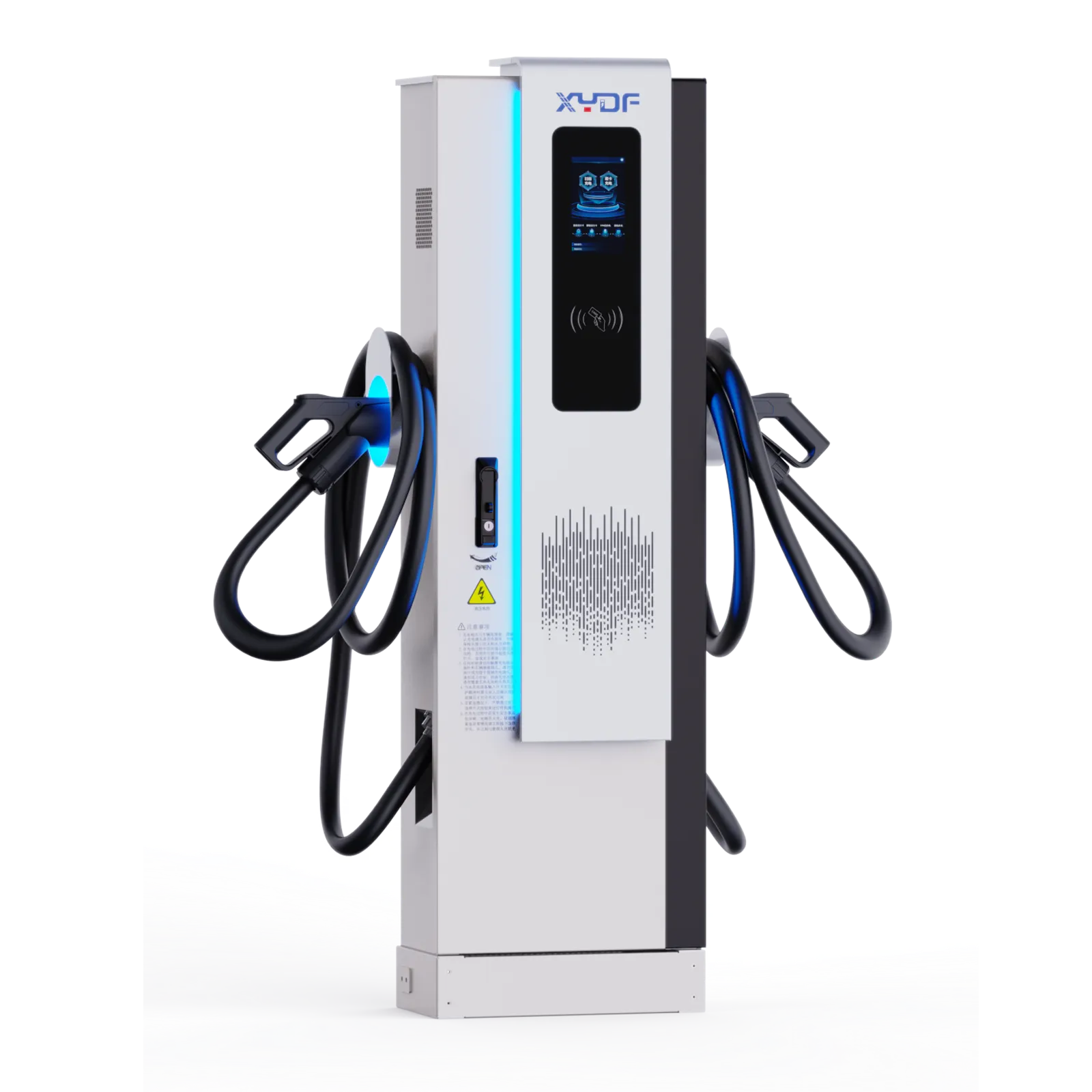
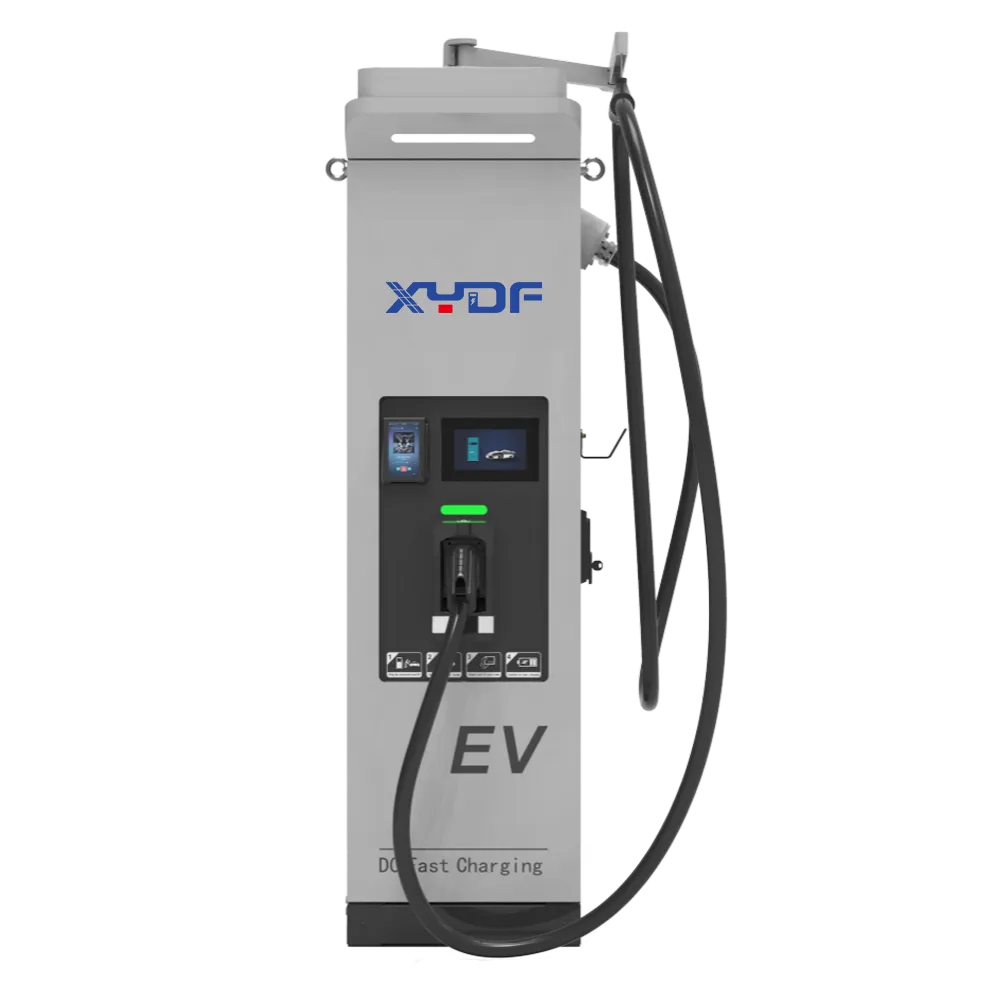
If you are an EV owner, then it’s likely that you’ve considered how to charge at home as it can be a cost-effective and convenient way of charging your car. However, before determining your ability or desire to set up your own EV charger, you need to consider various aspects of installing an EV charger including system requirements and installation costs. This guide will give you the information necessary to determine if the DIY approach is appropriate for you.
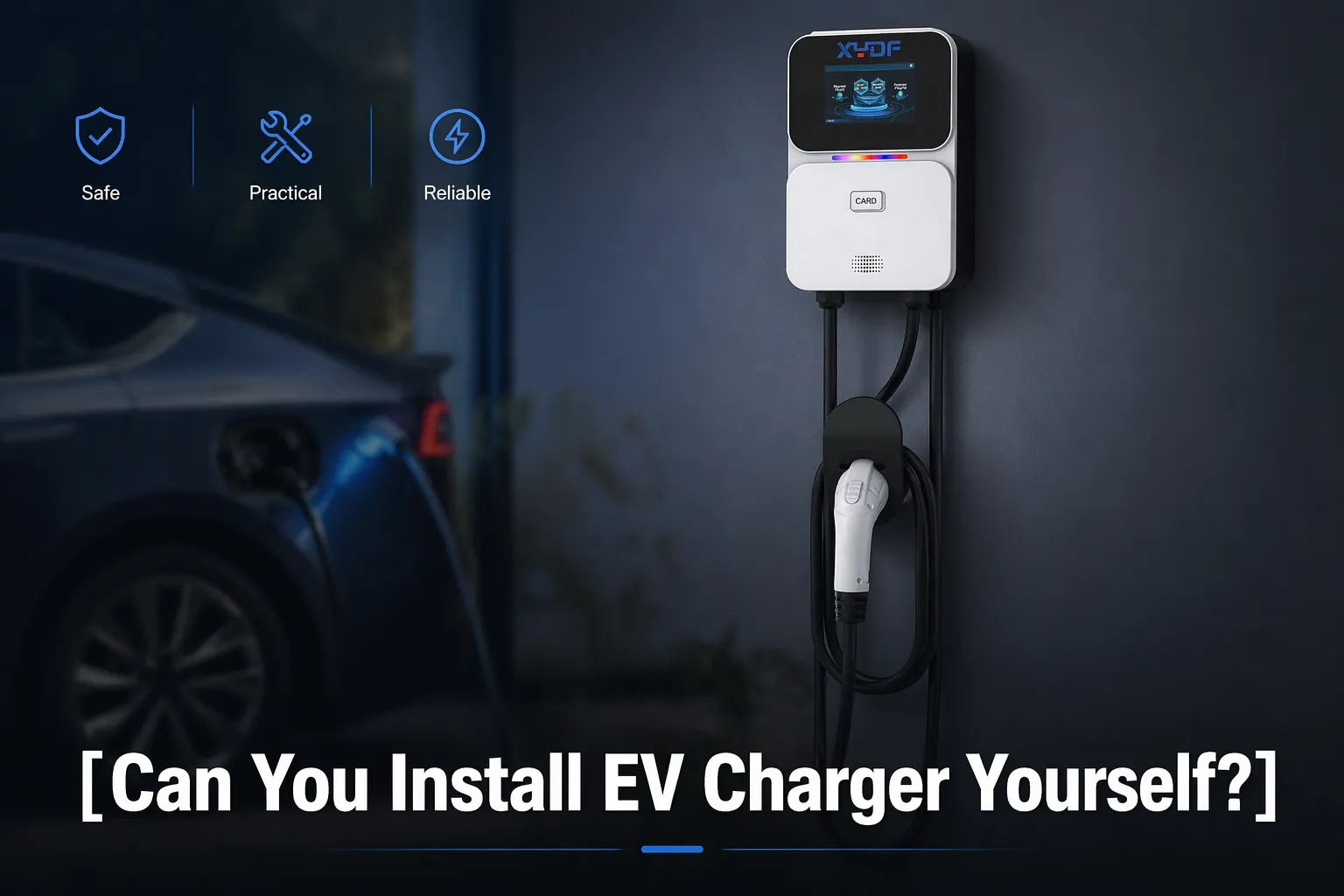
The first step to evaluating your ability to install your own EV charger is understanding the overall process which includes the following steps for a home EV charger installation, typically a Level 2 charger:
Although some of these tasks may be relatively simple, others will require extensive know-how in regards to completing them in a safe manner and ensuring that they function correctly to be of any benefit.
It is possible to install an EV charger on your own; however, this is generally discouraged unless you are a licensed electrician. Here are some reasons for this:
Skill and Knowledge Requirements
The installation of EV charging stations is not simply plugging in a device the same way you would plug in an appliance. When performing installation of EV chargers, the work often requires working with higher voltage systems, wiring, and circuit breakers that are typically difficult or unsafe to perform without professional training, thus putting you at a very high risk for injury or to cause damage.
Legal and Regulatory Issues
You may feel you have confidence and skills to install and therefore choose not to hire an electrician; even so, there may still be local regulations that require the use of a licensed electrical contractor when installing your EV charger. To install without having the proper permits or to install not in accordance with local codes, you will be in violation of state/local law and your insurance coverage may be rendered void.
Warranty Issues
Warranties on many EV chargers are typically contingent on having the EV Charger professionally installed. If you do the installation yourself, this may invalidate your warranty by eliminating the warranty installation requirements.
Safety Concerns
Improperly installing an EV charger can create a serious risk of electrical fire, electrocution, and/or system failure. By using a professional installer, all safety codes will be adhered to, and you can be assured that your EV charging station will operate safely and reliably.
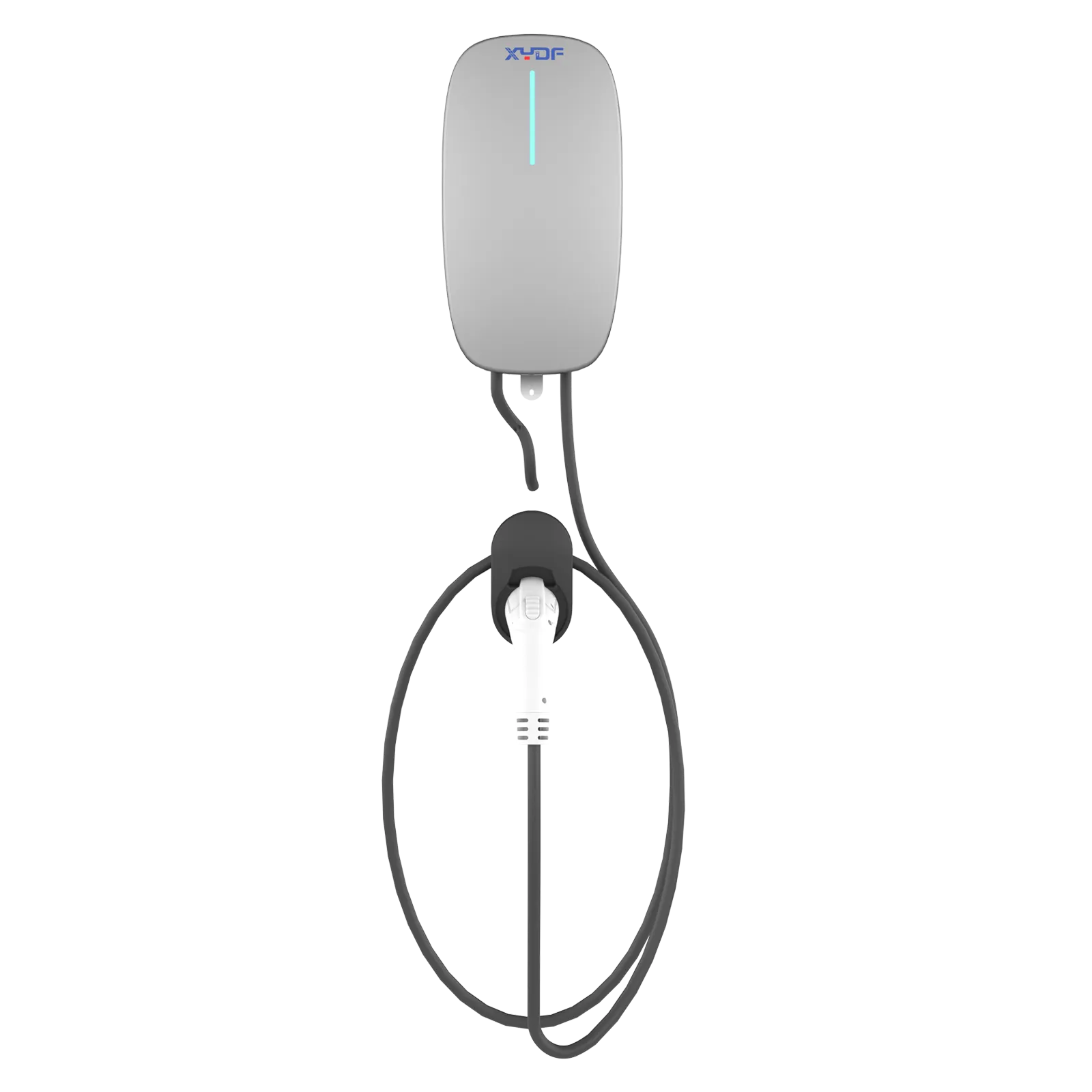
If you are curious about the cost of a professional Level 2 EV charger installation, there are several factors that will affect the total cost.
Typically, the cost of a Level 2 home EV charger ranges from $400 – $1200 (excluding installation).
Labor Cost
Hiring an experienced electrician to install your EV charger can range from $300 – $1000. When it comes to determining how much an installer will charge you for EV charger installation, there are many factors that will affect the total price including the complexity of your home’s electrical system; how far your electrical panel is from where the charger will be installed.
Electrical Infrastructure Upgrades
If your home’s electrical panel does not meet the needs of EV charging, it may need to be upgraded to supply all of the necessary electricity to operate an EV charger; in that case, you can expect your total cost for upgrading the panel and installing an EV charger to add $1,000 to $3,000 to what you have already budgeted for the installation of the charger.
Estimation of Total Cost
The average total cost for an EV charging station installation that consists of the charger and installation is between $1,000 and $2,500 and does not include taxes or incentives that may be available to a customer for installing an EV charging station. Please do your research on any existing rebates available in your market.
The cost of EV charger installation will be more expensive than a DIY installation; however, the benefits associated with the use of a professional installer far exceed the risks involved with doing it yourself.
For some people, they may want a Level 2 charger but cannot install one. For those people, there are alternative options:
Portable Charger
You can use a portable charger and plug your charging unit into a 120-volt outlet at your home. This is a slower installation option and will take the longest between charging and using your vehicle without paying for the installation. Most portable chargers provide Level 1 charging at a lower power level. Therefore, it may be suitable for individuals that do not use their vehicle often.
Level 1 Charging at Home
If you have quick access to a home outlet and do not require Level 2 charging, a Level 1 charger (commonly used with EVs) can be adequate. The downside is that it takes eight or more hours to charge your vehicle from empty, so Level 1 charging is very limited and, unlike a Level 2 charger, requires minimal installation.
Most EV charger installations will run between $1000 – $2500, including the unit and any associated labor. If you have an electrical upgrade, these may also increase your overall installation costs.
Yes, generally, you will need a permit to install the EV charger, as this will comply with your local electrical codes and safety requirements. Therefore, you should research your local regulations and discuss the overall installations with your electrician.
Yes, but you will need the consent of your housing association/management to install it. Your installation will most likely require professional installation with the shared electrical infrastructures.
There are no scheduled maintenance plans for EV chargers since they are low-maintenance. Still, you should periodically check your wiring to be sure it is not damaged and that the unit does not have dirt or moisture.
You may be able to install your EV charger; however, if you do not have artistic electrical work experience, I do not recommend doing so. There are many electrical engineering concepts, safety issues and legal implications in installing an EV charger; therefore in most cases, it is easier for someone else to install it. The professional installation of the EV chargers will provide you with a safe and reliable means of charging your vehicle from your home and give you the peace of mind from a proper code-compliance installation. While the initial cost of installing an EV charger may be expensive, it will help you to use and maintain your EV charger correctly.


 Xinya Dongfang Electricity Technology Co., Ltd.