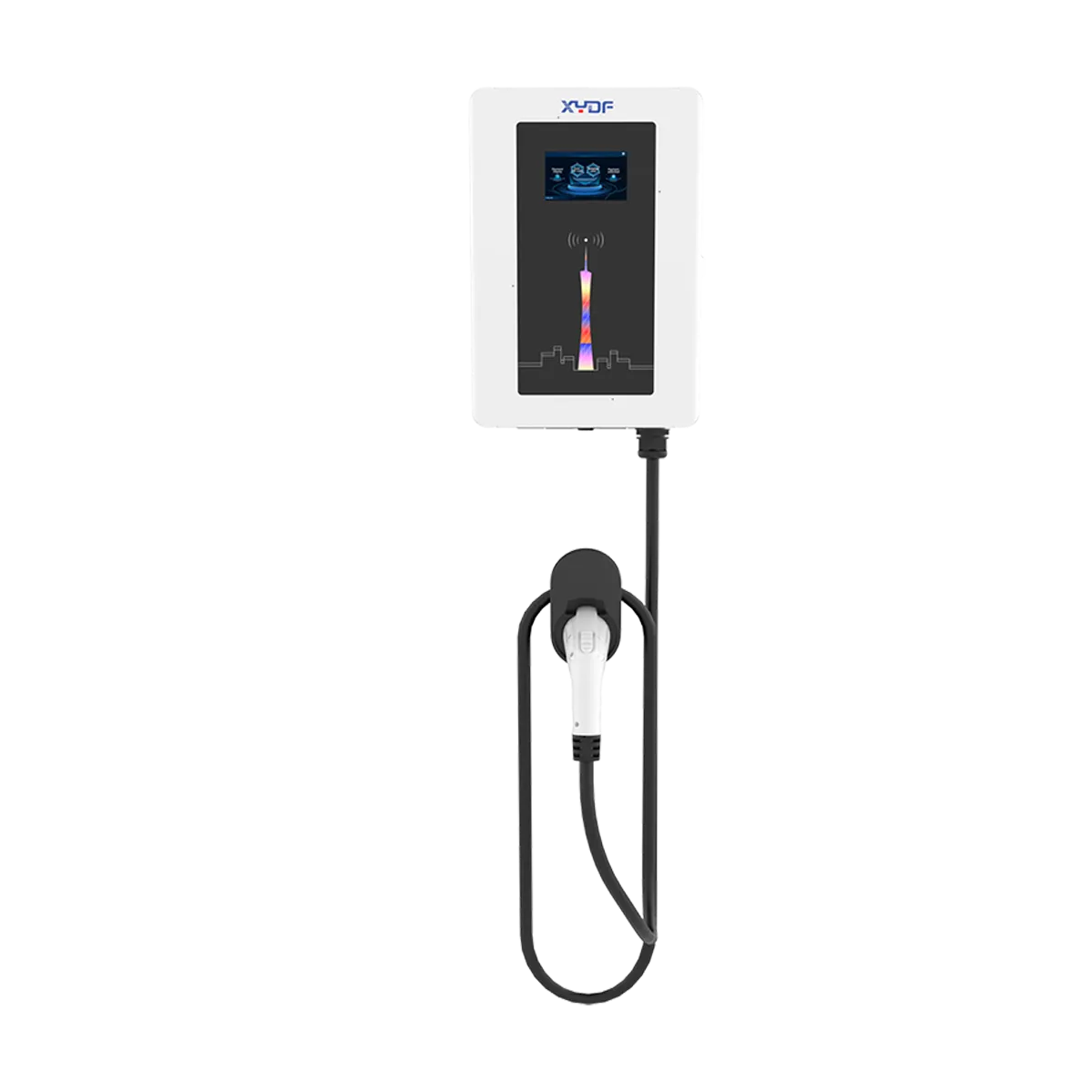
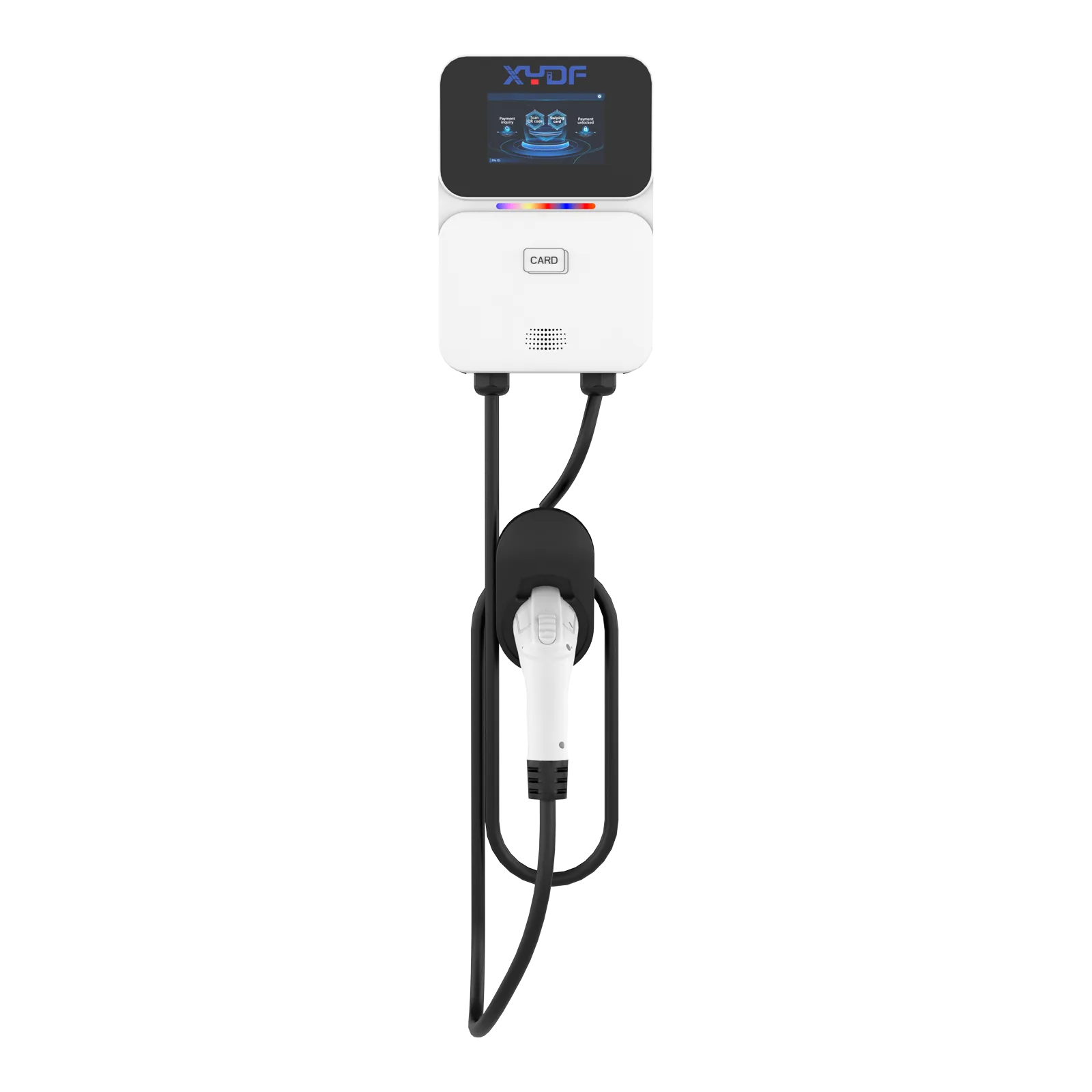
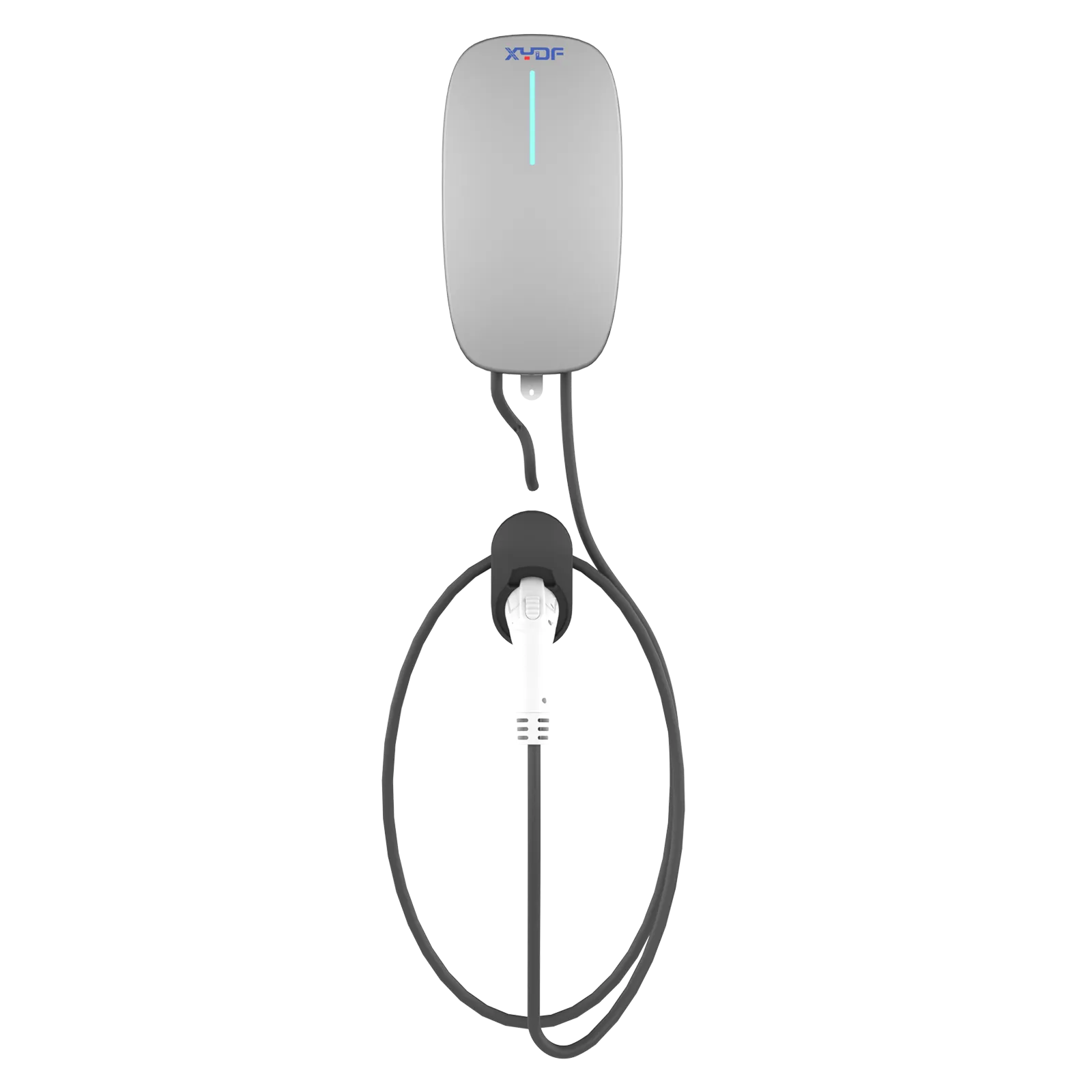
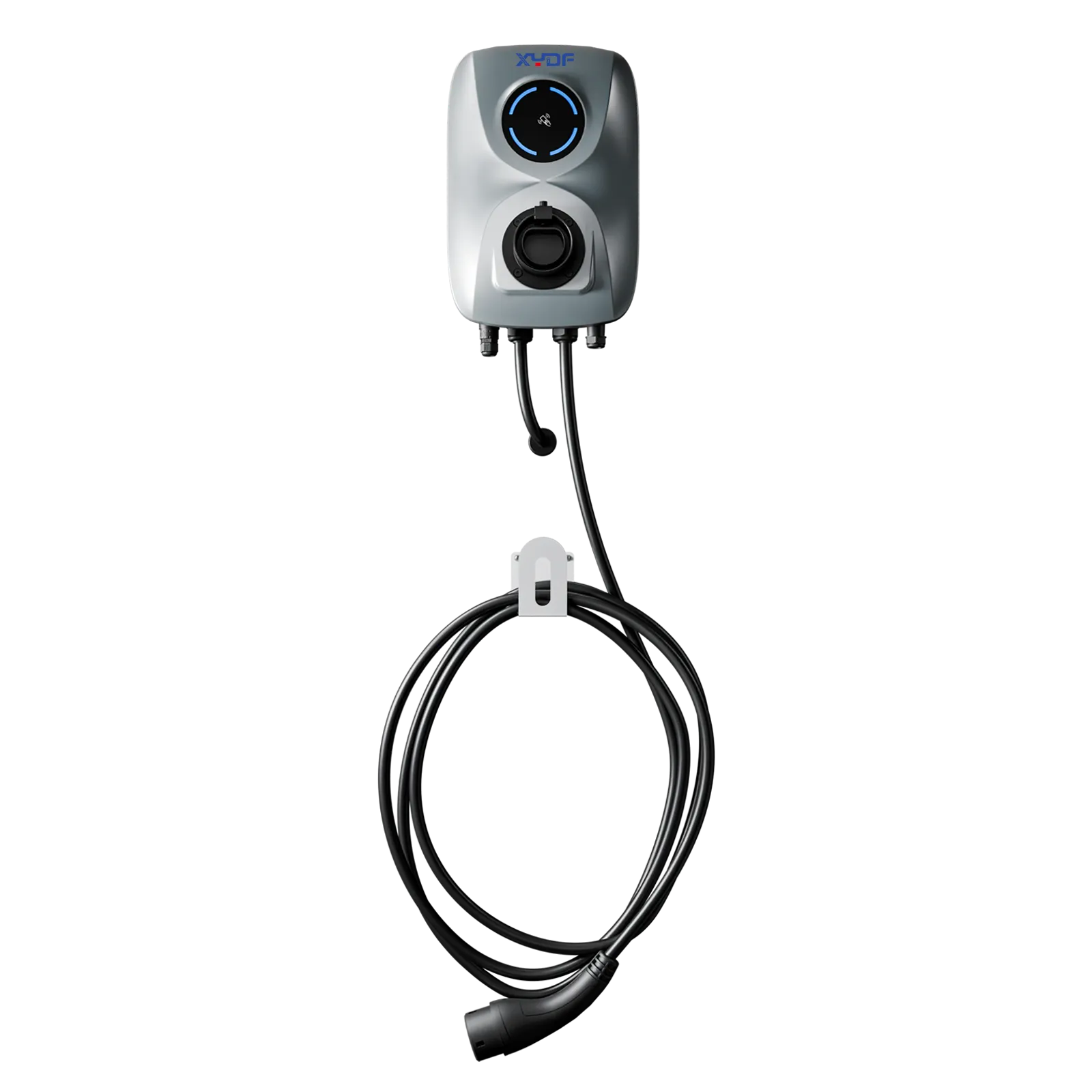
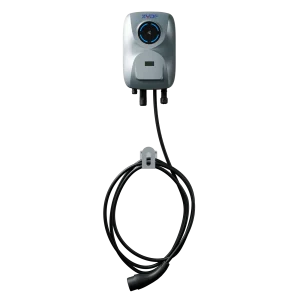
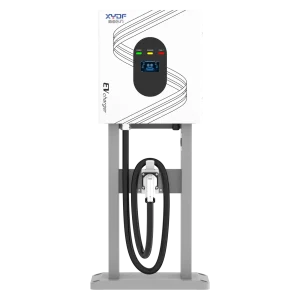
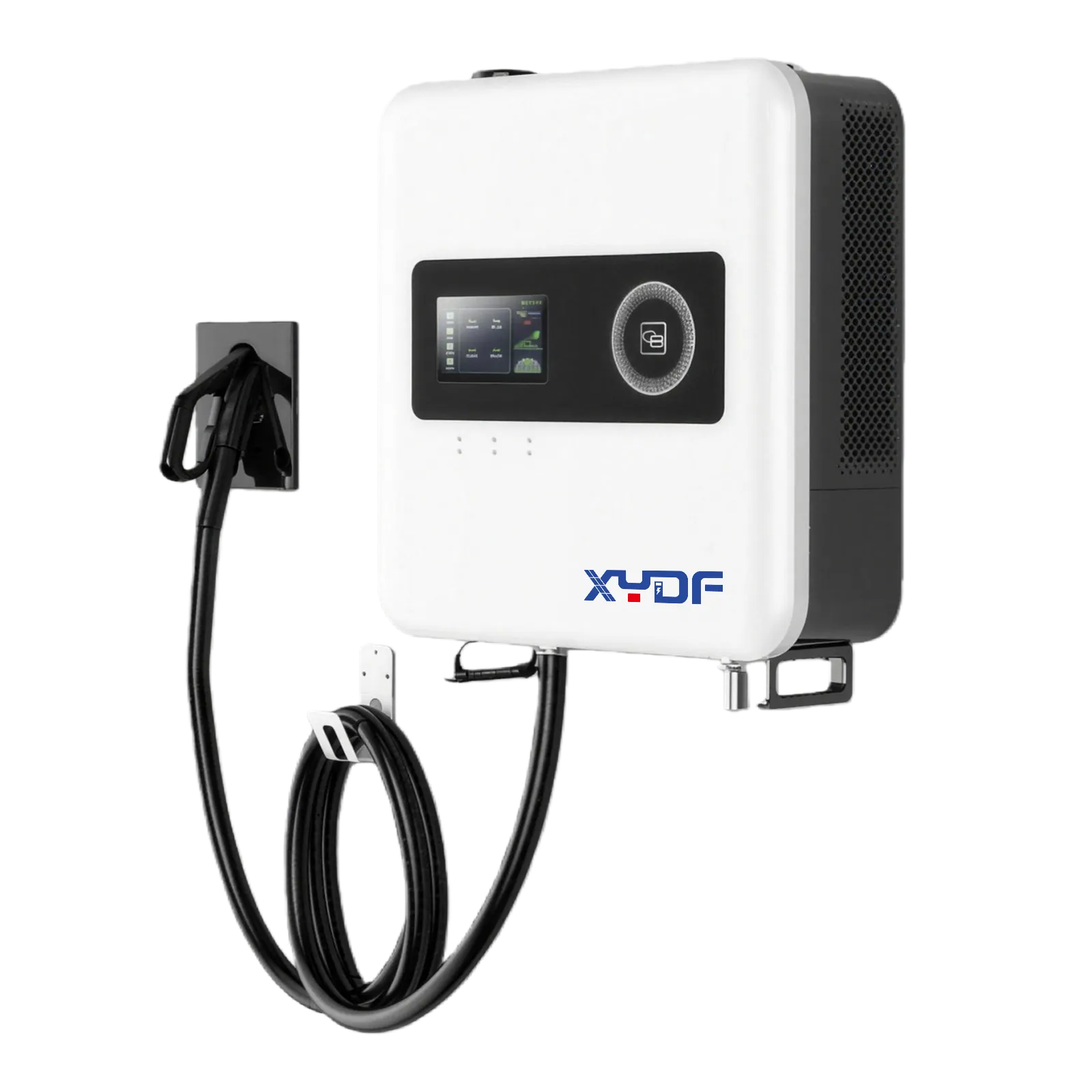
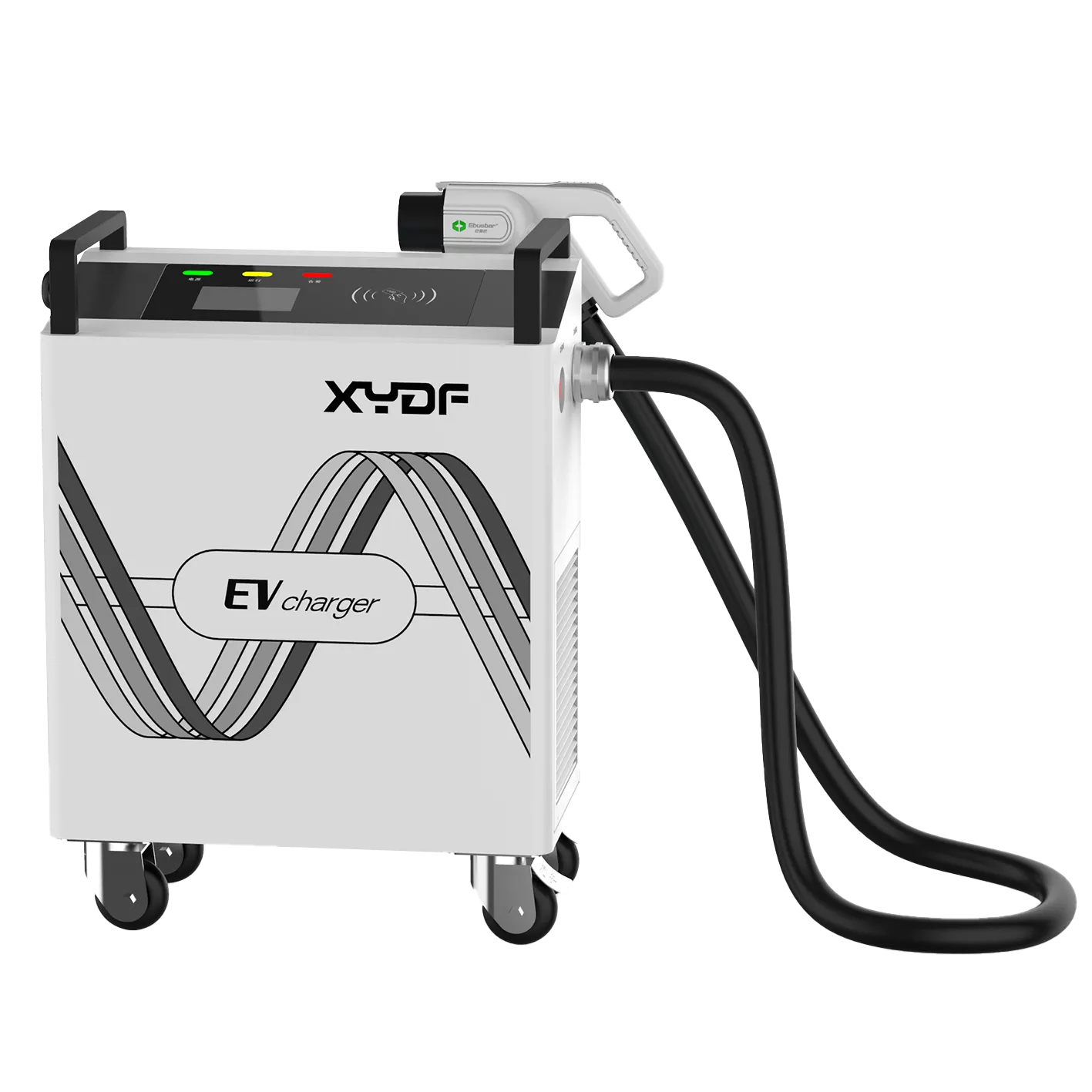
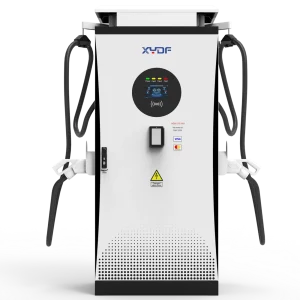
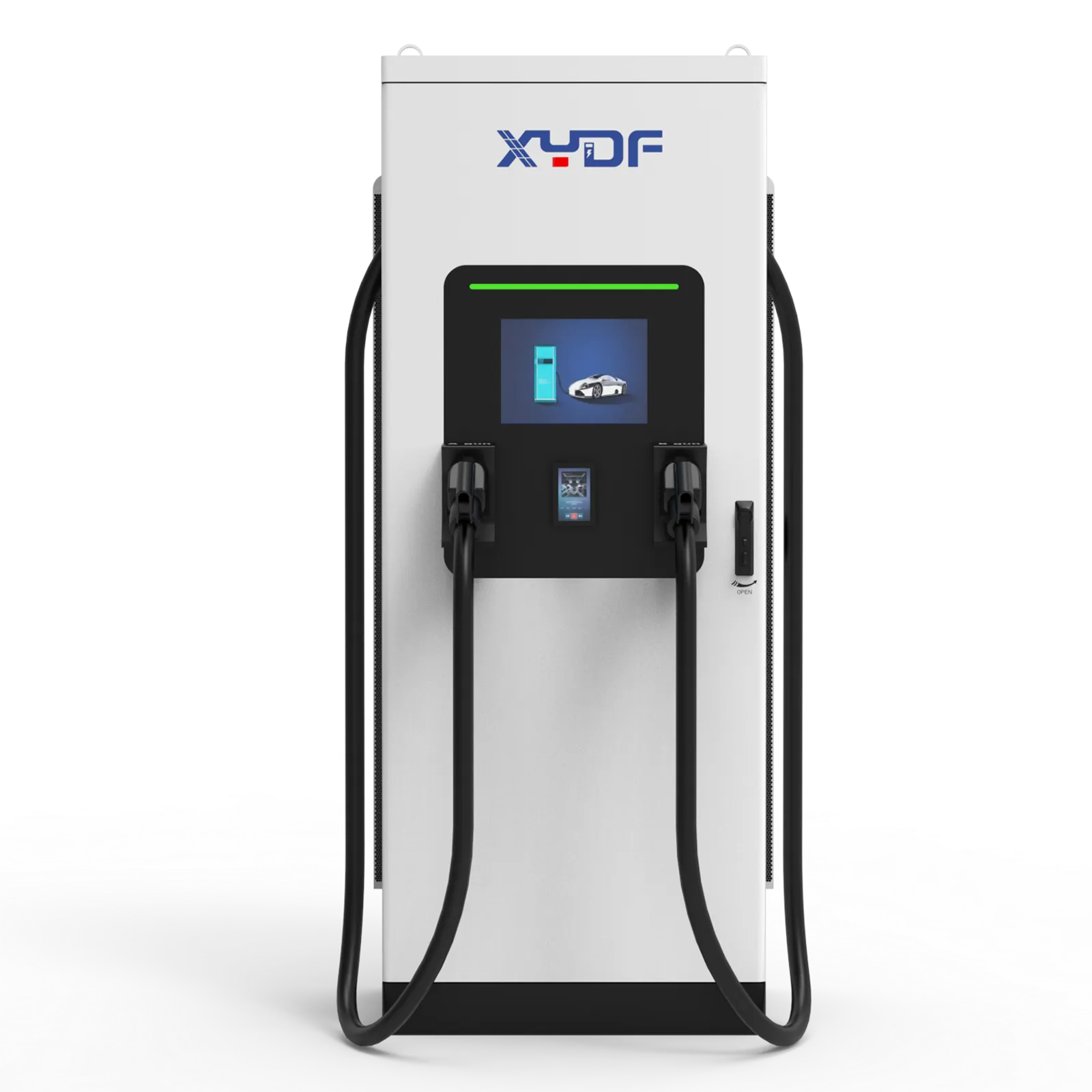
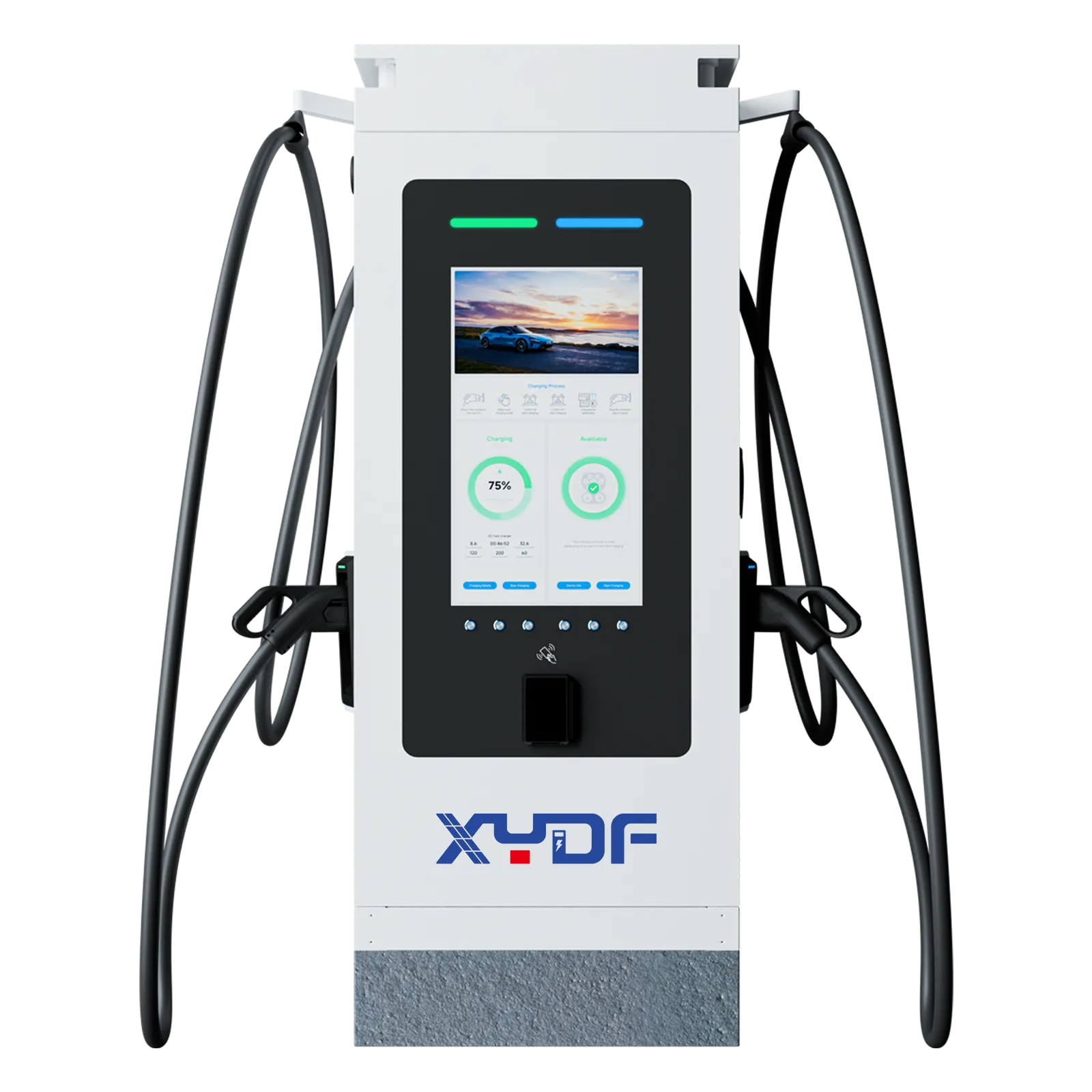
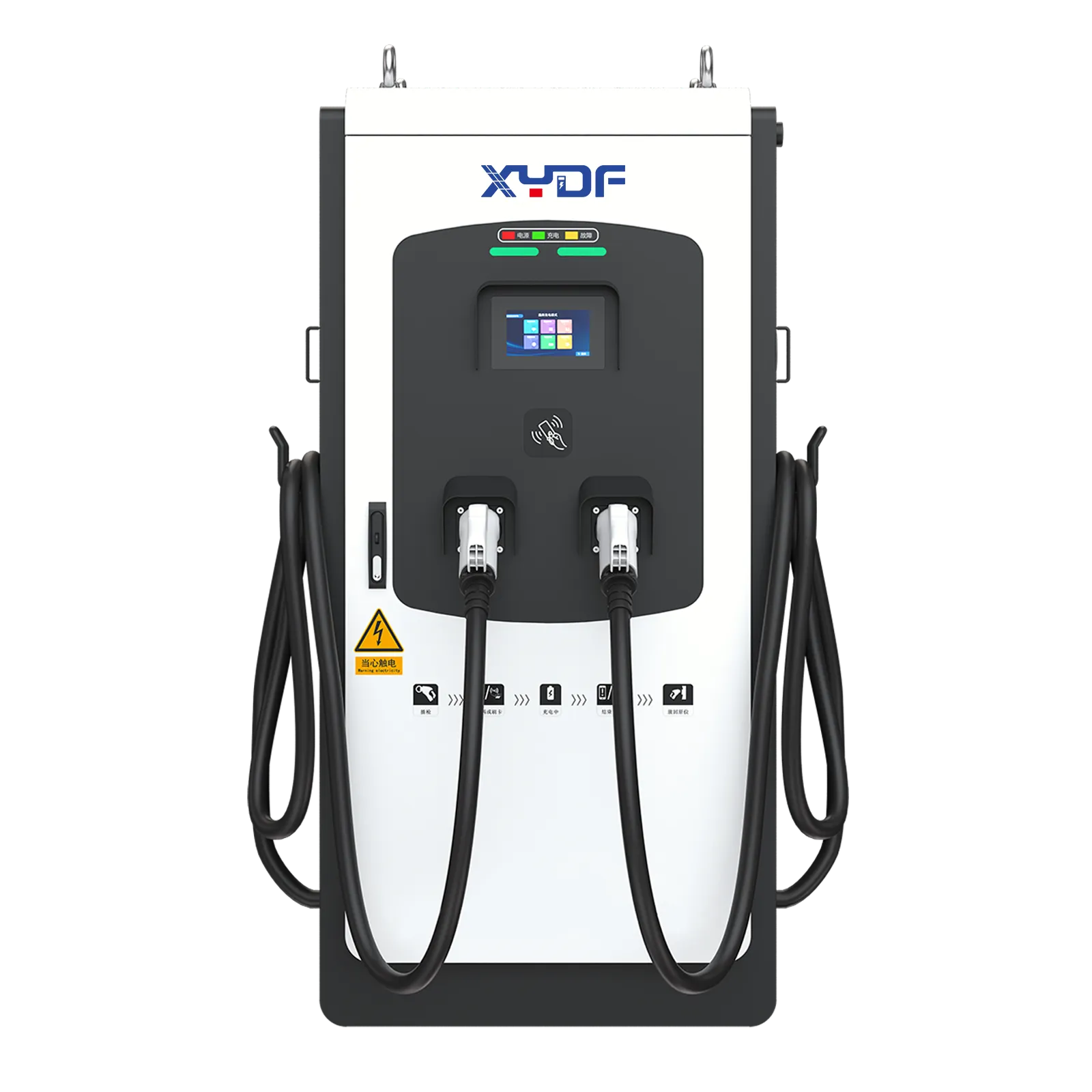
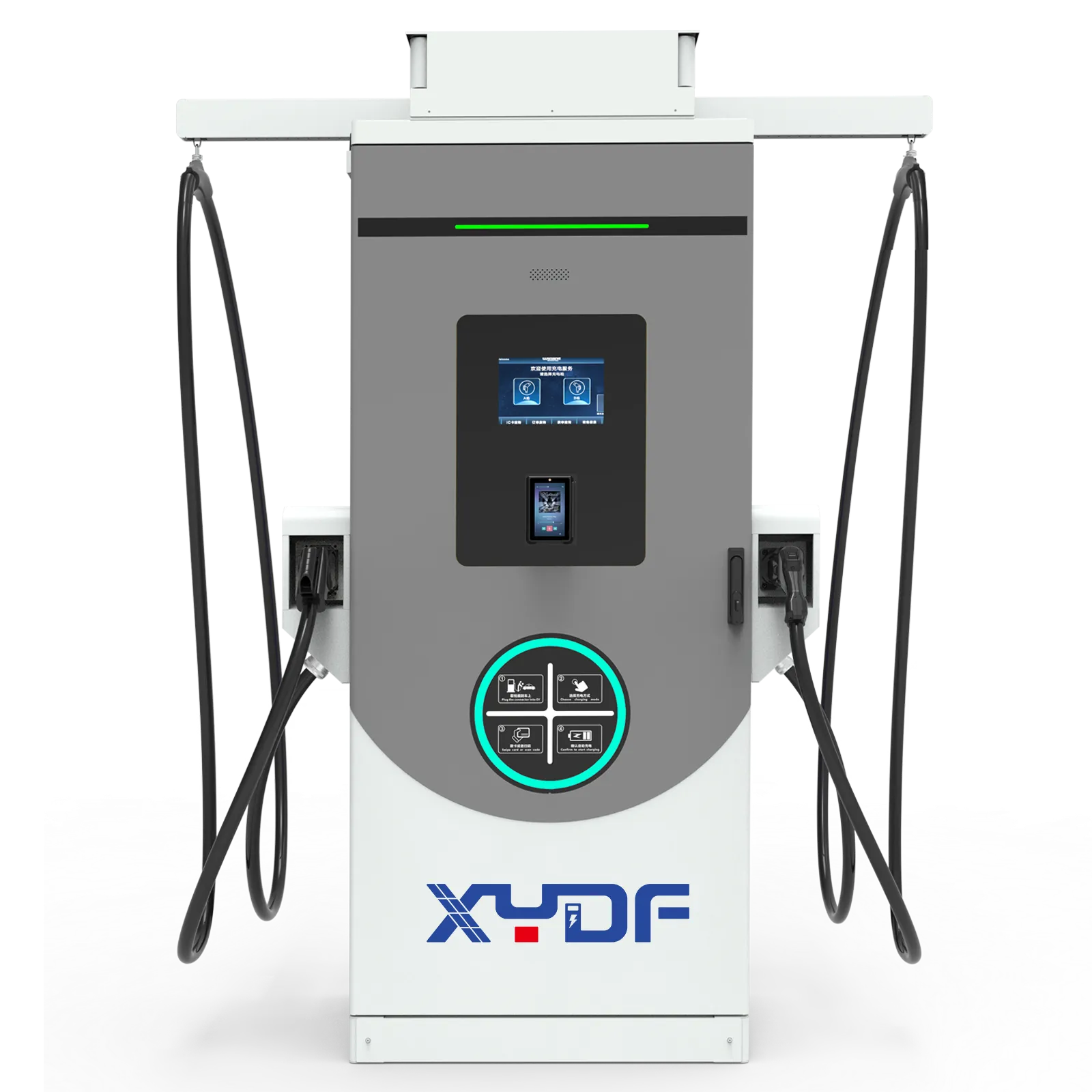
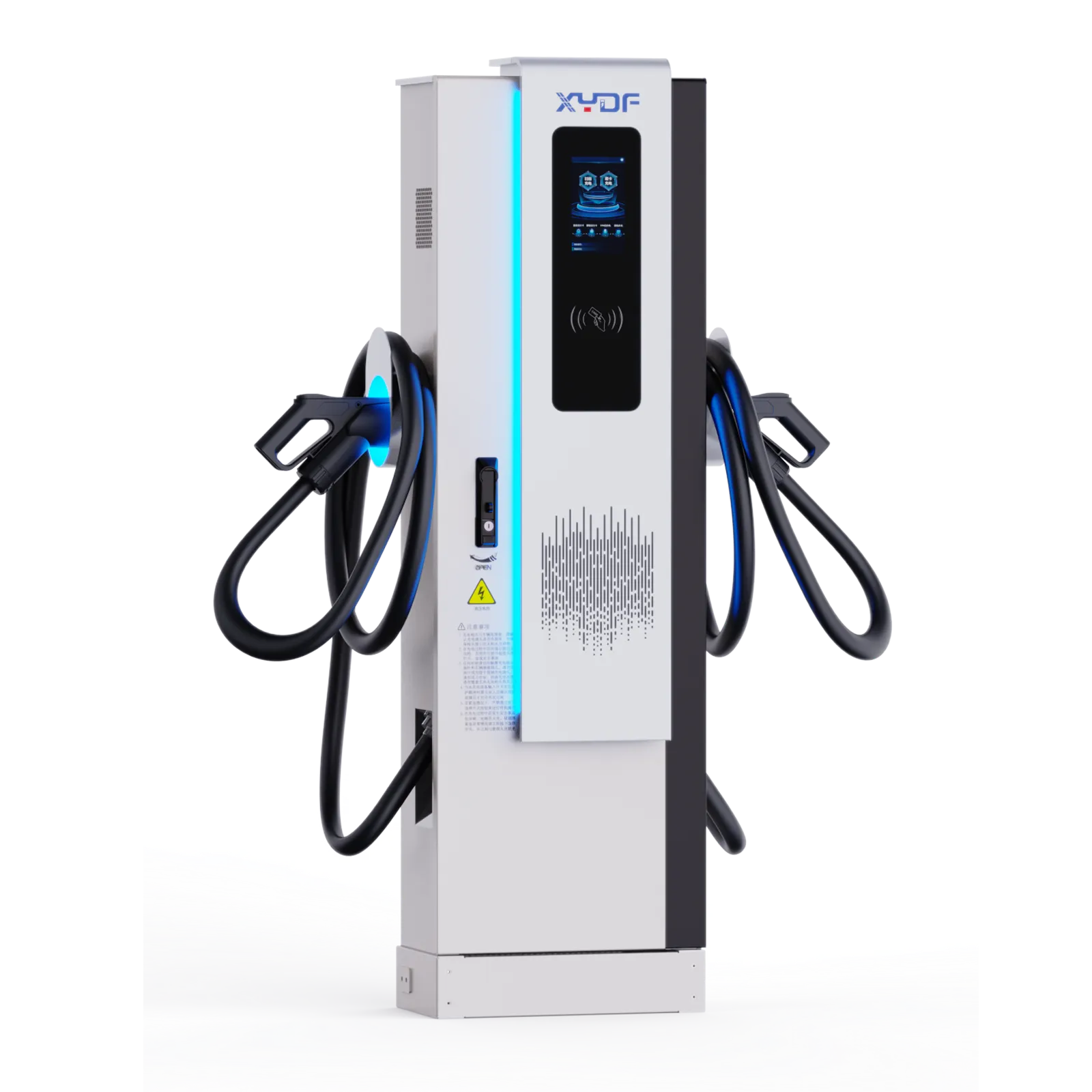
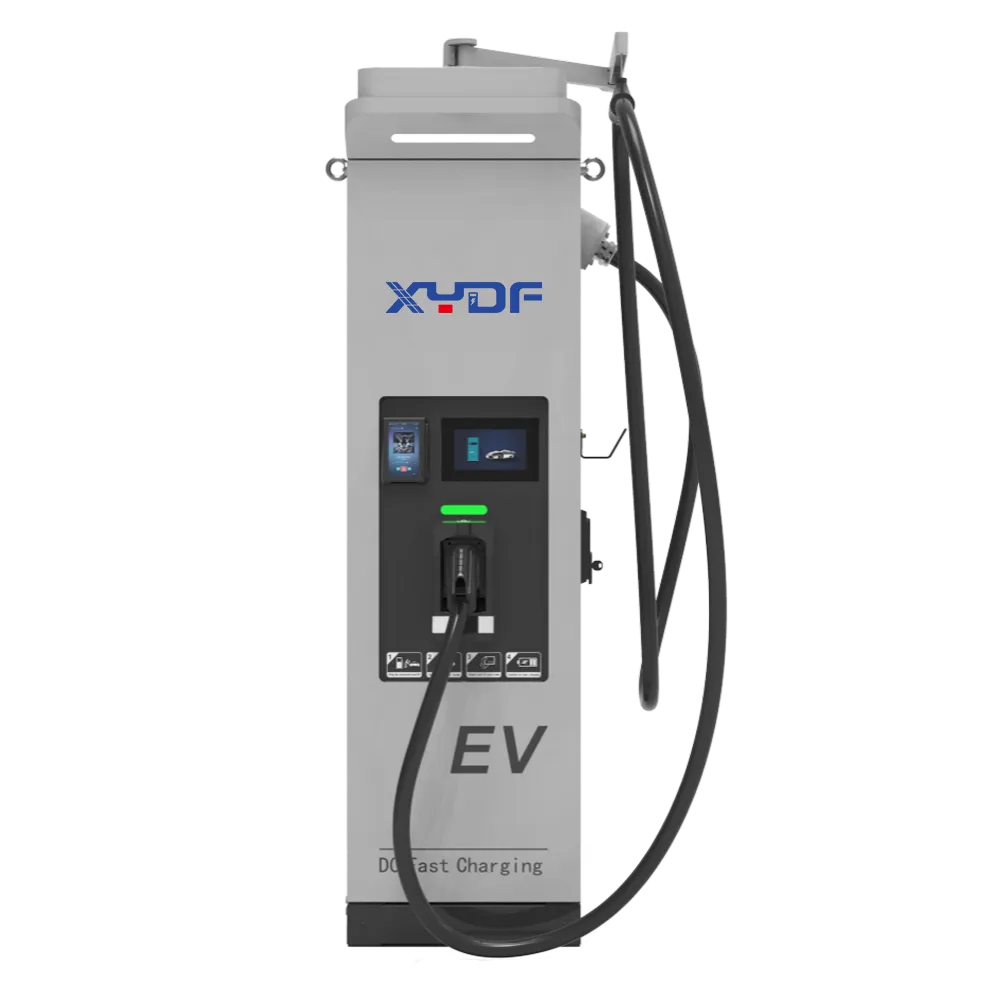
As demand for transportation continues to increase, more electric vehicle owners will utilize the necessary electric vehicle i.e EV chargers needed to charge electric vehicles effectively and accurately i.e efficiently. One of the preferred methods by many electric vehicle owners is the Type 2 EV chargers. This article provides an overview of the Type 2 EV charger and addresses several other relevant topics that will aid your understanding of this critical technology.
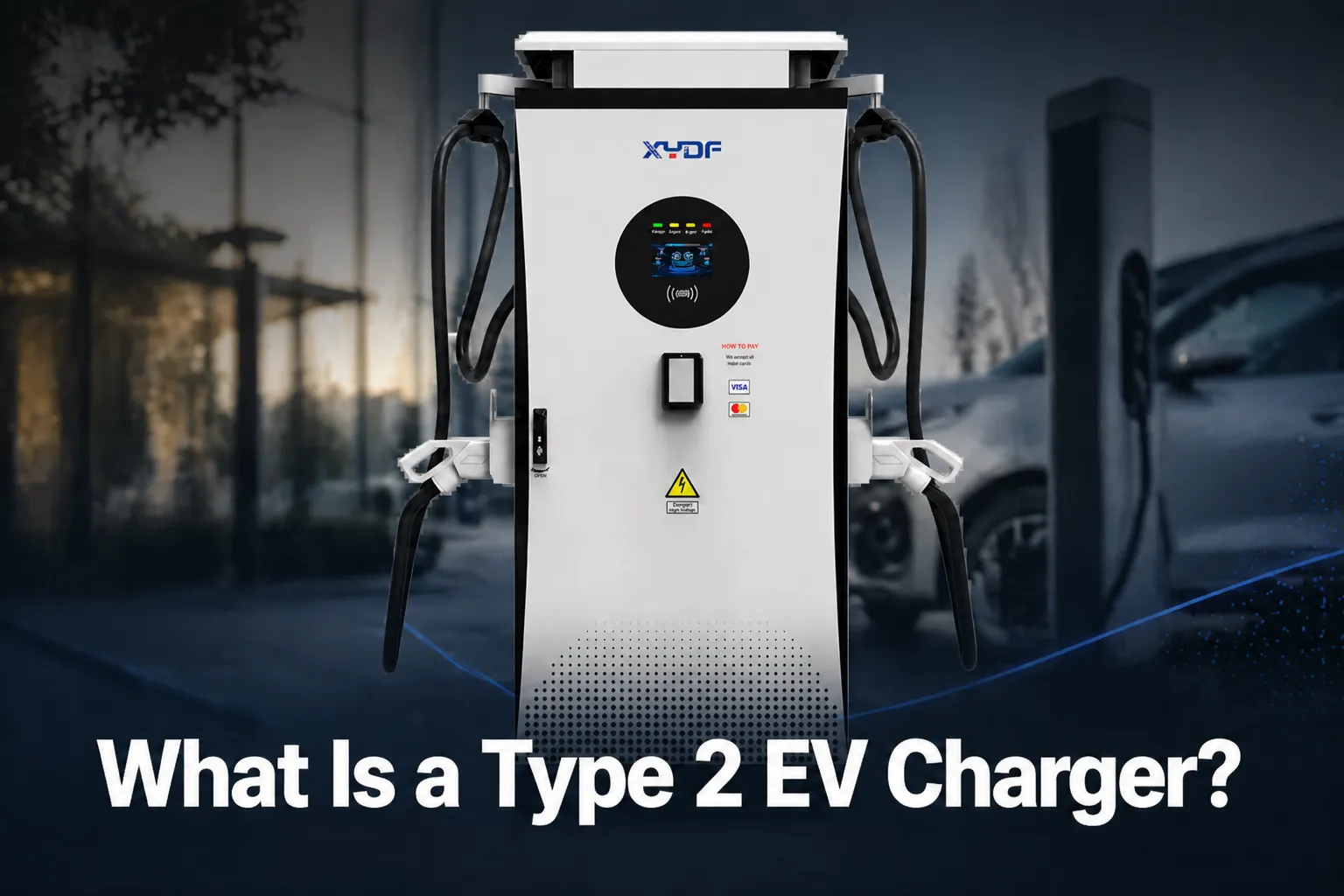
What Is the Type 2 Electric Vehicle Charger?
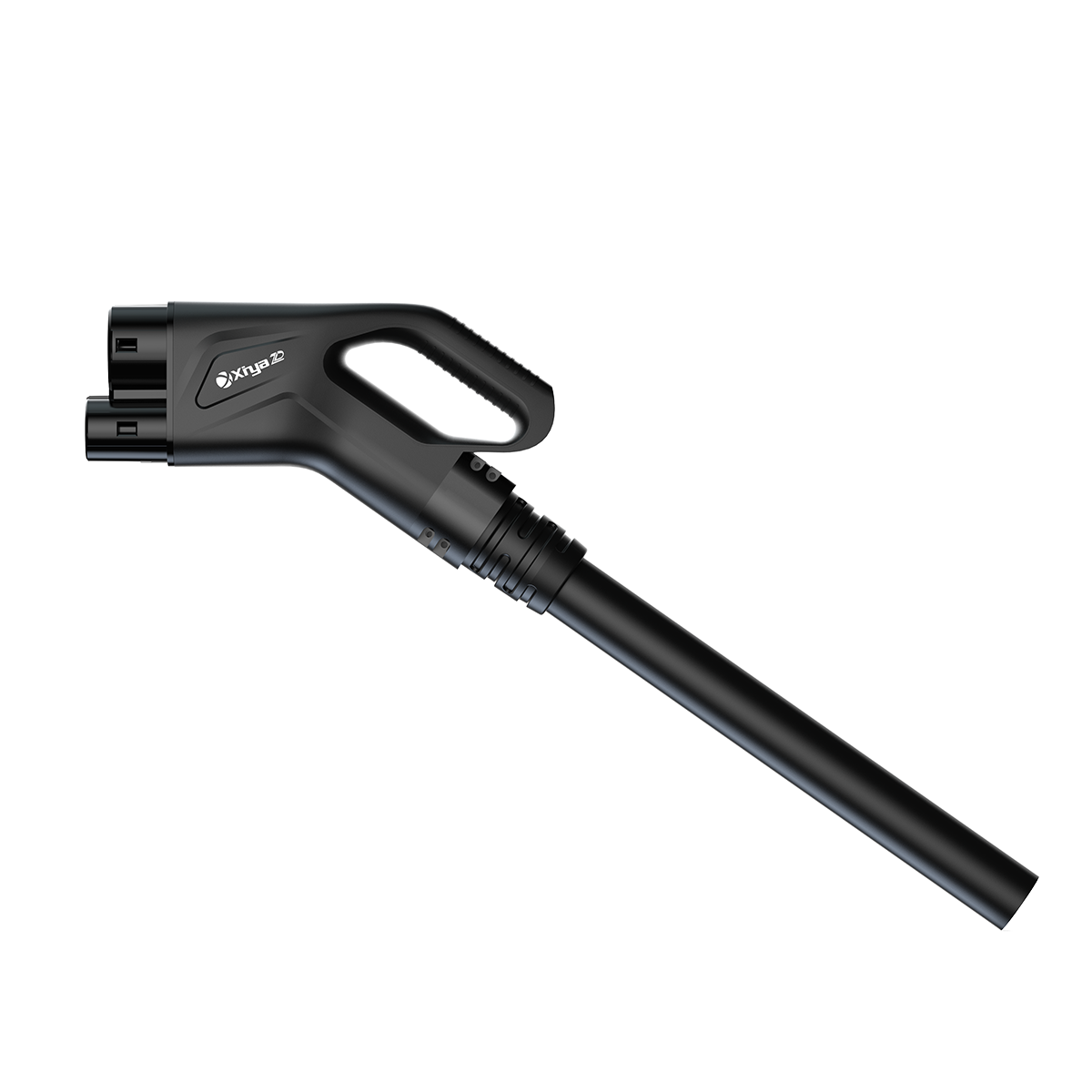
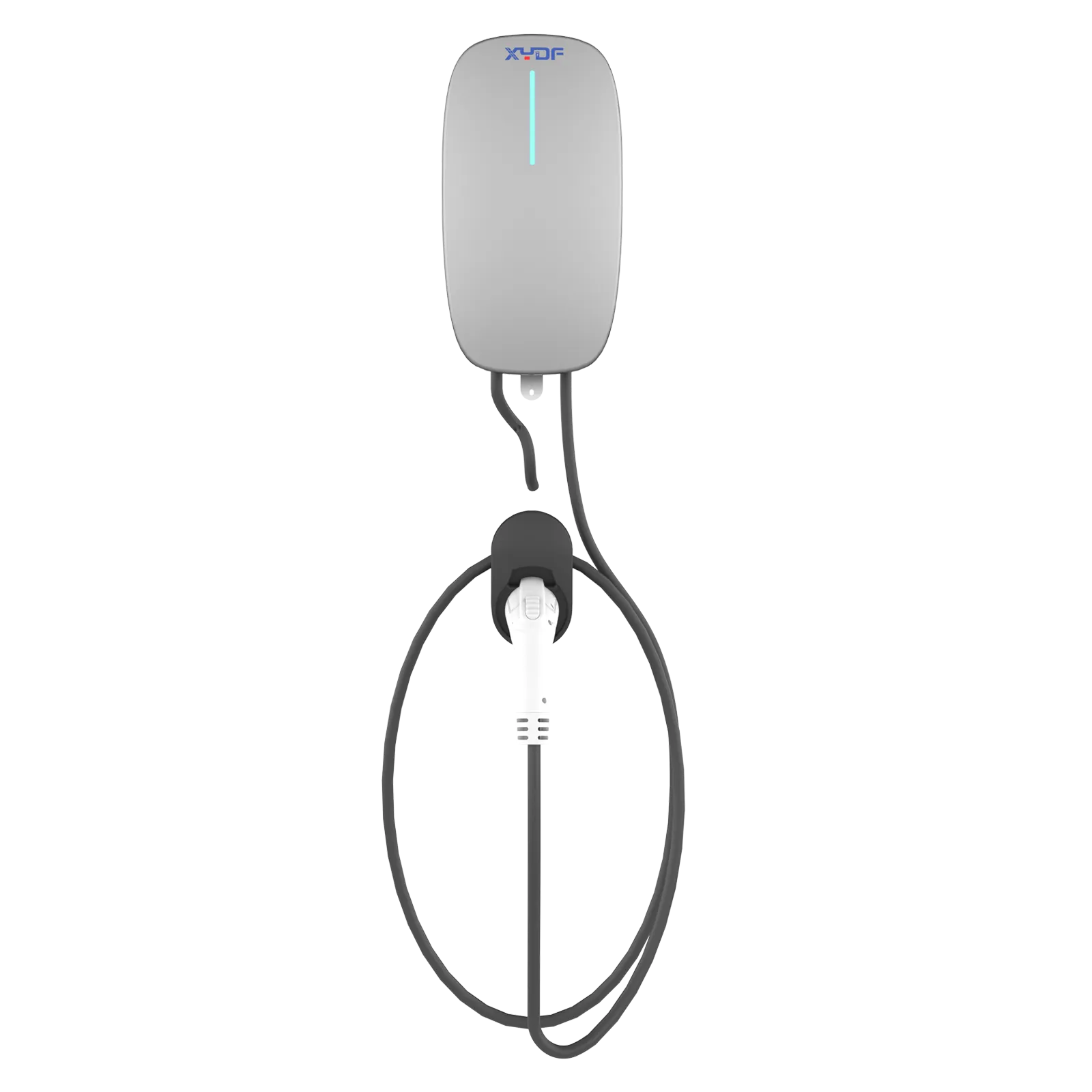
Electric vehicle type 2 chargers i.e EV type 2 chargers (also known as IEC 62196-2) are a standardized connector for charging electric vehicles (EVs). This type of connector was developed in Europe to ensure that motor vehicles could be connected into a variety of different locations for motor vehicle operation battery i.e charging. The Type 2 connector allows for the most efficient way to connect to electric power; it consists of a cable with a seven-terminal arrangement with the terminals located in the same location as the batteries).
The Type 2 home chargers and their associated performance specifications allow for both 3-phase and 1-phase connection sources delivering power at both 3.7 kW and 22 kW respectively. In addition, many public electric vehicle (EV) charging stations have been developed to provide 3-phase connection sources to allow for electric vehicle charging at rates of up to 43 kW of power. Because of the significant power output capabilities of Type 2 EV chargers and the numerous types of EV and electric vehicle manufacturers providing the devices, most EV manufacturers and users choose to utilise the Type 2 Charger as their preferred connection solution when operating their electric vehicle. Modern-day electric vehicle (EV) drivers who own a battery-electric vehicle can either charge their EV at a public EV charging station or charge their EV at their residence.
Key Features of Type 2 EV Chargers
There are many reasons why many electric vehicle drivers choose Type 2 chargers over other types of EV chargers, and these include:
- Universal compatibility: The Type 2 charging connector is the standard connector for most European manufactured electric vehicles, and is also compatible with electric vehicle chargers located world-wide.
- Higher charging capacity: Type 2 chargers have a high charging capacity compared to other types of EV chargers. They may support up to 22 kW of power for three-phase charging, resulting in much faster and more efficient charging.
- Safety features: Type 2 EV chargers have multiple built-in safety features, such as safety locking feature, protection against overheating and reliable long-term charging cycles.
- Smart features: Most Type 2 charging stations are equipped with advanced technology that allows them to be opened via an app or with a mobile device, track charging progress, schedule charging times and integrate into smart home systems.
Which Electric Vehicles Use a Type 2 Charger?
Most electric vehicles manufactured today (battery-electric only) are equipped with Type 2 standard charging connectors, especially those sold in Europe. The Type 2 charger is in use today by many types of electric vehicles, including:
- Tesla: Only European models
- BMW: i3, i4, iX3, and other models
- Volkswagen: ID.4, ID.5, and other electric models
- Hyundai: Ioniq 5 and Kona Electric
- Nissan Leaf: Type 2, conforming to European Safety standards
- Audi: e-tron Family
If you are unsure if your EV is compatible with Type 2 level AC chargers, please refer to the specifications of your specific vehicle or check with your manufacturer.
Is a Type 2 Charging Station Compatible with a CCS Charging Station?
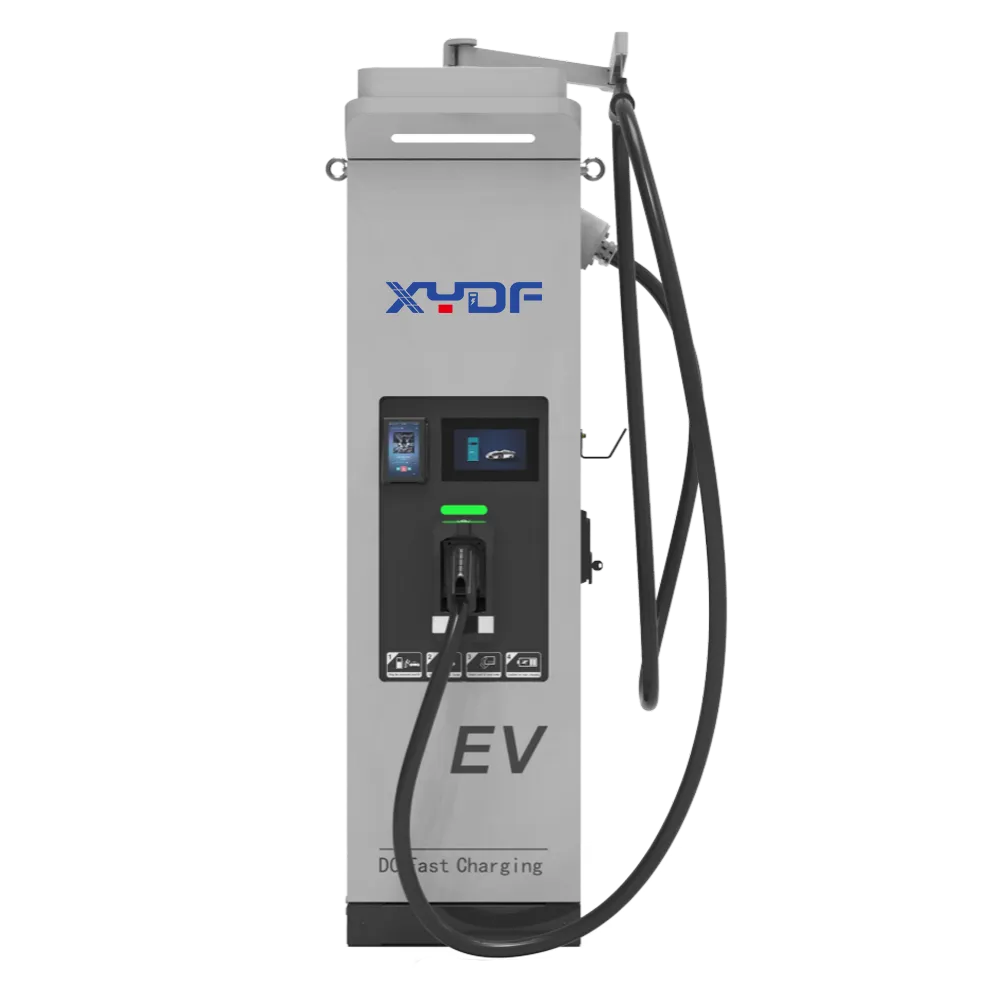
A Type 2 connector makes up part of a Combined Charging System (CCS) connector. They are different, as the CCS Connector has two additional pins to accommodate DC fast charging. The essential distinctions between Type 2 and CCS chargers include:
- Type 2: Built for home use/public charging station applications that supply AC (Alternating Current) (3.7 to 22 kW at 230V) power.
- CCS: Can provide both types of charging; however, it will allow for rapid-rate DC (Direct Current) charging of your vehicle at a dedicated DC charging station and can operate at charging speeds from several hundred kW to multiple kW.
A CCS-type of Electric Vehicle (EV) will allow you to connect with your Type 2 AC inlet with the addition of two additional pins that allow the DC fast charging capability.
Benefits of Having a Type 2 EV Home Charger
- Convenience: Since you will be charging your vehicle at home, you will have to make fewer trips to use public charging stations, and you can fully recharge your vehicle every night.
- Efficiency: A Type 2 EV Home Charger discharges energy much more rapidly than the traditional household outlet (20-60 Amps) and can be a good solution for either single-phase or three-phase installations.
- Cost: Most EV owners will take advantage of their electric utility’s off-peak time rates, and, on average, they will save a considerable amount of energy vs gasoline or diesel.
- Future-ready: Many Type 2 EV Home Chargers are equipped with smart technology and can connect with solar and new and emerging technologies (i.e., Vehicle-to-Grid (V2G)).
Can I Charge Publicly Using a Type 2 Charger?
Yes. There are numerous types of outlets available, known as “Type 2”, available globally for electric vehicle (EV) charging. Public charge points offer the use of either a Type 2 lead (most) or the opportunity to bring your own lead and utilise the charger, making it possible to charge nearly all electric vehicle models at public charge points without the concern of compatibility or location.
At public charge points, you will also have the ability to charge your vehicle more quickly than traditional Type 2 charging through the use of a CCS rapid charger, while retaining the ability to use regular Type 2 charging for interoperability.
FAQs
How Fast Can I Charge My Vehicle with a Type 2 EV Charger?
How quickly can I charge my vehicle at one of these Type 2 charge points depends on the Type 2 charger power rating and the onboard charger of your vehicle. Type 2 chargers are capable of providing power from 3.7 kW for residential single-phase chargers and a maximum of 22 kW for three-phase chargers. That said, there are still many charge point operators providing public charging with >43 kW AC charging capacity.
What is the Difference Between Single-Phase and Three-Phase Charging?
The major difference between single-phase and three-phase charging is the amount of electricity supplied to your vehicle. Single-phase chargers are typically found within a home charging system, are slower (between 3.7 kW and 7 kW), and are generally more common within a residential setting. Three-phase chargers are more common in commercial and public charging environments, are much faster (22 kW and above) and utilise energy much more efficiently than their single-phase counterparts.
Can I Use a Type 2 Charger with My Plug-In Hybrid?
Yes, you can connect your PHEV (plug-in hybrid electric vehicle) to a Type 2 charger. Since PHEVs generally have a smaller battery than pure electric vehicles, using a Type 2 charger will allow a much quicker charging time than would take place when charging a fully electric vehicle.
Are There Any Electric Cars That Can Use Both Type 2 Charging and CCS Charging?
The majority of electric cars will generally have both a Type 2 connector as well as a CCS connector available. Examples include the Tesla Model 3 and Model Y as well as Audi e-tron and Volkswagen ID models. Hence, you will be able to charge your electric vehicle anywhere in the world using either a Type 2 or CCS charger.
How Do I Take Care of My Type 2 Charger?
One of the best ways to prolong the life of your Type 2 charger is to regularly check the charging lead for damage and continued use. You should also maintain the cleanliness and dryness of the connector to ensure that proper operation perhaps is not impaired due to dirt or moisture. If you have a home charger it is also recommended that you schedule periodic maintenance on it to ensure that you maintain the fastest charging speed and best performance from your charger.
Explore more about Type 2 EV Charger Knolage For EV Driver.
The Type 2 EV Charger is one of the most widely used charging connectors for electric vehicles. Thanks to its flexible charging capabilities, the Type 2 EV charger can be used to charge your vehicle both at home as well as at public charging locations, whilst also being reliable and safe. Therefore, whether it be through a Type 2 AC Charger For EV Charging or smart charging technology, the Type 2 EV charger will help support the rollout of electric mobility.
 Xinya Dongfang Electricity Technology Co., Ltd.