 Xinya Dongfang Electricity Technology Co., Ltd.


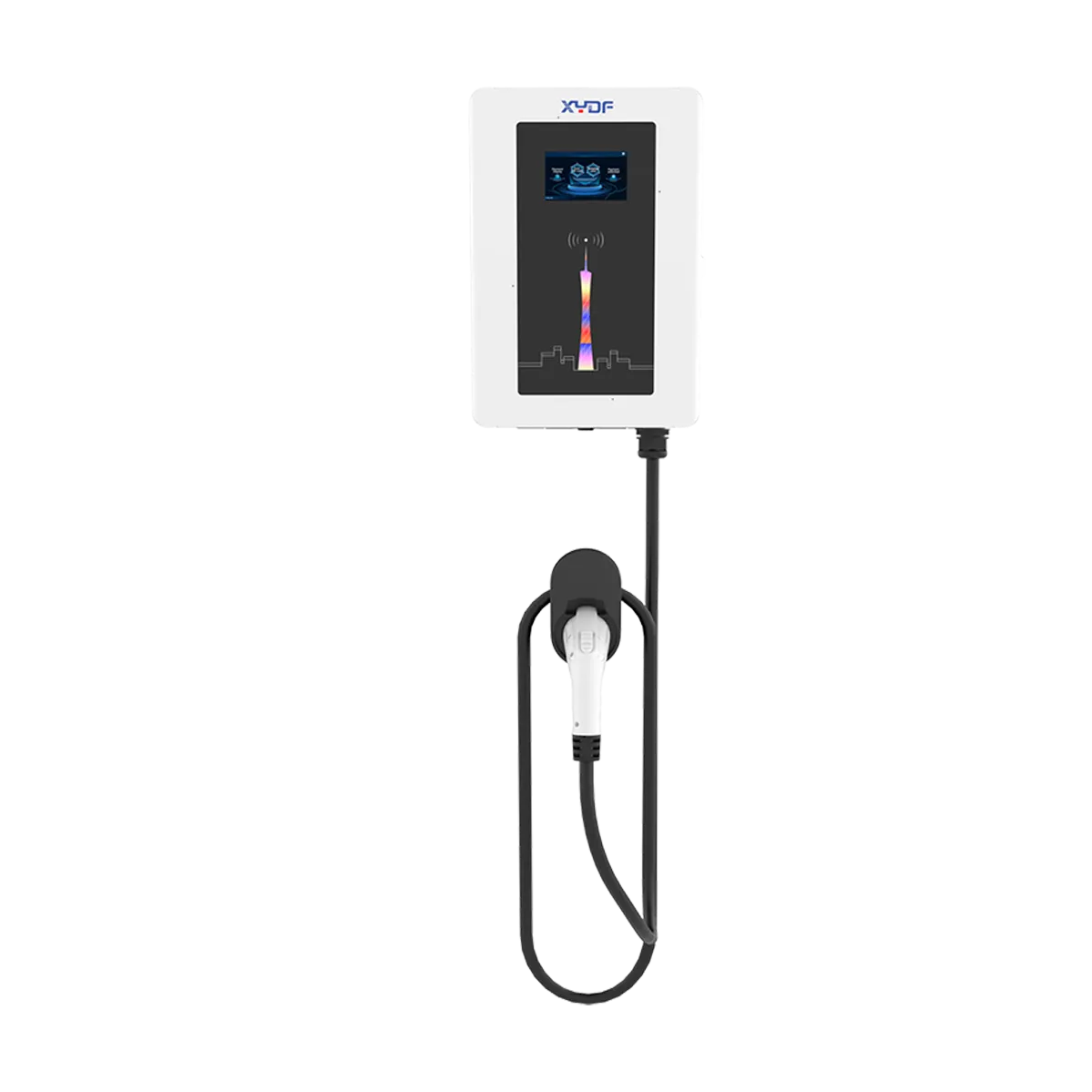
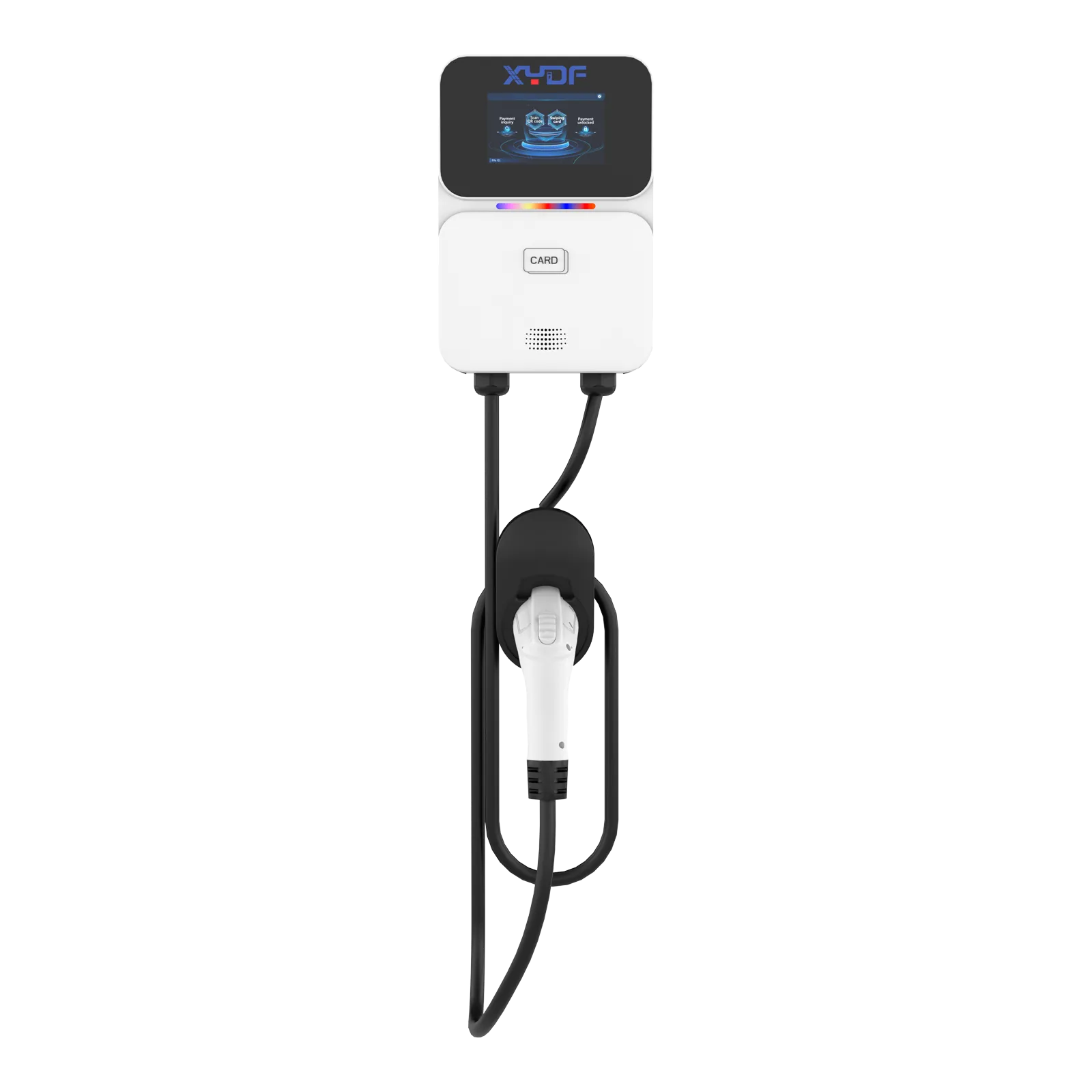
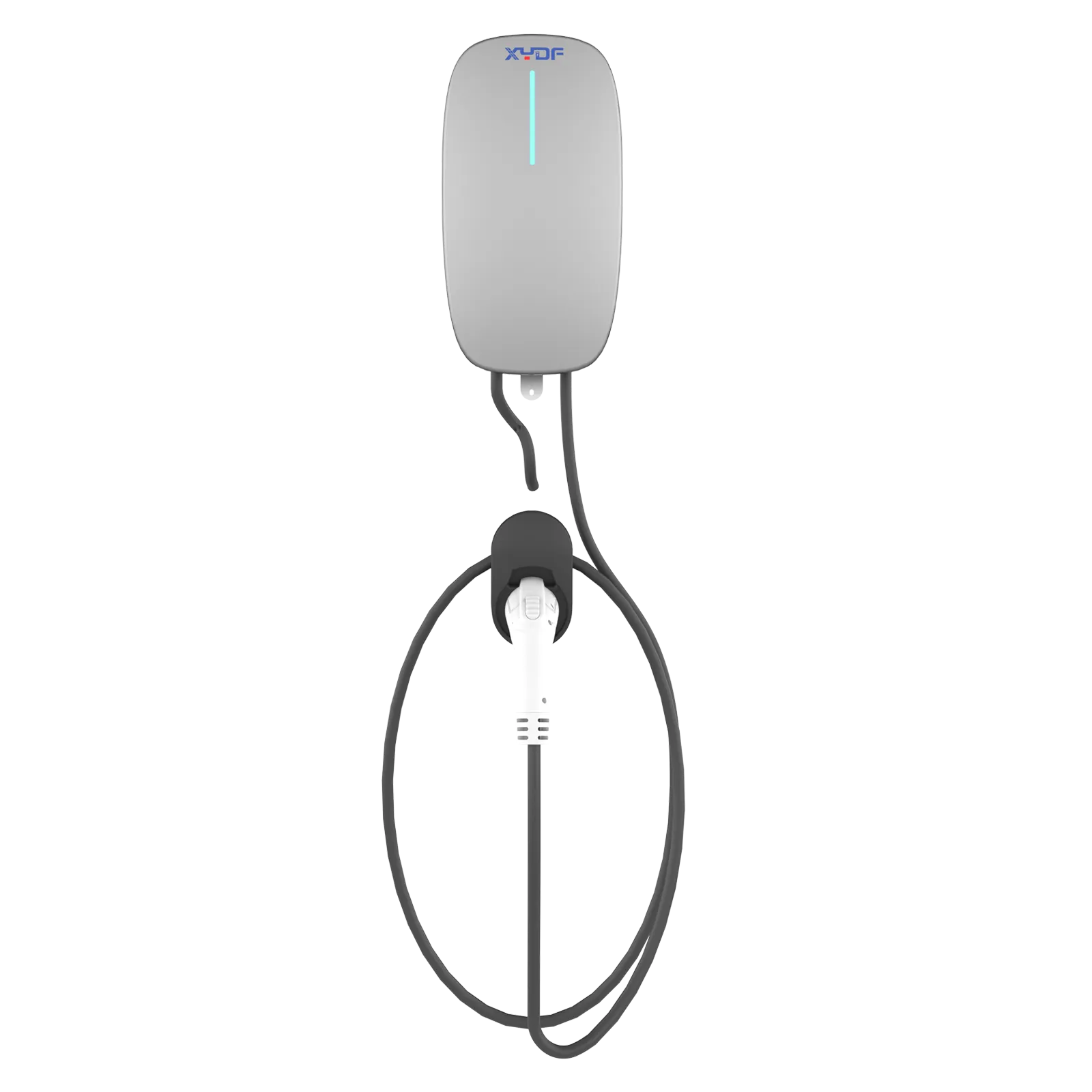
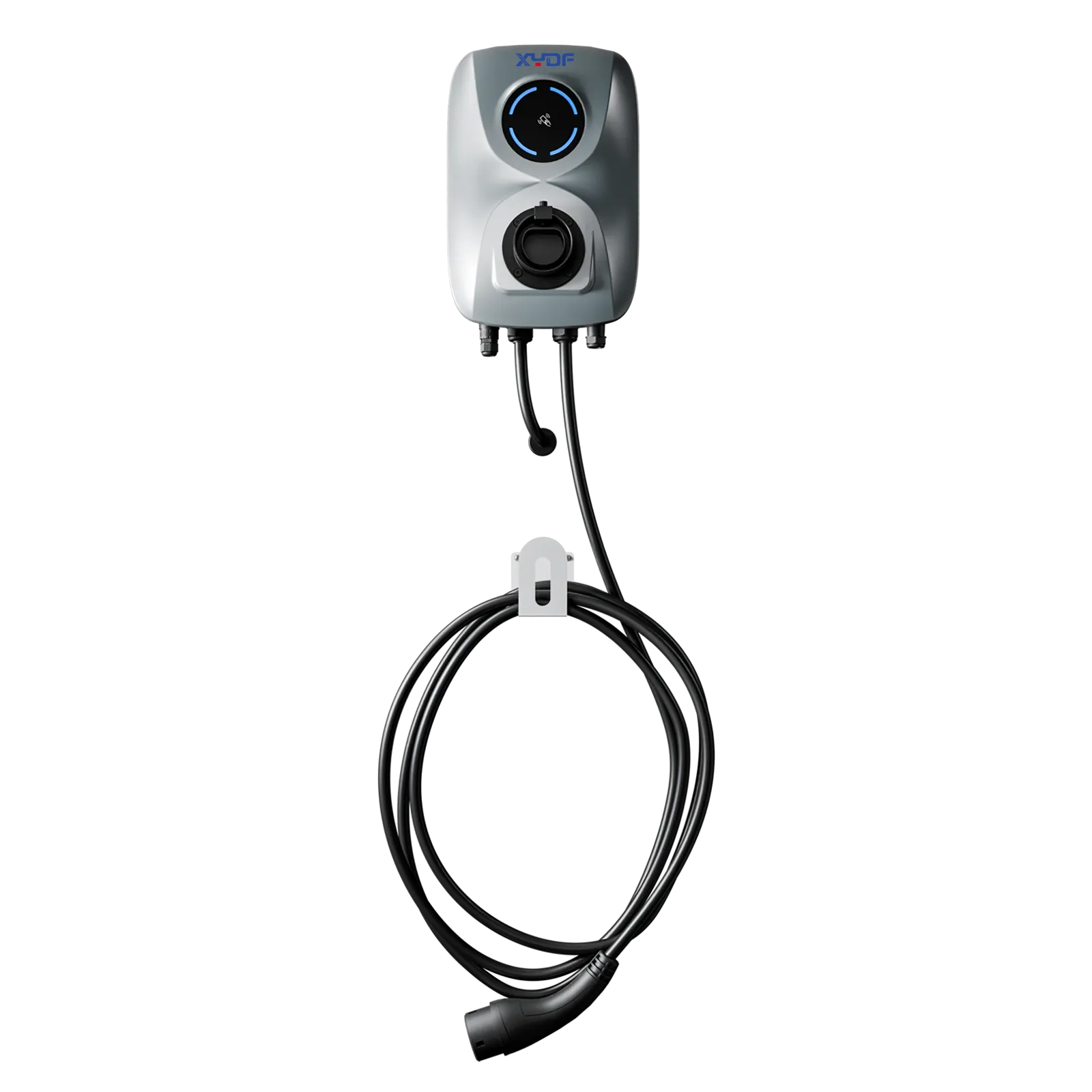
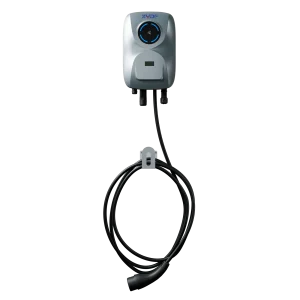
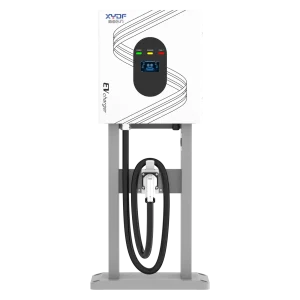

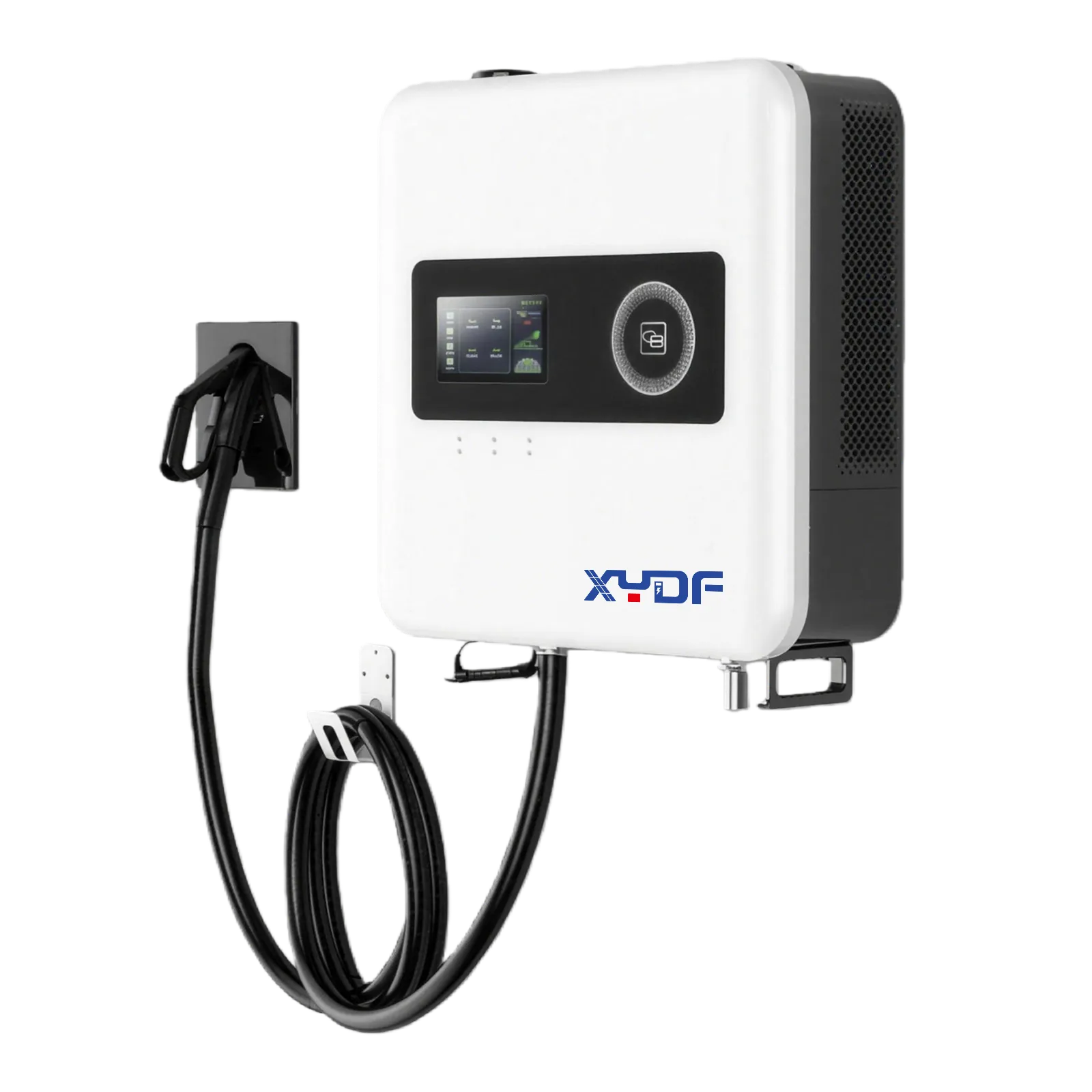
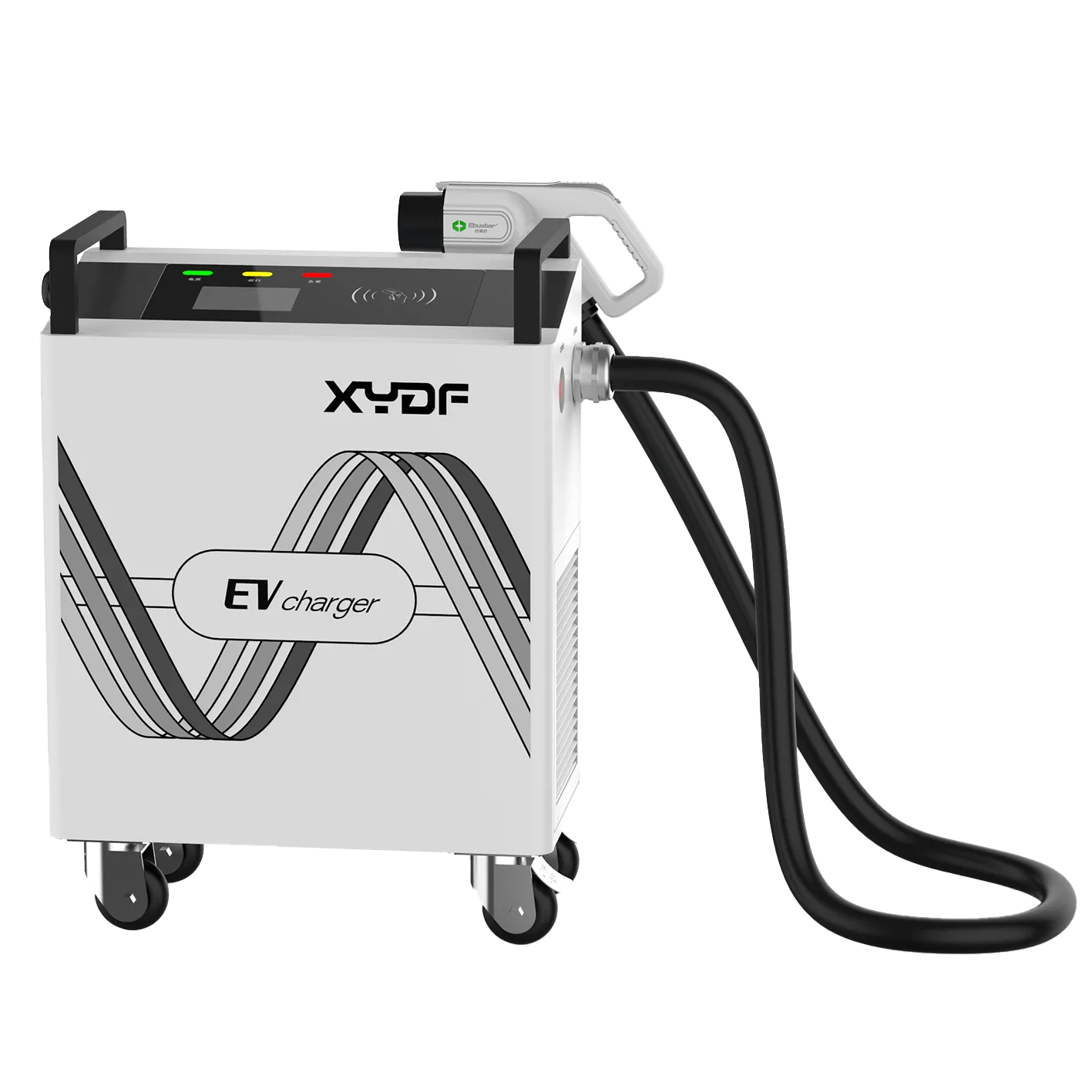
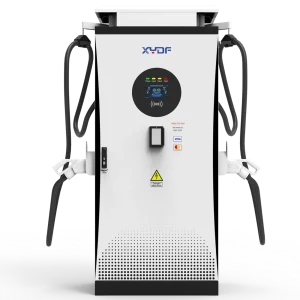
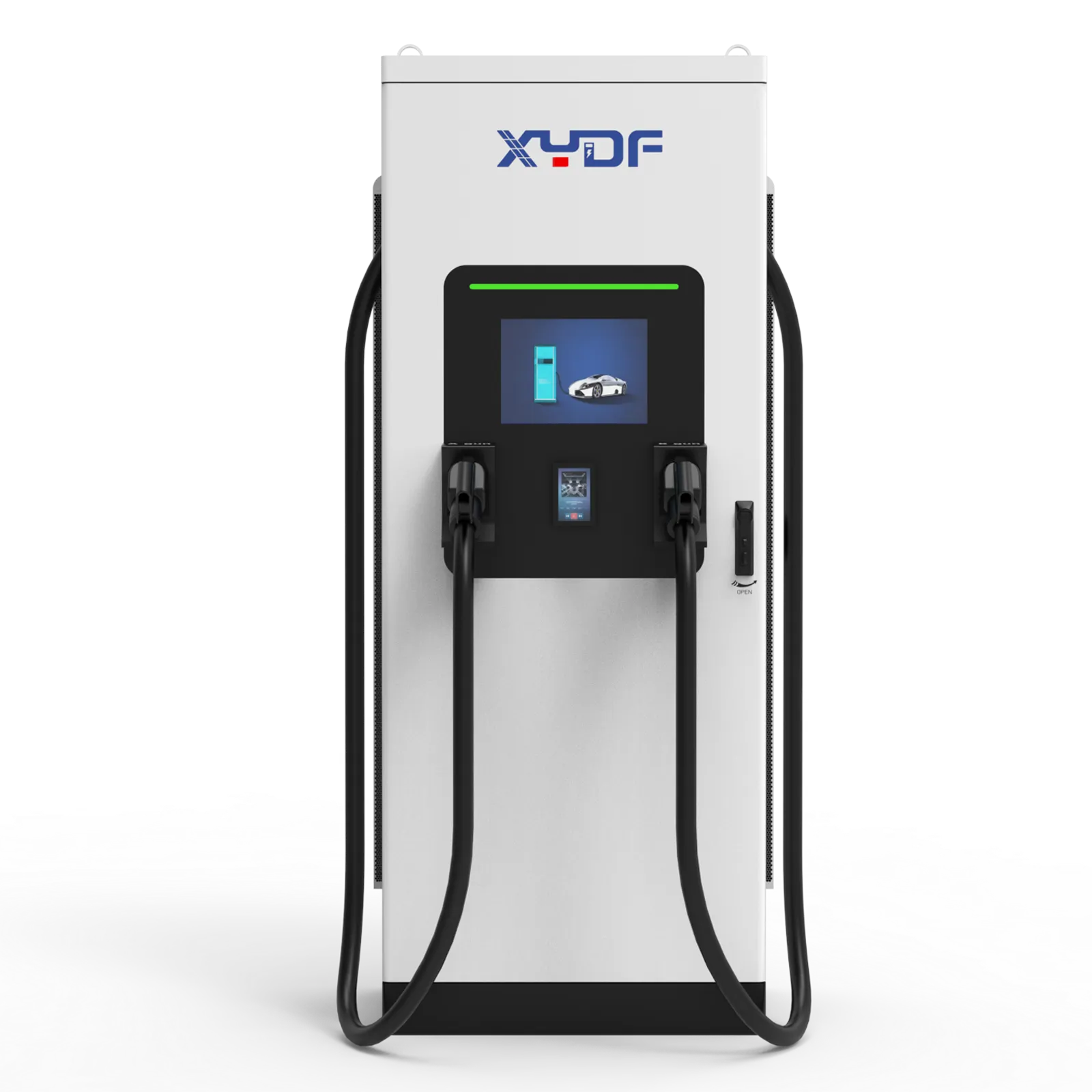
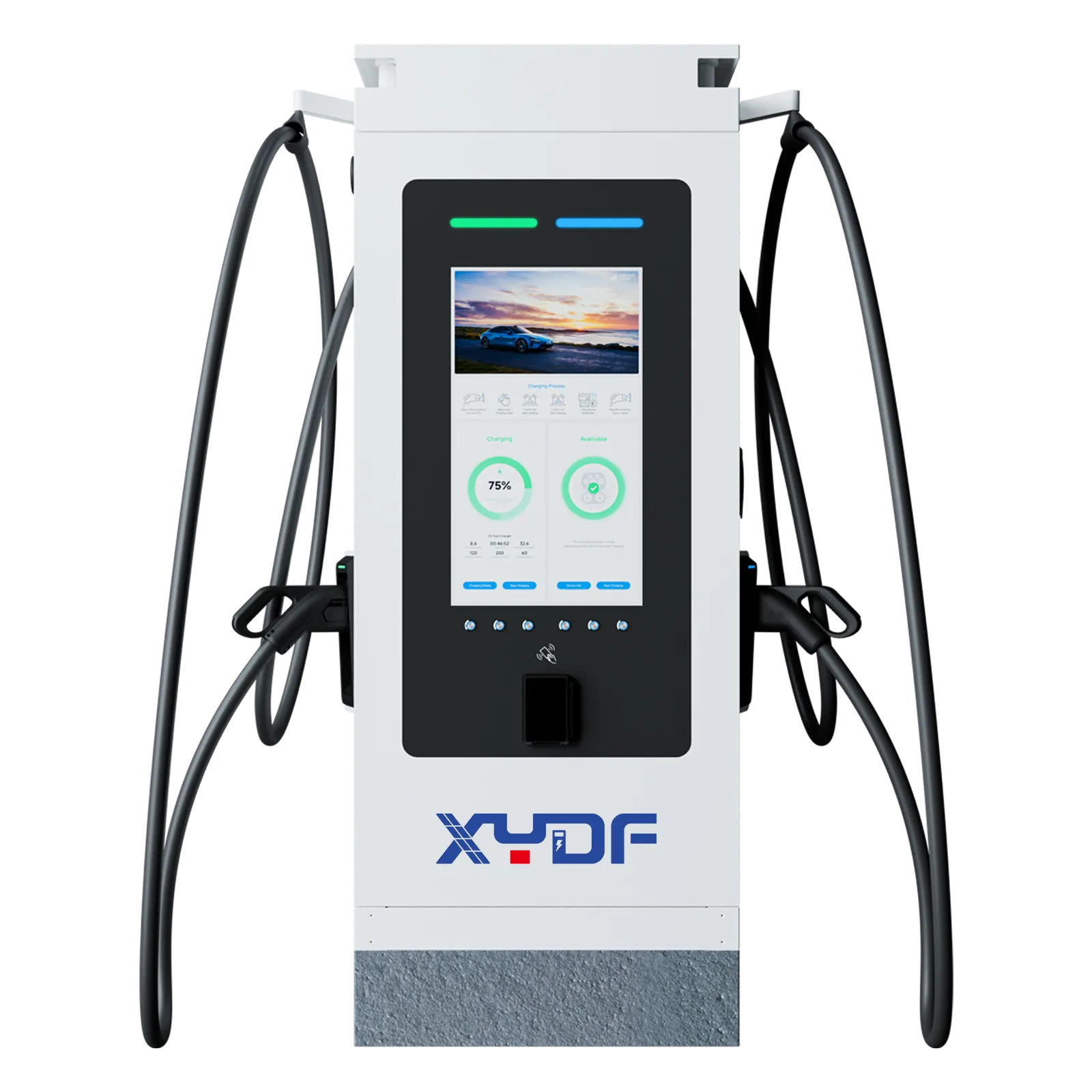
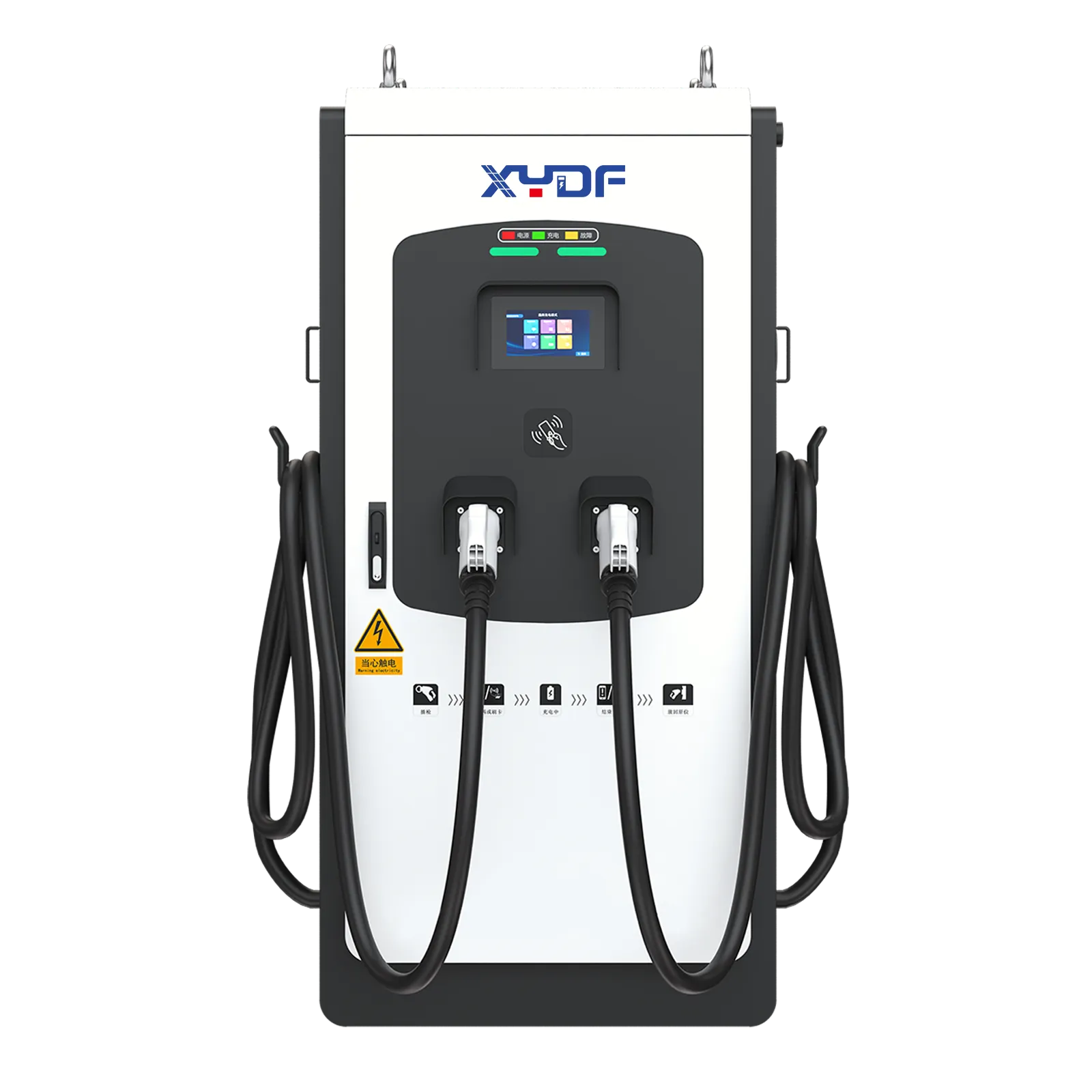
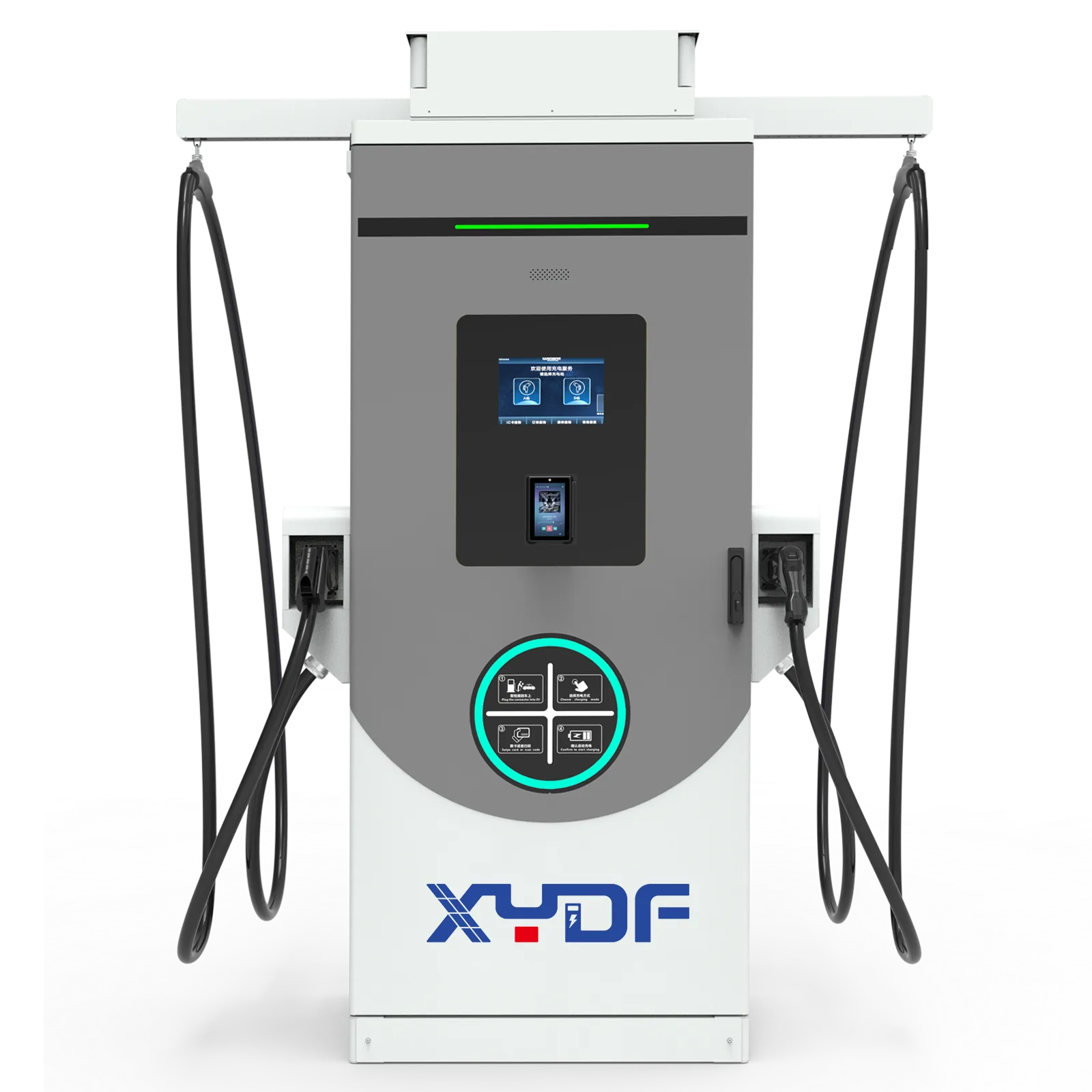
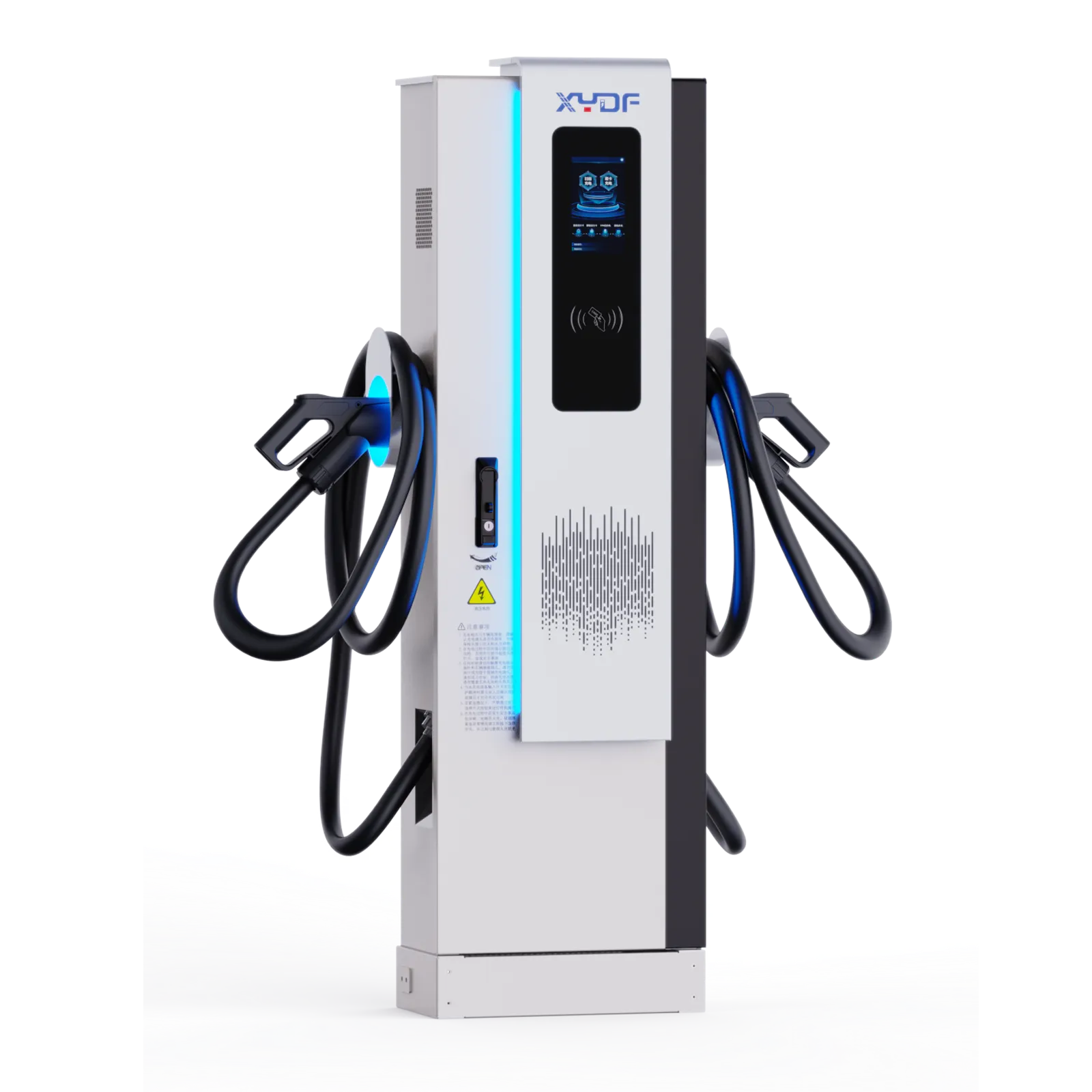
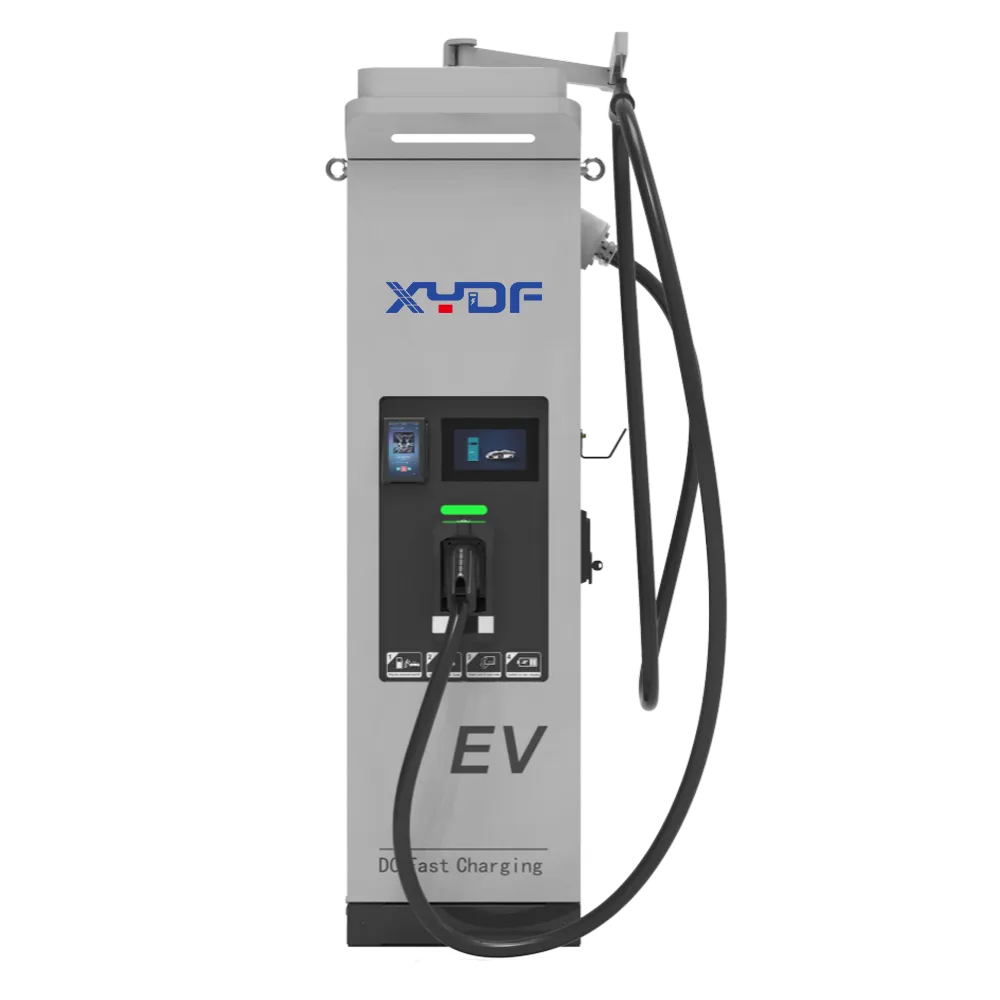
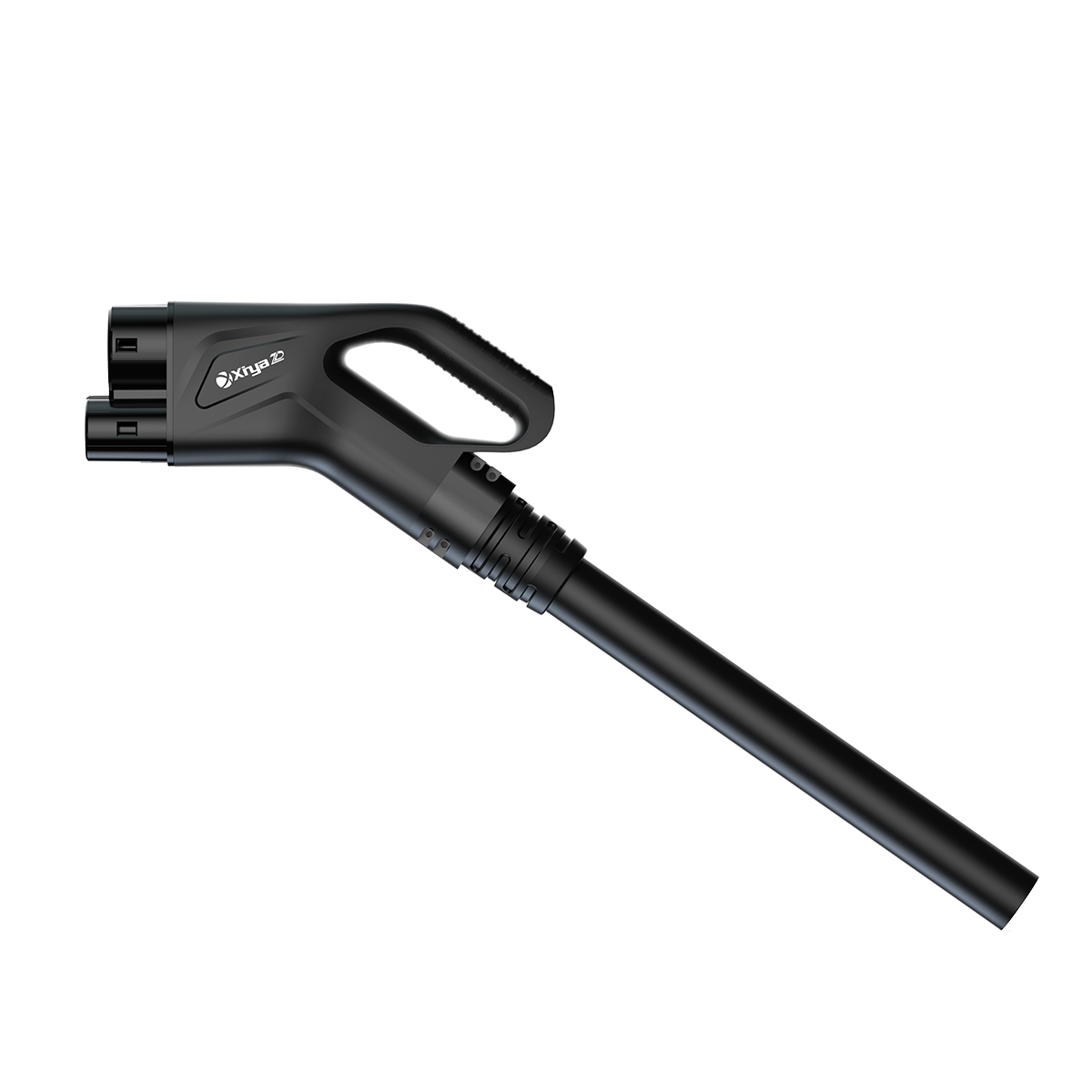
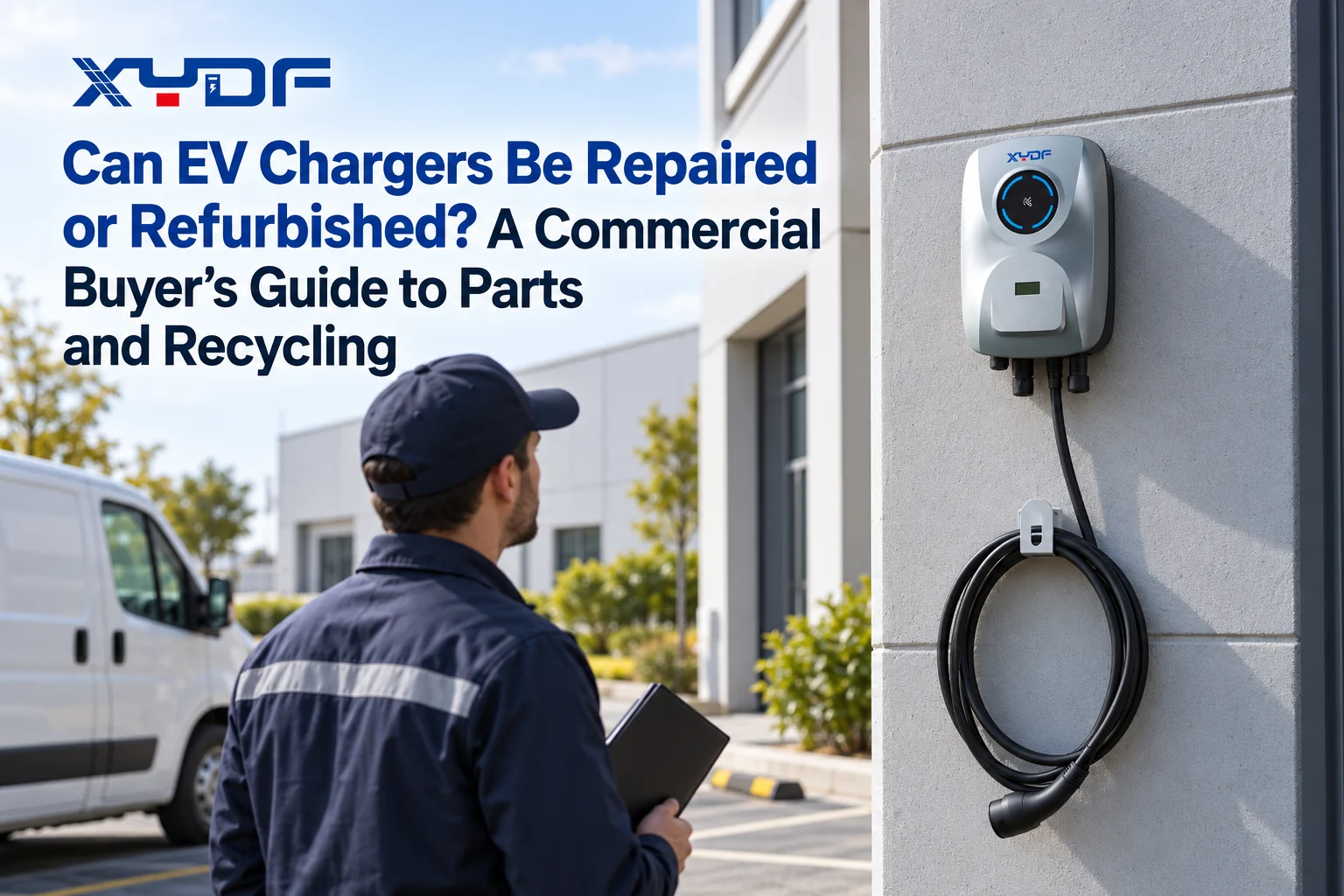
A tethered EV charger has a charging cable permanently attached to the unit. That can make repeated charging more convenient, but it does not guarantee that the connector fits the vehicle, the cable reaches the parking bay or the electrical supply supports the advertised output. The useful comparison is between the daily handling benefits and the fixed cable’s compatibility, wear and replacement requirements.
The short answer is to choose tethered charging when the attached connector and cable suit the intended vehicles and parking positions. An untethered AC chargepoint instead requires a separate compatible charging cable, not any cable the user happens to own. Neither arrangement is universally safer, faster or more weather-resistant. Check the exact model, installation conditions and support for replacing a worn cable before making a purchase.
What is the difference between tethered and untethered charging?
| Issue | Tethered arrangement | Untethered AC arrangement |
|---|---|---|
| Cable provision | Charging cable remains attached to the charger | User supplies a compatible detachable cable |
| Daily handling | Usually fewer connection steps at the station | Separate cable needs connection and storage |
| Compatibility | Attached connector must suit the vehicle | Both cable ends and the cable rating must suit the station and vehicle |
| Wear and repair | Cable repair may require a qualified service visit | Separate cable can be replaced with an approved compatible item |
| Output | Limited by the full system and vehicle | Also limited by the cable, full system and vehicle |
Tethered describes the vehicle cable arrangement, not whether the mains supply is plug-in or hardwired. It also does not establish that a station is AC or DC. For residential AC decisions, keep this comparison separate from DC equipment selection.

How do you choose a cable length that will actually reach?
Measure from the proposed charger position to the vehicle inlet in its normal parking orientation. Include routing around obstacles and enough slack to avoid strain, while keeping the cable out of traffic and walking routes. Test more than one vehicle position if bays are shared. A nominal length without a routing plan is not proof of reach.
Use only the supplied or manufacturer-approved assembly. Do not extend a vehicle charging cable with an improvised join or adapter. Confirm the holder, cable bend and storage instructions so repeated handling does not damage the connector or create a trip hazard.
Does an attached cable make charging faster or safer?
Not by itself. AC charging power depends on the supply, configured current, cable rating and onboard charger. For illustration, 230V × 32A single-phase input is 7.36kW before losses; an attached cable does not change a vehicle’s lower AC acceptance limit. A correct connector is necessary, but it does not prove every electrical or communications condition.
Safety and outdoor suitability depend on the complete model and installation. The DOE home-charging guidance calls for suitable outdoor-rated equipment and electrical capacity. An IP code has a defined dust and water test scope, not a guarantee against every environmental risk.
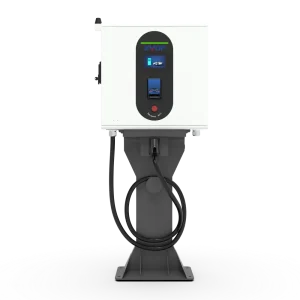
Which features matter when comparing products?
| Comparison item | Evidence to request |
|---|---|
| Connector | Exact interface and vehicle requirements |
| Cable | Released length, current rating, storage and replacement procedure |
| Electrical installation | Input, configured output, protection and site-capacity assessment |
| Controls | Supported scheduling, load management and offline operation |
| After-sales support | Labor and parts coverage, cable availability and repair responsibility |
This requirements-based comparison was reviewed on 14 October 2026 and is not an independently tested product ranking. Unverified Gen 4, V3 or 2025 Edition model labels and anonymous expert endorsements are not used as evidence. Compare current AC EV chargers through their model documents, not a list of supposed best-rated brands.
For a UK domestic installation, the UK home charging guide adds market-specific checks. Confirm the applicable Great Britain smart-chargepoint rules for the product and intended use.
How should a tethered cable be maintained or replaced?
Follow the model’s care instructions. Visually check accessible cable and connector surfaces for cuts, distortion, contamination or unusual heat, and stop use when damage is suspected. Do not open energized equipment or replace the cable as an ordinary user task. Ask who supplies the replacement assembly and whether the warranty covers parts, labor and travel.
Keep cable care distinct from station maintenance. A permanently attached cable can still be damaged or stolen; attachment is not an anti-theft guarantee. Replacement cost and service downtime belong in the comparison.
Frequently asked questions
Are tethered chargers better than untethered chargers?
Not for every user. Tethered charging offers a ready cable, while an untethered AC point allows use of a suitable separate cable. Compare the vehicle mix, daily handling, cable storage and replacement support.
Can I use any cable with an untethered charger?
No. Confirm connectors at both ends, current and phase rating, vehicle requirements and the station instructions. Detachability does not establish compatibility.
Can a tethered EV charger be installed outdoors?
Only when the exact product and complete installation are suitable for the location. Confirm environmental evidence, protection, cable routing and the manufacturer’s installation requirements.
Can a damaged tethered cable be replaced?
The model and service arrangement determine the approved replacement method. Stop using damaged equipment and ask the manufacturer or authorized service provider about a suitable assembly and qualified repair.
References
- U.S. DOE AFDC: charging at home and outdoor installation
- IEC 62196-1:2025 — charging accessories and interfaces
- GOV.UK: private smart-chargepoint requirements
Conclusion
Choose tethered charging for a cable arrangement that works in daily use, not as a shortcut to compatibility or safety. Confirm the vehicle inlet and cable route, check the electrical supply and accepted AC power, then compare storage, controls and repair support. An untethered station still needs a properly rated compatible cable, while an attached cable still requires inspection and an approved replacement path. Do not use an unverified model name or a generic outdoor label to settle the decision. XYDF provides AC charging configurations for defined B2B requirements; discuss the cable configuration with the connector, parking layout, installation conditions and support expectations so the proposed arrangement can be checked before purchase.