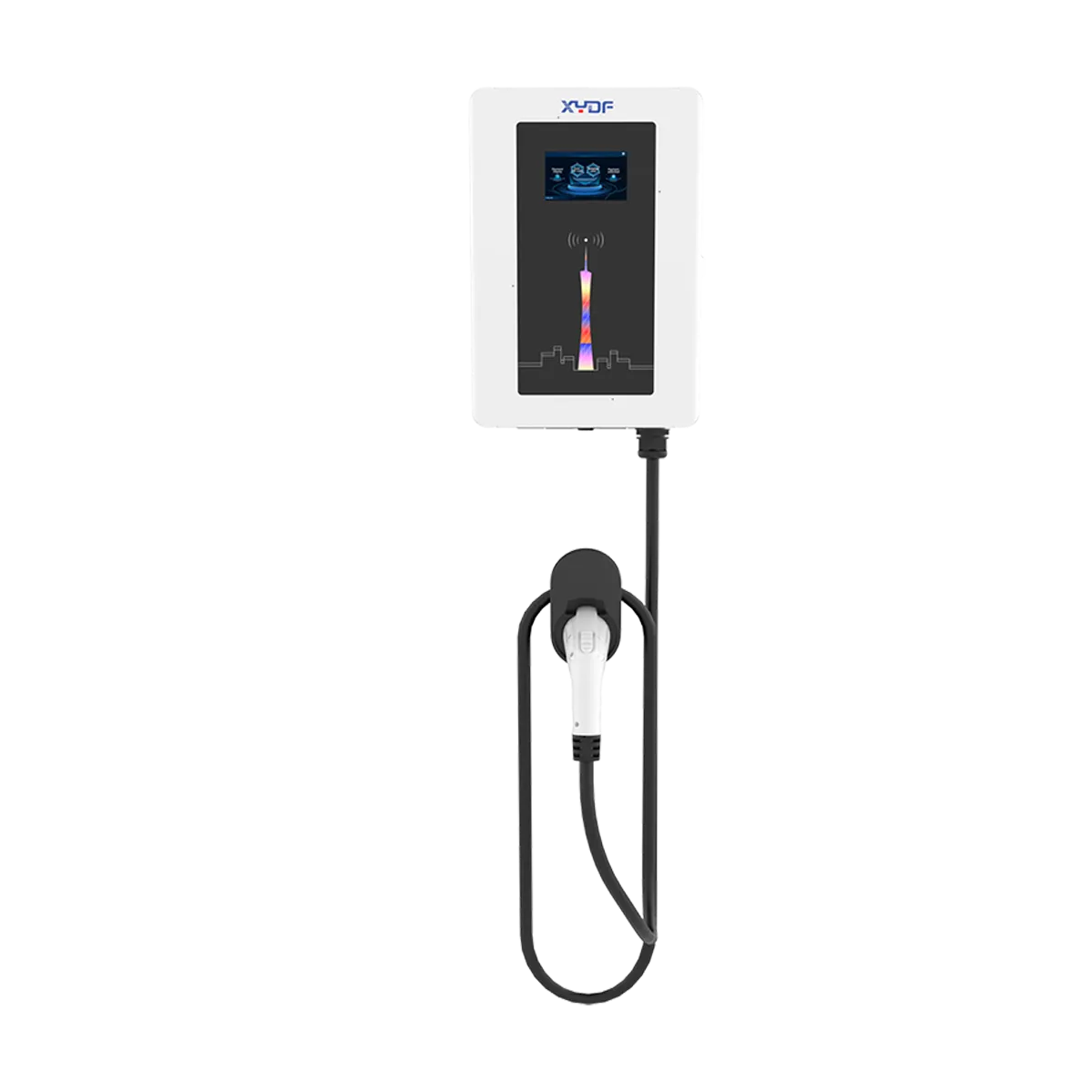
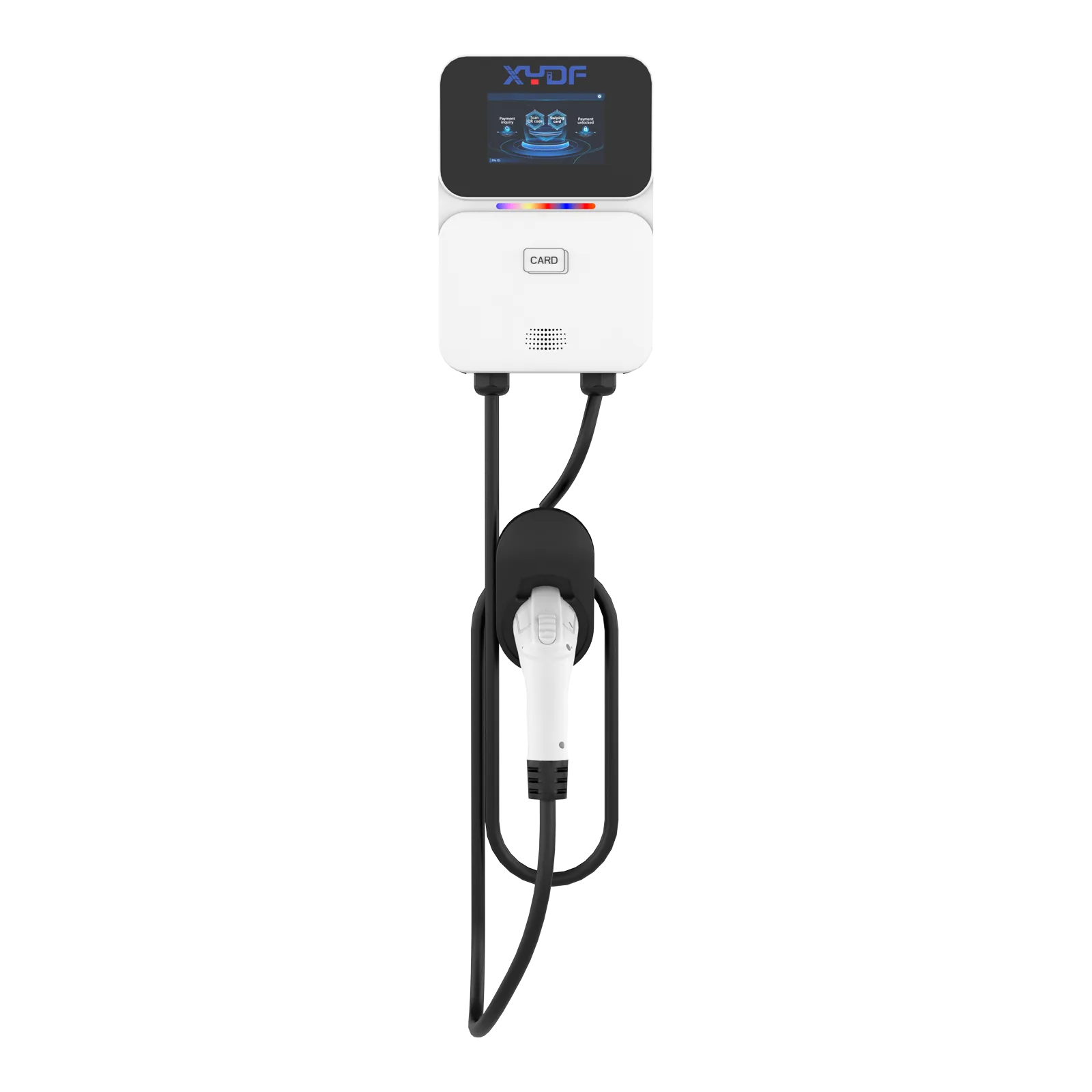
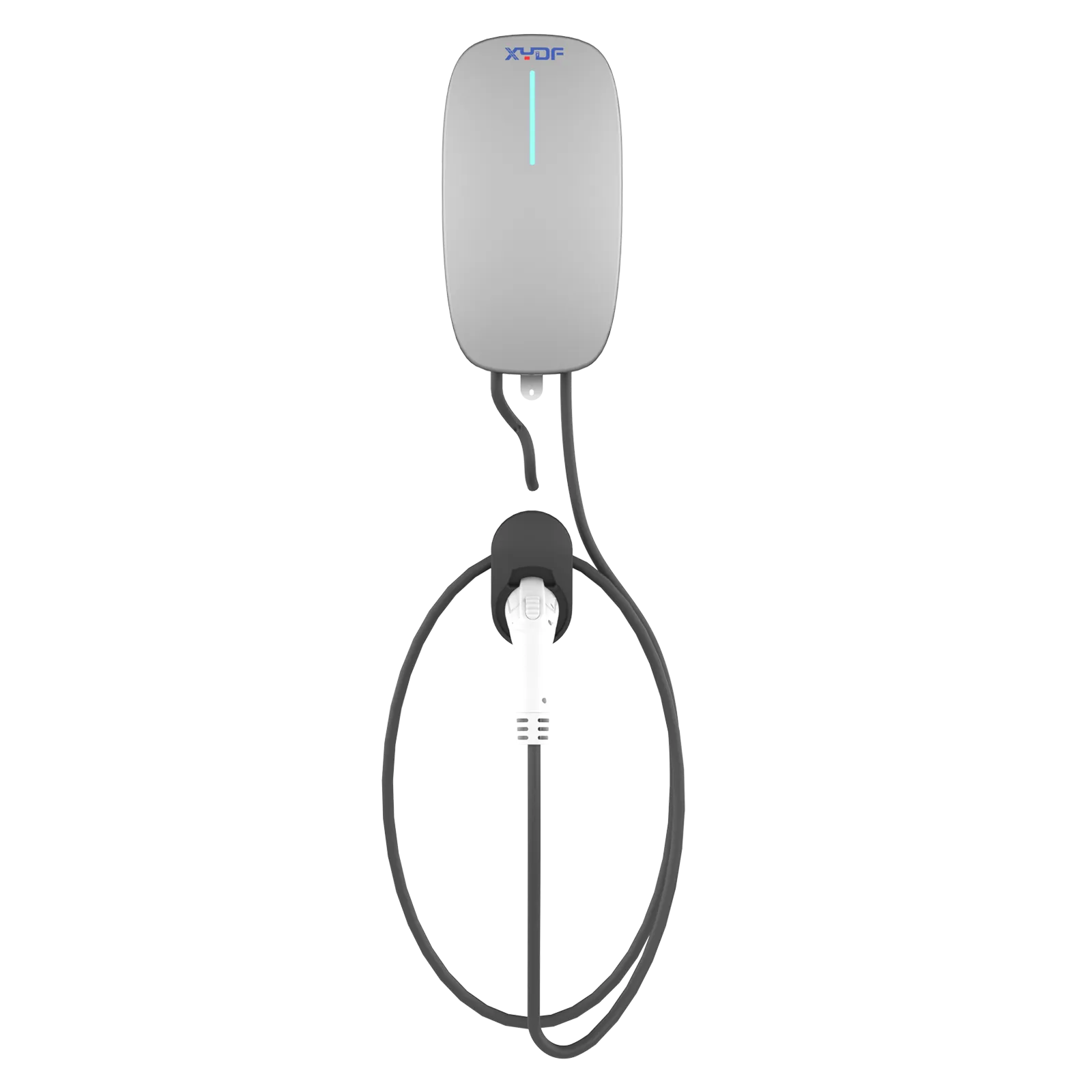
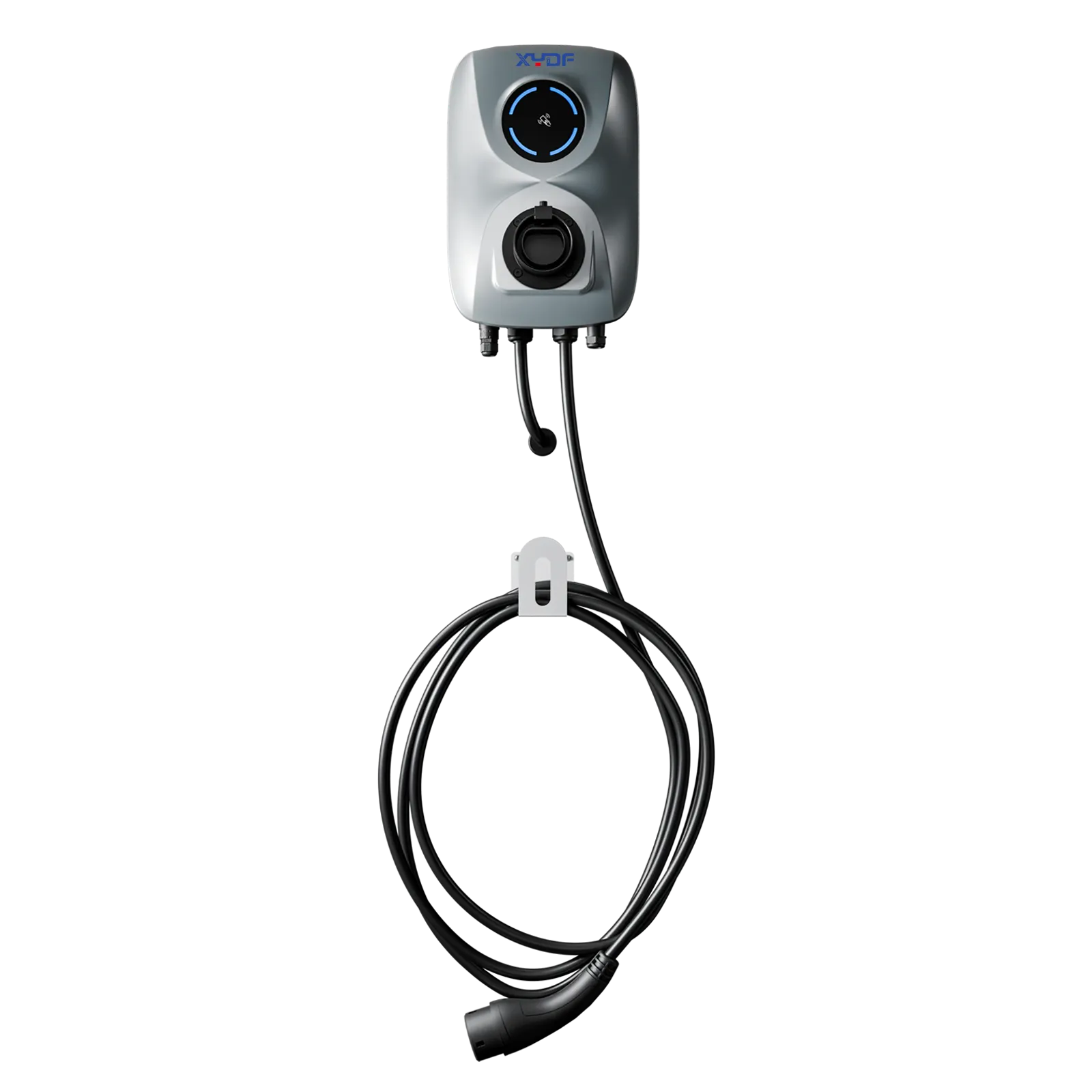
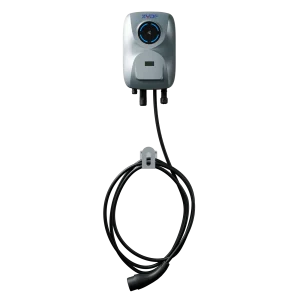
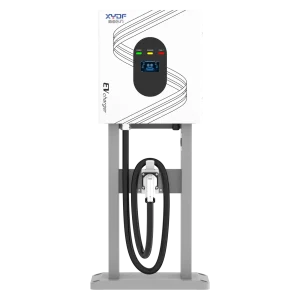
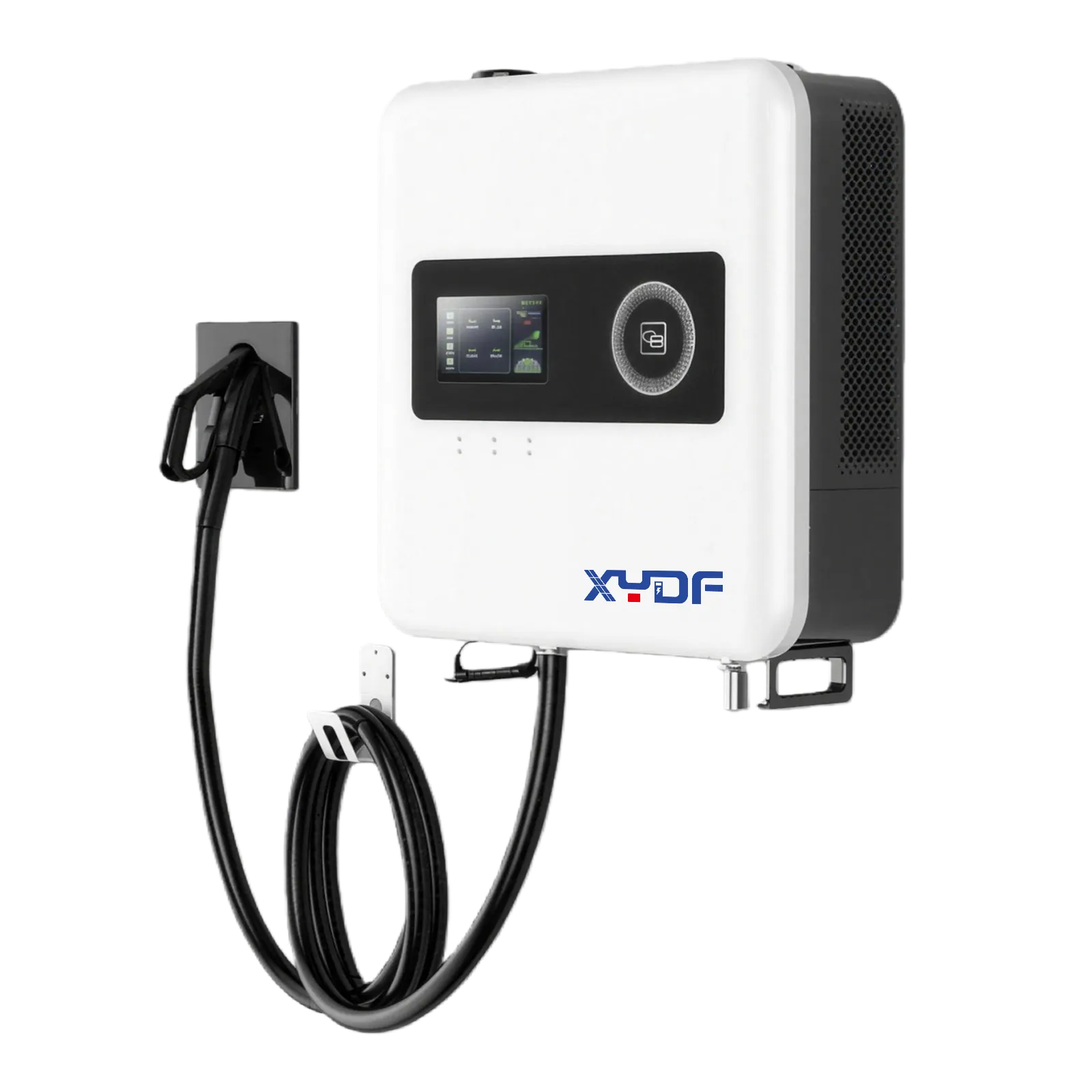
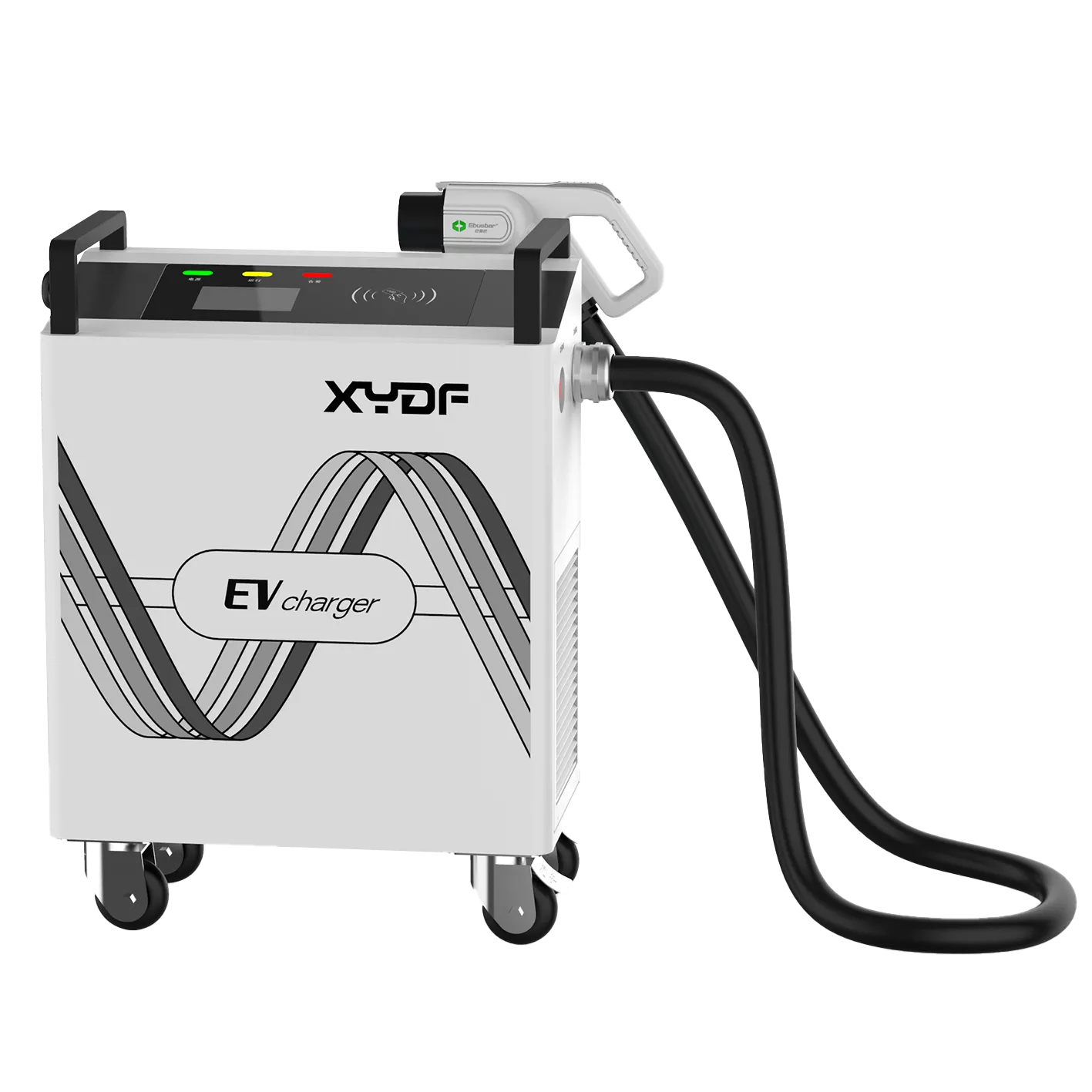
Understand power needs from the beginning to make informed decisions on the installation of Electric Vehicle (EV) charging equipment. Each of these are defined in this article regarding electric vehicle (EV) charger options and specifications, their installation considerations, and frequently asked questions regarding EV charger installation.
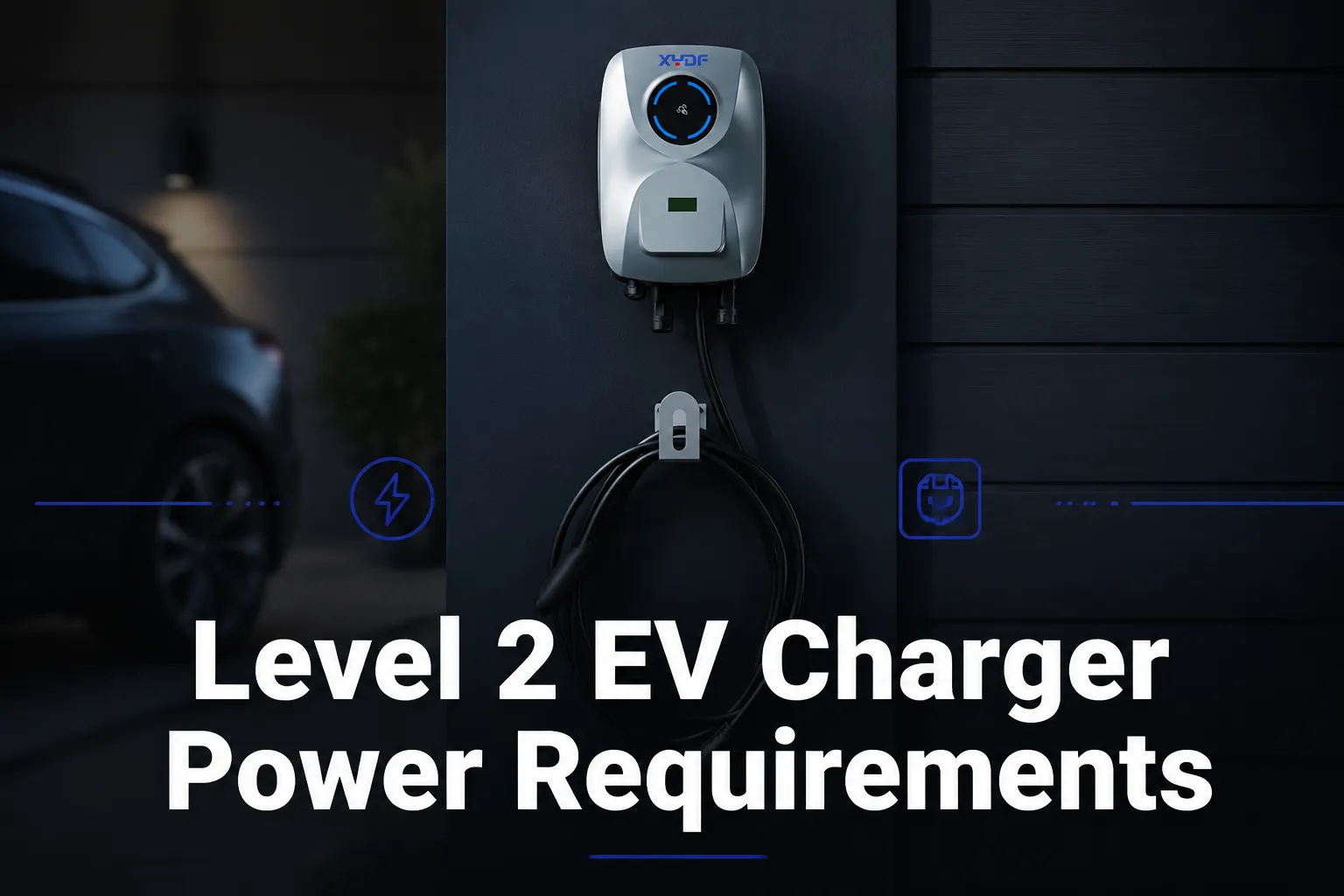
Level 2 charging stations provide an intermediate level of charging power. Level 2 chargers provide an AC (Alternating Current) supply that is a much faster charging method than using a standard home outlet (also referred to as Level 1 chargers). While you would use a 120V outlet for slow overnight charging of an EV at home, Level 2 chargers are powered by a 240V source and will recharge EVs much more quickly than a 120V Level 1 charger could recharge an EV. Therefore, Level 2 Fast Chargers can satisfy the recharging needs of most EV drivers.
The expected power requirements for Level 2 electric vehicle chargers are driven primarily by two factors: the amperage providing ratings of the EV charger and the amperage providing ratings of the electrical circuit supplying power to the charger. Most Level 2 residential chargers typically have an amperage rating between 30 and 50 amps. However, this depends on the specific model and manufacturer of the charger.
Here are some important points about Level 2 chargers:
Installation is recommended to be completed by a licensed electrician or electrical contractor and must be in accordance with the respective industry’s standards (i.e., National Electric Code, NEC 625, for Electric Vehicle Supply Equipment (EVSE)).
Before installing an EV charger, the site must have undergone an assessment to determine that sufficient electrical supply exists to properly support the charger. This is done by having an electrician or EV charger specialist examine the current electrical panel to see if there is enough available electrical service capacity to properly support the charger that will be installed on that site. Electrical service capacity upgrades are imperative to ensure that overloaded existing electrical services can be prevented. This feature is particularly useful for older commercial and residential buildings.
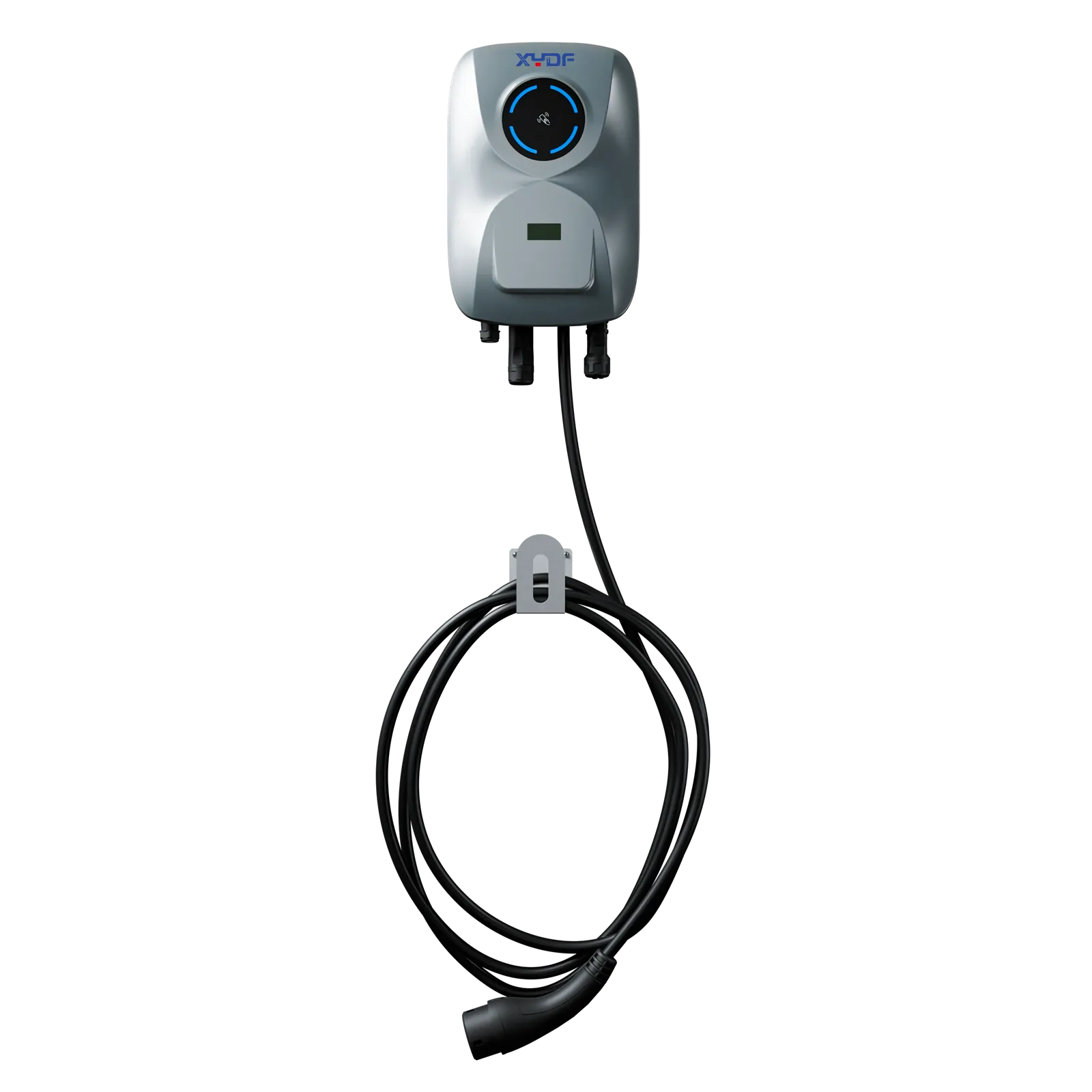
Level 2 and Level 3 chargers (also called DC fast chargers) provide much faster rates of charge than Level 1 chargers. However, Level 2 and Level 3 chargers have different characteristics associated with them. Level 3 DC fast chargers are commonly found at public charging stations and deliver direct current directly from an electrical outlet into an electric vehicle battery. Some Level 3 DC fast chargers can charge up to 80% in less than 30 minutes. However, Level 3 chargers are not standard between all electric vehicles. Some electric vehicles are only capable of charging through Level 2 chargers. When charging from Level 2 through a charging outlet, you may find a 30-amp circuit is adequate for most household requirements, while for households that require much faster charging times and have multiple electric vehicles, a 50-amp charging circuit would be necessary. To help ensure that proper installation occurs, consult your electric car manufacturer’s install guides and NEC rules when determining proper equipment.
Most Level 2 chargers use between 30 and 50 amps depending on the charging capacity and model of the charger being used.
For residential use, a 30-amp circuit will provide adequate charging times to allow the electric vehicle to charge overnight. For those needing much faster rates of charge or charging multiple electric vehicles or using EV chargers at commercial charging stations, a 50-amp charging circuit should be used.
NEC 625 applies to all electric vehicle supply equipment (EVSE) that is used to install and operate EV chargers and creates a standard set for installing EVSE’s regulated wiring methods, circuit configurations, and installation methods assuring the safety and reliability of all charging devices for public use.
No, most electric vehicles manufactured prior to 2020 do not allow for charging with Level 3 DC fast charge capability, even though they may support DC fast charging. Therefore, check your electric vehicle specifications prior to considering using a Level 3 charger.
Most electric vehicle users will find a Level 2 EV Charger acceptable to meet their electric vehicle power requirements with regards to convenience, affordability, and amount of charge provided to the electric vehicle. By understanding the electrical requirements for your electric vehicle(s) in terms of volts, amps, and NEC, you will be able to plug in your electric vehicle(s) and create an efficient, long-term solution in your area. Proper planning and installation of Level 2 AC chargers for homes, or the site assessment for public charging stations, will result in effectively utilizing electric transportation.
 Xinya Dongfang Electricity Technology Co., Ltd.