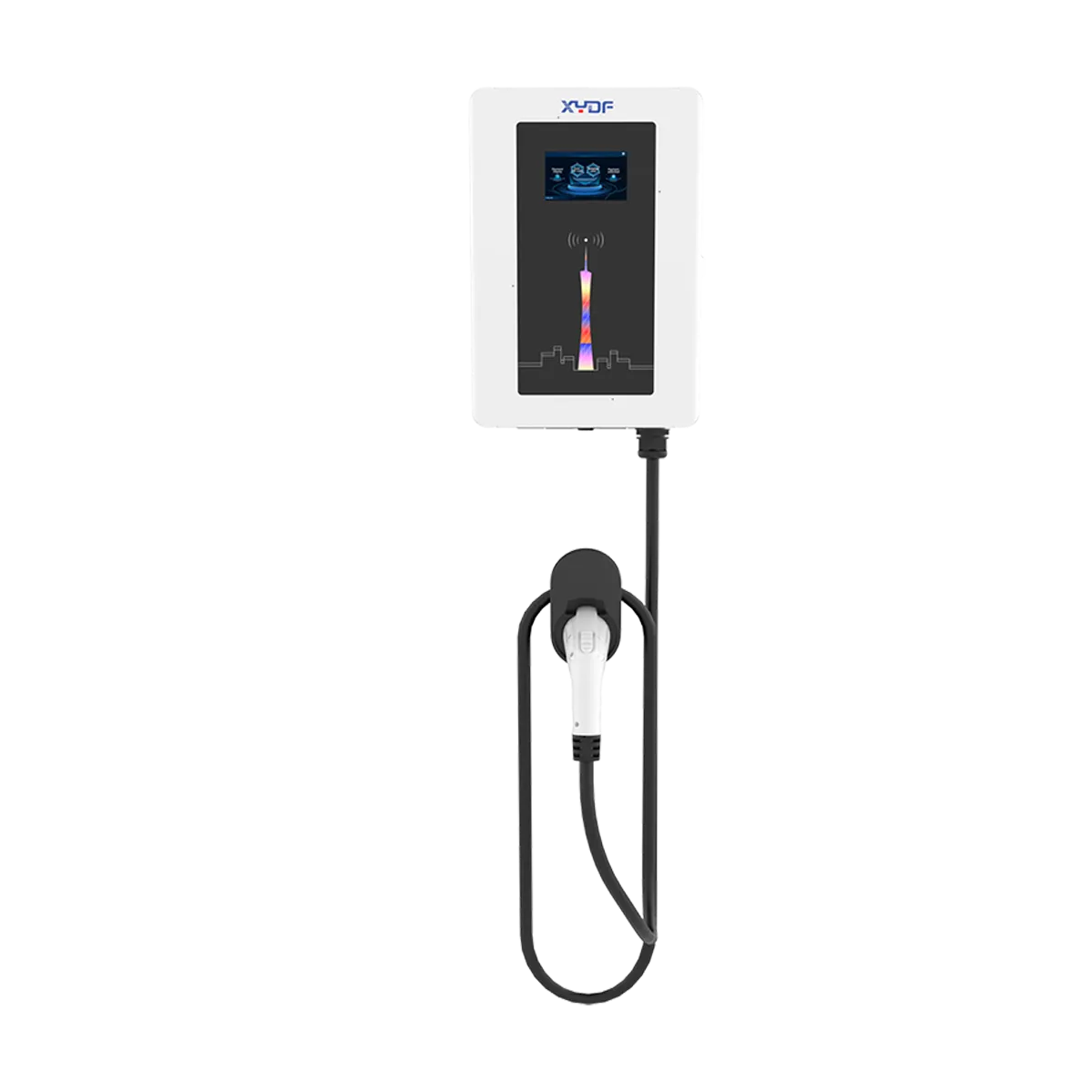
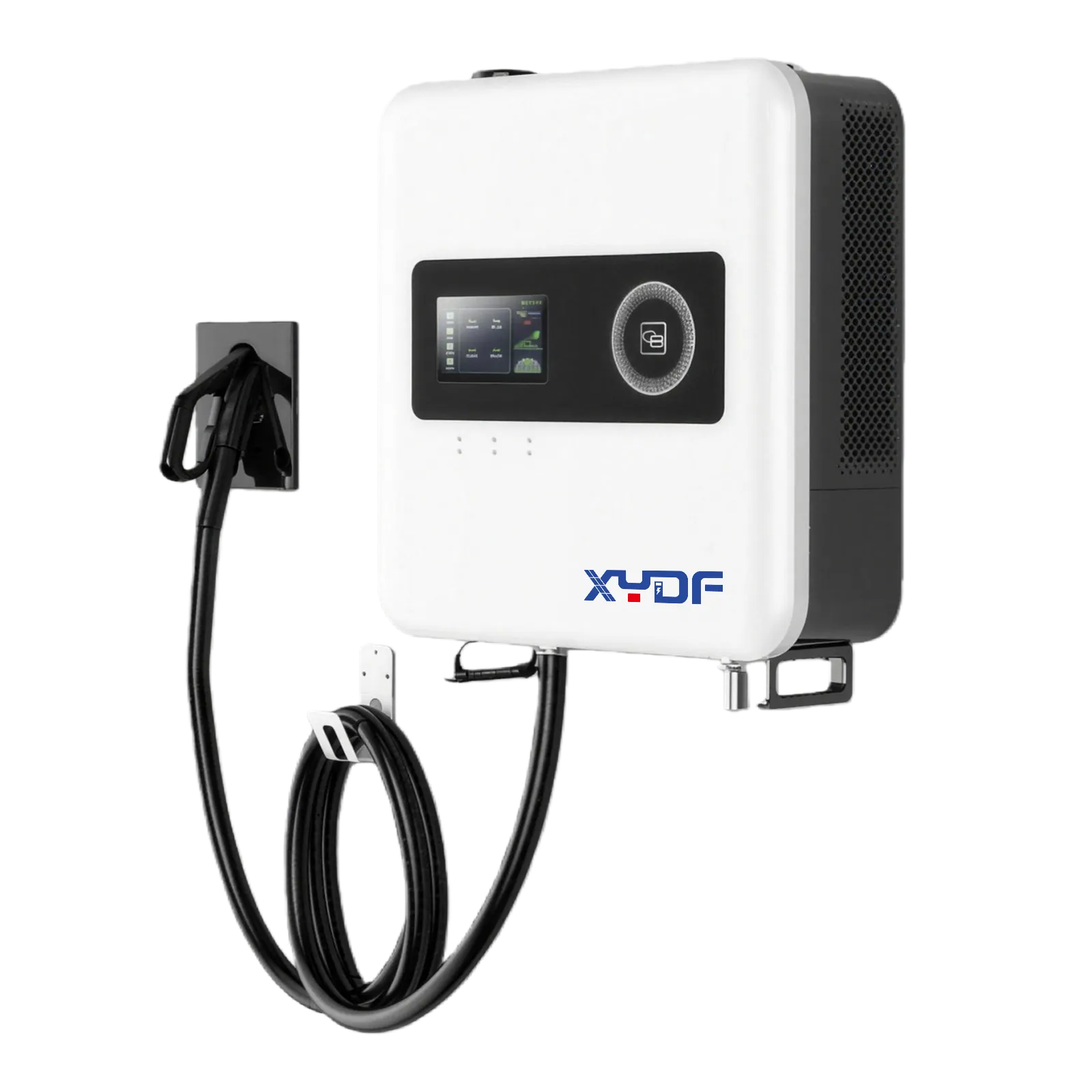
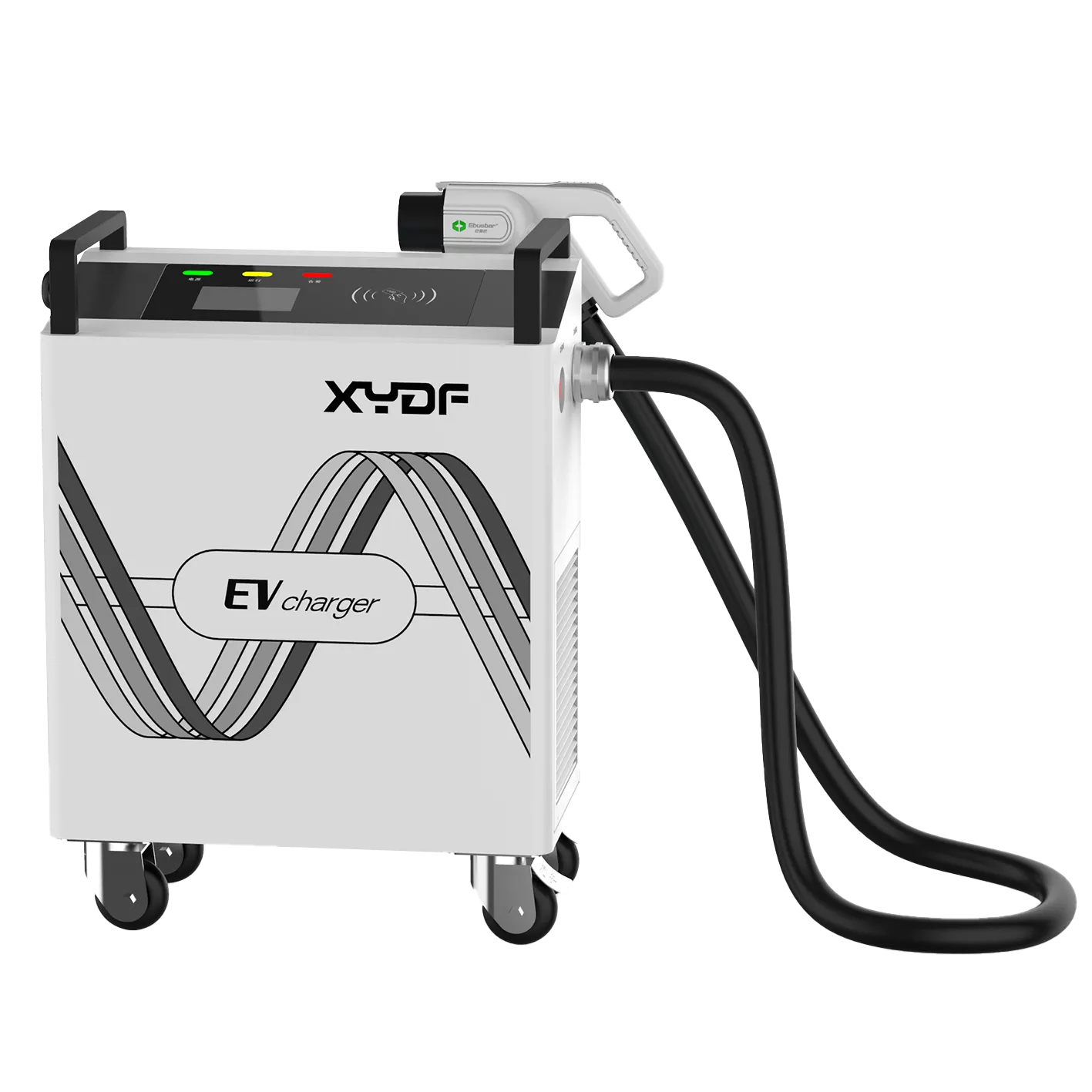
Part of the Fleet EV Charging Solution Guide
A lot of businesses in transportation and logistics are making an effort to become environmentally responsible, and this requires implementing electric vehicle (EV) fleet charging solutions. Switching to a greener fleet through the use of EVs not only reduces emissions but also saves money for logistics companies that operate large personnel fleets and will help achieve alignment with global environmental policy initiatives. One of the key components to making the transition from IC powered fleets to EVs will be implementing an EV charge infrastructure that allows for more efficient and effective charging of the EVs used by logistics operations. This review/article will further document information related to Logistics Fleet EV Charging such as fields of information, and provide answers to all potential buyers looking for information regarding Logistics Fleet EV Charging systems through this document.
What is EV Fleet Charging?
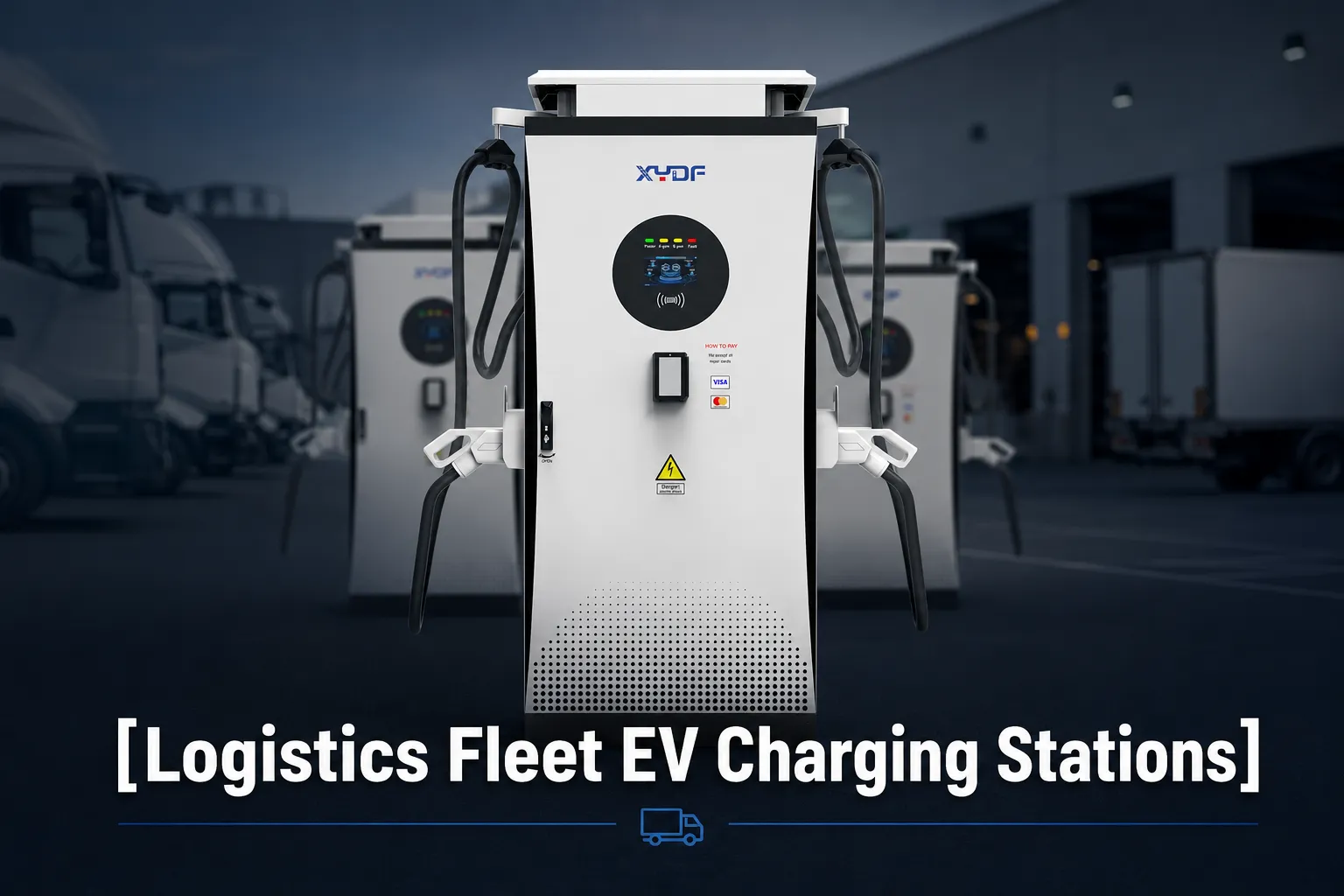
EV fleet charging is the ability to provide the infrastructure, technology, and processes required to charge multiple EVs at once for use in commerce and business. Fleet EV charging infrastructures differ from residential EV charging in that fleet EV charging infrastructures are designed and constructed specifically to accommodate the needs of businesses that operate a fleet of multiple to hundreds of vehicles. Electric fleet charging systems allow logistics fleets to perform their core logistics functions consistently with a greater speed and consistency than other types of charging systems.
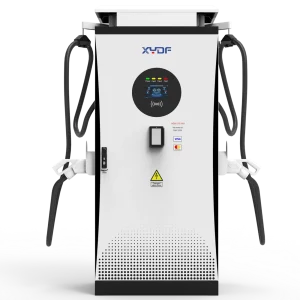
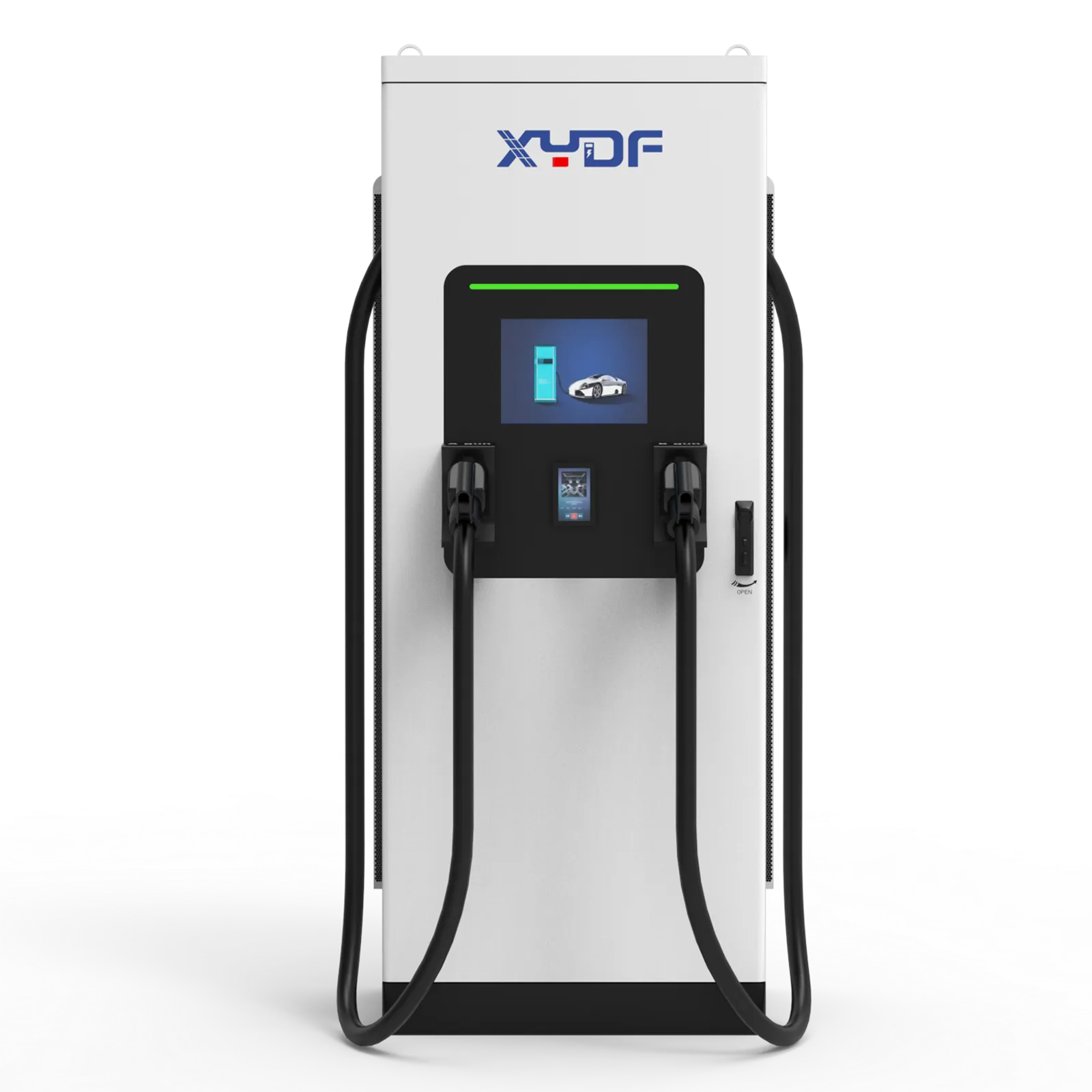
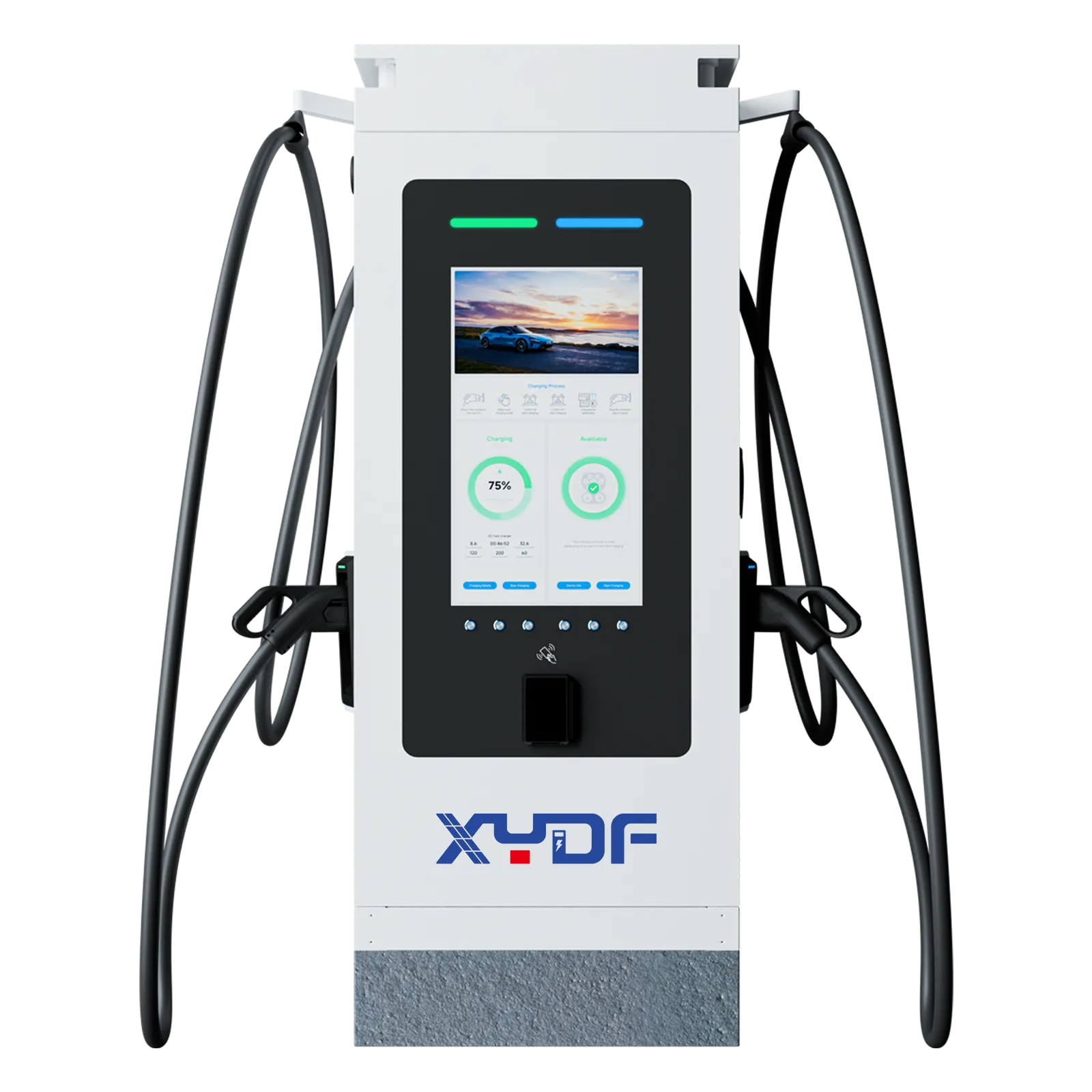
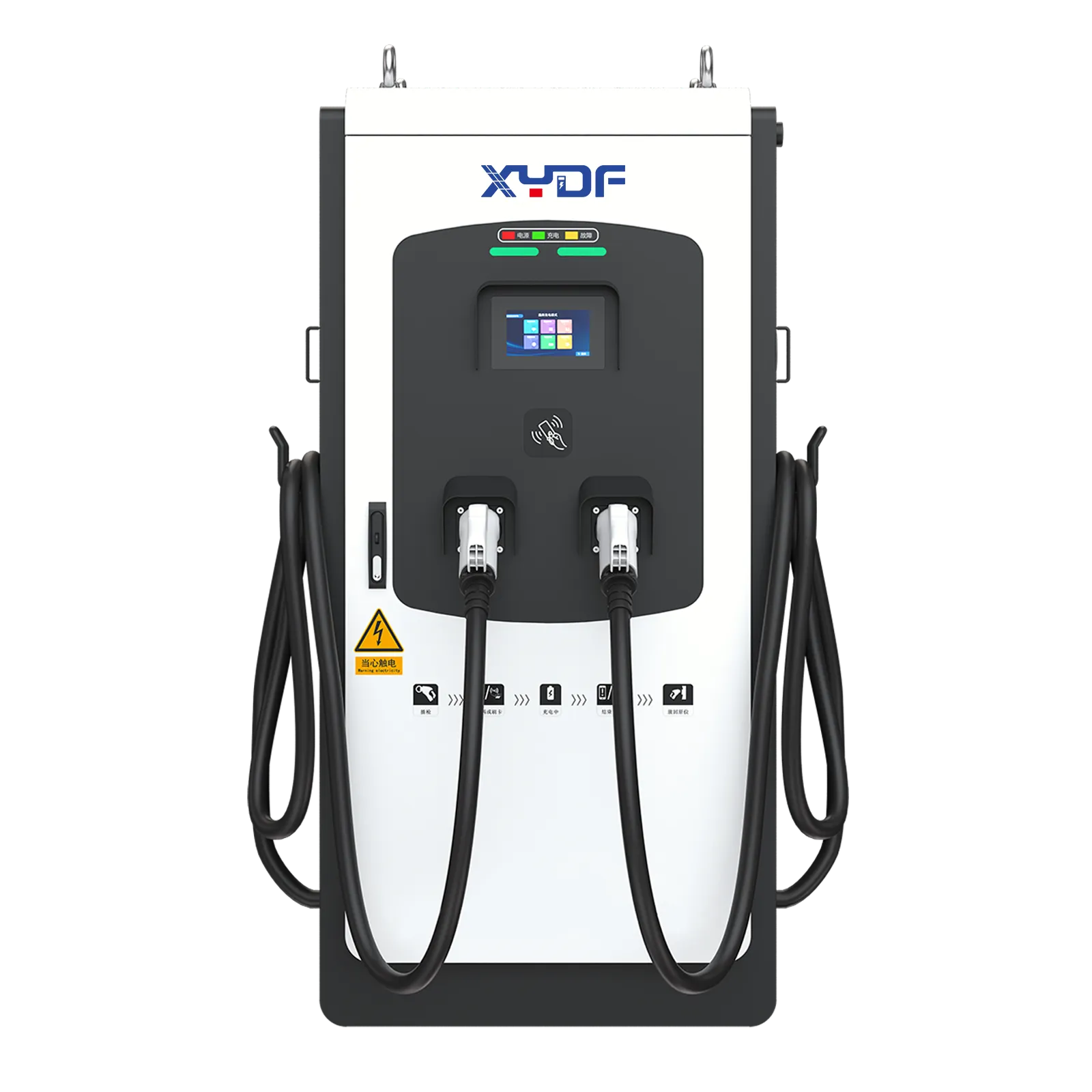
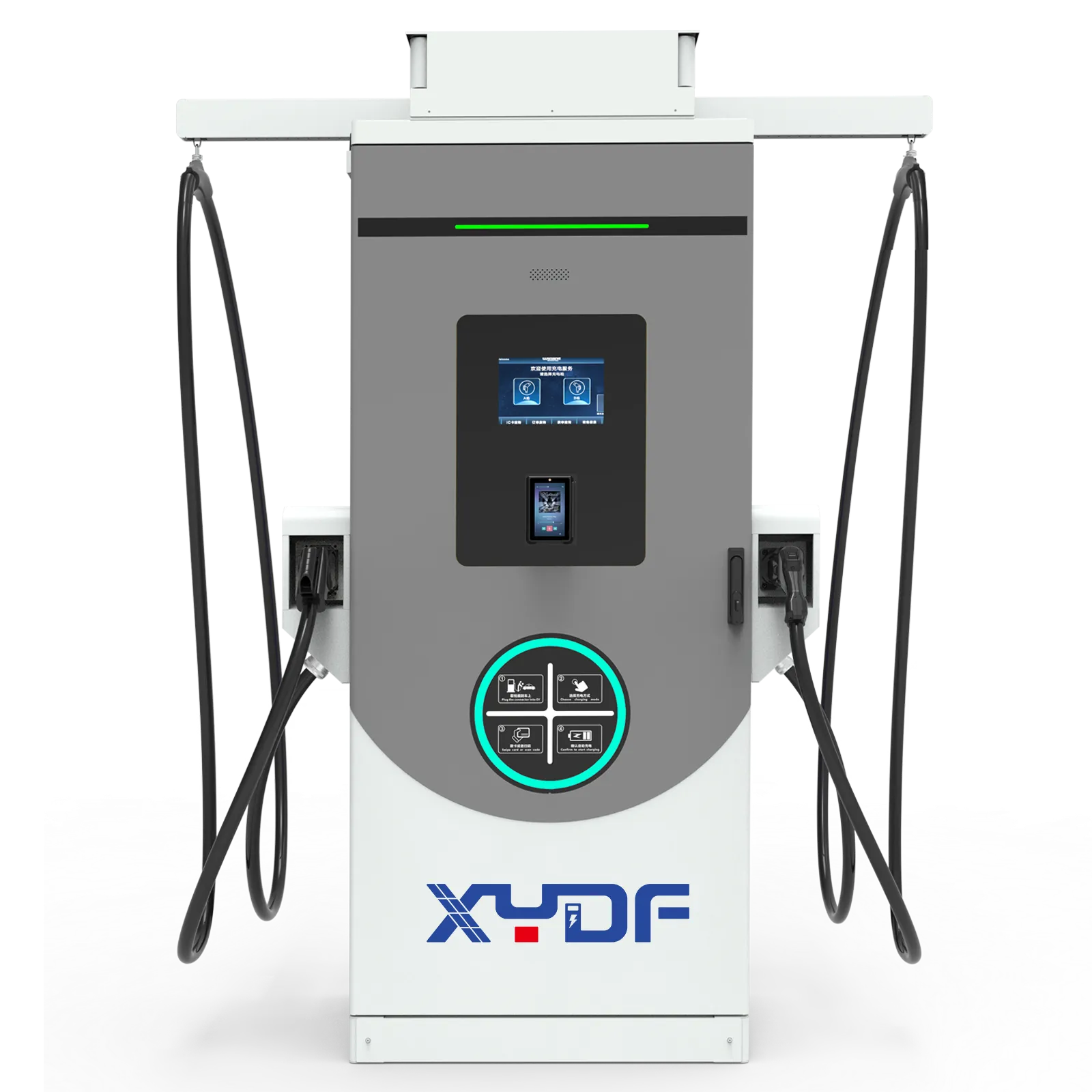
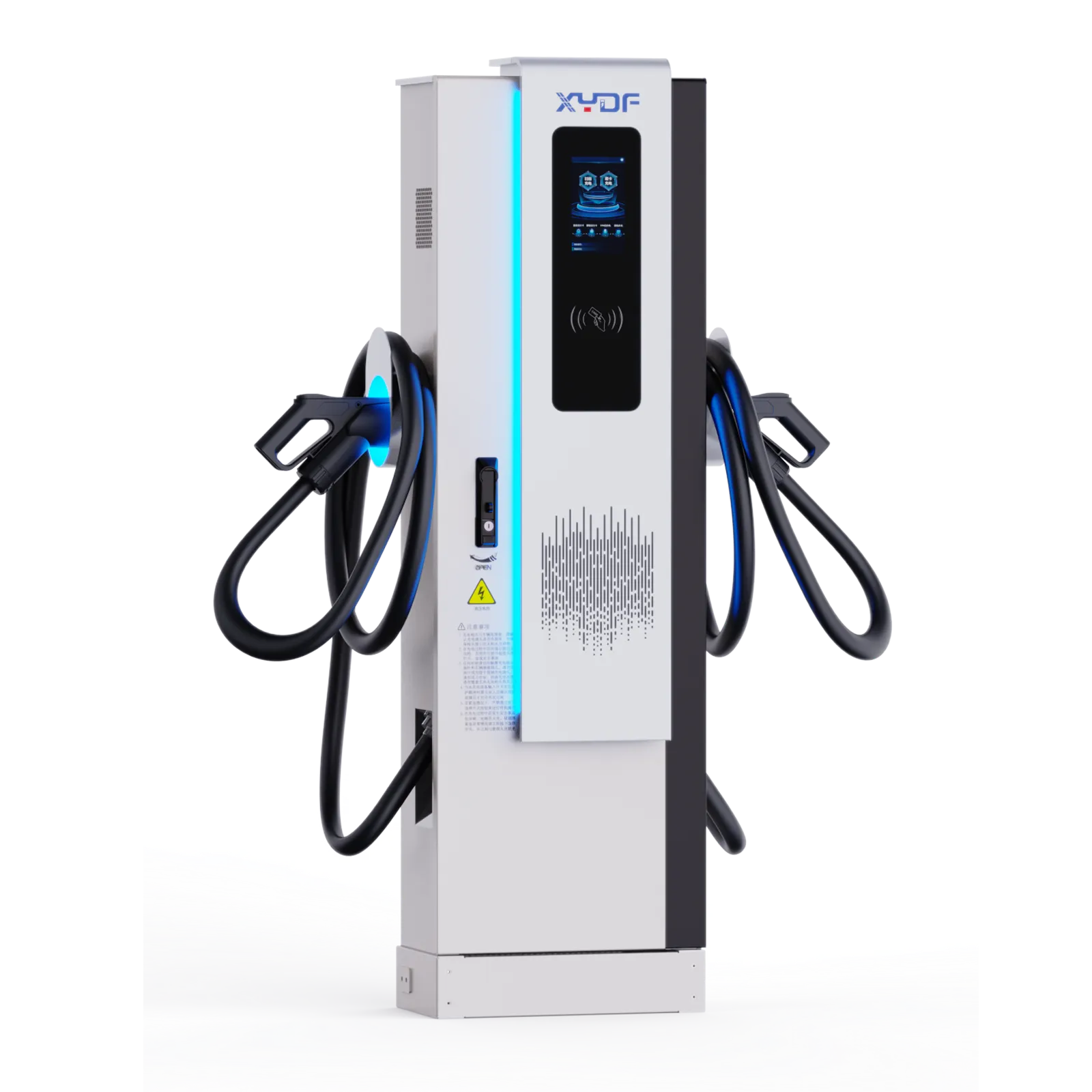
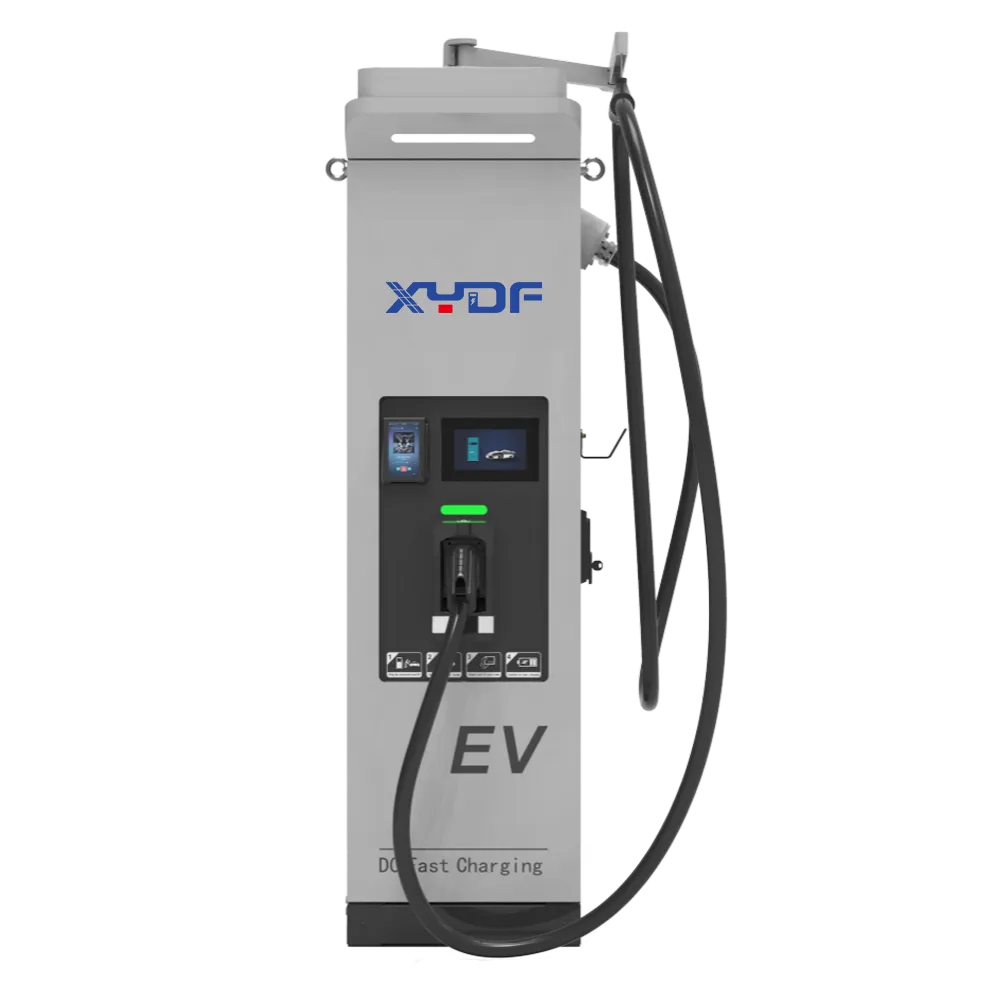
Logistics companies typically have a need to use both centralized electric fleet charging hub solutions and distributed electric fleet charging stations that are installed at various locations within their operational geographies. Fleet charging stations typically use robust charging infrastructure (e.g., DC fast chargers) and sophisticated software solutions to provide accurate, optimized energy utilization of electric fleet charging stations to maximize overall fleet operational performance and comply with all legal and recommended best management practices.
Benefits of Implementing Logistics Fleet EV Charging Solutions
Businesses that are replacing gasoline-powered fleet vehicles with zero-emission electric fleet vehicles (EVs) will experience an overall change in their business model through the implementation of logistics fleet EV charging systems. Following are a few of the benefits:
-
Cost Efficiency – Electric fleet charging solutions substantially lower an organization’s total fuel costs as a direct outcome of transitioning to electric fleet vehicles. Smart fleet charging solution systems maximize energy efficiency, further reducing the cost of operating a logistics business.
-
Environmental Impact – Fleet electric vehicles substantially reduce the amount of greenhouse gas emissions and air pollutants generated from logistics fleet operations, thereby helping achieve an organization’s environmental sustainability initiatives.
-
Operational Continuity – Reliable electric fleet charging, provided by electric fleet charging systems, will keep all logistics fleet vehicles functional and on the roads, limiting any impacts to a logistics fleet’s operational performance due to vehicle downtime or limited driving range.
-
Scalability – Electric fleet charging systems are designed to be scalable to accommodate the growing electrical load requirements of ever-increasing size fleets of electric fleet vehicles.
There are many logistical considerations when it comes to choosing the right EV fleet charging solution for a particular logistics company:
Fleet Requirements Analysis: Investigate how far your fleet drives every day, what kind of vehicles operate in your fleet, as well as when they operate. These factors will help you calculate how many charging stations you require as well as what type of charging infrastructure will be required for the electric vehicles in your fleet.
Charging Power Evaluation: The most effective charging station type for logistics fleet operations would be DC fast chargers because they quickly replenish the power into high-energy batteries and therefore will give fleets the best opportunity to keep their vehicles charged and operating.
Smart Technology Utilization: Charging solutions for fleets currently utilize various types of smart technology that provide a synergistic approach to improving energy management, scheduling of vehicles to charge, as well as real-time monitoring of how fleet chargers are being utilized. Make sure that the charging solution you choose aligns with your business’s operational focus.
Location Planning: To give your fleet the best opportunity to successfully transition from charging to operational status, plan to build your main depots as centralized facilities and build smaller satellite charging locations strategically located near high-volume delivery locations.
Government Incentives & Regulations: Many governments provide various financial incentives like subsidies, tax credits and/or grants to help facilitate the growth of infrastructure for electric vehicle adoption. Compliance with local regulations is critical to developing the most opportunities and minimizing risk when developing your fleet charging strategy.
Addressing Challenges when Implementing Your EV Fleet Charging Strategy
There are many advantages to electric vehicle fleet charging; however, when implementing your electric fleet charging solution, the challenges associated with the implementation can be very significant:
Growing Demand for Energy: As the size of the fleet grows larger, so will your fleet’s energy consumption requirements. Collaborating with utility companies or harnessing renewable energy methods like solar power station electricity systems can help minimize operational costs.
Initial Cost: Implementation of the necessary infrastructure involves high initial costs; however, long-term savings generated from fuel expenses and repair costs will offset the upfront investment.
Range Anxieties: By strategically placing charging stations and using route forecasting software, drivers will be confident in completing deliveries without worrying about charge depletion.
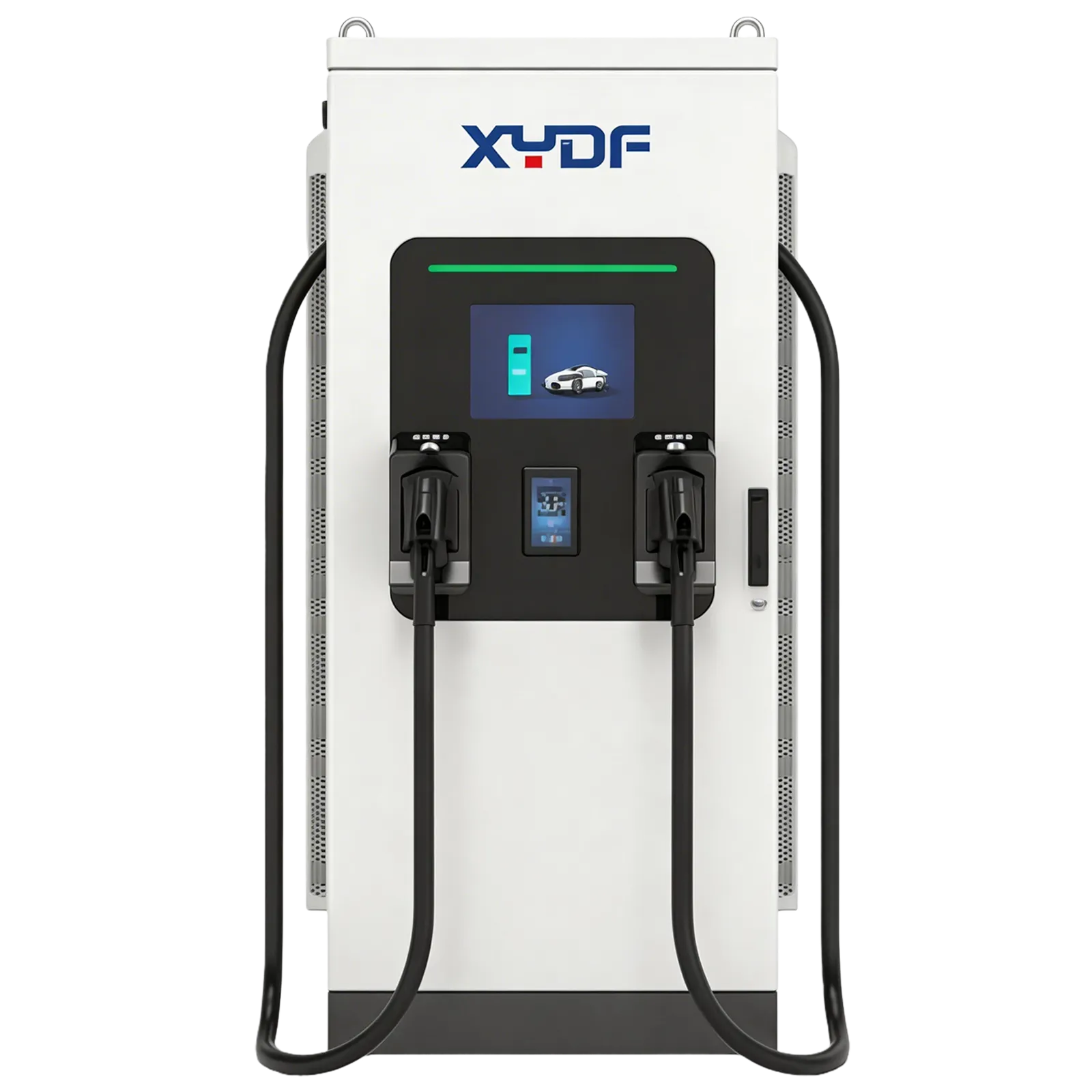
The Future Of Logistics Fleet EV Charging Solutions
The rapid development of commercial electric vehicle fleets will continue to impact the logistics sector, resulting in greater demands for innovative and effective ways to charge electric vehicles. With more sophisticated technologies, logistics operators will be able to optimize logistics fleet management systems beyond what has been achievable previously.
Fleet managers looking for a dependable EV Fleet Charging solution should focus on their operational requirements, implement smart technology, and utilize government funding programmes to establish a successful, cost-effective fleet EV charging implementation strategy. As logistics companies expand to fleet electric vehicles, reliable and scalable EV Fleet Charging Infrastructure will become a key component in gaining a competitive edge.
FAQs
What is an Electric Fleet Charging Solution?
An electric fleet charging solution is essentially a central charging hub that enables multiple electric vehicles to receive their charging requirements efficiently at a commercial or logistics location. Fleet EV Charging Solutions are designed for scalability, reliability and affordability for fleet operators.
What Are The Benefits of Implementing a Logistics Fleet EV Charging Solution?
A successful Fleet EV Charging Solution provides fleets with the ability to have their vehicles fully charged, minimizing wait times for vehicles to be charged, reducing operating expenses associated with fuel, and contributing to sustainable initiatives.
What Are The Key Elements of An Effective Fleet EV Charging Solution?
The key elements of a Fleet EV Charging solution include high-performance Direct Current (DC) Fast Chargers, Energy Management Software, Predictive Scheduling / Forecasting Analytics and strategically placed charging stations.
Are There Any Government Funding Programs Available To The Logistics Industry For Logistics Fleet EV Charging Solutions?
Yes! Many government funding programmes exist to provide financial support (tax credits and grants) for the establishment of electric vehicle charging infrastructure within the private sector.
In conclusion, the logistics sector will view EV Fleet Charging as a way to substantially invest and realize ongoing, long-term operational excellence, cost savings, and contribute towards the support of sustainable environmental practices.
 Xinya Dongfang Electricity Technology Co., Ltd.