 Xinya Dongfang Electricity Technology Co., Ltd.


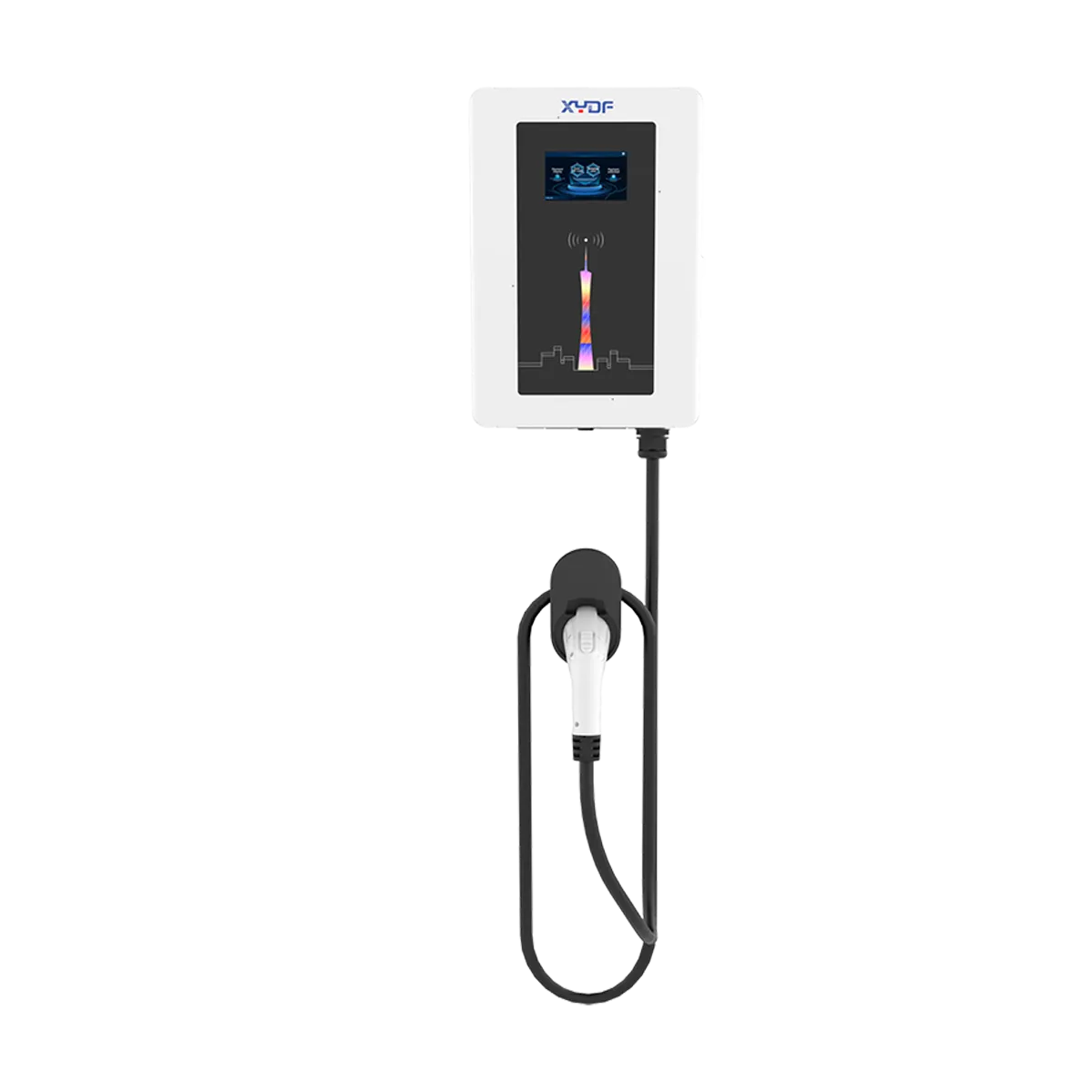
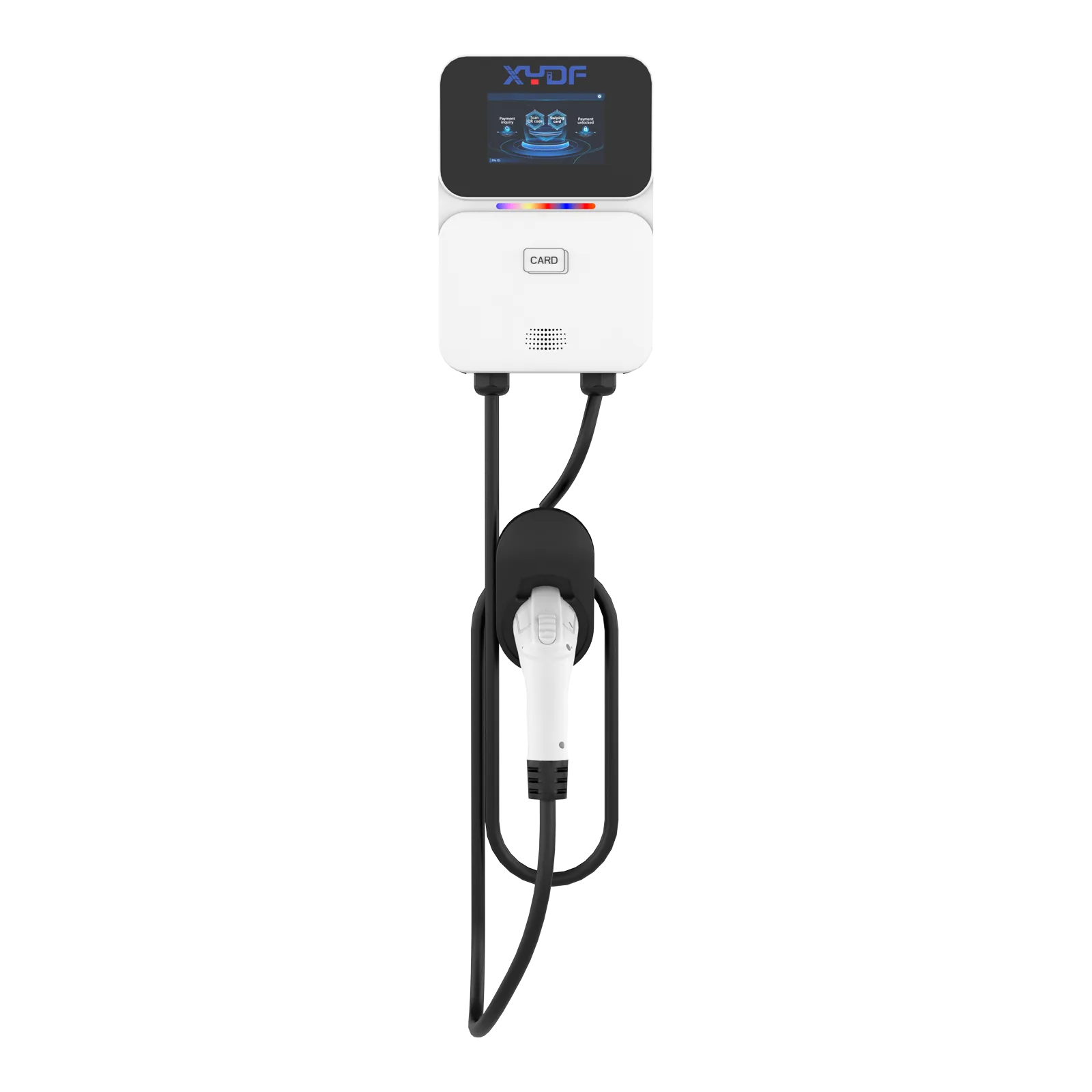

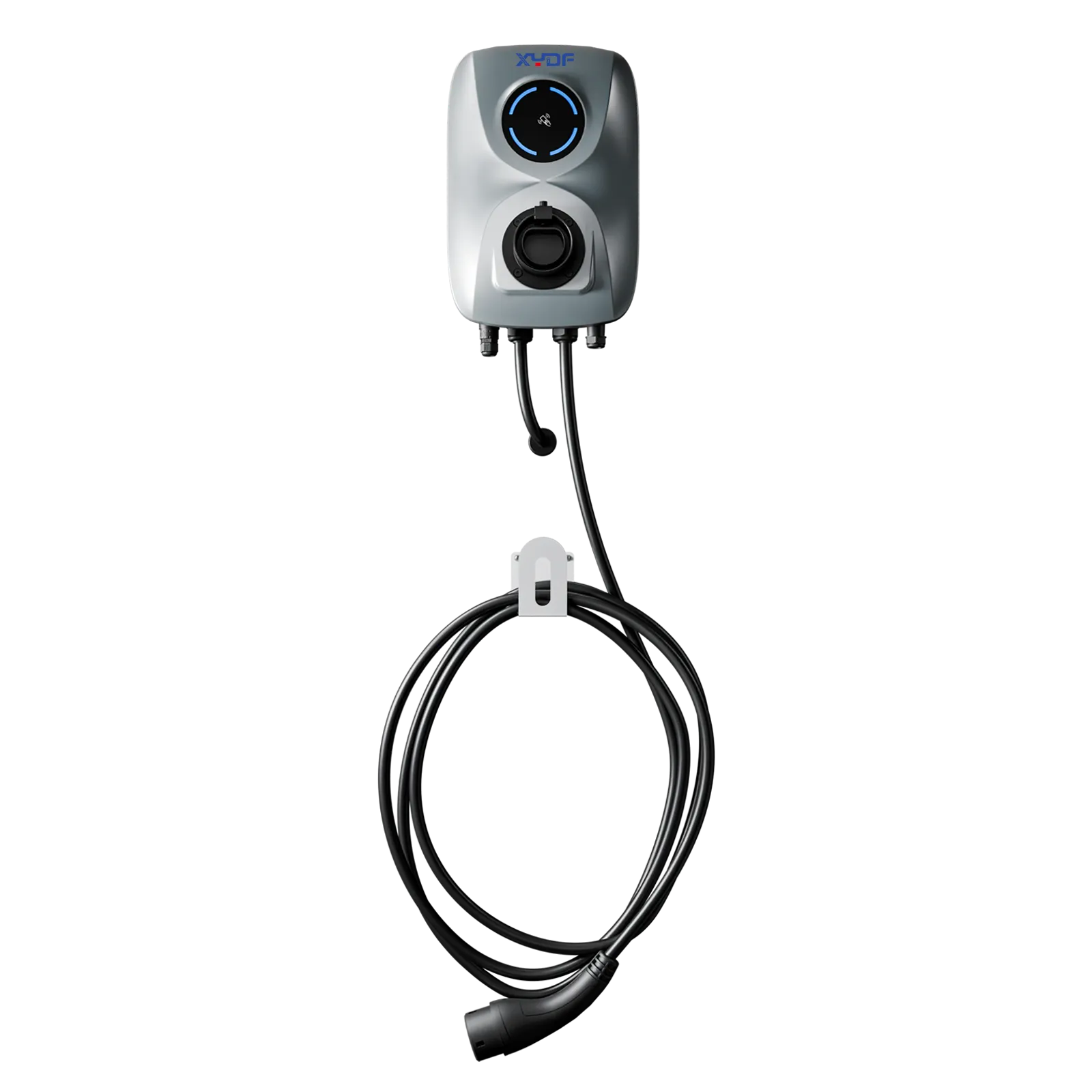
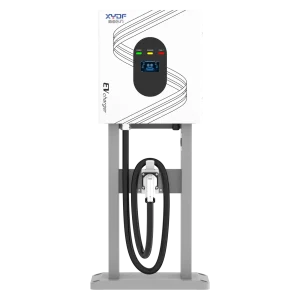

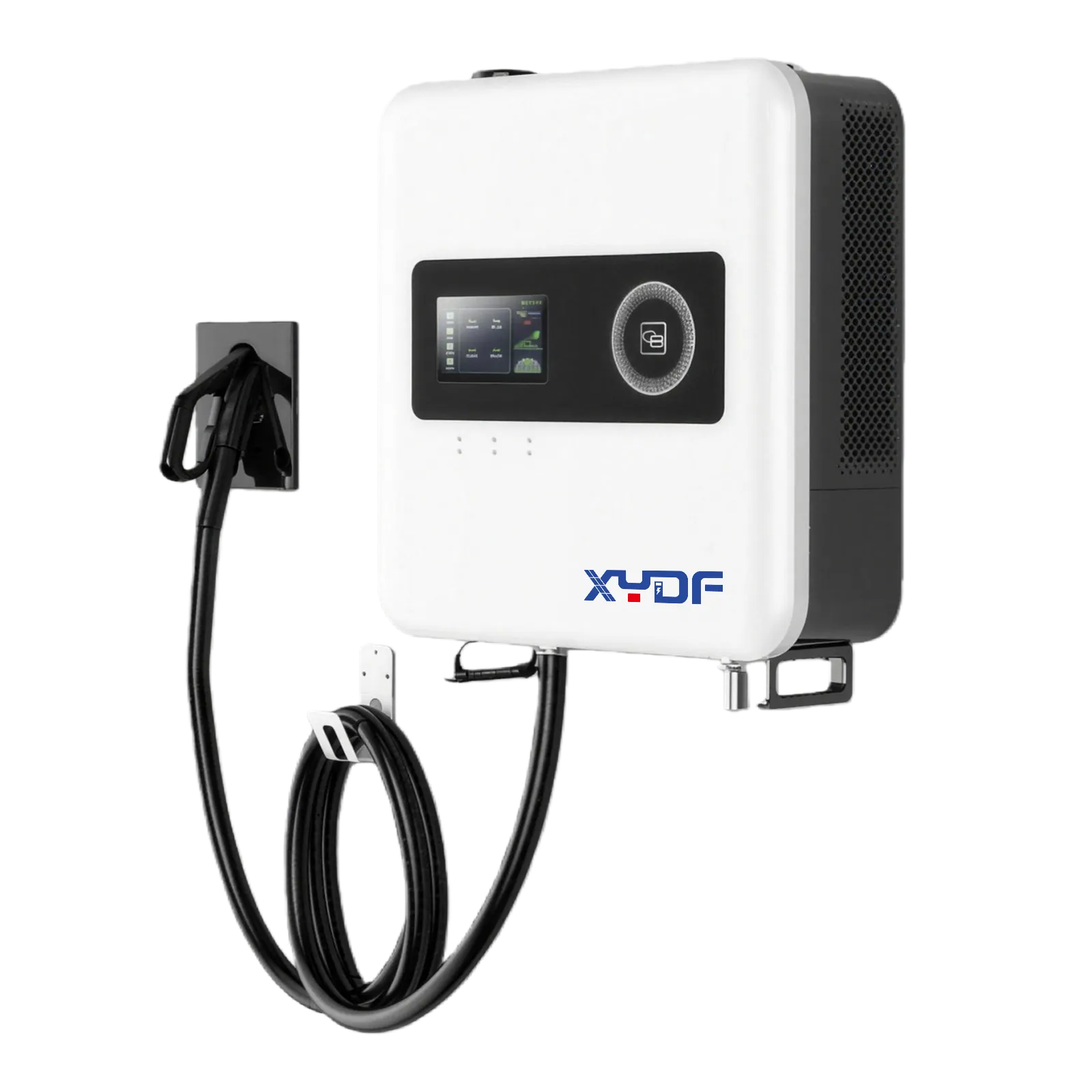
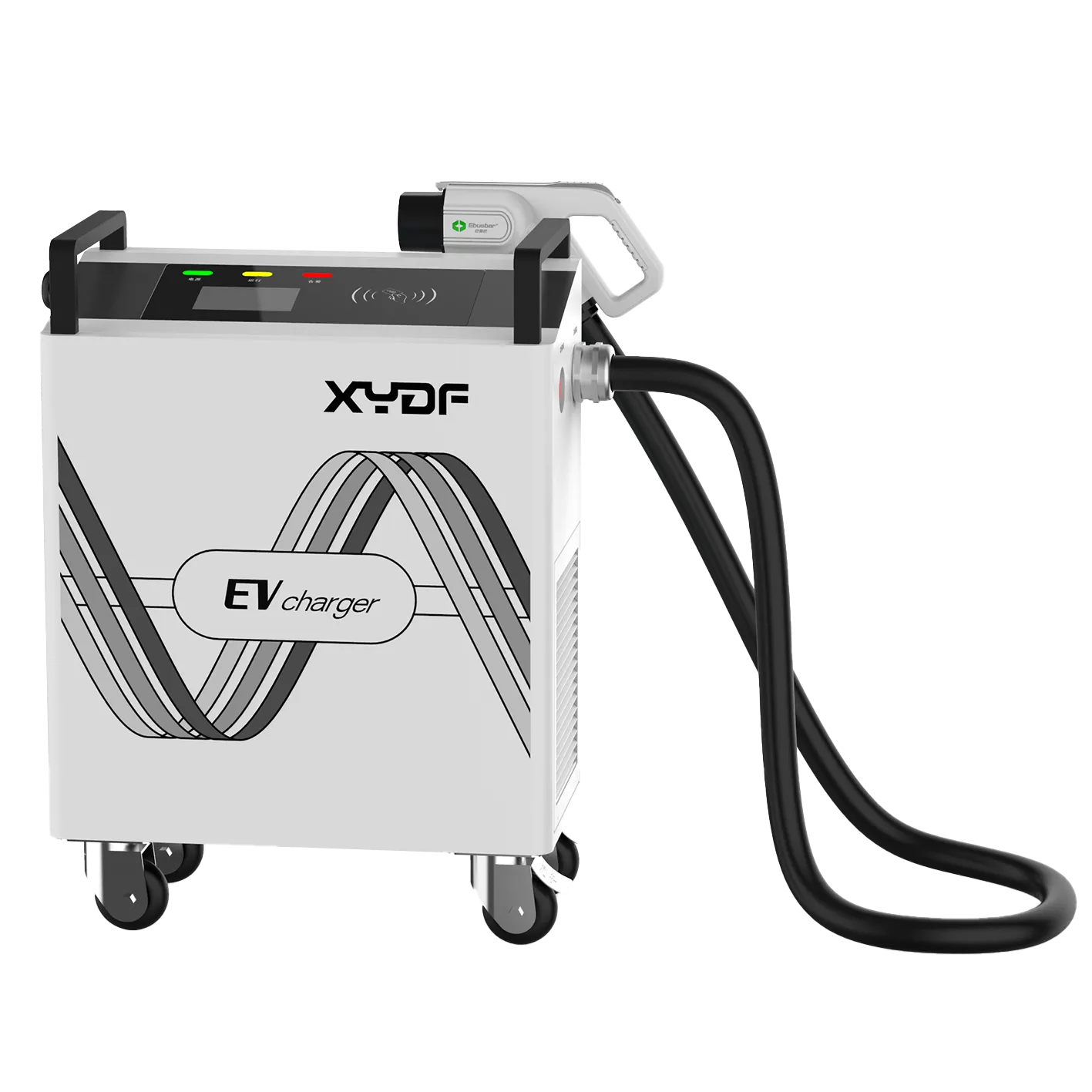
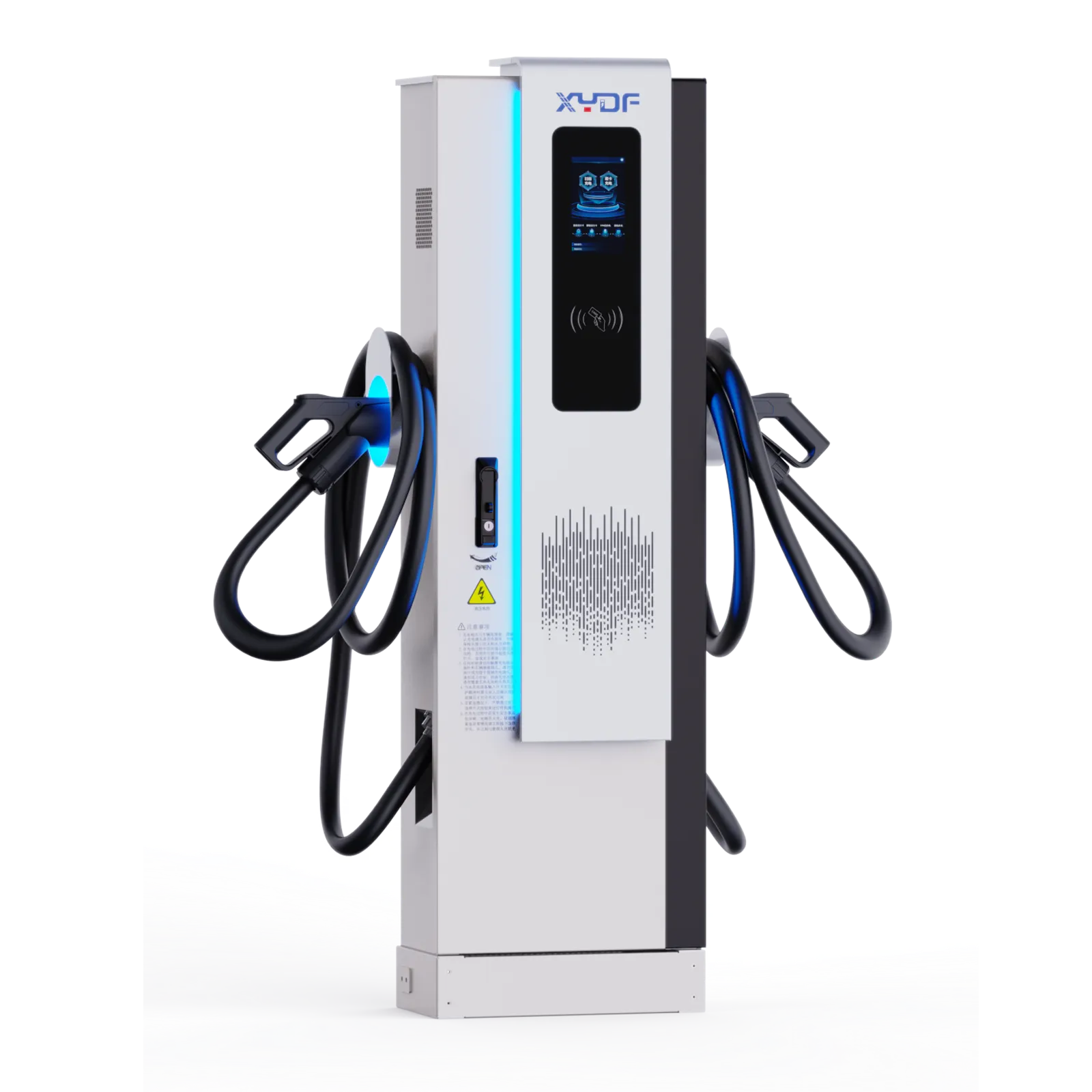
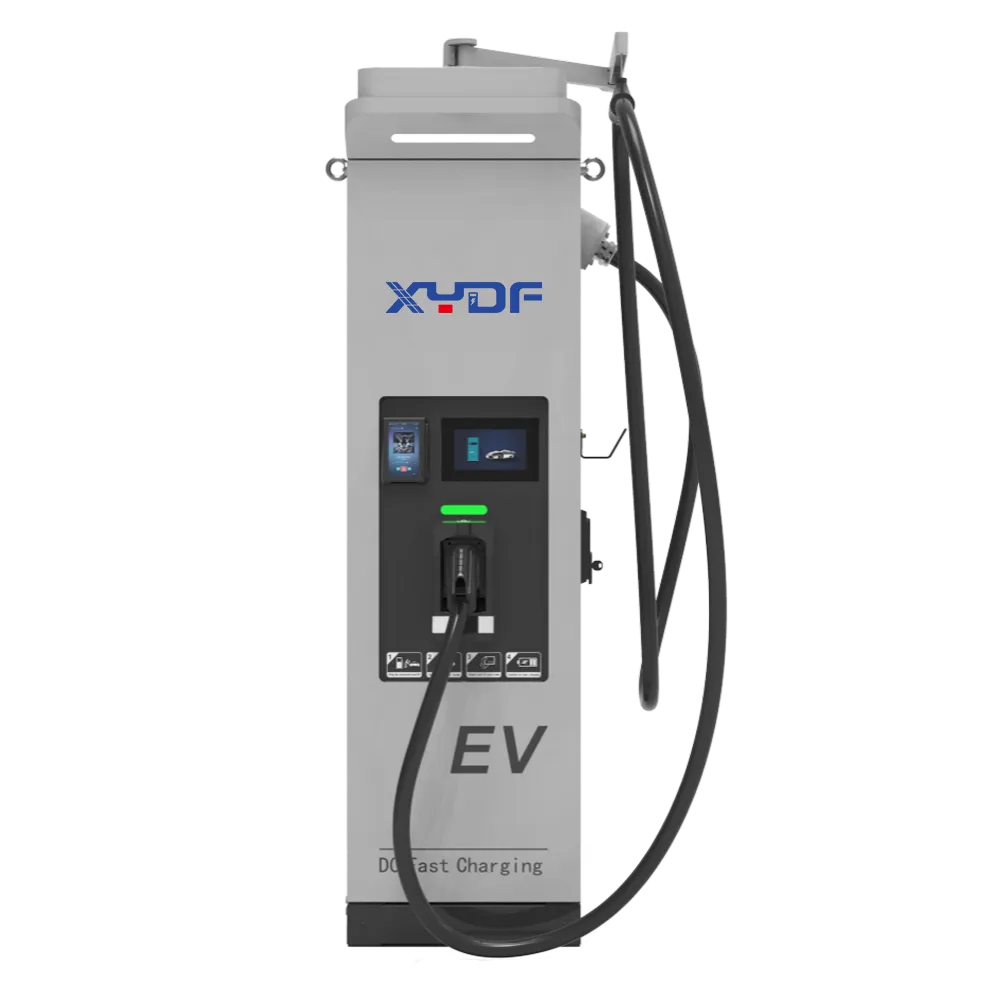
A standard household outlet looks like a convenient EV charging option, but outlet availability does not prove that the circuit can sustain charging or replace enough daily energy. The terms 110V and 120V are also often used loosely in shopping searches. Before buying, establish the actual supply voltage, approved cordset, circuit condition and vehicle requirements. The decision is whether low-power charging can meet the parking window without exceeding the installation limits.
The short answer is that a 110V EV charger search usually refers to AC Level 1 equipment used on nominal 120V household supply in North America. Confirm the device input rating rather than assuming any 110–120V label is interchangeable. Its usefulness depends on allowed current, charging hours, vehicle acceptance and losses. A suitable existing dedicated circuit may avoid new wiring, but an unsuitable socket or circuit can require professional work. This is a selection guide, not an independently tested best-product ranking.
What does 110V charging mean?
An AC charging cordset supplies and controls power to the vehicle; the vehicle’s onboard charger converts AC for the battery. Nominal 120V AC Level 1 is distinct from 240V AC Level 2. The DOE home-charging guidance describes Level 1 as suitable for some overnight daily-driving needs when an appropriate dedicated branch circuit is available. It does not mean every wall outlet is a suitable charging outlet.
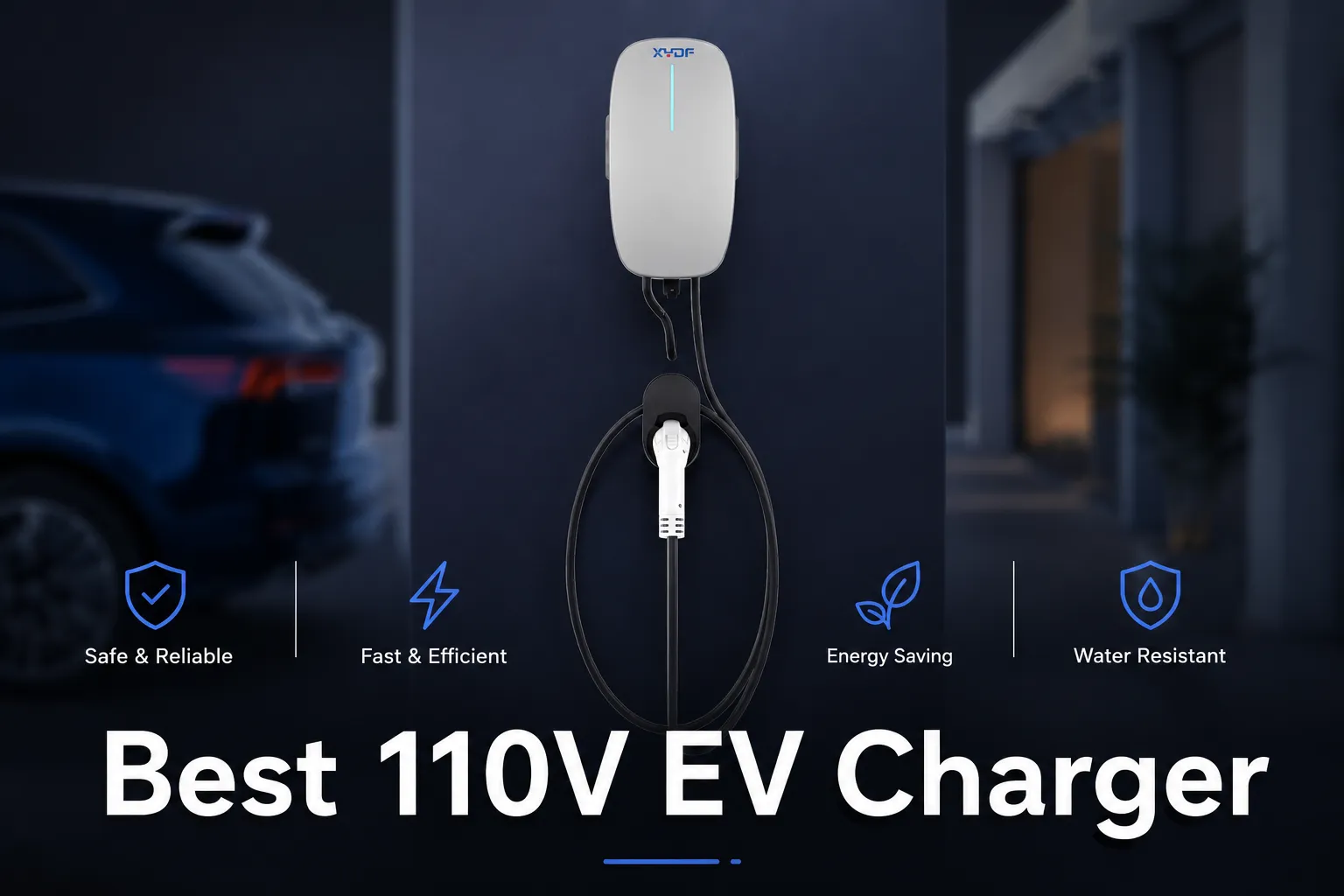
How much energy can a household outlet supply?
Use power and time, not a universal miles-per-hour promise. For an illustrative 120V, 12A constant draw, input power is 1.44kW and ten hours supplies 14.4kWh before losses. At an actual 110V with the same current, input power would be 1.32kW. These are arithmetic examples, not installation prescriptions or battery-energy guarantees.
Replacing 60kWh at 1.44kW would take at least 41.7 hours even with no losses and no interruptions. That makes a blanket 24–36-hour full-charge claim unsuitable for this example. For daily use, calculate the energy deficit since the last charge rather than assuming a full empty-to-full cycle.
What should be checked before plugging in?
| Check | Why it matters | Next action |
|---|---|---|
| Device input and current | Voltage and plug appearance do not establish the supported supply | Read the cordset rating and manual |
| Circuit and receptacle | Sustained load can expose loose contacts, wear or inadequate capacity | Have a qualified electrician assess suitability |
| Vehicle compatibility | Inlet, charging mode and onboard limits differ | Check the vehicle manual and approved interface |
| Weather and cable route | Wet exposure, trip hazards and strain affect the installed use | Follow outdoor-use and cable-handling instructions |
| Daily energy and dwell | A working connection can still be too slow for the duty | Compare expected input energy with the daily need |
Stop use if the outlet, plug or equipment is damaged, unusually hot or repeatedly trips protection. Do not substitute improvised adapters or extension leads for a suitable circuit. A reduced current setting is not a repair for a damaged socket.
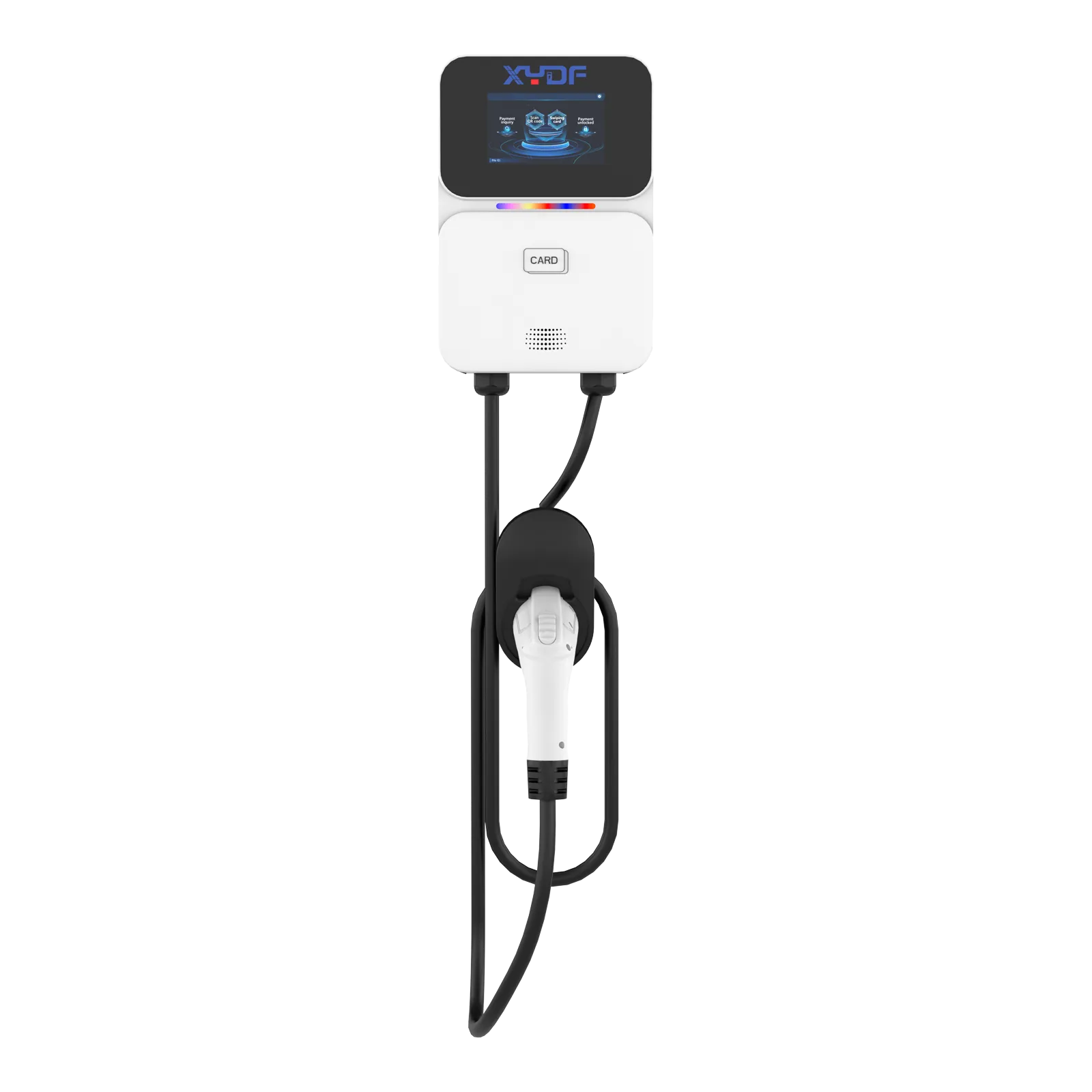
When is Level 1 enough, and when is Level 2 worth considering?
| Decision | 120V Level 1 | 240V Level 2 |
|---|---|---|
| Typical purpose | Modest energy replacement during long parking windows | Larger energy replacement or shorter parking windows |
| Power | Determined by permitted current and actual supply | Determined by supply, permitted current and vehicle AC limit |
| Installation | Existing suitable dedicated circuit may be usable | Usually requires a planned dedicated circuit or hardwired installation |
| Cost comparison | Include any assessment or remedial work | Include protection, wiring, permissions and commissioning |
Neither option guarantees lower total cost for every driver. Evaluate installation and energy needs together. Higher supply power has no value if the vehicle cannot accept it or scheduled charging already meets the duty. Compare AC EV chargers by their documented input and output; a generic 7kW product is not evidence that it operates on 120V.
How can you compare low-voltage charging cordsets?
Require a current model manual, suitable product-safety evidence for the intended market, rated input, approved plug, cable length, outdoor-use conditions and warranty coverage. Do not infer universal EV compatibility or safety from a retailer description. This guide does not independently verify the old Schumacher, Megear or Besenergy recommendations and therefore does not rank them.
An amperage comparison is useful only with the supply and circuit conditions stated. The 32 amp EV charger guide covers a higher-current AC selection question, not a promise that a 32A device can be connected to a household 120V outlet.
Frequently asked questions
Can all EVs charge from a 110V outlet?
No universal compatibility should be assumed. Confirm the vehicle’s approved charging mode, connector and cordset, and the device input rating. An appropriate outlet is an installation question as well as a vehicle question.
Is there no installation cost for Level 1 charging?
Not necessarily. A suitable existing dedicated circuit may avoid new installation, but worn receptacles, shared circuits or inadequate capacity can require assessment and electrical work.
How long will a full charge take?
Divide the energy to replace by the sustained input power, then allow for losses and interruptions. At 120V and 12A, a 60kWh replacement has a loss-free minimum of about 41.7 hours; actual charging takes longer under those assumptions.
Can a low current setting make a faulty outlet safe?
No. Damaged, loose or overheating equipment requires assessment and repair. Use only the current settings and installation arrangements permitted by the equipment instructions and responsible electrician.
References
- U.S. DOE AFDC: Charging Electric Vehicles at Home
- U.S. DOE AFDC: procurement and installation scope
- U.S. DOE AFDC: charging-equipment maintenance and operation
Conclusion
Low-voltage charging is useful when it replaces the required daily energy during the available parking window, not simply because an outlet is nearby. Confirm actual voltage, allowed current, the vehicle interface and the condition of the circuit before comparing cordsets. Estimate energy with power multiplied by time, then account for losses instead of relying on a universal range-per-hour claim. Move to a suitable Level 2 installation when the duty requires it, but do not connect higher-rated equipment to an unverified supply. XYDF’s AC range should be compared by model-specific input and installation requirements; request configuration details with the supply voltage, vehicle and intended use rather than assuming a product category proves 120V compatibility.