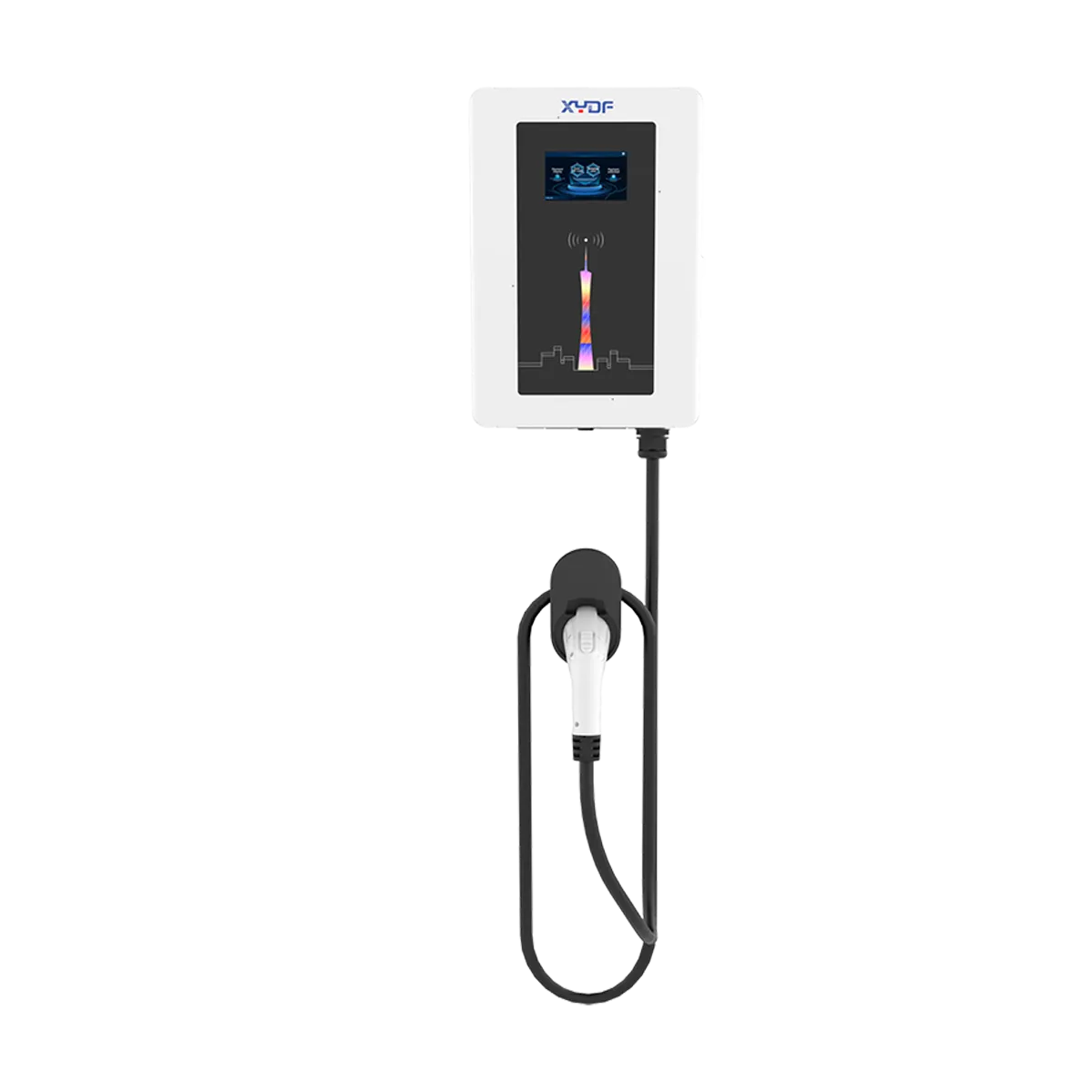
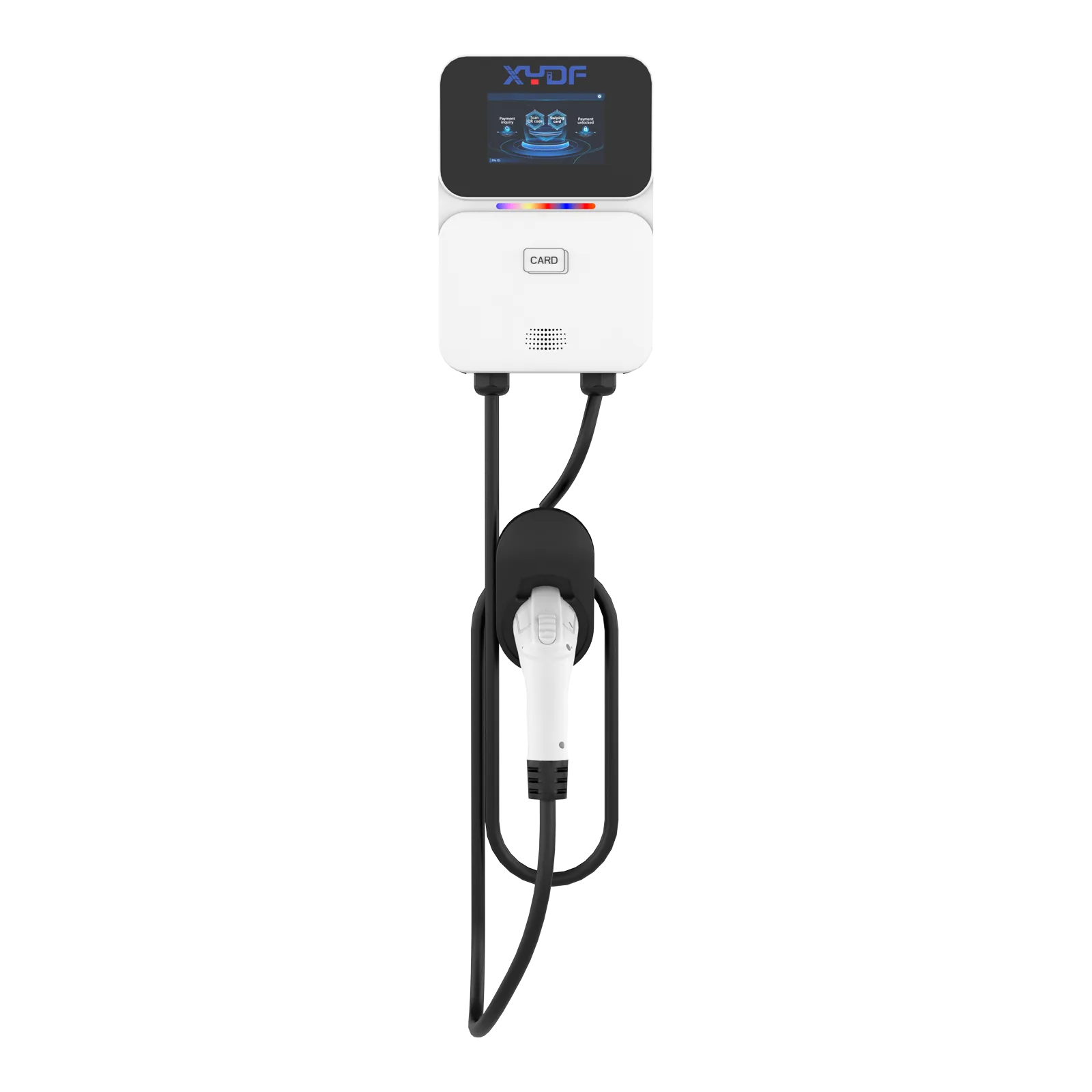
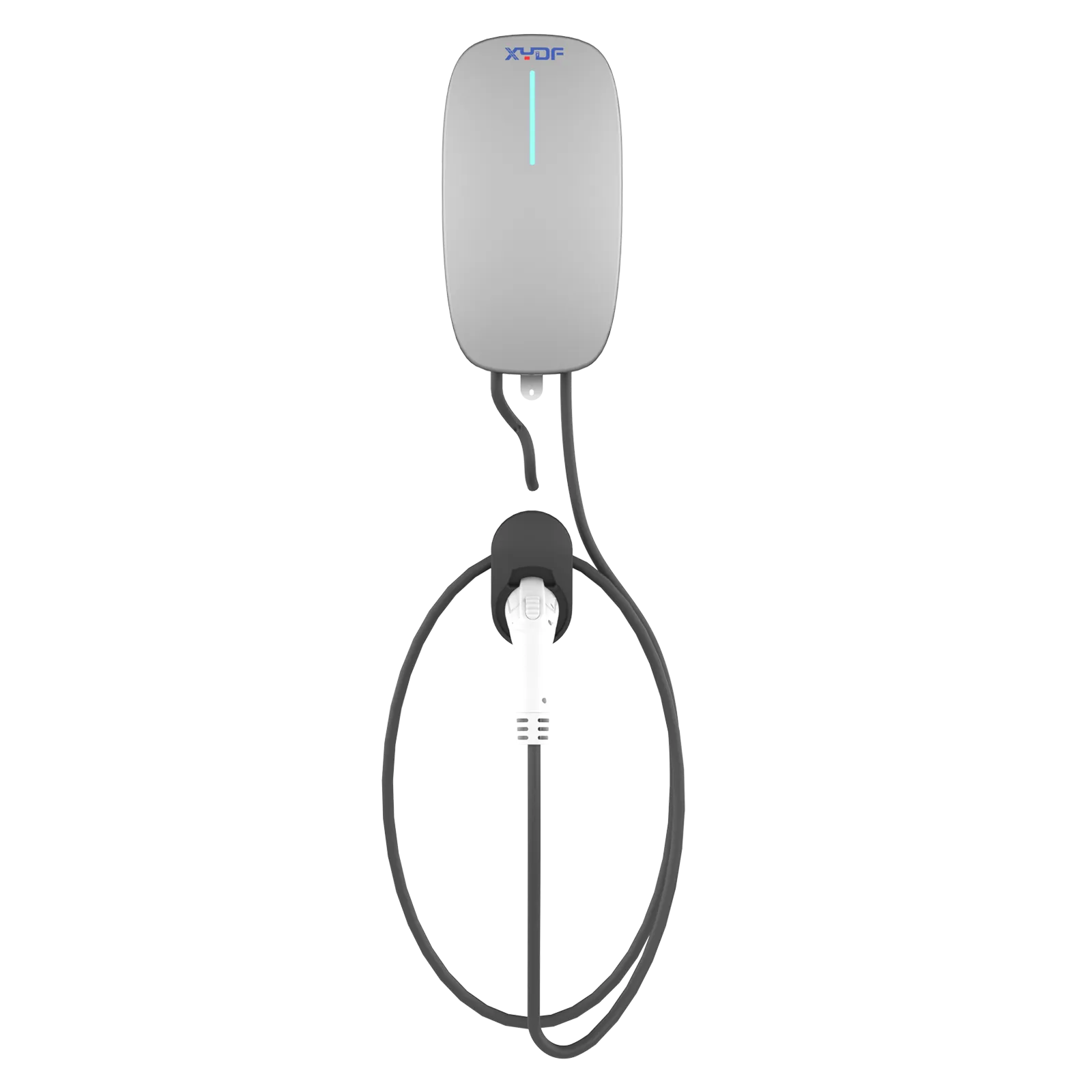
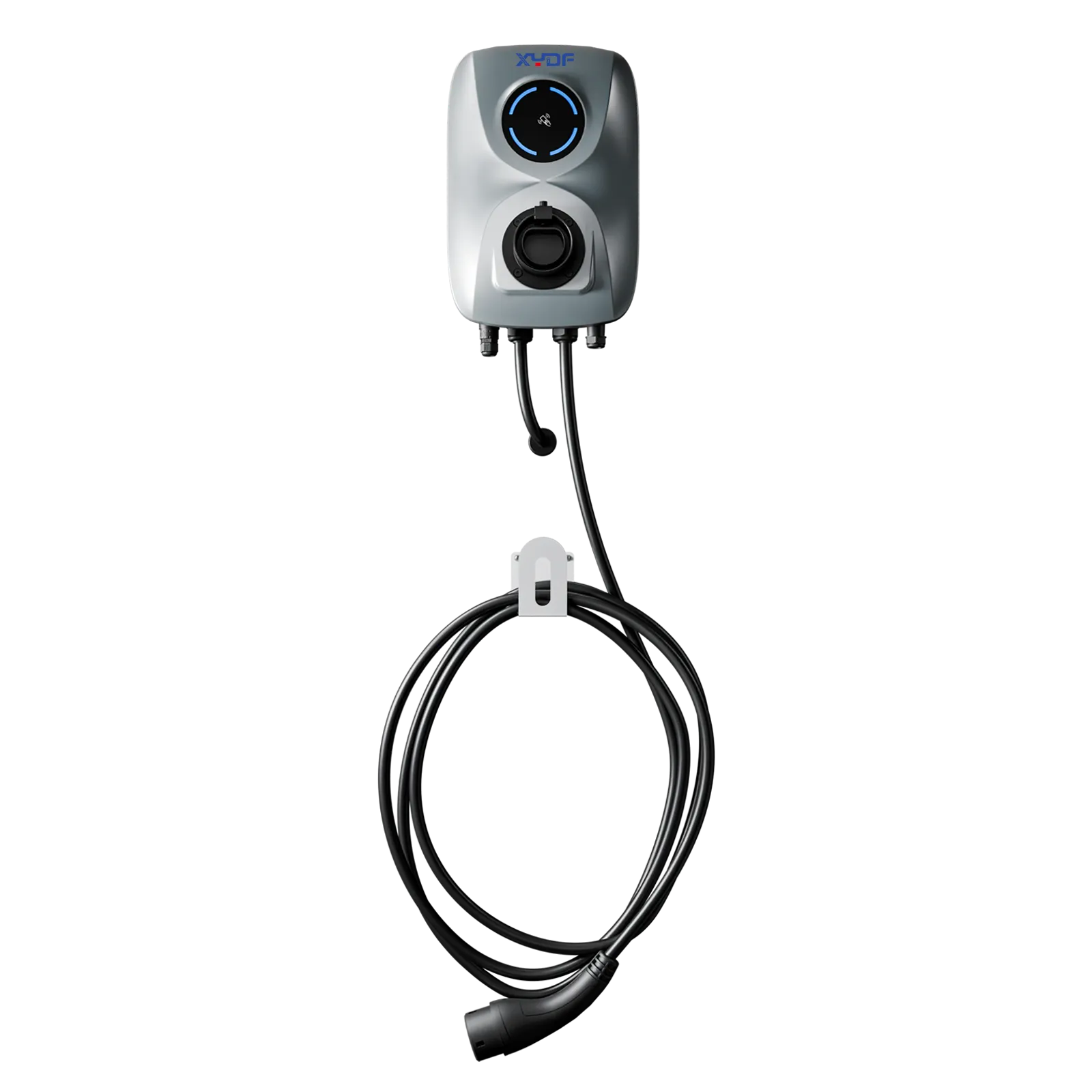
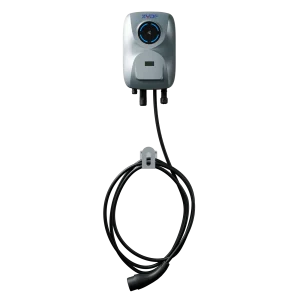
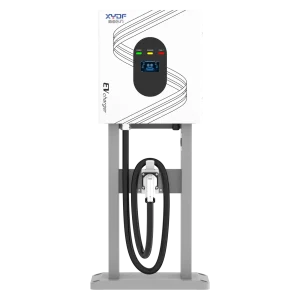
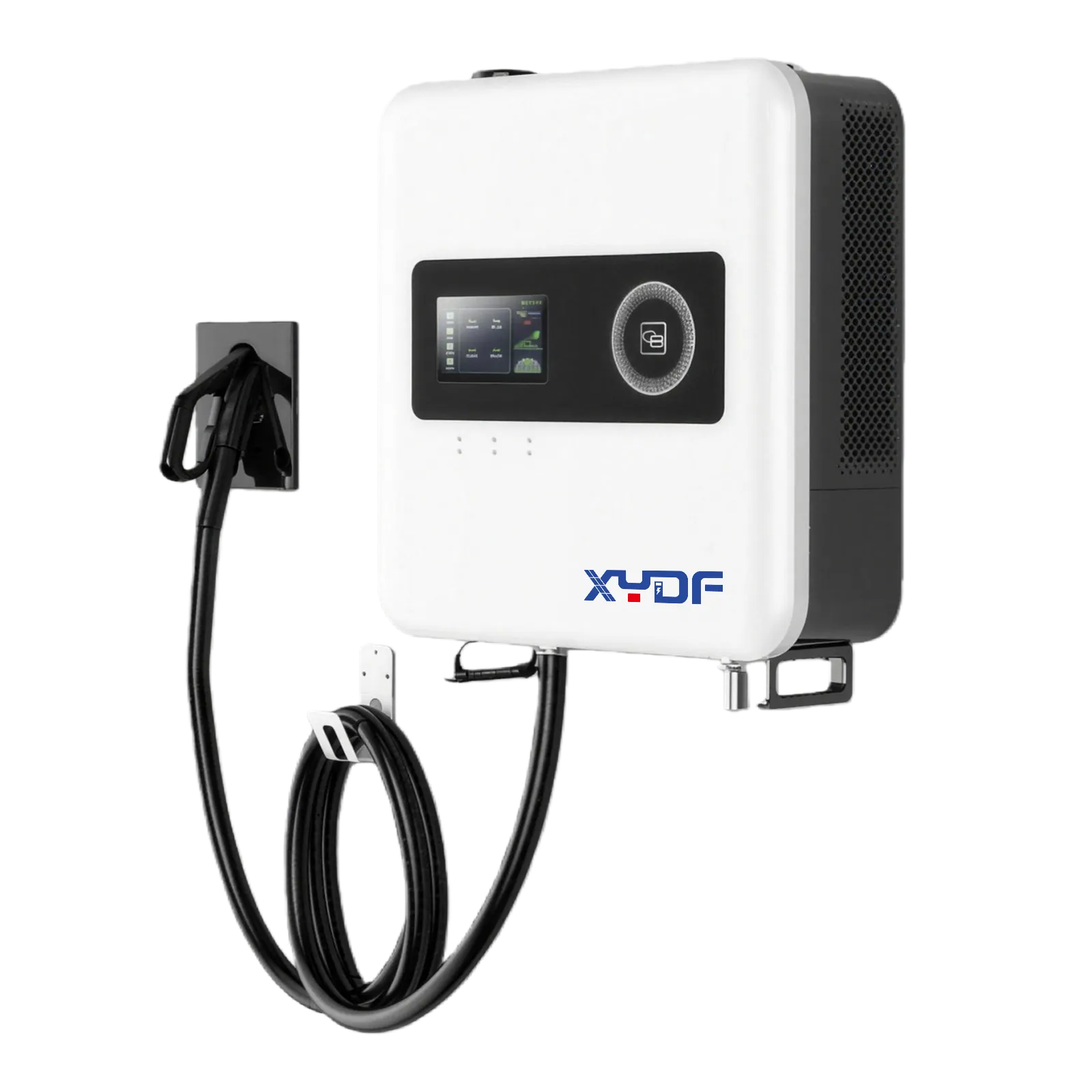
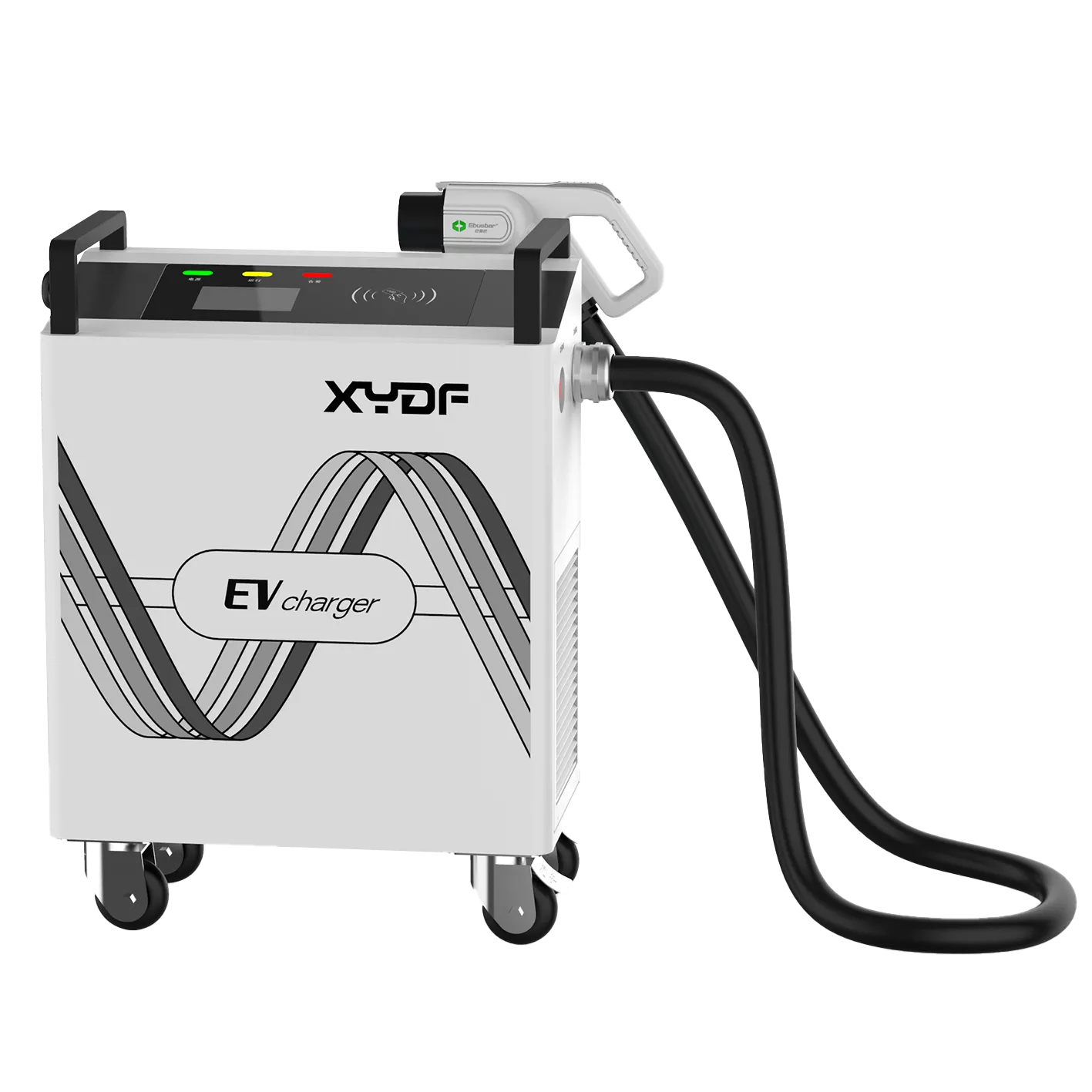
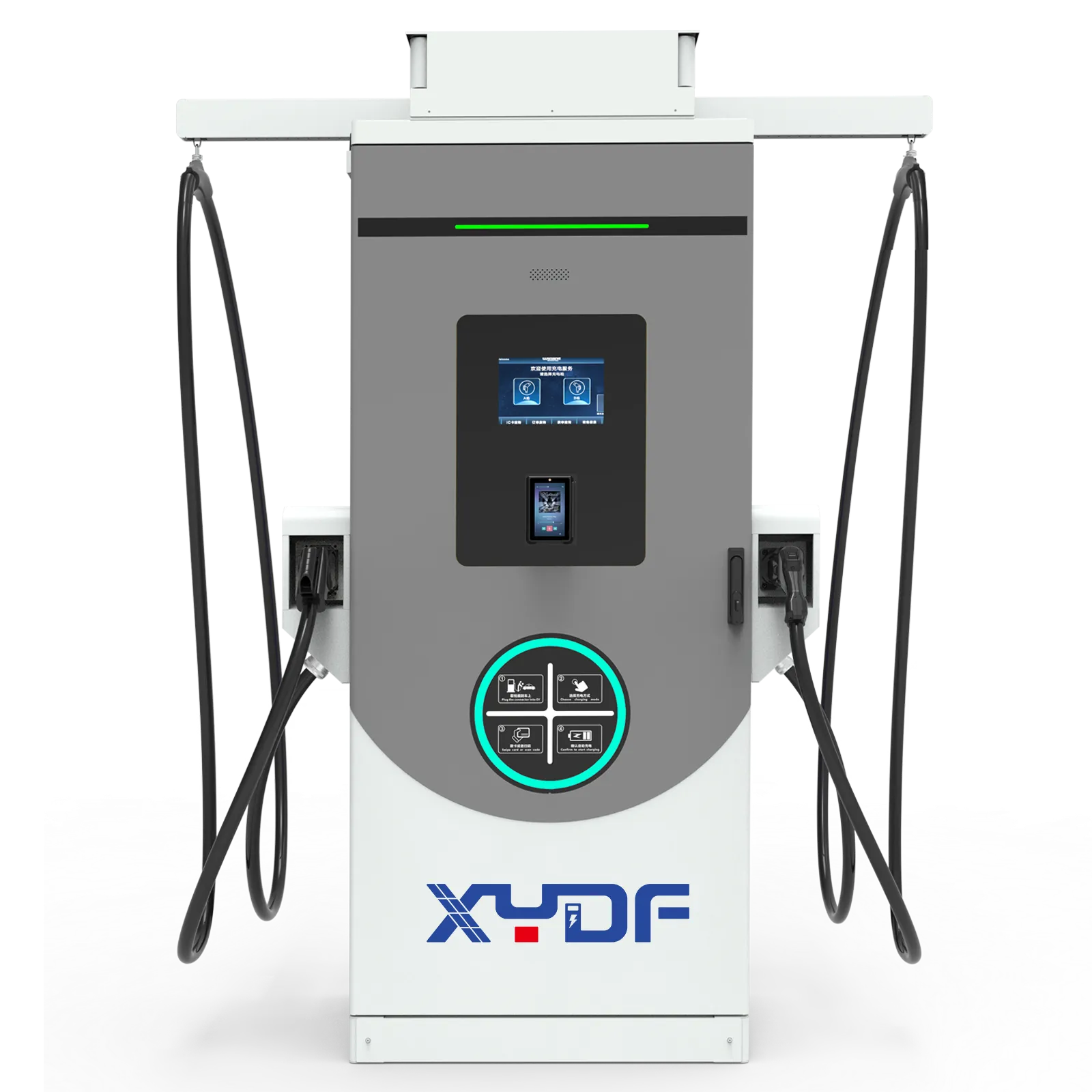
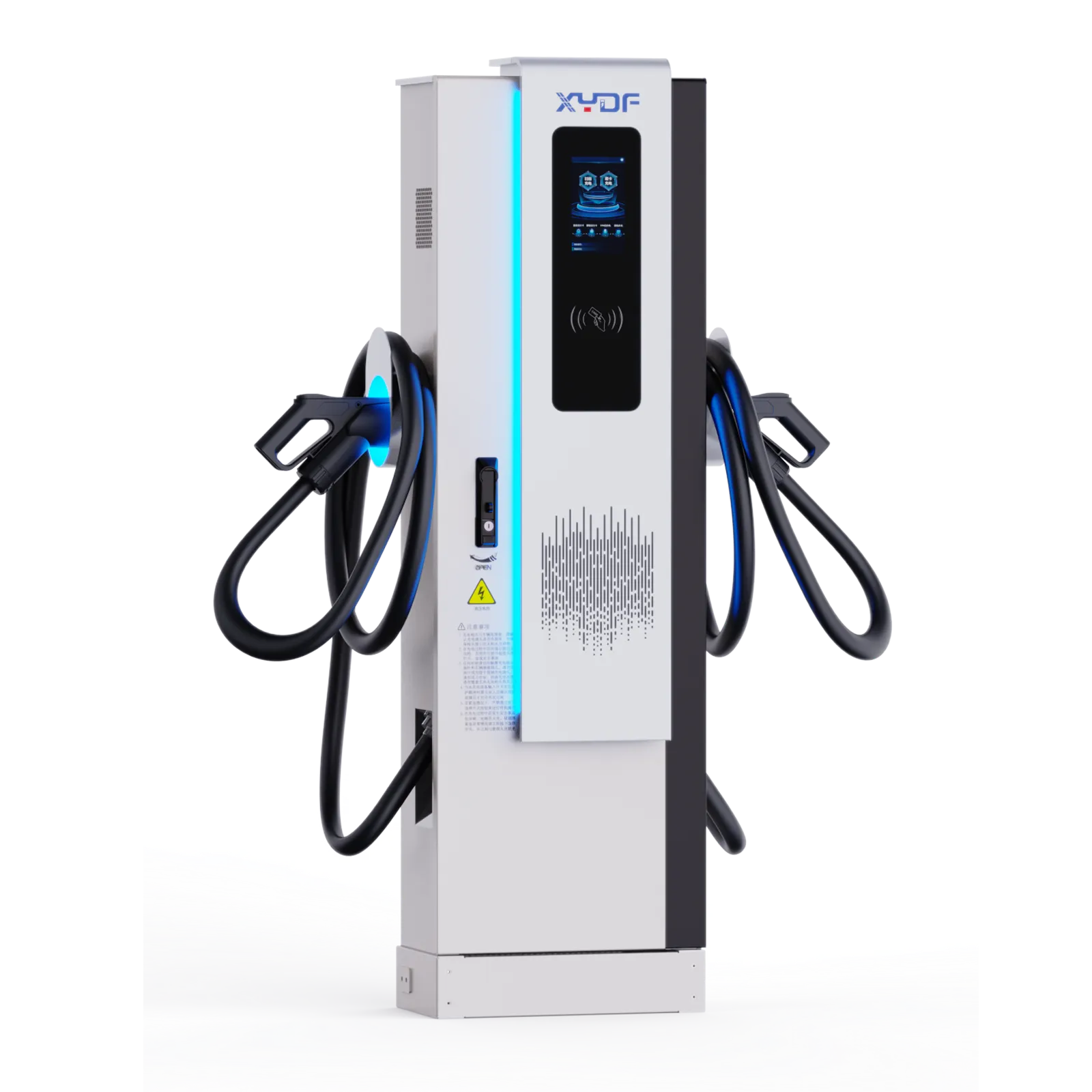
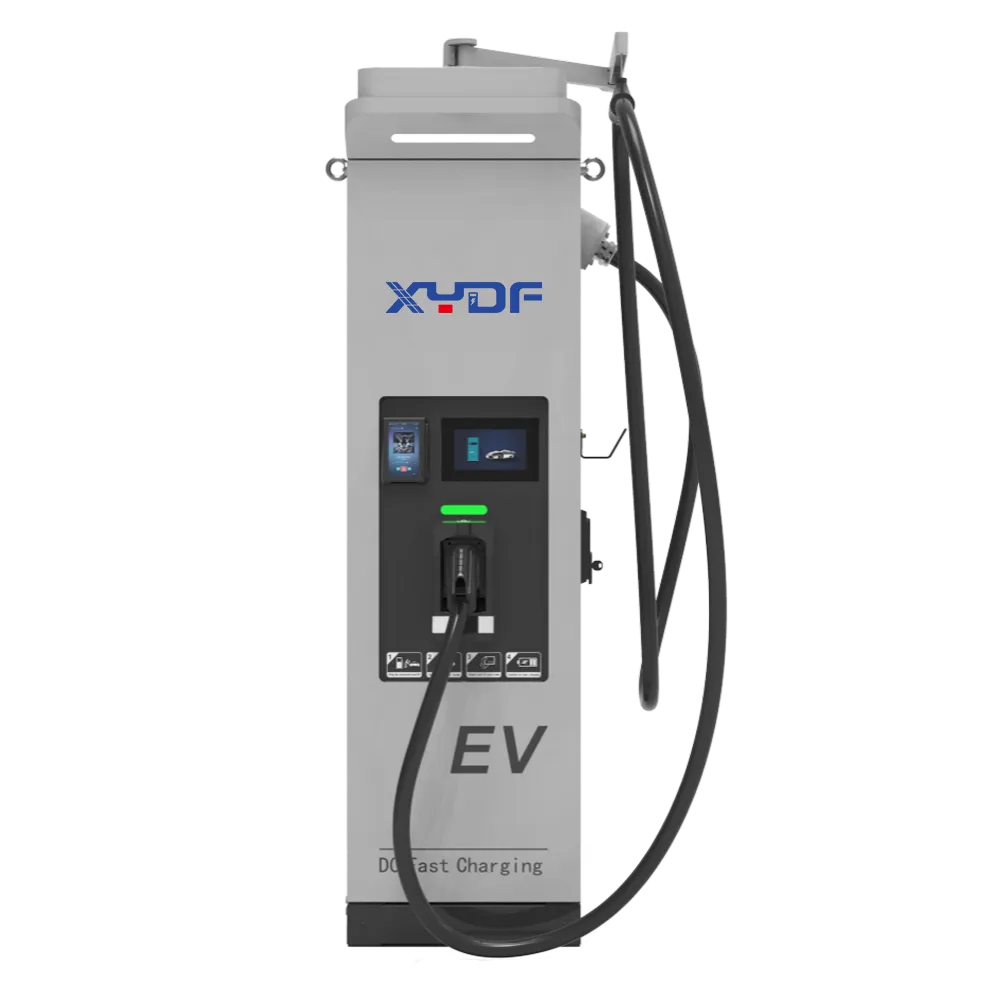
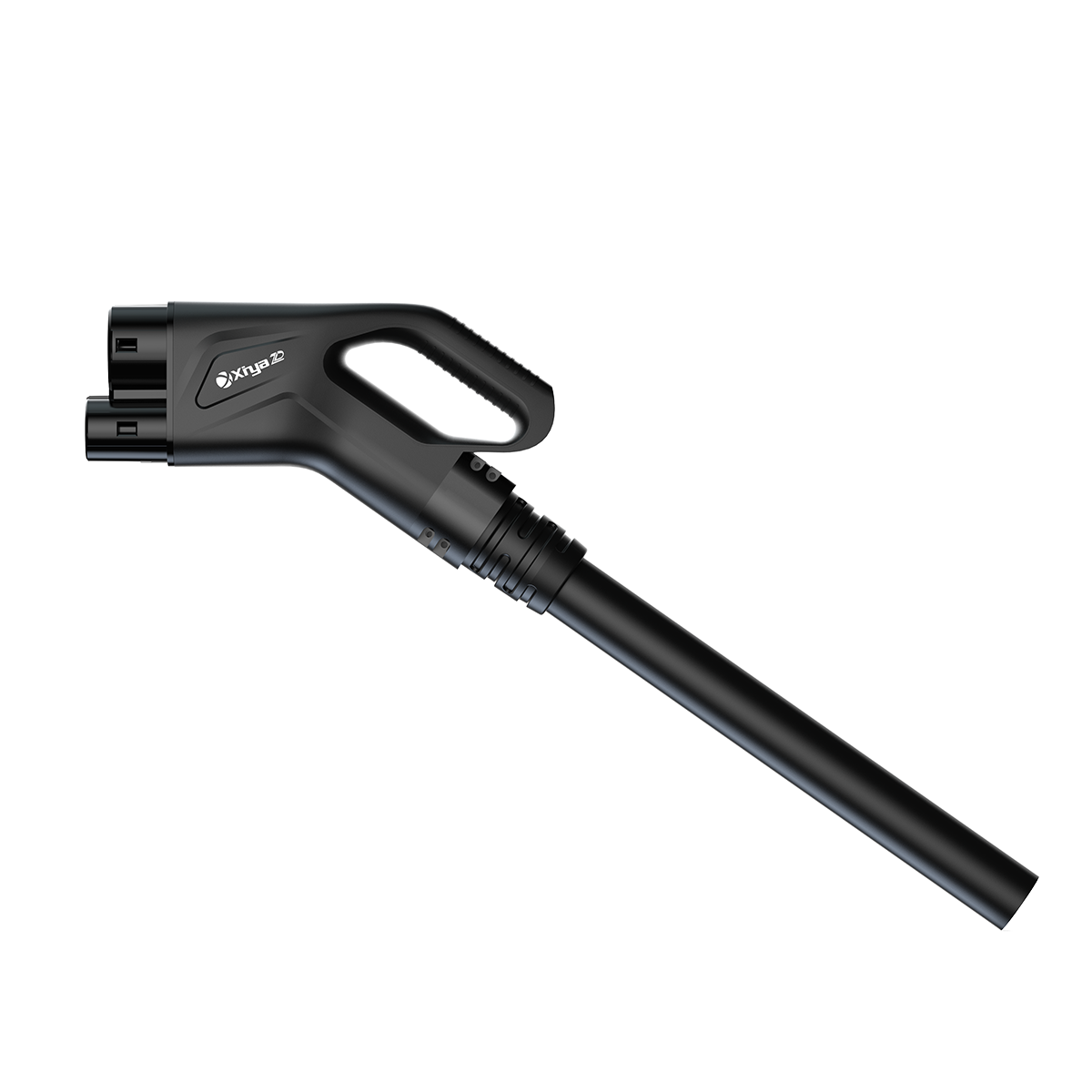
As global electric vehicle adoption continues to rise, the demand for high-quality, compliant, and durable EV charging station solutions has increased significantly worldwide. For engineering contractors, commercial investors, fleet operators, and cross-border procurement teams, partnering with reliable EV charging station companies is the core foundation for smooth project deployment, long-term stable operation, and successful policy subsidy eligibility.
Most overseas buyers face common procurement challenges, including unclear product classifications, confusing regional compliance standards, inconsistent equipment quality, and difficulties in screening professional manufacturers. This comprehensive buyer’s guide addresses all beginner and professional procurement concerns, covering product definitions, core functions, global application scenarios, professional selection criteria, manufacturer evaluation tips, and industry FAQs.
Main Functions and Commercial Value of EV Charging Stations
Premium EV charging stations deliver far more than basic charging functions. For overseas commercial projects, their greatest value lies in safety compliance, intelligent operation, and low lifecycle maintenance costs, with key advantages listed below:
Stable Operation and Comprehensive Safety Protection: Standard charging stations are equipped with over-voltage, under-voltage, over-current, short-circuit, lightning, and leakage protection systems. They automatically identify vehicle battery status and adjust charging parameters intelligently to prevent battery damage and equipment failures, ensuring safe and stable operation in complex outdoor environments.
Global Charging Protocol Compatibility: High-end charging equipment fully supports mainstream global protocols including CCS1, CCS2, CHAdeMO, and GB/T, covering nearly all electric vehicle models across Europe, America, Southeast Asia, and Africa, eliminating cross-border compatibility issues.
Intelligent Operation and Management: Commercial DC chargers support OCPP 1.6 and OCPP 2.0.1 international open protocols, enabling remote device monitoring, automatic billing, dynamic power distribution, and real-time fault warnings. This fully adapts to the unattended operational model widely adopted in overseas markets and greatly reduces manual management costs.
Strong Adaptability to Extreme Climates and Unstable Grids: Export-grade charging stations feature an industrial structural design that adapts to unstable power grid conditions commonly found in Africa. They also withstand extreme outdoor environments, including high heat and humidity, salt spray corrosion, sand and dust exposure, and low-temperature freezing conditions, delivering consistent and stable outdoor performance throughout the year.
Global Application Scenarios for EV Charging Stations
EV charging stations support full-scenario global deployment and serve as essential infrastructure for global energy transition, with differentiated application standards for different regions and industries:
Highway and Transportation Hubs: Driven by the EU AFIR regulation and U.S. electric highway policies, European and American trunk roads require mandatory fast-charging infrastructure. Meanwhile, transportation hubs in Southeast Asia and major road networks in Africa show rapidly growing charging demand, which is best served by high-power DC fast charging stations.
Commercial and Public Venues: Shopping malls, hotels, office buildings, and tourist attractions worldwide deploy EV chargers to upgrade service quality and attract customer traffic. These scenarios feature stable equipment utilization and low operational risks, representing mature and profitable commercial charging markets.
Industrial Parks and Logistics Fleet Depots: As global fleet electrification accelerates, industrial zones and logistics hubs require stable, high-efficiency charging solutions to support large-scale, high-frequency fleet charging operations.
Residential Community Charging: Residential areas and suburban communities primarily deploy AC slow chargers to meet daily private vehicle charging needs, ideal for long-term civilian infrastructure projects.
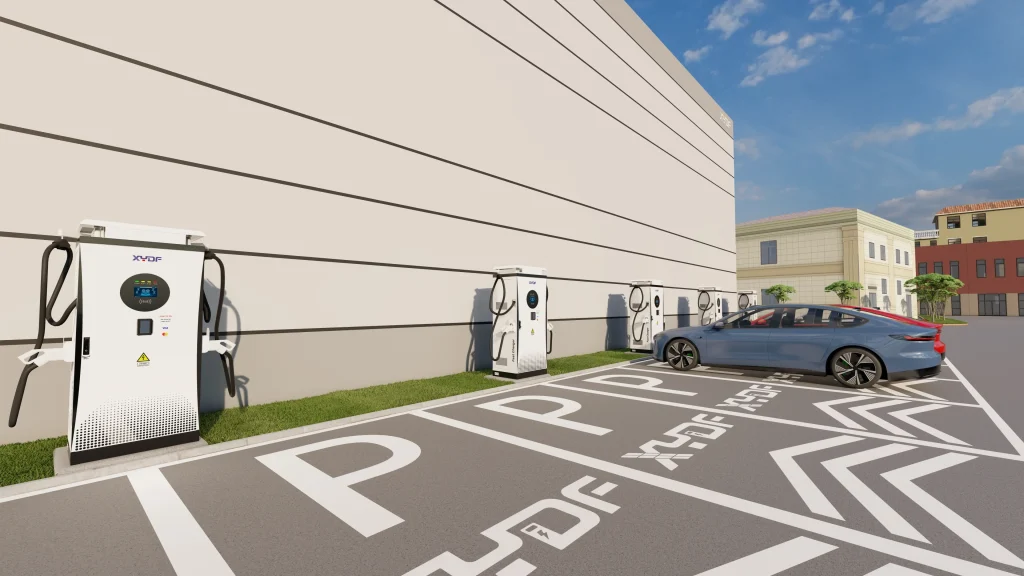
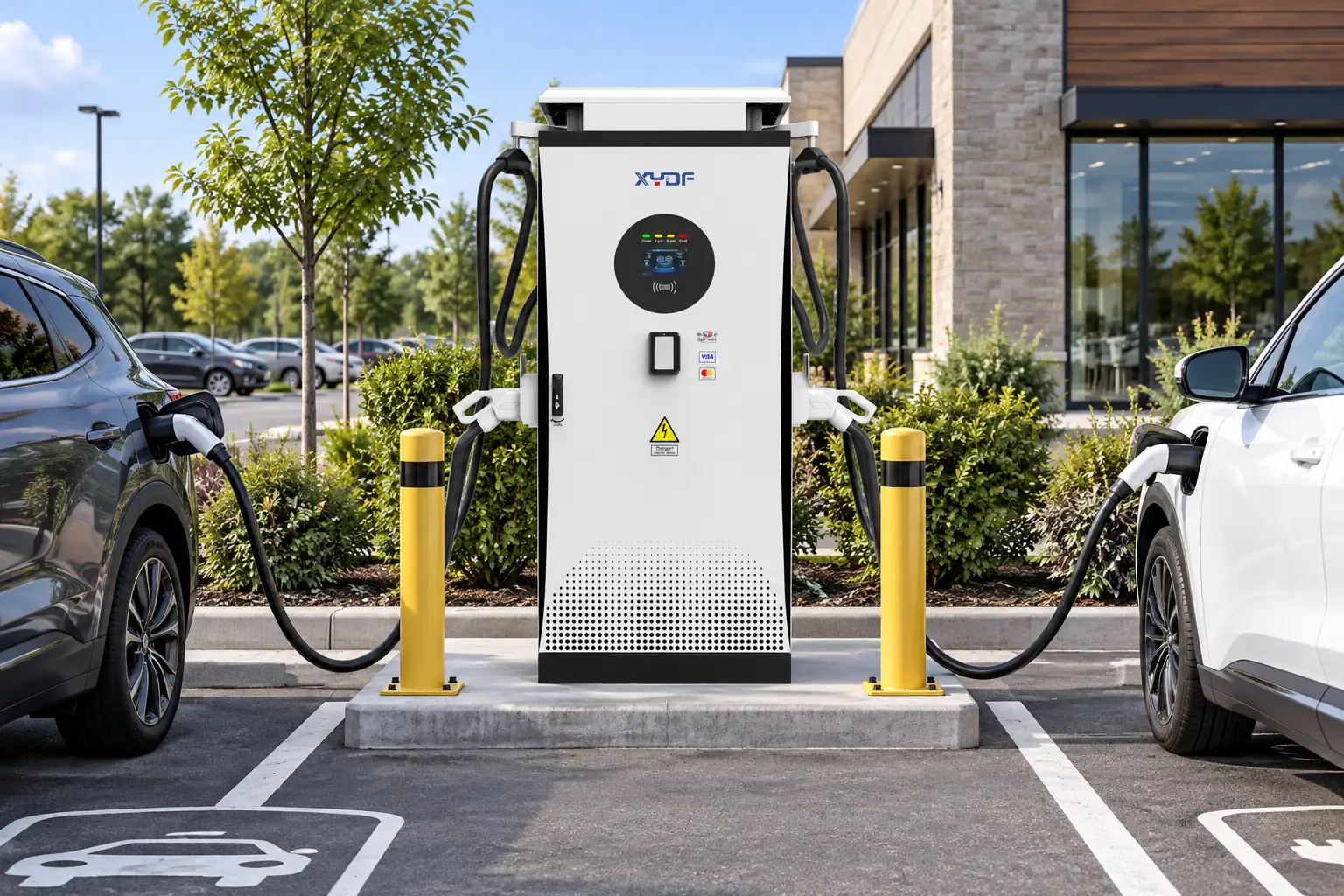
240KW DC EV Charging Stations In Parking Lot
How to Choose Reliable EV Charging Station Companies
For overseas EV charging procurement, project deployment, and long-term operation, equipment quality, compliance, and after-sales reliability depend entirely on the strength of the original manufacturer. Therefore, selecting trustworthy EV charging station companies is critical to avoiding project failures, reducing hidden operational costs, and ensuring long-term profitability. Many overseas buyers only focus on upfront pricing while ignoring comprehensive manufacturing strength, which often leads to compatibility failures, compliance rejection, frequent equipment breakdowns, and lack of technical support. But this may result in financial losses far greater than initial cost savings. Based on real overseas operational conditions across Europe, America, Southeast Asia, and Africa, professional buyers evaluate manufacturers through 5 dimensions to filter high-quality and reliable suppliers.
1. Verify Full Export Compliance and Regional Certification
Different overseas regions enforce vastly different charging equipment entry standards, which serve as the first threshold for project approval. Reliable EV charging station companies must hold complete export certifications that match regional regulatory requirements. For European and American markets, equipment must pass local authoritative certifications and comply with AFIR policy standards, grid access specifications, and OCPP protocol regulations to ensure official inspection approval and subsidy eligibility. For Southeast Asian and African markets, manufacturers must demonstrate verified adaptability to local unstable grid conditions and extreme climates, including high humidity, salt spray, and sandstorms. Low-cost uncertified equipment will fail official audits and may cause project suspension or total equipment abandonment.
Many small and medium-sized manufacturers produce generic standard equipment designed only for domestic environments, lacking optimization for complex overseas operating conditions. Such generic products feature outdated protocol systems, basic heat dissipation structures, and minimal weatherproofing. When deployed overseas, they frequently suffer from power derating, intermittent charging failure, internal condensation, short circuits, and accelerated component aging under low-temperature frost in Europe and North America, high heat and humidity in Southeast Asia, and intense sand and UV exposure in Africa. Professional and reliable manufacturers conduct targeted internal and system-level optimization for different global regions, adopting wide-voltage grid adaptive technology, anti-condensation and anti-corrosion structures, and temperature stabilization modules to ensure stable performance across diverse overseas environments and minimize failure rates.
3. Evaluate Continuous Technical Iteration and Upgrade Capacity
Global EV models, charging protocols, and industry compliance standards are continuously updated. Low-tier manufacturers lack independent R&D capabilities and freeze equipment firmware and protocols after production. Within one to two years, such devices fail to handshake with new vehicle models, resulting in complete equipment obsolescence. Trusted EV charging station companies maintain professional R&D teams and support long-term OTA remote firmware upgrades, synchronizing the latest global protocol updates, vehicle compatibility standards, and regulatory changes to extend equipment service life and guarantee long-term operational stability.
4. Assess Mass Production Strength and Stable Delivery Capacity
Overseas projects range from small-batch procurement to large-scale infrastructure tenders, requiring stable delivery, consistent quality control, and customized support. Small workshop-style factories lack standardized production lines and strict quality inspection systems, leading to inconsistent equipment parameters, defective workmanship, mismatched accessories, and uncontrollable delivery cycles that delay project timelines. Established charging station manufacturers own standardized production facilities, complete quality control systems, and stable supply chains to ensure uniform batch quality and on-time delivery. They also support personalized customization in terms of power configuration, connector types, functional settings, and multi-language systems to meet diverse overseas project requirements.
5. Confirm Global Cross-Border After-Sales Service System
EV charging stations are long-cycle operational assets, and after-sales support directly determines project lifecycle profitability. Most low-price manufacturers only sell hardware without overseas technical support. Once equipment fails abroad, buyers face zero guidance, no accessory supply, and no troubleshooting assistance, bearing all subsequent losses independently. Professional export-oriented EV charging station companies provide full-lifecycle cross-border services, including pre-project site evaluation, grid condition analysis, customized solution design, on-site installation guidance, remote fault diagnosis, long-term warranty protection, and lifelong technical consultation, effectively solving the common overseas pain points of difficult maintenance and delayed support.
In summary, selecting excellent EV charging station companies relies not on low upfront prices, but on comprehensive manufacturing strengths including compliance certification, overseas condition adaptation, technical iteration capability, stable mass delivery, and global after-sales support. Only fully qualified manufacturers can ensure low-risk, low-cost, and high-profit operation for overseas charging projects.
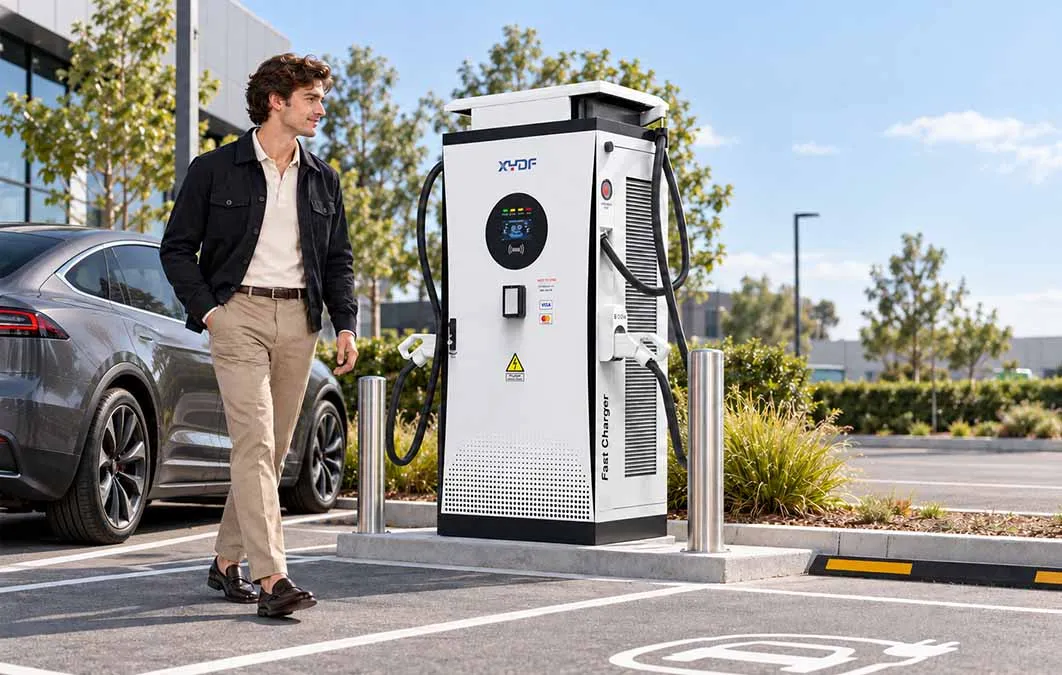
EV Charging Station Companies
XYDF: Reliable Global EV Charging Station Manufacturer
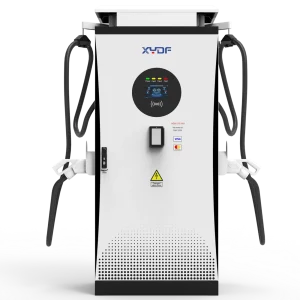
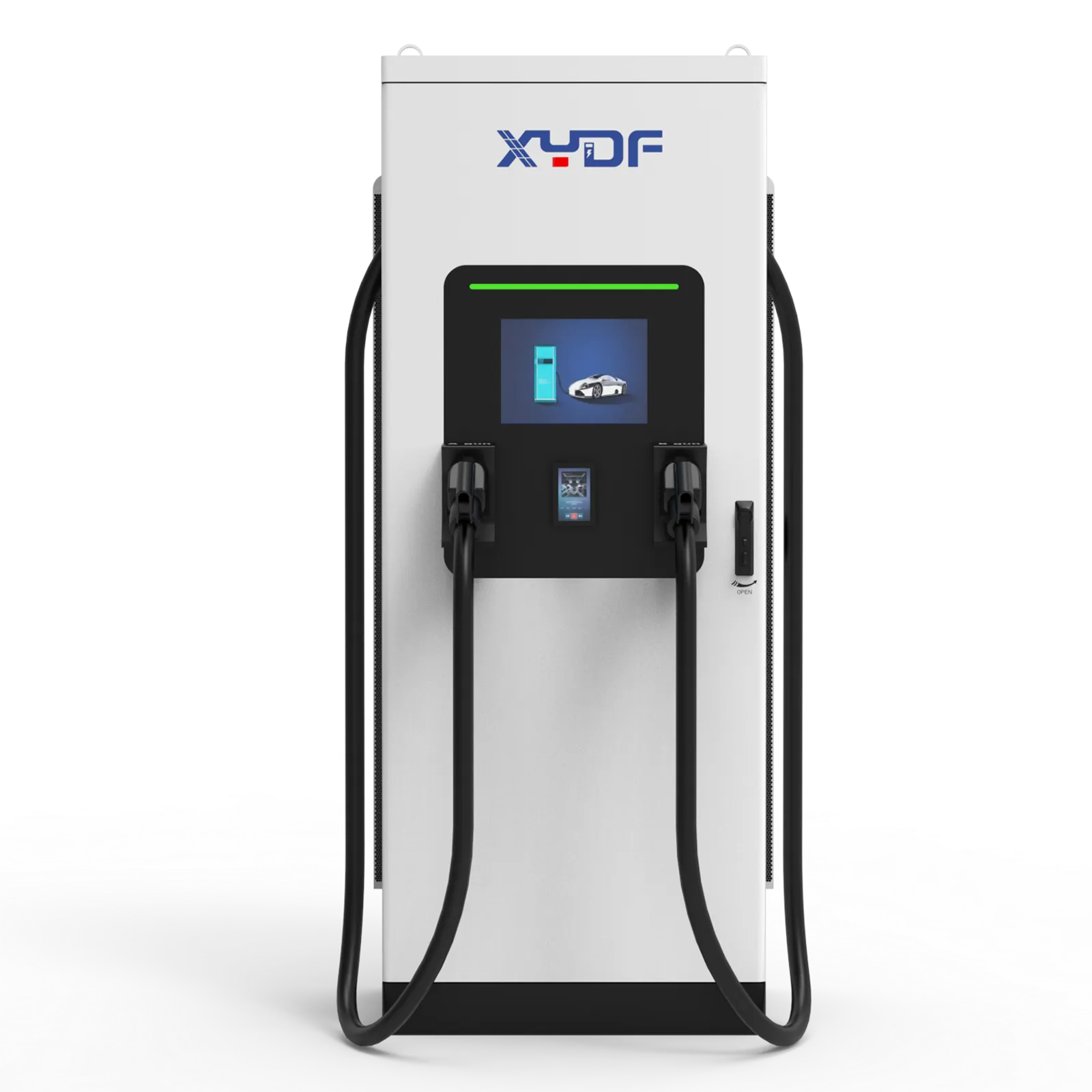
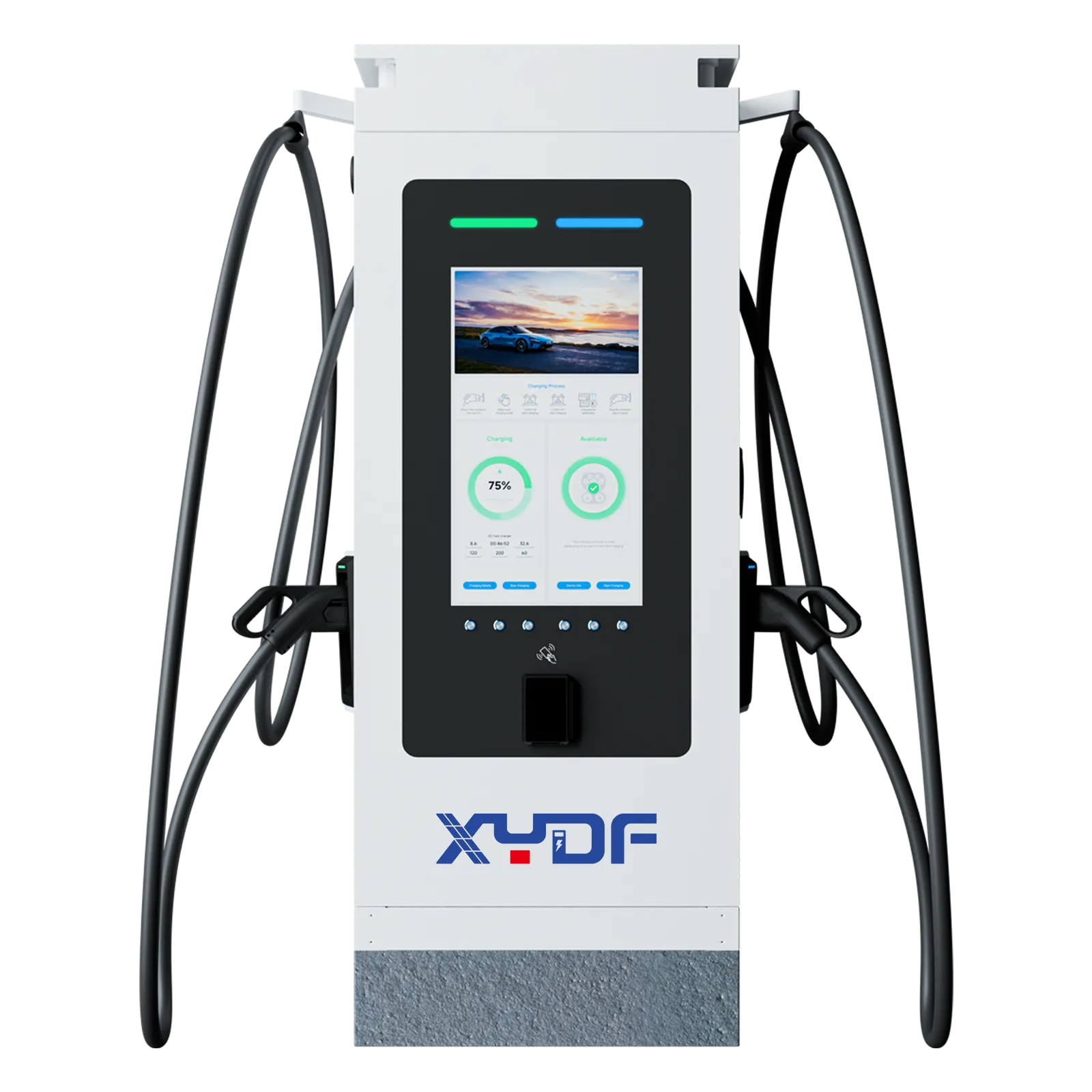
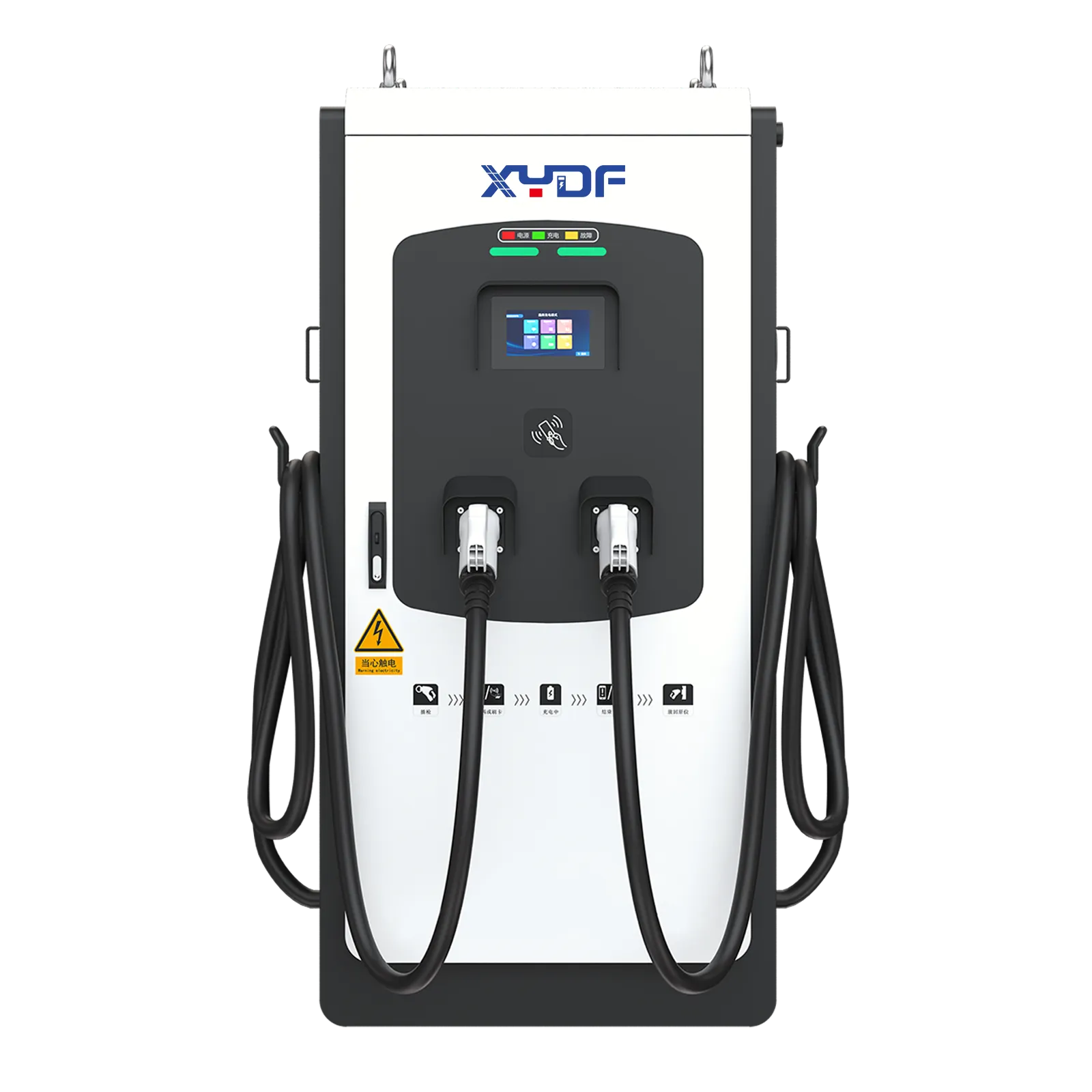
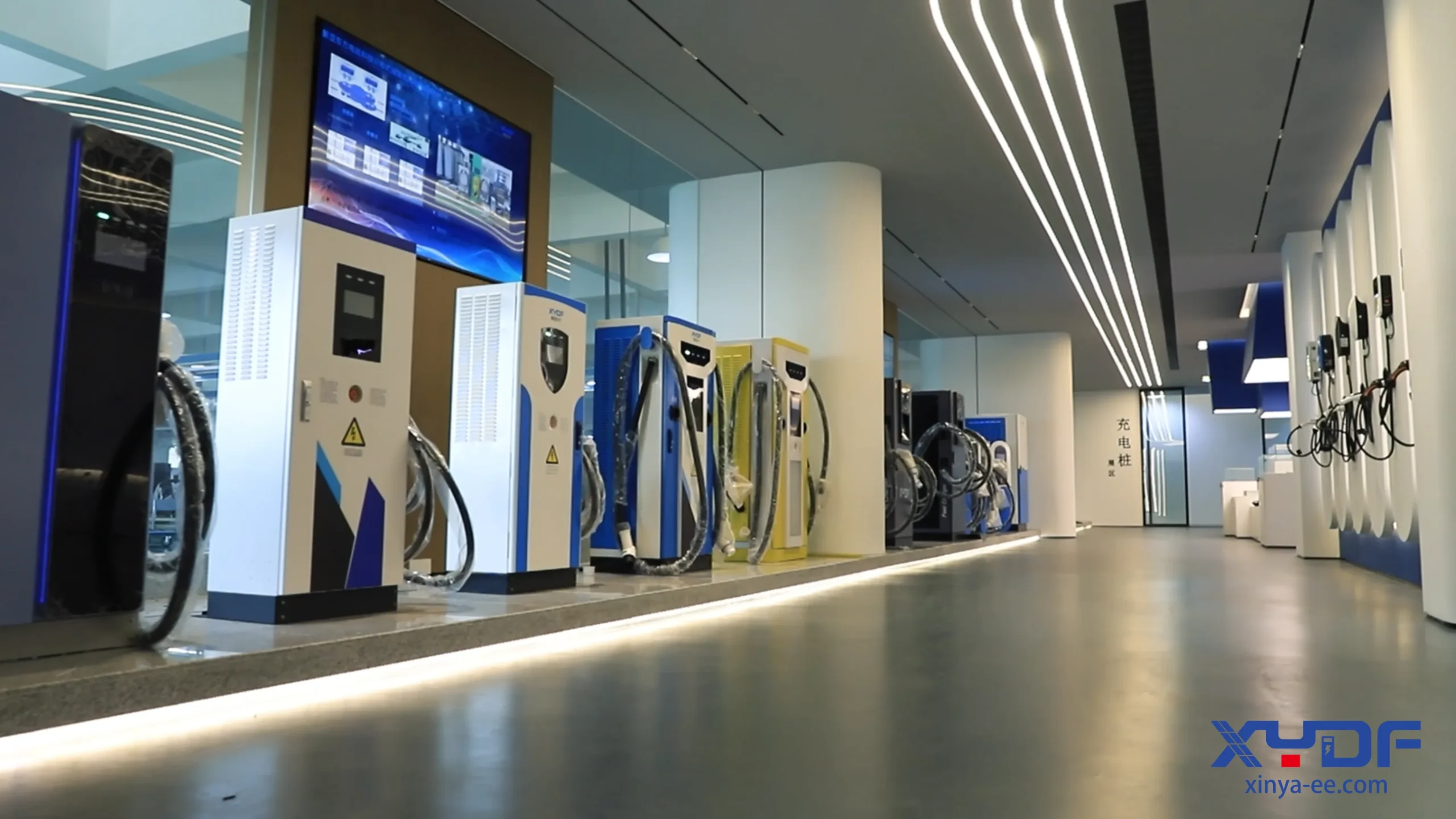
As a trusted and experienced player among global EV charging station companies, XYDF focuses on the R&D, production, and cross-border export of industrial-grade commercial charging equipment. With years of experience serving Europe, North America, Southeast Asia, Africa, and the Middle East, the brand has accumulated rich practical expertise in global multi-scenario deployment and regional compliance adaptation.
All XYDF EV charging stations adopt industrial configurations optimized for global complex grids and extreme climates. Equipped with high-quality third-party industry-standard power modules, the devices feature precise temperature control and high-efficiency heat dissipation systems, maintaining controllable power derating and stable full-load operation under extreme high-temperature, freezing, humid, and dusty conditions. The fully sealed integrated structure is reinforced with professional anti-condensation, anti-salt spray, lightning protection, and anti-aging treatments, achieving genuine IP54 all-weather protection suitable for long-term outdoor global deployment.
In terms of compatibility and intelligence, XYDF chargers are preloaded with a complete global protocol database, ensuring zero-error adaptation with mainstream EV models worldwide. The devices support long-term OTA remote firmware iteration to keep pace with updated vehicle protocols and industry standards, preventing premature equipment elimination. Additionally, the built-in intelligent dynamic load balancing system intelligently distributes power under fixed grid capacity, maximizing grid utilization and boosting overall project revenue without costly grid upgrades.
For cross-border business, XYDF strictly adheres to international export certification standards, supporting standardized bulk exports and project-specific customization. The brand provides full-lifecycle one-stop services including pre-project grid assessment, customized solution design, installation guidance, remote technical training, long-term warranty, and lifelong technical upgrades. Backed by stable mass production capacity and an efficient global service response system, XYDF helps overseas clients significantly reduce project risks and long-term operational expenditures.
FAQs for Overseas EV Charging Station Buyers
Q1: What are the key factors when selecting EV charging station companies?
A: Buyers should prioritize manufacturer compliance certifications, global vehicle protocol compatibility, regional grid and climate adaptability, modular maintenance design, and long-term OTA upgrade capabilities. It is recommended to partner with professional manufacturers with proven overseas project experience and complete after-sales systems, avoiding unstable, uncertified generic equipment.
Q2: What is the difference between AC and DC EV charging stations?
A: AC charging stations are low-power slow-charging devices designed for residential private use, featuring low power and long charging hours. DC fast charging stations adopt independent power modules to complete AC-DC power conversion, delivering fast charging speed and high operational efficiency, making them the mainstream equipment for global public and commercial charging projects.
Q3: How to avoid equipment failures and high maintenance costs for overseas projects?
A: Choose industrial-grade export charging stations with professional anti-corrosion, anti-condensation, dust-proof, and lightning protection designs. Prioritize modular equipment that supports independent single-module replacement. Select manufacturers offering long-term OTA upgrades and global remote technical support to effectively reduce long-term failure rates and operational costs.
Q4: Which overseas markets are most worthy of EV charging investment in 2026?
European and American markets are policy-driven with stable subsidies and standardized deployment rules. Southeast Asia features rapid EV growth and massive infrastructure gaps. Africa remains a blue ocean market with scarce public charging facilities and low competition. All three regions deliver strong long-term investment potential.
Final Thoughts
In 2026, partnering with reliable EV charging station companies and sourcing high-quality EV charging station equipment is the fundamental guarantee for successful global new energy charging projects. Premium charging equipment not only fulfills basic vehicle charging needs but also solves core overseas pain points including regional climate adaptation, grid stability, compliance access, and low-lifecycle operation costs, bringing sustainable and stable profits for cross-border investments. As a global professional EV charging exporter, XYDF delivers industrial-grade stability, full global protocol compatibility, customized regional condition optimization, and comprehensive cross-border service systems. We provide cost-effective and trustworthy charging solutions for global contractors, fleet operators, and project investors, supporting standardized deployment, refined operation, and long-term profitable growth for all overseas EV charging projects.
We use cookies to keep this website working and, with your permission, to measure how visitors use our EV charging site. See our Privacy Policy for details.
 Xinya Dongfang Electricity Technology Co., Ltd.