 Xinya Dongfang Electricity Technology Co., Ltd.


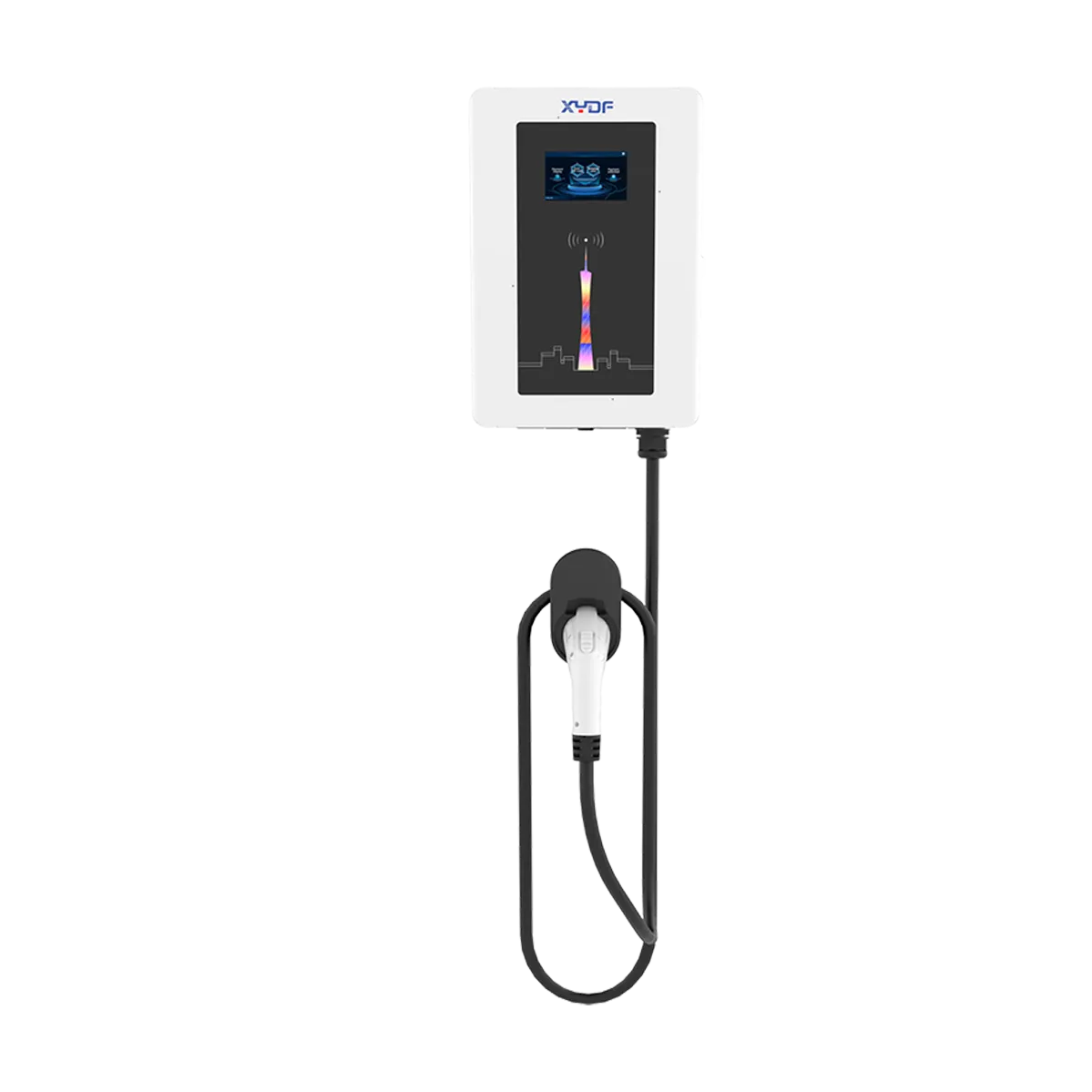
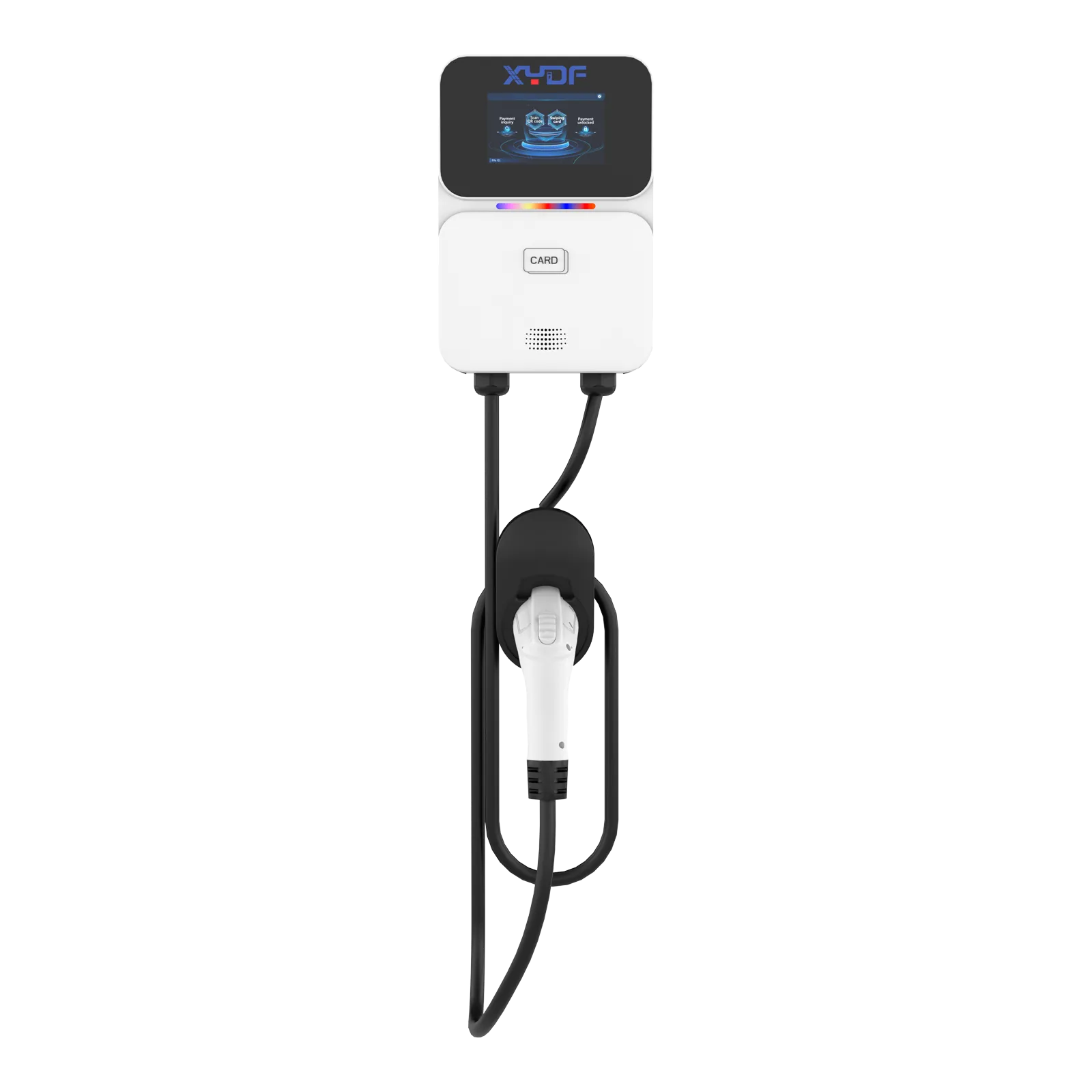
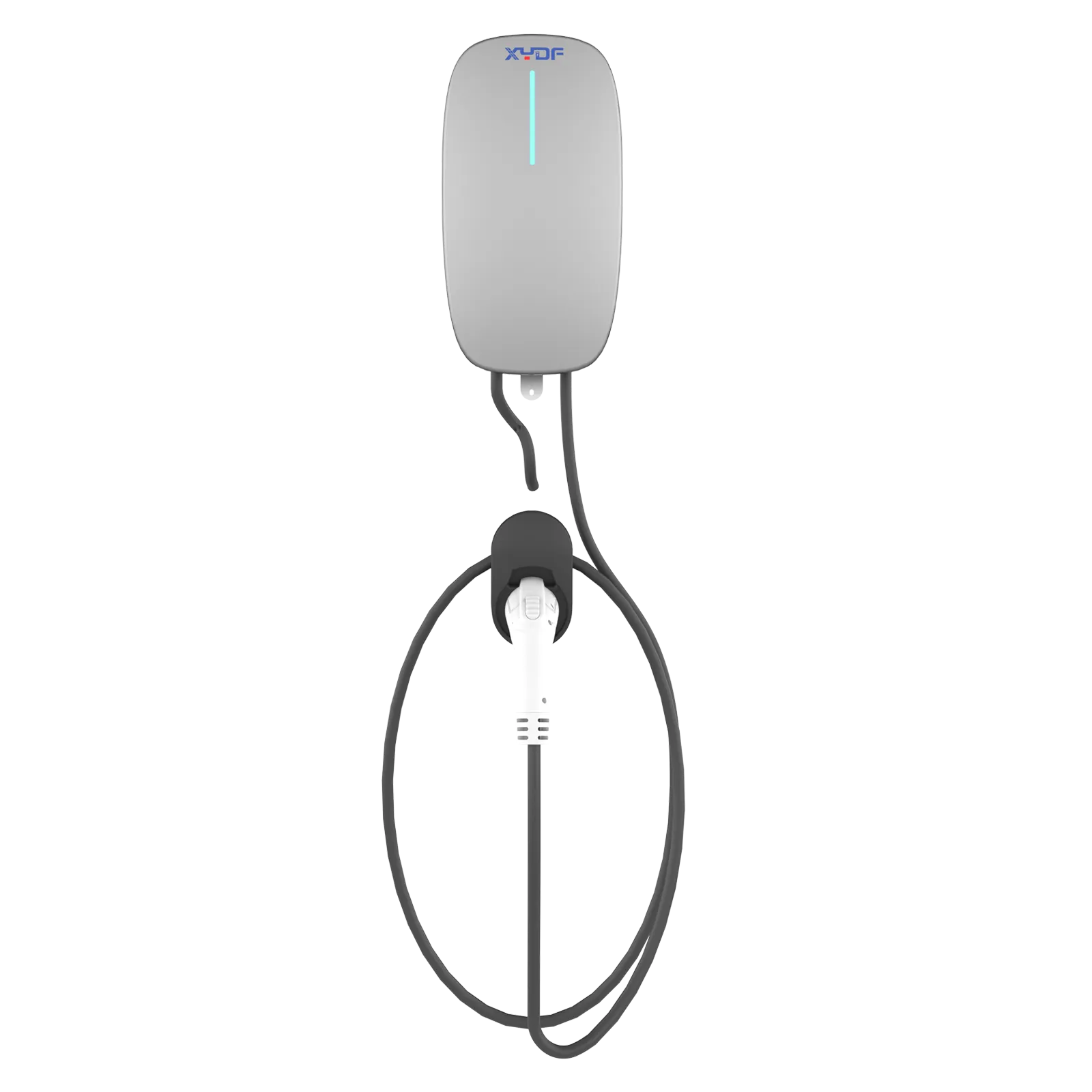
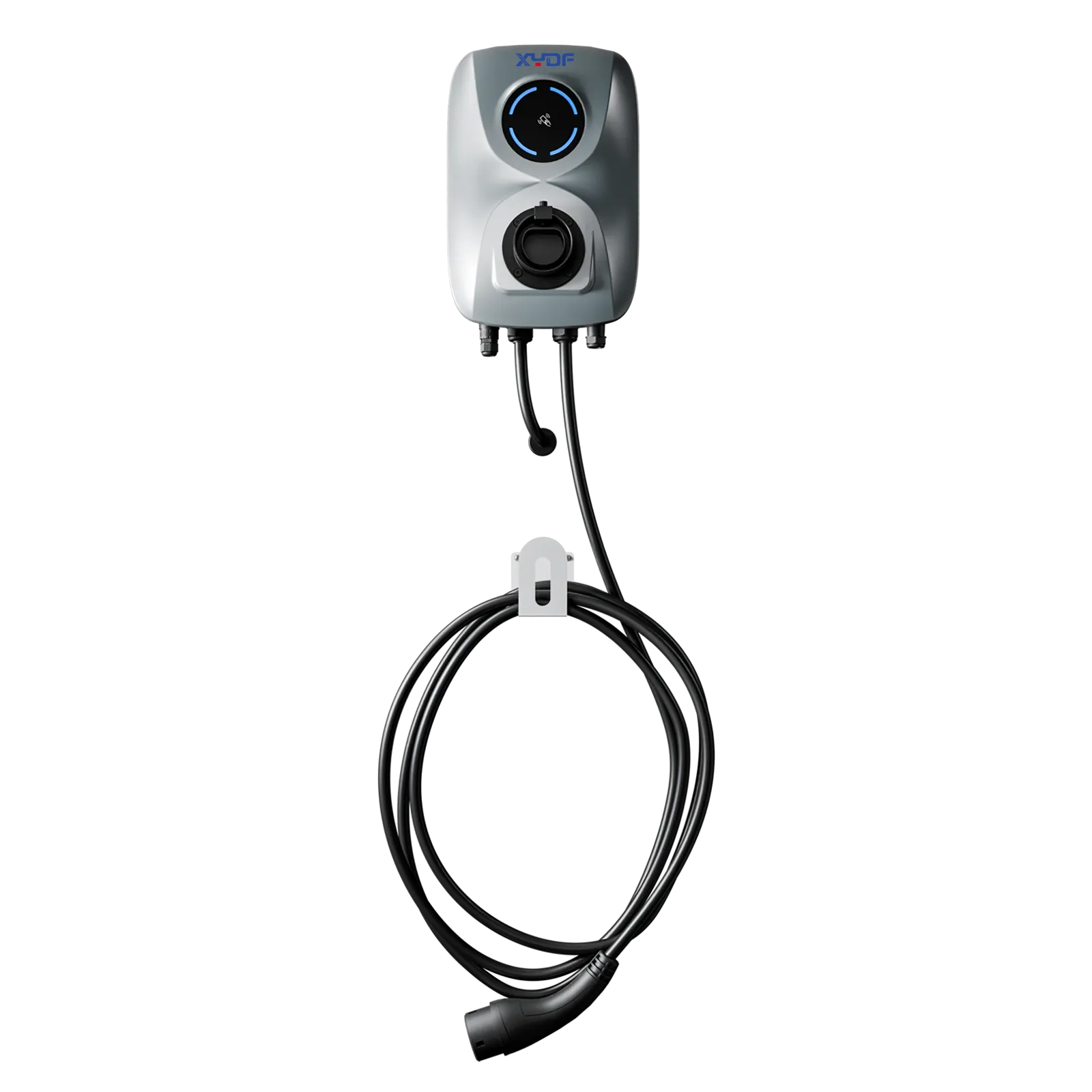
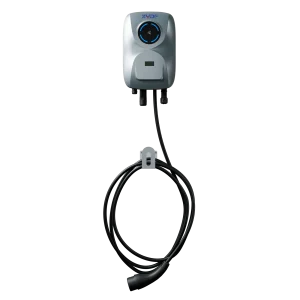
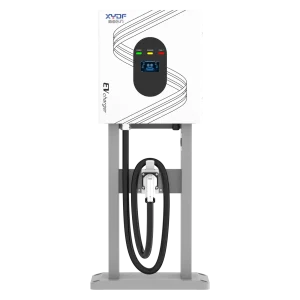

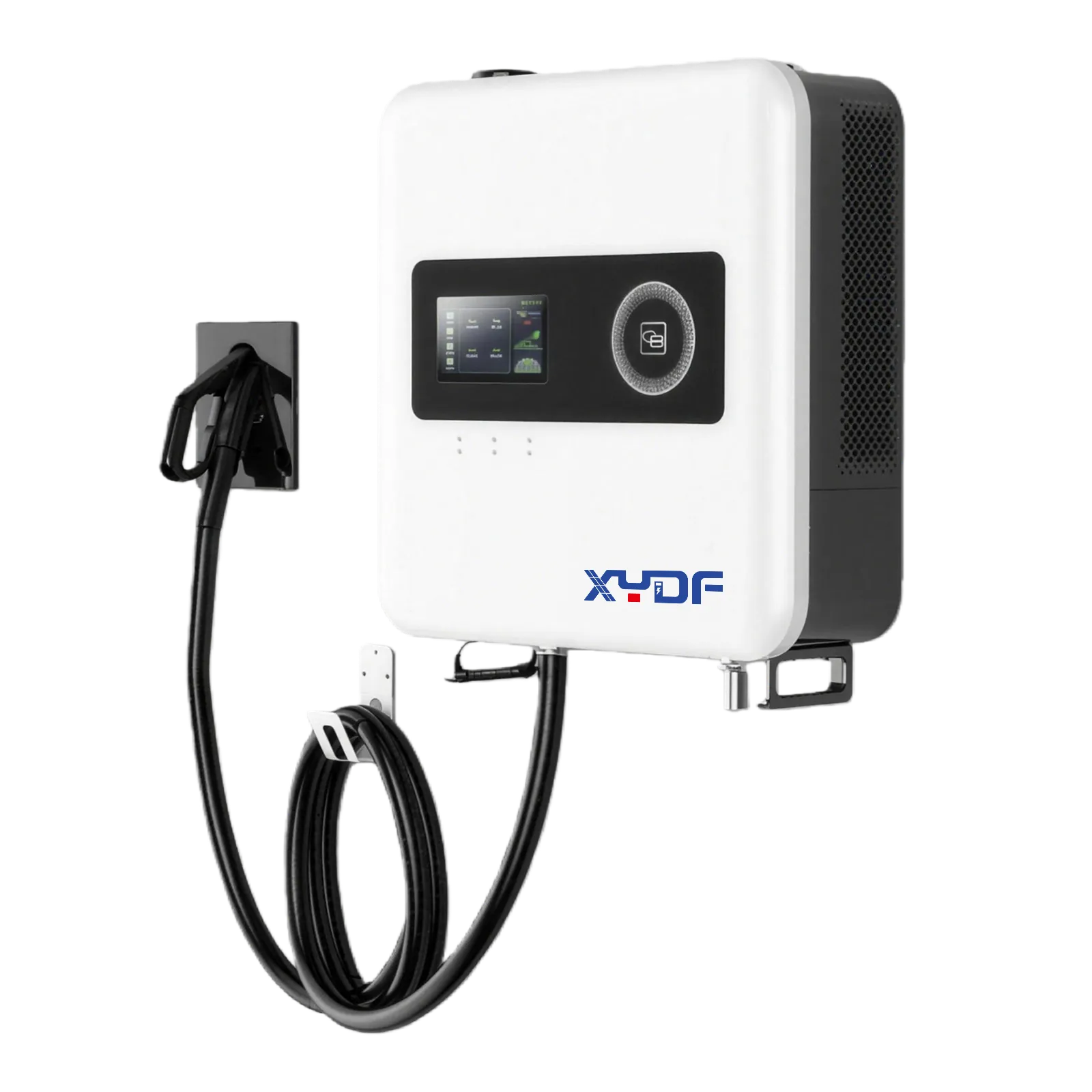
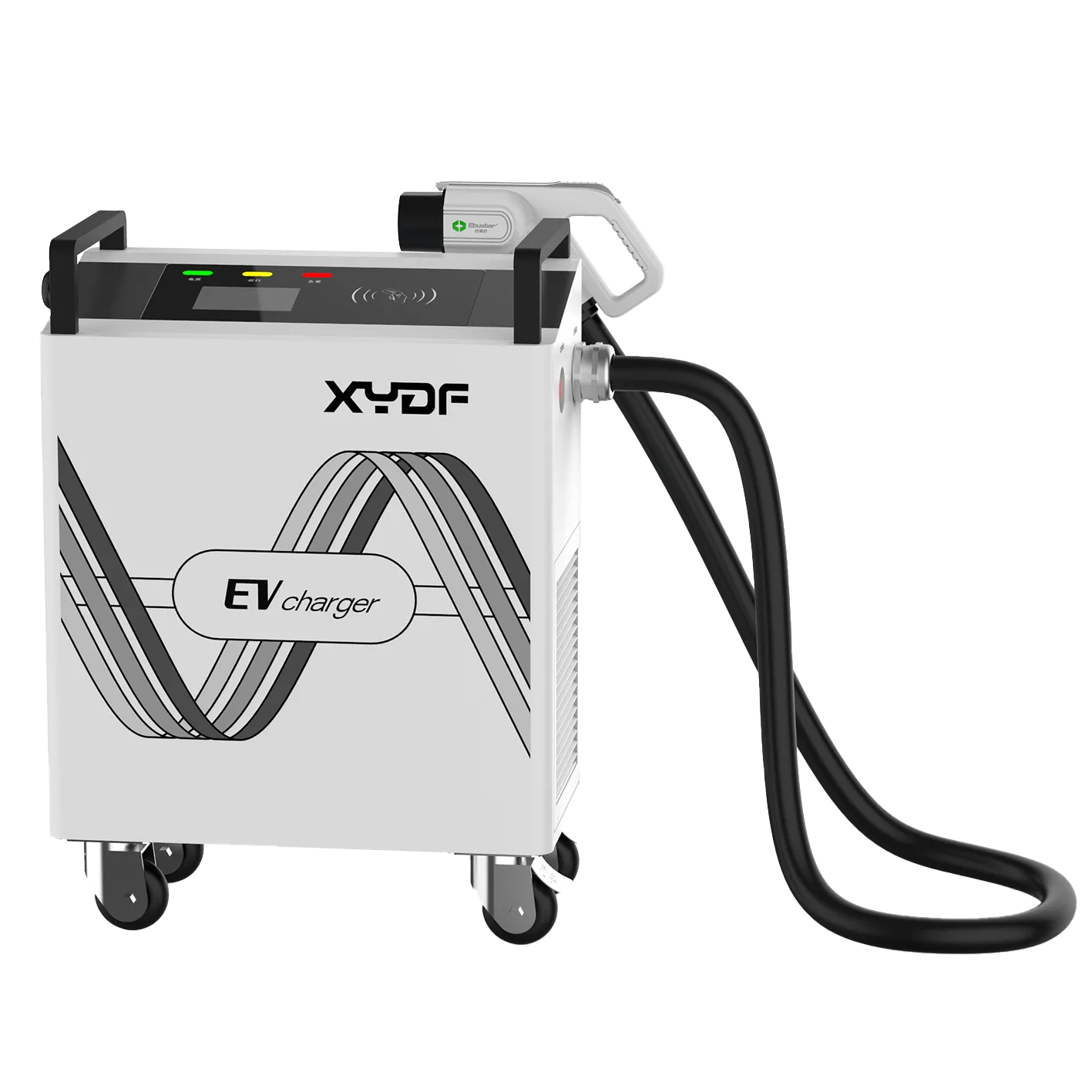
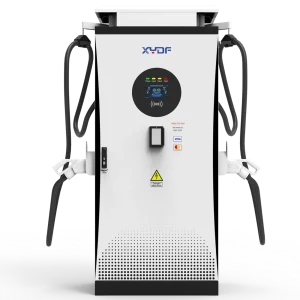
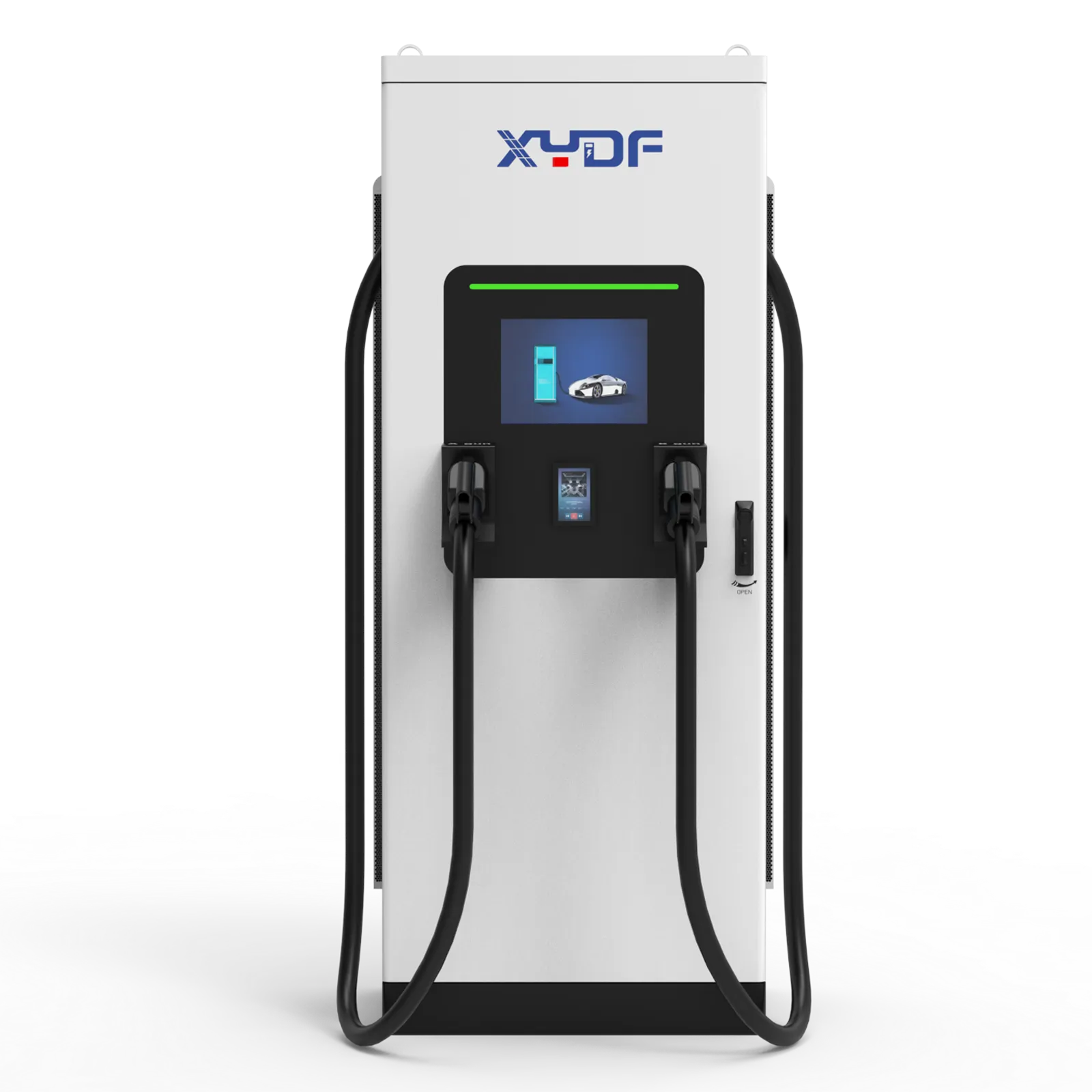
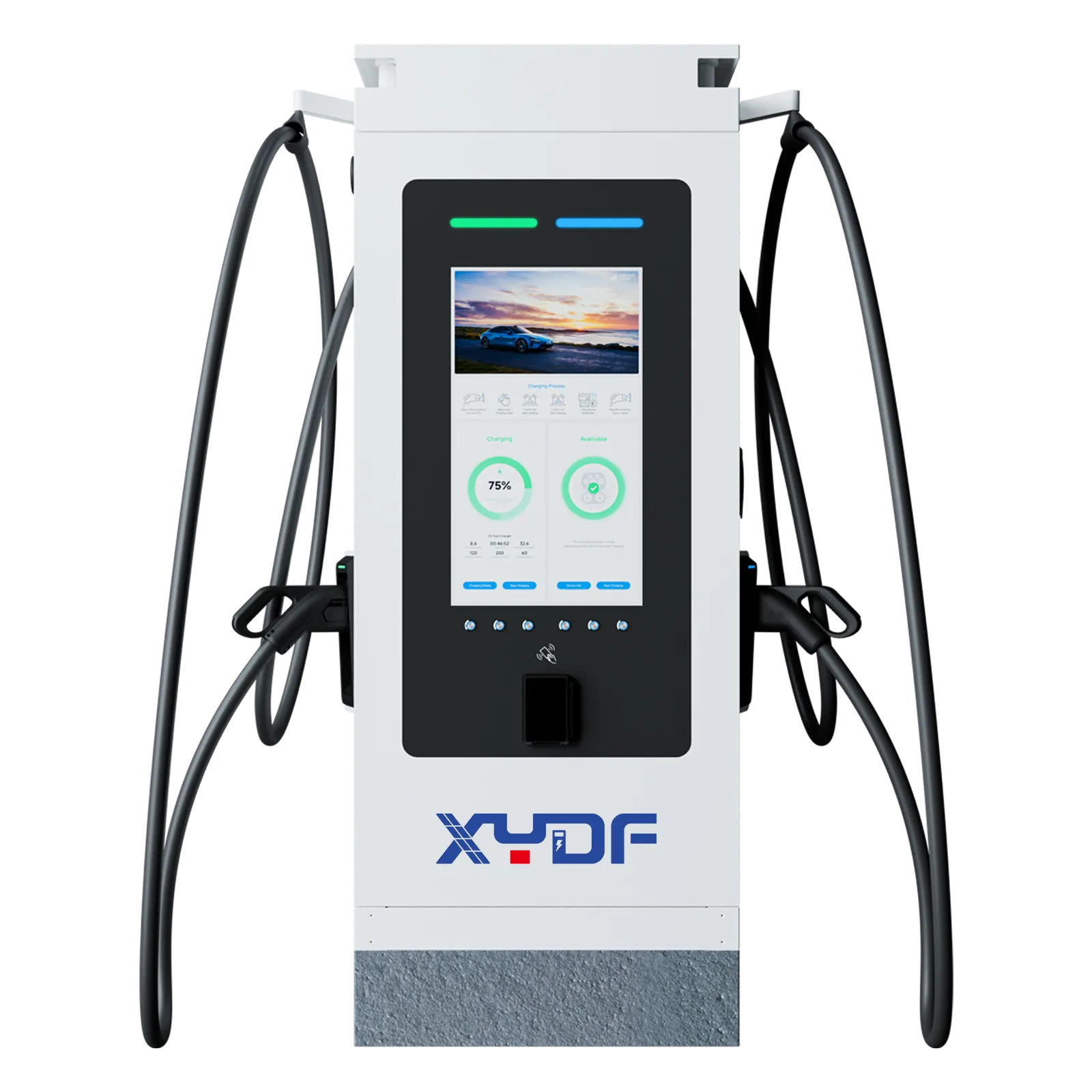
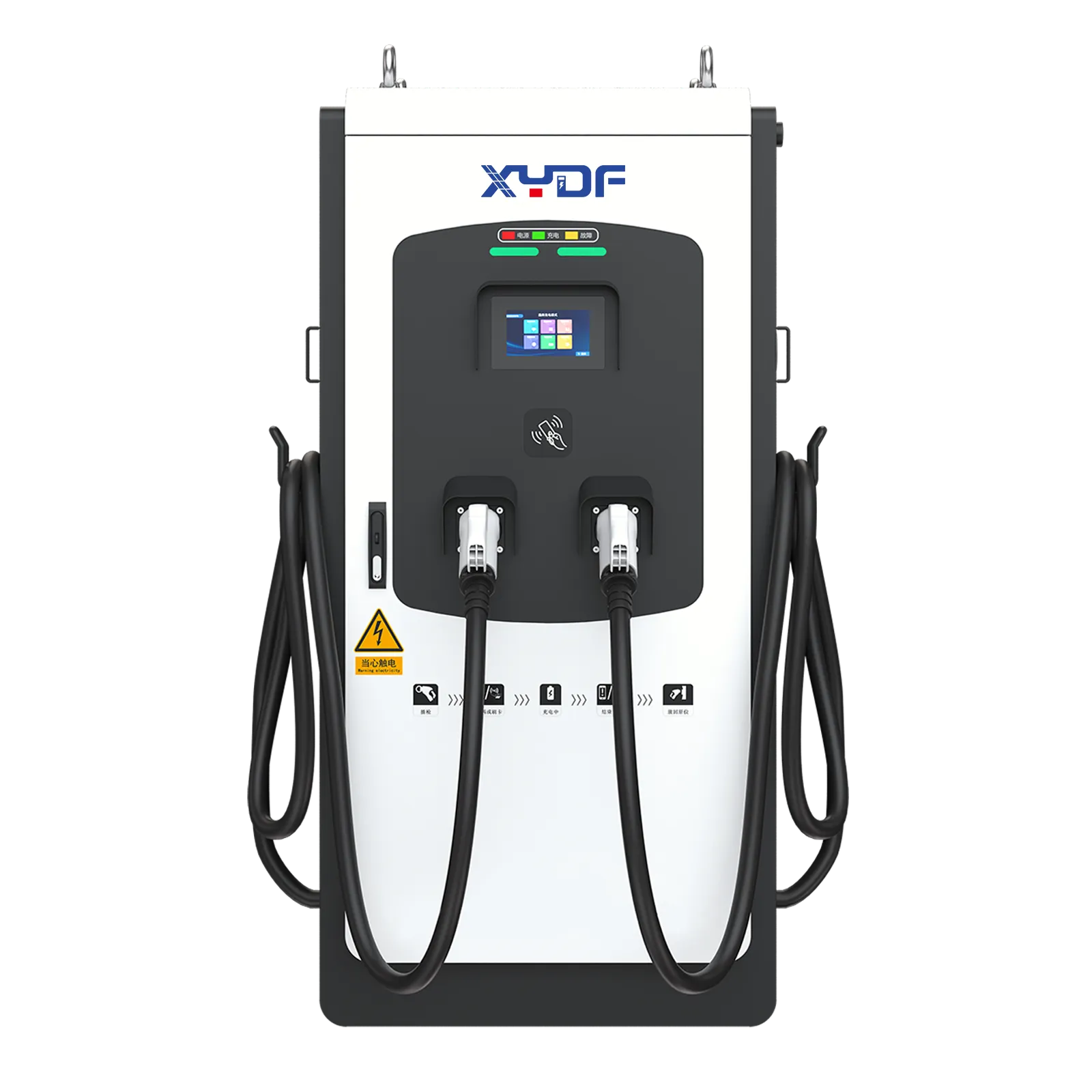
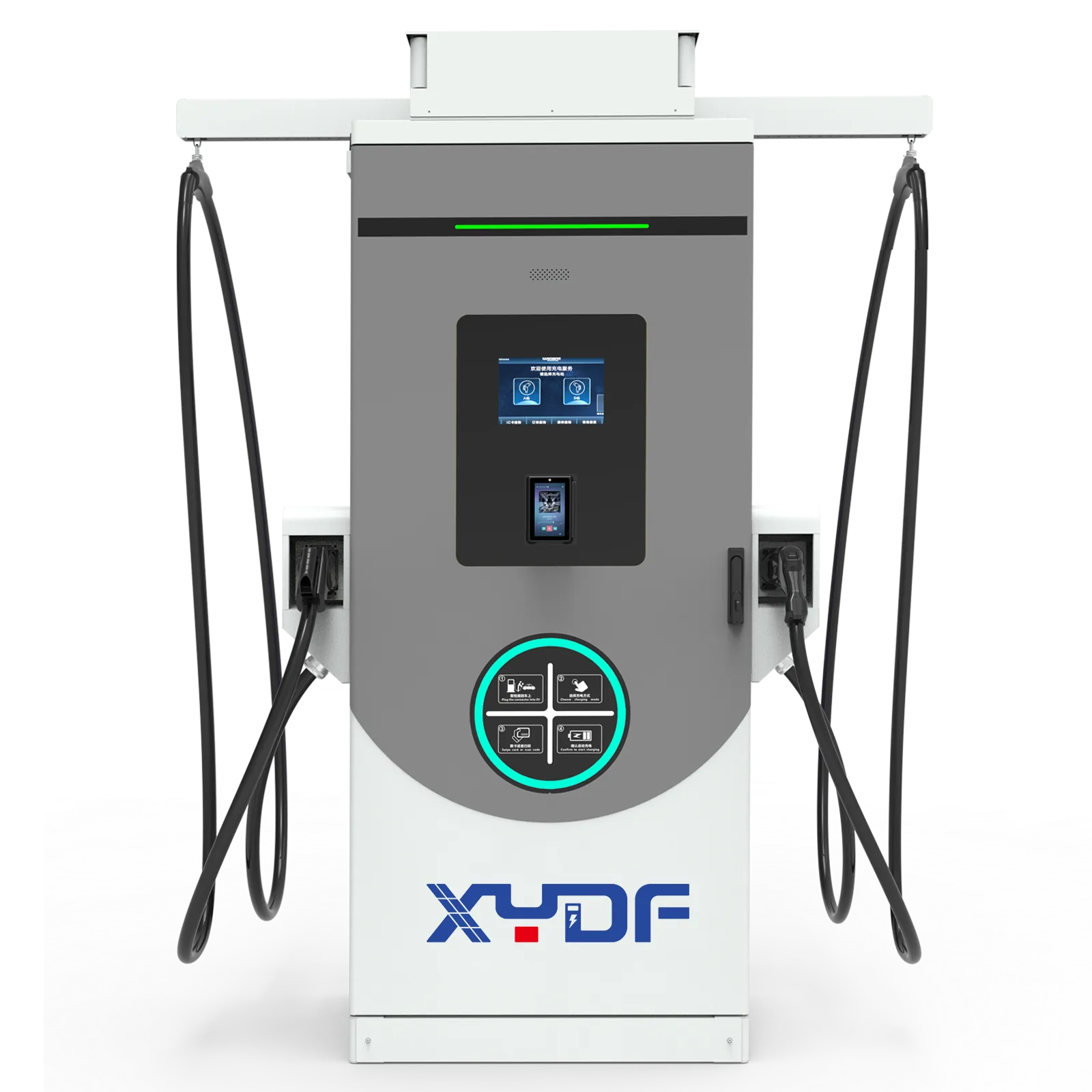
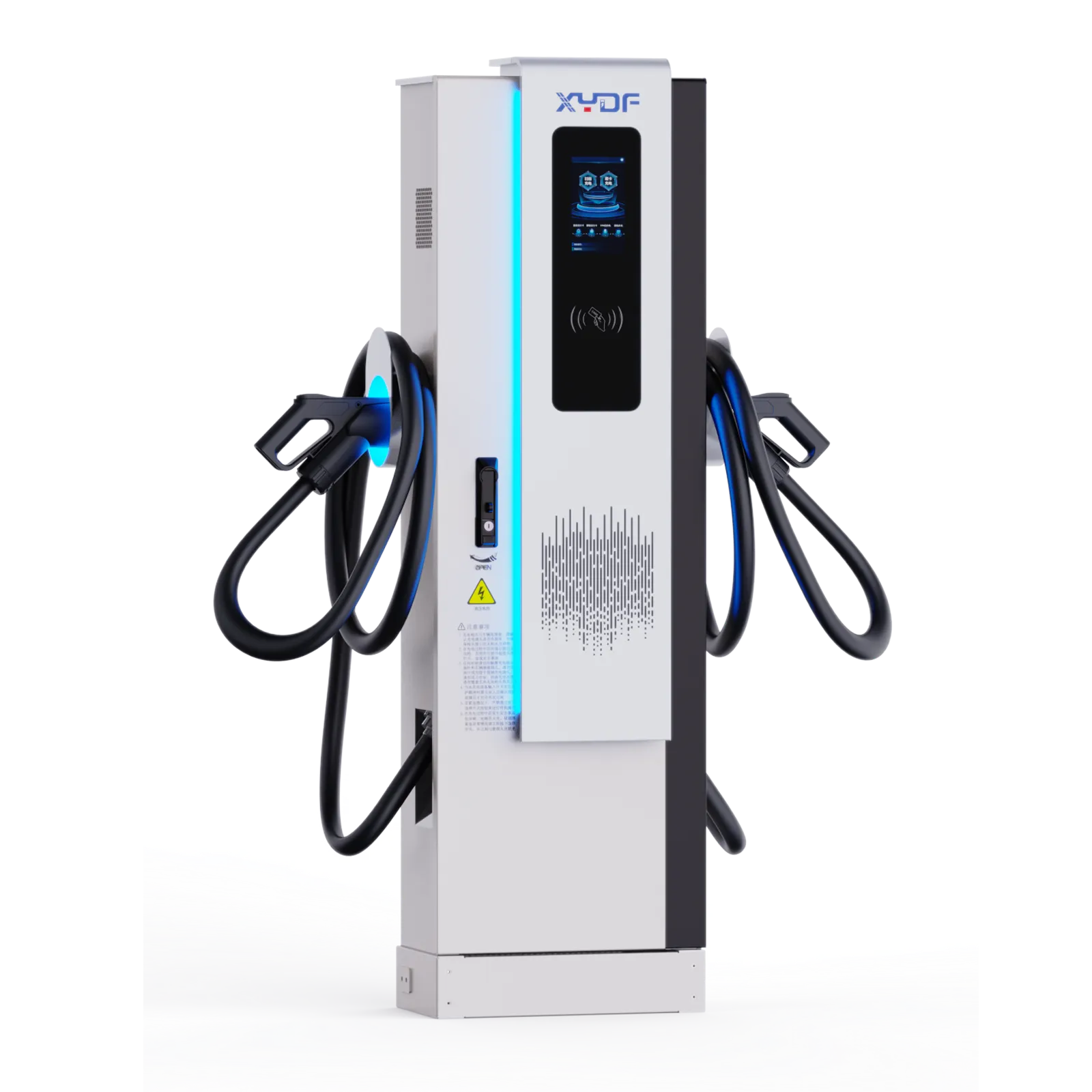
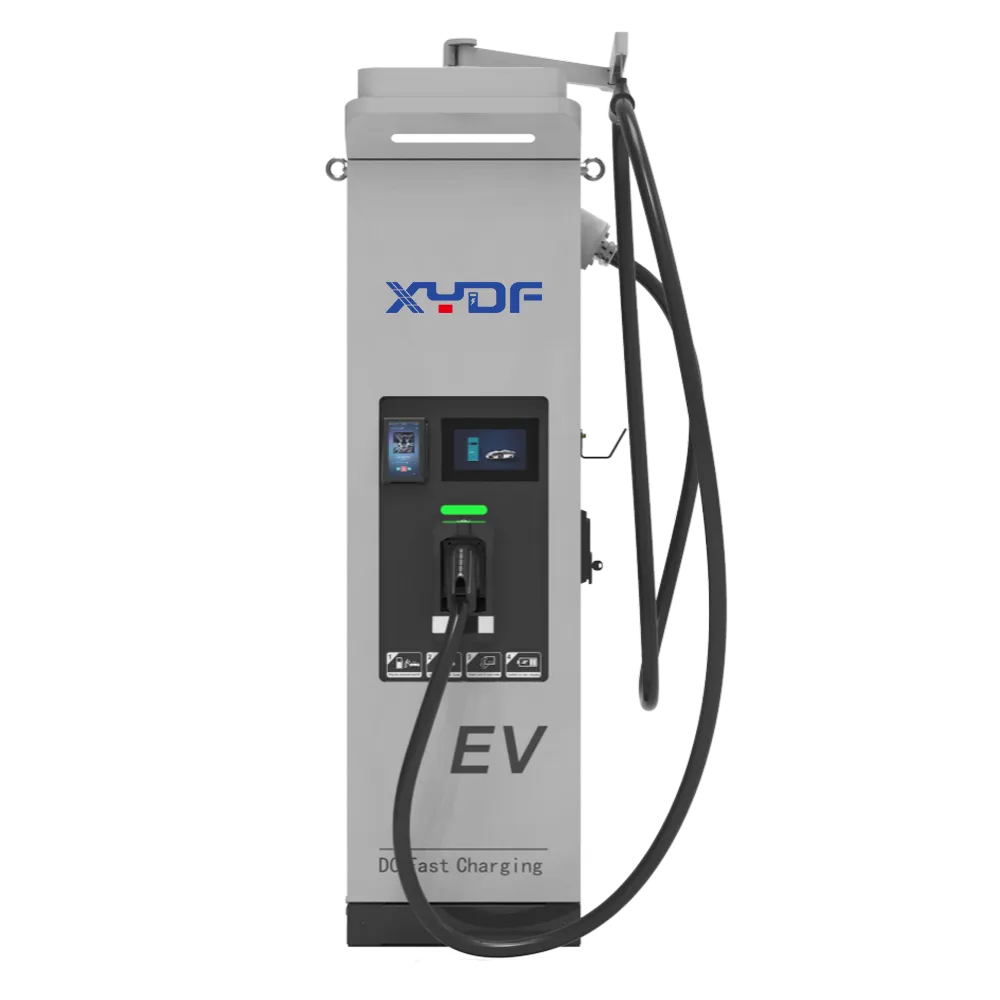
An EV charger offline alert does not identify the failed component. The station may have lost power, stopped communicating with its backend, failed to authorize a user or encountered a payment-terminal fault while other charging methods still work. Replacing the card reader first can leave the actual fault unresolved. Start by matching the local display, port state, network status and failed user action at the same time.
The short answer is to check safety and supply, then the network path, backend connection, authorization or payment flow and controlled recovery. EV charger offline diagnosis needs an evidence timeline and a responsible owner for each layer. A powered charger can be backend-offline, and a rejected credential can occur while the charger is online. Preserve logs before resets, keep sensitive data out of tickets and prove recovery with a complete charging session rather than a dashboard icon.
What does offline mean at this site?
| Observed state | What it does not prove | First distinction |
|---|---|---|
| No display or local response | That the network is the cause | Supply loss or equipment fault requires qualified assessment |
| Backend has no recent charger messages | That the charging circuit is de-energized | Check local state and the communications path |
| Charger online, credential rejected | That the reader is broken | Compare the read event with backend authorization |
| Payment terminal fails, other methods work | That the whole charger is offline | Separate payment provider and charger events |
| Port unavailable with other ports working | That the whole site has failed | Identify the affected port and shared components |
The Open Charge Alliance protocol guidance defines charger-to-management-system communication. A protocol label does not merge status, authorization and energy delivery into one measure. Use the deployed version and implementation when interpreting events.
What should be checked before any reset?
Stop use for smoke, exposed conductors, severe impact, suspected water entry, unusual heat or repeated protective operation. Isolation and electrical checks belong to qualified personnel under the site procedure. Offline is not a safe-isolation state. Do not bypass a protective alarm to improve an availability report.
For non-hazardous communication incidents, retain charger and port ID, local code, backend state, last successful session, timestamps, firmware, network event and action taken. Record clock offsets before correcting them. Export approved logs before a reset can erase the event sequence; redact credentials, tokens, personal data, keys and payment details.
How do you separate power, network and backend faults?
| Layer | Evidence | Responsible route |
|---|---|---|
| Power and local controller | Local indication, upstream event and affected equipment | Site electrician or authorized manufacturer service |
| Network | Gateway power, carrier/SIM state, DNS and connection errors | Site IT or connectivity provider |
| Secure backend connection | Endpoint, clock, certificate and WebSocket errors | Backend operator and manufacturer |
| Application messages | Last heartbeat, status and transaction sequence | CPO backend and charger integration team |
Several units failing at the same time suggests a shared dependency, not proof that every reader failed. Compare gateway, switch, utility and backend events before replacing hardware. Interpret modem signal values against vendor guidance, not a universal threshold. A successful ping does not establish DNS, TLS, secure WebSocket or OCPP application health.
Keep changes controlled. Do not disable certificate checks or expose management ports as a shortcut to restoring a connection. NIST IR 8473 is an October 2023 EV/XFC cybersecurity risk-management profile, not a product certificate or a vendor repair procedure.
How can a card-reader fault be distinguished from an authorization rejection?
First ask whether an approved test credential creates a reader event. No event while another authorized method works points toward the reader path and warrants vendor diagnosis; a read event followed by rejection points toward account, token, roaming or backend policy. A single failed card is not proof of hardware failure. Do not open equipment or adjust reader wiring outside the authorized service procedure.
For OCPP 1.6, correlate Authorize and transaction start/stop records with status and heartbeat events. For OCPP 2.0.1, use the deployed authorization and TransactionEvent sequence instead of assuming identical message names. Record the actual protocol edition and redacted event identifiers for OCPP troubleshooting. Local-list or cached authorization can permit a session during an outage, but does not prove that live backend communication is healthy.
Who should handle payment-terminal failures?
Use the contracted payment provider, acquirer or authorized terminal maintainer. Record a non-sensitive terminal identifier, time, displayed error and whether an approved alternative charging method works. Do not copy cardholder data, open tamper-protected terminals, extract keys or substitute an unapproved device. Payment and charger support may have different owners; the incident record should keep both paths linked without treating them as the same fault.
What proves the charger is ready to return to service?
After required safety and repair checks, run an approved test using the affected access method. Confirm authorization, connector transition, energy delivery, metering, normal stop, final port status and backend closure. If offline operation was involved, reconcile queued records after reconnection. State any untested payment or vehicle limitation instead of calling partial recovery complete.
Track repeat faults, acknowledgment and restoration time separately from charging station uptime. The reliability guide explains why a time-based availability percentage is different from successful-session rate. Compare the raw attempts and results with the measurement definition.
How can the next outage be easier to diagnose?
Keep current diagrams, asset IDs, approved firmware, endpoint ownership, certificates, support contacts and safe runbooks at handover. Test the specified offline, reconnection and authorization cases on the exact charger and backend. Use common error categories where the implementation supports them; the Joint Office’s ChargeX error-code report recommends a shared diagnostic language, not a universal uptime guarantee.
A maintenance plan should assign log retention, inspection, update approval, payment escalation and post-repair verification. Record model-specific warranty terms before faults occur so field labor, parts and software responsibility are not argued after an outage.
Frequently asked questions
Does a failed RFID card mean the charger is offline?
No. Check whether the card was read and whether authorization was rejected. A charger can remain online while an individual credential fails.
Why do several chargers go offline together?
They may share supply, a router, carrier, switch or backend. Compare timestamps and dependencies before attributing the event to separate charger hardware faults.
Should I reboot an offline charger?
Only under an approved runbook after checking for hazards and preserving evidence. Repeated protective trips, overheating or damage require qualified assessment, not repeated resets.
Is an online dashboard status proof that charging works?
No. Complete a controlled authorization-to-stop session and reconcile the backend record. Availability and charging success must be defined and measured separately.
References
- Open Charge Alliance: protocol versions and scope
- U.S. DOE AFDC: maintenance and operating responsibilities
- NIST IR 8473: EV/XFC cybersecurity risk-management profile
- Joint Office: ChargeX common error-code recommendations
Conclusion
Diagnose the failed service layer before replacing a component. Establish the safe local state, preserve a timestamped event chain, then distinguish supply, network, backend, authorization and payment faults with the responsible teams. A card rejection is not automatically a reader defect, and a powered station is not automatically connected or safe to reset. Return a port to service only after the required safety checks and a recorded end-to-end charging test, including reconciliation where offline operation was used. Maintain controlled settings and follow the approved escalation route instead of bypassing protections. XYDF can review its equipment evidence with the accountable operator; send a redacted incident summary with asset identity, firmware, symptoms and approved actions already taken.