How Dynamic Load Balancing Works in Smart EV Charging Stations?
Aug 19,2026
Blog
When a facilities manager in Manchester added six 22 kW chargers to an apartment garage, the installation looked comfortably within the building’s supply. During the first cold evening, however, heat pumps, lifts, and five EVs ran together; demand crossed the agreed limit and protection disconnected the charging circuit. The chargers were not defective—the design had treated every load as static and ignored when those loads would overlap.
A EVSE charging station with dynamic load balancing measures available site capacity in real time and continuously adjusts charger current, preventing overload while distributing power according to vehicle demand and operating priorities. It can postpone an expensive supply upgrade, but it must be engineered with correct metering, fail-safe limits, communications, and the requirements of IEC 61851-1 and IEC 60364-7-722.
Dynamic load balancing is a control layer between the electrical installation and its chargers. Unlike a fixed limit, it responds as other building loads change. The IEA’s Global EV Outlook 2025 reports continued rapid growth in electric-car sales, increasing simultaneous charging demand in homes, workplaces, depots, and multi-unit buildings.
How does an EVSE charging station measure spare capacity?
Dynamic load balancing should use a defined site limit, a phase-aware measurement point and a documented reserve. The controller’s output is only as trustworthy as the CT orientation, phase mapping and meter update path verified during commissioning.
A meter or current transformer measures power at the building incomer—or at the charging sub-distribution board—on every phase. The controller compares that measurement with a configured import limit and subtracts a safety reserve:
Available charging power = site limit − non-EV demand − engineering reserve
For example, a three-phase 400 V site limited to 80 A has about 55 kVA of apparent capacity. Treat this as an illustration, not a universal design value; the actual available charging capacity must come from the approved supply limit, power factor, phase currents and local code. If other loads use 31 kW and the design reserves 4 kW, roughly 20 kW remains for charging at that moment. Phase current must still be checked individually; a balanced total can hide an overloaded phase.
IEC 61851-1 defines the conductive charging system and control-pilot framework, while IEC 60364-7-722 addresses electrical installations supplying electric vehicles. Neither standard turns commissioning into a software-only task: cable sizing, protective devices, earthing, RCD selection, and maximum demand remain engineering responsibilities.
How Dynamic Load Balancing Works
Energy-management claims should identify which load is flexible and which service obligation is not. Align vehicle departure energy, solar production, storage state, building demand, tariff intervals, and grid limits in one time-based model; then define fallback behaviour when renewable output, communications, or storage availability changes. Research guidance can explain managed charging, but it cannot substitute for site telemetry and a tested control policy. For the public planning context, see NREL managed electric vehicle charging guidance; the site-specific acceptance record still controls the final decision.
Measure: the site meter reports total and per-phase demand to the local controller, typically at intervals of a few seconds.
Calculate: the controller determines safe spare capacity from the agreed connection limit and a configured reserve.
Allocate: available current is divided among connected vehicles using equal-share, first-in-first-out, departure-time, tariff, or fleet-priority rules.
Command: each charger receives a revised current limit through its local control interface or charging-management platform.
Verify: the system confirms charger response and reduces output to a conservative fail-safe value if metering or communications are lost.
For AC charging, the vehicle ultimately decides how much current it draws within the limit advertised by the charger. A 22 kW unit therefore may operate temporarily at 7, 11, or 18 kW; this is controlled charging, not a fault. OCPP 2.0.1 can support smart-charging profiles between charging stations and a management system, but premises-level overload protection should not depend solely on a remote cloud connection.
Fixed limits versus dynamic allocation
Design factor
Fixed charger limit
Dynamic load balancing
Response to building demand
Does not change
Raises or lowers charging power automatically
Typical utilisation
Capacity stays unused during quiet periods
Spare capacity is assigned to connected EVs
Overload control
Relies on a conservative worst-case setting
Uses live metering plus a hard maximum
Expansion
New chargers quickly reduce per-port power
Priorities can manage a larger charger group
TCO impact
Lower controls cost, possible earlier grid upgrade
Higher controls cost, potential upgrade deferral
Failure mode
Simple and predictable
Must have a tested local fail-safe state
Where load balancing creates the most value
Application
Common constraint
Useful allocation rule
Design focus
Modern home
Heat pump, cooker, or electric shower
Protect the main fuse first
Fast local metering and phase awareness
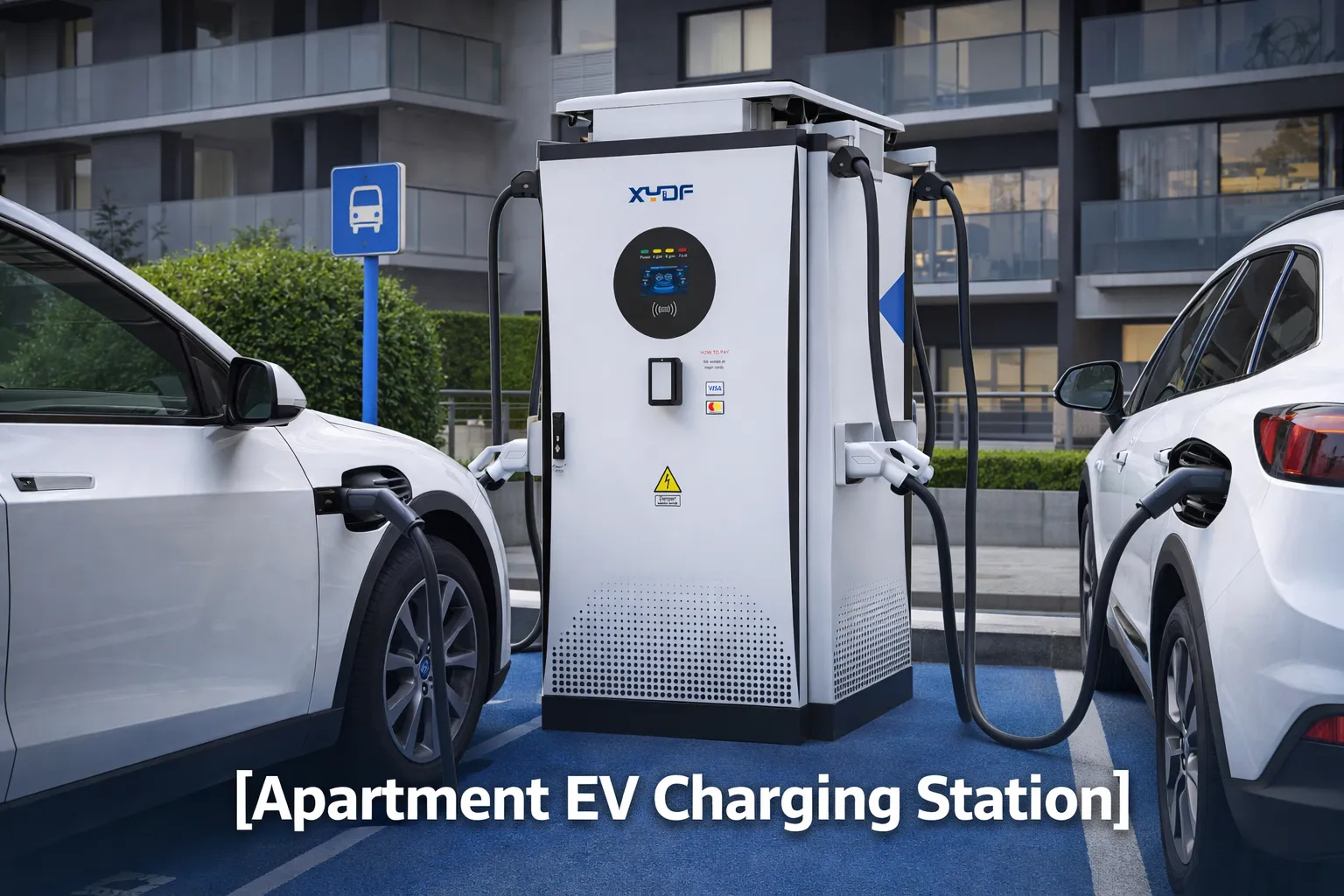
Apartment parking
Many cars connected overnight
Fair share with minimum energy targets
User identification and billing
Workplace
Solar output and daytime HVAC peaks
Solar surplus plus departure priority
Tariffs and building-management integration
Fleet depot
Vehicles have fixed dispatch times
Route-critical vehicles first
Energy delivered by departure time
A household charger can protect an 80 A or 100 A service by reducing EV current during peaks. At a multi-port site, the controller can maintain a group limit while preventing one vehicle from consuming all available capacity. The business case should compare controls and commissioning with a new transformer or utility connection.
Standards, compliance, and commercial risk
IEC 61851-1: general requirements for conductive EV charging systems and their control functions.
IEC 60364-7-722: requirements for circuits supplying electric vehicles, including installation and protection considerations.
OCPP 2.0.1: interoperable smart-charging functions and charging profiles for networked equipment.
Local wiring rules: BS 7671, national IEC adoption, utility import limits, fire requirements, and accessibility rules may add project-specific obligations.
Non-compliance can cause nuisance disconnection, overheated conductors, inaccurate billing, missed fleet departures, or breach of a utility capacity agreement. A commissioning record should therefore include CT orientation, phase mapping, meter accuracy, loss-of-communications behaviour, maximum-current tests, and simultaneous-load tests.
Selection and commissioning checklist
Commissioning should also prove the local fail-safe limit with the cloud and meter paths unavailable, then restore service and confirm that the event appears in the exported log.
Confirm whether control is per charger, per phase, per distribution board, or across the entire site, and require phase-aware metering evidence.
Specify a local fail-safe limit that remains safe when the cloud, meter, or network is unavailable.
Reserve capacity for future ports and verify whether the controller can prioritise users, fleets, solar, and tariffs.
Test the worst credible combination of EVs and building loads before handover.
Require exportable logs so operators can distinguish capacity curtailment from charger or vehicle faults.
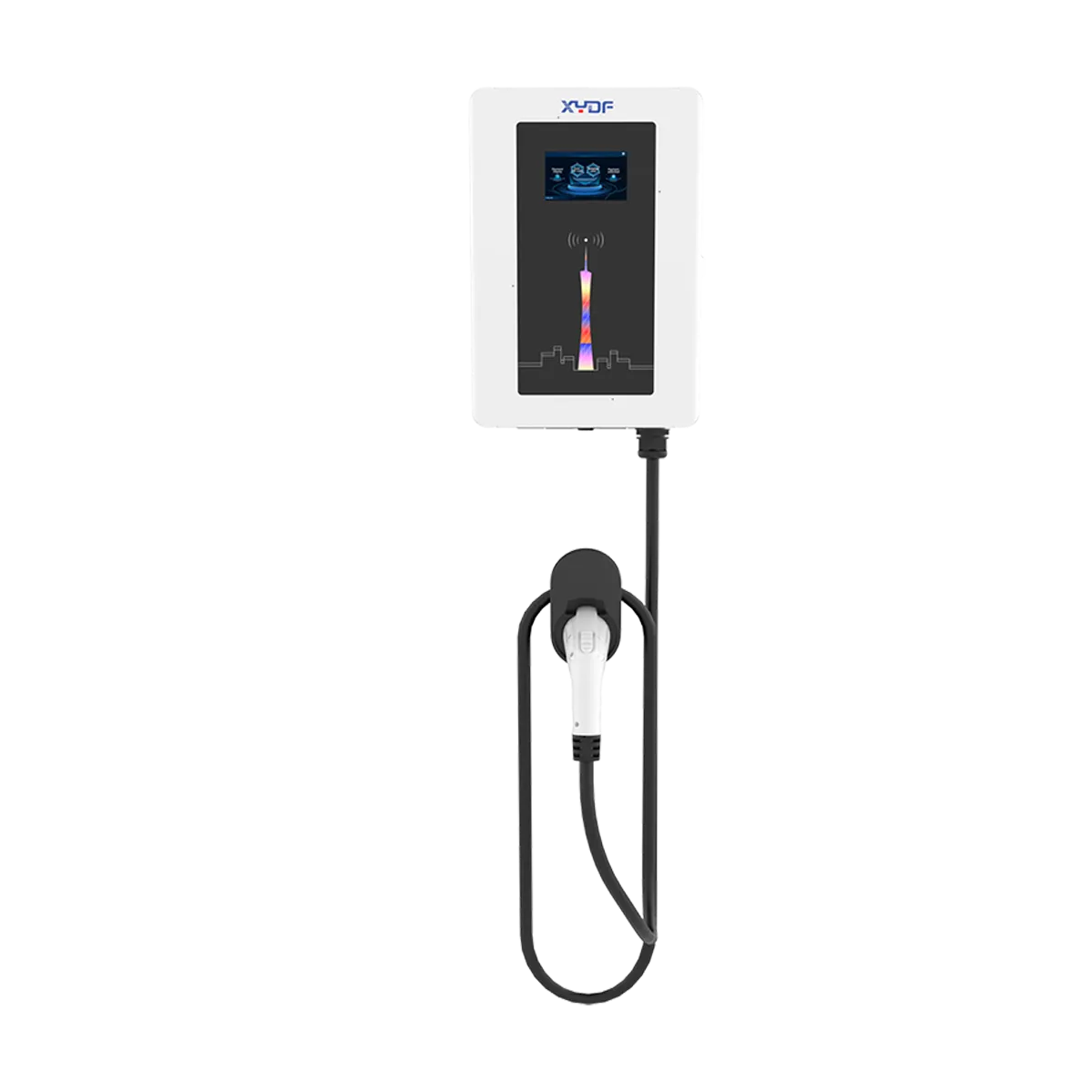
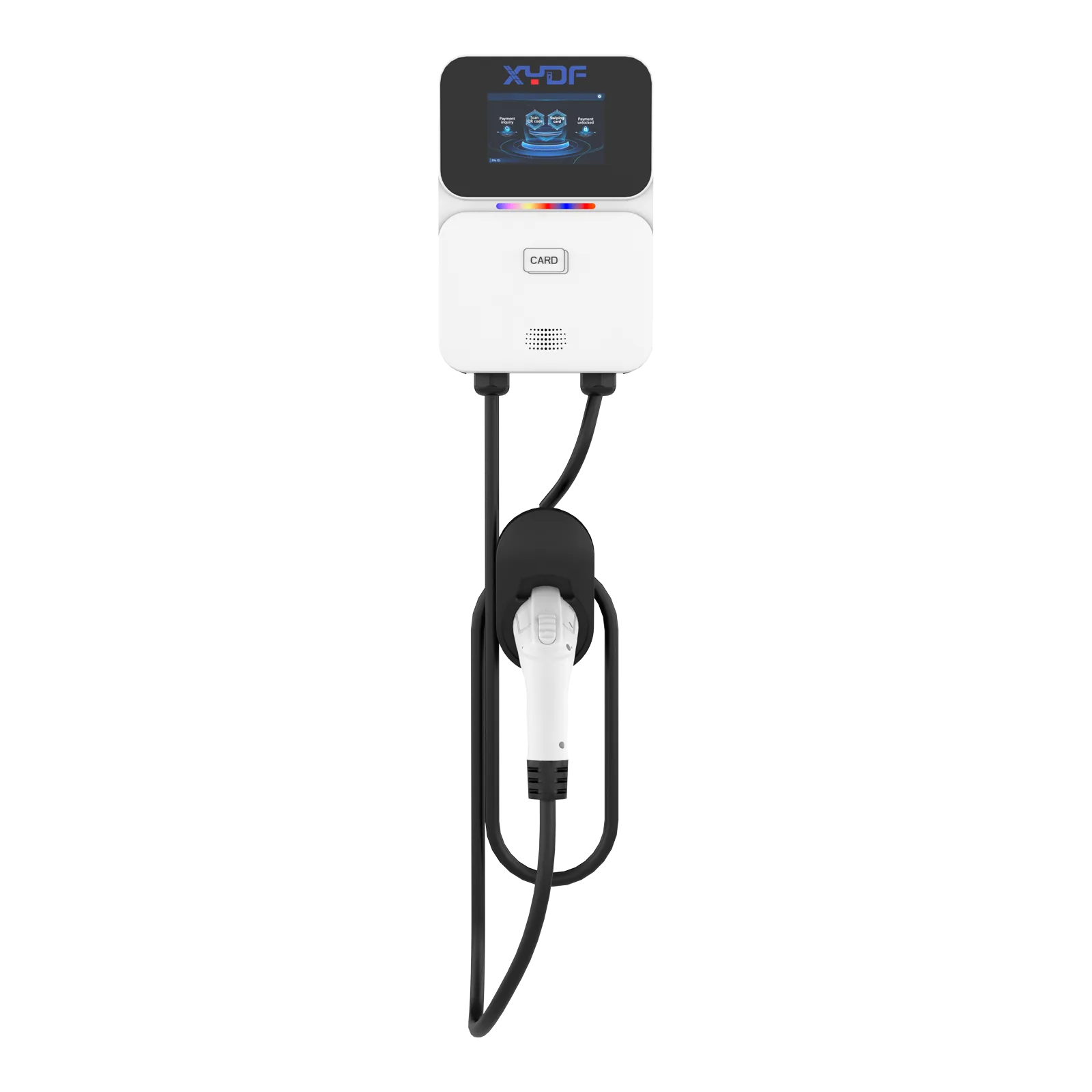
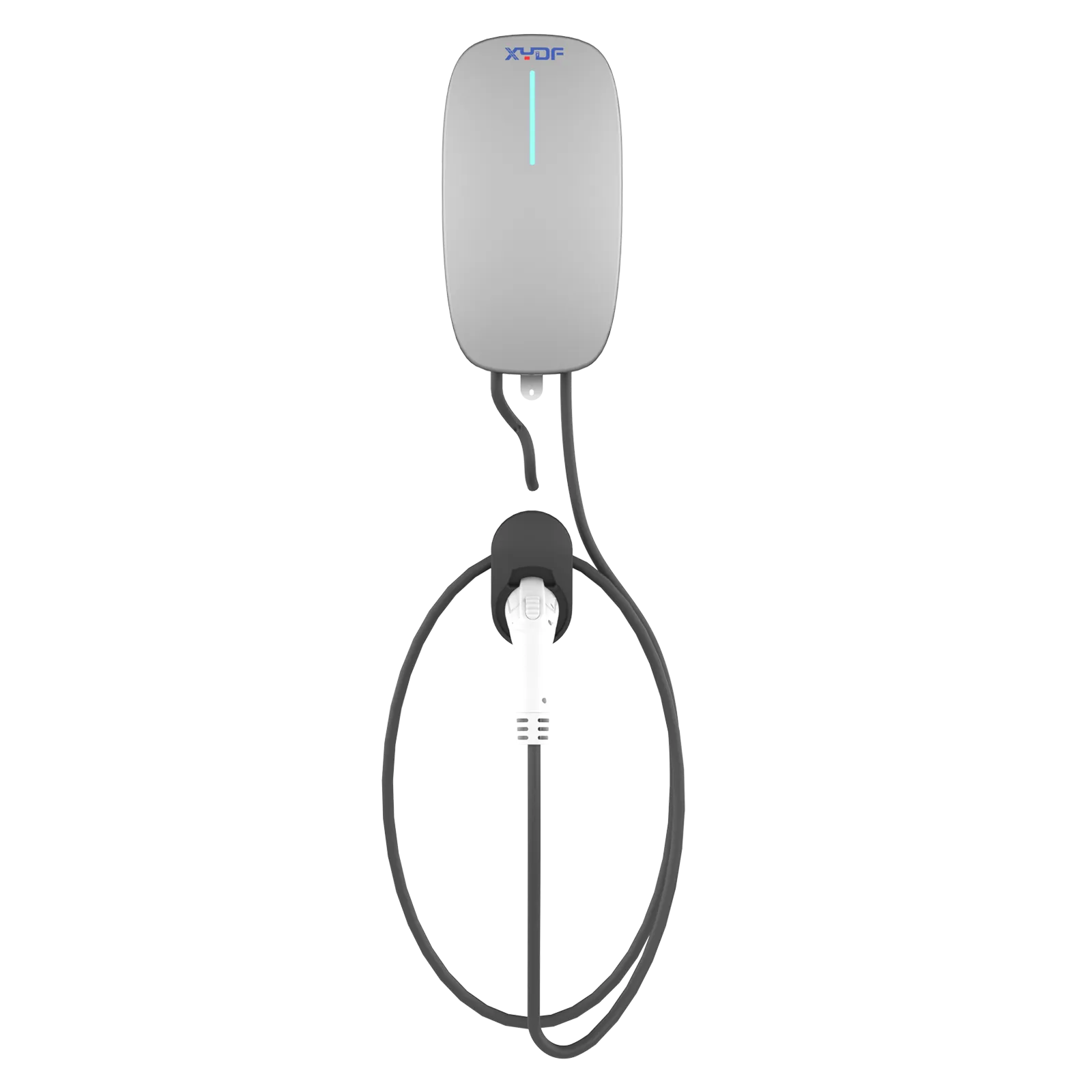
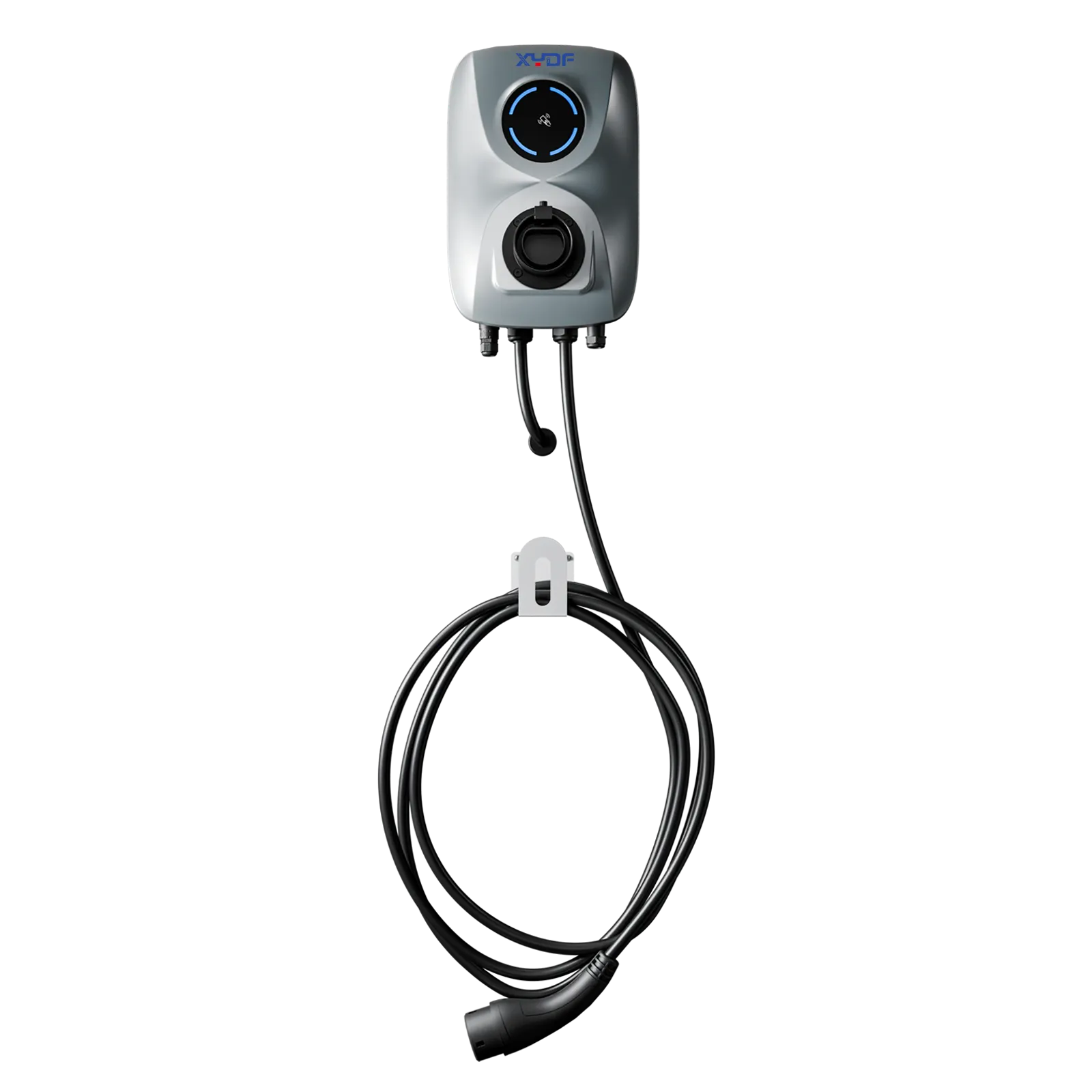
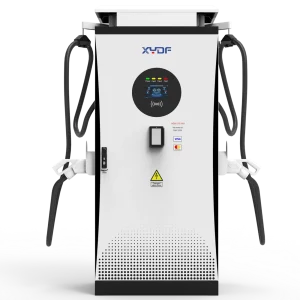
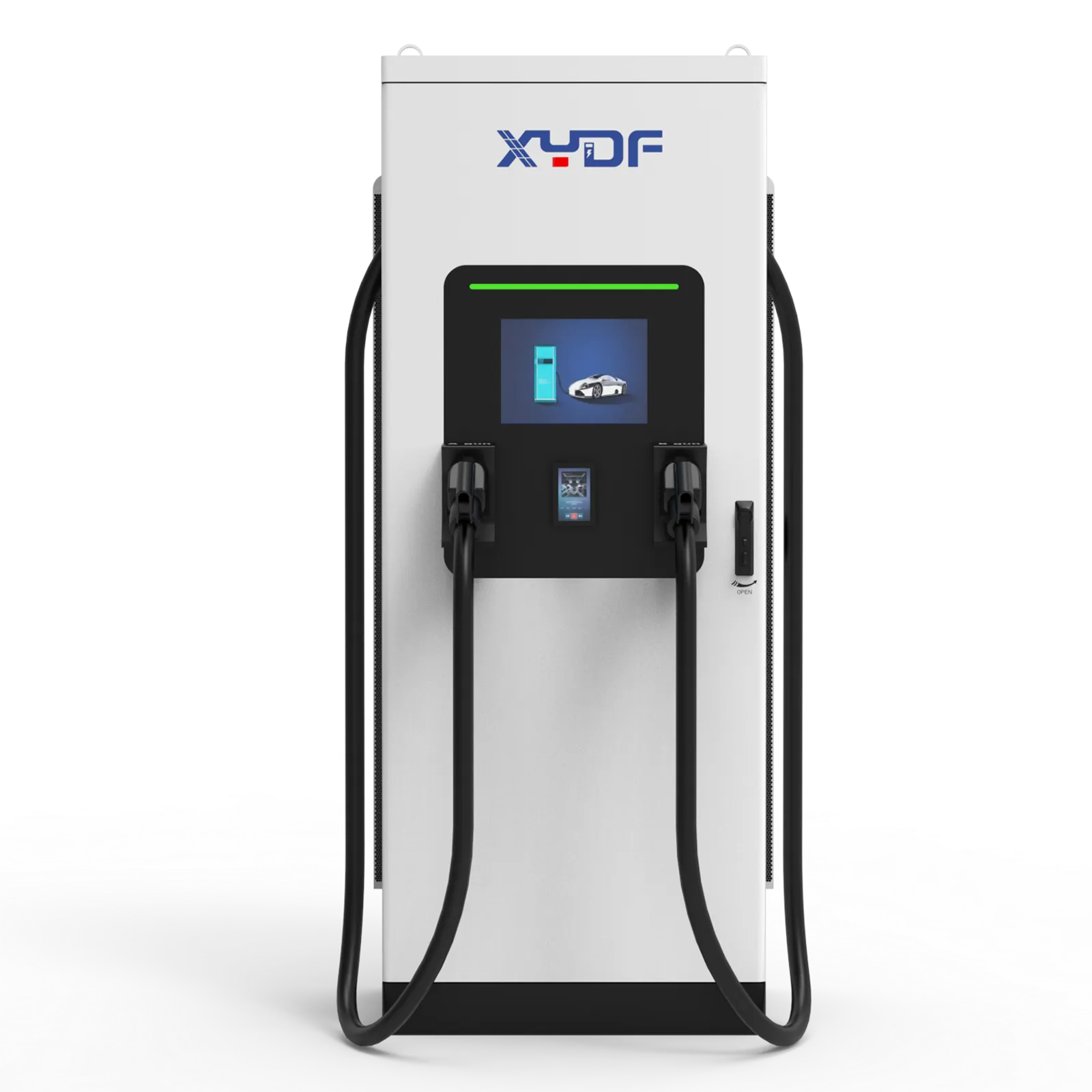
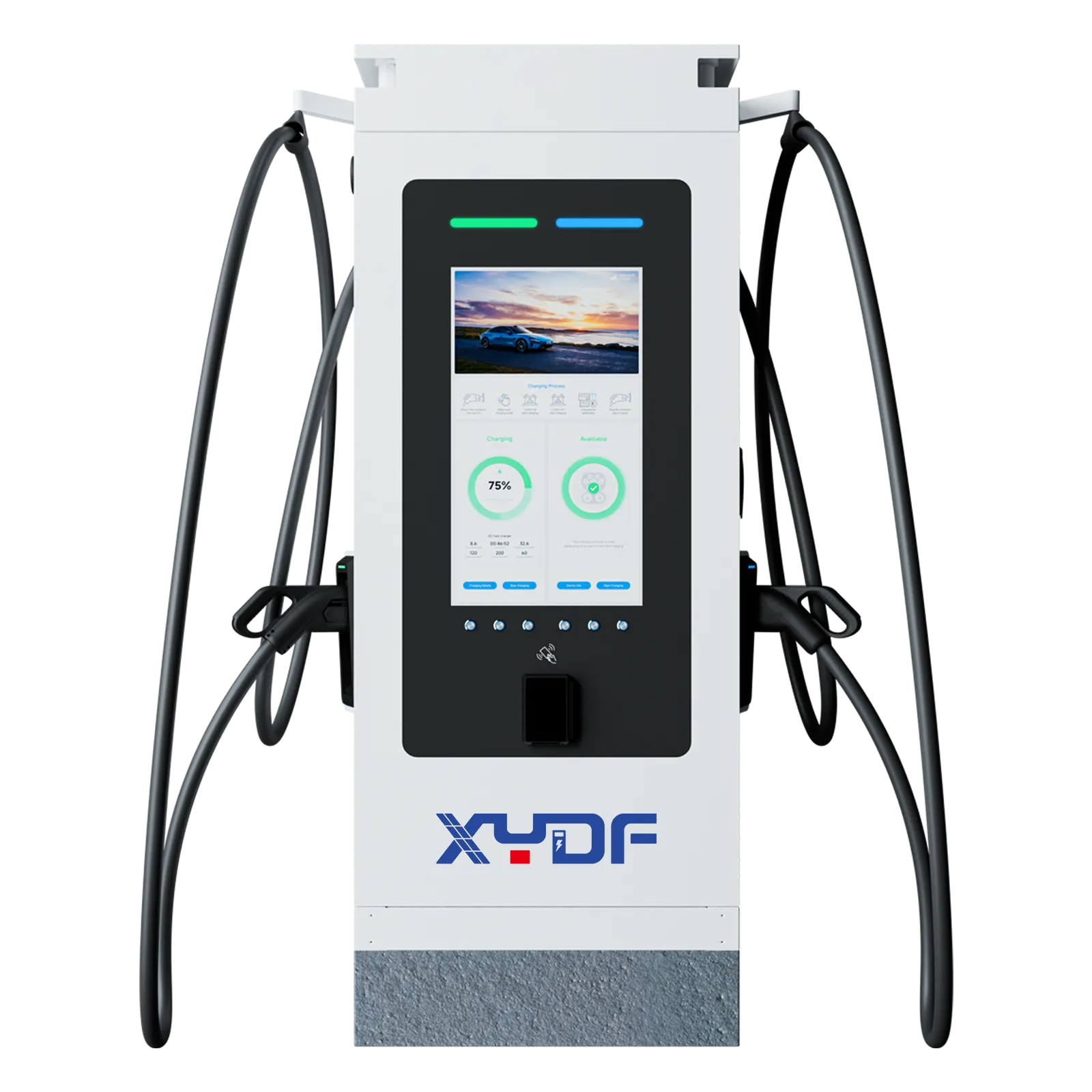
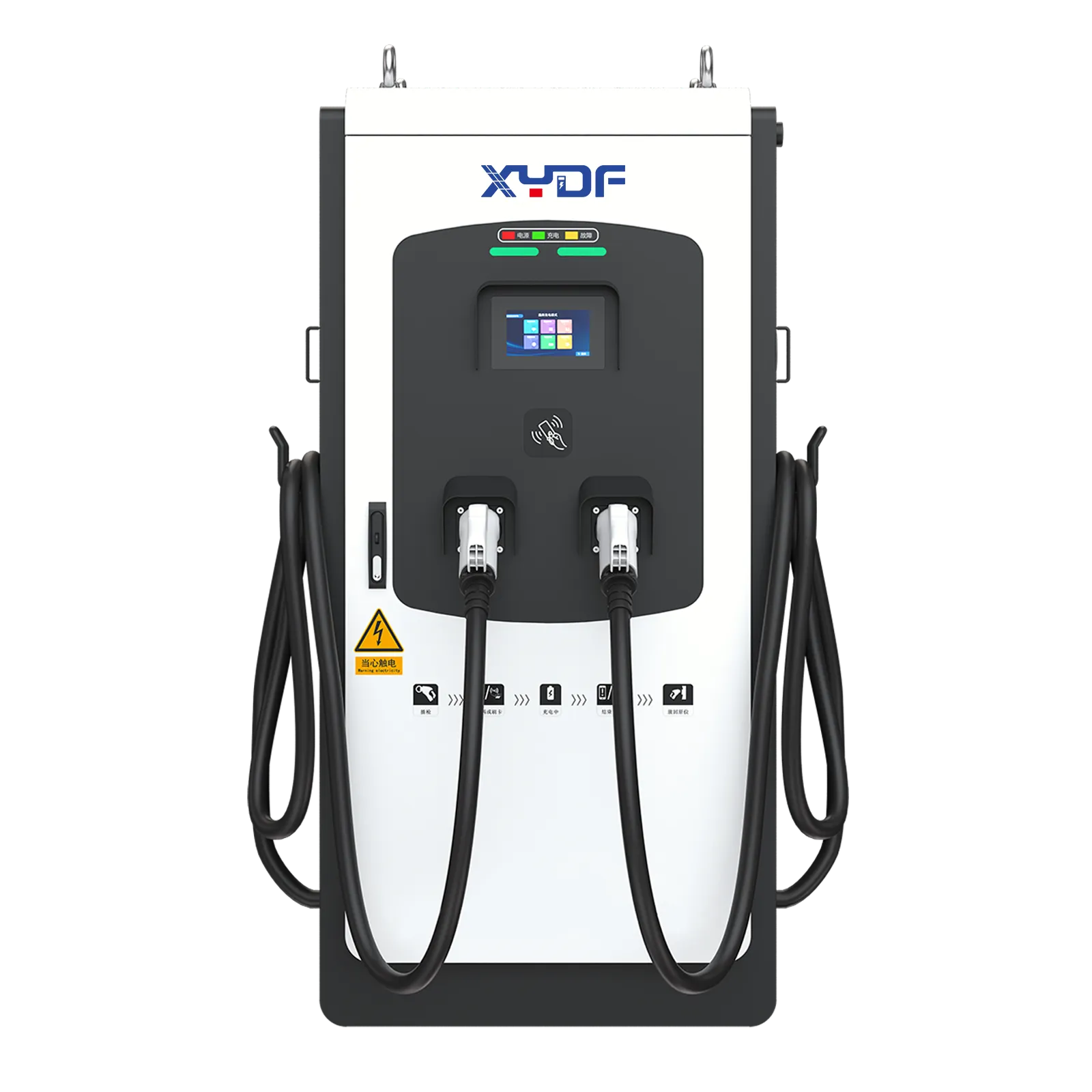
XYDF manufactures smart EVSE charging station options and AC EV charger configurations for residential and commercial projects; the appropriate architecture should be selected against the local wiring code, supply limit, communications design, and required certification rather than nameplate power alone.
FAQ
Does China have EV charging stations?
Yes. China operates the world’s largest EV charging network by connector count. Buyers should still distinguish public network scale from the electrical design, protocol support, and certification of an individual project.
Which charger is best for EV charging?
The best charger matches the vehicle, dwell time, supply capacity, connector, environment, and management needs. For many homes and workplaces, an AC smart charger with load balancing provides a better result than choosing the highest possible rating.
Can I get a 22kW charger at home?
Possibly, but 22 kW AC normally requires a suitable three-phase supply and a vehicle with a 22 kW onboard charger. A dynamic EVSE charging station can protect the site limit, but it cannot create capacity that the utility connection does not provide.
What is the fastest EV home charger?
Common home AC ratings are 7.4 kW single-phase and 11 or 22 kW three-phase. Actual speed is limited by the vehicle’s onboard charger, the electrical service, and any active load-balancing limit.
How should an EV site verify a solar, storage, or load-management strategy?
Verify the strategy with time-aligned data for vehicle energy, solar output, storage state, building load, tariff periods, and departure requirements. Test low-solar, constrained-grid, communications-loss, and late-departure cases, then record whether the controller preserves the required vehicle energy before shifting flexible load. A dashboard screenshot is not a performance test.
A well-designed EVSE charging station does not promise maximum power at every second; it delivers enough energy by the required time without asking the building to exceed a safe boundary. XYDF builds charging equipment for that moment. Project teams can review the manufacturer’s engineering and production background and request a configuration based on supply data, charger quantity, priority rules, and applicable standards.
We use cookies to keep this website working and, with your permission, to measure how visitors use our EV charging site. See our Privacy Policy for details.
 Xinya Dongfang Electricity Technology Co., Ltd.