EV Charger Certification and Compliance in the United States: A Commercial Buyer’s Guide
Sep 04,2026
Blog
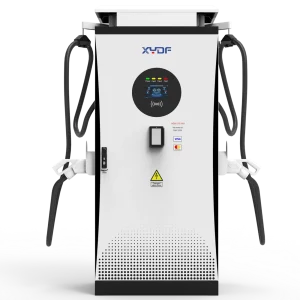
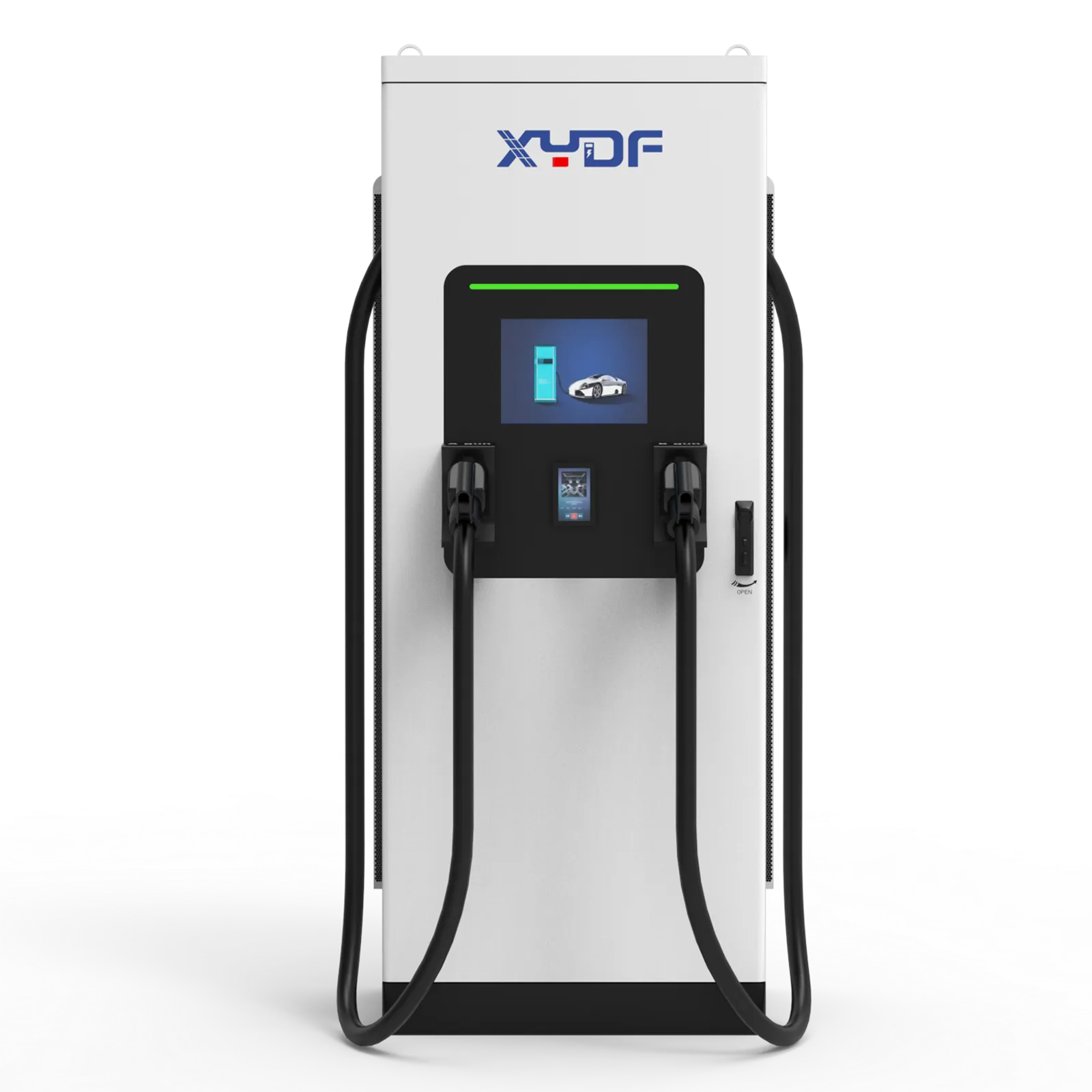
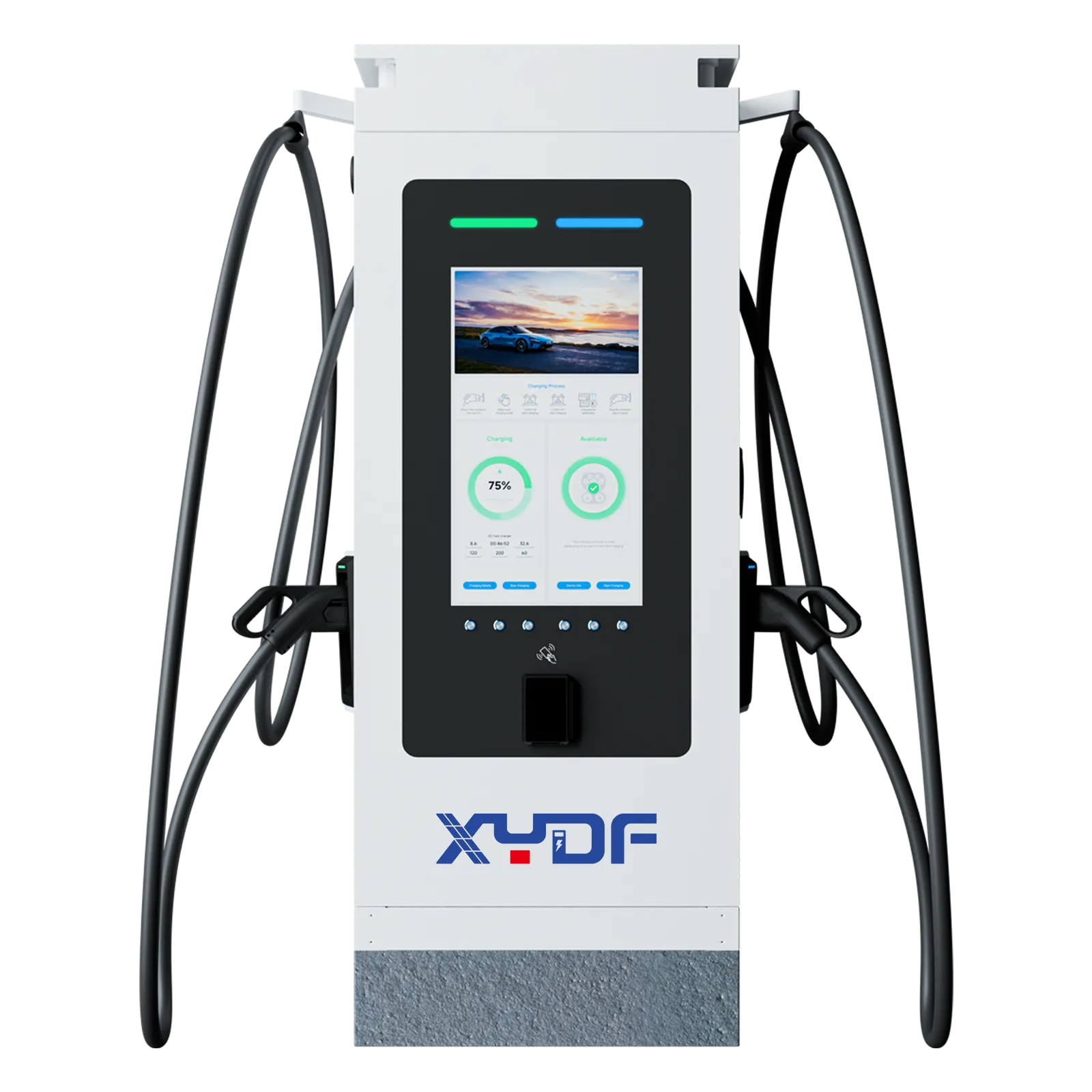
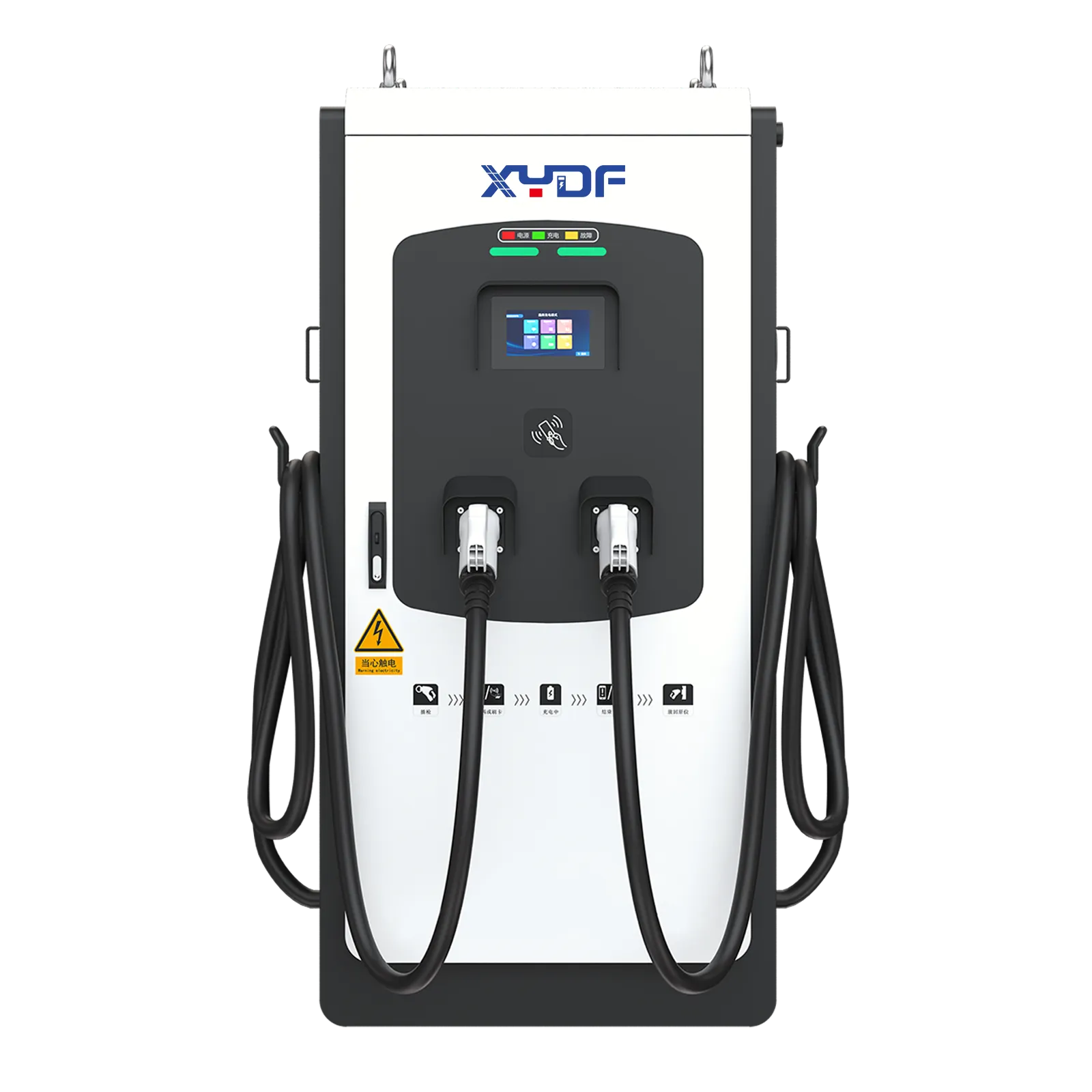
In one U.S. inquiry received by XYDF, the charger specification had already been discussed before the buyer confirmed the required product listing, billing model and local approval path. Rechecking the configuration added avoidable time and cost.
EV charger certification in the United States is not a single certificate. Product safety, radio equipment, commercial metering, installation and funded-project rules are separate layers. Which ones apply depends on the project.
Quick Summary
Confirm the location, use case, billing method and funding source before selecting a charger.
Verify the complete charger in an official NRTL directory, not only a PDF certificate or certified component.
Treat FCC, commercial metering, installation approval and funding conditions as separate checks.
Start with the charger type and deployment plan: AC or DC, private or public access, target state, payment method, connectivity and funding source. The utility, network operator and authority having jurisdiction (AHJ) may add further conditions.
A UL or other NRTL listing is not a general U.S. customs license. However, listed equipment may be required for permits, workplace use, insurance or procurement. Asking only “Does it have UL?” is not enough.
2. UL Standards and NRTL Safety Listing
“UL certification” is often used loosely. The terms below refer to different parts of the safety certification system.
Term
What it means
UL 2594 / UL 2202
Product safety standards
UL Solutions / Intertek / CSA Group
Certification organizations
UL Listed / ETL Listed / CSA mark with a U.S. indicator
Certification marks
NRTL
Nationally Recognized Testing Laboratory; recognized by OSHA for a defined scope
Traditional UL Listed Mark for products certified by UL Solutions. Buyers should verify the exact model in UL Product iQ. Source: UL Solutions.
UL Listed identifies certification by UL Solutions. ETL Listed and a CSA mark with a U.S. indicator are different marks, but may demonstrate certification to the same U.S. standard. Check the organization’s current OSHA scope and the exact product listing.
Which standards apply?
Product or function
Common standard
AC EVSE
UL 2594
DC charging equipment
UL 2202
Personnel protection system
UL 2231-1 and UL 2231-2
Plugs, receptacles and vehicle couplers
UL 2251
UL 2251 is not a subsection of UL 2594. It covers the charging connector interface; UL 2594 covers AC EVSE. An AC charger does not automatically need two separate product listings. The NRTL determines how these functions are evaluated within the certified construction.
Verify the listing, not just the document
Search UL Product iQ, the Intertek Directory of Listed Products or CSA certified product records. Match the file to the model, AC/DC type, ratings, connector, mounting method and manufacturing site. Confirm that ordered options remain within the certified construction.
Check whether the listing covers the complete charger. A UL-recognized contactor, cable or connector does not make the assembled EV charger listed.
3. Connected Chargers Also Need FCC Compliance
Chargers marketed in the United States may also fall under FCC equipment authorization rules. Wi-Fi, Bluetooth and cellular transmitters require the appropriate authorization, while digital circuitry may be subject to Supplier’s Declaration of Conformity requirements.
Match the FCC ID to the installed module and check its antenna, labeling and host conditions. A certified module does not remove every host-product obligation.
4. Paid Charging Introduces Metering Rules
When electricity is sold by the kilowatt-hour, safety listing alone is insufficient. NIST Handbook 44 Section 3.40 addresses measurement, indication and transaction records for EV fueling systems. States adopt and enforce weights-and-measures rules, so approval, registration and inspection vary.
Confirm the target state before assuming that an embedded meter or overseas metrology certificate will be accepted.
5. Product Listing Does Not Approve the Installation
The listing evaluates the equipment; site approval evaluates the installation. A project may still need to meet the locally adopted NFPA 70 edition, including NEC Article 625, permits, utility rules, load calculations, wiring design and AHJ inspection. Public sites may also have accessibility requirements.
6. Public and Funded Projects Add Their Own Conditions
ENERGY STAR is an energy-efficiency certification, not a replacement for an NRTL safety listing. It matters when an incentive, utility program or procurement specification requires it.
Federally funded projects may add NEVI-related conditions and Buy America/BABA requirements. Operators may separately specify payment, uptime, OCPP, ISO 15118, Plug & Charge or CSMS testing. These are project conditions, not universal market-entry certificates.
Does an AC EVSE need separate UL 2594 and UL 2251 listings?
Not necessarily. UL 2594 covers the complete AC EVSE, while UL 2251 covers plugs, receptacles and couplers. The applicable listing arrangement depends on the product construction and the NRTL evaluation.
Can ETL Listed or a CSA mark replace UL Listed?
Yes, when the organization is recognized for the standard, the exact model is listed for U.S. use, and the project specification and AHJ accept the mark. Do not assume equivalence from the logo alone.
Does an NRTL listing guarantee an installation permit?
No. Product listing and site approval are separate. The installation must still satisfy local codes, permits, electrical design and AHJ inspection.
Before ordering, send XYDF the charger configuration, target state, billing model and project type. We can help identify the certification evidence and project documents to confirm before production. Visit our EV charger compliance guide or contact XYDF.
This article reflects official information available in September 2026. Project requirements and state rules can change; confirm the current requirements with the relevant authority before procurement or installation.
We use cookies to keep this website working and, with your permission, to measure how visitors use our EV charging site. See our Privacy Policy for details.
 Xinya Dongfang Electricity Technology Co., Ltd.