 Xinya Dongfang Electricity Technology Co., Ltd.


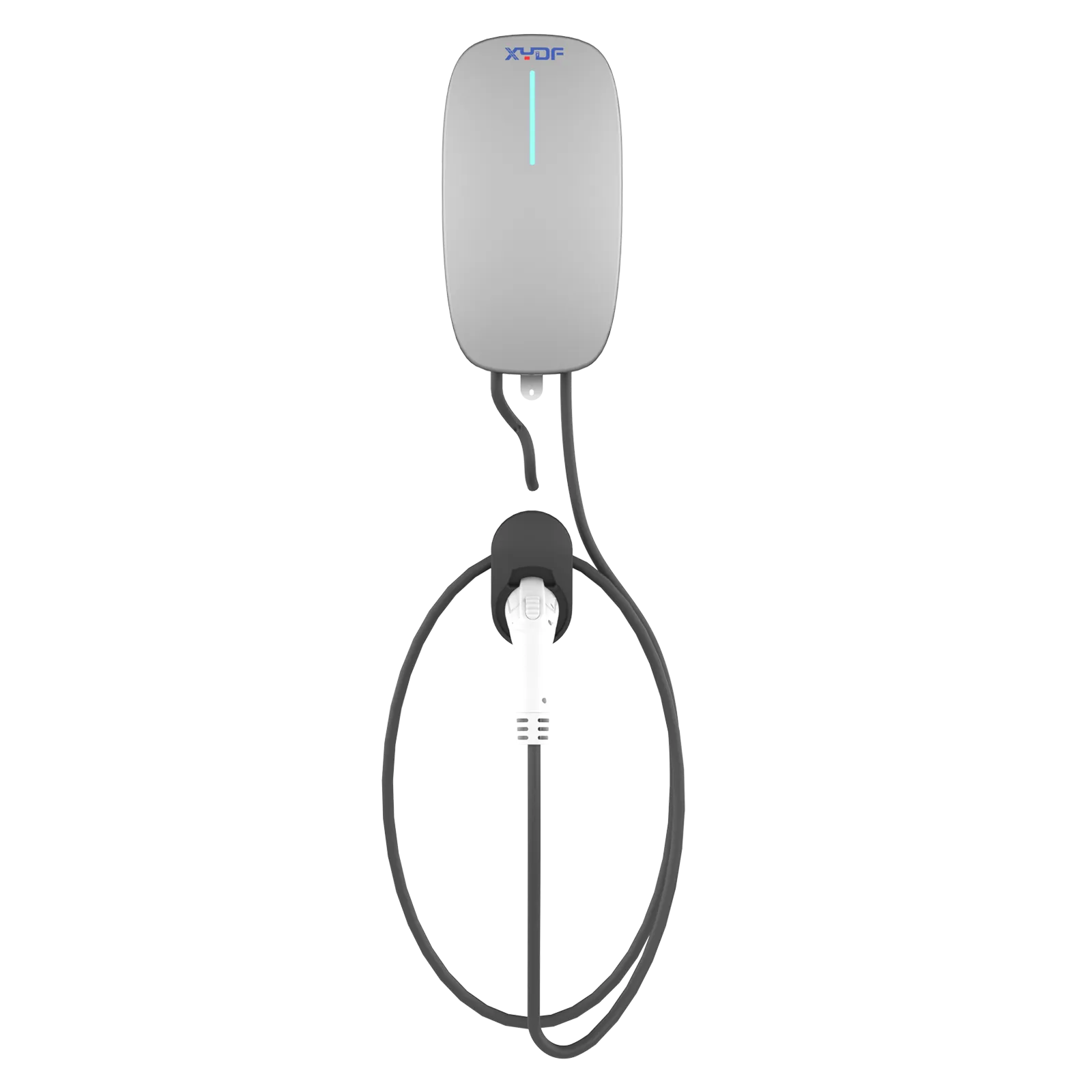
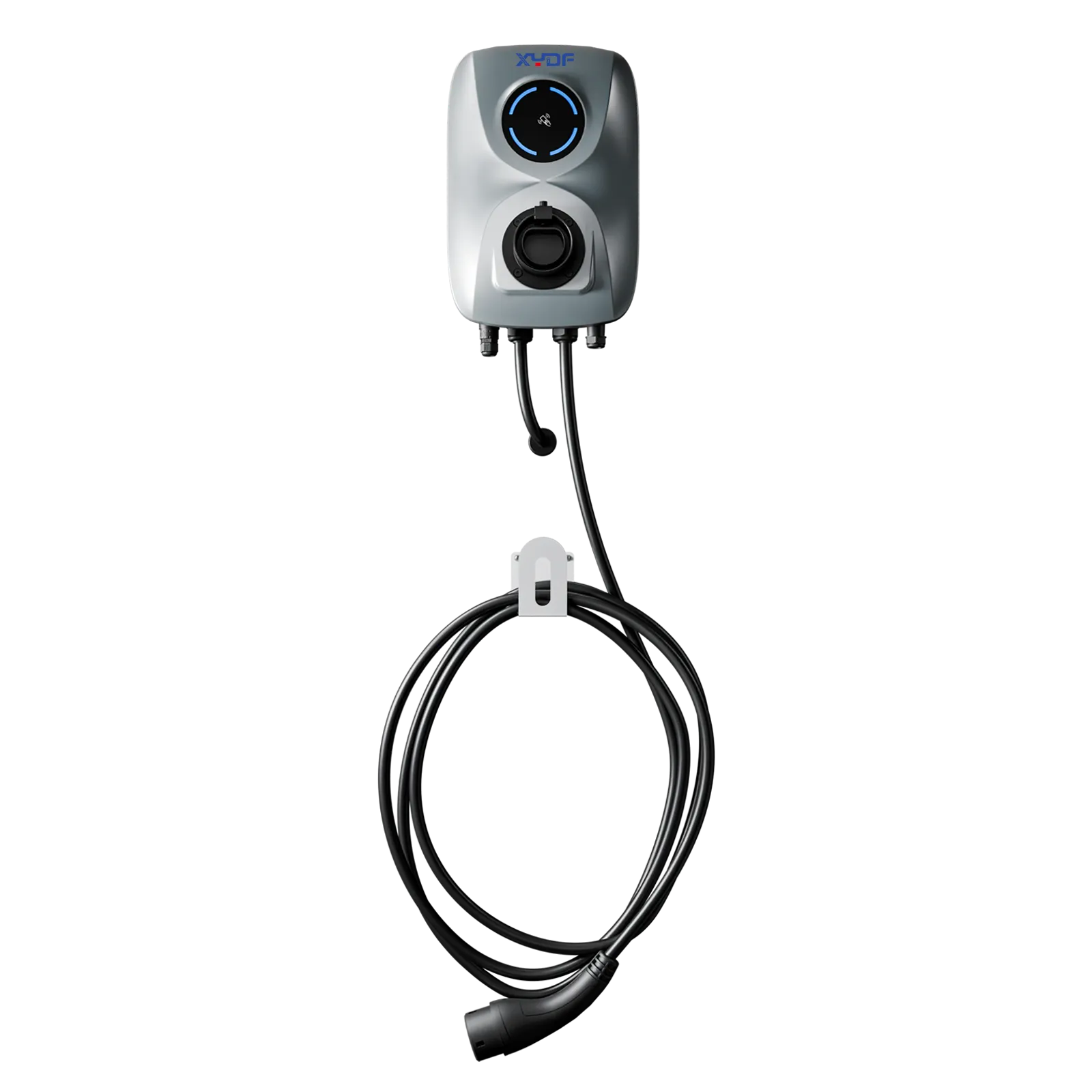

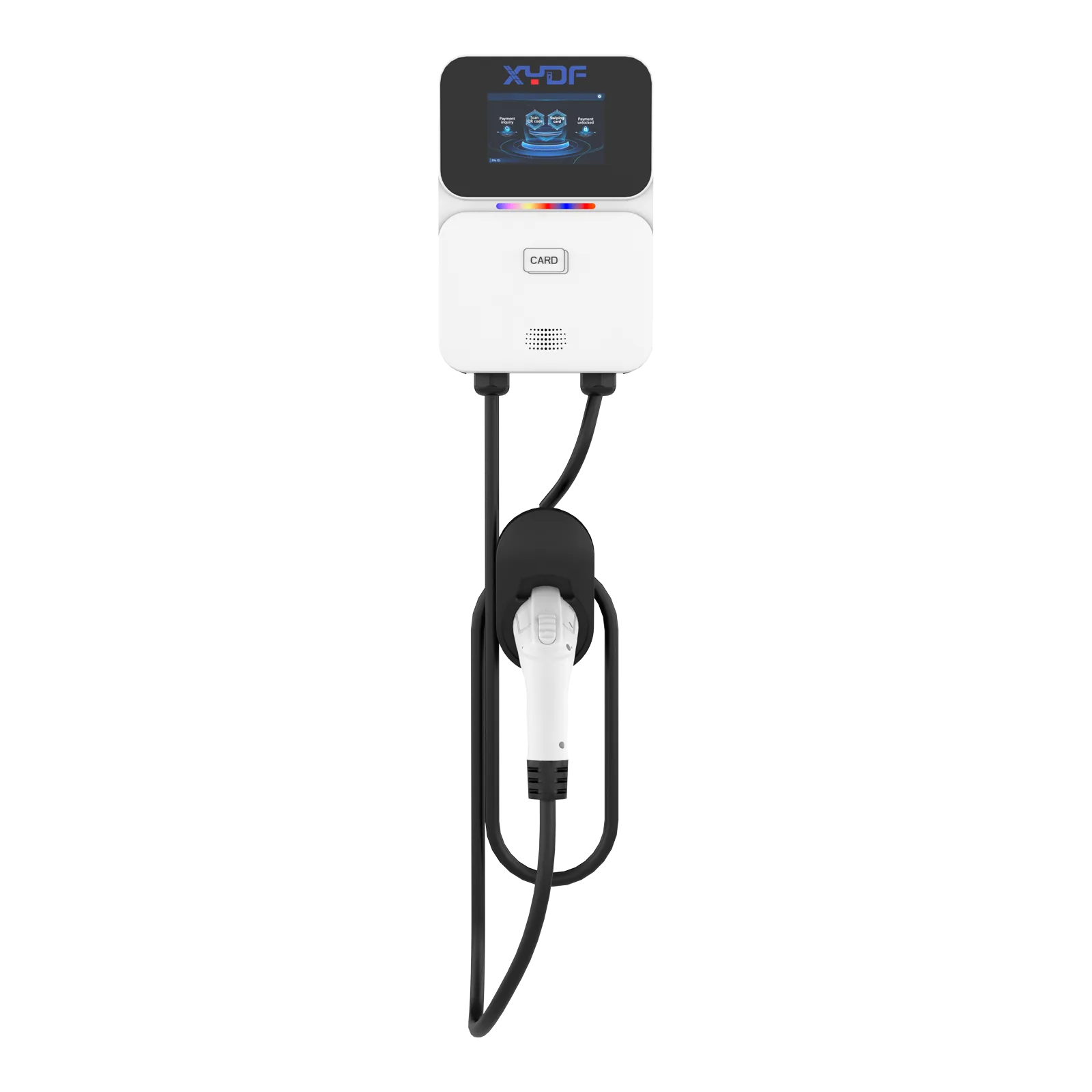
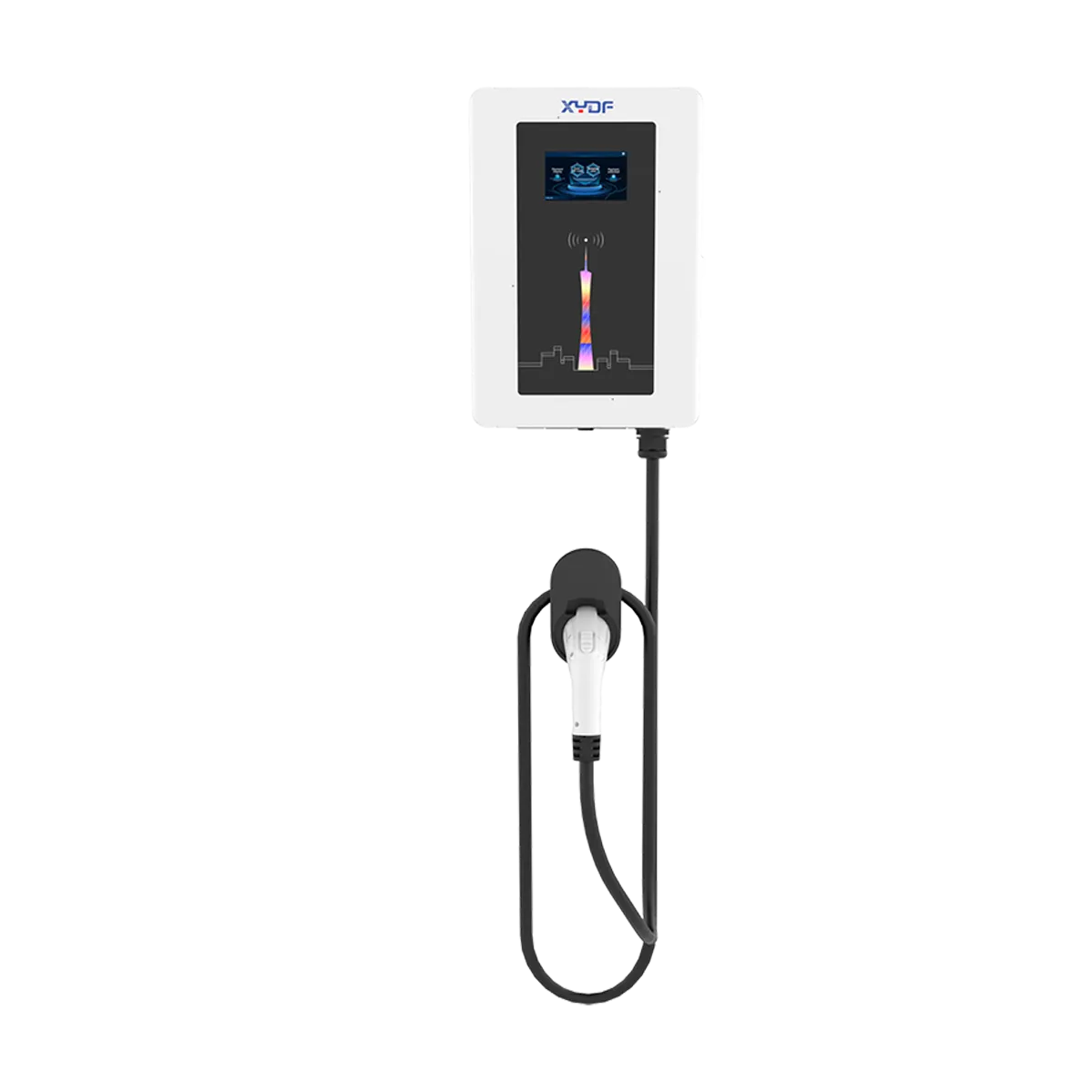
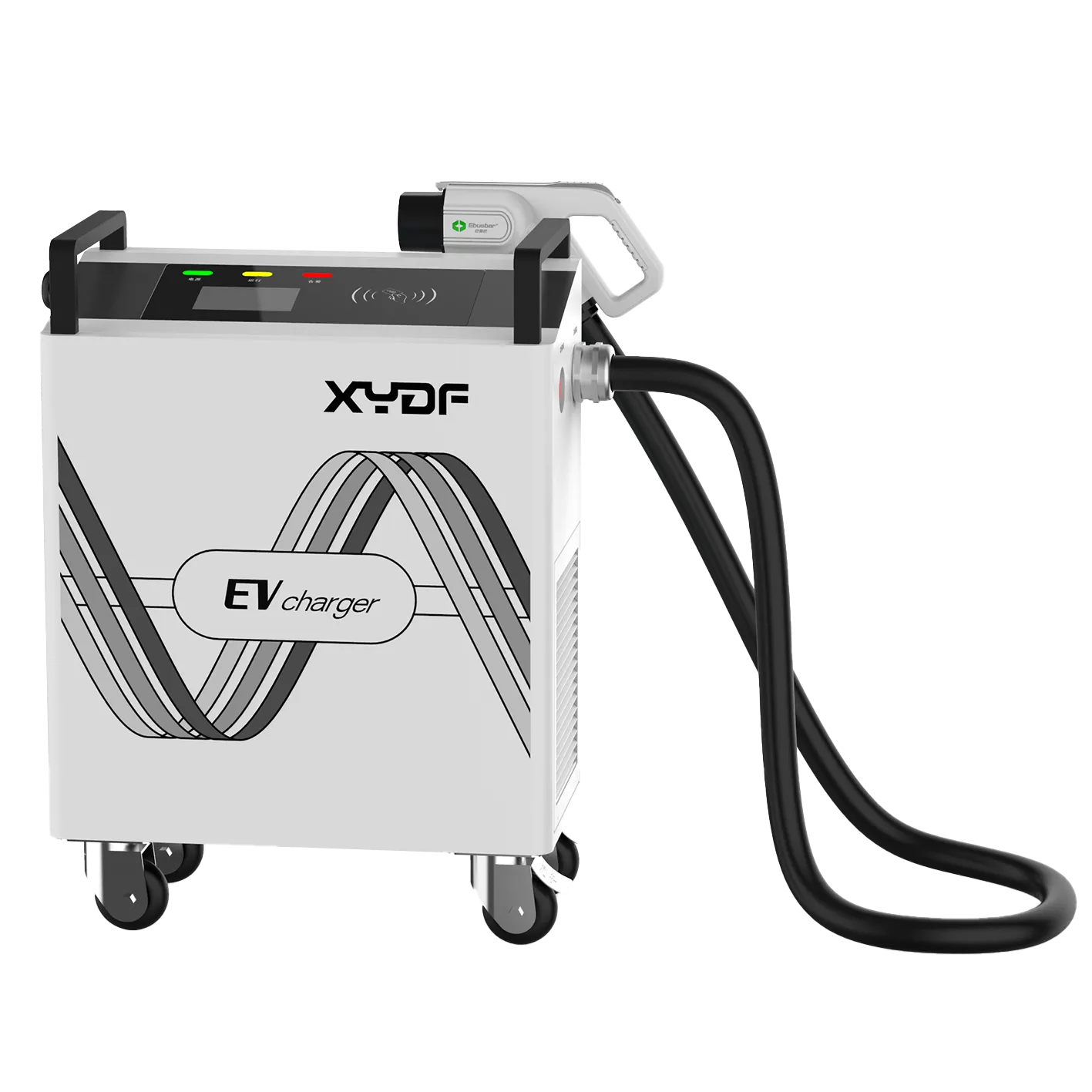
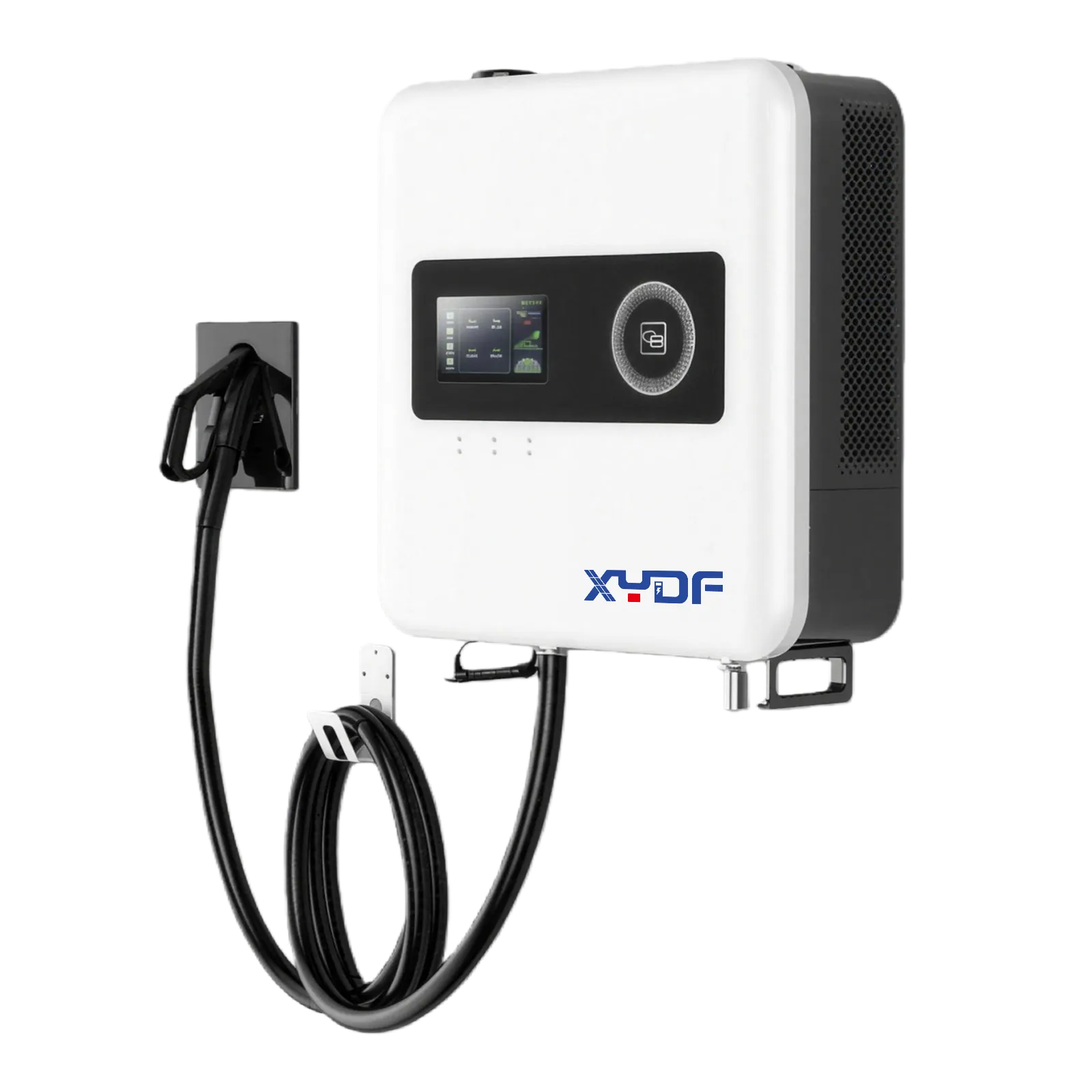
E7 Series 7kW Touch Screen AC Charger
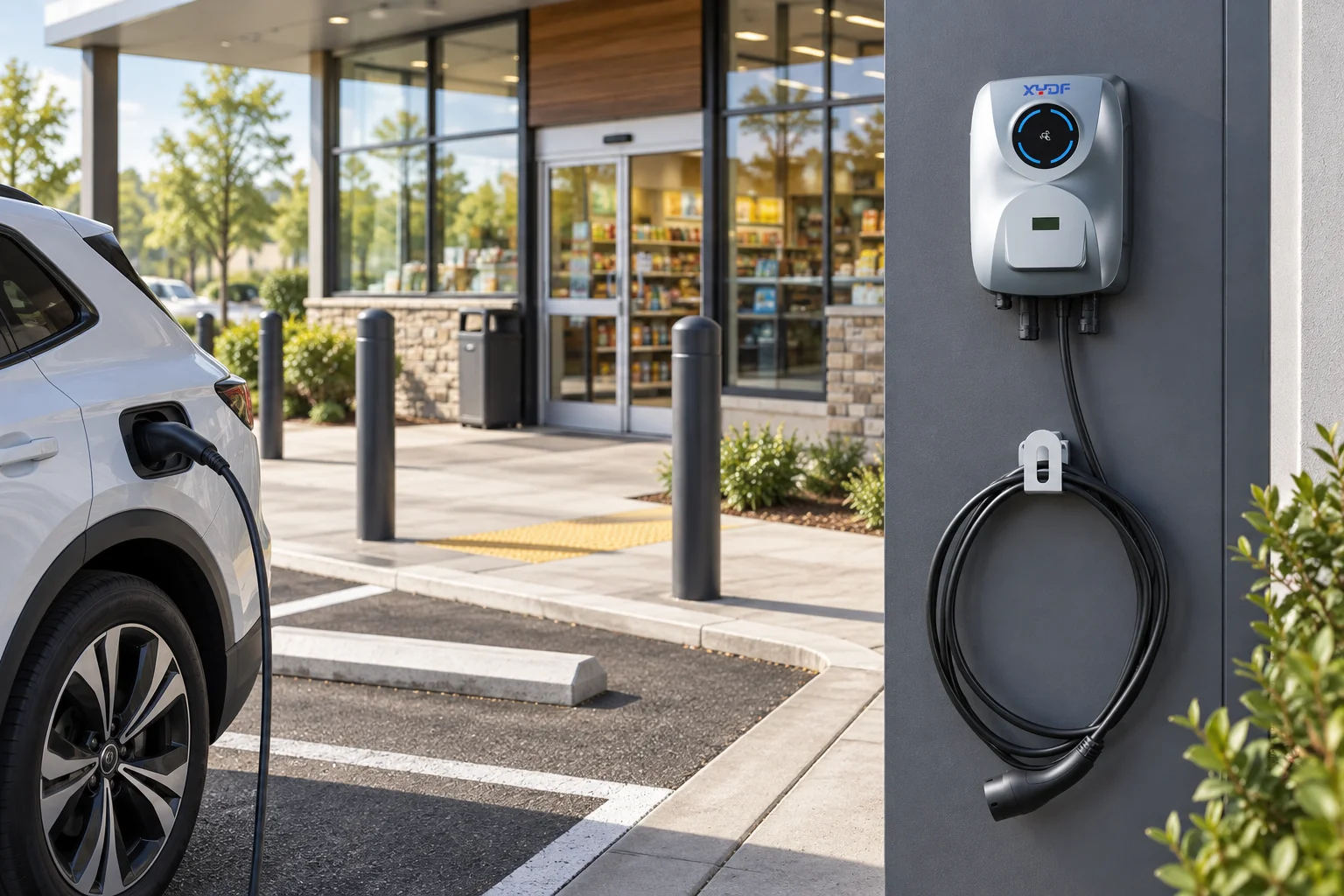
Compact wall or pedestal charger for managed parking, workplaces and small commercial sites.
Published specification: OCPP 1.6J. Wi-Fi, LAN and GPRS communication options are listed.
View E7 SeriesAC and DC OCPP EV charger for operators, distributors and project teams connecting to a charging station management system (CSMS). Select the right model, protocol version and connectivity for your site.
Protocol availability depends on the selected product and configuration; confirm it before ordering.
OCPP (Open Charge Point Protocol) provides a common communication interface between the charger and a CSMS. It can support operational workflows such as status monitoring, session data, remote commands and charging control, subject to the implemented version and backend.
For a commercial deployment, the practical question is not only whether a charger lists OCPP. It is whether the exact charger configuration works with your CSMS and the functions your operation needs.
Start with the power level and site type, then confirm protocol and backend integration for the model you choose.
Compact wall or pedestal charger for managed parking, workplaces and small commercial sites.
Published specification: OCPP 1.6J. Wi-Fi, LAN and GPRS communication options are listed.
View E7 Series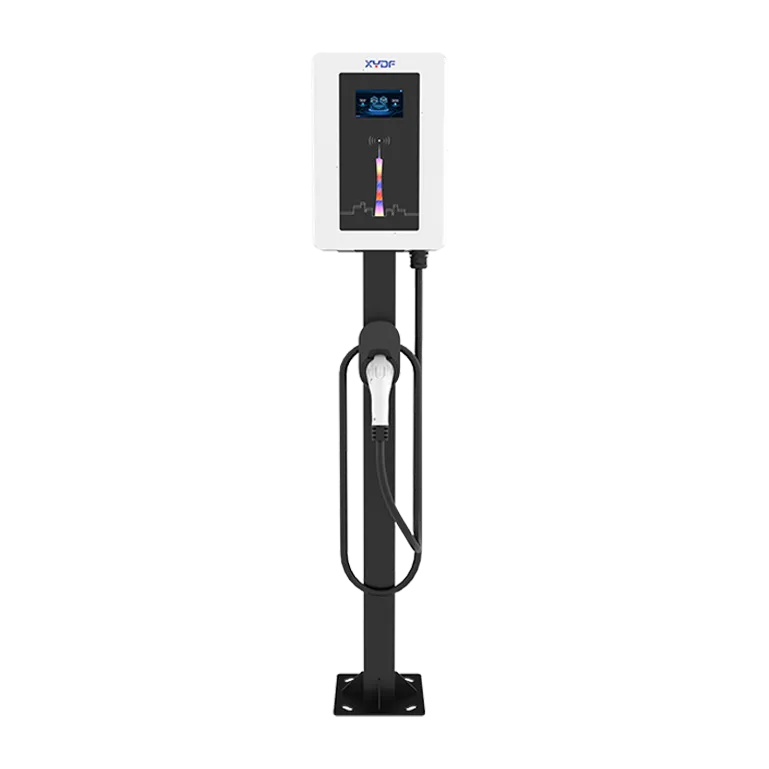
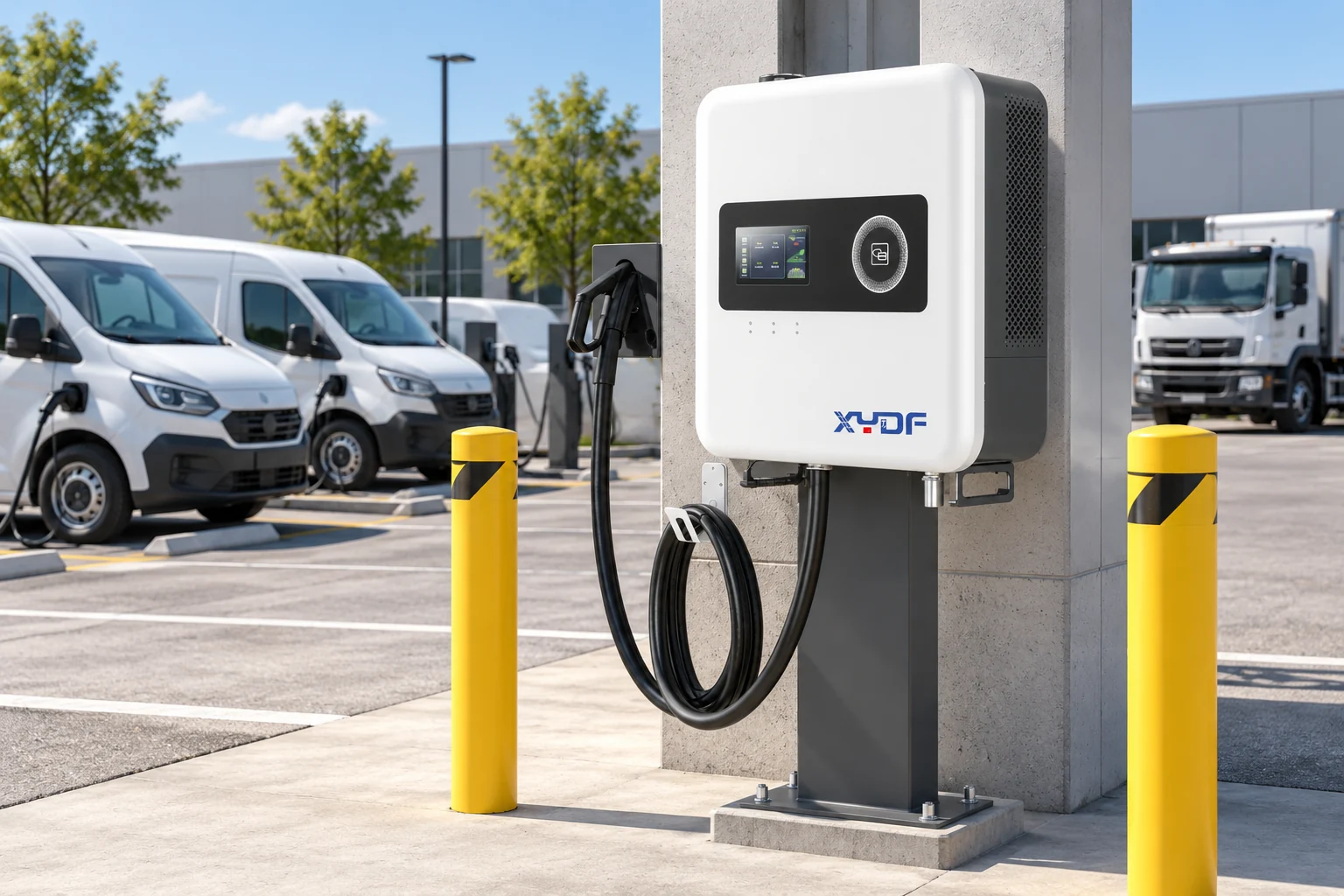
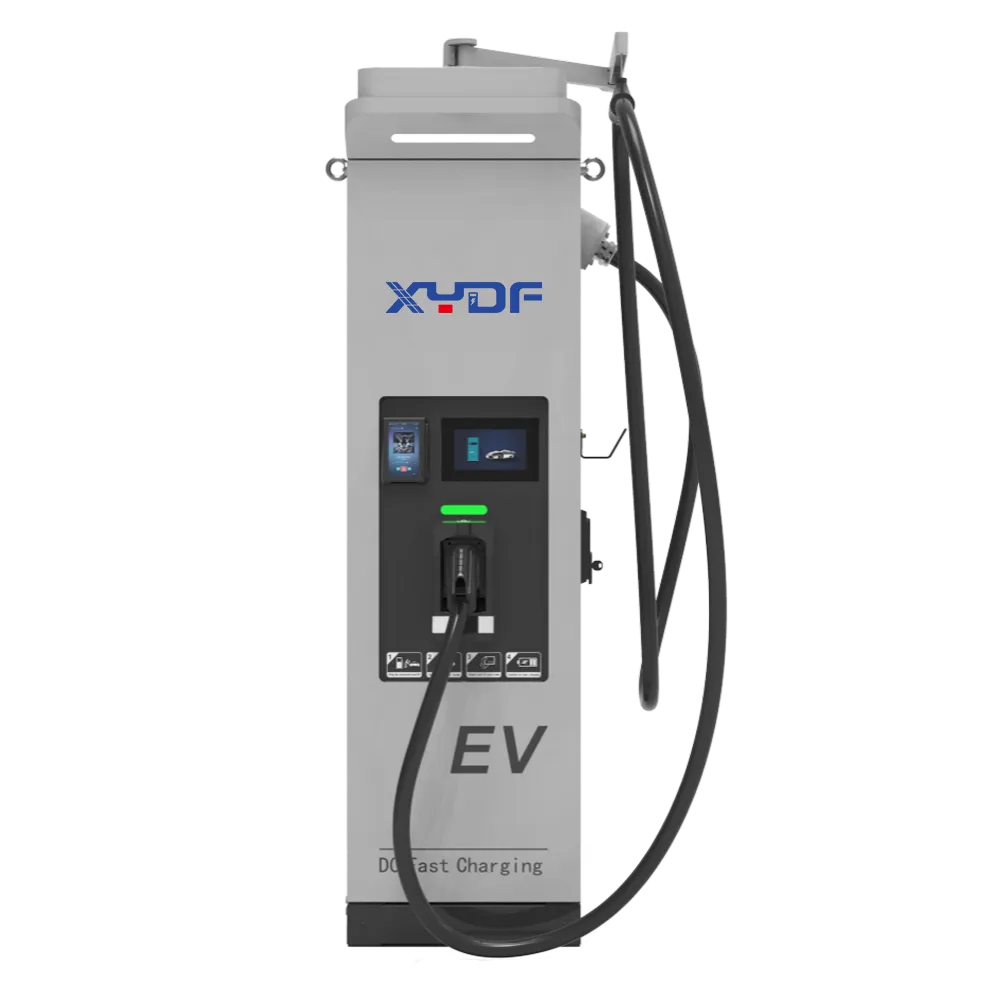
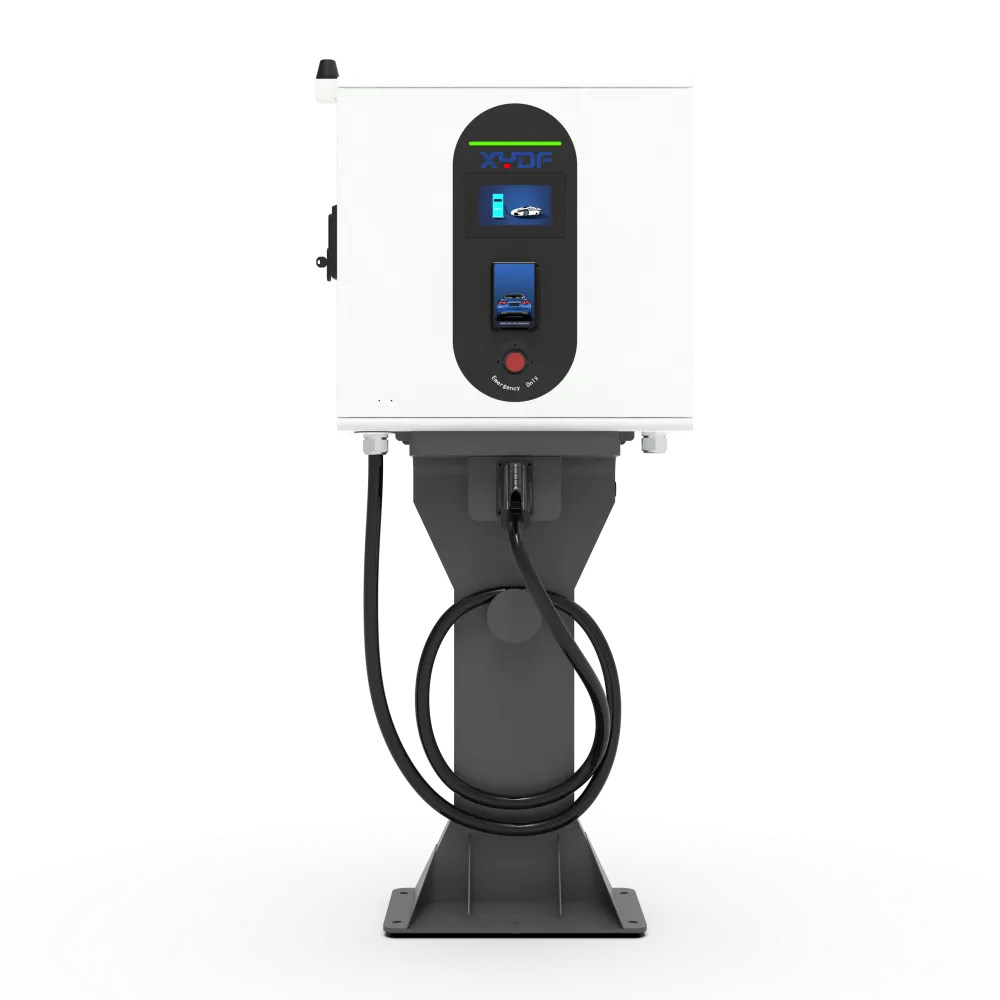
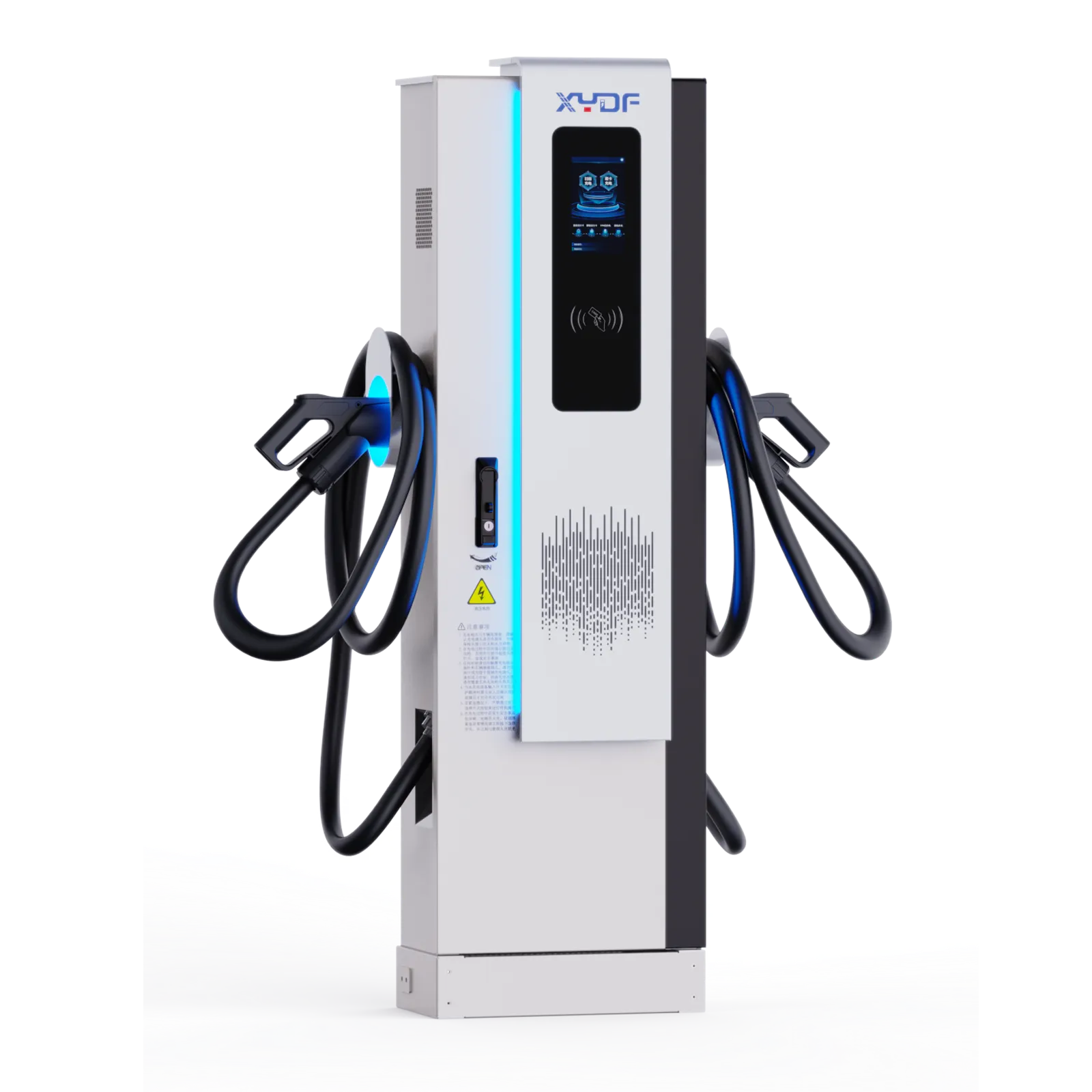
Metal-enclosure charger for commercial parking and shared charging locations.
The product page describes multiple OCPP versions; confirm the exact version and CSMS test scope for your order.
View E22M Series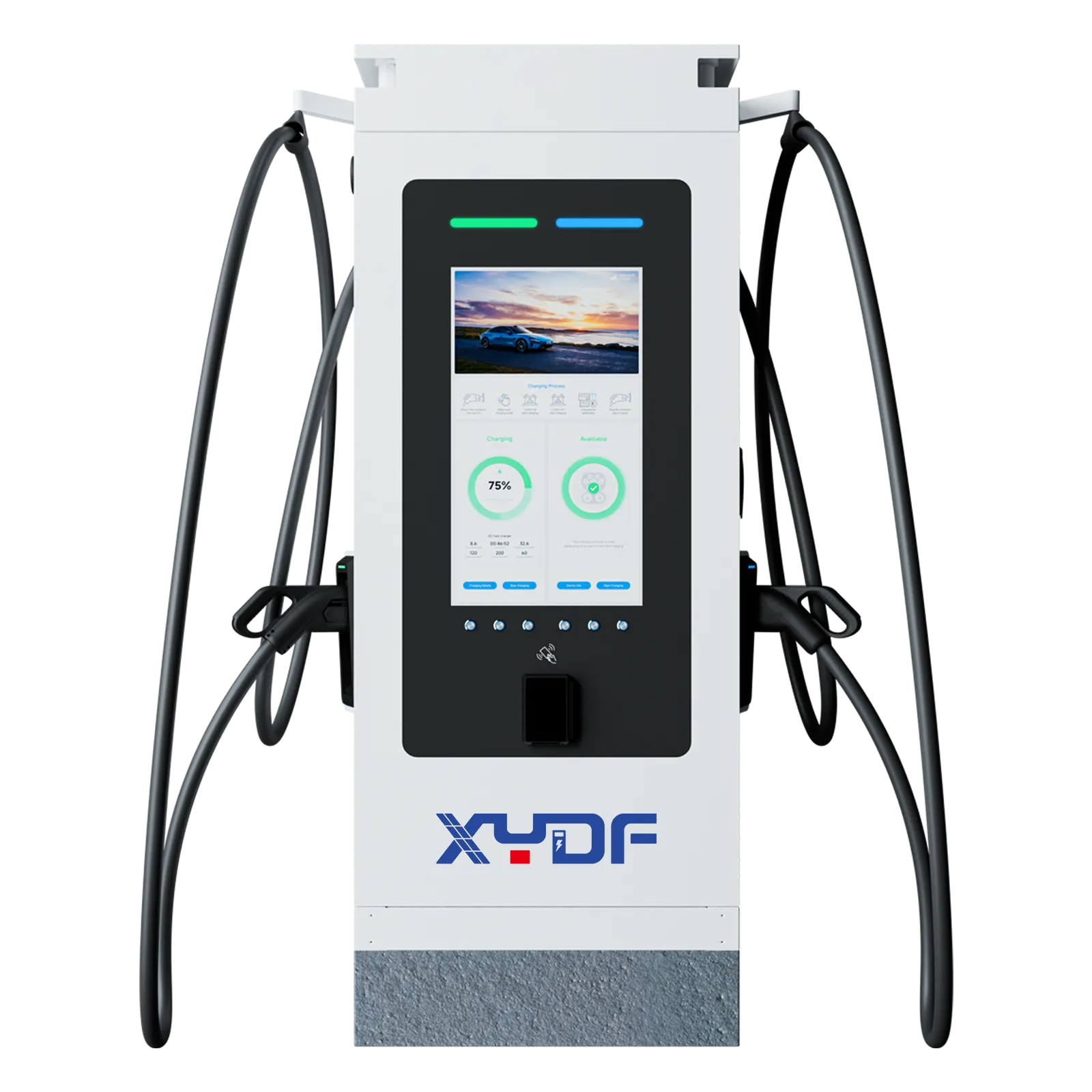
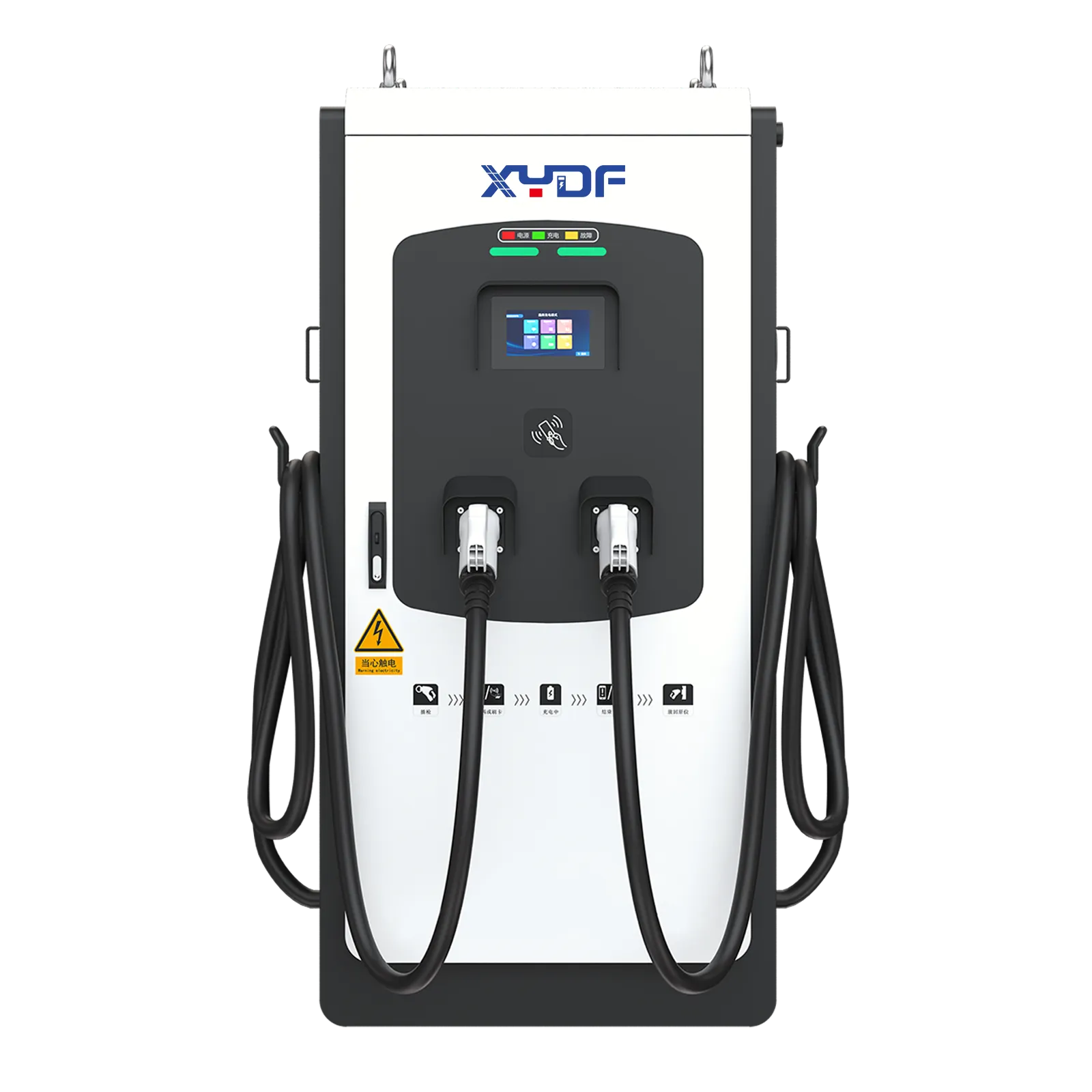
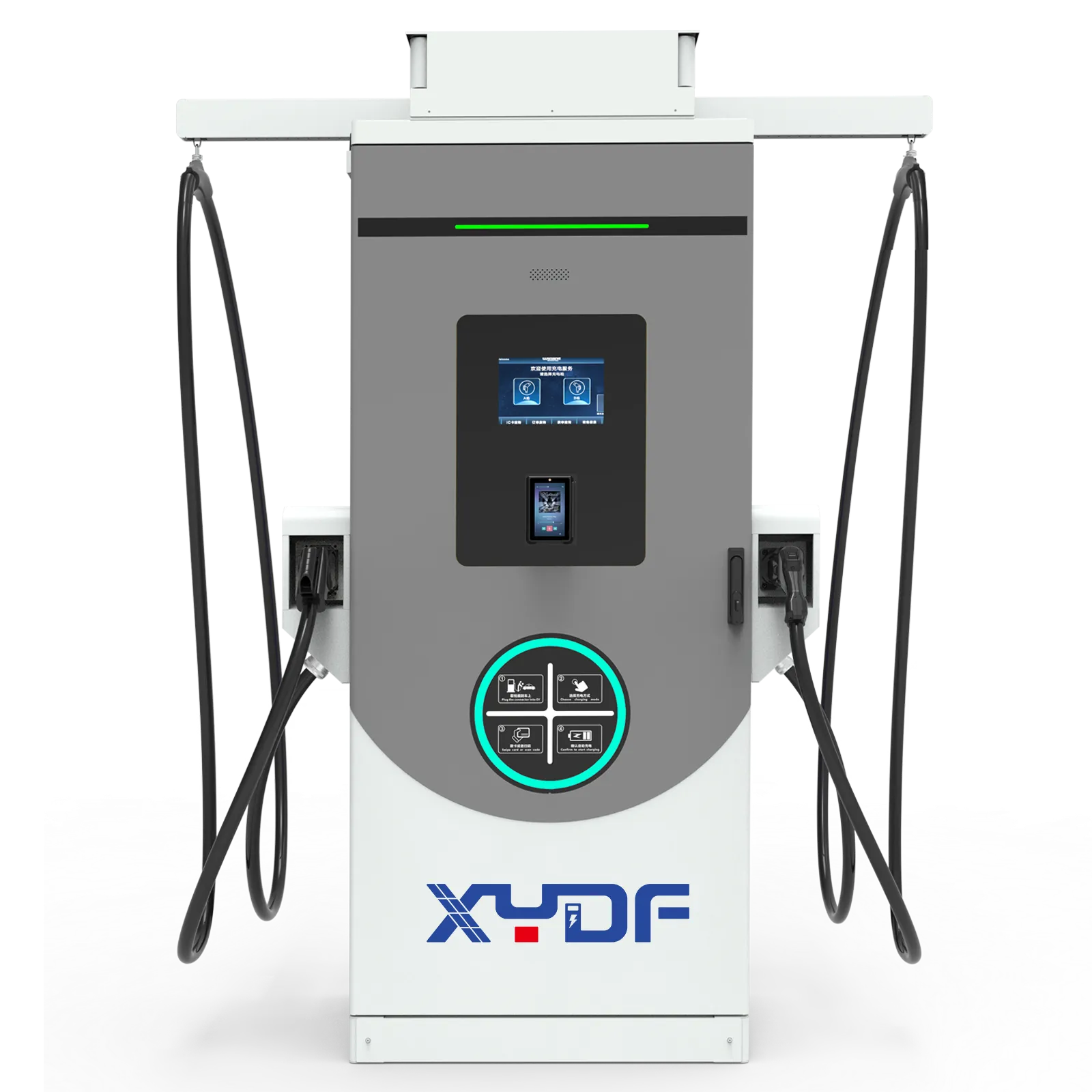
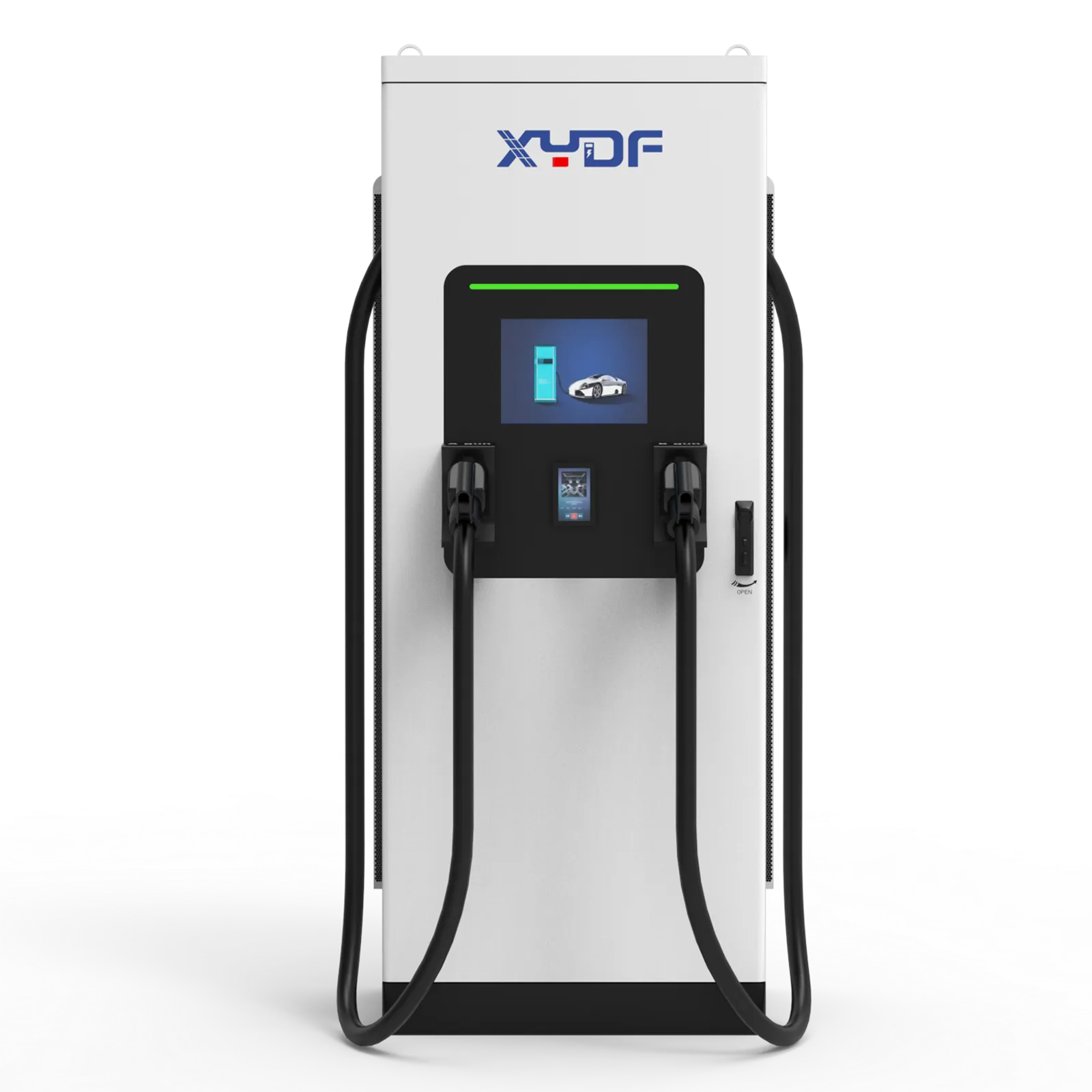
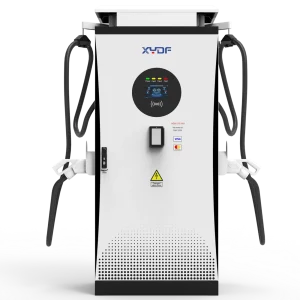
Large-screen DC charger for public and commercial fast-charging sites.
Published specification: OCPP 1.6; OCPP 2.0.x is marked pending. Confirm current availability before procurement.
View EEC2 SeriesA written protocol claim is only the starting point. Align the charger, backend and acceptance tests before finalizing the project configuration.
Tell us which OCPP version your CSMS accepts and whether a tender specifies one.
List required authorization, metering, monitoring, remote control and charging functions.
Match site network conditions with the product’s available Ethernet, Wi-Fi or cellular options.
Agree on CSMS access, test cases, results and any integration work before deployment.
The final feature scope, firmware version, certification status and test responsibility should be documented in the quotation or project specification.
Manage user access and charger status across offices, retail locations and destination sites.
Coordinate sessions and visibility across vehicles returning on planned operating schedules.
Connect distributed AC and DC chargers to an operator’s management platform.
Use these technical guides for deeper reading; this page stays focused on charger selection and project integration.
Understand how chargers communicate with a CSMS, why OCPP matters and what to check when selecting a charger.
Read the guideCompare the two protocol generations and identify questions to discuss with your charger and backend providers.
Read the comparison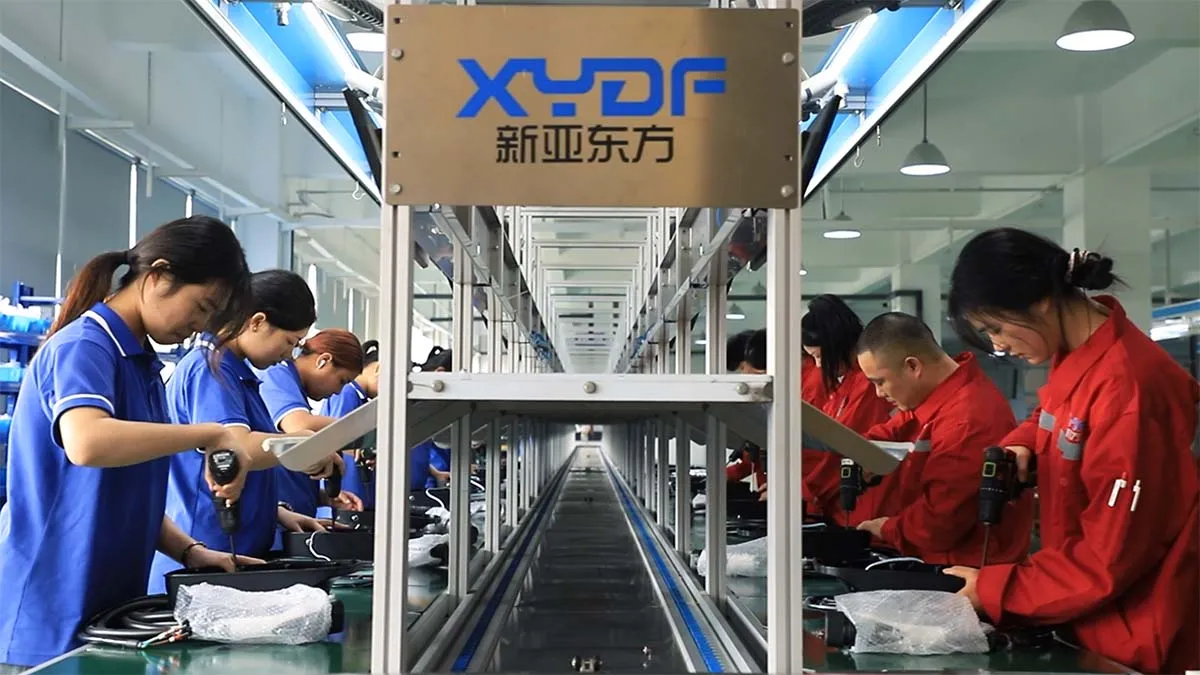
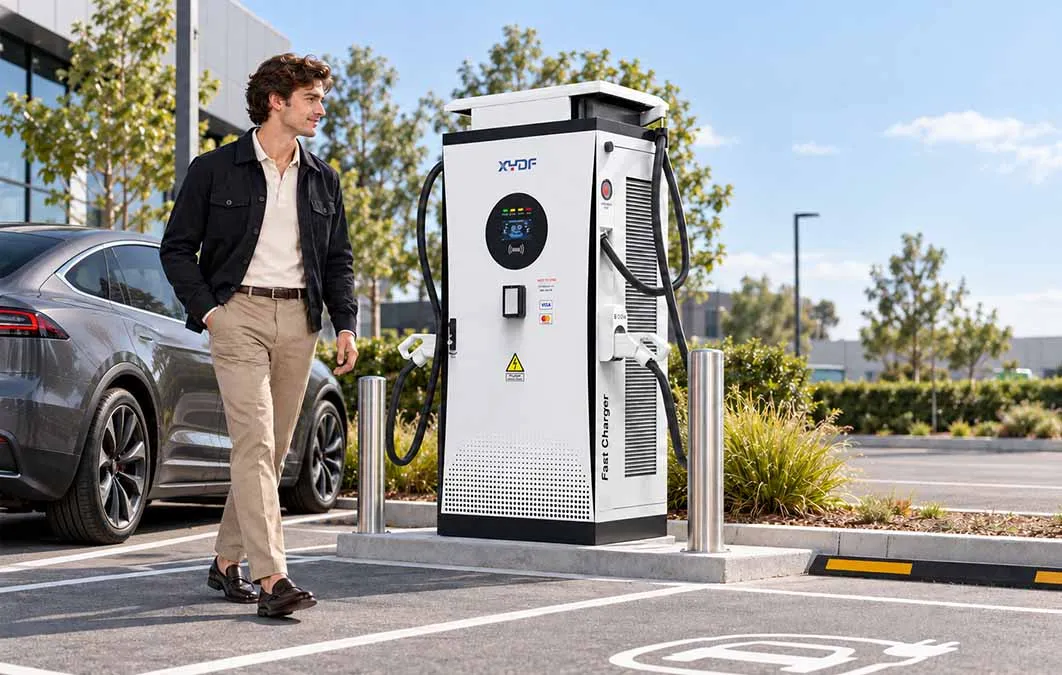
XYDF offers AC and DC EV charger configurations for distributors, contractors and charging operators. Share your target market, connector choice, site power, backend and planned quantity so the team can assess a suitable product and integration scope.
No. OCPP availability varies by product and configuration. Some published product pages specify OCPP 1.6J, while another marks its 2.0.x option as pending. Confirm the exact model, firmware and version with XYDF before ordering.
Not automatically. The charger and CSMS must support the same protocol version and the functions your project uses. Plan a connection and workflow test against your backend rather than relying on a version label alone.
Provide the CSMS platform, required OCPP version, target country, charger type and power, connector standard, connectivity conditions, key workflows and expected quantity.
Start with your CSMS support, tender requirements and operational features. The two versions are not interchangeable by default. For a deeper comparison, see our OCPP version guide.
Yes. Share the intended market, branding requirements, hardware configuration and software integration needs so the scope can be evaluated and included in the quotation.
Tell us your required protocol version, CSMS platform, site type and planned quantity. We can discuss a suitable charger configuration and compatibility test scope.