 Xinya Dongfang Electricity Technology Co., Ltd.



Does battery preconditioning actually make fast charging quicker, or does it simply shift energy use earlier in the journey? The answer depends on whether the vehicle can prepare the battery, whether the route or driver initiates that process, and what temperature the pack reaches before the session begins. Confusing charger capability with battery readiness can lead to longer stops, incorrect performance expectations, and a weak diagnosis when a session ramps slowly. This article separates the vehicle-side and charger-side factors, explains when preconditioning can influence the charging curve, and identifies limits that operators cannot remove through charger selection alone. The aim is a practical way to judge charging observations without treating every slow session as a hardware fault.
Preconditioning usually helps an EV accept DC power closer to its intended charging curve, especially after cold driving, but it does not override the BMS or guarantee a fixed session time. Battery temperature windows are vehicle-specific; the vehicle maker’s manual and software remain the authority. Route-planner integration is the most repeatable trigger. Operators should compare vehicle behaviour, charger telemetry and local energy cost rather than promise a universal improvement.
What happens when the battery is too cold or too hot to fast-charge?
Preconditioning is controlled heating or cooling of the traction battery before high-power charging or driving. For teams asking how to precondition an EV battery for charging, use the vehicle’s route-planner trigger or documented manual control. The BMS monitors temperature, state of charge and protection limits, then restricts current outside the approved window.
Cold-weather charging speed loss is common because a cold battery cannot safely accept the same current as a warmed pack. Heating takes energy and time, so the benefit depends on trip length, weather, state of charge and dwell time. “Ready for fast charging” is a vehicle state, not a charger feature.
| State at arrival | Likely charging behaviour | Operational implication |
|---|---|---|
| Battery prepared by route planner | Power may rise toward the permitted curve sooner | More predictable early-session performance; verify with data |
| Cold battery, no preparation | Current may be limited until cells warm | Longer dwell or lower throughput during cold periods |
| Hot battery or repeated high-power use | BMS may reduce power while cooling | Allow thermal recovery; do not diagnose the charger from one session |
| Vehicle has no automatic preconditioning | Driver may need a manual control, if provided | Give clear instructions and avoid claiming a guaranteed result |
How much faster can preconditioning make a public charging stop?
The honest answer is “sometimes, mainly at the beginning of the session.” A high-output charger can only deliver what the vehicle requests. Temperature, state of charge, pack voltage, connector limits and site power sharing shape the curve for rapid electric vehicle charging. The U.S. Department of Energy describes extreme fast charging as a vehicle-and-infrastructure challenge, not a single nameplate number (DOE Extreme Fast Charging).
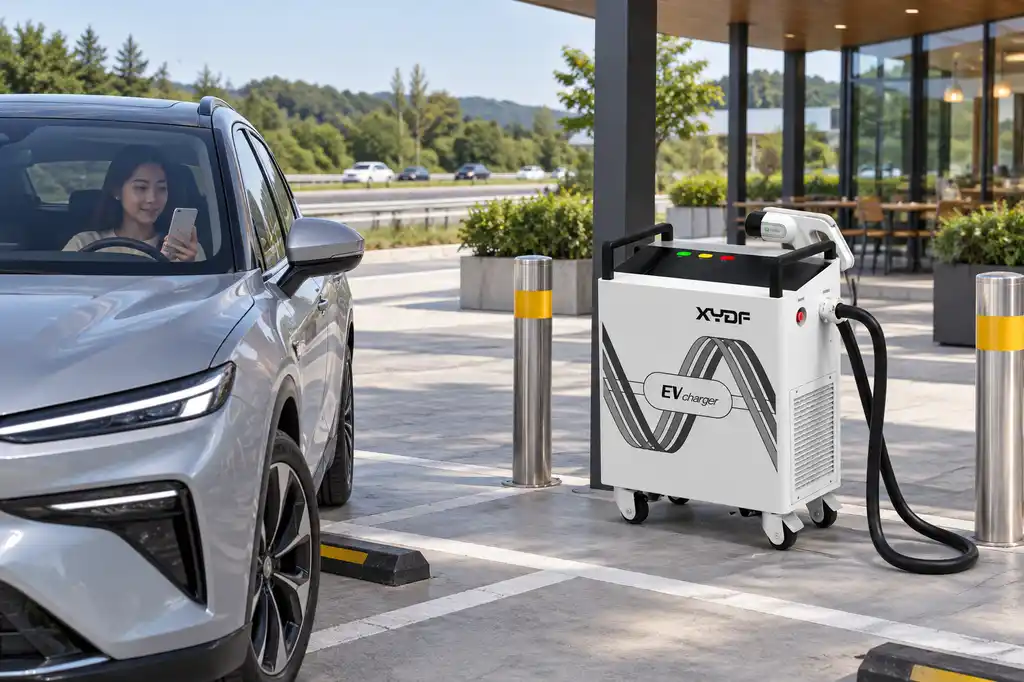
For a public charging operator, compare time to a useful energy target, queue duration, session energy and thermal derating—not peak power alone. Route planning cannot repair a vehicle fault, incompatible connector or pack near its charge ceiling.
When should drivers start preconditioning the battery?
Heating the battery consumes energy that does not go directly to propulsion. On a short trip, that cost can offset time saved; on a long trip, improved acceptance may make it worthwhile. There is no universal threshold or preparation time, so use the maker’s procedure.
When automatic preparation is unavailable, drivers can use the vehicle’s manual control if provided. If no control exists, start charging and let the BMS manage current. Staff should never bypass a warning, alter protection settings or infer battery health from one slow session.
| Dimension | Question to verify | Why it changes the decision |
|---|---|---|
| Vehicle mix | Which models support automatic or manual preparation? | Controls training, route-planner configuration and expected variability |
| Climate and route | Are cold starts, heat soak or repeated fast-charge legs common? | Determines when thermal preparation has operational value |
| Energy cost | What tariff applies to energy used for battery heating or cooling? | Separates time savings from total operating cost |
| Charger design | How are connectors, cabinets and site power shared? | Prevents vehicle limits being misdiagnosed as equipment failure |
| Warranty policy | What does each maker say about frequent DC fast charging? | Aligns dispatch rules and customer advice with the actual warranty |
What should charging operators document before recommending preconditioning?
Vehicle makers and the BMS control battery limits; operators control installation, connector condition, protective devices and communications. The Alternative Fuels Data Center and NREL transportation research inform planning but do not replace the vehicle manual or local electrical code.
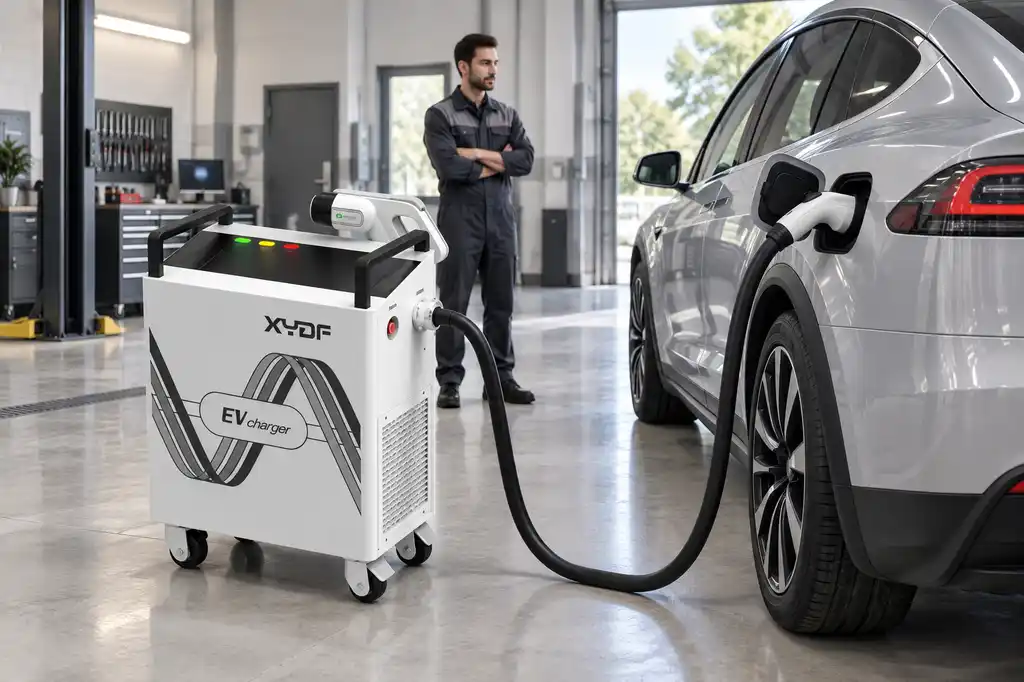
For procurement, request test reports, installation requirements, connector standard and communication behaviour. A test method or installation code is not a blanket performance certification. Warranty guidance matters: frequent DC fast charging may be permitted subject to vehicle-specific conditions, so quote the maker’s current language.
- Map each vehicle model’s temperature-management controls, route-planner triggers and published charging guidance.
- Record arrival temperature state when available, requested power, delivered power and session energy; compare like vehicles under similar conditions.
- Train drivers to navigate to the charging stop, keep software current and use manual controls only as documented.
- Use charger telemetry and site power-sharing records before escalating a slow session as hardware failure.
- Review warranty language with the OEM or dealer when a duty cycle relies on frequent DC fast charging.
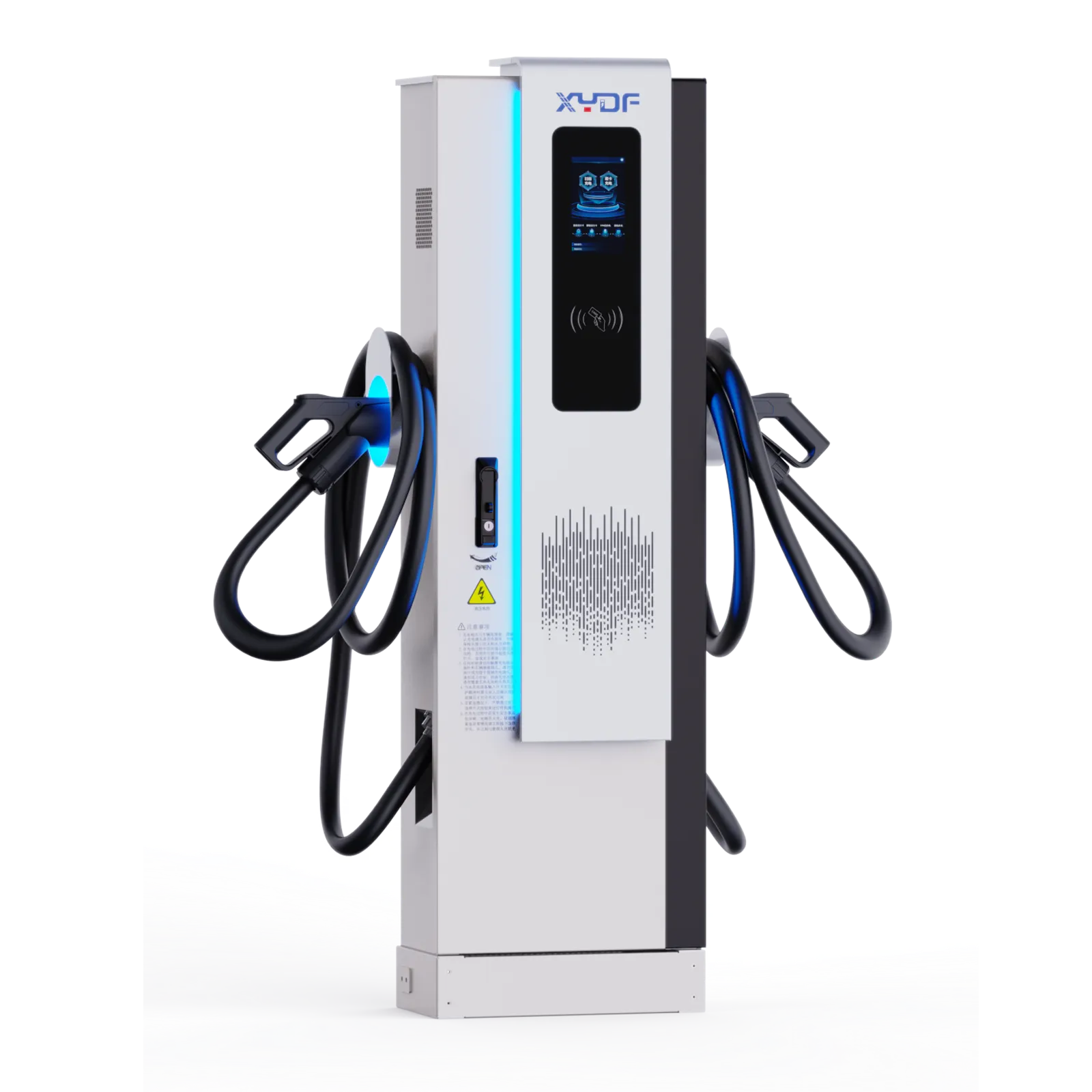
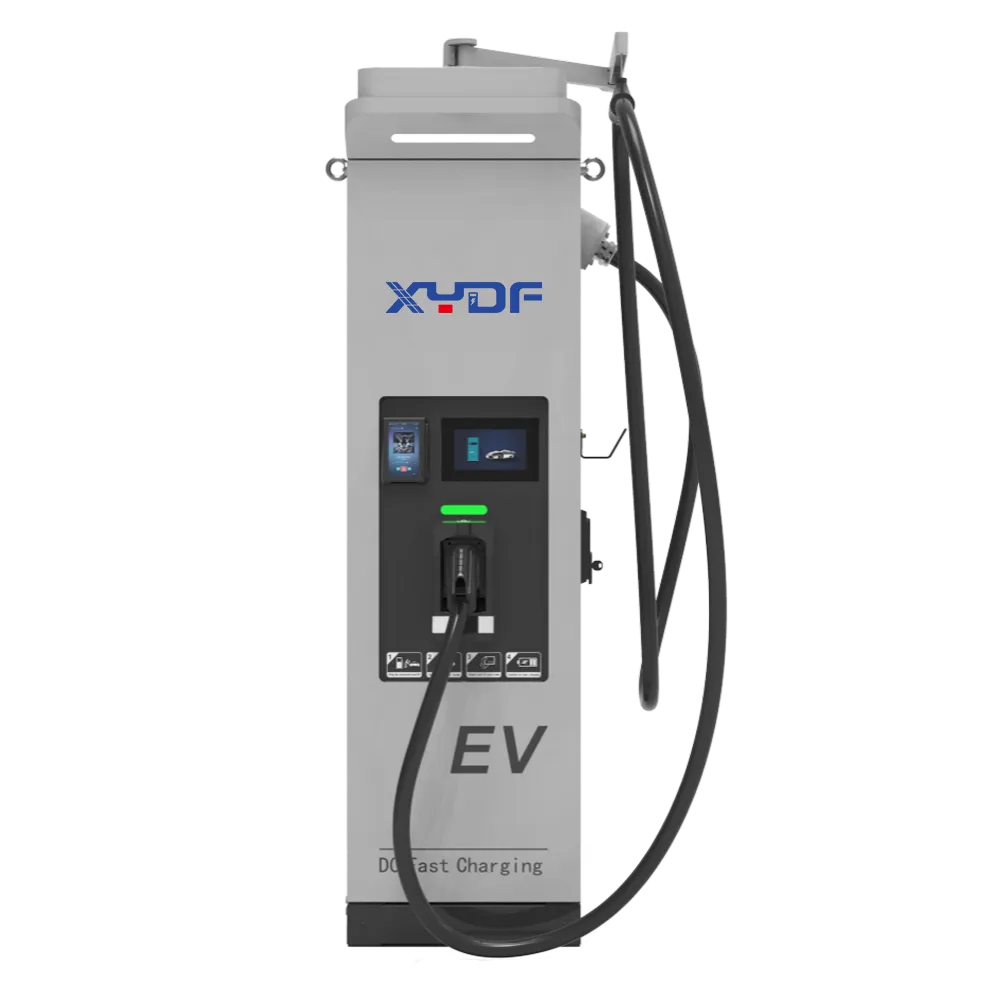
For infrastructure planning, review the Xinya EE DC fast charger range and product catalogue alongside vehicle requirements. Technical teams can help align power architecture and documentation; final limits come from the vehicle and market approvals.
Battery preconditioning questions from drivers and site operators
What is EV battery preconditioning before fast charging?
It is controlled heating or cooling of the traction battery before a planned drive or DC stop. The BMS decides whether preparation is needed and limits current outside the approved window.
Does preconditioning improve DC fast-charging speed?
It can reduce early-session power limits when temperature is the constraint, particularly in cold weather. Results remain vehicle-specific and cannot overcome state-of-charge, connector or site-power limits.
How long before a charging stop should the battery be preconditioned?
There is no universal lead time. Use the vehicle maker’s route-planner behaviour or manual instructions, and validate timing on the vehicle display.
Does preconditioning use extra energy or reduce driving range?
Heating or cooling uses energy, which can reduce driving energy if the benefit is not recovered through a faster stop. The trade-off depends on weather, route length and the vehicle’s thermal strategy.
Can drivers precondition an EV battery in cold or hot weather?
Many vehicles support automatic preparation, but controls differ. If unavailable, follow the documented manual control; otherwise allow the BMS to manage charging without bypassing warnings.
Does rapid charging damage the battery if preconditioning is skipped?
Skipping preparation does not automatically mean damage. The BMS should reduce power or stop charging when needed, but repeated high-power use should follow vehicle-maker guidance and warranty terms. Anyone asking does rapid charging damage an EV battery should avoid a universal claim about whether rapid charging is bad for an EV battery.
- U.S. Department of Energy: Extreme Fast Charging
- U.S. Department of Energy Alternative Fuels Data Center
- National Renewable Energy Laboratory Transportation Research
- How a 350 kW DC Fast Charger Delivers Power Safely
Battery preconditioning can improve the first part of a DC fast-charge session when the vehicle brings its pack into an acceptable temperature window, but it cannot override the battery-management system or make every vehicle follow the same charging curve. Operators should therefore confirm vehicle support and route-planner behavior first, then compare session telemetry, dwell time, and local energy use before changing charger specifications. A slow ramp is not, by itself, evidence of a defective charger or battery damage; the vehicle maker’s guidance, warranty limits, and protection controls remain decisive. For a public site or fleet, the practical sequence is vehicle check, operating test, measured review, and only then equipment selection. If that brief needs a charger-side review, the Xinya EE EV charging equipment range can be assessed against the documented vehicle and site requirements.