 شركة شينيا دونغفانغ لتكنولوجيا الكهرباء المحدودة.


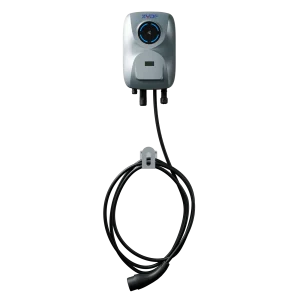
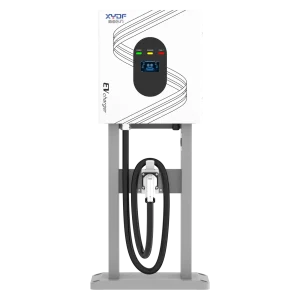

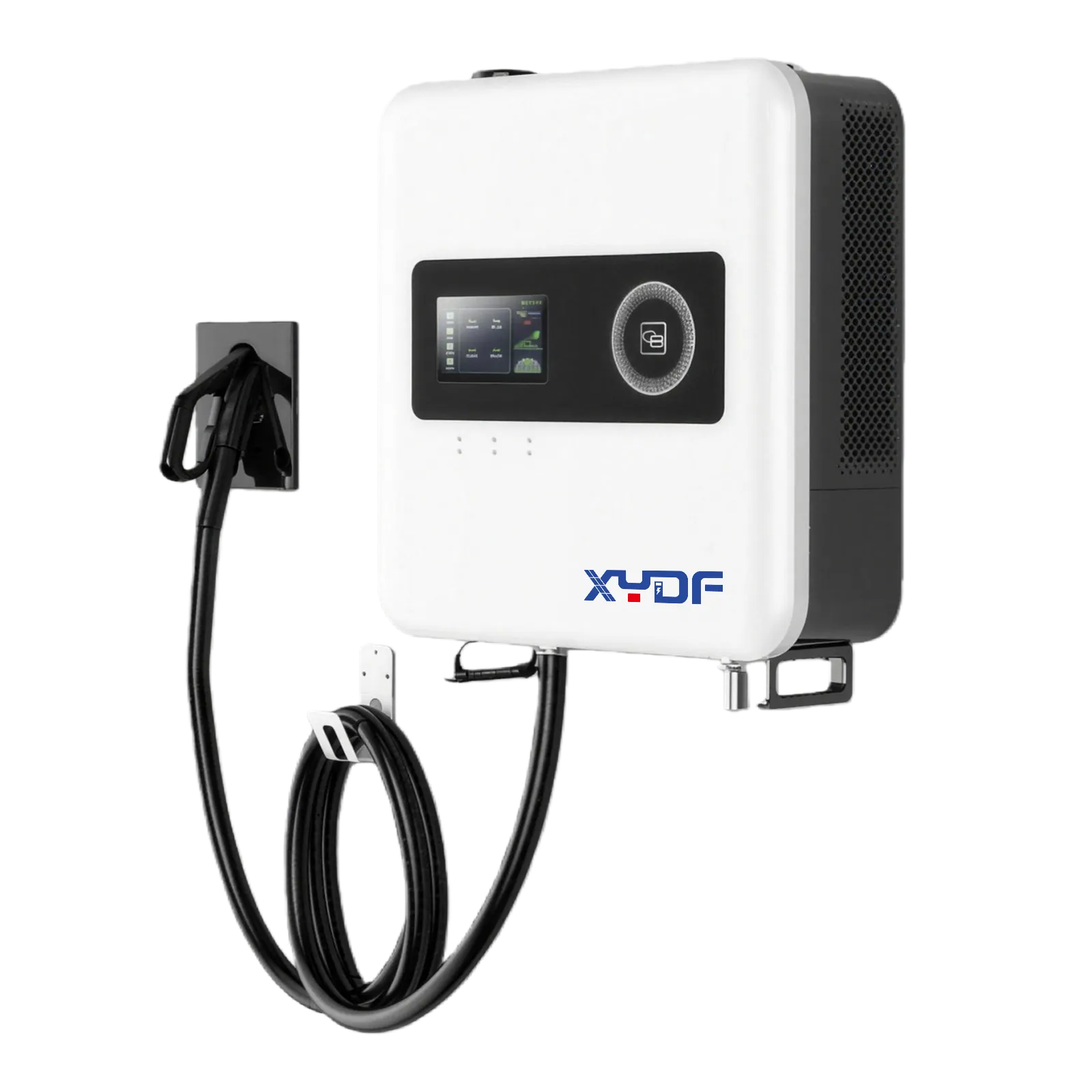
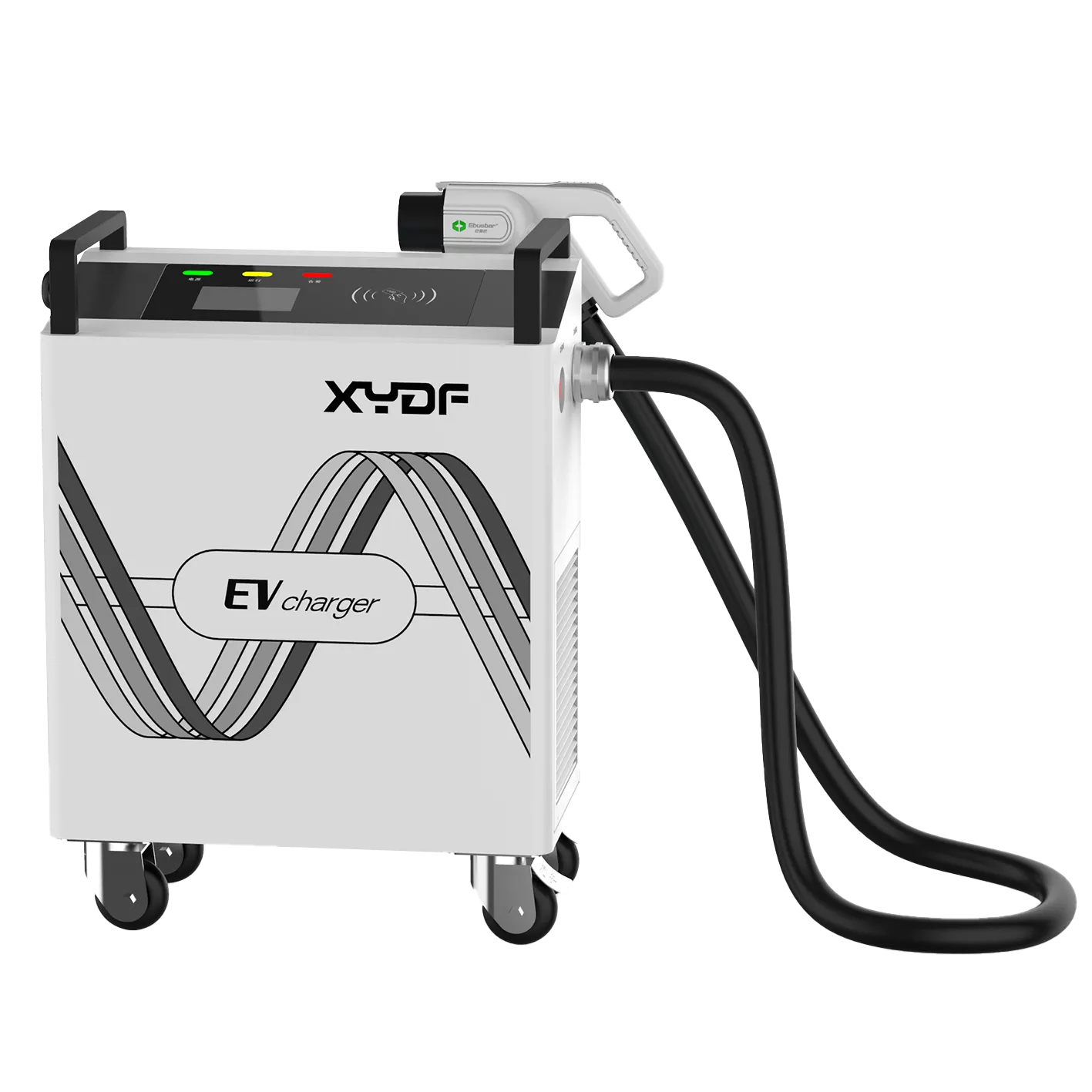
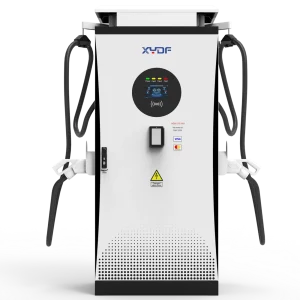
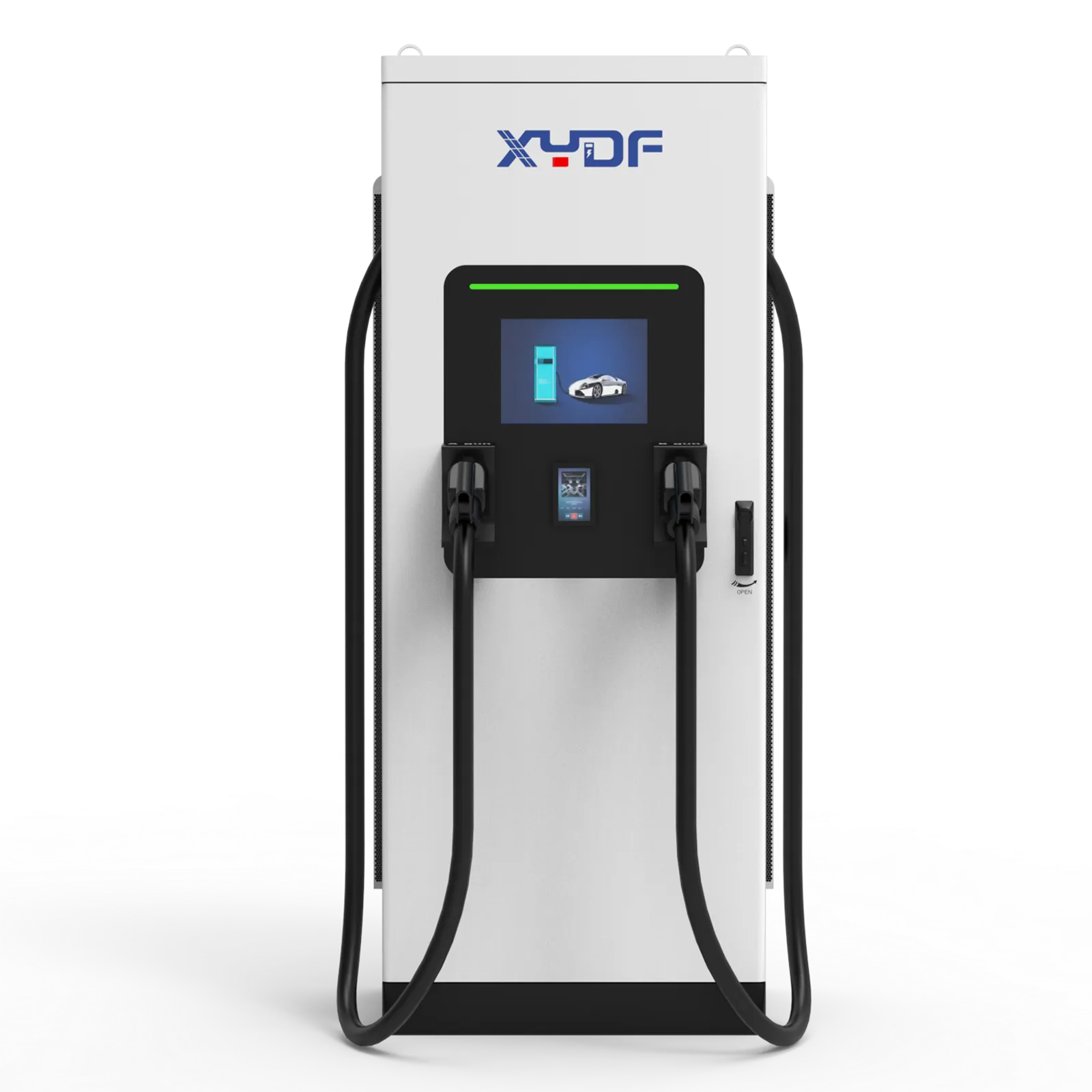
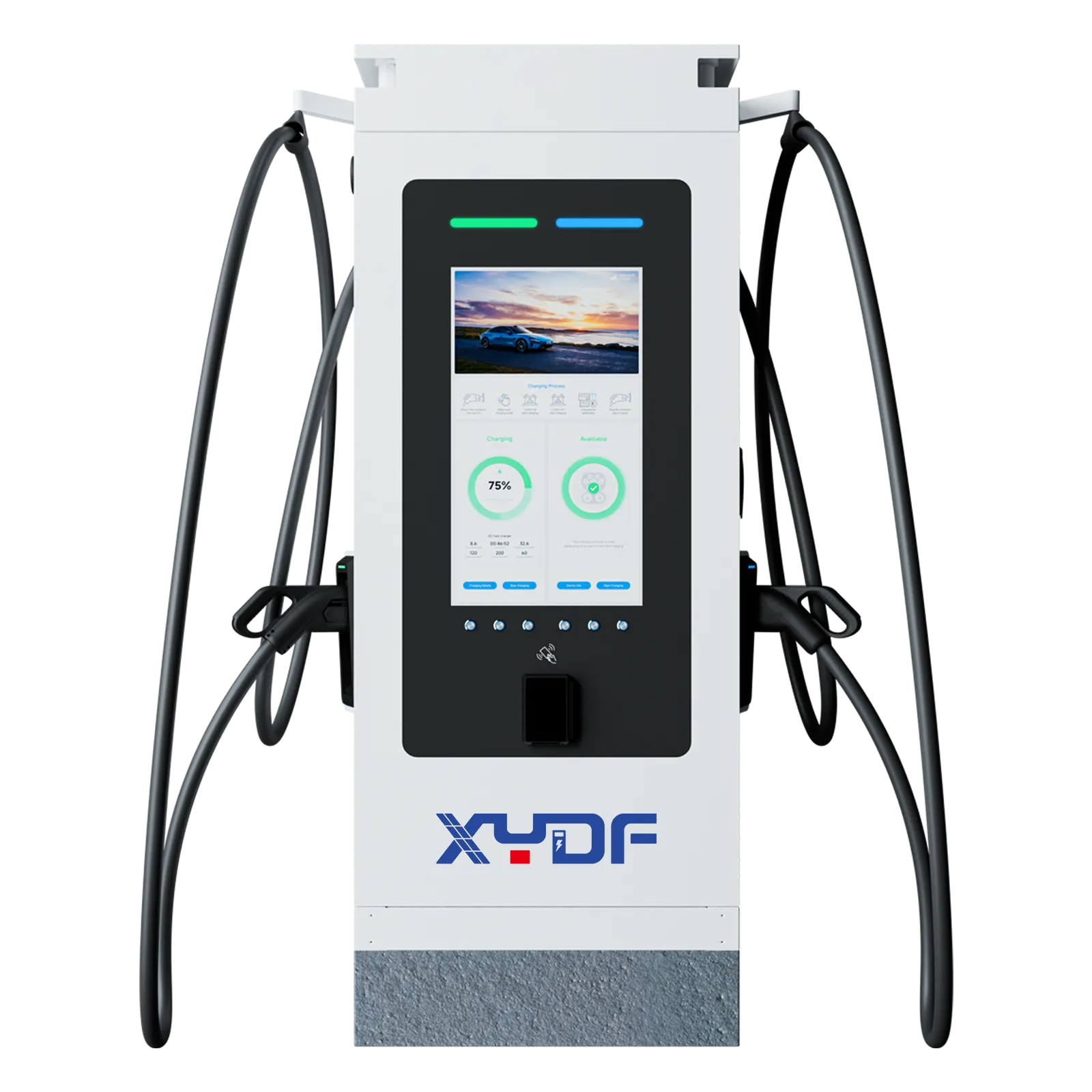
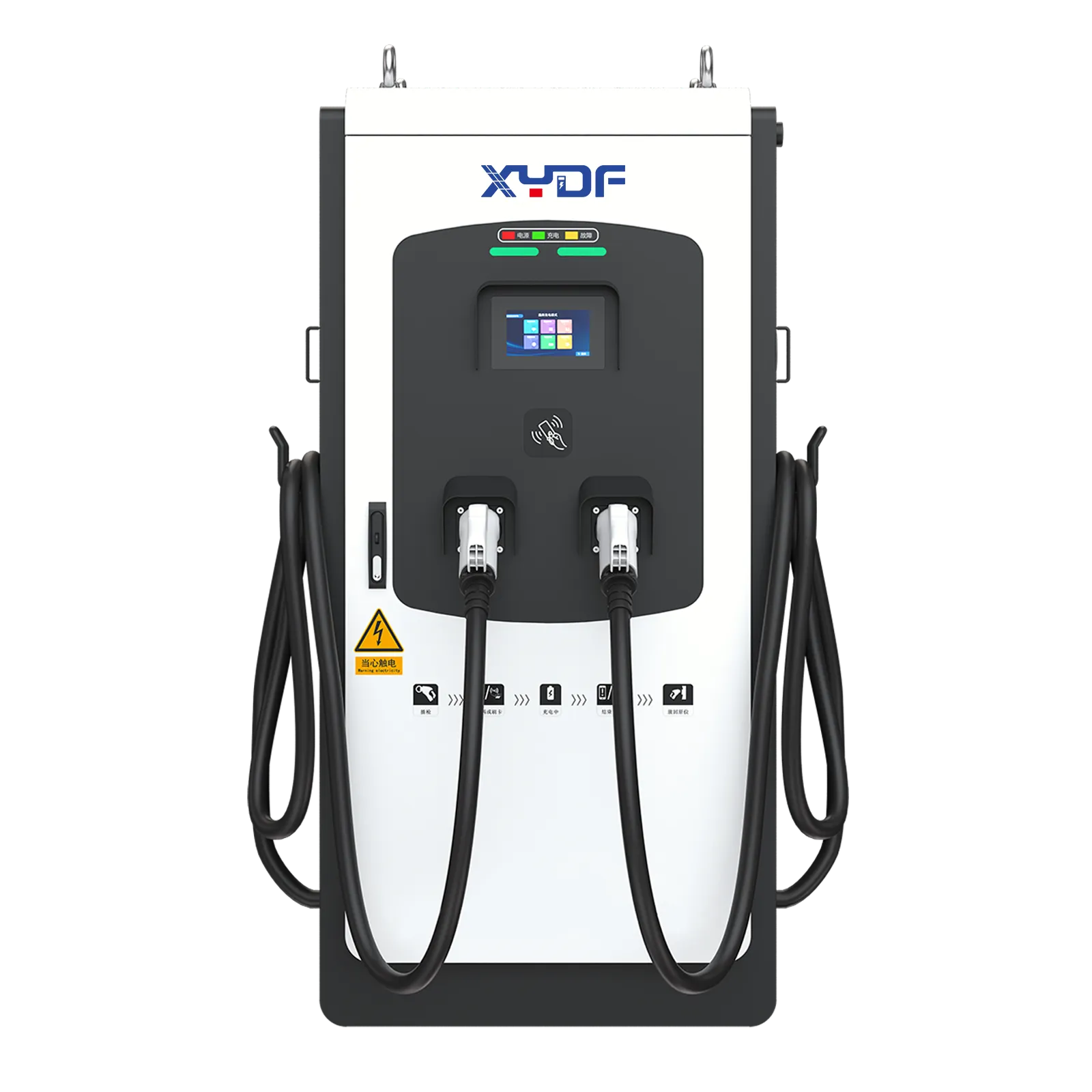
A commercial EV charging SLA becomes useful only when it defines the event, severity, clock, evidence, and exclusions. A broad uptime phrase cannot tell an operator who responds, when the timer starts, what is measured, or how planned work is treated.
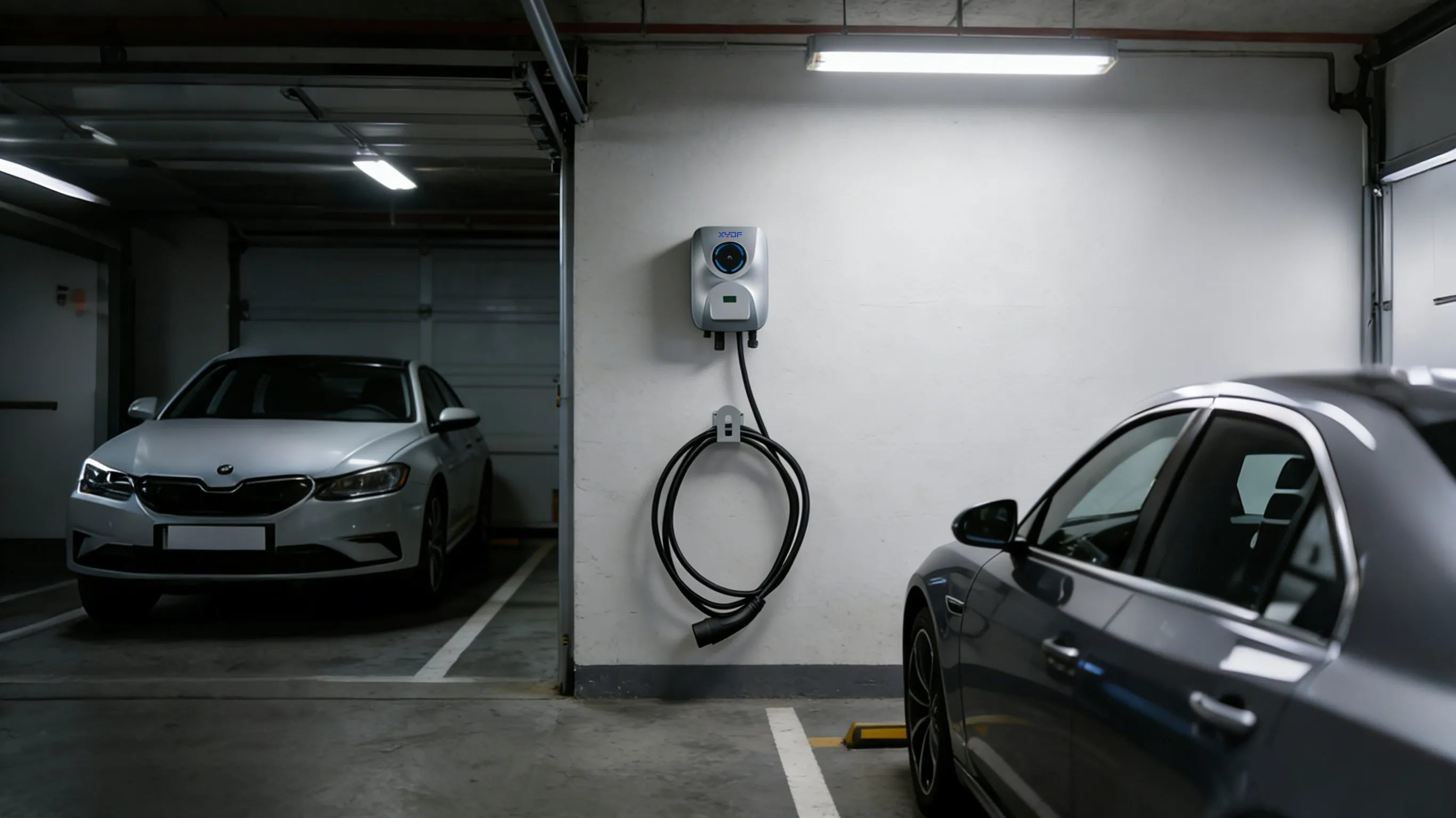
Part 1. Why should an operator define SLA scope first?
An SLA can cover equipment, software, communications, site access, field service, parts, or some combination. Write the scope before discussing a target; otherwise two parties may use the same word for different service boundaries.
The scope should identify the asset, location, service hours, supported interfaces, reporting channel, and the party responsible for each step. A product page cannot substitute for the commercial service document.
Part 2. How should incidents be prioritized?
Use a severity model that reflects operational impact and safety. A complete outage, a single connector issue, a communication alarm, and a cosmetic defect should not automatically start the same clock.
| Severity area | Example question | دليل على الاحتفاظ |
|---|---|---|
| Safety concern | Does use stop pending assessment? | Incident record and escalation |
| Site-wide outage | How many assets or users are affected? | Time range and affected equipment |
| Partial degradation | Is an alternate service available? | Alarm, connector, or session record |
| Information issue | Can operations continue safely? | Ticket and resolution note |
The categories are starting points only. The operator and supplier must agree definitions that fit the site and contract.
Part 3. What should response and resolution targets say?
For each service clock, define the start event, service hours, access assumptions, evidence source and stopping rule. This lets an operator compare acknowledgement, remote recovery, on-site response and verified restoration without turning one broad uptime number into four different promises.
Separate acknowledgement, first response clock, diagnosis, workaround, repair, and resolution clock. Each has a different meaning and may require a different owner. State when the clock starts, which communication channel qualifies, and what evidence closes it.
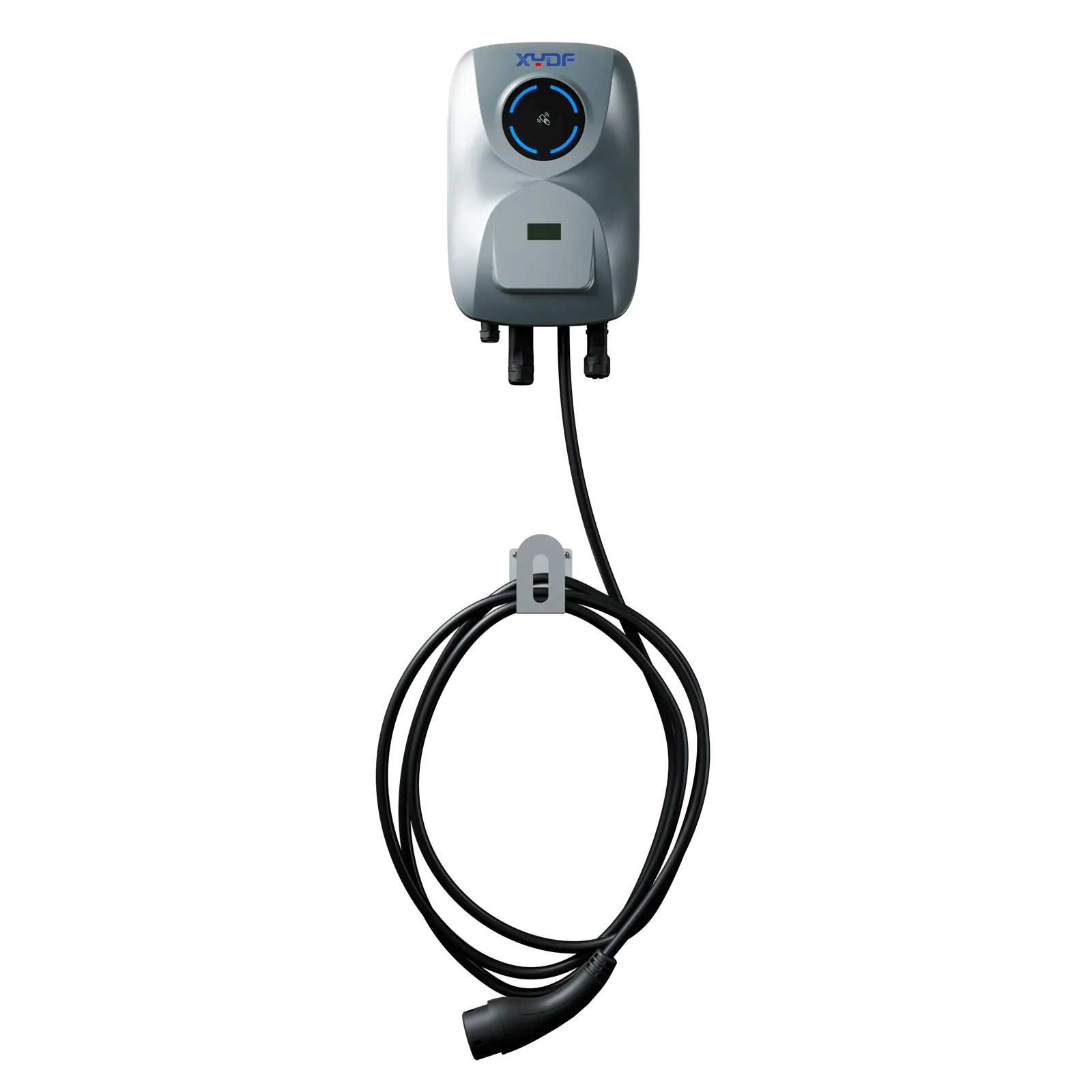
Do not present a response-time number without defining the event, clock, service hours, access conditions, exclusions, and evidence source. The IAEI infrastructure-planning article supports treating charging as a coordinated project, not an isolated product promise.
Part 4. What should uptime include and exclude?
Define the denominator and measurement interval before accepting an uptime target. Ask whether uptime means a charger is powered, available to start a session, connected to a network, usable by a specified vehicle, or available across a site. These are not interchangeable measures.
Also identify conditions outside the service commitment: utility outage, site access, vehicle fault, communications dependency, planned maintenance, misuse, severe events, or an unapproved change. Exclusions should be explicit rather than hidden in a headline percentage.
ال commercial high-availability guide is useful adjacent reading, but it does not establish a service commitment for XYDF equipment.
Part 5. How should planned work be handled?
The SLA should state how planned maintenance, software changes, inspections, parts replacement, and site access are notified. Include notice period, approval contact, expected impact, rollback or recovery path, and the record supplied afterward.
Planned work is not automatically an incident, but it can still affect operations. The operator needs a shared calendar and a named escalation route when work exceeds the agreed window.
Part 6. Which evidence should an operator request?
Request evidence that can be compared across incidents and reporting periods: ticket ID, timestamps, severity, affected assets, actions, parts, cause classification, resolution, and any follow-up recommendation. Ask who owns the source data and how corrections are handled.
ال warranty terms comparison و preventive-maintenance plan address adjacent buyer questions. Neither should be treated as a substitute for a negotiated service SLA.
Part 7. What should be in an SLA RFQ?
Give suppliers a structured question set so responses can be compared without assuming an outcome.
| Buyer should request or define | لماذا هذا مهم |
|---|---|
| Asset and service scope | Establishes what the SLA covers |
| Severity definitions | Sets the event classification |
| Response and resolution clocks | Makes targets measurable |
| Uptime denominator and exclusions | Prevents incomparable percentages |
| Planned-work notice and access rules | Keeps scheduled work visible |
| Evidence and reporting format | Enables operational review |
| Escalation contacts and exceptions | Defines what happens when normal support fails |
After the service boundary is clear, buyers can review the مجموعة شواحن DC السريعة and send the requirement through the صفحة الاتصال. This article does not claim any XYDF SLA, uptime, response, resolution, remote-monitoring, field-service, or parts promise.
الأسئلة الشائعة
What should an EV charging SLA include?
Define asset and service scope, severity, response and resolution clocks, measurement, exclusions, planned work, evidence, contacts, and escalation. A headline uptime number without these fields is incomplete.
How are incidents prioritized?
Use agreed severity categories that distinguish safety concerns, site-wide outages, partial degradation, and lower-impact information issues. The operator and supplier should define the actual matrix.
Who owns first response?
The contract should name the intake channel and the party responsible for acknowledgement, diagnosis, field coordination, and escalation. Do not infer ownership from a product category.
Does uptime include the vehicle or grid?
It depends on the agreed denominator. Buyers should distinguish equipment availability, session start, network connection, vehicle compatibility, and utility availability before accepting a percentage.
What records should an operator request?
Request ticket ID, timestamps, severity, affected assets, actions, parts, cause classification, resolution, and follow-up. Also identify the data owner and correction method.
How are planned outages handled?
Define notice, approval, expected impact, maintenance window, escalation if work runs late, and the completion record. Planned work should be visible even when it is excluded from an incident clock.
What should be in an SLA RFQ?
Include scope, severity, clocks, uptime denominator, exclusions, planned work, reporting, contacts, escalation, site access, and exceptions. Ask the supplier to identify unsupported assumptions.