 Xinya Dongfang Electricity Technology Co., Ltd.


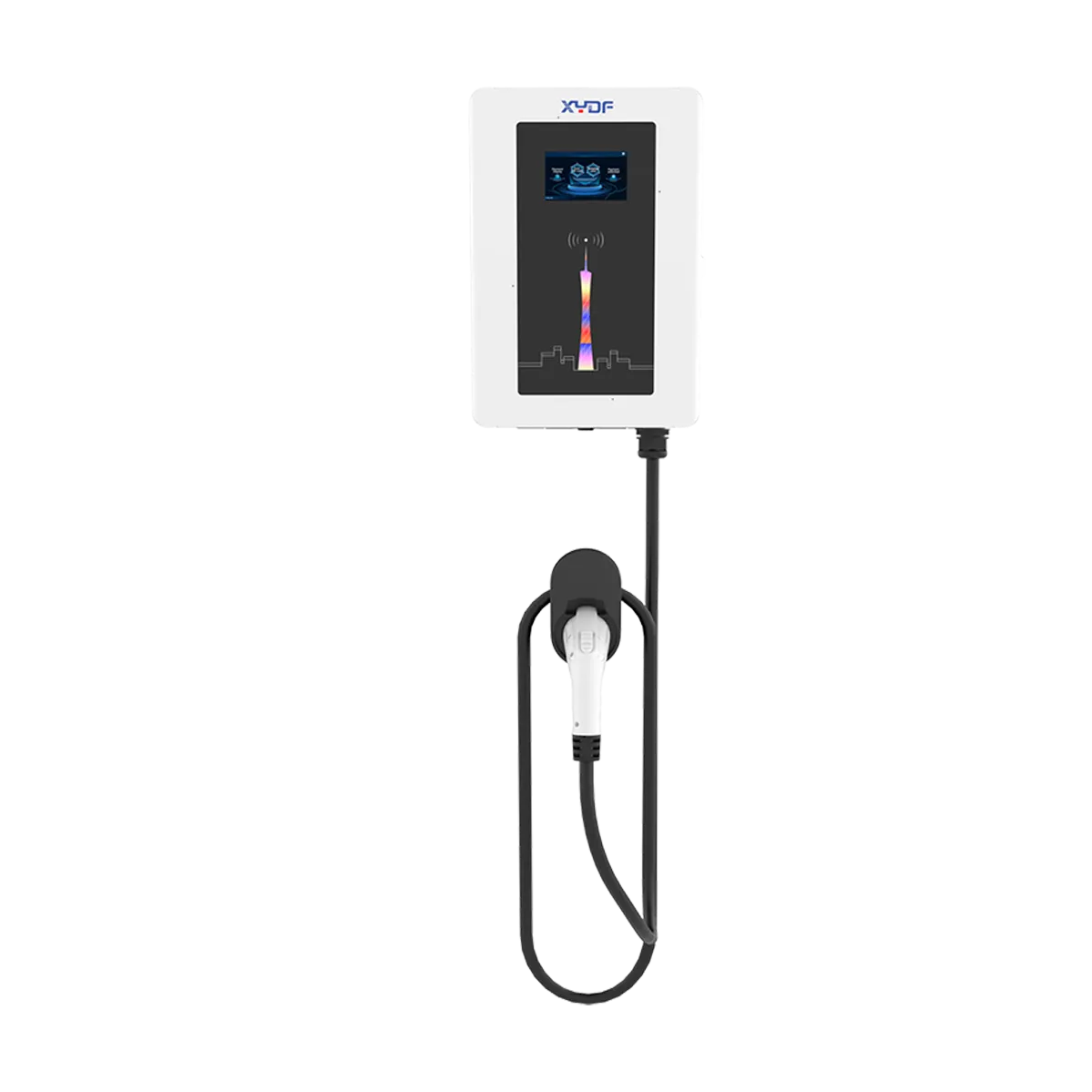
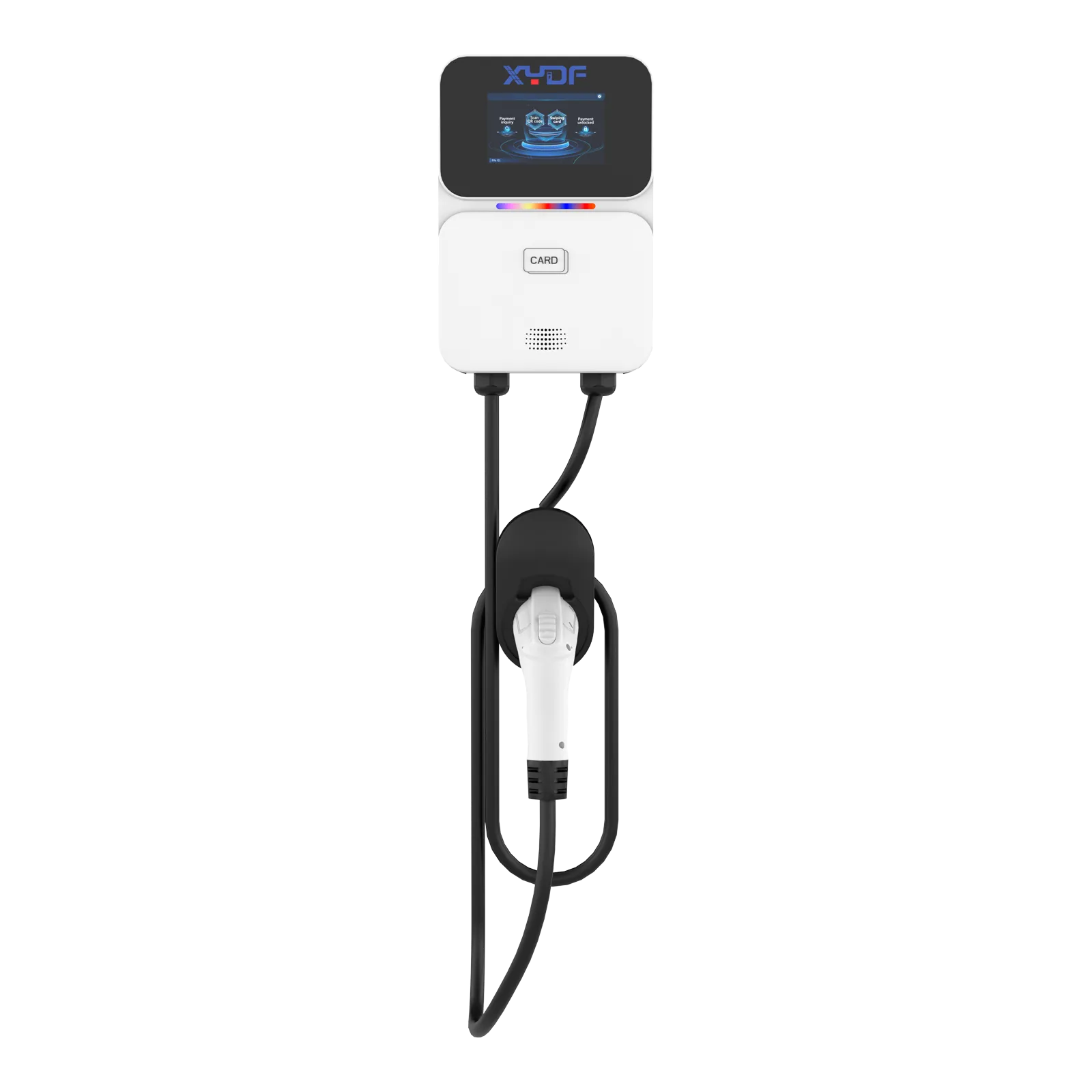
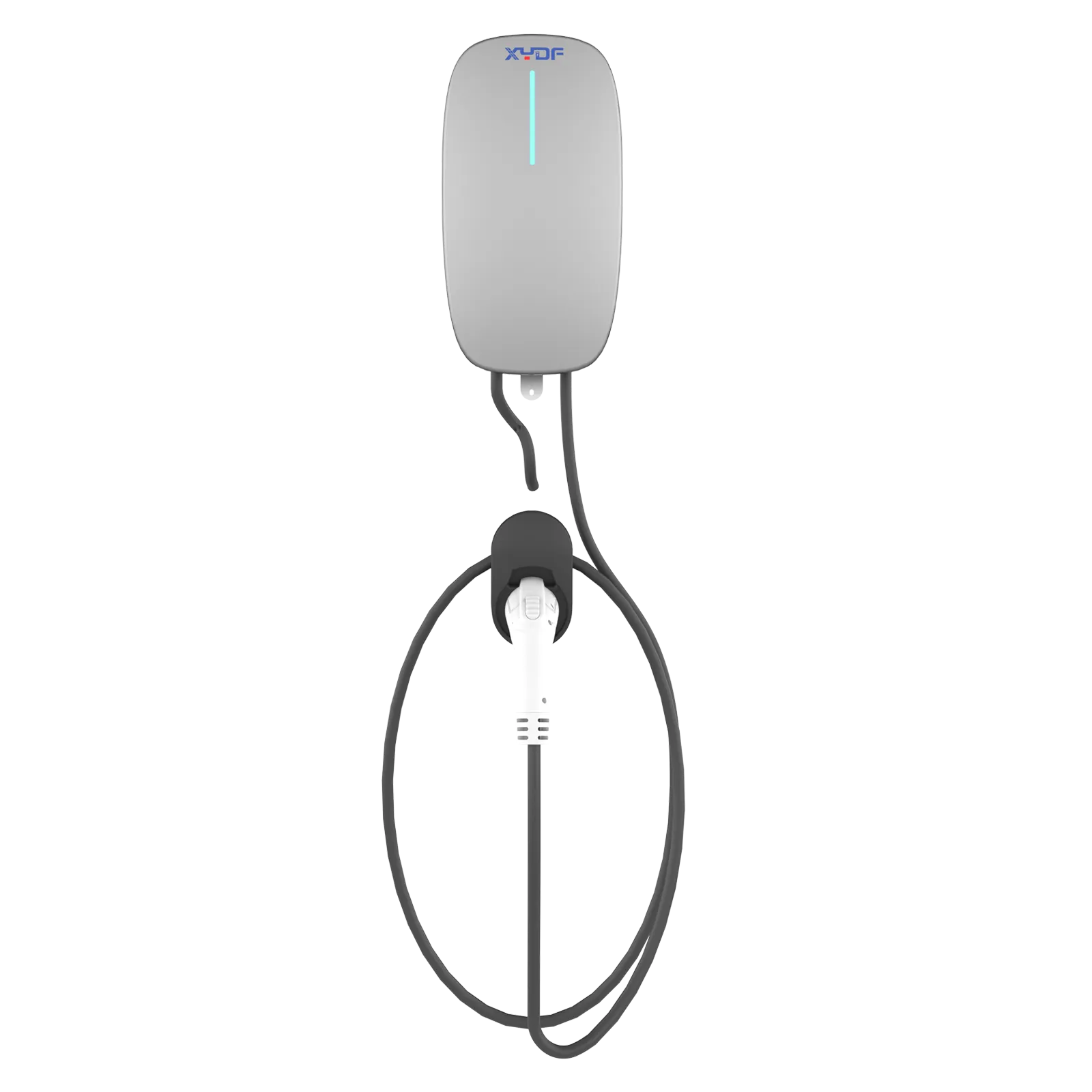
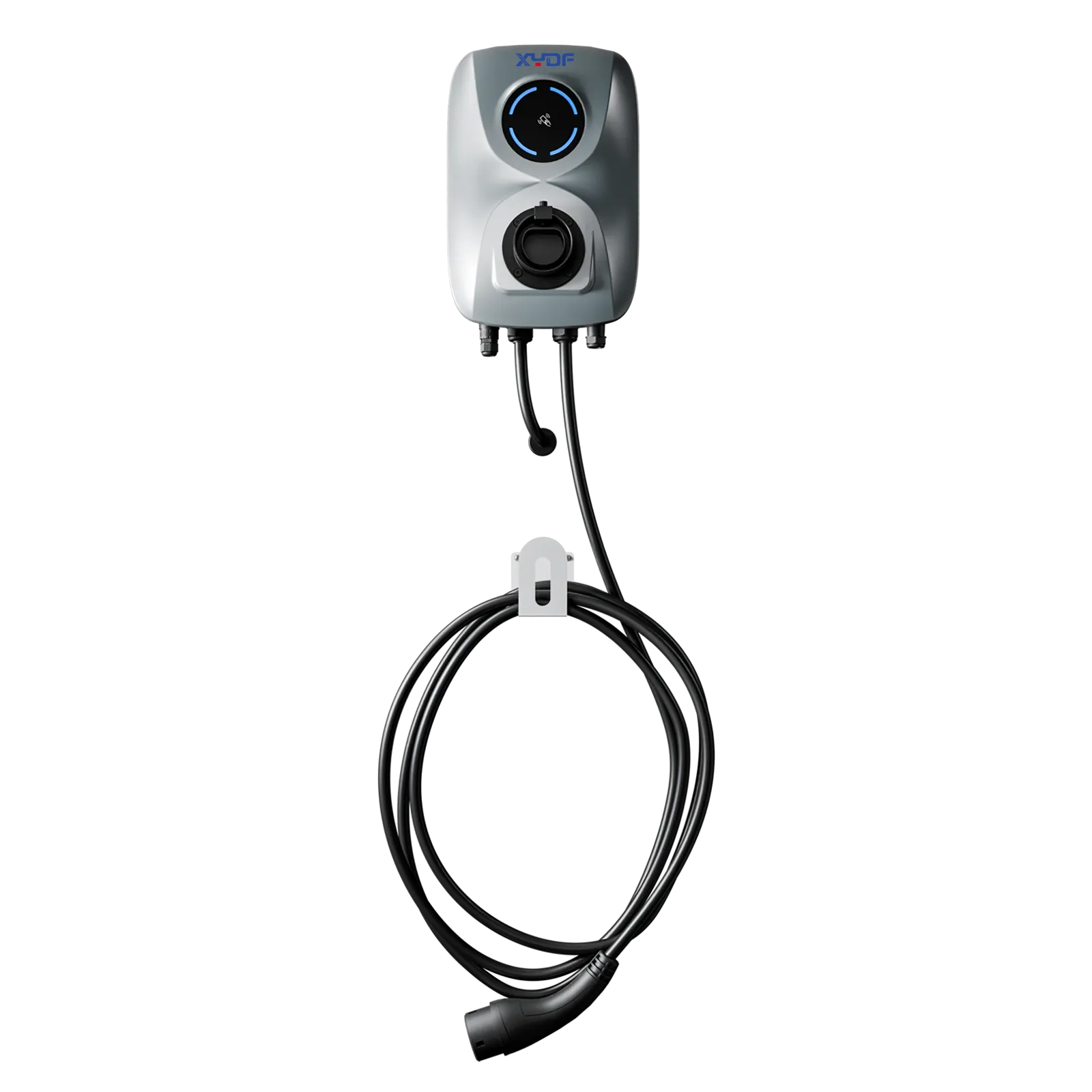
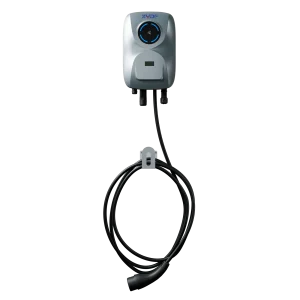
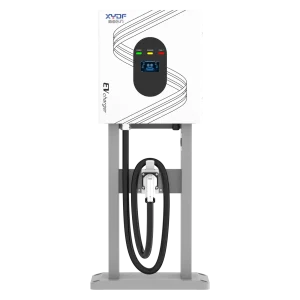

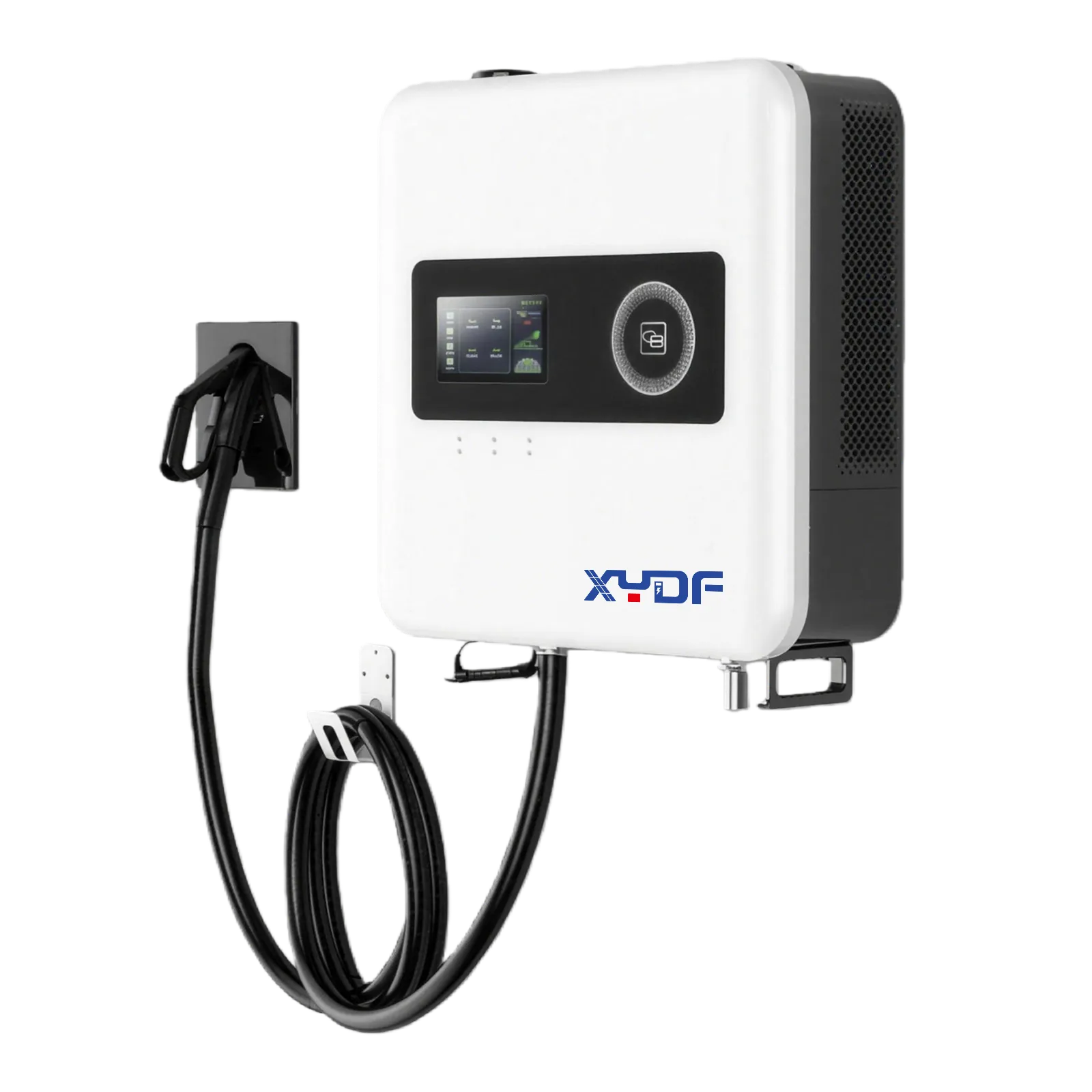
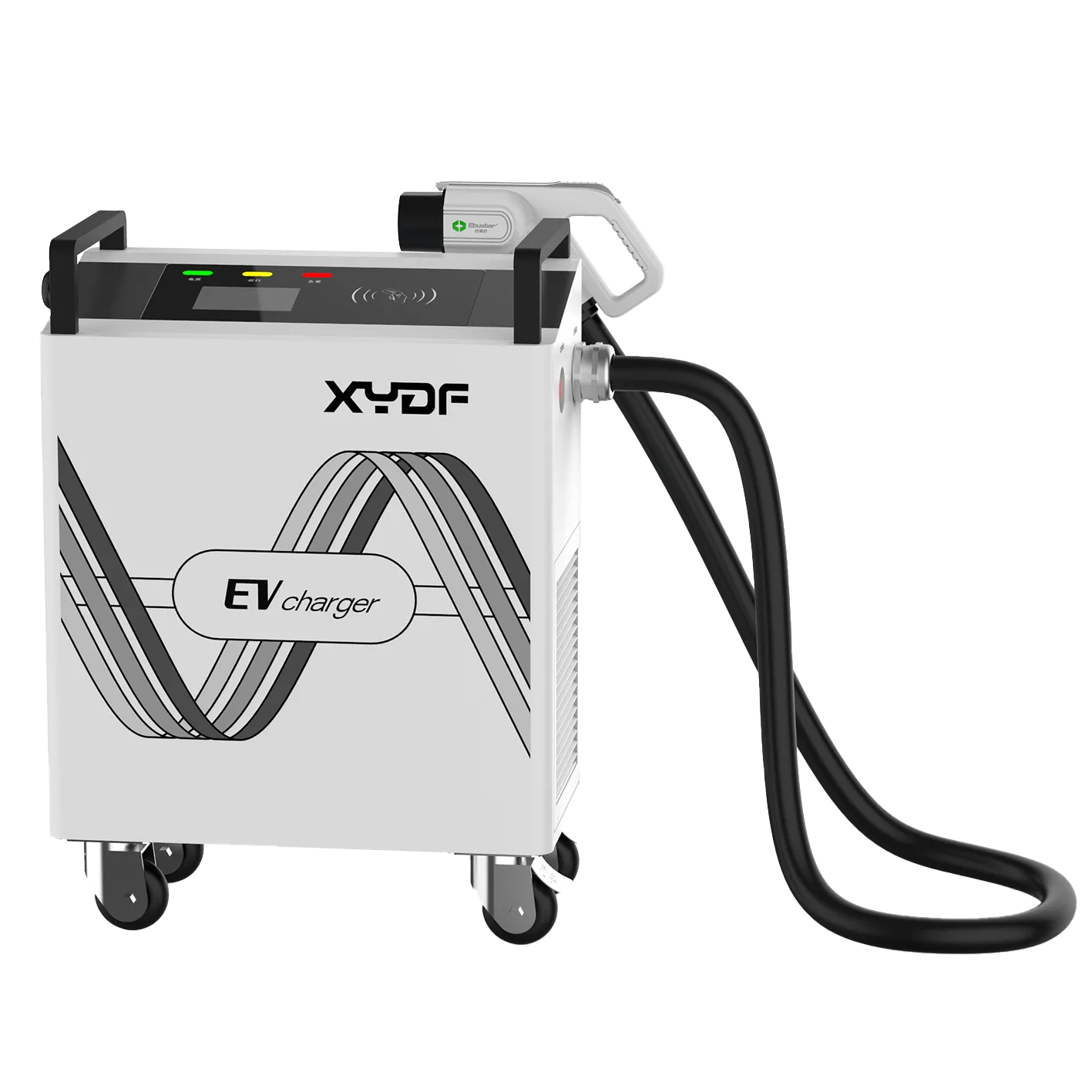
A commercial EV charging SLA becomes useful only when it defines the event, severity, clock, evidence, and exclusions. A broad uptime phrase cannot tell an operator who responds, when the timer starts, what is measured, or how planned work is treated.
Part 1. Why should an operator define SLA scope first?
Reliability should be described as observable operating evidence rather than a single marketing number. Ask for failure-mode definitions, session availability, alarm history, response and restoration records, inspection intervals, spare-parts coverage, and the conditions under which the evidence was collected. MTBF or a rated power figure can be part of the review, but neither replaces a clear failure-recovery and maintenance process. For the public planning context, see IEC 61851-1 conductive charging system requirements; the site-specific acceptance record still controls the final decision.
An SLA can cover equipment, software, communications, site access, field service, parts, or some combination. Write the scope before discussing a target; otherwise two parties may use the same word for different service boundaries.
The scope should identify the asset, location, service hours, supported interfaces, reporting channel, and the party responsible for each step. A product page cannot substitute for the commercial service document.
Part 2. How should incidents be prioritized?
Use a severity model that reflects operational impact and safety. A complete outage, a single connector issue, a communication alarm, and a cosmetic defect should not automatically start the same clock.
| Severity area | Example question | Evidence to retain |
|---|---|---|
| Safety concern | Does use stop pending assessment? | Incident record and escalation |
| Site-wide outage | How many assets or users are affected? | Time range and affected equipment |
| Partial degradation | Is an alternate service available? | Alarm, connector, or session record |
| Information issue | Can operations continue safely? | Ticket and resolution note |
The categories are starting points only. The operator and supplier must agree definitions that fit the site and contract.
Part 3. What should response and resolution targets say?
For each service clock, define the start event, service hours, access assumptions, evidence source and stopping rule. This lets an operator compare acknowledgement, remote recovery, on-site response and verified restoration without turning one broad uptime number into four different promises.
Separate acknowledgement, first response clock, diagnosis, workaround, repair, and resolution clock. Each has a different meaning and may require a different owner. State when the clock starts, which communication channel qualifies, and what evidence closes it.
Do not present a response-time number without defining the event, clock, service hours, access conditions, exclusions, and evidence source. The IAEI infrastructure-planning article supports treating charging as a coordinated project, not an isolated product promise.
Part 4. What should uptime include and exclude?
Define the denominator and measurement interval before accepting an uptime target. Ask whether uptime means a charger is powered, available to start a session, connected to a network, usable by a specified vehicle, or available across a site. These are not interchangeable measures.
Also identify conditions outside the service commitment: utility outage, site access, vehicle fault, communications dependency, planned maintenance, misuse, severe events, or an unapproved change. Exclusions should be explicit rather than hidden in a headline percentage.
For a scoped example, the California Energy Commission’s EV charger reliability rules apply, with exceptions, to publicly funded DC fast chargers installed after January 1, 2024, including state, ratepayer, and federal funds administered through a state agency. Covered ports require 97% uptime for six years; being online alone is insufficient: ports must be available and successfully dispense electricity.
The CEC permits exclusions for grid power loss and natural disasters, but caps vandalism exclusions at ten days per incident and planned maintenance at 72 hours annually. A private SLA can allocate liability; it cannot broaden these regulatory exclusions. An unlimited maintenance exclusion therefore does not satisfy the covered project’s calculation. Keep the reason, duration, and supporting evidence for each excluded interval. These are jurisdiction-specific rules, not a global uptime definition or an XYDF service commitment.
Part 5. How should planned work be handled?
The SLA should state how planned maintenance, software changes, inspections, parts replacement, and site access are notified. Include notice period, approval contact, expected impact, rollback or recovery path, and the record supplied afterward.
Planned work is not automatically an incident, but it can still affect operations. The operator needs a shared calendar and a named escalation route when work exceeds the agreed window.
Part 6. Which evidence should an operator request?
Request evidence that can be compared across incidents and reporting periods: ticket ID, timestamps, severity, affected assets, actions, parts, cause classification, resolution, and any follow-up recommendation. Ask who owns the source data and how corrections are handled. Where an outage involves connected systems, agree security-incident evidence and escalation with the party responsible for those systems.
A preventive-maintenance plan defines routine work, while warranty terms define cover and exclusions. The service SLA should state how incident response and restoration are handled alongside those obligations.
Part 7. What should be in an SLA RFQ?
Give suppliers a structured question set so responses can be compared without assuming an outcome.
| Buyer should request or define | Why it matters |
|---|---|
| Asset and service scope | Establishes what the SLA covers |
| Severity definitions | Sets the event classification |
| Response and resolution clocks | Makes targets measurable |
| Uptime denominator and exclusions | Prevents incomparable percentages |
| Planned-work notice and access rules | Keeps scheduled work visible |
| Evidence and reporting format | Enables operational review |
| Escalation contacts and exceptions | Defines what happens when normal support fails |
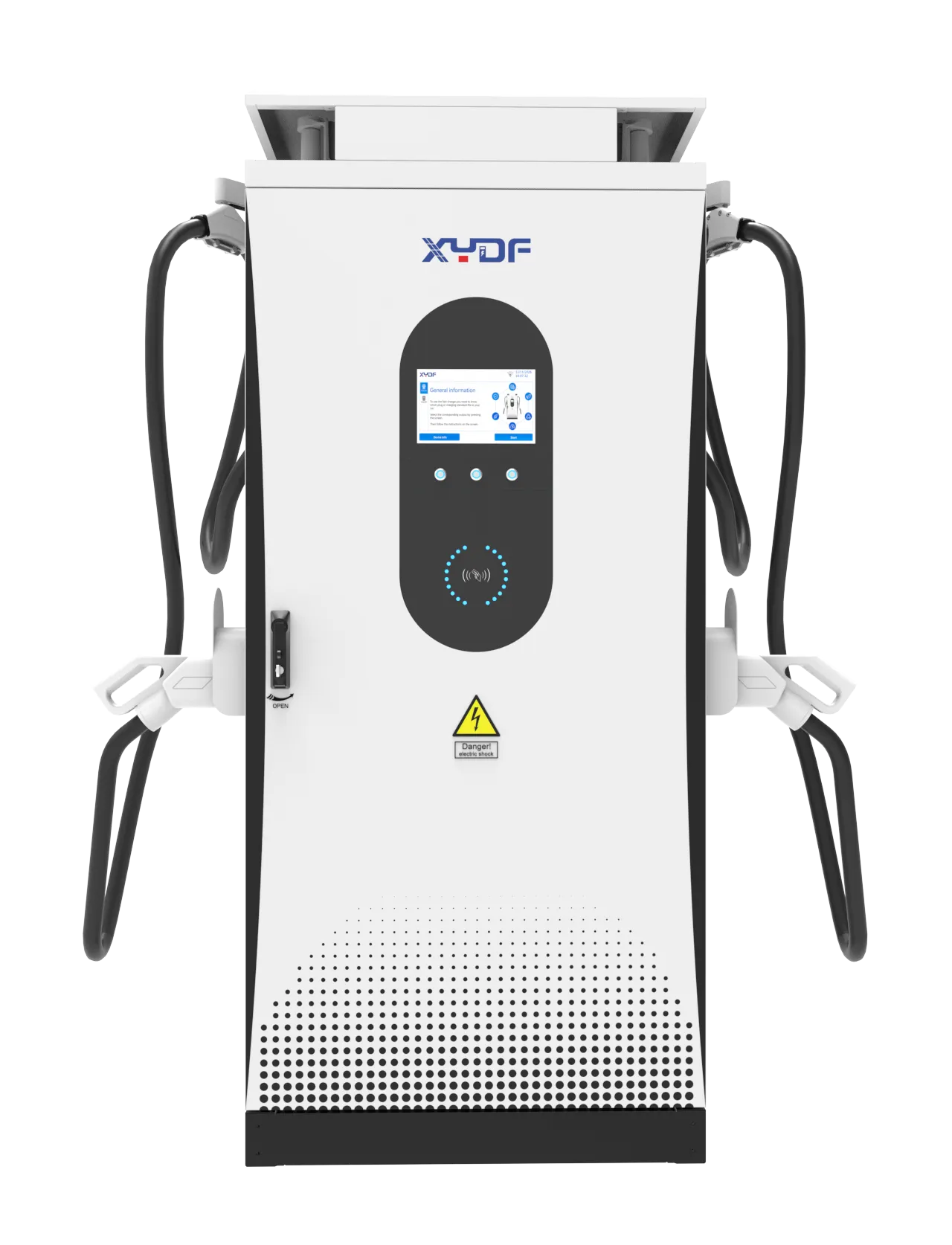
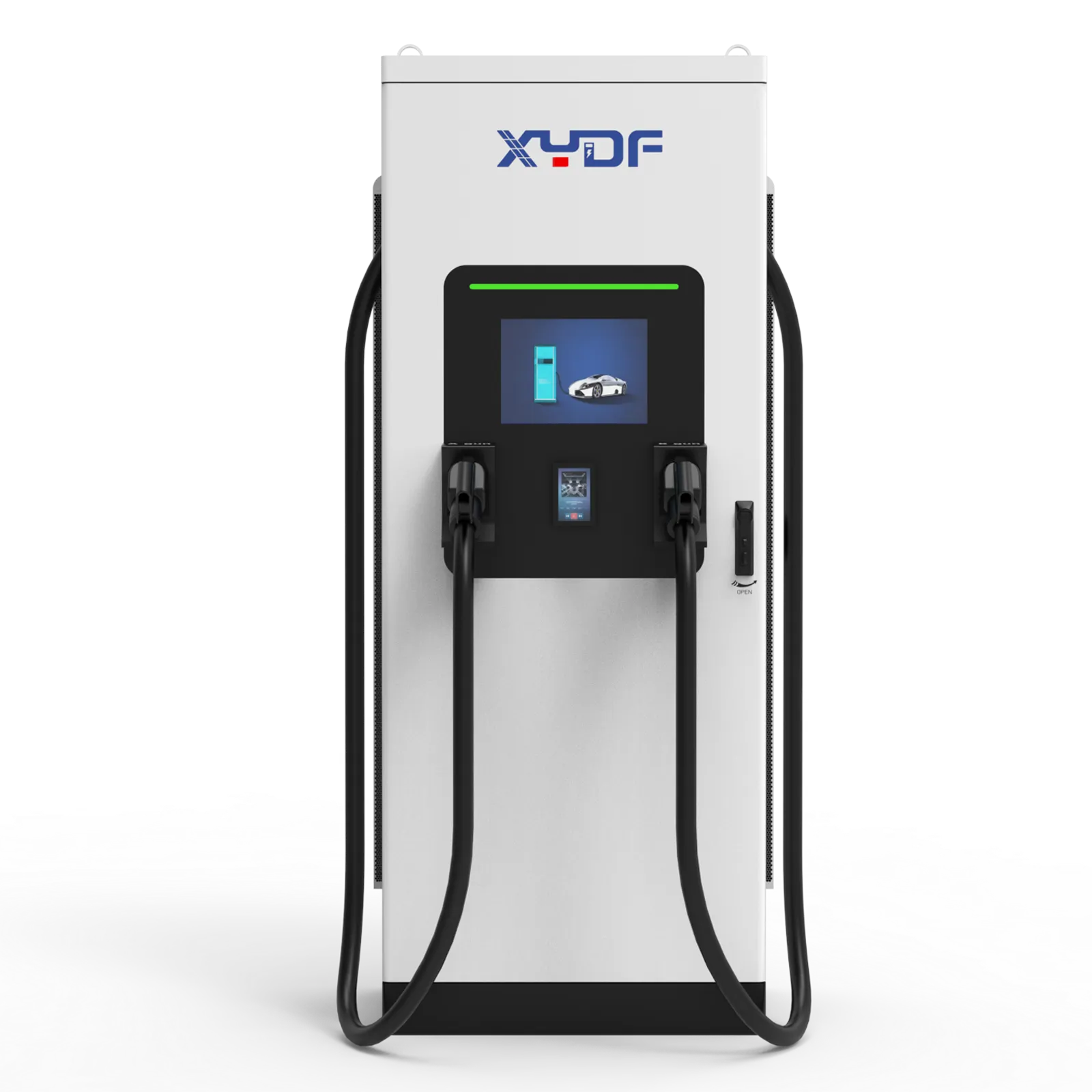
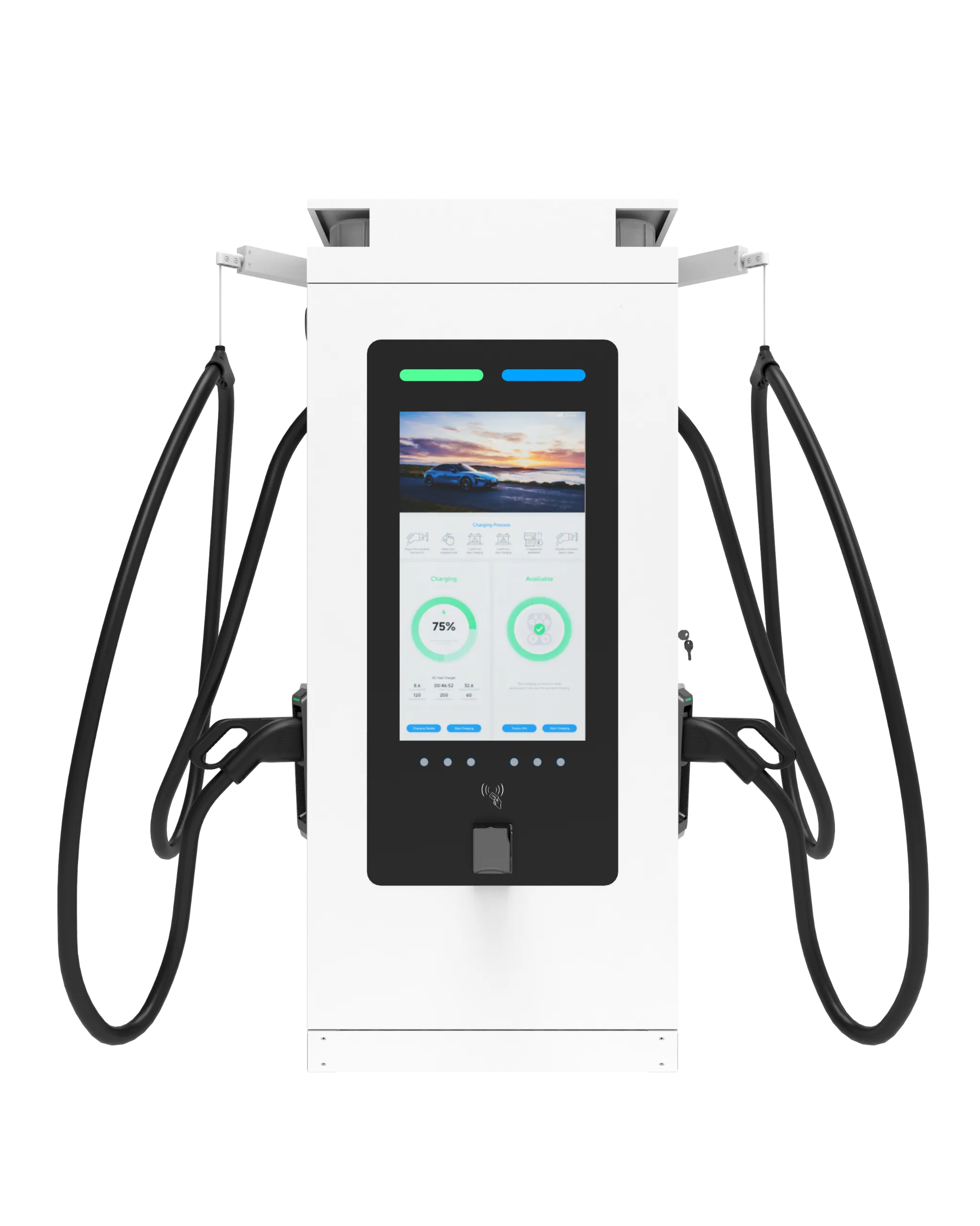
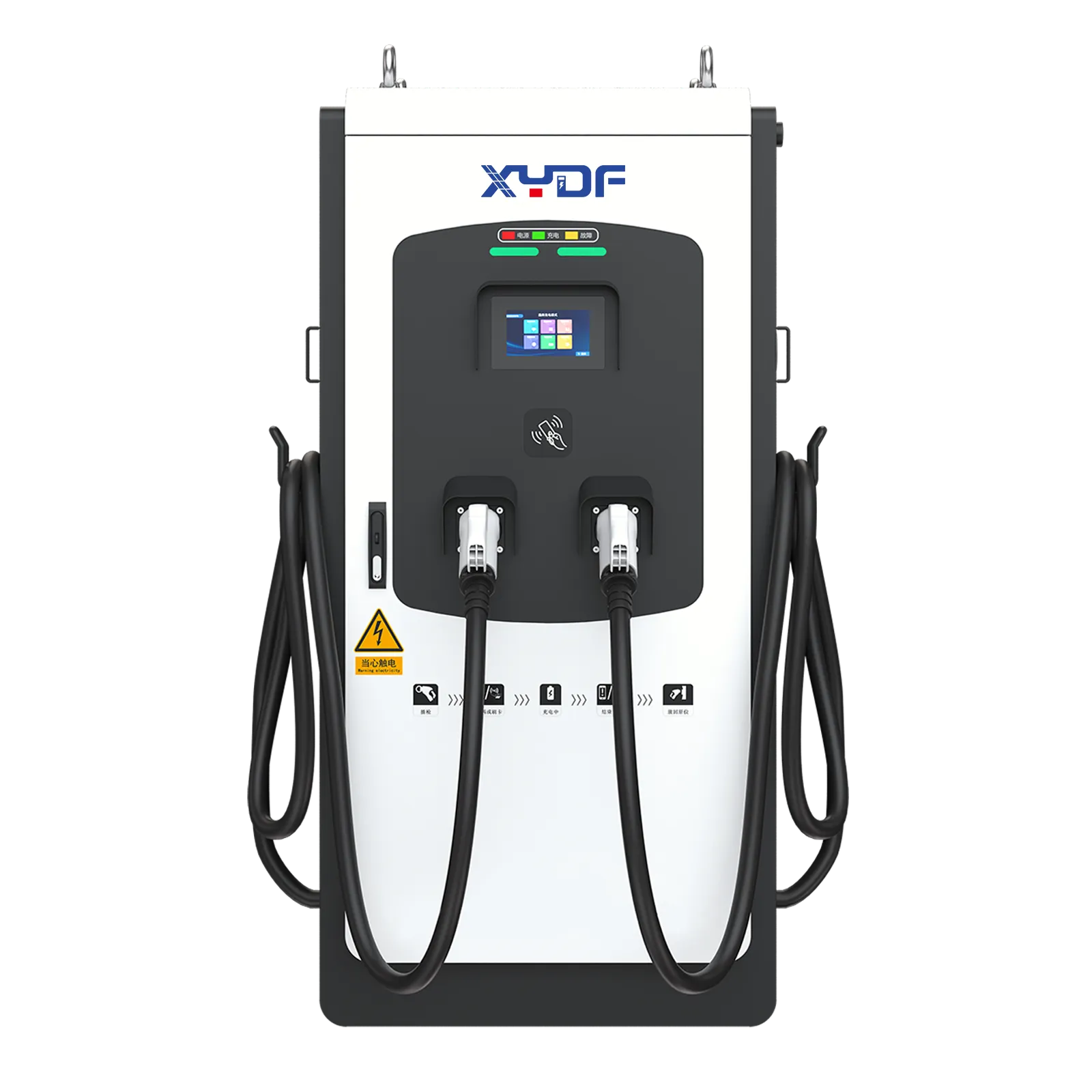
After the service boundary is clear, buyers can review the DC fast charger range and send the requirement through the contact page. This article does not claim any XYDF SLA, uptime, response, resolution, remote-monitoring, field-service, or parts promise.
Frequently asked questions
What should an EV charging SLA include?
Define asset and service scope, severity, response and resolution clocks, measurement, exclusions, planned work, evidence, contacts, and escalation. A headline uptime number without these fields is incomplete.
How are incidents prioritized?
Use agreed severity categories that distinguish safety concerns, site-wide outages, partial degradation, and lower-impact information issues. The operator and supplier should define the actual matrix.
Who owns first response?
The contract should name the intake channel and the party responsible for acknowledgement, diagnosis, field coordination, and escalation. Do not infer ownership from a product category.
Does uptime include the vehicle or grid?
It depends on the agreed denominator. Buyers should distinguish equipment availability, session start, network connection, vehicle compatibility, and utility availability before accepting a percentage.
What records should an operator request?
Request ticket ID, timestamps, severity, affected assets, actions, parts, cause classification, resolution, and follow-up. Also identify the data owner and correction method.
How are planned outages handled?
Define notice, approval, expected impact, maintenance window, escalation if work runs late, and the completion record. Planned work should be visible even when it is excluded from an incident clock.
What should be in an SLA RFQ?
Include scope, severity, clocks, uptime denominator, exclusions, planned work, reporting, contacts, escalation, site access, and exceptions. Ask the supplier to identify unsupported assumptions.
What reliability evidence should an EV charger buyer request?
Request failure-mode definitions, session-availability records, alarm and reset history, response and restoration times, preventive-maintenance intervals, and spare-parts or service coverage for the exact configuration. Compare the evidence by operating condition and measurement period; do not treat an isolated MTBF value or a supplier uptime claim as proof of the site’s future availability.
References
- HSE electricity safety
- IAEI article on EV charging infrastructure planning
- Network Rail EV infrastructure guidance