 شركة شينيا دونغفانغ لتكنولوجيا الكهرباء المحدودة.


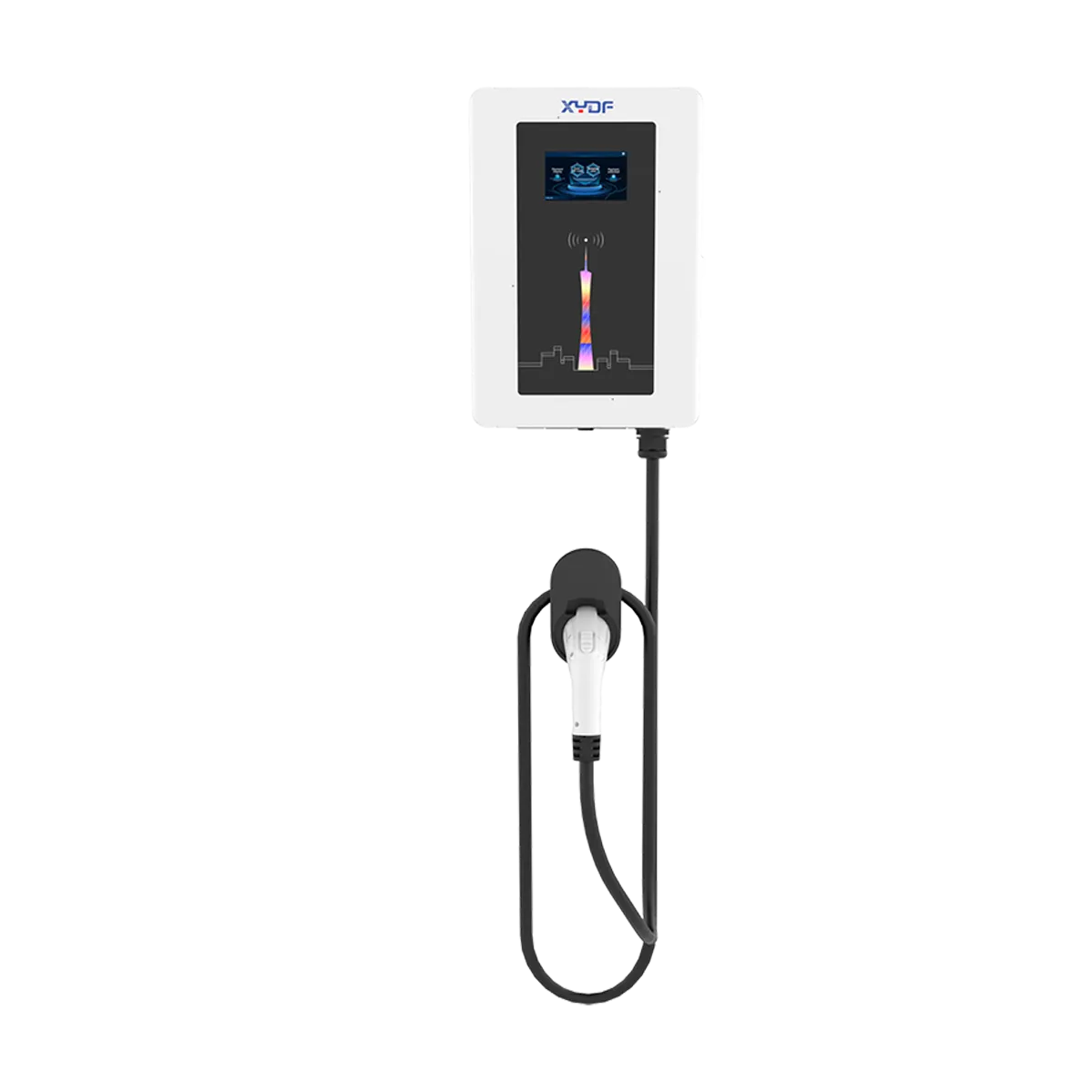
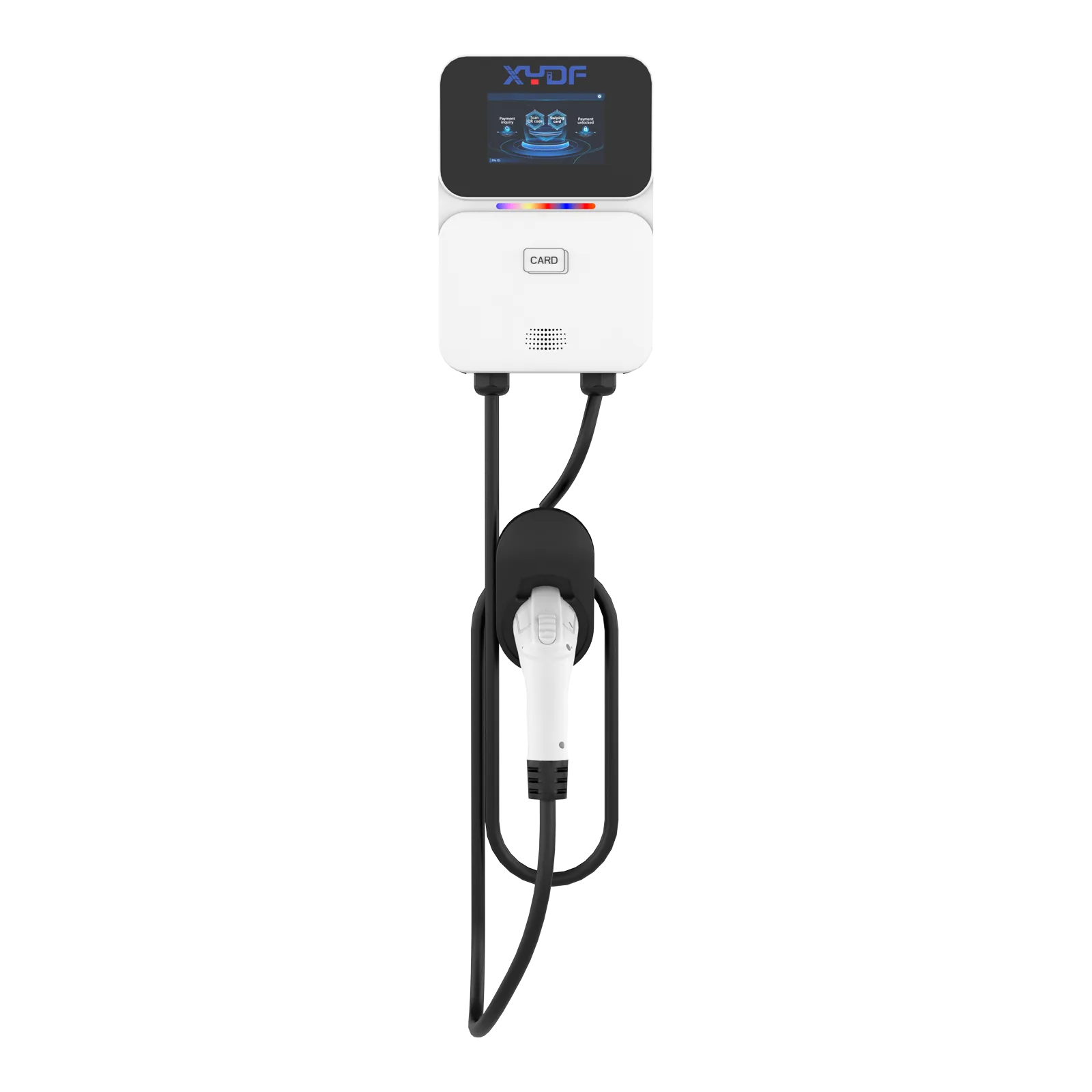
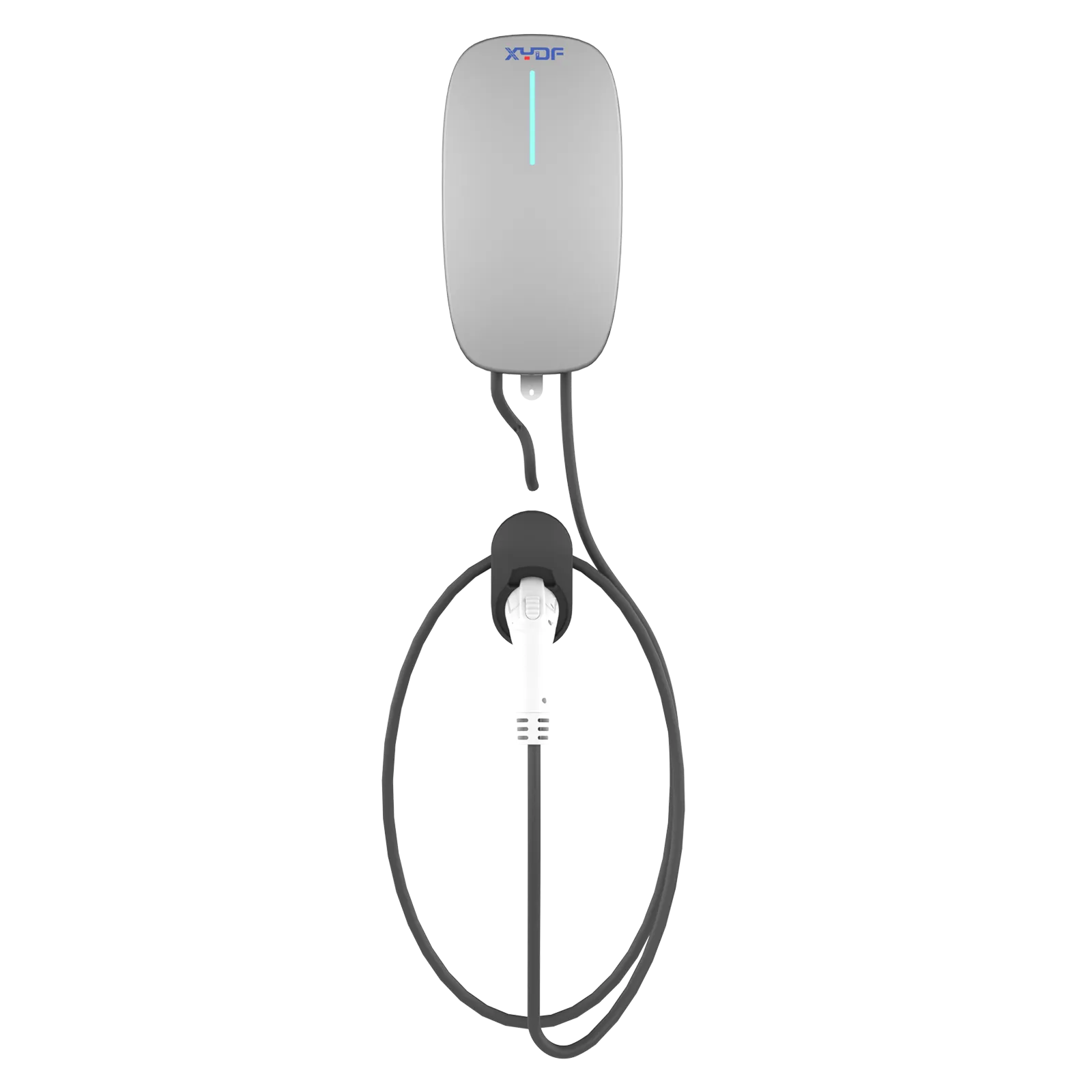
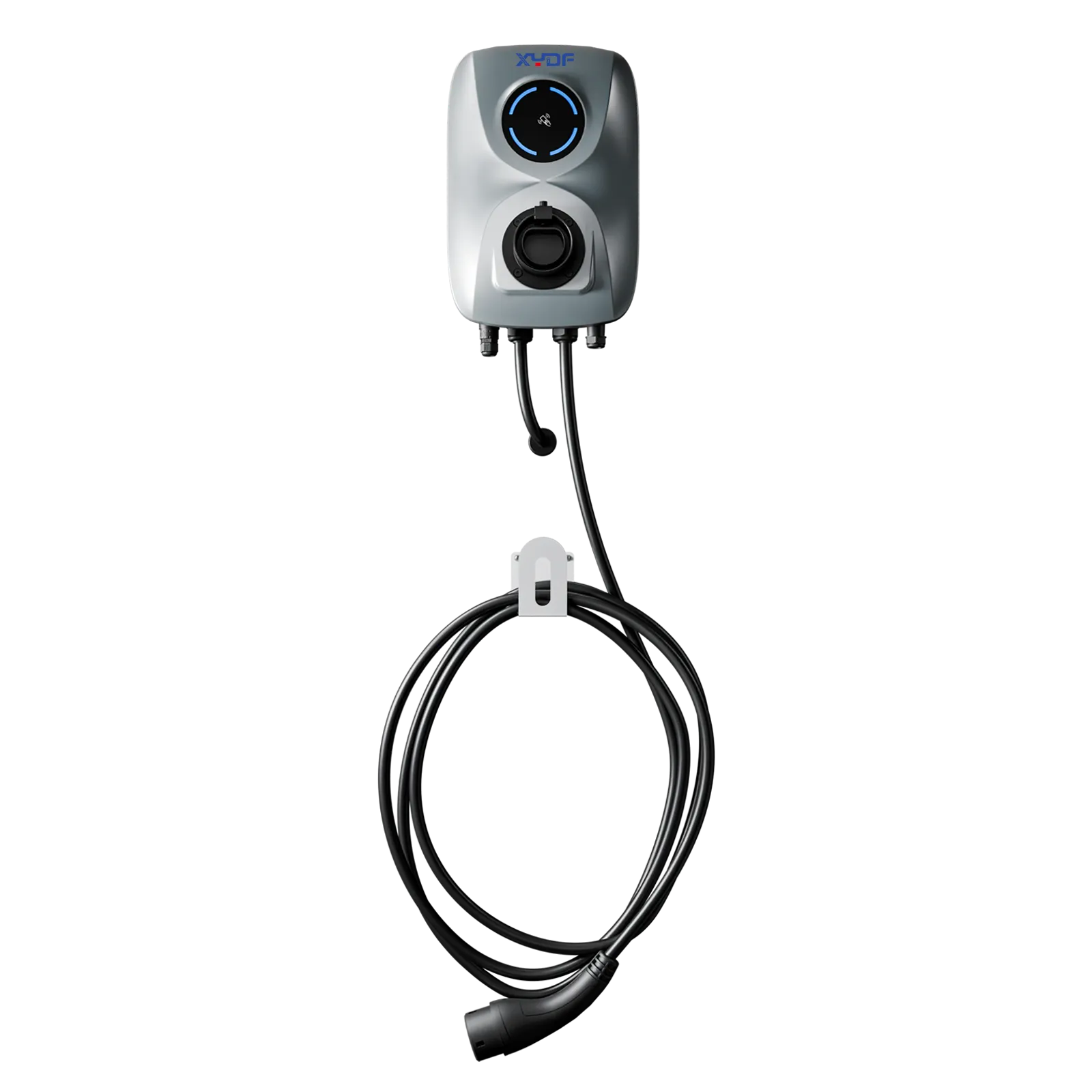
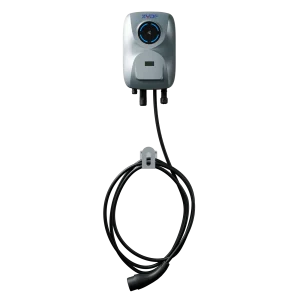
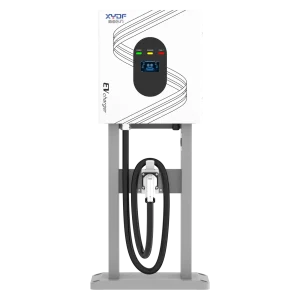

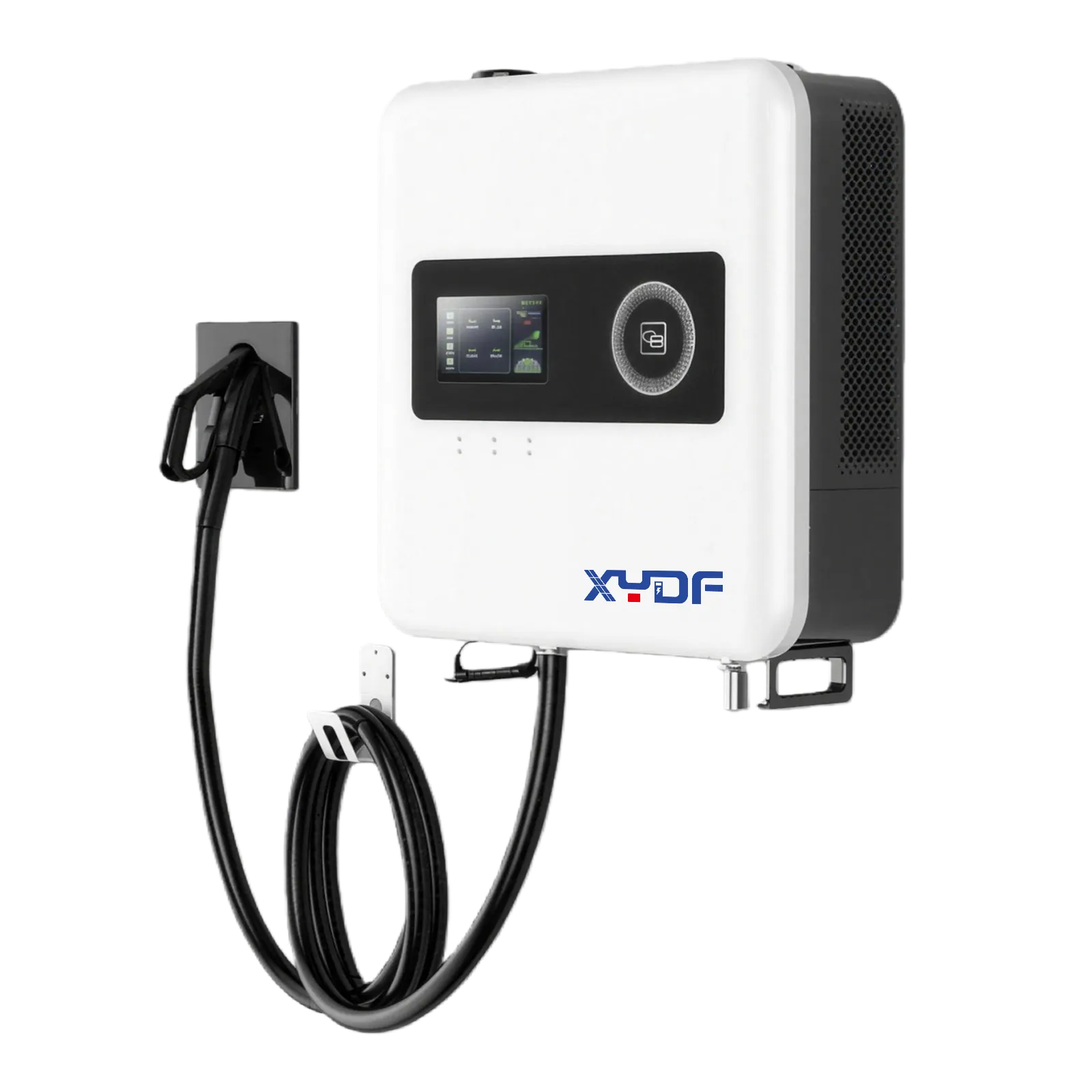
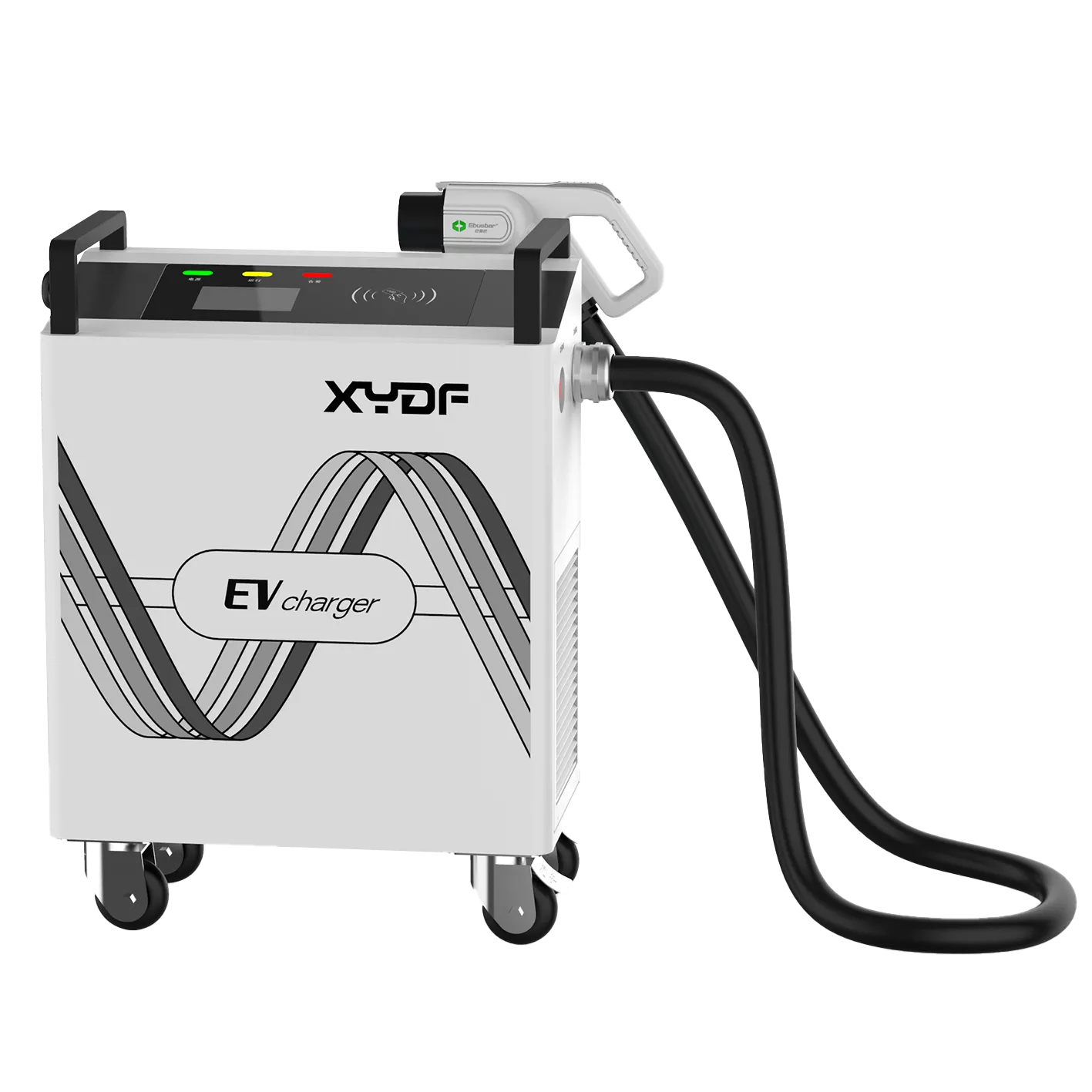
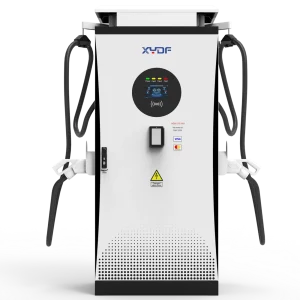
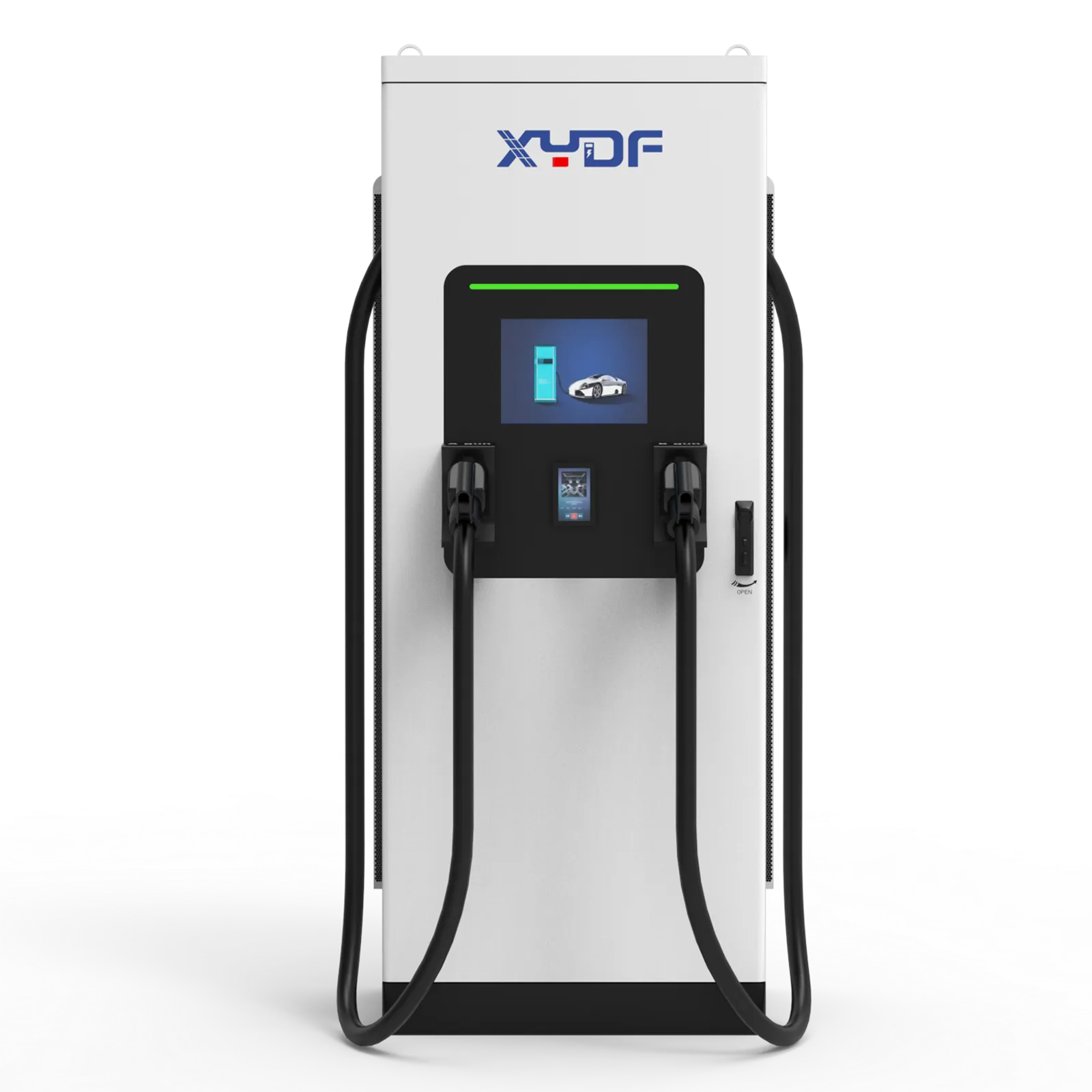
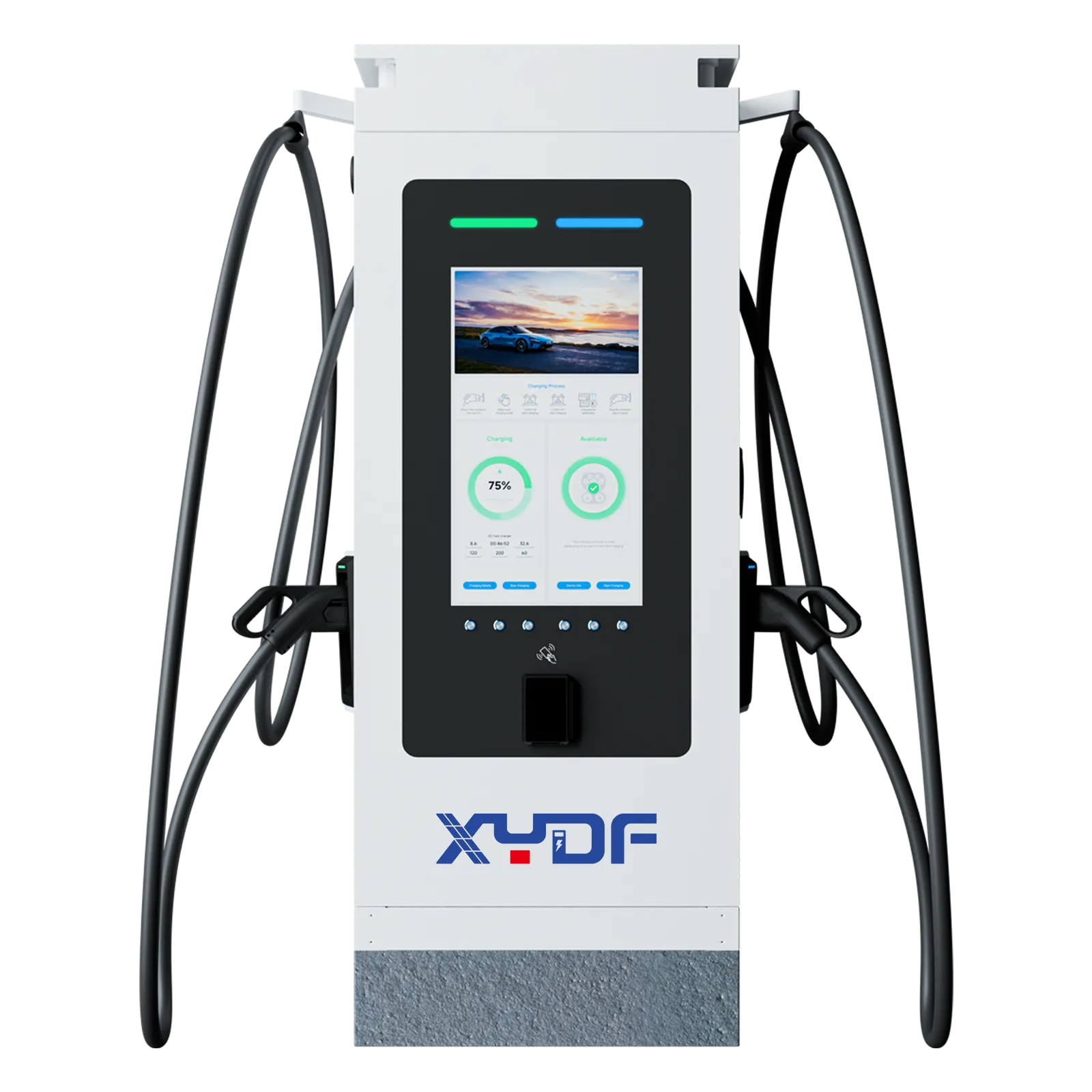
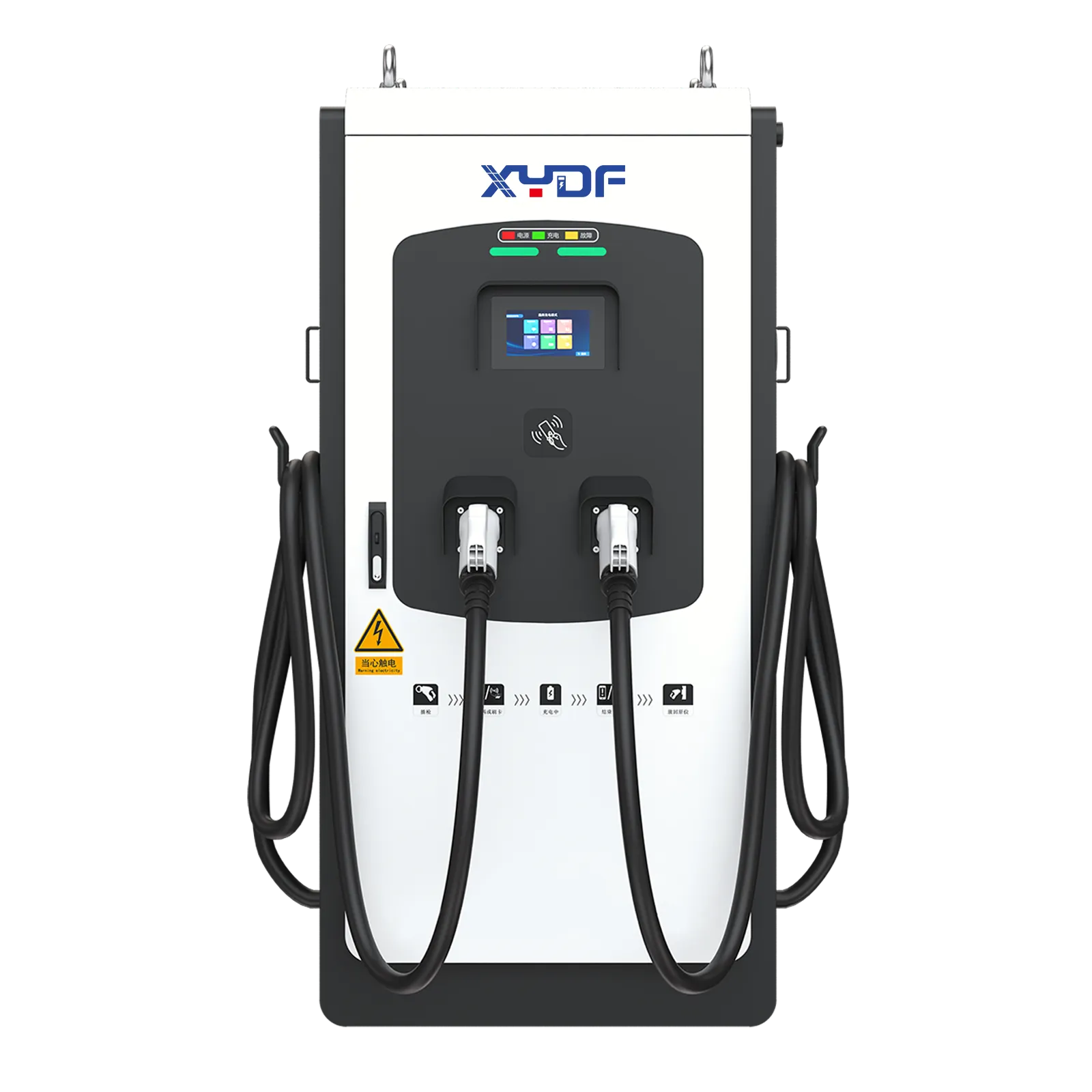
من الصعب مقارنة مناقصة لتشغيل المركبات الكهربائية التجارية، حيث يصف الطلب طاقة الشاحن لكنه يترك القدرة على الموقع، وأولويات التشغيل، وملكية البرامج، وأدلة القبول مفتوحة. ويمكن للموردين بعد ذلك تحديد أسعار افتراضات مختلفة مع تبدُّلهم في الظهور بأنهم قد أجابوا على نفس طلب تقديم العروض. ينبغي أن يتضمن طلب تقديم العروض القابل للاستخدام مجموعة واحدة من المتطلبات تربط التصميم الكهربائي والمركبة واستخدام المواقف، والاتصالات، ووثائق الامتثال، واختبارات الاستجابة والتحويل. يوضح هذا الدليل كيف يمكن للمشترين إعداد مواصفات جاهزة للاستخدام، وكيف يمكن للمقدمين على تقديم العروض هيكلة ردودهم القائمة على الأدلة دون الاعتماد على ادعاءات أداء غامضة.
الجواب القصير هو أن العرض التنافسي السليم يُمَكِّن طموح الشحن من التحول إلى التزامات قابلة للقياس: تحديد حالة الاستخدام التشغيلي، وتقييم الطلب الكهربائي المتزامن، وتحديد متطلبات الاتصالات القابلة للتشغيل المتبادل، وتقييم العروض بناءً على الخدمة على مدار العمر، بالإضافة إلى الأجهزة. محطة شحن المركبات الكهربائية التجارية المشروع، يوفر معيار IEC 61851 إطاراً هاماً لنظام الشحن، بينما يمكن لبروتوكول OCPP 2.0.1 أن يجعل متطلبات الخلفية أكثر وضوحاً. والإجراء العملي هو إصدار نطاق عمل واحد قابل للاختبار لطلب تقديم عروض (RFP) قبل مقارنة طرازات أجهزة الشحن أو عروض أسعار الوحدات.
كل مناقصة لمحطات شحن المركبات الكهربائية التجارية تقوم بشراء نظام تشغيل على حافة البنية التحتية الكهربائية، وليس فقط أصول مواقف السيارات. ويشير مركز بيانات الوقود البديل التابع لوزارة الطاقة الأمريكية إلى أن التخطيط يجب أن يأخذ في الاعتبار احتياجات المركبات، وخصائص الموقع، والتنسيق مع المرافق. يجب أن تربط المناقصة بين دورة التشغيل، والقيود الكهربائية، والأعمال المدنية، وملكية الشبكة، والاستجابة للخدمة.
البدء بنطاق عمل لطلب تقديم عروض (RFP) يمكن تسعيره وقبوله
يجب على فرق العطاءات التمييز بين مواصفات محطات الشحـن التجارية وتخطيط السعة. يجب أن يكون النطاق شاملاً لدرجة تجعل كل مزايد يسعر نفس التشغيل الناتج، بدلاً من تفسير مختلف لقائمة الأجهزة.
حدد المواقع، والخلجان، وفئات المركبات، ساعات التشغيل، وتاريخ دخول الخدمة المستهدف، وملكية كل واجهة. اذكر ما إذا كان مقدمو العروض يقدمون التصميم، والتوريد، والتركيب، والتشغيل التجريبي، والربط الشبكي، والتدريب، والوثائق، والصيانة. افصل الأعمال المقدمة من العميل لكي لا يتمكن عرض الأجهزة المنخفض من إخفاء الأعمال المدنية غير المسعرة، أو تغييرات مفاتيح التبديل، أو التصاريح، أو التوصيل.
تنصيص سجل افتراضات واستثناءات مقدم العطاء كجدول استجابة تسعيري، وليس كحاشية سفلية. يجب أن يحدد كل مدخل بند النطاق المتأثر، والافتراض أو الاستثناء، والمالك، والتبعات على البرمجة الزمنية والتكلفة، والتوضيح المطلوب. يمنح هذا المشتري سجلاً عملياً للتحكم في التغييرات ويجعل حالات السقوط قابلة للمقارنة قبل الإرساء.
احتفظ بأسئلة مقدمي العروض في سجل واحد. حدد موعدًا لتقديم الإيضاحات، ونشر إجابة واحدة لجميع مقدمي العروض، وأضف أي إجابة مادية إلى النطاق الممنوح أو جدول الاستجابة. هذا يمنع التفسير الخاص من أن يصبح تغييراً غير محدد السعر بعد منح العقد، ويمنح فريق التقييم نسخة واضحة لتقييمها.
يجب التعبير عن متطلبات الطاقة كنموذج للطلب بدلاً من تصنيف رئيسي واحد. على سبيل المثال، أن توضيحي أسطول يضم 12 مركبة تتلقى كل منها 40 كيلوواط-ساعة يحتاج إلى 480 كيلوواط-ساعة خلال نافذة الشحن الخاصة به. إذا كانت هذه النافذة ثمان ساعات، فإن متوسط معدل الطاقة يبلغ 60 كيلوواط قبل احتساب الفاقد والتداخل التشغيلي؛ وهو ما لا يبرر تلقائياً وجود 12 منفذاً متزامناً بقدرة 60 كيلوواط. اطلب من المتقدم للعطاء ذكر الافتراضات المتعلقة بالتزامن، وفاقد الطاقة، وتخفيض التصنيف حسب درجة الحرارة، والتوسع المستقبلي.
اطلب مخططاً أحادي الخط، ونهج الحماية، وافتراضات توجيه الكابلات، واختبارات القبول. تتناول المواصفات القياسية IEC 61851 متطلبات نظام الشحن بالتوصيل؛ وهي سياق للمواصفات وليست ادعاءً باعتماد شامل. في المشاريع الأمريكية، تُعتبر المادة 625 من الكود الكهربائي الوطني (NEC) ذات صلة بأنظمة نقل طاقة المركبات الكهربائية، بينما تحدد القواعد المحلية والجهة المختصة (AHJ) متطلبات التركيب.
تجاوز بوابة المرافق الجاهزية للموقع قبل مقارنة الأسعار
لا تدعوا إلى تقديم التسعير النهائي إلا بعد أن يضع المشتري خط الأساس لجاهزية الموقع. وينبغي أن يحدد ذلك الخدمة الحالية وسعة المحول، والقدرة المتاحة للوحة التوزيع والمغذيات، والاعتماديات المحتملة على المرافق أو التراخيص، والقيود المدنية، وتوفر الاتصالات، والمعلومات التي لا تزال بحاجة إلى التحقق. وإذا ظل مسار ترقية المرافق أو المهلة الزمنية غير مؤكدين، فيجب مطالبة المتقدمين للعطاءات بتسعير حالة أساسية معينة وتحديد محددات أي نطاق بديل بشكل منفصل.
اطلب ملف تعريف حمل التيار المتردد/المستمر بدلاً من معاملة جميع المخارج كقابلة للتبديل. بالنسبة للشحن بالتيار المتردد، قم بتسجيل فترات بقاء المركبات، والتزامن المُدار، وحمل المبنى الذي يجب أن يحتفظ بالأولوية. وبالنسبة للشحن بالتيار المستمر، قم بتسجيل الطاقة لكل دورة تشغيل، والذروة المتزامنة للطلب، والاسترداد بين الجلسات، وأي حد أقصى للطلب. ثم قم بتقسيم الخطة إلى مراحل: على سبيل المثال، أسطول التشغيل الأولي، ومرحلة توسع محددة، والأعمال التمهيدية اللازمة لتجنب إعادة فتح الخنادق أو لوحات المفاتيح لاحقاً. إن التقسيم إلى مراحل هو قرار استثماري وإنشائي؛ ويجب تقييمه قبل يُطلب من المتقدمين للمناقصة التنافسي على سعر الوحدة.
إعداد مخرجات عطاء تقييم الأحمال الكهربائية ومنطق التحكم
يجب أن يتضمن تقييم الأحمال الكهربائية تحديد ذروة الطلب، وسعة المحولات والخدمات، والسعة الاحتياطية لوحة التوزيع، وحدود الكابلات المغذية، والوقت اللازم لترقية المرافق. ويتطلب استخدام افتراضات بيانات الفترات الزمنية حيثما توفرت، ومعامل تنوع صريح حيثما لم تتوفر. ويجب على المتقدمين للعطاءات إظهار الحد الأقصى المحسوب للطلب، ونقاط ضبط التحكم، والنتائج المترتبة في حال تعطل الاتصالات.
إدارة الأحمال الديناميكية تستحق متطلباً خاصاً بها. قم بتحديد ما إذا كان الشحن يجب أن يضع سقفاً للطلب الإجمالي، أو يعطي الأولوية للمركبات الحيوية للمسار، أو يحجز سقدرة للمبنى، أو يجدول الشحن بناءً على فترات تعريفة الكهرباء. يمكن لاختبارات القبول محاكاة مغذٍ مقيد وتأكيد أن النظام يخفض الإخراج بالترتيب دون فقدان سجلات الجلسات. هذا يضع كل محطة شحن تجارية للمركبات الكهربائية ضمن حدود الخدمة الحقيقية، بدلاً من تقييم الموصلات وحدها.
يجب أن تتبع مراجعة التكلفة المنطق نفسه. تتضمن التكلفة الرأسمالية معدات المفاتيح الكهربائية، والأعمال المدنية، والأجهزة، والتجهيز للتشغيل، وإعداد الشبكة؛ بينما تتضمن تكلفة التشغيل الكهرباء، والاتصال، والصيانة التصحيحية، وقطع الغيار، ووقت التعطل. قد تُظهر مقارنة توضيحية للتكلفة الإجمالية منشأة مدارة ذات تصنيف أقل تخدم متطلبات الطاقة اليومية نفسها مع أعمال أبسط في البداية. ويجب ألا يفترض المرء أن الطاقة الأقل تكون أفضل دائماً؛ فمسار الاستدارة، ووقت بقاء العميل، والمرونة يمكن أن تبرر الشحن الأسرع.
| بعد مقارنة العطاءات | أدلة للطلب | لماذا يغير التكلفة الإجمالية للأسلوب |
|---|---|---|
| توريد الطاقة | نموذج الكيلوواط ساعي اليومي، والتزامن، نافذة الشحن | يختبر ما إذا كانت القدرة المقدرة تخدم دورة التشغيل الفعلية |
| تأثير الشبكة | تحميل إعدادات الدراسة وافتراضات التنوع والتحكم | يمكن أن يمنع نطاق المرافق وتحديثات الكهرباء القابل للتجنب |
| قابلية التشغيل البيني | إصدار البروتوكول، واختبارات الواجهة، وخطة ملكية البيانات | يقلل من الاحتكاك الناتج عن النقل والدمج |
| التوفر | إدارة الأعطال، التشخيص عن بعد، قطع الغيار، وتقارير اتفاقية مستوى الخدمة | تؤثر فترة التعطل على إنتاجية الأسطول وإيرادات الموقع |
| قابلية الصيانة | الجدول الوقائي، وإمكانية الوصول إلى المكونات، واستثناءات الضمان | يوضح عمالة دورة الحياة والتعرض للاستبدال |
حدد بروتوكول نقطة الشحن المفتوحة (OCPP)، وتكامل النظام الخلفي (الباك إند)، ومسؤولية البيانات بدقة.
“عبارة متوافقة مع بروتوكول OCPP مبهمة للغاية بالنسبة لعمليات الشراء. حدد إصدار بروتوكول OCPP المطلُوب، وملفات تعريف الميزات، ونقطة نهاية النظام المركزي، وطريقة الأمان، وتوفير بيانات اعتماد الدخول، وعليه، عملية تحديث البرنامج الثابت، وحالات الاختبار. ينشر تحالف الشحن المفتوح Open Charge Alliance مواد بروتوكول OCPP 2.0.1؛ لذا اطلب دليلاً على القدرات التي يحتاجها نظام الخلفية المختار، وليس اسم البروتوكول وحده.
في حالة عطاءات كاليفورنيا، قم بتضمين تاريخ التمويل والتثبيت كمعيار للموافقة. قواعد موثوقية شواحن المركبات الكهربائية لدى المجلس الوطني للاتصالات تغطي شواحن DC السريعة المثبتة بعد 1 يناير 2024 التمويل الذي تقدمه الدولة أو الجهات المستفيدة من الضرائب أو الوكالات الاتحادية، مع استثناءات، لمدة ست سنوات؛ غير أنها لا تغطي كل شاحن خاص في كاليفورنيا. وفي نطاق ذلك، يجب أن تدعم التجهيزات التي يتم تركيبها بعد 27 سبتمبر 2026 OCPP 2.0.1، ويجب أن تقدم شواحن DC السريعة التي يتم تركيبها بعد ذلك التاريخ بيانات موثوقية ساعية إلى سلة AWS S3 التابعة لـ CEC.
يجب أن يتضمن رد العرض تحديد الإصدار المدعوم، ومُلاك التقرير، ومصدر التصدير، واختبار القبول باستخدام الخلفية المرتبطة بالموضوع المحدد. لا يولد دعم OCPP تلقائيًا بيانات تقارير CEC. احتفظ شهادة مطابقة مستقلة لنسخة محددة من Open Charge Alliance لا يمثل إيضاح البروتوكول أو الشهادة أي بديل عن تلك الاختبارات، بل يضاف إلى تقرير المشروع بشأن الأدلة المتعلقة بالإبلاغ والدمج.
إدراج متطلبات ترحيل الواجهة الخلفية (Backend) بينما تزال المناقصة محايدة. يجب تحديد الطرف الذي يمكنه تصدير بيانات الجلسات، والطاقة، والتعريفات، الأعطال، والمستخدمين، والأصول، والإعدادات؛ بالإضافة إلى تنسيق وتوقيت التصدير، والوصول إلى الواجهات، والدعم اللازم لاختبار نظام خلفي بديل. يجب أن تكون الاحتفاظ بالبيانات، وحذفها، وتسليمها مسؤوليات تعاقدية وليست افتراضات تترك لتغيير منصة مستقبلي.
تستلزم الأمن السيبراني والوصول عن بُعد نفس منضبط الملكية. يجب أن يوضح طلب تقديم العروض (RFP) من يملك بيانات اعتماد المسؤول، ويوافق على الدعم عن بُعد وتغييرات البرامج الثابتة (الفرموير)، ويدير الشهادات أو بيانات اعتماد الوصول، ويراجع سجلات الوصول، ويزيل الوصول عندสิ้น التعاقد. حدد ضوابط الاتصال والمصادقة المطلوبة للبيئة المختارة، ثم اختبر سير عمل الدعم عن بُعد المتفق عليه. إن مجرد ذكر بروتوكول معين لا يوزع المخاطر السيبرانية أو يثبت وجود تكامل آمن بذاته.
يمكن أن يكون معيار ISO 15118 ذو صلة عندما يحتاج المشروع إلى وظائف من السيارة إلى الشاحن مثل تقنية الشحن والتشغيل (Plug & Charge). وتعتمد أهميته على المركبات، والشواحن، والأنظمة الخلفية، والتنفيذ الإقليمي؛ لذا يجب تحديد حالة الاستخدام المطلوبة واختبار التوافق، وليس كوظيفة شاملة. قم بتحديد توقعات ملكية والاحتفاظ ببيانات الجلسة، والطاقة، والتعريفة، الأعطال، وبيانات المستخدم.
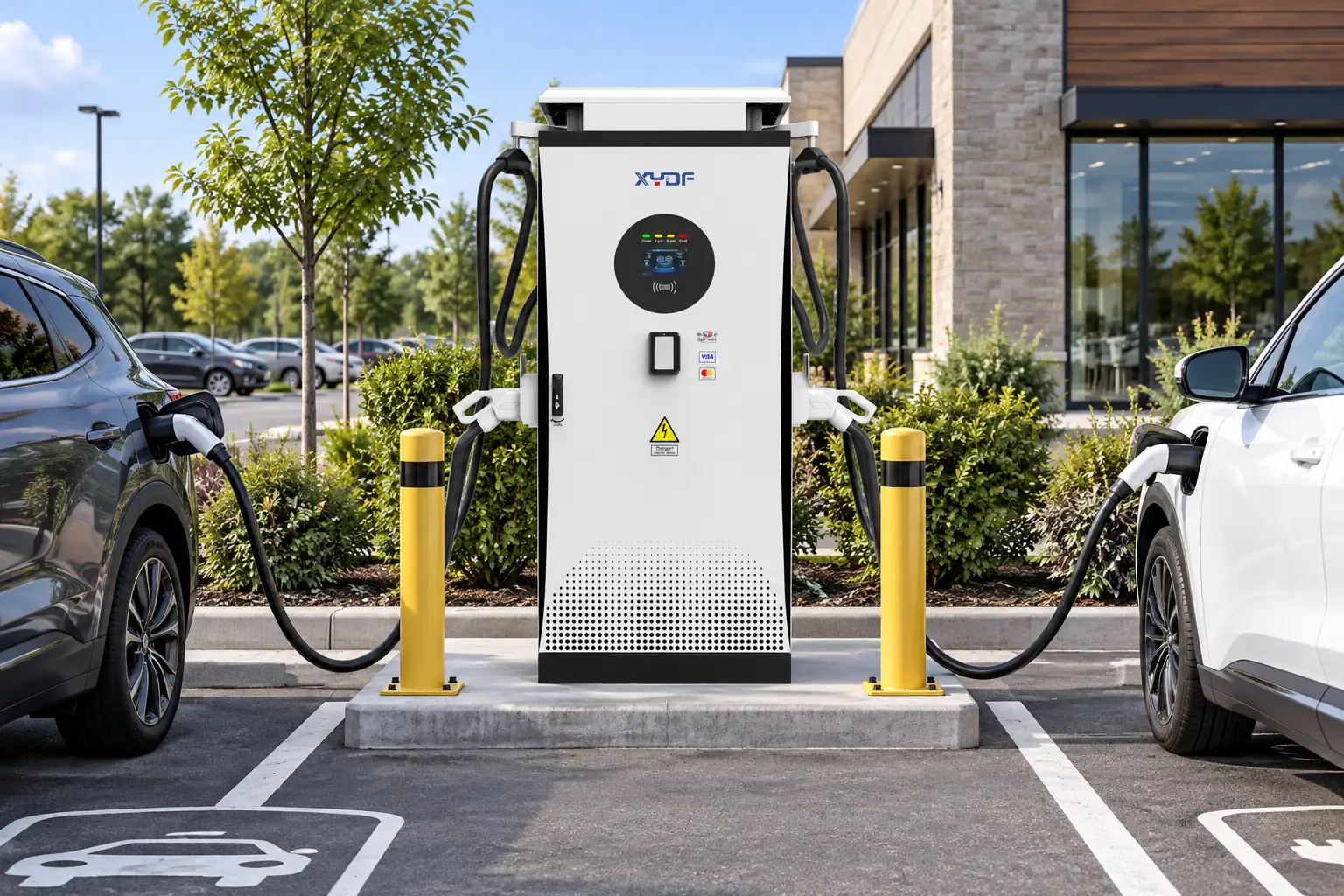
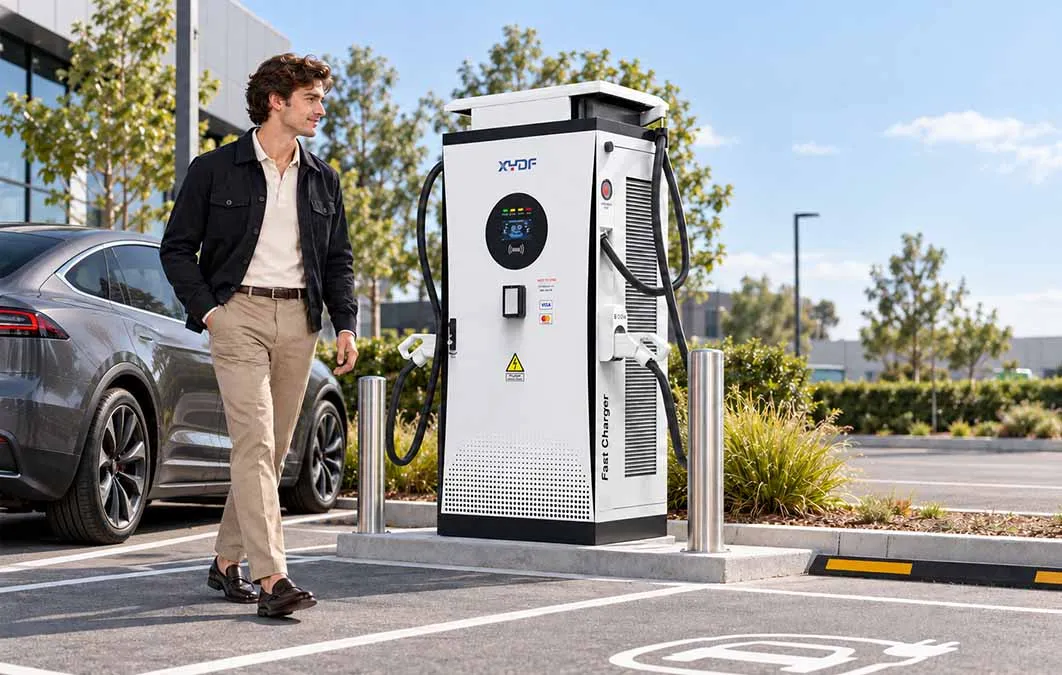
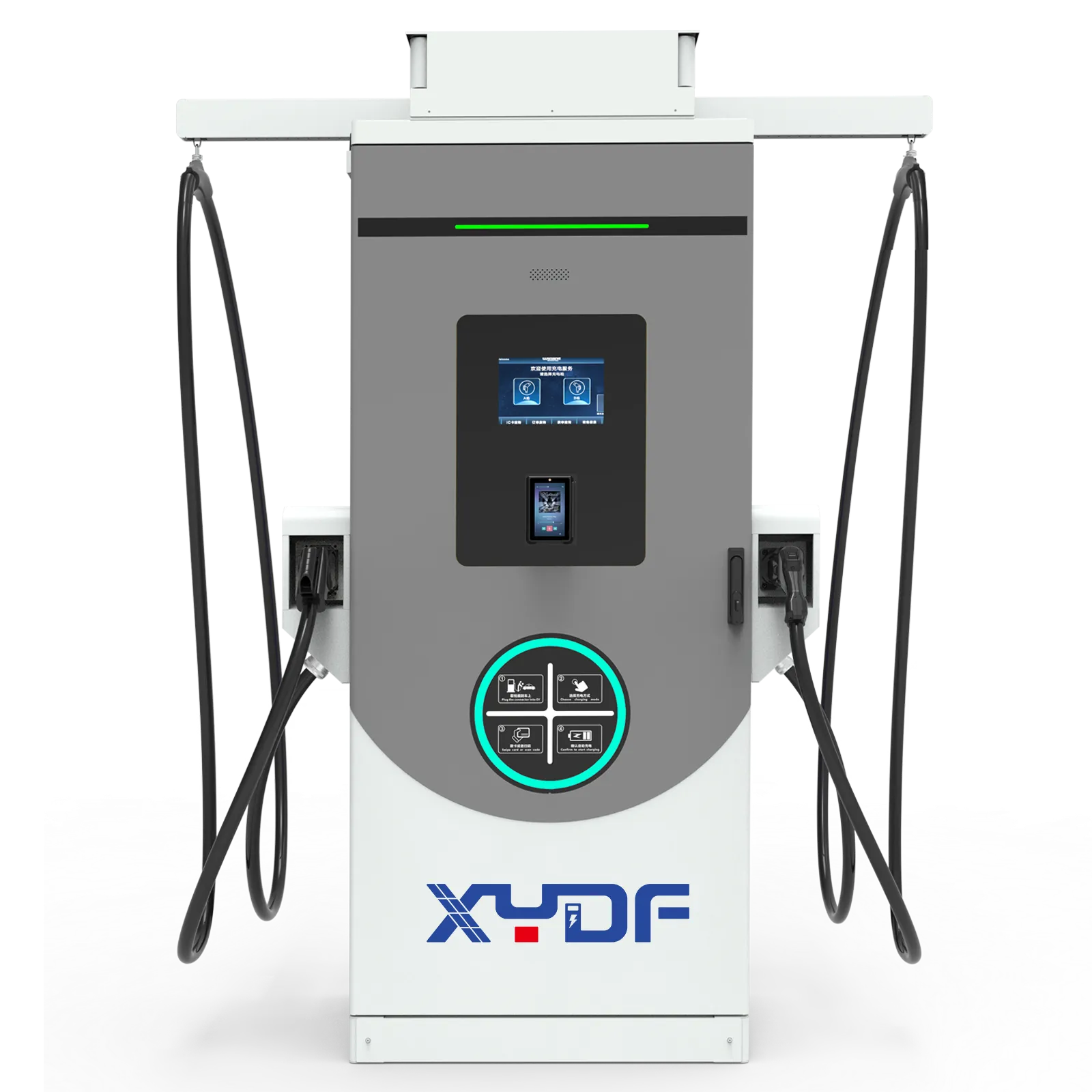
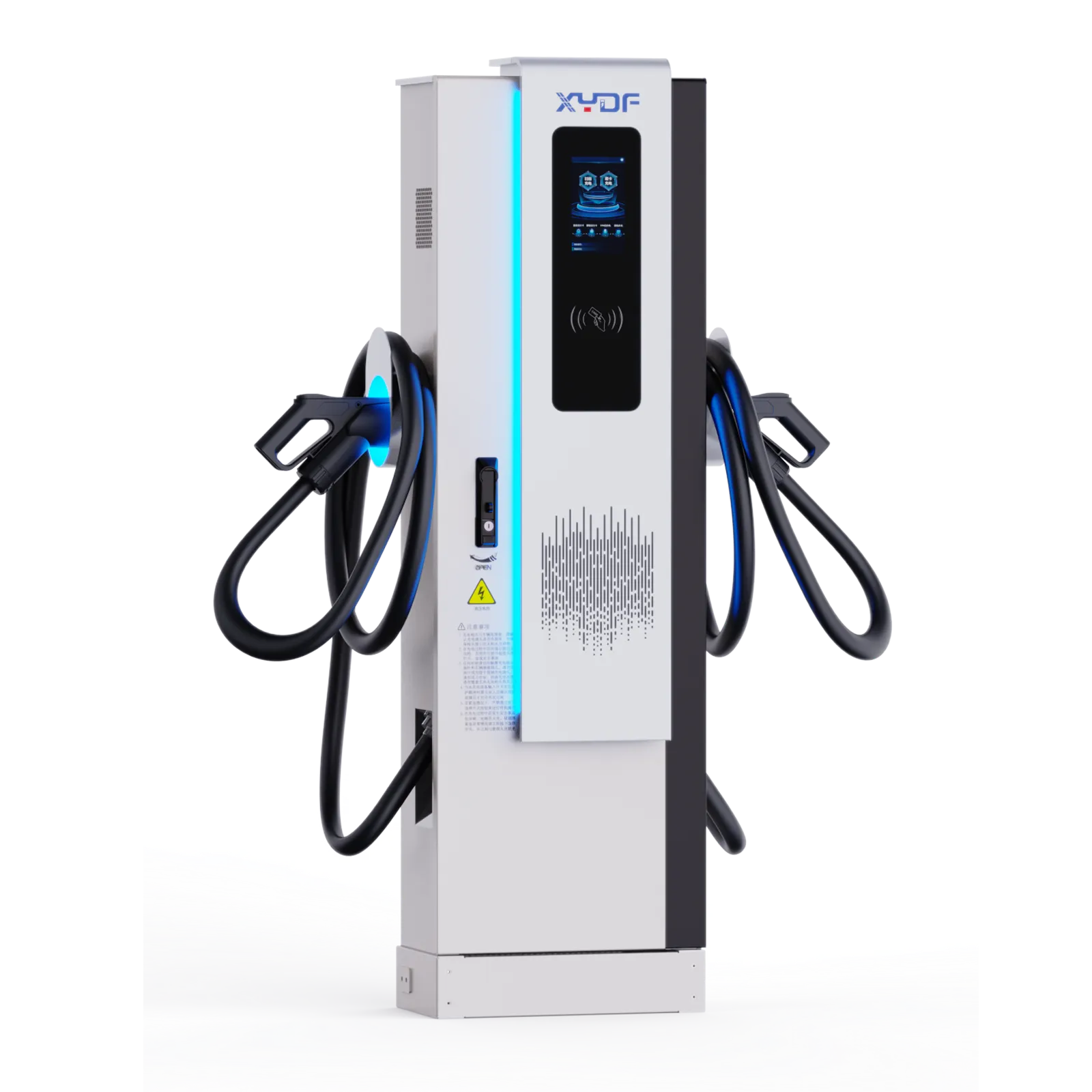
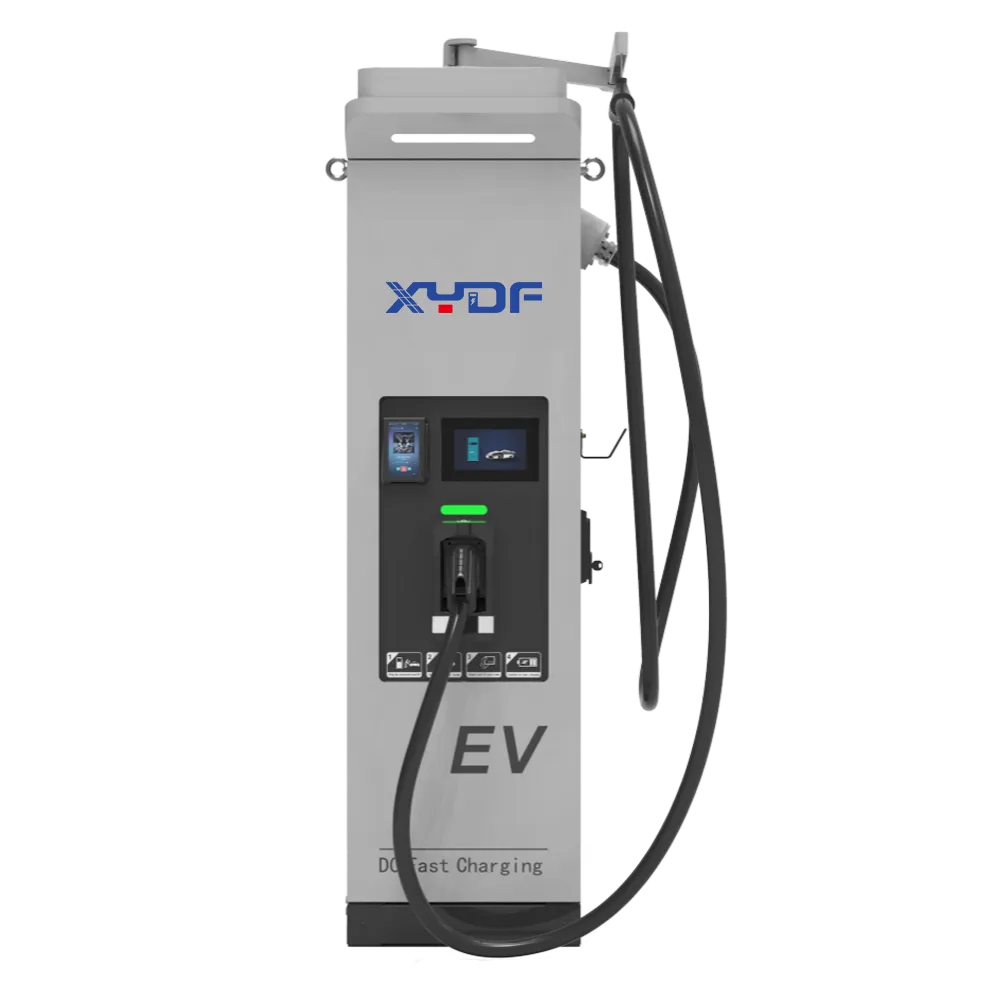
أساطيل الوجهات أو المواقع المتاحة للجمهور، التمييز بين زمن التوقف للشحن المتردد (AC) للوجهات مقابل زمن الاستجابة السريع. إن التحديد الدقيق لـ شاحن سيارات كهربائية للأعمال قد يكون وحدة تكييف هواء حيث تقف المركبات لعدة ساعات، بينما قد تحتاج المحطة الأساسية للخطوط إلى قدرة شحن مباشر (DC) مُدارة. يمكن لفريق المشتريات مقارنة الفئات ذات الصلة من خلال المورد معدات الشحن بالتيار المتردد و أنظمة الشحن السريع بالتيار المستمر دون السماح لعدد الموصلات وحدها بتحديد النتيجة.
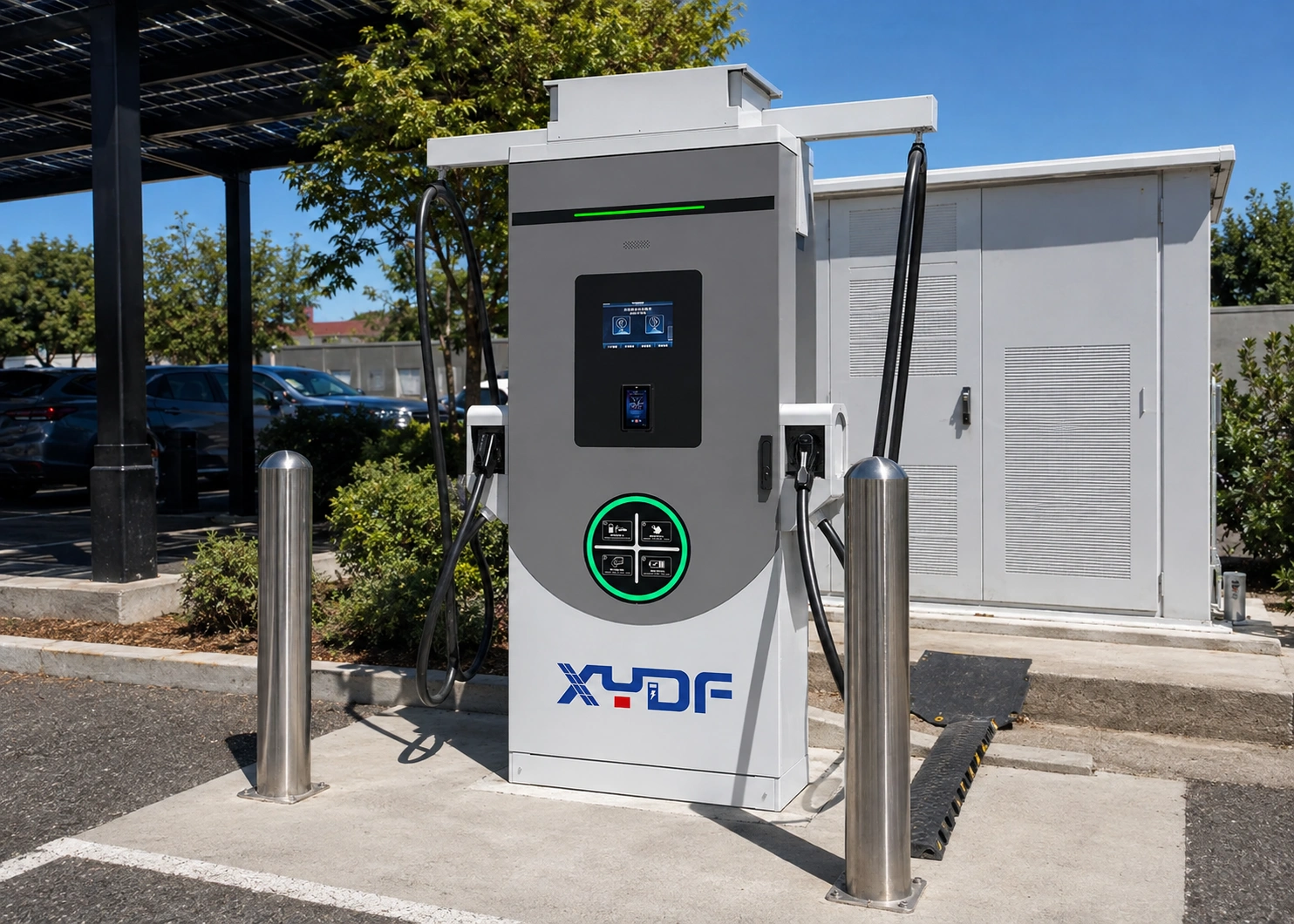
تحويل معايير تقييم العطاءات إلى سجل قرار قابل للدفاع عنه
انشر بطاقة تقييم موزونة تتضمن بوابات نجاح/رسوب إلزامية قبل وصول العطاءات. يمكن أن تشمل هذه البوابات أدلة جاهزية الموقع، ونطاق الأعمال الكهربائية والسلامة المطلوبة، والقدرة على تلبية متطلبات التكامل المعلنة؛ بحيث تنتقل العطاءات المتوافقة فقط إلى مرحلة التقييم المقارن. ويجب تقييم الامتثال الفني، وملاءمة الموقع، وأدلة التكامل، وتنفيذ المشروع، والشفافية التجارية، والضمان، وشروط اتفاقية مستوى الخدمة (SLA) بشكل منفصل.
قد يُخصص إطار عمل مكون من 100 نقطة 25 نقطة للتوافق الفني والكهربائي، و20 نقطة للتسليم والتشغيل، و20 نقطة للدعم طوال دورة الحياة، و15 نقطة قابلية التشغيل البيني والأمن السيبراني، و20 نقطة للوضوح التجاري. ويمكن أن يغطي الدعم طوال دورة الحياة الصيانة الوقائية، وسير عمل التشخيص، والدعم المدرب، واستراتيجية قطع الغيار، وإدارة الضمان، وتقارير الأداء، بدلاً من مجرد مدة الضمان. هذه الأوزان توضيحية؛ ويجب على العميل تعديلها بما يتناسب مع المخاطر والاستخدام المقصود عند اختيار مورد محطات شحن المركبات التجارية.
اطلب من مقدمي العطاءات الإفصاح عن الانحرافات بنداً بنداً. واطلب جدولاً زمنيّاً للمشروع يوضح الاعتماديات ذات التوريد طويل الأجل، ومصفوفة مسؤوليات للواجهات المرافقية والمدنية، وثائق اختبار قابلة للإحالة حيثما تسمح المناقصة بذلك. قم بتقييم الاستفسارات بشكل متسق واحتفظ بمبررات التقييم. هذا يحمي المشترين من ترسية العقود على أساس نطاق أساسي غير مكتمل ويجعل التحكم اللاحق في التغييرات أبسط بكثير.
استخدم مصفوفة ردود الفعل التي تُحدد كل متطلّب بالدليل الذي يقترحه المورّد، والمالك، واختبار القبول. لا يكفي مجرد مربع “التوافق”: ينبغي على المُقيّم أن يكون قادرًا على معرفة ما إذا كانت الإشارة مدعومة برسوم بيانية أو سجلات تشغيلية أو عروض تجريبية أو اختبارات في الموقع، وما إذا كان الانحراف سيؤدي إلى تغيير في السعر أو البرنامج.
| تطبيق | تركيز مفيد لطلب تقديم العروض | أدلة القبول |
|---|---|---|
| موقف سيارات مكان العمل أو الوجهة | دوران المواقف، مشاركة أحمال تكييف الهواء، وصول المستخدمين | جلسات متزامنة محاكة وسجلات وصول |
| موقع بيع بالتجزئة تجاري | وقت بقاء العميل، وتسليم المدفوعات/الخلفية، ووقت التشغيل | اختبار الجلسة والأعطال والتقارير من البداية إلى النهاية |
| مستودع الأسطول | جاهزية المغادرة، الحمولة المُدارة، الأولوية التشغيلية | اختبار توصيل الطاقة وحدود المغذي طوال الليل |
| دوران سريع للطرق السريعة أو اللوجستيات | إنتاجية مركز البيانات، استعادة قائمة الانتظار، قابلية الصيانة | جلسات الأحمال العالية المتكررة وإجراءات التعافي |
تحديد شروط الضمان واتفاقية مستوى الخدمة (SLA) المتعلقة بنتائج الخدمة
يجب أن تحدد صغة الضمان التجمعات المشمولة بالتغطية، وتاريخ البدء، والاستثناءات، ومعاملة العمالة، وعملية الاستبدال، وتوقيت العلاج. يجب أن تحدد شروط اتفاقية مستوى الخدمة (SLA) خطورة الحوادث، وأهداف الاستجابة والاستعادة، والإجراءات عن بُعد مقابل الإجراءات في الموقع، وتيرة إعداد التقارير، لوجستيات قطع الغيار، ونوافذ الصيانة المخططة. التمييز بين الإقرار، والتشخيص عن بُعد، والحضور، والاستعادة: فهي مقاييس خدمة مختلفة.
تجنب تقديم وعد “وحدد نافذة الخدمة وطريقة الحساب، وسواء كانت الوحدة المقاسة موصلاً، أو شاحناً، أو الموقع بأكمله، ومصدر البيانات، ودورية إعداد التقارير. اذكر الاستثناءات، مثل نوافذ الصيانة المتفق عليها، أو انقطاع المرافق، أو أعطال الاتصالات خارج الحدود المتعاقد عليها، أو تلف المركبات، أو التغيير غير المصرح به، شريطة أن يكون ذلك مقترناً بتصنيف واضح للحوادث وسجل أدلة. ويمكن للمشتري بعد ذلك مقارنة التزامات اتفاقية مستوى الخدمة (SLA) على أساس متماثل ومعرفة المخاطر التي تظل خارج نطاق الدعم.” *(ملاحظة: النص الإنجليزي الأصلي يحتوي على عبارة ناقصة قليلاً "Avoid an unqualified “uptime” promise"، وقد تم ترجمتها بدقة ضمن السياق).*.
يلزم وجود سجل تشغيل لكل شاحن وحزمة تسليم تحتوي على رسومات الواقع الفعلي، والأرقام التسلسلية، وملكية إعدادات الأصول والشبكة، ونتائج الاختبارات، تعليمات الصيانة، وجهات اتصال التصعيد، وقائمة قطع الغيار الموصى بها. ويجب أن تتضمن التدريب التشغيلي لفريق الموقع، وسجلاً بمن أتمه، وتسليماً محكوماً لصلاحيات المسؤول. هذه المستندات ذات قيمة تشغيلية أكبر من النشرة التعريفية العامة لأنها تمكّن أي مزود خدمة جديد من فهم البنية المثبتة.
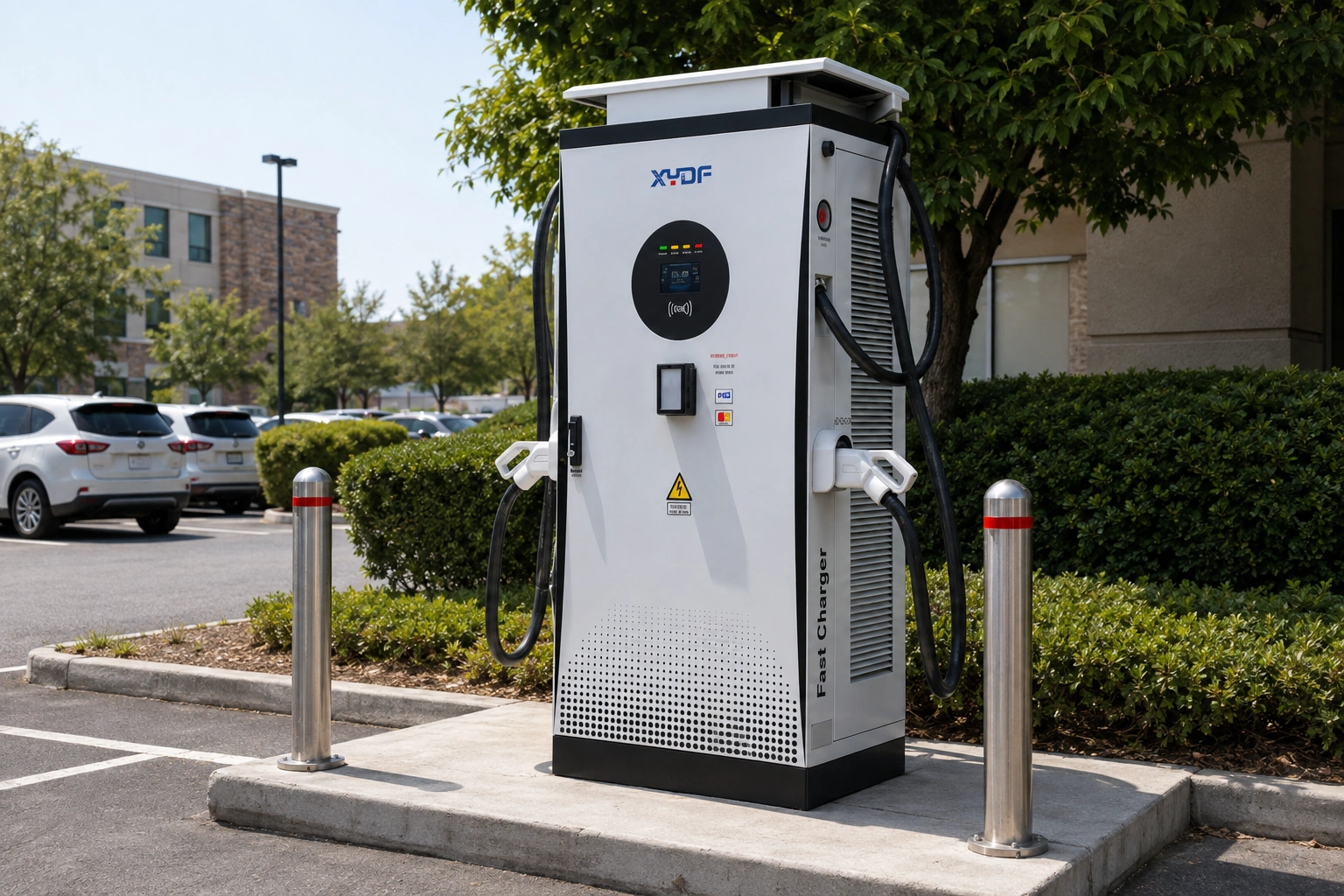
استخدم المناقصة لاختيار شريك شحن يدعمه الدعم
تصبح الشروط التجارية مفيدة فقط عندما ترتبط بتسلسل يمكن التحقق منه من مراحل التسليم والقبول. قم بتنسيق التكوين المطلوب، ونقطة مراقبة التغييرات، ومراحل الإنتاج والتفتيش، ومسؤوليات التعبئة والنقل، ومعايير Incoterms، وبدء فترة الضمان، والتزامات قطع الغيار، والسبل العلاجية في حالة عدم الامتثال. لا يمكن مقارنة السعر الفردي المنخفض أو المدة الزمنية المحددة قصيرة عندما تختلف النطاق والوثائق الداعمة للتسليم. للاطلاع على السياق العام للتخطيط، انظر إرشادات الطاقة الكهربائية من مركز بيانات الوقود البديل التابع لوزارة الطاقة الأمريكية; لا يزال سجل القبول المخصص للموقع يحدد القرار النهائي.
- ضع بوابة للمرافق وجاهزية الموقع، ثم ترجم مسارات الأسطول، وقت المكوث، وتصاريح المستخدمين إلى ملفات طاقة وقدرة (AC/DC) مرحلية.
- اجعل تقييم الأحمال، ووصف الضوابط، وفترضات المزايد وسجل الاستثناءات، وخطة الاختبار مخرجات تعاقدية.
- قم سرد وظائف الواجهة الخلفية الدقيقة، وإصدار بروتوكول OCPP، وتررحيل البيانات وشروط الملكية، والوصول عن بُعد، ومسؤوليات الأمان السيبراني.
- تقييم أدلة الخدمة، والتشغيل والتسليم، والدعم طوال عمر المنتج، وشروط الضمان/اتفاقية مستوى الخدمة القابلة للقياس إلى جانب الامتثال الفني والسعر.
يمكن اعتبار XYDF، المعروف أيضًا باسم XYDF، المكان الذي يحتاج فيه المشتري إلى منتج صيني. شركة تصنيع معدات شحن المركبات الكهربائية قادرة على مناقشة شواحن التيار المتردد، وشواحن التيار المستمر السريعة، والشواحن عالية القدرة، وتكوين محطات الشحن. تتمثل دورها في عملية منضبطة في الاستجابة لمتطلبات التشغيل والتكامل الموثقة الخاصة بالمشتري، مع مراجعة تفاصيل التكوين والتوريد من خلال شركة خلفية الشركة المصنعة.
الأسئلة الشائعة
ما المعلومات التي يجب أن يتضمنها طلب تقديم العروض (RFP) الخاص بشحن المركبات الكهربائية؟
تضمن الموقع ونطاق التشغيل، وتوصيل الطاقة المطلوبة، والقيود الكهربائية، ووظائف الشواحن، والحدود المدنية والتركيبية، والintegrations الخلفية، واختبارات القبول، والجدول الزمني، والضمان، واتفاقية مستوى الخدمة (SLA). أرفق الرسومات وبيانات الحمل الدوري عند توفرها، واطلب من المتقدمين تحديد جميع الافتراضات، والاستثناءات، والتبعية، والانحرافات في سجل تسعير.
كم عدد أجهزة الشحن التي يجب أن تحددها مناقصة الشحن التجارية؟
تتبع الكمية المركبات، ونوافذ التوقف، والطلب المتزامن، ومتطلبات المرونة، وليس نسبة عامة. قم نمذجة كيلوواط ساعة اليومي واحتياجات المغادرة أولاً، ثم حدد عدد الموصلات، والتزامن المُدار، وتوفير التوسع بشكل منفصل.
ما هي المعايير التقنية التي يجب ذكرها في طلب تقديم العروض (RFP) لشاحن السيارات الكهربائية؟
قم بإدراج المعايير التي تتطابق مع سوق الوجهة والتطبيق المقصود، مثل IEC 61851 في سياق نظام الشحن التوصيلي، بالإضافة إلى القواعد الكهربائية المحلية المعمول بها. اذكر الأدلة المطلوبة ونطاق الاختبار؛ فالمعيار المرجعي لا يُعد تلقائياً ادعاءً بالشهادة.
هل ينبغي أن يتطلب طلب تقديم العروض (RFP) التوافق مع بروتوكول نقطة الشحن المفتوحة (OCPP)؟
نعم، عندما يحتاج المشتري إلى نظام خلفي متوافق أو مرونة في الإدارة المستقبلية، ولكن يجب تحديد إصدار وبروتوكول OCPP المطلوب والوظائف. إن بروتوكول OCPP 2.0.1 وحده لا يثبت نجاح الاتصال بكل منصة، لذا يجب اشتراط إجراء اختبار تكامل وقبول، بالإضافة إلى تحديد عملية تسليم لتصدير البيانات والوصول عن بُعد.
كيف ينبغي للمزايدين التعامل مع السعة الكهربائية للموقع؟
يجب على المشاركين في المناقصة تقديم تقييم للحمل الكهربائي باستخدام بيانات الطلب المتاحة في الموقع، وحدود المحولات والمغذيات، وتزامن الشحن، والمراحل المستقبلية. ويجب أن يتضمن الرد مخططات تشغيل منفصلة للتيار المتردد والتيار المستمر، حيثما كان ذلك مناسبًا، ومنطق التحكم، والتبعيات المتعلقة بشبكة الكهرباء العامة، وما سيحدث في حالة حدوث قيود على السعة أو الاتصالات.
ما هي الوثائق التي تجعل عرض مورّد شاحن المركبات الكهربائية متساوياً؟
اطرح على كل مورد نفس ورقة التكوين، ومراحل التسليم، وخطط التفتيش والقبول، والتعبئة والشحن، ومواصفات Incoterms، وشروط الضمانات، وعملية التحكم في التغييرات، ومعالجة حالات عدم المطابقة. تتطلب عروض أسعار مماثلة نطاقاً مماثلاً؛ فالسعر أو المدة الزمنية دون هذه الوثائق لا يشكل مقارنة تجارية قابلة للتدقيق.
المراجع
- مركز بيانات الوقود البديل التابع لوزارة الطاقة الأمريكية: البنية التحتية للشحن
- التحالف المفتوح للشحن: بروتوكول نقطة الشحن المفتوح
- معلومات نشر المواصفة IEC 61851-1
- معلومات نشر ISO 15118-2
- معلومات الكود الوطني للكهرباء، NFPA 70
لا يوعد العرض الأفضل بكونه سيحل كل قيود المشروع؛ بل يوضح القيود، ويخصم المسؤولية، ويختبر النتائج التشغيلية قبل التسليم. يضع هذا المبدأ قرارات المشترين في ترتيبها الصحيح: أولاً، قم بتعريف المركبات، ووقت الاستلام، والطاقة المطلوبة؛ ثم تحقق من حدود الخدمات المدنية والسكنيّة والاتصالات؛ ثم قم بمقارنة تكوينات المحولات مع نموذج الحمل المشترك واختبار التكامل ونطاق الخدمة. لا يمكن مقارنة رد فعل المورد إلا عندما تكون افتراضاته واستبعاده وأصحاب المصلحة وأدلة القبول واضحة. لا تتجاهل اختبار التسليم المحدود أو الخلفي، ولا تحوّل إشارات IEC أو OCPP إلى ادعاءات اعتماد عامة. توفر هذه الاختبارات للفرق المعني بتقييم المشروع سجلًا واعدًا وتمنح فريق العمل التشغيلي اختبار التسليم الفعال.
عندما تصبح المواصفات جاهزة لرد المورد، راجع حلول شحن المركبات الكهربائية وتواصل مع الفريق بنموذج تحميل الموقع، ومتطلبات التكامل، وشروط الخدمة المطلوبة.