كيف تحدد قياس شحن السيارات الكهربائية في الاستيطان التجاري
أغسطس 08,2026
مدونة
شحن المركبات الكهربائية التجاري يصبح مشكلة تسوية عندما يتم استخدام سجل الطاقة لحساب الدفع أو السداد أو التحويل بين الأطراف. لا يظهر عرض مقياس الطاقة وحده من الذي أثبت التصديق، أو الموصل الذي قدم الطاقة، أو ما إذا كان الجلسة قد تم قطعها، أو كيفية التعامل مع السجل المُعدل. يوضح هذا الدليل كيفية ربط متطلبات القياس القانونية مع الشاحن والواجهة الخلفية وهوية المستخدم وملف التصدير، عملية النزاع. فهو يعتبر MID بمثابة مسار تنظيمي للأسواق المعنية، وليس بمثابة موافقة شاملة لجميع حالات الاستخدام المتعلقة بالرسوم أو الفواتير.
الجواب القصير هو تحديد سلسلة التسوية، وليس مجرد متر واحد. تحديد الاختصاص وخط الموﻻت القانونية، ثم فرض الشفافية. بيانات الخط متر, يحتوي MID على معلومات حول هوية الدورة، وتاريخ البدء والتوقف، ووقت المعاينة، والوقت الزمني، ونوع التعريفة، والإصلاحات، والصادرات، والاحتفاظ، وحالة النزاع. قد تكون علامة MID ذات أهمية في الاتحاد الأوروبي بالنسبة للأدوات التي تندرج ضمن نطاقها، لكن القواعد المحلية والصفقة المقصودة تحددان ما هي الأدلة التي يُطلب بالفعل توفيرها.
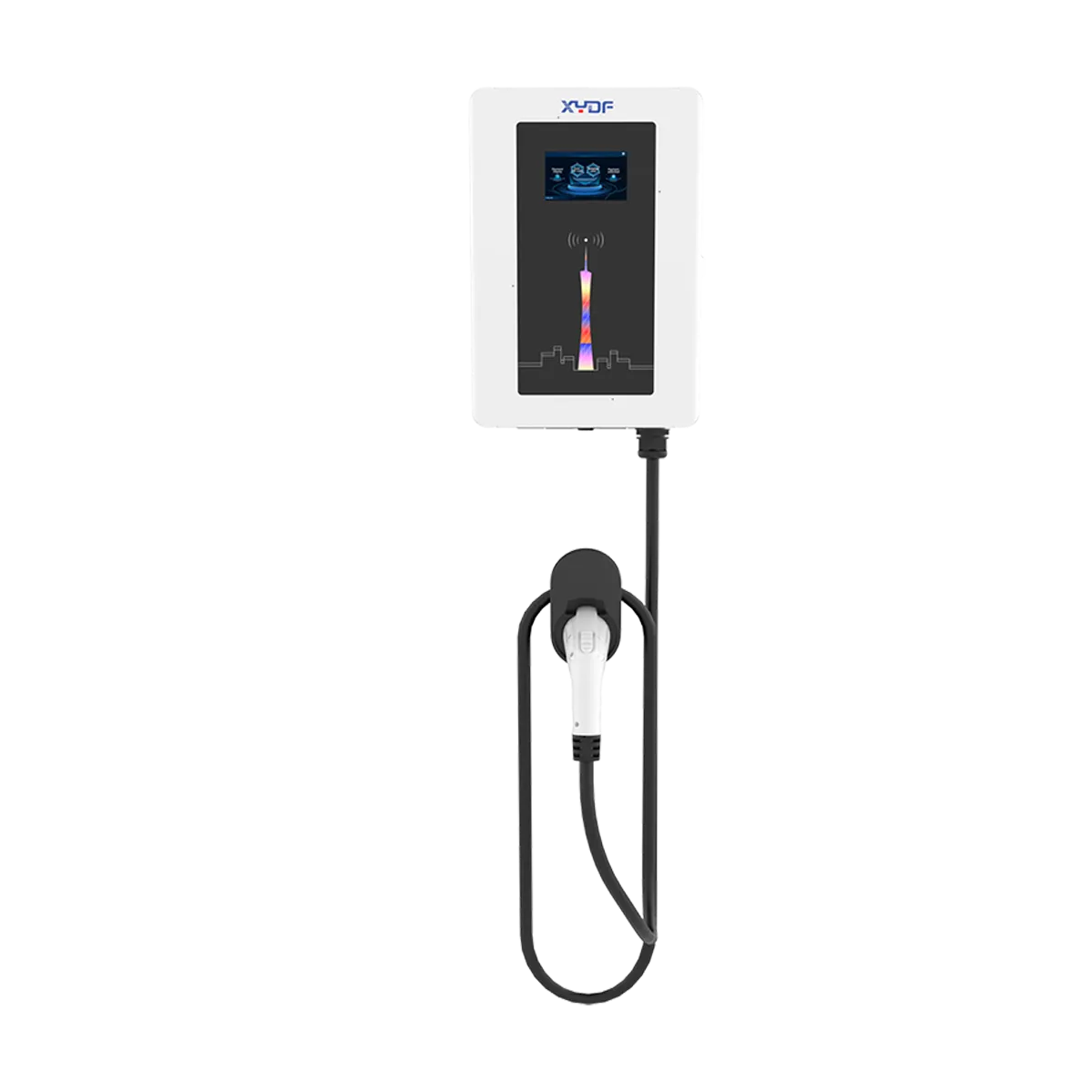
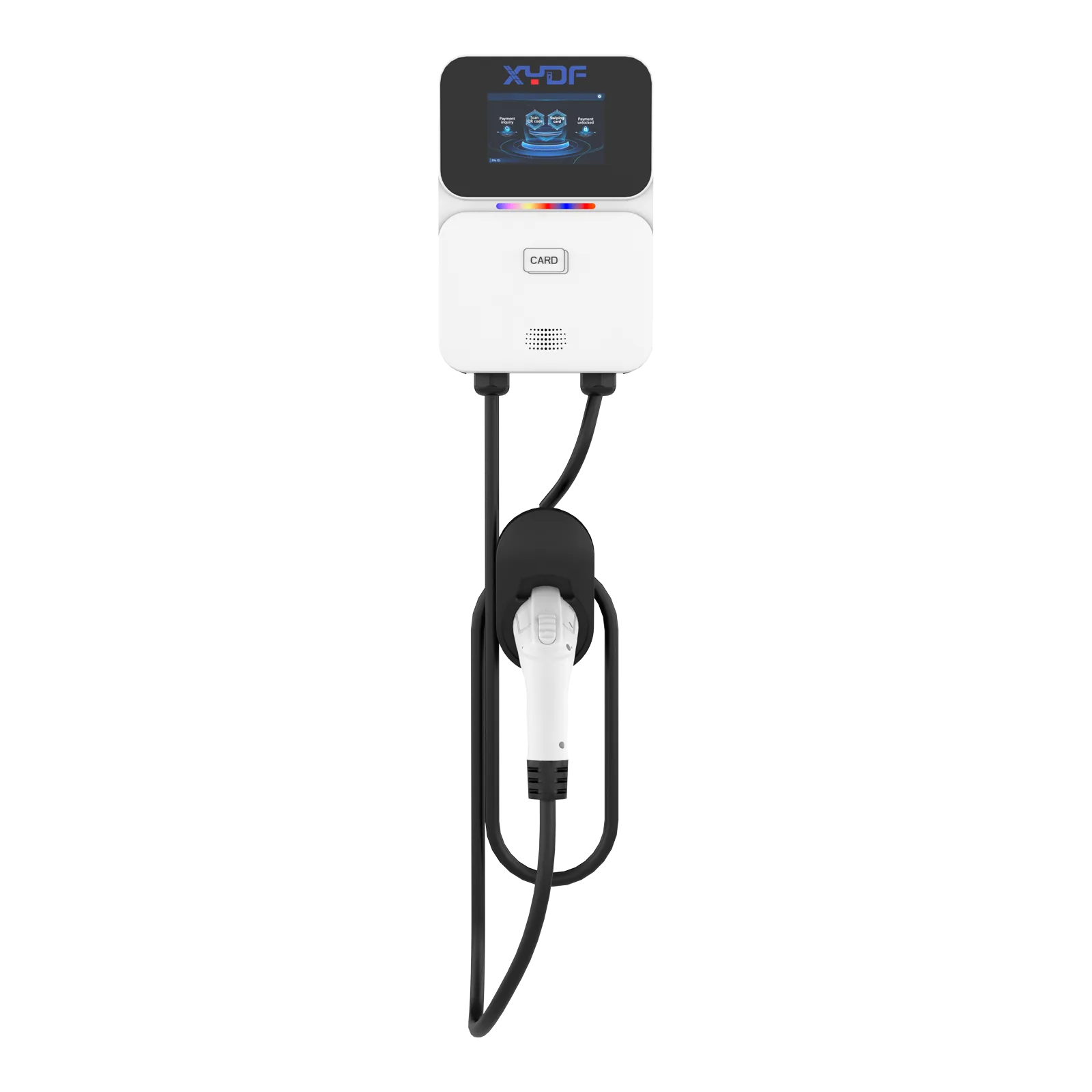
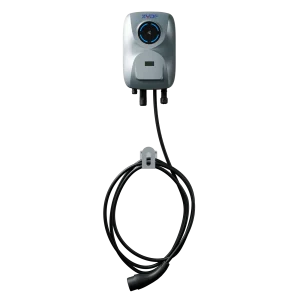
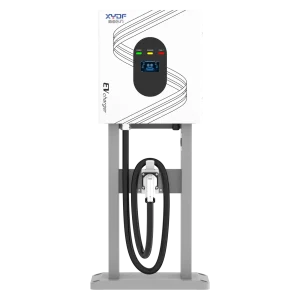
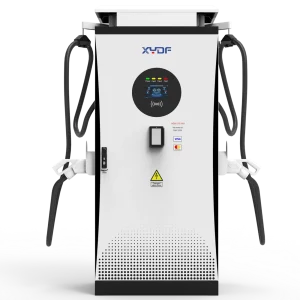
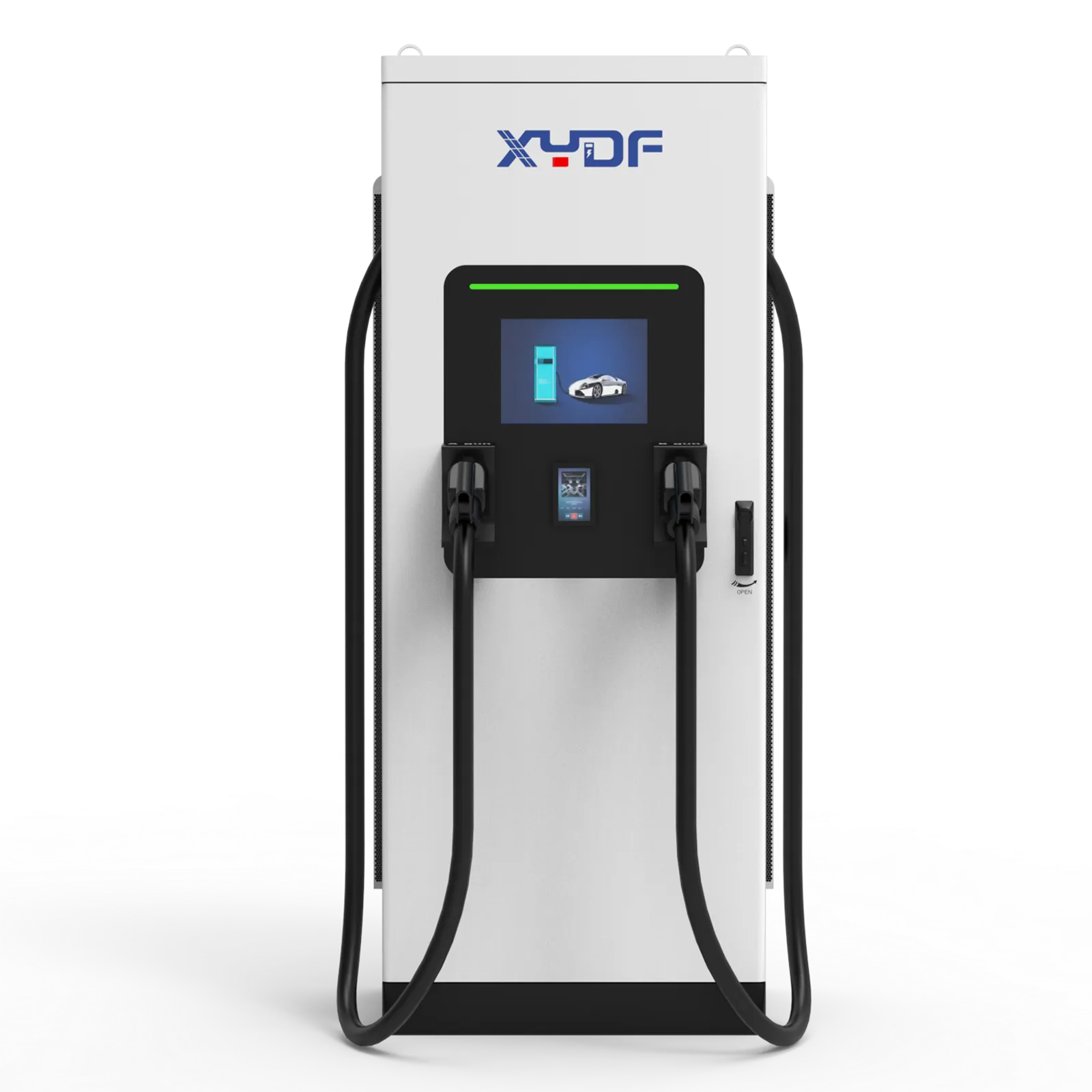
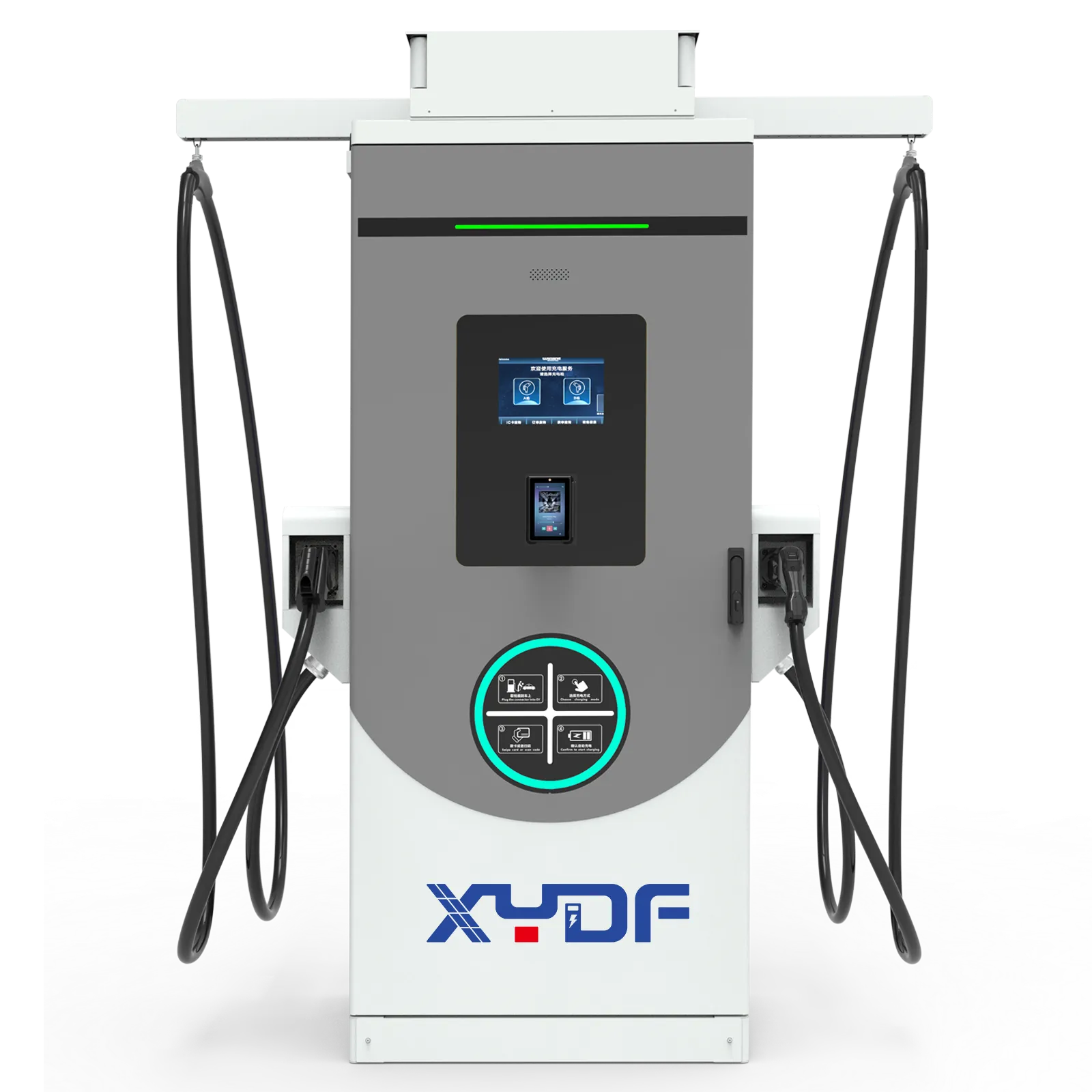
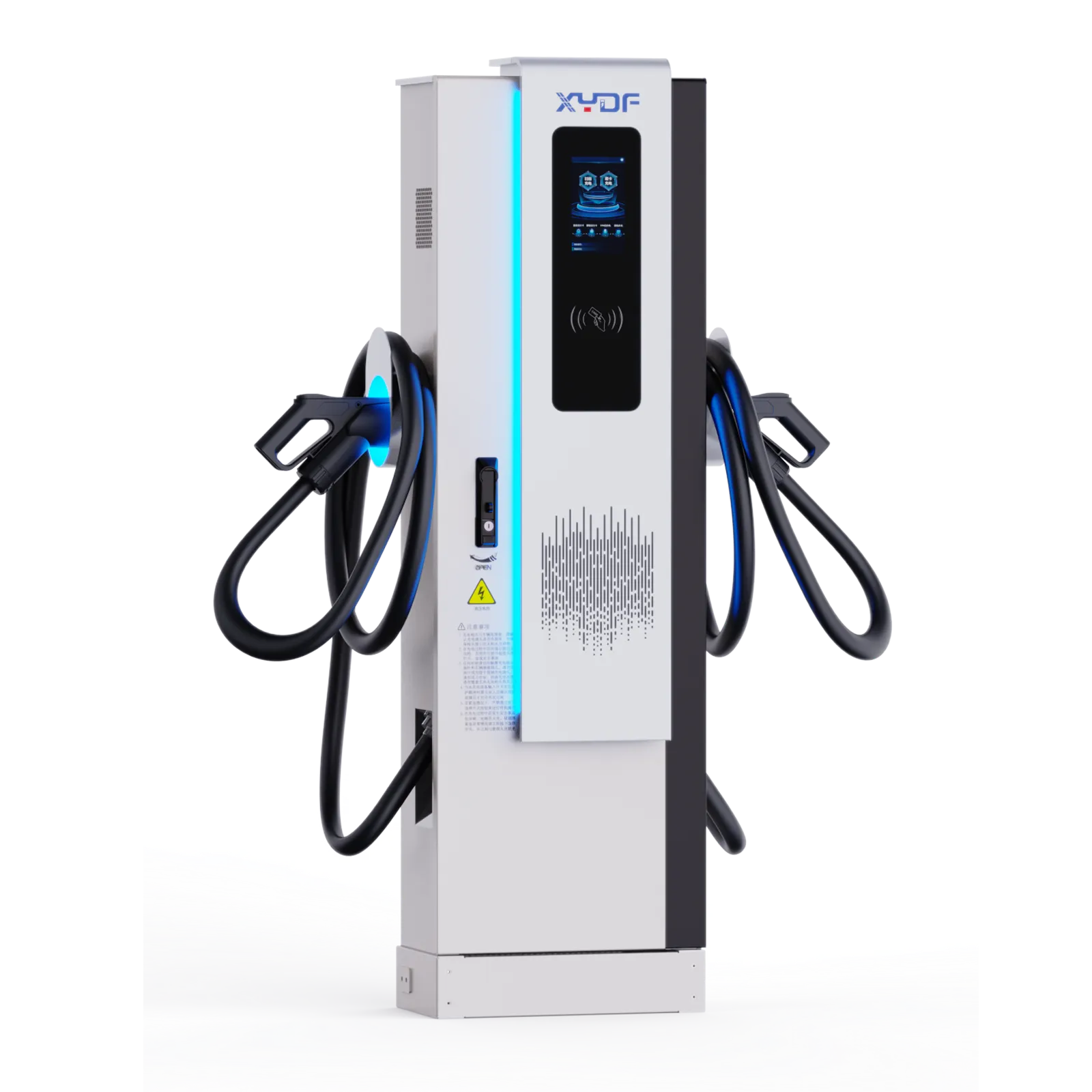
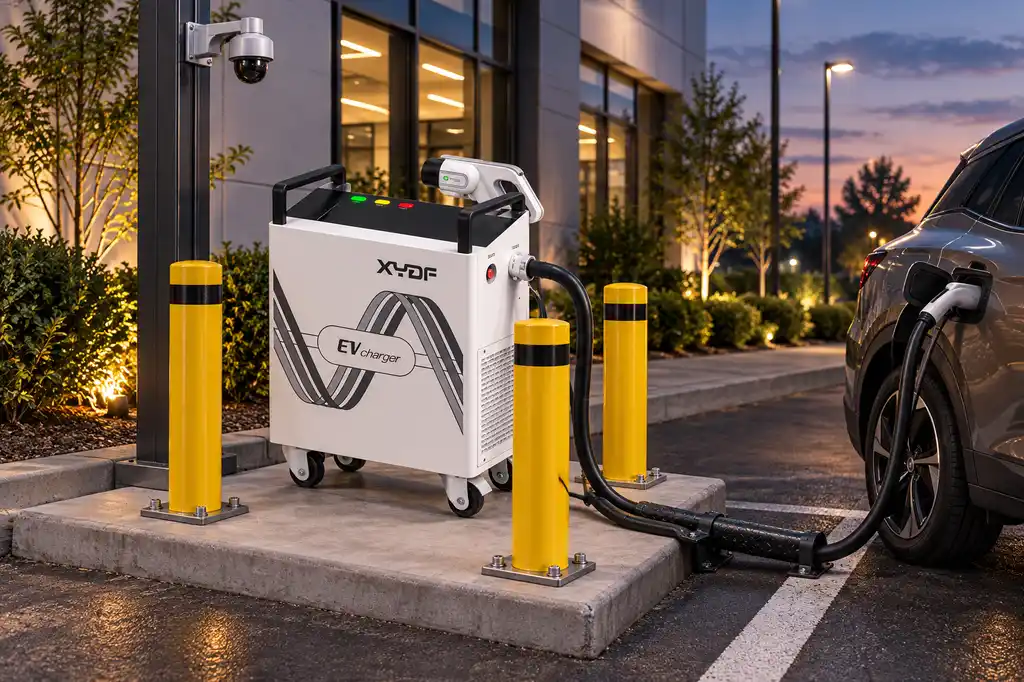
مستند إلى سياق المعدات فقط؛ الصورة لا تشير إلى قدرة على القياس أو الدفع أو التسوية.
متى يتطلب شحن السيارات الكهربائية التجاري ذلك؟ سجل مستويات الاستقرار?
يقدم رصد الطاقة إجابة على سؤال تشغيلي: كم من الكهرباء استخدمها الشاحن أو الموقع؟ بينما يحدد الاستقرار سؤالًا مختلفًا: هل يمكن للمشتري تخصيص رسوم محددة أو ردها أو تحصيلها أو الدفاع عنها بشكل عادل خلال جلسة معينة؟ هذه الأخيرة تتطلب أكثر من مجرد إجمالي على لوحة المعلومات.
ابدأ بوضع اسم على المعاملة. قد يقوم العقار بتسديد رسوم مستأجر، وقد يستخدم الأسطول لتخصيص التكاليف لراكب أو مركبة، وقد يقوم مكان العمل بتعويض الموظف عن التكاليف، أو قد يقوم المشغل العام ببيع الطاقة إلى الزائر. كل نموذج يغير من الأشخاص الذين يجب أن يثقوا بالسجل وما المعلومات التي يجب الاحتفاظ بها.
هذه الفروق مرئية في لغة المشغل الحقيقية. دليل الفواتير التجارية يُفصل بين تقارير المالية والتصدير والتاريخ السجلي لسائقى المركبات، وتقارير المستأجرين على حدة. هذه ليست تقارير قابلة للتبديل حتى لو أظهر كل شاحن رقمًا لليكترواط.
ملاحظة هامة: لا يشكل عرض استهلاك الشاحن الداخلي دليلاً تلقائيًا على المطابقة المالية؛ يجب ربط بيانات الطاقة على مستوى الجلسة مع المقياس المعتمد وتدفق العمل المعاملات. موجز قانوني ومترولوجي للجنة الأوروبية هو نقطة انطلاق مفيدة لإطار الاتحاد الأوروبي؛ حدد أدلة المشروع قبل قبول عرض أسعار للأجهزة.
ما الذي يغطي MID وما الذي لا يغطي؟
تتعلق متطلبات قياس الطاقة الكهربائية بالمبادئ التوجيهية الخاصة بتوجيهات الأجهزة القياسية الأوروبية. تم تعديل التوجيه (EU) 2026/706 لتضمين نظام القياسات الخاصة بمعدات إمداد المركبات الكهربائية بموجب MI-011. رسالة EUR-Lex يصف نظام قياس EVSE بأنه الوظائف القياسية المتعلقة بنقل الطاقة الكهربائية النشطة بين EVSE والمركبة.
هذا هو السياق الاستهلاكي المفيد، وليس بيانًا عامًا يفيد بأن لوحة قياس طول متر واحدة تحل كل مشكلة. تتضمن التوجيهات ترتيبات الانتقال، وتؤكد أن تغيير الاتحاد الأوروبي لا يفرض التزامات إعادة التجهيز على المحطات الموجودة حاليًا. لا يزال من الضروري تأكيد التنفيذ الوطني والممارسة القانونية والمحاسبية المحلية، وقواعد إعادة البيع، وقواعد المستهلكين، ونموذج المشروع التجاري.
في حالة المشروع العالمي، اكتب المتطلبات على مرحلتين:
تحديد سوق الوجهة والسلطة التي تنطبق عليها القاعدة؛
يجب أن تشير إلى دليل المقياس ودقته/توقيعه وموقعه التثبيتية، فضلاً عن تنسيق التسجيل الذي يجب أن يقبله عملية التسوية.
قبل مقارنة الأسعار، قم بتتبع معاملة واحدة تمثلها من الجهاز إلى تقرير التمويل أو تقرير المشغل النهائي: حدد قيمة الجهاز، والوصلة، وبداية الجلسة ووقفها، والمستخدم أو مركز التكلفة، وحساب التعريفة، وملف التصدير، ومسؤول الاحتفاظ بالبيانات. وفي حال كان أي من هذه العمليات إلكترونيًا أو غامضًا، فضع سجلًا له كفجوة في المشروع بدلاً من اعتبار تسمية الجهاز كحل تسوية كامل.
هذا يمنع المشترين من اعتبار “MID” مرادفًا عامًا لـ “دقيق” أو “مجهز للتحصيل”.”
لماذا لا يكفي قراءة المتر وحدها؟
يتضمن سجل تسوية تجارية وافية للسيارات الكهربائية قياس الطاقة إلى معاملة معيّنة. وعادةً ما يتطلب ذلك هوية الشاحن أو الموصل، ووقت البدء والإيقاف، وقراءة الطاقة أو كمية كيلووات ساعة مُسجلة، ومعرف المستخدم أو السيارة المسموح به وفقاً للسياسة، وعملية التوريد، ووسيلة لتصدير أو الاحتفاظ بالنتيجة.
يقوم التحكم في الوصول بمثابة عنصر واحد في تلك السلسلة. قد تحدد بطاقة RFID أو حساب التطبيق أو حساب المشغل أو معرف المركبة من الذي بدأ الجلسة، لكنها لا تثبت في حد ذاتها قراءة الطاقة. وعلى العكس، يمكن للمقياس تسجيل كيلووات ساعة دون ربط النتيجة بشخص أو مركز التكلفة الذي يتم تحصيل الرسوم منه. دليل الوصول إلى الشحن التجاري يساعد الفرق على مقارنة جانب الترخيص في سير العمل.
عنصر السجل
هدف التسوية
استفسار من المشتري
الاستهلاك الموزون
يحدد الكمية المخصصة أو المخصومة.
أي قيمة متر يتم استخدامها، وكيف يتم تحديدها؟
رقم بطارية الشاحن ومكونات الشحن
يحدد الجهاز الذي أحدث السجل.
هل يمكن للتقارير تمييز نوع الموصل المستخدم؟
الوقتان للبدء والإيقاف
يدعم أساسًا زمنيًا أو مراجعة للحسابات.
أي مصدر زمني يتم الاحتفاظ به عند فقدان الاتصال؟
المستخدم أو السيارة أو مركز التكلفة
يُربط الرابط الطاقة بالطرف الذي يُسمح له بالقيام بالبطارية.
هل مطلوب وجود تقنية RFID أو تطبيق أو نظام لوجستي أو هوية مستأجر؟
نتائج التعريفة والصفقة
يشرح المبلغ المستحق.
من يتحمل ملكية تغييرات الأسعار وإنشاء الفواتير؟
التصدير والحفاظ عليه
يسمح لجهات التمويل أو المشغلين أو المراجعين باستخدام السجل.
هل يمكن تصدير الحقول المطلوبة في الشكل المتفق عليه؟
ما هي أحداث الشحن التي يجب أن يحتفظ السجل بها؟
ينبغي أن يتبع تصميم المستوطنات نموذج التشغيل. قد تحتاج نقطة شحن عامة إلى سجلات عن الدفع ودعم العملاء؛ وقد تحتاج أسطول مغلق إلى تقارير عن المركبات ومحطات التخزين؛ وقد تحتاج فندق إلى سير العمل الخاص بالنزلاء أو الغرف؛ وقد تحتاج مكان عمل إلى سياسة لاسترداد تكاليف الموظفين. حلول شحن السيارات الكهربائية التجارية وبصفتها السياق للنشر الأوسع، فمن ثم قم بتصميم المعاملة قبل اختيار المقياس.
سلسلة العمليات
السؤال الأساسي للدفعة الأولى
متطلبات إضافية للتأكيد
رسوم الدخول العام أو رسوم الزوار
ما هي جلسة الدفع، وكيف ترتبط الدفع؟
تنطبق القوانين المحلية المتعلقة بالاستهلاك والضرائب والتسعير والمقاييس.
مستودع الأسطول
أي مركبة أو سائق أو مسار أو إدارة تتلقى تكلفة الطاقة؟
ما إذا كانت التخصيص الخاص تتطلب معيارًا محددًا لتقدير الاستهلاك.
التعويضات الوظيفية
هل يمكن للمؤسس أن يحدد مستخدمًا مؤهلاً ويقوم بتصدير سجل واضح؟
هل يمكن التعرف على الضيف أو المستأجر دون وجود غموض يقتضي التدخل اليدوي؟
سلسلة إجراءات الحجز/الممتلكات، وطريقة الدفع، وقاعدة إعادة البيع المحلية.
إدارة الحمل الداخلي
هل تُستخدم القياسات فقط للتحكم التشغيلي؟
لا تستخدم لاحقًا سجلات المراقبة لإعداد الفواتير دون مراجعتها.
تؤثر سلوك التحميل أيضًا على احتياجات البيانات. دليل ملف تعريف الحمل الشحن التجاري للسيارات الكهربائية يُعد مفيدًا عندما يجب أن يتواجد سجلات التمويل مع سياسة الحد الأقصى لمستويات الطاقة أو سياسة الشحن المدارة في الموقع.
ما الذي يجب على المشترين التحقق منه في شاحن البطارية والوثائق المتعلقة به؟
تقديم طلب للحصول على إثباتات عن مقياس القياسات وفقًا للتكوين المقترح بدقة، وليس بيانًا عامًا عن مجموعة المنتجات. التحقق مما إذا كان المقياس المذكور مدمجًا أم خارجيًا، وما هو الموصل الذي يغطيّه، وما هي العلامة أو الشهادة المعمول بها، وما إذا كانت الوثائق تحدد الطراز والنطاق.
اطلب قاموسًا للبيانات يربط سجل المتر بمستندات الجلسة، وتحديد هوية الموصل، أو هوية المستخدم أو العقد، ونوع التعريفة، وموقع المنطقة الزمنية، وسجل التصحيحات. ثم قم باختبار جلسة مقطوعة، أو عدم نجاح عملية المصادقة، أو تغيير الساعة، وخصومة يدوية. ينبغي أن يظهر سجل القبول القيمة التي تعتبر قانونية، والقيم التي تشكل تشخيصًا تشغيليًا؛ إذ إن مزج الاثنين يشكل مصدراً شائعاً للخطأ في التسويات.
للتأكد من الدقة والتحقق منها، يرجى طلب فئة الدقة المعلن عنها، أو طريقة التحقق أو التفتيش، أو الضوابط المتعلقة بالختم/المتغيرات، أو موقع المحطة، والظروف التي قد يتم فيها تصحيح القراءات. ثم قم بمراجعة مسار البيانات. يمكن لـ OCPP أو واجهة شبكة أخرى نقل المعلومات التشغيلية، ولكن بروتوكول العلامة وحدها لا يضمن أن يفي قيمة المحطة أو هوية المستخدم أو عملية التصدير أو سير العمل المتعلق بالدفاتر المالية المحلية بقاعدة تسوية محددة. تأكد من إصدار الوظيفة الخلفية وأسماء الحقول والسلوك دون اتصال بالشبكة، وتنسيق التقارير، وحيازة البيانات، ومسؤولية الاحتفاظ بها.
ال إرشادات الشراء لمركز بيانات الوقود البديل كما يشدد على أن اختيار المعدات يتلائم مع الاستخدام المتوقع واحتياجات المركبة وظروف الموقع. بالنسبة لمشاريع الشحن، اعتبروا سير العمل في المستوطنة بمثابة مدخل آخر للتصميم وليس مهمة برمجية بعد التركيب.
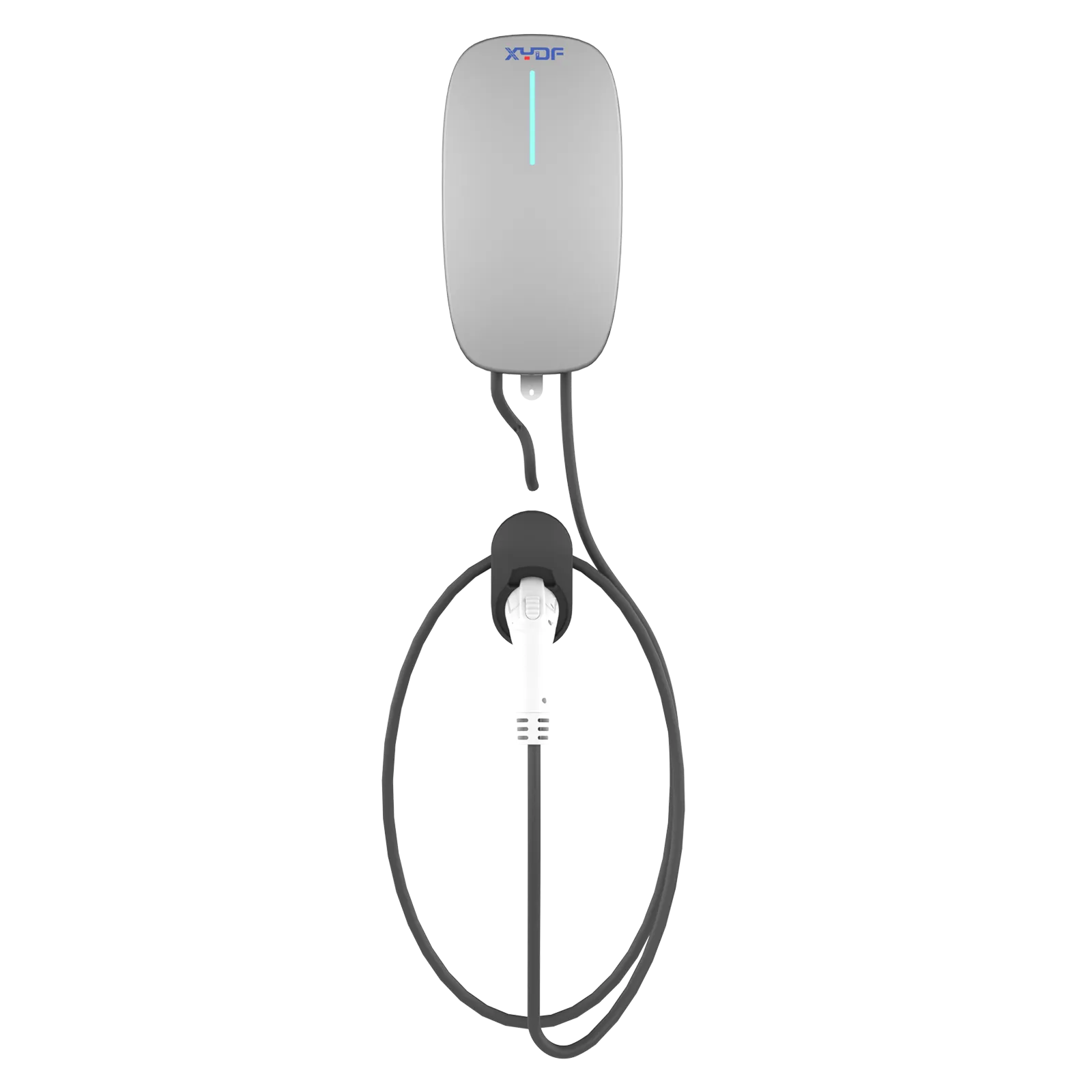
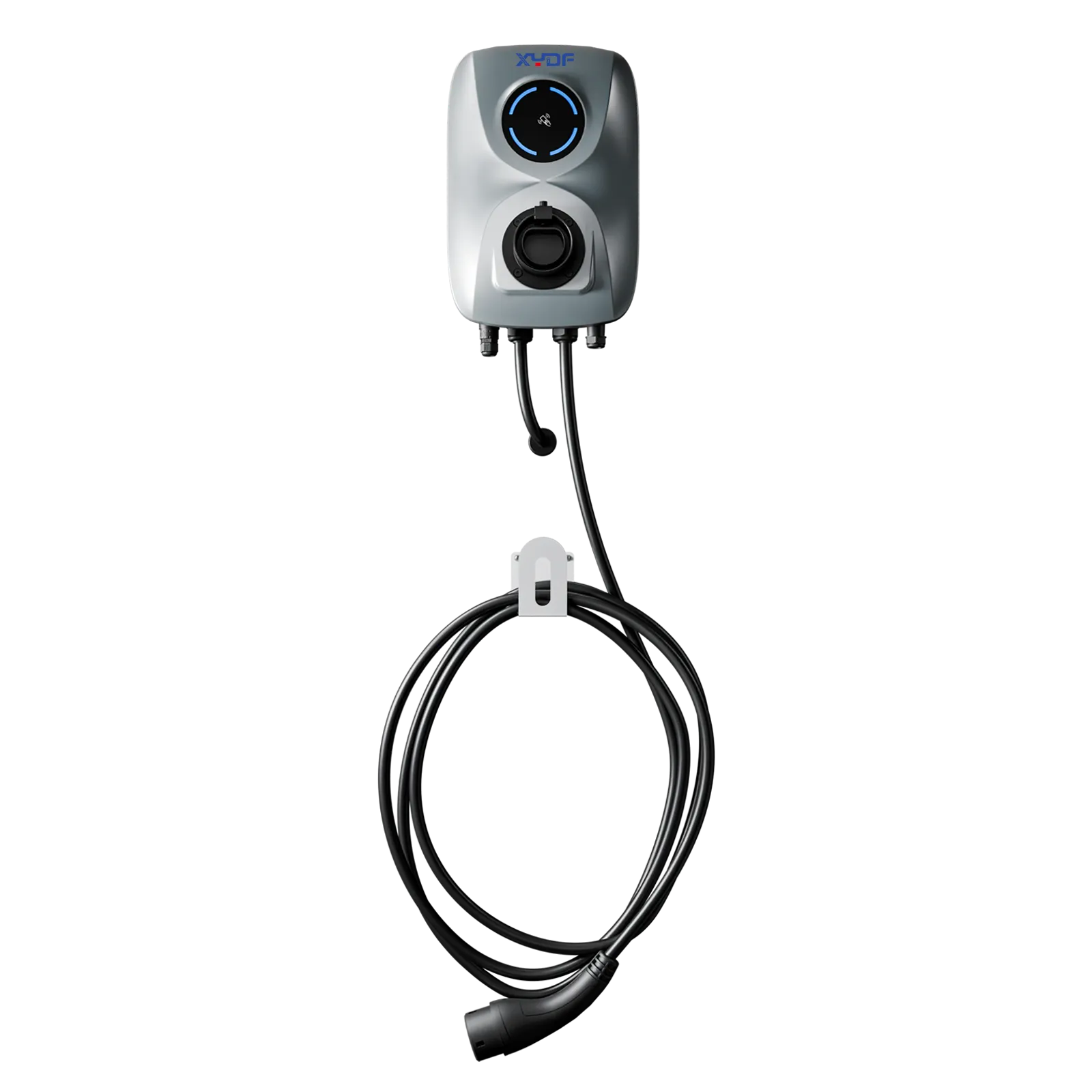
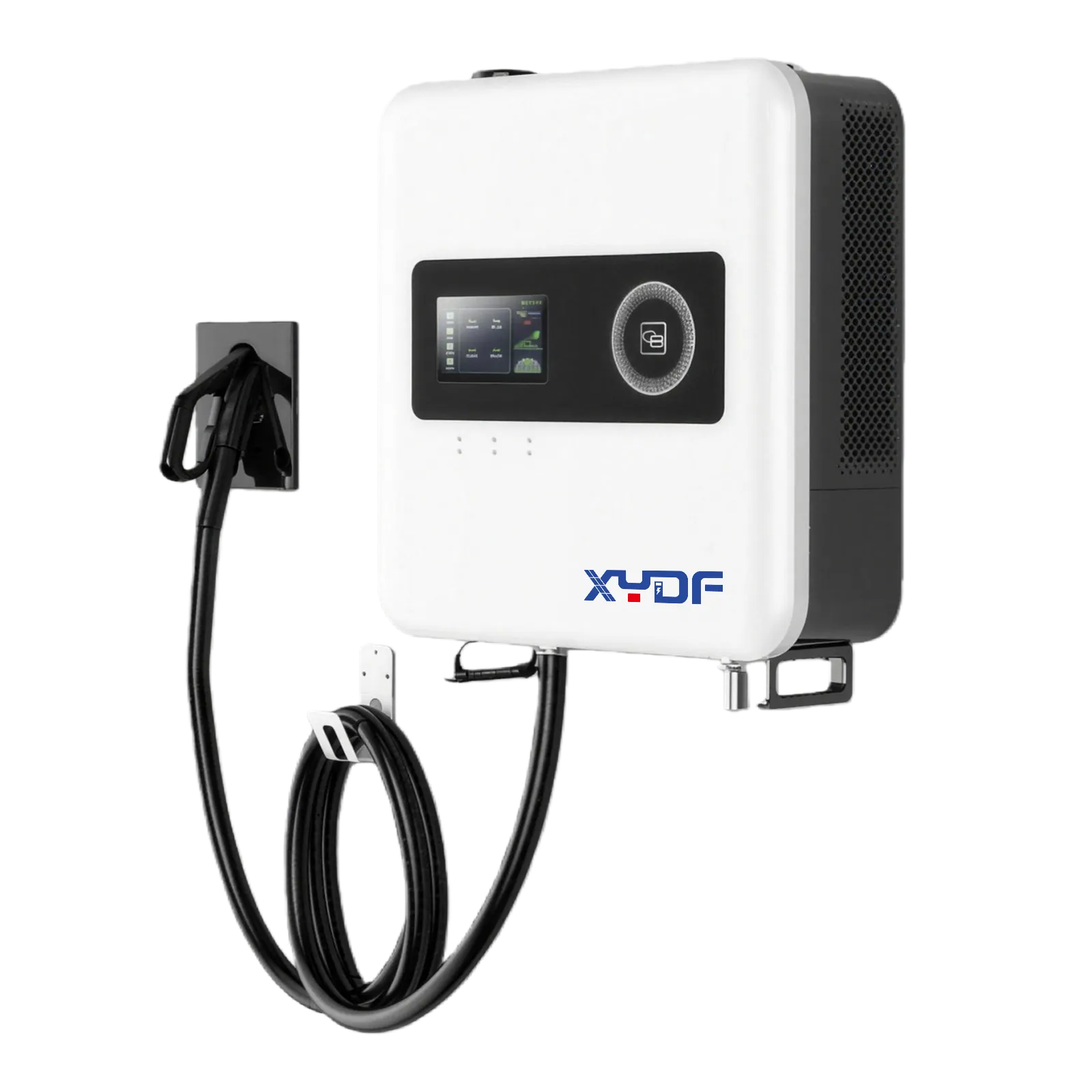
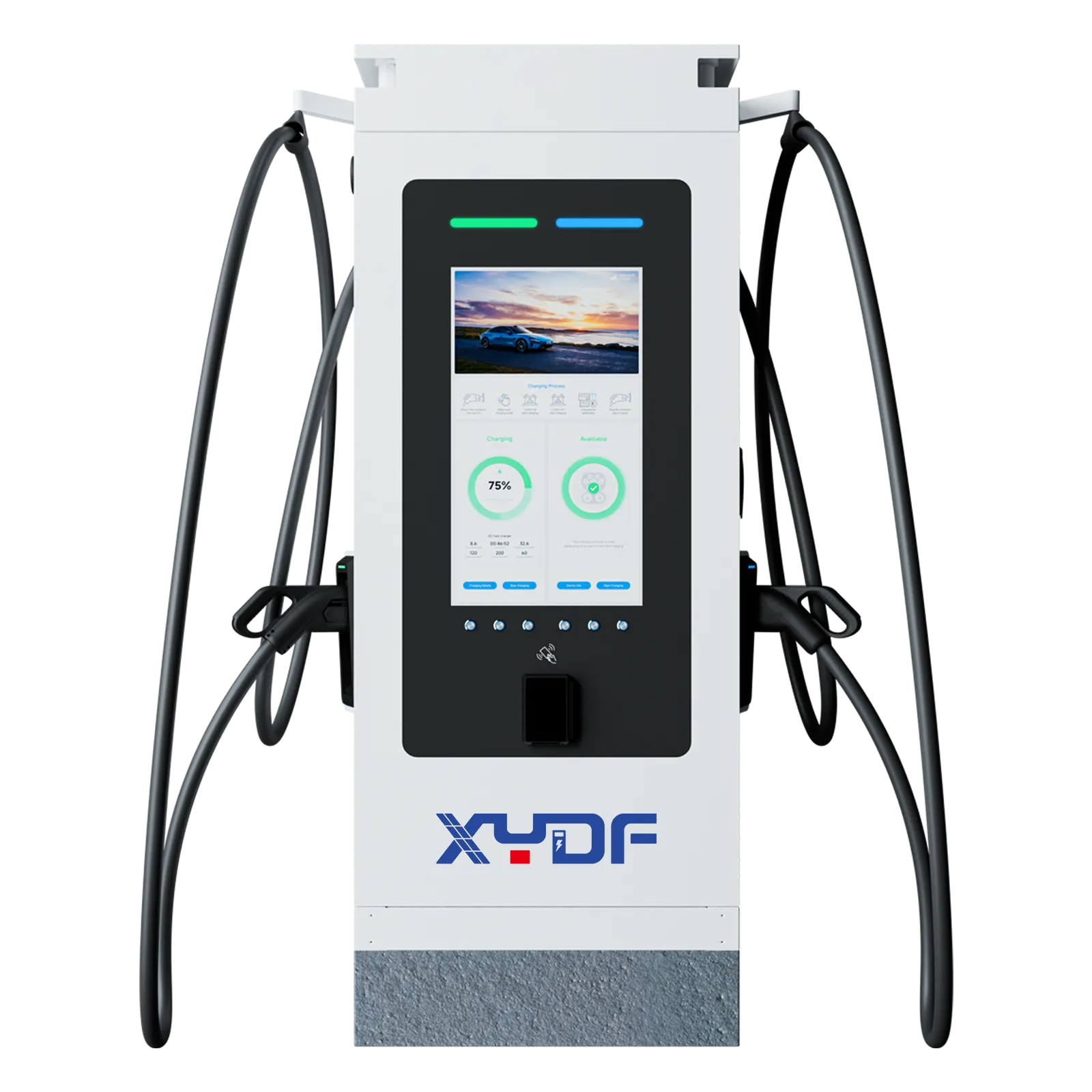
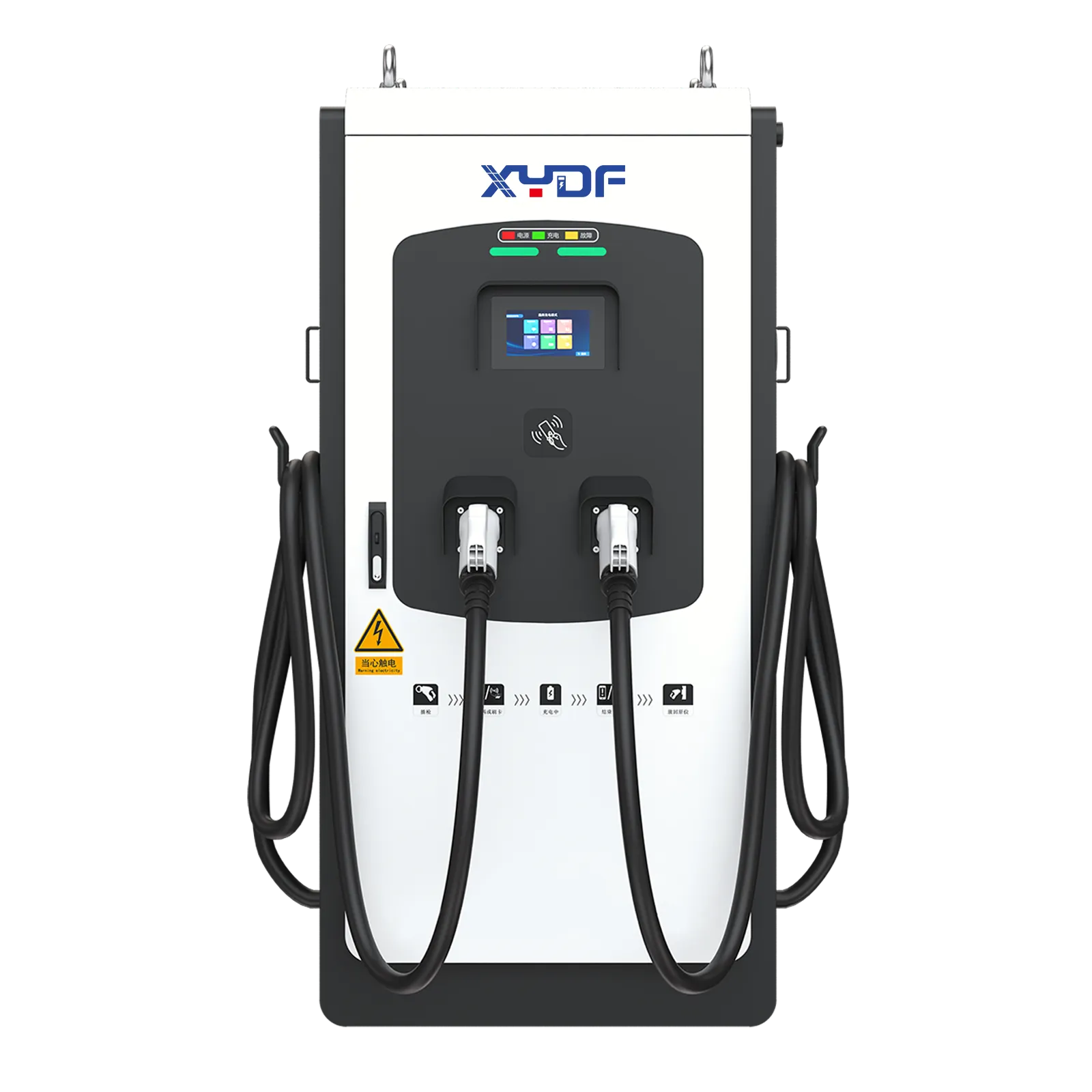
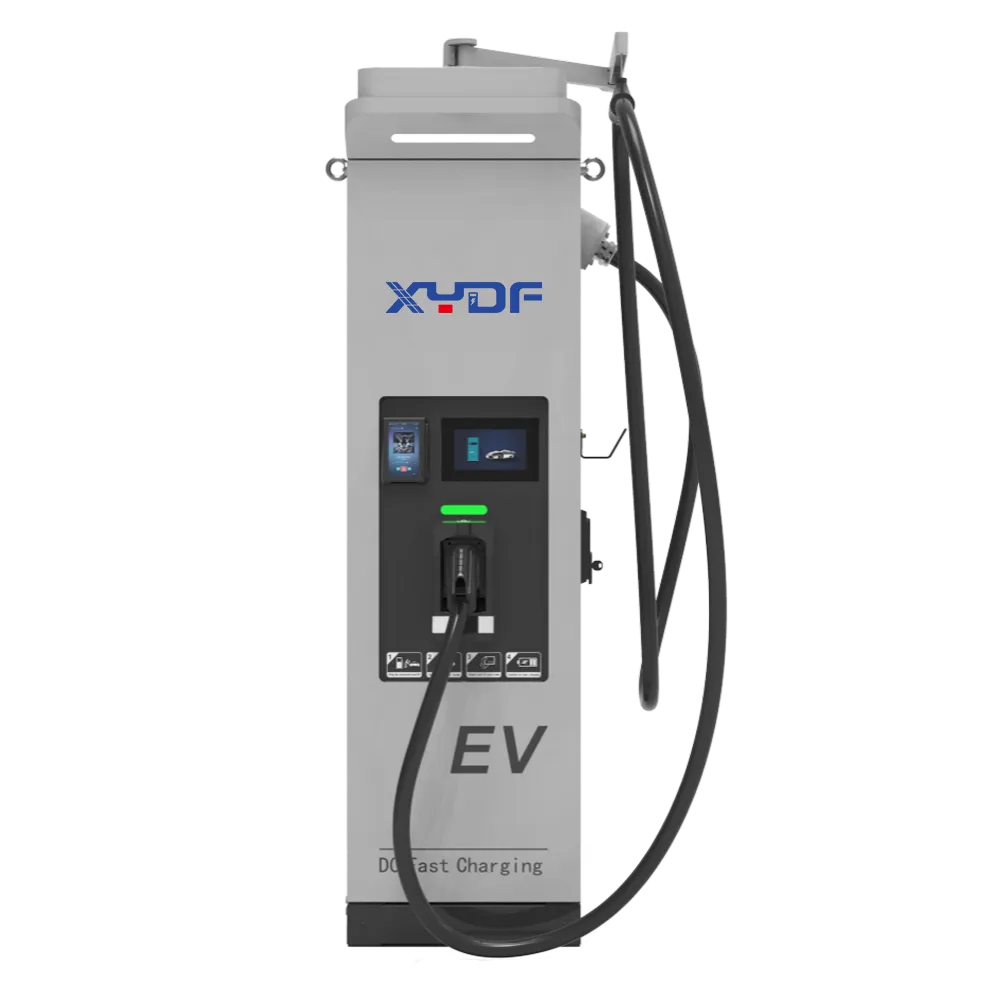
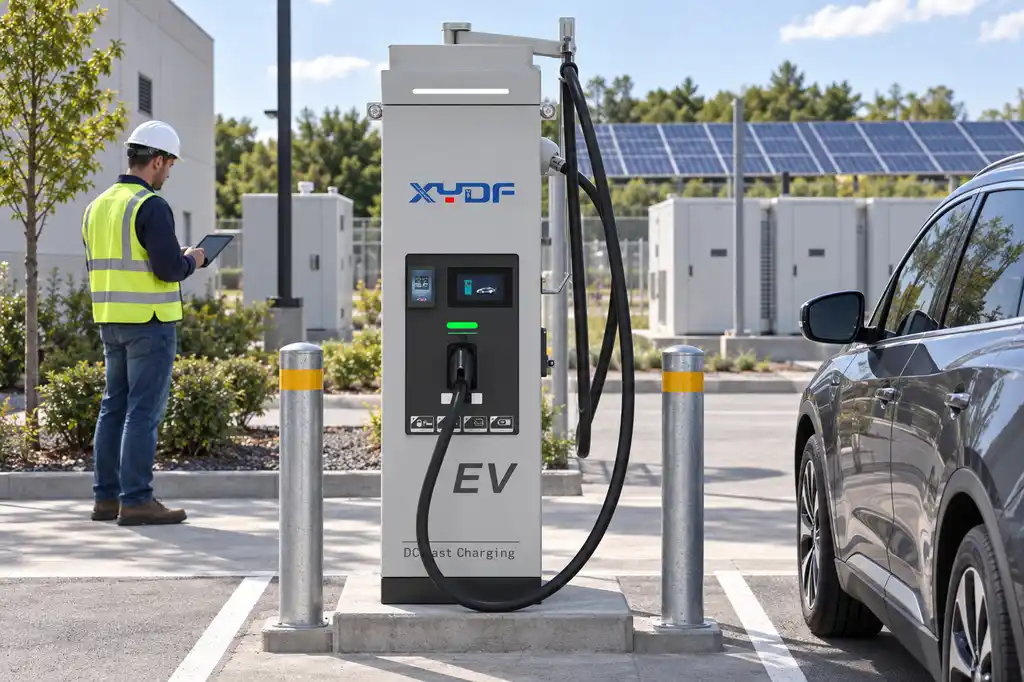
محدود إلى السياق المنتج فقط؛ يرجى طلب الوثائق الخاصة بالتكوين قبل استخلاص أي استنتاجات متعلقة بالقياس أو البيانات.
ما الذي ينبغي أن يتضمنه طلب عرض الأسعار الموزع تجارياً؟
بعد الانتهاء من طلب الإثبات، اختر مسار المنتج. قد تبدأ المشاريع التي تستغرق مدة استمرار طويلة من خلال مجموعة شواحن AC; قد يقوم المشاريع ذات معدل دوران أسرع بإعادة النظر في مجموعة شواحن DC السريعة. لا يشكل أي من الروابط إعلانًا بأن المنتجات تتضمن قياسًا عبر MID أو دفعًا أو ميزة خلفية معينة. يرجى طلب تأكيد محدد لنوع النموذج.
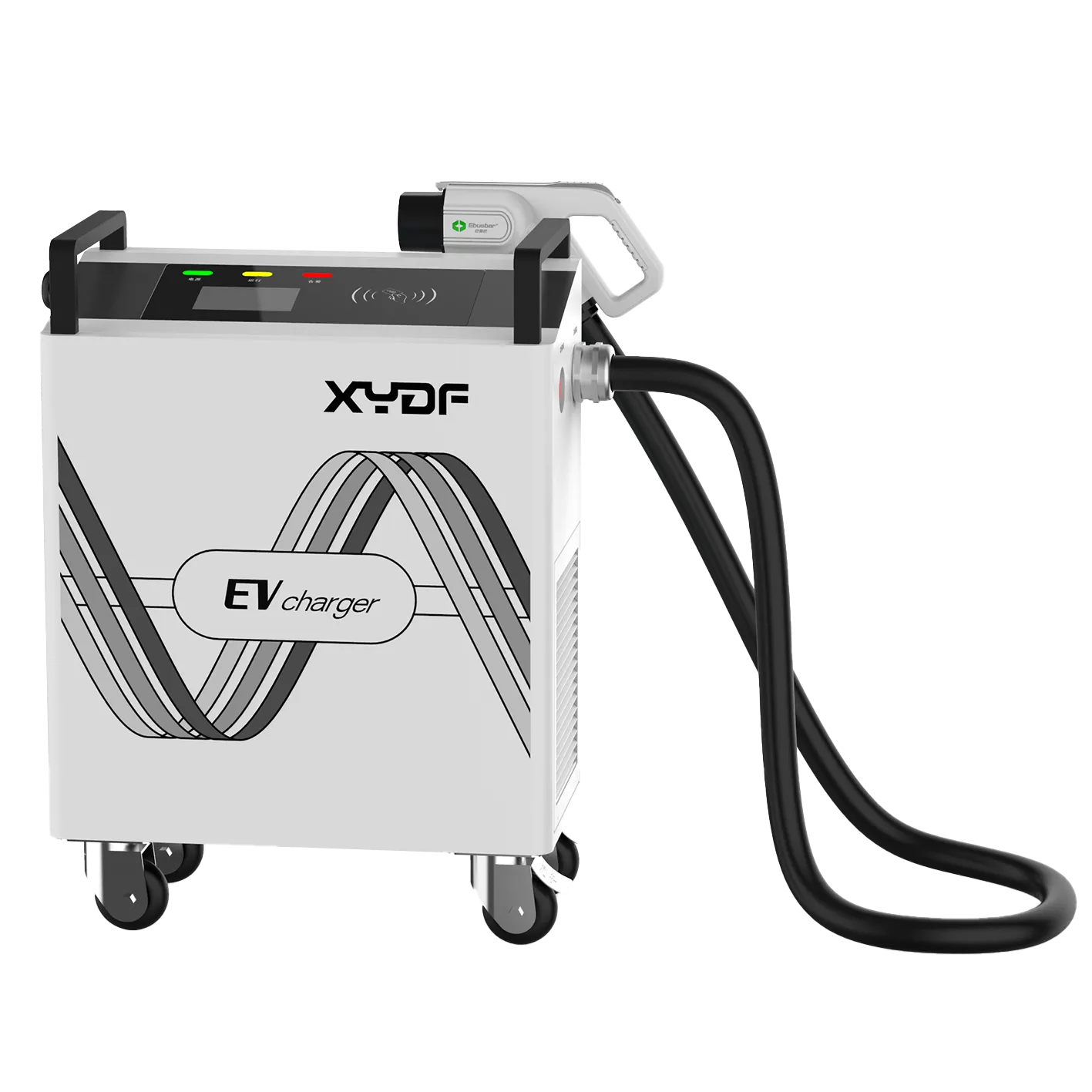
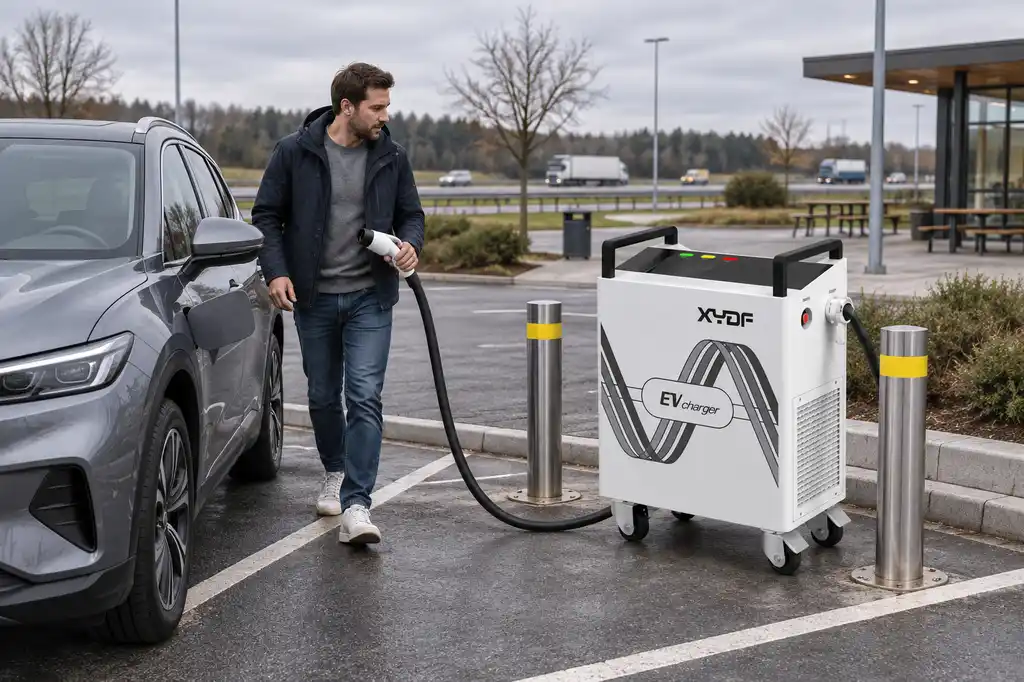
إنها مجرد رسوم توضيحية للاتجاهات التجارية؛ يجب تأكيد الدقة في المقاييس والميزانين والبيانات السوقية في عملية تقديم العروض.
يجب على المشتري توفير
لماذا هذا مهم
الخطأ الشائع
سوق الوجهة ودور المشروع
يحدد الاستعراض القانوني والتجاري.
يُطلق على كل مشروع تجاري لقب “MID required”.”
هدف التسوية
يُفصل بين الفواتير والتعويضات والتخصيصات ومراقبتها.
التصميم مخصص فقط لعرض كيلووات.
الحزب والاسم
يحدد ربط الضيف أو السائق أو المستأجر أو الموظف أو الحساب.
ترك هوية المستخدم خارج تصميم النظام.
أدلة المتر المطلوبة
يسمح للموردين بتقديم عرض أسعار للتكوين المحدد.
قبول مطالبة عامة غير محددة التاريخ.
المستندات المطلوبة والتصدير
يوفر سجلًا مفيدًا للمالية والعمليات.
تحديد الحقول المفقودة بعد التثبيت.
العمليات غير الإلكترونية وعملية المنازعات
يحدد المسؤولية عن الجلسات المفقودة أو المعرّضة للشكوى.
فإذا افترضنا أن الاتصال بالشبكة السحابية لن يتوقف أبداً.
احتفاظ البيانات وامتلاكها
يمنع مشكلة تحويل المنصة.
ترك إمكانية الوصول إلى تقرير الرحلة مع طرف غير محدد.
متى ينبغي على المشتري الحصول على المشورة الميكانيكية المحلية؟
قبل الشراء، يجب الحصول على المشورة المحلية بشأن كيفية بيع الطاقة المقطوعة، إعادة شحنها، استردادها، أو استخدامها في عملية توزيع رسمية قد يطعن فيها طرف آخر. كما يجب التوقف عن الشراء إذا لم يتمكن المورد من تحديد تفاصيل تركيب المتر، أو نطاق الوثائق، أو فئات البيانات، أو افتراضات السوق التي يستند إليها اقتراحه.
للاستعراض المخصص للنموذج، أرسل اكس واي دي اف البلد، ونموذج الاستيطان المخطط له، ونوع الشاحن، وعدد المنافذ، والوثائق المطلوبة من المرافق، وطريقة تحديد هوية المستخدم، ومتطلبات الخلفية/التقارير، والسعة الكهربائية المتوقعة للموقع. وهذا يتيح أساسًا واضحًا لعرض أسعار تقنية دون أن يعني ذلك أي نتيجة تنظيمية.
أسئلة يطرحها المشترون بشأن أجهزة قياس الكهرباء التجارية
ما هو قياس الطاقة في شحن السيارات الكهربائية؟
MID هو مصطلح إطار قياسي أوروبي في مجال القياس. بالنسبة لمولدات الطاقة الكهربائية، تتناول التوجيه المعدل أنظمة القياس المشاركة في نقل الطاقة السلكية؛ ولا يزال إمكانية تطبيق المشروع يعتمد على السوق وقطاع الاستخدام.
هل يكفي مقياس الشحن الداخلي لتسجيل الفواتير؟
ليس تلقائياً. تأكد من القواعد المعمول بها، والوضع الموثق للمقياس، ونطاق التركيب، وما إذا كان سجل الجلسة الكامل مقبولاً للعملية المقصودة.
ما الذي تغير بالنسبة لشبكات الشحن الكهربائية في إطار إطار عمل MID في الاتحاد الأوروبي؟
أضاف التوجيه (EU) 2026/706 أنظمة قياس محولات الطاقة الكهربائية كMI-011. كما يتضمن أحكاما تحويلية ولا يتطلب التعديل على المحطات القائمة.
ما الذي يجب أن يتضمنه سجل تسوية النزاع؟
ينبغي أن يرتبط القياس بالطاقة مع الشاحن/الوصلة المناسبين، وتوقيت الجلسة، والمستخدم المأذون له أو مركز التكاليف، ونتائج التعريفة، وعملية التصدير أو الاحتفاظ بالبيانات.
هل يجعل OCPP الشاحن مناسبًا قانونيًا للتحصيل؟
لا. تشمل مخاوف OCPP الاتصالات. تأكد من صحة بيانات المقياس وحقول الجلسة وسلوك البانر والمتطلبات المحلية المعمول بها بشكل منفصل.
كيف تختلف سير العمل في الفنادق مع المستأجرين عن نظام شحن المركبات؟
قد يحتاج الفنادق ومديرو العقارات إلى بيانات هوية الضيوف أو المستأجرين وسجلات الدفع، بينما قد تحتاج أطقم المركبات إلى تفويضات بشأن السائق والسيارة والطريق أو القسم. ينبغي تحديد سير العمل المقبول قبل الشراء.
ما الذي يجب أن يتضمنه طلب عرض الأسعار لعداد MID؟
اطرح أسئلة حول الطراز/التكوين المحدد، وأدلة التوثيق الخاصة بالعلامة أو الشهادة، وتحديد موقع المحول، وتغطية الموصلات، وحقول البيانات، وتنسيق التصدير، ونطاق السوق.
متى يجب الحصول على المشورة المحلية؟
قبل قيام طرف آخر بشحن استهلاك من مستند قياسي لليورات، خاصةً عندما يكون هناك تحديد أسعار عامة أو استرداد أموال أو توزيع المستأجرين أو محاسبة رسمية.
نستخدم ملفات تعريف الارتباط (الكوكيز) لضمان عمل هذا الموقع، وبإذنك، لقياس كيفية استخدام الزوار لموقع شحن المركبات الكهربائية الخاص بنا. انظر إلى سياسة الخصوصية للتفاصيل.
 شركة شينيا دونغفانغ لتكنولوجيا الكهرباء المحدودة.