كيف ينبغي لفرق المشاريع تقييم الحمل الكهربائي قبل اختيار شواحن السيارات الكهربائية التجارية؟
16 يوليو 2026
مدونة
قبل اختيار كمية الشاحن ومستوى الطاقة لشحن المركبات الكهربائية التجاري، يجب على فرق المشروع بناء ملف تحميل (load profile) من وقت المكوث، ومزيج المركبات، وأنماط الوصول، واحتمالية الشحن المتزامن - ثم ترجمة هذا المنحنى إلى معماريات تيار متردد (AC)/تيار مباشر (DC) وسعة الشبكة.
الجزء الأول. ما هو تحديد حمل الطاقة في مشروع شحن سيارات كهربائية تجاري؟
للتوصل إلى قرار تجاري مقبول بشأن الشحن، ينبغي فصل مسألة طاقة المعدات عن مسألة القدرة الخدمية الفعلية. قم بتسجيل دورات عمل المركبات، ووقت الوصول والمغادرة، والجلسات المتزامنة، وحدود الطلب في الموقع، والقيود المفروضة من قبل مقدمي الخدمات، وتكاليف التشغيل الناجمة عن عدم استكمال الجلسة قبل مقارنة نماذج الشواحن. يمكن أن توفر الإرشادات التخطيطية العامة إطاراً لتحديد المتغيرات، لكن المطالبة النهائية بالقدرة يجب اختبارها مقابل بيانات الفترات الخاصة بالموقع. للاطلاع على السياق التخطيطي العام، انظر نيرل تدير توجيهات شحن المركبات الكهربائية; لا يزال سجل القبول المخصص للموقع يحدد القرار النهائي.
يقدر تحديد ملامح التحميل مقدار طاقة الشحن التي يحتاجها الموقع، ومتى يحتاجها، وكيف يتركز الطلب على مدار اليوم. يربط سلوك ركن السيارة بحجم المحولات، وتصميم المغذيات، وعدد أجهزة الشحن، وتكلفة التشغيل.
بدون ملف تعريفي، غالبًا ما تفرط الفرق في تقدير طاقة التيار المستمر لأماكن العمل التي تتطلب إقامة طويلة أو تقلل من تقدير الطلب المتزامن في مستودعات الأساطيل.
إخراج الملف الشخصي
مستخدم بواسطة
خطأ شائع
منحنى الطلب الساعي
مهندس كهرباء
استخدام رقم لوحة واحدة طوال اليوم
كيلوواط متزامن
تحديد حجم المحولات والمغذيات
بافتراض وجود لوحة بيانات 100% على كل منفذ
عدد الجلسات
كمية الشاحن
عد أماكن وقوف السيارات كمنافذ شحن
التعرض للتعرفة الجمركية
تمويل المشغل
تجاهل نوافذ رسوم الطلب
A technically oversized design can still fail commercially if utilization and tariff exposure are not modeled together.
ممكن الدفاع عنه تخصيص تحميل شحن السيارات الكهربائية التجارية decision joins arrival timing, energy per session, coincidence, tariff interval and staged capacity; it does not convert the sum of charger nameplates directly into a transformer order. IEC 61851-1 defines the conductive charging-system requirements, while the utility tariff and interconnection study determine the commercial and electrical limits for a specific site.
الجزء 2. ما هي المدخلات التي يجب جمعها قبل أي حساب للطاقة؟
يبدأ التوصيف الدقيق بتعريف حالة الاستخدام، وليس بصفحات الكتالوج.
كتلة إدخال
أمثلة
لماذا تتغير النتائج
مجموعة المستخدمين
الموظفون، الزوار، الأسطول، الوصول العام
وقت التوقف ومنحنى الوصول
مدة الوقوف
8 ساعات عمل، 45 دقيقة تجزئة، 10 ساعات مستودع
ملائمة التيار المتردد مقابل التيار المستمر
مزيج المركبات
حجم البطارية، مكيف الهواء الداخلي بالكيلوواط، ذروة قبول التيار المستمر
متطلبات الطاقة لكل منفذ
حالة الشحن عند الوصول
مواقف أسطول 40%، مواقف الزوار 70%
الطاقة اللازمة لكل جلسة
ساعات العمل
أيام الأسبوع فقط مقابل 24/7 عام
عرض ذروة النافذة
أفق النمو
هدف حصة السيارات الكهربائية لمدة عامين
بدل التوسع المرحلي
غالبًا ما تقول فرق المرافق إنها “لا تعرف كم عدد السيارات التي سيتم شحنها في وقت واحد”. ابدأ بعوامل متزامنة متحفظة وقم بالتحسين بعد 60-90 يومًا من بيانات الجلسة. (عوامل مشروع شحن الأسطول)
Six checks before an RFQ is sized
Set the service boundary. Record the utility service voltage, contracted capacity, billing demand interval and any export or power-factor rules. The U.S. Department of Energy’s Alternative Fuels Data Center laws and incentives database is a starting point for local rules, but the serving utility tariff controls the final answer.
Segment arrivals. Separate employees, visitors, taxis and fleet vehicles; assign an arrival window, dwell-time distribution and departure deadline to each group instead of using one daily average.
Convert trips to energy. Use measured or documented energy required per session, then state the assumed charging loss. Keep battery energy, delivered energy and grid energy as separate columns.
Calculate coincidence by interval. For every billing interval, count vehicles actively drawing power; test a synchronized-return case for fleets and a bursty short-dwell case for retail.
Overlay controls and tariffs. Compare uncontrolled load with a site kW cap, queue rule and departure-priority rule. A control plan is only valid if the charger, backend and meter expose compatible limits; OCPP documentation from the تحالف الشحن المفتوح describes protocol capabilities, not a guarantee that every device implements every profile.
Stage the commitment. Specify which conduits, switchgear space and transformer capacity are installed now, which ports are activated later, and what measured trigger unlocks phase two.
Export the site interval data, arrival and departure windows, coincident-load assumption, transformer headroom and tariff demand interval as one reviewed profile before the charger power is frozen.
الجزء 3. كيف تبني منحنى الطلب على الشحن المعتمد على الوقت؟
ربط الجلسات المتوقعة بالوقت الفعلي ليوم عمل نموذجي، وإذا لزم الأمر، بيوم عطلة نهاية الأسبوع.
خطوة
فعل
إخراج
1
تقدير جلسات المركبات الكهربائية اليومية حسب فئة المستخدم
عدد الجلسات
2
تحديد نوافذ زمنية نموذجية لإدخال البيانات
رسم بياني توضيحي لتوزيع الوصول على مدار الساعة
3
تحويل الجلسات إلى طلب على الطاقة
كيلوواط ساعة لكل فترة
4
تحويل الطاقة إلى طاقة الشحن
كيلوواط الطلب بالساعة
5
تراكب فترات التعريفة
نوافذ حساسة للتكلفة
مثال على نمط لموقع مكان العمل:
نافذة زمنية
سلوك مسيطر
ملاحظة التصميم
07:00-09:00
تدفق الواصلين
العديد من أحداث المصافحة القصيرة، قوة معتدلة
09:00-16:00
شحن تيار متردد طويل الأمد
طاقة أقل لكل منفذ، جلسات أطول
16:00-18:00
استعدادات المغادرة
قد يؤدي الشحن الذكي إلى تحويل أوقات الذروة
عطلة نهاية الأسبوع
اشغال منخفض
هدف استخدام مختلف
الجزء 4. كيف يجب تقدير الأحمال المتزامنة والتنوع؟
لا تسحب كل مركبة متصلة طاقة لوحة الاسم في نفس الوقت. تساعد عوامل التنوع، لكن مستودعات الأساطيل عادة ما تحتاج إلى افتراضات أكثر تحفظًا من مواقف أماكن العمل.
نوع الموقع
ميل الشحن المتزامن
حجم الهيئة
مواقف الموظفين في مكان العمل
تنوع متوسط
إدارة الأحمال تضيف هامشًا
تجزئة / ضيافة
جلسات قصيرة، ذروات متقطعة
منافذ أقل ولكن تخطيط دوران أعلى
مستودع الأسطول
تزامن عالٍ عند نافذة الإرجاع
معامل تنوع محافظ
ساحة دي سي العامة
طاقة عالية، تحمل طابور أقصر
تصميم الطابور + قواعد مشاركة الطاقة
الطريقة
مفهوم الصيغة
استخدم عندما
لوحة الاسم مكدسة
اجمع كل كيلوواط المنافذ
فقط لمراجعة أسوأ حالة للاستخدام
متنوع معدلة
طبق العامل حسب حالة الاستخدام
أغلب التصاميم التجارية
رأس المال المُدار
تحديد سقف كيلو واط للموقع في البرنامج
Grid limit is binding
Document the diversity factor assumption in the RFQ. Suppliers can only recommend load management and power sharing if the target site cap is explicit. (دليل شاحن المركبات الكهربائية OCPP)
Illustrative calculation (assumptions shown, not site data)
Assume 20 workplace vehicles each need 18 kWh during an 8-hour dwell, with 90% wall-to-battery efficiency. Grid energy is 20 × 18 ÷ 0.90 = 400 kWh; spread across eight hours, the average charging demand is 400 ÷ 8 = 50 kW. Twelve 7.4 kW AC ports have 88.8 kW of installed nameplate, but a managed 0.56 coincidence factor would cap the modeled peak at about 88.8 × 0.56 = 49.7 kW. This is an illustration only: replace every assumption with interval data, vehicle acceptance limits and the utility’s billing interval before approving equipment.
The calculation also exposes a boundary: if all 20 vehicles return in a 30-minute window, the 50 kW average is no longer a safe proxy for instantaneous demand. The project team should run a synchronized-return scenario, apply the site’s power cap, and ask the electrical engineer to verify transformer, feeder, protection and thermal derating constraints.
الجزء 5. متى يجب على الموقع استخدام بنية AC أو DC أو بنية مختلطة؟
The load profile should drive technology choice — not the reverse.
حالة الاستخدام
Typical dwell
Starting architecture
Workplace / office
4-10 hours
AC-heavy with smart scheduling
Retail / hotel
1-3 hours
مكيف هواء مختلط بالإضافة إلى تيار مستمر انتقائي
Highway / quick-turn public
<45 minutes
DC-first
مستودع الأسطول
Fixed return window
DC with managed simultaneity
مُسبِّب القرار
Lean AC
Add DC
Median dwell > 3 h
Yes
Only for VIP or public wing
Median dwell < 1 h
No
Yes
Battery state-of-charge often low at arrival
Maybe
More likely
Grid capacity constrained
AC plus dynamic load management
High-power DC requires cap control
For technology fundamentals without repeating a full AC vs DC article, route readers to existing site content and keep this page focused on demand modeling.
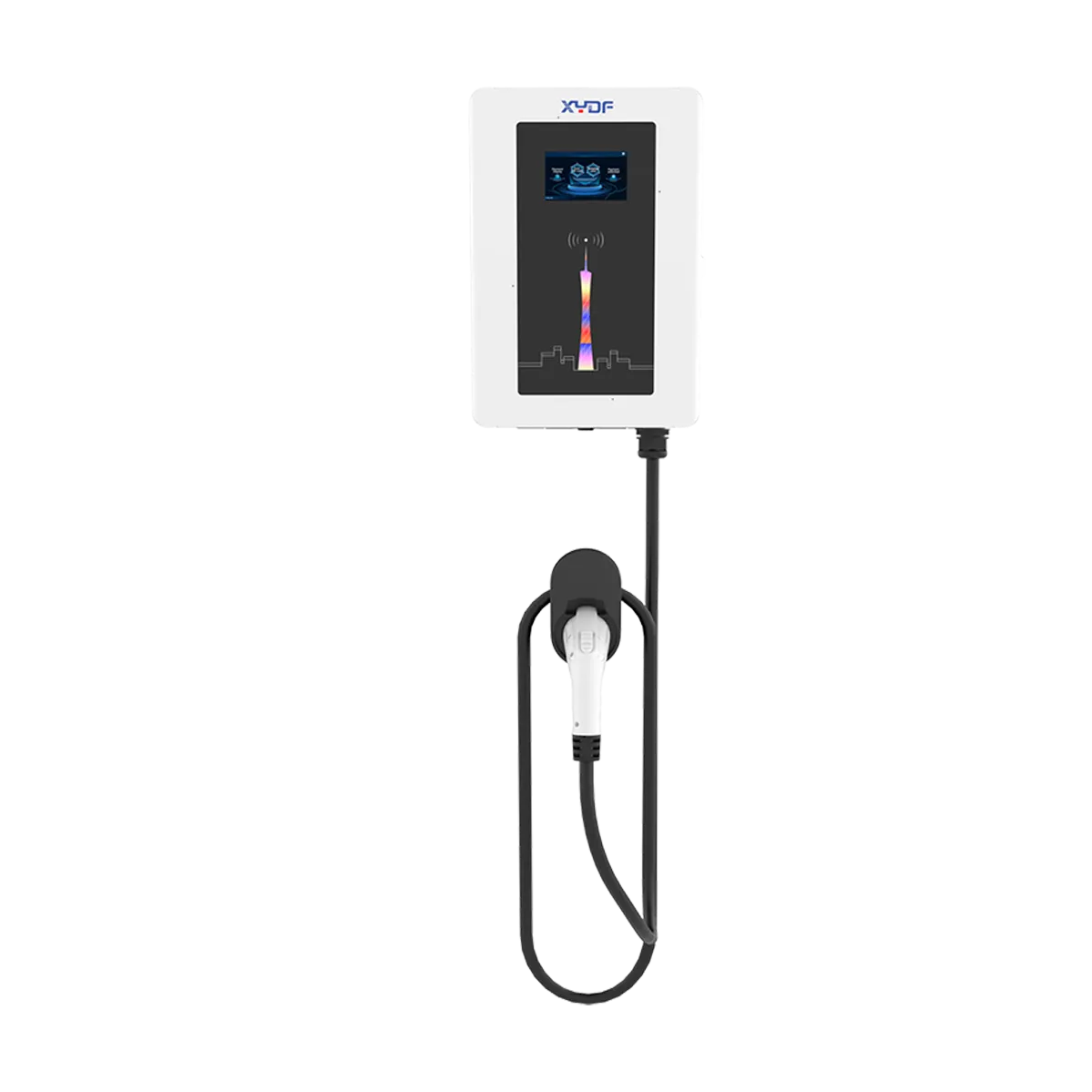
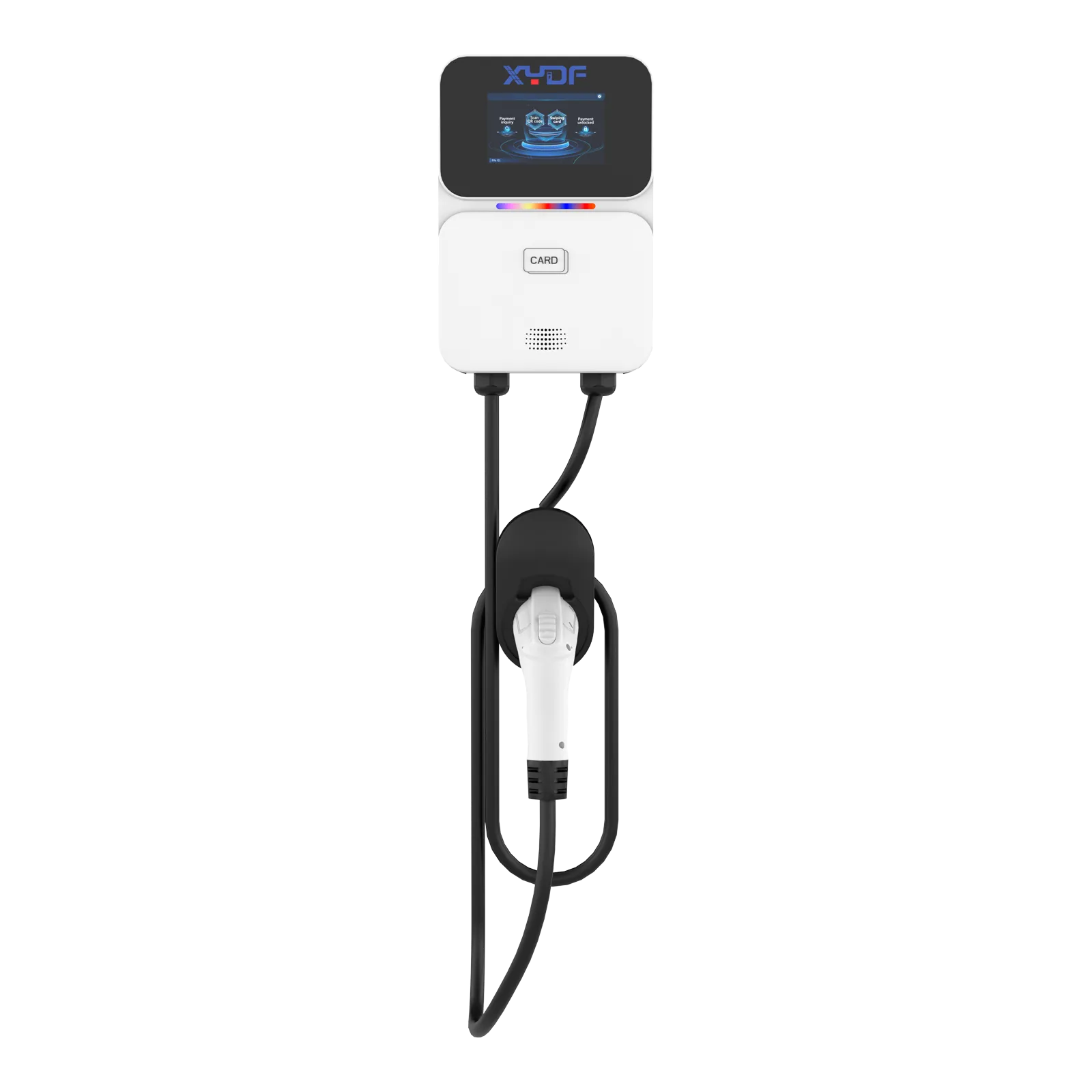
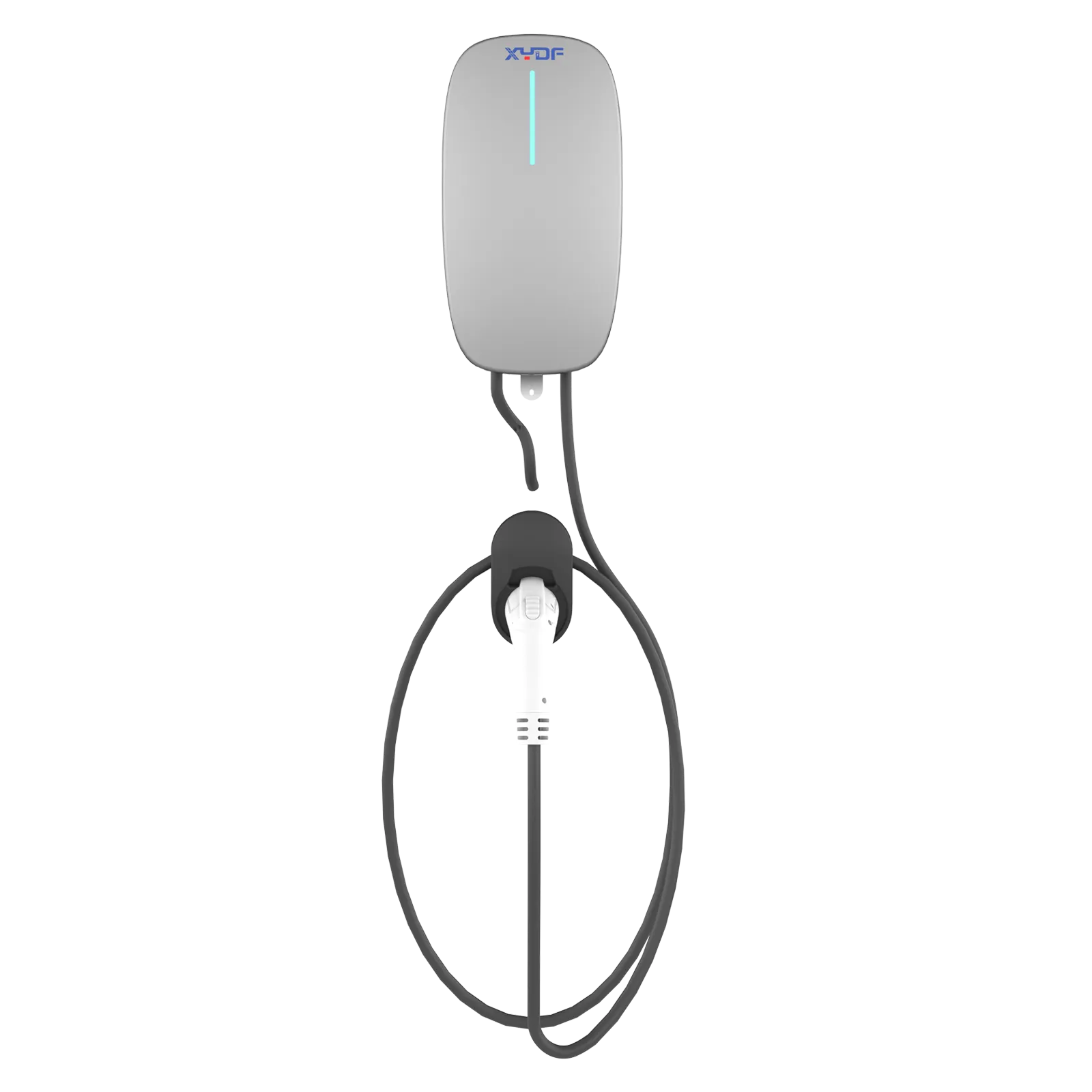
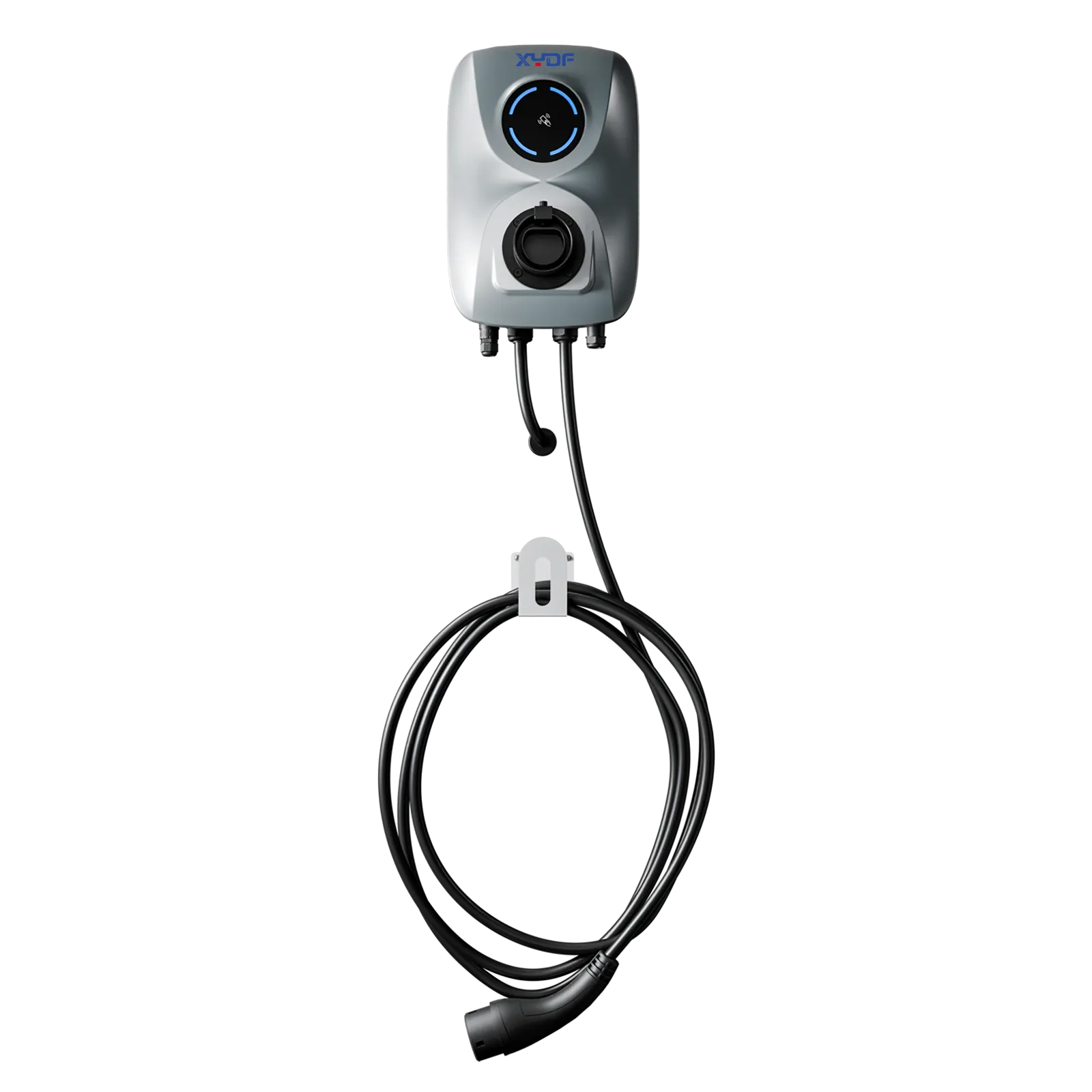
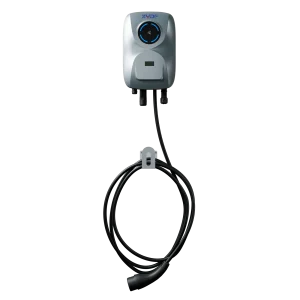
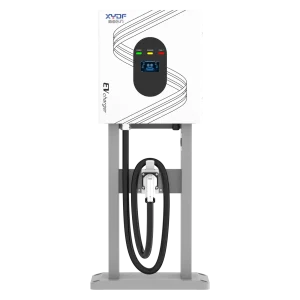
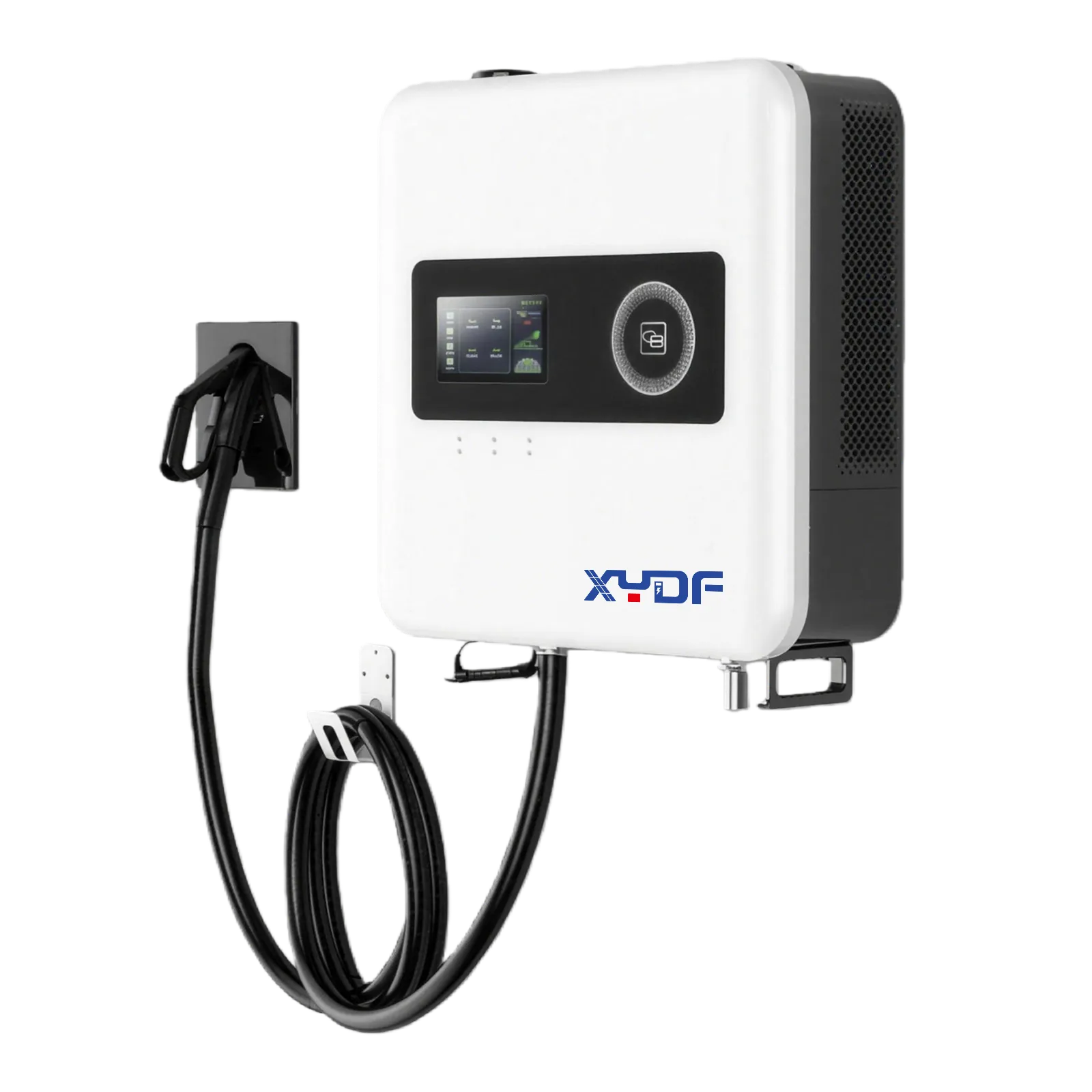
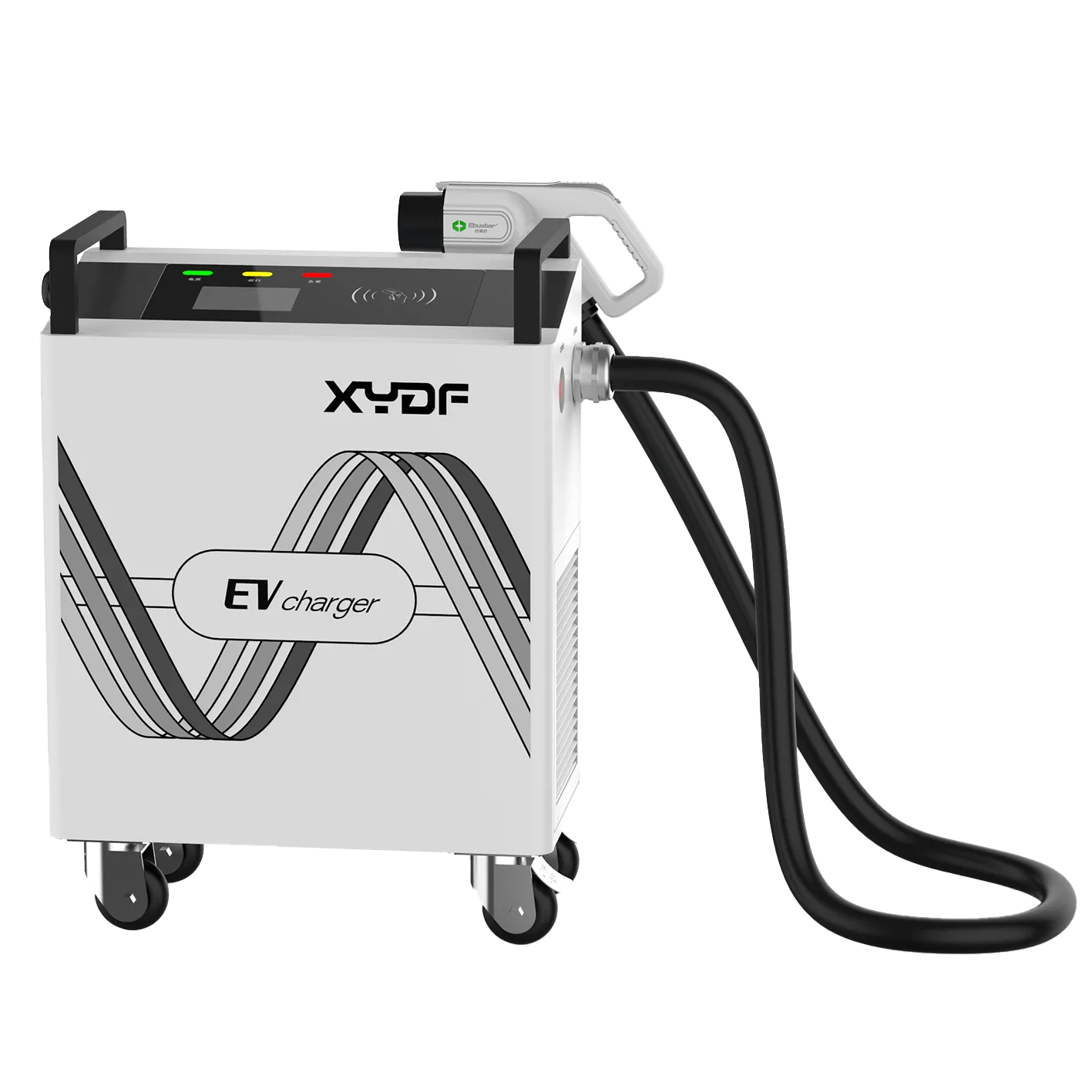
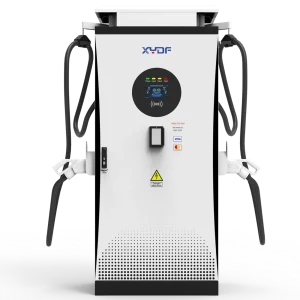
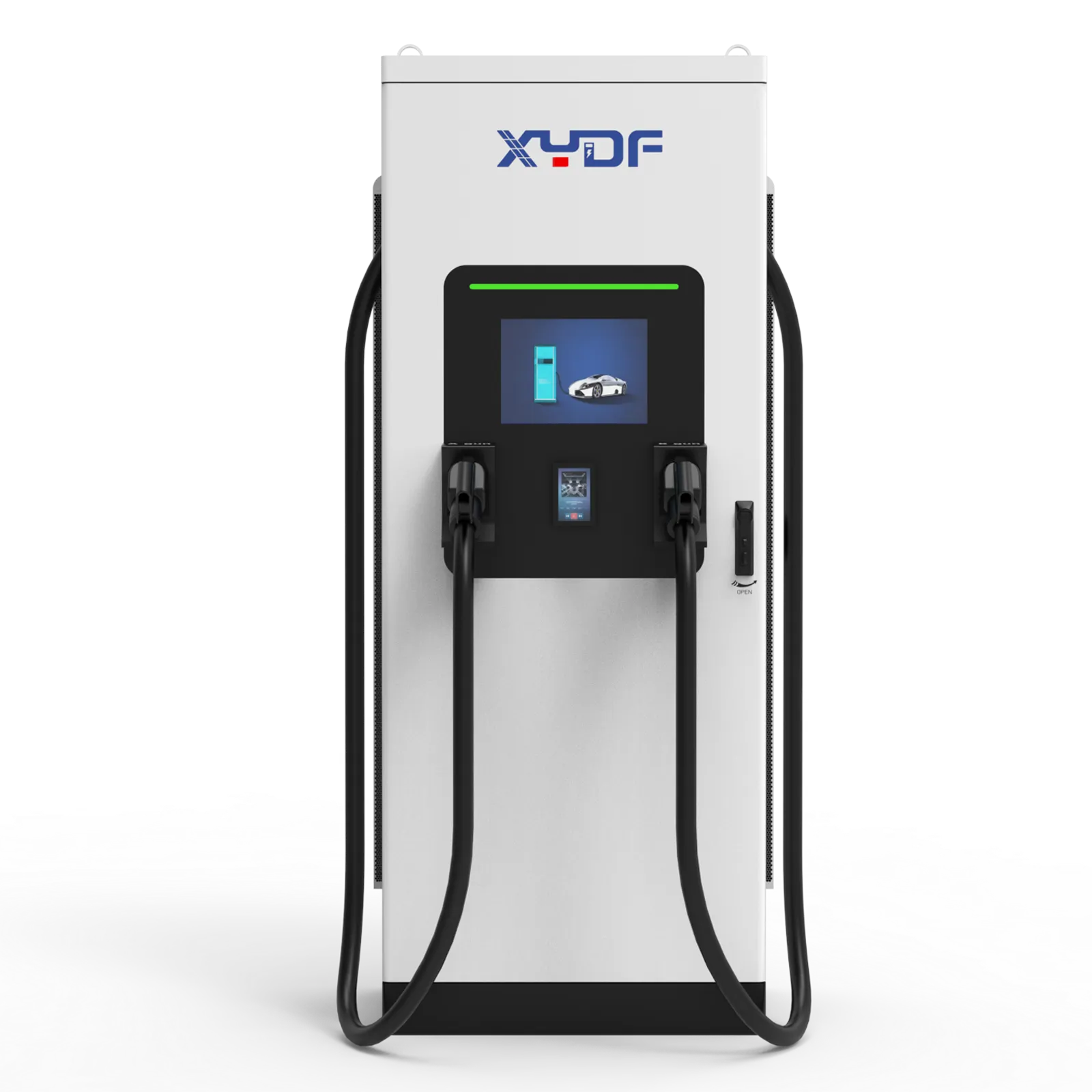
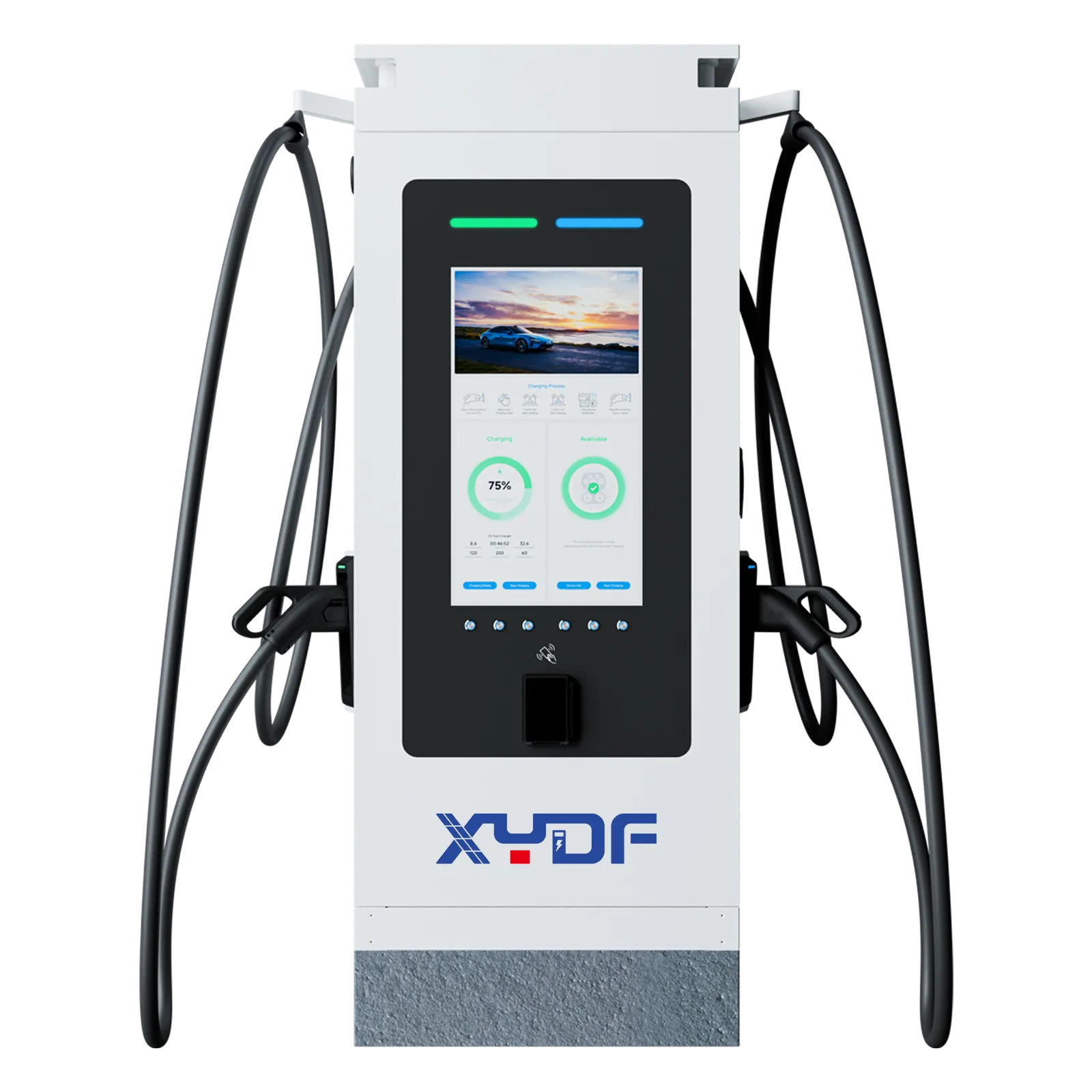
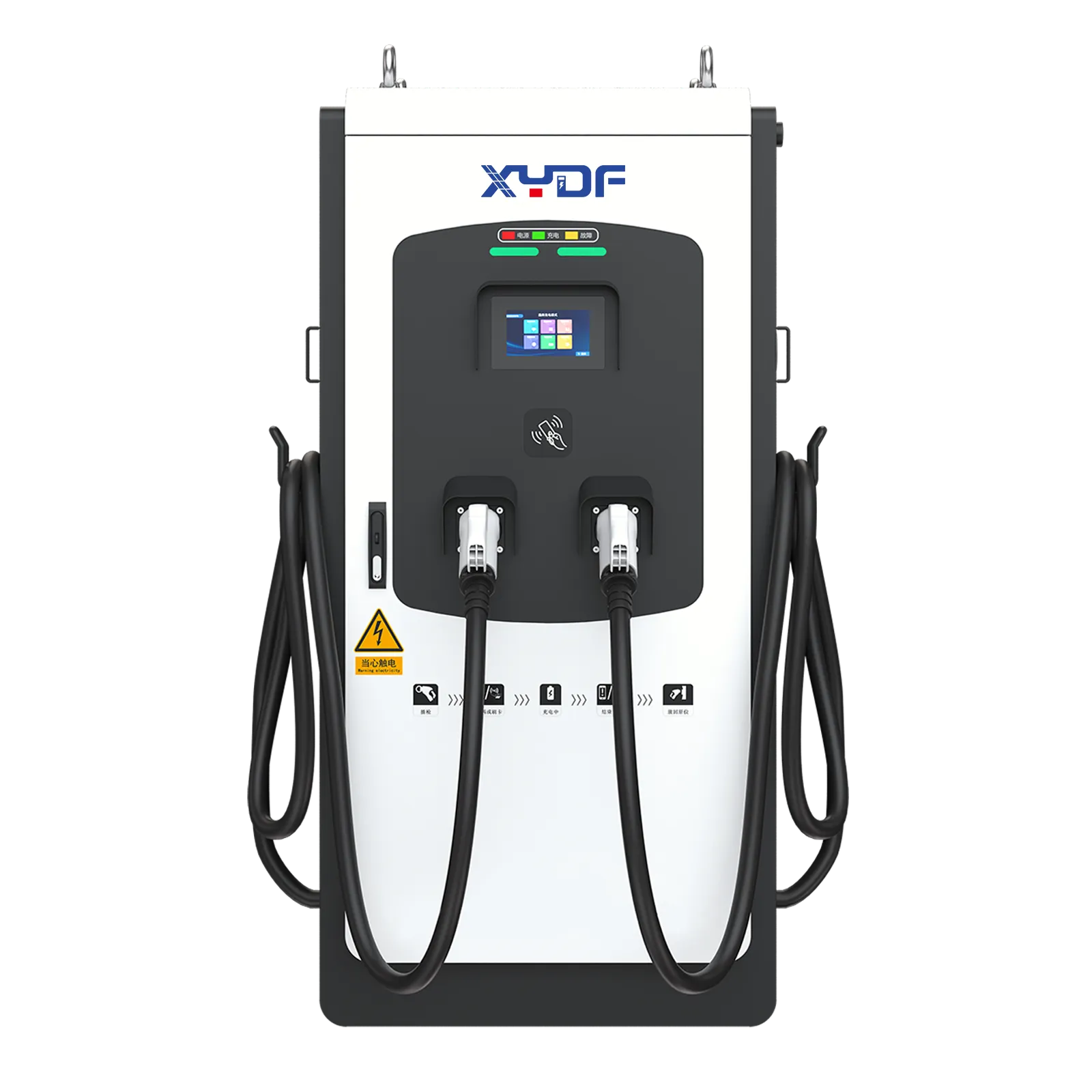
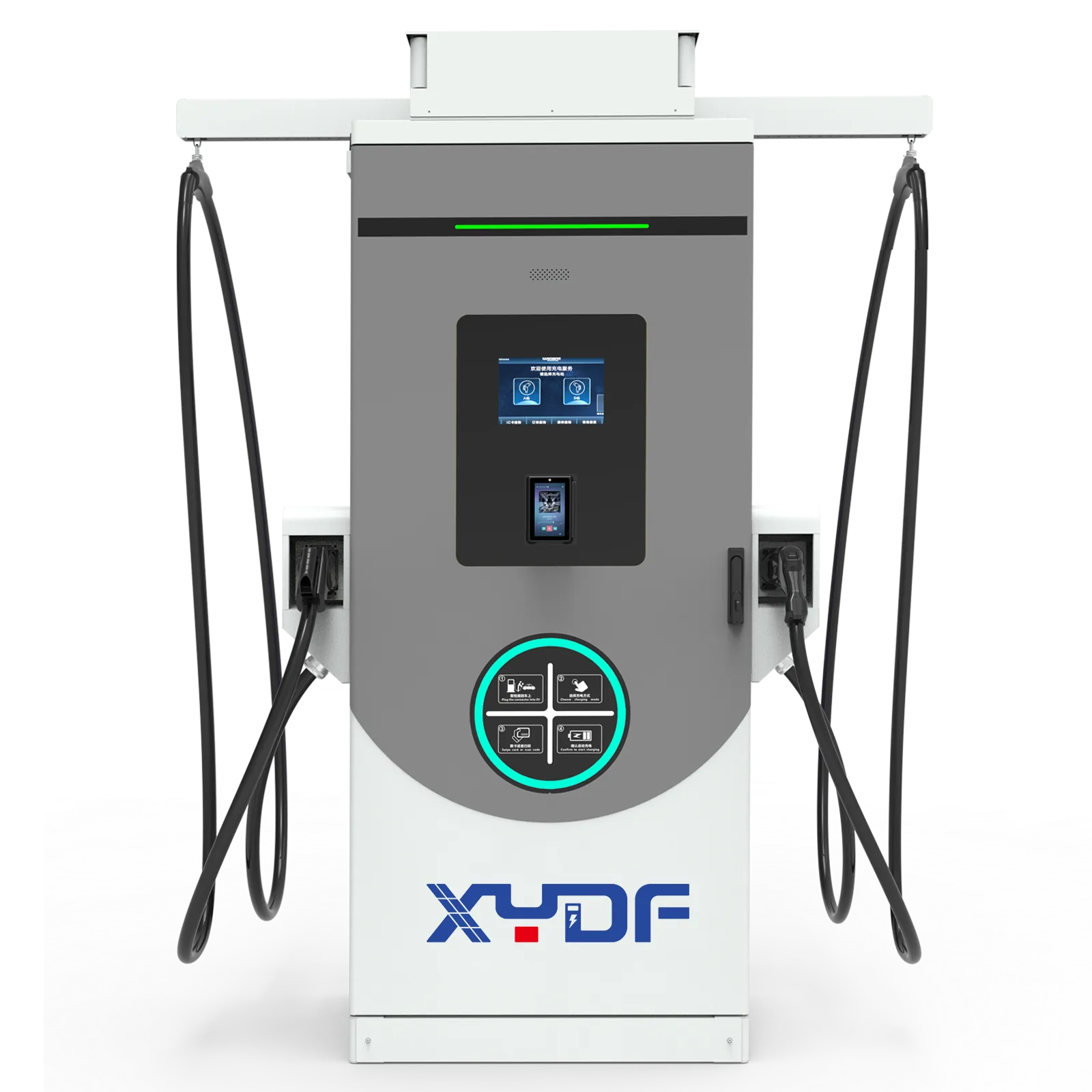
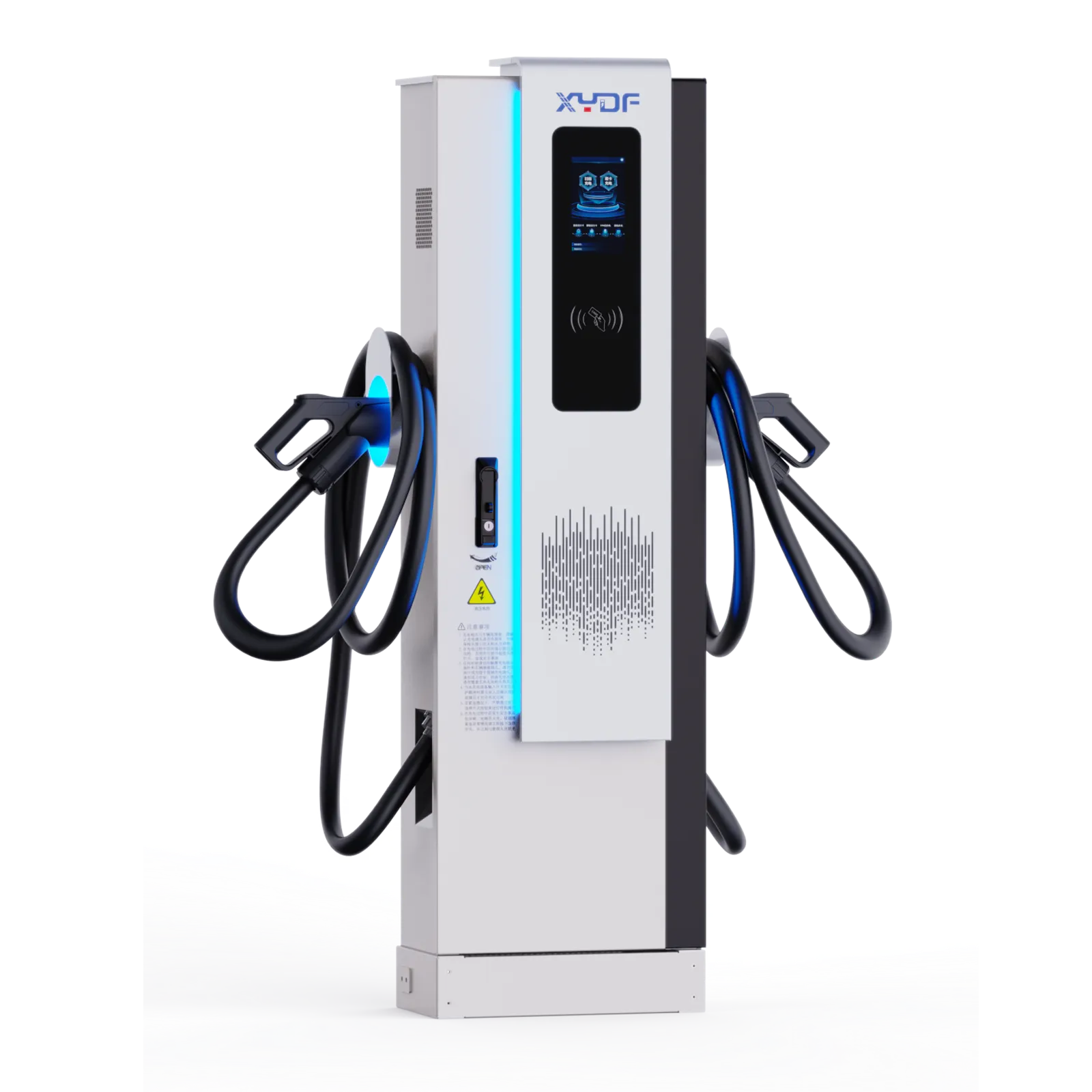
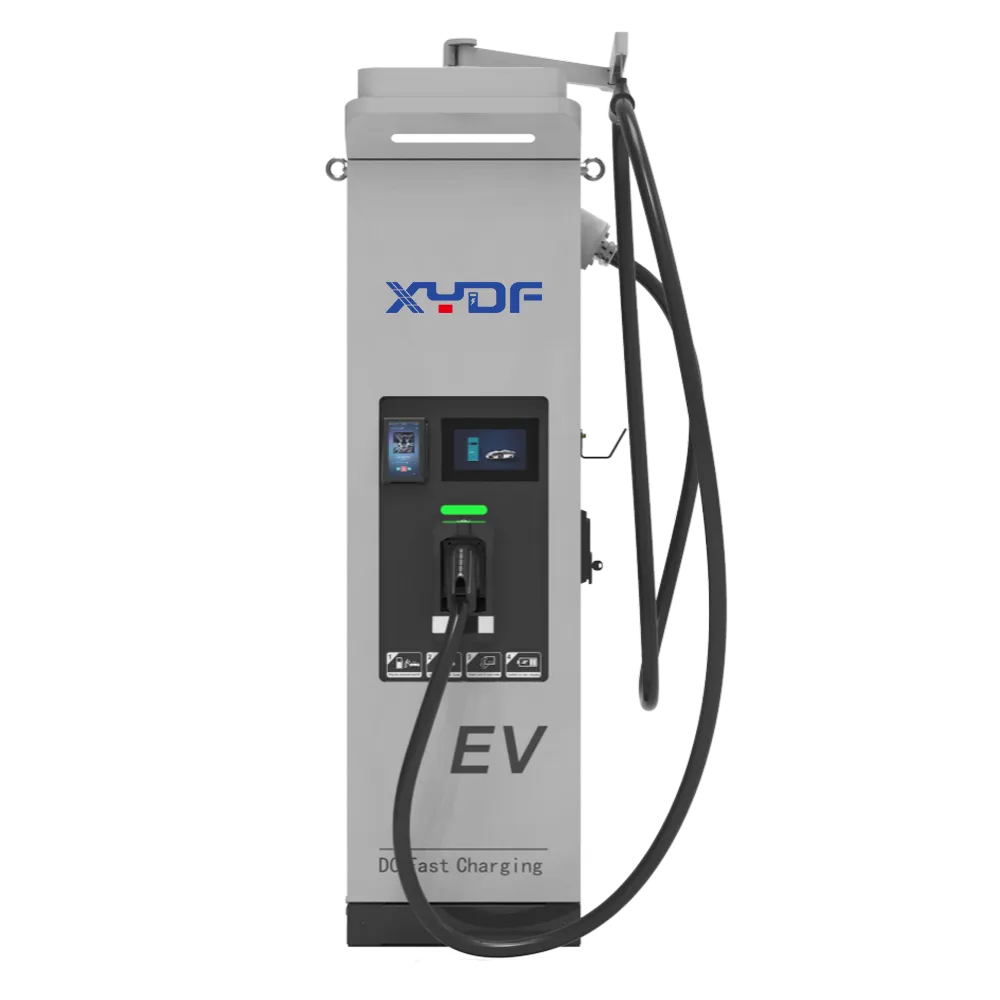
الجزء 6. أي منصات XYDF تتوافق مع نتائج التحميل التجارية الشائعة؟
Part 7. When Should Measured Site Data, Utility Input, or Engineering Review Override the Initial Profile?
This guide supports commercial charger selection and electrical planning inputs. It does not replace:
دراسات الربط بالشبكة أو مراجعات تأثير الشبكة الرسمية
Cable sizing, protection coordination, or construction drawings
شهادة شبكة الدفع أو مفاوضات التعريفة
هندسة المرور أو تصميم دوران المواقف
نمذجة الطاقة لطرق أسطول المركبات للدورات التشغيلية الثقيلة
If arrival data, vehicle mix, or simultaneity assumptions are unknown, publish a staged design with monitoring points rather than locking maximum power on day one.
Which Site Findings Require the Load Model to Be Recalculated?
الظروف
What to change in the model
Decision boundary
Fleet return times are synchronized
Use short intervals and a high-coincidence case
Do not rely on workplace diversity factors
Dwell time is below one hour
Test DC power, queue delay and connector turnover
Energy-per-session, not port count, sets adequacy
Utility capacity is binding
Model a hard site cap, load shedding and phase two
Obtain interconnection approval before procurement
Outdoor or hot-climate installation
Use manufacturer derating and thermal study inputs
Nameplate power is not guaranteed continuous output
Standards: scope before marketing language
استخدم IEC 61851-1 for general conductive charging-system requirements and IEC 61851-23 for DC charging-system requirements. ISO 15118 addresses vehicle-to-grid communication; it is not a substitute for electrical installation approval. OCPP is an application protocol, not a safety certification. Product claims should name the market, edition and test scope; “supports OCPP” or “IEC compliant” without a documented scope can create tender, warranty and enforcement risk.
أسئلة متكررة
What is commercial EV charging load profiling?
It is the process of estimating when charging demand occurs, how many sessions overlap, and how much power the site must deliver across the day.
What data should be collected first?
Define user group, dwell time, vehicle mix, arrival state-of-charge, operating hours, and a realistic EV adoption horizon before calculating kW.
How is simultaneous load different from total installed power?
Installed power is the sum of charger nameplates. Simultaneous load is the power actually drawn at the same time — usually lower except in fleet depots.
Should workplaces default to AC chargers?
Long-dwell workplaces often start AC-heavy because vehicles remain parked long enough to deliver useful energy at lower per-port power.
How do demand charges affect charger design?
If tariffs apply demand charges to peak demand, the profile should identify whether software load management can cap site kW without harming user experience.
When is staged deployment better than full build-out?
When adoption forecasts are uncertain or grid capacity is limited. Stage ports, monitoring, and feeder capacity for a second phase.
What should be sent to an EV charger manufacturer?
Send the demand curve, diversity assumptions, target connector standards, OCPP/backend requirements, and site kW cap so the supplier can propose AC/DC mix and load management.
What interval should a commercial charging load profile use?
Use the utility’s actual billing-demand interval for cost exposure, then retain finer telemetry for control and queue analysis. If the tariff is unknown, run both a 15-minute planning case and a finer operational case, and label the assumption for the utility to confirm.
How much transformer headroom is enough?
There is no universal percentage. Headroom depends on existing non-EV load, ambient conditions, protection settings, harmonics and the utility’s study; the electrical engineer should document the governing limit rather than copy a generic reserve factor.
Can software load management replace a grid upgrade?
It can reduce coincident demand when vehicles have flexible departure times, but it cannot create energy or remove a sustained capacity deficit. Validate meter response, fail-safe behavior and user-priority rules before treating a software cap as an interconnection solution.
Which commissioning metrics should be checked first?
Track interval peak kW, coincidence, kWh per session, plug-in-to-start delay and sessions missing their departure target for at least one representative operating cycle. Use those observations to release staged capacity, not to retroactively justify an unsupported design assumption.
For a documented equipment shortlist, compare the مجموعة شواحن AC مع مجموعة شواحن DC السريعة only after the profile and site cap are agreed; the broader قائمة المنتجات can then be matched to the approved duty cycle. The honest commercial EV charging load profiling rule is simple: measure the constraint, state the assumption, and stage the irreversible spend.
\n
A second commercial EV charging load profiling pass should test the utility billing interval against a synchronized fleet-return case before equipment quantities are frozen.
\n
When tariff data is incomplete, mark the commercial EV charging load profiling result as provisional and schedule a meter-data refresh before phase-two capacity is released.
\n
ما هي البيانات التي يجب أن يتضمنها نموذج القدرة التجارية لتشغيل شواحن السيارات الكهربائية؟
يتضمن نموذج القدرة المفيد دمج طاقة المركبة حسب دورة الاستخدام، ونوافذ الوصول والرحيل، والتشغيل المتزامن للبطاريات، وسلوك تقاسم طاقة الشاحن، والحدود الكهربائية للموقع، وفترات الرسوم، ومخزون للزيادات أو حالات الفشل. ينبغي أن يوضح النموذج الافتراضات ونقطة المقبولية حتى يتمكن المشترون من مقارنة المقترحات دون اعتبار قيمة كيلووات المضمنة في الملصق كقدرة خدمة مضمونة.
نستخدم ملفات تعريف الارتباط (الكوكيز) لضمان عمل هذا الموقع، وبإذنك، لقياس كيفية استخدام الزوار لموقع شحن المركبات الكهربائية الخاص بنا. انظر إلى سياسة الخصوصية للتفاصيل.
 شركة شينيا دونغفانغ لتكنولوجيا الكهرباء المحدودة.