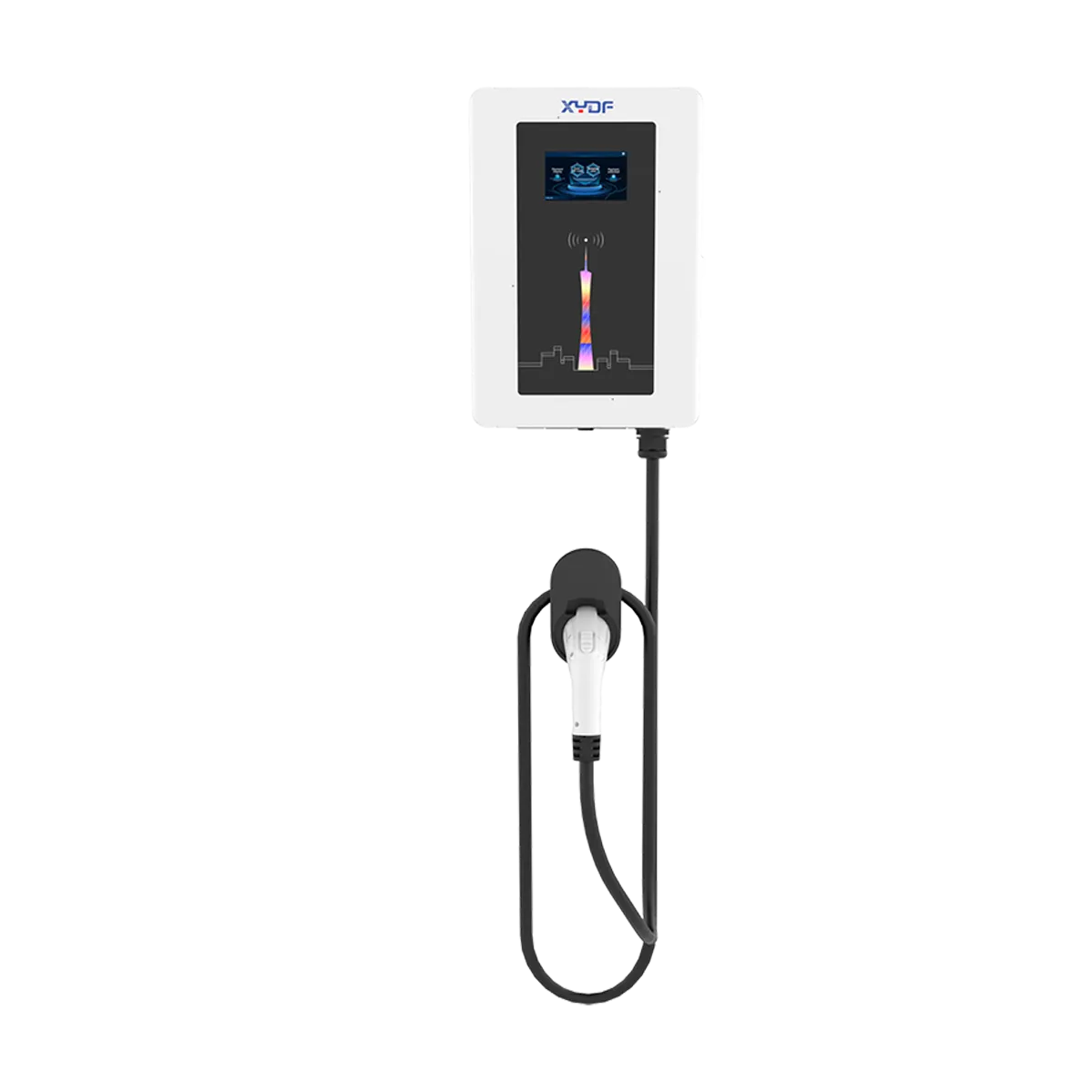
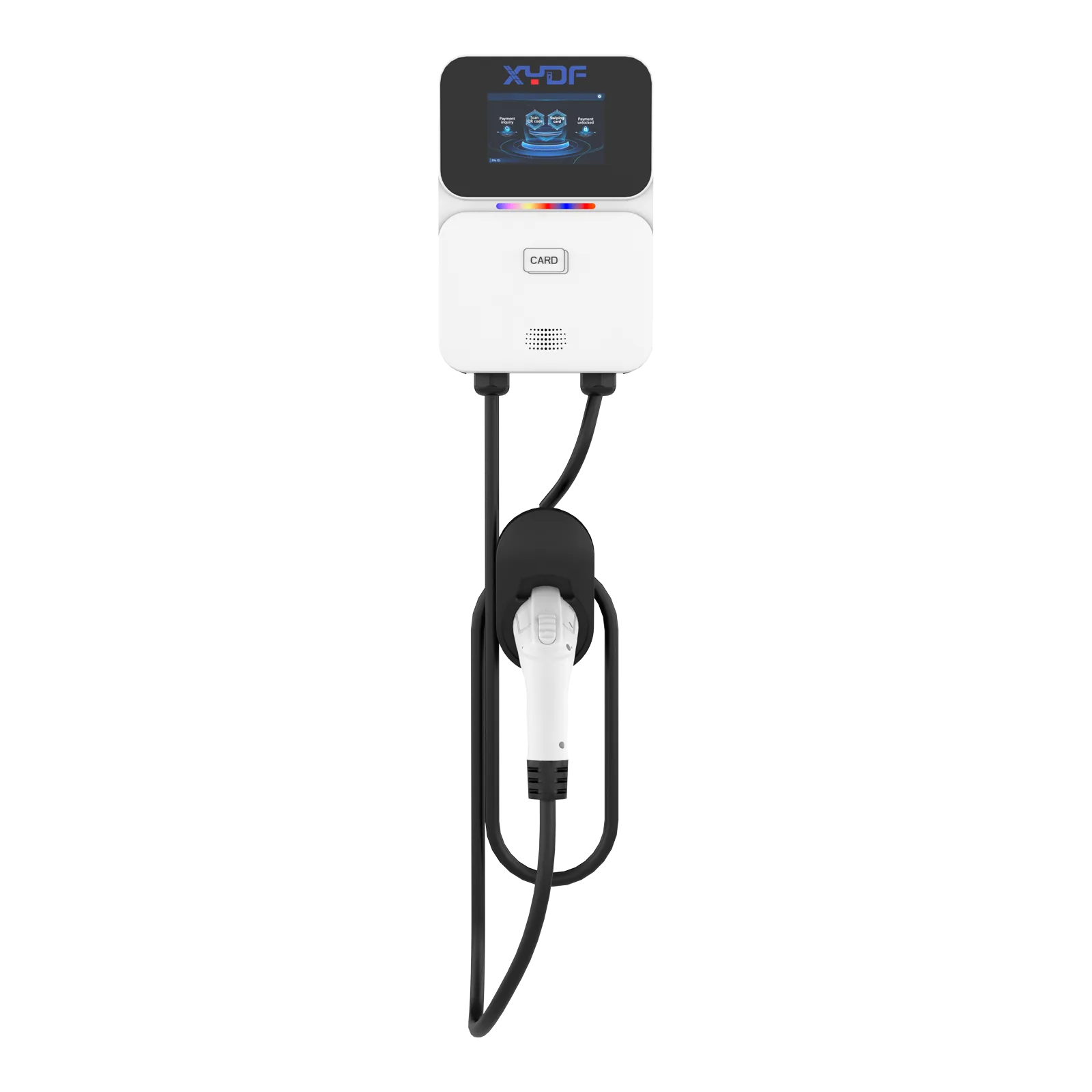
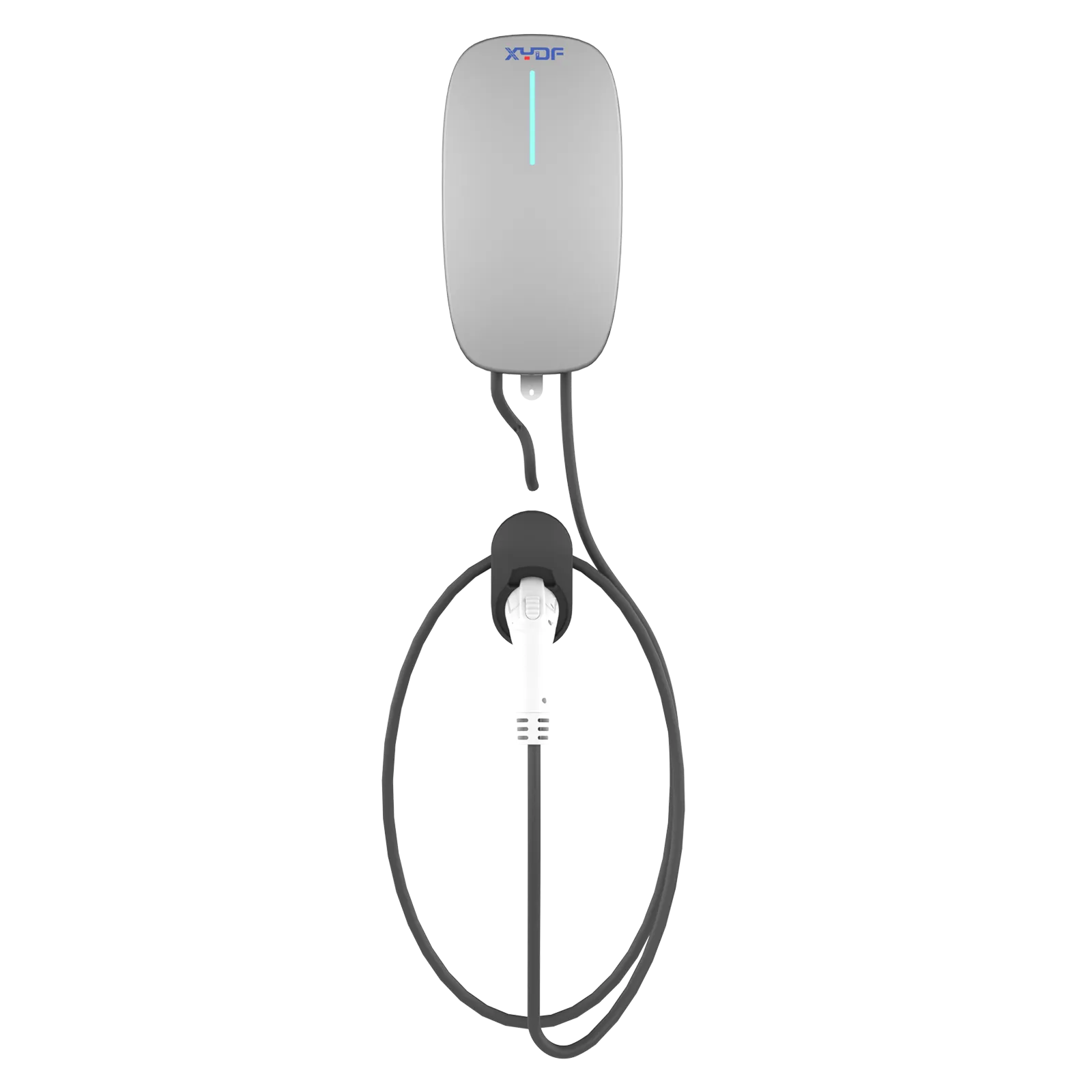
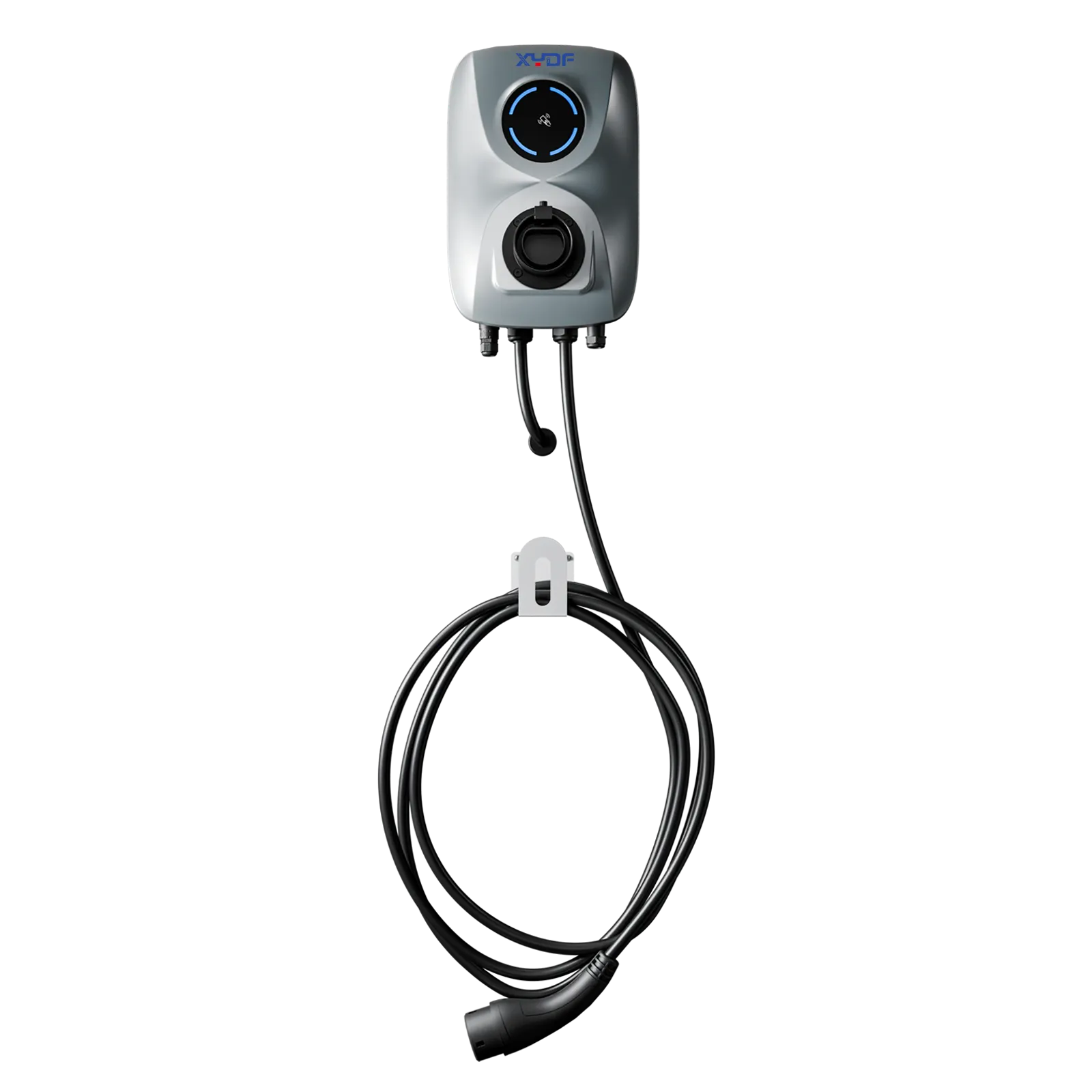
With electric vehicles becoming more commonplace, it is imperative to come up with an effective charging method. An ideal solution for at-home charging is a 240 Volt EV Charger. Find out how to install a 240 Volt EV Charger, how much to expect to pay, and the answers to common questions so when it does come time to pull the trigger, you will understand everything you need to know about the 240 volt EV charger and your home electric vehicle.
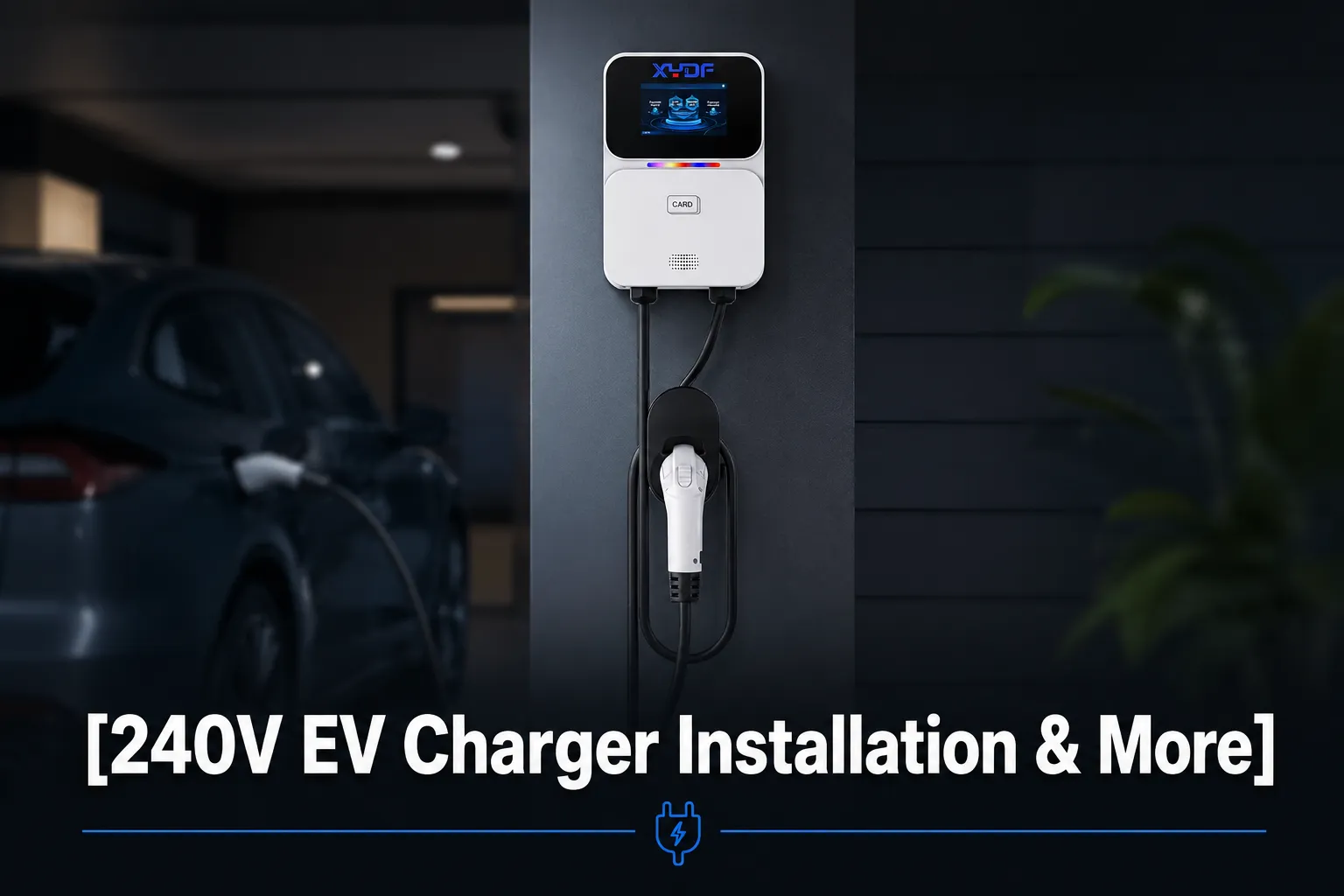
Why Install a 240 Volt Charging Station at Home
Most EV owners are currently “stuck” with a general 120 Volt outlet (level 1), which can take over 24 hours to fully charge your electric vehicle, so it’s only realistic for longer-term use mixed in with some driving. If you upgrade to a Level 2 240 Volt Charging Station, you can dramatically reduce charging time down to just 4-8 hours, which is nice for overnight charging and quick boosts throughout the day.
Installing Your 240 Volt EV Charger
Since installing a 240 Volt EV charger will entail heavy-duty wiring work, this procedure is best left to a qualified electrician. Some things to keep in mind are:
- Check Your Electrical System: Check and see if your already installed electrical system can accommodate that extra load. Newer home systems will likely suffice; otherwise, those with older electrical panel systems may have to upgrade.
- Buy the Correct Charger: Purchase your charger based on your requirements and what will fit your budget. There are many options and varieties of chargers with varying features.
- Install a Dedicated Outlet: Have an outlet installed which then goes directly back to the panel. Ensure that the outlet is located conveniently near the space where you park your car and is rated with sufficient amperage to eliminate the risk of overload.
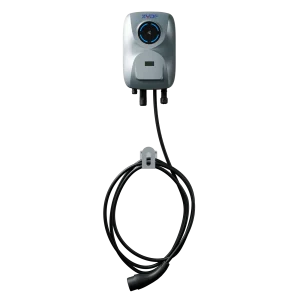
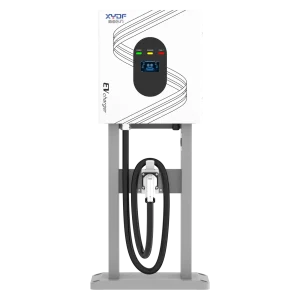
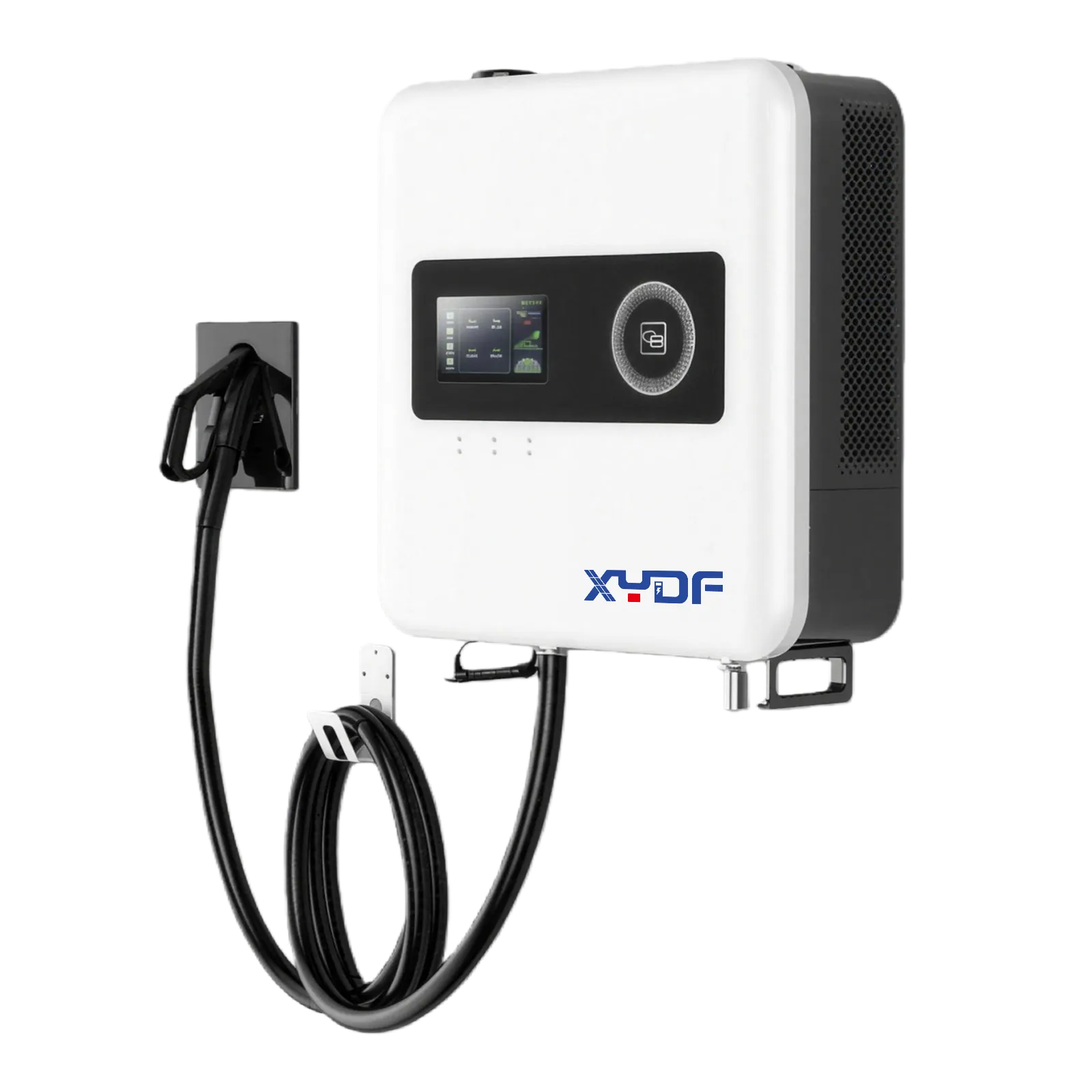
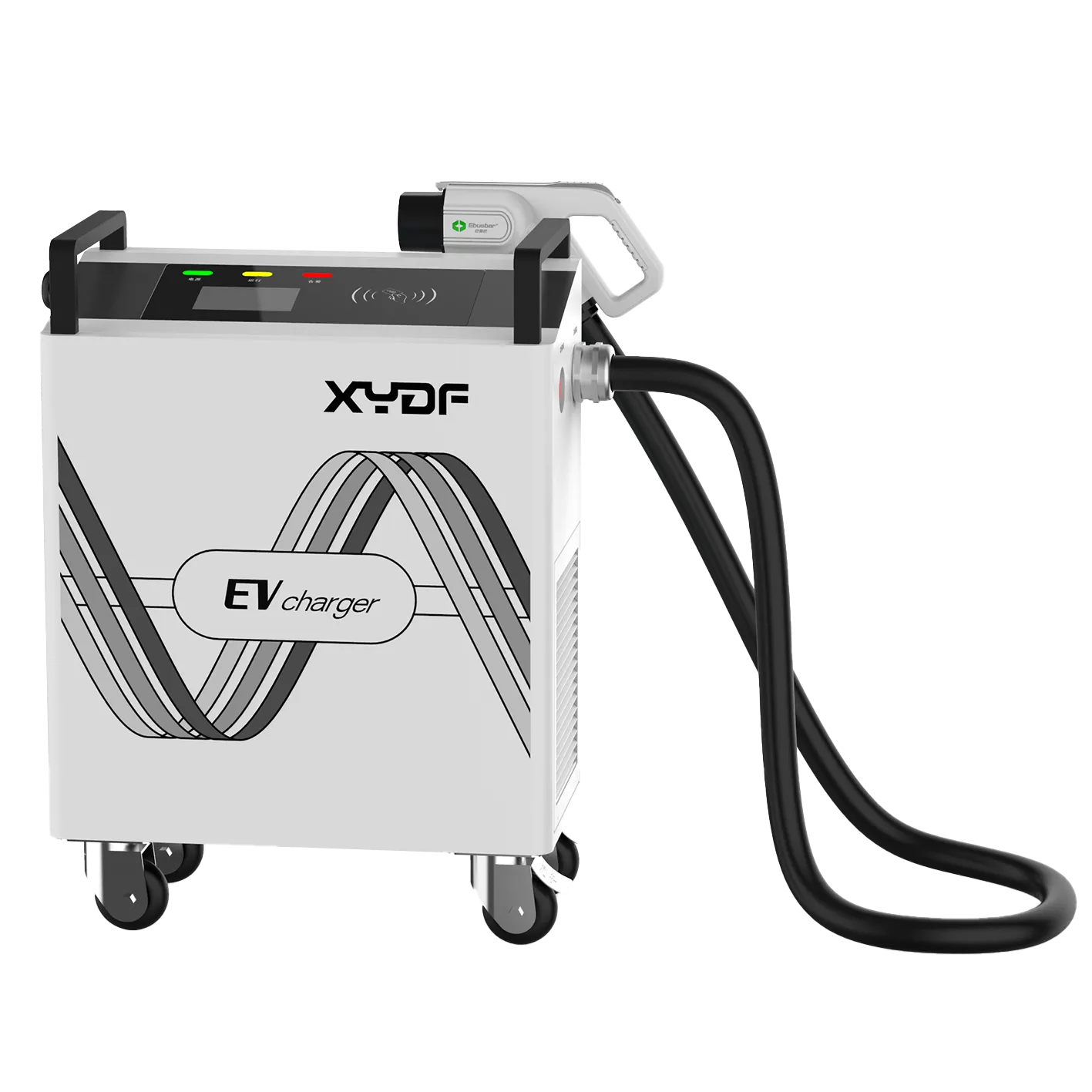
- Mount the Charger: Wall-mounted chargers must be bolted to a solid surface. A portable charger plugs into the dedicated outlet. Make sure your charger is mounted according to manufacturer recommendations.
- Test: Test the system once installed to be sure everything is working properly before you begin normal use.
What Will It Cost to Install a 240 Volt Outlet?
The total cost to install a 240 Volt outlet depends on the availability of labor in your area, the cost of utility service, and your particular job requirements. The total is usually from $500 to $2,000. A portable charger is less expensive to install as no extensive electrical service work is involved.
Can I Do the Installation of a 240 Volt Charger Myself?
It is technically possible to install a 240 Volt charger for EVs yourself, but it is strongly not recommended unless you are a certified electrician. Working with high-voltage service is inherently dangerous, and you risk safety hazards, property damage, and violations of local electrical codes when you do it yourself. Have a licensed electrician install your charger for code-compliant and safe installation!
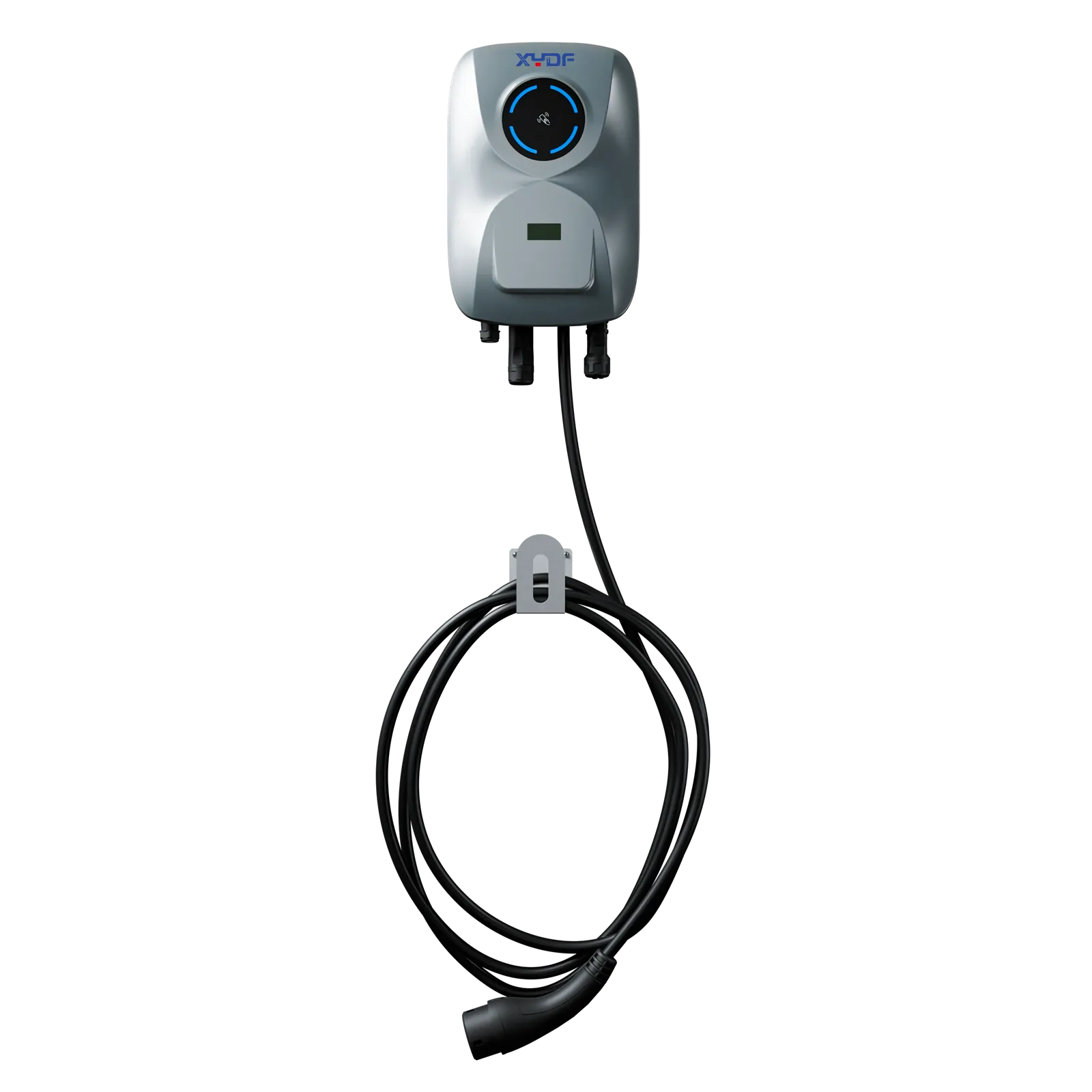
Considerations Before Installing a 240 Volt EV Charging Station
Among things to consider before installing your 240 Volt EV charger are:
1. Home’s Electrical Capacity: Ensure that your electrical panel is capable of handling the additional load required by your 240 Volt outlet. An electrician may also be able to recommend updates to your older system.
2. Charging Requirements: What kind of distance do you normally drive? If you use your car to make long drives regularly, you’ll need a higher-powered Level 2 charger.
3. Location: Installing the outlet next to your parking space will minimize the cables needed and allow for greater convenience.
4. Portable vs. Permanent Charger: A portable charger is nice as a backup and easier to carry, but wall-mounted permanent chargers are usually more robust and better suited for long-term use.
Benefits of Installing a 240 Volt EV Charging Station
The benefits of installing a 240 Volt EV charging station to your home are numerous:
1. Faster Charging: Charge your car from more than 24 hours to a neat and tidy 4-8 hours!
2. Increased Convenience: You can charge your car anytime at home, no trips to the public charging station.
3. Increased Value: With an EV and home benefits for buyers, this increases the value of your property.
4. Energy Savings: Discounted rates on your electricity during off-peak charging of your EV save money as well.
Frequently Asked Questions
What is the average cost to install a 240-volt EV Charger outlet?
The installation cost, including all breakout pieces and components, will average $500-$1,500, depending upon the complexity and whether your electrical panel needs upgrading.
How is a 240-volt outlet installed for EV charging?
A licensed electrician will upgrade and inspect your electrical panel, run appropriate wiring, and connect the outlet to a circuit breaker. DIY attempts may violate safety codes and pose risks to life and property.
How much does it cost to get a 240-volt EV Charger installed?
Including the cost of the charger, the typical range is $1,000-$3,000, depending upon the labor costs. If you have to upgrade your home electrical panel, you may incur additional expenses.
Can I use a portable 240-volt EV Charger?
Yes! A portable 240-volt EV charger will give you the benefit of flexibility as long as you have access to a 240-volt outlet. Unlike wall-mounted units, they do not need to be permanently installed.
Do I need a permit to install a 240-volt EV Charger?
Again, most likely yes, if you want to comply with local codes and standards.
In summary, installing a 240 Volt EV Charger is a wise investment if you own an electric vehicle. There are many portable and wall-mounted choices that each have pros and cons, and both will vastly enhance your EV experience. Please use a licensed electrician for a safe installation, completing your upgrade for the new future of home EV infrastructure. As these items become more common, your home will be future-ready!
 Xinya Dongfang Electricity Technology Co., Ltd.