High-Availability EV Charging for Airports and Transport Hubs
Aug 08,2026
Blog
Airport EV charging high availability starts with criticality, not with a charger count. An airport or transport hub should first define which vehicles must leave on schedule, then assess shared electrical capacity and set realistic redundancy and load-shedding rules for each charging group. This produces a more useful design than applying the same backup expectation to every parking bay.
At an airport, passenger parking, employee vehicles, taxis, ground-support fleets and service contractors can draw power from the same campus while having very different consequences if charging is interrupted. The SFO Electric Vehicle Charging Load Analysis illustrates why an operator should classify charging loads before deciding where full redundancy is justified.
Airport Authority Hong Kong provides a useful public example of scale and sequencing: its Airside Vehicles Electrification Programme moved through completed and ongoing phases, while its airport-wide charging infrastructure included more than 690 apron chargers as of October 2023 and a stated plan to reach 1,300 by 2030. Those figures are not a sizing benchmark for another airport; they show why capacity, operations and expansion stages have to be planned together.
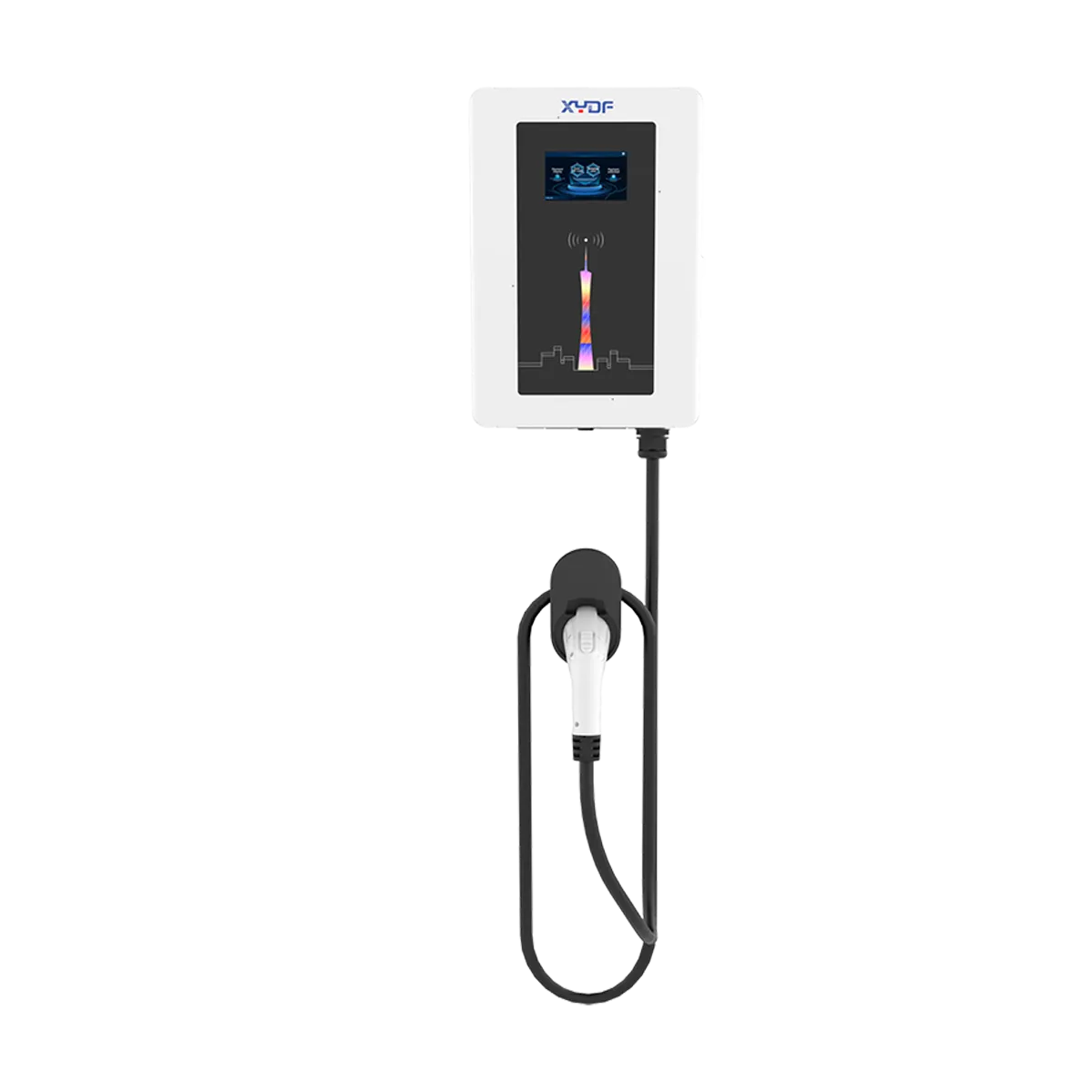
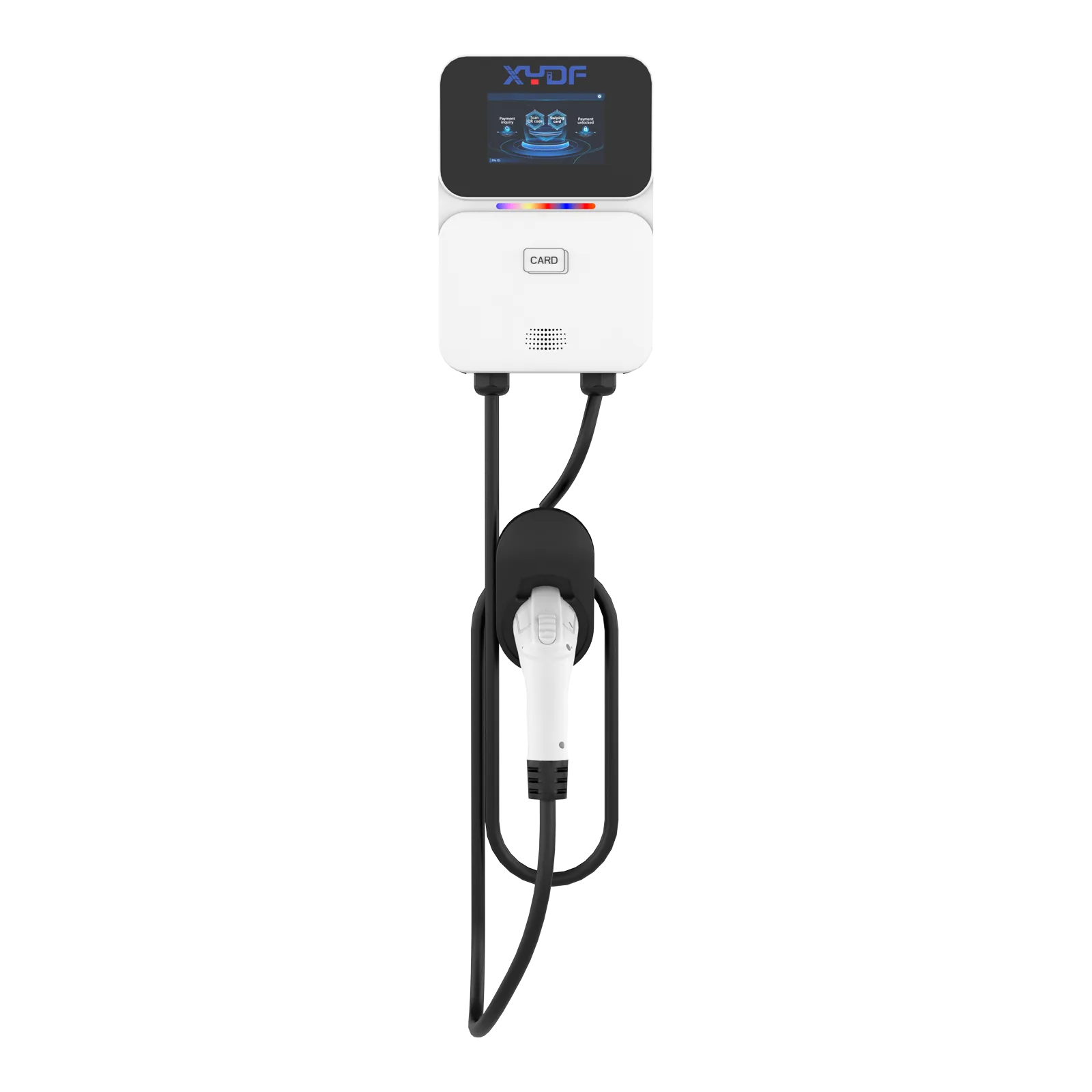
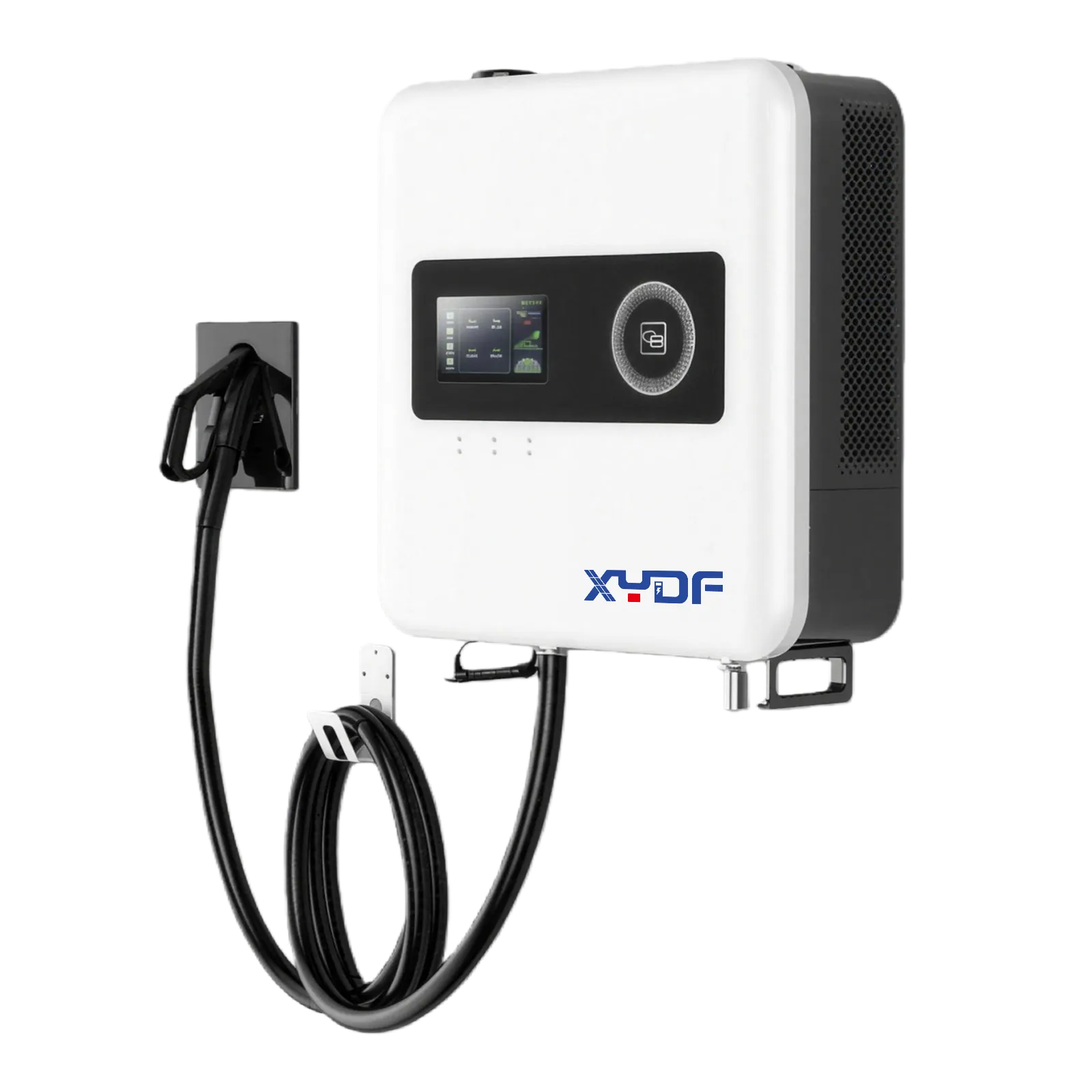
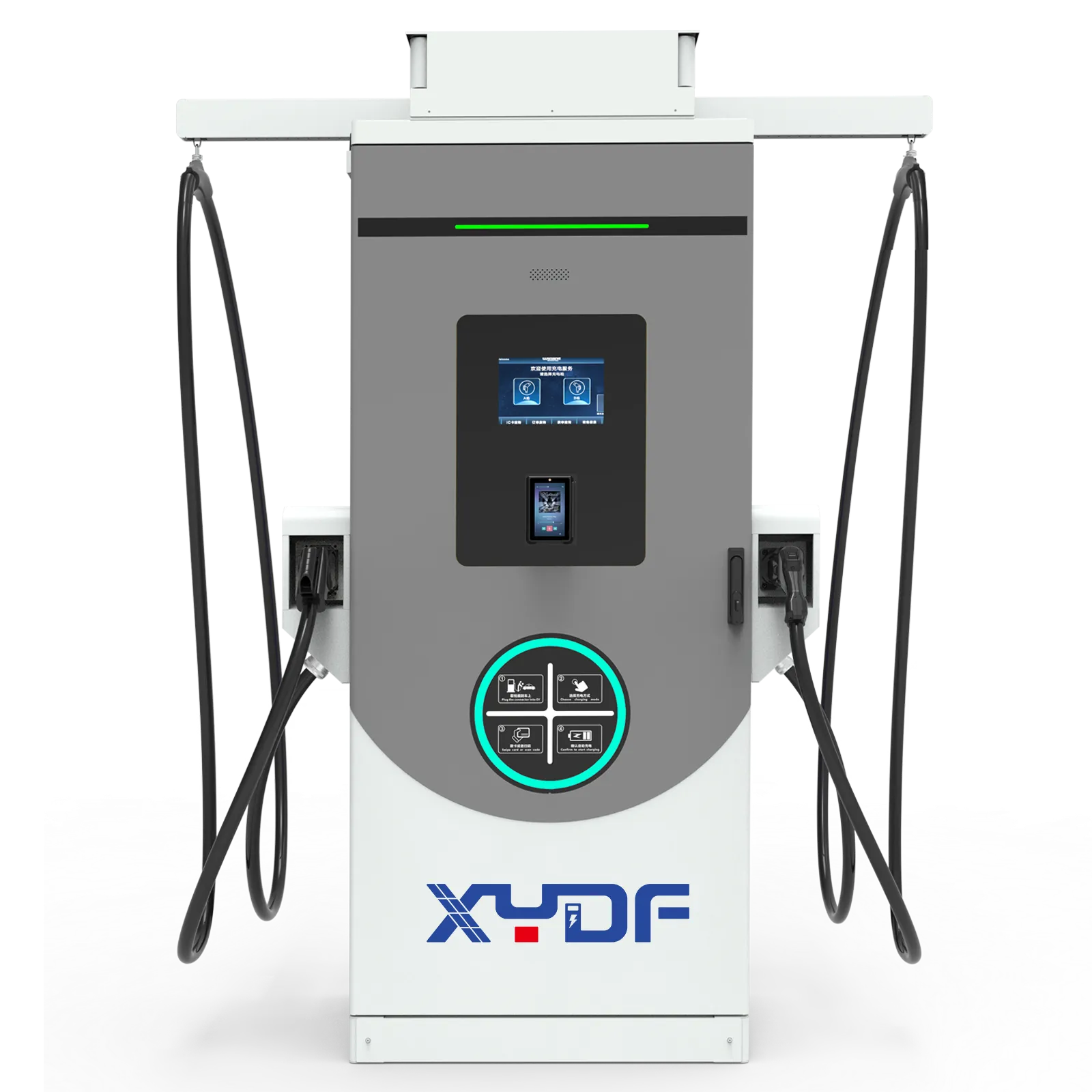
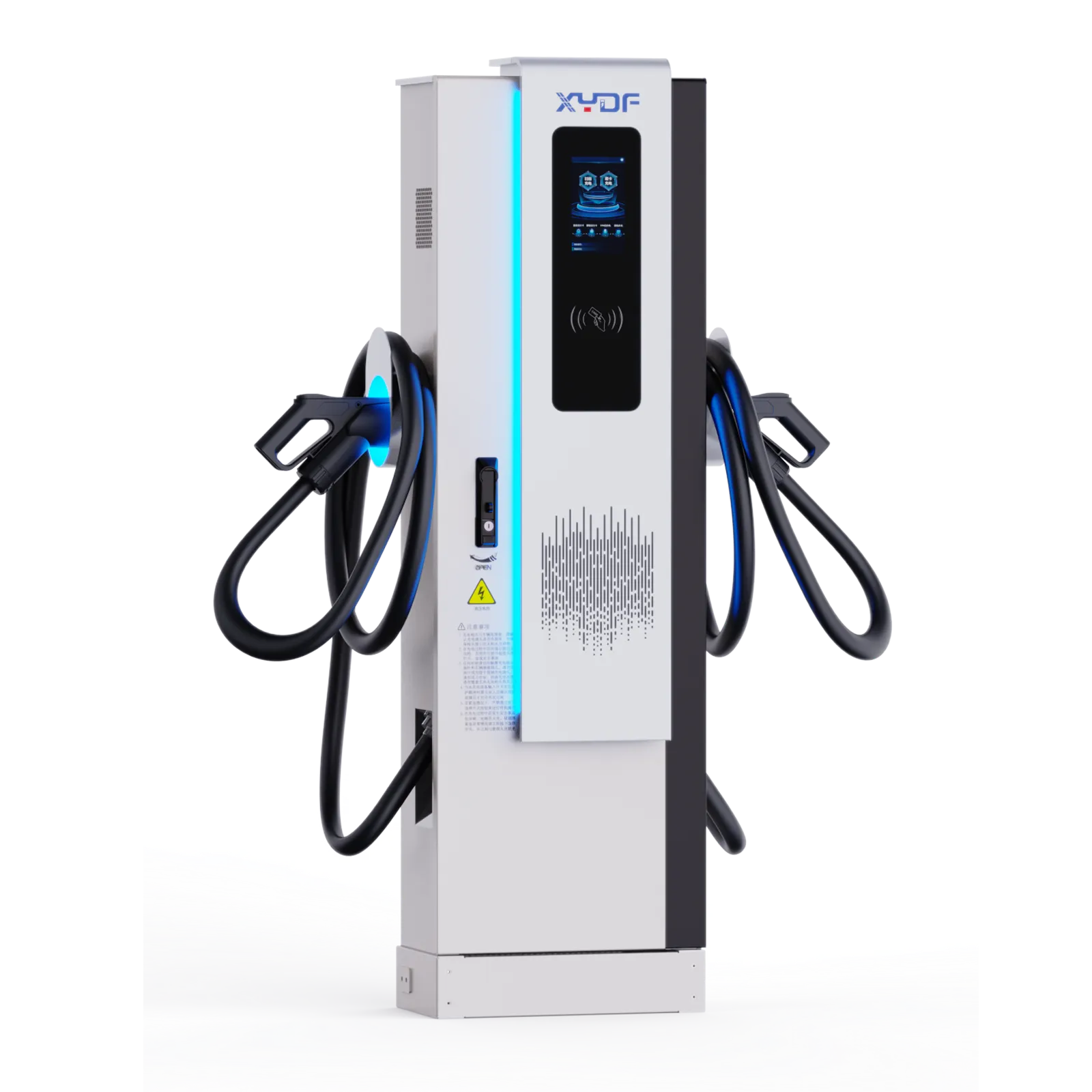
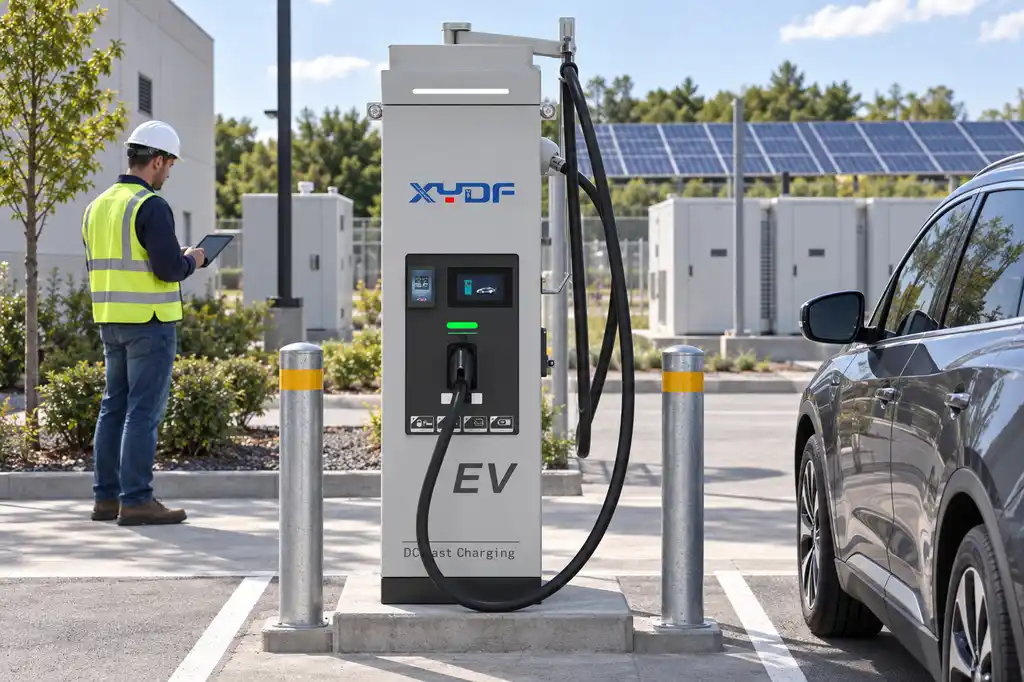
Equipment context for an airport charging planning discussion; not a claim about site availability or installed capability.
Part 1. Which airport charging loads need the highest availability?
The most important charging load is the one whose missed session disrupts an operational commitment, not necessarily the one with the largest nameplate power. A ground-operations vehicle needed for a scheduled movement can be more critical than a passenger vehicle parked for several days.
Create a criticality register with operations, facilities, security, ground handlers and parking management. It should name the vehicle group, its charging window, the consequence of a missed charge, the owner of the decision and the fallback arrangement.
User group
Typical charging pattern
Availability question
Passenger long-stay parking
Long dwell, variable arrival
Can charging be deferred without affecting travel?
Employees
Repeated work-shift dwell
Is charging an amenity or needed for staff mobility?
Taxi, rideshare and shuttle
Shorter, high-turnover dwell
What queue or alternate-site plan protects service?
Ground-support and service fleets
Duty-cycle driven
Which vehicles must be ready for the next operational window?
This register prevents a common error: treating every connector as equally critical and then trying to buy maximum resilience everywhere.
Critical versus noncritical charging loads should be separated by consequence and recovery time. A practical rule is to classify a load as critical only when a missed charge would affect a defined operational movement and no acceptable vehicle, bay or schedule fallback exists; lower tiers can accept deferral, reduced power or reassignment. Record the maximum tolerable interruption for every tier so that procurement can distinguish a real continuity requirement from a preference.
Part 2. How should an airport separate charging use cases before sizing equipment?
Different dwell times call for different charging approaches. Long-stay parking and employee areas can often use AC charging because vehicles remain parked for extended periods. Turnaround zones, taxis, shuttles and some operational fleets may need DC charging because their available window is shorter.
That is a matching rule, not a universal power prescription. Kimley-Horn’s airport guidance likewise distinguishes airport use cases by dwell time and electrical impact. The design team should model simultaneous arrivals, required departure state of charge, seasonal peaks and the effect of a single charger being unavailable.
Operational dwell windows are capacity inputs, not merely scheduling notes. The IEA’s Global EV Outlook 2026 charging analysis says depot planning should combine route profiles, battery sizing, charging strategy and charger quantity; in the bus and truck depot cases it reviewed, shifting some load to daytime or off-peak periods could reduce maximum depot power demand by up to 60%. That is not a guaranteed airport saving, but it is strong evidence for testing the airport’s actual shifts and turnaround windows before fixing charger power and feeder size.
Design input
Why it changes the design
Evidence to collect
Vehicle duty cycle
Defines the usable charging window
Shift, route and turnaround records
Arrival coincidence
Drives peak demand rather than average use
Parking and dispatch data
Access policy
Separates public, staff and operational demand
User groups and authentication rules
Recovery tolerance
Defines fallback needs
Alternate chargers, vehicle substitutions and response process
Important: A nameplate-power total is not a demand study. The National Academies airport planning guidance supports starting with an electrical assessment and utility coordination; responsible electrical professionals must validate the project-specific operating scenario and diversity assumptions.
Part 3. What power-distribution questions come before charger selection?
Start with an electrical audit of existing supply, substations, feeders, switchgear, protection and existing commitments. The National Academies airport planning guidance recommends coordinating this assessment with other airport energy projects and the utility before selecting equipment.
The audit must include loads that may not belong to the charging program: terminal renovations, rental-car facilities, cargo operations, hotels and future fleet projects. The useful outcome is a capacity map showing where power is available, where it is constrained, and what must be reserved for other operations.
Feeder, network and software single points of failure must appear on the same end-to-end service map. Trace each critical session from utility or standby source through switchgear, feeder, charger and connector, then through communications, authentication, charge management, payment where applicable, alarms and the operator’s response path. If two chargers share one unprotected feeder, modem or controller, equipment count alone does not create two independent charging paths.
Plan future expansion deliberately. Spare physical routes and space can be valuable, but their sizing and protection need project-specific engineering. Do not describe an empty conduit or a larger transformer as “future-proof” unless the operating forecast and utility plan support that decision.
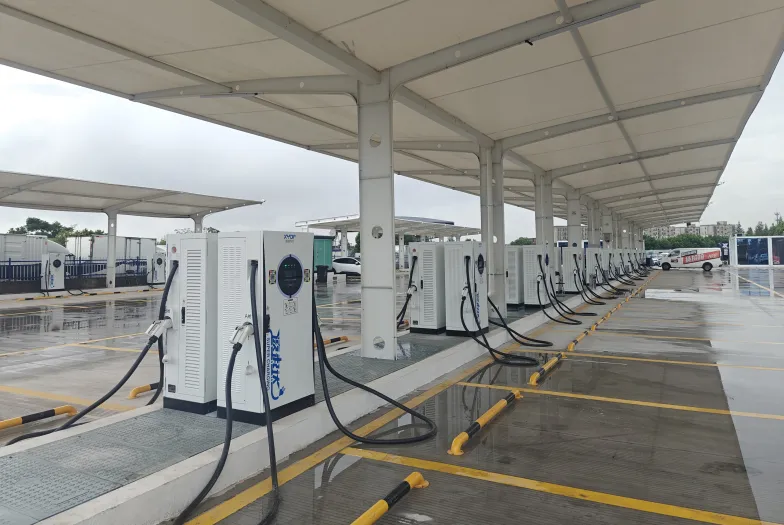
A first-party product image used to illustrate the parked-vehicle context, not a site sizing result.
Part 4. Where should redundancy sit in an airport charging design?
For each criticality tier, map the single points of failure before choosing a redundancy pattern. One unavailable charger, feeder, controller, network connection, access credential process, or maintenance arrangement can weaken the full charging path.
Layer
Example failure
Design question
Charging equipment
A unit or power module is unavailable
Can another compatible connector cover the critical session?
Electrical distribution
A feeder or protective device is isolated
Is there an engineered alternate supply path for this tier?
Controls and communications
Platform or connectivity is unavailable
What local behavior, access process and fault escalation apply?
Operations
A vehicle cannot use its planned bay
Is an alternate bay, vehicle or schedule documented?
The SFO study is especially useful here: it describes a criticality-based approach rather than assuming every user class needs full redundancy. That is more defensible than an unqualified “N+1 everywhere” requirement.
Define the N+1 boundary explicitly. For a critical fleet, “one spare charger” is only meaningful if the remaining path can still supply the required energy within the operating window after the nominated failure. State whether N+1 applies to connectors, power modules, dispensers, chargers, feeders, communications or the complete service path; then document any shared element outside that boundary and the operational fallback it requires.
Fallback operation should be executable without improvisation. Define which sessions continue locally if the network or cloud platform is lost, which credentials remain valid, who can authorize manual access, how energy limits are applied, and how transactions or maintenance records are reconciled after service returns. Confirm those behaviors with the selected hardware and software suppliers rather than assuming an offline mode exists.
Part 5. How can managed charging protect critical service during constraints?
Managed charging is valuable when it follows an approved priority policy. It can prioritize an operational fleet, limit lower-priority sessions, stagger starts or shed noncritical demand during a constrained period. National Academies’ passenger-parking research notes that networked charging can provide control over electrical draw when capacity is constrained.
Write the policy before commissioning. It should answer who can override priorities, what happens during a communication loss, whether active sessions continue, how drivers are informed, and which loads are shed first. A cloud platform alone is not a continuity plan; people must be able to operate the agreed exception process.
Set the shedding order in operational terms: pause discretionary or long-dwell sessions first, reduce power to loads that can still meet their next departure target, preserve sessions with the shortest recovery margin, and reserve a manual emergency rule for the operations controller. The exact order belongs in the airport’s approved operating procedure and should be tested against a constrained-feeder scenario. HKIA’s public case notes that its Smart-to-Charge system monitors vehicle battery condition to allocate charging capacity more efficiently, which illustrates the value of using vehicle need rather than equal power sharing as the decision input.
Part 6. How should a live airport phase, test and maintain charging infrastructure?
Live airports should phase work around operating constraints, not assume that a charger installation is isolated from traffic, access control or electrical switching. Each phase needs a safe work boundary, a temporary operating arrangement, a restoration test and a named owner for defects.
Use commissioning gates rather than energizing the complete estate at once. A practical sequence is to prove one representative bay and its end-to-end data path, commission a limited operational group, verify load-management priorities under real shift windows, and expand only after defects and recovery steps are closed. This phased approach keeps an existing charging or vehicle fallback available while the next stage is being tested.
Acceptance should test the intended operating scenarios: normal charging, priority behavior, a representative communication loss, safe isolation, fault notification and recovery. Test evidence should show what was tested, under which conditions and by whom. It should not be replaced by an assumption that a charger’s specification sheet proves site availability.
Acceptance and recovery tests should use measurable pass criteria tied to the criticality register. Time a charger or feeder failover, confirm the remaining path can meet the next departure window, simulate loss and restoration of communications, verify local authorization rules, exercise alarm escalation, and prove that an isolated unit can return to controlled service without disturbing unaffected loads.
Acceptance scenario
Evidence to retain
Recovery question
Charger or module unavailable
Load transfer, connector compatibility and remaining energy delivery
Can the critical vehicle still meet its departure requirement?
Feeder constrained or isolated
Priority sequence, protective-device state and authorized switching record
Which lower-priority loads are reduced or shed first?
Network or platform lost
Offline authorization, local charging behavior, alarms and restored records
Can approved users continue safely and can data be reconciled?
Return to service
Fault clearance, inspection, restart and post-restoration monitoring
Who authorizes restoration and how is recurrence detected?
Maintenance planning belongs in the design review. Ask how equipment can be isolated, how spare parts and support are arranged, how alarms are triaged, and how operators discover that a critical bay is unavailable. A maintainable design enables planned work without silently removing the only charging path for a critical fleet.
Treat spares and service as evidence requirements. Request a recommended critical-spares list, lead times, regional stock location, replacement and firmware procedures, escalation contacts, response and restoration definitions, training scope and sample service reports. Contract language should distinguish response time from restoration time and should identify exclusions; a general statement that support is “available” does not demonstrate recovery capability.
Part 7. What should buyers specify when requesting airport-capable charging equipment?
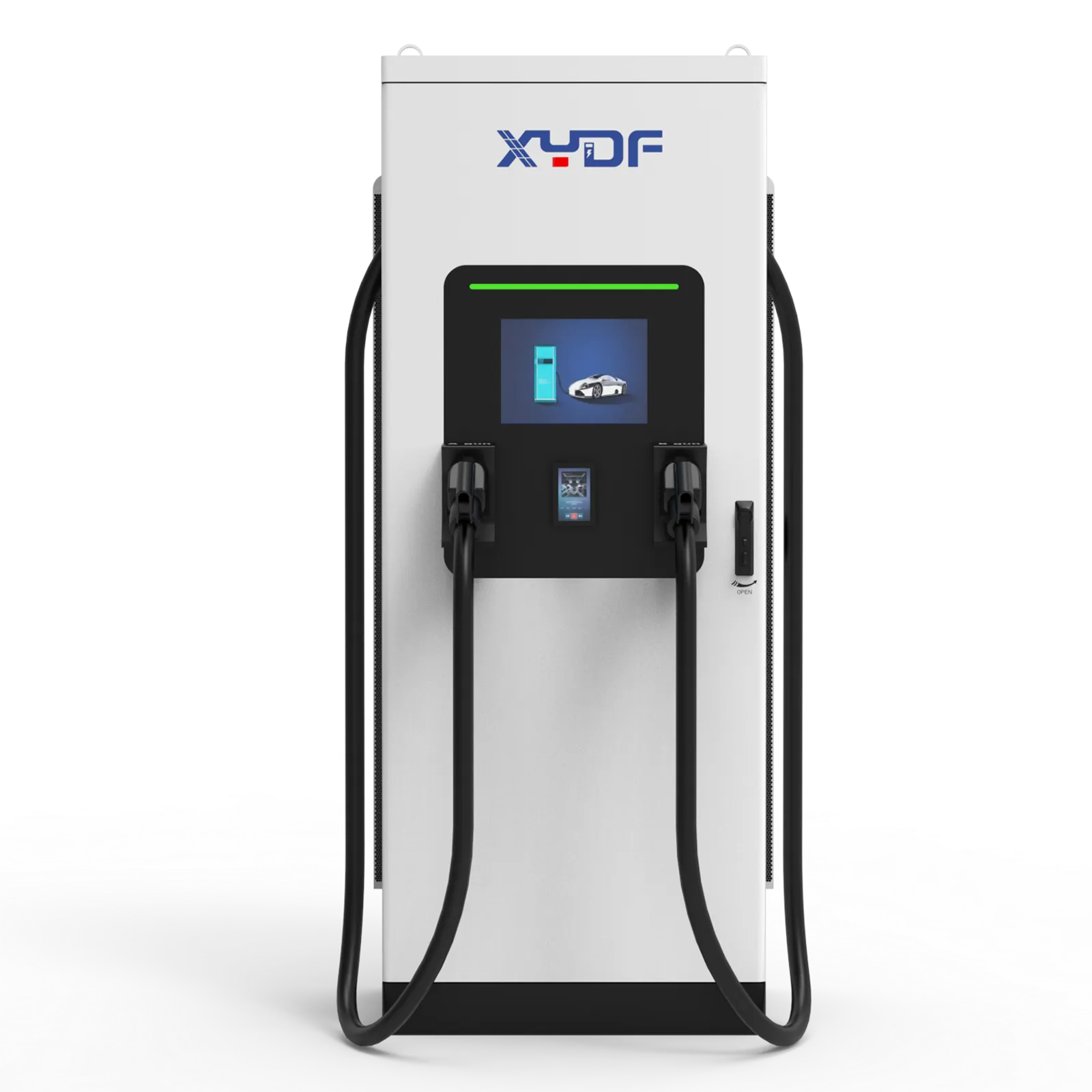
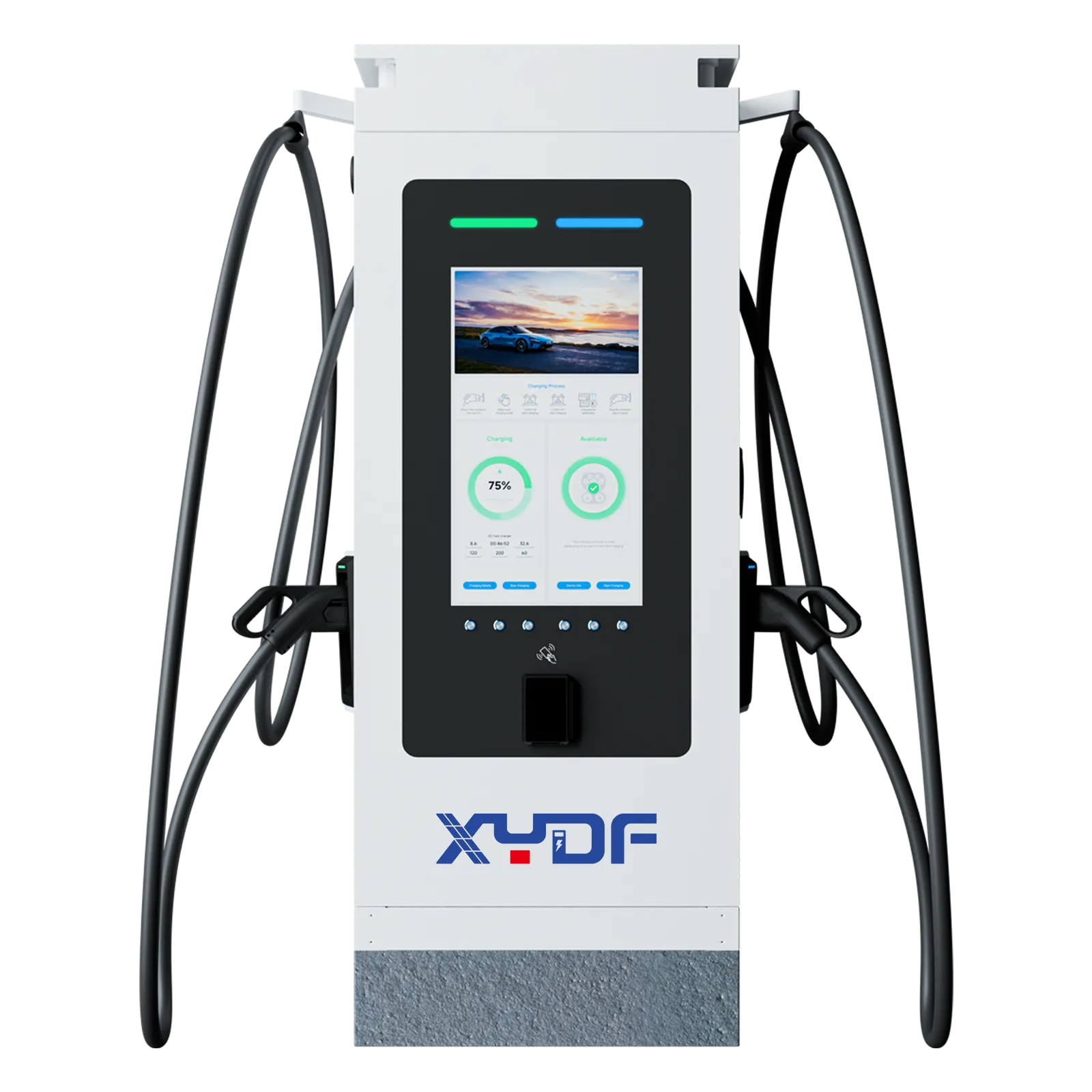
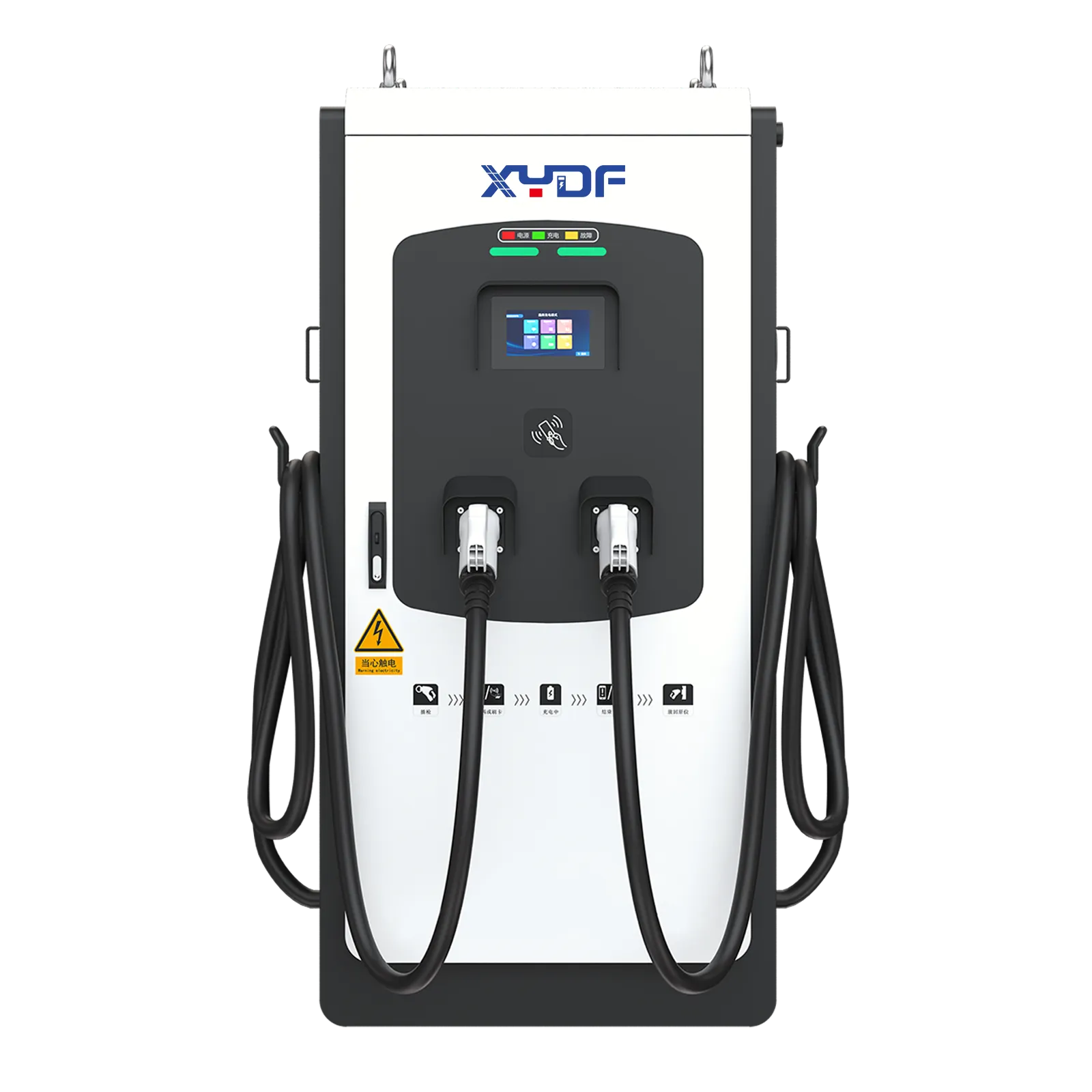
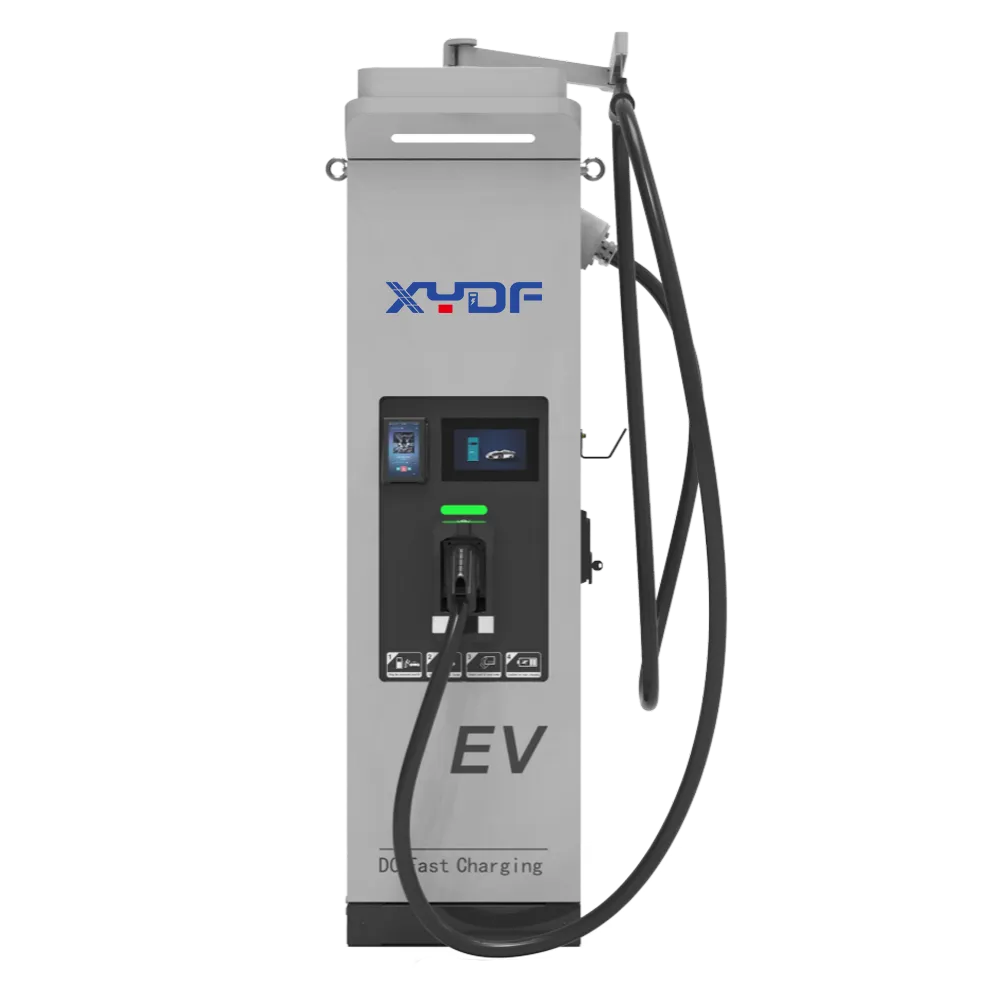
XYDF’s AC charger range and DC fast charger range are relevant product-line starting points after the airport has defined its duty cycles and project requirements. AC equipment is generally the better initial fit for long parked periods; DC equipment may fit faster-turnover zones. That is not a model recommendation or a claim that either line meets a particular airport specification.
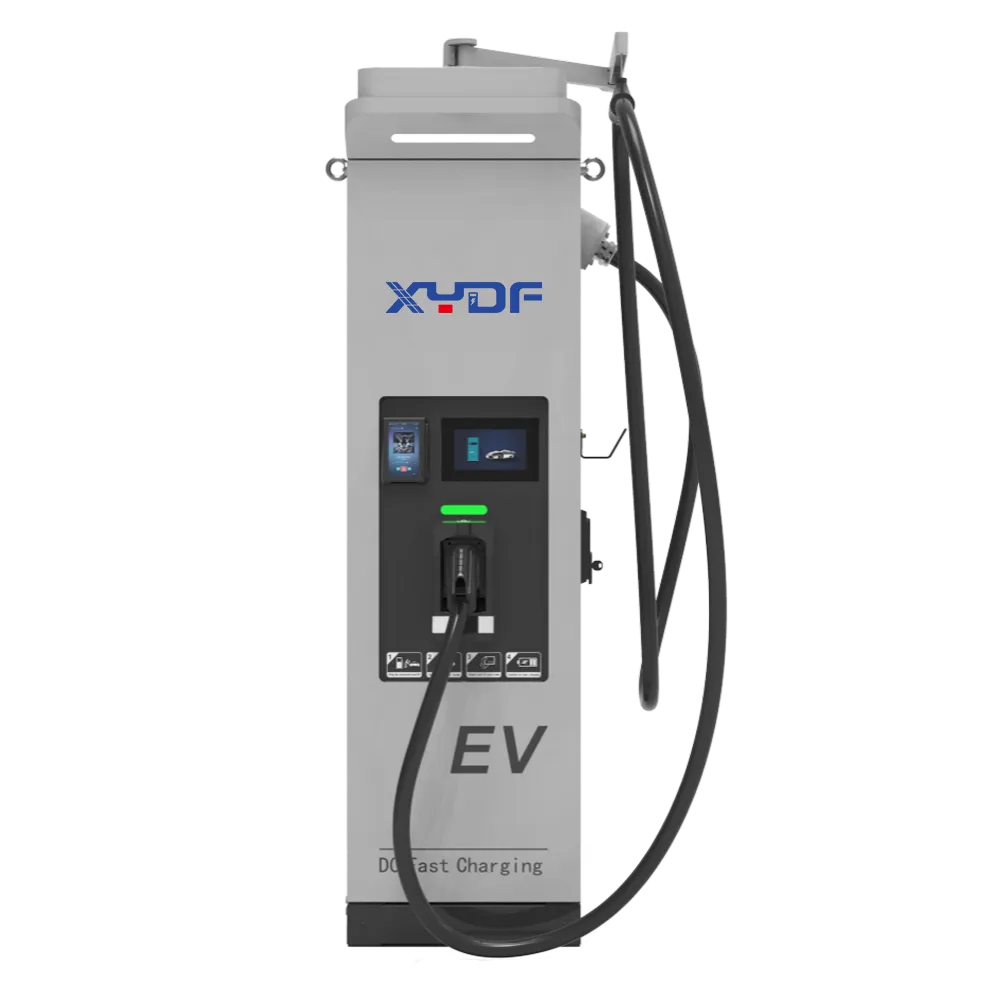
Product-route illustration only; final equipment selection requires project-specific technical confirmation.
Buyer should provide
Why it matters
Common mistake
Vehicle groups, connectors and duty windows
Matches charging approach to operations
Selecting power only from a marketing category
Existing one-line data and available capacity
Establishes the distribution boundary
Adding charger nameplate ratings without a study
Criticality and outage rules
Defines appropriate redundancy
Calling every bay mission critical
Layout, traffic and access constraints
Supports safe bay and cable planning
Treating parking geometry as an afterthought
Network, access and support requirements
Defines operational ownership
Leaving platform and recovery responsibilities undefined
Require the bid response to identify the proposed N+1 boundary, offline operating behavior, dependency map, load-shedding controls, spare-parts path, service escalation and acceptance-test support. Evaluate those submissions against the same criticality register and operating scenarios; this keeps a feature list from substituting for evidence that the charging service can recover.
FAQ
Does every airport EV charger need backup power?
No. The redundancy level should follow the operational criticality of the charging load and the consequence of a missed session. The SFO load analysis is an example of tiering loads instead of assuming full redundancy for every user group.
How many EV chargers should an airport install?
There is no universal count. Start with vehicle groups, dwell time, expected simultaneous use, electrical capacity and the service consequence of unavailable charging.
Can airport load management reduce the need for electrical upgrades?
It can control and prioritize demand within the available electrical boundary. It does not replace the capacity assessment, protection review or utility coordination required for the actual project.
Where is DC charging most useful at a transport hub?
DC charging is usually considered where vehicles have shorter turnaround windows, such as selected taxi, shuttle or operational-fleet areas. The correct fit depends on duty cycle and the available supply.
What is the first engineering task for airport charging?
Perform an electrical and operational assessment. The National Academies guidance identifies electrical capacity and utility coordination as early planning work.
What creates a single point of failure?
It can be a charger, feeder, controller, communications dependency, access process or maintenance arrangement. Review all layers for each critical charging tier.
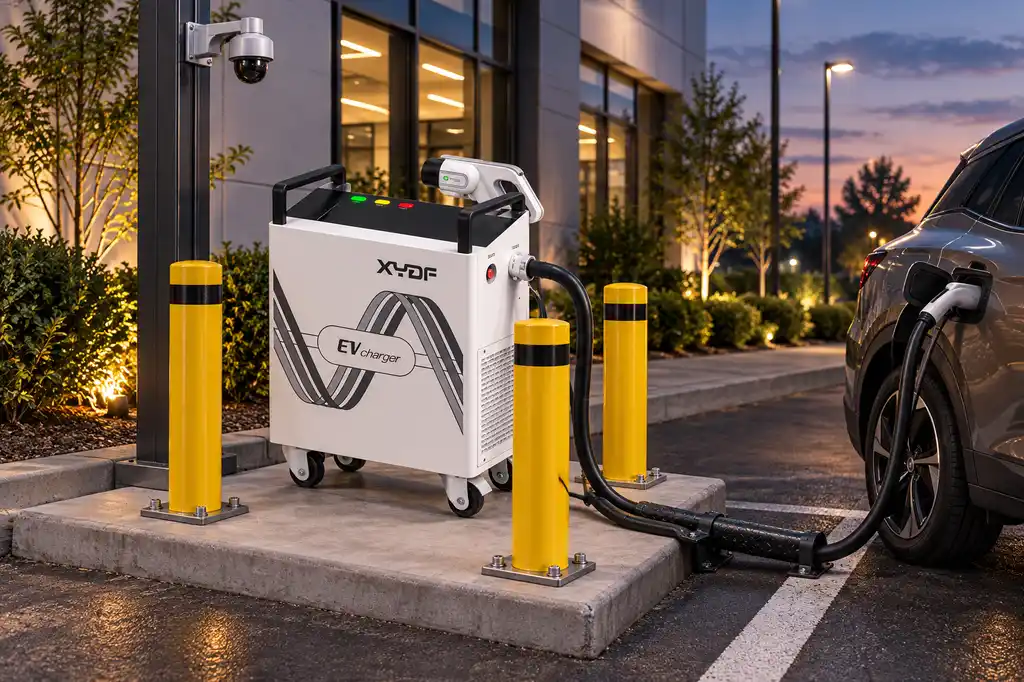
Can a portable charger replace an airport resilience plan?
No. A temporary unit may be an operational contingency, but it does not replace engineered capacity, protection, access procedures and a documented recovery plan for critical operations.
High availability is not the number of chargers installed; it is the airport’s demonstrated ability to deliver the required energy, protect priority operations and recover from a defined failure.
If you are developing an airport, port or rail-hub charging project, share these planning inputs with the project electrical team and contact XYDF for product-line discussions. The final selection should be validated against the site’s electrical design, applicable local requirements and operating procedures.
We use cookies to keep this website working and, with your permission, to measure how visitors use our EV charging site. See our Privacy Policy for details.
 Xinya Dongfang Electricity Technology Co., Ltd.