How Does Power Sharing Work in a Multi-Connector DC Charger?
Aug 07,2026
Blog
Teams comparing multi-connector DC charger quotations can mistake plug count and headline kilowatts for simultaneously available power. The combined per-connector ratings may exceed what the cabinet and site can release, so the issue is specification clarity rather than necessarily defective hardware.
Summary: multi-connector DC charger power sharing allocates a limited pool among active vehicles; it does not guarantee the maximum connector rating at every outlet at the same time. Current U.S. rules for covered corridor-serving DCFC sites permit power sharing only while each charging port continues to meet an EV’s request up to 150 kW. Buyers should specify the cabinet pool, per-connector voltage/current envelope, allocation mode, module granularity, site cap, and a witnessed concurrent test before comparing bids.
Multi-connector DC charger power sharing allocates a limited available power pool among active vehicles; it does not automatically mean that every connector receives its maximum rating at the same time. The actual result depends on the charger’s internal architecture, allocation mode, connector limits, vehicle demand, and any site-level power limit. Buyers should therefore verify the named model’s simultaneous-use and allocation behavior before treating a connector count as delivered capacity.
Part 1. What does power sharing mean in a multi-connector DC charger?
Power sharing is the distribution of DC charging capacity among more than one active connector. A dynamic system can reallocate capacity as vehicles connect, taper, or disconnect. Kempower’s charging-power-management documentation describes a power-distribution module routing and re-routing available channels during a charging session.
The key phrase is “available power.” A charger may have a cabinet-level power pool, individual connector limits, and a site-level cap. Those three numbers can differ. A product label or a two-connector front panel alone does not establish how much power two vehicles can receive simultaneously.
For the NEVI rule’s regulatory scope, current 23 CFR 680.104 defines Power Sharing as “dynamically limiting the charging power output of individual charging ports at the same charging station to ensure that the sum total power output to all EVs concurrently charging remains below a maximum power threshold,” and says this is also called automated load management.
The current text of 23 CFR 680.106(d)(1) makes the cabinet-versus-port distinction concrete for covered U.S. corridor projects: each DCFC port must support 250 to 920 V DC, have a continuous rating of at least 150 kW, and meet an EV’s request up to 150 kW simultaneously. Power sharing is allowed only while every port continues to meet that request. This funding- and location-specific requirement is not a claim about every commercial charger.
Part 2. Which components set the available power pool?
DC charging equipment converts incoming electrical supply into controlled DC output. In some architectures, power modules are grouped in one cabinet and routed to one or more connectors or dispensers. In other designs, sharing is more limited by fixed internal paths or connector rules.
The EVBox PowerHub description is one example of a centralised architecture that routes power to multiple charging points. It also distinguishes static delivery from optional dynamic load sharing. That distinction matters: centralised architecture does not by itself prove that every deployment uses dynamic allocation.
Layer
Question to verify
Why it affects the session
Grid and site
What power may the site release to charging?
A site cap can reduce the cabinet’s available input.
Cabinet
What is the rated and installed conversion capacity?
This defines the potential shared pool.
Routing
Which modules or channels can reach which connector?
This determines allocation flexibility.
Connector
What are the connector and cable voltage/current limits?
A connector may limit output before the cabinet does.
Vehicle
What power can the vehicle request at that moment?
Battery state and conditions change demand over time.
A sound comparison separates the cabinet power pool and connector rating. At any moment, one connector is bounded by the vehicle’s requested voltage and current, its own cable and connector envelope, the modules or channels that can physically reach it, the remaining cabinet capacity, and the site’s active limit. The lowest applicable constraint governs; unused cabinet kilowatts cannot overcome a vehicle current limit or an unroutable module.
Module granularity turns architecture into an operating constraint. Ask for the allocation increment, minimum share, cross-connector routing restrictions, and behavior when a request falls between available increments; do not infer any of these from total cabinet power.
Part 3. Does power always split equally between active connectors?
No. Some systems use a fixed split, some use equal sharing, some prioritise one connector, and some dynamically assign available channels according to demand. The BTC Power explanation of dynamic sharing describes real-time allocation rather than a permanent equal division.
Real buyer questions reflect this difference: some units allow only one active vehicle, some use a 50/50 split, and some change allocation with finer granularity. That language is not a model specification; it reinforces why a quotation must name the allocation mode.
Allocation mode
What a buyer may observe
What to request
Single-active connector
one vehicle charges while another connector is unavailable
confirmation of simultaneous-operation policy
Fixed split
active connectors receive predetermined shares
split ratio and conditions
Equal sharing
capacity is divided between active sessions
minimum/maximum allocation logic
Dynamic sharing
capacity moves as demand changes
module/channel granularity, priority rules, and response behaviour
For procurement, dynamic power allocation is not a sufficient specification on its own. The RFQ should state whether released capacity moves automatically, the module or channel increment, priority rules, acceptable response time, and the fallback state if communication with a site controller is lost.
Important: Do not promise a vehicle a particular charging rate from cabinet power alone. Vehicle acceptance, connector limits, temperature, state of charge, and site controls can all reduce delivered power. Kempower’s charging-power-management documentation describes allocation as equipment-configuration dependent.
Part 4. What happens when one vehicle tapers or disconnects?
Vehicle charging demand commonly changes during a session. In a dynamic architecture, capacity that is no longer needed by one vehicle can become available to another active connector, subject to the charger’s allocation rules and limits. BTC Power uses this tapering behaviour to explain why dynamic allocation can use a shared pool more effectively than a fixed split.
The reallocation is not universal. It depends on the named charger’s routing design, minimum allocation increments, firmware/configuration, active connector limits, and the site’s permitted input. A commissioning test should confirm the observed response with representative vehicles or an approved test method, rather than relying only on a diagram.
Write that commissioning check as controlled cases rather than one convenient session: two high-demand vehicles, unequal requests, a reduced request or taper, a disconnect, a lower site cap, and the agreed communications-loss fallback. The contract must set the instruments, stabilization time, tolerances, and pass/fail values; this article does not invent them.
Part 5. Which limits can reduce the power each vehicle receives?
The power visible to a driver is the result of several constraints working together. A multi-connector charger can have unused cabinet capacity while a particular vehicle is limited by its acceptance curve. Conversely, two vehicles can request more than the cabinet or site is allowed to deliver.
Limiting condition
Operational effect
Evidence to retain
Site power cap
total charger output is reduced
configured cap and relevant meter/control record
Cabinet capacity
total shared pool is limited
model documentation and installed-module configuration
Connector/cable limit
one outlet cannot exceed its rating
connector specification
Vehicle acceptance
vehicle draws less than potential output
session power trace and vehicle context
Priority rule
one session receives capacity before another
documented allocation configuration
Thermal or fault condition
output may be restricted or stopped
status, error, and service evidence
The commercial EV charging load-profiling guide should be completed before selecting a shared-power configuration. It identifies the site demand and concurrency assumptions that product ratings cannot answer on their own.
The site-control schedule should also state the normal cap, governing meter, update interval, ramp behavior, priorities for other building loads, and safe fallback if the meter or communications path fails. Retain the configured limit and synchronized meter/controller trace as acceptance evidence.
Which standards or rules belong in the specification?
Reference
Scope here
Commercial consequence
23 CFR 680.106(d)(1)
Power level and sharing condition for covered U.S. corridor-serving DCFC projects
Apply only when funding and location place the project in scope; place the concurrent requirement in acceptance criteria
IEC 61851-23
Requirements for DC EV supply equipment
Specify the required edition and destination-market conformity route; citing the standard is not proof of certification
OCPP version and profiles
Communication between charging stations and their management systems
Name the version, profiles, and test evidence; protocol evidence does not prove electrical sharing performance
Project site acceptance test
Simultaneous operation, taper response, site-cap response, and fallback
Define test conditions, traces, tolerances, and pass/fail values in the contract; this is project evidence, not certification
The Open Charge Alliance’s OCPP overview identifies OCPP 1.6, 2.0.1, and 2.1 as available versions and defines the protocol’s role between charging stations and charging management systems. Ask for evidence against the contracted version and functions, while keeping electrical output and routing acceptance as a separate test.
For total-cost comparison, separate charger price from upstream capacity, switchgear, installation, networking, testing, and the operational effect of queuing or missed departure targets. An illustrative model may compare installed cost with energy delivered inside required dwell windows, but its inputs must come from the site’s load profile and contracted performance—not an assumed gain from “dynamic” sharing.
Part 6. What should buyers verify before specifying a shared-power charger?
An RFQ needs explicit sharing questions. “Two connectors” is not enough to compare offers.
Buyer should request
Why it matters
Common mistake
simultaneous-use capability
confirms whether two vehicles can charge together
assuming two plugs mean two active sessions
cabinet, connector, and cable output limits
separates pool capacity from per-connector limits
quoting only the largest headline power
fixed, priority, equal, or dynamic allocation mode
explains what happens when a second vehicle arrives
assuming every system is 50/50 or fully dynamic
allocation granularity and routing constraints
shows how finely capacity can move
treating modules as freely shared without proof
site-level control interface and fallback behaviour
connects charger output to the site cap
leaving load-management responsibility undefined
commissioning test and reporting method
verifies the purchased behaviour
accepting an untested allocation claim
How should the concurrent test be evidenced?
A useful concurrent charging acceptance test places at least two connectors under demand at the same time with representative vehicles or approved EV emulators. Retain synchronized records of each request, connector voltage/current/power, cabinet total, configured site cap, allocation state, firmware/configuration, alarms, and timestamps. A diagram explains intent; the trace shows whether the purchased configuration met the contract.
Part 7. When does a multi-connector DC architecture fit the site?
Shared-power DC architecture can fit commercial sites, fleets, or public locations where concurrent charging is expected and a measured demand model supports the chosen pool. It may be less suitable where each vehicle requires a guaranteed dedicated rate, where the site capacity is not established, or where the model documentation does not clearly state allocation behaviour.
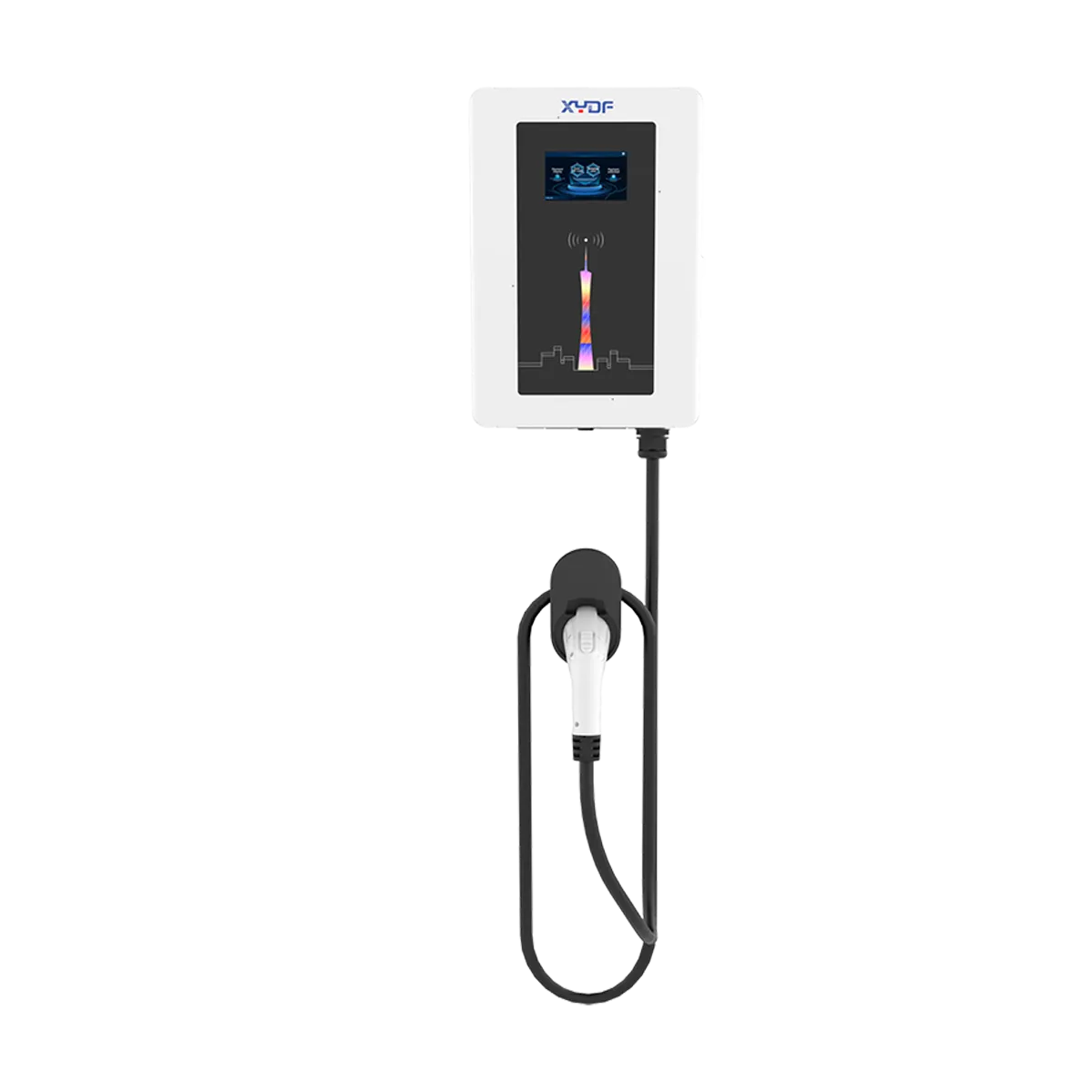
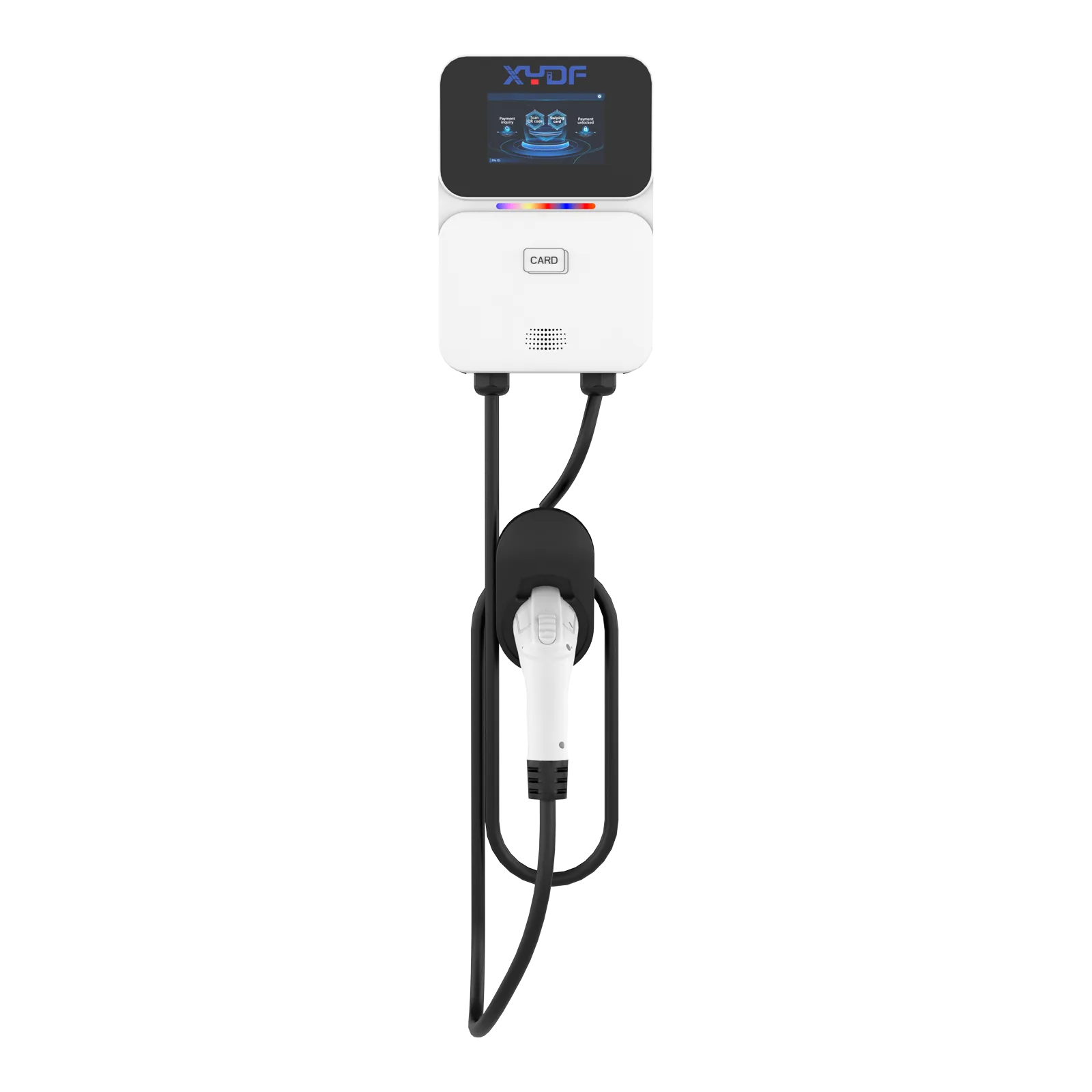
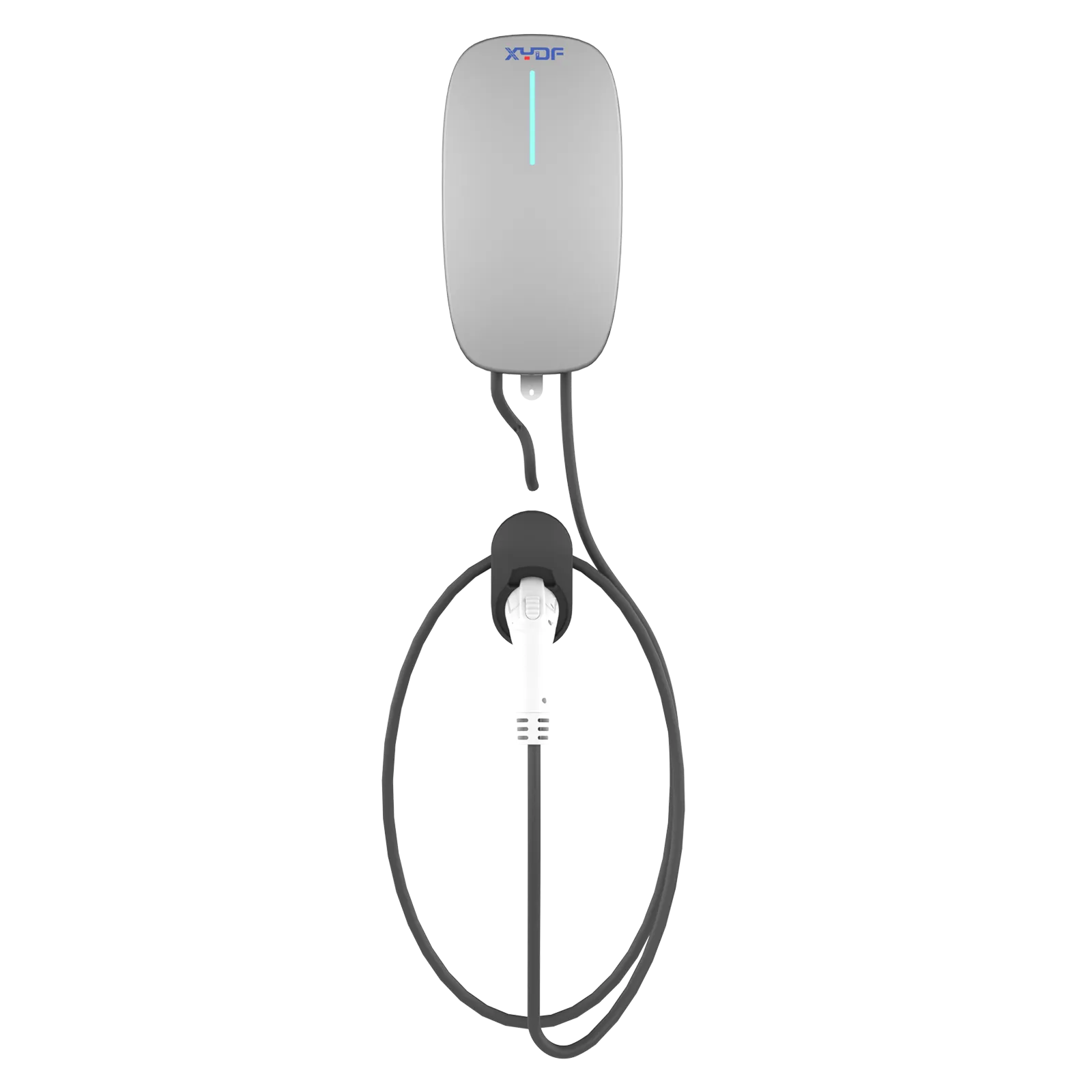
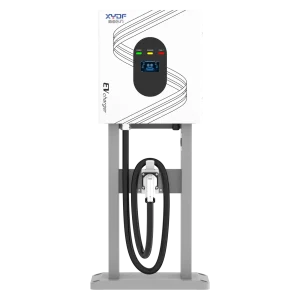
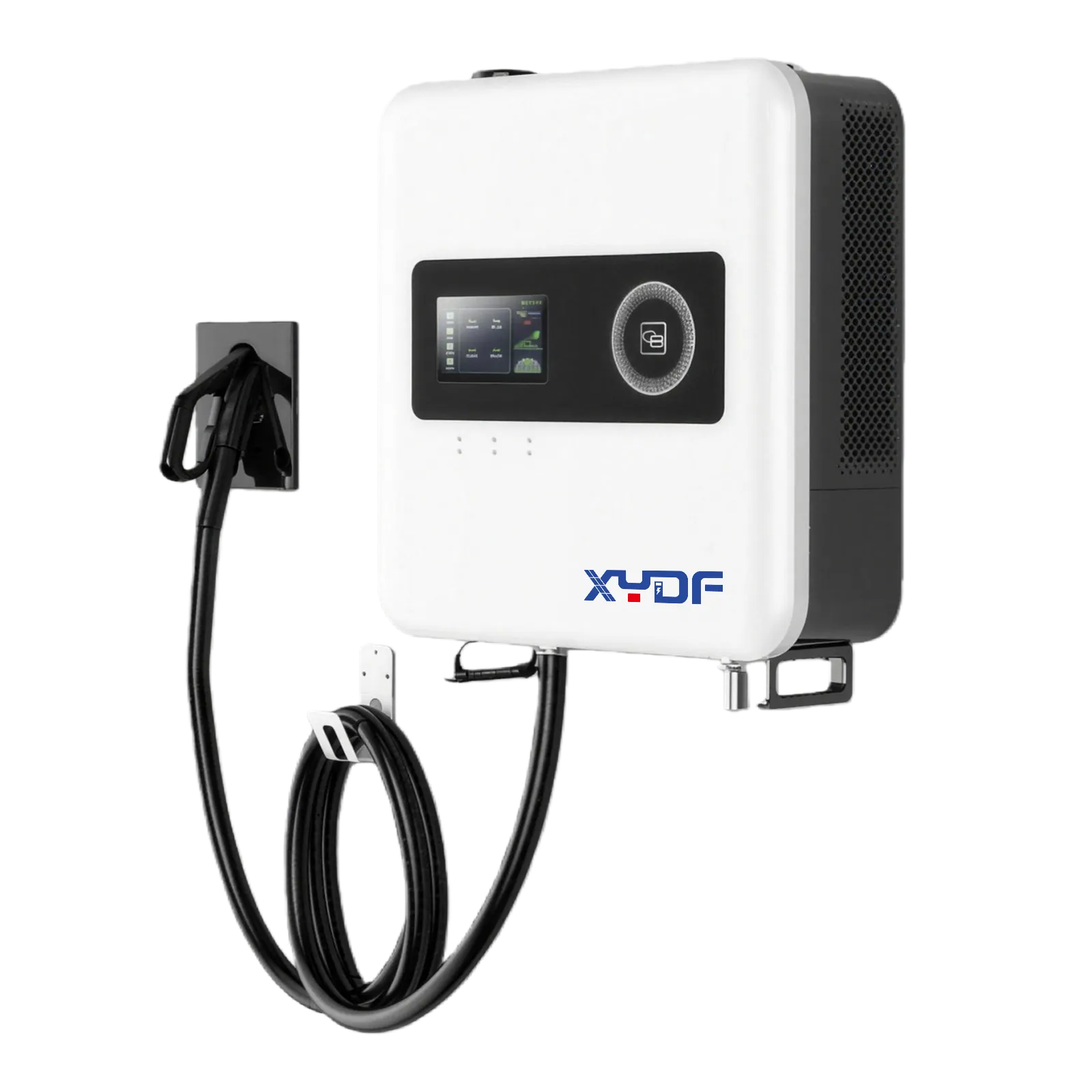
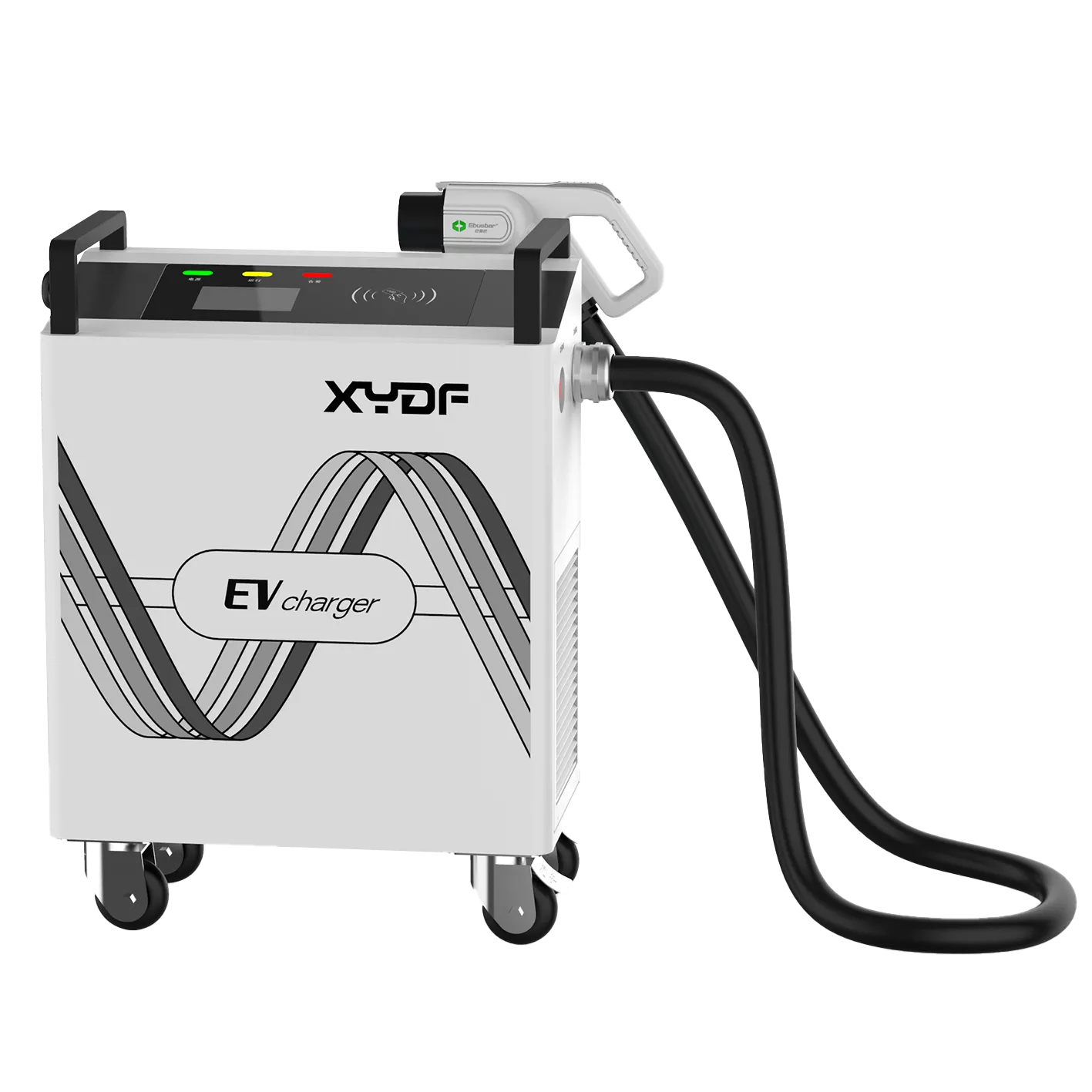
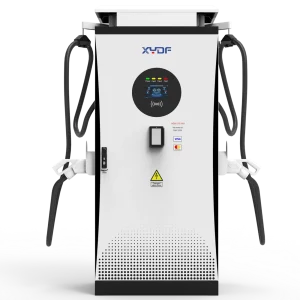
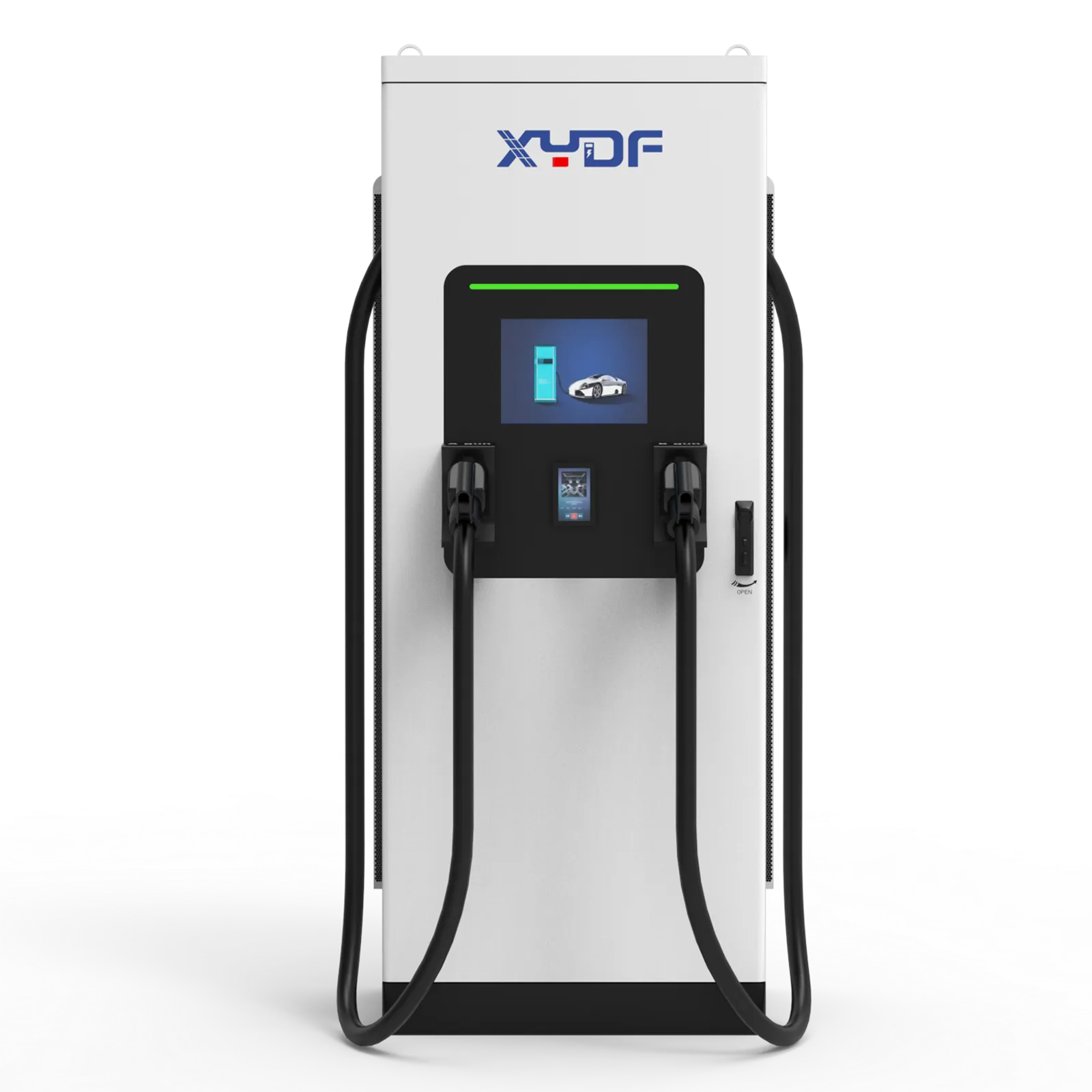
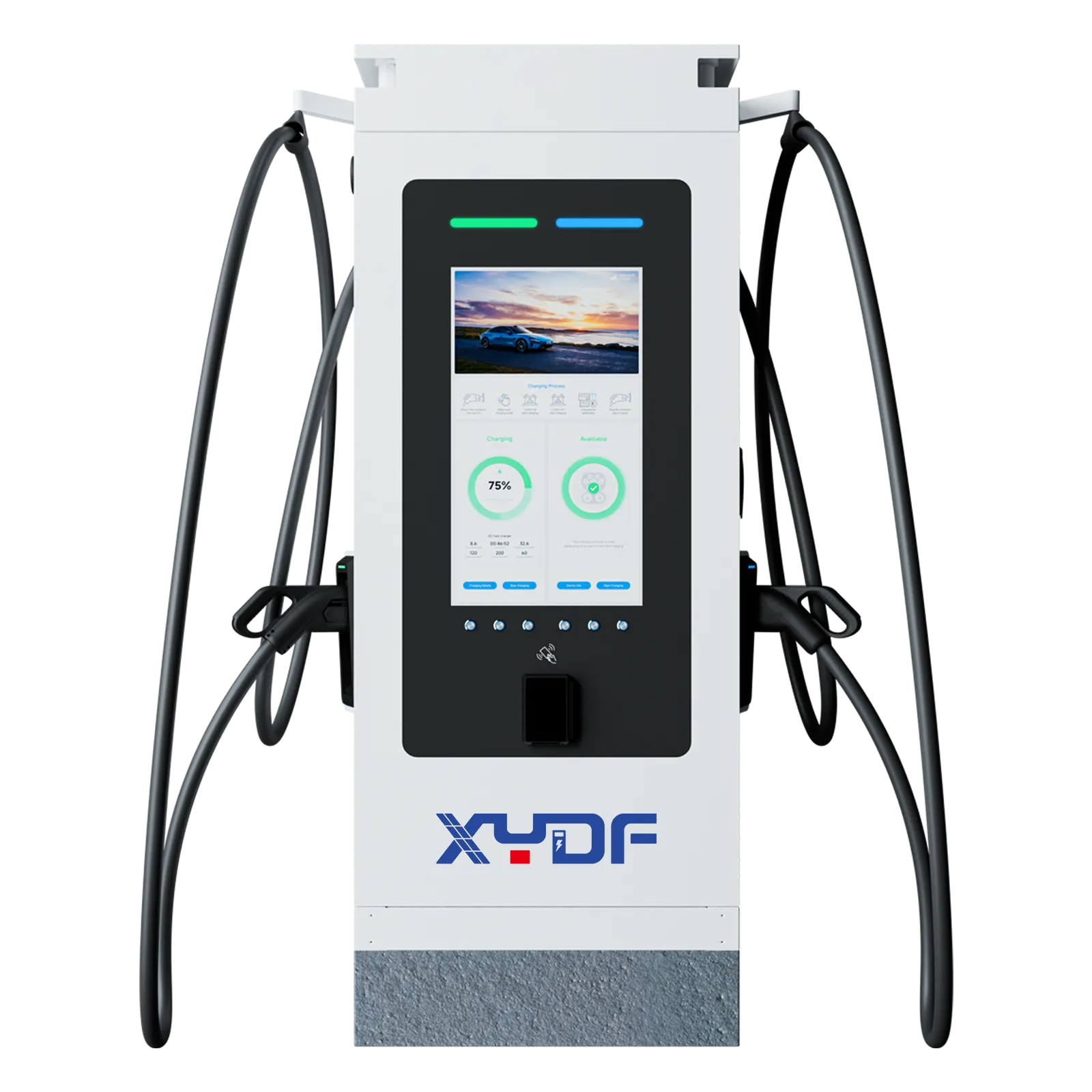
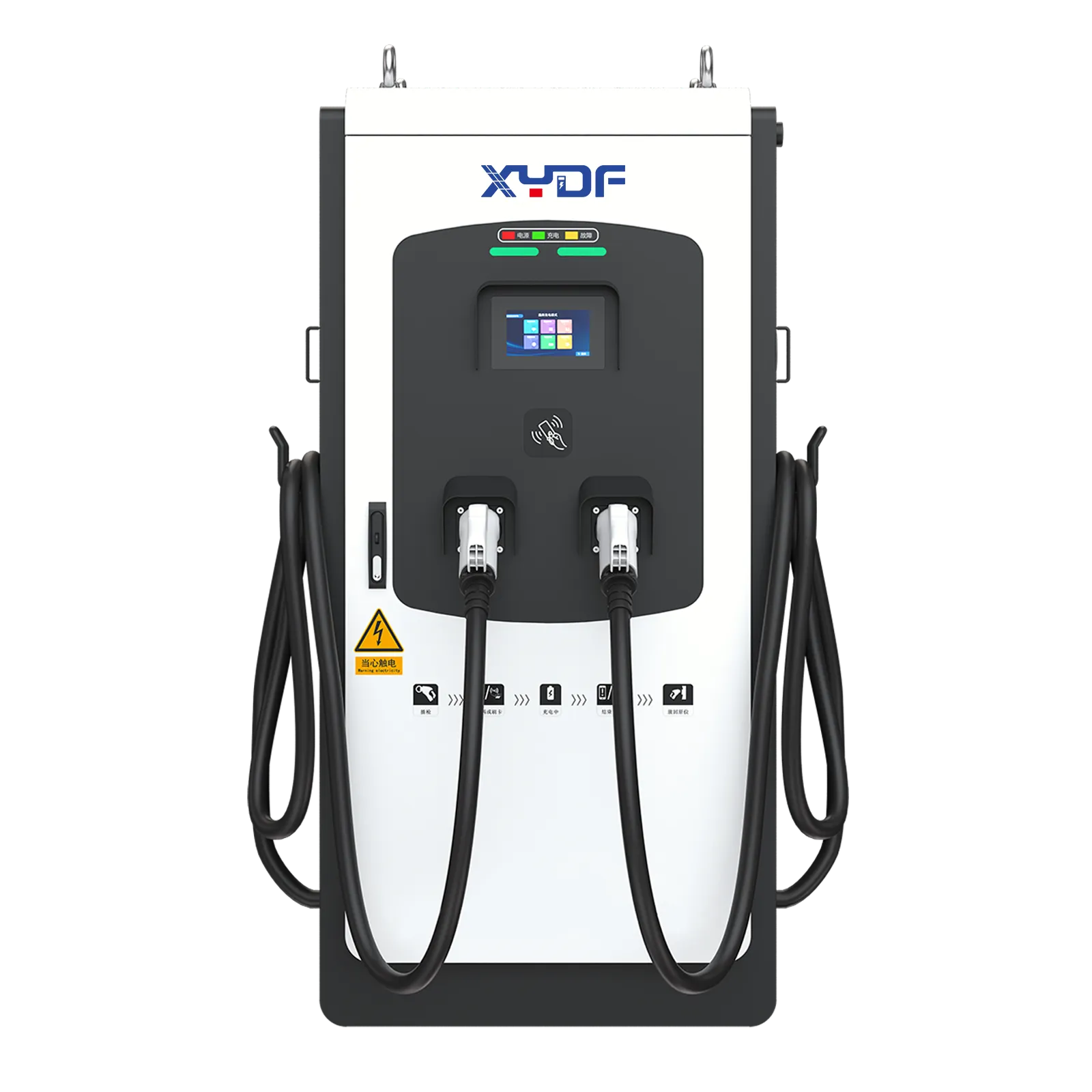
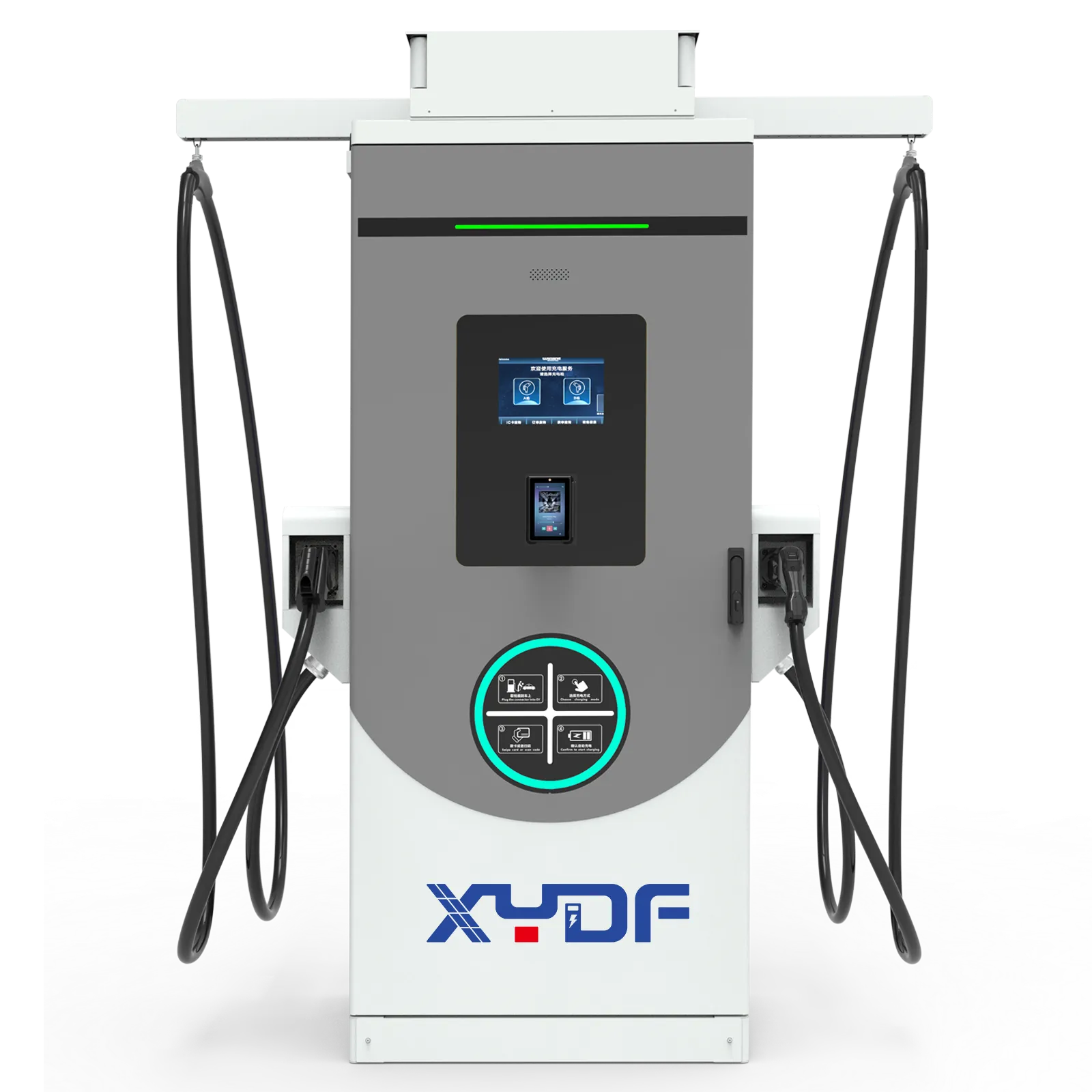
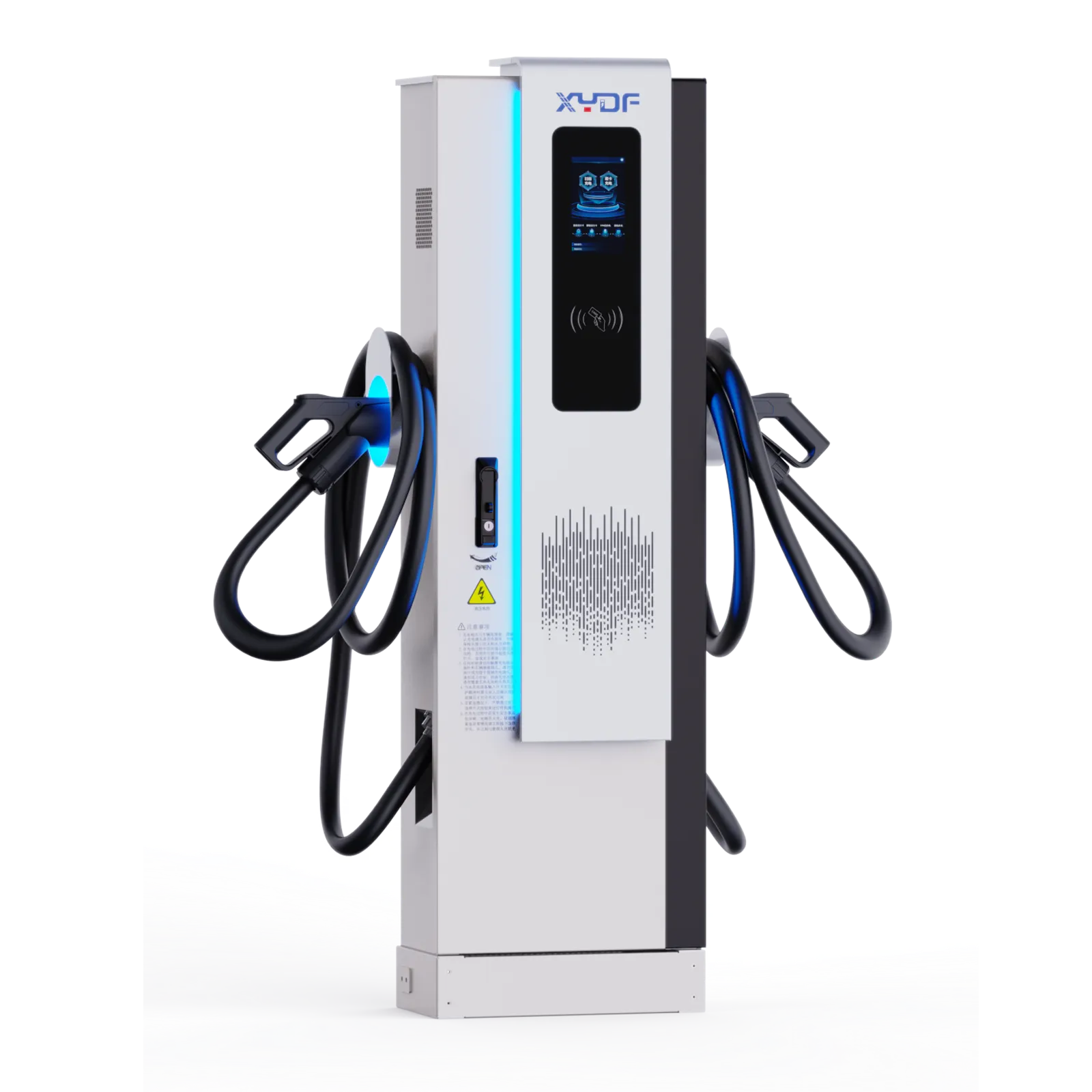
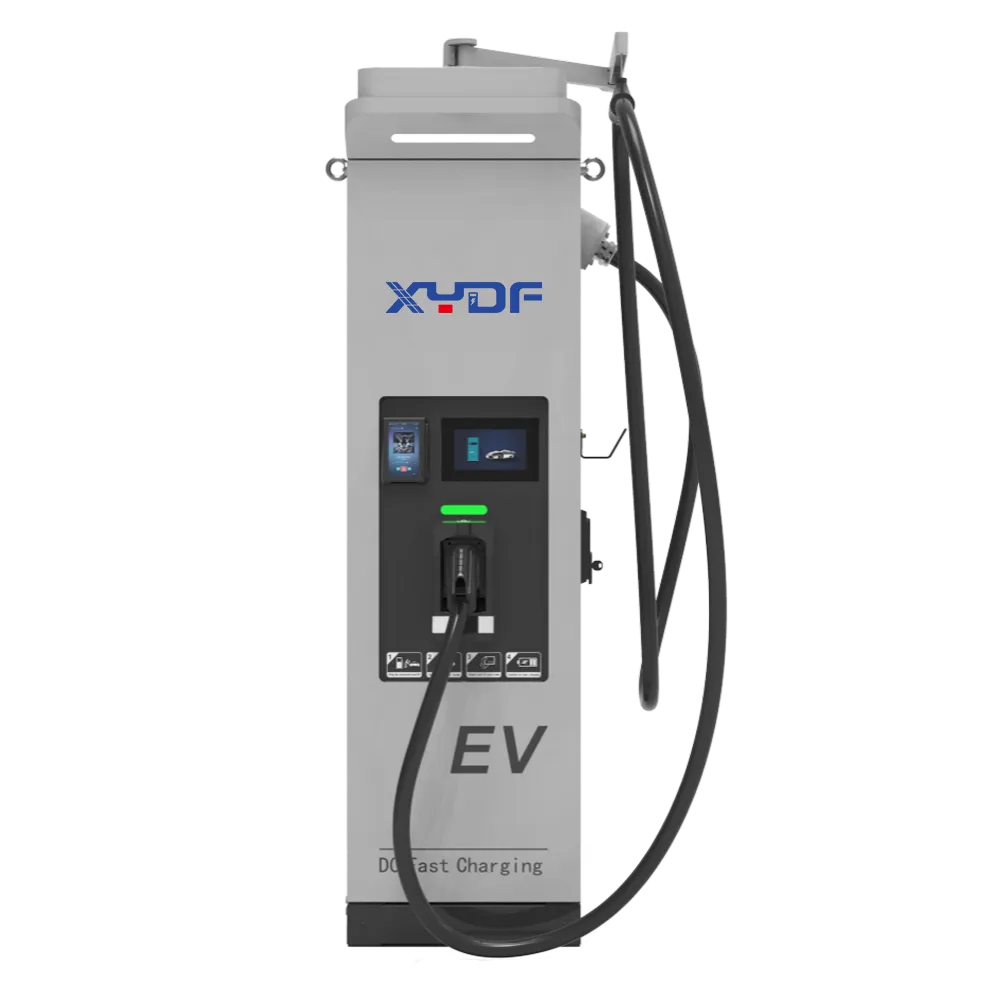
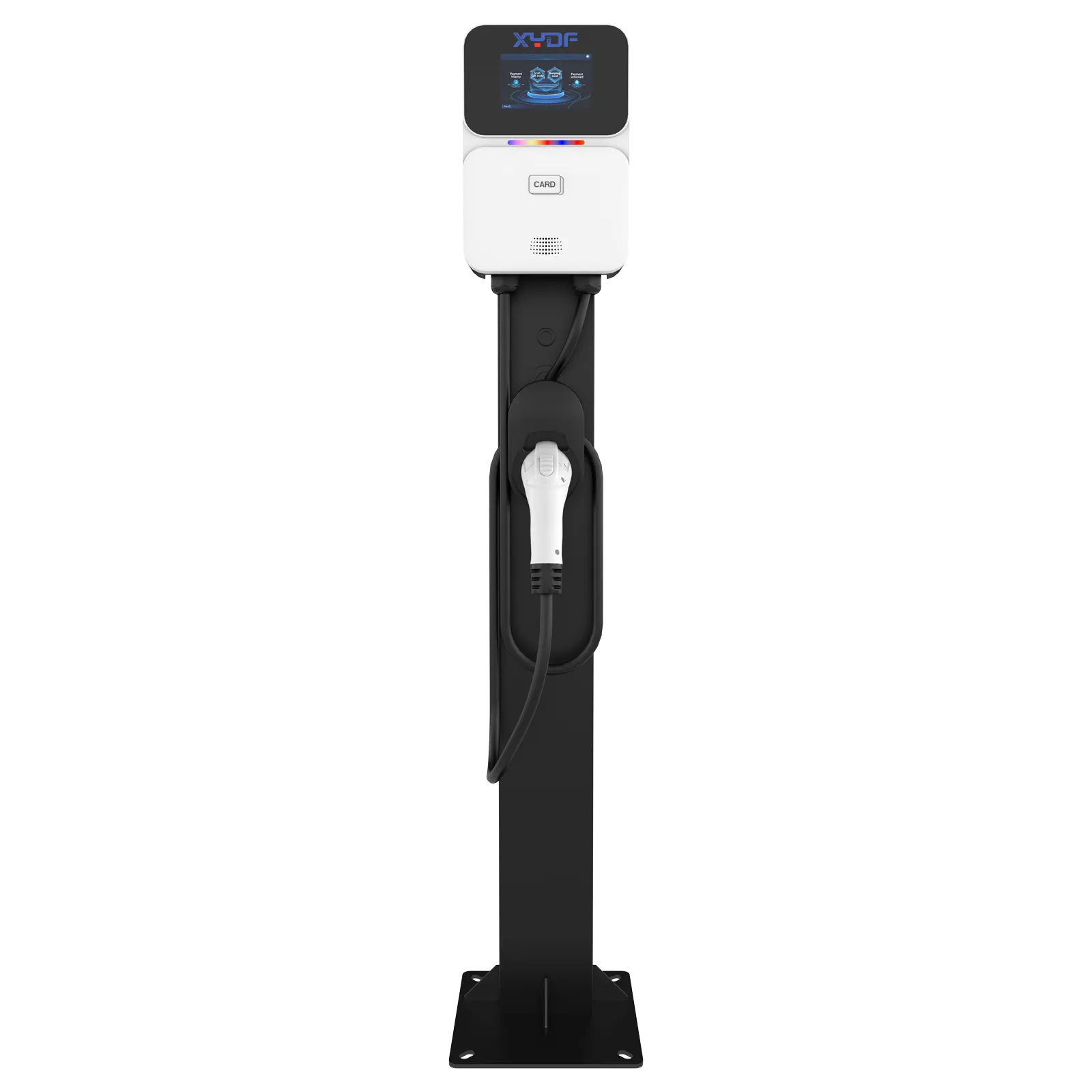
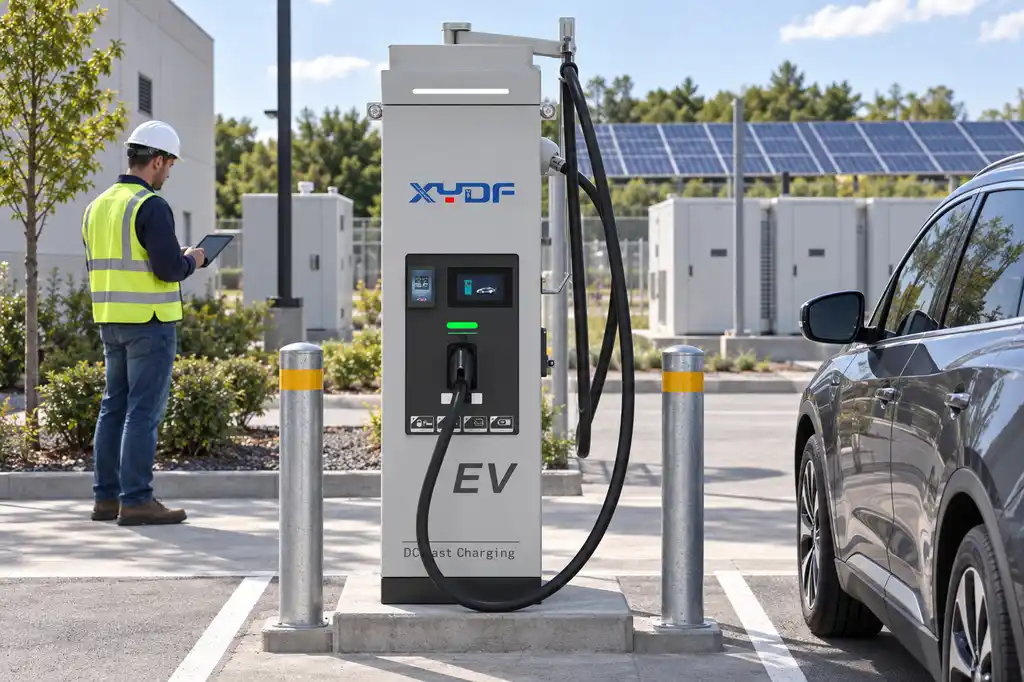
XYDF publishes DC fast charger and commercial solution routes, including a split DC station product route. These are appropriate starting points for a product discussion. They do not, without model-specific evidence, establish a sharing algorithm, module granularity, simultaneous-use behaviour, or delivered-power outcome.
For bid comparison, ask each supplier to return a model-specific compliance matrix, power-path diagram, installed-module schedule, voltage-current curves, configuration record, OCPP evidence where required, and proposed site acceptance procedure. Unsupported “compliant” or “dynamic” labels can leave offers incomparable or cause acceptance disputes.
For an informed discussion, send XYDF the required connector count, vehicle mix, dwell and departure pattern, site power limit, target throughput, preferred allocation policy, and expansion plan.
FAQ
Can a dual-connector DC charger charge two vehicles at once?
It can only do so if the named model supports simultaneous operation. Verify this in the model documentation and quotation.
Does power always split 50/50?
No. Some systems use a fixed split, while others use equal, priority-based, or dynamic allocation.
What happens when one EV tapers?
In a dynamic system, unused capacity may be reassigned to another active connector, subject to the charger’s rules and limits.
Is connector power the same as cabinet power?
Not necessarily. Cabinet capacity is the shared pool; connector and cable limits can cap the output available at an individual outlet.
What limits shared charging power?
Site caps, cabinet capacity, routing design, connector limits, vehicle acceptance, allocation rules, and operating conditions can all limit it.
Can site load management reduce charger output?
Yes, when the site control design applies a cap to charging. Verify the integration, settings, and fallback behaviour for the specific project.
What should a buyer verify in an RFQ?
Verify simultaneous use, cabinet and connector limits, allocation mode, routing granularity, site-control interface, and commissioning test method.
We use cookies to keep this website working and, with your permission, to measure how visitors use our EV charging site. See our Privacy Policy for details.
 Xinya Dongfang Electricity Technology Co., Ltd.