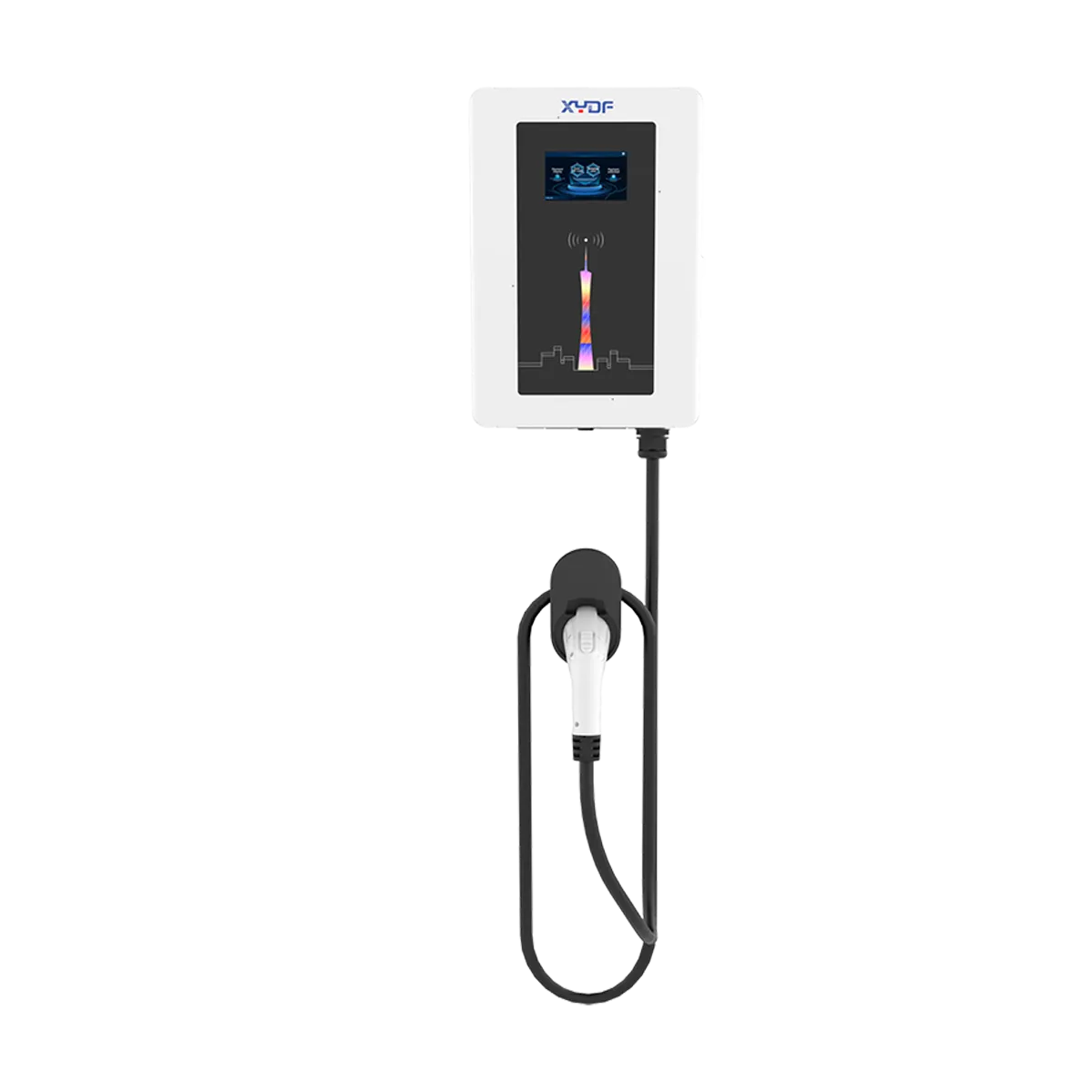
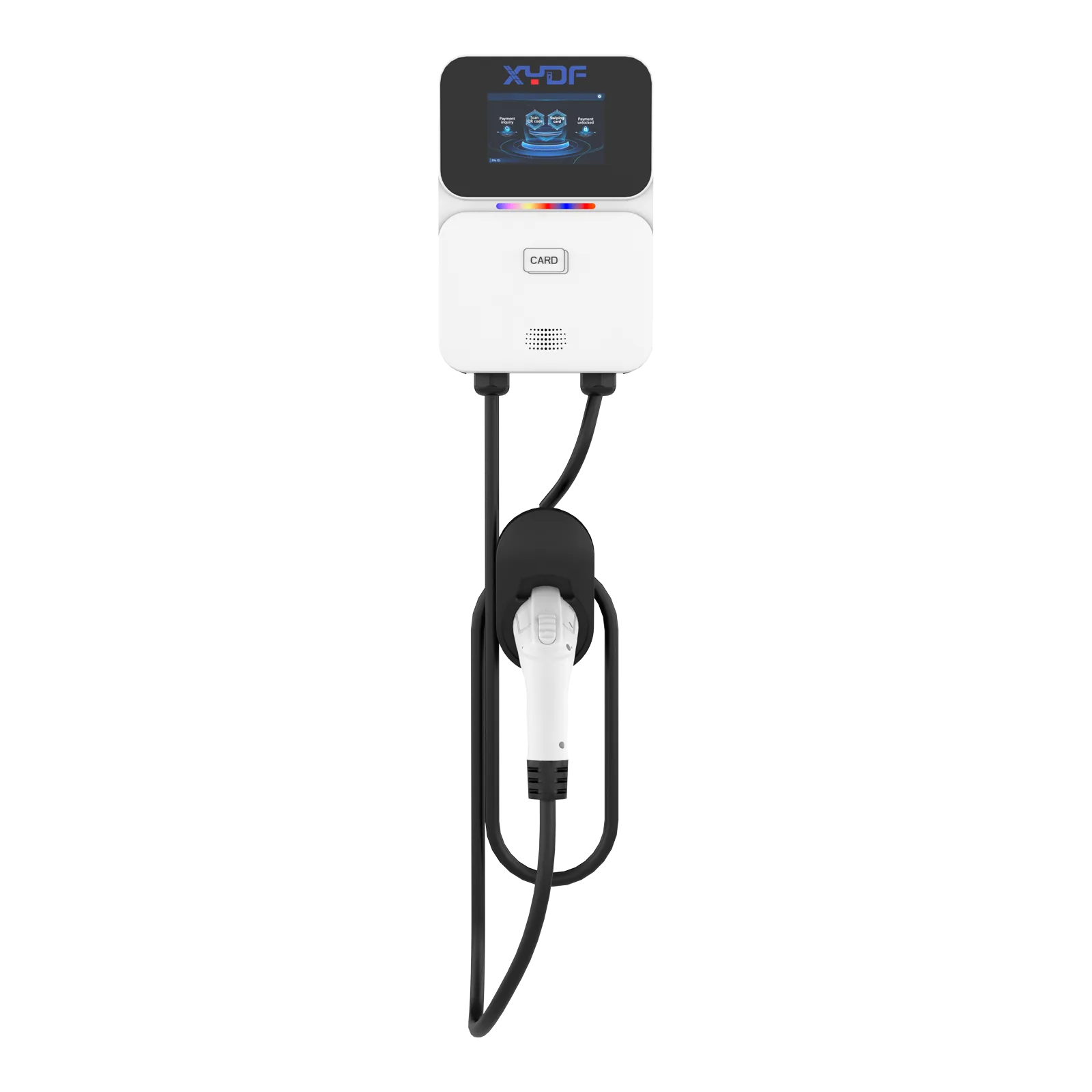
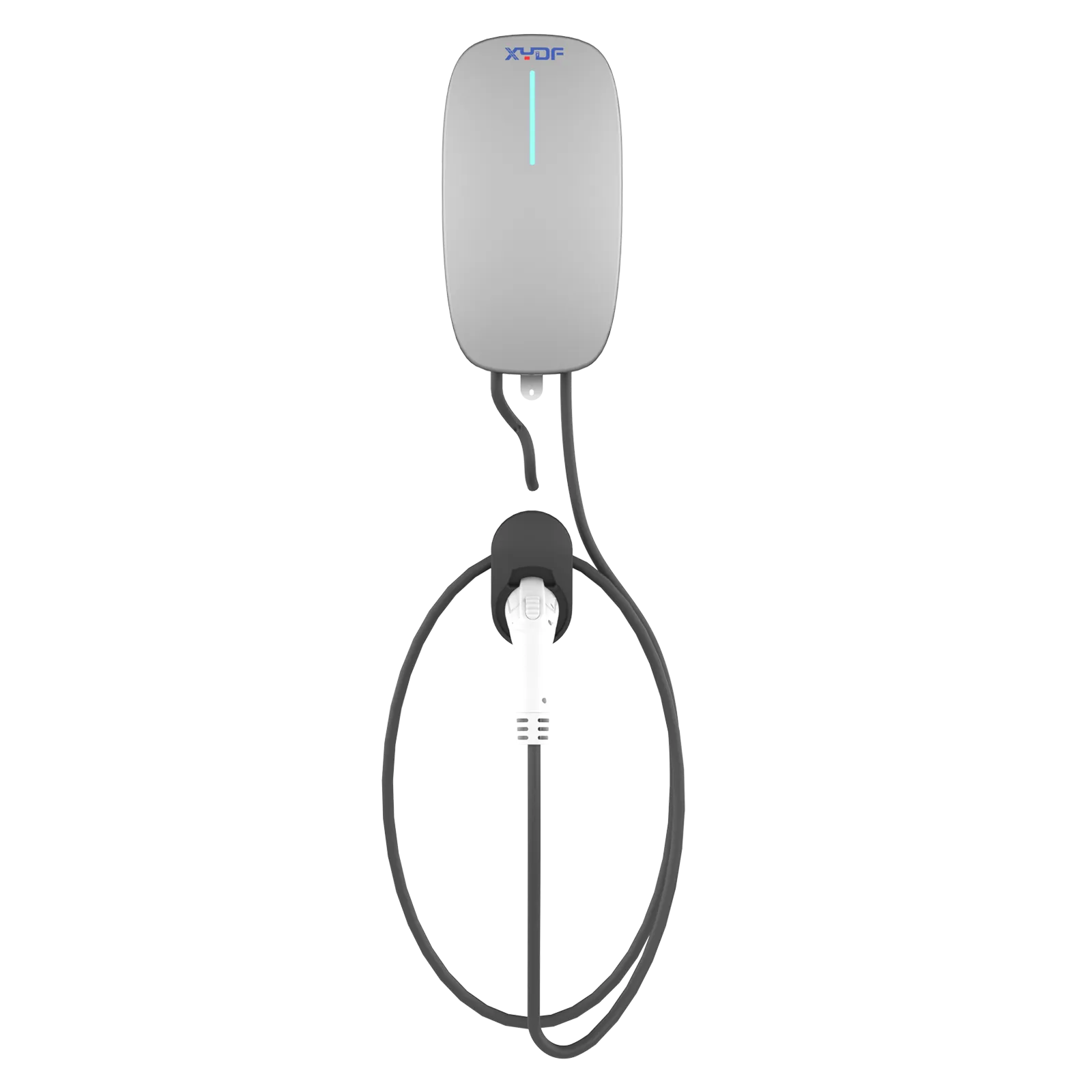
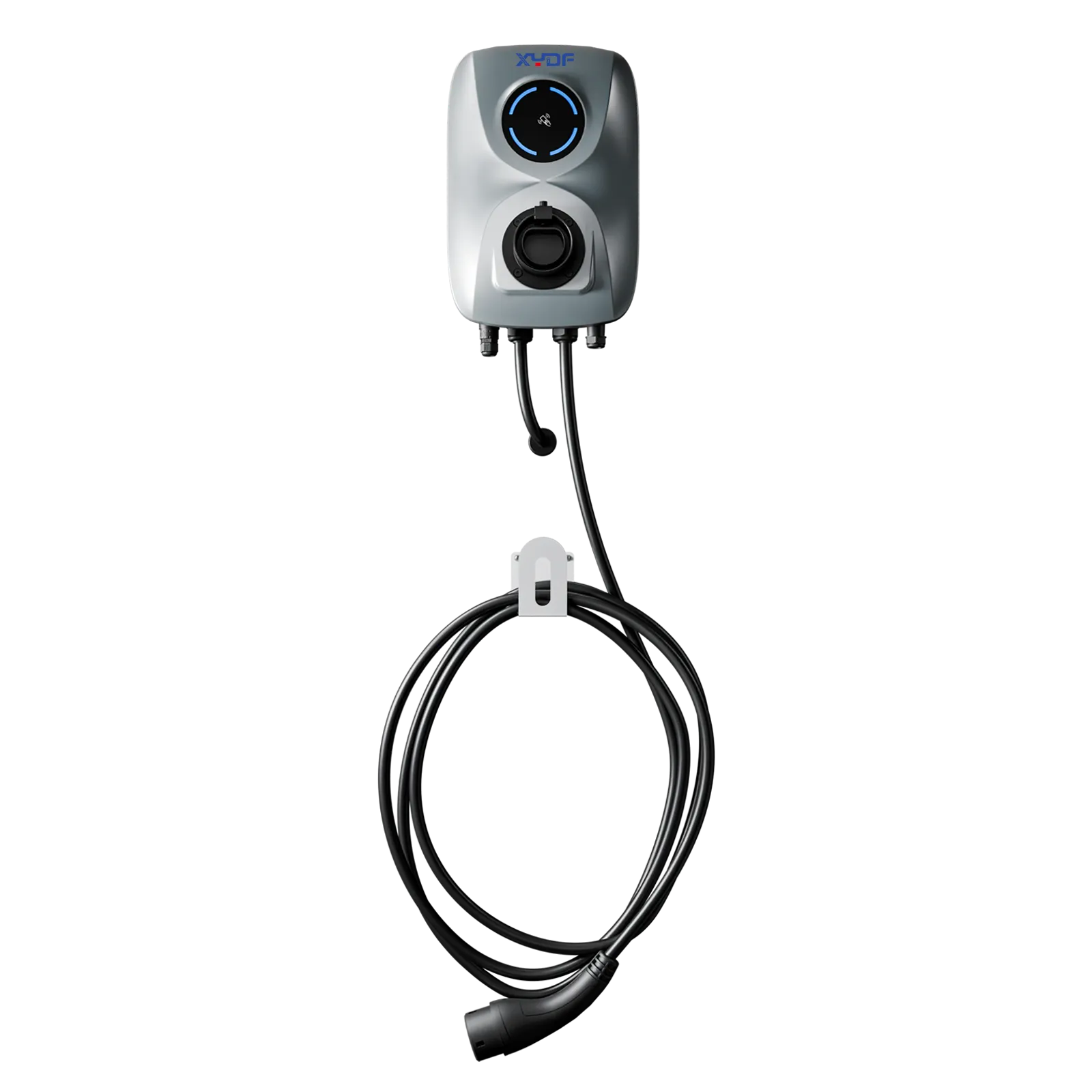
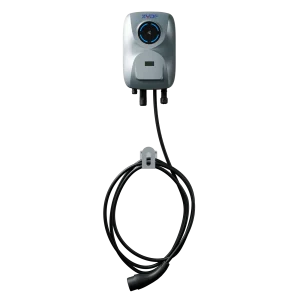
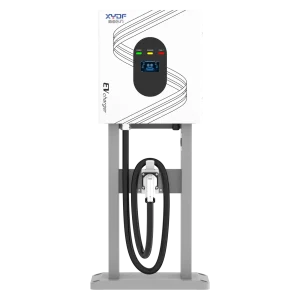
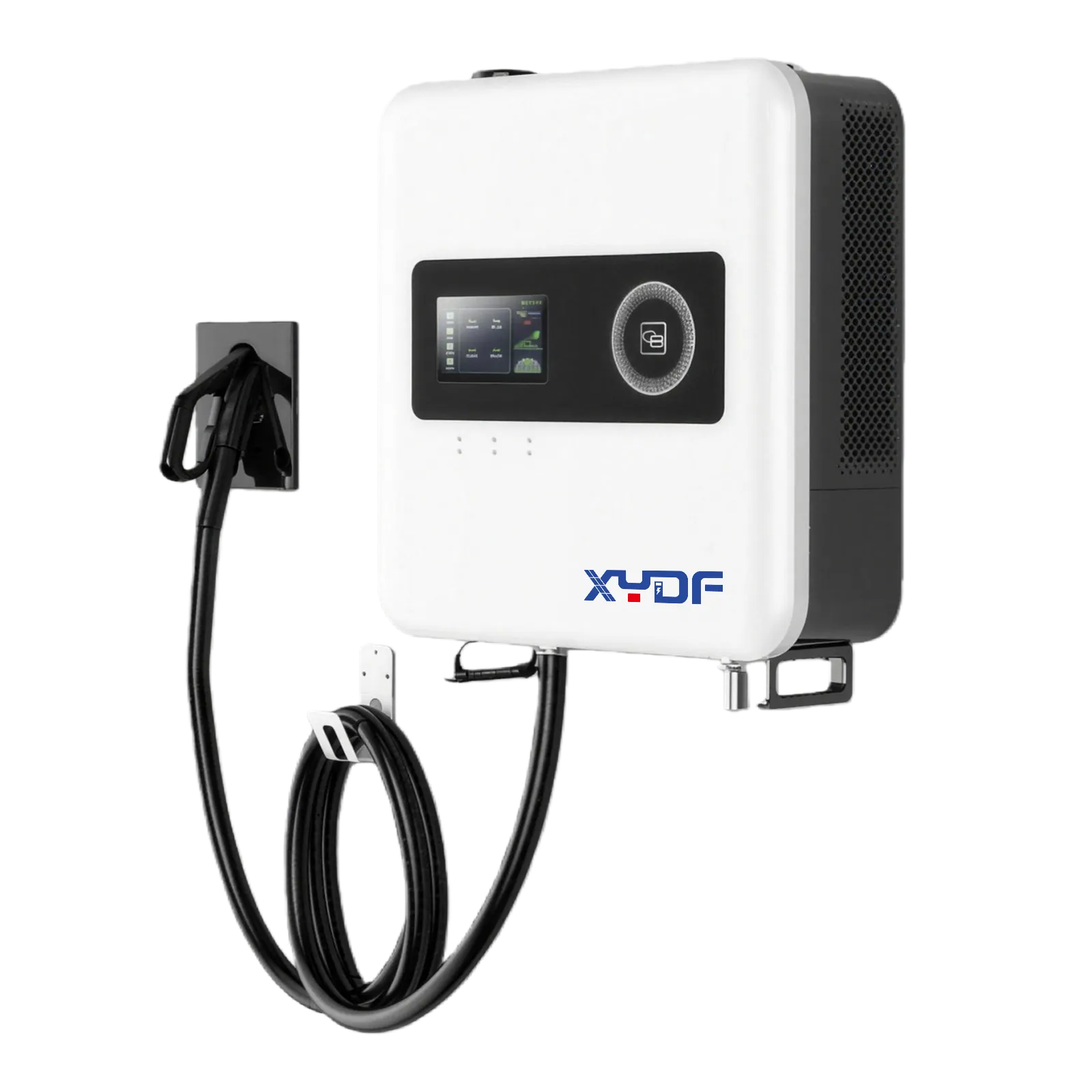
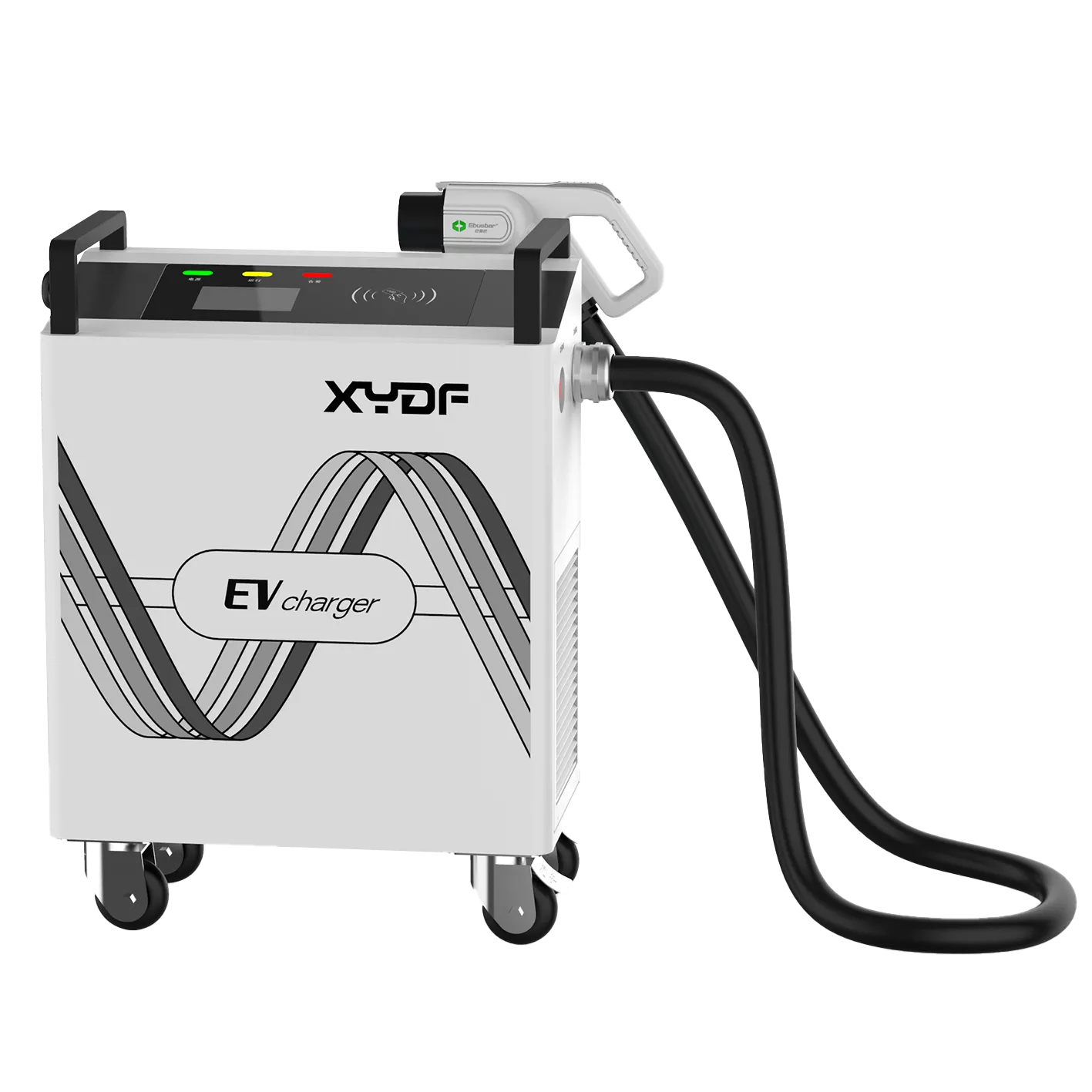
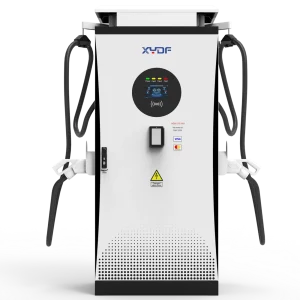
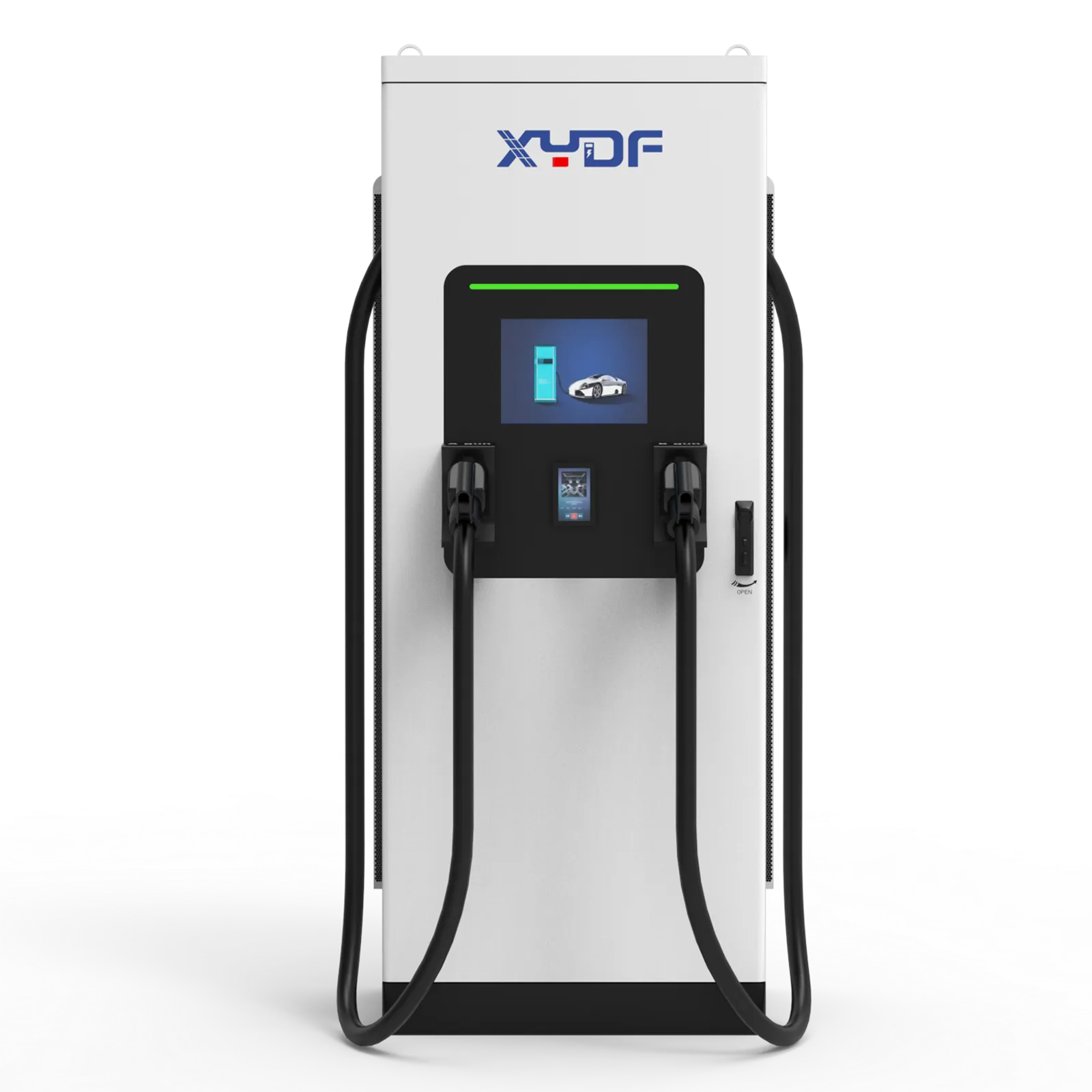
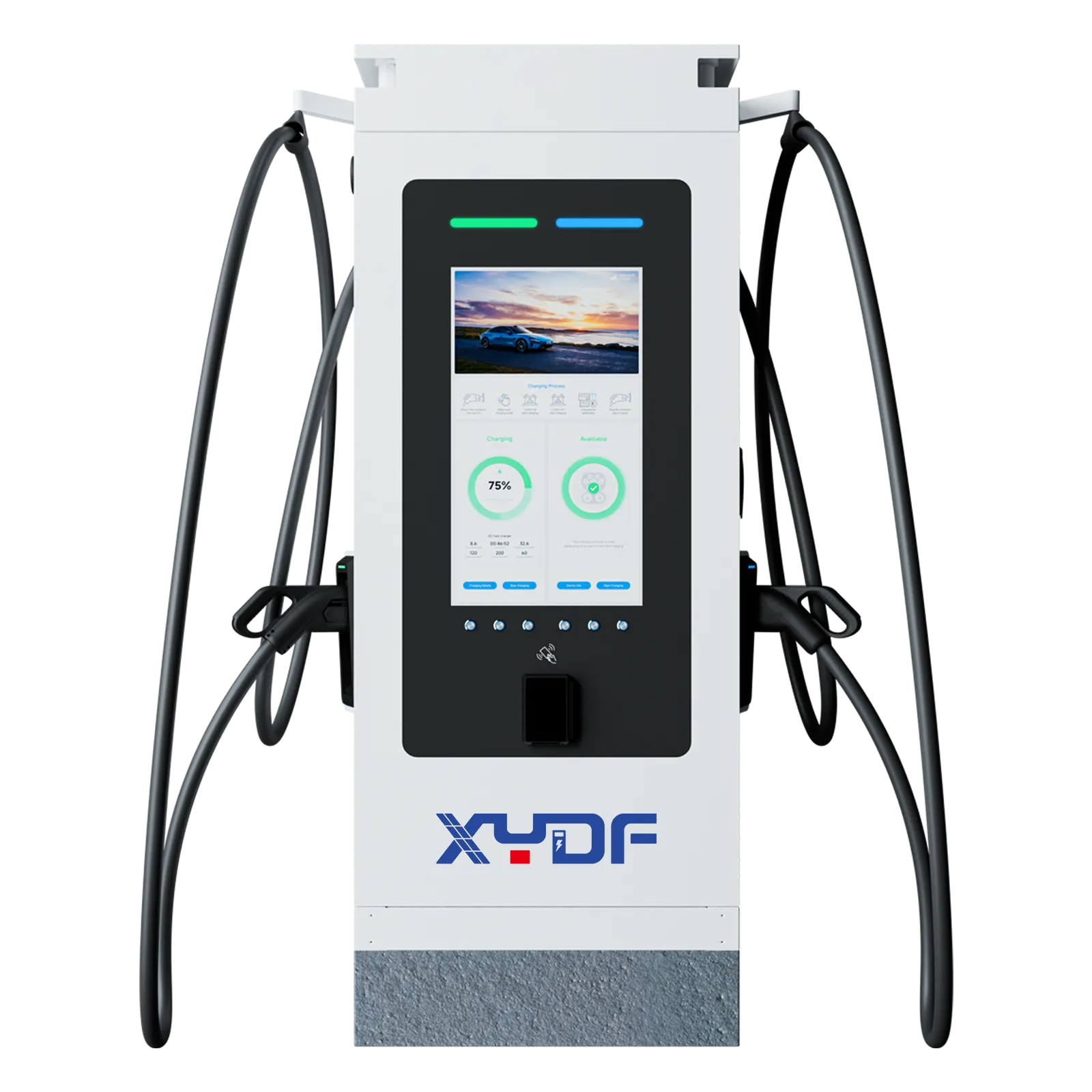
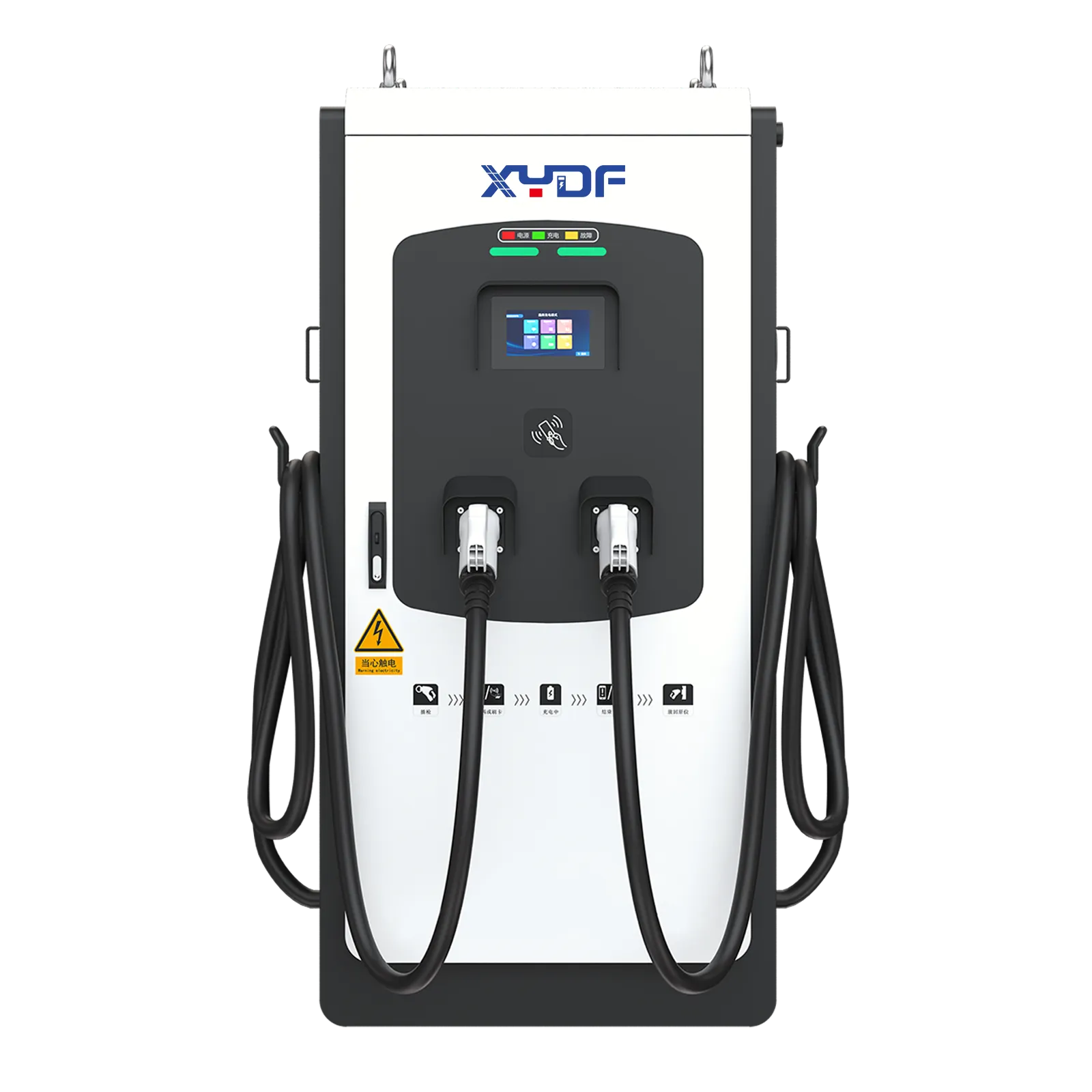
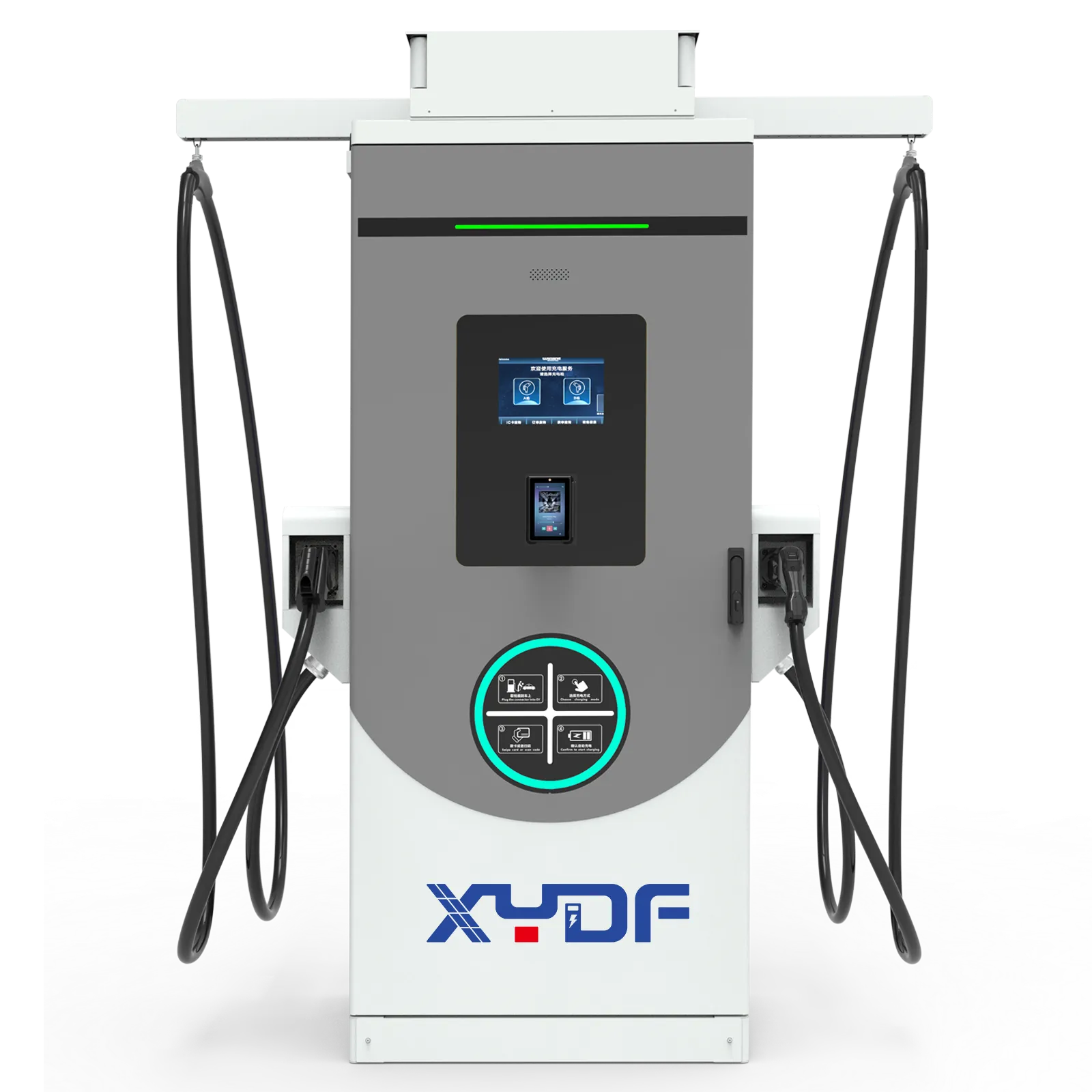
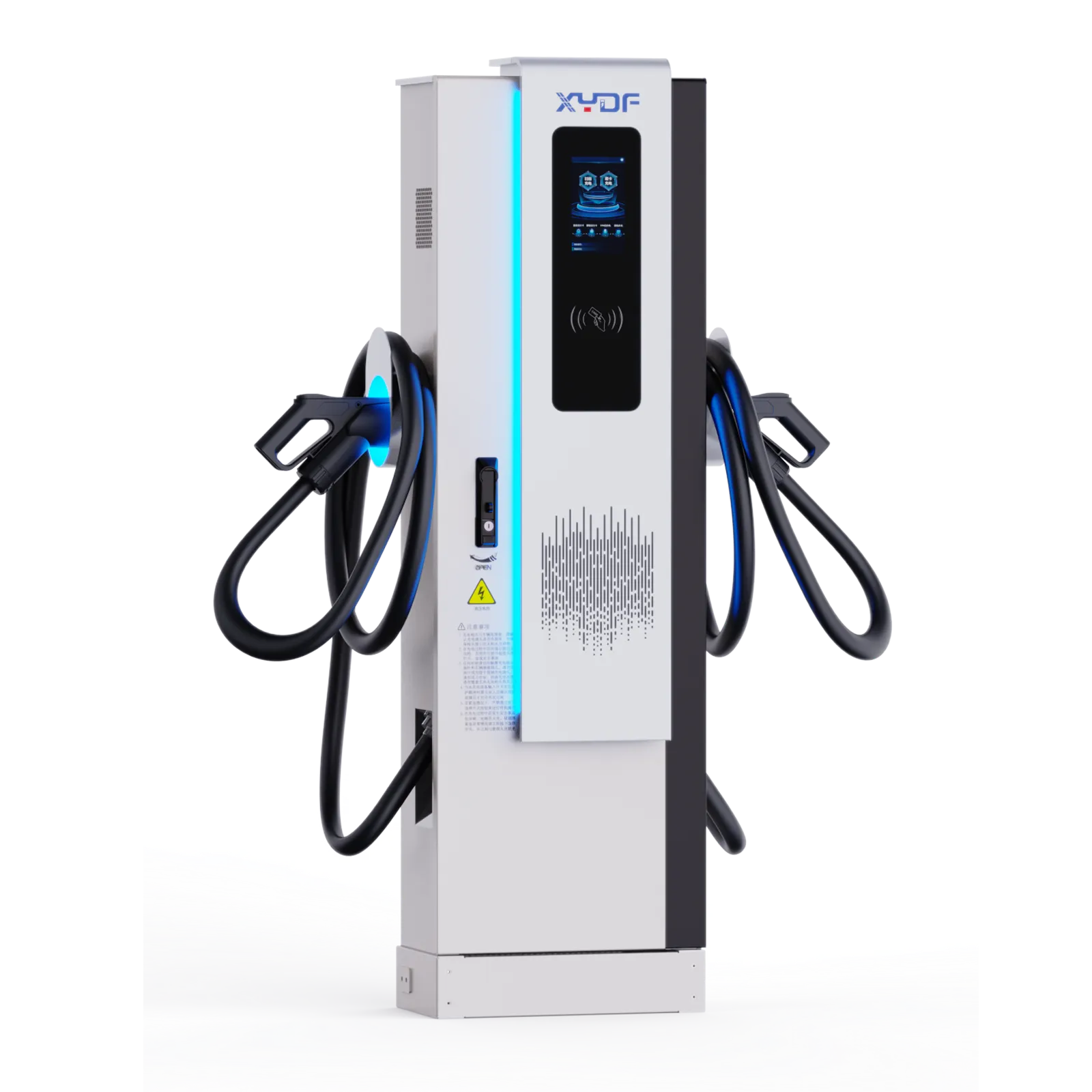
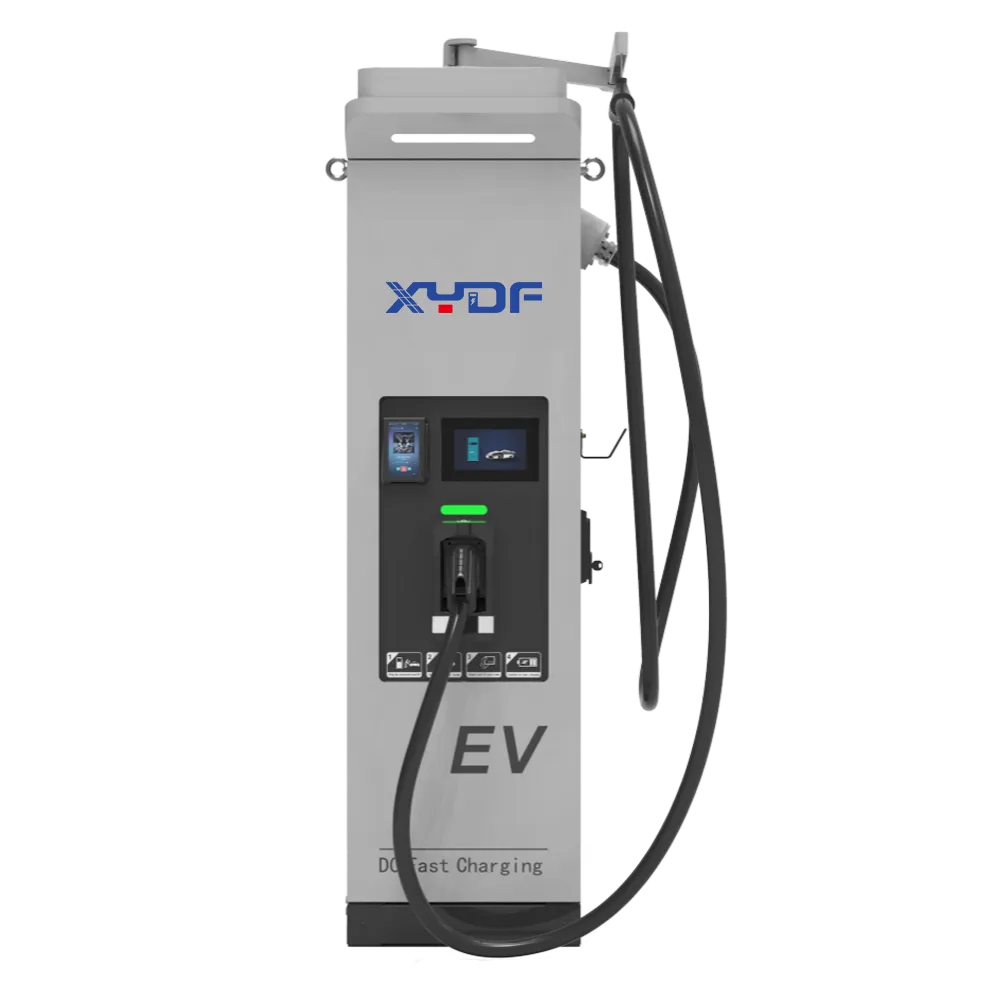
In this guide, we’ll help you figure out which type of 240V EV charger will suit you best by evaluating different options on the market, discussing key features to look for when selecting a charger, and answering common questions buyers ask.
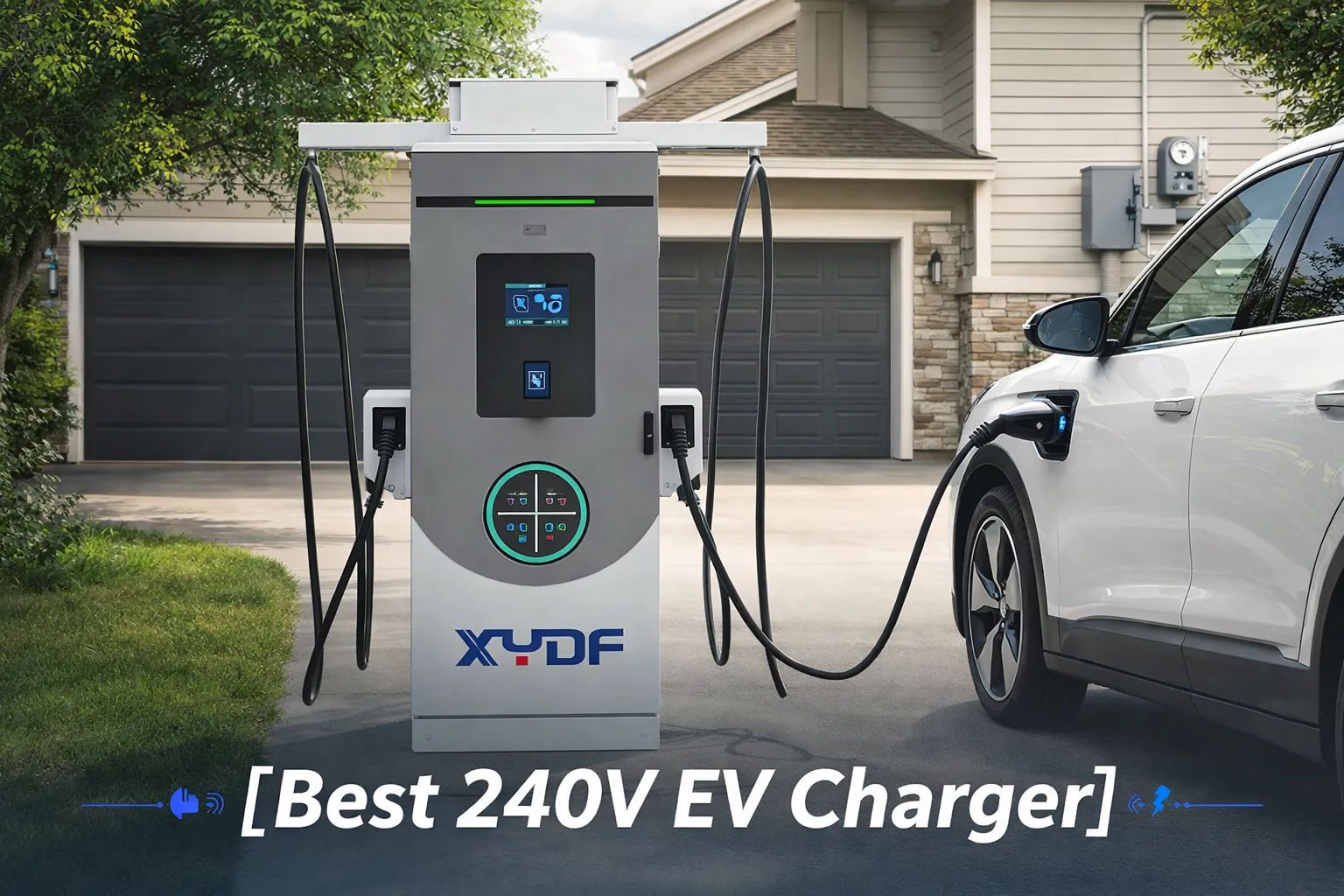
The biggest reason behind why the majority of electric vehicle (EV) owners stick with a 240V charger and do not buy 120V charging systems (also known as Level 1) is because of speed. Here are some reasons why:
Picking out an EV charger is a subjective process and is different for everybody, just as it takes many factors to find one that suits you and your needs. Here is a look at what to pay attention to:
1. Charging Speed
Level 2 chargers come in all styles and amperages, from 16 amps through to 40-amp, which affects how fast they charge your car. A 32-amp charger can provide you with close to 25 miles of driving range every hour. Make sure you buy a charger that fits with the capacity of your vehicle’s onboard charger.
2. Compatibility
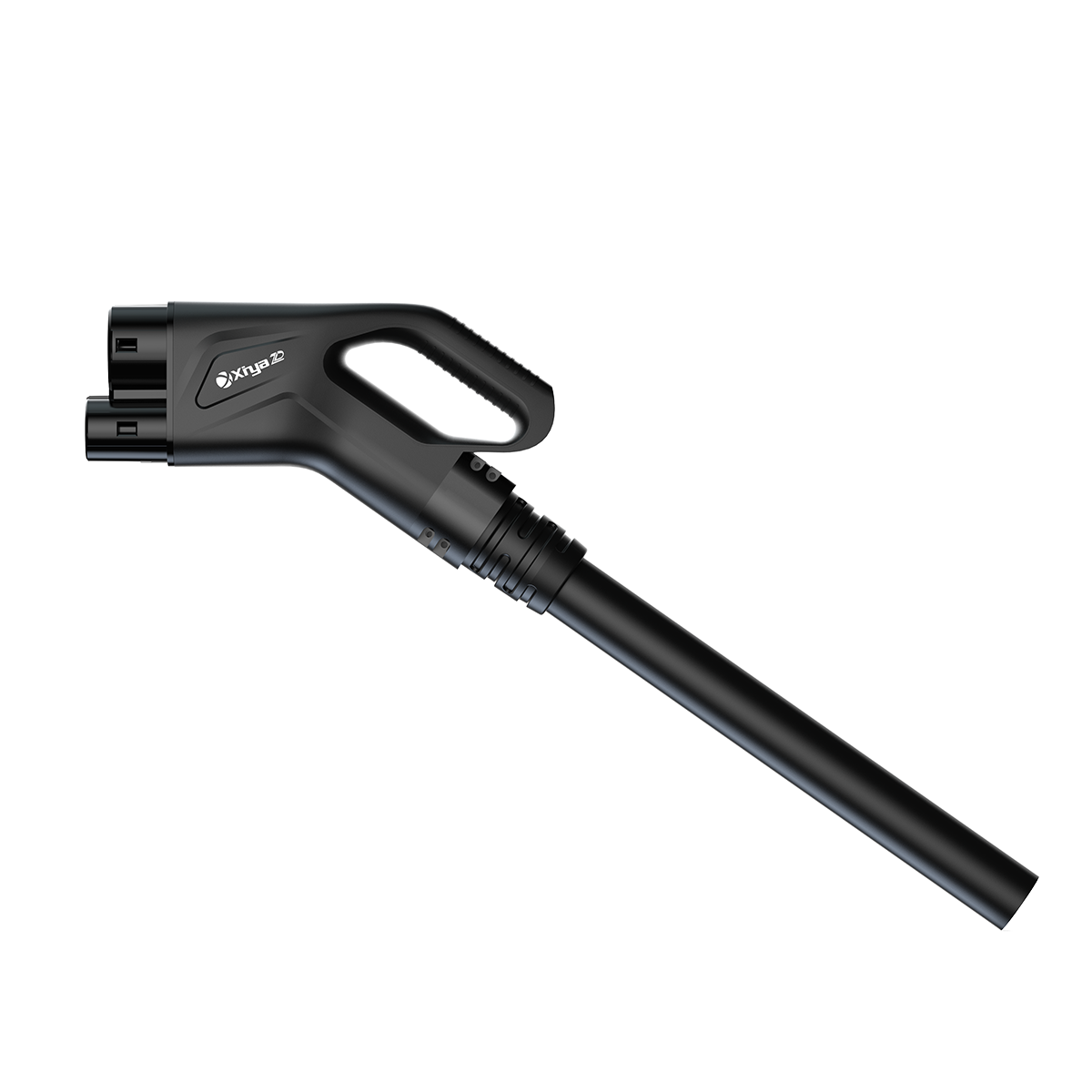
Most electric vehicles are compatible with chargers using the J1772 connector commonly used for 240V EV charging stations in North America. If you drive a Tesla, you’ll need an adapter to use J1772 chargers.
3. Smart Features
Many new chargers come with smart features such as Wi-Fi connectivity, app-based charging, and load-balancing features which allow you to track energy usage, schedule charging times, and connect to other smart home systems. A smart 240V EV charger will help you get the most out of your electric vehicle.
4. Weatherproof Design
If you’re installing an outdoor 240V EV charging station, make sure the charger can stand up to the conditions and is rated waterproof. Look for a rating of IP66 for use in all climates.
5. Installation Requirements
Installing a 240V EV charger may require upgrading your home wiring or electrical panel. Consult a licensed electrician who is familiar with development codes. However, some plug-in chargers may work just fine with a preexisting 240V outlet, saving you time and expense.
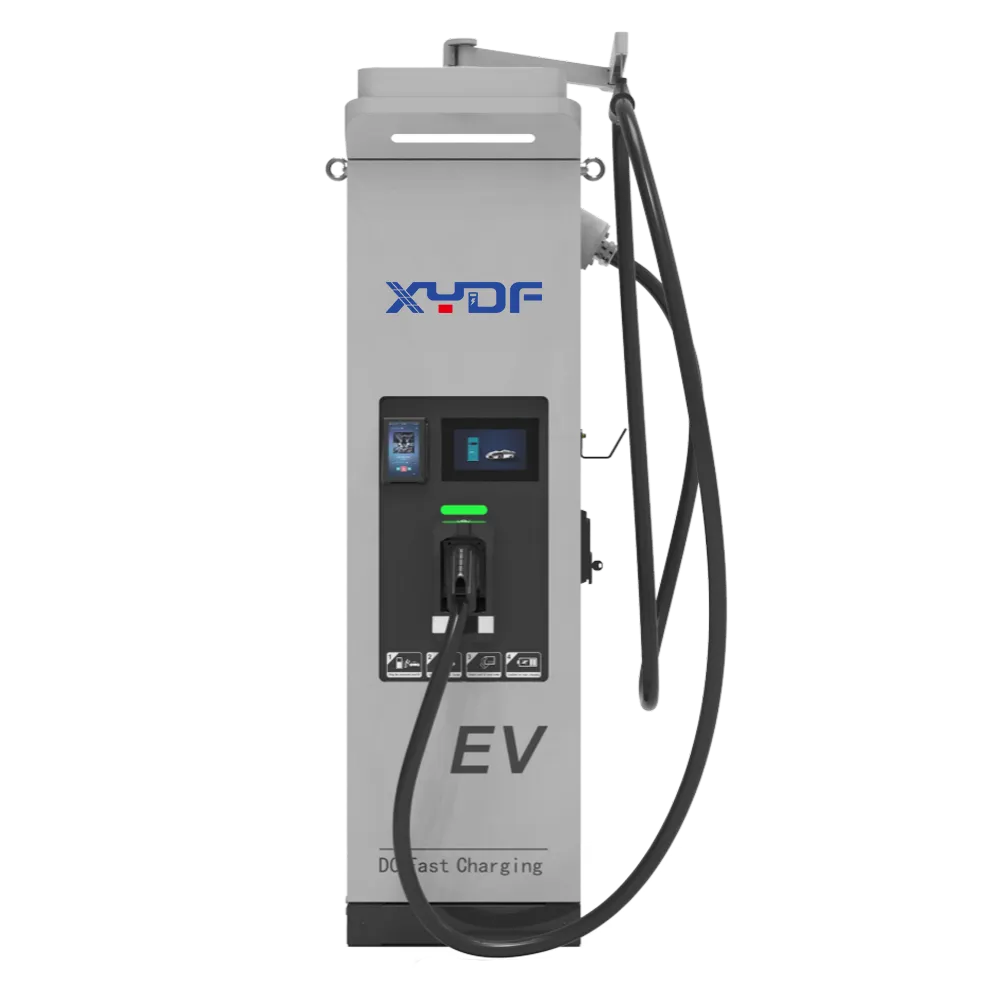
There are plenty of top-tier 240V EV chargers to consider. Here are some popular options:
In general, brands like ChargePoint, JuiceBox, and Tesla are trusted brands in the EV community that won’t let you down. That makes them a good choice for your 240V EV charging station.
Installation costs can vary, but typically you’ll be seeing a cost in the range of $500 to $2,000. The ease of the installation, whether your electrical panel needs upgrading, and how far your panel is from your new charger will all impact the overall cost, so check with a licensed electrician for a firm quote.
If you have a 240V outlet already, some plug-in chargers can be installed by the user. Other hardwired or upgraded models should be installed by a licensed electrician to be assured your new 240V EV charger installation is safe, effective, and up to code.
Yes, it’s typically necessary to have a dedicated circuit for a 240V EV charger to avoid circuit overload or electrical faults. It’s wise to hire an electrician to ensure proper setup from the get-go.
When considering 240V EV charger installation, think about speed, compatibility, and energy efficiency, and try to find the right fit for your needs. The charger you choose will lead you to faster charging speed, plus lower energy costs and convenience, making sure your EV is always ready when you are.


 Xinya Dongfang Electricity Technology Co., Ltd.