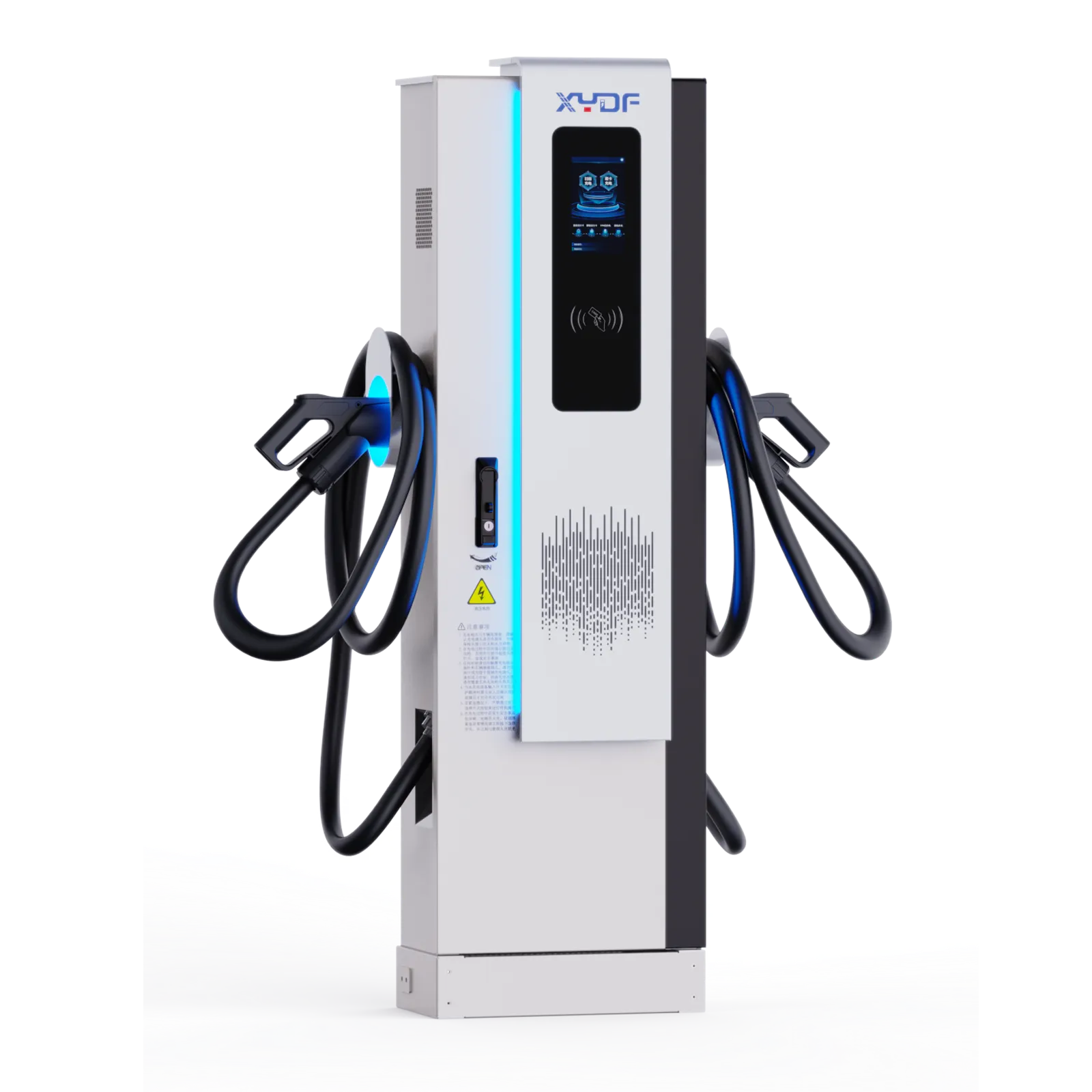
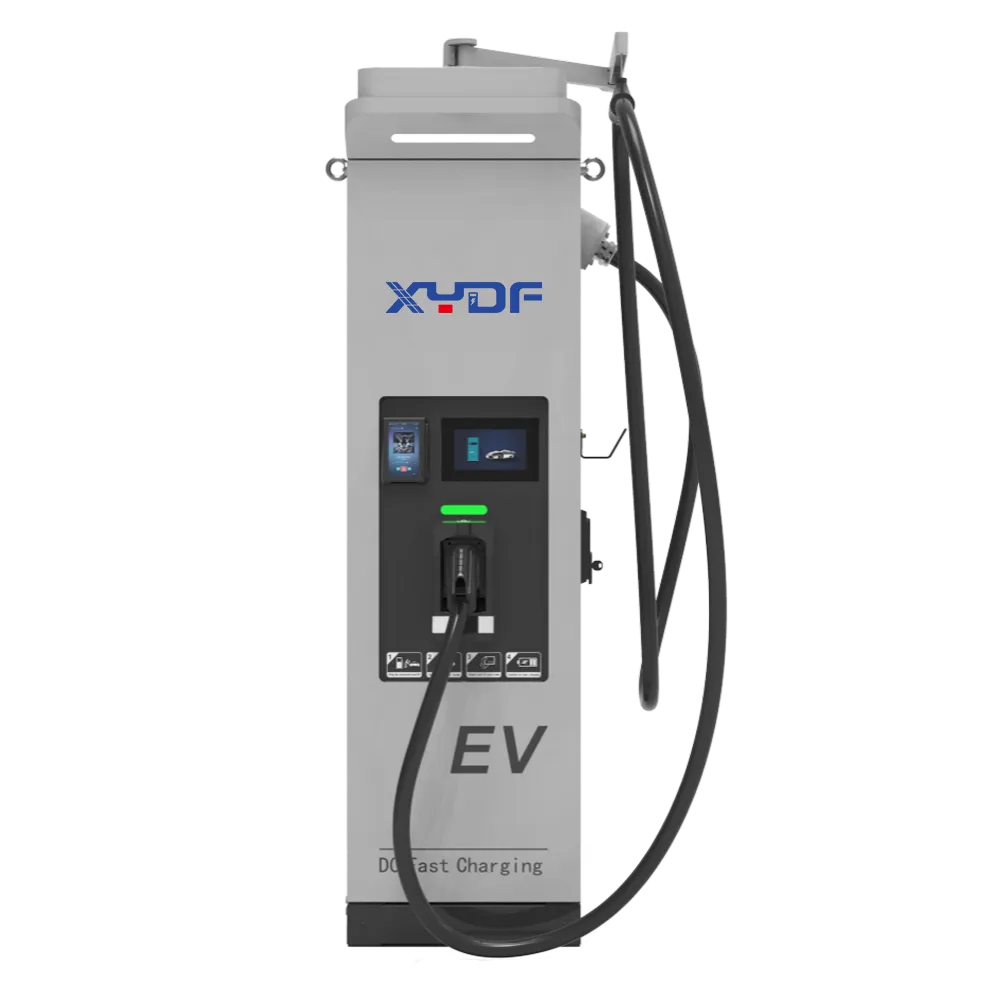
Electric vehicles (EV) continue to rise in hopes of lessening impact upon our global energy supply while increasing accessibility to all types of people around the world who want to drive an EV as their daily mode of transportation. The continued growth of EVs has caused companies and utilities across the globe to begin searching for new, innovative ways to deliver reliable EV charging through both hardware and marketing strategies. Therefore, with the growth of demand for EV charging, we are left with finding solutions to optimize the way EVs are charged.
In this article, I will define EV charging optimization, illustrate why it is important, and explain how individuals can optimize their overall EV charging experience.
EV charging optimization is the strategic application and management of when, where, and what type of vehicle charging will occur to maximize efficiency, minimize costs, and limit the negative effects to our environment. Utilizing the proper technology, building data solutions, and implementing smart tools allows both utilities and consumers to charge their EVs as efficiently and effectively as possible.
EV charging optimization can be achieved at the following levels:
Electricity rates vary by time of day, therefore the most economical option may be to charge your vehicle during non-peak rate periods. Understanding your utility’s pricing for time-of-use charges paired with utilizing smart chargers helps cut back your overall electric bill.
Repeated fast charging or charging beyond the maximum capacity of an EV battery will degrade the battery over time. Smart chargers and routines help create optimal conditions for battery longevity.
Unregulated EV charging puts stress on the power supply as EV charging continually happens during peak hours of power demand. If you want to help minimize the chances of grid overload, you should create an optimal charging schedule and find the best locations to charge your EV.
When you optimize EV charging, you’re also utilizing more renewable energy and decreasing your carbon footprint through charging during times when there are greater amounts of solar and wind energy being produced. You’re also maximizing the efficiency of your EV charging practices.
Smart chargers and mobile applications enable a more streamlined charging experience for EV drivers, by providing real-time updates on the status of their charge at any given moment. With these tools, EV drivers no longer have to suffer from the anxiety of range or having committed to a less efficient charging station!
The use of smart charging technologies allows you to plan when your vehicle will be charged, how much electricity is being used at each charging station, and what the current demand and supply of electricity on the grid are so you can optimize EV charging easily, without wasting time or money.
Most electric utility companies provide lower utility rates for customers who use electric energy outside of normal business hours. By scheduling your EV charging during these “off-peak” times, you can save money on your electric bill and help reduce the demands placed on the grid.
Before starting on a long trip in your EV, assess where the most convenient and cost-effective charging stations are located. Apps such as PlugShare and ChargePoint provide real-time information regarding charging station availability and can also help locate a nearby station to you.
Using renewable energy sources such as home solar panels with your EV charging process allows you to utilize cleaner energy sources than conventional electric power generation methods. Not only would this save money on your electric bill, but this also means recharging your EV will actually be environmentally friendly!
With advanced vehicle-to-grid systems (V2G), your car battery acts as a source of stored energy that can be fed back into the grid. This groundbreaking technology can also assist you in offsetting energy expenses or generate income during times of peak power usage.
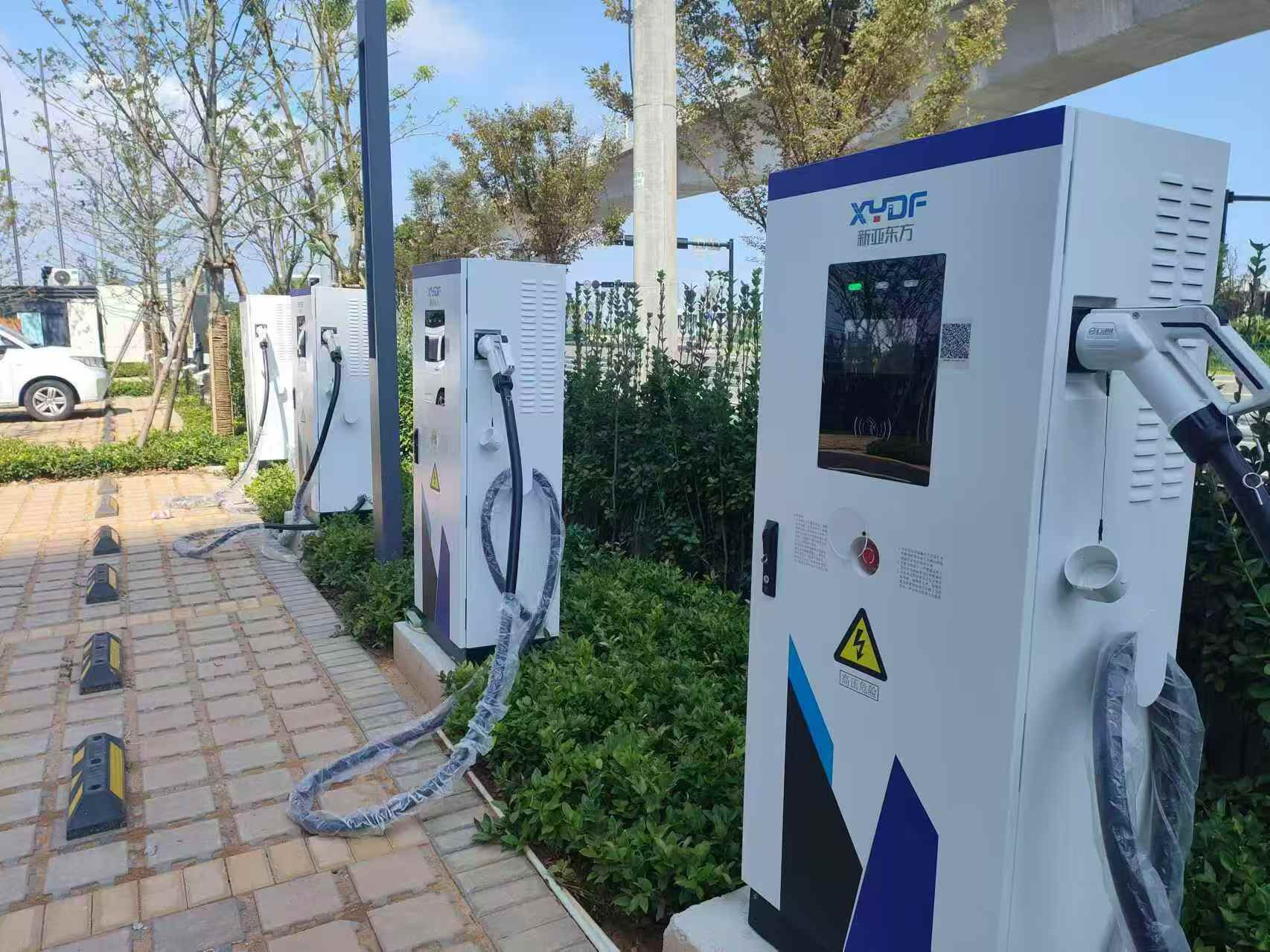
Optimizing EV charging for fleets and businesses is vital to their operations. Here’s how:
Imagine just parking your car and starting to charge without any cords or plugs. Wireless charging is expected to be made possible through magnetically induced wireless charging systems.
Advancements in extremely fast DC charging technology now offer almost instantaneous electric vehicle charging capability, resembling gas station refueling times.
As artificial intelligence continues to improve, it will play an increasing role in analyzing charging trends, predicting demand, and producing extremely customized, efficient electricity consumption plans.
As EV charging stations evolve, expect them to connect more adequately with green energy sources and energy storage systems, creating a cleaner and more dependable green energy system.
The optimization of EV charging is critical to ensure that EV driving is cost-effective, convenient, and environmentally sustainable. By applying strategies such as smart charging, planning charge schedules, using renewable energies, and utilizing V2G technology as it becomes available, both individuals and businesses have the opportunity for improved efficiency and reduced impact on the environment.
The pace of change in the EV world is accelerating rapidly, and innovations like wireless charging and AI-driven systems will only continue to offer more EV value in the future. If you are a personal EV owner or part of a larger EV charging infrastructure program, optimizing your EV charging process now will facilitate smarter, more sustainable mobility methods for the future generation.


 Xinya Dongfang Electricity Technology Co., Ltd.